Industry Briefing
A single destination for timely, editor-curated robotics news from around the world.
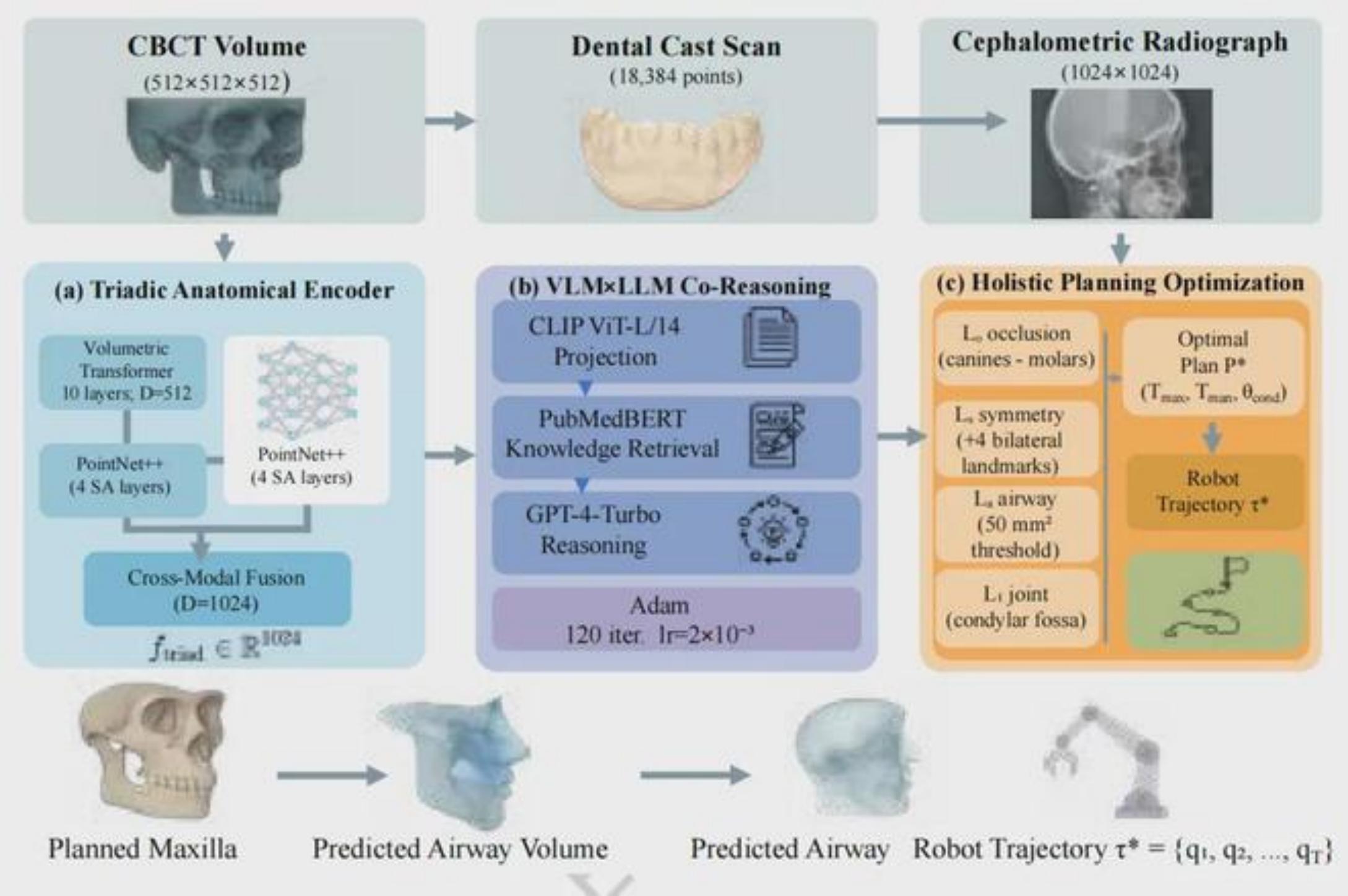
AI and Robotics Revolutionize Emergency Treatment for Maxillofacial Trauma, Reducing Surgery Time by 31% and Complications by 42.3% in Just 4 Minutes of Planning
A groundbreaking advancement in surgical technology has emerged with the introduction of the HoloTrauma 3X system, which integrates sophisticated visual and language models with robotic surgery. This innovative system is designed to streamline the planning process for complex maxillofacial trauma surgeries, cutting the average preparation time from 47 minutes to less than 4 minutes. The development, which aims to enhance patient outcomes and minimize complications, represents a significant leap forward in surgical efficiency. By leveraging cutting-edge technology, the HoloTrauma 3X system not only accelerates the surgical workflow but also holds the potential to improve the overall quality of care for patients undergoing these intricate procedures.
Robotic Surgery Emergency Medicine AI in Healthcare Maxillofacial Trauma Surgical Planning
Can AI Chatbots Reason Like Doctors?
A recent study published on April 30 in the journal Science reveals that OpenAI's large language model (LLM) has outperformed physicians in clinical reasoning tasks using real emergency room records. This research comes amid growing scrutiny of the reliability of medical information provided by chatbots, with some studies highlighting impressive diagnostic capabilities while others point to inaccuracies and fabricated information. OpenAI has introduced tools like ChatGPT for Clinicians and ChatGPT for Healthcare, aiming to assist medical professionals. The study involved comparing the performance of the LLM with that of physicians during various stages of emergency care, demonstrating that the AI model consistently provided accurate or close diagnoses more frequently than human doctors. Despite the promising results, researchers, including coauthor Arjun Manrai from Harvard Medical School, caution against interpreting these findings as a signal that AI could replace doctors. Instead, they emphasize the need for further research and clinical trials to explore how LLMs can be effectively integrated into medical practice. Experts like Mickael Tordjman from the Icahn School of Medicine stress the importance of developing reliable evaluation methods for LLMs in clinical settings. As the technology evolves rapidly, there is an urgent need to address regulatory and liability questions surrounding its use in healthcare. While acknowledging the potential benefits of AI in medicine, researchers advocate for responsible innovation and careful evaluation to ensure patient safety and effective integration into clinical workflows.
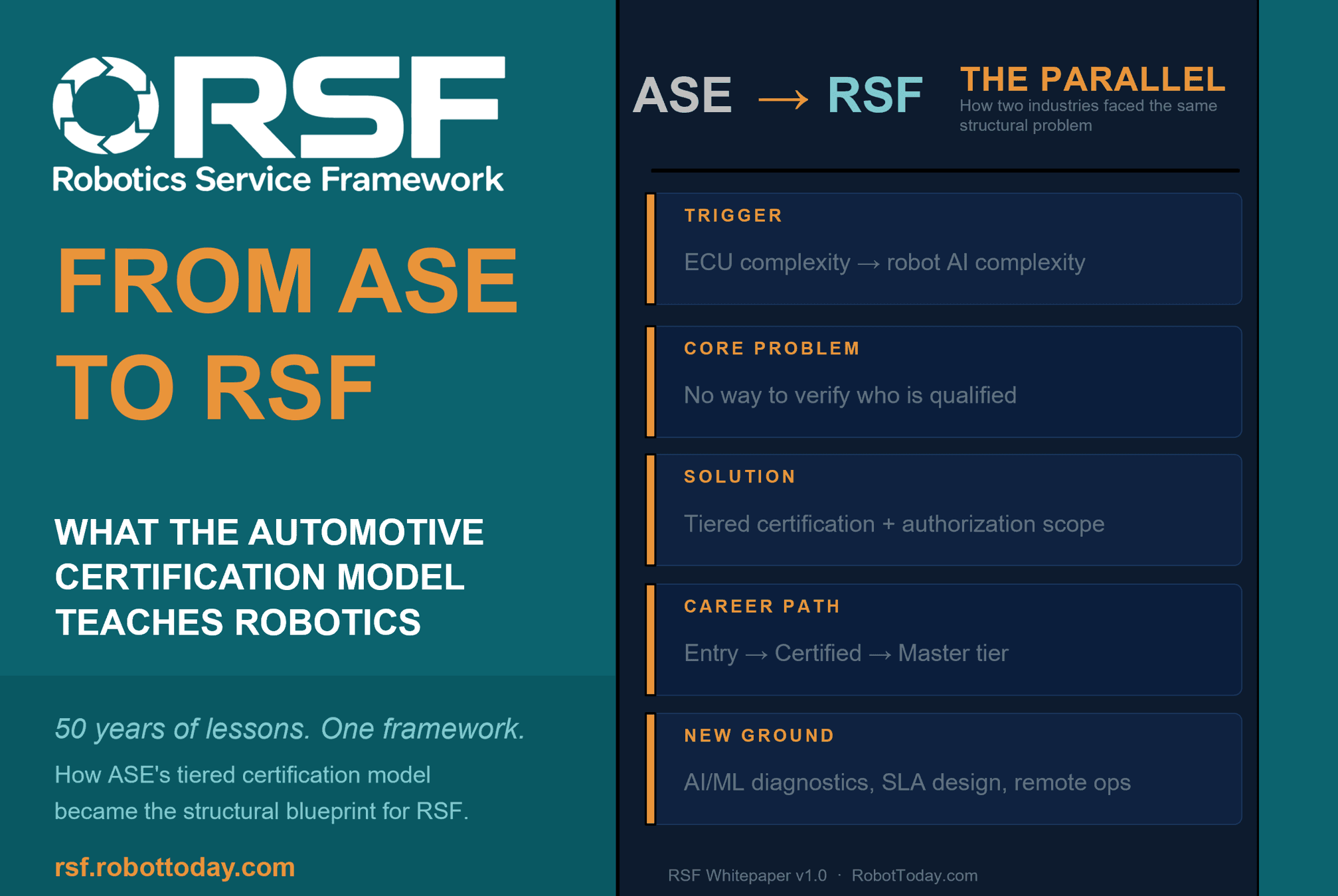
Large-language-models Llms Chatbots Medical-ai Ai-safety OpenaiRobotics needs a service framework.
RSF defines a common language for robot service capability, lifecycle operations, certification pathways, and service-provider networks.