

Industry Briefing
A single destination for timely, editor-curated robotics news from around the world.
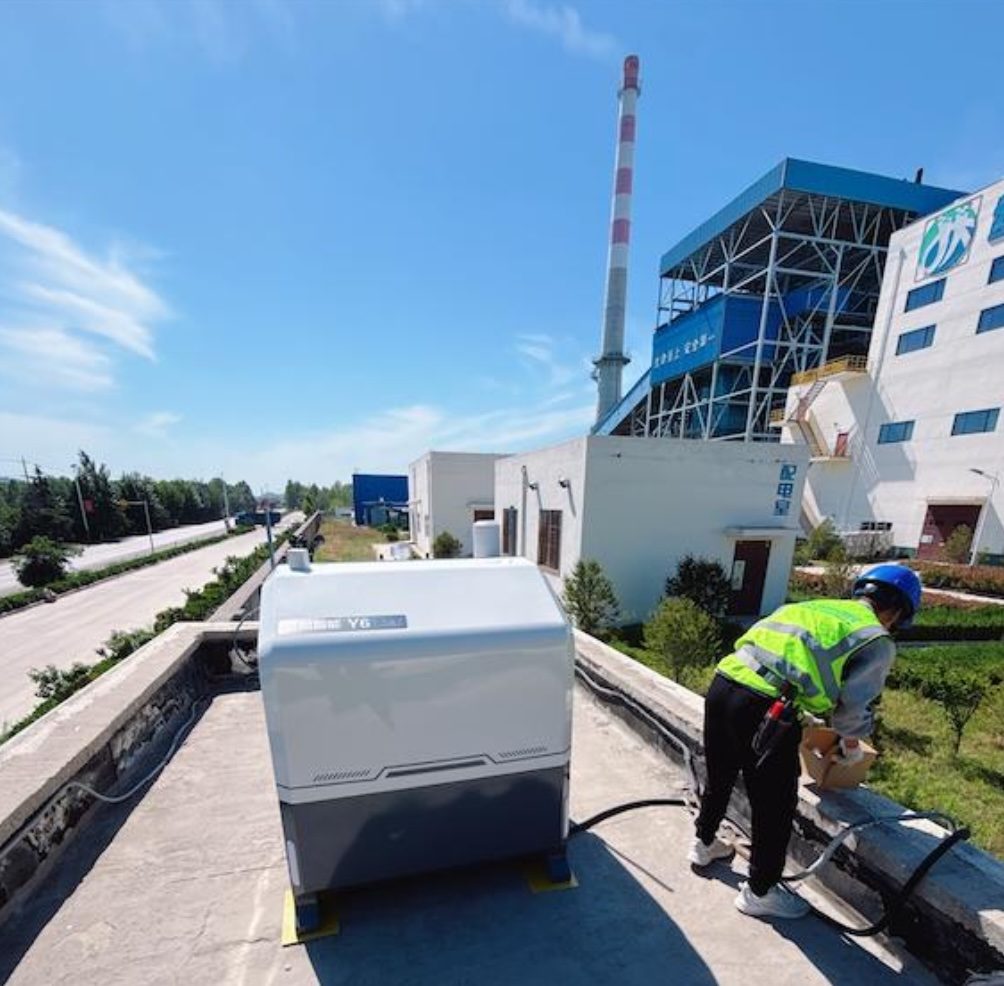
Urban UAV Operations Need More than Drones
Cloud Century has successfully established over 200 drone docks across China, gaining valuable insights into the requirements for urban drone operations. In a recent commentary, Meng Xu from Cloud Century emphasized that the future of the low-altitude economy hinges on the development of robust infrastructure, the advancement of autonomous operations, the integration of drone docks, and the utilization of AI-assisted operational intelligence. This initiative reflects the growing recognition of the need for comprehensive support systems to enhance the efficiency and effectiveness of urban UAV operations.
Applications DL Exclusive Drone News Drone News Feeds News Research
Quantum Systems Group's Apex Recordhunter Drone Achieves 434 mph Speed Milestone
Quantum Systems Group, a German aerospace firm, has announced that its Apex Recordhunter experimental drone reached a remarkable speed of 434 miles per hour. This achievement, pending formal certification, could set a new world record for battery-powered unmanned aerial vehicles. The project emphasizes advancements in electric propulsion and aerodynamics, aiming to enhance military applications for future interceptor drones. The significance of this milestone lies in its potential to reshape aerial defense systems. As military conflicts increasingly utilize high-speed drones, the demand for agile interceptor systems has surged. Traditional surface-to-air missiles are often too expensive for engaging low-cost drones, prompting the development of dedicated UAVs that can effectively counter these threats. The technologies validated through the Apex Recordhunter program are expected to play a crucial role in the next generation of interceptor drones. Looking ahead, Quantum Systems Group plans to conduct further speed trials focused on operational military roles, including FPV platforms and specialized anti-aircraft interceptors. The rapid evolution of drone warfare necessitates breakthroughs in speed and maneuverability, making the Apex Recordhunter a pivotal testbed for future technologies. No further timeline was disclosed at the time of publication.
Military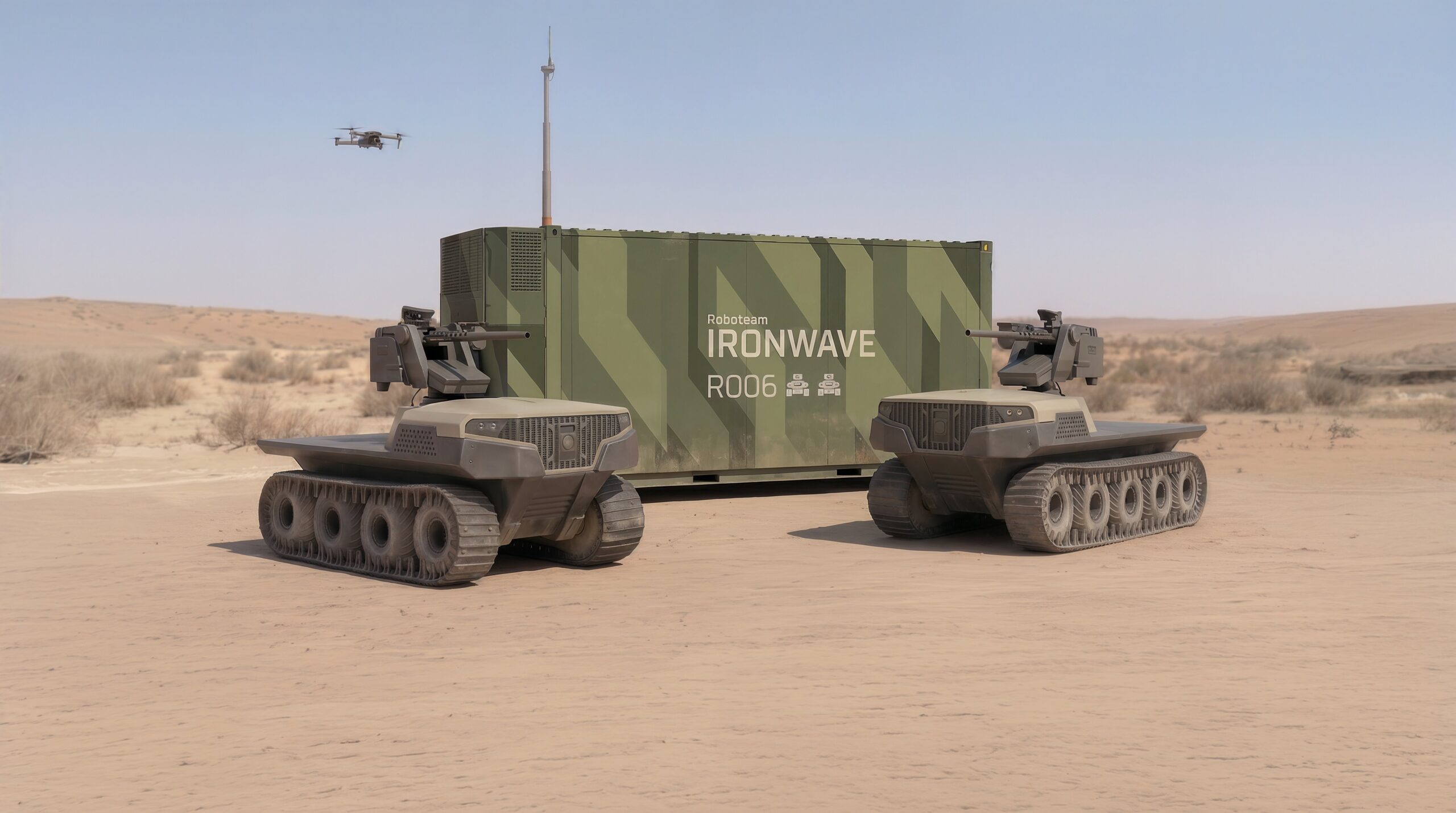
Ondas Unveils New Autonomous Counter-Drone and Robotic Combat Systems
Ondas Holdings has introduced two innovative autonomous defense systems, MODUS and IRON WAVE, aimed at assisting military forces in countering the escalating threats posed by drones and enhancing the deployment of robotic systems. This announcement highlights the company's commitment to addressing critical challenges faced by modern military operations. The unveiling of these systems comes at a time when the proliferation of drone technology and robotic warfare is reshaping the battlefield landscape. By providing advanced solutions, Ondas Holdings seeks to empower frontline troops with enhanced capabilities to effectively neutralize aerial threats and integrate robotic support into their operations.
Anti-drone technology Applications C-UAS defense Defense Drone News
FCC Expands Conditional Approvals for Foreign-Made Drone Systems
The Federal Communications Commission (FCC) has expanded its list of conditionally approved drone systems, recently granting exemptions to additional uncrewed aircraft systems (UAS) and related components. This decision includes the addition of Blueflite, Verity, and Air VEV to the agency's Covered List framework, which has faced scrutiny and controversy. The announcement was made in a Public Notice, highlighting the FCC's ongoing efforts to regulate foreign-made drone technologies while addressing concerns over security and compliance. This expansion reflects the agency's commitment to fostering innovation in the drone industry while ensuring that safety and regulatory standards are met.
Drone News Drone News Feeds Drones in the News Feature 1 Legal News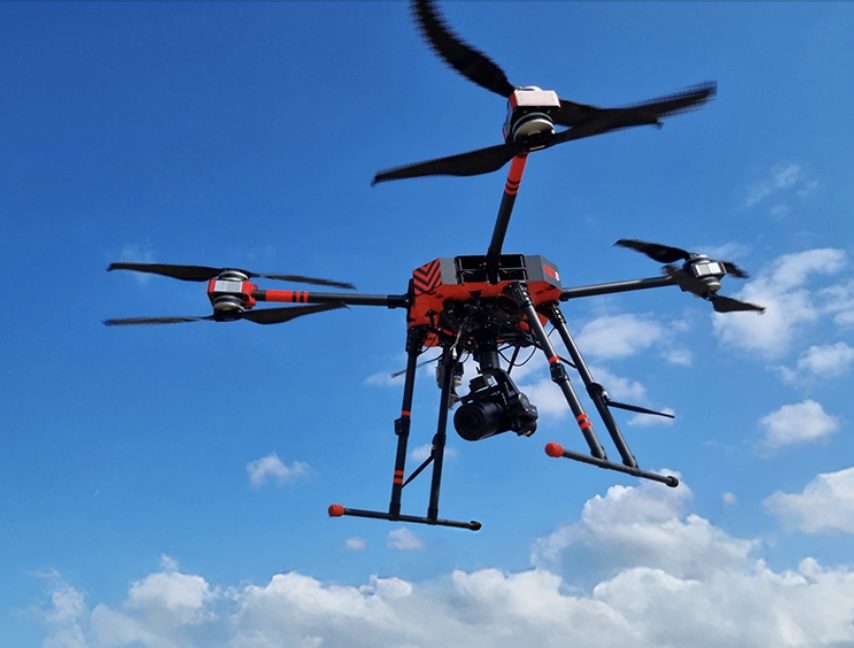
FCC Adds More Drone Exemptions to Covered List Ban: Elevon Aerial, Air6 Systems
The Federal Communications Commission (FCC) has expanded its list of foreign-made drone systems that are conditionally approved and exempt from its extensive Covered List restrictions. This update, announced in a Public Notice on May 15, 2026, reflects ongoing efforts by federal agencies to navigate the implications of the FCC's stringent regulations on foreign drones and their critical components. The addition of new exemptions aims to facilitate the integration of certain drone technologies while addressing national security concerns. Among the newly exempted companies are Elevon Aerial and Air6 Systems, which are now able to operate under the revised guidelines. This move underscores the FCC's commitment to balancing innovation in the drone industry with the need for regulatory oversight.
Drone News Drone News Feeds News Air6 Systems Blue UAS Commercial Drones
São Paulo Becomes First City to Implement Citywide Drone Detection as a Service Network
R2 Wireless and Ôguen Tecnologias have partnered to launch a managed drone detection service in São Paulo, Brazil, making it the first city to implement a municipal-scale Drone Detection as a Service (DDaaS) network. This initiative aims to address rising concerns over the use of drones by criminal organizations, offering a cost-effective alternative to traditional counter-drone systems. The DDaaS network will provide continuous monitoring of urban airspace through a subscription model, allowing public agencies and private organizations to access drone detection, geolocation, and real-time airspace awareness without the need for hardware purchases. R2 Wireless's technology operates at the physical RF layer, enabling it to detect and geolocate various types of drones, including modified and spoofed systems. As commercial drones evolve, the demand for adaptable counter-drone solutions grows. The partnership aims to support a wide range of users, including critical infrastructure operators and government sites, and reflects a broader trend towards service-based approaches in airspace security. No further timeline was disclosed at the time of publication.
Anti-drone technology C-UAS Drones in the News News ADaaS airspace monitoring
T3 Defense Secures 60% Ownership in Israeli Drone Manufacturer Project35
T3 Defense has successfully acquired a 60% stake in Project35, an Israeli firm focused on drone technology. This acquisition highlights T3 Defense's commitment to expanding its capabilities in the drone sector, particularly in the development of aerial interceptors and counter-uncrewed aerial vehicle systems. The significance of this acquisition lies in T3 Defense's strategic move to enhance its portfolio in the rapidly evolving drone industry. By integrating Project35's expertise in drone manufacturing and C-UAV systems, T3 Defense aims to strengthen its position in the market and respond to increasing demand for advanced aerial technologies. Looking ahead, industry observers will be keen to see how T3 Defense leverages this acquisition to innovate and expand its product offerings. No further timeline was disclosed at the time of publication.
News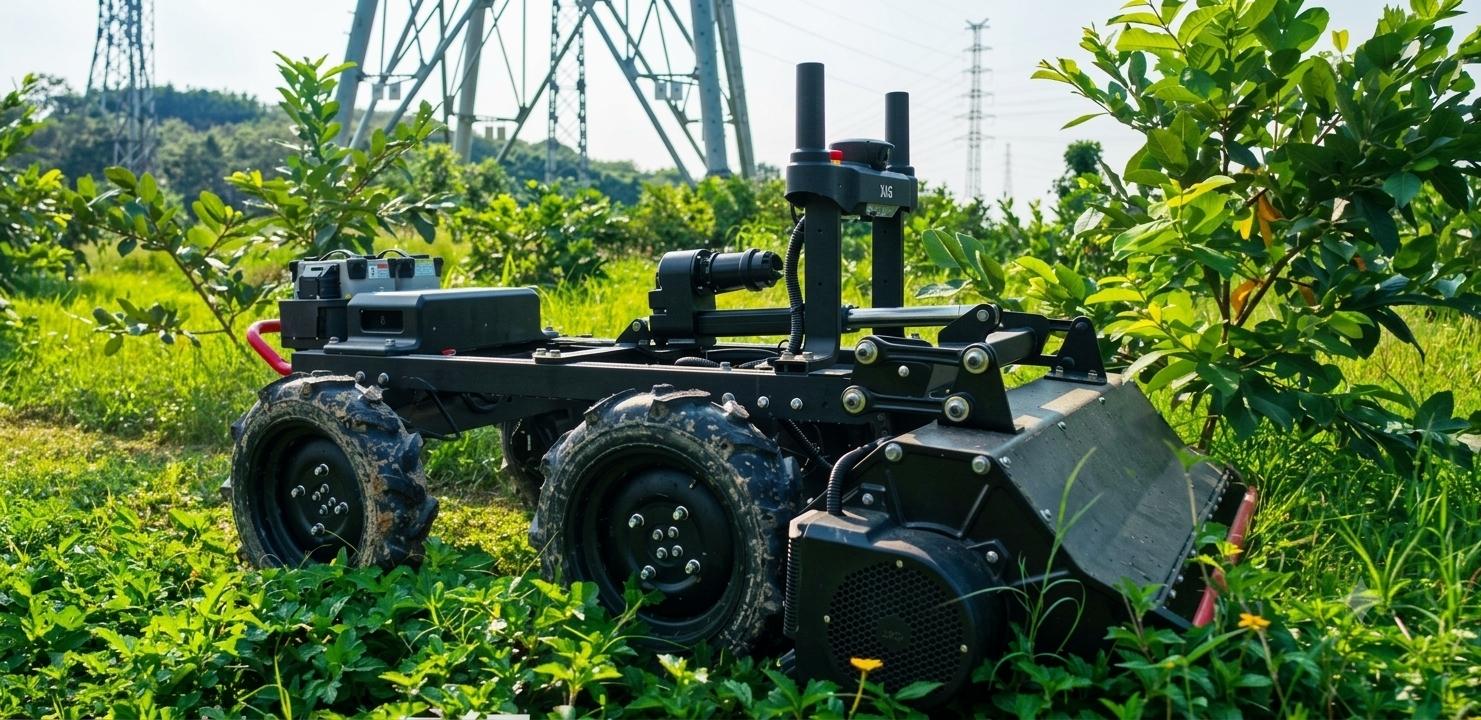
XAG Introduces RM80 Electric Mower and X Series Drone System for Autonomous Farming
XAG has launched the RM80, a 143 kg all-electric unmanned mower, at the Agricultural Robot Conference in Guangzhou, China. Designed for orchard management and land reclamation, the RM80 operates for up to 40 minutes per charge and can autonomously cover 0.33 to 0.53 hectares per hour. It features advanced navigation through the SuperX 5 Ultra control system and can also perform stubble removal for effective weed control. The introduction of the RM80 coincides with the unveiling of XAG's new X Series drone system, aimed at creating a fully autonomous farming workflow. This system includes the X Series drone, XA1 docking station, and LM1 chemical mixing unit, enhancing automation in tasks like charging and chemical refilling. The drone boasts improved computing power and perception capabilities, allowing it to survey up to 300 hectares in a single mission, while the docking station ensures precise automatic charging and refilling. XAG has not disclosed pricing details for the RM80 or the X Series system, with market packages expected to vary based on local dealer offerings. The company's strategy emphasizes integrating various robotic functions into a coordinated workflow, positioning its equipment as essential components of modern smart farming rather than standalone tools. No further timeline was disclosed at the time of publication.
Smart farming agricultural robots autonomous technology drone technology electric tractors robotic harvesting
DJI Introduces EV50 VTOL Cargo Drone with Everest Altitude Record Achievement
DJI has launched the EV50, its inaugural vertical takeoff and landing (VTOL) fixed-wing cargo drone, designed for long-range transport. The drone achieved a remarkable operating altitude of 8,861 meters during a scientific expedition on Mount Everest, surpassing the mountain's peak by 12 meters. Over a 12-day period, the EV50 completed 32 flights, including 12 missions focused on atmospheric monitoring, taking off from Everest Base Camp at 5,200 meters. The significance of the EV50 lies in its ability to facilitate continuous atmospheric observation above 8,000 meters, a feat previously hindered by the limitations of manned expeditions and other aircraft. The drone's all-electric propulsion system allows researchers to gather crucial data on glacier winds and atmospheric conditions, contributing to climate change studies. With a maximum payload of 50 kilograms and a range of 150 kilometers, the EV50 is equipped with advanced features such as dual thermal management systems and an emergency parachute. Looking ahead, the EV50 is expected to be utilized in various applications, including emergency response and logistics in remote areas. No further timeline was disclosed at the time of publication regarding its commercial deployment. This launch marks a significant expansion of DJI's industrial drone offerings, particularly for challenging environments like high-altitude regions.
On the Cusp Content and entertainment E-commerce and New Retail Highlight News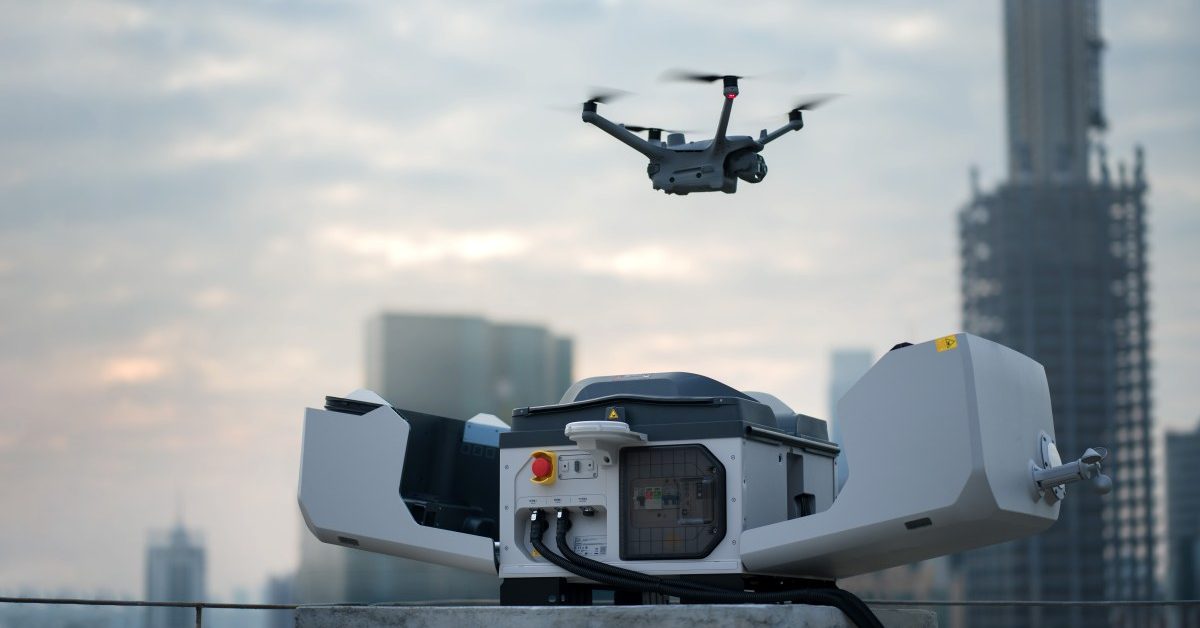
DJI unlocks longer-range Dock 3 drone missions with new update
DJI has announced a firmware update for its DJI Dock 3 and Matrice 4D series, which will enhance the functionality of its drone ecosystem. This update includes support for the newly introduced DJI O4 Ground Station, a signal-enhancement solution aimed at extending the range of remote drone operations. The rollout of this update is expected to improve operational efficiency for users, allowing for more effective and reliable drone management in various applications.
News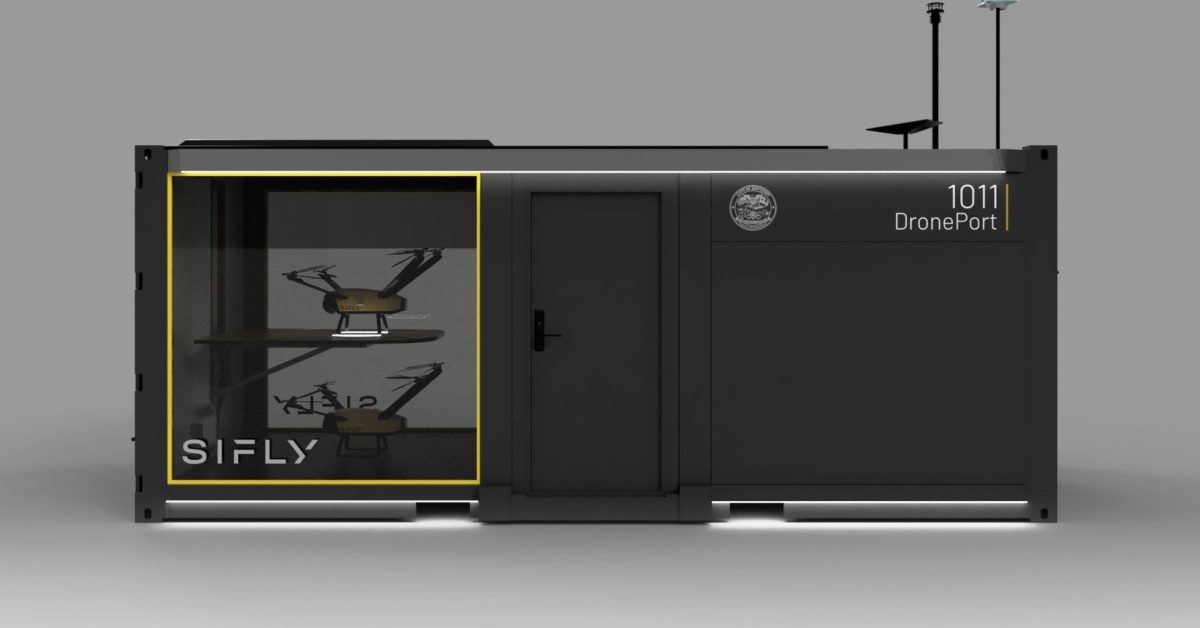
SiFly wants to replace costly drone dock networks with this
SiFly Aviation, a California-based drone company, is challenging the traditional model of scaling drone operations, which has typically involved purchasing additional docking stations for each drone. This conventional approach has been widely adopted by public safety agencies implementing Drone as First Responder (DFR) programs and utility companies conducting power line inspections. However, SiFly argues that this method becomes costly and inefficient as operations expand. The company is now proposing a more effective solution to streamline drone deployment and management, aiming to enhance operational efficiency for various industries reliant on drone technology.
News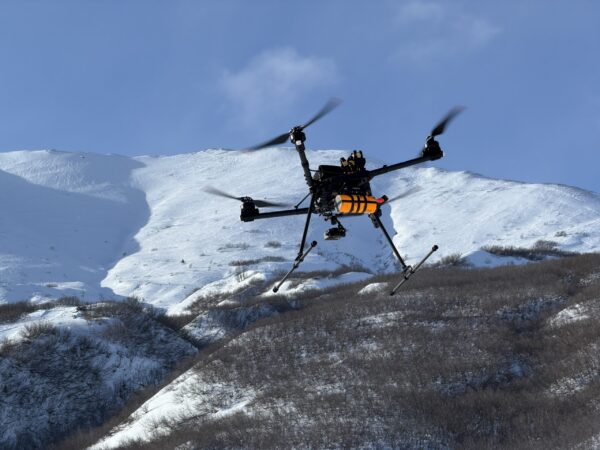
Drone Amplified Receives FAA Approval for MONTIS Avalanche Control Drone Operations
Drone Amplified, a Nebraska-based company, announced on July 8, 2026, that it has received regulatory approval from the Federal Aviation Administration (FAA) for its MONTIS drone, designed for avalanche control operations. This approval establishes a legal framework for the commercial deployment of the remote avalanche mitigation system across the United States, enhancing safety measures in avalanche-prone areas. The FAA's endorsement is significant as it allows Drone Amplified to offer its innovative technology to U.S. customers, potentially transforming avalanche management practices. The MONTIS drone is expected to improve response times and operational efficiency in avalanche control, addressing a critical need in mountainous regions where avalanches pose serious risks to safety and infrastructure. Looking ahead, the company aims to expand its market presence and operational capabilities following this regulatory milestone. No further timeline was disclosed at the time of publication, but stakeholders will be keen to see how quickly Drone Amplified can roll out its services and establish partnerships in the avalanche control sector.
Disaster Response dispatch Drone News Drone News Feeds Drones in the News Environmental Research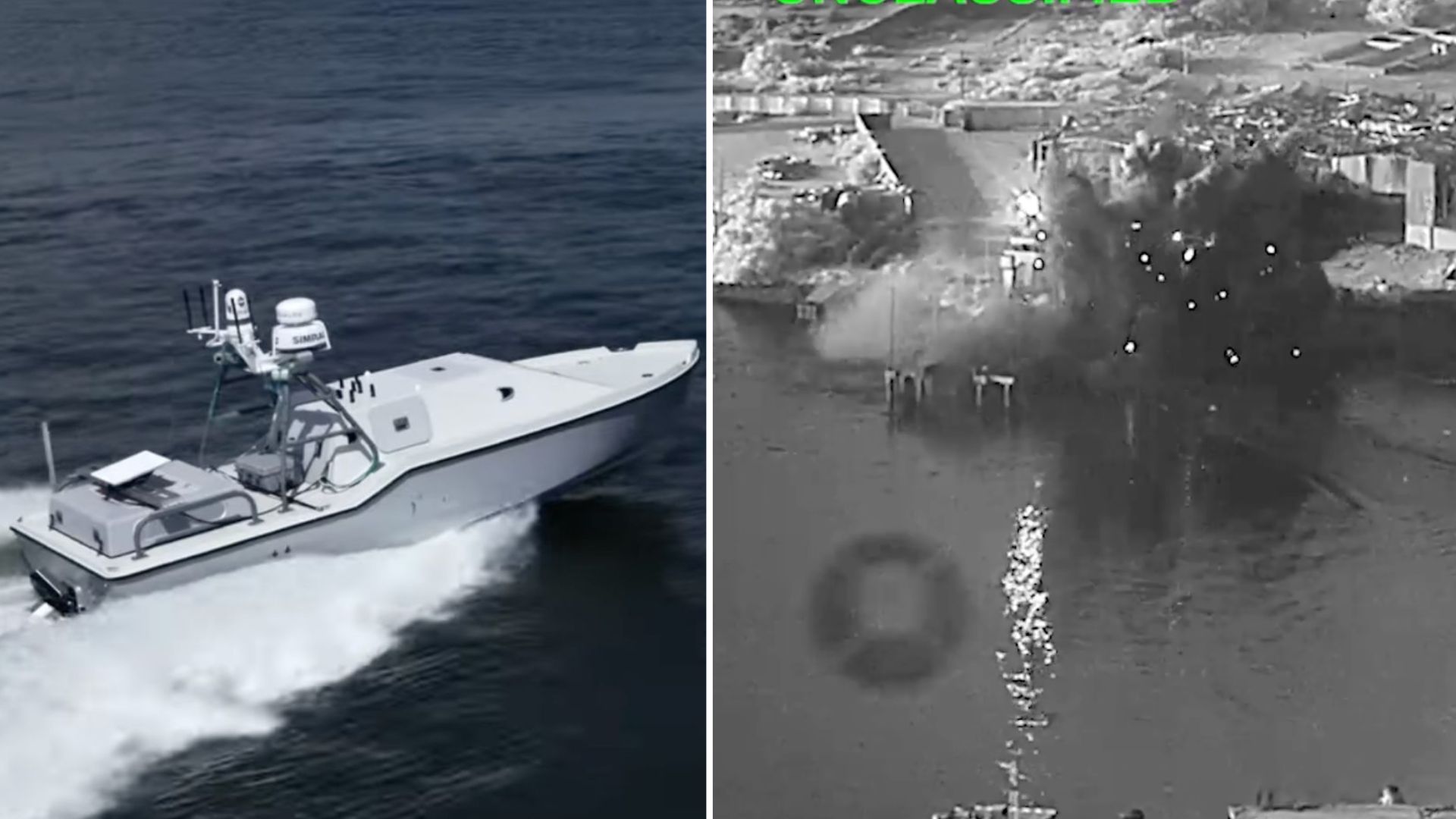
U.S. Military Executes First Offensive Strike with Autonomous Drone Boats on Iran's Naval Base
On July 12, 2026, the U.S. Central Command announced a significant advancement in naval warfare with a coordinated attack by three autonomous surface vessels on Iran's Bandar Abbas Naval Base. This operation, executed by the U.S. Navy's 5th Fleet through Task Force 59, marks the first offensive mission by a major navy using unmanned attack boats. The strike is pivotal as it demonstrates a shift toward utilizing autonomous platforms for combat missions, allowing militaries to conduct operations without risking crewed vessels. The Saronic Corsair vessels targeted a raised dock at the naval base, showcasing advanced capabilities in stealth and artificial intelligence for precise operations. Looking ahead, the success of this operation indicates a potential evolution in naval tactics, with autonomous vessels taking on more offensive roles. As militaries invest in unmanned systems, coordinated strikes like the one at Bandar Abbas may become increasingly prevalent in future naval engagements. No further timeline was disclosed at the time of publication.
Military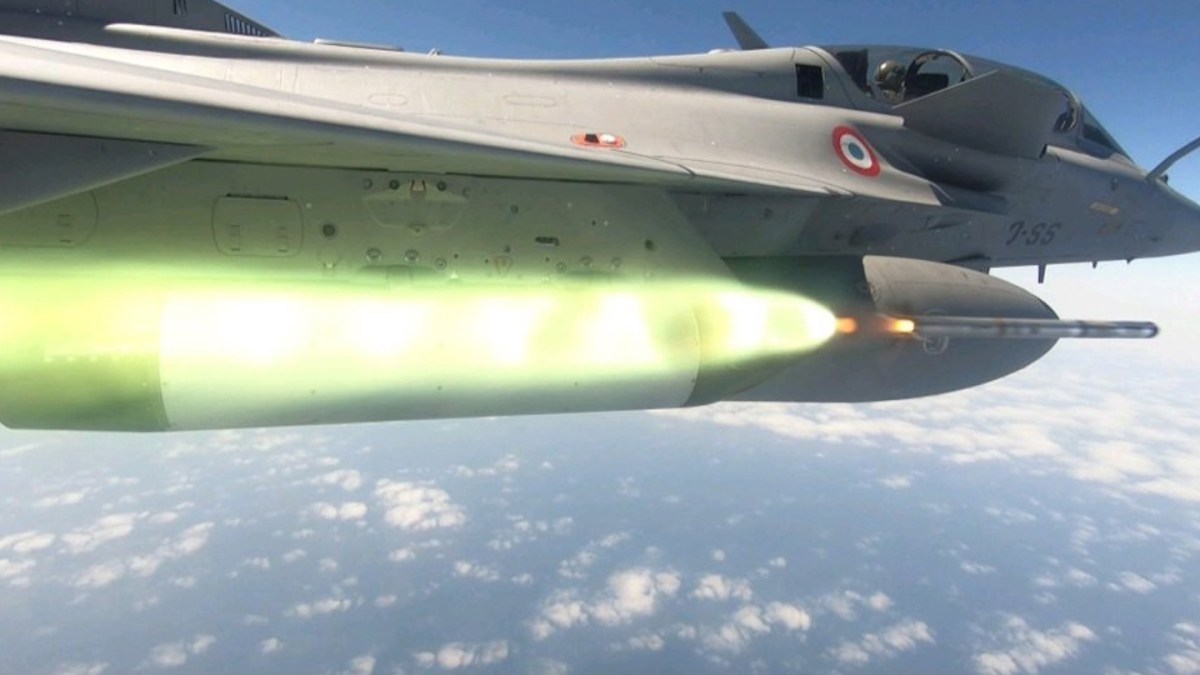
France's Rafale Fighter Integrates Affordable Laser-Guided Rockets for Anti-Drone Operations
France has successfully conducted live-fire tests of 68mm laser-guided rockets from its Rafale fighter, enhancing its anti-drone capabilities. This development follows a trend among air forces to adopt cost-effective solutions for countering drones, rather than relying solely on expensive missiles. The Directorate General of Armaments (DGA) announced the integration of these rockets, which were tested in collaboration with the French Air and Space Force and supported by Dassault Aviation and Thales. The integration program, known as Lutte antidrone sur avion de combat (LADAC), aims to provide French Rafales with a more economical option for countering threats posed by drones like the Iranian Shahed-136. The DGA confirmed that the time from contract award to achieving initial operational capability was under eight months, indicating a swift development process. This capability may also be extended to export customers of the Rafale and potentially other combat aircraft. Looking ahead, the focus will be on the operational deployment of these laser-guided rockets, which are designed to work with the Rafale’s modified RBE2 radar and Talios pod for target tracking. The Aculeus-LG rocket, with a range of 3.7 miles, represents a significant advancement in the cost-effective defense against unmanned aerial systems (UAS). No further timeline was disclosed at the time of publication.
Air Air Forces Drones Fighters French Air Force News & Features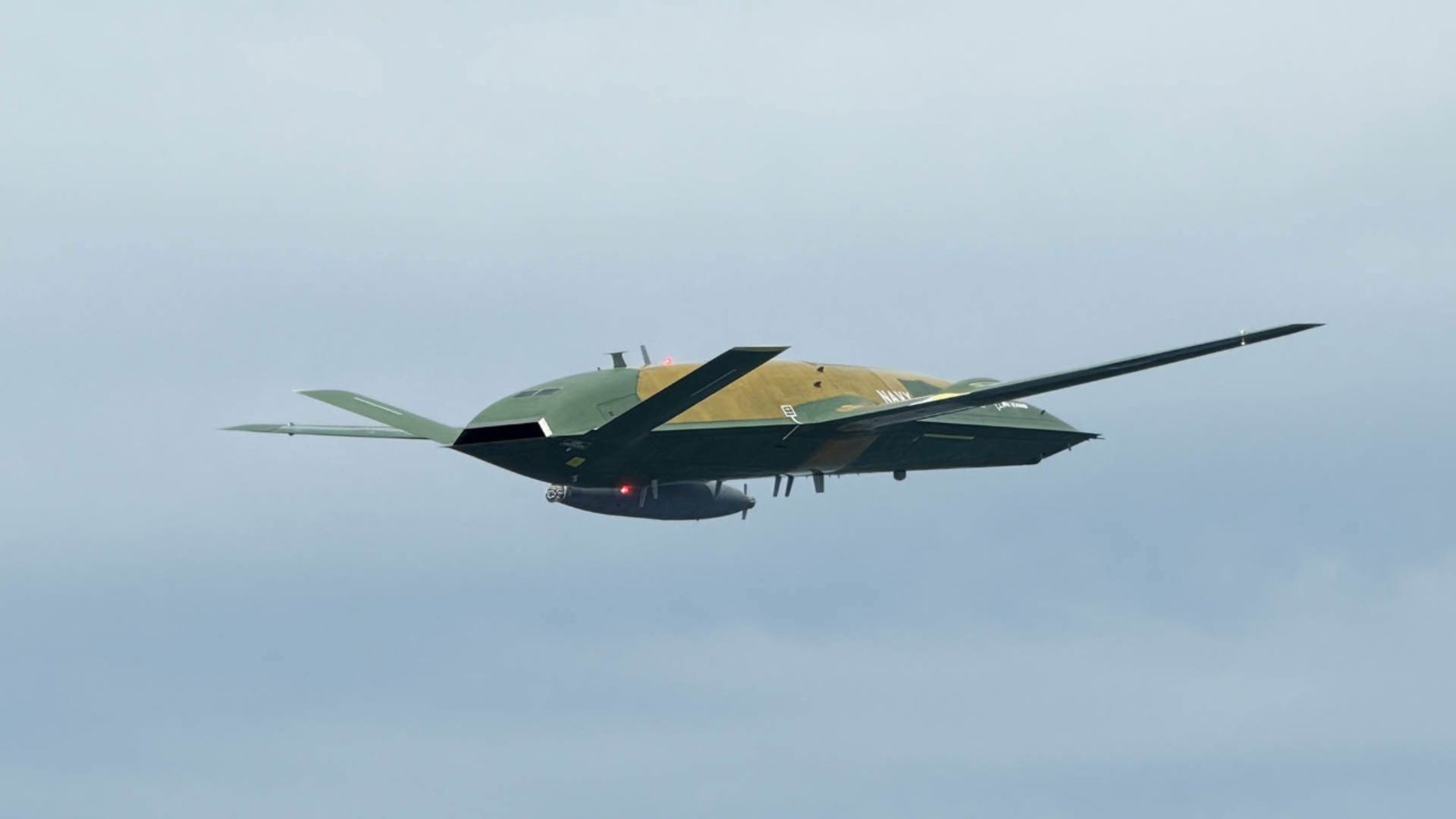
Boeing's MQ-25A Drone Achieves Milestone with Second Test Flight for U.S. Navy
Boeing announced that the U.S. Navy's MQ-25A Stingray has successfully completed its second test flight, marking significant progress in the development of the Navy's unmanned refueling aircraft. This flight confirmed the drone's flight controls and performance, moving closer to its intended carrier operations. The successful test is crucial as it demonstrates the MQ-25A's autonomous capabilities, including managing propulsion and onboard systems independently. This advancement is expected to enhance the operational range of carrier-based fighter jets and reduce the workload on current refueling teams. Looking ahead, Boeing plans to continue testing at MidAmerica St. Louis Airport, focusing on expanding the aircraft's flight envelope and capabilities. The enhancements made during this flight, including new software updates, are vital for the MQ-25A's future development stages as it aims to become the Navy's first operational carrier-based aerial refueler.
Military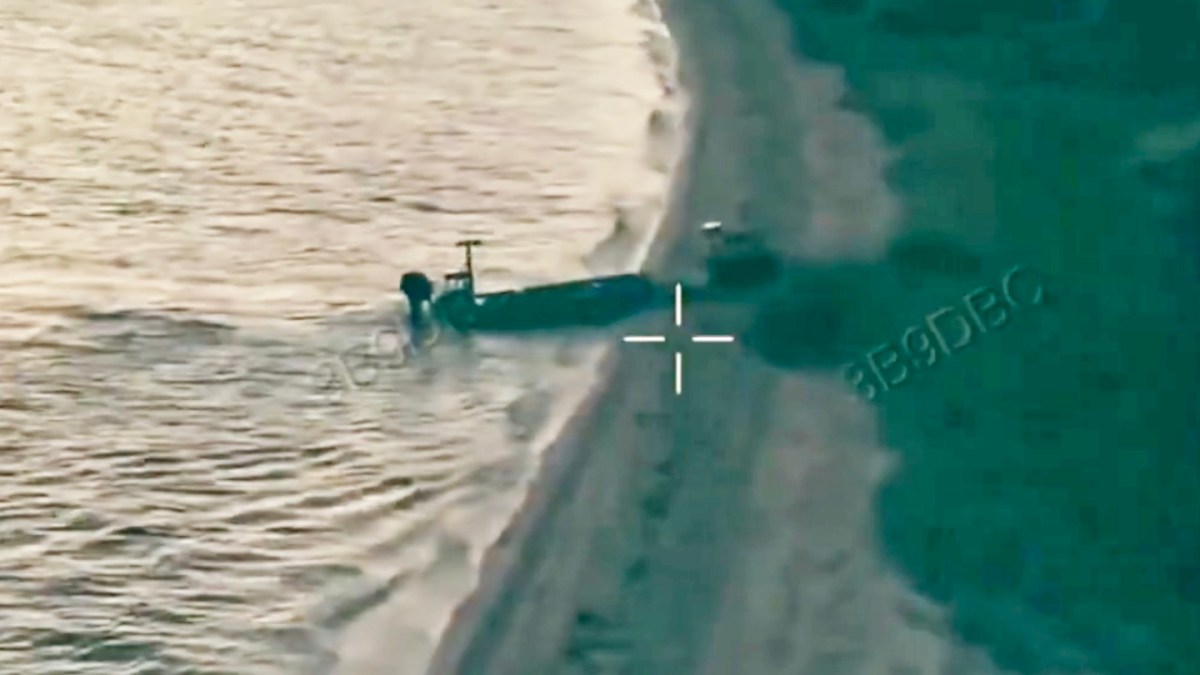
Ukraine Executes Historic Combat Mission Using Drone Boat to Deploy Armed Robot
Ukraine has conducted a groundbreaking military operation, deploying an armed ground robot via a sea drone on the Russian-occupied Kinburn Spit. This mission, executed by the 123rd Separate Territorial Defense Brigade, marks the first known instance of a sea drone transporting a combat robot into enemy territory, showcasing Ukraine's innovative use of uncrewed systems in warfare. The significance of this operation lies in its demonstration of advanced military technology and strategy, as Ukraine seeks to leverage unmanned systems to counter Russian forces. The use of the uncrewed surface vessel (USV) to deliver the Rys family ground robot reflects a shift towards automation in combat, potentially changing the dynamics of modern warfare. Looking ahead, the continued integration of uncrewed systems in military operations will be crucial for Ukraine's strategy. As the conflict evolves, further developments in robotic warfare and the effectiveness of these technologies in combat scenarios will be closely monitored. No further timeline was disclosed at the time of publication.
Sea Armies Around The Globe Drones Europe Land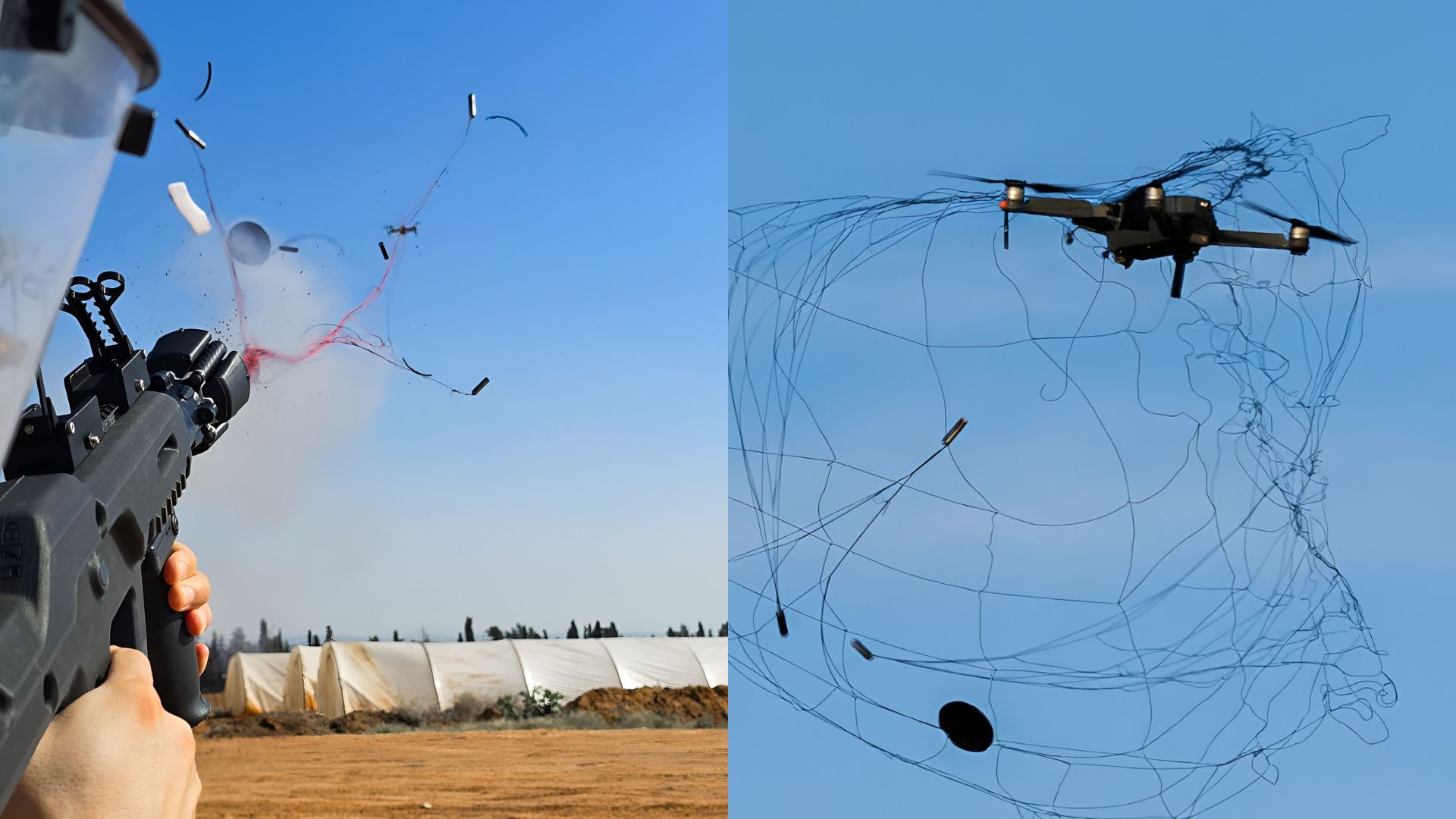
ParaZero Technologies Launches DefendAir for Autonomous Drone Interception in Military Applications
ParaZero Technologies has introduced its DefendAir platform, designed to intercept first-person view (FPV) drones autonomously before they can strike military vehicles. This system utilizes a non-explosive net-based interception method, creating a 360-degree defensive envelope around assets. The platform aims to enhance protection for both moving and stationary high-value military targets without the weight penalties of traditional armor. The rise of low-cost FPV drones has prompted militaries to seek effective countermeasures, as these drones have proven capable of damaging expensive military equipment. ParaZero's DefendAir addresses the limitations of conventional protective measures, such as steel cages, by offering a more agile and responsive solution. The system's ability to detect and neutralize threats rapidly is crucial for modern battlefield scenarios, where speed and precision are paramount. ParaZero is currently collaborating with Tier-1 defense companies to refine the DefendAir technology for operational requirements. While the company has not disclosed specific partners or a timeline for deployment, the focus on active counter-drone systems reflects a broader trend in military strategy, emphasizing the need for innovative solutions to counter evolving aerial threats. No further timeline was disclosed at the time of publication.
Military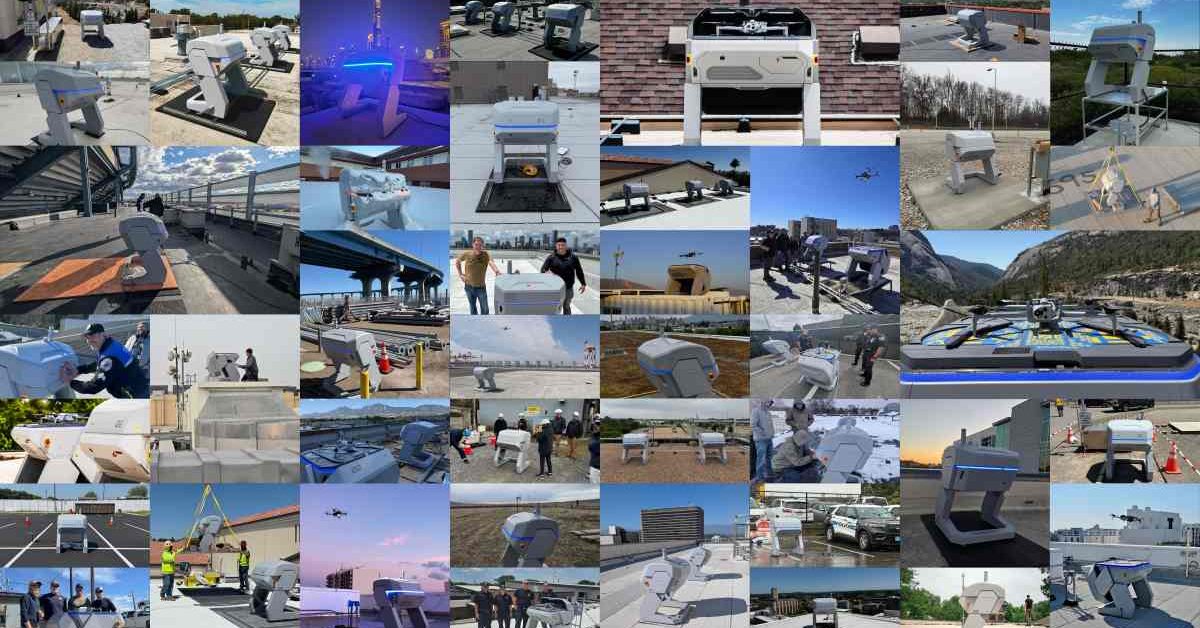
Skydio crosses 1,000 drone Dock deployments in just one year
Just one year after shipping its first production Dock system, Skydio says it has crossed an important milestone for autonomous drone operations: more than 1,000 Dock installations are now deployed in the field.
News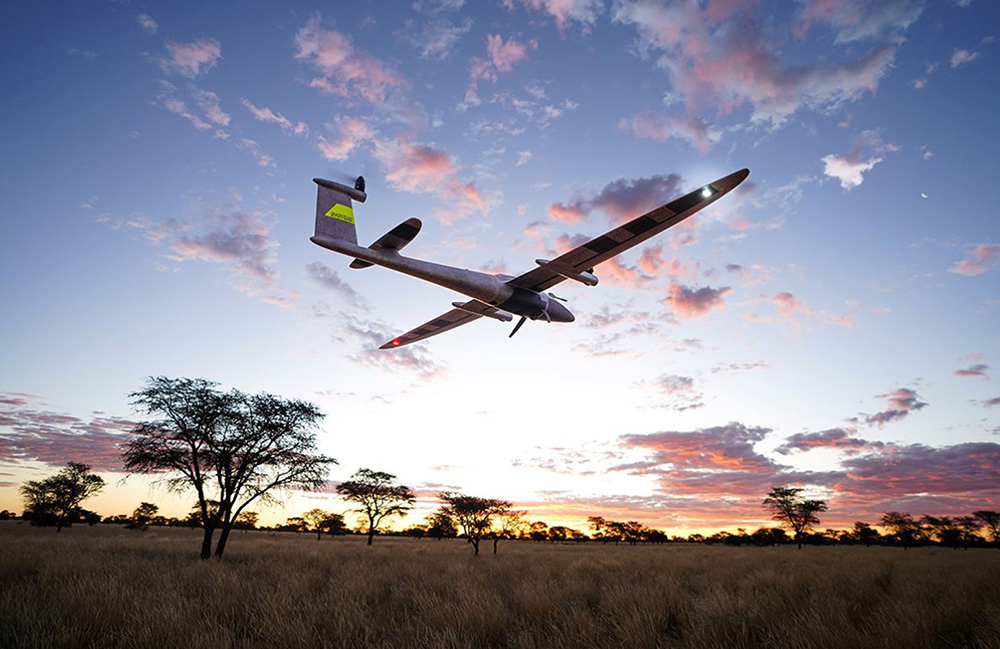
Quantum Systems raises $1.2B to expand drone production and deployments
Quantum plans to use the proceeds to expand production capacity, strengthen supply chain resilience, and more. The post Quantum Systems raises $1.2B to expand drone production and deployments appeared first on The Robot Report.
Defense / Security Drones Financial Investments Markets / Industries News
US approves possible $1.98bn counter-drone systems sale to Kuwait
The US Department of State has given the green light for a potential Foreign Military Sale to Kuwait, focusing on counter-uncrewed aerial systems (C-UAS) platforms. This decision, announced recently, aims to enhance Kuwait's defense capabilities amid growing concerns over aerial threats. The sale underscores the United States' commitment to supporting its allies in the region and addressing emerging security challenges. The approval reflects ongoing efforts to bolster military cooperation between the two nations, ensuring Kuwait is equipped to effectively counter potential drone threats. The specifics of the sale, including the value and number of systems involved, have not been disclosed, but it marks a significant step in strengthening Kuwait's defense infrastructure.
News
Airspace Management Systems Help Prioritize Emergency Drones
NASA is advancing its airspace management initiatives to enhance public safety for drones, particularly in response to the increasing challenges posed by congested urban environments. As urban areas become more populated and the use of drones expands, the agency is focusing on innovative solutions to ensure safe and efficient air traffic management. This initiative aims to address the complexities of integrating drones into existing airspace systems, thereby reducing the risk of accidents and improving overall safety for both drone operators and the public. Through research and development, NASA is exploring new technologies and strategies that will facilitate the seamless operation of drones in crowded cityscapes, ultimately paving the way for a safer and more organized airspace.

Maritime Robotics Raises €28M in Funding to Expand its Autonomous Sea Drone Systems
Norwegian company Maritime Robotics has secured €28 million in growth funding to enhance its autonomous maritime systems. The funding round, which was led by Mustard Seed + Partners, also saw contributions from existing investors including EnvisionTech, Nysnø Climate Investment, and Umoe, along with participation from the company's founders, employees, and early backers. This financial boost aims to support the company's expansion efforts in the rapidly evolving maritime technology sector.
AI AI Funding & Investment Robotics autonomous maritime systems funding maritime robotics
US approves $2B sale of Anduril counter-drone systems to Kuwait
In a significant escalation of regional tensions, Iran launched a missile and drone attack on Kuwait’s airport, resulting in one fatality and extensive damage to airport facilities, which subsequently led to a suspension of flights. This incident occurred just days before a potential announcement regarding a Foreign Military Sales (FMS) agreement, raising concerns about the implications for security in the area. The attack underscores the ongoing volatility in the region and highlights Iran's willingness to exert military pressure, prompting discussions on international responses and defense strategies. The situation remains fluid as authorities assess the damage and the broader ramifications of this aggressive act.
Global air defense Anduril Ceasefire counter drone Middle East
DJI Releases Findings of the Most Comprehensive Independent Security Assessment of Its Drone Systems to Date
A recent five-month adversarial testing conducted by the U.S. cybersecurity firm OnDefend has revealed no critical, high, or medium-risk vulnerabilities in the DJI Air 3S and Matrice 4E drones. The testing, aimed at assessing the cybersecurity resilience of these popular drone models, took place in various controlled environments to simulate potential cyber threats. The results, released in October 2023, underscore the effectiveness of DJI's security measures in protecting against cyberattacks. This thorough evaluation is part of ongoing efforts to ensure the safety and reliability of drone technology amid increasing concerns over cybersecurity in the aviation sector.
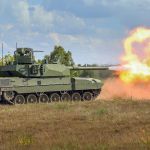
New Franco-German armored tank incorporates unmanned turret and drone systems
Franco-German defense companies Krauss-Maffei Wegmann and Nexter Defense Systems (KNDS) have introduced a new main battle tank, marking a significant advancement in military technology. The unveiling took place during a defense exhibition in Paris on October 15, 2023. This new tank is designed to enhance the operational capabilities of European armed forces amid increasing geopolitical tensions and evolving security threats. The collaboration between the two companies aims to strengthen defense cooperation within Europe and provide a modern solution to meet the demands of contemporary warfare. The development process involved extensive research and innovation, focusing on advanced armor, firepower, and mobility to ensure the tank meets the rigorous standards of modern combat scenarios.
Innovation Military
US Army awards L3Harris contract for VAMPIRE anti-drone systems
The US Army has awarded a $106 million contract to L3Harris for the development of Vehicle-Agnostic Modular Palletised ISR Rocket Equipment (VAMPIRE), a system designed to counter uncrewed aerial threats. This contract, announced recently, aims to enhance the Army's capabilities in addressing the growing challenges posed by uncrewed systems in modern warfare. By leveraging L3Harris's advanced technology, the Army seeks to improve its operational effectiveness and ensure greater security on the battlefield. The initiative reflects a strategic move to bolster defense mechanisms against evolving aerial threats, emphasizing the importance of adaptable and modular systems in military operations.
News
Massimo Group Launches AI Intelligent Patrol Platform Initiative Integrating Autonomous Patrol Vehicles, Spherical Security Robots and Drone Systems
Massimo Group has officially launched the prototype development of autonomous patrol electric vehicles, aiming to penetrate the $50.4 billion U.S. security services industry. This initiative, which began in October 2023, focuses on integrating artificial intelligence into patrol and intelligent security mobility systems. By leveraging advanced technology, the company seeks to enhance security operations and improve efficiency in monitoring and response capabilities. The move is part of Massimo Group's broader strategy to innovate within the security sector, addressing growing demands for smarter and more effective security solutions.

US turns to AI-powered target recognition systems to destroy drones faster than human operators
The Department of Defense is advancing its efforts to implement artificial intelligence-driven target recognition systems aimed at enhancing the capabilities of military troops and vehicles. This initiative, announced in October 2023, seeks to improve operational efficiency and decision-making on the battlefield. By leveraging AI technology, the Defense Department aims to streamline the identification and engagement of potential threats, thereby increasing the safety and effectiveness of military operations. The move comes in response to the growing complexity of modern warfare, where rapid and accurate target recognition is crucial for mission success. The integration of these advanced systems is expected to transform how military personnel interact with their environments, ultimately leading to more strategic and informed actions in combat scenarios.

California Startup Develops Tube-Launched Quadcopter for U.S. Military Defense
A California-based startup, founded by a 22-year-old Ukrainian software engineer, is developing a tube-launched, foldable quadcopter designed to counter unmanned aerial systems (UAS). The company aims to market this innovative defense technology to the U.S. military, targeting the rising threat of drone and missile attacks. Specific metrics regarding the quadcopter's capabilities and launch timeline have not been disclosed. This initiative is significant as it addresses the increasing frequency and sophistication of drone warfare, which poses challenges to military operations. By making drone attacks financially burdensome, the startup hopes to deter potential aggressors and enhance national security. The focus on a compact, easily deployable system aligns with current military needs for versatile and effective countermeasures against aerial threats. Looking ahead, the startup's next steps include securing partnerships with defense agencies and demonstrating the quadcopter's effectiveness in real-world scenarios. No further timeline was disclosed at the time of publication, but the company is poised to make waves in the defense sector if successful in its endeavors.
Anti-drone technology Applications Defense defense Drone News Drone News Feeds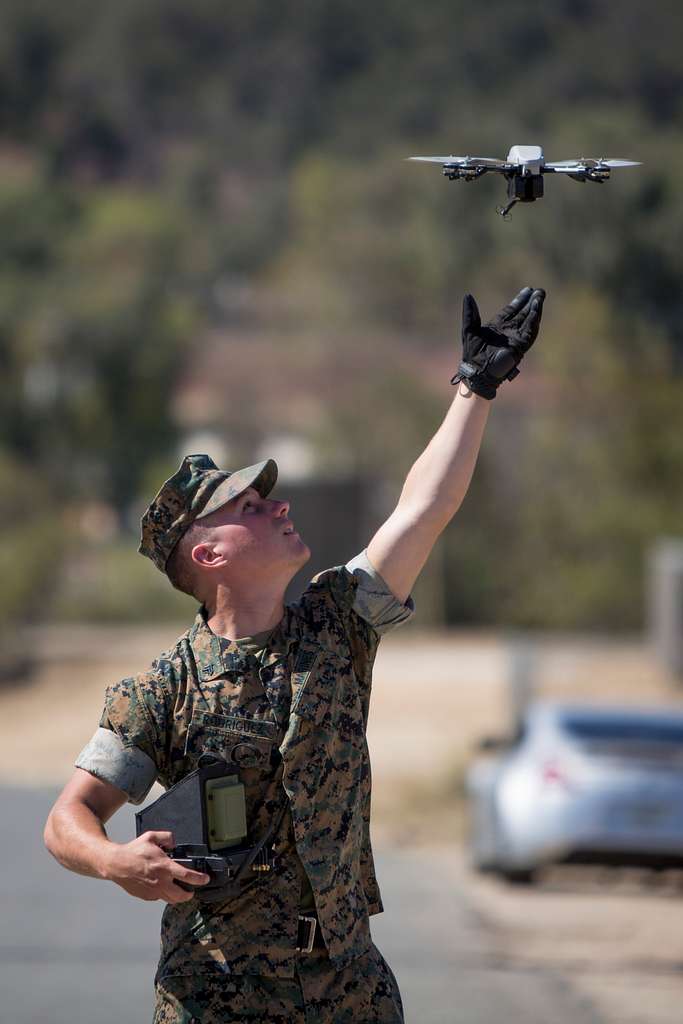
Department of War Creates Central Office to Oversee U.S. Military Unmanned Systems
On July 1, the U.S. Department of War announced a significant reorganization of its unmanned systems enterprise by establishing a new Direct Reporting Portfolio Manager for Unmanned Systems (DRPM-UxS). This central office will be responsible for consolidating the acquisition, standards, budgeting, and industry engagement related to the military's drone and autonomous programs. The move aims to enhance oversight and streamline operations within the Department’s unmanned systems, reflecting a commitment to improving efficiency and effectiveness in military technology.
Applications Defense defense Drone News Drone News Feeds Dual Use
House FY27 NDAA Signals Drones Have Become Core Military Infrastructure
The House Armed Services Committee is shifting its focus regarding military drones, emphasizing the establishment of standards, training, doctrine, and sustainment necessary for integrating unmanned systems into the core infrastructure of the U.S. military. This strategic move comes after years of congressional discussions primarily centered on procurement and supply chain security. The committee's proposal signals a significant transition in how the military views and utilizes drone technology, aiming to make these systems a permanent fixture within its operations. This change reflects a growing recognition of the importance of drones in modern warfare and military strategy.
Applications Defense defense DL Exclusive Drone News Drone News Feeds
FCC Drone Exemption List Offers Clues to Trusted Supplier Requirements
The Federal Communications Commission (FCC) has recently granted conditional approval to two more drone platforms, marking a continued expansion of exemptions from its Covered List restrictions on foreign-produced uncrewed aircraft systems (UAS). This decision comes six months after the agency began issuing conditional approvals, which have revealed a diverse array of accepted drone applications. However, the specifics of the review process remain largely undisclosed, leaving questions about the criteria for trusted supplier requirements. The FCC's actions reflect an ongoing effort to adapt regulatory frameworks to accommodate advancements in drone technology and its applications across various sectors.
Drone Manufacturing Drone News Drone News Feeds drone technology News agricultural drones
Terra Drone Establishes Estonia-Based Defense Subsidiary to Support European Expansion
Japan's Terra Drone Corporation has launched a new subsidiary, Terra Defense Europe, in Estonia, marking a significant expansion of its defense business in Europe. This move comes as the company shifts its focus from commercial drone services to defense and counter-drone systems. Established to enhance its operational capabilities, the subsidiary will provide sales, maintenance, logistics management, and foster local partnerships for unmanned systems related to defense throughout Europe. This strategic initiative reflects the growing demand for advanced defense technologies in the region.
Applications Defense defense Drone News Drone News Feeds News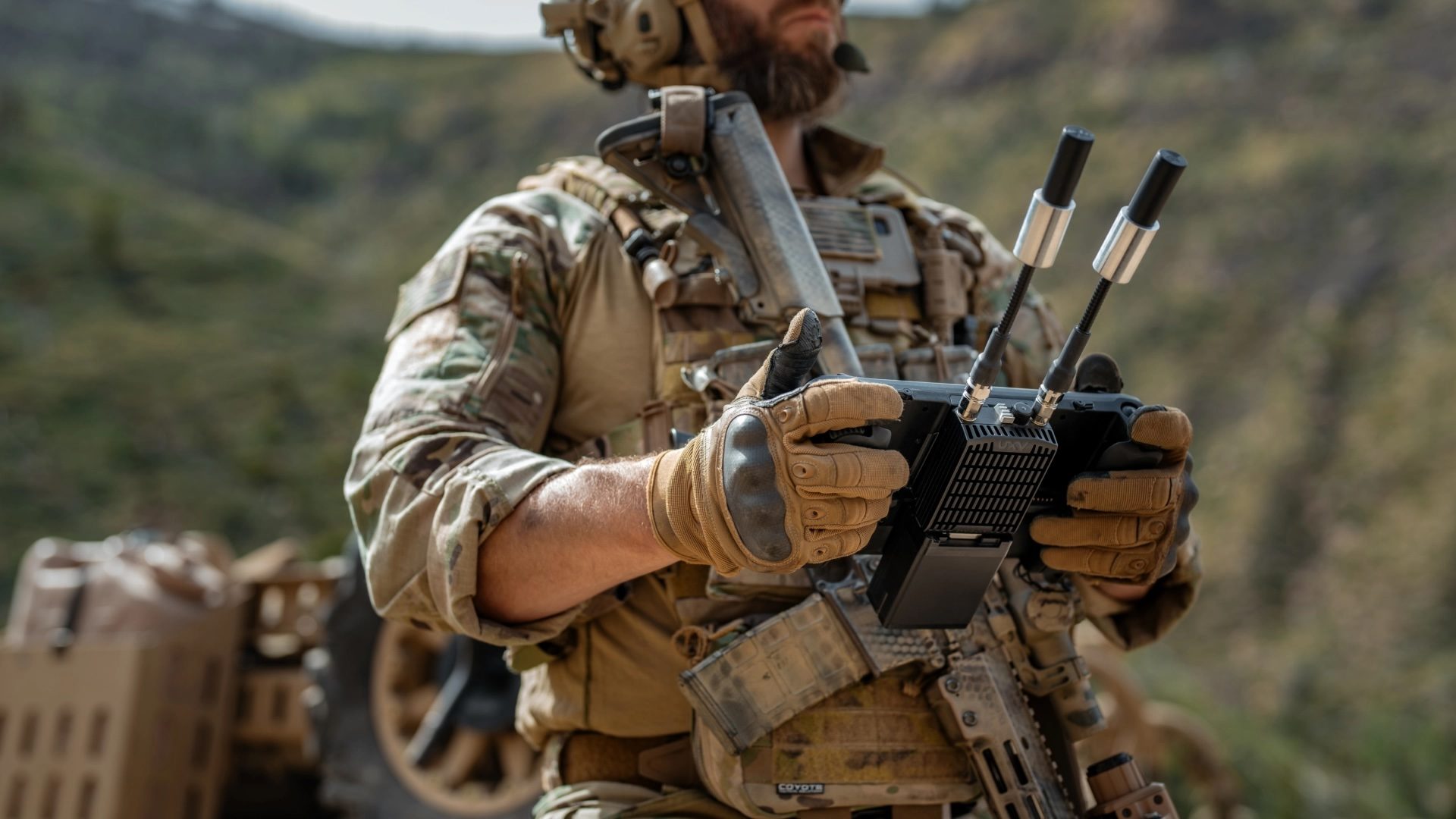
DRONELIFE Exclusive Interview: Inside PDW’s Strategy to Build Drones That Can Operate When GPS and Communications Fail
PDW is advancing the development of sophisticated drone communication systems to enhance military operations in environments where traditional communication methods may fail. As global militaries increasingly depend on drones for surveillance and combat, the need for reliable communication links has become critical, especially in areas with contested communication. The company's strategy focuses on creating drones capable of functioning effectively even when GPS and standard communication systems are compromised. This initiative highlights the growing recognition of the importance of resilient drone technology in modern warfare.
Applications Defense defense Drone News Drone News Feeds Dual Use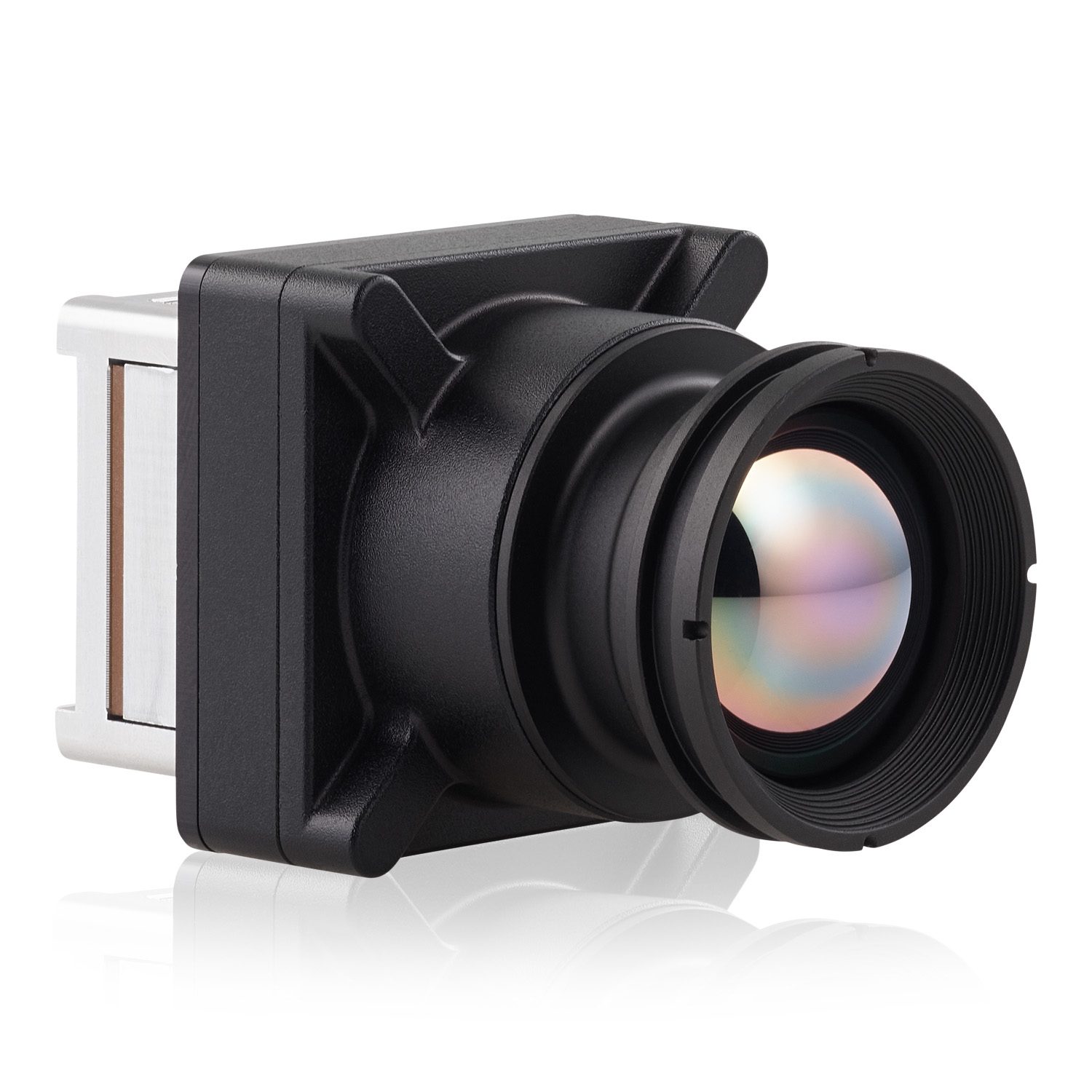
New Boson SX8 Brings High-Resolution Thermal Imaging to NDAA-Compliant Drone Payloads
Teledyne FLIR OEM has unveiled the Boson SX8, a cutting-edge longwave infrared (LWIR) thermal camera module aimed at defense, industrial, and uncrewed systems applications. Announced recently, the Boson SX8 stands out as the first NDAA-compliant, volume-production uncooled thermal camera module, merging high SXGA resolution with a compact design. This innovation is expected to enhance the capabilities of drone payloads, providing high-resolution thermal imaging for various applications. The development reflects a commitment to U.S. manufacturing and addresses the growing demand for advanced thermal imaging solutions in critical sectors.
Applications Defense defense Drone News Drone News Feeds drone parts
Aeronext Unveils ActiveWing Logistics Drone Prototype for Long-Range Delivery
Aeronext, a Tokyo-based company, has unveiled a new logistics drone prototype designed for long-range deliveries. This innovative drone features the ActiveWing technology, which incorporates independently moving auxiliary wings alongside its 4D GRAVITY airframe, enhancing both range and payload capacity for SkyHub delivery services. The announcement was made in collaboration with the Japan UAS Industrial Development Association (JUIDA), highlighting the company's commitment to advancing drone logistics solutions. The prototype aims to address the growing demand for efficient delivery systems in various sectors, leveraging cutting-edge technology to improve operational performance.
Delivery Drone News Drone News Feeds Japan Drone Industry Japan Drone News Logistics
Army Medical Brigade Expands Drone Use for Battlefield Resupply
The U.S. Army’s 44th Medical Brigade is enhancing its battlefield medical operations by expanding the use of drones to deliver critical supplies more efficiently and safely. This initiative, announced by the XVIII Airborne Corps, reflects a broader military strategy to incorporate unmanned systems into logistics and sustainment efforts. The program aims to reduce the risk to soldiers while ensuring timely access to essential medical resources in combat situations. By leveraging drone technology, the Army seeks to improve operational effectiveness and support its personnel in high-stakes environments.
Applications Delivery Drone News Drone News Feeds Medical News
Finding the Person Behind the Drone: Sky Spy Demonstrates Airborne Detection System with French Military
Sky Spy and Evolve Dynamics have formed a partnership to enhance the capabilities of unmanned aircraft systems (UAS) by integrating airborne signals intelligence (SIGINT) technology. This collaboration follows a successful demonstration conducted with the French Armed Forces, showcasing a drone-mounted system designed to detect and locate drone operators, control stations, jammers, and other radio frequency (RF) emitters in contested environments. The integration aims to improve military operations by providing advanced detection and situational awareness, enabling users to identify potential threats more effectively. This initiative reflects a growing emphasis on utilizing drone technology for military applications, particularly in complex and challenging operational settings.
Applications Defense defense Drone News Drone News Feeds Dual Use
Why Motorola is spending $1.5 billion on drone defense
The drone industry, traditionally centered on enhancing aerial capabilities, is shifting its focus towards managing unwanted drone activity, as evidenced by a recent $1.5 billion acquisition. This strategic move indicates a growing recognition of the need for effective drone control solutions amid increasing concerns over privacy and security. The acquisition highlights a significant opportunity for businesses to develop technologies that can mitigate the risks posed by unauthorized drones. As the market evolves, stakeholders are likely to invest in systems that not only enhance drone functionality but also ensure safe airspace management.
News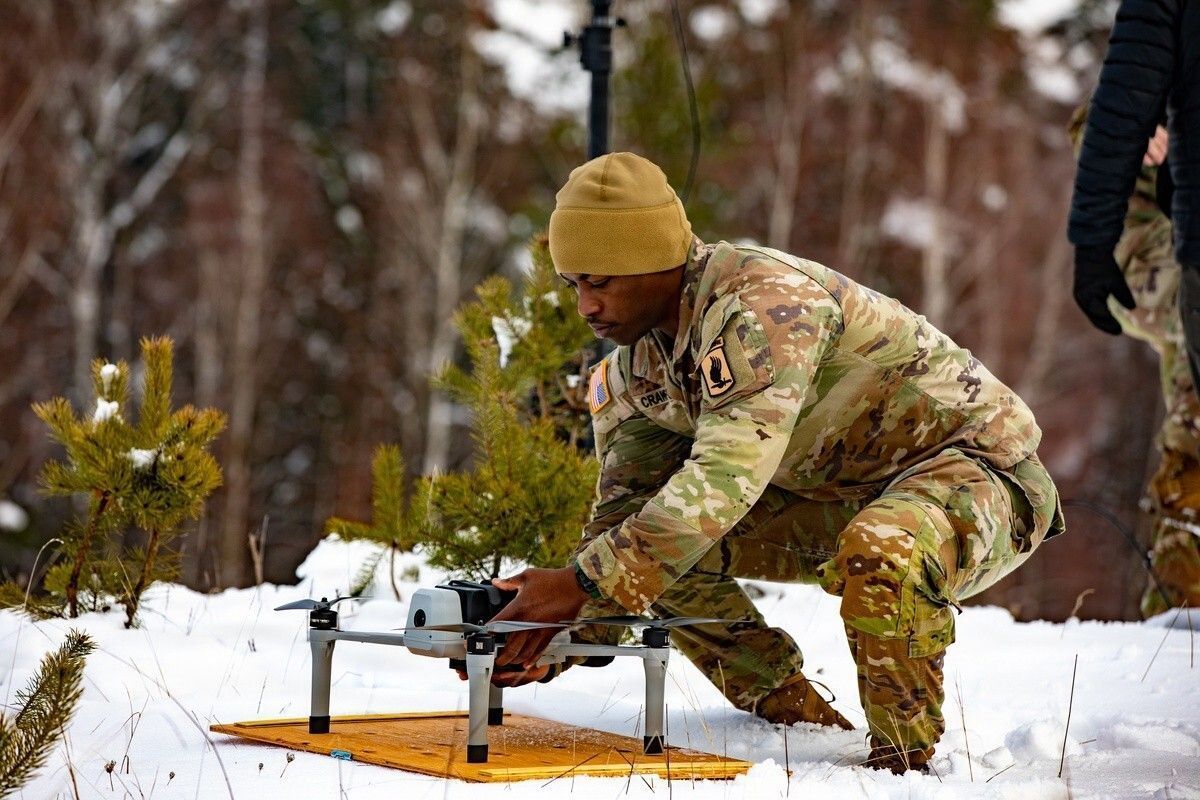
Pentagon Backs AI Counter-Drone Startup with $500 Million Deal
The Pentagon has entered into a significant contract worth up to $500 million with a California-based defense technology startup specializing in drone and counter-unmanned aerial systems (UAS) technology. This agreement comes as the U.S. military seeks to enhance its capabilities in response to evolving threats, particularly following the startup's successful product testing in Ukraine, where its technology was utilized to combat Russian forces. The deal underscores the growing reliance on advanced AI-driven solutions in modern warfare and reflects the Pentagon's commitment to investing in innovative defense technologies.
Applications C-UAS Defense defense Drone News Drone News Feeds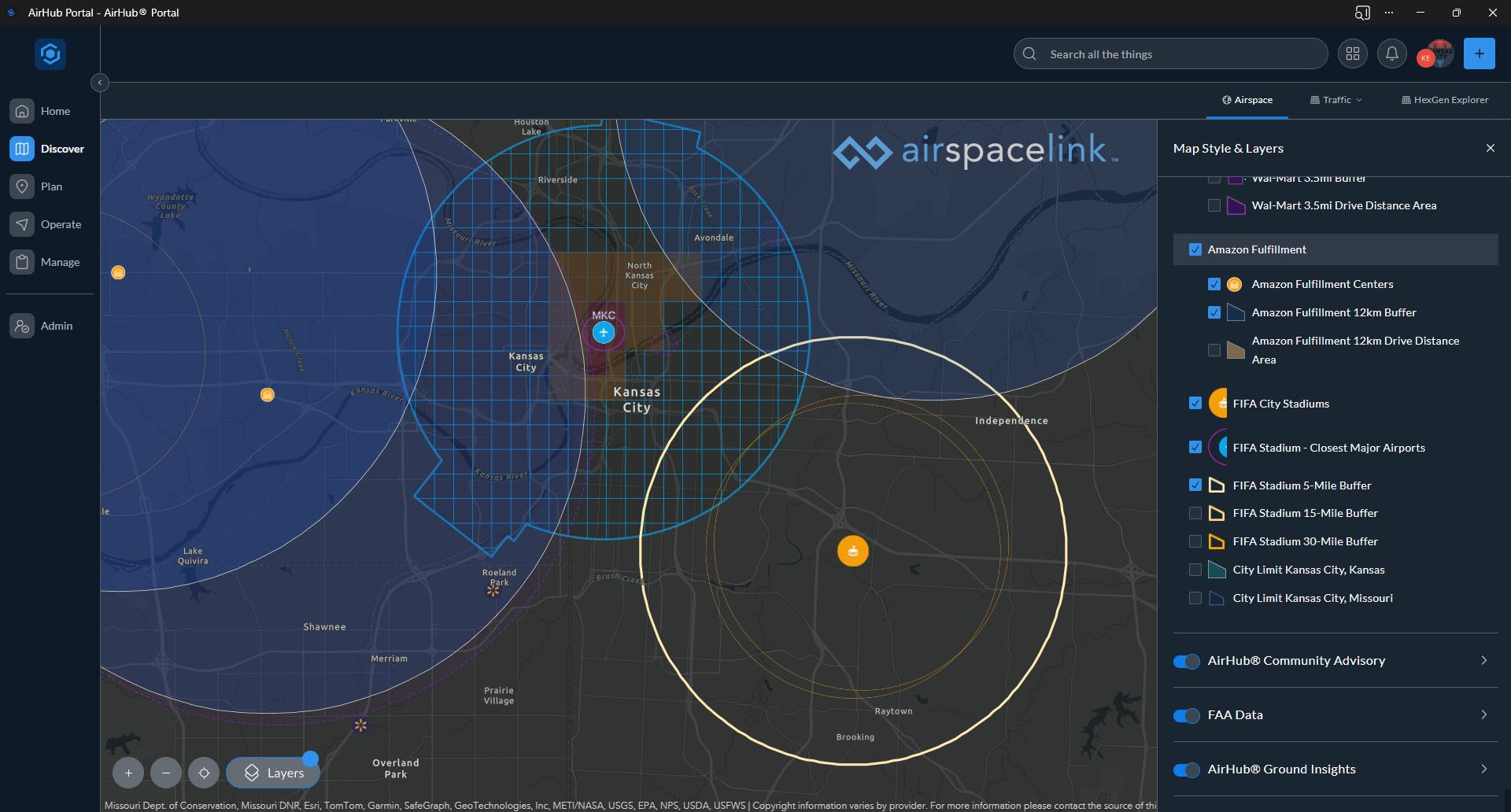
Kansas City Builds a World Cup-Era Drone Defense Network
Kansas City, Missouri, has taken a significant step in enhancing public safety by implementing a shared drone coordination and counter-unmanned aerial systems (UAS) platform. This initiative, spearheaded by Airspace Link in collaboration with regional public safety agencies, aims to bolster security during the FIFA World Cup and improve future urban drone operations. The deployment marks Kansas City as one of the first regions in the United States to adopt such an integrated system, reflecting a proactive approach to managing drone traffic and mitigating potential threats. The platform is designed to facilitate coordinated responses to drone-related incidents, ensuring a safer environment for large-scale events and everyday urban activities.
C-UAS defense Drone News Drone News Feeds News UTM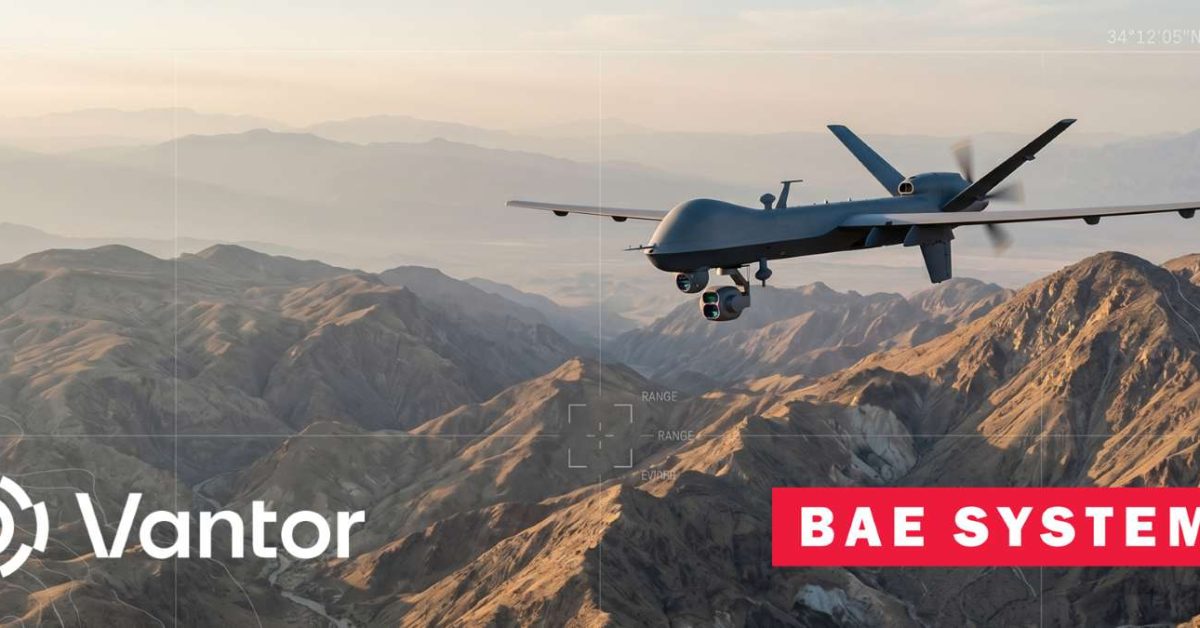
New drone targeting tech counters GPS jamming threats
As GPS jamming and spoofing tactics gain prevalence in modern warfare, drone operators are facing significant challenges with the accuracy of their video feeds. While the visual quality of the footage remains clear, the geographic coordinates associated with it can often be misleading, leading to what defense companies describe as “targeting paralysis.” This phenomenon complicates precision targeting efforts, posing a serious obstacle for military operations. The increasing sophistication of these electronic warfare techniques highlights the urgent need for advancements in drone navigation and targeting systems to ensure operational effectiveness in combat scenarios.
News
Buffalo’s Natrion Rolls Out NDAA-Compliant Drone Battery Cells
Natrion, a battery materials company based in Buffalo, New York, has introduced a new line of NDAA-compliant pouch cells that offer up to 80% more energy density than conventional lithium-ion batteries. Announced on May 14, 2026, these defense-optimized battery cells are designed for use in uncrewed systems, including drones, surface and underwater vessels, ground vehicles, and humanoid robots. The launch aims to enhance the performance and efficiency of military and defense applications, addressing the growing demand for advanced energy solutions in various unmanned technologies.
battery technology Defense Drone News Drone News Feeds Military NDAA Compliant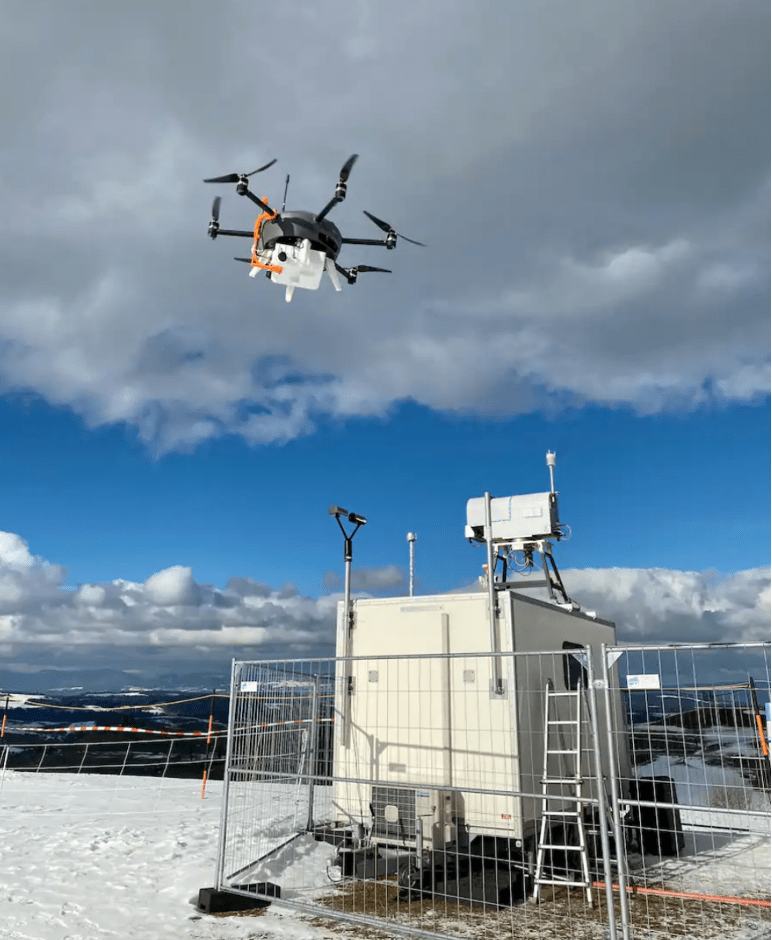
Project ULTRA Aims to Normalize Drone Operations in Shared Airspace
At the AUVSI XPONENTIAL 2026 conference in Detroit, officials from the Federal Aviation Administration (FAA), the Department of Defense (DoD), and various industry partners announced a collaborative initiative aimed at normalizing drone operations within the National Airspace System (NAS). This effort, referred to as Project ULTRA, seeks to develop scalable systems for unmanned aircraft systems (UAS), logistics, and counter-UAS coordination. The initiative is part of a broader strategy to enhance the integration of drones into shared airspace, addressing both operational efficiency and safety concerns. By leveraging the Grand Forks test environment, stakeholders are working to establish protocols and technologies that will facilitate the seamless coexistence of drones and traditional aircraft, ultimately promoting innovation in the aviation sector.
BVLOS DL Exclusive Drone News Drone News Feeds FAA News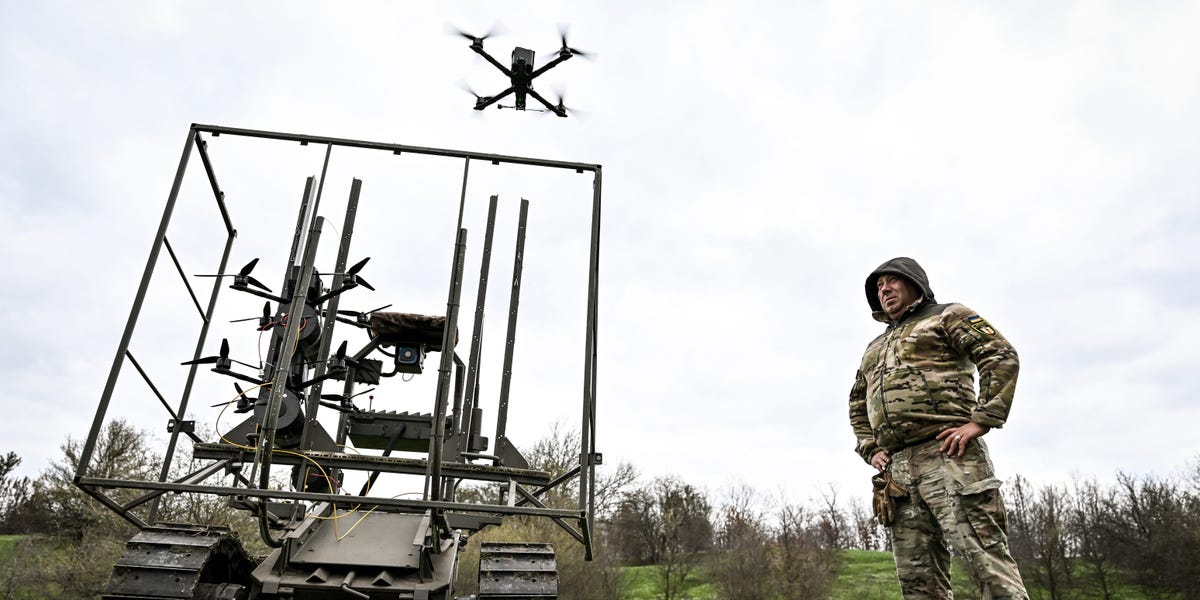
Ukraine is teaming up its war robots with flying drones for maximum effect in battle
Ukraine is enhancing its military capabilities through the integration of a diverse fleet of ground robots and flying drones. This innovative approach, which combines the unique strengths of both technologies, is proving to be a game-changer on the battlefield. As of October 2023, the Ukrainian forces are increasingly leveraging these advanced systems to improve operational efficiency and effectiveness in various combat scenarios. The strategic use of these unmanned vehicles aims to bolster Ukraine's defense efforts amid ongoing conflicts, showcasing the country's commitment to modernizing its military assets and adapting to the evolving nature of warfare.
Military & Defense ukraine ground-robots drones drone-warfare
Military Selects First Bases for Directed-Energy Counter-Drone Program
The U.S. Department of Defense has unveiled the first five military installations chosen to participate in a directed-energy counter-drone program aimed at enhancing defenses against unmanned aircraft systems (UAS). This initiative, announced by the Joint Interagency Task Force 401, seeks to bolster national security by developing advanced drone defense technologies. The selected bases will play a crucial role in testing and implementing these systems, reflecting the growing need to address the evolving threats posed by drones. The program underscores the military's commitment to adapting to modern warfare challenges and ensuring effective countermeasures against potential aerial threats.
Anti-drone technology Applications C-UAS Defense defense Drone News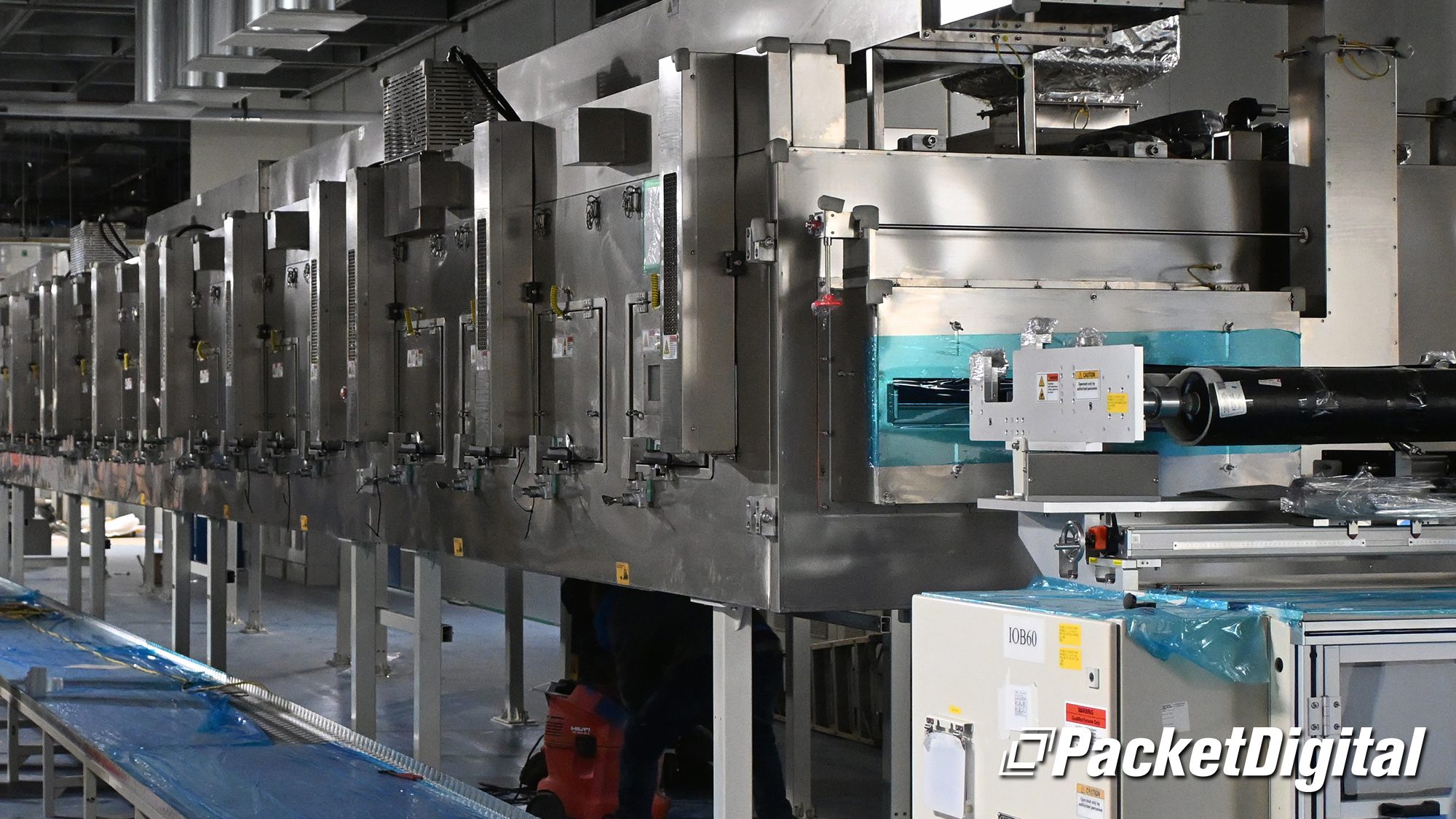
U.S. Navy Awards Packet Digital $9.8 Million to Scale Drone Battery Production in North Dakota
Packet Digital and its subsidiary, Badland Batteries, have secured $9.8 million from the U.S. Navy as part of Phase 3 of a contract aimed at developing advanced battery cells compliant with the National Defense Authorization Act (NDAA). This funding will facilitate the manufacturing of these battery cells in North Dakota, specifically designed for logistics drones and unmanned systems. The initiative reflects the Navy's commitment to enhancing the capabilities of its drone technology and defense systems. The investment is expected to boost production capacity and support the growing demand for reliable energy sources in military applications.
battery technology Drone News Drone News Feeds drone technology Dual Use News
Teledyne FLIR OEM Launches Prism Software to Detect Small Drones at Longer Range
Teledyne FLIR OEM, a division of Teledyne Technologies Incorporated, has introduced a new software solution called Prism C-UAS aimed at enhancing the detection and tracking of small, difficult-to-detect drones. Announced recently, this innovative software is designed to integrate seamlessly with existing systems, allowing for earlier identification of potential drone threats and enabling quicker response times. The launch of Prism reflects the growing need for advanced drone detection capabilities in various sectors, as the prevalence of small drones continues to rise. By improving the range and effectiveness of drone monitoring, Teledyne FLIR aims to bolster security measures and mitigate risks associated with unauthorized drone activity.
Anti-drone technology Applications C-UAS Defense Drone News Drone News Feeds
New Intelic Platform Lets European Militaries Find and Deploy Drones Faster
A European defense technology company, Intelic, has launched a new platform called Intelic BASE, aimed at accelerating the deployment of unmanned systems across European militaries. Announced on May 4, 2026, in Amsterdam, this innovative procurement hub is designed to enhance interoperability among various defense systems, enabling governments to more efficiently locate and deploy drones. The initiative responds to the growing need for streamlined processes in military operations, ultimately improving the effectiveness of defense strategies in Europe.
Applications Defense defense Drone News Drone News Feeds Dual Use
Theft of Agricultural Spray Drones in New Jersey Raises Security Questions
Federal investigators and public safety officials are responding to the theft of 15 agricultural spraying drones in New Jersey, an incident that has raised significant concerns about the misuse of drone technology. The Federal Bureau of Investigation is currently conducting an investigation into the theft, which highlights the increasing focus on counter-unmanned aerial systems (UAS) preparedness. The incident underscores long-standing worries regarding the security implications of drone misuse in agricultural and other sectors. As authorities work to address these issues, the incident serves as a reminder of the vulnerabilities associated with drone operations and the need for enhanced protective measures.
Agriculture Anti-drone technology Applications Drone News News agricultural dronesRobotics needs a service framework.
RSF defines a common language for robot service capability, lifecycle operations, certification pathways, and service-provider networks.







