Industry Briefing
A single destination for timely, editor-curated robotics news from around the world.

Microsoft Unveils Surface Laptop 13.8-Inch and Surface Pro 13-Inch with Snapdragon X2
Microsoft has introduced the Surface Laptop 13.8-inch and Surface Pro 13-inch, both powered by the Snapdragon X2 Elite processor. These devices are designed for mobile workers, offering lightweight portability, extended battery life, and robust processing capabilities, making them ideal for remote work and travel. The Snapdragon X2 Elite enhances performance with a 12-core CPU and improved AI processing capabilities, allowing for real-time effects and transcription features. The Surface Laptop boasts a battery life of approximately 20 hours, while the Surface Pro offers a detachable design with an OLED display, catering to diverse user needs. As Microsoft continues to innovate within the Surface lineup, the focus will be on how these devices perform in real-world scenarios. No further timeline was disclosed at the time of publication.

Microsoft announces Android-based AI agent platform "Solara" and showcases Snapdragon-powered badge device.
At the recent Build 2026 conference, Microsoft unveiled a new platform called Project Solara, designed specifically for executing AI agents. Unlike traditional operating systems, this platform is based on AOSP (Android Open Source Project). In collaboration with Qualcomm, Microsoft introduced a device resembling an employee badge, as well as a stationary device developed in partnership with MediaTek. The company has initiated pilot programs with major enterprises to test these innovations.

US Air Force Conducts Sentinel Dragon 26-02 Exercise to Test Nuclear Missile Readiness
The US Air Force executed a four-day exercise named Sentinel Dragon 26-02 from August 4 to 7, 2026, to evaluate its nuclear missile force's readiness under unexpected conditions. The drill involved a simulated drone threat and the recapture of a missile launch facility, testing the transition from routine operations to high-pressure scenarios without prior notice. This exercise is significant as it emphasizes the necessity for a nuclear deterrent to maintain constant readiness, as highlighted by Maj. Gen. Colin Connor of the 20th Air Force. The lack of traditional preparation time forced operational units to rely on their command-and-control systems and adapt to unforeseen challenges, showcasing their ability to perform under pressure. Looking ahead, the exercise's focus on integrating security forces with air units and managing complex scenarios indicates a shift towards a more cohesive operational approach. The results will likely influence future training and operational strategies, particularly in how the Air Force prepares for potential threats involving unmanned aerial vehicles. No further timeline was disclosed at the time of publication.
Military
UK industry team looks to miniaturize DragonFire laser for Type 45 destroyer debut
The United Kingdom is poised to become the first European NATO member to operationally deploy advanced laser directed energy technology by 2027. This initiative reflects the UK's commitment to enhancing its defense capabilities in response to evolving security challenges. The deployment aims to provide a cutting-edge solution for military operations, improving efficiency and effectiveness on the battlefield. The move underscores the UK's leadership role within NATO and its dedication to modernizing its armed forces in line with contemporary technological advancements.
Global Naval Warfare Army DragonFire Drones Europe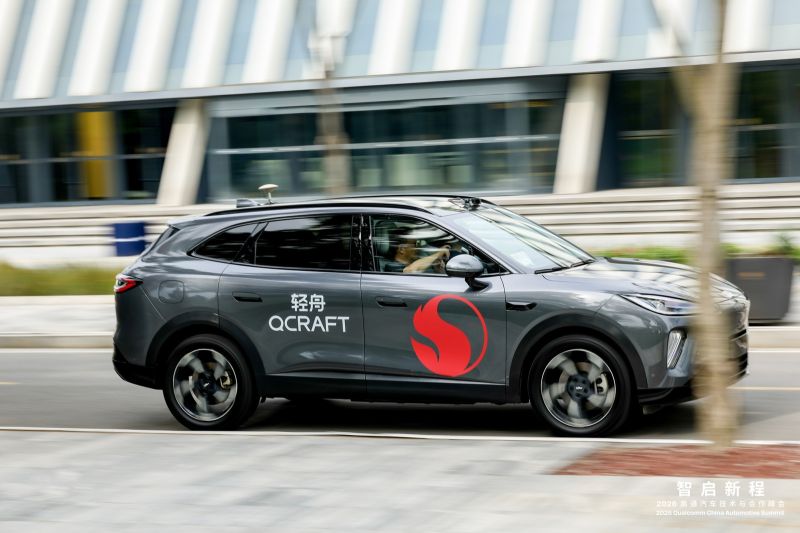
QCraft demonstrates urban NOA on Qualcomm’s latest Snapdragon Ride chip, targets 2026 global mass production
QCraft showcased its urban Navigate-on-Autopilot (NOA) system, powered by Qualcomm’s SA8650P Snapdragon Ride platform, during a live demonstration on June 5 at Qualcomm’s Automotive Technology and Cooperation Summit in Wuxi, China. This event marked a significant step for the autonomous driving company, which is aiming for global mass production of its technology within this year. Attendees had the opportunity to experience live test rides, highlighting the practical applications of QCraft's advancements in autonomous driving. The demonstration underscores the growing collaboration between technology and automotive sectors, as companies like QCraft seek to revolutionize urban transportation through innovative autonomous solutions.
Autonomous Vehicles Computing Technology assisted driving automation news automotive technology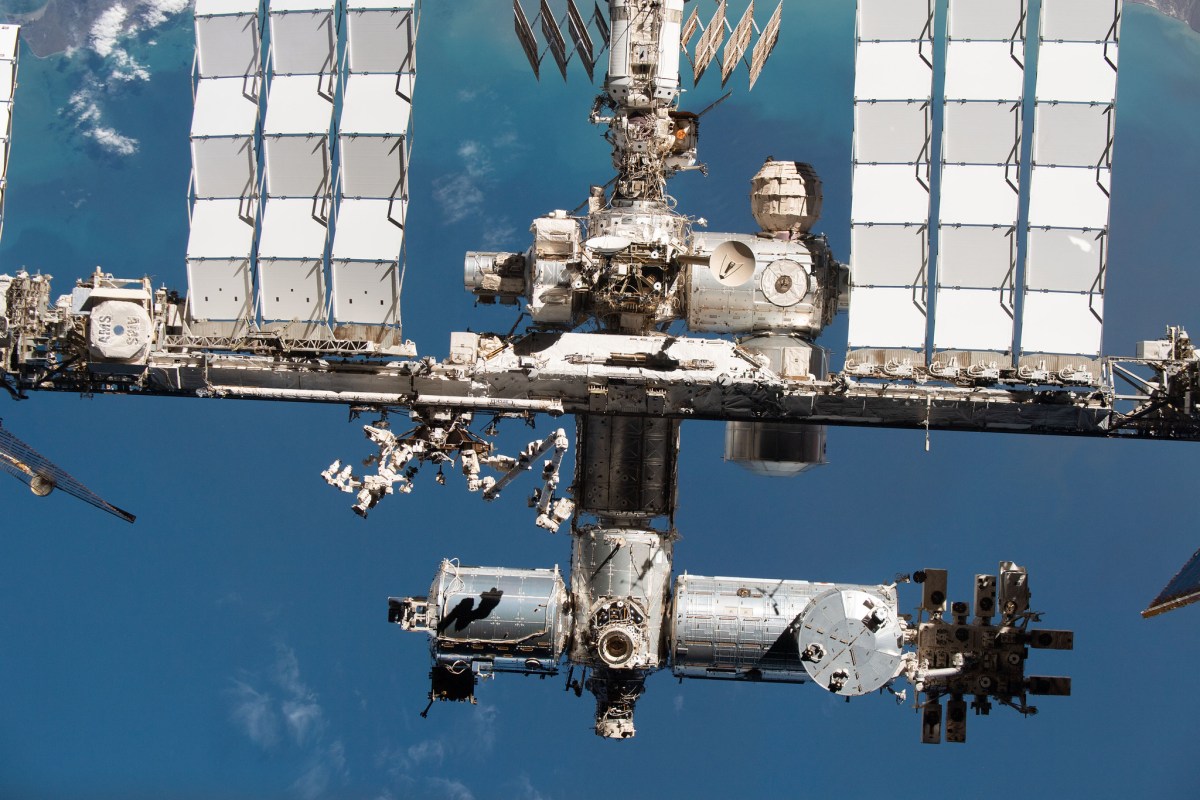
NASA briefly sheltered space station astronauts in SpaceX’s Dragon due to leaks
The Russian space agency Roscosmos has reported the discovery of new leaks in the Russian service module of the International Space Station (ISS). This announcement comes as part of ongoing monitoring and maintenance efforts to ensure the integrity and functionality of the module, which plays a crucial role in supporting the ISS's operations. The leaks were identified during routine inspections, prompting immediate attention from engineers and scientists. The agency has not specified the exact timing of the discovery but emphasized the importance of addressing these issues to maintain the safety and stability of the space station. This development underscores the challenges faced in maintaining aging space infrastructure and highlights the need for continued vigilance in space exploration efforts.
Space crew dragon Dragon international space station NASA SpaceX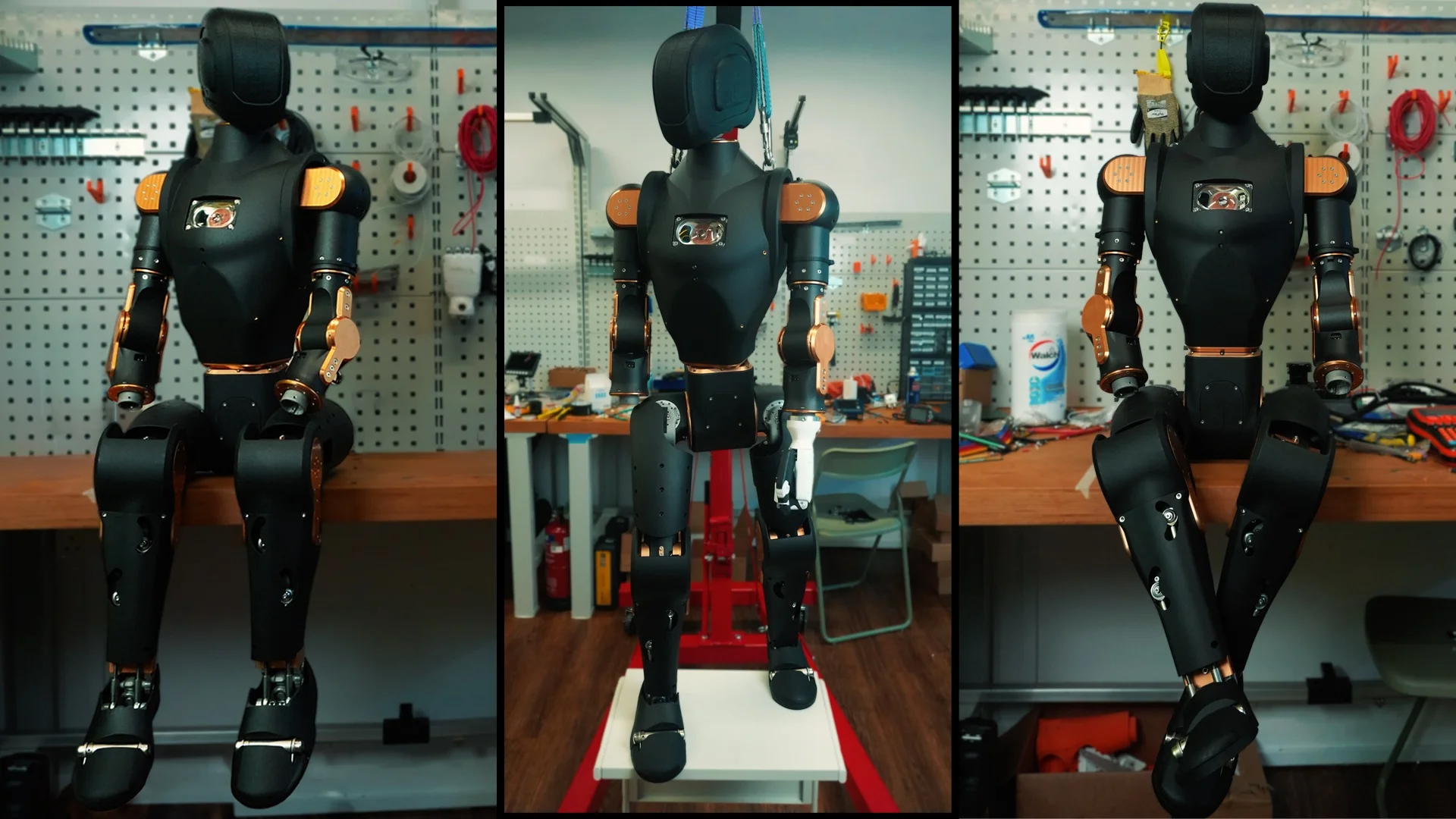
Asimov Launches $15,000 "Here Be Dragons" DIY Humanoid Kit
Menlo Research has transitioned its open-source project, Asimov, from a GitHub repository to tangible hardware, introducing a bipedal kit aimed at facilitating rapid iteration and "Processor-in-the-Loop" development. This move, announced in October 2023, marks a significant step in the project’s evolution, allowing developers and researchers to engage in hands-on experimentation with bipedal robotics. The new hardware kit is designed to streamline the development process, enabling users to quickly test and refine their algorithms in real-world scenarios. By bridging the gap between software and physical implementation, Menlo Research aims to enhance innovation in robotic systems and foster a collaborative environment for advancements in the field.
open-source AsimovRobotics needs a service framework.
RSF defines a common language for robot service capability, lifecycle operations, certification pathways, and service-provider networks.
Join the RobotToday community on LinkedIn
Daily robotics news, in-depth analysis, conference highlights, and discussions with professionals worldwide.