Industry Briefing
A single destination for timely, editor-curated robotics news from around the world.
Exail to Equip Deep Ocean Search with Next-Generation Navigation and Positioning Systems for Deep-Sea Missions
Deep Ocean Search (DOS), a prominent company in deep-sea exploration, has partnered with Exail to enhance its navigation and acoustic positioning for forthcoming missions. This collaboration will see DOS utilize Exail's advanced Rovins 9-DVL navigation system and Gaps M7 acoustic positioning system, which are designed to operate at depths of up to 6,000 meters. The integration of these technologies is expected to significantly improve DOS's operational capabilities in challenging underwater environments, facilitating more precise and efficient exploration efforts.
exail deep ocean search navigation and positioning systems for deep-sea missions
E/V Nautilus Embarks on Two Expeditions to Explore Mariana Deep-Sea Regions
The Ocean Exploration Trust's Exploration Vessel (E/V) Nautilus has set sail for two expeditions to explore the deep sea around the Mariana Islands. These expeditions, taking place from June to August 2026, will utilize the vessel's remotely operated vehicle (ROV) and telepresence systems, alongside Woods Hole Oceanographic Institution's autonomous underwater vehicle (AUV) Sentry, to investigate previously unsurveyed areas. These missions are significant as they aim to enhance understanding of abyssal plain habitats and ancient seamounts east of the Mariana Trench, a region known for its tectonic activity and unique geological features. The expeditions are supported by NOAA Ocean Exploration and the Bureau of Ocean Energy Management, highlighting the collaborative effort to advance oceanographic research and fill knowledge gaps in this critical area. Looking ahead, the E/V Nautilus will focus on characterizing deep ocean habitats and biodiversity, as well as geological formations, including marine critical minerals. The outcomes of these expeditions are expected to contribute to both US and international scientific priorities, addressing the need for comprehensive data on the largely unexplored deep-sea environments around the Mariana Islands.
e/v nautilus marianas deep-sea exploration ocean exploration trust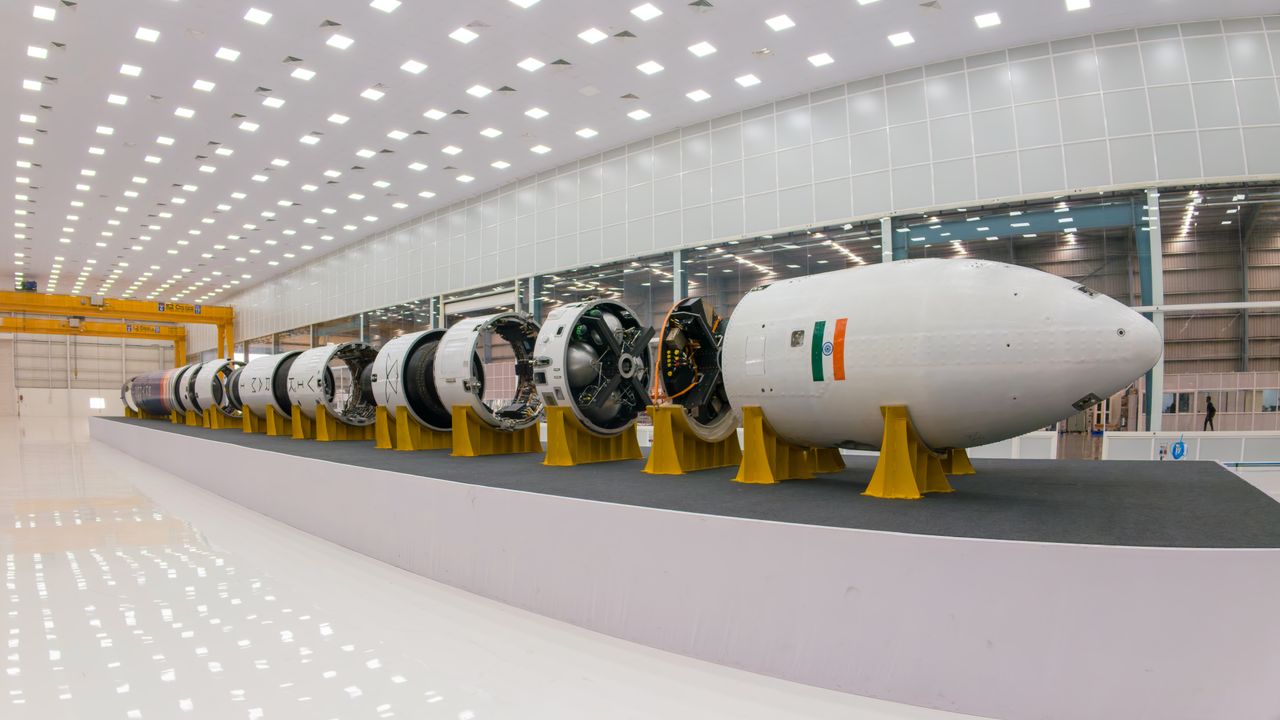
Skyroot Aerospace Prepares for Historic Vikram-1 Launch to Orbit Multiple Satellites
Skyroot Aerospace is on the verge of launching its first orbital rocket, Vikram-1, from the Satish Dhawan Space Centre, with a launch window from July 12 to August 4. The rocket features a unique liquid-fueled upper stage that allows for multiple satellite deployments during a single mission, marking a significant milestone for private spaceflight in India. The successful launch of Vikram-1, named Aagaman, would be a historic achievement as it would make Skyroot the first private Indian company to place satellites into orbit. The mission includes various payloads, such as Skyroot's SCOPE satellite and technology demonstrations from international partners, showcasing the company's capability to cater to specific orbital requirements for small satellites. Looking ahead, Skyroot aims to validate Vikram-1 through three development flights before commencing commercial operations. The company plans to scale production to one rocket per month, positioning itself in the market for dedicated satellite launches, akin to a 'cab' service for orbital missions, as stated by co-founder and CEO Pawan Kumar Chandana.
Launches & Spacecraft Space Exploration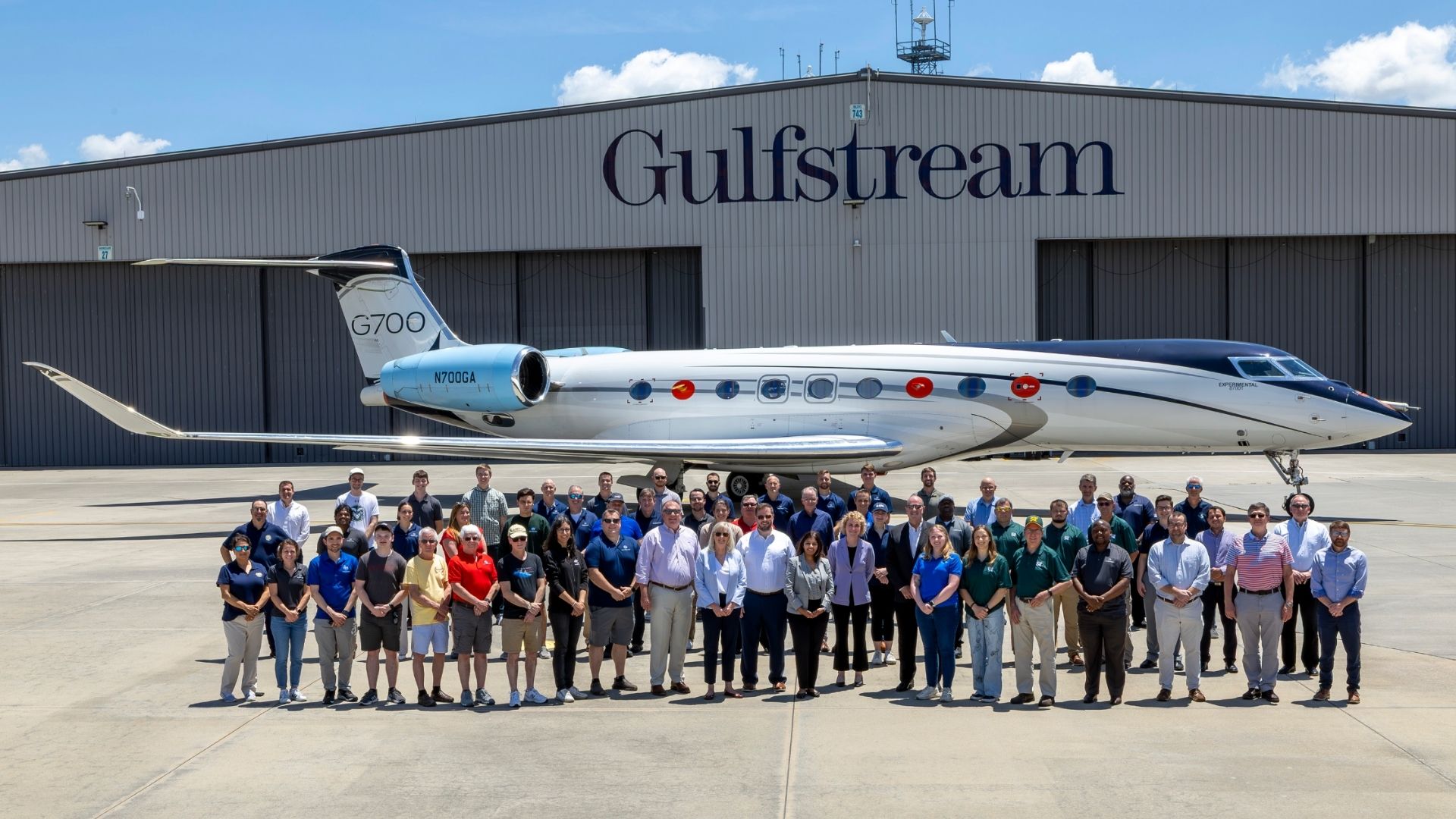
Gulfstream G800 Completes First 100% SAF Flight to Analyze Contrail Emissions
Gulfstream Aerospace has successfully conducted a high-altitude flight test campaign using a G800 business jet powered entirely by neat sustainable aviation fuel (SAF). The tests, which took place at altitudes up to 50,000 feet, marked the first instance of both the G800 and its Rolls-Royce Pearl 700 engine operating on 100% SAF. A modified Gulfstream G700 served as an airborne emissions laboratory, enabling researchers to measure particulate emissions and atmospheric conditions during the flights. This initiative is significant as it aims to assess the potential of 100% SAF in reducing emissions linked to contrail formation, a critical factor in aviation's environmental impact. Preliminary findings suggest a measurable reduction in particulate emissions when using neat HEFA SAF, which contains no sulfur or aromatics, unlike conventional jet fuels. The collaboration involved multiple organizations, including NASA and the FAA’s ASCENT, highlighting the importance of partnerships in advancing sustainable aviation technologies. Looking ahead, Gulfstream's ongoing research will continue to focus on optimizing environmental efficiencies in aviation. The data collected from this campaign is expected to enhance understanding of aviation's broader environmental impact and contribute to future regulatory and technological developments. No further timeline was disclosed at the time of publication.
Innovation
UC San Diego Team Demonstrates G1 Humanoid Robot 'Surgie' in First Live Surgery
On July 8, a research team from the University of California, San Diego, published a groundbreaking study in Nature, showcasing the G1 humanoid robot, nicknamed 'Surgie.' This robot, weighing 27 kg and priced from $13,500, successfully performed two laparoscopic cholecystectomies on live pigs, marking a significant milestone in robotic surgery. The significance of this achievement lies in the G1's affordability and adaptability compared to traditional surgical robots like the da Vinci system, which costs between $500,000 and several million dollars. Surgeon's remote control of the G1 allows for deployment in various settings, including rural areas, battlefields, and potentially space missions, without the need for specialized operating room modifications. Despite the success, the technology still faces challenges before clinical application, such as the need for frequent recalibration during surgery, which increases operation time. The G1's limited arm span of 450 mm also restricts its operational range. No further timeline was disclosed at the time of publication for the next steps in this research.
Humanoid Robots Surgical Robotics Remote Surgery Medical Technology
NASA and Rice University Launch Open-Source Simulator for Space Robotics Research
Rice University and NASA have introduced the iMETRO Dynamic Simulation, the first open-source platform for developing robots for spacecraft and habitats. Unveiled at the 2026 IEEE International Conference on Robotics and Automation in Vienna, this simulator creates a digital twin of NASA's iMETRO facility, enabling global researchers to test intravehicular robotic systems in a virtual setting. This platform is significant as it broadens access to advanced space robotics research, facilitating innovation for future human space missions. It focuses on robot manipulators that assist with maintenance and logistics tasks, which are crucial for reducing astronaut workloads during extended missions. The simulator features an eight-degree-of-freedom robotic manipulator model and supports ROS 2 and MuJoCo, enhancing usability and compatibility for developers. Looking ahead, the iMETRO Dynamic Simulation aims to maximize astronaut productivity by automating routine tasks, allowing crew members to focus on scientific exploration. The research team successfully demonstrated the simulator's capabilities by transferring a robotic application from simulation to the physical facility in under a day. No further timeline was disclosed at the time of publication.
AI and Robotics
Tesla's Optimus Robots to Support Starmind Satellite Production, Not Maintenance
Tesla's Optimus robots will not be used to repair Starmind satellites in orbit, as confirmed by recent statements from Elon Musk. Instead, these robots are intended to assist in the construction and operation of the Terafab chip manufacturing facility in Texas. The AI1 satellites, designed to disintegrate upon reentry, highlight the company's swap-and-replace strategy rather than traditional maintenance practices. This approach is significant as it reflects a broader trend in satellite management, where mass-produced satellites are replaced rather than repaired. The economics of servicing missions are prohibitive, with the cost of launching a replacement satellite being significantly lower than conducting a repair mission. This model aligns with SpaceX's operational history, where rapid replacement of satellites is more efficient than attempting to maintain them in orbit. Looking ahead, the focus will remain on the production capabilities of the Gigasat factory, which is expected to support the continuous replacement of satellites. No further timeline was disclosed at the time of publication, but the demand for rapid satellite turnover suggests a robust future for Optimus robots in terrestrial manufacturing rather than in-space servicing.

Smart Hand valued at $1 billion after 5 months, achieves profit in first quarter; DeepSeek plans to double all departments.
On June 26, 2026, Wuliangye announced the removal of Zeng Zongqin from his position as chairman due to his inability to fulfill his duties. The decision was made during the company's annual shareholder meeting, where a proposal to appoint Deng Min as the new chairman was approved. Zeng's departure, effective immediately, will not affect the company's operations, as he held no shares and had no outstanding commitments. In Yantai, JD Pharmacy has established a new company, JD Pharmacy (Yantai) Co., Ltd., with a registered capital of 100,000 RMB. The company, fully owned by JD Pharmacy (Qingdao) Chain Co., Ltd., will engage in retailing pharmaceuticals and providing medical device services. SpaceX, led by Elon Musk, plans to launch a new Starlink mobile service in the U.S. and develop its own ground mobile network, aiming to compete with major carriers like Verizon, AT&T, and T-Mobile. He Xiaopeng announced on June 25 that XPeng Motors is set to expand globally, with the second-generation VLA model expected to enter international markets by 2027, coinciding with new EU regulations on autonomous driving. Meanwhile, Lingqiao Shou, a company spun off from Zhiyuan Robotics, has achieved a valuation of $1 billion within just five months of its establishment, following significant funding rounds. Beijing Tongrentang Medical and Health Investment Co. plans to raise up to HKD 671.6 million through an IPO in Hong Kong, with shares priced between HKD 5.48 and HKD 6.21, expected to begin trading on July 7. Lastly, DeepSeek announced plans to double its workforce across all departments, while Apple reported a surge in memory demand due to the rapid expansion of AI data centers, presenting challenges for the electronics industry.
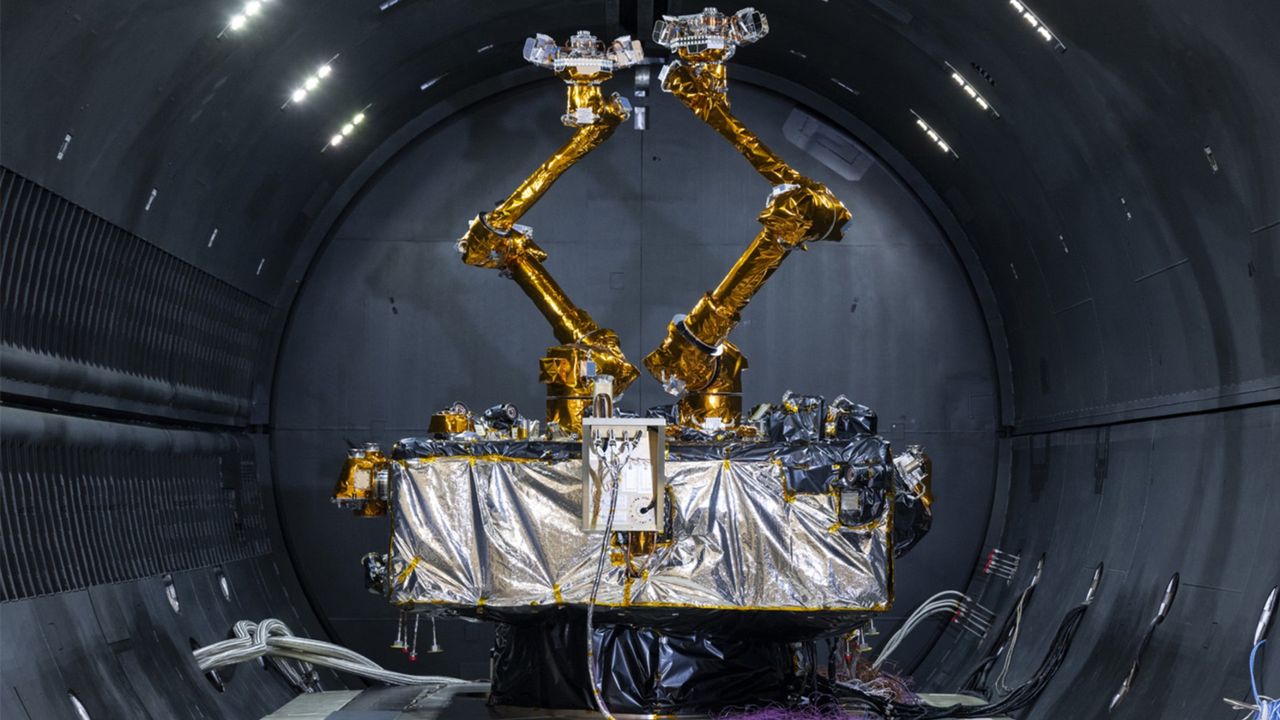
DARPA readies robotic deep-space repair satellite for 2026 launch
The Defense Advanced Research Projects Agency (DARPA) is set to launch a mission this summer to extend the operational lifespan of geosynchronous satellites beyond their typical expiration dates. This initiative aims to address the growing need for sustainable satellite operations in space, allowing for continued functionality and service without the immediate need for replacement. By testing innovative technologies and methods, DARPA seeks to enhance the longevity of these critical assets, which play a vital role in communication, weather monitoring, and national security. The upcoming mission represents a significant step towards ensuring that satellites can remain in service for years longer than previously anticipated.
Satellites Space Exploration
Harbin Institute of Technology Aids Lunar Water Search, China Aims for Global Leadership!
China's Chang'e 7 mission is set to explore the Moon's South Pole-Aitken Basin, with the goal of discovering water ice, a significant milestone that could position China as the first nation to identify water on the lunar surface. Scheduled for launch in the near future, this ambitious mission is supported by the Harbin Institute of Technology, which is contributing advanced technology and research to ensure its success. The exploration of this region is critical, as the presence of water ice could have profound implications for future lunar missions and the potential for human habitation on the Moon.
Lunar Exploration Space Technology Water Ice Detection Deep Space Missions
The aerospace and defense trade is taking investors deeper into space, and more ETFs are up for the mission
As excitement surrounding the anticipated SpaceX IPO intensifies, VettaFi's Cinthia Murphy reports a growing trend among exchange-traded funds (ETFs) that are increasingly focusing on the space sector. This shift reflects a broader interest in space-related investments, as financial markets respond to the potential of commercial space ventures. The surge in ETF offerings targeting this theme indicates a strategic move by investment firms to capitalize on the burgeoning interest in space exploration and technology. As investors look for opportunities in this emerging market, the development of these specialized funds aims to provide them with direct exposure to companies involved in space activities.
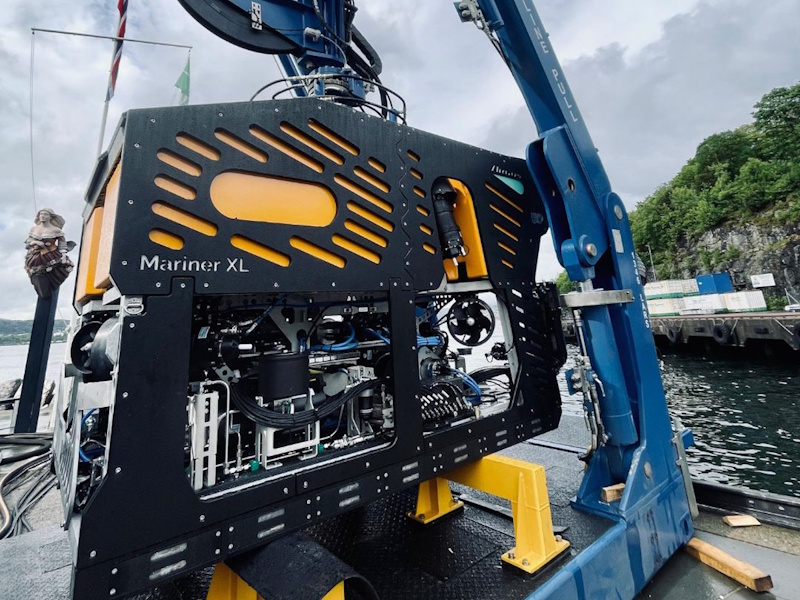
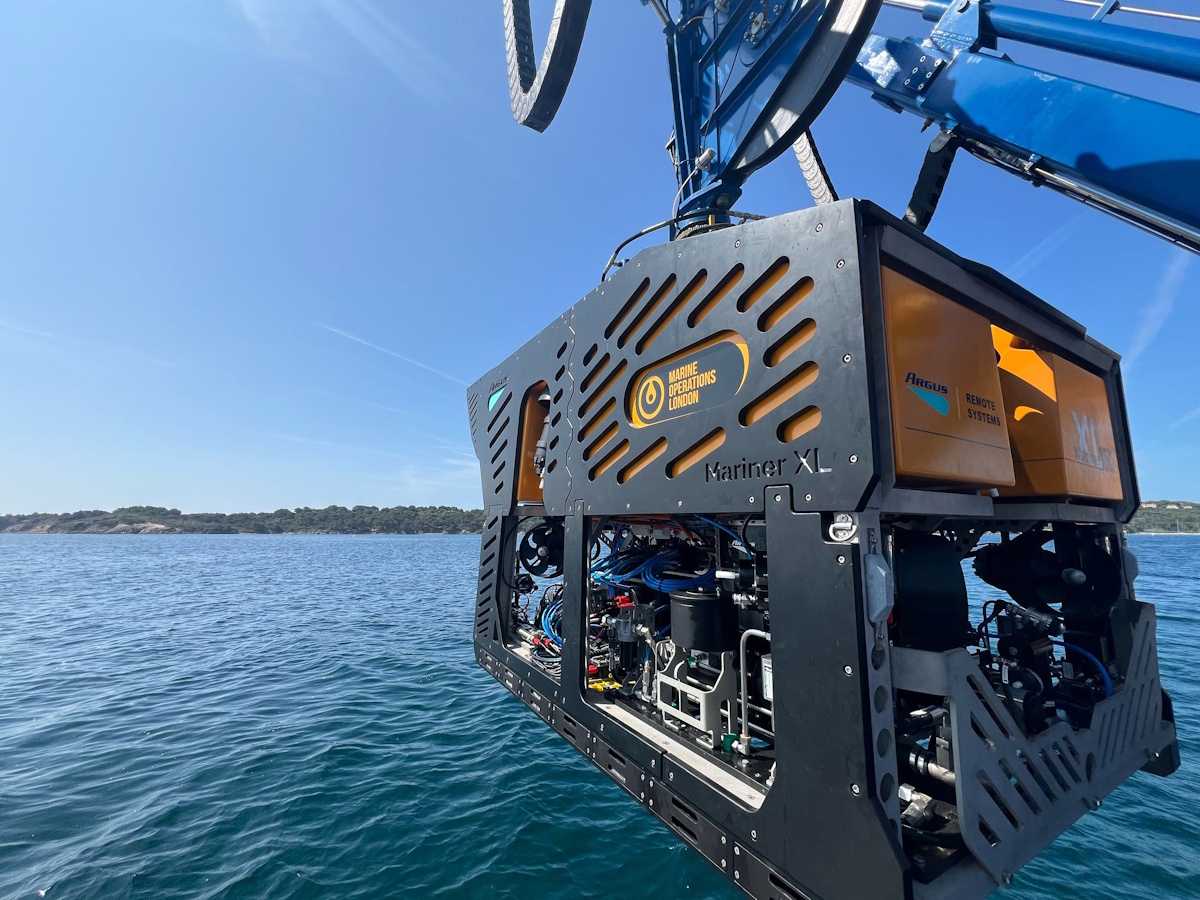
Deep Ocean Search Launches its New 6,000m Depth Rated ROV: Mariner XL
Deep Ocean Search, in partnership with Marine Operations London LTD, has introduced the Mariner XL, a highly capable work-class remotely operated vehicle (WROV) designed for ultra-deep operations. This advanced ROV can operate at depths of up to 6,000 meters and is available for hire, offering rapid deployment capabilities worldwide. The system includes a launch and recovery mechanism, an ultra-long range inertial and acoustic positioning system, a pilot station, and storage space, all efficiently packed into four 20-foot containers. The Mariner XL is engineered for a variety of tasks, including inspection, sampling, object recovery, imaging, and data acquisition, making it a versatile tool for marine operations. Notably, its deployment does not necessitate significant structural modifications to the support vessel, nor does it require calibration, streamlining the operational process. This innovative solution aims to enhance efficiency and effectiveness in deep-sea exploration and recovery missions.
deep ocean search 6 000m depth rated rov mariner xl deep sea rov
Survey on AI‐Enabled Computer Vision Technologies and Applications for Space Robotic Missions
In June 2026, the Journal of Field Robotics published a comprehensive study exploring advancements in robotic technologies and their applications in various fields. The research, conducted by a team of experts in robotics and engineering, highlights innovative methodologies that enhance the efficiency and effectiveness of robotic systems. The study focuses on the integration of artificial intelligence and machine learning algorithms, which significantly improve the decision-making capabilities of robots in real-world environments. This advancement is particularly relevant in sectors such as agriculture, manufacturing, and disaster response, where precision and adaptability are crucial. The findings were presented during a conference held in a prominent robotics research hub, attracting attention from industry leaders and academic scholars alike. The motivation behind this research stems from the growing demand for automation and smart technologies in response to global challenges, including labor shortages and the need for increased productivity. By employing rigorous testing and validation processes, the researchers demonstrated the practical applications of their robotic systems, showcasing successful case studies that underline the potential for widespread adoption. The publication aims to inform and inspire further innovations in the field, ultimately contributing to the evolution of robotics as a transformative force in society.
SURVEY ARTICLE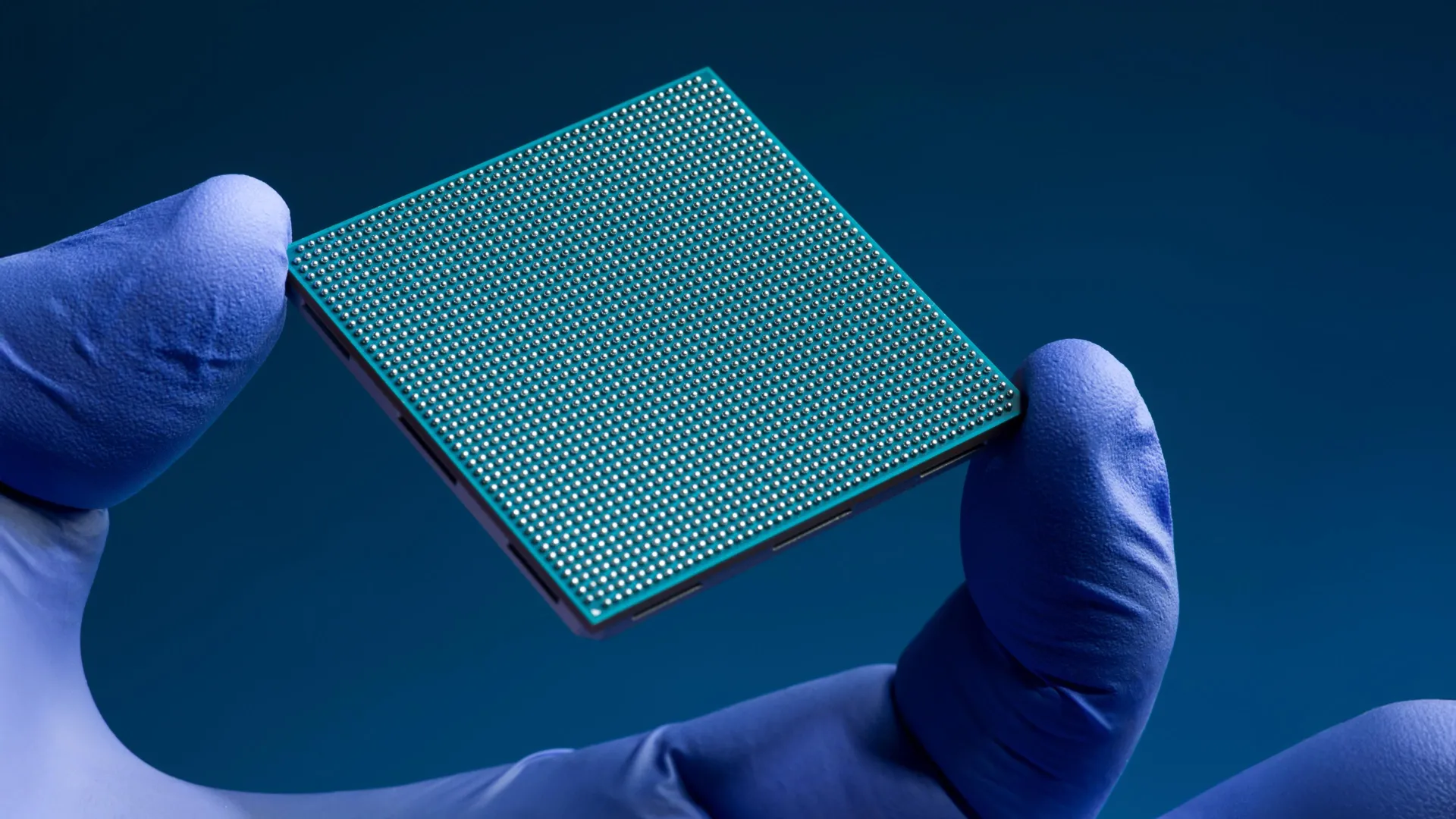
NASA’s new AI space chip could let spacecraft think for themselves
NASA is currently conducting tests on an advanced space computer chip designed to enhance the autonomy of spacecraft in deep space. This radiation-hardened processor has demonstrated performance capabilities that exceed current spaceflight computers by hundreds of times. The rigorous testing simulates the extreme conditions of space, ensuring the chip's resilience. This innovative technology aims to facilitate the development of AI-powered spacecraft, accelerate scientific discoveries, and optimize missions to the Moon and Mars. By improving the operational independence of spacecraft, NASA seeks to enhance exploration efforts and expand our understanding of the cosmos.

National Oceanography Centre joins UK–led HydroGNSS ‘New Space’ mission for Global Science
A new low-cost Earth Observation mission, developed with the assistance of the National Oceanography Centre (NOC), has successfully been launched into orbit. This mission aims to enhance the monitoring of environmental changes and provide valuable data for scientific research and policy-making. The launch took place recently, marking a significant advancement in affordable space technology. By utilizing innovative approaches and streamlined processes, the mission is designed to deliver high-quality observational data while minimizing costs. This initiative reflects a growing trend in the space industry towards more accessible and efficient satellite missions, ultimately contributing to better understanding and management of Earth's resources.
national oceanography centre (noc) hydrognss ‘new space’ mission for global science
Google DeepMind Robotics Head Details 'Surprising' Cross-Embodiment AI, Calls Home 'The Hardest Environment'
In a recent interview, Carolina Parada from Google DeepMind highlighted the innovative features of Gemini Robotics 1.5, particularly its unique 'agentic' two-part brain. Parada emphasized the robot's impressive capability to transfer skills across different robotic platforms, showcasing a significant advancement in robotics technology. She also expressed her belief that the home environment represents one of the final frontiers for the application of such technology, suggesting a future where robots could play an integral role in daily household tasks. This discussion sheds light on the ongoing developments in robotics and the potential for transformative impacts in personal living spaces.
vla World-Models AI Gemini google-deepmind Carolina-Parada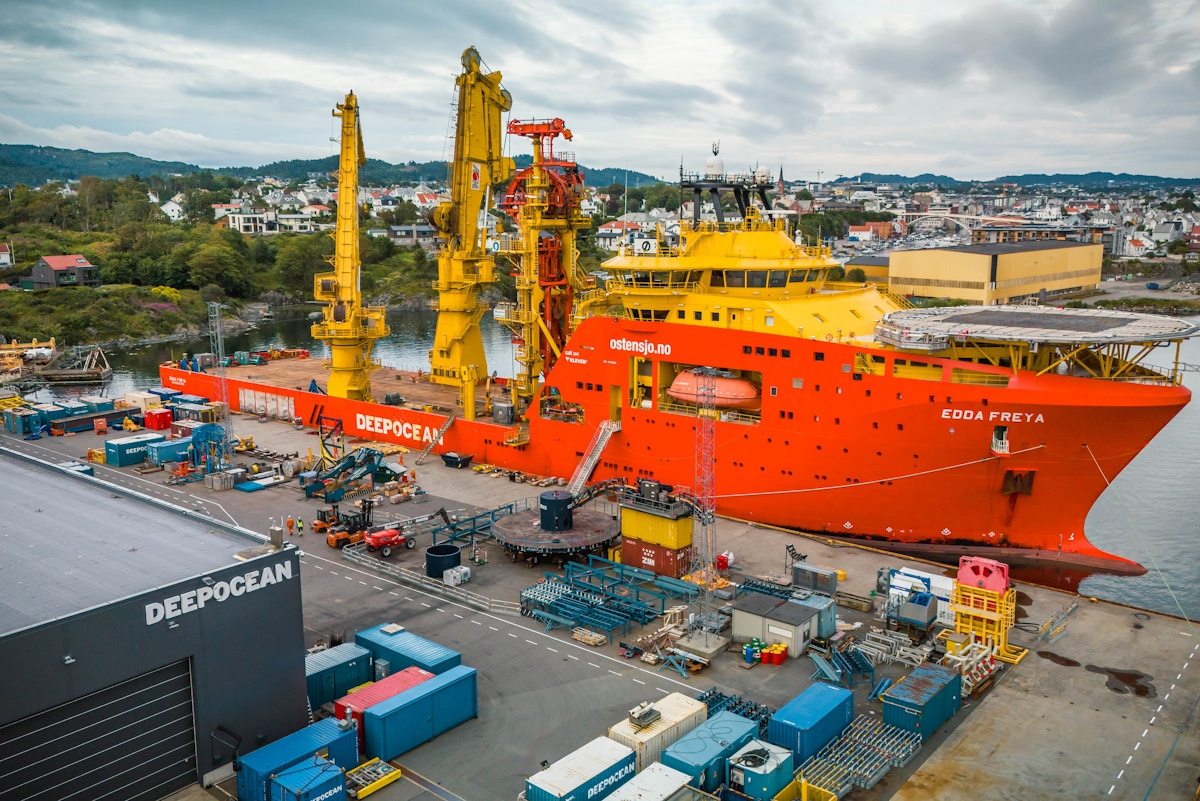
DeepOcean Awarded Installation Contract by Equinor
Olaf A. Hansen, the Managing Director of DeepOcean Europe, announced the company's latest initiatives aimed at enhancing underwater infrastructure projects across Europe. This announcement was made during a press conference held on October 15, 2023, in Rotterdam, Netherlands. The initiatives are designed to address the growing demand for sustainable energy solutions and to support the European Union's commitment to reducing carbon emissions. Hansen emphasized the importance of innovative technologies and collaboration with local stakeholders to ensure the successful implementation of these projects. DeepOcean Europe plans to leverage its expertise in subsea engineering and environmental management to deliver efficient and eco-friendly solutions. The company aims to play a crucial role in the transition to renewable energy sources, particularly in offshore wind and marine energy sectors.
asgard deepocean equinor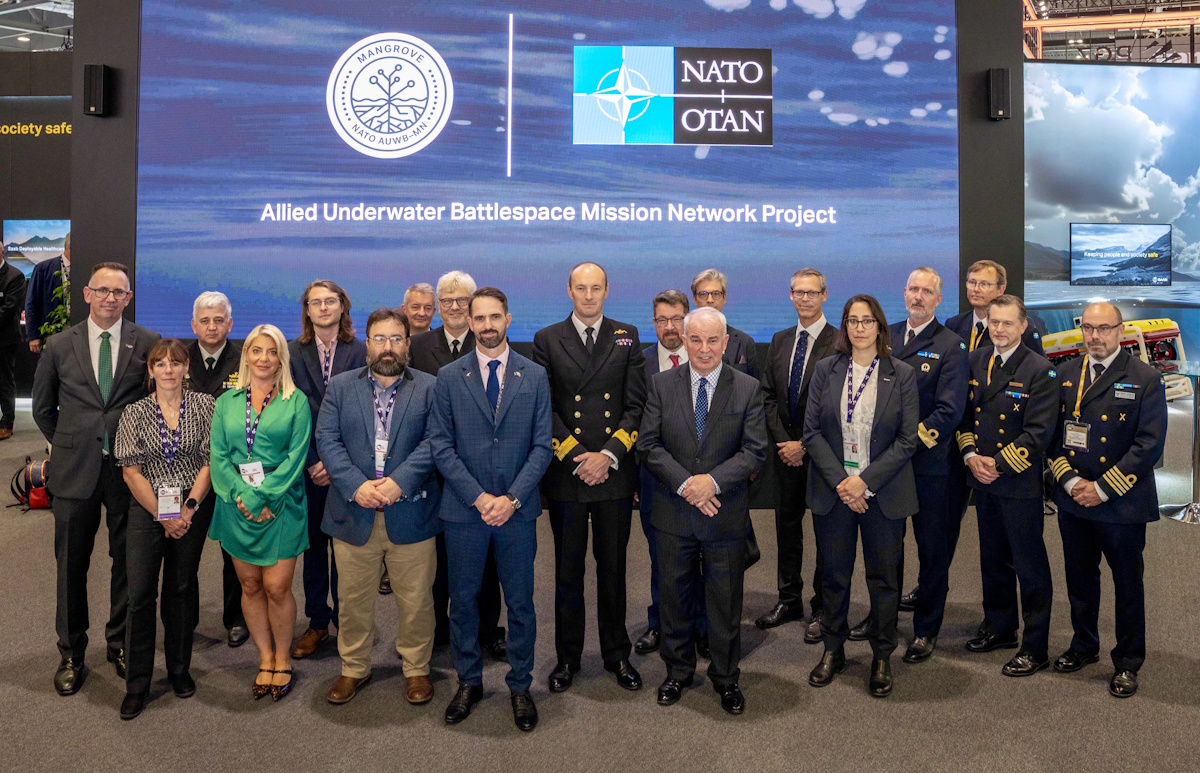
Saab to Lead NATO's New Underwater Battlespace Project
The Saab-led MANGROVE consortium has been awarded the contract to spearhead NATO's Allied Underwater Battlespace Mission Network project, which officially began on September 1, 2025. This initiative aims to enhance interoperability among Maritime Uncrewed Systems and traditional platforms utilized by allied nations. The project's selection underscores NATO's commitment to advancing maritime defense capabilities and ensuring seamless collaboration among member states in underwater operations. Through this effort, the consortium will develop innovative solutions to improve coordination and effectiveness in maritime missions, reflecting the growing importance of uncrewed technologies in modern warfare.
saab nato underwater battlespace project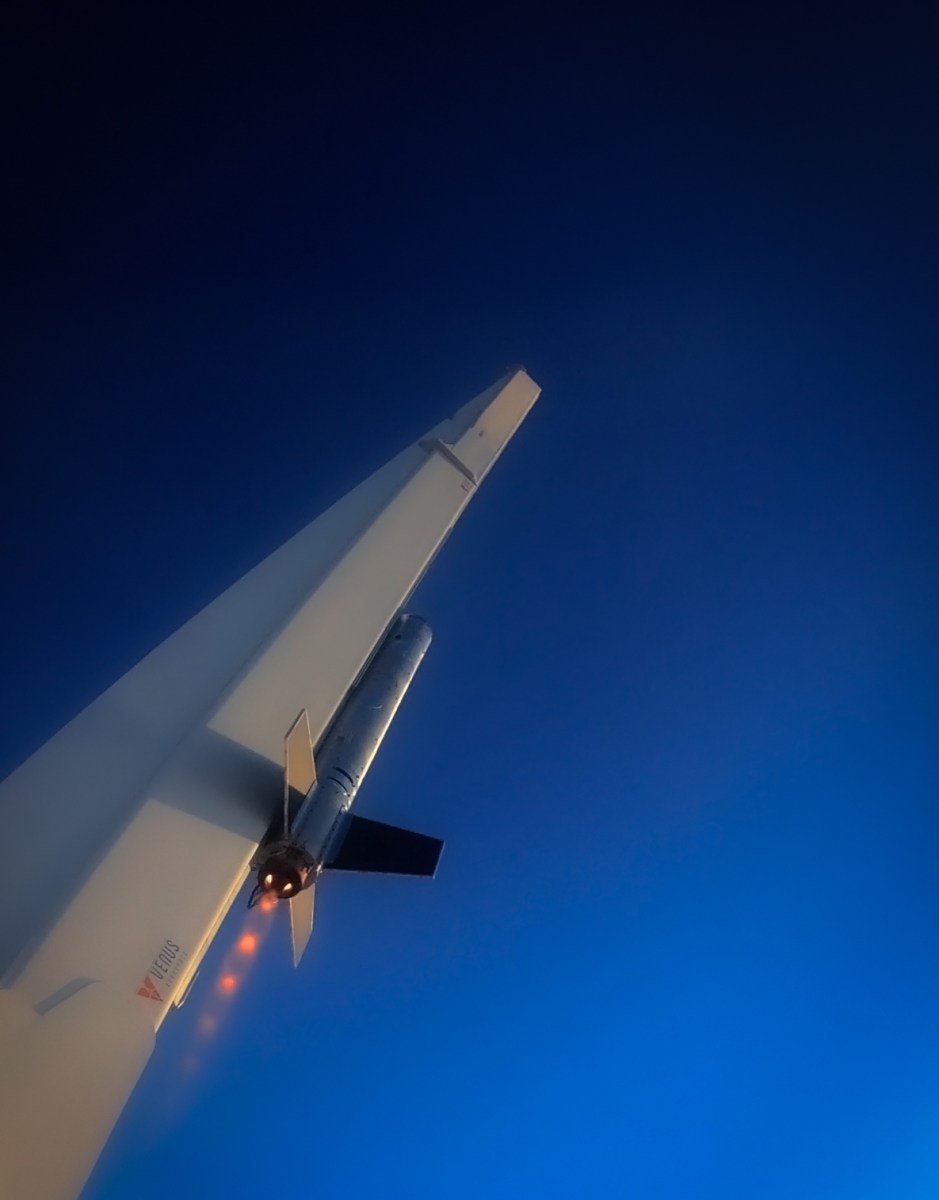
Venus Aerospace raises $90M Series B to build a new kind of rocket engine
A groundbreaking development in rocket technology is poised to attract significant attention from the aerospace industry. Engineers and scientists are collaborating to design an innovative rocket engine that promises to enhance efficiency and reduce costs in space travel. This initiative is gaining momentum as the demand for advanced propulsion systems increases, driven by both commercial space ventures and governmental space exploration programs. The project is currently underway, with prototypes expected to be tested in early 2024 at a facility in California known for its aerospace advancements. The motivation behind this initiative stems from the need for sustainable and reliable space travel solutions, as traditional rocket engines face limitations in performance and environmental impact. By leveraging cutting-edge materials and advanced engineering techniques, the team aims to create a rocket engine that not only meets the rigorous demands of space missions but also paves the way for future innovations in the field. As the project progresses, it is anticipated that the new engine design will attract interest from various stakeholders, including private space companies and government agencies, eager to capitalize on its potential benefits. This pioneering effort reflects a broader trend in the aerospace sector, where the push for more efficient and environmentally friendly technologies is reshaping the landscape of space exploration. As the world watches closely, the successful development of this new rocket engine could mark a significant milestone in the quest for sustainable space travel.
Fundraising Space Mercury Fund rockets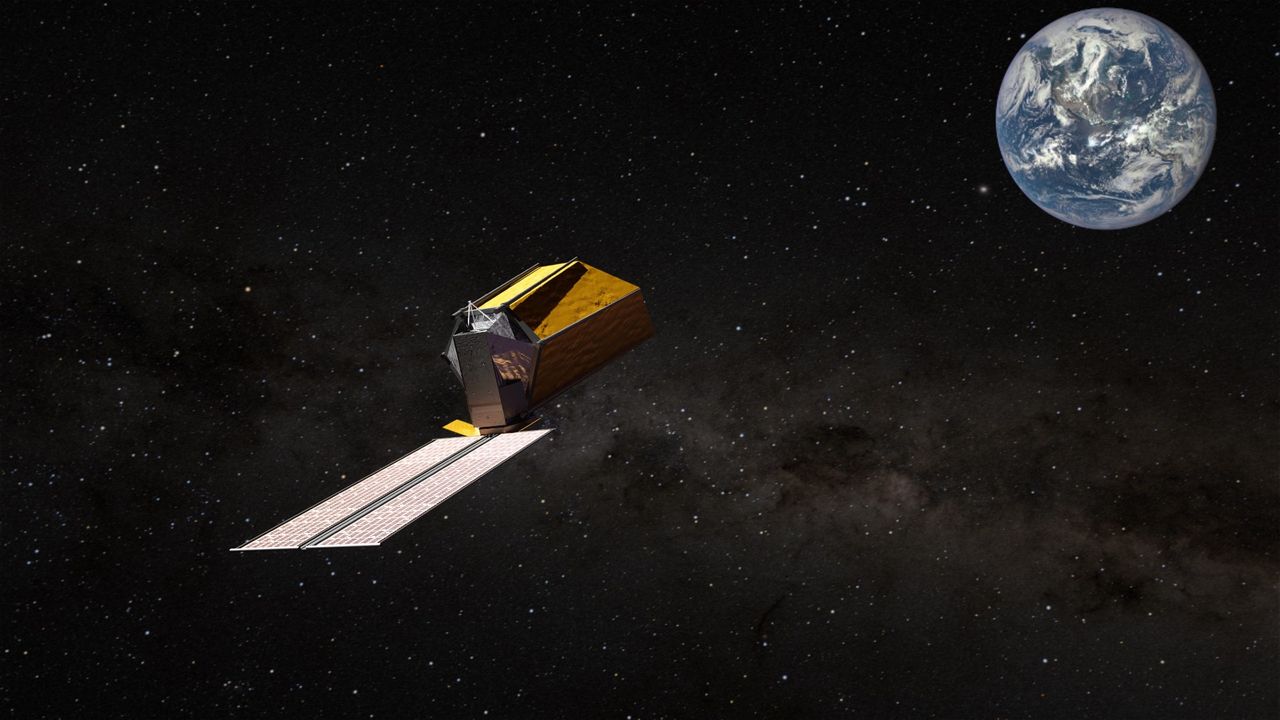
NASA will have to find a way to service its new alien-hunting space telescope
NASA is advancing its exploration of space with the development of the Habitable Worlds Observatory, where robots are set to play a crucial role in its operations. This initiative, which showcases the integration of robotics in space missions, aims to enhance our understanding of potentially habitable planets beyond Earth. The observatory is expected to be operational in the coming years, with significant milestones anticipated in the near future. By employing robotic technology, NASA seeks to conduct complex tasks that will facilitate the search for life-sustaining environments in the universe. This innovative approach not only underscores NASA's commitment to exploring new frontiers but also highlights the growing reliance on automation in scientific research and exploration.
Space Exploration
Aerospace engineers cut composite curing time by almost 50% with 3960-FC material
The aerospace industry, having dedicated decades to enhancing aircraft by making them lighter, stronger, and more fuel-efficient, is now facing new challenges in sustainability. As of October 2023, industry leaders are increasingly focused on reducing carbon emissions and addressing environmental concerns. This shift comes in response to growing pressure from governments and consumers for greener aviation solutions. In a bid to meet these demands, companies are investing in innovative technologies, such as electric and hybrid propulsion systems, as well as sustainable aviation fuels. Major players in the sector are collaborating with research institutions and governments to accelerate the development of these advancements. The urgency of this transition is underscored by the aviation industry's significant contribution to global greenhouse gas emissions, prompting stakeholders to prioritize eco-friendly practices. As the sector navigates this transformation, it aims to balance operational efficiency with environmental responsibility, ensuring a sustainable future for air travel.
Science
Vertex Aerospace secures $500m Air Force C-12 support contract
Vertex Aerospace has secured a significant contract with the US Air Force, valued at up to $500 million, to provide contractor logistic support services for the C-12 fleet. This firm-fixed-price, indefinite-delivery/indefinite-quantity contract underscores the company's commitment to supporting military aviation operations. The agreement aims to enhance the operational readiness and maintenance of the C-12 aircraft, which are essential for various missions within the Air Force. The contract reflects the ongoing collaboration between Vertex Aerospace and the military, ensuring that the C-12 fleet remains efficient and reliable.
News
A SpaceX rocket will slam into the moon this August. Will we be able to see it?
A spent upper stage of a SpaceX Falcon 9 rocket is expected to collide with the moon in August, raising questions among experts about the visibility of the event from Earth. The impact, resulting from the upper stage's trajectory, highlights the growing concern over space debris and its potential effects on celestial bodies. While the exact timing of the crash is anticipated for later this summer, scientists are still assessing whether observers on Earth will be able to witness the event. The situation underscores the increasing frequency of space missions and the need for monitoring the remnants of these launches as they travel through space.
The moon Astronomy Solar System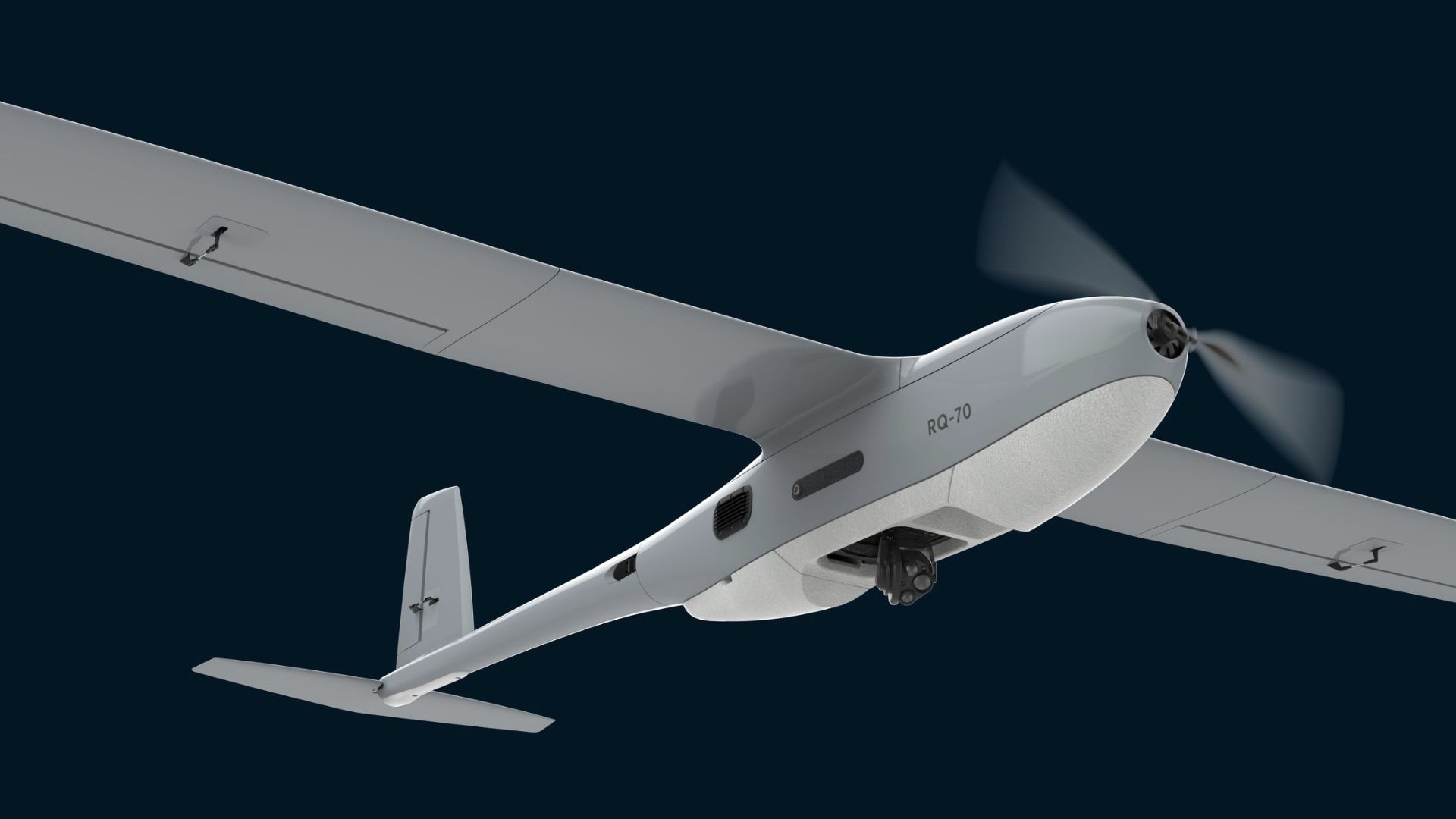
US firm’s new deep-reach drone can conduct surveillance beyond tactical frontline
An aerospace and defense company has introduced its latest deep-reach intelligence, surveillance, and reconnaissance (ISR) system, designed to enhance military operations and situational awareness. The announcement was made during a defense technology conference held in Washington, D.C., on October 15, 2023. This cutting-edge system aims to provide armed forces with advanced capabilities to gather critical data over vast distances, improving their ability to monitor and respond to threats in real-time. The development of this ISR technology is motivated by the increasing demand for enhanced surveillance solutions in modern warfare, where timely and accurate information is crucial for mission success. The company plans to integrate this system into existing military platforms, ensuring seamless operation and compatibility with current defense strategies.
Military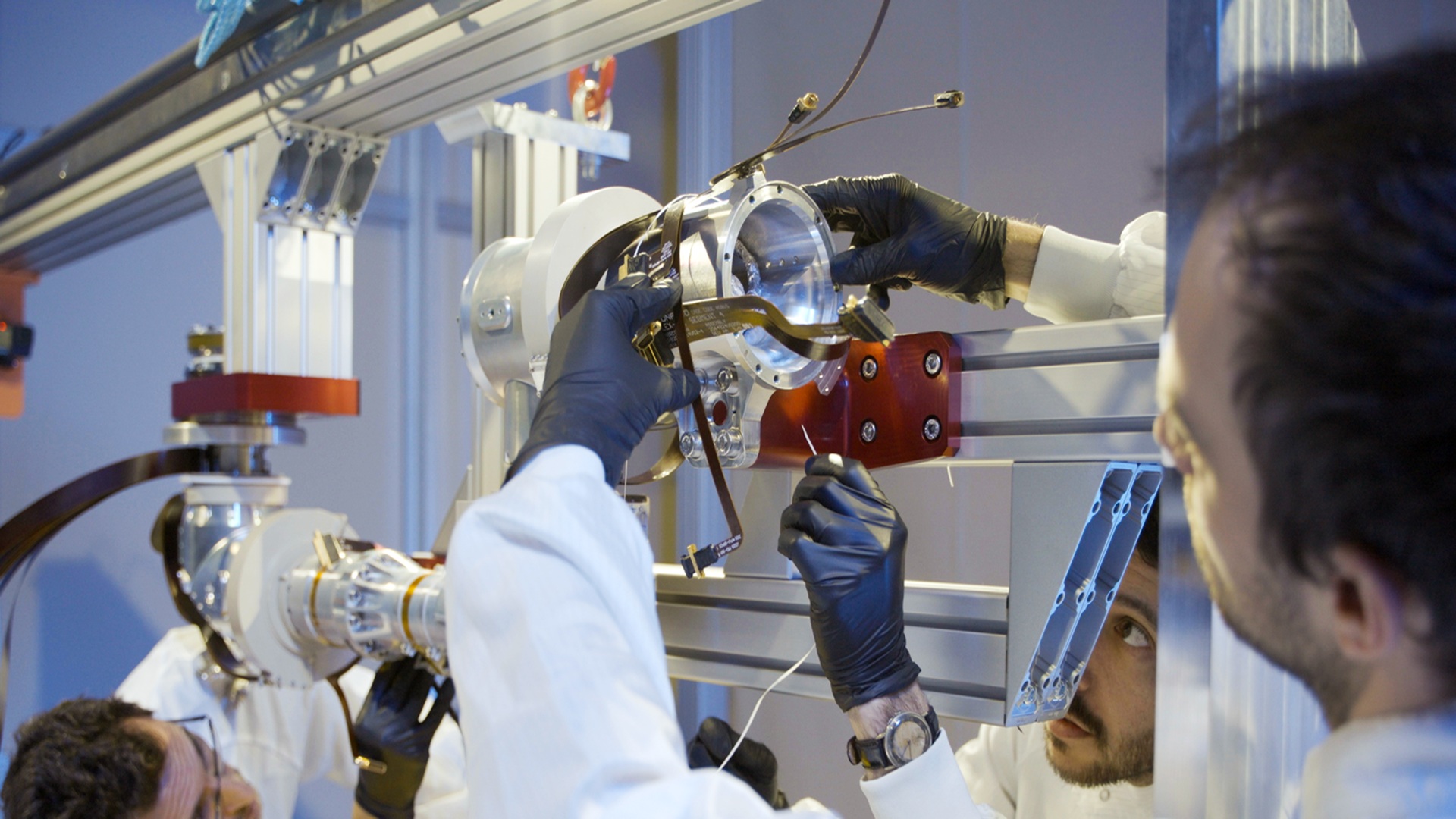
Europe builds robotic arm that can see, feel and handle samples for Moon missions
Engineers at the European Space Agency (ESA) are currently in the process of assembling a highly sophisticated robotic arm designed for future space missions. This advanced technology aims to enhance the capabilities of European spacecraft, allowing for more complex tasks in orbit and on planetary surfaces. The assembly is taking place at ESA's facilities in the Netherlands, where teams are meticulously working to ensure the arm meets stringent operational standards. The initiative is part of ESA's broader strategy to strengthen its role in international space exploration and to contribute to collaborative missions with other space agencies. By developing this cutting-edge robotic arm, ESA seeks to improve the efficiency and effectiveness of its missions, ultimately advancing scientific research and exploration beyond Earth.
AI and Robotics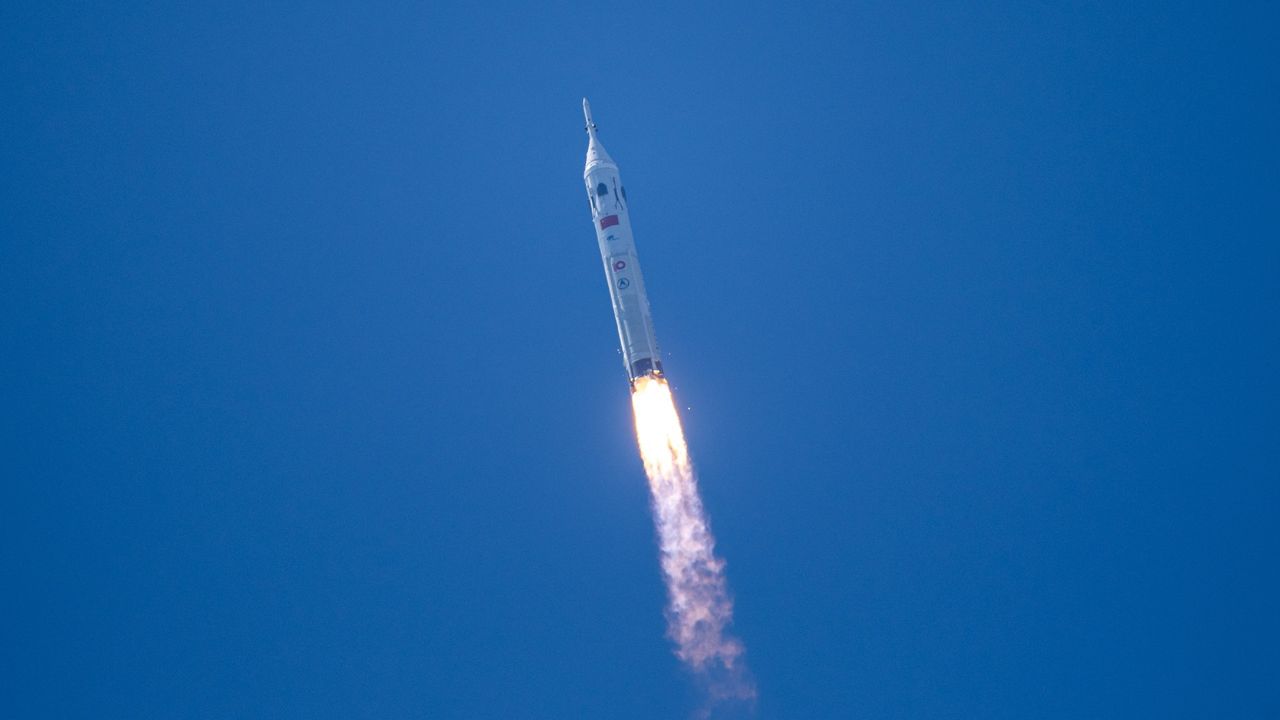
China shakes up its space programs to land astronauts on the moon by 2030: 'We will spare no effort'
China is integrating its robotic Chang'e lunar probe initiatives with its human spaceflight program, aiming to achieve a manned moon landing by 2030. This strategic move reflects the country's commitment to advancing its space exploration capabilities and establishing a more comprehensive approach to lunar missions. By combining robotic and human efforts, China seeks to enhance the efficiency and safety of its lunar exploration endeavors, paving the way for future scientific research and potential long-term lunar habitation. The initiative underscores China's ambition to become a leading player in space exploration, following a series of successful robotic missions that have already gathered valuable data about the moon's surface and resources.
Space Exploration
Video: Helios humanoid robot brings a four-armed design for in-orbit missions
A Canadian robotics company has introduced an innovative humanoid robot intended for space exploration. The unveiling took place recently, showcasing the robot's advanced capabilities and potential applications in extraterrestrial environments. This development aims to enhance human efficiency and safety during missions beyond Earth, addressing the growing need for reliable robotic assistance in space. The robot is designed to perform various tasks that could support astronauts, thereby reducing their workload and allowing them to focus on critical operations. The project reflects ongoing efforts in the aerospace sector to integrate cutting-edge technology into future space missions, highlighting the importance of robotics in advancing human exploration of the cosmos.
Hypersonic ramjet engine designing time cut from months to seconds by GE Aerospace
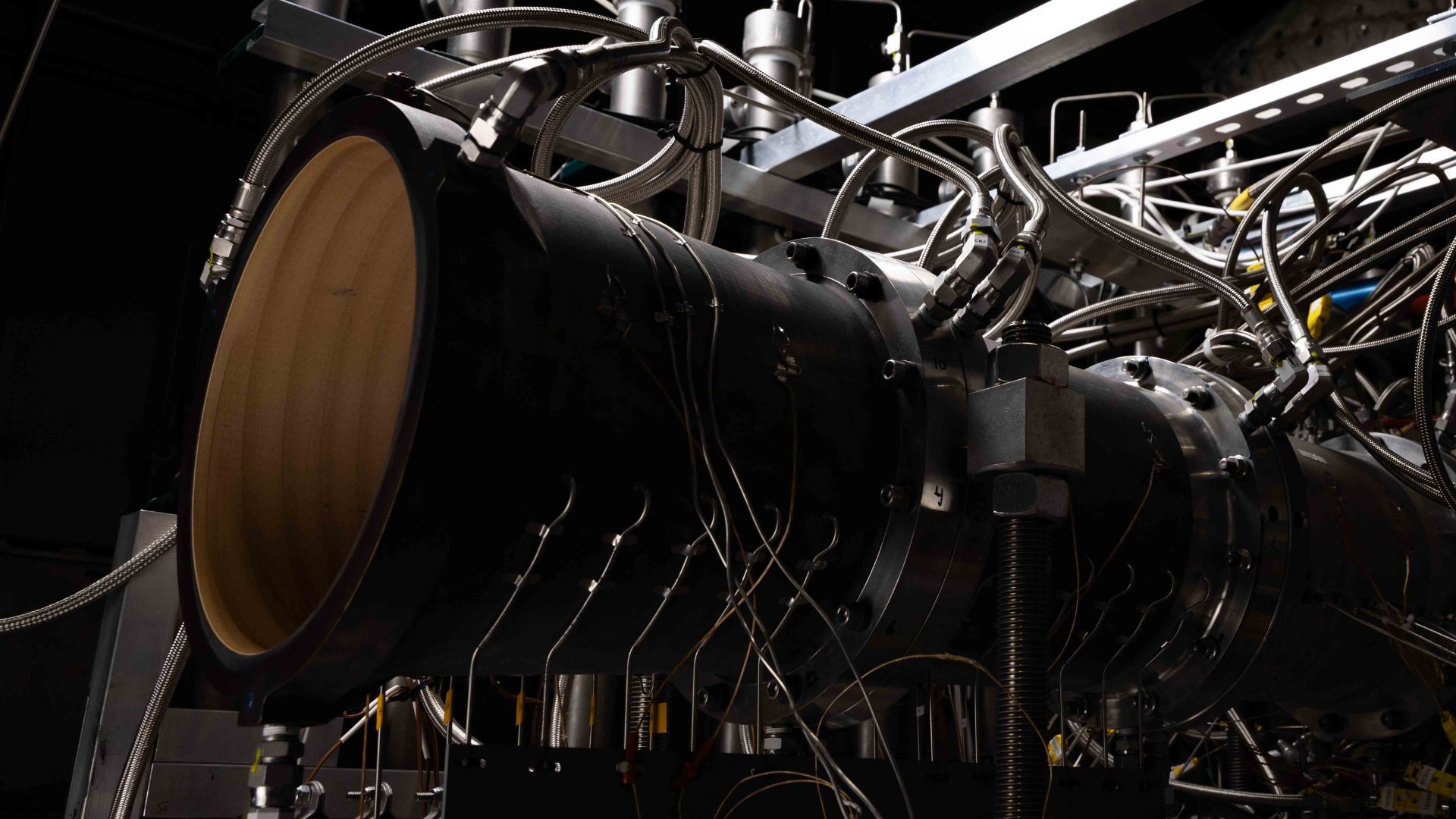
GE Aerospace, a leading aerospace manufacturer based in the United States, has achieved a significant milestone by unveiling the preliminary design layout for its next-generation aircraft engine. This announcement was made on October 15, 2023, during a press conference held at the company's headquarters in Evendale, Ohio. The new engine design aims to enhance fuel efficiency and reduce emissions, aligning with the industry's push for more sustainable aviation solutions. The development process involved extensive research and collaboration with various stakeholders, including engineers, environmental experts, and airline partners, to address the growing demand for greener technologies in aviation. GE Aerospace's commitment to innovation and sustainability is evident in this latest project, which is expected to play a crucial role in the future of air travel. The company plans to conduct further testing and refinement of the design over the coming months, with the goal of bringing the engine to market within the next few years. This achievement not only underscores GE Aerospace's leadership in the aerospace sector but also reflects the broader industry trend towards environmentally responsible practices.
Space Rider Heat Shield and Steering Flaps Pass Plasma Wind Tunnel Trials
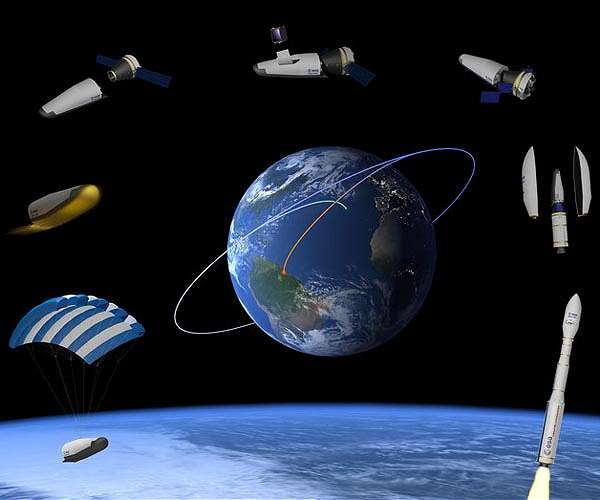
In a significant advancement for Europe's Space Rider program, ceramic tiles and control flaps from the reentry module have successfully passed high-temperature testing in a plasma wind tunnel. This milestone, achieved on May 4, 2026, at the Italian Aerospace Research Centre (CIRA) in Capua, Italy, marks a crucial step in qualifying the spacecraft's thermal protection and guidance systems. The rigorous testing process is essential for ensuring the spacecraft's reliability and safety during reentry, as it prepares for future missions in space exploration.

GITAI Selected by U.S. Space Force for Space-Based Interceptor Program
GITAI has unveiled its latest innovation, a satellite platform equipped with a robotic arm designed for on-orbit operations. This development, which showcases GITAI's commitment to advancing space technology, aims to enhance the efficiency and capabilities of satellite missions. The announcement was made in October 2023, highlighting the company's ongoing efforts to revolutionize the way satellites are operated in space. By integrating robotic technology into satellite systems, GITAI seeks to address the growing demand for more versatile and autonomous operations in the increasingly crowded orbital environment. The platform is expected to facilitate a range of tasks, from maintenance to assembly, thereby reducing the need for human intervention and lowering mission costs. This breakthrough positions GITAI at the forefront of the aerospace industry, as it continues to push the boundaries of what is possible in space exploration and satellite management.
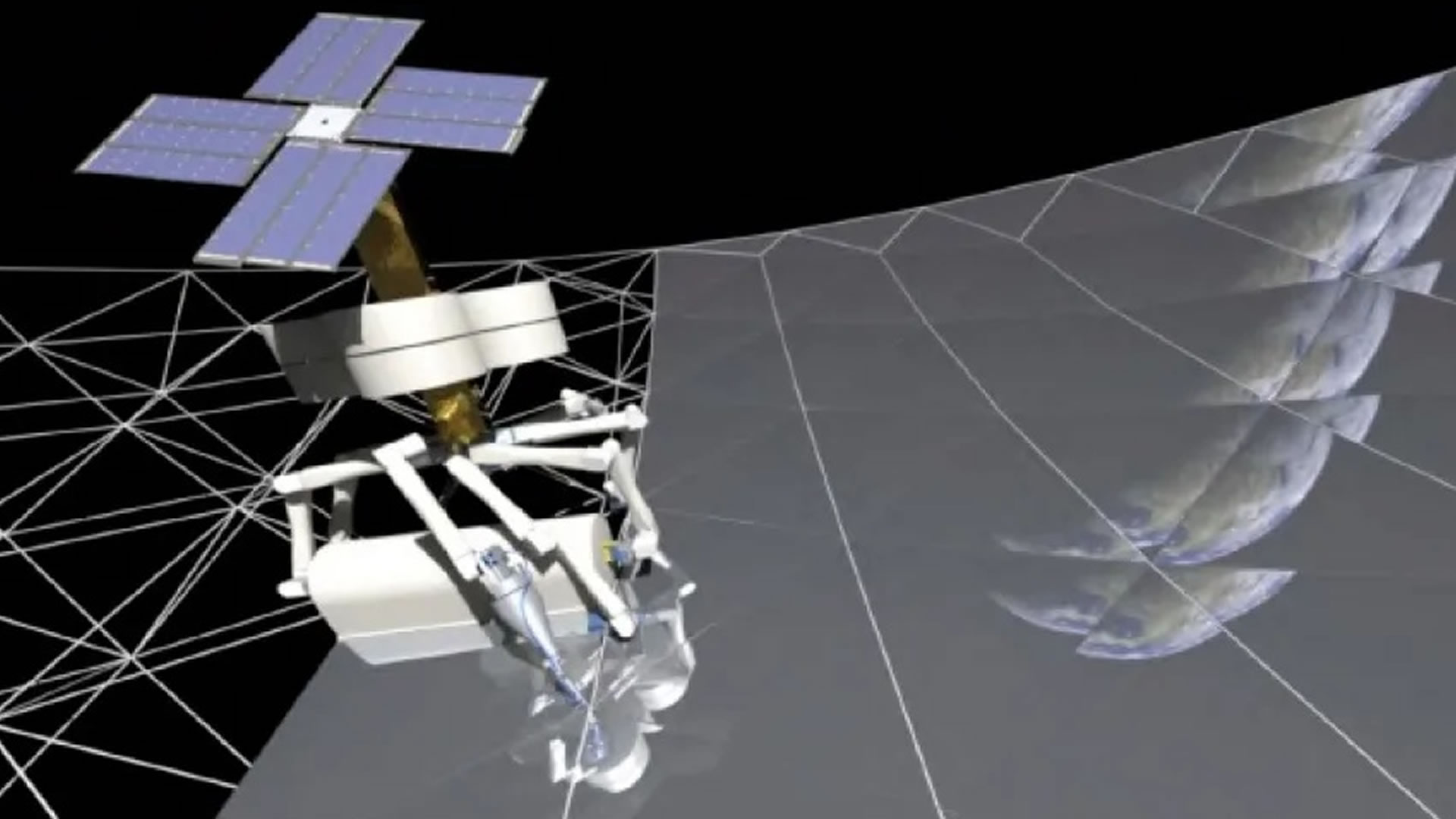
Space spider reborn: China revives NASA’s orbital construction robot dream
Chinese researchers are advancing their space technology by developing an autonomous orbital fabrication robot inspired by NASA's "SpiderFab." This initiative aims to enhance China's capabilities in space construction and manufacturing, reflecting the nation's growing ambitions in the aerospace sector. The project, which is currently in the development phase, seeks to create a robot that can autonomously assemble structures in orbit, potentially revolutionizing satellite and spacecraft production. By leveraging advanced robotics and fabrication techniques, the researchers hope to improve efficiency and reduce costs associated with space missions. This effort underscores China's commitment to becoming a leader in space exploration and technology, as it continues to invest in innovative solutions for future space endeavors.

Belgian Deep Tech Startup Completes ESA-Funded Feasibility Study to Advance Autonomous Drone Landing in GPS-Denied Environments
Agilica BV, a company spun out from the Royal Military Academy of Belgium, has successfully completed a feasibility study funded by the European Space Agency (ESA) to create an innovative Alternative Positioning, Navigation, and Timing (PNT) system. This new technology aims to enhance precision drone navigation and landing capabilities in areas where Global Navigation Satellite System (GNSS) signals are weak or unavailable. This milestone marks a significant advancement in the commercialization of Agilica’s primary product, the AGL system. The development integrates compatibility with GNSS and the Galileo High Accuracy Service (HAS) into their Ultra-Wideband (UWB) positioning solution, targeting applications in maritime, logistics, and urban air mobility sectors.
agilica deep tech startup esa feasibility study autonomous drone landing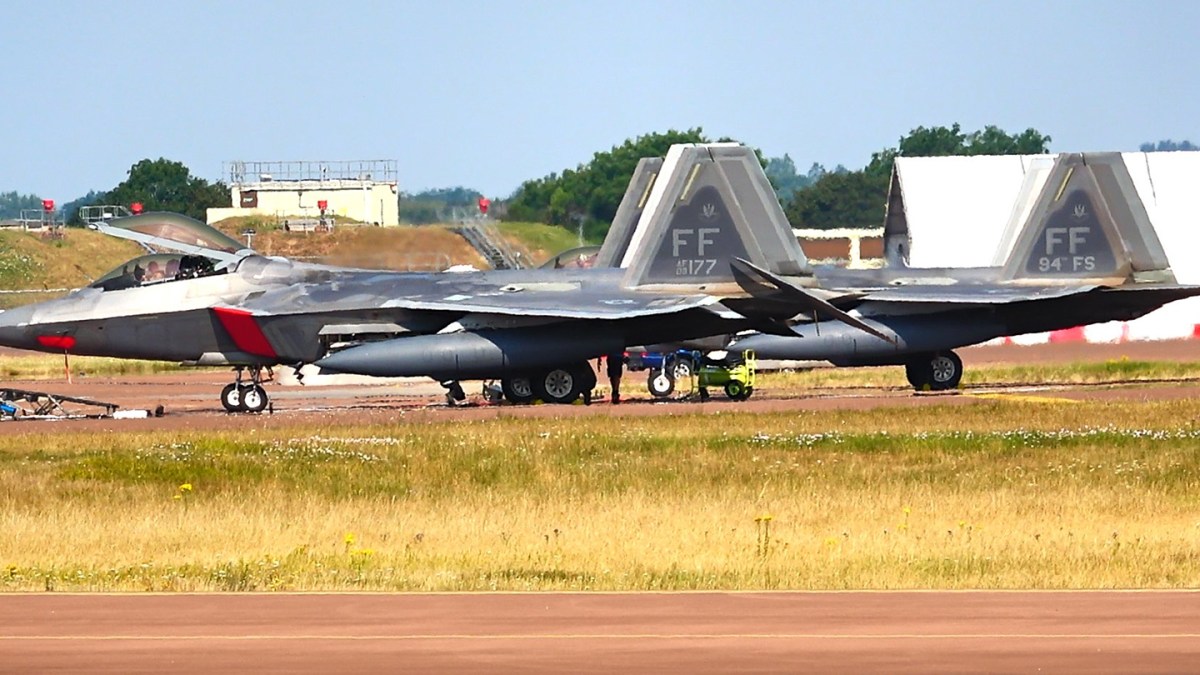
U.S. Air Force F-22 Raptors Return to UK After Combat Missions in Israel
Ten F-22 Raptors from the U.S. Air Force arrived at RAF Fairford in the UK on Friday after a deployment at Ovda Air Base in Israel. The jets, part of the 1st Fighter Wing from Langley Air Force Base, participated in operations against Iranian targets, including air defenses and nuclear facilities, from late February to early March 2023. During this period, they executed over 200 combat sorties while remaining undetected by Iranian radar systems. The significance of this deployment lies in the F-22 Raptors' advanced capabilities, which allowed them to penetrate defended airspace and deliver precision strikes on strategic Iranian infrastructure. U.S. Central Command reported that the Raptors utilized GBU-39/B Small Diameter Bombs and GBU-32 Joint Direct Attack Munitions, coordinating with B-2 Spirit bombers and EA-18G Growler jets to effectively overwhelm Iran's air defenses. This operation reflects the ongoing tensions in the Middle East and the U.S. military's strategic response. Looking ahead, the U.S. military's movements in the region indicate a continued focus on countering Iranian threats. The recent increase in hostilities between the U.S. and Iran, including attacks on multiple fronts, suggests that further military actions may be anticipated. No further timeline was disclosed at the time of publication regarding future deployments or operations involving the F-22 Raptors.
Air Air Forces Around The Globe Europe F-22 Fighters
ANRA Technologies Surpasses 55,000 Commercial Drone Operations Per Month, Demonstrating Growing Demand for Digital Airspace Infrastructure
A leading drone platform has announced that it now facilitates over 1,800 commercial drone operations beyond visual line of sight each day. This significant milestone encompasses a variety of applications, including delivery services, critical infrastructure monitoring, utility management, and public sector missions. The increase in operational capacity reflects the growing demand for advanced drone technology in various industries, driven by the need for efficient and effective solutions. The platform's capabilities enable businesses and government agencies to leverage drones for tasks that require extended range and precision, ultimately enhancing operational efficiency and safety. The announcement comes as the drone industry continues to evolve, with advancements in technology and regulatory frameworks supporting the expansion of drone usage in everyday operations.
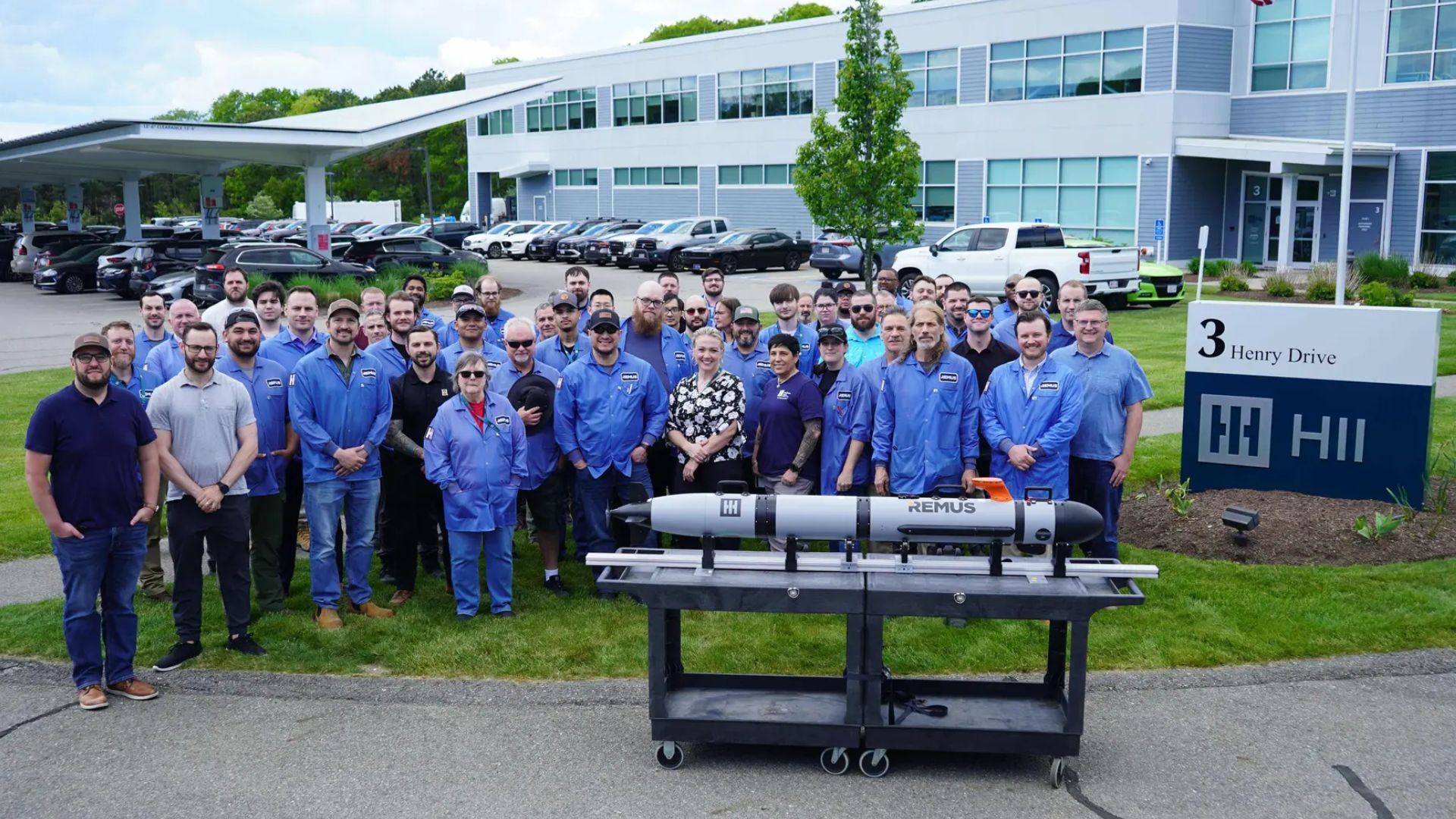
New mini submarine-like drone from HII can dive 328 feet deep with 10 hour battery life
Huntington Ingalls Industries (HII), a prominent U.S. military shipbuilder, has successfully delivered the first REMUS 130 unmanned underwater vehicle. This significant milestone was achieved as part of HII's commitment to advancing maritime technology. The delivery took place in October 2023, showcasing the company's ongoing efforts to enhance the capabilities of the U.S. Navy and other defense partners. The REMUS 130 is designed for various underwater missions, including reconnaissance and surveillance, addressing the growing need for advanced unmanned systems in naval operations. This development reflects HII's strategic focus on innovation and its role in supporting national security objectives through cutting-edge maritime solutions.
Military
Deep learning co-design helps scientists project 28-layer 3D images without crosstalk
Engineering researchers at the University of California, Los Angeles (UCLA) have unveiled a groundbreaking three-dimensional printing technology that significantly enhances the production of complex structures. This innovative method, introduced in October 2023, aims to revolutionize various industries by allowing for the rapid and precise fabrication of intricate designs that were previously difficult or impossible to achieve. The researchers' motivation stems from the growing demand for more efficient manufacturing processes that can produce high-quality components while minimizing waste and time. By leveraging advanced materials and techniques, the team has demonstrated that their new approach can streamline production workflows and reduce costs, making it an attractive option for sectors such as aerospace, automotive, and biomedical engineering. This development not only showcases the potential of 3D printing technology but also emphasizes UCLA's commitment to leading research in engineering and technology. The researchers plan to further refine their technique and explore its applications across various fields, aiming to set new standards in manufacturing efficiency and innovation.
Science
Windowless Phantom 3500 jet advances toward service with 90% lower emissions goal
Otto Aerospace has successfully navigated a significant regulatory milestone in its development of the innovative Phantom 3500 aircraft. This achievement comes as the company aims to revolutionize the aviation industry with its unique design and advanced technology. The approval was granted recently, marking a crucial step forward in the aircraft's production timeline. Located in the United States, Otto Aerospace is focused on enhancing the efficiency and sustainability of air travel. The regulatory clearance is a testament to the rigorous safety and performance standards the company has adhered to throughout the development process. With this progress, Otto Aerospace is poised to advance its plans for the Phantom 3500, which promises to offer a new level of performance in the aviation market.

ICRA Highlights World Models: New Opportunities for Intelligent Space Solutions
At the ICRA 2026 conference, experts gathered to discuss the evolving role of world models in robotics, focusing on the necessity for advanced spatial perception hardware. The event, which took place recently, underscored the challenges the robotics industry faces as robots increasingly operate in varied environments. Key issues highlighted included the importance of data quality and perception systems, which are essential for developing autonomous capabilities. This shift towards a deeper understanding of the physical world marks a significant advancement in robotic technology and its applications, signaling a transformative period for the industry.
World Models Spatial Perception Robotics AI Data Quality
From The Floor of XPONENTIAL: AIRO and Jaunt Reveal Dual-Use VTOL Aircraft for Defense and Cargo Missions
At the AUVSI XPONENTIAL 2026 event in Detroit on May 12, AIRO Group Holdings showcased its full-scale autonomous vertical takeoff and landing (VTOL) aircraft, developed in collaboration with Jaunt Air Mobility. This innovative aircraft is designed to serve dual purposes in defense, specifically for intelligence, surveillance, reconnaissance (ISR), and cargo logistics, as well as remote operations. The unveiling highlights the growing interest in autonomous technology within the aerospace and defense sectors, aiming to enhance operational efficiency and versatility in various mission scenarios.
Cargo Defense defense Delivery Drone News Drone News Feeds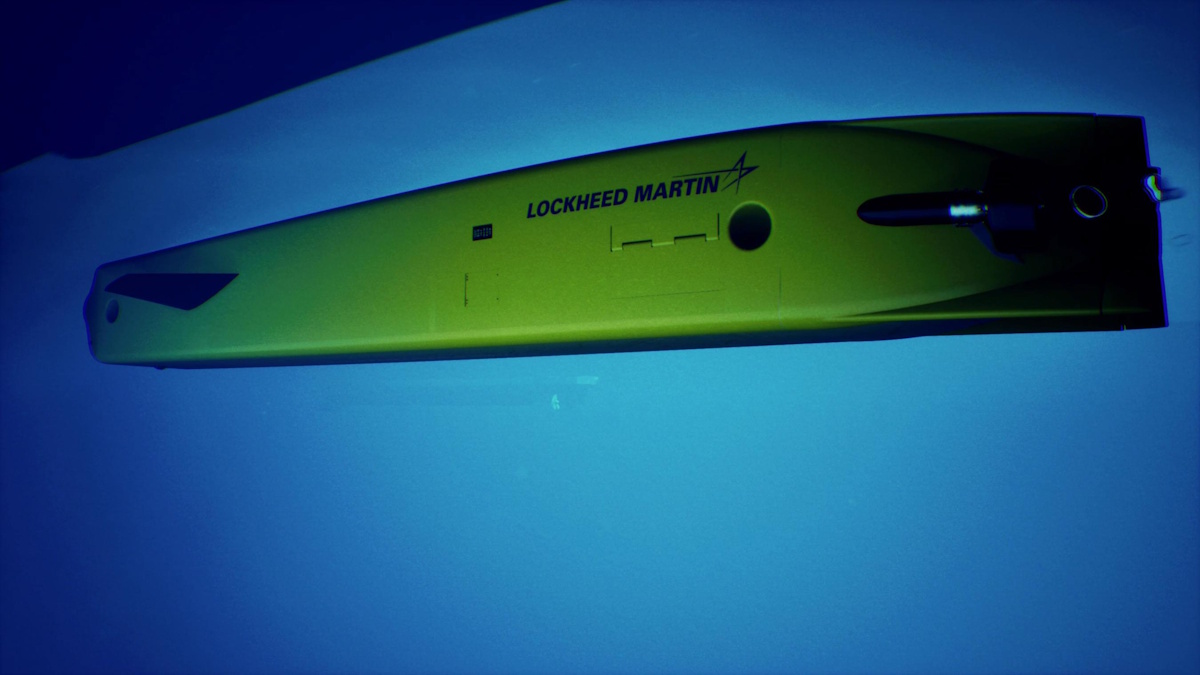
Lockheed Martin Unveils LampreyMMAUV – The Deep Doesn’t Let Go
Lockheed Martin has introduced the Lamprey Multi-Mission Autonomous Undersea Vehicle (MMAUV), a cutting-edge submersible designed to enhance the operational capabilities of U.S. and allied military forces. This innovative "plug-and-play" technology aims to provide a strategic advantage in increasingly competitive maritime environments. The unveiling took place today, showcasing the vehicle's potential to adapt to various missions and improve underwater warfare tactics. By integrating advanced systems, the Lamprey MMAUV is expected to play a crucial role in modern naval operations, addressing the evolving challenges faced by military personnel in maritime settings.
lockheed martin lampreymmauv
NASA's AstroPix Technology Demonstration to Advance Next-Generation Gamma-Ray Detection
NASA is set to conduct an in-orbit demonstration of its innovative AstroPix gamma-ray sensor, a cutting-edge pixel-based detector designed to enhance the study of gamma-ray bursts and active galaxies. This significant event is scheduled to take place in the near future as part of NASA’s ongoing efforts to advance astrophysical research. The AstroPix sensor aims to provide unprecedented insights into cosmic phenomena, which could deepen our understanding of the universe. By utilizing this advanced technology in space, NASA hopes to gather critical data that will inform future missions and studies in astrophysics. The demonstration marks a pivotal step in harnessing new detection methods to explore the mysteries of high-energy astrophysical events.

New plasma-powered rocket design could make solid motors restartable
The Aerospace Corporation is making significant strides in the development of a restartable solid rocket motor (RSRM), a technology that could enhance the flexibility and efficiency of space missions. This innovative motor design allows for multiple ignitions, which could be crucial for various applications, including satellite deployment and deep-space exploration. The advancements come as part of ongoing efforts to improve propulsion systems in the aerospace industry. The research and testing phases are currently taking place at the company’s facilities in California, with the aim of addressing the growing demand for more adaptable and reliable rocket systems. By enabling rockets to be restarted in-flight, the RSRM could revolutionize mission planning and execution, ultimately contributing to more cost-effective and sustainable space operations. The Aerospace Corporation's work in this area reflects a broader trend in the aerospace sector, where the need for versatile and efficient technologies is becoming increasingly critical as space exploration continues to expand.

Joint Industry Project to Introduce Next Generation Subsea Flowlines
TotalEnergies, Equinor, Aker BP, DeepOcean, Tenaris, and LS Cable & System have collaborated to develop and commercialize a groundbreaking subsea flowline heating technology. This innovative solution aims to significantly lower manufacturing and installation costs by as much as 35%, while also achieving a 30% reduction in carbon emissions. The technology accomplishes this by separating the pipeline installation from the heating installation process, enhancing efficiency and sustainability in subsea operations. The initiative marks a significant step forward in the energy sector's efforts to adopt greener technologies and reduce environmental impact.
subsea flowlines totalenergies equinor aker bp deepocean tenaris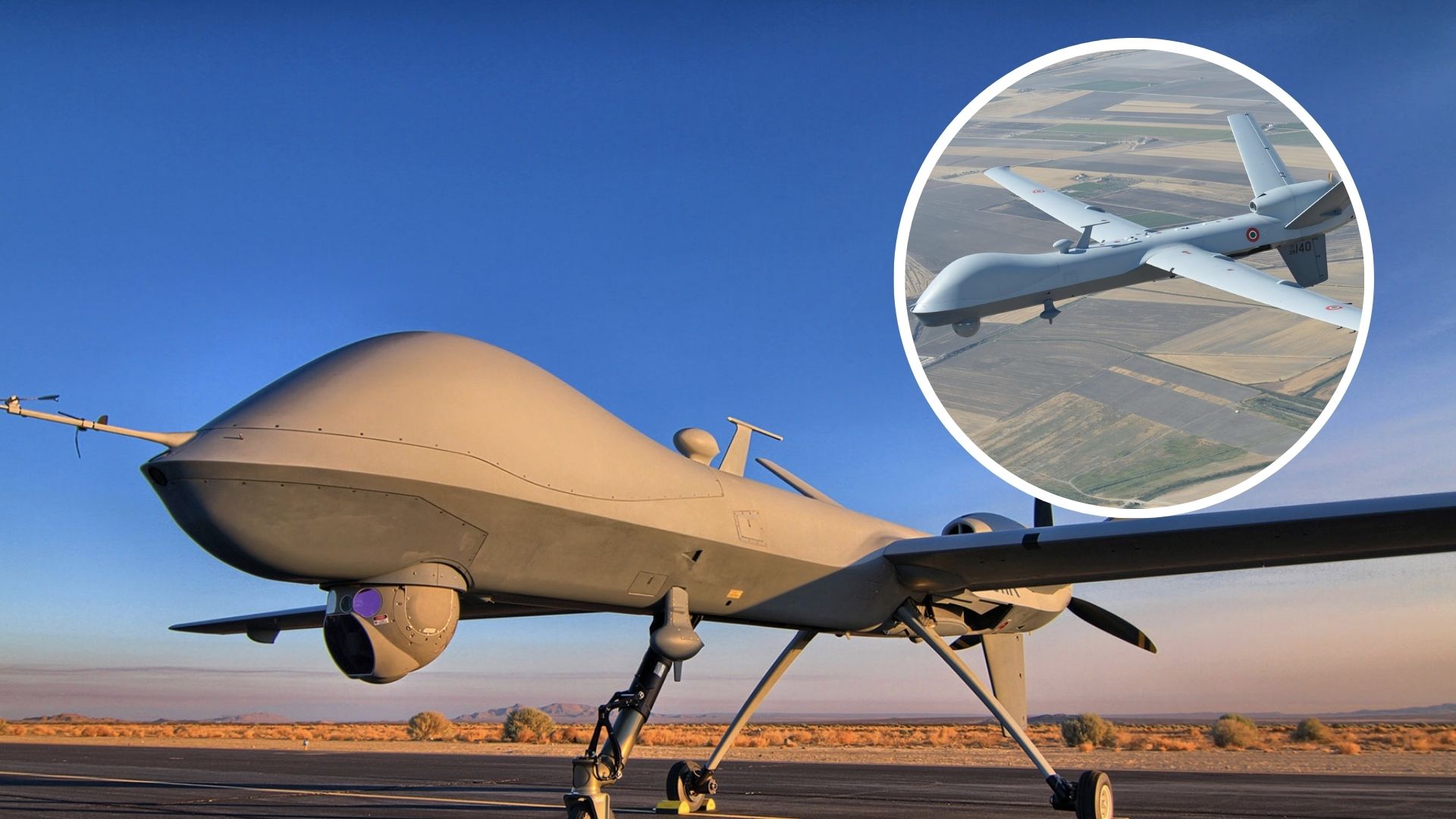
U.S. Department of Defense Launches Massed Modular Aircraft Initiative for Cost-Effective Drones
The U.S. Department of Defense is initiating the Massed Modular Aircraft (MMA) program to develop low-cost combat drones capable of performing missions similar to the MQ-9A Reaper. This initiative reflects a strategic shift towards utilizing affordable, expendable drones in modern warfare, particularly in light of recent conflicts that have exposed the vulnerabilities of high-value aircraft in contested airspace. The Pentagon aims to create a fleet of modular, long-range unmanned aircraft that can be rapidly reconfigured for various missions, significantly reducing operational costs while maintaining effectiveness against advanced enemy defenses. This shift is driven by the need for a more sustainable military approach, as the loss of MQ-9 Reapers during operations against Iran has highlighted the financial burden of relying on expensive platforms. With each MQ-9 costing approximately $30 million, military planners recognize that a strategy focused solely on high-value aircraft is increasingly untenable. The MMA initiative seeks to provide a flexible, risk-tolerant option that can deploy large numbers of drones to overwhelm enemy defenses, thereby ensuring operational capability despite potential losses. Looking ahead, the Pentagon's focus on massed modular aircraft indicates a significant evolution in military tactics. The ability to deploy swarms of low-cost drones could complicate enemy air defenses and enhance reconnaissance and strike capabilities. No further timeline was disclosed at the time of publication, but the emphasis on affordability and modularity suggests a proactive response to the changing dynamics of modern warfare and the need for cost-effective solutions in defense operations.
Military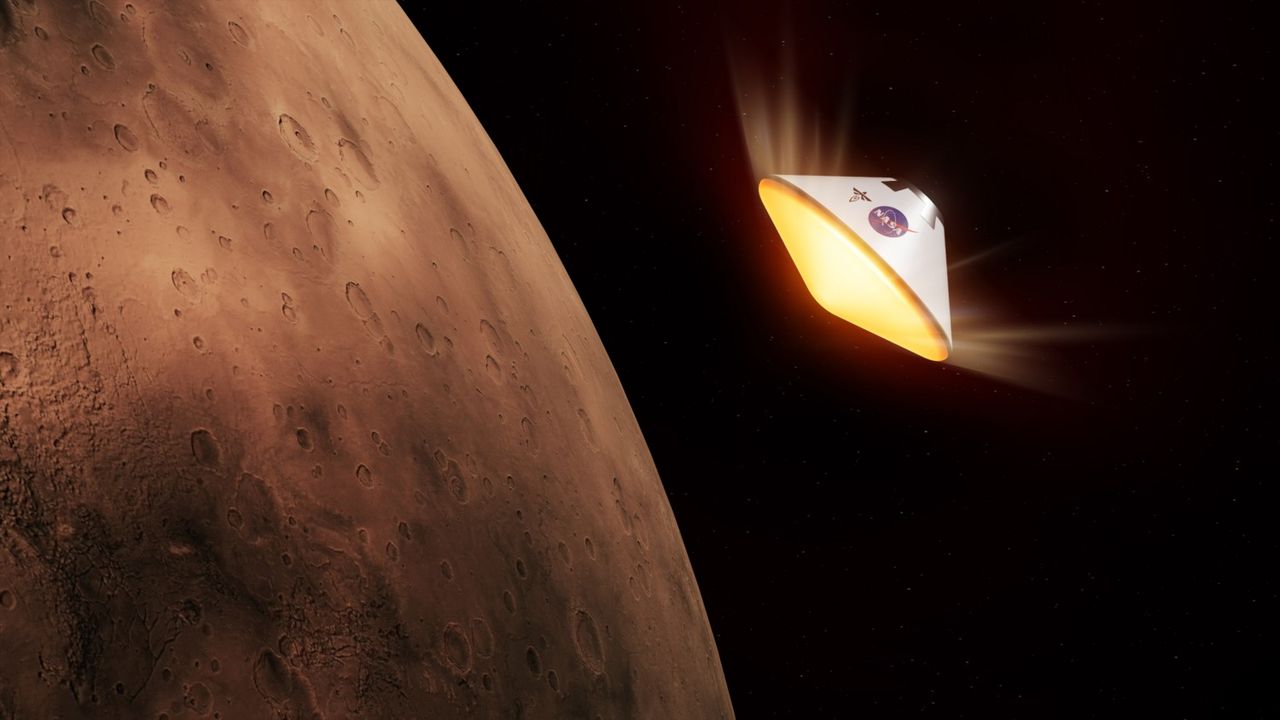
NASA begins funding hardware for 'Skyfall' Mars helicopter mission
NASA is advancing its nuclear-powered mission to Mars by selecting Firefly Aerospace to design and manufacture the protective aeroshell for the Skyfall spacecraft. This critical component will safeguard the descent stage as it enters the Martian atmosphere. The collaboration marks a significant step in ensuring the spacecraft's safe landing on the Red Planet, as it prepares for its upcoming mission. The decision underscores NASA's commitment to innovative technologies in space exploration, particularly in the context of future manned missions to Mars.
Missions Space Exploration
Pakistan gives foreign banks an edge in shift to Islamic finance
FinancePakistan gives foreign banks an edge in shift to Islamic financeDomestic lenders required to convert to sharia-compliant model from 2028One currency, two banking systems. Pakistan's banks must all offer sharia-compliant services from 2028, but foreign banks will be able to continue offering non-Islamic services alongside -- giving them a possible advantage. © ReutersADNAN AAMIRJuly 7, 2026 14:31 JSTISLAMABAD -- In the run-up to its banking reform toward Islamic banking, the Pakistani government has decided to require domestically owned banks to operate under a fully sharia-compliant model from 2028 to eliminate interest-based finance.Read NextEnergyPakistan approves final link in 1,600-km national oil pipelineFinanceBangladesh bets $3.2bn to avert a banking crisis but reforms elusiveBusiness trendsPakistani gig workers' exports to hit record high but AI threats loomCommoditiesIndian families scale back on gold for weddings as prices hover near highsEnergyBangladesh power cuts deepen as government struggles to pay billsFood & BeverageIndia's sugar industry likely to exit exports and exist for ethanolDefensePakistan unfazed by Afghan-Russian military pact, say officialsTradeChinese firms brace for new EU rules as trade deficit tops $1bn a dayInternational relationsBangladesh courts China to drive infrastructure and trade pushBusiness dealsPakistan offers up 3 state-owned power distributors in privatization pushLatest on FinanceFinanceSingapore's Temasek to raise AI exposure 2.5-fold over 5 yearsFinanceJapan brokerages set sights on US mega-IPOs after strong SpaceX debutFinanceJapan's blockchain-based security tokens to open to foreign investorsSponsored ContentAbout Sponsored ContentThis content was commissioned by Nikkei's Global Business Bureau.
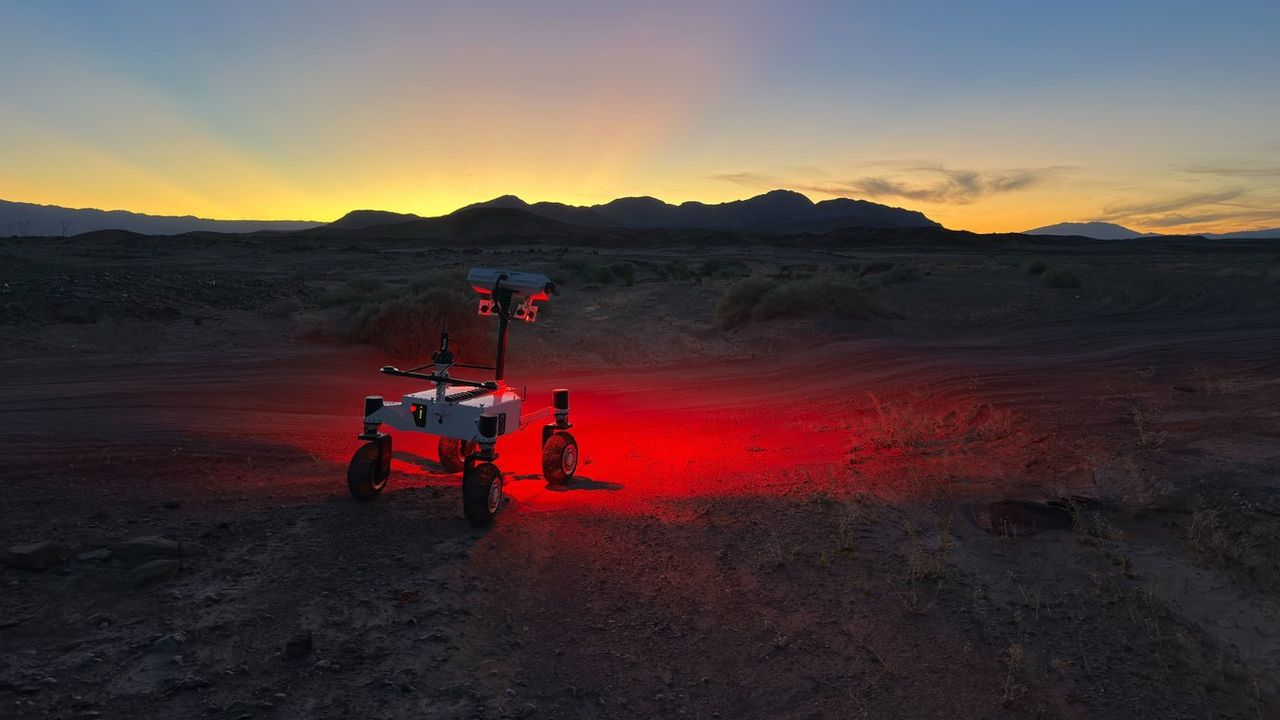
NASA tests advanced new Mars rover prototype in the California desert (video)
NASA scientists are advancing the development of autonomous robotic technology with a new rover prototype designed to enhance navigation on challenging terrains. This innovative rover is being tested to improve its ability to think independently and maneuver through difficult lunar and Martian landscapes that have previously posed significant obstacles for older models. The initiative aims to equip future missions with more capable rovers that can adapt to unpredictable environments, thereby increasing the efficiency and success of exploration efforts on other celestial bodies. The ongoing research and testing are part of NASA's broader strategy to enhance robotic capabilities for upcoming space missions.
Space Exploration
Could humans someday explore Saturn's moon Titan, or will humanoid robots do it for us?
As humanity explores the possibility of reaching Titan, Saturn's largest moon, a debate has emerged regarding the potential for human presence versus the use of AI-powered humanoid robots for the journey. Experts in space exploration are considering the feasibility of sending humans to Titan, a location known for its intriguing atmosphere and surface lakes of methane. However, advancements in robotics and artificial intelligence have led to discussions about the advantages of deploying autonomous robots for such missions, which could mitigate risks associated with human travel in harsh extraterrestrial environments. The timeline for these missions remains uncertain, but ongoing research and technological developments are paving the way for future exploration. As scientists and engineers continue to evaluate the challenges of a Titan expedition, the conversation highlights the evolving role of AI in space exploration and the potential for robots to undertake complex tasks in environments that are inhospitable to humans.
Space Exploration
World’s first Mach 2.5 test platform to blast hypersonic materials through storms
A U.S. aerospace company has introduced what it claims to be the world's first commercial platform designed for urban air mobility. The announcement was made during a press conference held on October 15, 2023, at the company's headquarters in California. This innovative platform aims to revolutionize transportation in densely populated areas, addressing the growing need for efficient and sustainable urban transit solutions. The company’s executives highlighted that the development is motivated by increasing urban congestion and the demand for faster travel options. The platform is expected to utilize advanced electric vertical takeoff and landing (eVTOL) technology, enabling it to operate in urban environments while minimizing noise and emissions. The unveiling marks a significant milestone in the aerospace industry, as the company plans to collaborate with city planners and regulatory bodies to ensure the safe integration of this new mode of transportation into existing urban infrastructures.
Military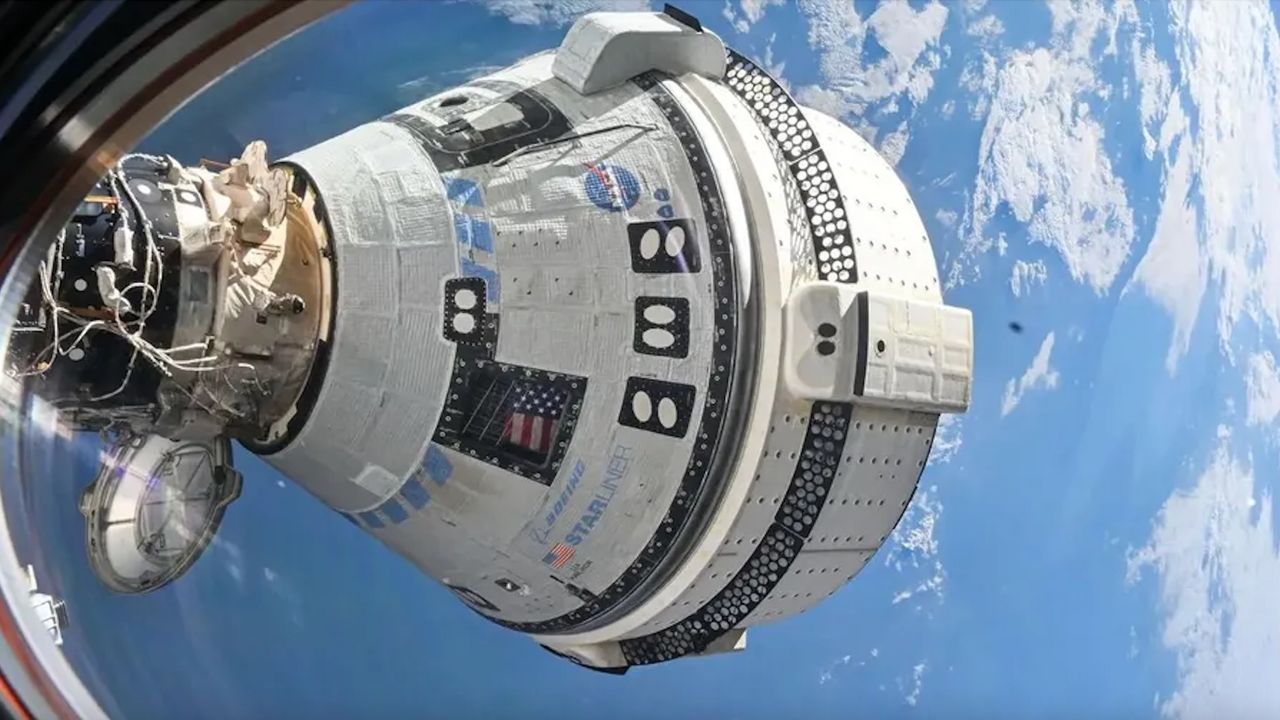
NASA audit puts Boeing's Starliner under an even bigger microscope: When will it fly astronauts again?
A recent audit by NASA highlights the agency's need to secure additional astronaut flights to the International Space Station (ISS) by 2030, primarily due to ongoing challenges with Boeing's Starliner spacecraft. The report underscores concerns regarding the spacecraft's development and operational readiness, which have prompted NASA to reassess its current flight schedule and capabilities. As the agency aims to maintain a continuous human presence in low Earth orbit, the findings emphasize the urgency of addressing these issues to ensure reliable transportation for astronauts. The audit serves as a critical reminder of the complexities involved in space missions and the importance of robust partnerships with commercial providers like Boeing.
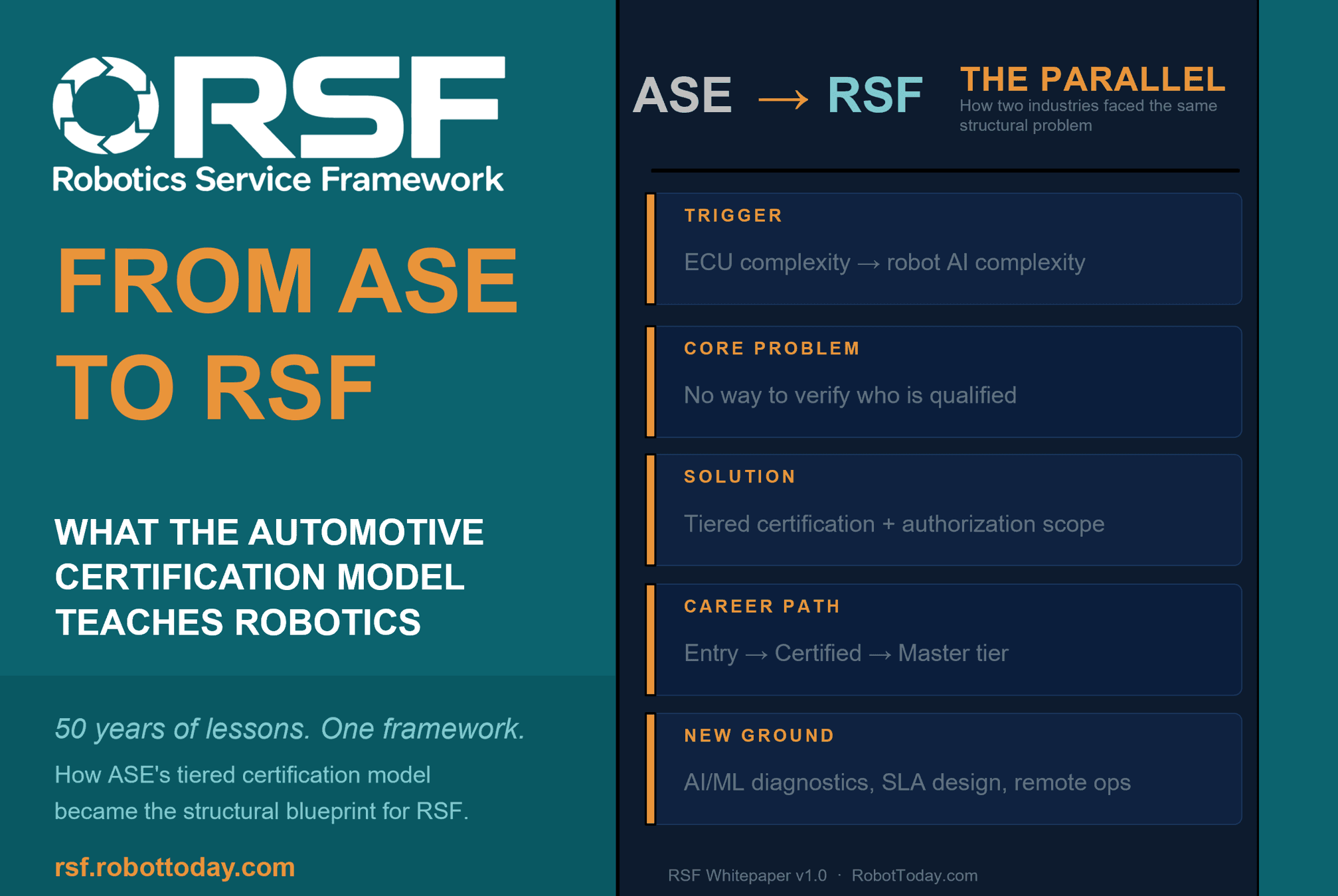
Human Spaceflight Space ExplorationRobotics needs a service framework.
RSF defines a common language for robot service capability, lifecycle operations, certification pathways, and service-provider networks.