Industry Briefing
A single destination for timely, editor-curated robotics news from around the world.
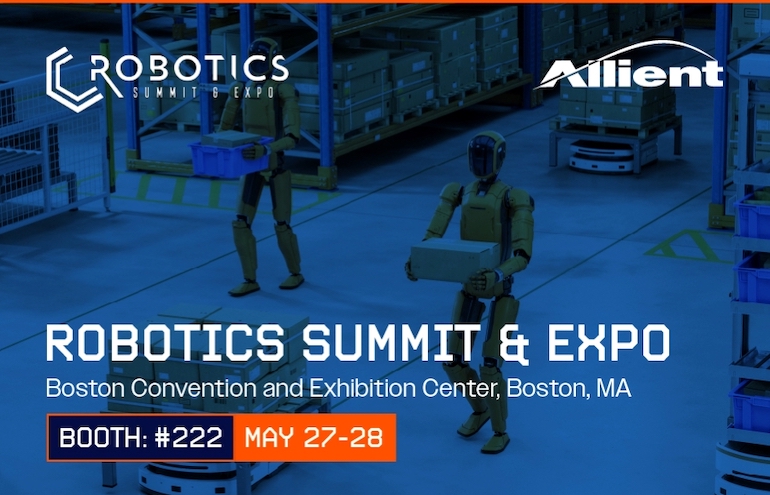
Allient to demonstrate advanced motion control systems at 2026 Robotics Summit & Expo
Allient is set to showcase its advanced motion and control technologies at the Robotics Summit & Expo taking place this week in Boston. The company aims to highlight its innovative systems, which are designed to enhance robotic applications and improve operational efficiency. This exhibition represents an opportunity for Allient to engage with industry professionals and demonstrate the capabilities of its latest developments in motion control. The event serves as a platform for networking and collaboration within the robotics sector, emphasizing the importance of technological advancements in driving the future of automation.
Actuators / Motors / Servos Controllers Events Motion Control News allient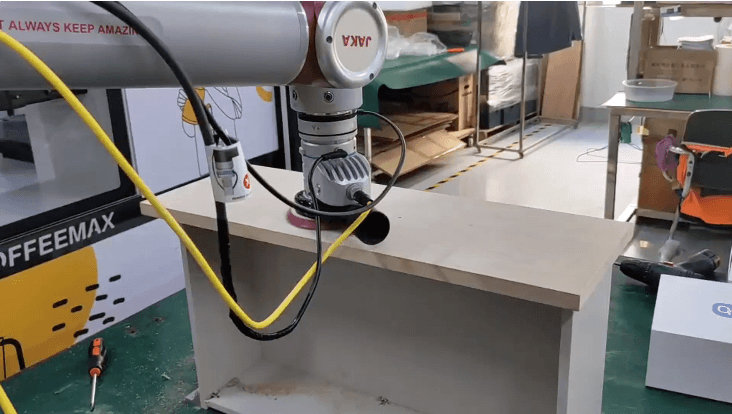
Understanding Automation Robotics Technology: From Sensors to Control Systems (JAKA CAB V3)
JAKA, a leader in automation robotics technology, has unveiled its advanced polishing robot, powered by the innovative CAB V3 controller, designed to enhance the precision and consistency of metal component finishing. This cutting-edge system, which integrates sophisticated sensing and control mechanisms, addresses the challenges faced by skilled artisans in achieving flawless surfaces. The CAB V3 controller serves as the brain of the robot, translating high-resolution sensor data into precise motion commands. Equipped with advanced proprioceptive sensors and force control technology, the polishing robot can adapt to subtle variations in part geometry, ensuring optimal tool orientation and pressure during operation. This real-time feedback loop allows the robot to maintain high standards of quality while compensating for any deviations. JAKA's design philosophy emphasizes the seamless integration of sensing, computation, and mechanical action, enabling the polishing robot to operate smoothly without vibrations that could damage surfaces. The CAB V3 also supports connectivity with external vision systems and factory networks, enhancing flexibility in mixed-production environments. By leveraging this advanced automation technology, manufacturers can achieve unprecedented levels of consistency and quality in their finishing tasks, transforming the traditional polishing process into a highly efficient and repeatable operation.

Phoxter to showcase AI inspection, AMR, and warehouse control systems at Robot Technology Japan 2026.
Phoxter Co., Ltd. will showcase its innovations at the upcoming "Robot Technology Japan 2026" exhibition, scheduled to take place from June 11 to June 13, 2026, at the Aichi Sky Expo. This event aims to highlight advancements in robotics technology and foster collaboration within the industry. By participating, Phoxter seeks to demonstrate its commitment to driving innovation and engaging with potential partners and customers in the rapidly evolving robotics sector.
Why Robots Struggle with Elevators: Challenges and Solutions
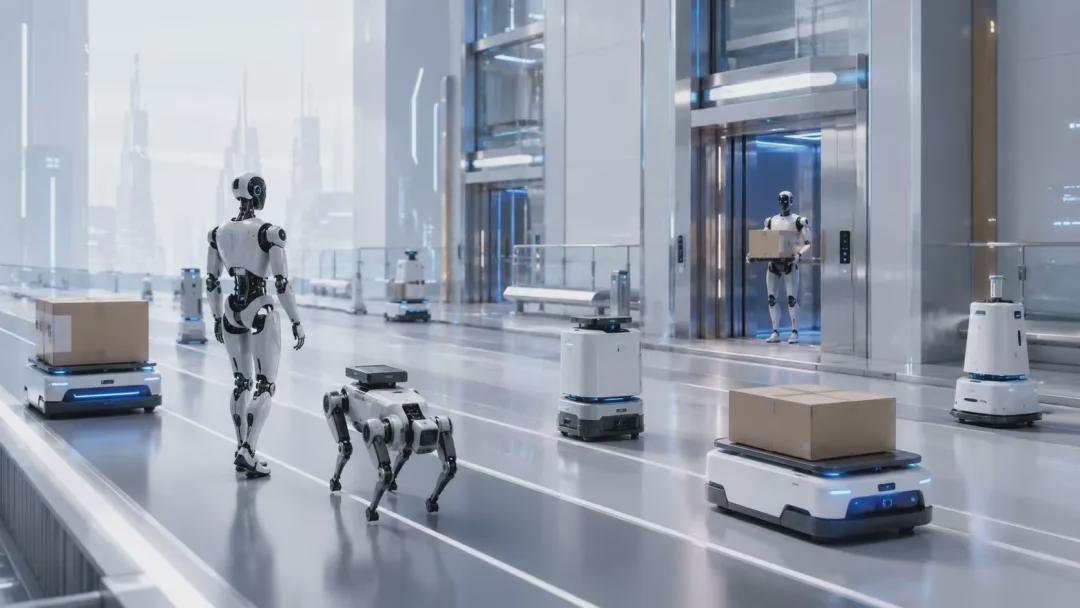
Recent discussions have highlighted the significant challenges robots encounter when navigating elevators, particularly issues related to collisions and inefficiencies stemming from outdated infrastructure. Experts emphasize the urgent need for advanced elevator control systems that would allow for real-time communication between robots and elevators. This technological enhancement is crucial for ensuring safe and efficient operations as robots increasingly integrate into multi-floor environments. Advocates are calling for improved infrastructure to support seamless robotic movement across various levels, which is essential for optimizing their functionality in modern buildings.
Robot Navigation Elevator Control Systems Automation Technology Industrial Robotics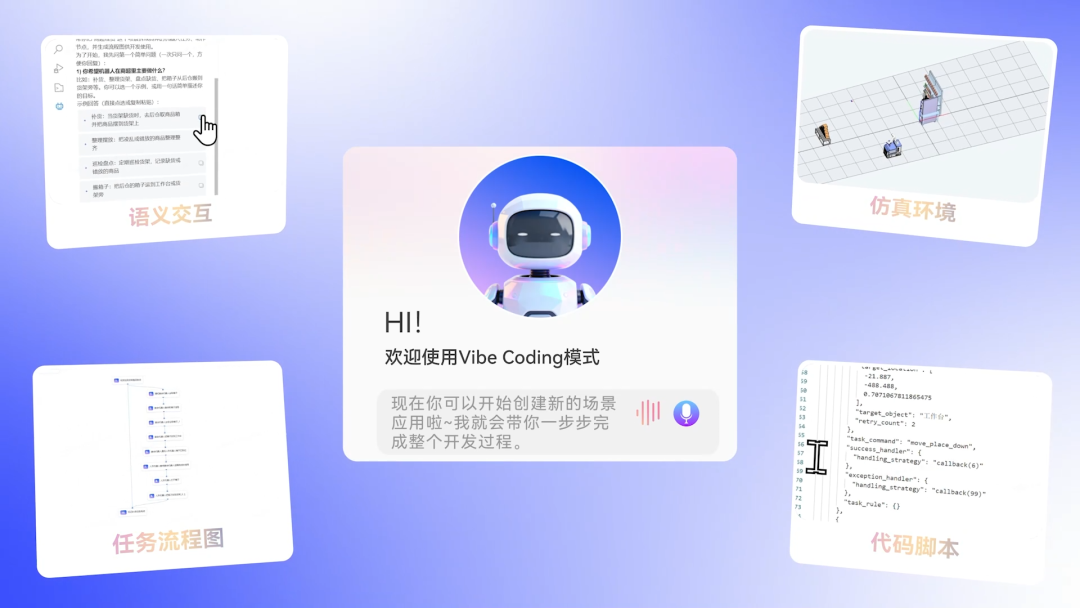
Addressing the Overlooked Infrastructure Gap in the Robotics Industry
Domestic robots continue to depend heavily on foreign software platforms, despite significant advancements in their hardware capabilities. Aifute Qizhi, a key player in the robotics industry, is actively working to address this reliance by integrating essential components such as control systems and data platforms. This initiative aims to develop a more cohesive and efficient environment for robotics development, ultimately enhancing the autonomy and functionality of domestic robots. The company's efforts reflect a broader trend in the industry to reduce dependency on external software and foster innovation within domestic markets.
Robotics Development Software Integration Control Systems AI Automation
ACS Raises $200M in Series B Funding to Expand ‘Bullfrog’ Autonomous Counter-Drone System
Allen Control Systems has successfully secured $200 million in a Series B funding round aimed at enhancing the production of its autonomous counter-drone weapons systems, which are intended for the U.S. military and its allied nations. The funding round was spearheaded by Smash Capital, with contributions from existing investors such as Craft Ventures, Rally Ventures, and Inspired Capital. This financial boost will enable the company to scale its operations and meet the growing demand for advanced defense technologies in response to increasing drone threats.
AI AI Funding & Investment Robotics ACS Allen Control Systems autonomous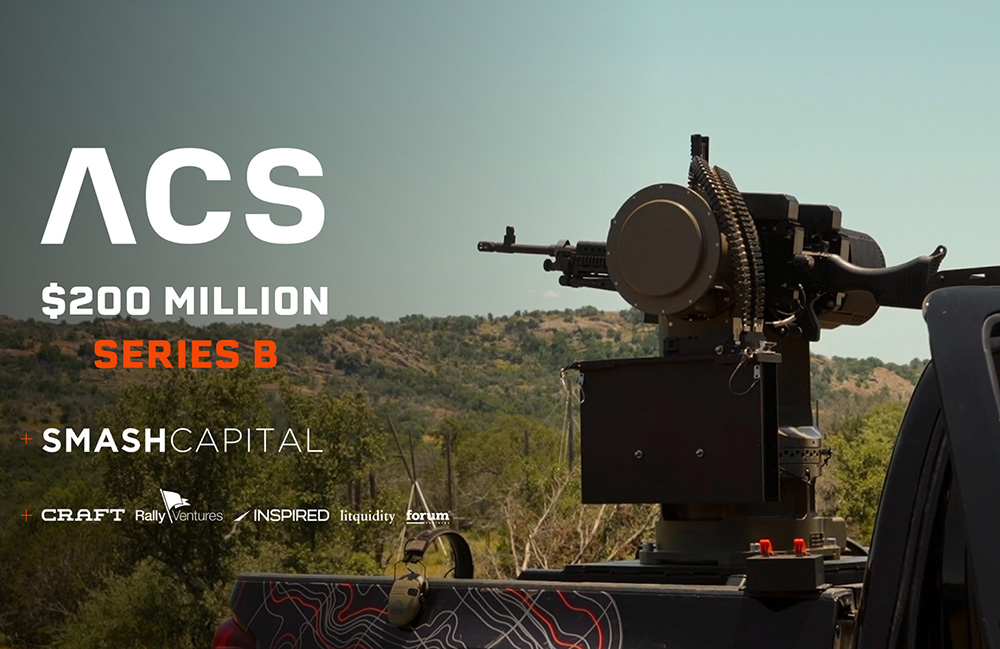
ACS raises $200M to scale autonomous counter-drone system
Allen Control Systems has secured $200 million in funding to enhance the manufacturing capabilities and expedite the deployment of its autonomous weapon station, known as Bullfrog. This significant investment aims to bolster the company's efforts in developing advanced counter-drone technology, responding to the increasing demand for effective security solutions in various sectors. The funding will facilitate the scaling of production processes, allowing for a quicker rollout of the Bullfrog system, which is designed to autonomously detect and neutralize drone threats. This initiative underscores the growing importance of autonomous systems in modern defense strategies.
Artificial Intelligence Defense / Security Financial Investments Markets / Industries News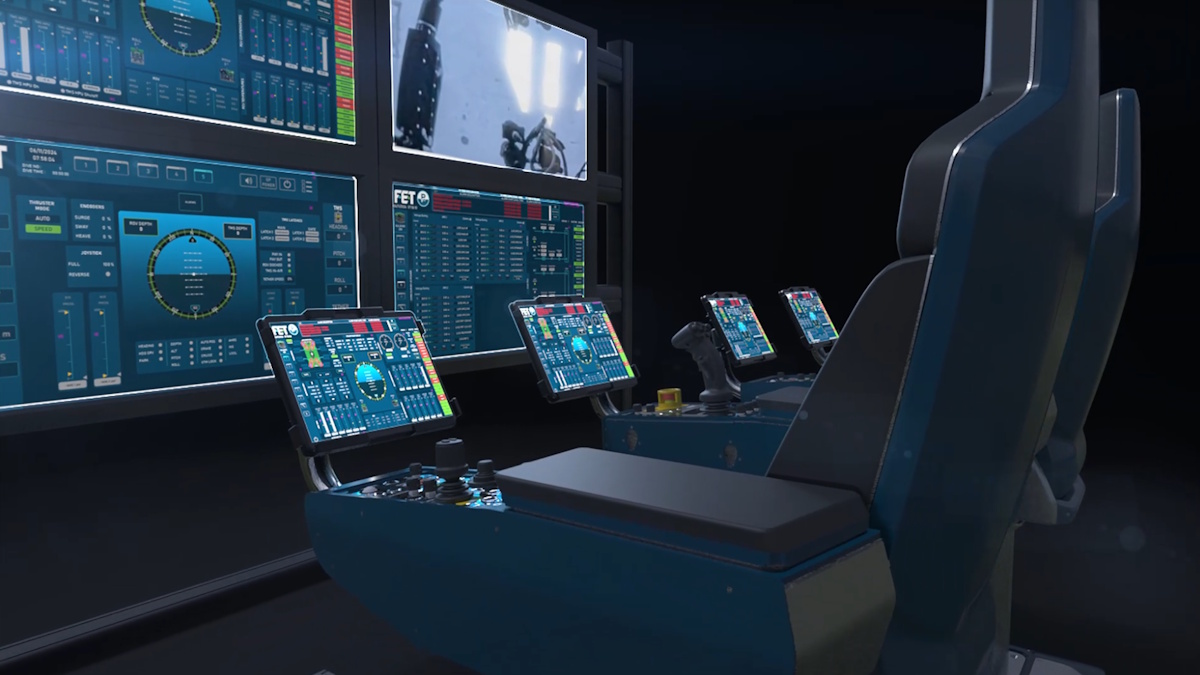
FET launches new ROV control system
Forum Energy Technologies has introduced ICE Unity, a next-generation remotely operated vehicle (ROV) control system, marking a significant advancement in ROV technology. This new system addresses the growing demand within the sector for enhanced data and control access beyond the traditional core control systems. The launch of ICE Unity reflects the company's commitment to innovation and responsiveness to industry needs, providing operators with improved capabilities for managing ROVs in various operational environments.
fet rov control system
Capital Increase + Price Drop: Hangkai Microelectronics Accelerates the Popularization of Embodied Intelligent End Force Control Technology
Hangkai Microelectronics is taking significant steps to advance the adoption of its embodied intelligent end force control technology through a recent capital increase and a strategic price drop. This initiative, announced in October 2023, aims to enhance the accessibility of their innovative solutions in the market. The company is focused on expanding its reach and facilitating the integration of this technology across various industries, addressing the growing demand for intelligent automation. By reducing prices, Hangkai Microelectronics hopes to attract a broader customer base and accelerate the implementation of their cutting-edge technology, ultimately positioning itself as a leader in the field of intelligent control systems.
Robotics Automation AI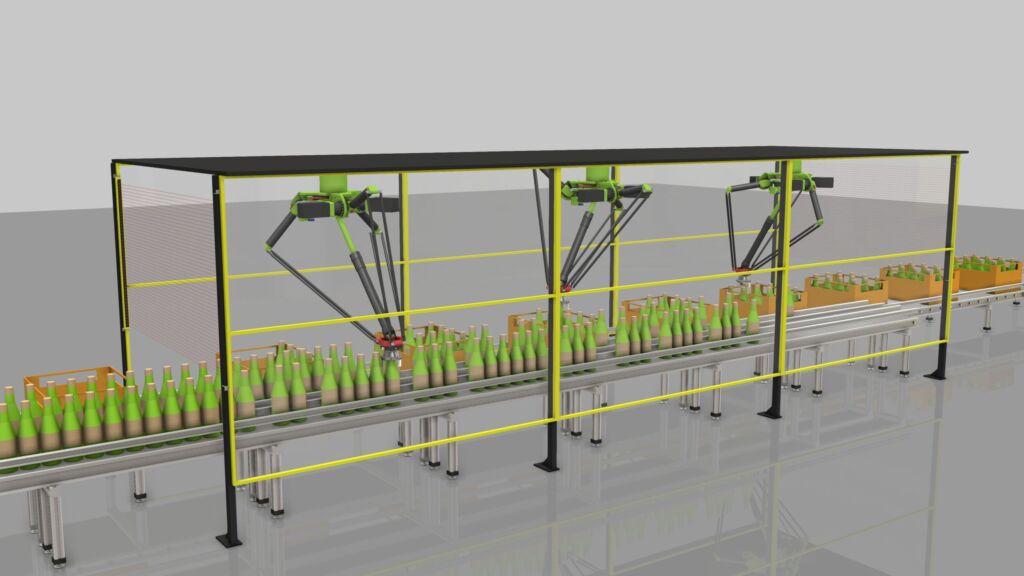
Robotics as Part of Machine Control
As the demands for modern packaging lines continue to rise, with increased throughput, greater variety, and heightened flexibility becoming essential, the use of robotics is gaining traction in the end-of-line sector. To efficiently meet these evolving requirements, new automation approaches are integrating robotics directly into machine control systems. One such solution is KeMotion from Keba Industrial Automation, which combines robotics and machine automation on the Kemro X platform. This advancement reflects the industry's shift towards more sophisticated and adaptable manufacturing processes, aimed at enhancing productivity and operational efficiency.
Allgemein Lebensmittel & Verpackung Lösungen
Mobile robots as part of a comprehensive system
The effective deployment of mobile robots hinges not only on the quantity of vehicles utilized but also on their operational behavior in conjunction with various factors such as layout, material flow, charging infrastructure, and control systems. This comprehensive approach is essential for optimizing the integration of mobile robots within industrial settings, ensuring they function seamlessly as part of a holistic system. The insights were shared in a recent article on ROBOTIK UND PRODUKTION, highlighting the importance of strategic planning in the implementation of robotic technology in modern production environments.
Allgemein Automation Fördertechnik & Handling Lagerlogistik & Materialfluss Mobile Robotik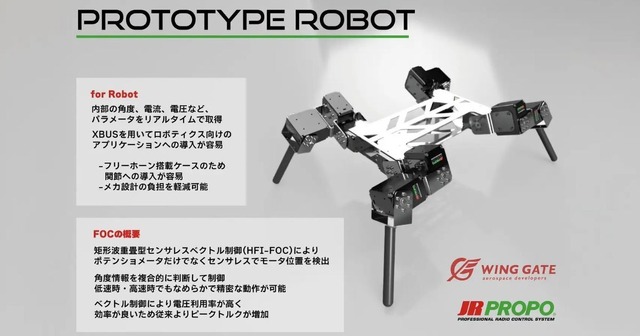
WINGGATE and Konishi Model launch joint project for domestic drone control development.
WINGGATE Co., Ltd. and Konishi Model Co., Ltd. have entered into a joint development agreement to create control systems for unmanned aerial vehicles (UAVs) and robots. The collaboration marks the beginning of a new development project aimed at advancing technology in the UAV and robotics sectors. This partnership is expected to leverage the expertise of both companies to enhance the capabilities and efficiency of their respective products, responding to the growing demand for innovative solutions in these fields.

GigaDevice Explains Why EtherCAT is Essential for Robot Joint Control
GigaDevice recently conducted a web seminar titled "Secure Robotics in Motion," focusing on the advancements in robot control systems. The event highlighted the company's commitment to enhancing security measures within robotic technology, addressing the growing concerns surrounding safety and reliability in automated systems. Industry experts shared insights on the latest developments and future trends in robotics, emphasizing the importance of secure communication protocols and robust control mechanisms. The seminar aimed to educate participants on best practices for implementing secure robotics solutions, fostering a deeper understanding of the challenges and opportunities in this rapidly evolving field. The session attracted a diverse audience, including engineers, developers, and technology enthusiasts, eager to learn about the integration of security in robotic applications.
Robotics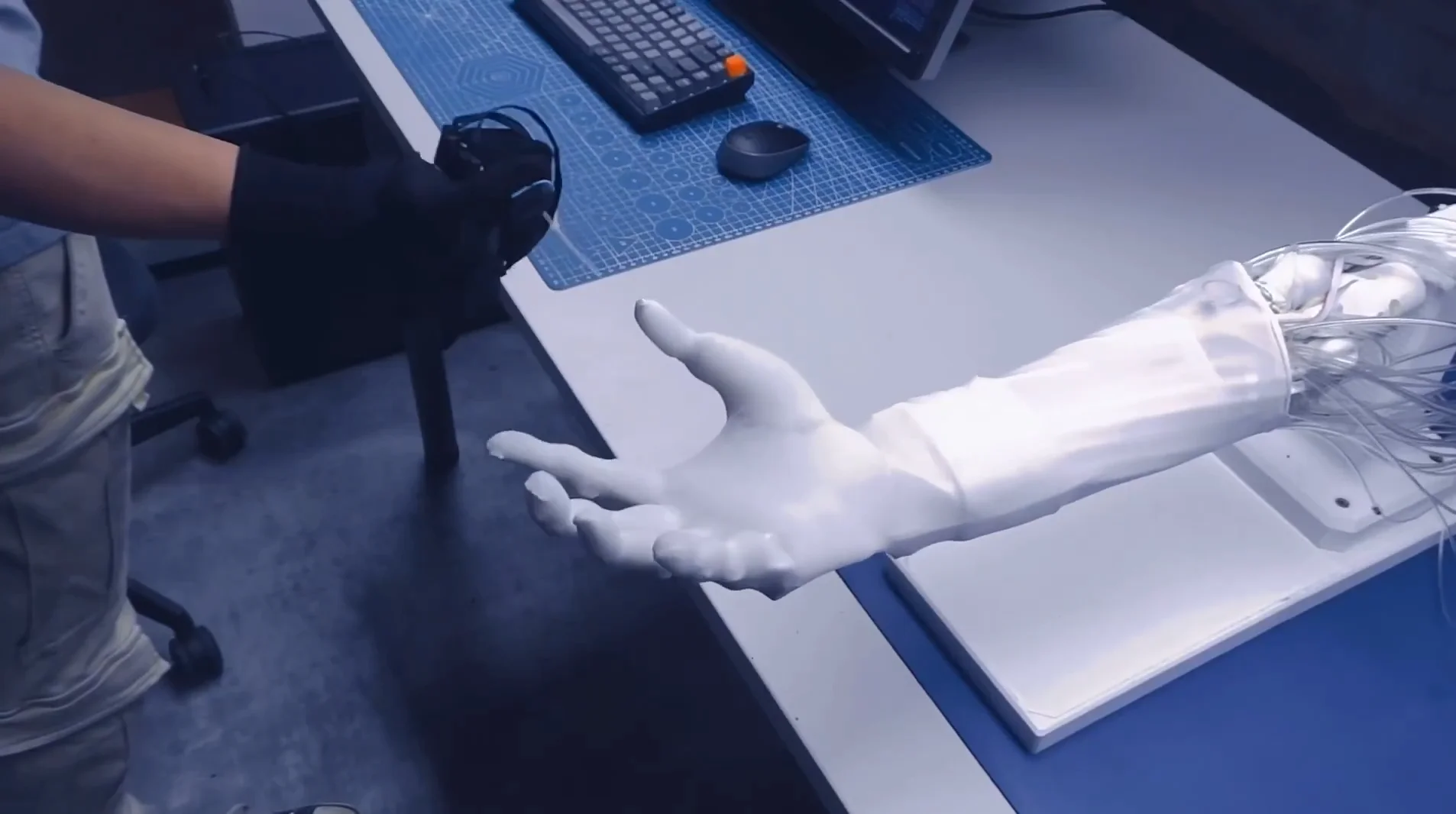
Clone Robotics Demos Startlingly Fast Robotic Hand, Touts Neural Controller
Clone Robotics has released a new video showcasing its advanced 27-degree-of-freedom (DoF) biomimetic hand, which accurately mimics human movements with remarkable speed. This demonstration highlights the company's innovative "neural joint controller," a significant development in their ongoing Clone Alpha project. The video serves as a tangible update on the project's progress, emphasizing the potential applications of this technology in fields such as robotics and prosthetics. By integrating sophisticated control systems, Clone Robotics aims to enhance the functionality and responsiveness of robotic hands, paving the way for more lifelike interactions in various environments.
clone robotics Europe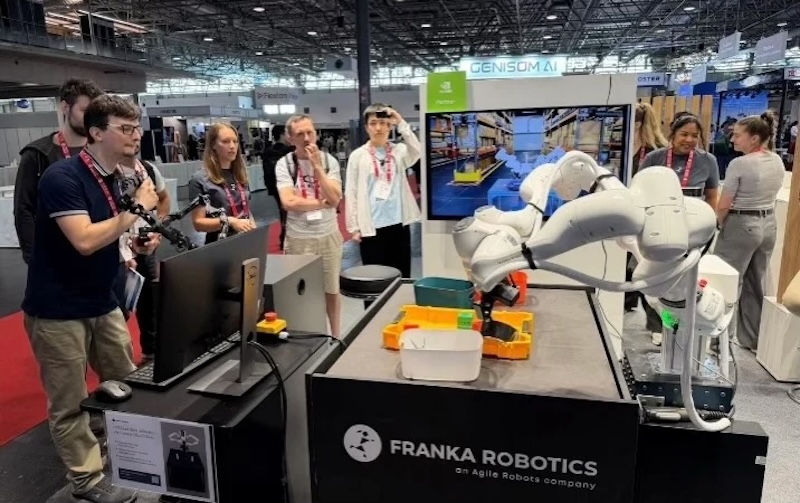
Agile Robots showcases force-control technology, humanoids, and physical AI at Robot Technology Japan event
Agile Robots is making a significant impact at Robot Technology Japan (RTJ) 2026, where the Munich-based company is showcasing its extensive range of industrial robotics, embodied AI, and humanoid technologies. The event, taking place in Nagoya, serves as a platform for Agile Robots to highlight its latest innovations, including advanced force-control systems, collaborative robots, and AI-driven automation solutions. This presentation underscores the company's commitment to expanding its presence in the global automation market, reflecting the growing demand for sophisticated robotic technologies in various industries.
Events Industrial robots News Agile ONE agile robots automation news
Quiz: All About AI-Driven Motion Control
Industry experts are increasingly exploring the integration of artificial intelligence (AI) to enhance motion control systems. This trend has gained momentum as companies seek to improve efficiency and precision in various applications, ranging from robotics to manufacturing. Recent discussions among specialists highlight the transformative potential of AI in optimizing motion control processes, particularly in automating complex tasks and improving responsiveness to dynamic environments. As businesses face growing demands for innovation and adaptability, the adoption of AI-driven motion control solutions is seen as a critical step forward. Experts emphasize that leveraging AI can lead to significant advancements in performance, allowing systems to learn from data and make real-time adjustments. This capability not only streamlines operations but also reduces the likelihood of errors, thereby increasing overall productivity. The conversations surrounding this topic have intensified in recent months, with industry conferences and workshops providing platforms for sharing insights and best practices. As companies continue to invest in AI technologies, the motion control sector is poised for a significant evolution, driven by the need for smarter, more efficient systems that can keep pace with the rapid advancements in technology.
Factory / Motion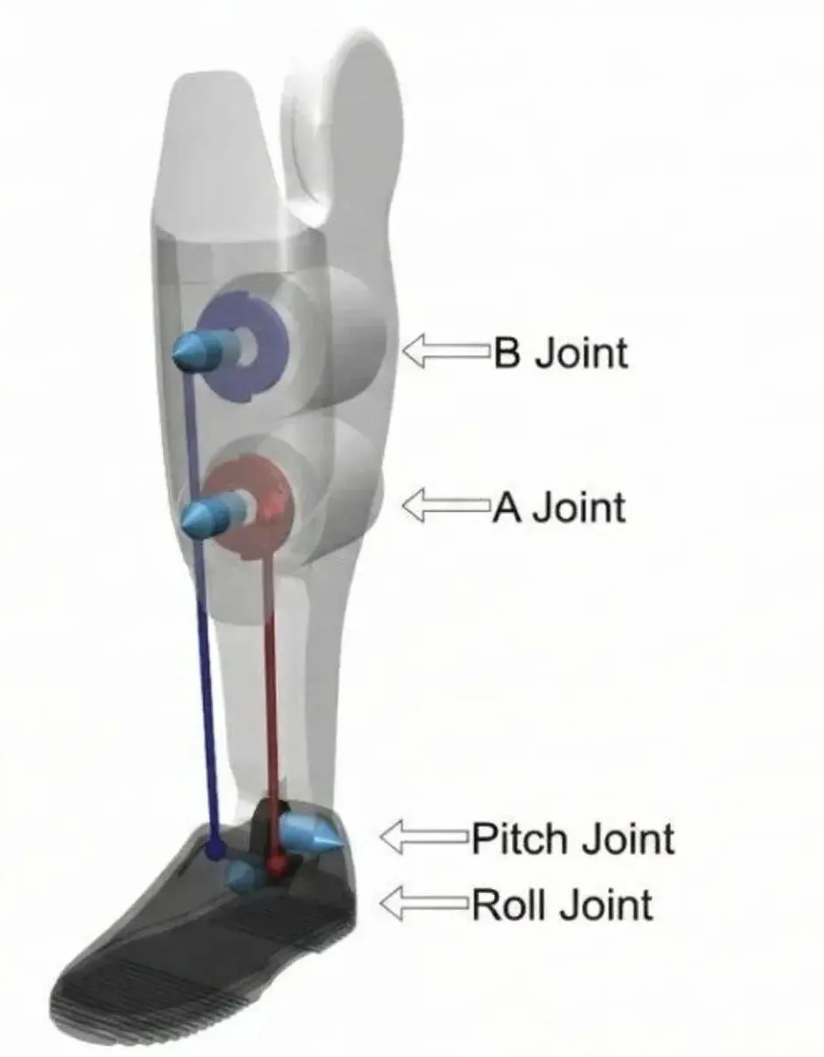
Advancements in Humanoid Robot Mobility: Walking, Running, and Jumping Challenges
Researchers are delving into the intricate field of humanoid robot locomotion, focusing on the technological advancements that facilitate walking, running, and jumping. This exploration, which has gained momentum in recent months, emphasizes innovations in joint mechanics, control systems, and materials that contribute to enhanced mobility in robots. Despite these advancements, the study also underscores the ongoing challenges in replicating human-like movement and stability, highlighting the complexity of achieving fluid and reliable locomotion in robotic designs. As the field progresses, experts aim to bridge the gap between current capabilities and the sophisticated movements characteristic of human beings, paving the way for more versatile and functional humanoid robots in the future.
Humanoid Robots Robot Mobility AI Technology Robotics Innovation
How automated DJI drones are changing public safety in Celaya
In a significant turnaround, the Mexican city of Celaya is transforming its reputation from one of the country's most dangerous locales to a safer community, thanks to innovative technology. City officials have reported that the implementation of autonomous drone technology, coupled with integrated command-and-control systems, is enhancing public safety and emergency response. This shift comes after years of struggling with violent crime and a reactive policing approach that often failed to prevent incidents. By utilizing advanced technology, Celaya aims to proactively address security challenges and improve the overall safety of its residents.
News
Smarter Automation with Industrial PCs and HMIs
In a recent episode of the Automation World podcast, host Chris McNamara engaged with Chris Barber, product marketing manager at Phoenix Contact, to explore the evolving landscape of industrial automation. The discussion, which aired on June 24, 2026, delved into the transition towards web-based Human-Machine Interfaces (HMIs), industrial PCs, edge computing, and software-defined control systems. Barber highlighted Phoenix Contact’s innovative PLCnext approach, which integrates traditional operational technology (OT) programming with IT-friendly tools, aiming to simplify integration, enhance real-time processing, and bridge the gap between IT and OT. Barber provided a practical example from the water-wastewater sector, illustrating how edge PCs can significantly improve local alarm handling and data reliability. The conversation also touched on Phoenix Contact’s strengths in hardware and customer support, as well as emerging trends such as cloud-edge convergence and the development of smarter, connected systems that facilitate easier deployment. This insightful dialogue underscores the ongoing advancements in automation technology and its implications for various industries.
Sponsored
Bell-Everman to Run Long-Travel Gantry Robots in Live Demos at Automate 2026
Bell-Everman will showcase its advanced motion control systems, including long-travel gantry robots, at Automate 2026, taking place from June 22 to 25 at McCormick Place in Chicago. In Booth 34036, attendees will witness live demonstrations featuring a ServoBelt™ dual-bridge gantry and a 12-foot beam pick-and-place gantry, both actively operating rather than displayed statically. The demonstrations highlight the company's expertise in multi-axis Cartesian and gantry systems, designed for large-format automation needs. Visitors will have the opportunity to engage with Bell-Everman engineers, who will provide insights on configuring these gantry robots for specific applications. For further details, interested parties can visit bell-everman.com.

NVIDIA Factory Operations Blueprint Gives Factories a New AI Brain
At the GTC Taipei event, industry leaders emphasized the growing need for advanced AI systems in manufacturing as factories transition from isolated automation to integrated plant-wide intelligence. This shift requires the ability to connect real-time machine signals, quality control systems, work instructions, and operational alerts into a cohesive decision-making framework. The discussion highlighted the urgency for manufacturers to adopt these technologies to enhance operational efficiency and responsiveness in an increasingly competitive market.
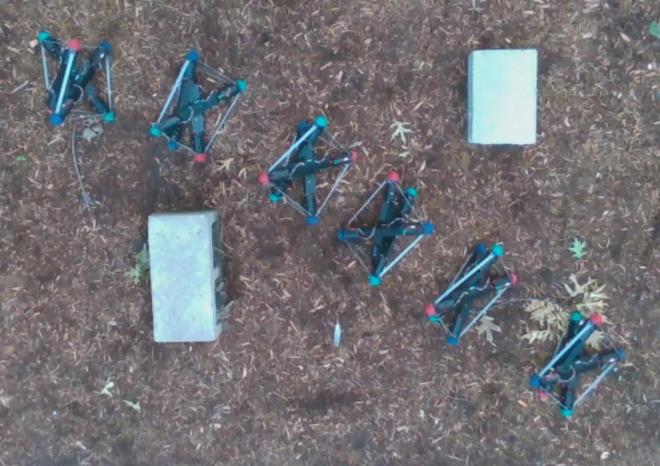
Yale University Unveils Fully Open-Source Tensegrity Robot: Durable, Impact-Resistant, and Autonomous!
Yale University and Rutgers University have collaborated to create a groundbreaking open-source tensegrity robot, which is both lightweight and impact-resistant. This innovative robot is designed to autonomously navigate diverse terrains, showcasing its versatility and resilience. The project, which emphasizes modular components and advanced control systems, aims to enhance the robot's adaptability in various environments. This development represents a significant advancement in robotics, potentially paving the way for future applications in fields such as search and rescue, exploration, and environmental monitoring.
Tensegrity Robots Robotics Research Autonomous Navigation Modular Robotics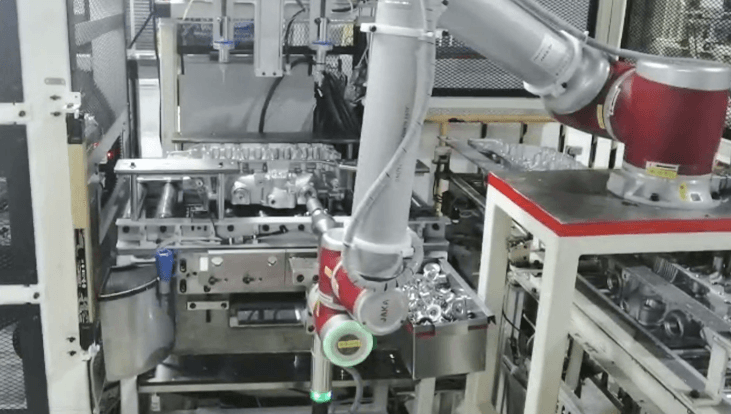
Screwdriving Robot Maintenance: N Critical Checks for Uptime
JAKA, a leader in industrial automation, emphasizes the importance of regular maintenance for screwdriving robot systems to ensure consistent uptime and production efficiency. The company advocates for systematic inspections to identify potential issues before they lead to unexpected downtime, driven by the increasing demand for reliable automation solutions. To maintain mechanical integrity, JAKA recommends routine checks of all joints, screws, and drive mechanisms, as well as adhering to lubrication schedules to prevent friction-related inefficiencies. Their JAKA S5 robots, designed to handle payloads between 3 to 18 kg, are equipped with force control sensors to avoid mechanical stress during operations. In addition to mechanical assessments, JAKA highlights the significance of monitoring electrical connections and control systems. Stable communication between the screwdriving robot and its control interface is crucial for maintaining productivity, as faulty cabling can disrupt precision tasks. The JAKA S5 features user-friendly configuration and debugging modes that facilitate verification without interrupting operations. Operational settings, including torque limits and cycle sequences, are also routinely reviewed to ensure optimal performance of both polishing and screwdriving robots. The app-based process package loading in the JAKA S5 allows teams to simulate operations before full deployment, minimizing the risk of production interruptions. By integrating mechanical inspections, electrical verification, and operational oversight into their maintenance routines, JAKA aims to extend the lifespan of their robots while enhancing safety and efficiency in industrial operations. Regular maintenance practices are essential for supporting high-quality automation processes.
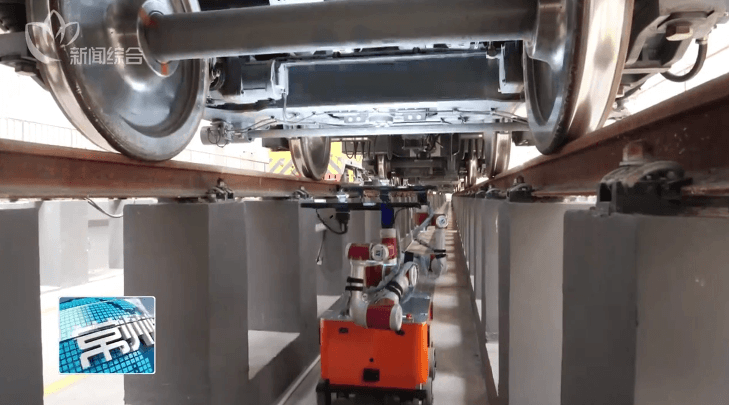
Beyond the Arm: Integrating Robotic Arm Components for Advanced HMI
In the evolving landscape of modern manufacturing, JAKA is redefining human-machine interaction (HMI) by integrating industrial robot arms into cohesive systems that enhance operational efficiency. This approach emphasizes that robots should not function as isolated units but as integral components of a larger framework that includes mechanical structures, control logic, and software interfaces. By focusing on mechanical integration, JAKA ensures that robotic arms interact safely and accurately with operators, facilitating intuitive engagement and stable production behaviors. The design of robotic arms at JAKA prioritizes harmonized joints and controlled motion, which allows for smooth feedback and precise movements. This is particularly beneficial in packaging applications, where high repeatability minimizes errors and enhances operational clarity. Furthermore, JAKA's control systems are engineered to ensure that robotic arms respond predictably to user inputs, whether in automated or manual modes, thus improving the overall quality of HMI. The integration of these systems not only streamlines workflows but also reduces management overhead by providing clear and actionable feedback. This results in consistent output rates and decreased waste in production processes. JAKA's holistic approach to robotic systems fosters a manufacturing environment that is adaptable to real operational needs, ultimately leading to more efficient and transparent human interactions in tasks such as packing and spraying.
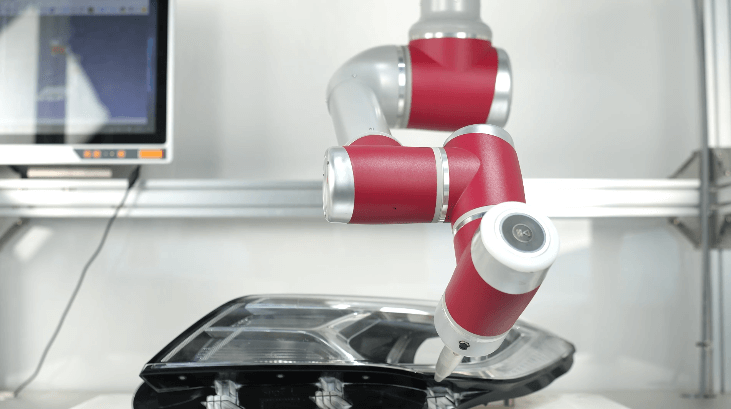
What is the Most Flexible Robot Arm?
JAKA, a leader in robotics, has unveiled its JAKA S5 series, a highly flexible robotic arm designed to meet the demands of modern manufacturing. This innovative arm, which features a six- or seven-axis design, offers mechanical dexterity that allows it to navigate complex environments and perform tasks with precision. The JAKA S5 integrates advanced control systems, including built-in force sensors, enabling it to execute sensitive operations such as precision insertions with consistent accuracy. The lightweight and compact design of the JAKA S5 allows for easy installation in confined spaces and quick deployment across various tasks, significantly reducing downtime. Its zero-installation, zero-configuration setup facilitates rapid relocation, making it ideal for dynamic production lines. Moreover, the JAKA S5 is engineered for user accessibility, featuring intuitive hand-guided teaching and graphical interfaces that allow operators without specialized training to quickly program new tasks. This combination of advanced mechanics, rapid deployment, and user-friendly software positions the JAKA S5 as a versatile assistant capable of adapting to evolving production needs. By integrating these elements, JAKA emphasizes that true flexibility in robotics goes beyond mere mechanical specifications, aiming to enhance operational agility and reduce integration costs in the manufacturing sector.
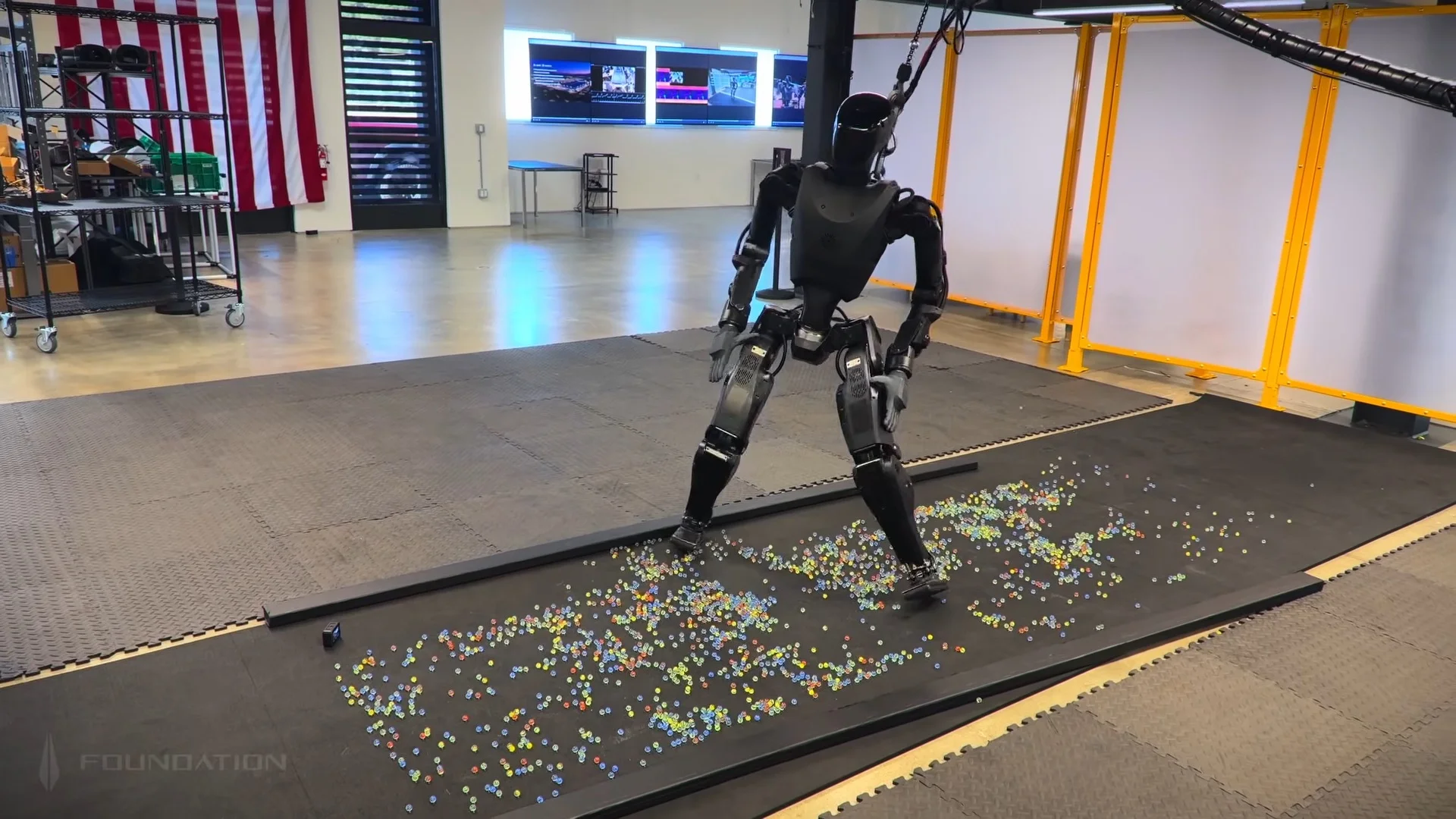
Watch: Foundation Puts Phantom Through a Gauntlet of Marbles and Banana Peels
Foundation Robotics has unveiled a new technical demonstration featuring its Phantom MK1 humanoid robot, which successfully navigated a series of intricate and humorous physical obstacles. This event, aimed at stress-testing the robot's balance and spinal cord control systems, showcased the advanced capabilities of the Phantom MK1. The demonstration took place recently, highlighting the ongoing advancements in robotics technology. By simulating challenging scenarios, Foundation Robotics aims to enhance the robot's performance and reliability in real-world applications, ultimately pushing the boundaries of humanoid robotics.
US phantom foundation
7 Best Practices for Integrating a Small Robotic Arm with Existing PLCs
JAKA, a leader in robotic automation, has outlined a systematic approach for integrating its mini robotic arms into existing control systems that utilize legacy Programmable Logic Controllers (PLCs). This guidance comes as manufacturers seek to enhance automation flexibility without major disruptions to their operations. The integration process begins with identifying the specific communication protocols of the PLC system, ensuring compatibility with JAKA's robotic arms, which feature advanced communication interfaces. A clear Input/Output (I/O) handshake protocol is essential for effective command and status updates, while safety signals must be integrated into the control environment to maintain operational safety. JAKA emphasizes the advantages of its compact robotic design, which allows for easy deployment without significant modifications to existing layouts. This adaptability not only reduces integration costs but also minimizes the time required for mechanical adjustments. To ensure a smooth transition, JAKA recommends a phased testing approach, starting with independent tests of the robotic arm, followed by communication checks with the PLC, and finally, integrated cycle tests at reduced speeds. This method helps isolate potential faults early in the process. Additionally, JAKA advocates for centralized error handling and diagnostics, enabling operators to quickly identify issues within the system. Comprehensive documentation of the integration architecture is also crucial for future troubleshooting and staff training. By following these structured practices, manufacturers can effectively integrate JAKA's robotic arms, enhancing their automation capabilities while maintaining the reliability of their existing PLC-controlled systems.

Robot Talk Episode 137 – Getting two-legged robots moving, with Oluwami Dosunmu-Ogunbi
Claire recently engaged in a conversation with Oluwami Dosunmu-Ogunbi, an Assistant Professor in the Mechanical Engineering Department at Ohio Northern University, regarding advancements in bipedal robotics. Dosunmu-Ogunbi, who is recognized as the first Black woman to hold this position, specializes in control systems that enhance bipedal locomotion, including the ability of robots to walk and navigate stairs. Her research not only contributes to the field of robotics but also aims to inspire future generations in engineering education. This dialogue highlights the innovative strides being made in robotics and the importance of diversity in STEM fields.

Mission-Critical Automation: Ensuring Uninterrupted Operations Through Robust Power Management
Effective power management in facilities necessitates meticulous planning and the integration of various technologies and techniques for optimal oversight. This comprehensive approach involves assessing energy consumption patterns, implementing advanced monitoring systems, and utilizing energy-efficient solutions to enhance overall energy use. By employing strategies such as real-time data analytics and automated control systems, facilities can significantly reduce energy waste and improve operational efficiency. The focus on seamless power management is driven by the need to lower operational costs and minimize environmental impact, making it a critical consideration for businesses aiming to achieve sustainability goals. As organizations increasingly prioritize energy efficiency, the adoption of these innovative practices is expected to grow, leading to more sustainable and economically viable operations.
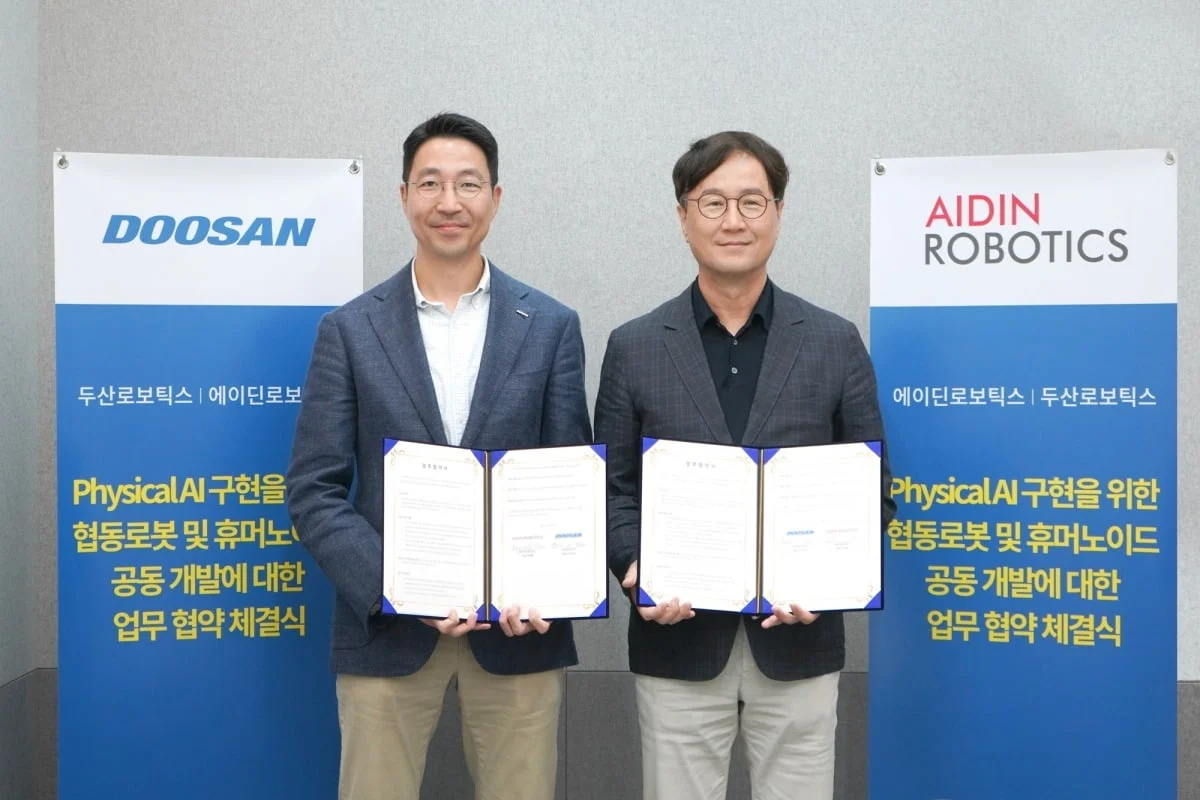
Doosan Robotics Taps Sensor Specialist Aidin Robotics for Dual-Arm Humanoid
Doosan Robotics, a leading manufacturer of collaborative robots, has announced a partnership with Aidin Robotics, a specialist in sensor technology, to develop a standardized dual-arm humanoid platform. This collaboration seeks to integrate Doosan's sophisticated control systems with Aidin's advanced force-torque sensors, aiming to create a 'physical AI' that can perform autonomous tasks at a level comparable to human capabilities. The initiative highlights the growing trend in robotics to enhance automation and improve efficiency in various applications, reflecting the increasing demand for advanced robotic solutions in industries worldwide.
Doosan Robotics
LiTime Powers Smart Agriculture and Robotics in Agriculture with Extended Runtime and System Integration
Automation is transforming the landscape of modern agriculture, with technologies such as lawn mowers, irrigation control systems, automated transporters, and robotics becoming increasingly prevalent on farms, plantations, and in greenhouses. These advanced tools are designed to operate efficiently over extended periods, requiring intelligent management and minimal maintenance in challenging outdoor conditions. In response to these demands, LiTime, a prominent manufacturer of lithium batteries, is stepping up to provide innovative energy solutions tailored for agricultural automation. Their products aim to enhance the performance and reliability of these automated systems, ensuring that farmers can maximize productivity while minimizing operational challenges.
Agriculture Automation agricultural automation agricultural machinery agricultural robots amrs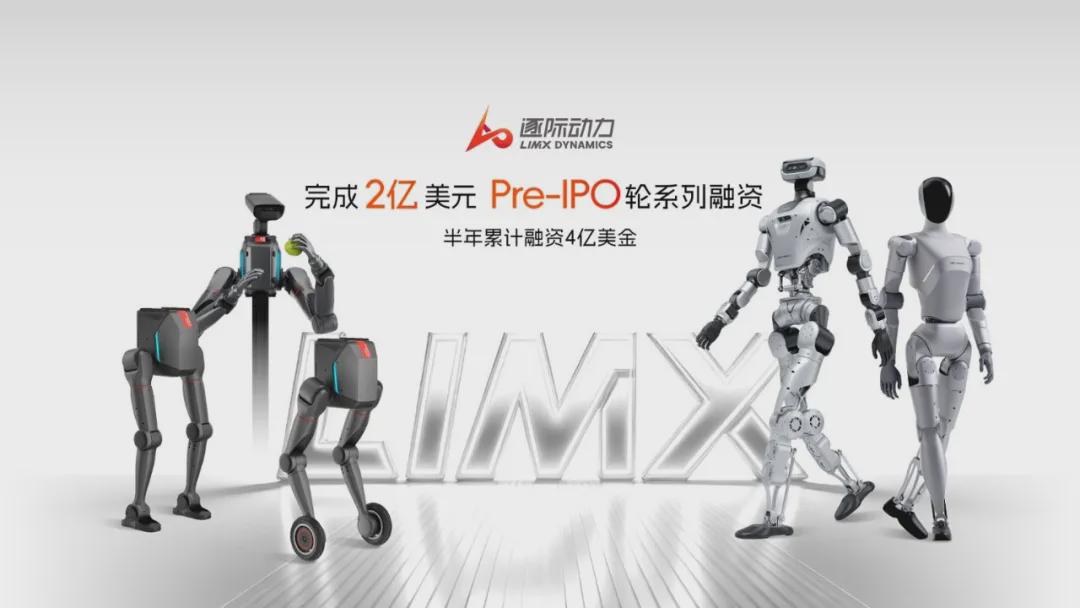
LimX Dynamics Raises $200 Million in Pre-IPO Funding, Achieves $21 Billion Valuation
LimX Dynamics, a humanoid robotics company, has successfully completed a Pre-IPO funding round, raising nearly $200 million and achieving a post-funding valuation of approximately $21 billion. This marks the company's first public valuation announcement, following a $200 million Series B round earlier this year, bringing the total funding raised in the past six months to $400 million. The significance of this funding lies in LimX Dynamics' rapid growth and its position as a leading player in the humanoid robotics sector. Founded in 2022 and headquartered in Shenzhen, the company has developed a comprehensive business model that integrates advanced humanoid robotics technology with global delivery capabilities. The diverse investor base, including prominent firms from China, Europe, and the Middle East, underscores the global confidence in LimX's technological roadmap and product capabilities. Looking ahead, LimX Dynamics is poised to continue its trajectory towards an IPO, with its Pre-IPO status indicating a shift in the industry towards established valuation frameworks. The company aims to transition from a technology-driven startup to a global leader in embodied intelligence, focusing on the integration of advanced motion control systems and humanoid robotics. No further timeline was disclosed at the time of publication.
Humanoid Robots Robotics Investment AI Technology Pre-IPO Funding
Robbyant Upgrades and Open-Sources LingBot-VLA 2.0 as a Next-Generation Universal Brain for Embodied AI
While the embodied AI industry is witnessing rapid advancements in hardware and control systems, the lack of a truly universal brain remains a primary bottleneck for industrial-scale deployment. LingBot-VLA 2.0 addresses this critical gap by dramatically expanding its pre-training data and architectural capabilities.
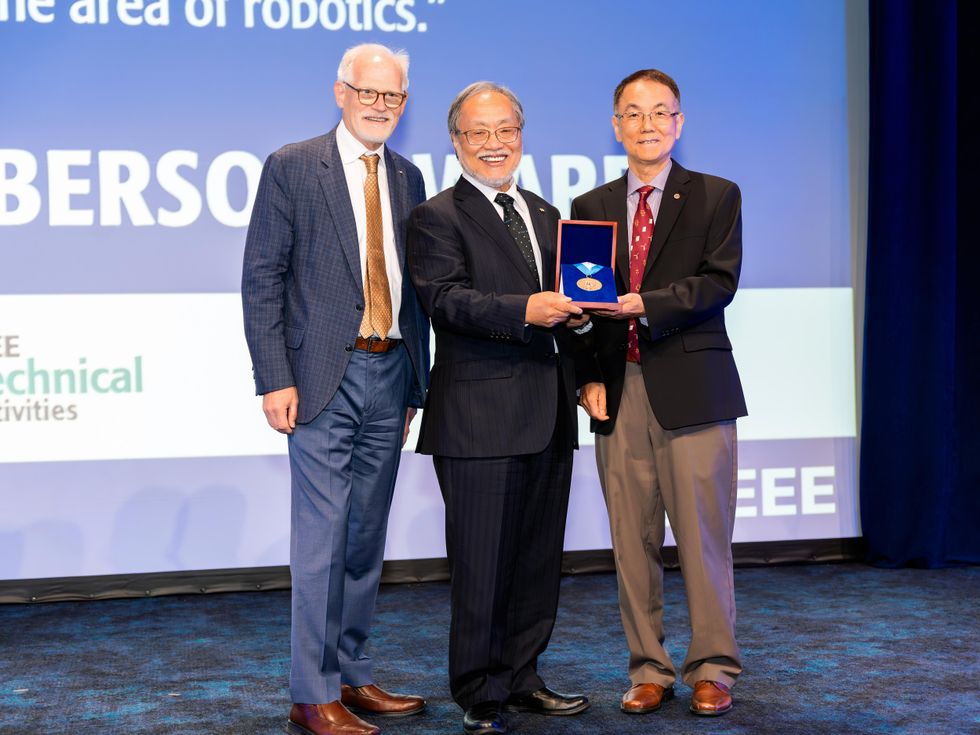
IEEE Honors Robotics Pioneer Toshio Fukuda
Toshio Fukuda has been blazing trails for most of his career. He is considered to be one of the most prolific scholars in robotics, writing more than 2,000 research papers and authoring several books on the field. He’s an influential figure thanks to his pioneering work developing biomedical robotic systems, industrial robots, micro-nano robotics, mechatronics, and AI-driven automation.Fukuda launched one of the first robotics conferences, the IEEE/RSJ International Conference on Intelligent Robots and Systems (IROS). It is still popular almost 40 years later.Toshio FukudaEmployerEgypt-Japan University of Science and Technology, in Alexandria TitleProfessor and vice president of research Member gradeLife Fellow Alma matersWaseda University, in Tokyo; University of Tokyo An IEEE Life Fellow, he is a professor emeritus in the department of micro-nano systems engineering and a visiting professor at Nagoya University, in Japan, where he taught for nearly 25 years. Currently, he is a vice president of research at the Egypt-Japan University of Science and Technology, in Alexandria, Egypt.Within IEEE, Fukuda has held top volunteer positions including the organization’s highest office: He served as IEEE president in 2020, becoming the first person of Asian descent to hold the role.He’s a former program director of Japan’s Moonshot program, which by 2050 intends to develop advanced AI robots.Born in Japan, Fukuda has been recognized by the country for his contributions to science with two of its highest awards: the Medal of Honor with a purple ribbon in 2015 and the Order of the Sacred Treasure in 2022.IEEE honored him with this year’s Richard M. Emberson Award for “distinguished service advancing the technical objectives of IEEE, especially in the area of robotics.” The IEEE Board-level award is sponsored by the IEEE Technical Activities Board. Fukuda received the award on 24 April at a ceremony in New York City.As a former IEEE president who has served as a master of ceremonies at several of the organization’s major award events, Fukuda noted that he is more accustomed to bestowing awards than receiving them.“It’s very interesting to be on the receiving end,” he says.The journey into robotics researchAs a teenager, Fukuda spent his summer breaks teaching himself how to build things including transistor radios and steam engines.“It was very nice to have a hands-on hobby and make these kinds of things myself,” he says. His experimentation led him to study engineering.He earned a bachelor’s degree in engineering in 1971 from Waseda University, in Tokyo. He says one of his professors there—Ichiro Kato, regarded as the father of Japanese robotics research—was a good mentor who made a positive impact.Fukuda’s research interests were robotics and mechatronics, a field that combines robotics, electronics, computer science, and control systems.He went on to earn a master’s degree and a doctorate in science from the University of Tokyo, in 1971 and 1977. During those years, he also attended Yale, where he conducted research on advanced control theory in 1973.He reflects fondly on his time at Yale: “It was a very nice environment and a kind of free-thinking atmosphere. It motivated me to study more.”“IEEE doesn’t care who you are, what you do, what country you are from, or whether you are male or female. IEEE accepts people who have energy and passion.”While at Yale, Fukuda served as an assistant to his advisor—which led him to consider a career in academia, he says, because he enjoyed the freedom that research work afforded him.But he realized that such freedom comes with a price. University researchers are expected to raise the money that funds their work. He compares researchers to small-business owners who have to bring in money to keep their enterprise afloat.That realization led him to select robotics as his field because he intended to develop technologies useful to industry, he says.After earning his doctorate, he returned to Japan in 1977 to work as a research scientist at the government’s Mechanical Engineering Laboratory, later renamed the National Institute of Advanced Industrial Science and Technology, in Tsukuba.“There was a lot of research going on at the lab, including practical robotics and theory,” he says.He left Japan in 1979 to become a visiting research fellow at the University of Stuttgart, in Germany. During his year there, he studied systems, software problems, and related topics.He returned to Japan and was hired as an associate professor of mechanical engineering at the Tokyo University of Science. He conducted research into practical uses for robots by visiting industrial plants. He decided to develop robots that inspect industrial equipment such as those used in assembly plants, oil refineries, and power stations—places that “can be hostile environments for humans,” he says.His work drew interest from chemical, oil, and utility companies.“I got a lot of money from them for this very practical application, which funded my research,” he says, laughing.Developing popular robotic systemsFukuda grew tired of making those robots, he says, so he switched to creating ones for scientific applications. He developed many techniques, but he probably is best known for his modular, cellular robotic systems (CEBOTs), which he introduced in 1985.He has described how CEBOTs work in numerous papers published in the IEEE Xplore Digital Library.The CEBOT system is composed of a number of autonomous robotic cells that stick together like interlocking Lego plastic bricks, he says.Each cell is a fundamental modular unit that has a function. When a simple task is given, the system can analyze it and generate the structure of the cellular manipulator. The cells connect to and detach from each other through connection mechanisms and cooperate mutually, creating complex structures and configurations.“You start developing from the component-wise to the cell-wise to a small functional unit—and then you come up with clusters that make bigger systems. We can make a society of robot beings like that,” he explained in his oral history published on the Engineering and Technology History Wiki. “It’s a distributed robotic system, a self-organized robotic system, and also an evolutionary robotic system.“It’s also a fault-tolerant robot system because if something is wrong, you just remove those things and make a new one. You keep the system working. That’s a great thing.”Today CEBOTs are used for a variety of tasks such as delivering medication in hospitals, assisting with planting crops, and transporting products in distribution centers. Check out IEEE Spectrum’s Robots Guide for news from the world of robotics.In 1989 Fukuda joined Nagoya University as a professor of mechanical engineering and micro-nano systems engineering. During his 24-year career there, he was director of the university’s Center for Micro-Nano Mechatronics. He developed a long list of technologies at the university, including many for medical applications. He also conducted groundbreaking research into intelligent robotic systems and micro- and nano-robotics.Another technology he is known for is brachiation robots, which he helped develop in 1988. He calls them monkey robots because they’re based on the pendulum-like movement of monkeys swinging from tree to tree. The gravity-based locomotion enables continuous movement.Brachiation robots now are inspecting high-voltage transmission towers and bridges, searching damaged buildings for survivors, and performing maintenance on pipelines and cables.Fukuda retired from the university in 2013 and was named professor emeritus.He didn’t stay retired for long, though. He next held a teaching appointment at Meijo University, in Nagoya, until he left in 2022 to join the Egypt-Japan University.A prominent volunteerHe joined IEEE in 1980 at the encouragement of one of his research advisors, Professor Fumio Harashima, now an IEEE Life Fellow. After attending conferences and reading the organization’s publications, Fukuda says, he looked forward to becoming more involved.“I wanted to know how to organize a conference and how to edit a paper for one of its Transactions,” he says. “I wanted to know what was going on from inside the organization, not just the outside.”In 1988 he was the founding chair and organizer of IROS, in Tokyo. The conference had 330 attendees that year, and was supported by Harashima. Today it is one of the largest and most prestigious conferences on the topic, attracting more than 9,000 people annually. Out of 120,000 conferences, it was the only conference in the Nature Index database for this year, Fukuda says.In 1996 he and other members launched IEEE Transactions on Mechatronics.He was the founding president of the IEEE Nanotechnology Council, which was established in 2002. He is considered a pioneer in nanotechnology research, particularly regarding how it relates to robotics.Over the years, he has held numerous volunteer positions on IEEE editorial boards and committees.He was the 1998–1999 president of the IEEE Robotics and Automation Society, becoming the first non-U.S. member to hold the title.He was director of IEEE Division X (2001–2002 and 2017–2018), which covers intelligent systems, biological engineering, robotics, control systems, and photonic technologies. He served as the 2013–2014 director of IEEE Region 10 (Asia-Pacific).As the 2020 IEEE president, Fukuda saw the organization through the early part of the COVID-19 pandemic. Because of travel restrictions, he realized IEEE should change how it offered its in-person services, specifically educational programs. He encouraged IEEE Educational Activities to develop an online learning platform. The IEEE Learning Network started with just three courses and now offers nearly 2,000 courses, webinars, and learning materials.An award-winning memberThe Emberson Award joins a slew of other recognitions Fukuda has received from IEEE. They include several from the IEEE Robotics and Automation Society: a 2004 Pioneer Award, a 2009 Saridis Leadership Award, and the 2011 Harashima Award for Innovative Technologies. He is also a recipient of the Board-level 2010 IEEE Robotics and Automation Technical Field Award.He says he feels strongly that IEEE should be a diverse organization that is welcoming to all. As IEEE president, he led efforts to devise a diversity, equity, and inclusion program. Several policies, procedures, and bylaws were revised to give members a safe, inclusive place for discourse.“It’s important for IEEE to make everyone feel comfortable,” he says. “DEI programs are important. All people should be equal. IEEE doesn’t care who you are, what you do, what country you are from, or whether you are male or female. IEEE accepts people who have energy and passion.“It accepted me, from the Far East. That’s why I like it.”You can learn more about Fukuda and his career from the oral history conducted by the IEEE History Center.
Robotics Robots Ieee-member-news Type-ti Ieee-awards Toshio-fukuda
What Makes AI Art Worth Collecting?
In May, an anonymous artist who goes by SHL0MS on X posted that he had used AI to generate an image inspired by Claude Monet and asked people to weigh in on how it missed the mark. More than 600 responses called out issues, saying the colors were off, the depth was all wrong, and that AI didn’t understand how light worked.SHL0MS then revealed that the image was of a real Monet, one of around 250 variations of water lilies the artist had painted in his lifetime. He had simply downloaded a high-resolution image from Wikimedia and cropped out the signature. He minted the exchange as an NFT (a unique digital collectible recording ownership of the work), titled it “Inferior Image,” and sold it for just over US $40,000 after 28 bids.The stunt exposed how charged the conversation around AI art has become, and how quick people are to dismiss anything AI-generated as slop—even when it’s not. Yet even as those arguments continue, a market for AI-generated art has begun to form anyway. It’s fragmented and contested, but bigger than most people realize.Jediwolf, an anonymous collector who says he has spent more than 20 years acquiring digital and AI art, was watching the experiment unfold in real time on X. He had never interacted with SHL0MS before, but when the NFT went up for auction he made a bid and won. “I was buying a unique moment in time,” he says, “captured by an artist and preserved as a token.”The Monet was not AI art, but most of what Jediwolf buys is. One of Jediwolf’s digital collections, which he calls UnderTheGAN—a play on GANs, or generative adversarial networks, the AI technology that preceded today’s diffusion models—comprises roughly 100 works valued at around $72,000, focused on early AI art from 2015 to 2020, before the medium went mainstream. He describes his role as part collector, part researcher, part curator, trying to document a fast-moving field.“A decade ago, digital art was often treated as peripheral to the ‘serious’ art world,” he says. “Today, it is increasingly difficult to separate contemporary culture from the internet.”AI Art Moves Into MuseumsThe market for AI art extends beyond NFTs: AI-generated pieces are also finding their way into physical installations. Last month saw the opening of Dataland, the world’s first generative AI museum, in downtown Los Angeles. It was spearheaded by Refik Anadol, a digital artist who has built a career out of transforming data into large-scale immersive experiences. The opening exhibition has pieces that use data that Anadol collected from rainforests around the world, with real-time weather information from 16 rainforests feeding into all five galleries. In three of the rooms, the imagery also shifts in response to visitors’ own biometric data, tracked by bracelets they wear. Like any museum it sells tickets, ranging from $49 to $79, and has a gift shop. This shop, however, uses visitors’ biometric data collected during their visit to generate a unique design printed on a T-shirt. For $15,000, a robotic painting system called Qualia creates a one-of-a-kind canvas from that same data, painted once a day, with a waiting list already forming. A founding collection of 1,000 AI data sculptures that evolve based on environmental data from global rainforests sold out in 34 minutes at $5,000 each.The system running it all, which Anadol calls the Large Nature Model, was trained on more than 500 million nature images representing 2.2 million species, gathered through field expeditions to 16 rainforests and partnerships with institutions including the Smithsonian and the Cornell Lab of Ornithology.For Anadol, AI art requires a different kind of transparency than any medium that came before it. Because commercial AI tools have shaped how most people understand the technology, artists working with it seriously have to be more open about their process than painters or photographers ever did.“For AI art, we have to know where the data comes from, we have to know which model is trained and how it’s trained,” he says. “We can’t just think about authenticity and uniqueness if a service and product is the fundamental layer of the artwork.”The reviews for Dataland have mostly been positive, with one critic calling it the Citizen Kane of immersive experiences. But Anadol is used to a more divided reception. His 2022 installation at MoMA—a 7-by-7-meter screen of AI-generated fluid forms with shifting colors and sounds—drew 3 million visitors and entered the permanent collection, even as New York Magazine called it “a massive techno lava lamp.” Anadol sees the skepticism as nothing new, just the latest version of a resistance that has greeted all new media. “Every art form has gone through similar cycles of denial,” he says. “We are living in a renaissance that started 10 years ago, and I just don’t think everyone is aware of it yet.”Who Is Buying AI Art?The broader market data points in multiple directions at once. According to the Art Basel and UBS Art Market Report 2026, digital art’s share of sales nearly tripled between 2024 and 2025, and just over half of all fine art collectors surveyed had purchased a digital artwork in 2025, making it the third most popular category after painting and sculpture (the report does not break out AI art specifically).Meanwhile, Christie’s shuttered its pioneering digital art department in September, folding digital works back into its broader contemporary sales after none of its dedicated auctions broke $400,000.The most data-rich window into buyer behavior comes from a less glamorous corner of the market. After one major stock image platform allowed AI-generated images, monthly sales jumped 80 percent, according to Samuel Goldberg, an economist at Stanford Graduate School of Business who published a research paper about the shift. Traditional contributors began leaving the platform as generative images flooded in, and creators using AI tools rushed to fill the gap. “It looks like consumers like generative AI,” Goldberg says, “and it seems like nongenerative artists could be getting crowded out of the market.” Stock images are essentially a commodity version of art, according to Goldberg, and because image-generating models are already very good at producing them, what’s happening there may be a preview of what’s coming for other creative goods markets—including fine arts—as the technology improves.Artists are typically among the first to test the limits of a new technology; early adopters have created AI art since the 1970s. What’s new now is the ability for anyone to generate an image in seconds with a text prompt. That, according to Christiane Paul, curator of digital art at the Whitney Museum of American Art, is not the same thing at all. What fills those stock-image platforms, and what most people encounter when they think of AI art, does not qualify as art.True AI art, Paul says, is a subcategory of digital art that uses artificial intelligence as both a tool and a medium, engaging with it practically and conceptually, doing things like training custom models, building extensions, and layering control systems. “A visual created by a prompt is not art,” she says. What serious AI artists are actually doing is much more than typing a few words into DALL-E.Far from the shortcut most people assume, working seriously with AI as an artistic medium is, by her account, brutally hard. Every artist she talks to says the same thing. “It is much, much harder than a paintbrush to handle,” she says. “You are literally communicating with a system with a completely different logic.”Thanks to bubblemaps.io for its research assistance on the NFT market.
Ai-art Generative-ai Digital-art Blockchain
MatrixSpace Validated in U.S. Army’s Operation Jailbreak Integration Sprint
MatrixSpace, a portable radar manufacturer, has successfully integrated its technology with Anduril Lattice and IBCS-M, receiving validation from the U.S. Army during a recent exercise at Fort Carson. This achievement is part of Operation Jailbreak, the Army's largest initiative aimed at incorporating emerging technologies into command-and-control systems. The validation places MatrixSpace among 55 companies participating in this significant interoperability effort, showcasing its sensor capabilities within the Anduril framework. The integration is expected to enhance the Army's operational effectiveness by streamlining communication and coordination among various technological platforms.
Defense Drone News Drone News Feeds Military News air defense
How Cosmos 3 Helps Physical AI Think Before It Acts
NVIDIA has introduced a new Factory Operations Blueprint aimed at transforming traditional manufacturing processes by integrating artificial intelligence across entire plants. This initiative comes as manufacturers seek to evolve from isolated automation systems to a more cohesive plant-wide intelligence framework. The blueprint enables factories to connect real-time machine signals, quality control systems, work instructions, and operational alerts, facilitating unified decision-making. By leveraging AI, manufacturers can enhance efficiency, improve product quality, and respond more effectively to operational challenges. This development marks a significant shift in how factories operate, emphasizing the importance of interconnected systems in modern manufacturing.
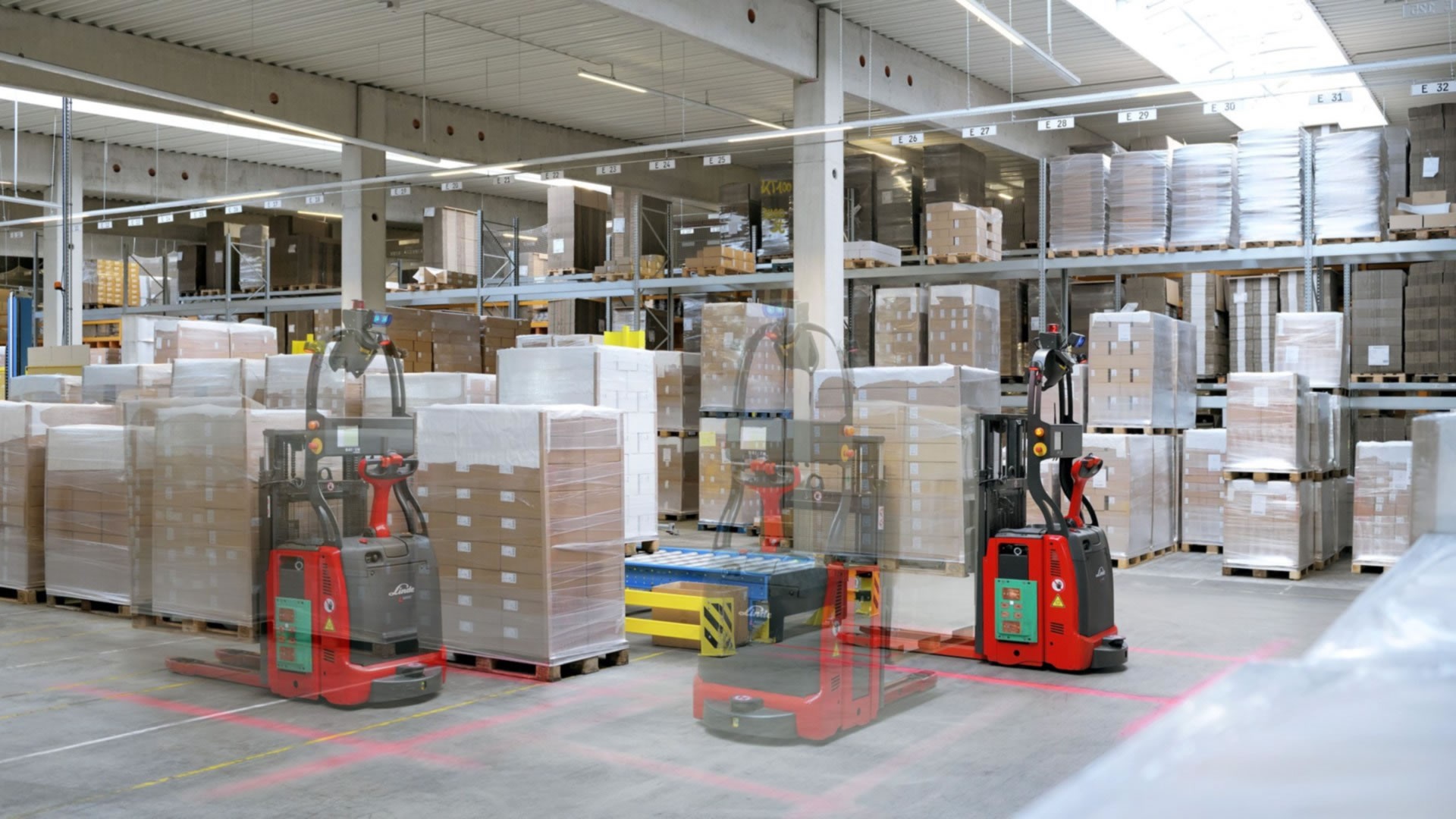
New Integration Expands Mixed-Fleet AGV Interoperability
As the trend of automation in warehouses and manufacturing facilities accelerates, operators are prioritizing the coordination of autonomous vehicles through unified control systems. This growing demand for Mixed-Fleet AGV Interoperability is driven by companies looking to integrate automated guided vehicles (AGVs), autonomous mobile robots (AMRs), and manually operated equipment into their operations. The push for seamless integration aims to enhance efficiency and streamline processes, reflecting the industry's shift towards more sophisticated automation solutions.
AMR and AGV IT in Logistics Materials Handling AGV fleet integration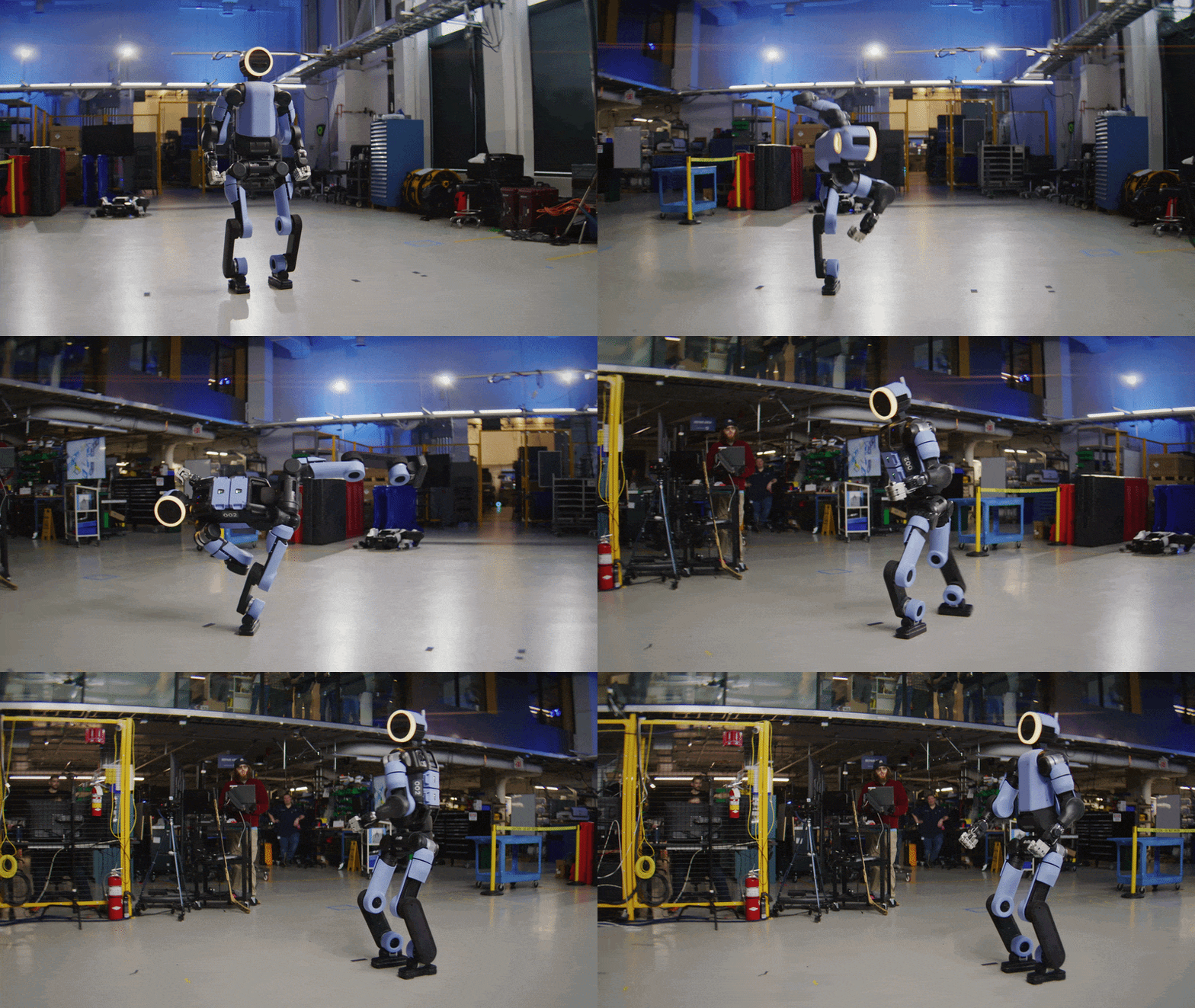
Video Friday: Atlas Versus a Fridge
IEEE Spectrum robotics has released its latest edition of "Video Friday," showcasing a variety of innovative robotics videos and announcing upcoming robotics events scheduled for 2026. Notable events include ICRA 2026 in Vienna from June 1-5, and the Summer School on Multi-Robot Systems in Prague from July 29 to August 4. Among the highlights, Boston Dynamics' Atlas robot demonstrates significant advancements in strength and adaptability, showcasing its ability to lift heavy objects and navigate complex environments using advanced reinforcement learning and control systems. This marks a pivotal moment for humanoid robots as they transition from laboratory settings to dynamic industrial applications. Additionally, the SpikerBot, a robot designed to be programmed by wiring neurons instead of traditional coding, has successfully reached its funding goal on Kickstarter. Other innovations include wheeled-legged robots that enhance mobility and a biomimetic robotic hummingbird developed at the Advanced Vertical Flight Laboratory, which mimics natural flight dynamics. The release also features advancements in construction technology, with Dusty Robotics introducing the FieldPrinter 2, a more efficient and intelligent version of its predecessor, and Noble Machines showcasing their autonomous robots designed for hazardous industrial tasks at NVIDIA GTC 2026. These developments reflect a broader trend in robotics, where technology is increasingly integrated into real-world applications, enhancing efficiency and safety across various industries.
Humanoid-robots Video-friday Robot-videos Educational-robots Biomimetics Quadruped-robots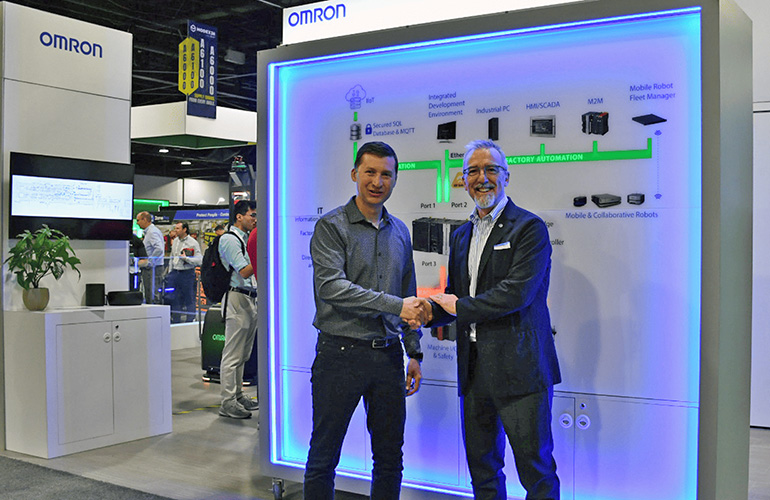
Comau and OMRON Robotics partner to offer robotics for more industries
Comau and OMRON Robotics have announced a strategic partnership aimed at enhancing flexible automation solutions for a diverse range of global industries. By integrating their expertise in robotics, control systems, and software, the two companies plan to deliver innovative automation technologies that cater to the evolving needs of their customers. This collaboration seeks to address the increasing demand for adaptable and efficient automation solutions, enabling businesses to optimize their operations and improve productivity. The initiative reflects a growing trend in the robotics sector, where companies are joining forces to leverage their strengths and provide comprehensive solutions to meet market challenges.
Automotive Autonomous Mobile Robots (AMRs) Collaborative Robots Controllers Energy / Solar / Renewables Food / Beverage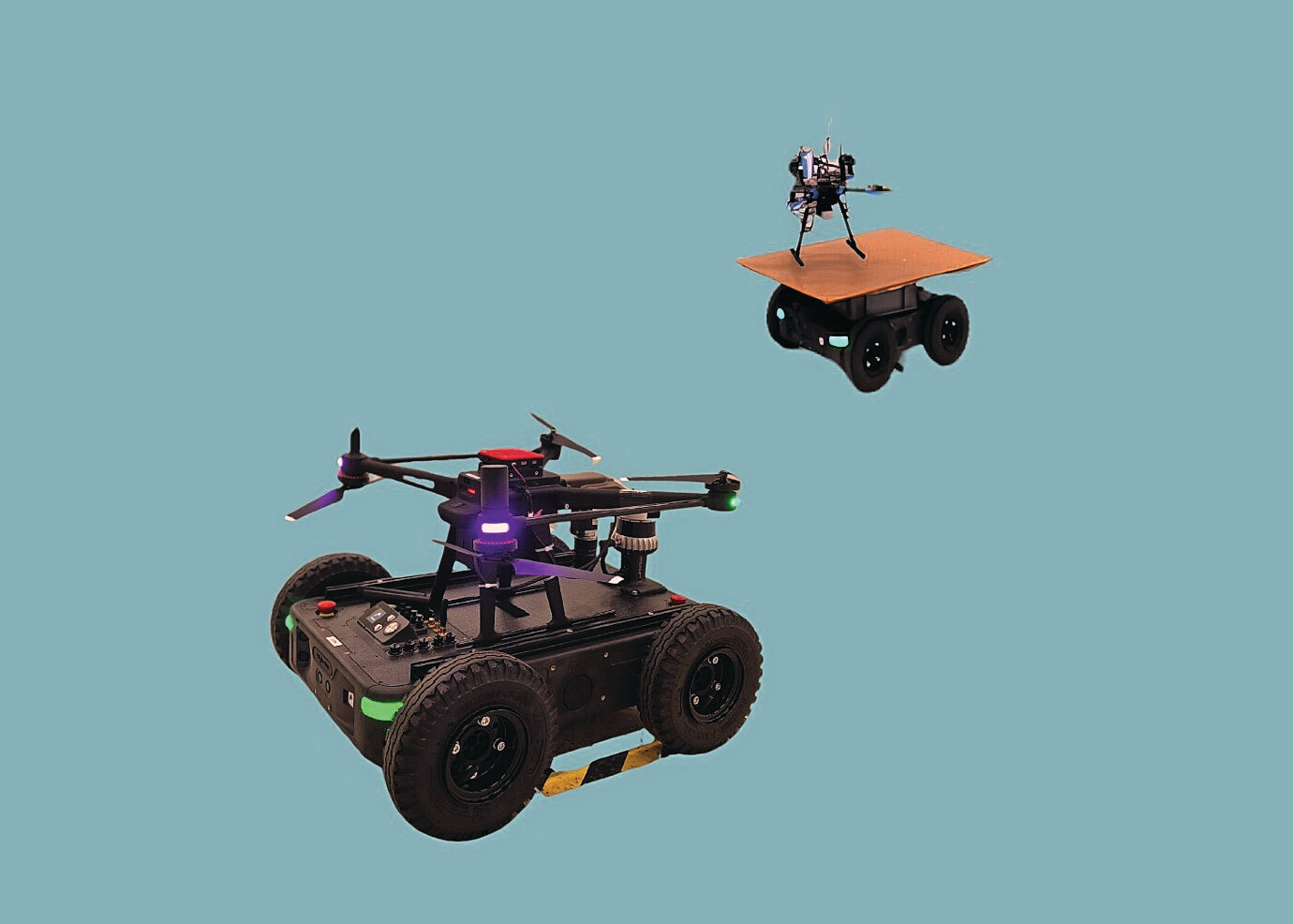
Mathematical models help farm robots work together in real time
Researchers at the University of Groningen in the Netherlands are pioneering the development of innovative mathematical control systems aimed at enabling drones and ground robots to work together autonomously in agricultural settings. This initiative, which is currently underway, seeks to enhance efficiency in farming operations without the need for extensive datasets or artificial intelligence training. The project highlights a significant advancement in agricultural technology, focusing on streamlined cooperation between aerial and terrestrial robotic systems to optimize farming practices. By leveraging mathematical algorithms, the researchers aim to create a more sustainable and effective approach to agriculture, potentially transforming how crops are monitored and managed in the future.
Smart farming agricultural robots crop monitoring drones robotics
ABB Robotics launches PickMaster Lite to simplify & accelerate robotic picking
ABB Robotics has introduced PickMaster® Lite, a simplified version of its robotic picking software, aimed at packaging OEMs and system integrators. Launched on May 5, 2026, this new software is designed to accelerate the development of high-speed, vision-guided robotic picking solutions. By offering essential features for common picking tasks, PickMaster Lite reduces engineering efforts by 30% and commissioning time by 25%, while ensuring reliable performance. The motivation behind this launch stems from the increasing demand for automation in manufacturing, driven by labor shortages and consumer expectations for personalized products. Craig McDonnell, Business Line Managing Director at ABB Robotics, emphasized the need for quick and reliable automation solutions to enhance production flexibility. PickMaster Lite employs an intuitive, task-based interface with pre-configured templates, eliminating the need for specialized programming skills. It integrates seamlessly with existing machine control architectures, allowing for easy communication with PLC and HMI systems. This capability enables machine builders to manage key functions directly through their preferred control systems, thus minimizing development risks. The software is particularly suited for high-volume, cost-sensitive applications in sectors such as consumer goods, food and beverage, pharmaceuticals, electronics, and e-commerce. As part of the broader PickMaster family, it offers a scalable solution that can evolve alongside production needs, with options for more advanced functionalities through PickMaster and PickMaster Twin. For additional details, interested parties can visit ABB's robotics website.

Forum Energy Technologies' latest LARS model launches onto the market with a compact, all-in-one package
Forum Energy Technologies (FET) has introduced its newest subsea handling equipment, the Model 6000 (M6000) Launch and Recovery System (LARS). This innovative system was unveiled recently as part of FET's ongoing commitment to enhancing operational efficiency in subsea operations. The launch took place at the company's headquarters, where industry experts and stakeholders gathered to witness the demonstration of the M6000's capabilities. The M6000 is designed to improve safety and reliability during the deployment and retrieval of subsea equipment, addressing critical challenges faced by operators in harsh underwater environments. FET's development of this system responds to the growing demand for advanced technology in the subsea sector, driven by an increase in offshore exploration and production activities. By incorporating cutting-edge engineering and design, the M6000 aims to streamline operations, reduce downtime, and ultimately lower costs for clients. The system's advanced features include enhanced control systems and improved handling capacities, making it a significant advancement in subsea technology. FET's latest launch underscores the company's position as a leader in the subsea equipment market, reinforcing its dedication to innovation and customer satisfaction. As the industry continues to evolve, the M6000 is poised to play a pivotal role in the future of subsea operations.
forum energy technologies' latest lars model launches onto the market with a compact all-in-one package
How a Melexis Collaboration is Working to Develop the Touch-Enabled Robots of the Future
Experts from various fields, including electronic hardware, software, embedded systems, mechanical robotics, and mechatronics, are collaborating to address the complex challenge of integrating feedback mechanisms, such as tactile sensors, with smart and adaptive control systems. This interdisciplinary effort aims to enhance the functionality and responsiveness of robotic systems. The initiative is gaining momentum as advancements in technology continue to evolve, particularly in the context of robotics and automation. By fostering collaboration among specialists, the project seeks to develop innovative solutions that improve the interaction between machines and their environments. This convergence of expertise is crucial for advancing the capabilities of intelligent systems, ultimately leading to more effective and efficient robotic applications across various industries.
Automation and Industrial Robotics for Education: Training Programs and Platforms
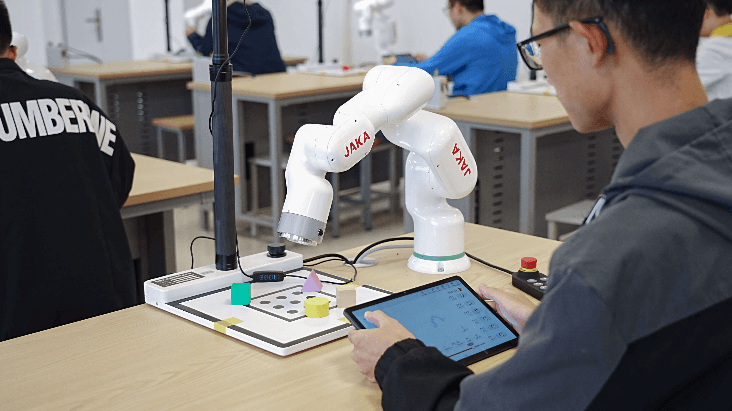
JAKA, a leader in industrial automation and robotics, is revolutionizing technical education by integrating hands-on experience with industrial cobot systems into learning environments. This initiative aims to prepare students for future careers in manufacturing and engineering by providing practical knowledge that complements traditional theoretical studies. The company has developed training programs centered around the JAKA Pro16, an industrial cobot designed to operate in challenging environments, allowing students to engage in tasks such as palletizing, machine tending, and precision welding without damaging sensitive equipment. This hands-on approach helps learners understand the practical challenges of modern industrial settings. JAKA's modular platforms facilitate both individual and collaborative learning, enabling students to program trajectories, test automation sequences, and analyze data from integrated sensors. This immersive experience connects theoretical concepts with real-world applications, enhancing problem-solving skills and technical confidence. The goal of these educational programs is to equip students with the skills necessary for careers in manufacturing, engineering, and technology. By interacting with advanced robotics like the JAKA Pro16, students gain insights into mechanical operations, control systems, and safety protocols. JAKA also provides instructor guides and safety materials to ensure effective and secure learning. Through this commitment to integrating automation and robotics into education, JAKA is helping to bridge the gap between classroom learning and industry requirements, ultimately preparing the next generation for the evolving challenges of modern manufacturing.
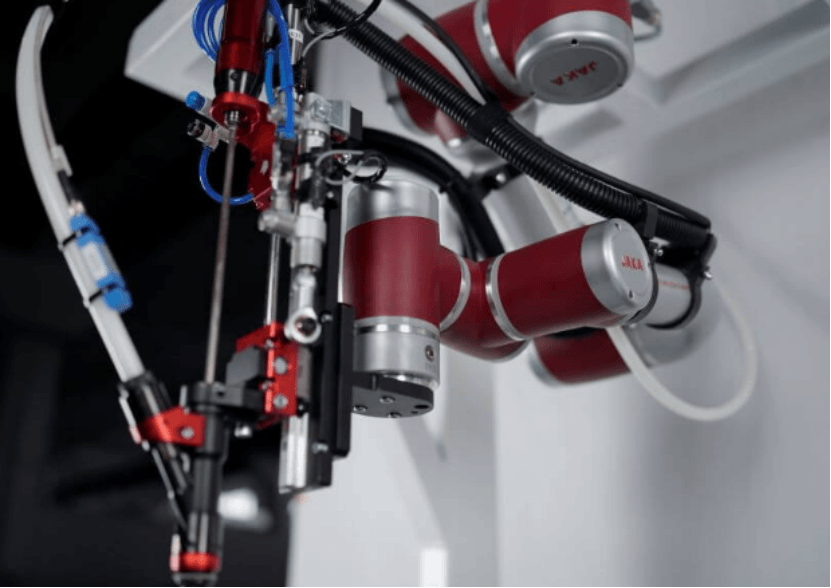
Automation Robotics Technology for Warehouse Logistics and Sorting
JAKA, a leader in automation robotics technology, is revolutionizing warehouse operations by integrating intelligent robotic systems to enhance efficiency and accuracy. As e-commerce volumes rise and supply chains become more complex, the company emphasizes that adopting automation is essential for maintaining competitiveness. Recently, JAKA implemented polishing robots designed for high-precision sorting tasks, capable of adapting to various item sizes and surface requirements. These robots utilize advanced control systems to ensure consistent results while minimizing operational downtime. By combining these solutions with data-driven tracking systems, JAKA can monitor throughput and continuously improve efficiency across multiple sorting lines. A crucial aspect of JAKA's automated operations is the JAKA S Screwdriving system, which offers high efficiency and stability for assembling transport equipment. This system allows for customizable torque adjustments and can be seamlessly integrated with conveyor systems, enhancing overall workflow connectivity. The quick and responsive nature of JAKA robots enables human workers to focus on complex decision-making while robots manage repetitive tasks. Safety protocols are embedded within the system to ensure a secure working environment, allowing for smooth coexistence between human workers and robots. By leveraging automation robotics technology, JAKA aims to enhance operational flexibility, scalability, and safety, ultimately achieving higher productivity without compromising quality. The company's commitment to refining its automation solutions positions it to meet the evolving demands of logistics and support sustainable growth for both itself and its clients.
Empowering Seres Motors: Over 40 Locus Robotics Implemented to Set New Standards in Flexible Intelligent Manufacturing
Locus Robotics has successfully implemented more than 40 CR series collaborative robots at the Changshou factory of Seres Motors, marking a significant milestone in achieving full automation of critical production processes. This collaboration aims to boost the manufacturing of high-end electric vehicle components, highlighting the integration of advanced flexible manufacturing techniques and AI-driven quality control systems. The deployment of these robots not only enhances efficiency but also underscores the growing trend towards automation in the automotive industry, particularly in the electric vehicle sector.
Collaborative Robots Electric Vehicle Manufacturing Automation Solutions AI Quality Control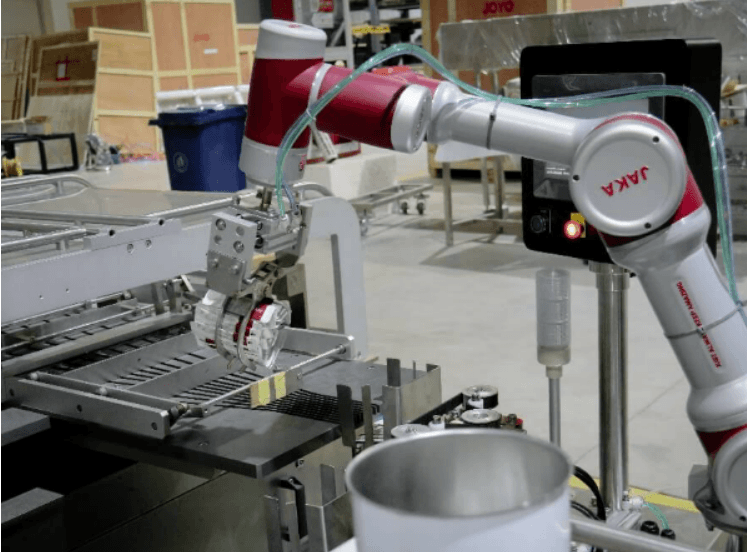
JAKA Robotics: Driving Innovation as a Leading Robotics Company in APAC
JAKA Robotics is making significant strides in the field of industrial automation, focusing on smart manufacturing solutions across the Asia-Pacific (APAC) region. The company specializes in collaborative robots that work safely alongside human operators, ensuring consistent performance in various applications such as electronics assembly, automotive component handling, and semiconductor processes. With a commitment to precision and stability, JAKA employs advanced control systems and intelligent software, achieving high repeatability levels essential for sensitive tasks like shaft assembly. Their robots are designed with low-noise circuitry and automated quality controls, enabling manufacturers to maintain efficiency and reduce errors during production. The Zu series of JAKA robots highlights the company's emphasis on flexible deployment, featuring compact designs that fit into confined workspaces. User-friendly programming tools allow even those without technical backgrounds to manage complex tasks, while safety features like collision protection and zero-drift calibration enhance human-robot collaboration. JAKA also prioritizes seamless system integration, offering communication interfaces compatible with manufacturing execution systems (MES), automated guided vehicles (AGVs), and vision modules. This adaptability supports more complex automation scenarios and allows non-specialized staff to operate sophisticated processes efficiently. As JAKA Robotics continues to innovate, it remains dedicated to enhancing productivity and operational resilience in the electronics, automotive, and semiconductor sectors, exemplifying how advanced automation solutions can transform modern manufacturing in the APAC region.

NVIDIA Brings AI-Powered Cybersecurity to World’s Critical Infrastructure
As global industries continue to embrace digitalization and interconnected systems, operational technology (OT) environments and industrial control systems (ICS) are facing heightened vulnerabilities. This shift, impacting sectors such as energy, manufacturing, transportation, and utilities, has raised concerns about cybersecurity threats. Experts warn that the increasing reliance on digital platforms makes these critical infrastructures more susceptible to attacks, potentially disrupting essential services and operations. The urgency for robust security measures has prompted industry leaders to prioritize the enhancement of cybersecurity protocols to protect against potential breaches. As these technologies evolve, the need for comprehensive strategies to safeguard OT and ICS becomes paramount, ensuring the resilience of vital services in an increasingly digital world.
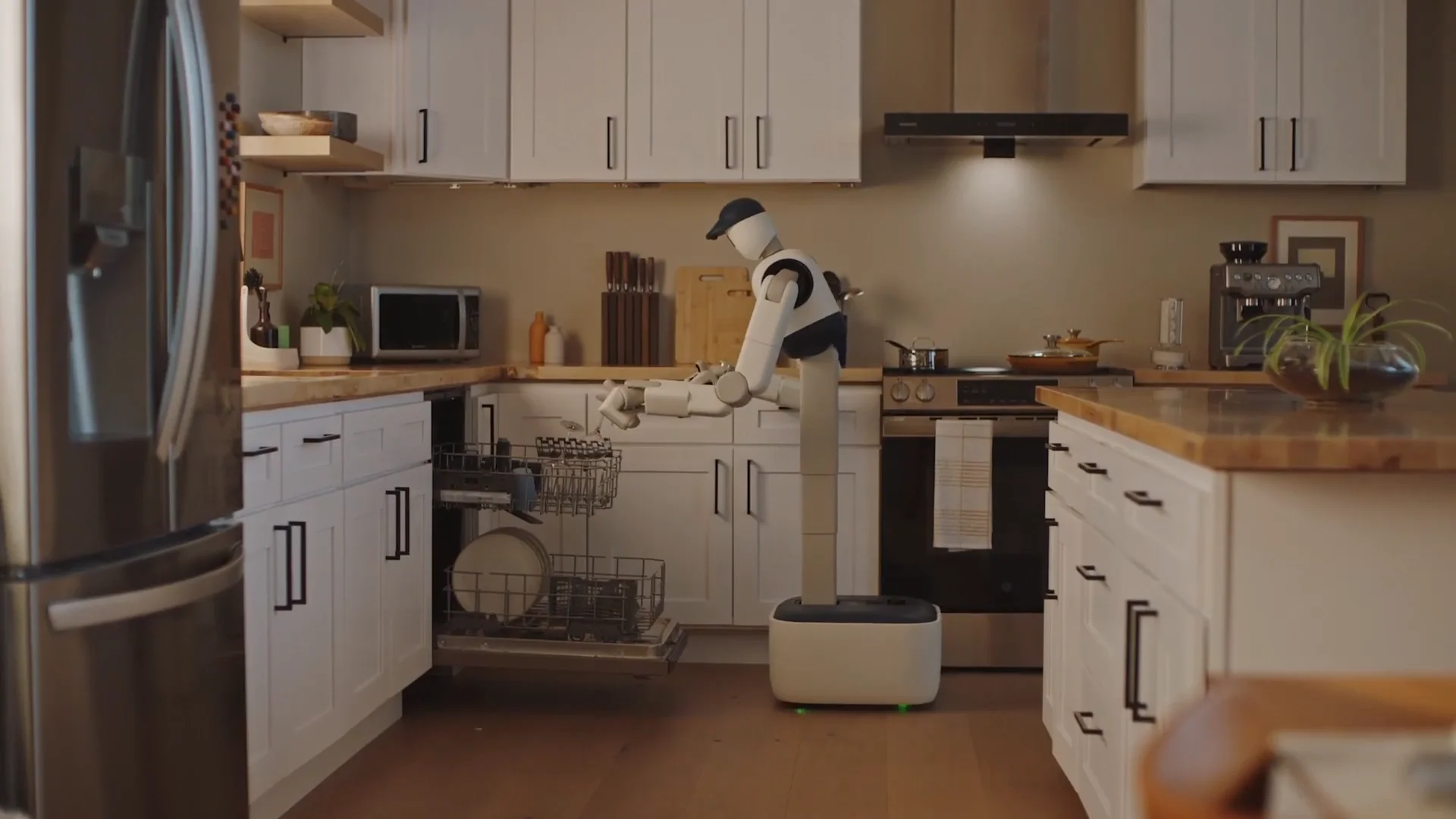
Sunday Robotics Founders on the "GPT Moment" for Physical AI and Breaking the Data Bottleneck
In a recent interview, Tony Zhao and Cheng Chi discussed their innovative "data-first" philosophy, which they believe is pivotal in advancing technology within their industry. They emphasized the impending end of teleoperation, suggesting that reliance on remote control systems is becoming obsolete. Zhao and Chi expressed their concerns about the current state of the industry, which they feel is caught in a transitional phase between traditional generative pre-trained transformers (GPT) and the more advanced ChatGPT models. Their insights reflect a broader trend in technology, where data-driven approaches are increasingly seen as essential for progress. The interview sheds light on the challenges and opportunities facing the industry as it navigates this critical evolution.
Sunday Robotics MemoRobotics needs a service framework.
RSF defines a common language for robot service capability, lifecycle operations, certification pathways, and service-provider networks.