Industry Briefing
A single destination for timely, editor-curated robotics news from around the world.
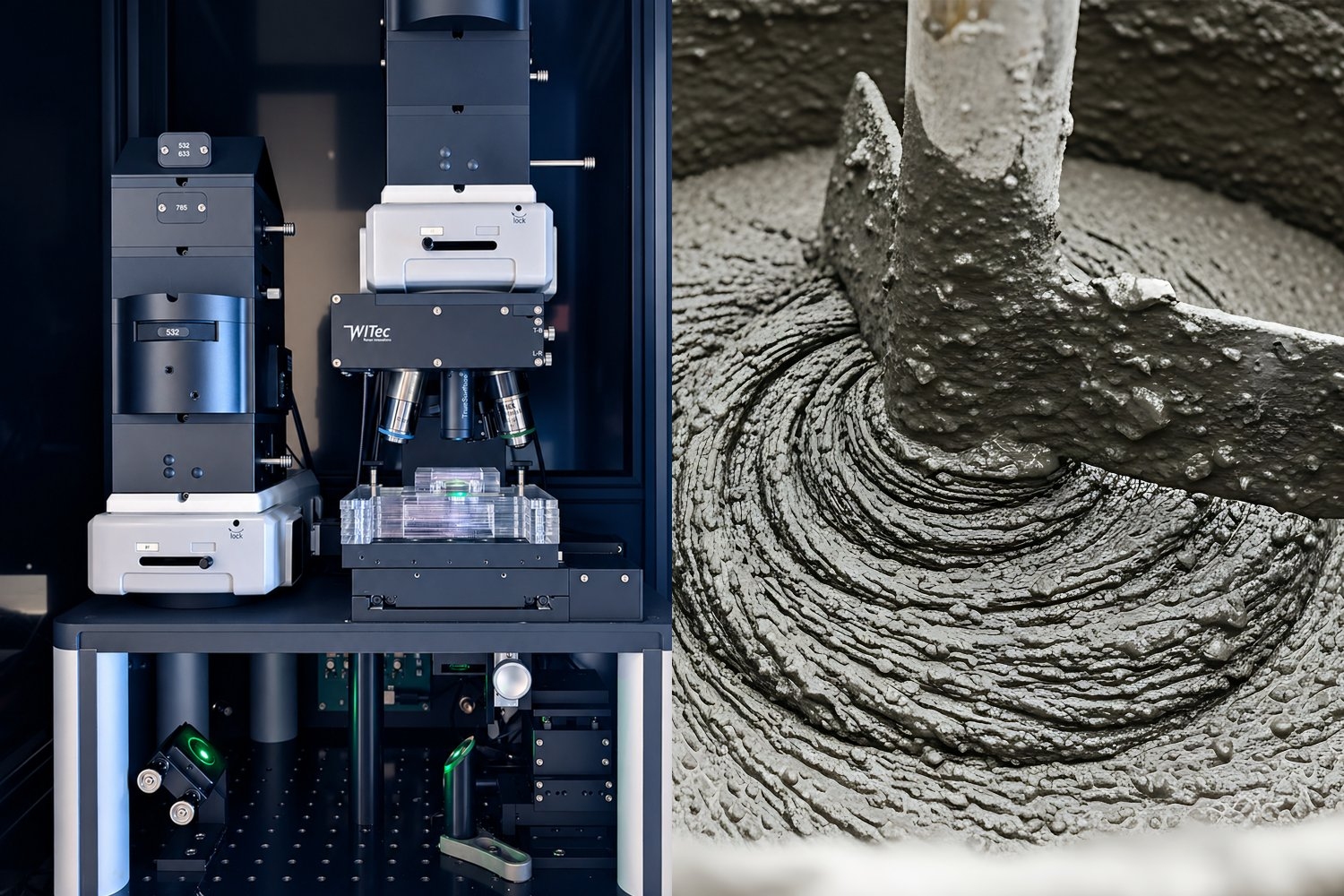
A shot of carbon dioxide rewires how cement sets
Recent research has unveiled the chemical sequence initiated by the injection of carbon dioxide (CO₂) into cement paste, marking a significant advancement in materials science. Conducted by a team of scientists, this study successfully captured a transient intermediate reaction for the first time through the application of real-time Raman spectroscopy. The findings, published in a leading scientific journal, aim to enhance the understanding of cement chemistry and its potential for carbon capture, which is increasingly important in the context of climate change and sustainable construction practices. By elucidating the mechanisms at play during CO₂ injection, the researchers hope to pave the way for more effective strategies in reducing greenhouse gas emissions associated with cement production.
Research Concrete Carbon dioxide Civil and environmental engineering Concrete Sustainability Hub School of Engineering
World’s first tower crane 3D printer can build concrete high-rise up to 328 feet tall
An Australian company specializing in robotics and 3D printing has made headlines by unveiling the world’s first fully automated tower crane. This groundbreaking innovation was presented at a technology expo held in Sydney on October 15, 2023. The crane aims to revolutionize the construction industry by enhancing efficiency and safety on job sites. Developed to address the growing demand for automation in construction, the crane operates independently, reducing the need for manual labor and minimizing human error. The technology behind the crane integrates advanced robotics with 3D printing capabilities, allowing for precise construction processes and the ability to adapt to various building designs. Industry experts believe this innovation could significantly lower construction costs and timelines while improving overall project outcomes. The company’s CEO emphasized that the automated tower crane represents a major step forward in modernizing construction practices, highlighting its potential to transform how structures are built in the future.

Robotic 3D printers complete Europe’s largest 12-apartment building in just 34 days
In a significant advancement for construction technology, a 12-apartment residential building has been completed in France utilizing 3D concrete printing. This innovative project, which showcases the potential of additive manufacturing in the housing sector, was finalized in a remarkably short timeframe, demonstrating the efficiency of this modern building technique. The initiative aims to address the ongoing housing crisis by providing affordable and sustainable living options. By employing 3D printing, the project not only reduces construction time but also minimizes waste and lowers overall costs, making it an attractive solution for future developments. This landmark achievement highlights the growing trend of integrating technology into traditional construction methods, paving the way for more rapid and environmentally friendly building practices.
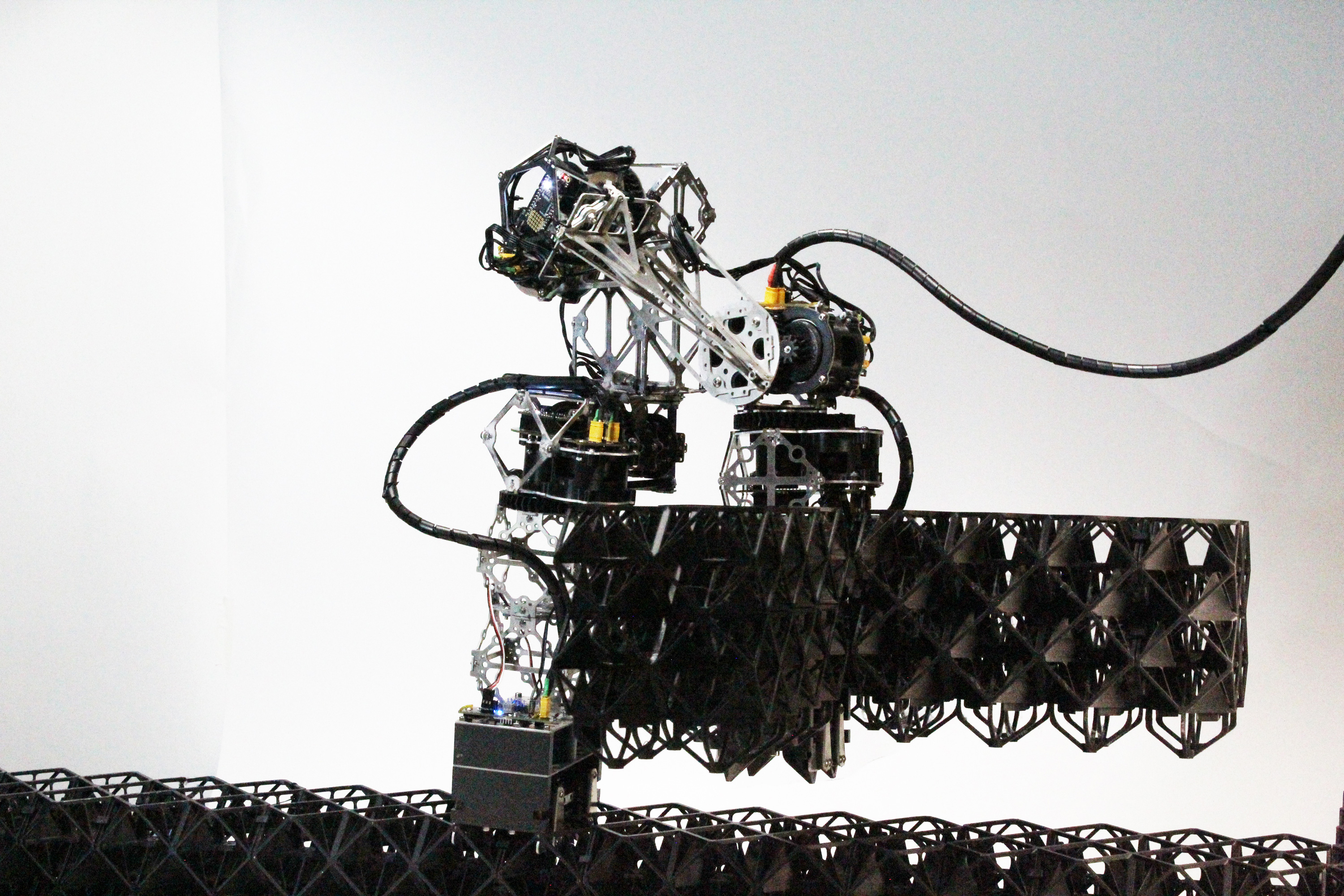
Robotically assembled building blocks could make construction more efficient and sustainable
Recent research indicates that the construction of simple buildings using interlocking subunits is not only mechanically viable but also significantly reduces carbon emissions. This innovative approach to building design could transform the construction industry by offering a sustainable alternative to traditional methods. The findings, which emerged from a study conducted by a team of engineers and architects, highlight the potential for these modular structures to minimize environmental impact while maintaining structural integrity. The research underscores the urgent need for more eco-friendly construction practices in response to growing concerns about climate change and resource depletion. By utilizing interlocking components, builders can streamline the construction process, reduce waste, and enhance energy efficiency, ultimately contributing to a greener future for urban development.
Research Construction Robotics Self-assembly Concrete Additive manufacturing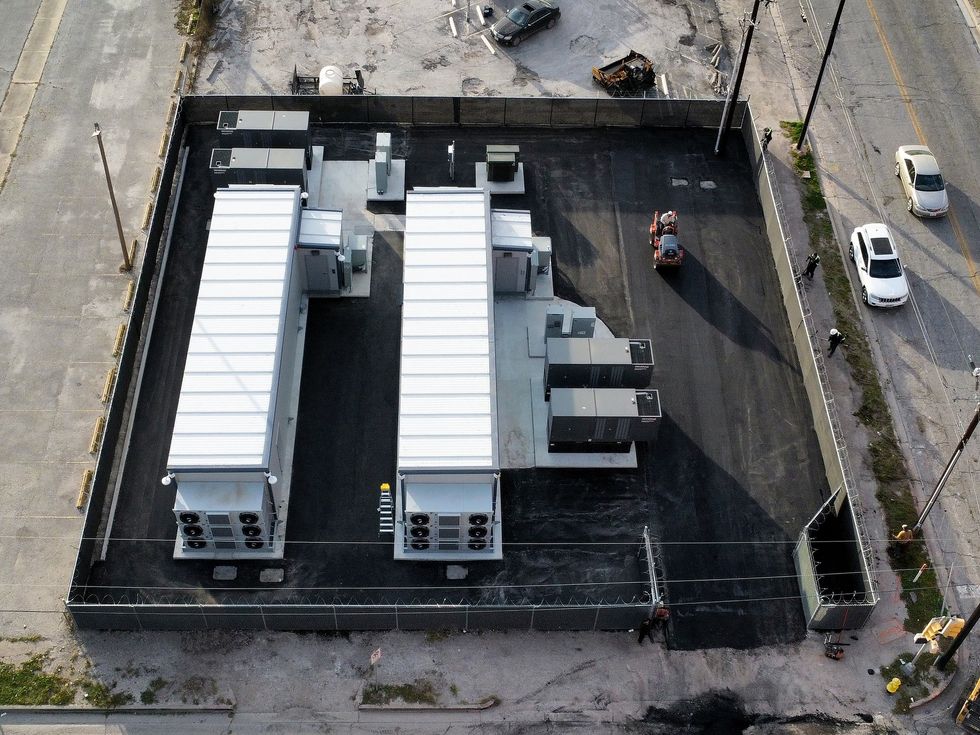
The AI Data Centers That Fit on a Truck
In response to the growing demand for rapid deployment of AI hardware, companies like Duos Edge AI and LG CNS are shifting towards modular data centers. Traditional data centers, which require extensive construction of steel and concrete shells, can take years to build, posing challenges for organizations eager to implement AI solutions. Duos Edge AI, led by CEO Doug Recker, has developed modular compute pods that can be deployed in about six months, significantly faster than conventional setups. Each 55-foot pod houses racks of GPUs and can operate independently or in conjunction with others, with a recent deal to deploy four pods containing a total of 2,304 GPUs, expandable to 4,608. Similarly, LG CNS is launching its AI Modular Data Center in Busan, South Korea, featuring 576 Nvidia GPUs per unit, with plans for an expanded version supporting over 4,600 GPUs. Both companies emphasize the advantages of modular systems, which require only a concrete pad for installation, allowing for quicker site readiness and reduced permitting complexities. The modular approach not only accelerates deployment but also offers cost savings, with Duos estimating a 5-megawatt modular deployment could be built for around $25 million, significantly lower than traditional facilities. As the market for modular data centers is projected to double by 2030, other tech giants like Hewlett Packard Enterprise and Schneider Electric are also exploring similar solutions. The modular design allows for incremental expansion, enabling facilities to grow in capacity as demand increases, positioning them as a viable alternative to traditional data centers.
Data-center Networking Liquid-cooling Ai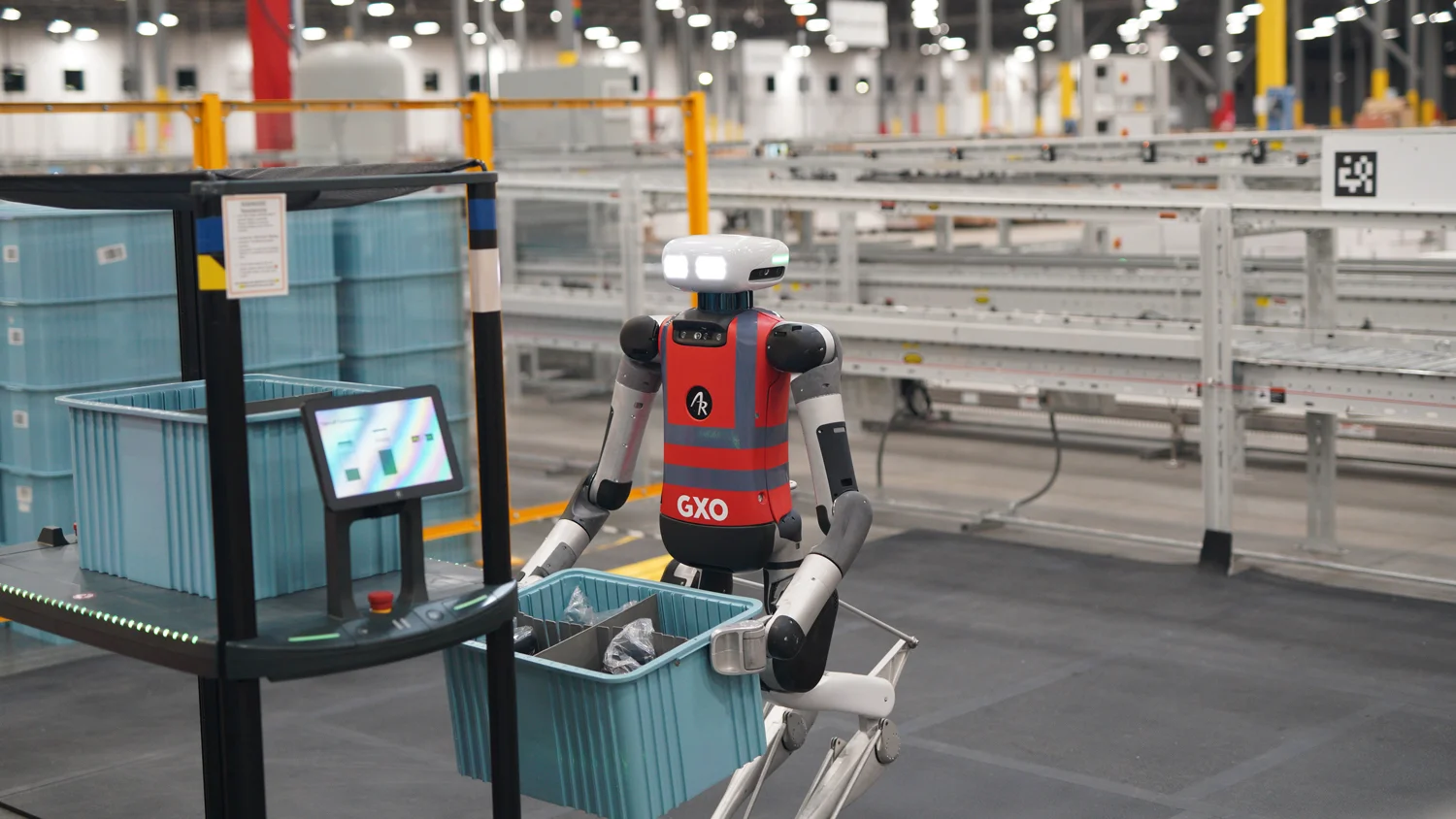
Agility Robotics Hits 100,000 Totes Milestone, Firing a Data-Driven Shot in the Humanoid Wars
Agility Robotics has reported that its Digit robot has successfully moved over 100,000 totes at GXO Logistics, showcasing its operational capabilities amidst increasing competition in the robotics industry. This achievement, which highlights the efficiency and effectiveness of the Digit robot, comes as Agility seeks to establish its position in a market that is becoming increasingly crowded with new entrants. The milestone was reached recently, demonstrating the robot's practical application in logistics and supply chain management. By providing concrete operational data, Agility aims to counter the claims made by competitors about their own robotic solutions, reinforcing the reliability and performance of its technology in real-world scenarios.
Digit Agility Robotics