Industry Briefing
A single destination for timely, editor-curated robotics news from around the world.

Next-gen wireless drone swarm stays airborne 24/7, never needs to land
US companies Reach Power and Gambit have unveiled that their collaborative initiative, the SWARM project, has secured funding. This financial backing aims to advance the development of innovative technologies in the renewable energy sector. The announcement was made on October 15, 2023, highlighting the growing interest and investment in sustainable energy solutions. The SWARM project is designed to enhance energy efficiency and promote the integration of renewable resources into existing power grids. By leveraging cutting-edge technology and strategic partnerships, Reach Power and Gambit intend to address the increasing demand for clean energy alternatives. This initiative reflects a broader trend in the industry, as companies seek to align with global sustainability goals and reduce carbon footprints.
Innovation
Microsoft taps Alt Carbon in sign of India’s growing role in carbon removal
Alt Carbon has announced a significant agreement with Microsoft, marking the culmination of over a year of rigorous scientific review and due diligence. The partnership reflects Microsoft's commitment to enhancing its sustainability initiatives, necessitating additional verification and data-sharing measures to ensure transparency and accountability. This collaboration aims to advance carbon capture technology, aligning with both companies' goals to address climate change effectively. The agreement underscores the importance of thorough evaluation in forming strategic partnerships within the tech and environmental sectors.
Climate Startups Alt Carbon enhanced rock weathering Exclusive Microsoft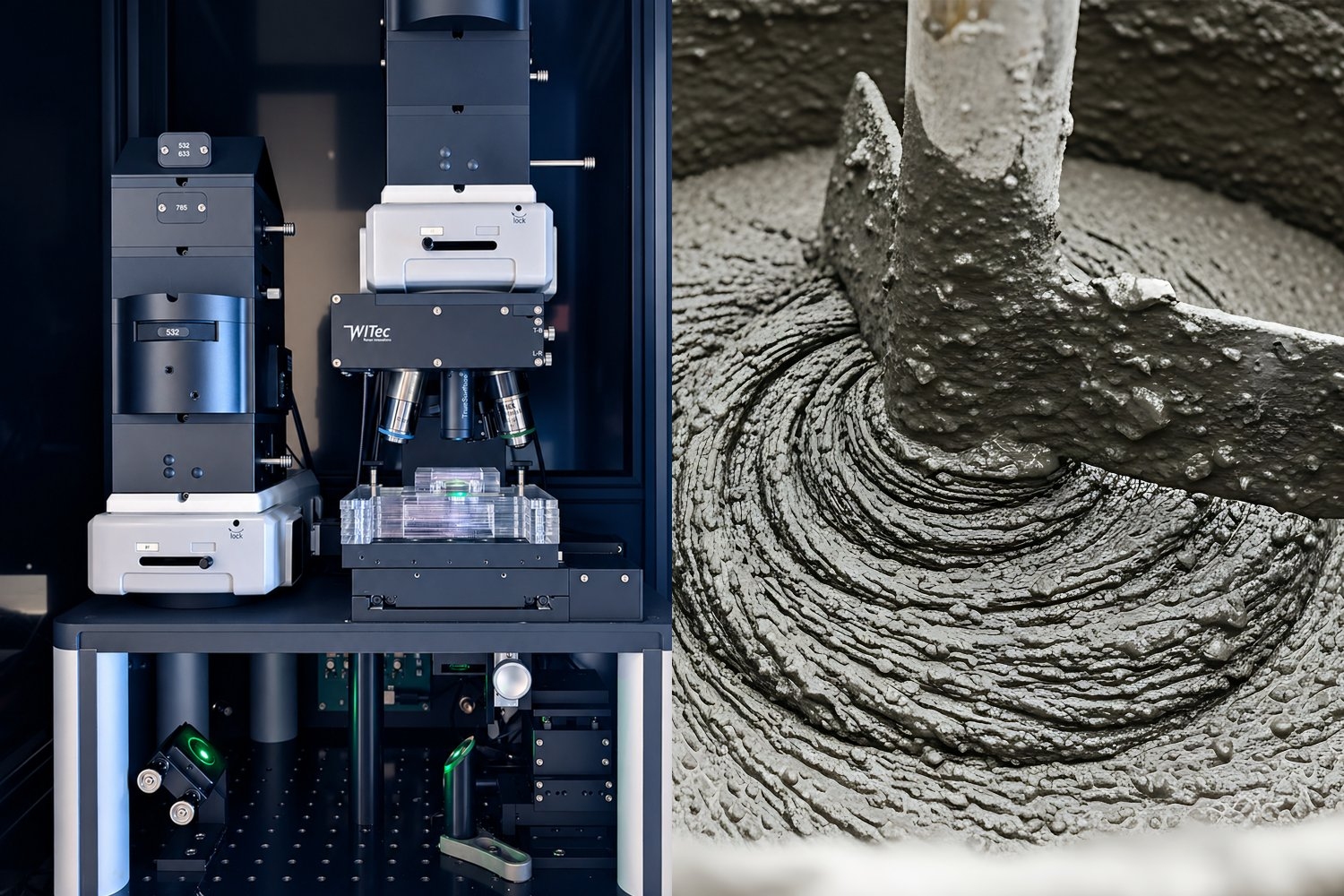
A shot of carbon dioxide rewires how cement sets
Recent research has unveiled the chemical sequence initiated by the injection of carbon dioxide (CO₂) into cement paste, marking a significant advancement in materials science. Conducted by a team of scientists, this study successfully captured a transient intermediate reaction for the first time through the application of real-time Raman spectroscopy. The findings, published in a leading scientific journal, aim to enhance the understanding of cement chemistry and its potential for carbon capture, which is increasingly important in the context of climate change and sustainable construction practices. By elucidating the mechanisms at play during CO₂ injection, the researchers hope to pave the way for more effective strategies in reducing greenhouse gas emissions associated with cement production.
Research Concrete Carbon dioxide Civil and environmental engineering Concrete Sustainability Hub School of Engineering
Two Fossa Flat Minima Optimization Algorithm‐Based Enhancement of Ecological Balance Using Carbon‐Neutral Eco‐Robots With Situational Intelligence for Air Quality Monitoring
A recent study published in the Journal of Field Robotics explores advancements in autonomous robotic systems designed for agricultural applications. Conducted by a team of researchers from various universities, the study highlights the growing importance of robotics in enhancing efficiency and sustainability in farming practices. The research, which was completed in October 2023, focuses on the development of robots capable of performing tasks such as planting, weeding, and harvesting crops with minimal human intervention. The motivation behind this research stems from the increasing demand for food production amid a global population surge and the need for sustainable farming methods that reduce environmental impact. By integrating advanced sensors and artificial intelligence, the robots are designed to optimize resource use, reduce labor costs, and improve crop yields. Field tests conducted in various agricultural settings demonstrated the robots' effectiveness in performing tasks traditionally done by human laborers. The study's findings suggest that these autonomous systems could significantly transform the agricultural landscape, making it more efficient and less reliant on chemical inputs. As the agricultural sector faces challenges related to labor shortages and climate change, the research underscores the potential of robotics to address these issues and pave the way for a more sustainable future in food production. The study calls for further investment and development in this technology to fully realize its benefits for farmers and the environment.
RESEARCH ARTICLE
Europe unifies autonomous vehicle laws, speeds up robotaxi expansion
Autonomous taxi services have experienced significant growth in major metropolitan areas across the United States, revolutionizing urban transportation. As of October 2023, companies specializing in self-driving technology have expanded their fleets and operational zones, responding to increasing demand for efficient and cost-effective travel options. The rise of these services is driven by advancements in artificial intelligence and robotics, enabling safer and more reliable rides without human drivers. Cities such as San Francisco, Los Angeles, and New York have become key testing grounds, where regulatory frameworks are evolving to accommodate this innovative mode of transport. The integration of autonomous taxis into public transit systems aims to alleviate traffic congestion and reduce carbon emissions, aligning with broader environmental goals. As these services continue to develop, stakeholders are closely monitoring their impact on urban mobility and the potential challenges they may pose to existing transportation infrastructures.

US firm’s next-gen aerospace composite set to deliver exceptional strength, durability
A Texas-based company has submitted a patent application for an innovative self-lubricating aerospace composite, designed to enhance the performance and longevity of aircraft components. The development, spearheaded by Carbon Fiber Max, aims to address the challenges of friction and wear in aerospace applications, which can lead to increased maintenance costs and reduced efficiency. By integrating advanced materials technology, the firm seeks to provide a solution that not only improves operational reliability but also contributes to overall safety in aviation. The patent application was filed recently, marking a significant step forward in aerospace material science. This breakthrough could potentially revolutionize the industry by offering a more sustainable and cost-effective alternative to traditional materials.

Improving the performance of high-power electronics
Researchers have discovered that applying a thin layer of diamond can significantly enhance the speed and energy efficiency of next-generation wireless devices. This innovative approach addresses the challenge of excessive heat generated during device operation, which has been a limiting factor in the performance of modern technology. The findings, which emerged from ongoing studies in advanced materials science, highlight the potential for diamond to serve as an effective thermal management solution. This breakthrough could pave the way for faster and more efficient wireless communication, ultimately benefiting consumers and industries reliant on high-performance devices.
Research Computer chips Electronics Carbon materials Nanoscience and nanotechnology Mobile devices
New Chinese axial flux motor reaches 18,000 rpm milestone, can be used in EVs and robots
Pangoo Power, a Chinese company, has partnered with the Ningbo Institute of Materials Technology and Engineering to develop innovative energy storage solutions. This collaboration aims to enhance the efficiency and sustainability of energy systems, addressing the growing demand for renewable energy sources. The initiative was announced on October 15, 2023, during a conference in Ningbo, China, where experts discussed advancements in material technology and energy storage. By leveraging cutting-edge research and development, the partnership seeks to create more effective energy storage systems that can support the transition to greener energy solutions. The project is expected to contribute significantly to China's efforts in achieving its carbon neutrality goals by improving energy management and storage capabilities.
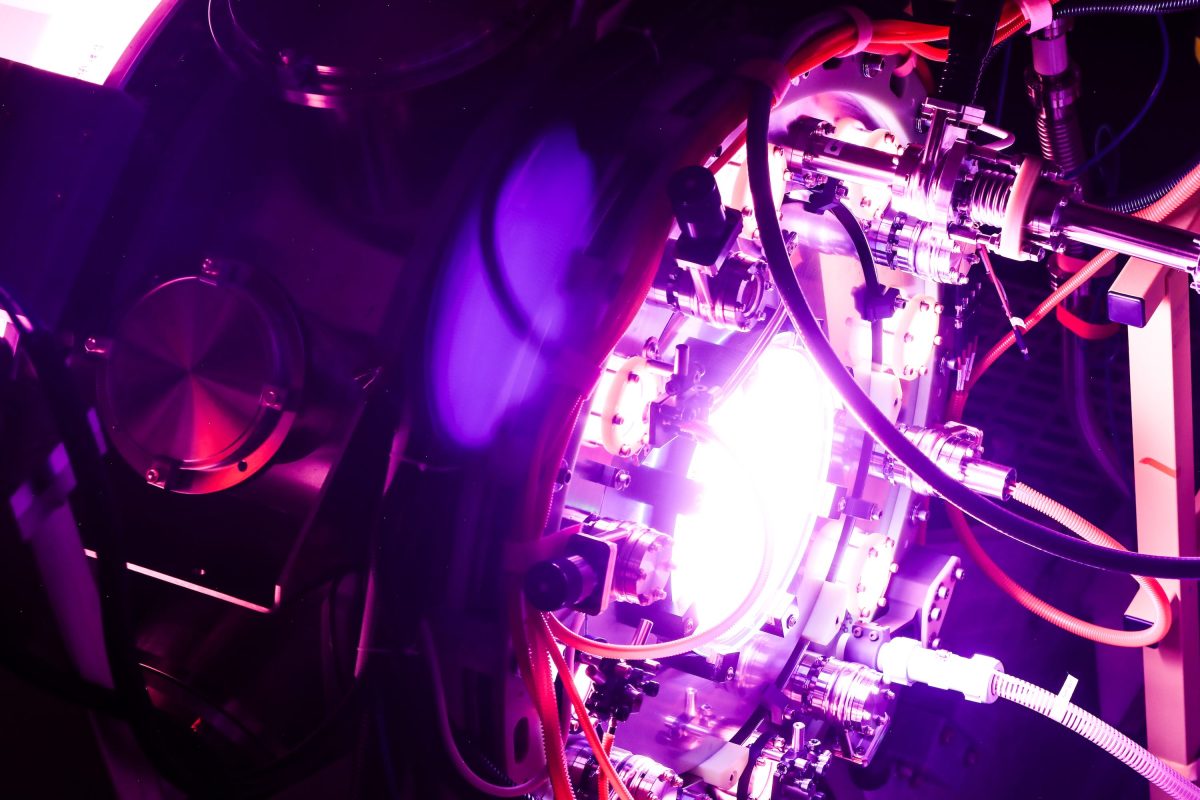
Helion, the Sam Altman-backed fusion startup, raises $465M to build a power plant for Microsoft
Helion, a fusion energy startup, is accelerating its efforts to build a power plant for Microsoft, with a completion target set for 2028. The company has recently secured a new round of funding, which is expected to bolster its development capabilities and expedite the project. This partnership highlights the growing interest in fusion energy as a viable solution for sustainable power, particularly in the tech industry, where companies like Microsoft are seeking innovative ways to meet their energy needs and reduce carbon footprints. The collaboration represents a significant step forward in the pursuit of clean energy solutions, as Helion aims to harness fusion technology to provide reliable and environmentally friendly electricity.
Climate Fundraising Startups Helion fusion energy Peak XV Partners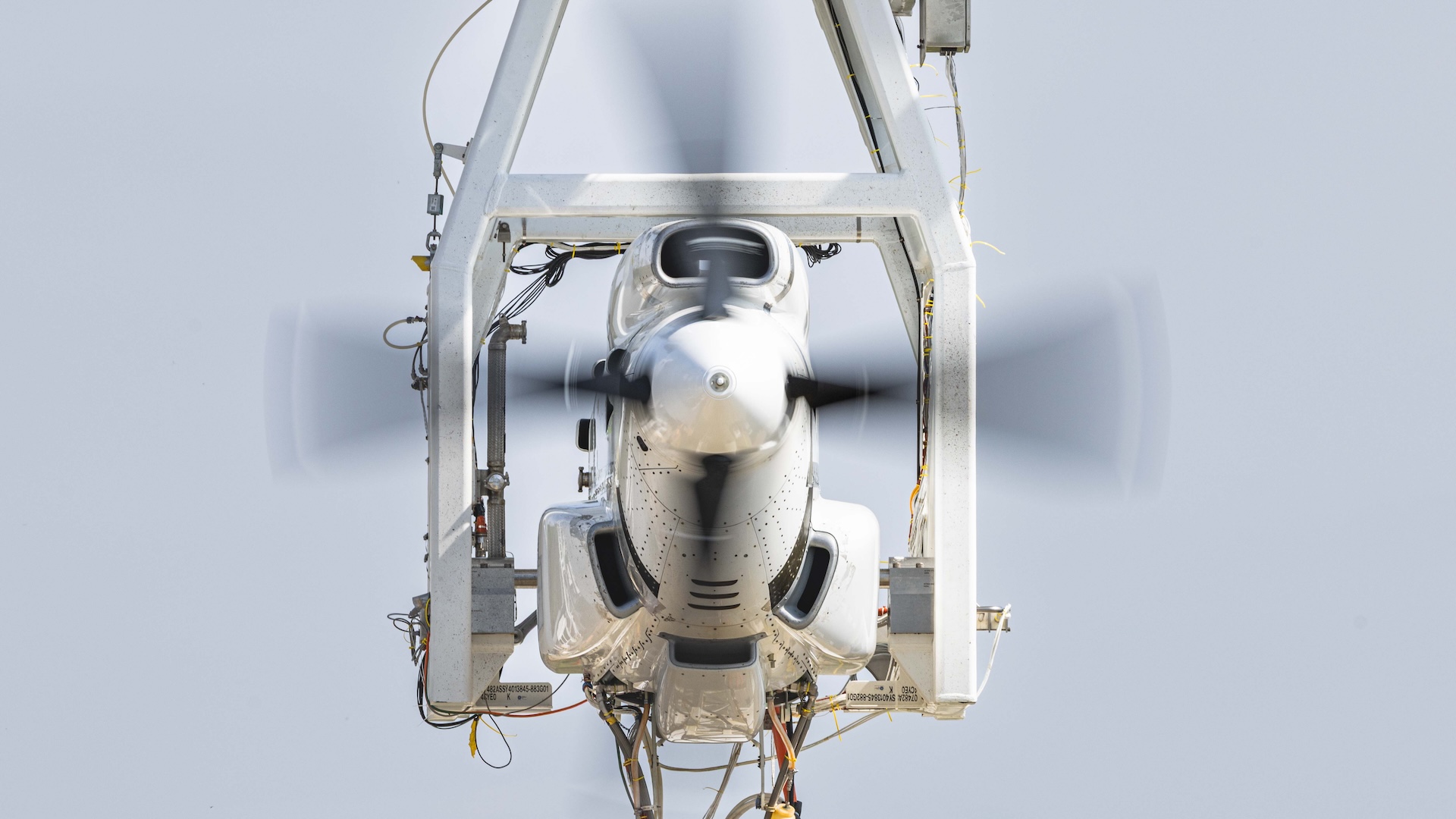
US firm uses megawatt-class hybrid-electric CT7 turboprop plane engine for tests
GE Aerospace is making significant strides in the realm of electrified flight, having recently achieved a crucial milestone in its development efforts. The company successfully completed a series of tests that demonstrate the viability of its electric propulsion systems. These tests took place in October 2023 at its state-of-the-art facility in Cincinnati, Ohio. The motivation behind this advancement is GE Aerospace's commitment to reducing carbon emissions in aviation and enhancing the efficiency of air travel. By investing in electric propulsion technology, the company aims to address the growing demand for sustainable aviation solutions while positioning itself as a leader in the industry. The testing process involved rigorous evaluations of the electric propulsion systems under various operational conditions, showcasing their reliability and performance. This achievement not only marks a pivotal moment for GE Aerospace but also contributes to the broader goal of transforming the aviation sector towards more environmentally friendly practices. As the company continues to refine its technology, it is poised to play a significant role in the future of air travel.
Hybrid-electric eVTOL could fly troops and military supplies across 1,000 miles
Vertical Aerospace, a UK-based company, has initiated testing of its innovative hybrid-electric aircraft designed to transport passengers. The testing phase commenced recently at an undisclosed location, marking a significant step in the development of sustainable aviation technology. This aircraft aims to reduce carbon emissions and enhance urban air mobility, responding to the growing demand for environmentally friendly transportation solutions. The testing process will evaluate the aircraft's performance, safety, and efficiency, with the goal of achieving regulatory approval and commercial deployment in the near future.
Video: New robot dog hunts tiny gas leaks at Norway’s massive carbon storage hub
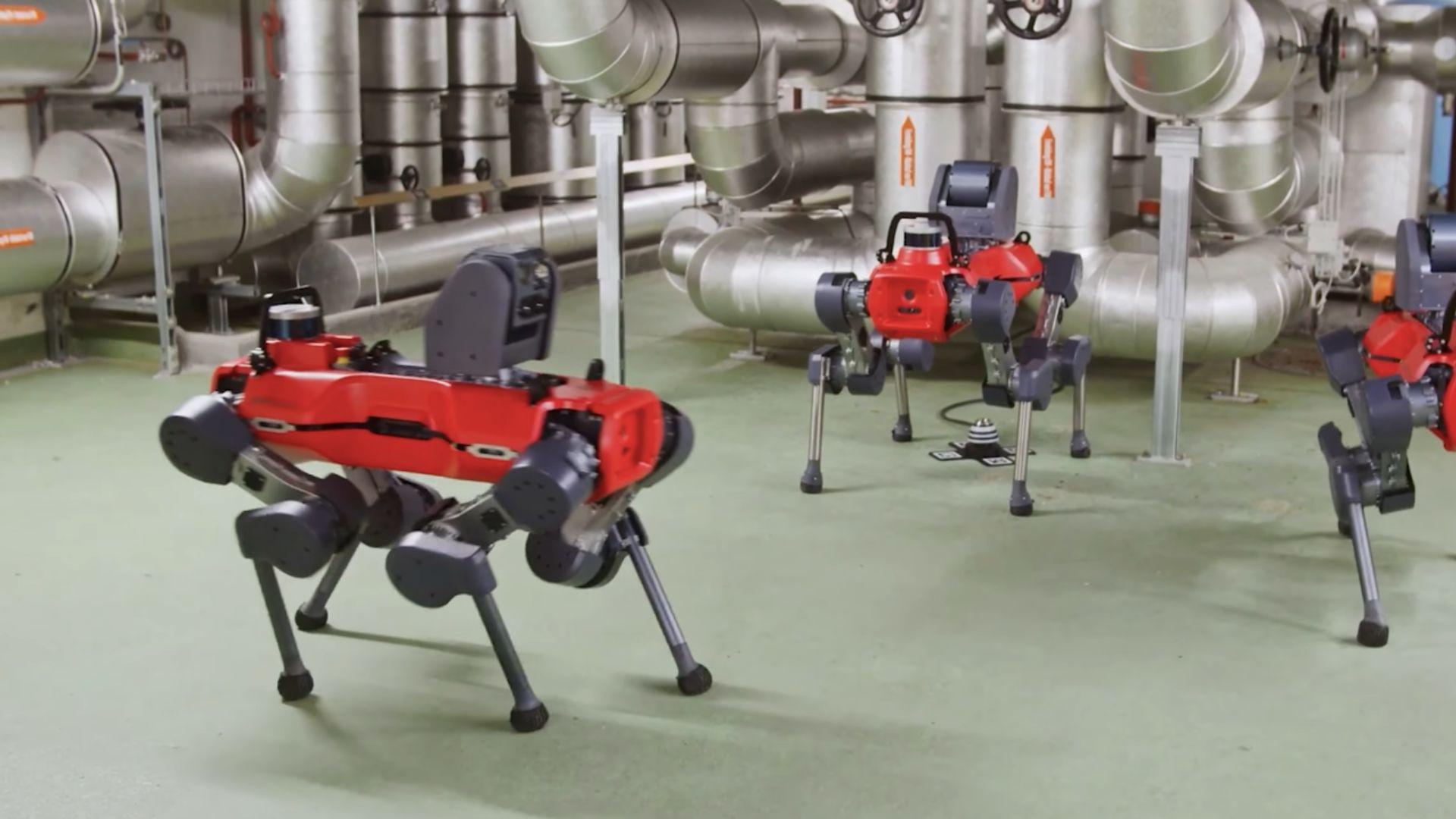
In a significant shift, heavy industry is evolving to prioritize worker safety in hazardous environments. For decades, industries such as manufacturing and construction have focused on training employees to navigate dangerous conditions. However, recent advancements in technology and a growing emphasis on workplace safety are prompting companies to redesign their operations and environments to reduce risks. This transformation is gaining momentum as industries recognize the importance of protecting their workforce while maintaining productivity. Innovations such as automation, improved safety gear, and enhanced training programs are being implemented to create safer working conditions. The push for these changes is fueled by increasing regulatory pressures and a societal demand for better labor practices. As companies invest in these new safety measures, the landscape of heavy industry is set to change, potentially leading to a reduction in workplace accidents and injuries. This proactive approach not only benefits employees but also enhances overall operational efficiency, showcasing a commitment to both human and economic factors in the industrial sector.

Microsoft’s carbon-removal plans aren’t dead after all
Microsoft, a dominant player in the carbon-removal market, which accounts for over 90% of the sector, has recently announced a new deal to alleviate concerns among carbon dioxide removal (CDR) startups regarding its purchasing strategy. Reports had indicated that the tech giant was considering pausing its carbon removal purchases entirely, raising alarm within the industry. This new agreement, unveiled in October 2023, aims to stabilize the market and provide reassurance to emerging companies focused on carbon removal technologies. By continuing its investment in this area, Microsoft is not only reinforcing its commitment to sustainability but also fostering innovation and growth within the CDR sector.
Climate biogas carbon credits carbon removal Exclusive Microsoft
New heat-pressed silk material outperforms wood, rivals Kevlar and carbon fiber
A team of researchers from Tufts University, Imperial College London, and the University of Michigan has unveiled a groundbreaking development in the field of biomedical engineering. This innovation, announced on October 15, 2023, focuses on creating a new type of biodegradable material that could significantly enhance medical implants and devices. The research aims to address the growing concern over the environmental impact of traditional plastic implants, which can take centuries to decompose. By utilizing advanced materials science, the team has engineered a substance that not only meets the necessary medical standards for safety and efficacy but also naturally breaks down in the body over time, reducing the need for surgical removal. This advancement is expected to revolutionize the way medical professionals approach implantable devices, offering a sustainable alternative that aligns with the increasing emphasis on eco-friendly practices in healthcare. The findings were published in a peer-reviewed journal, highlighting the collaborative efforts of the researchers and their commitment to addressing both health and environmental challenges. As the medical community continues to seek innovative solutions, this new biodegradable material stands out as a promising step towards more sustainable healthcare practices. The research team plans to conduct further studies to explore the full potential and applications of this material in various medical fields.
US firm’s NOS Security combines drones, robots, cyber defense for nuclear plant safety
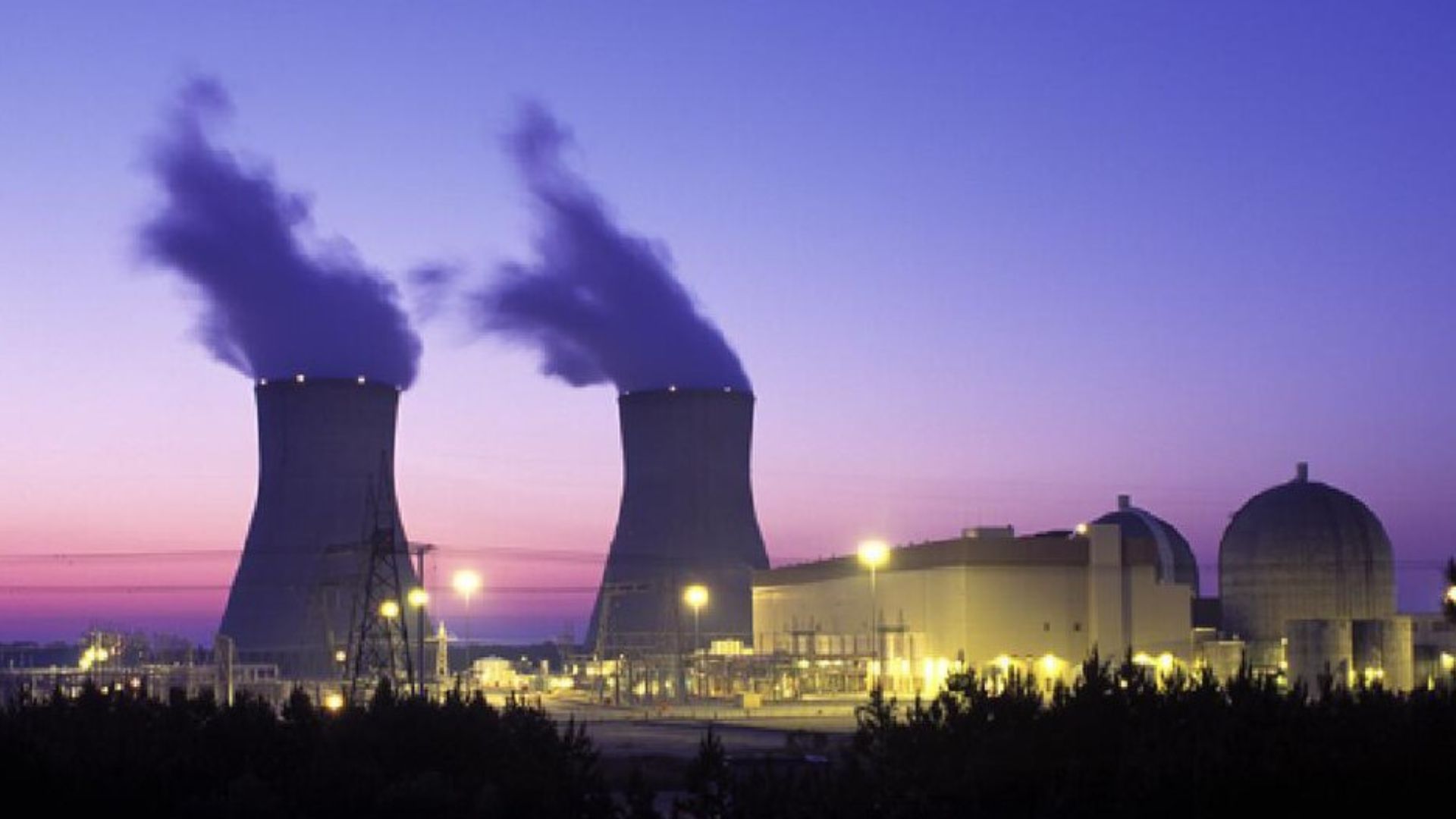
Nuclear energy infrastructure is increasingly recognized as a vital asset for nations worldwide, prompting heightened concerns regarding its security. In recent discussions among global leaders, the importance of safeguarding nuclear facilities has been underscored, particularly in light of rising geopolitical tensions and the potential for sabotage or terrorist attacks. As countries strive to enhance their energy independence and reduce carbon emissions, the reliance on nuclear power is expected to grow. This shift necessitates robust security measures to protect against both physical threats and cyberattacks. Experts emphasize the need for international cooperation and the sharing of best practices to ensure the resilience of nuclear infrastructure. Recent incidents in various regions have highlighted vulnerabilities in existing security protocols, prompting calls for immediate action. National governments are urged to invest in advanced security technologies and to conduct regular assessments of their nuclear facilities. The discussions took place during a summit held in Geneva, where representatives from over 30 countries convened to address these pressing issues. The summit aimed to foster collaboration and develop a unified approach to nuclear security, recognizing that the safety of nuclear energy is paramount for global stability and environmental sustainability. As nations navigate the complexities of energy production and security, the commitment to protecting nuclear assets will be crucial in maintaining public trust and ensuring a safe energy future.

2 Undervalued Growth Stocks That I'm Aggressively Buying
A recent report highlights the growing trend of electric vehicle (EV) adoption across the United States, driven by increasing environmental concerns and government incentives. As of October 2023, sales of EVs have surged, with major automakers like Tesla, Ford, and General Motors leading the charge. This shift is particularly evident in urban areas, where consumers are more inclined to embrace sustainable transportation options. The report indicates that federal and state governments have implemented various tax credits and rebates to encourage EV purchases, making them more accessible to a broader audience. Additionally, advancements in battery technology and charging infrastructure have alleviated previous concerns regarding range and convenience, further boosting consumer confidence. Experts predict that the trend will continue to accelerate, with projections suggesting that EVs could make up a significant portion of new car sales by 2030. This shift not only reflects changing consumer preferences but also aligns with broader efforts to reduce carbon emissions and combat climate change. As the market evolves, automakers are investing heavily in research and development to enhance their EV offerings, ensuring they remain competitive in a rapidly changing landscape. The combination of consumer demand, supportive policies, and technological innovations is reshaping the automotive industry, signaling a pivotal moment in the transition to cleaner transportation solutions.
MELI META Amrita Roy
New carbon nanotube wires for next-gen EVs, drones could match copper power
Researchers at the IMDEA Materials Institute in Madrid have successfully developed a scalable manufacturing method for carbon-based materials. This innovative technique, unveiled recently, aims to enhance the production efficiency of carbon materials, which are crucial for various applications, including energy storage and electronics. The breakthrough comes as the demand for sustainable and high-performance materials continues to rise, driven by the need for more efficient energy solutions and advancements in technology. By streamlining the manufacturing process, the researchers hope to make these materials more accessible and cost-effective, potentially revolutionizing industries reliant on carbon composites. The team's findings are expected to contribute significantly to the field, paving the way for further research and development in sustainable material production.

Tesla's Invisible Moat: The Most Elegant Physical AI Training Program Ever Built
A recent report highlights the growing trend of electric vehicle (EV) adoption across the globe, driven by increasing environmental concerns and government incentives. As of October 2023, major automotive manufacturers are ramping up production of EVs in response to consumer demand for sustainable transportation options. This shift is particularly evident in regions such as Europe and North America, where stricter emissions regulations are prompting both consumers and companies to transition away from traditional gasoline-powered vehicles. The surge in EV sales is also fueled by advancements in battery technology, which have significantly improved the range and affordability of electric cars. Industry experts predict that by 2025, EVs could account for a substantial portion of new vehicle sales, as more consumers become aware of the long-term cost savings and environmental benefits associated with electric vehicles. In addition, governments are implementing various policies to encourage EV adoption, including tax incentives, rebates, and investments in charging infrastructure. These initiatives aim to reduce carbon emissions and combat climate change, aligning with global sustainability goals. As the automotive landscape evolves, manufacturers are increasingly collaborating with tech companies to enhance the integration of smart technologies in EVs, further appealing to tech-savvy consumers. This multifaceted approach not only addresses environmental issues but also positions the automotive industry for a future that prioritizes innovation and sustainability.
TSLA TSLA:CA ZTSL:CA GOOGL META GM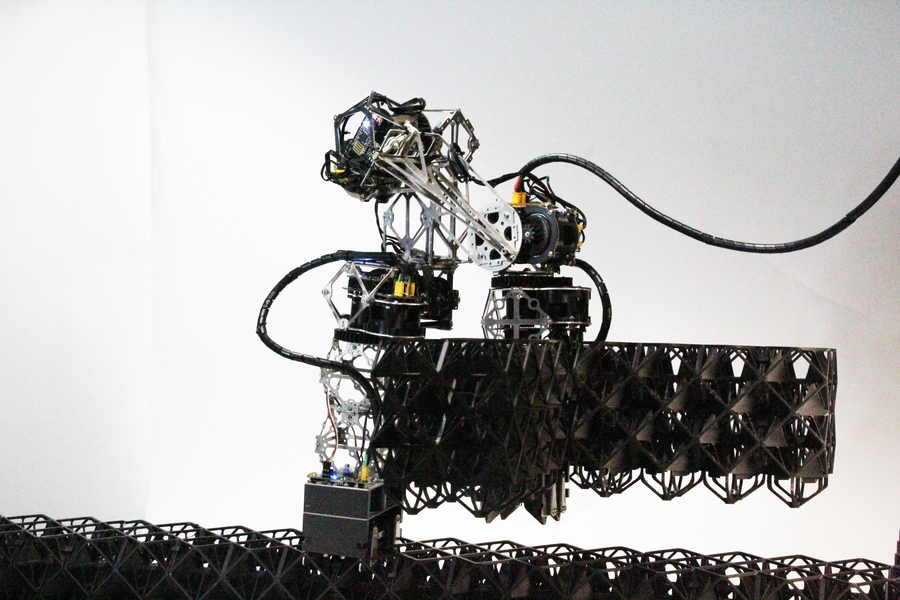
Robotically assembled building blocks could make construction more efficient and sustainable
Recent research indicates that the construction of buildings using interlocking subunits is not only mechanically viable but also significantly reduces carbon emissions. This innovative approach to building design aims to address environmental concerns associated with traditional construction methods. The findings, which emerged from a study conducted by a team of engineers and architects, highlight the potential for a more sustainable future in the construction industry. By utilizing modular components that fit together seamlessly, this method could streamline the building process while minimizing waste and energy consumption. The research, completed in late 2023, emphasizes the urgent need for eco-friendly practices in architecture and construction, as the industry seeks to lower its carbon footprint and contribute to global sustainability efforts.

How to avoid supply chain issues as drone and robot production increases exponentially
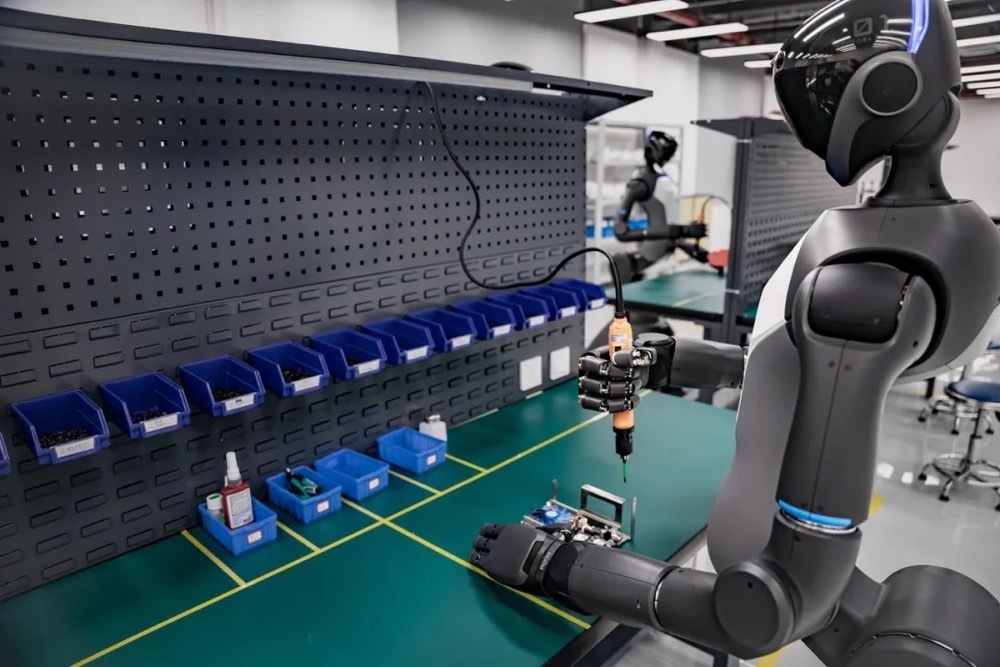
Researchers predict a significant surge in the production of drones and autonomous robots by the late 2030s, estimating a tenfold increase for commercial drones and a hundredfold increase for humanoid and quadruped robots. This forecast, published in the journal Chem Circularity, highlights potential impacts on the supply chains of 18 essential raw materials used in these technologies, both in the United States and globally. The anticipated rise in demand for rare earth metals and carbon fiber could lead to supply challenges. To mitigate these risks, the researchers recommend that technology developers leverage existing capacities from other industries, particularly electric vehicles, to ensure a stable supply and avoid shortages in critical materials.
Business
DJI Agriculture Reveals Global Adoption of Agricultural Drones Cuts 51Mt in Carbon Emissions and Saves 410Mts of Water for Farmers Globally
At Brazil's AgriShow, a new report has been unveiled showcasing the rapid growth of the agricultural drone industry, revealing that over 600,000 DJI agricultural drones are now operational across more than 100 countries and regions. This significant milestone underscores the increasing adoption of drone technology in agriculture, driven by the need for enhanced efficiency and precision in farming practices. The report highlights how these drones are transforming traditional agricultural methods, enabling farmers to monitor crops, optimize resource use, and improve yields. As the industry matures, stakeholders are optimistic about the potential for further advancements and increased integration of drone technology in agricultural operations worldwide.

All3 raises $25m in Seed funding to triple productivity in the construction industry through robotics and AI
All3, a London-based startup focused on revolutionizing the construction industry, has successfully raised $25 million in seed funding to enhance productivity through robotics and artificial intelligence. The funding round, led by RTP Global and supported by SuperSeed, Begin Capital, s16vc, and VNV Global, aims to develop an integrated system that includes an AI architecture platform, robotic factories, and Mantis, an autonomous robot designed for on-site assembly. With Mantis already operational and initial commercial deployments set for Germany later this year, All3's innovative approach promises significant cost savings and efficiency improvements, potentially reducing construction timelines by up to 50% and embodied carbon by 25%. The founding team, which previously established the successful grocery delivery service Samokat, is applying their expertise to address the stagnation in construction productivity, which has seen little advancement in the past 50 years. The funding will primarily support research and development efforts in London and Belgrade, as well as the deployment of robots across active construction sites in Germany, where there is a pressing need for approximately 700,000 new homes. CEO Rodion Shishkov emphasized the company's mission to tackle the housing crisis and improve access to quality housing through advanced technology. Early market demand has already validated All3's model, with over 100,000 square meters of residential projects processed using their AI-powered design software, laying the groundwork for a robust construction pipeline in the coming years.

Better Hardware Could Turn Zeros into AI Heroes
Researchers at Stanford University have developed a groundbreaking hardware accelerator named Onyx, designed to enhance the efficiency of artificial intelligence (AI) computations by leveraging the concept of sparsity. This innovation comes in response to the growing energy demands and carbon footprint associated with increasingly large language models (LLMs), such as Meta's recent Llama release, which boasts 2 trillion parameters. Onyx aims to address the limitations of current hardware, which often fails to fully utilize the sparse nature of AI models, where many parameters are effectively zero. By re-engineering the architecture to support both sparse and dense computations, Onyx achieves significant energy savings—consuming up to one-seventieth the energy of traditional CPUs and performing computations eight times faster on average. The development of Onyx reflects a broader trend in AI research, where experts are exploring new algorithms and hardware solutions to mitigate the environmental impact of AI technologies. The team at Stanford plans to expand Onyx's capabilities to support a wider range of AI operations, potentially revolutionizing the field and paving the way for more sustainable AI practices. As the demand for efficient AI solutions grows, Onyx represents a promising step toward balancing performance and energy consumption in machine learning.
Ai-models Gpus Energy-efficiency Data-compression
Robotically assembled building blocks could make construction more efficient and sustainable
Researchers at MIT have unveiled a study suggesting that robotically assembled building blocks may offer a more sustainable alternative to traditional construction methods for large-scale structures. Published in the journal Automation in Construction, the study highlights the potential environmental benefits of this innovative approach. By utilizing robotic technology, the process of constructing buildings could become more efficient and reduce waste, addressing growing concerns about the ecological impact of conventional construction practices. The findings indicate that adopting such methods could significantly lower the carbon footprint associated with building projects, making it a timely solution in the face of increasing environmental challenges.
Robotics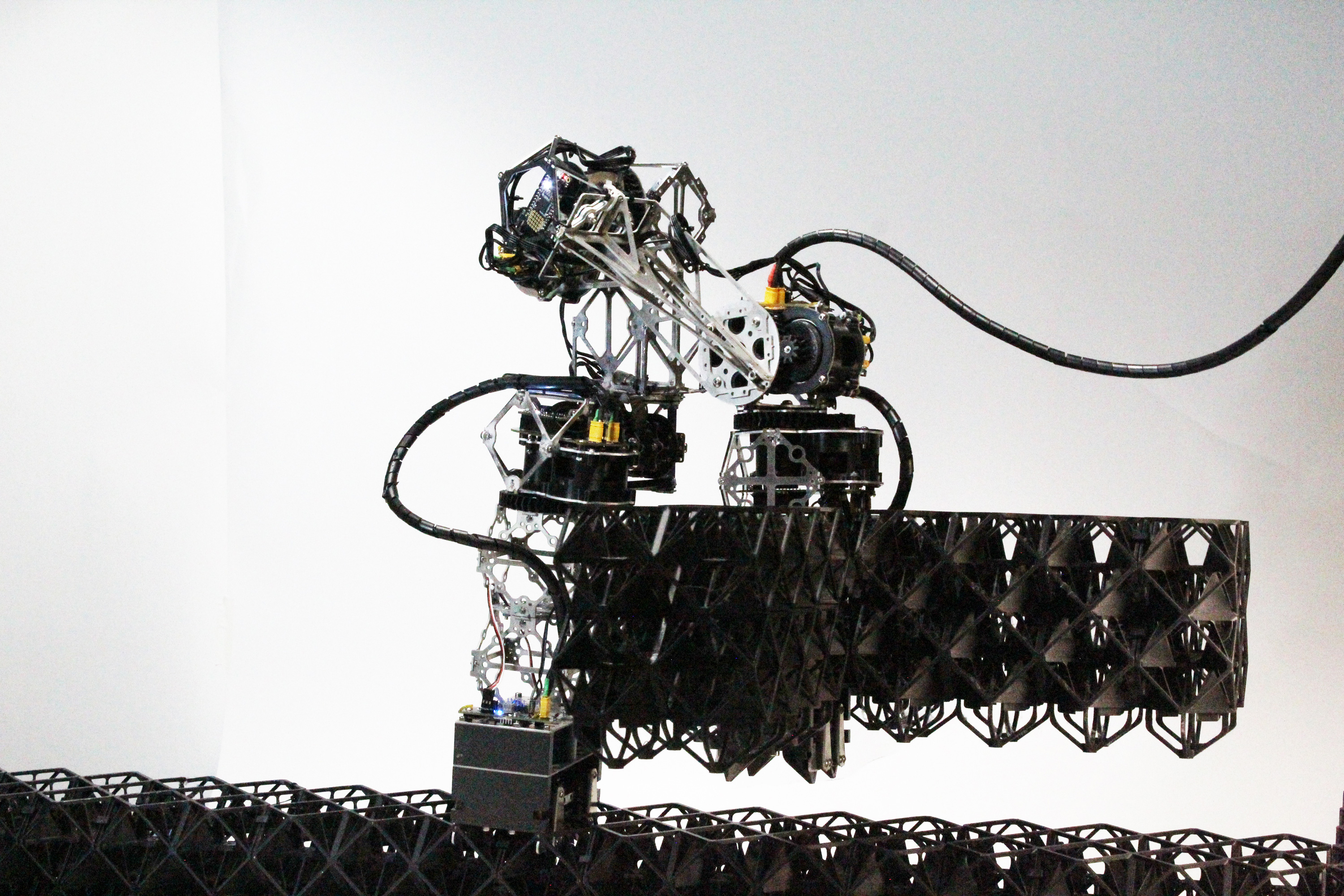
Robotically assembled building blocks could make construction more efficient and sustainable
Recent research indicates that the construction of simple buildings using interlocking subunits is not only mechanically viable but also significantly reduces carbon emissions. This innovative approach to building design could transform the construction industry by offering a sustainable alternative to traditional methods. The findings, which emerged from a study conducted by a team of engineers and architects, highlight the potential for these modular structures to minimize environmental impact while maintaining structural integrity. The research underscores the urgent need for more eco-friendly construction practices in response to growing concerns about climate change and resource depletion. By utilizing interlocking components, builders can streamline the construction process, reduce waste, and enhance energy efficiency, ultimately contributing to a greener future for urban development.
Research Construction Robotics Self-assembly Concrete Additive manufacturing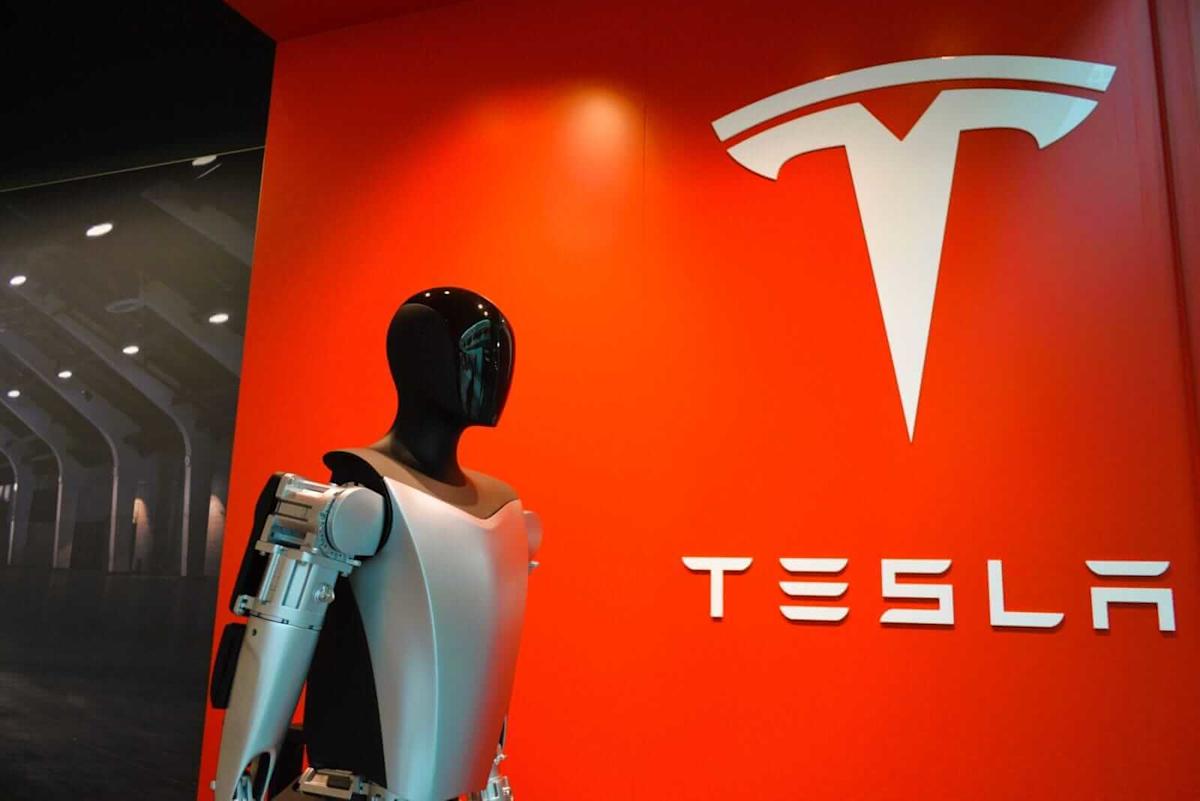
The Biggest Catalyst for Tesla Stock in History Could Trigger in Just 3 Months
A significant event unfolded recently as a coalition of environmental organizations, including Greenpeace and the World Wildlife Fund, gathered in New York City to advocate for stronger climate action. This rally took place on October 15, 2023, coinciding with the United Nations Climate Change Conference. Activists and concerned citizens united to demand immediate measures to combat climate change, emphasizing the urgency of the crisis and the need for governments to commit to more ambitious carbon reduction targets. The coalition highlighted the alarming rise in global temperatures and the increasing frequency of extreme weather events as key motivators for their demonstration. Participants engaged in speeches, marches, and the distribution of informational materials to raise awareness and pressure policymakers to take decisive action. The event aimed to galvanize public support and influence international negotiations, underscoring the critical role of collective action in addressing the climate emergency.

Electric air taxis move closer to reality as VX4 completes critical transition test
Vertical Aerospace has successfully completed the first piloted flight of its VX4 electric vertical take-off and landing (eVTOL) aircraft. This significant milestone occurred recently, marking a crucial step in the development of sustainable urban air mobility solutions. The flight took place at the company’s testing facility, showcasing the aircraft’s capabilities and potential for revolutionizing transportation in urban environments. The successful test is part of Vertical Aerospace's broader mission to provide eco-friendly air travel options, aiming to reduce carbon emissions and alleviate congestion in cities. The company plans to continue testing and refining the VX4, with the goal of bringing it to market in the near future.

This Is What Tesla Inc. (TSLA) A15 Chip Tape-out Means
A significant event unfolded recently when a coalition of environmental organizations announced a major initiative aimed at combating climate change. This initiative, which was unveiled on October 15, 2023, in San Francisco, seeks to mobilize communities across the nation to adopt sustainable practices and reduce carbon footprints. The coalition, comprising over 50 groups, aims to raise awareness about the urgent need for action in light of increasing global temperatures and extreme weather events. The initiative focuses on educating the public about renewable energy sources, promoting energy efficiency, and encouraging local governments to implement greener policies. By harnessing the power of grassroots movements, the coalition hopes to create a widespread impact that can influence both individual behaviors and larger systemic changes. The announcement included a series of workshops and community events scheduled to take place over the next six months, designed to engage citizens and provide them with the tools necessary to make environmentally friendly choices. The coalition believes that by fostering a sense of collective responsibility, they can drive significant progress in the fight against climate change. This initiative comes at a critical time as scientists warn that immediate action is necessary to mitigate the effects of climate change, which poses a threat to ecosystems and human health. The coalition's efforts reflect a growing recognition of the need for collaborative action to address this global crisis effectively.

Tackling the housing shortage with robotic microfactories
Reframe Systems, a company co-founded by Vikas Enti, an alumnus of the SM class of 2020, is revolutionizing the construction industry with its innovative approach to building modular homes. The company has developed microfactories that streamline the construction process, significantly lowering both carbon emissions and costs associated with home building. By utilizing advanced manufacturing techniques, Reframe Systems aims to address the growing demand for sustainable housing solutions. This initiative not only promotes environmental responsibility but also seeks to make homeownership more accessible to a wider audience. The company is poised to make a substantial impact on the housing market, particularly as concerns about climate change and housing affordability continue to rise.
Startups Alumni/ae Construction Housing Systems design Sustainability
12 Graphs That Explain the State of AI in 2026
As major AI companies like OpenAI and Anthropic prepare for initial public offerings later this year, the landscape of artificial intelligence continues to evolve rapidly. The 2026 AI Index report from Stanford University reveals that the U.S. remains the leader in AI model development, with 50 notable models released in 2025, although China's advancements in robotics are noteworthy, having installed 295,000 industrial robots in 2024. The report highlights a staggering growth in global AI compute capacity, which has tripled annually since 2022, largely driven by Nvidia's GPUs. However, the environmental impact of AI training is concerning, with estimates indicating that training large language models can generate over 72,000 tons of carbon emissions. Despite these challenges, AI investment surged to a record $581 billion in 2025, primarily in the U.S., reflecting a growing enthusiasm for AI technologies among software engineers and researchers. Public sentiment towards AI has slightly improved, with 59% of survey respondents believing the benefits outweigh the drawbacks. However, trust in government regulation of AI remains low in the U.S., with only 31% expressing confidence. This mixed perception underscores the ongoing debate about AI's societal impact, as advancements in technology continue to outpace regulatory frameworks.
Ai-index Artificial-intelligence Stanford-university
Decentralized Training Can Help Solve AI’s Energy Woes
As the demand for artificial intelligence (AI) continues to surge, concerns over its significant energy consumption and carbon footprint have prompted major tech companies to explore nuclear energy as a sustainable solution. While nuclear-powered data centers remain a future prospect, industry leaders are currently focusing on decentralizing AI model training to address the escalating energy requirements. This approach distributes training tasks across a network of independent nodes, utilizing existing computing resources, such as dormant servers and solar-powered home computers, rather than relying solely on traditional data centers. Companies like Nvidia and Cisco are enhancing their infrastructure to support this decentralized model, allowing for efficient AI training across geographically dispersed data centers. Additionally, platforms like Akash Network are facilitating a "GPU-as-a-Service" model, enabling users with underutilized GPUs to rent out their computing power. On the software side, advancements in federated learning and algorithms like DiLoCo are being implemented to optimize decentralized training while minimizing communication costs and enhancing fault tolerance. These innovations allow for collaborative model training without the need for constant data exchange, thus improving efficiency. Akash Network's Starcluster program aims to convert homes into functional data centers by leveraging solar energy and existing computing devices. This initiative seeks to make participation accessible and is targeting a 2027 launch. By decentralizing AI training, the industry hopes to create a more energy-efficient and environmentally sustainable future for AI development.
Training Ai-energy Data-center Large-language-models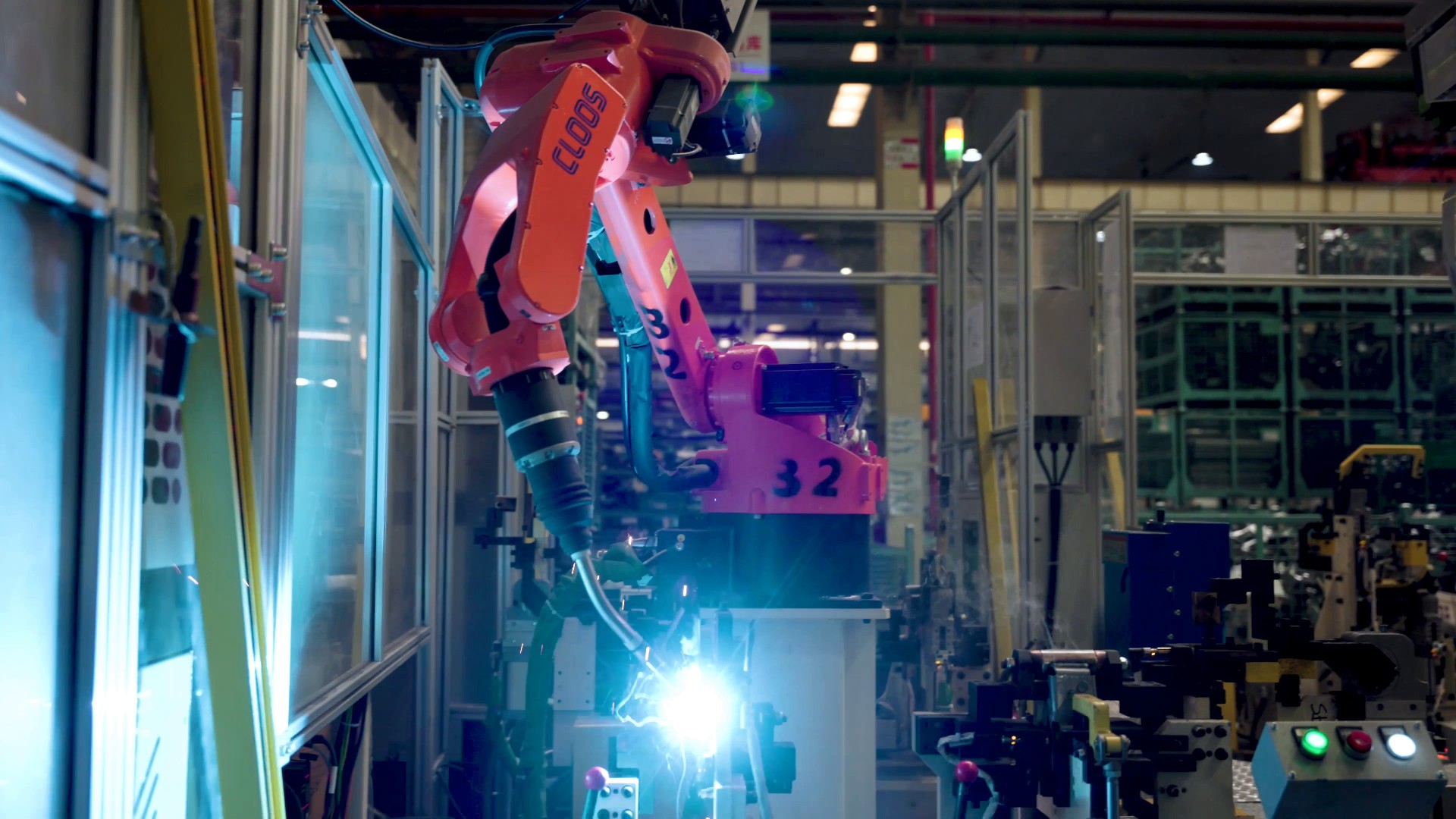
Over 200 Estun Robots Deployed on a Single Production Line: Fully Autonomous Robotic Automotive Parts Welding Line Officially Launched at Scale
In 2025, China solidified its position as a global leader in the new energy vehicle (NEV) industry by producing 16.626 million NEVs, which represented around 74.5% of the world's total NEV output. This remarkable achievement was fueled by advancements in indigenous technologies, exceptional manufacturing efficiency, and a robust automotive equipment sector. The surge in NEV production underscores China's commitment to transitioning towards sustainable transportation solutions and reducing carbon emissions, aligning with global efforts to combat climate change. The country's strategic investments and innovations in the automotive sector have not only bolstered its domestic market but also positioned it as a key player in the international NEV landscape.
ESTUN AUTOMATION ROBOTICS SERVO SYSTEMS
Evolving Logistics: Why the Future of Warehousing Is Vacuum-Driven
In the logistics sector, the integration of advanced technologies such as vacuum systems, intelligent gripping mechanisms, and ergonomic lifting solutions is becoming increasingly vital. These innovations serve not only as technical enhancements but also as strategic tools that can significantly reduce operational costs, mitigate risks, and create new opportunities for efficiency. As companies strive to optimize their supply chains, the adoption of these technologies is seen as essential for unlocking capacity and ensuring the safety of workers. Furthermore, these advancements contribute to the broader goal of decarbonizing logistics operations, aligning with global sustainability efforts. The emphasis on these technologies highlights a shift in the industry towards more sustainable and efficient practices, reflecting the growing importance of innovation in meeting both economic and environmental challenges.
CATL to build 10 battery swap stations in Hong Kong by 2027
Chinese battery manufacturer CATL has announced plans to establish 10 electric vehicle battery swap stations throughout Hong Kong by the end of 2026. This initiative aims to significantly decrease the charging time for electric vehicles in the city, thereby enhancing operational efficiency for local taxi drivers. The company revealed its intentions in a statement made on June 1, highlighting the growing demand for faster charging solutions as the adoption of electric vehicles continues to rise. By implementing these battery swap stations, CATL hopes to facilitate a smoother transition to electric mobility, addressing both convenience for drivers and the broader goal of reducing carbon emissions in urban transportation.
News Feed
On the road to net-zero: KUKA is expanding its global environmental goals
KUKA Group has announced ambitious environmental goals aimed at achieving carbon-neutral production and a 90% reduction in emissions across its value chain by the year 2050. This initiative reflects the company's commitment to sustainability and addresses the growing demand for environmentally responsible practices in the manufacturing sector. The announcement comes as industries worldwide face increasing pressure to reduce their carbon footprints and combat climate change. KUKA plans to implement innovative technologies and processes to reach these targets, positioning itself as a leader in sustainable manufacturing. The company's strategy underscores its dedication to not only improving operational efficiency but also contributing positively to the environment.