Industry Briefing
A single destination for timely, editor-curated robotics news from around the world.
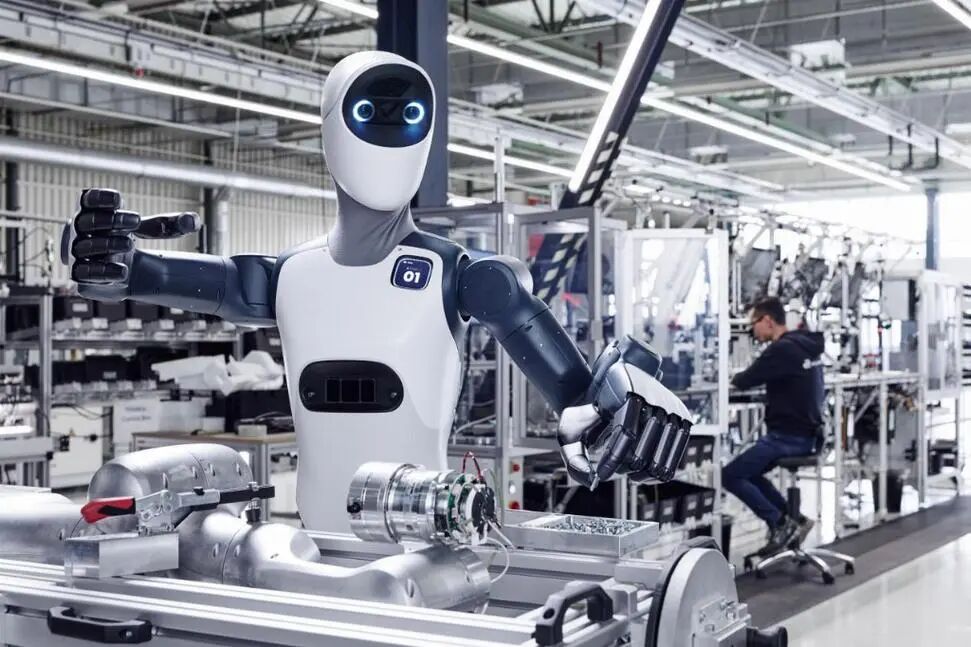
The Real Scarcity in the Embodied Intelligence Industry: Cash Flow, Not Funding or Orders
In the rapidly evolving embodied intelligence sector, companies are facing a critical challenge in achieving sustainable cash flow despite securing substantial funding and reporting high order volumes. Recent analyses reveal that many firms are grappling with negative operational cash flow, underscoring the necessity for robust business models that prioritize long-term viability over simply acquiring orders. This situation highlights the importance of balancing growth with financial health, as organizations strive to navigate the complexities of the market and ensure their continued success. As the industry progresses, stakeholders are urged to focus on sustainable practices that can support enduring profitability and operational stability.
Embodied Intelligence Cash Flow Management Robotics Business Models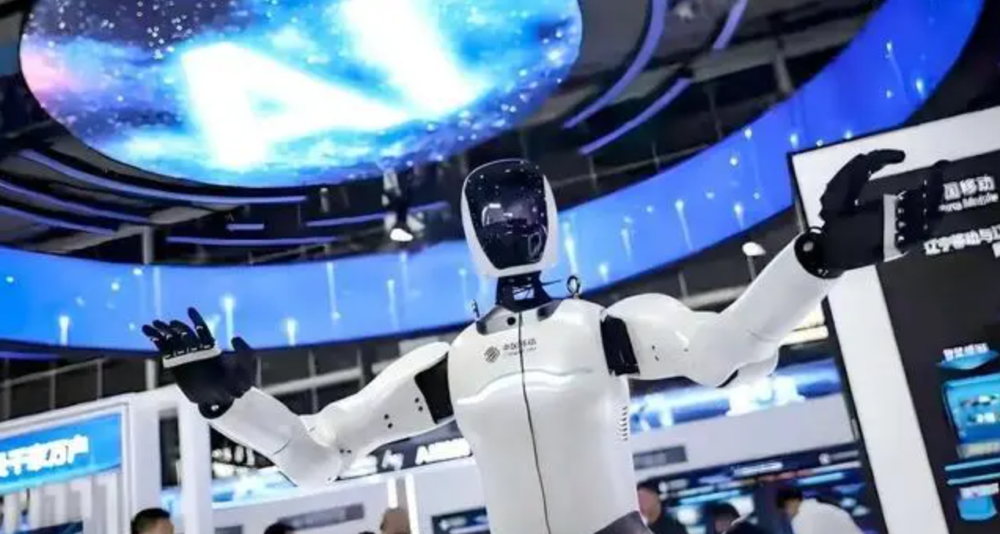
Investors Focus on Emerging Robotics Innovators Amid Rapid Industry Growth
In the spring of 2025, Yushu Technology gained significant attention with its humanoid robot, 'Yang BOT,' igniting interest in the embodied intelligence sector. This industry is not just about Yushu but encompasses numerous potential innovators. According to IT Juzi data, funding in China's embodied intelligence sector surpassed 10 billion yuan in 2024, rising to 45.3 billion yuan in 2025, and reaching 93.5 billion yuan in the first half of 2026. Despite the surge in investment, the industry has yet to achieve stable profitability. For instance, UBTECH's revenue grew from 1.047 billion yuan in 2023 to 1.981 billion yuan in 2025, but it faced cumulative losses exceeding 3 billion yuan due to high R&D expenditures. Yushu Technology itself acknowledged that its humanoid robots are primarily used for research and education rather than as productivity tools. The path to real industrial applications remains challenging. As competition intensifies, many companies are shifting focus to consumer markets. UBTECH's 'U World U1' series, launched in June, aims to provide emotional companionship, with over 13,000 orders. However, consumer feedback highlights issues like poor battery life and weight. To transition from labs to households, the sector must overcome hurdles related to technology, cost, and user experience. With Yushu Technology's upcoming IPO and others like Zhiyuan and Qianxun also pursuing public offerings, the race for sustainable business models is accelerating.
Embodied Intelligence Robotics Startup Investment Commercialization IPO
Roundtable: When Will Robots Enter Real Scenarios Amid Widespread Bubble Awareness?
In 2026, the investment landscape in China is witnessing a significant shift as artificial intelligence (AI) transitions from a conceptual technology to a driving force in various industries. The WAVES 2026 conference, hosted by 36Kr and AnYun, took place in Guangzhou's Panyu district, bringing together top investors, industry leaders, and emerging entrepreneurs to explore the evolving landscape of AI, hard technology, and healthcare through 14 in-depth roundtable discussions and numerous independent speeches. Prominent figures in the field, including CEOs and CTOs from leading tech companies, gathered to discuss the potential of embodied intelligence—a rapidly growing sector attracting substantial investment. The discussions highlighted the challenges and opportunities within this domain, particularly regarding the commercialization of robotics and AI technologies. Participants shared insights on the current state of the market, with some companies already generating revenue through innovative applications of AI in various sectors. However, concerns about market bubbles and the sustainability of investments were also raised, emphasizing the need for a deeper understanding of the underlying business models and real-world applications. As the conference concluded, the consensus among attendees was that while the industry is still in its infancy, the potential for growth and innovation remains vast, driven by a new generation of entrepreneurs eager to redefine the future of technology in China.
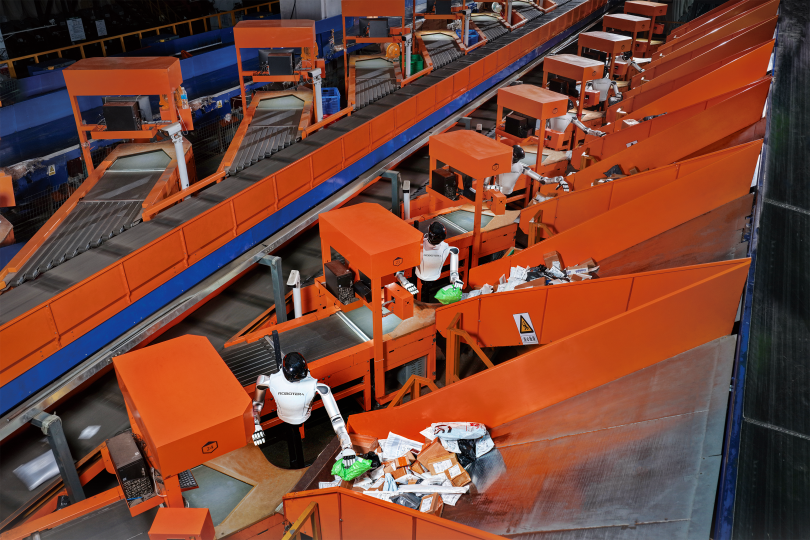
SF Express, Sequoia, and IDG Join Forces for the First Time to Bet on the Birth of a Closed Loop from Technology to Revenue in the Era of Star Motion?
In a significant collaboration, SF Express, Sequoia Capital, and IDG Capital have united to explore the creation of a closed-loop system that integrates technology and revenue generation. This partnership marks the first time these three influential entities have come together, signaling a strategic move to capitalize on emerging opportunities in the rapidly evolving market landscape. The initiative aims to harness innovative technologies to streamline operations and enhance profitability in the current era of rapid advancements. The collaboration is expected to pave the way for new business models that could redefine industry standards and drive growth. As the project unfolds, stakeholders will be closely monitoring its impact on the logistics and investment sectors, particularly in light of the increasing demand for efficient and technology-driven solutions.
Robotics Automation AI
2026 CNBC Disruptor 50 list: How we chose this year's companies
The 2026 CNBC Disruptor 50 list highlights the rapid integration of artificial intelligence into innovative business models across various sectors of the economy. Released recently, the list showcases companies that are leveraging AI to drive significant change and disruption in their industries. This trend reflects a broader shift in the business landscape, where AI technologies are increasingly viewed as essential tools for achieving competitive advantage. The growing reliance on AI underscores its role in shaping the future of commerce and industry, as organizations seek to enhance efficiency, improve customer experiences, and create new market opportunities.

Accenture, Vodafone Procure & Connect and SAP Pilot Humanoid Robotics in Warehouse Operations
A recent exploration into the potential of physical AI and humanoid robotics highlights their transformative impact on supply chains and the emergence of innovative business models. Industry experts gathered at a conference in San Francisco on October 15, 2023, to discuss the integration of these advanced technologies into logistics and manufacturing processes. The motivation behind this exploration stems from the increasing demand for efficiency and adaptability in supply chains, particularly in the wake of global disruptions caused by the pandemic. During the event, speakers emphasized how humanoid robots equipped with AI capabilities can streamline operations, reduce labor costs, and enhance productivity. Demonstrations showcased robots performing tasks traditionally handled by human workers, illustrating their ability to adapt to various environments and workflows. The discussions also addressed the ethical implications and workforce changes that may arise from widespread adoption of these technologies. As businesses seek to navigate the complexities of modern supply chains, the insights shared at the conference underscore the potential for physical AI and robotics to not only optimize existing processes but also to create entirely new business models that leverage automation and data analytics. The ongoing research and development in this field suggest that the future of supply chain management may be significantly reshaped by these innovations, paving the way for a more efficient and resilient economy.

The $1.4 Billion Sprint: Inside China’s Post-Gala Humanoid Funding Frenzy
In a significant shift, China's humanoid industry is transitioning from flashy demonstrations to a fierce competition focused on industrial commercialization and survival. This change comes in the wake of over 10 billion yuan invested in the sector within a mere two months, highlighting the urgency and potential of the market. As companies strive to innovate and establish themselves, the landscape is becoming increasingly competitive, with firms racing to develop practical applications for humanoid technology. This rapid influx of capital and the drive for commercialization reflect a broader trend in China's technology sector, where the emphasis is moving toward tangible results and sustainable business models. The transformation is taking place against the backdrop of a growing demand for advanced robotics and automation solutions, prompting industry players to adapt quickly to meet market needs.
Unitree Robotics pndbotics galbot Market China Spirit AI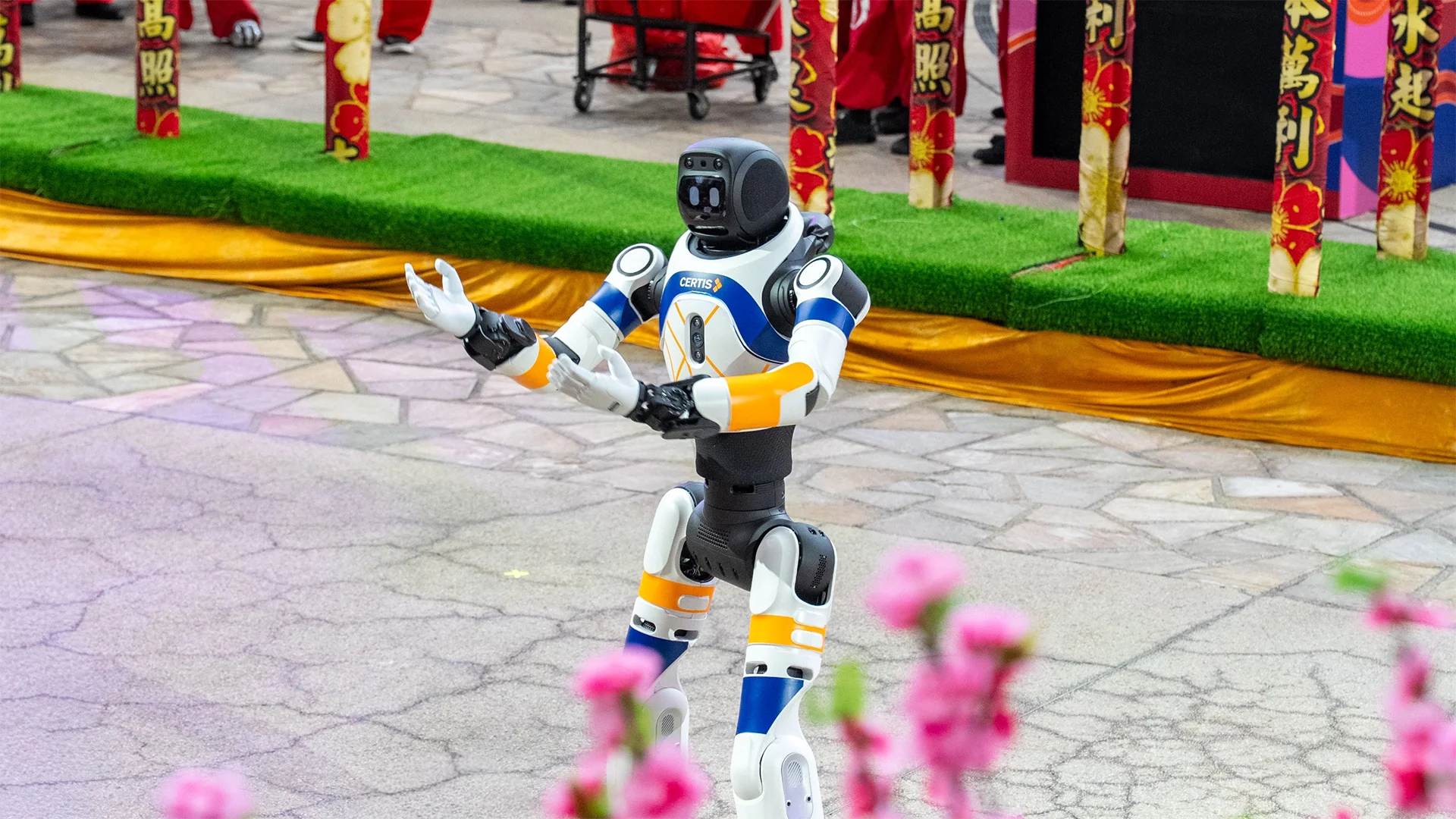
From High Seas to High Streets: China’s Humanoid Gig Economy Takes Off
Humanoid robots are transitioning from research environments to practical applications within the burgeoning "robot gig economy" and specialized 7S retail stores. This shift is occurring as the industry seeks to establish sustainable revenue streams, primarily through entertainment and rental services. As of October 2023, companies are increasingly leveraging these robots to enhance customer experiences and provide unique entertainment options, marking a significant evolution in how robotic technology is utilized in everyday settings. The move towards commercialization reflects a growing recognition of the potential for humanoid robots to contribute to various sectors, paving the way for innovative business models and opportunities in the future.
Market China AGIBOT Wuhan
Nemotron Labs Explores Open Models for Customizable and Trustworthy AI Solutions
Nemotron Labs highlights the advantages of open models in developing specialized AI systems tailored to enterprise needs. By utilizing NVIDIA platforms, businesses can create AI that improves workflows and meets high standards for accuracy and trust. The flexibility of open models allows organizations to customize and control their AI applications, ensuring they align with specific business requirements. The significance of open models lies in their ability to provide enterprises with full ownership and control over their AI systems. Unlike closed models, which limit inspection and tuning, open models enable organizations to evaluate performance against their own data and workflows. This is particularly crucial in sectors like healthcare and legal, where accuracy and transparency are paramount. Looking ahead, companies are increasingly adopting Nemotron to enhance their domain-specific AI capabilities. As enterprises continue to specialize their models, the focus will be on improving efficiency and accuracy through customization. No further timeline was disclosed at the time of publication.
From WorldArena Champion to 1500+ Models: Kuawei Intelligence Proves World Models are Business, Not Just Demos
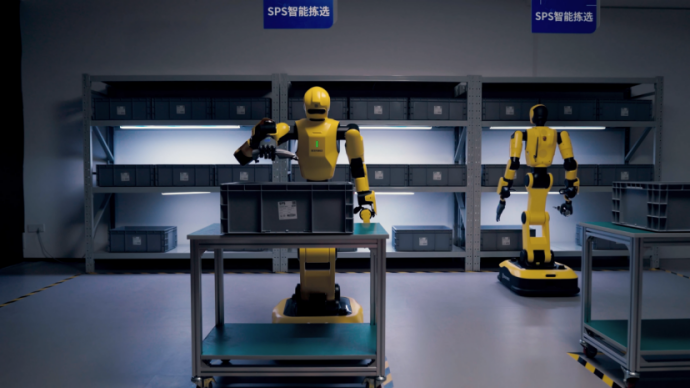
Kuawei Intelligence has secured 1 billion RMB in a Series B funding round, elevating its post-investment valuation to over 10 billion RMB. This significant financial milestone underscores the company's rapid growth and innovation in the realm of physical AI and world models. Established as a unicorn, Kuawei is now poised for an initial public offering (IPO). Their recent triumph in the WorldArena competition further cements their status as a leader in world modeling and robotic training, showcasing their advanced technological capabilities on a global stage.
Physical AI World Models Robotics AI Technology
Large Tabular Models Excel Where LLMs Fail
A new generative AI model, known as NEXUS, has emerged from the startup Fundamental, which recently secured $275 million in funding. Launched on February 5, 2026, NEXUS is designed to analyze structured data, a task that traditional large language models (LLMs) like ChatGPT and Claude struggle with. While LLMs excel in generating human-like text and images, they falter when faced with complex tabular data, which is crucial for businesses across various sectors, including finance and healthcare. Fundamental's CEO, Jeremy Fraenkel, explained that LLMs are not suited for structured data due to their reliance on sequential input, making them less effective for tasks requiring deterministic predictions, such as fraud detection. In contrast, NEXUS utilizes a large tabular model (LTM) that directly models the structure of tabular data, allowing for more accurate reasoning and predictions. The development of NEXUS involved training on billions of tables, using a mix of proprietary and public datasets while ensuring customer data confidentiality. This innovative model has already been integrated into Amazon Web Services' SageMaker platform, enhancing its accessibility for businesses handling sensitive data. As the demand for effective data analysis solutions grows, other companies, including Feedzai and Google, are also developing similar technologies. Experts predict that the future of data processing will increasingly rely on automated systems, combining the strengths of LLMs and LTMs to improve efficiency and accuracy in data analysis.
Data-analytics Llms Foundation-models Databases
Microsoft and Palantir Urge Businesses to Retain AI Sovereignty Amid Rising Costs
Microsoft CEO Satya Nadella recently emphasized the importance of maintaining AI sovereignty in a widely discussed essay that garnered over 66 million views. He warned against relying on external AI models, advocating for companies to develop their own 'token capital' alongside human capital to create proprietary AI capabilities. This call to action comes as businesses face skyrocketing AI usage costs, exemplified by Uber's rapid depletion of its AI budget within four months. The significance of Nadella's message lies in its timing, as companies increasingly utilize AI agents that consume vast amounts of tokens, leading to concerns over escalating expenses without corresponding value. Palantir Technologies echoed this sentiment with a manifesto stressing the need for organizations to retain control over their AI capabilities and data. The manifesto's provocative statements have sparked a debate about the implications of AI model dependency and the potential for industry hollowing out if businesses do not take charge of their AI strategies. Looking ahead, both Microsoft and Palantir are positioning themselves as essential partners in the development of proprietary AI systems. As companies navigate the complexities of AI integration, the focus will likely shift towards establishing robust learning loops that enhance both human and token capital. No further timeline was disclosed at the time of publication for specific initiatives from either company to address these challenges.
Meta Cloud Business; NASA Lunar Lander Contracts | Stock Movers
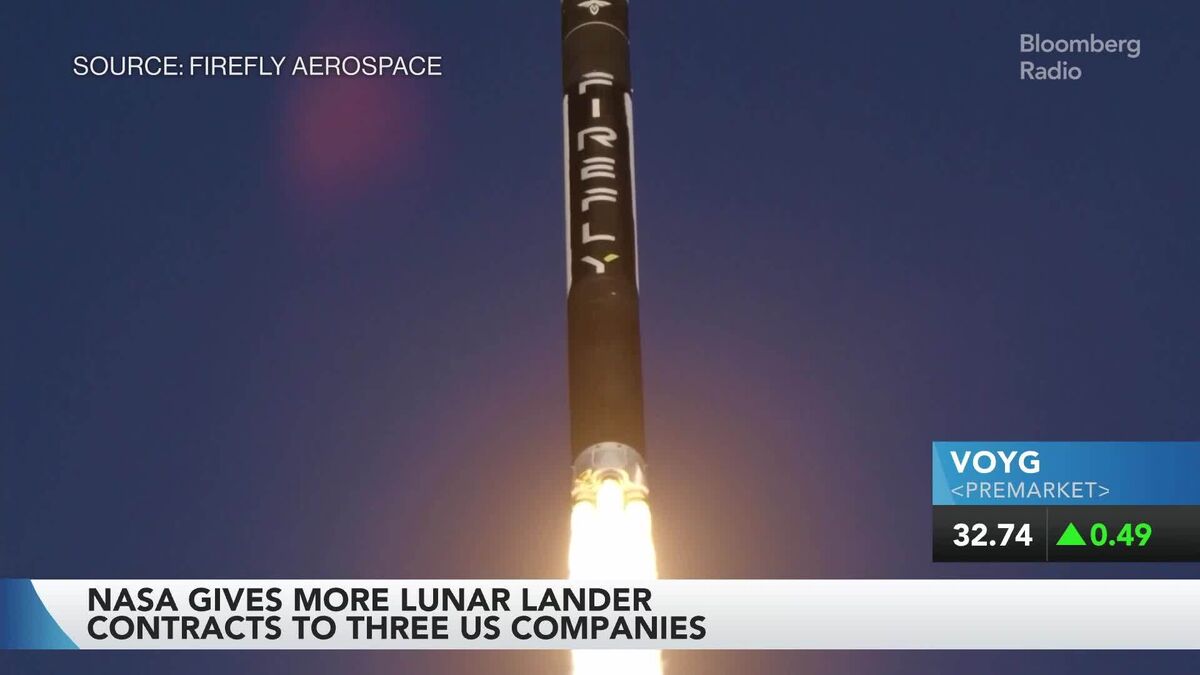
Shares of several space companies, including FireFly Aerospace, Intuitive Machines, and Voyager Technologies, experienced significant movement following NASA's announcement that it has selected these firms to send robotic landers to the moon. This initiative is part of NASA's broader goal to establish a lunar base by the end of the decade. The agency awarded contracts to Astrobotic Technology Inc., Firefly Aerospace Inc., and Intuitive Machines Inc. for this lunar mission. In the consumer goods sector, General Mills saw its stock rise after reporting fourth-quarter profits that surpassed Wall Street expectations, driven by increased pricing strategies. Meanwhile, Meta Platforms Inc. gained traction on the stock market amid reports that the company is planning to launch a cloud infrastructure business aimed at providing access to AI computing power and models. Additionally, Meta is exploring the possibility of offering access to its "raw" computing capacity, as indicated by sources familiar with the company's plans.
NYS:GIS NMS:SPCX NAS:LUNR NMS:META
Claude Meets Blackwell Ultra: Anthropic’s Models Now Run on NVIDIA GB300 in Azure
Anthropic has announced the general availability of its Claude models, which are now hosted on Microsoft Azure and powered by NVIDIA's GB300 Blackwell Ultra GPUs. This development provides enterprises utilizing Azure with an advanced tool to create autonomous and specialized AI solutions. The integration of these models aims to enhance the capabilities of businesses in various domains, enabling them to leverage cutting-edge technology for improved operational efficiency and innovation. The launch reflects a growing trend in the AI sector, where companies are increasingly seeking robust platforms to support their AI initiatives.

Liquid AI's smallest model yet LFM2.5-230M beats models 4X its size at data extraction, can run 'anywhere'
Liquid AI, a company founded by former MIT computer scientists, has unveiled its latest AI language model, LFM2.5-230M, which is designed for efficient data extraction and local deployment on devices such as smartphones and laptops. Released today, this 230-million-parameter model is noted for its ability to run on various hardware platforms, outperforming larger models like Alibaba's Qwen3.5 and Google's Gemma 3 in specific benchmarks. Targeting developers and engineers, LFM2.5-230M operates under a dual-use commercial license, allowing free access for individuals and companies with annual revenues below $10 million, while larger enterprises must secure a paid agreement. The model distinguishes itself by utilizing the LFM2 architecture, enabling high inference speeds with a minimal memory footprint, making it suitable for edge computing. Liquid AI's launch reflects a broader industry shift towards architectural efficiency rather than sheer parameter counts, as major AI firms focus on models with hundreds of billions of parameters. The LFM2.5-230M is specifically tailored for lightweight data extraction tasks, allowing businesses to automate processes without relying on costly cloud services. In practical applications, the model has been successfully deployed in a humanoid robot, demonstrating its capability to process complex commands efficiently. Available immediately on platforms like Hugging Face, LFM2.5-230M aims to revolutionize how enterprises manage data extraction, moving away from traditional, rigid systems to more adaptable AI-driven solutions.
Technology
How Businesses Are Building Specialized AI They Can Trust
As businesses increasingly seek to integrate artificial intelligence into their operations, many are focusing on developing specialized AI solutions tailored to their specific workflows. This shift comes in the wake of the initial phase of enterprise AI, which primarily centered on gaining access to new technologies and experimenting with various models. Companies have been conducting pilot programs to explore the potential applications of AI, aiming to enhance efficiency and productivity. The current emphasis on customization reflects a growing recognition that AI must align closely with existing processes to deliver meaningful results. As organizations navigate this evolving landscape, the quest for effective AI integration continues to shape their strategic initiatives.

Microsoft Makes Big AI Inroads in China by Selling OpenAI Models
Microsoft Corp. has established a significant presence in the Chinese market by selling artificial intelligence models to local companies, even amid escalating tensions between the United States and China regarding AI technology. This strategic move highlights Microsoft's commitment to expanding its business operations in a region that is increasingly competitive in the tech sector. The company's decision to engage with Chinese enterprises comes at a time when both nations are vying for dominance in AI development, raising questions about the implications of such collaborations. By providing advanced AI solutions, Microsoft aims to capitalize on the growing demand for innovative technologies in China, while navigating the complex geopolitical landscape that influences international business relations.
NMS:MSFT
Microsoft announces seven self-developed AI models for image editing and voice recognition.
Microsoft has unveiled a suite of seven AI models, collectively known as "Microsoft AI Models." This announcement was made recently as the tech giant continues to expand its capabilities in artificial intelligence. The launch aims to enhance various applications across industries, reflecting Microsoft's commitment to innovation and leadership in AI technology. By leveraging these models, businesses and developers can integrate advanced AI functionalities into their products and services, thereby improving efficiency and user experience. The introduction of these models underscores Microsoft's strategy to provide robust AI solutions that cater to the evolving needs of the market.

OpenAI brings its models to Amazon's cloud after ending exclusivity with Microsoft
OpenAI has announced that its generative AI models will now be accessible on Amazon's cloud platform, marking a significant shift in its partnerships. This development comes just one day after OpenAI restructured its longstanding collaboration with Microsoft. The move aims to broaden the availability of OpenAI's advanced AI technologies, allowing more businesses and developers to integrate these tools into their applications. By leveraging Amazon's extensive cloud infrastructure, OpenAI seeks to enhance its reach and provide users with more flexible options for utilizing its AI capabilities. This strategic decision reflects OpenAI's commitment to expanding its influence in the AI landscape while adapting to the evolving demands of the market.

Tesla Optimus Business Ideas 2026–2030: 10 Real Plays
A recent analysis has identified ten promising business opportunities projected for the years 2026 to 2030, focusing on sectors such as Robotics as a Service (RaaS), maintenance services, training data, elder care, and logistics. This report, based on market data and trends available until October 2023, highlights the increasing demand for innovative solutions in these areas, driven by advancements in technology and demographic shifts. As industries continue to evolve, the deployment of RaaS is expected to revolutionize operational efficiencies, while maintenance services will become crucial for sustaining technological infrastructure. The growing need for comprehensive training data is anticipated to support the development of artificial intelligence and machine learning applications. Additionally, the aging population is set to create significant opportunities in elder care, prompting businesses to explore new models of service delivery. Logistics, too, is undergoing transformation, with advancements in automation and supply chain management presenting avenues for growth. The report emphasizes the importance of strategic planning and investment in these sectors to capitalize on the anticipated market shifts. By understanding these emerging trends and aligning business strategies accordingly, companies can position themselves to thrive in the evolving landscape of the next decade.
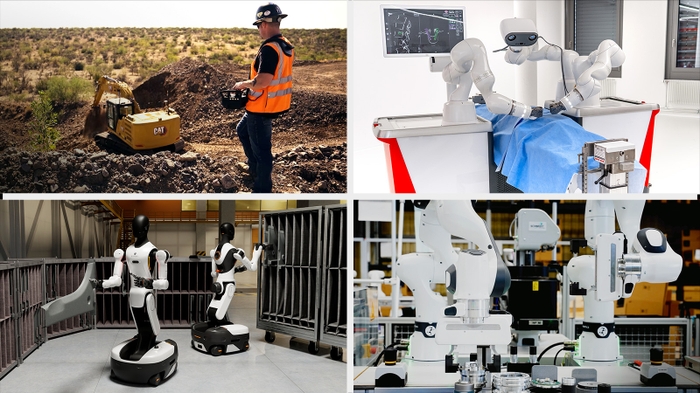
NVIDIA Releases New Physical AI Models as Global Partners Unveil Next-Generation Robots
NVIDIA has unveiled a suite of new open models, frameworks, and AI infrastructure aimed at advancing physical AI, along with a range of robots tailored for various industries, in a recent announcement. This initiative, made public today, showcases the company's commitment to enhancing AI capabilities across multiple sectors by collaborating with global partners. The introduction of these technologies is designed to facilitate the integration of AI into physical applications, addressing the growing demand for intelligent automation solutions. By leveraging cutting-edge AI frameworks and models, NVIDIA aims to empower businesses to innovate and improve operational efficiency. The launch reflects the company's strategic focus on expanding its influence in the AI landscape and supporting industries in their digital transformation efforts.
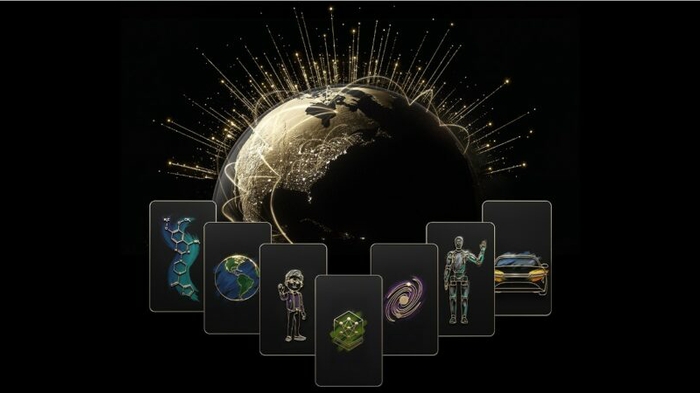
NVIDIA Unveils New Open Models, Data and Tools to Advance AI Across Every Industry
NVIDIA has announced the launch of new open models, data, and tools aimed at enhancing artificial intelligence across various industries. This release, which includes offerings from the NVIDIA Nemotron family designed for agentic AI and the NVIDIA Cosmos platform focused on physical AI, marks a significant expansion of the company's open model universe. The initiative is part of NVIDIA's ongoing commitment to democratize AI technology, making it more accessible for developers and businesses. By providing these resources, NVIDIA aims to foster innovation and collaboration within the AI community, enabling advancements that can be applied in diverse sectors. The announcement was made today, reflecting NVIDIA's strategic efforts to lead in the rapidly evolving AI landscape.

From vision to reality: how to deploy foundation models across industries
The recent deployment of foundation models across various industries marks a significant transformation in the application of artificial intelligence. This shift is not merely about introducing a singular, powerful solution to replace existing workflows; rather, it emphasizes a complex and iterative process of aligning advanced technology with engineering practices and market demands. On Thursday, the founders of two prominent Chinese AI unicorns discussed these developments, highlighting the importance of adapting AI agents to meet specific industry needs. Their insights reflect a broader trend in the tech landscape, where the focus is on integrating AI solutions that enhance rather than disrupt current operational frameworks. This evolution is expected to drive innovation and efficiency, as businesses seek to leverage AI in a way that complements their existing systems.
Events AI Ant Group
Trump drops restrictions on Anthropic’s Mythos and Fable models
The Trump administration's inconsistent strategy regarding artificial intelligence (AI) policy has created uncertainty for companies within the industry concerning the regulations that will dictate future model releases. As businesses navigate this unclear landscape, they are left grappling with the implications of potential guidelines and standards that may emerge. This lack of clarity has raised concerns about the ability of companies to innovate and compete effectively in a rapidly evolving technological environment. The situation underscores the need for a more cohesive and predictable framework for AI governance, which many stakeholders believe is essential for fostering growth and ensuring responsible development in the sector.
AI Government & Policy Anthropic fable Mythos Trump Administration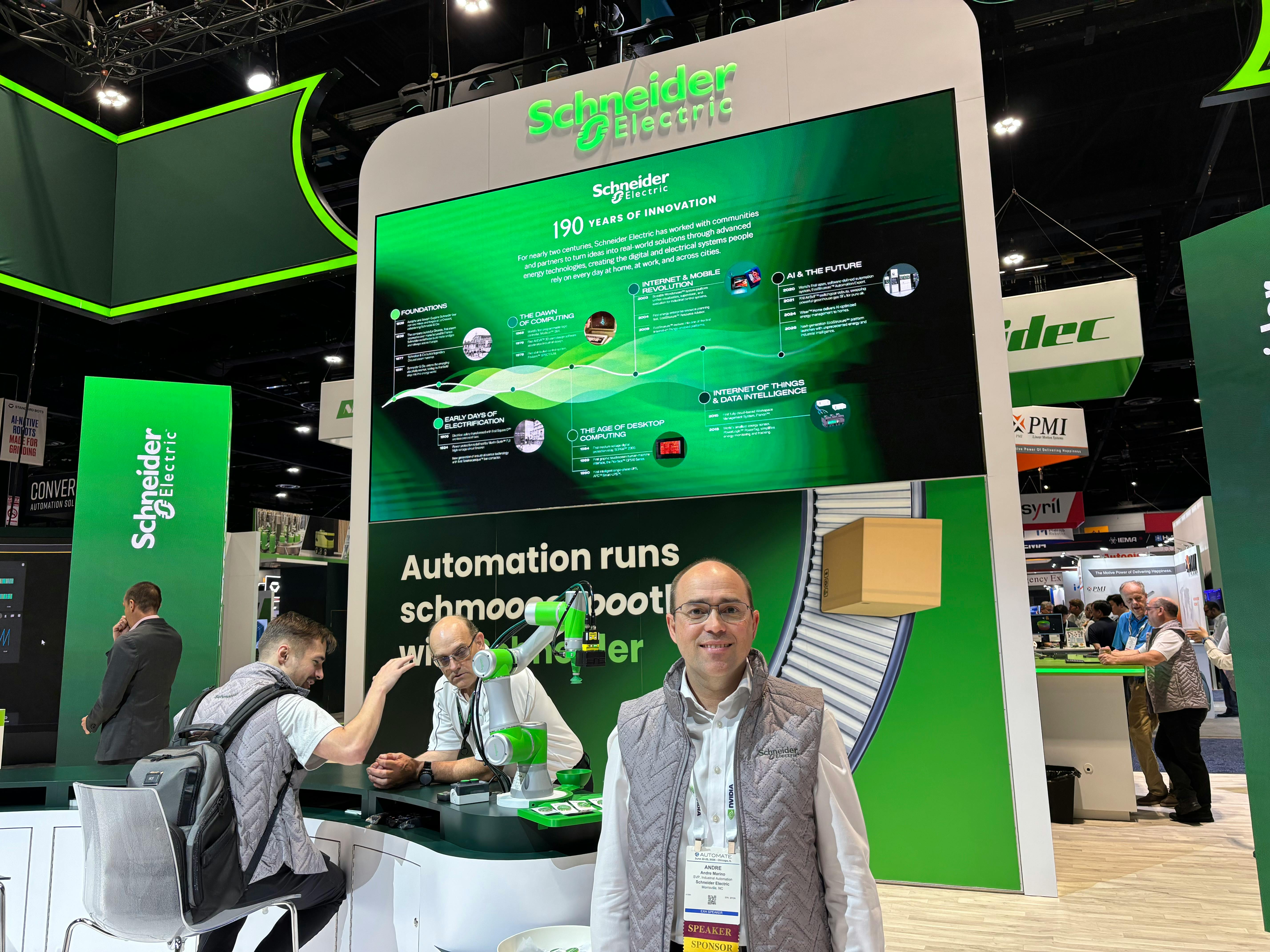
Large World Models & Software-Defined Automation: A Schneider Exec's Look at the Future
In a recent industry discussion, experts highlighted a significant challenge facing businesses: the issue of vendor lock-in. This problem, which restricts companies to a single supplier, limits their flexibility and innovation potential. The conversation took place during a technology conference held in San Francisco on October 15, 2023, where industry leaders gathered to address current trends and obstacles in the market. Participants emphasized that reliance on a single vendor can hinder competition and stifle creativity, as companies may feel compelled to continue using a service or product that does not fully meet their evolving needs. The motivation behind this concern stems from a desire for greater adaptability and the ability to leverage multiple solutions to enhance operational efficiency. To combat vendor lock-in, experts suggested strategies such as adopting open standards and promoting interoperability among different systems. By encouraging a more collaborative environment, businesses can mitigate risks associated with being tied to one provider and foster a more dynamic marketplace. The discussions underscored the importance of addressing these challenges to ensure that companies can thrive in an increasingly competitive landscape.
Factory / Control
How Bin Picking AI Models are Trained
A new report sheds light on the training process of a bin picking AI model, aimed at enhancing the efficiency of automated sorting systems. This development is particularly relevant for businesses looking to implement advanced AI solutions in their operations. The training utilizes data collected up until October 2023, ensuring that the model is equipped with the latest information and techniques. The report details the behind-the-scenes work involved in refining the AI's capabilities, which is crucial for organizations seeking to make informed comparisons between different AI solutions. By understanding the training process, stakeholders can better assess how these technologies can be integrated into their projects, ultimately leading to improved productivity and accuracy in sorting tasks. As industries increasingly turn to automation, insights into AI training methodologies are vital for decision-makers aiming to stay competitive in a rapidly evolving market.
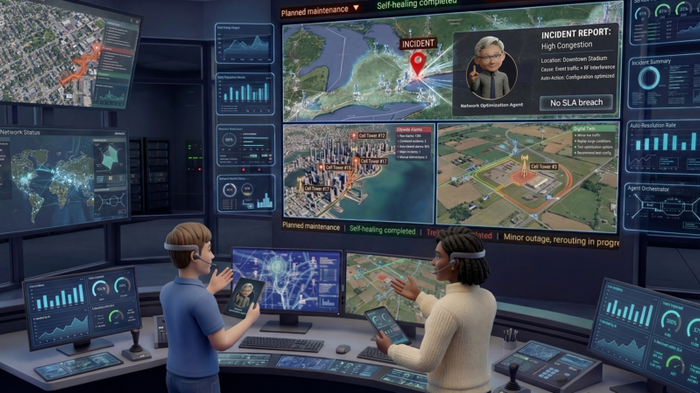
NVIDIA Advances Autonomous Networks With Agentic AI Blueprints and Telco Reasoning Models
Telecom operators are increasingly prioritizing the development of autonomous networks, which are intelligent systems capable of self-managing telecommunications operations. This shift is highlighted in the latest NVIDIA State of AI in Telecommunications report, which reveals that network automation is no longer just a futuristic concept but a pressing focus for the industry. As the demand for efficient and adaptive telecommunications solutions grows, operators are exploring advanced technologies to enhance their network management capabilities. This transition aims to improve service quality and reduce operational costs, ultimately benefiting consumers and businesses alike. The report underscores the urgency for telecom companies to adopt these innovations to stay competitive in a rapidly evolving market.
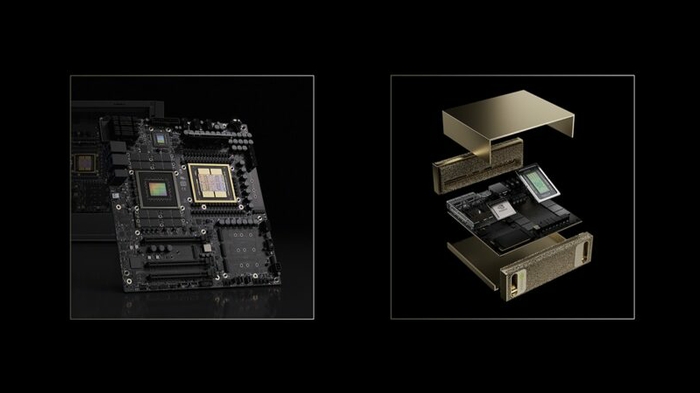
NVIDIA DGX Spark and DGX Station Power the Latest Open-Source and Frontier Models From the Desktop
NVIDIA has introduced its latest AI solutions, the DGX Spark and DGX Station, at the CES trade show, aiming to enhance innovation across various industries. These advanced tools are designed to assist developers in transforming innovative concepts into practical applications. By leveraging open-source AI, NVIDIA seeks to empower businesses to accelerate their technological advancements and improve operational efficiency. The unveiling of these products highlights NVIDIA's commitment to driving progress in the AI sector, providing developers with the necessary resources to harness the full potential of artificial intelligence.

Custom Application Development Services Enhance Customer Portal Solutions
The evolution of software development for customer portals has transitioned from basic ticket dashboards to sophisticated omnichannel hubs. These modern portals utilize API-first backends to deliver seamless content across various platforms, including web and mobile applications, addressing the specific needs of regulated industries. As off-the-shelf portal solutions often fall short for sectors like healthcare and finance, the demand for custom application development services is rising. Companies are increasingly seeking tailored solutions to overcome limitations such as rigid data models and licensing constraints, which hinder their ability to support complex workflows and customer journeys. Looking ahead, organizations must focus on defining their portal vision and selecting the right development partner to ensure a successful implementation. The article emphasizes the importance of planning for cross-platform development and long-term support to align with business goals, particularly in industries that require secure and user-friendly experiences.
Computing Software API integration business software cloud computing cloud engineering
Walden Robotics Emerges with $1.1B Valuation and $300M Funding for General-Purpose Robots
Walden Robotics has officially launched with a valuation of $1.1 billion, backed by $300 million in funding. The company focuses on developing general-purpose robots that continuously learn and improve while performing real-world tasks. Co-founder Dr. Russ Tedrake emphasized the importance of understanding current manufacturing practices to deliver real value to customers. The significance of Walden Robotics lies in its innovative approach to physical AI, which has attracted attention from technology leaders. The company combines large behavior models with practical operations, allowing its robots to handle complex tasks while enhancing human capabilities. This approach aims to create a scalable business model that aligns with existing manufacturing processes. Looking ahead, Walden Robotics is set to expand its deployments, having already transitioned its robots from pilot programs to production tasks at a Toyota plant in North America within two months. No further timeline was disclosed at the time of publication.
Aerospace Artificial Intelligence Artificial Intelligence / Cognition Automotive Healthcare Robotics Humanoids
Microsoft CEO Satya Nadella Warns Companies About AI Data Risks and Ownership
In a recent blog post, Microsoft CEO Satya Nadella raised concerns about the risks associated with using AI models from proprietary labs like OpenAI and Anthropic. He highlighted that companies are not only paying for AI usage but are also inadvertently sharing sensitive business information, which could be exploited by these labs as they learn from user interactions. Nadella emphasized that enterprises are effectively teaching AI models about their unique business nuances, which could lead to competitors gaining access to invaluable institutional knowledge. He criticized the current model where AI companies can freely train on public data while imposing restrictions on how enterprises can learn from their models. To address these concerns, Nadella suggested that companies should retain ownership of their data and develop proprietary learning environments on cloud platforms. He advocated for the creation of orchestration layers that allow businesses to switch between different AI models, thus avoiding dependency on a single provider. No further timeline was disclosed at the time of publication.
AI Enterprise Microsoft open source ai Satya Nadella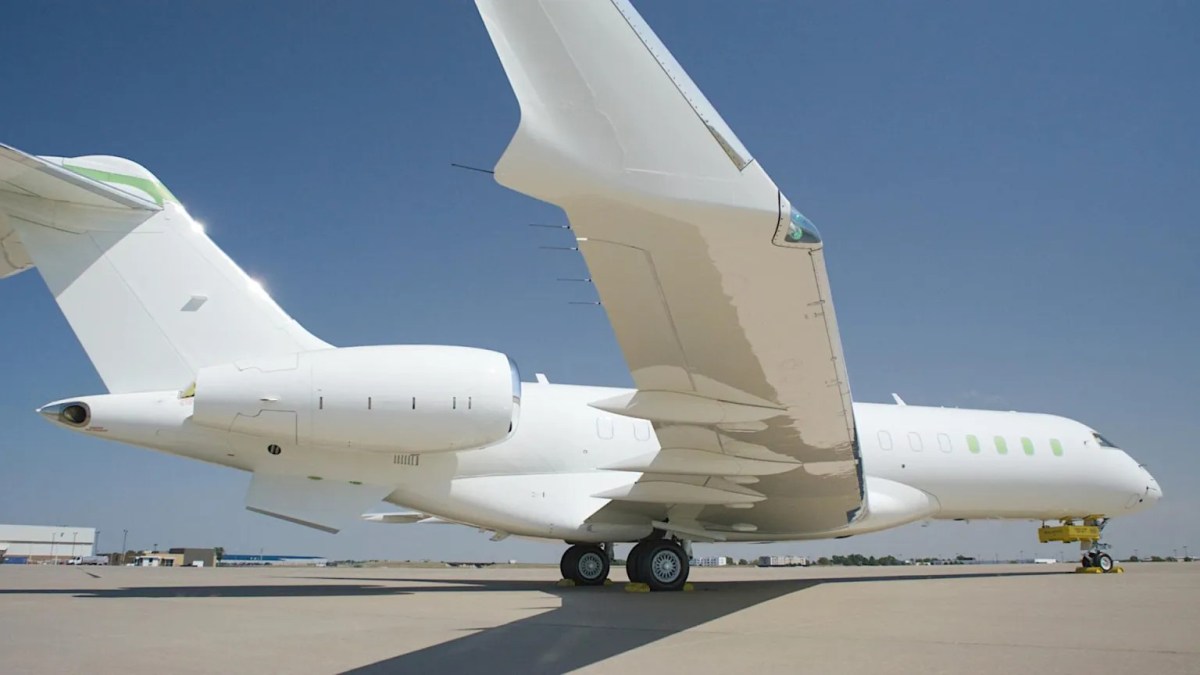
U.S. Army to Establish HADES Aircraft and Drone Battalion at Fort Hood
The U.S. Army has announced that its future fleet of ME-11B High Accuracy Detection and Exploitation System (HADES) aircraft will be stationed at Fort Hood, Texas. This initiative includes the formation of a unique operational drone battalion, aimed at consolidating aerial intelligence, surveillance, and reconnaissance (ISR) assets following the retirement of turboprop ISR planes last year. This development is significant as it marks a pivotal step in modernizing the Army's global aerial ISR capabilities. The relocation of the 116th Military Intelligence Brigade from Fort Gordon to Fort Hood is part of this strategy, enhancing the Army's ability to conduct multi-domain and large-scale combat operations. The ME-11B jets, converted from Bombardier Global 6500 business jets, are expected to improve operational efficiency with higher speed, altitude, and advanced sensor capabilities. Looking ahead, the Army anticipates the delivery of the first ME-11B prototype by the end of the year, with plans to acquire at least six production models. The HADES system is designed to extend the Army's intelligence-gathering reach significantly, utilizing long-range drones to enhance operational effectiveness while minimizing exposure to threats. No further timeline was disclosed at the time of publication.
Air Armies Drones Land Manned ISR News & Features
Ruiwei Technology Becomes First Visual Embodied Intelligence Company on Hong Kong Stock Exchange
On July 8, 2026, Ruiwei Technology (07656.HK) officially listed on the Hong Kong Stock Exchange, closing at HKD 21 per share, with a market capitalization of approximately HKD 6.411 billion. This marks the first company to enter the market under the Hong Kong Stock Exchange's Chapter 18C specialized technology rules, positioning itself as a leader in 'visual embodied intelligence.' Ruiwei's revenue from its smart civil aviation business reached CNY 172 million by the end of 2025, accounting for 38.9% of total revenue. The company is rapidly diversifying, with smart commercial and smart safe driving segments contributing 34.9% and 26.2% of revenue, respectively. However, the embodied intelligence robotics segment was not disclosed as a separate revenue stream in the prospectus. Looking ahead, Ruiwei aims to leverage its decade-long expertise in 3D spatial perception from airport facial recognition systems to expand into embodied intelligence robotics. The company plans to use over 50% of its IPO proceeds, approximately HKD 5.29 billion, for research and development in visual large models, embodied technology, and commercial robot hardware, targeting significant overseas revenue growth within 3 to 5 years.
Visual Intelligence Facial Recognition Robotics AI Technology
Exploring Automation Intelligence: Opportunities and Challenges in AI for Manufacturing
The manufacturing sector is experiencing a surge in artificial intelligence (AI) applications, driven by recent advancements in speech, language, and content generation technologies. Engineers and technology leaders are keenly observing these developments to enhance quality, minimize rework, and increase throughput. However, many organizations face challenges in translating AI demonstrations into tangible business value, revealing the complexities of deploying AI in production environments. Despite significant investments in AI and machine learning (ML), the manufacturing industry is encountering hurdles similar to those faced during the initial wave of data science and ML in the context of Industry 4.0. Many early projects failed to deliver operational value due to the misalignment of algorithms designed for consumer behavior with the deterministic needs of industrial settings. As manufacturers increasingly seek actionable insights from their data, the need for a deeper understanding of AI technology and its application in industrial contexts becomes critical. Looking ahead, the emergence of automation intelligence, which integrates lessons from past experiences with current AI tools, offers a promising framework for addressing complex industrial challenges. As AI technologies like generative AI and foundation models continue to evolve, their successful implementation will depend on ensuring real-time grounding, safety, and regulatory compliance in manufacturing processes. No further timeline was disclosed at the time of publication.
Factory / Workforce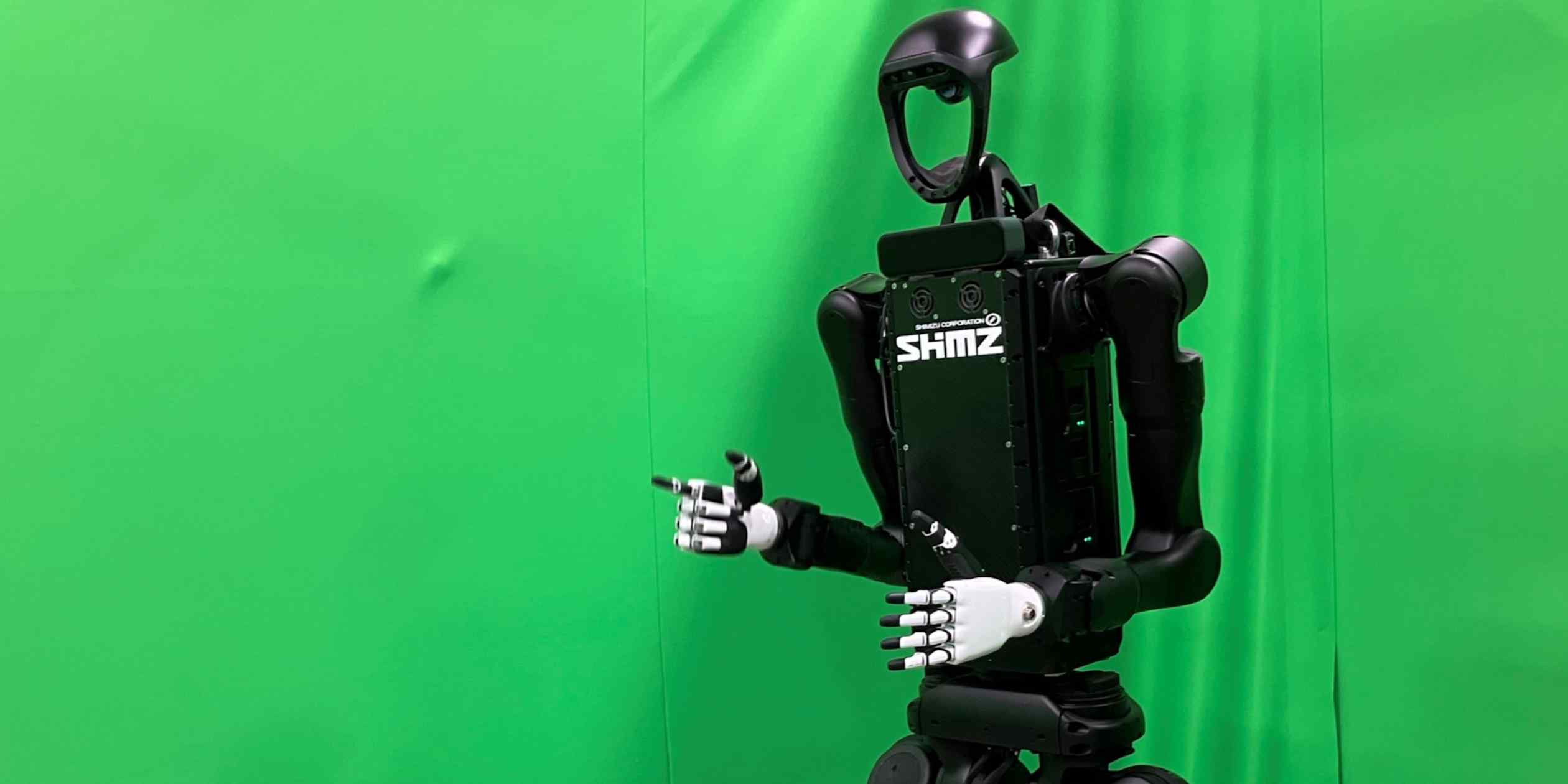
Japan's Shimizu bets on humanoid robots to tackle construction labor crunch
Artificial intelligenceJapan's Shimizu bets on humanoid robots to tackle construction labor crunchCompany eyes fiscal 2030 for robots that can walk around, paint and coat wallsShimizu is testing out the ability of this robot from China's Unitree to patrol construction sites on foot. (Photo by Kohei Okuyama)KOHEI OKUYAMAJuly 8, 2026 05:02 JSTTOKYO -- Japanese general contractor Shimizu plans to introduce AI-powered humanoid robots at its construction sites by around fiscal 2030, aiming to have them handle such work as painting and plastering in a bid to alleviate the industry's severe labor shortages, Nikkei has learned.Read NextArtificial intelligenceJapan eyes AI-powered comeback in factory robot race with China, EuropeConstructionJapan builders turn down big projects because of labor crunch: pollArtificial intelligenceJapan backs SoftBank-led AI models with up to $6.2bn in chasing US, ChinaBusiness dealsJapan's Shimizu to buy Okinawa-based builder focused on US military basesTechnologyVideo game engines find new homes in construction and retailBusiness dealsJapan builder Obayashi buys peer Multiplex Global for $540mLatest on Artificial intelligenceArtificial intelligenceCan China and US find common ground on AI governance in Geneva?Artificial intelligenceJapan weighs AI-powered disaster relief distributionArtificial intelligenceChinese AI usage by US firms soared after Mythos restrictionsSponsored ContentAbout Sponsored ContentThis content was commissioned by Nikkei's Global Business Bureau.

What Makes AI Art Worth Collecting?
In May, an anonymous artist who goes by SHL0MS on X posted that he had used AI to generate an image inspired by Claude Monet and asked people to weigh in on how it missed the mark. More than 600 responses called out issues, saying the colors were off, the depth was all wrong, and that AI didn’t understand how light worked.SHL0MS then revealed that the image was of a real Monet, one of around 250 variations of water lilies the artist had painted in his lifetime. He had simply downloaded a high-resolution image from Wikimedia and cropped out the signature. He minted the exchange as an NFT (a unique digital collectible recording ownership of the work), titled it “Inferior Image,” and sold it for just over US $40,000 after 28 bids.The stunt exposed how charged the conversation around AI art has become, and how quick people are to dismiss anything AI-generated as slop—even when it’s not. Yet even as those arguments continue, a market for AI-generated art has begun to form anyway. It’s fragmented and contested, but bigger than most people realize.Jediwolf, an anonymous collector who says he has spent more than 20 years acquiring digital and AI art, was watching the experiment unfold in real time on X. He had never interacted with SHL0MS before, but when the NFT went up for auction he made a bid and won. “I was buying a unique moment in time,” he says, “captured by an artist and preserved as a token.”The Monet was not AI art, but most of what Jediwolf buys is. One of Jediwolf’s digital collections, which he calls UnderTheGAN—a play on GANs, or generative adversarial networks, the AI technology that preceded today’s diffusion models—comprises roughly 100 works valued at around $72,000, focused on early AI art from 2015 to 2020, before the medium went mainstream. He describes his role as part collector, part researcher, part curator, trying to document a fast-moving field.“A decade ago, digital art was often treated as peripheral to the ‘serious’ art world,” he says. “Today, it is increasingly difficult to separate contemporary culture from the internet.”AI Art Moves Into MuseumsThe market for AI art extends beyond NFTs: AI-generated pieces are also finding their way into physical installations. Last month saw the opening of Dataland, the world’s first generative AI museum, in downtown Los Angeles. It was spearheaded by Refik Anadol, a digital artist who has built a career out of transforming data into large-scale immersive experiences. The opening exhibition has pieces that use data that Anadol collected from rainforests around the world, with real-time weather information from 16 rainforests feeding into all five galleries. In three of the rooms, the imagery also shifts in response to visitors’ own biometric data, tracked by bracelets they wear. Like any museum it sells tickets, ranging from $49 to $79, and has a gift shop. This shop, however, uses visitors’ biometric data collected during their visit to generate a unique design printed on a T-shirt. For $15,000, a robotic painting system called Qualia creates a one-of-a-kind canvas from that same data, painted once a day, with a waiting list already forming. A founding collection of 1,000 AI data sculptures that evolve based on environmental data from global rainforests sold out in 34 minutes at $5,000 each.The system running it all, which Anadol calls the Large Nature Model, was trained on more than 500 million nature images representing 2.2 million species, gathered through field expeditions to 16 rainforests and partnerships with institutions including the Smithsonian and the Cornell Lab of Ornithology.For Anadol, AI art requires a different kind of transparency than any medium that came before it. Because commercial AI tools have shaped how most people understand the technology, artists working with it seriously have to be more open about their process than painters or photographers ever did.“For AI art, we have to know where the data comes from, we have to know which model is trained and how it’s trained,” he says. “We can’t just think about authenticity and uniqueness if a service and product is the fundamental layer of the artwork.”The reviews for Dataland have mostly been positive, with one critic calling it the Citizen Kane of immersive experiences. But Anadol is used to a more divided reception. His 2022 installation at MoMA—a 7-by-7-meter screen of AI-generated fluid forms with shifting colors and sounds—drew 3 million visitors and entered the permanent collection, even as New York Magazine called it “a massive techno lava lamp.” Anadol sees the skepticism as nothing new, just the latest version of a resistance that has greeted all new media. “Every art form has gone through similar cycles of denial,” he says. “We are living in a renaissance that started 10 years ago, and I just don’t think everyone is aware of it yet.”Who Is Buying AI Art?The broader market data points in multiple directions at once. According to the Art Basel and UBS Art Market Report 2026, digital art’s share of sales nearly tripled between 2024 and 2025, and just over half of all fine art collectors surveyed had purchased a digital artwork in 2025, making it the third most popular category after painting and sculpture (the report does not break out AI art specifically).Meanwhile, Christie’s shuttered its pioneering digital art department in September, folding digital works back into its broader contemporary sales after none of its dedicated auctions broke $400,000.The most data-rich window into buyer behavior comes from a less glamorous corner of the market. After one major stock image platform allowed AI-generated images, monthly sales jumped 80 percent, according to Samuel Goldberg, an economist at Stanford Graduate School of Business who published a research paper about the shift. Traditional contributors began leaving the platform as generative images flooded in, and creators using AI tools rushed to fill the gap. “It looks like consumers like generative AI,” Goldberg says, “and it seems like nongenerative artists could be getting crowded out of the market.” Stock images are essentially a commodity version of art, according to Goldberg, and because image-generating models are already very good at producing them, what’s happening there may be a preview of what’s coming for other creative goods markets—including fine arts—as the technology improves.Artists are typically among the first to test the limits of a new technology; early adopters have created AI art since the 1970s. What’s new now is the ability for anyone to generate an image in seconds with a text prompt. That, according to Christiane Paul, curator of digital art at the Whitney Museum of American Art, is not the same thing at all. What fills those stock-image platforms, and what most people encounter when they think of AI art, does not qualify as art.True AI art, Paul says, is a subcategory of digital art that uses artificial intelligence as both a tool and a medium, engaging with it practically and conceptually, doing things like training custom models, building extensions, and layering control systems. “A visual created by a prompt is not art,” she says. What serious AI artists are actually doing is much more than typing a few words into DALL-E.Far from the shortcut most people assume, working seriously with AI as an artistic medium is, by her account, brutally hard. Every artist she talks to says the same thing. “It is much, much harder than a paintbrush to handle,” she says. “You are literally communicating with a system with a completely different logic.”Thanks to bubblemaps.io for its research assistance on the NFT market.
Ai-art Generative-ai Digital-art Blockchain
ABB Robotics completes its AI-powered Visual SLAM AMR portfolio with new autonomous forklift
ABB Robotics completes its AI-powered Visual SLAM AMR portfolio with new autonomous forklift Visit http://go.abb/robotics for further information -The new Flexley Stack F712 extends ABB Robotics’ AI-powered Visual SLAM technology to autonomous forklifts, enabling pallet transport and high-density storage. -Customers can now deploy mixed fleets of Visual SLAM-powered tugs, movers and forklifts on a common navigation, fleet management and software platform. -Powered by ABB Robotics' AMR Studio, the portfolio enables up to 20% faster commissioning while ensuring seamless interoperability and safe, reliable operation. 07/07/26, 07:10 AM | Industrial Robotics, Mobile Robots | ABB Inc. ABB Robotics is expanding its Autonomous Mobile Robotics (AMR) portfolio with the launch of the Flexley® Stack F712, creating a complete interoperable ecosystem across all major Visual SLAM AMR types. Combining autonomous forklifts, tugs and movers on one platform, ABB Robotics enables customers to automate a broader range of material-handling and intralogistics processes. Offering market-leading accuracy, the F712 is designed for demanding material handling, end-of-line storage and warehouse operations across industries including automotive manufacturing, helping increase efficiency, flexibility and scalability. More Headlines A3's Automate 2026 Breaks Records as Demand for Robotics, AI and Automation Grows NVIDIA and Hugging Face Bring New Models and Frameworks to LeRobot for the Open Robotics Community Palladyne AI Executes $4.2 Million U.S. Air Force Contract to Advance Swarming Capabilities for Integrated Cross-Domain Operations UMA Unveils Its Vision for the Next Generation of Humanoid Robots Robbyant Unveils LingBot-Depth 2.0 and LingBot-Vision to Redefine Robotic Spatial Perception Articles Unleash AI Innovation: The Power of NVIDIA RTX PRO 6000 Blackwell Workstation Edition Fueled by PNY-Supplied GPUs Automate 2026 Q&A with DESTACO Automate 2026 Q&A with Roboteon Advances in Robots to See & Interpret within Warehouse Environments Building Resilient Fulfillment Networks with Robotics and Real-Time Logistics Data "Across intralogistics operations, businesses are being asked to process greater volumes in less time, while working with increasingly limited resources," said Marc Segura, President, ABB Robotics. "They are under pressure to move goods faster and with greater flexibility, while labour availability is becoming a critical constraint. As part of our journey to more autonomous and versatile robotics (AVRTM), we have combined advanced vision, mobility and intelligence in the Flexley Stack F712 forklift AMR, completing our scalable, AI-powered AMR portfolio." F712 is versatile, capable of handling multiple load types and sizes - including open and closed pallets, containers or racks- up to 2,000 kg and reaching heights of 8.5 meters. The Flexley Stack AMR F712 joins the Flexley Tug and Flexley Mover in ABB Robotics' growing Visual SLAM AMR portfolio. Applications include intralogistics tasks such as warehouse storage and retrieval, as well as line supply, end-of-line handling, body- and press-shop and drive-in and light buffer in the automotive and industries sector. Unlike conventional AMR forklifts on the market, F712 uses Visual SLAM to map and navigate its environment, eliminating the need for pre-installed infrastructure like markers or reflectors. The AI-enabled Visual SLAM supports the autonomous decisions required to operate in complex, dynamic warehouse operations with a market-leading positional accuracy of ±10 mm. Together with AMR Studio®, this shortens commissioning times by up to 20 percent and creates a versatile and reliable system that can adapt instantly when a warehouse or production floor layout changes. Certified to the latest ISO and ANSI safety standards, Flexley Stack F712 can safely operate at class-leading speeds of up to 1.7 m/s while loaded. F712 is fully integrated with AMR Studio and is VDA5050 compatible, enabling seamless integration with ABB Robotics' Visual SLAM AMRs and existing systems within a unified project. This makes it easy to manage complex projects and integrate different types of mobile robots. The no-code, drag-and-drop software suite supports rapid setup, fleet coordination, traffic management and real-time visualization, allowing ABB Robotics' tugs, movers and forklifts to operate together in the same layout for scalable turnkey automation projects. ABB Robotics as one of the world's leading robotics companies, is the only company with a comprehensive and integrated AI-powered portfolio covering robots, cobots and Autonomous Mobile Robots (AMRs), designed and orchestrated by our value-creating software. We help companies of all sizes and sectors - from automotive to electronics and logistics - to outperform by becoming more resilient, flexible and efficient. ABB Robotics is at the forefront of developing and commercializing a new generation of Autonomous Versatile Robotics

Meta, like SpaceX, looks to turn excess AI compute into cash
Meta is embarking on a new venture to establish a cloud infrastructure business that will offer access to artificial intelligence computing power and models. This strategic initiative aims to compete directly with major players in the cloud services market, including Amazon Web Services, Google Cloud, and Microsoft Azure. The development comes as Meta seeks to diversify its offerings and capitalize on the growing demand for AI capabilities in various industries. By leveraging its expertise in AI technology, Meta plans to provide businesses with robust tools and resources, potentially transforming the landscape of cloud computing. The timeline for this initiative remains unclear, but it reflects Meta's commitment to innovation and its ambition to carve out a significant presence in the competitive cloud market.
AI Meta SpaceX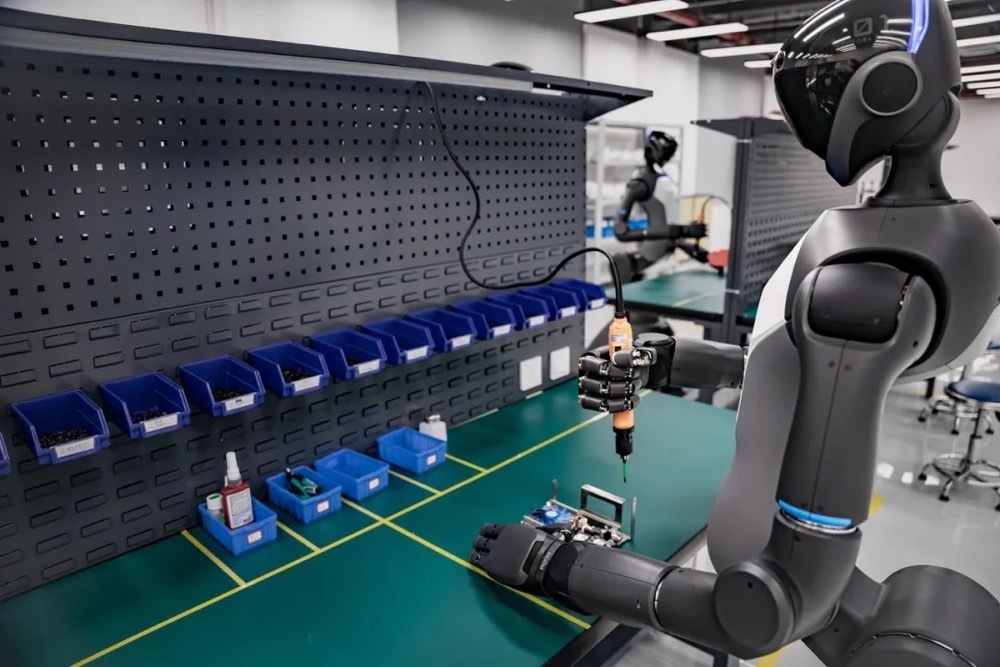
Tesla Optimus vs Unitree G1, 1X NEO & Digit: 2026 Comparison
In a comprehensive comparison of advanced robotics, Tesla's Optimus is pitted against Unitree's G1, 1X NEO, and Agility's Digit, showcasing their specifications, pricing, and availability as of 2026. This analysis highlights the key features and functionalities of each model, providing potential buyers with essential information to make informed decisions. The comparison comes at a time when interest in robotic technology is surging, driven by advancements in automation and artificial intelligence. As consumers and businesses alike seek to integrate robotics into their operations, understanding the differences between these models is crucial. The evaluation not only outlines the technical capabilities of each robot but also addresses their market readiness, allowing interested parties to assess which options are currently available for purchase.

Chinese AI company offers a new solution for physical AI in the uncertain trillion-dollar market.
In 2026, the field of physical AI is set to emerge as a transformative force, following a consensus reached by industry leaders at the CES in Las Vegas, where NVIDIA's CEO Jensen Huang heralded the arrival of "physical AI's ChatGPT moment." Over the past two years, significant advancements have been made in five key areas: brain models, imagination engines, training environments, ontology, and commercial ecosystems, laying the groundwork for real-world applications. In the first half of 2026, global investment in physical AI surged, with over $6.4 billion raised in just the first quarter, including notable funding rounds from AMI Labs and World Labs. The industry is witnessing a clear technological divergence, with three primary paths emerging: Visual Language Models (VLM), Visual Language Action (VLA), and world models. The anticipated future architecture for physical AI is expected to integrate VLA's decision-making capabilities with world models' predictive simulations. Despite the rapid growth, the competitive landscape remains uncertain, with various companies pursuing different strategies, including those focusing solely on VLA or world models, and others exploring hybrid approaches. The ultimate goal is to develop AI that can effectively navigate and understand the complexities of the physical world, moving beyond mere reactive capabilities to proactive, autonomous decision-making. As the physical AI market is projected to expand significantly, reaching an estimated $3.26 trillion by 2040, the industry faces the challenge of ensuring that technology translates into tangible business value. Companies like Om AI are pioneering innovative models that prioritize continuous perception and spatial understanding, aiming to redefine how AI interacts with its environment. The ongoing evolution of physical AI emphasizes the importance of real-world applications and the need for AI systems that can adapt and respond to dynamic physical spaces.

Baidu's CFO on How It Became a Full-Stack AI Player | Odd Lots
Baidu, once recognized as China's leader in search, has transformed into a comprehensive player in the artificial intelligence sector. The company now develops its own chips, utilizes proprietary AI models such as Ernie, and operates its own cloud system, while also integrating AI technology into its self-driving car initiative, Apollo Go. In a recent discussion, Baidu's CFO, Henry He, elaborated on the company's ambitious AI strategies, addressing topics such as optimizing token expenditure, the safety and alignment considerations among Chinese tech firms, and the competitive landscape of global robotaxi services. He also reflected on the evolving role of Baidu's core search business within this broader technological framework. This evolution highlights Baidu's commitment to advancing its AI capabilities and adapting to the rapidly changing tech environment since its inception in the late 1990s.
NMS:GOOGL NMS:BIDU
Agility Robotics to Go Public Through Merger with Churchill Capital Corp XI
On June 24, 2026, a significant breakthrough in renewable energy technology was announced by a team of researchers at the National Renewable Energy Laboratory in Golden, Colorado. The team unveiled a new solar panel design that boasts a 50% increase in efficiency compared to existing models. This advancement comes in response to the growing demand for sustainable energy solutions amid escalating climate change concerns and the need for reduced carbon emissions. The innovative solar panels utilize a novel material that enhances light absorption and conversion, allowing for greater energy output even in low-light conditions. Researchers conducted extensive testing over the past two years to refine the technology, ensuring it is both cost-effective and scalable for widespread use. This development is expected to play a crucial role in accelerating the transition to clean energy sources, potentially reducing reliance on fossil fuels and contributing to global efforts to combat climate change. The team plans to collaborate with manufacturers to bring the new panels to market within the next year, aiming to make renewable energy more accessible to consumers and businesses alike.

AGIBOT Showcases Embodied AI Robots at VivaTech 2026 in Paris
AGIBOT, a leader in embodied AI and robotics, showcased its innovative humanoid robots at the 10th-anniversary celebration of VivaTech 2026 in Paris on June 23. The event, held on the iconic Champs-Élysées, allowed visitors to engage with cutting-edge technologies, including live demonstrations of AGIBOT's robotics capabilities in areas such as interaction, locomotion, and manipulation. William Shi, AGIBOT's President for Europe and the Americas, emphasized the shift in the humanoid robotics industry from experimental concepts to practical applications, highlighting the importance of platforms like VivaTech for connecting with the technology and business communities in Europe. During the event, AGIBOT's robots, including the X2 and D1 models, participated in a coordinated performance and a robot parade, captivating an audience of 2,000. Additionally, AGIBOT engaged in a bilingual panel discussion focused on the future of AI and humanoid robotics, exploring the transition from demonstration to real-world deployment. The company aims to advance its robotics technologies to create smarter and safer robotic solutions for various applications. AGIBOT's commitment to innovation is underscored by the recent milestone of producing its 10,000th robot earlier this year.

Alibaba and ByteDance Double Down on Embodied AI: What Internet Giants Bring to Robotics
Alibaba has unveiled its Qwen-Robot series, a new line of embodied AI models, while ByteDance has announced a strategic shift to elevate robotics as a core component of its business. This move comes as major internet companies in China increasingly harness data and artificial intelligence to transform the robotics sector. The announcements were made in October 2023, highlighting a significant trend among tech giants to integrate advanced robotics into their operations. By leveraging their extensive data resources and AI capabilities, these companies aim to create innovative solutions that can enhance various applications and scenarios within the robotics industry. This strategic focus reflects a broader ambition to lead in a rapidly evolving market, positioning themselves at the forefront of technological advancement in China.
Industry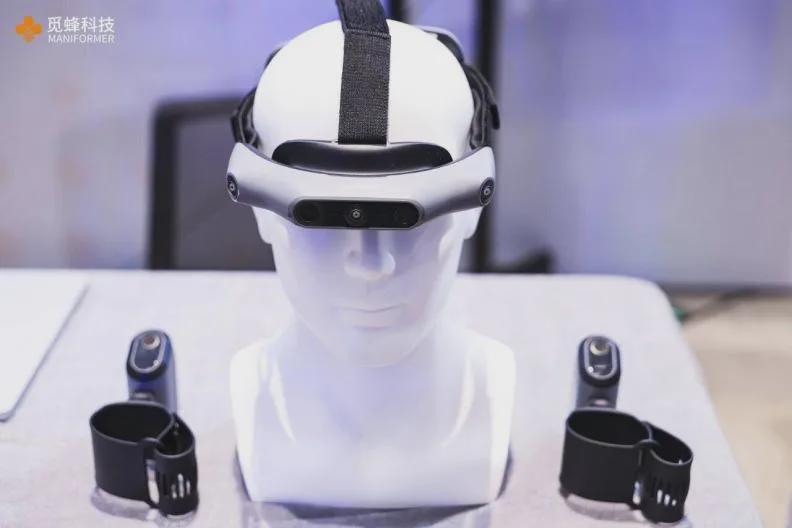
Bee Technology Aims to Solve Robotics Data Challenges Starting with a Cup
Bee Technology is making strides in the robotics sector by tackling the challenges of teaching robots to execute physical tasks, such as picking up objects. The company has recently obtained substantial funding to advance its MEgo series, which encompasses both hardware and data processing technologies. This initiative aims to establish a robust data supply chain essential for developing embodied intelligence in robots. By prioritizing high-quality physical AI data, Bee Technology is positioning itself as a key player in the industry, targeting businesses that depend on reliable data for training and optimizing their robotic models.
Embodied Intelligence Robotics Data Infrastructure AI Data Collection MEgo Hardware Data Processing Technology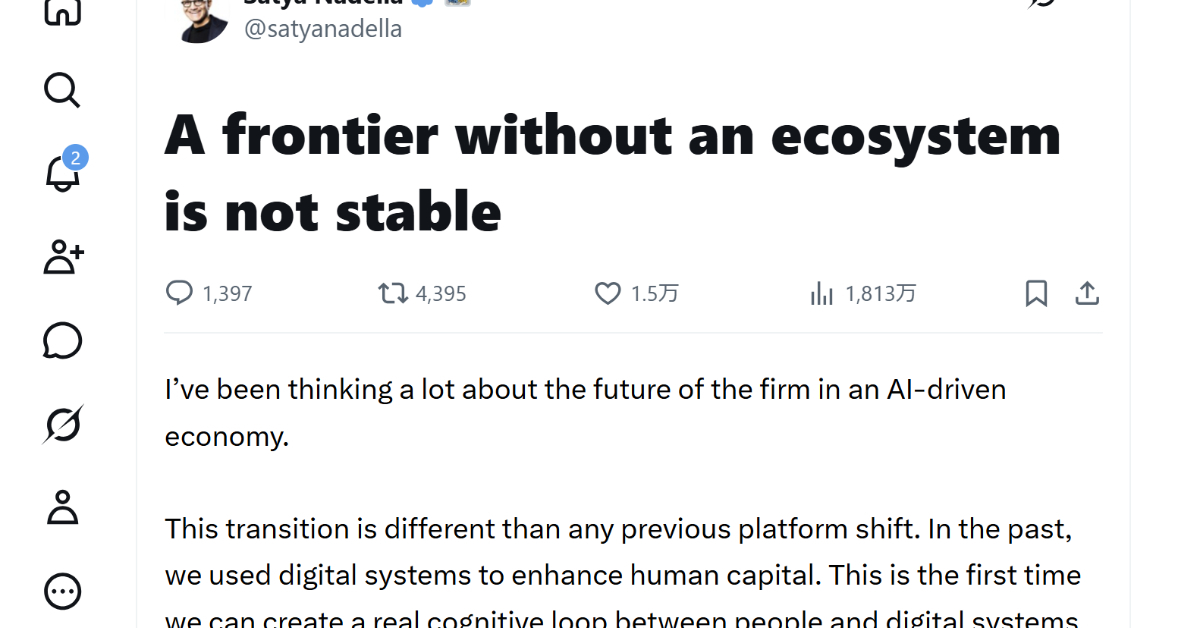
Microsoft CEO Satya Nadella posts on X: "A frontier without an ecosystem is unstable," two days after Fable 5 halt.
Two days after the U.S. government halted the global deployment of Anthropic's "Claude Fable 5" due to export control directives, Microsoft CEO Satya Nadella took to X to share his insights on the importance of building independent learning systems for companies. In his post, titled "An Ecosystem-less Frontier is Unstable," Nadella did not directly reference the Fable 5 situation but emphasized the necessity for businesses to avoid reliance on specific models. His comments come amid growing concerns about the stability of AI ecosystems in light of regulatory challenges.
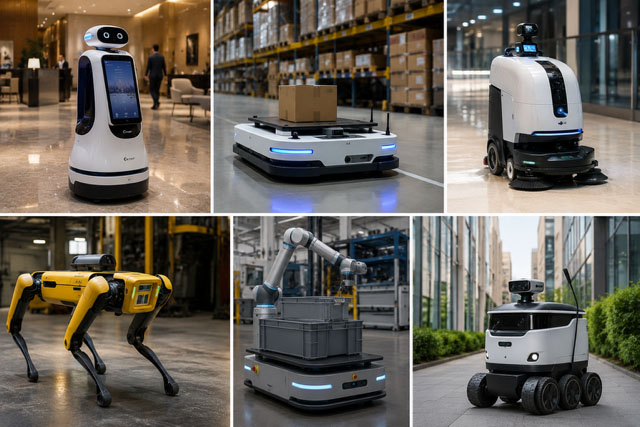
What is the cost of a robot?
As businesses increasingly consider robotic projects, a common inquiry arises: the cost of a robot. However, the answer is not straightforward. Similar to automobiles, the price range for robots varies significantly, with some models costing a few thousand euros while others can reach several hundred thousand euros. This complexity highlights the need for companies to carefully evaluate their specific requirements and budget constraints when investing in robotic technology. The discussion surrounding robot pricing was featured in an article by Robot Magazine, emphasizing the importance of understanding the financial implications of integrating robotics into business operations.
À la une IA Industrie Robotique automatisation industrielle. budget projet robotique
"BioGeometry" secures hundreds of millions in strategic funding to create a "microscopic world model" in life sciences.
AI-native biotechnology company BaiAo Geometry has successfully secured several hundred million yuan in strategic financing, with investments led by the Shanghai Biomedical Innovation Transformation Fund, Guoke Investment, Dacheng Wisdom, and Xinglian Capital, alongside follow-on investments from GaoRong Capital and the Index AI Industry Innovation Fund. The funds will primarily support the ongoing development of their life sciences micro-world model, GeoFlow, and the advancement of their proprietary drug pipeline. Artificial intelligence is rapidly evolving along two main trajectories: digital AI, represented by large language and multimodal models, and physical AI, exemplified by autonomous vehicles and humanoid robots. Life AI is emerging as a promising frontier, a sentiment echoed by leading global investors and scientists. BaiAo Geometry's GeoFlow model, launched in 2024, aims to understand and design molecular interactions at an atomic level, enabling the creation of novel molecules that have never existed in nature. The company has iterated GeoFlow multiple times, achieving significant advancements in protein structure prediction and de novo design capabilities. By applying Test-Time Scaling technology, BaiAo Geometry enhances the success rate of protein designs without the need for extensive retraining. This innovation allows for the rapid generation and optimization of high-affinity binding molecules, significantly reducing the time and cost associated with traditional drug discovery processes. BaiAo Geometry has established over 20 business development collaborations with domestic and international pharmaceutical companies, focusing on high-specificity antibody design and vaccine development. The company is currently working on the next iteration of GeoFlow, which aims to expand modeling from individual molecules to entire molecular systems, further revolutionizing drug development in the biotechnology sector.

Former Meituan delivery tech chief starts a venture for an "restaurant world model" in the era of embodied intelligence.
AtomBite.AI, a company specializing in embodied intelligence, has secured a multi-million dollar seed funding round led by InnoTech Venture Capital, with participation from the Tsinghua Alumni Seed Fund and notable individual investors. This funding will primarily support the development of embodied world models for the restaurant industry and the implementation of core products. The company's founding team, which includes Dr. Wang Dong, a former technical lead at Meituan's food delivery division, aims to address inefficiencies in restaurant kitchens, particularly in the packaging and delivery processes that still heavily rely on manual labor. As global food delivery orders continue to rise, AtomBite.AI identifies the kitchen as a promising application area for embodied intelligence, given its universal demand and clear return on investment for businesses. The team plans to create a "World Action Model" tailored for the restaurant sector, emphasizing the integration of visual and tactile feedback to enhance robotic operations. Their approach focuses on developing a system that learns from real-world interactions rather than relying solely on generalized models. Currently, AtomBite.AI is targeting the packaging and transfer stages of food delivery, which are prone to errors and have quantifiable value. The company anticipates deploying its packaging model in commercial kitchens by 2026, with plans to expand into more complex kitchen operations and broader service industry applications in the future.

SAP SE (SAP), Cyberwave Deploy Autonomous AI Robots in Logistics Warehouse
SAP SE and Cyberwave have successfully deployed fully autonomous, AI-powered robots in SAP's logistics warehouse located in St. Leon-Rot, Germany, as of May 11, 2026. This initiative represents a significant advancement for SAP, transitioning its Physical AI technology from research to practical application. The robots, powered by SAP’s cloud-native Logistics Management solution and the SAP Business Technology Platform, are now capable of performing various tasks including box folding, packaging, and shipping fulfillment. The deployment addresses common challenges in logistics robotics, such as unpredictable environments and diverse object shapes that often hinder traditional systems. Cyberwave's innovative platform utilizes Vision-Language-Action and Reinforcement Learning models, enabling non-expert operators to teach robots new tasks through simple demonstrations. This approach significantly reduces training time from weeks to hours and allows robots to adapt to dynamic conditions in real-time. As a result of this integration, SAP has reported increased warehouse throughput and a decrease in physically demanding tasks for human workers. The project serves as a successful reference implementation, showcasing how a robust digital infrastructure combined with adaptive AI can enhance logistics operations. Both SAP and Cyberwave are now focused on further developing these Embodied AI capabilities to support future large-scale deployments.
Robotics needs a service framework.
RSF defines a common language for robot service capability, lifecycle operations, certification pathways, and service-provider networks.