Industry Briefing
A single destination for timely, editor-curated robotics news from around the world.
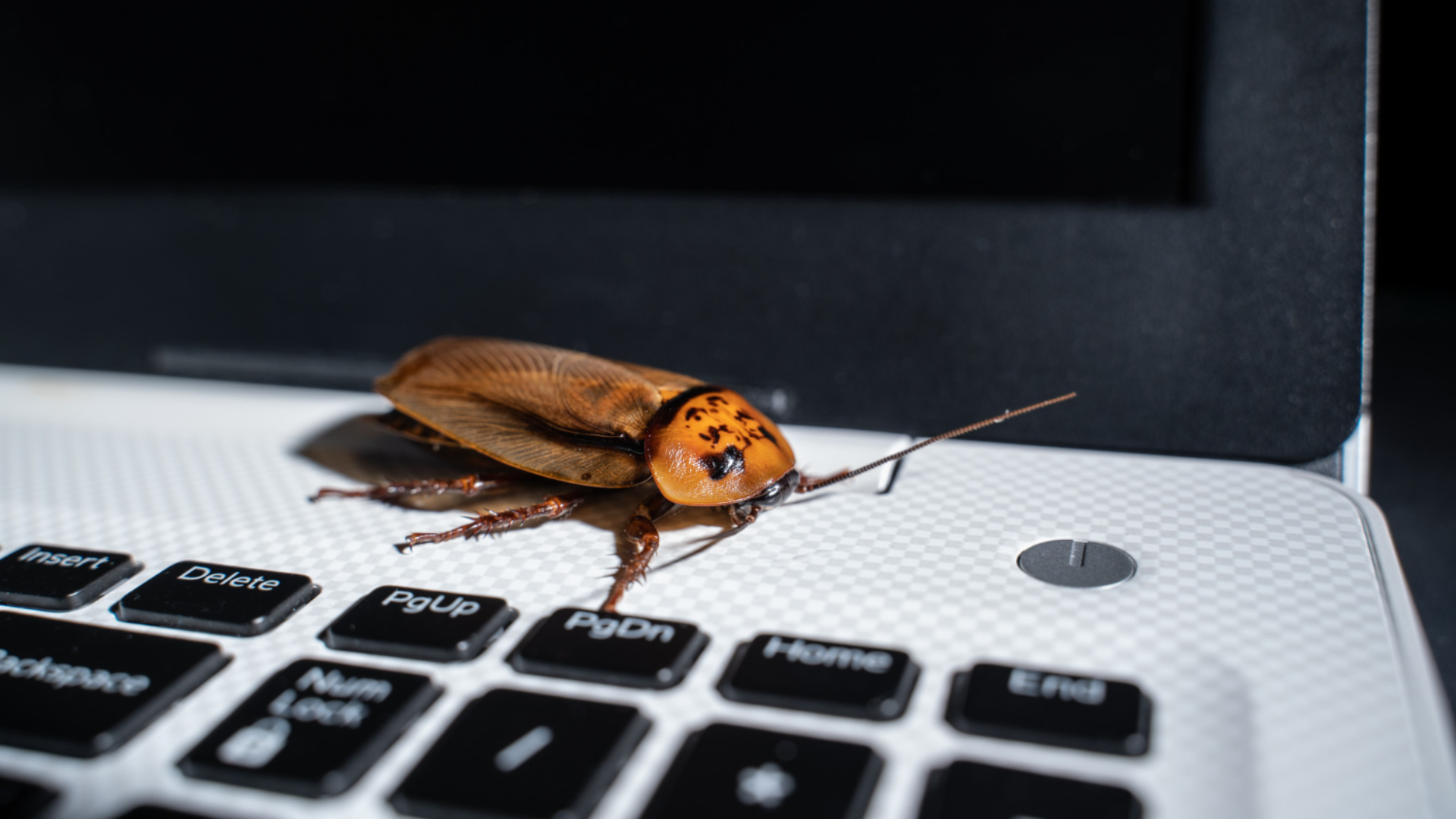
Bio-hybrid robotics system ‘listens’ to cyborg insects for collaborative control
Japanese researchers have unveiled an innovative method for controlling cyborg insects, aiming to enhance the understanding of their behavior and capabilities. This groundbreaking development was announced during a recent conference held in Tokyo, where scientists discussed advancements in bioengineering and robotics. The motivation behind this research stems from the potential applications in environmental monitoring and disaster response, where these engineered insects could play a crucial role in collecting data from hard-to-reach areas. The researchers have integrated electronic components into the insects, allowing for remote control and manipulation of their movements. This process involves sophisticated techniques that blend biology with technology, enabling the insects to be guided through various environments. The team believes that by mastering this control, they can create a new class of biohybrid systems that could revolutionize how we interact with the natural world. As the project progresses, the researchers are optimistic about the implications of their work, which could lead to significant advancements in both ecological research and practical applications in urban planning and emergency management. The findings from this study are expected to be published in a leading scientific journal, further contributing to the growing field of cyborg biology.
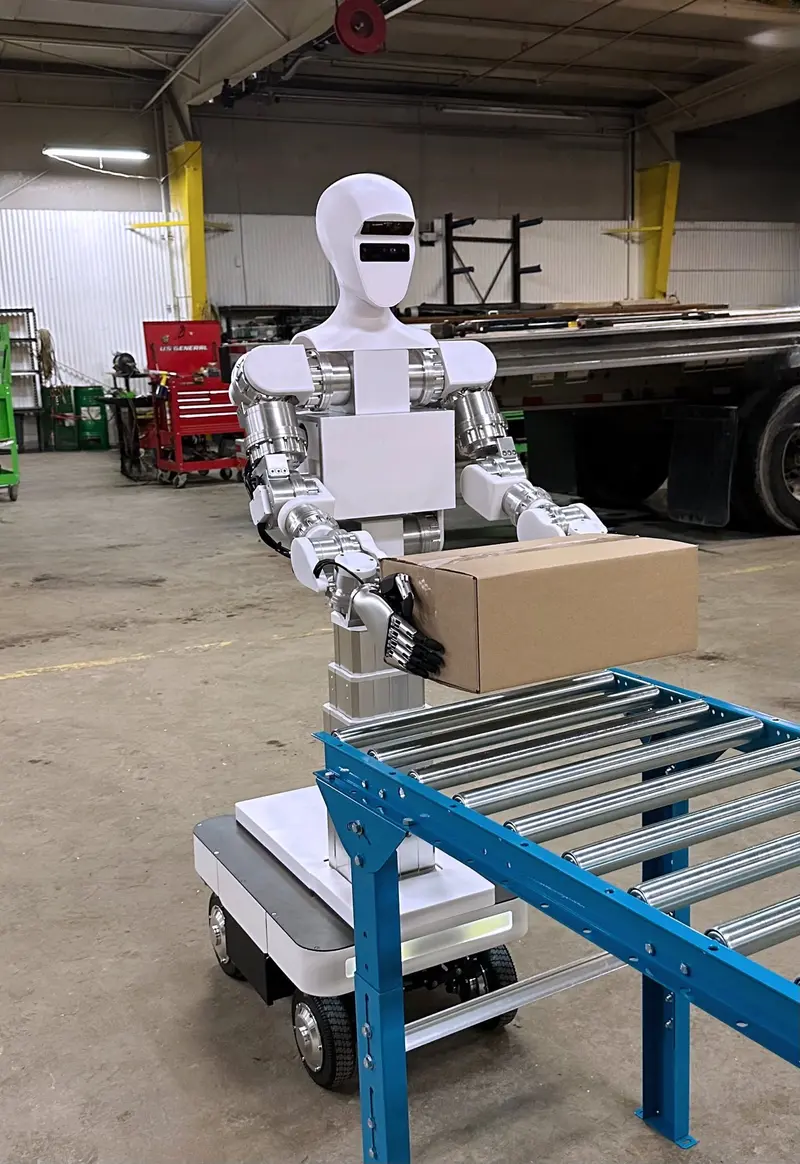
Borg Robotics Reveals Modular Borg 01 Humanoid Focused on Industrial Work
Borg Robotics, a company based in Detroit, has introduced the Borg 01, a cutting-edge modular humanoid robot engineered for industrial applications. This innovative robot is capable of autonomously transitioning between wheeled and bipedal movement, allowing it to adapt to various tasks. Additionally, the Borg 01 features interchangeable end effectors, enhancing its versatility in the workplace. The robot is designed to integrate seamlessly into a broader ecosystem that includes pallet jacks and forklifts, aiming to improve operational efficiency in industrial settings. The company plans to launch the Borg 01 in the second quarter of 2025, responding to the growing demand for automation solutions in the industry.
borg-01 Borg RoboticsRobotics needs a service framework.
RSF defines a common language for robot service capability, lifecycle operations, certification pathways, and service-provider networks.
Join the RobotToday community on LinkedIn
Daily robotics news, in-depth analysis, conference highlights, and discussions with professionals worldwide.