Industry Briefing
A single destination for timely, editor-curated robotics news from around the world.

Biomimicry: The 'Final Piece' for Humanoid Robots?
Chinese companies are increasingly turning to biomimicry to advance the development of humanoid robots, with the goal of creating machines that can not only look like humans but also possess the ability to feel and respond in a human-like manner. This innovative approach marks a significant shift in the robotics industry, moving beyond mere visual resemblance to incorporating sensory and mechanical efficiencies that mimic human capabilities. As this trend gains momentum, it has the potential to redefine the future of robotics, enhancing the interaction between humans and machines. The push for more advanced humanoid robots reflects a broader ambition within the technology sector to integrate more sophisticated functionalities into robotic systems, ultimately aiming for a seamless coexistence with human users.
Humanoid Robots Biomimicry Robotics Materials AI Technology
Dissecting UBTECH's U1: The Challenges of Biomimicry
At UBTECH's annual global launch event, the company unveiled its latest U1 humanoid robots, which are designed to enhance emotional interaction and promote coexistence between humans and robots. The event highlighted the advanced capabilities of the U1 series, which includes three distinct models, each equipped with innovative technical solutions that enable them to move and interact in a human-like manner. The launch generated significant interest, resulting in over 13,000 pre-orders, underscoring the growing demand for sophisticated robotic technology. This initiative reflects UBTECH's commitment to pushing the boundaries of robotics and addressing the complexities involved in creating machines that can effectively engage with people.
Humanoid Robots Robotics Technology AI Interaction
Swarm Robots Inspired by Bees and Ants Could Transform the Future of Mining
Researchers at Adelaide University have unveiled an innovative robotic system modeled after the behaviors of bees and ants, aiming to enhance safety, efficiency, and sustainability in the mining industry. This development comes as part of ongoing efforts to address the challenges faced in mining operations, where traditional methods often pose risks to workers and the environment. By mimicking the collective intelligence and collaborative strategies of these insects, the new robotic system is designed to optimize resource extraction processes while minimizing ecological impact. The research team believes that this approach could revolutionize mining practices, making them more adaptable and less hazardous. The project highlights the potential of biomimicry in engineering solutions that align with environmental sustainability goals.

Octopus-inspired robotic arm uses distributed tactile sensors for adaptive grip
Engineers have successfully created a robotic arm inspired by the sensory capabilities of the octopus. This innovative development aims to enhance robotic dexterity and adaptability in various applications, including medical procedures and complex manufacturing tasks. The project, which has been in the works for several years, showcases the potential of biomimicry in advancing technology. Researchers conducted extensive studies on the octopus's unique nervous system and flexible limbs to replicate its remarkable ability to manipulate objects with precision. The robotic arm is designed to mimic these characteristics, allowing for greater flexibility and sensitivity compared to traditional robotic systems. This breakthrough, unveiled at a technology conference earlier this month, represents a significant step forward in robotics, potentially transforming how machines interact with their environment and perform intricate tasks.

Jumping spider’s layered retina drives design of low-power 3D camera for AR and robotics
A team of engineers has conducted an in-depth study of the vision capabilities of jumping spiders, leveraging this unique biological model to inspire innovative technological advancements. This research, which took place over several months, aims to enhance the design of visual systems in robotics and artificial intelligence. By examining the spiders' exceptional ability to perceive depth and motion, the engineers have developed new algorithms that could significantly improve the performance of machines in complex environments. The findings were presented at a recent conference focused on biomimicry and robotics, highlighting the potential for nature-inspired solutions to address modern technological challenges. This interdisciplinary approach not only showcases the intricate relationship between biology and engineering but also opens new avenues for creating smarter, more adaptive robotic systems.

7 animal-inspired robots solving real-world engineering challenges
Engineers are increasingly looking to nature for inspiration in developing innovative solutions for movement, efficiency, and survival. This trend reflects a growing recognition of the intricate designs and systems that have evolved over millions of years. By studying various organisms and their adaptations, researchers aim to apply these natural principles to create advanced technologies in fields such as robotics, transportation, and energy efficiency. This biomimicry approach not only enhances performance but also promotes sustainability by utilizing nature's time-tested strategies. As this movement gains momentum, it is expected to lead to groundbreaking advancements that could significantly impact various industries and improve human life.
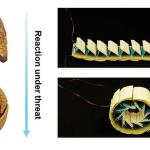
Researchers develop armadillo-inspired protective shell module for soft robotics
In a groundbreaking development, materials scientists have successfully replicated the unique armor of the armadillo, an armored mammal that has evolved over millions of years. This innovative achievement was announced in a study published recently, showcasing the potential applications of the armadillo's natural design in creating advanced protective materials. The research, conducted by a team at a leading university, aims to harness the armadillo's exceptional defensive capabilities to enhance safety in various fields, including personal protective equipment and military gear. By analyzing the structure and composition of the armadillo's armor, the scientists were able to develop synthetic materials that mimic its protective features. This advancement not only highlights the importance of biomimicry in materials science but also opens new avenues for creating lightweight, durable, and effective protective solutions.

It looks like a sea urchin, but this strange 20-legged machine is rewriting what robots can do
Roboticists have long sought to replicate the diverse forms and functionalities found in nature, drawing inspiration from the symmetry observed in various organisms, such as the bilateral structure of vertebrates and the radial patterns of starfish. This endeavor has spanned decades, with researchers developing robots that mimic the appearances and movements of humans, dogs, and insects. The ongoing exploration into biomimicry aims to enhance robotic design and performance by integrating the efficient and adaptive traits seen in living creatures. As technology advances, these efforts continue to push the boundaries of robotics, potentially leading to more versatile and capable machines in the future.
Robotics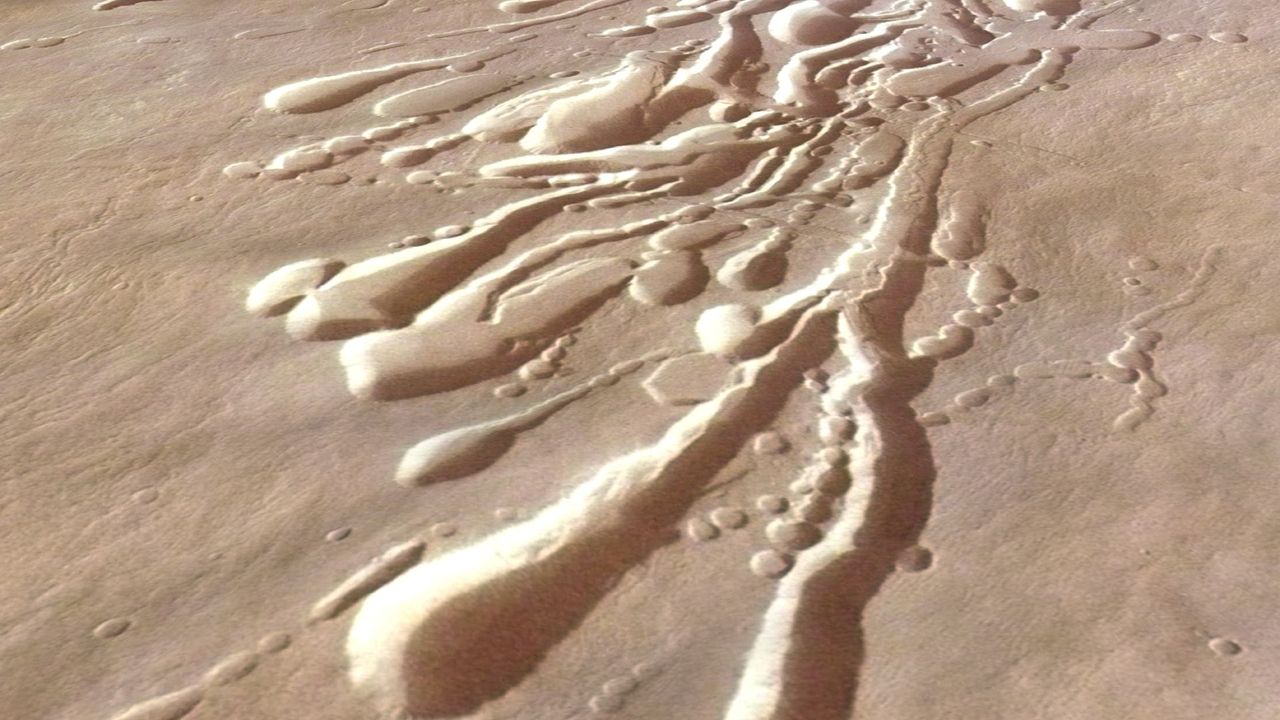
Scientists want to send a roly-poly robot filled with 'dandelion drones' to investigate hidden tunnels on Mars
Engineers are exploring the innovative approach of biomimicry to design the next generation of robots intended for Mars exploration. This trend, gaining momentum in recent months, aims to enhance the efficiency and adaptability of robotic systems in the challenging Martian environment. By studying and emulating the survival strategies of various organisms on Earth, researchers believe they can develop robots that are better equipped to navigate the planet's rugged terrain and extreme conditions. The initiative reflects a growing recognition of nature's solutions as a source of inspiration for engineering challenges in space exploration. As the timeline for future Mars missions approaches, the integration of biomimetic principles could play a crucial role in advancing robotic technology, ultimately aiding in the quest for knowledge about the red planet.
Mars Astronomy Solar System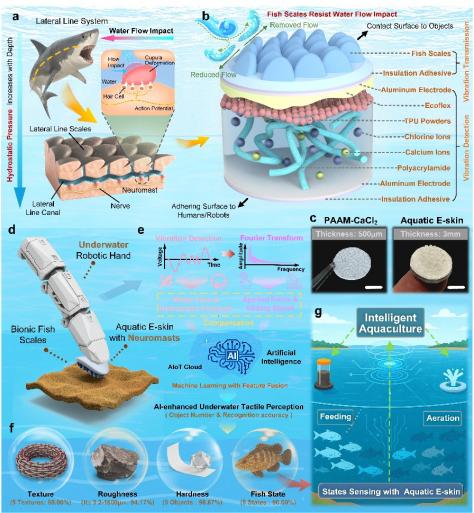
Revolutionizing Underwater Detection! This AI Bionic Skin Allows Robots to 'Touch' the World in Turbulent Waters
Researchers from Zhejiang University and the National University of Singapore have unveiled a groundbreaking AI-enhanced bionic electronic skin, drawing inspiration from the unique sensory capabilities of sharks. This cutting-edge technology allows underwater robots to detect subtle tactile differences even in murky waters, greatly enhancing their ability to interact with and perceive their surroundings. The development represents a significant advancement in underwater robotics, potentially transforming various applications in marine exploration and environmental monitoring. The research highlights the importance of biomimicry in engineering, showcasing how nature can inspire innovative solutions to complex challenges.
Underwater Robotics Bionic Technology AI Sensor Technology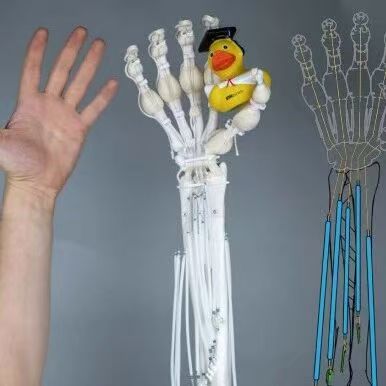
ETH Zurich's Breakthrough: Highly Biomimetic Pneumatic Muscle Robotic Hand Replicating Human Anatomy
Researchers from ETH Zurich have unveiled a groundbreaking robotic hand that mimics human anatomy, utilizing advanced 3D printing techniques and 22 independently controlled pneumatic artificial muscles. This innovative development, which was announced recently, aims to significantly improve dexterity and adaptability in robotic applications. The design is rooted in detailed human anatomical data, allowing the robotic hand to perform a wide range of tasks with precision. The project is poised to advance the fields of prosthetics and enhance collaboration between humans and robots, addressing the growing need for more versatile and functional robotic systems in various sectors.
Soft Robotics Pneumatic Actuators 3D Printing Prosthetics Biomimicry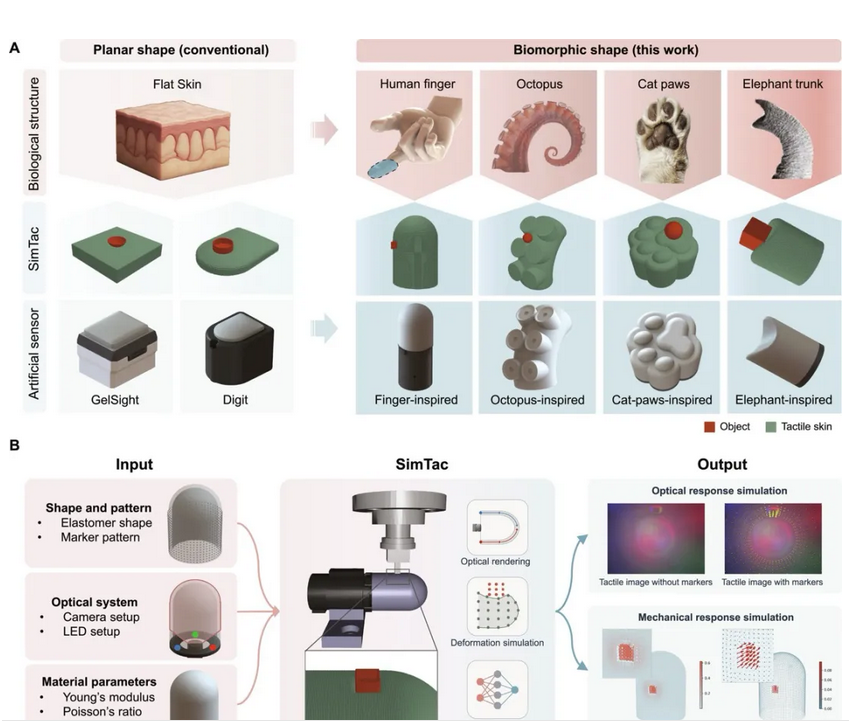
SimTac: A Tactile Sensor Simulator That Shortens Biomimetic Robot Design Cycles
A collaborative team from King's College London and various institutions has unveiled SimTac, an innovative simulation platform designed to revolutionize the development of robotic tactile systems. This groundbreaking tool allows researchers and engineers to create tactile sensors in any biomimetic shape, facilitating virtual testing of tactile responses. By streamlining the design and training processes, SimTac significantly reduces the time required to develop these advanced robotic systems. The platform aims to enhance the efficiency and effectiveness of tactile sensor design, ultimately advancing the field of robotics.
Tactile Sensors Robotics Simulation Technology Biomimicry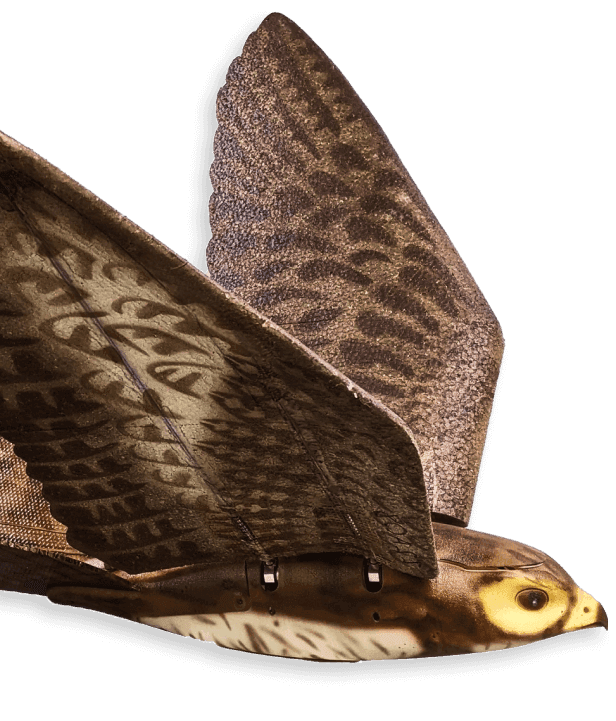
Designed to Fly Like a Falcon, RoBird Takes Aim at Crop-Damaging Birds
A new application for the RoBird drone, designed to mimic the flight of a falcon, is emerging as a solution for agricultural crop protection in Queensland, Australia. Originally developed to prevent bird strikes at airports, this innovative flapping-wing technology is now being tested by local growers to safeguard their crops from damage caused by birds. The shift in usage highlights the versatility of the RoBird, as it adapts to address challenges in agriculture, demonstrating its potential to enhance farming practices while reducing reliance on traditional pest control methods.
Agriculture Applications Conservation Drone News Drone News Feeds Drones in the NewsRobotics needs a service framework.
RSF defines a common language for robot service capability, lifecycle operations, certification pathways, and service-provider networks.