Industry Briefing
A single destination for timely, editor-curated robotics news from around the world.

Nearly 20 Chinese Motor Makers Race for Humanoid Robot First-Mover Advantage
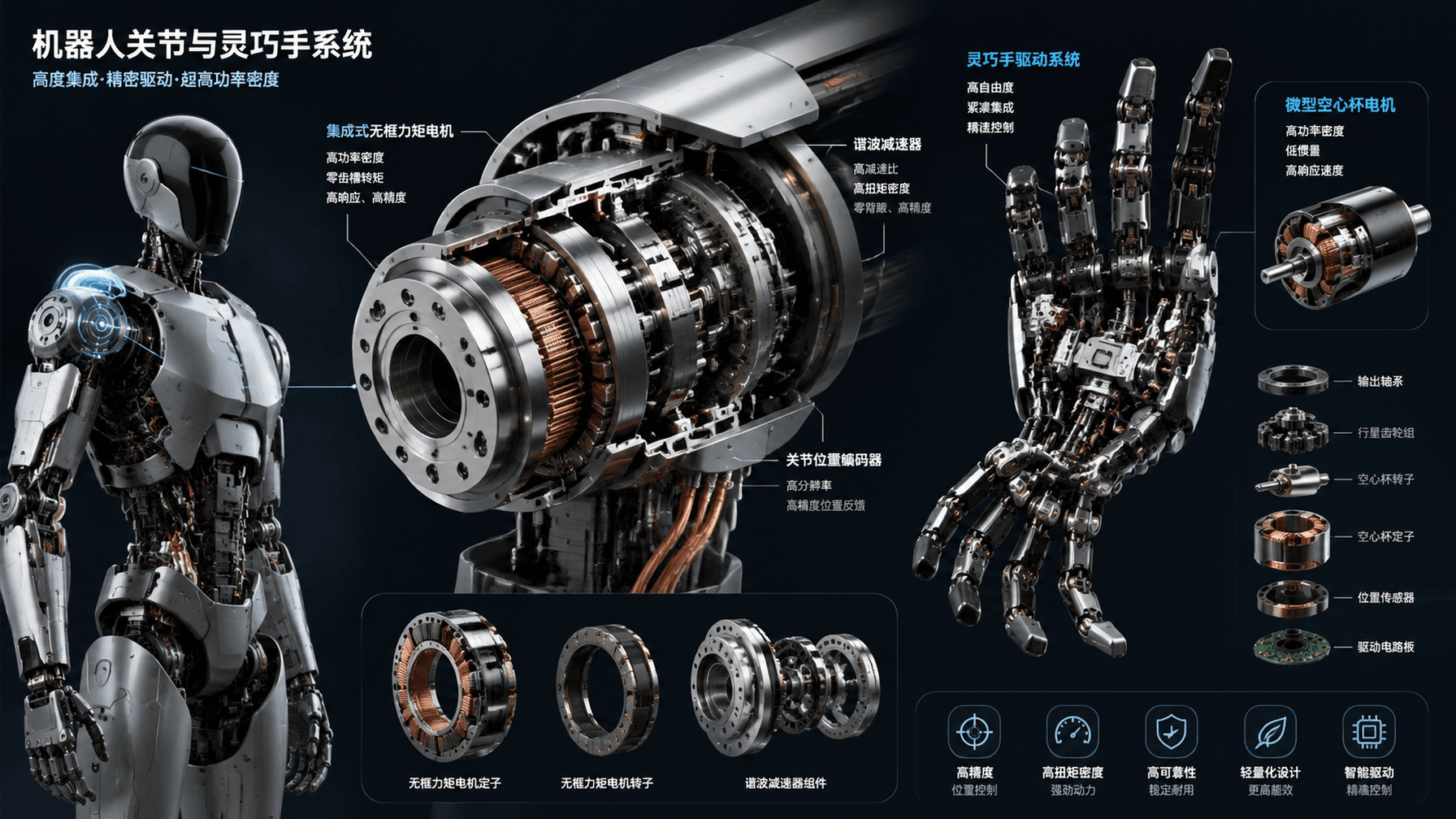
In a growing trend within the technology sector, nearly 20 Chinese publicly listed motor companies are actively engaging in the humanoid robot supply chain. This competitive landscape has seen frameless torque motors and hollow cup motors rise to prominence as the leading technical solutions for robotics applications. As the demand for advanced robotics continues to increase, these companies are positioning themselves to capitalize on the burgeoning market, driven by innovations in motor technology that enhance the performance and capabilities of humanoid robots. The developments are occurring against a backdrop of rapid advancements in artificial intelligence and automation, which are reshaping industries and creating new opportunities for growth in the robotics field.
HumanoidRobotics

Roundtable: We Celebrate Adventure - Sooner, Smaller, and Deeper | 36Kr WAVES 2026 New Wave
In 2026, the investment landscape in China is witnessing a significant shift as artificial intelligence (AI) transitions from a conceptual technology to a mainstream industry force. The WAVES 2026 conference, hosted by 36Kr and AnYun, took place over two days in the Liangcang Creative Park in Panyu, Guangzhou, under the theme "This Summer." The event brought together top investors, industry leaders, and emerging entrepreneurs to explore key sectors such as AI, hard technology, healthcare, and international expansion through 14 in-depth roundtable discussions and numerous independent speeches. Prominent figures in the venture capital sector, including Liu Yuan from ZhenFund, Xu Shi from Shanhang Capital, Lin Haizhuo from Zhuoyuan Asia, and Xu Zhihao from Mingshi Capital, shared insights on the challenges and opportunities in early-stage investments. They discussed the current state of angel investments, which account for only 1.9% of the total equity market, emphasizing the need for a deeper understanding of the evolving technology landscape and the importance of backing resilient founders who can adapt to rapid changes. The conference highlighted the critical role of early-stage investors in identifying promising startups and supporting them through various funding rounds, despite the inherent risks and uncertainties. As the AI revolution continues to unfold, the dialogue among industry experts underscored the necessity of fostering innovation and collaboration to drive China's technological future.
Students from across the Northeast step inside MIT.nano’s cleanroom
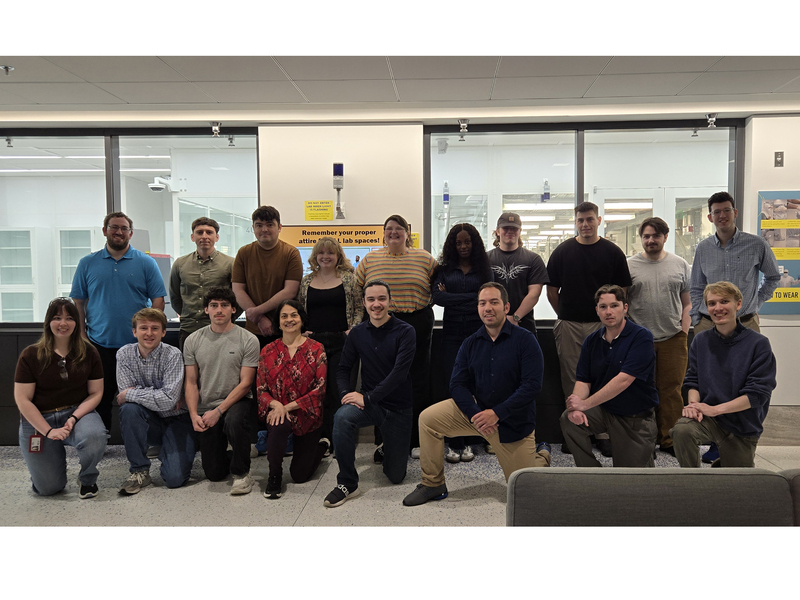
A hands-on boot camp is currently underway, aimed at teaching integrated photonics to students from community and four-year colleges in the region. This educational initiative, which focuses on practical skills and knowledge in the rapidly evolving field of photonics, is designed to equip participants with the necessary tools to excel in this technology-driven industry. The program is taking place in local educational institutions, fostering collaboration and learning among students from diverse backgrounds. By providing this training, organizers hope to enhance the workforce's capabilities and address the growing demand for expertise in integrated photonics. The boot camp emphasizes experiential learning, allowing students to engage directly with the technology and gain valuable insights into its applications and implications.
Materials Research Laboratory MIT.nano Education, teaching, academics STEM education Manufacturing Industry
Automation is Leaving the Factory Floor and Moving into the Back Office
For decades, automation has primarily been associated with industrial settings, such as factories and warehouses, where robots and programmable systems efficiently managed repetitive physical tasks. However, recent developments indicate a significant shift in the application of automation beyond traditional environments. As of late 2023, various sectors are increasingly integrating automation into diverse areas, including service industries and everyday consumer interactions. This expansion is driven by the need for enhanced efficiency and precision, as organizations seek to reduce labor costs and improve productivity. The transition is facilitated by advancements in technology, which allow for more sophisticated automation solutions that can adapt to a wider range of tasks. As businesses recognize the potential benefits, the conversation around automation is evolving, highlighting its growing presence in non-industrial contexts.
Automation Business Industry ai agents artificial intelligence automation news
Why Does a Bank Need a Chief Scientist?
Prem Natarajan, formerly the head of Alexa AI at Amazon, has transitioned to the role of Chief Scientist at Capital One, a leading financial institution serving over 100 million customers. This move comes as the landscape of artificial intelligence (AI) research shifts from large tech companies to industry-specific applications, particularly in finance, where the challenges are more complex and require a nuanced understanding of customer needs and regulatory constraints. Capital One has long been recognized for its data-driven approach, having invested heavily in cloud technology to create a robust data ecosystem. This infrastructure supports innovative AI research aimed at solving real-world problems, such as real-time fraud detection and personalized customer interactions. Unlike many banks that view AI merely as a tool, Capital One is establishing a scientific community focused on developing impactful AI solutions. Natarajan emphasizes the importance of “destination-back thinking,” where the team envisions ideal customer experiences and works backward to identify necessary scientific advancements. This methodology, combined with a commitment to continuous learning and a unique cloud-first architecture, allows Capital One to tackle challenges that are often overlooked by traditional financial institutions. The bank's efforts have garnered recognition, with Capital One being ranked as a leader in AI talent and innovation, accounting for a significant portion of AI patents in the financial sector. Through partnerships with academic institutions and a focus on agentic AI systems, Capital One aims to enhance financial services for millions, positioning itself at the forefront of AI advancements in the industry.
Ai-research Agentic-ai Financial-services Tech-careers Type-sponsored Financial-technology
Trump admin proposes axing brake-pedal requirement for AVs in a boost for Tesla
The Department of Transportation has proposed a significant regulatory change that would eliminate the requirement for brake pedals in vehicles intended solely for operation by automated driving systems. This initiative aims to streamline the design of autonomous vehicles, potentially accelerating their development and deployment. The announcement comes as part of ongoing efforts to adapt existing transportation regulations to better accommodate advancements in technology. By removing the brake-pedal requirement, the Department seeks to encourage innovation in the automotive industry and enhance the safety and efficiency of future transportation solutions. The proposal is currently under review, with stakeholders from various sectors invited to provide feedback on the implications of this change.
Government & Policy Transportation autonomous vehicles robotaxis Tesla zoox
Ant-backed DSC debuts on Nasdaq, marking China's first cross-border IPO of 2026.
DSC Holdings, a Chinese provider of used-car dealer solutions, successfully raised $51 million in its initial public offering on Nasdaq, marking a significant milestone as the first cross-border IPO from China in 2026. This event occurred on June 26, 2026, after the China Securities Regulatory Commission approved the company's IPO application, which had been pending for over two years. The approval reflects a notable easing of regulatory hurdles for Chinese companies seeking to list abroad, as DSC navigated the complexities of Beijing's stringent oversight. The successful listing underscores a renewed interest in cross-border investments and signals potential opportunities for other Chinese firms aiming to access international capital markets.

Chinese humanoids take on penalty challenge as Messi, Ronaldo light up FIFA World Cup
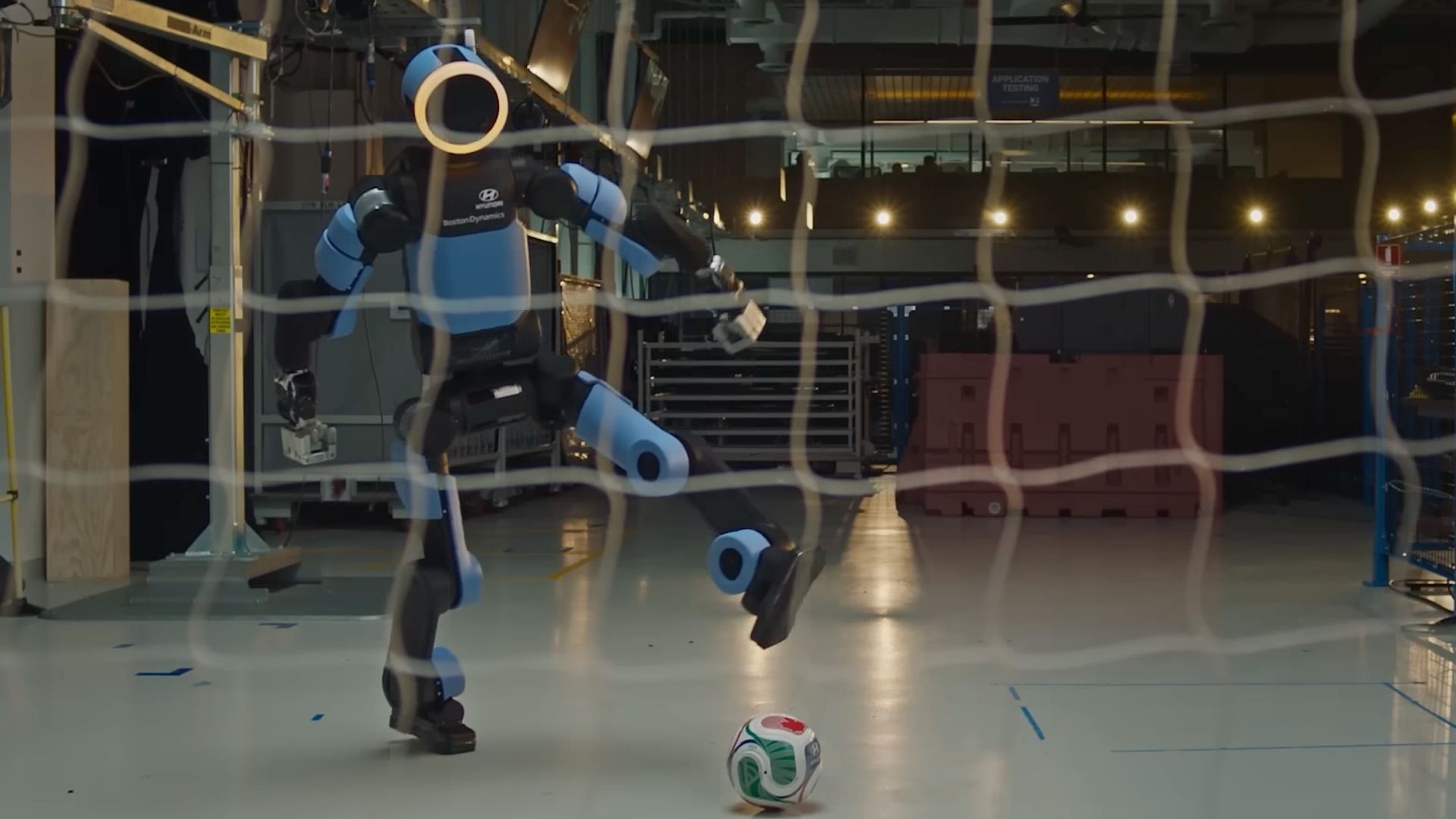
As excitement builds for the World Cup, Shanghai is hosting a series of events celebrating the tournament and its star players, including renowned footballers Lionel Messi and Cristiano Ronaldo. These festivities began earlier this week, drawing fans and tourists eager to engage with the global football culture. The events feature interactive activities, live screenings of matches, and exhibitions showcasing the history of the World Cup, all aimed at fostering a sense of community among football enthusiasts. Organizers hope to capitalize on the heightened interest in the tournament to promote local tourism and create a vibrant atmosphere that mirrors the excitement felt in the participating countries. By bringing together fans from diverse backgrounds, the initiative aims to enhance the overall experience of the World Cup, making it a memorable occasion for all involved.
AI and Robotics
DNA origami snaps into place
In a groundbreaking study published in the June 2026 issue of Science Robotics, researchers from leading universities have unveiled a new robotic system designed to assist in complex surgical procedures. This innovative technology aims to enhance precision and reduce recovery times for patients undergoing surgery. The research team, comprised of engineers and medical professionals, conducted extensive trials over the past year, demonstrating the robot's capabilities in various surgical environments. Their findings indicate that the robotic system can significantly improve outcomes in surgeries that require high levels of dexterity and accuracy. The motivation behind this development stems from the increasing demand for minimally invasive surgical techniques, which are known to offer patients quicker recovery and less postoperative pain. By integrating advanced robotics with surgical practices, the team hopes to address these needs and set a new standard in surgical care. The trials were conducted in multiple hospitals across the United States, where the robotic system was tested in real-time surgical scenarios. Feedback from surgeons and patients has been overwhelmingly positive, highlighting the robot's potential to revolutionize surgical procedures. As the medical community continues to explore the integration of robotics in healthcare, this study marks a significant step forward, paving the way for future innovations that could transform patient care and surgical practices worldwide.
Focus
Walmart-backed Flipkart expands quick-commerce push as Amazon ramps up in India
Walmart-backed Flipkart has achieved a significant milestone by surpassing 1,000 micro-fulfillment centers across India, marking a pivotal moment in the competitive landscape of quick-commerce. This expansion comes as Amazon intensifies its efforts to enhance its own quick-commerce operations in the region. The rapid growth of Flipkart's micro-fulfillment network is aimed at improving delivery efficiency and meeting the increasing demand for fast and reliable online shopping services among Indian consumers. As both companies vie for dominance in the burgeoning e-commerce market, Flipkart's strategic move underscores its commitment to leveraging technology and logistics to stay ahead of competitors.
Commerce Amazon Flipkart Quick commerce Walmart
Sequoia Backs Drone Startup Stark at €3.2 Billion Valuation
Stark Defence, a startup specializing in kamikaze drones, has successfully secured €500 million (approximately $570 million) in a recent funding round. The investment was spearheaded by Sequoia Capital and Peter Thiel’s Founders Fund, reflecting a growing trend of private capital flowing into European military technology. This significant financial boost comes at a time when the demand for advanced defense solutions is increasing, particularly in response to evolving geopolitical challenges. The funds will likely be utilized to enhance Stark Defence's research and development efforts, positioning the company to capitalize on the expanding market for innovative military applications.

AI Is Learning to Read the Room
Recent advancements in emotion AI technology are reshaping how machines interpret human feelings, particularly in professional settings. Companies like Meta and startups such as Hume AI are developing systems that analyze facial expressions, voice tones, and behaviors to gauge emotions during interactions like performance reviews. This technology, which has applications in employee well-being, recruitment, and customer service, aims to enhance communication by providing real-time feedback. Despite its rapid growth, current emotion AI systems often struggle to capture the complexity of human emotions, typically categorizing feelings into simplistic labels like "happy" or "sad." Researchers are now focusing on a new approach called human-context AI, which combines multiple inputs—such as facial dynamics and voice modulation—with situational context to better understand emotional nuances. This shift aims to close the gap between human emotional expression and machine interpretation. The origins of emotion AI trace back to the MIT Media Lab, where Rosalind Picard pioneered the concept of affective computing. Over the years, advancements in data collection and analysis have improved the accuracy of emotion detection. However, ethical concerns remain, particularly regarding privacy and the potential for misuse in workplaces and public spaces. As this technology evolves, it promises to enhance various applications, from professional development platforms to health care, by providing a deeper understanding of human emotions. Yet, experts caution against over-reliance on AI for critical decisions, emphasizing the importance of human insight in interpreting emotional signals.
Emotions Affective-computing Facial-expressions Companion-robots Multimodal-ai Machine-learning
Peking University team develops new generation data acquisition device using EMG wristband, backed by Gong Hongjia, Lu Qi, and overseas
The SnowOrigin team, composed of researchers from Peking University, has secured investments from notable figures including Gong Hongjia and Lu Qi, as well as overseas institutions. This innovative team focuses on surface electromyography (sEMG) technology to develop a new generation of human control data collection solutions, utilizing wearable devices like neural wristbands and panoramic headsets, along with their proprietary Neural Math Hybrid (NMH) AI decoding model. As the fields of embodied intelligence and Physical AI rapidly evolve, there is an increasing demand for high-quality human control data. Current mainstream data collection methods, such as first-person video and motion capture, often fail to capture critical information about the intent and nuances of human actions. SnowOrigin's wearable devices aim to bridge this gap by integrating muscle and neural signal decoding technologies to create structured data that includes posture, force, and micro-control, thereby supporting the training of robots and world models. Founder Qin Xu emphasized that unlike traditional lab-based motion capture systems, their wearable solutions are cost-effective, lightweight, and suitable for long-term use without disrupting daily activities. The team is advancing two commercialization pathways: enhancing human-robot interaction for AI devices and building a foundational data infrastructure for Physical AI applications. With a strong academic background and a commitment to innovation, SnowOrigin is positioned to lead in the emerging market for embodied data collection, having already made significant strides in real-time decoding of sEMG signals into actionable insights. As the demand for comprehensive interaction data grows, the team is poised to capitalize on this shift in paradigm.

SpaceX falls below IPO closing price, losing $400 billion; UK PM Starmer resigns; SK Hynix surpasses Samsung in market value.
On June 22, UK Prime Minister Keir Starmer announced his resignation from the leadership of the Labour Party, stating he would continue to serve as Prime Minister until a successor is chosen. Starmer acknowledged the party's concerns about his ability to lead them into the next election and accepted the feedback he received. In South Korea, semiconductor giant SK Hynix surpassed Samsung Electronics in market capitalization for the first time in 25 years, with a total value of approximately 207.97 trillion won, outpacing Samsung by about 18.85 trillion won. This shift marks a significant change in the Korean stock market, where Samsung had held the top position since 1999. Meanwhile, Samsung Electronics has rolled out ChatGPT and Codex to all its employees in South Korea, aiming to enhance AI adoption within the company. This deployment is one of OpenAI's largest enterprise-level initiatives to date, covering various operational areas including research and development, manufacturing, and marketing. In the United States, SpaceX's stock has seen a significant decline, dropping 16% and falling below its initial public offering price. The company is now planning to issue bonds to raise at least $20 billion to repay a transitional loan and support general corporate purposes. Lastly, former U.S. Federal Reserve Chairman Alan Greenspan passed away at the age of 100, leaving behind a legacy of significant influence on U.S. economic policy during his tenure from 1987 to 2006.

Commemorating 70 Years of Artificial Intelligence
Artificial intelligence (AI), a transformative technology of the 21st century, is reshaping various aspects of life and has seen unprecedented adoption rates since its formal establishment in 1956 at the Dartmouth Summer Research Project. Pioneers like John McCarthy and Marvin Minsky introduced the concept, envisioning machines that could simulate human intelligence. Over the past 70 years, AI has evolved significantly, impacting fields such as business, education, healthcare, and military applications. The journey of AI has been marked by innovation and setbacks, including periods known as "AI winters," where interest and funding waned. However, a resurgence in the 2010s, driven by advances in deep learning and generative AI, has led to the development of sophisticated systems like ChatGPT, which was publicly released in 2022. This evolution has enabled AI to perform cognitive tasks at unprecedented speeds, automate processes, and enhance creativity. Despite its advantages, AI poses significant risks, including biased outputs, privacy concerns, and the potential for misinformation. The IEEE has played a crucial role in guiding AI's development, promoting ethical standards, and fostering research through publications and conferences. As AI continues to advance, the focus remains on ensuring it is human-centered and beneficial for society, emphasizing the need for responsible governance and informed decision-making. The future of AI will depend on the choices made today, as the technology's trajectory is shaped by collective actions and ethical considerations.
Type-ti Ieee-history Artificial-intelligence Ai History-of-technology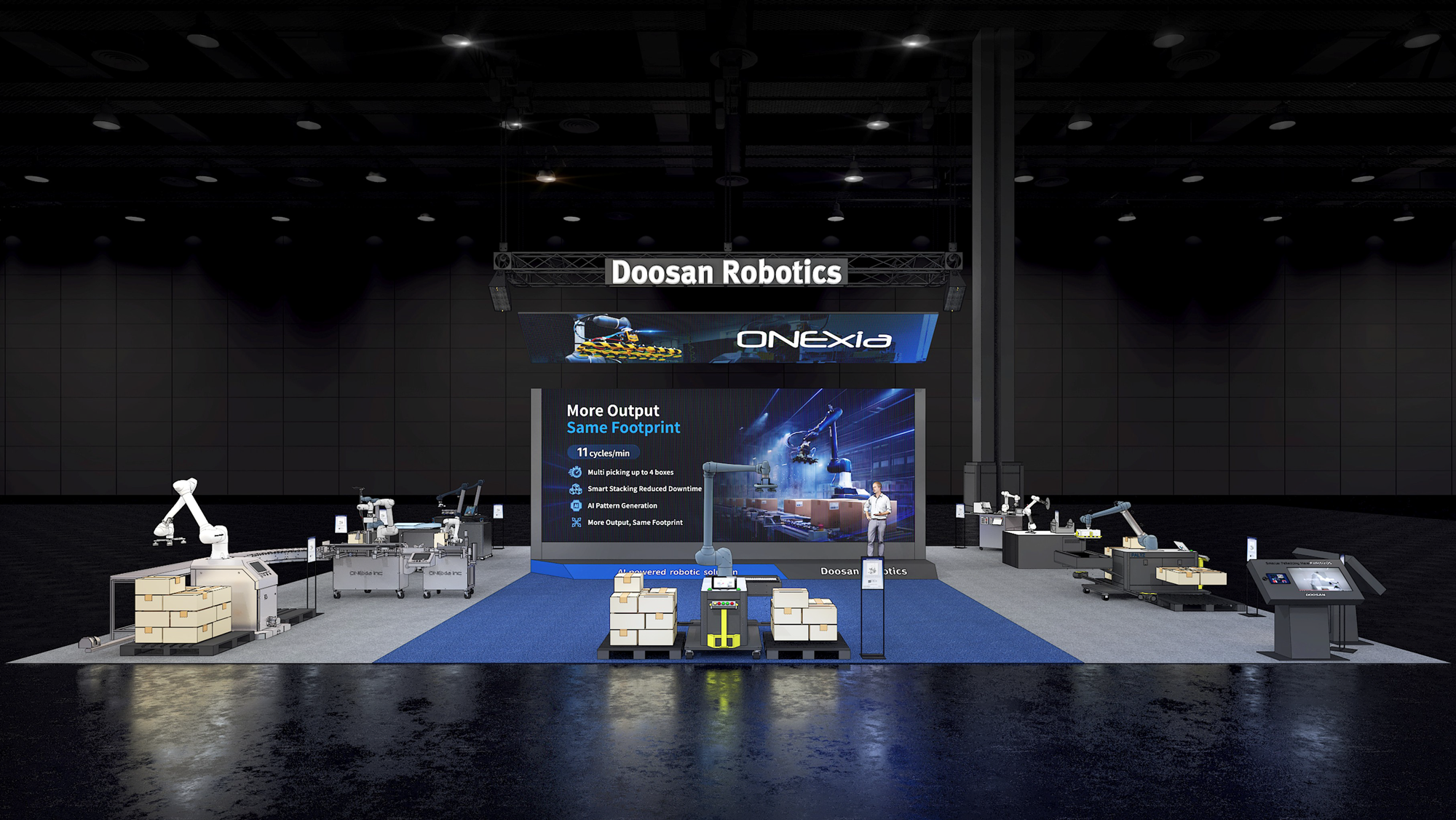
Doosan Robotics Unveils AI Palletizing Solution PalletizHD+ at Automate 2026
Doosan Robotics has unveiled its latest innovation, PalletizHD+, an AI-driven palletizing solution set to debut at Automate 2026, North America's premier automation exhibition, taking place from June 22 to 25 at McCormick Place in Chicago. This new technology aims to simplify the traditionally complex process of palletizing automation by integrating the robot, AI, and application controls into a single platform through Doosan's proprietary PalletizOS. PalletizHD+ boasts impressive capabilities, processing up to 11 boxes per minute and managing multiple boxes simultaneously, thanks to its SwiftMove technology, which optimizes robot motion for enhanced speed and stability. This advancement not only increases throughput but also shortens the payback period for automation investments. The solution features an intuitive interface that allows users to input box dimensions and pallet conditions, enabling the AI to automatically generate optimized stacking patterns, facilitating quicker adjustments for varying product types and packaging formats. Additionally, the system includes remote support features to streamline operational efficiency by allowing users to monitor system status and troubleshoot issues swiftly. At the Automate 2026 event, Doosan Robotics will also showcase Scan&Go 2.0, an upgraded solution that empowers robotic arms to autonomously execute complex tasks using advanced AI and 3D vision technology. CEO Kevin Kim emphasized the company's commitment to expanding its portfolio of AI-powered robotic solutions, aiming to enhance productivity and operational efficiency across various industrial applications.

NVIDIA Brings Trusted, 24/7 AI Agents to Telecom Operations
Telecom operators are experiencing significant benefits from the implementation of generative AI in their operations, particularly in automating network management, customer care, and back-office tasks. This technological advancement has primarily led to task-based automation, enhancing the efficiency of predefined processes while still involving human oversight. As of October 2023, these innovations are reshaping the industry, allowing companies to streamline operations and improve service delivery, ultimately driving better returns on investment. The integration of generative AI is seen as a crucial step towards modernizing telecom services and meeting the growing demands of consumers.

Uber Technologies, Inc. (UBER): One of the Best Falling Stocks to Invest In Amid Robotaxi Service Growth Prospects
Uber Technologies, Inc. is gaining attention as a promising investment opportunity amid its declining stock prices, according to analysts. On June 17, 2026, the company, in partnership with Lucid, announced plans to expand its autonomous ride-hailing service to Houston, marking it as the second market for this initiative. The robotaxi service is expected to launch in mid-2027, following the establishment of a base in the San Francisco Bay area, where a commercial launch is anticipated later this year. Currently, autonomous vehicle testing is already taking place in Houston, supported by Uber's extensive engineering fleet of 100 vehicles operating across California and Texas. To facilitate operations, Uber has secured a 50,000-square-foot facility in Houston for charging, maintenance, and repairs. This announcement coincides with Lucid's recent acquisition of $750 million in funding, which includes a significant investment from Saudi Arabia’s Public Investment Fund and additional backing from an Uber subsidiary. As Uber continues to innovate in the ride-hailing sector, analysts suggest that while the company shows potential, other AI stocks may offer greater upside with lower risk.
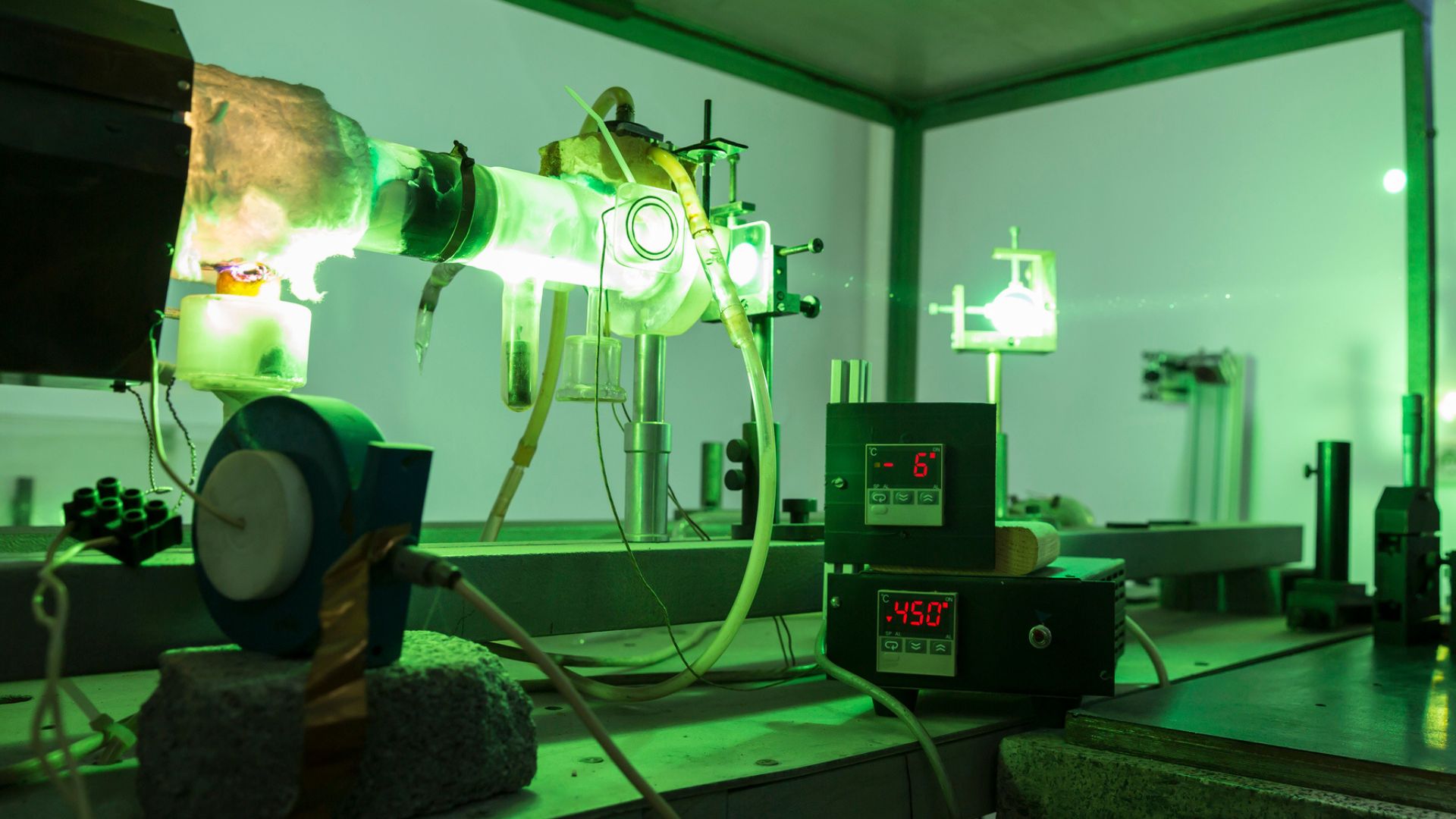
Chinese firm debuts man-portable laser weapon that zaps drones, fits in a backpack
Harbin Xinguang Optic-Electronics Technology, a Chinese defense supplier, has introduced a new man-portable anti-drone laser weapon. The announcement was made recently, highlighting the growing focus on counter-drone technology amid increasing concerns over drone-related threats. This innovative weapon is designed to provide military and security forces with a portable solution to neutralize unauthorized drones effectively. The development reflects a broader trend in defense technology, where nations are investing in advanced systems to safeguard airspace from potential intrusions. The unveiling of this laser weapon underscores the urgency for enhanced security measures in response to the evolving landscape of aerial threats.
Innovation Military
DeepSeek Raises $7.4 Billion in Historic Series A: Tencent Leads, CATL Crosses Over, Alibaba and ByteDance Sit Out
Chinese AI startup DeepSeek has successfully raised around 51 billion yuan in a Series A funding round, achieving a valuation of 400 billion yuan. The funding, which took place recently, saw significant investment from tech giant Tencent, contributing 10 billion yuan, while battery manufacturer CATL has also joined as a strategic investor. This substantial financial backing highlights the growing interest and confidence in DeepSeek's innovative technology and its potential impact on the AI landscape.
AI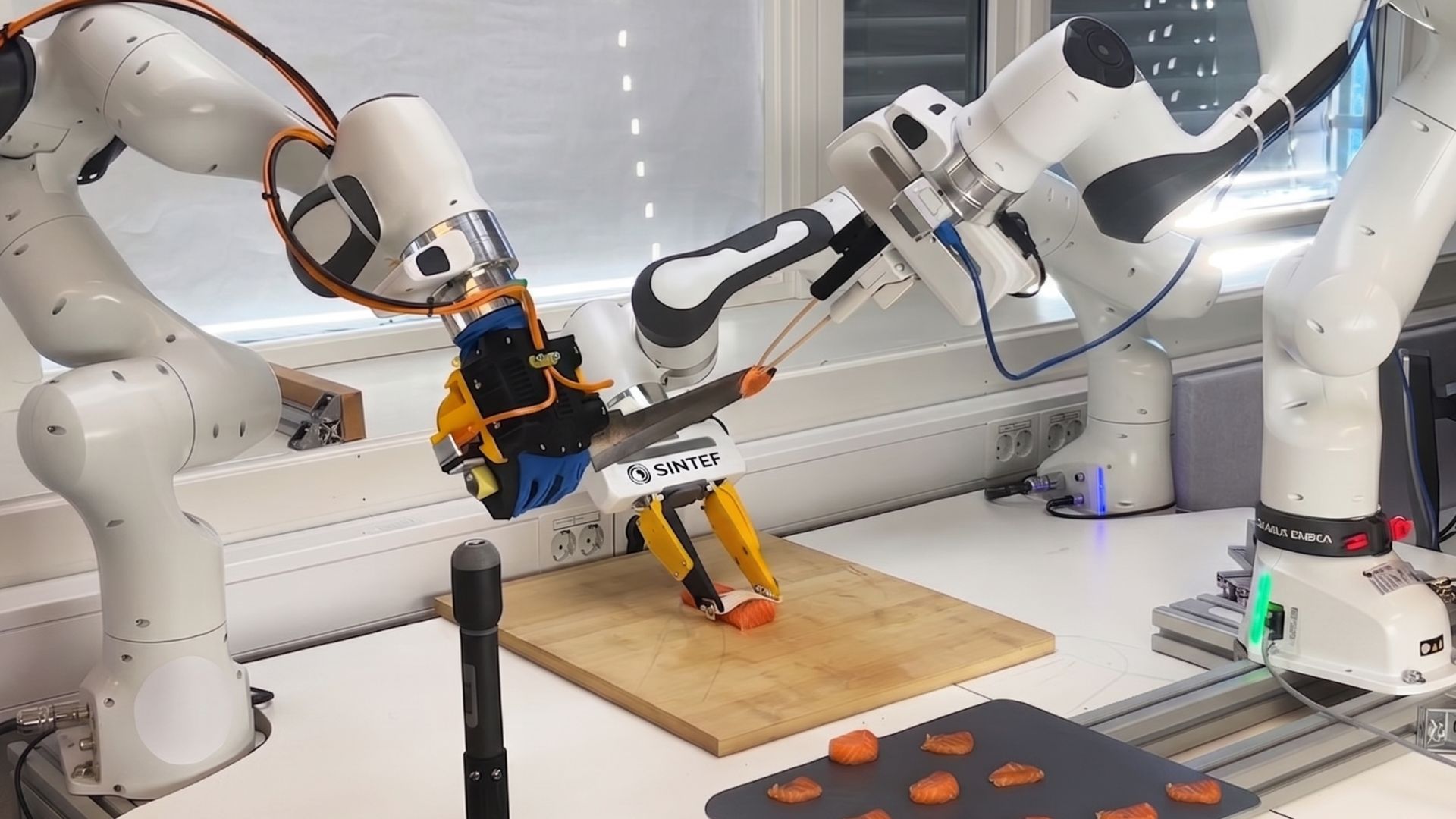
Three-armed kitchen robot cuts raw salmon with 95% touch-sensing accuracy
In a notable development within the robotics industry, researchers and engineers are grappling with the complexities of programming industrial robots to prepare sashimi, a task that has proven to be unexpectedly challenging. Despite advancements in automation and robotics, the intricate nature of slicing raw fish with precision and artistry has eluded machines, highlighting the limitations of current technology in replicating skilled human techniques. This ongoing effort reflects a broader trend in the food industry, where automation is increasingly sought after to enhance efficiency and consistency. As of October 2023, experts are exploring innovative approaches to overcome these hurdles, aiming to integrate advanced sensory feedback and machine learning algorithms that could enable robots to mimic the nuanced movements of experienced chefs. The pursuit of automating sashimi preparation not only underscores the demand for robotics in culinary applications but also raises questions about the future of traditional food preparation methods in an era of rapid technological advancement.
AI and Robotics
What Amazon’s Astro Taught Me About Giving Robots a Soul
In 2018, Amazon appointed a lead UX Sound Designer to develop Astro, its first consumer home robot capable of navigating and interacting within homes. The team faced a critical decision: whether to position Astro as an extension of Alexa or as a distinct character. Ultimately, user testing revealed that people preferred Astro as its own entity, leading to the decision to have Alexa serve as a supporting character while Astro communicated through sound, motion, and facial expressions. The design process involved defining Astro's character, which included determining its emotional range and how it would express uncertainty without losing user trust. The team emphasized the importance of a cohesive character, as inconsistencies could lead to a disjointed user experience. Astro's wake-up sequence, characterized by a blend of sound and motion, became a highlight during testing, with users describing it as "alive." Despite progress, the team acknowledged that character development often takes a backseat in product design, which can lead to lifeless devices. The designer urged product leaders to prioritize character definition early in the design process, integrate story and sound into character development, and design for adaptability to create more engaging and responsive products. The full narrative detailing these insights is available on Medium.
Amazon Astro Consumer-robotics Home-robots
NIO enhances smart driving education; Ren Shaoqing states innovation will reshape competition.
On June 18, NIO announced the rollout of its latest world model software across multiple vehicle platforms, including eight NT2.0 models, four NT2.5 models, and six NT3.0 models. This update allows NIO to run the same complex autonomous driving code on different generations of chips, addressing a common industry challenge where software updates were often limited to the latest hardware, leaving older vehicle owners at a disadvantage. The initiative stems from a long-term effort by NIO's team, led by Ren Shaoqing, who began exploring solutions in 2020. NIO developed an AI infrastructure that bridges gaps between different chip architectures, enhancing vehicle processing speeds with an AI compiler and automating deployment processes with AI agents. This innovation has significantly reduced deployment times from days to just a couple of hours. NIO's approach includes running the latest models in a "shadow mode" on production vehicles to gather valuable data without interfering with user driving. This data is used to train smarter models, creating a feedback loop that enhances the software's performance. The company has reported a substantial increase in its autonomous driving capabilities, attributing this to a shift in understanding the development cycle of physical AI. As the industry evolves, NIO has restructured its autonomous driving team to focus on foundational research and innovation, positioning itself to leverage advancements in large model technology and closed-loop reinforcement learning. The company aims to enhance its competitive edge by continuously improving its algorithms and data systems, ultimately striving for a more robust autonomous driving experience.
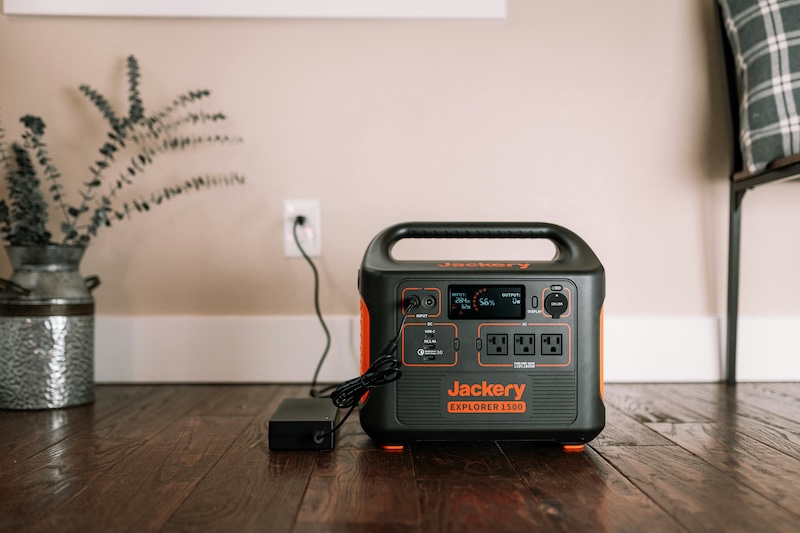
Why Reliable Backup Power is Becoming Essential for Modern Robotics Systems
Modern robotics systems are revolutionizing various industries by enhancing efficiency, accuracy, and productivity. Organizations across sectors, including manufacturing and logistics, are increasingly relying on automated systems to ensure seamless operations around the clock. As businesses seek reliable backup power solutions for their robotics infrastructure, Nite & Day Power emerges as a key resource, offering specialized information on uninterruptible power systems. This shift towards automation and the need for dependable power sources highlight the growing importance of technology in maintaining operational continuity in today's fast-paced industrial environment.
Energy Robotics Technology automation news backup power industrial automation
Sequoia and Alibaba-backed embodied AI company secures hundreds of millions in new funding.
Noematrix, a company specializing in embodied intelligence, has recently secured hundreds of millions in funding, led by Wuxi Data Group, with participation from Shanghai Jiao Tong University's AI Future Fund, Shanghai Chuangzhi Technology Co., and Yicun Capital. This marks the latest financing round for Noematrix, which has attracted investments from several notable firms, including Prosperity7 Ventures and Alibaba, since its establishment in November 2023. The company focuses on the autonomous development of foundational models and systems for embodied intelligence, having launched its core product, Noematrix Brain. This product is part of a comprehensive hardware and software ecosystem that spans data collection, model training, deployment, and application in embodied robotics. The industry narrative surrounding embodied intelligence is shifting from merely executing tasks to ensuring robots can operate stably in real-world environments. Noematrix aims to enhance model robustness by integrating real-world and simulated data into its training processes, utilizing its proprietary data collection devices to gather diverse datasets from various environments. Noematrix's robots have already begun commercial deployment in pharmacies, addressing longstanding labor challenges in the sector by automating order fulfillment. The company has partnered with several leading pharmacy chains, achieving significant order volumes. Following this funding round, Noematrix plans to accelerate the development of its general-purpose embodied intelligence models, targeting applications in retail and hospitality sectors.
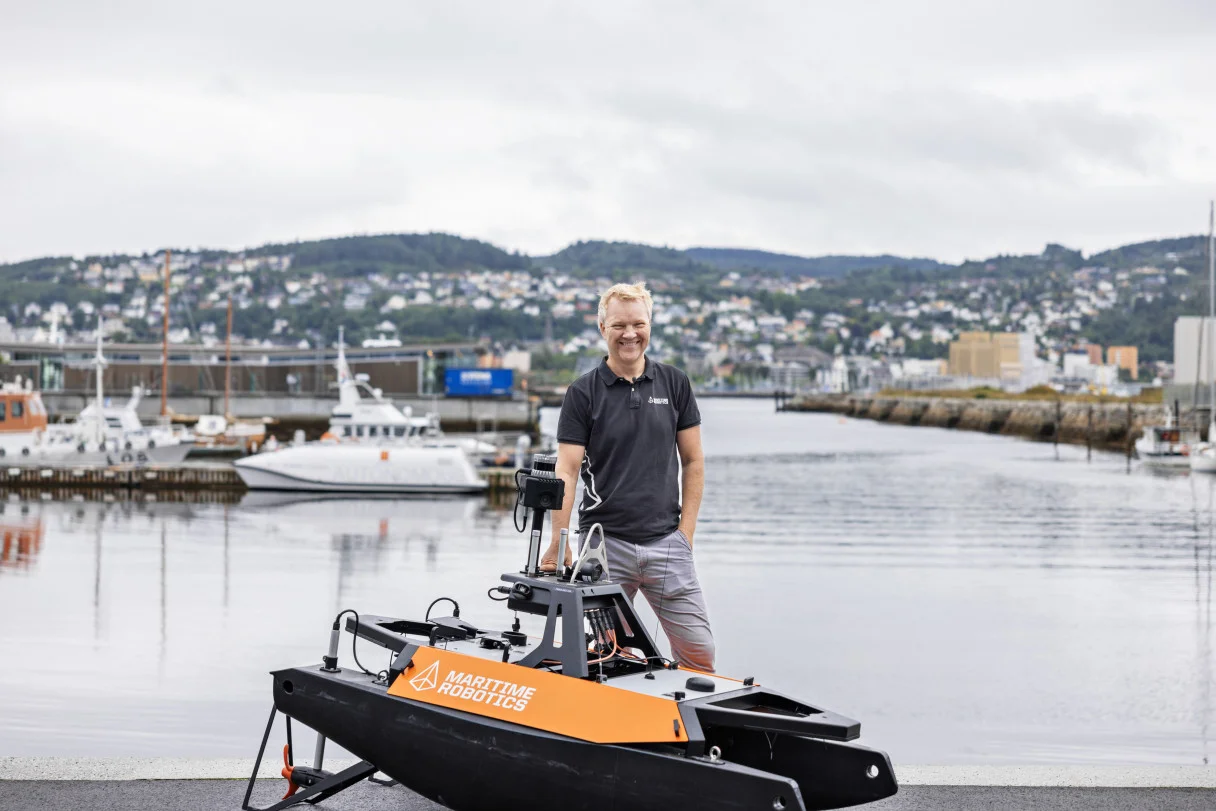
Maritime Robotics Raises €28M in Funding to Expand its Autonomous Sea Drone Systems
Norwegian company Maritime Robotics has secured €28 million in growth funding to enhance its autonomous maritime systems. The funding round, which was led by Mustard Seed + Partners, also saw contributions from existing investors including EnvisionTech, Nysnø Climate Investment, and Umoe, along with participation from the company's founders, employees, and early backers. This financial boost aims to support the company's expansion efforts in the rapidly evolving maritime technology sector.
AI AI Funding & Investment Robotics autonomous maritime systems funding maritime robotics
Australia tests backpack-sized counter-drone system deployable in under two minutes
Australia is intensifying its initiatives to safeguard frontline troops against the increasing risks posed by small drones. This move comes in response to the rising use of unmanned aerial vehicles in modern warfare, which have become a significant concern for military operations. The Australian Defence Force (ADF) is prioritizing the development and deployment of advanced counter-drone technologies to enhance the safety and effectiveness of its personnel in the field. In recent months, military officials have conducted assessments and trials to identify the most effective strategies for neutralizing drone threats. These efforts are part of a broader strategy to adapt to evolving combat scenarios, ensuring that Australian forces remain well-equipped to handle emerging challenges. The urgency of this initiative is underscored by the increasing frequency of drone-related incidents in conflict zones worldwide, prompting a reevaluation of existing defense protocols. As part of this initiative, the ADF is collaborating with technology firms and defense experts to innovate solutions that can detect, track, and neutralize hostile drones. The aim is to implement these technologies in various operational settings, thereby reinforcing the protection of troops during missions. This proactive approach reflects Australia’s commitment to maintaining a robust defense posture in the face of evolving threats in the global security landscape.
Military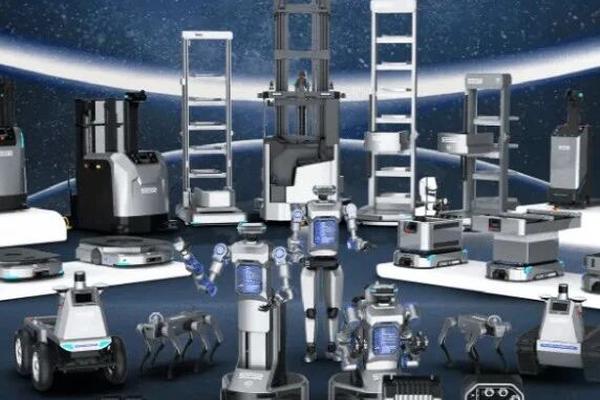
Zhejiang University Entrepreneurs Seek Hong Kong IPO: Five Highlights from XianGong Intelligent's Prospectus
On June 15, the Hong Kong-based robotics company XianGong Intelligent (06106.HK) commenced its initial public offering (IPO) with a share price set at HKD 101.60 for a minimum lot of 50 shares, valuing the company at HKD 11.227 billion. XianGong first submitted its IPO prospectus to the Hong Kong Stock Exchange in May 2025, but after a six-month lapse, it resubmitted in November, finally passing the hearing in June. The company, which specializes in robotic controllers, is expected to officially list on June 24, with China International Capital Corporation acting as the sole sponsor and CMB International as the overall coordinator. Despite being the global leader in robotic controllers, XianGong faces challenges, including a projected net loss of HKD 47.6 million in 2025, despite a narrowing loss trend. The company's revenue is primarily driven by its robots, which contribute 67.9% of income but have a lower profit margin compared to its controllers and software. XianGong has raised approximately HKD 2.83 billion through four rounds of financing prior to the IPO, with significant investments from firms like ProLogis and IDG. Valued at a price-to-sales ratio of 22, XianGong's IPO is the most expensive among its peers, relying heavily on maintaining high growth and profit margins. The company's founder, Zhao Yue, a Zhejiang University graduate and two-time RoboCup champion, leads a team with a strong academic background in robotics. As XianGong prepares for its market debut, its future performance will be closely monitored amid ongoing financial challenges.

The 10 best sci-fi TV shows of the 2000s
A lineup of beloved science fiction series is set to make a comeback, featuring iconic shows such as "Battlestar Galactica," "Lost," "Fringe," and "Invader Zim." Fans of these cult classics will have the opportunity to revisit these sensational programs, which have garnered significant followings since their original airings. The revival of these series aims to cater to both long-time enthusiasts and new viewers alike, reigniting interest in the genre. This initiative is part of a broader trend to celebrate and reintroduce classic television, reflecting the enduring popularity and cultural impact of these shows. The exact timing and platform for the re-releases have yet to be announced, but anticipation is building among the sci-fi community.
Space Movies & Shows Entertainment
Interview with Luo Jianlan: The true scaling law of robots occurs in real deployment loops.
In the past six months, the focus of the domestic embodied intelligence sector has shifted from hardware competition to the deeper challenges that define the intelligence limits of robots. Luo Jianlan, an associate professor at Shanghai Chuangzhi Academy and chief scientist at Zhiyuan Robotics, argues against the prevailing notion that robots can replicate large language models through sheer data accumulation. He emphasizes that the core issue in embodied intelligence is not about breakthroughs in isolated components but rather the ability to create a closed-loop system in real-world deployments. Luo, who has a background in both academia and industry, including roles at Google X and DeepMind, believes that many teams in the sector are not genuinely pre-training models but are instead engaged in mid-training or fine-tuning due to the scarcity of high-quality interaction data. He asserts that true embodied intelligence requires a scalable closed-loop system, where deployment leads to data collection, which in turn enhances model capabilities. His current focus includes developing scalable online post-training infrastructure, enabling robots to learn continuously in real-world environments, and creating a world model that predicts the consequences of actions rather than merely generating video. Luo suggests that the future of embodied intelligence hinges on successfully integrating these elements into a cohesive system, with significant advancements expected in the next 12 to 18 months. He believes that the first team to effectively implement a "deployment-data-iteration" cycle in semi-structured environments like convenience stores will gain a substantial competitive edge.
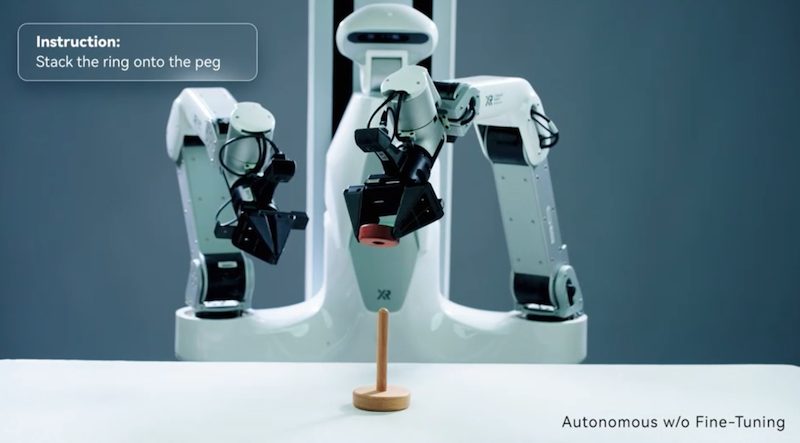
From backflips to folding laundry: How X Square Robot is building the missing ‘brain’ for embodied AI
A Chinese robotics company, X Square Robot, is focusing on a challenging objective: developing robots capable of functioning in the unpredictable and complex environments typical of human settings. Unlike many firms that highlight humanoid robots performing impressive feats like backflips and obstacle courses, X Square Robot aims to create machines that can adapt to real-world conditions where people live and work. The company's founder emphasizes the importance of this endeavor, suggesting that successfully teaching robots to navigate such environments could have significant implications for various industries. This initiative reflects a broader trend in robotics, where the emphasis is shifting from mere performance demonstrations to practical applications that enhance everyday life.
Computing Humanoids News Robot simulation ai robotics artificial intelligence
Introducing the New Slim Hollow Shaft Encoder for Compact Robotics and Motion Control Applications
The IH520 Series has been introduced as a slim incremental hollow shaft encoder, specifically engineered to deliver accurate motion feedback for compact robotics and motion control applications. This innovative device is particularly suited for environments with restricted space and the need for continuous operation. Key features include a low axial profile, flange mounting, and a hollow shaft design, all of which facilitate straightforward installation. The development of the IH520 Series addresses the growing demand for efficient and reliable motion control solutions in modern robotics.
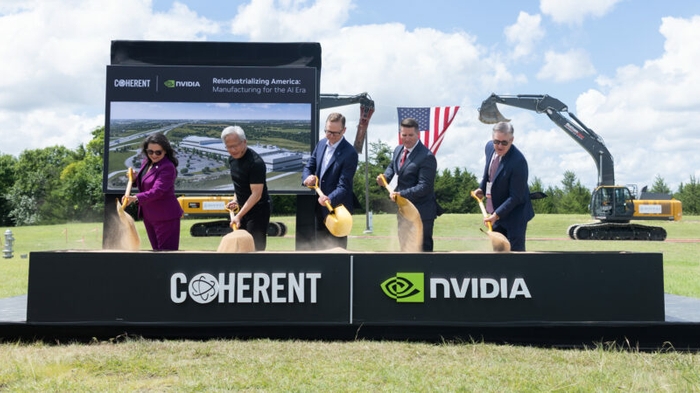
Coherent Breaks Ground on Expanded Texas Facility, Scaling AI’s Optical Backbone
Coherent has officially commenced construction on an expanded manufacturing facility in Sherman, Texas, aimed at enhancing its production capabilities for lasers, optical components, and compound semiconductors essential for artificial intelligence technologies. The groundbreaking event took place today, underscoring the company's commitment to meeting the growing demand for advanced AI infrastructure. By increasing its manufacturing footprint in Texas, Coherent seeks to capitalize on the state's burgeoning tech ecosystem and its strategic position in the AI sector. The expansion is expected to bolster local job creation and contribute to the region's economic growth while positioning Coherent as a key player in the rapidly evolving AI landscape.
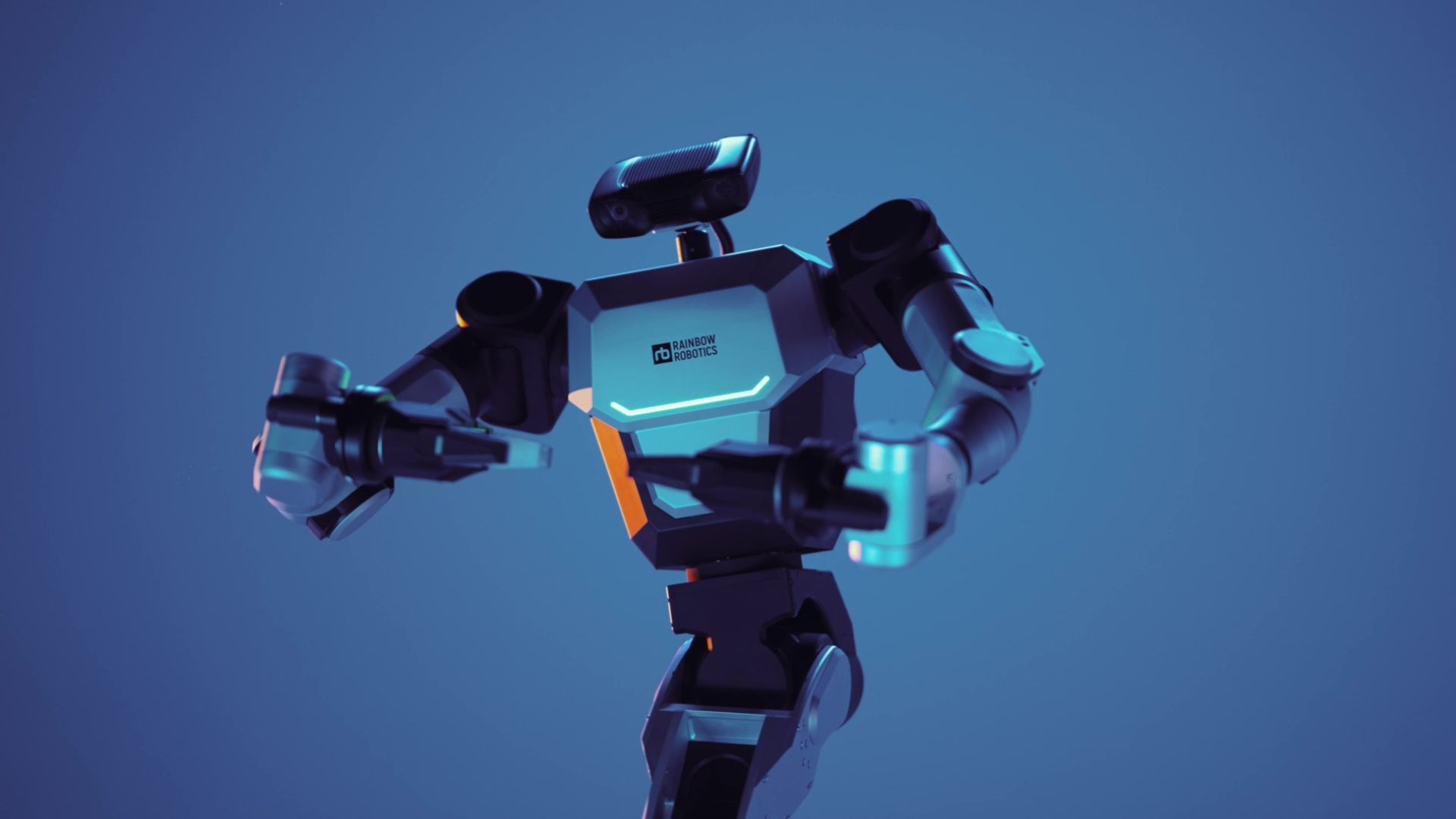
Samsung-backed 7 DOF robot is learning to work inside a giant e-commerce warehouse
A mobile robot created by Rainbow Robotics, a company under Samsung's control, has commenced testing operations within Coupang's facilities. This initiative, which began recently, aims to enhance the efficiency of logistics and delivery processes in the rapidly growing e-commerce sector. The collaboration between Rainbow Robotics and Coupang reflects a broader trend of integrating advanced robotics into supply chain management, driven by the increasing demand for faster and more reliable delivery services. The testing phase will assess the robot's capabilities in navigating the complex environments of Coupang's warehouses, potentially paving the way for wider adoption of robotic solutions in the industry.
AI and Robotics
US defense firm unveils 22-pound backpackable robot for bomb disposal teams
AeroVironment, an American defense company, has unveiled the TOM 50 RE, a new lightweight, backpackable uncrewed aerial vehicle (UAV) designed for military applications. The introduction of this advanced drone took place recently, showcasing its capabilities to enhance situational awareness and support ground troops in various operational environments. The TOM 50 RE is engineered to be easily transportable, allowing soldiers to deploy it quickly in the field. This innovation aims to address the growing demand for efficient reconnaissance tools that can operate in challenging terrains and provide real-time intelligence. The development reflects AeroVironment's commitment to advancing drone technology to meet the evolving needs of defense forces worldwide.
Military
Robotics startup backed by Nvidia, Amazon and others raises $1.4B
Neura has announced plans to utilize new capital to enhance its robot production and deployment across various industries. The initiative aims to expand the company's training and intelligence infrastructure, allowing for more advanced and efficient robotic solutions. This strategic move comes as Neura seeks to strengthen its position in the rapidly evolving robotics market, responding to growing demand for automation and intelligent systems. By increasing production capabilities and improving training resources, Neura intends to meet the needs of diverse sectors and drive innovation in robotic technology.

Waymo Is Charging $29.99 A Month For Faster Robotaxi Pickups — Here's What Subscribers Get
Waymo, the autonomous vehicle service operated by Alphabet Inc., has launched a new subscription tier called "Waymo Premier," priced at $29.99 per month. Announced on June 14, 2026, this invite-only program aims to provide subscribers with faster pickup times and early access to new service areas. Initially available to select riders in San Francisco, Los Angeles, and Phoenix, the subscription includes benefits such as prioritized pickups, 10% cash back on rides, and five free cancellations each month. The introduction of this subscription service comes as Waymo continues to expand its operations in the U.S. and recently acquired a self-driving proving ground in Arizona, previously owned by Apple Inc. However, the company is facing challenges, including a recall of over 3,791 autonomous vehicles due to a software glitch that could lead to dangerous driving conditions. Additionally, Waymo's partnership with Uber Technologies Inc. has faced scrutiny, with some Uber executives questioning the scalability and reliability of fully autonomous services compared to a hybrid model that includes human drivers.

XPeng Is Getting Serious About Physical AI as Its CEO Takes Over the Robotics Division
XPeng, a leading Chinese electric vehicle manufacturer, is intensifying its focus on physical AI as competition in the EV sector escalates. CEO He Xiaopeng will assume control of the company's robotics division, coinciding with the anticipated mass production and commercialization of its humanoid IRON robots. This strategic move aims to diversify XPeng's offerings beyond electric vehicles, with plans to launch commercial sales in China and internationally next year. The announcement comes amid challenges for XPeng, including a significant decline in vehicle deliveries and stock performance, with a 24.34% drop over the past year. In the first quarter of 2026, the company reported a 33.3% decrease in vehicle deliveries compared to the same period in 2025, alongside a 295.9% increase in net losses. Despite these setbacks, XPeng's gross margin improved, and analysts have mixed but generally favorable views on the company's stock, with several upgrades following its recent earnings report. XPeng aims to deliver between 100,000 and 106,000 vehicles in the second quarter of 2026, projecting revenue growth of approximately 7.3% to 13.8% year-over-year. As XPeng ventures into robotics, it seeks to position itself as a leader in intelligent mobility solutions, leveraging advanced technology to enhance customer experiences.
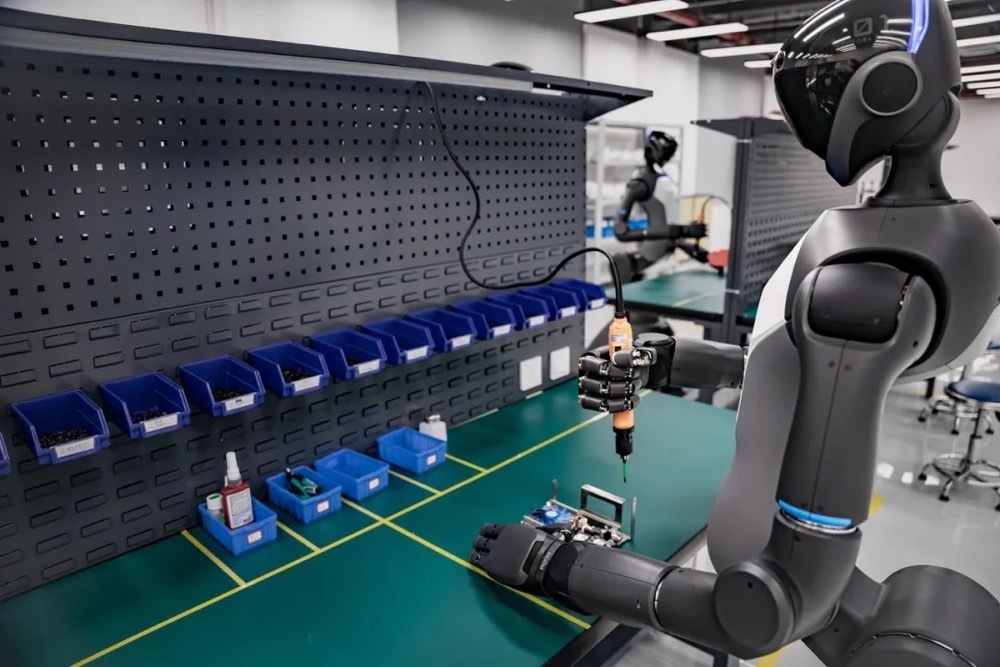
Rivian CEO taking different approach than Elon Musk for humanoid robotics company
RJ Scaringe, the CEO of electric vehicle manufacturer Rivian, has launched a new robotics venture named Mind Robotics, which has successfully secured over $1 billion in funding. The company was established in late 2022, reflecting Scaringe's ambition to expand beyond the automotive sector into the rapidly evolving field of robotics. This significant financial backing underscores investor confidence in the potential of Mind Robotics to innovate and contribute to advancements in automation technology. As the robotics industry continues to grow, Scaringe aims to leverage his expertise and resources to position Mind Robotics as a key player in this competitive market.

SpaceX sets IPO price to raise $75 billion; OpenAI CEO delays South Korea visit; new AI complaint center launched.
OpenAI CEO Sam Altman has postponed his planned visit to South Korea, originally scheduled for June 14-15, due to personal reasons. During the visit, he was expected to meet with leaders from major companies including Samsung Electronics, Kakao, and NAVER. In a separate announcement, Waymo, the autonomous driving subsidiary of Alphabet, revealed a new $30 monthly membership plan called Waymo Premier, aimed at invited users. This plan will offer benefits such as priority rides, a 10% cashback on trips, and the ability to cancel rides up to five times a month at no cost. Initial invitations will be sent to eligible passengers in San Francisco, Los Angeles, and Phoenix, with plans to expand to other cities. Meanwhile, SK Hynix is exploring the integration of AI technologies, including ChatGPT, into its operations. CEO Lee Seok-hee indicated that the company is balancing the protection of industrial technology with the adoption of external AI services, considering tools like Microsoft 365 and CoPilot. In financial news, major Wall Street banks have begun restricting hedge funds' leverage on Asian chip stocks, including SK Hynix and Samsung, due to concerns over potential market corrections. This move involves raising financing costs for hedge fund bets and limiting new transactions. Additionally, Google announced a $50 million investment to train U.S. tech workers, addressing the growing demand for AI infrastructure. This investment is part of a broader initiative that has already seen over $1 billion allocated to training programs since 2022. Lastly, SK Hynix reported that a fire at its Cheongju plant on June 12 has been brought under control, with production equipment operating normally.

Robot Talk Episode 160 – Robotic blacksmiths, with Edward Mehr
Claire recently spoke with Edward Mehr, Co-Founder and CEO of Machina Labs, regarding the company's innovative RoboCraftsman technology. This advanced system is designed to shape complex metal components specifically for the aerospace, defense, and automotive sectors. With a background in advanced manufacturing, robotics, and artificial intelligence, Mehr is at the forefront of integrating AI-driven robotics into flexible manufacturing processes. The conversation highlighted how RoboCraftsman is revolutionizing the production of intricate metal parts, addressing the growing demand for precision and efficiency in these critical industries.

Oracle's Post-Q1 Selloff Makes No Sense
Oracle's stock experienced a significant decline of approximately 10% following its fiscal Q4 FY26 earnings report, which raised concerns among investors regarding the company's projected capital expenditures for FY27, estimated between $90 billion and $95 billion. Despite this selloff, Amrita Roy, an investment analyst, maintains a "buy" rating on Oracle, citing a remarkable 363% year-over-year surge in the company's backlog, now totaling $638 billion, which outpaces all other hyperscalers. The anticipated capital investment is deemed essential for accelerating the conversion of this backlog, although it will necessitate an additional $40 billion in debt and equity, potentially diluting shareholder value amid increasing leverage. Roy highlights the promising growth trajectory of Oracle's cloud services, with expectations of a 120% revenue increase to $34 billion in FY27 and a projected 58-64% year-over-year growth in total cloud revenue for the first quarter. Despite the recent stock drop, Roy argues that Oracle's valuation remains attractive, with a forward price-to-earnings ratio of 22.9, expected to compress to 12 by FY29, and consensus price targets indicating a potential upside of 38.5%. As a result, she encourages investors to consider Oracle as a viable addition to their portfolios.
MSFT GOOG AMZN IGV ORCL Amrita Roy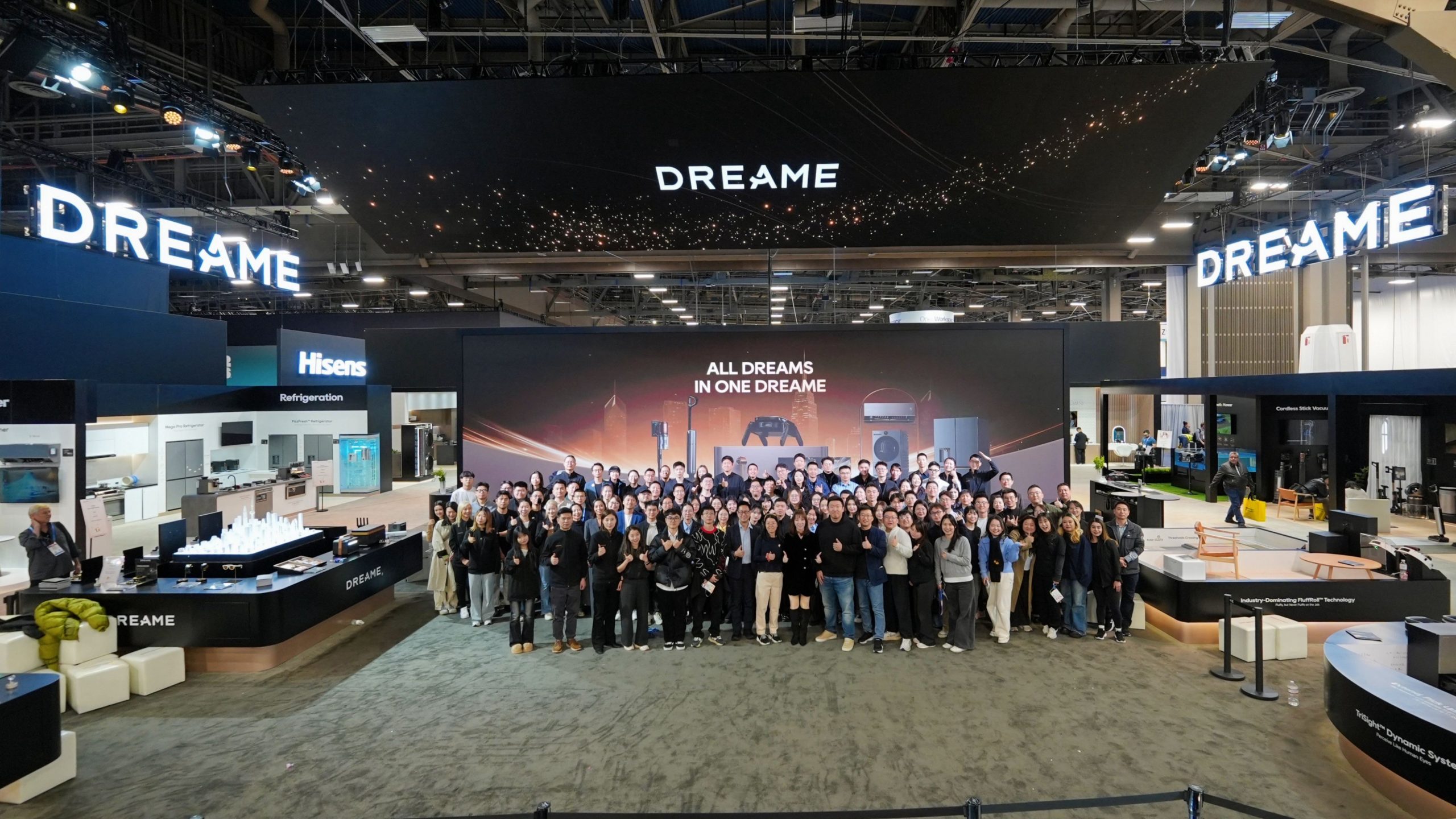
Xiaomi-backed Dreame weighs Hong Kong IPO in 2027
Public estimates indicate that a company is projected to generate a revenue of 8 billion yuan (approximately US$1.18 billion) in 2023. This financial forecast reflects the company's anticipated performance for the year, highlighting its growth potential in the market. As the year progresses, analysts will closely monitor the company's financial results to assess its ability to meet these expectations and the factors contributing to its revenue generation.
News Robotics China Dreame Technology Hong Kong IPO smart home
10 Best Traffic Management and Queueing Solutions for High-Traffic Websites in 2026
A sudden surge in web traffic led to the collapse of a server, causing significant disruptions for users and raising concerns among the technical team. The incident unfolded as analytics data displayed alarming spikes, prompting immediate panic and a flurry of communication via Slack among staff members. Concurrently, social media platforms, particularly X (formerly Twitter), saw a growing backlash from frustrated users. This situation underscores the critical importance of effective traffic management strategies to prevent such failures in the future. The incident serves as a reminder of the challenges faced by online services in handling unexpected demand and the need for robust infrastructure to maintain user satisfaction.
Business Software Akamai automation news cloud infrastructure Cloudflare
Aniai Launches New Robotic Cooking System for Small Spaces
Aniai has introduced a compact version of its Alpha Grill cooking robot, specifically designed for businesses with limited kitchen space. The new model, known as the Alpha Grill Single Platen, was developed in direct response to feedback from convenience store operators who are seeking automated cooking solutions that require a smaller footprint. This innovation aims to meet the growing demand for efficient cooking equipment in environments where space is at a premium.
AI AI Funding & Investment AI Use Cases Robotics Alpha Grill Single Platen Aniai
Ex-Andreessen Horowitz partner slams his old firm, other VCs for 'political infiltration' around AI
John O'Farrell, a former partner at the venture capital firm Andreessen Horowitz, has raised concerns about the political action committee (PAC) Leading the Future, which is supported by his former employer. O'Farrell alleges that the PAC is engaging in tactics aimed at intimidating politicians. His comments highlight growing tensions around the influence of PACs in political discourse, particularly as they seek to sway legislative decisions and public opinion. The situation underscores the ongoing debate about the role of money in politics and the potential consequences for elected officials who may feel pressured to align with the interests of powerful backers.
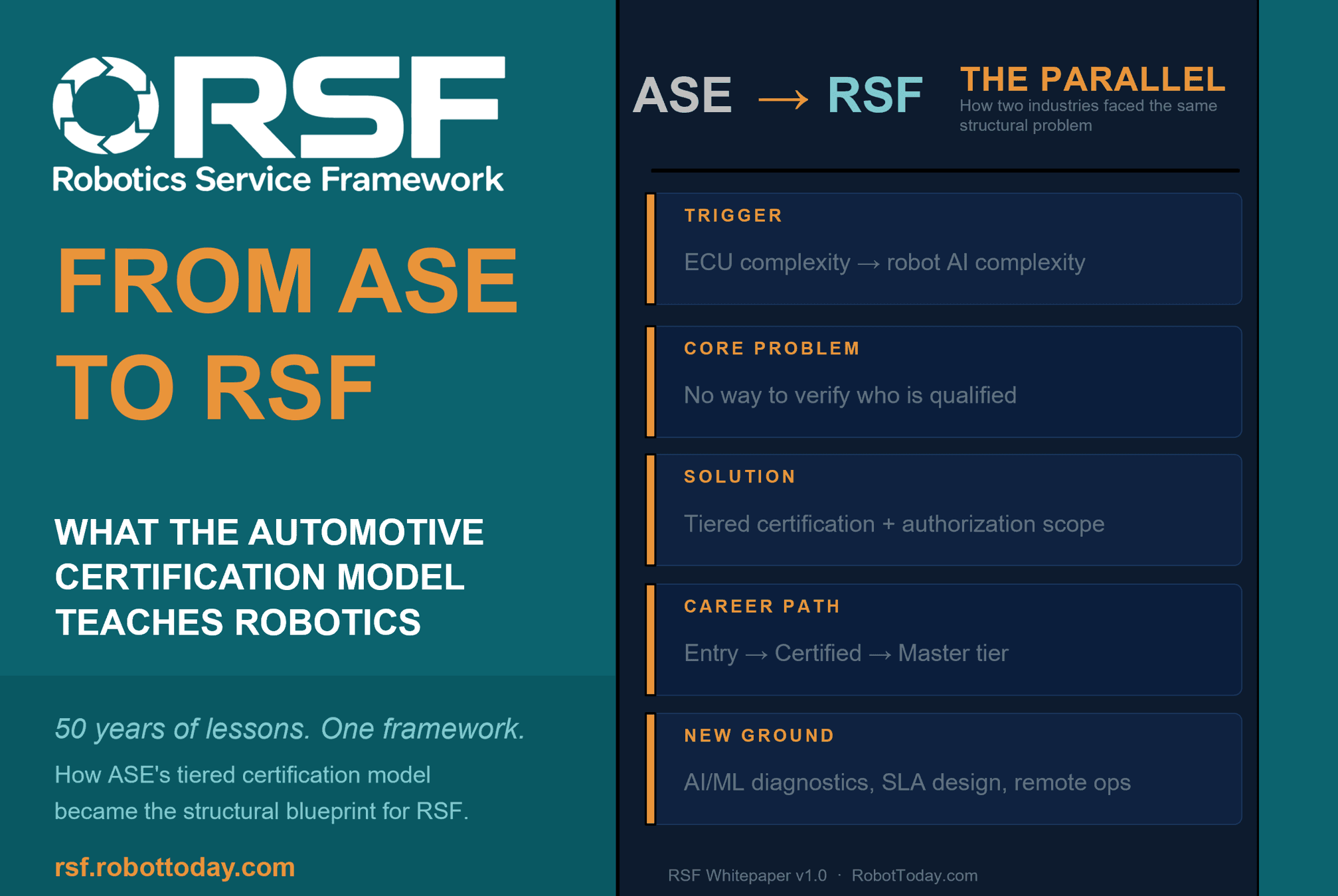
Robotics needs a service framework.
RSF defines a common language for robot service capability, lifecycle operations, certification pathways, and service-provider networks.