Industry Briefing
A single destination for timely, editor-curated robotics news from around the world.
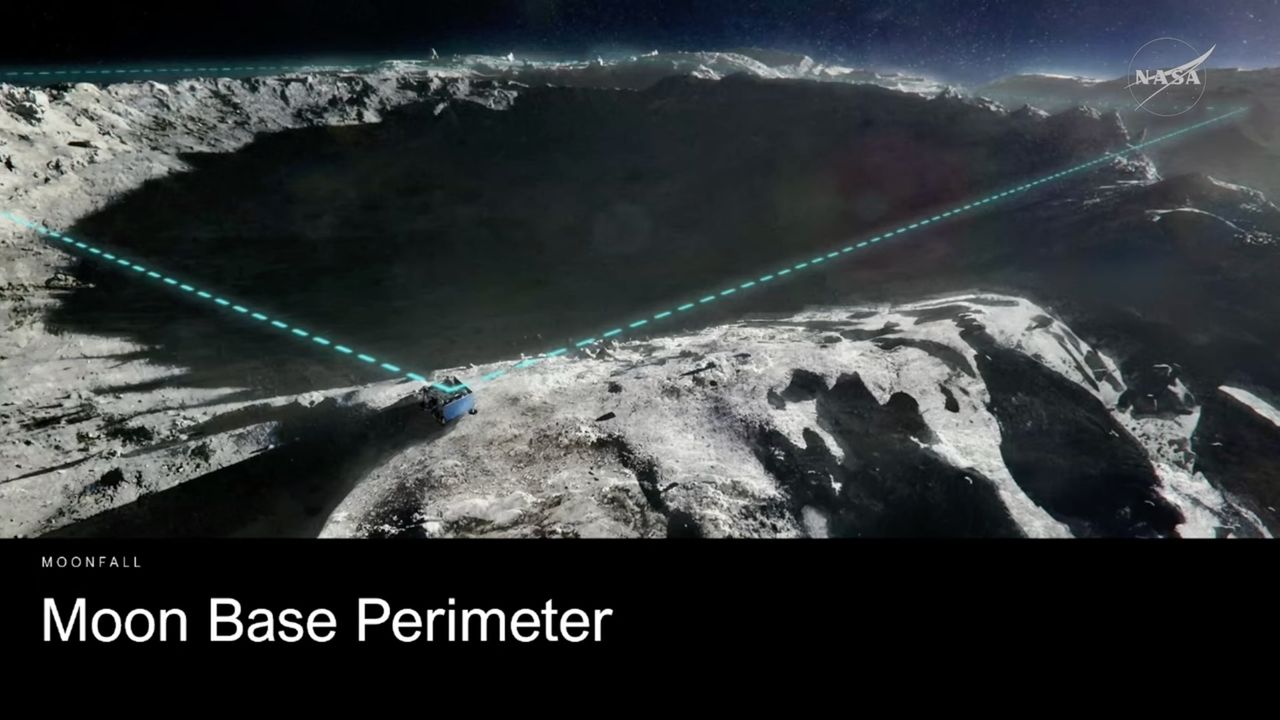
Artemis moon base will cover 'hundreds of square miles' with hopping drones and new lunar rovers, NASA says
NASA has announced ambitious plans for a moon base that will span hundreds of square miles, with the potential use of scout drones to monitor its perimeter. To kickstart this initiative, the agency has awarded contracts totaling $1 billion. This funding aims to facilitate the development and construction of the lunar facility, which is part of NASA's broader strategy to establish a sustainable human presence on the Moon. The contracts were awarded recently, marking a significant step forward in lunar exploration efforts. The project is expected to enhance scientific research and pave the way for future missions to Mars and beyond.
The moon Astronomy Solar System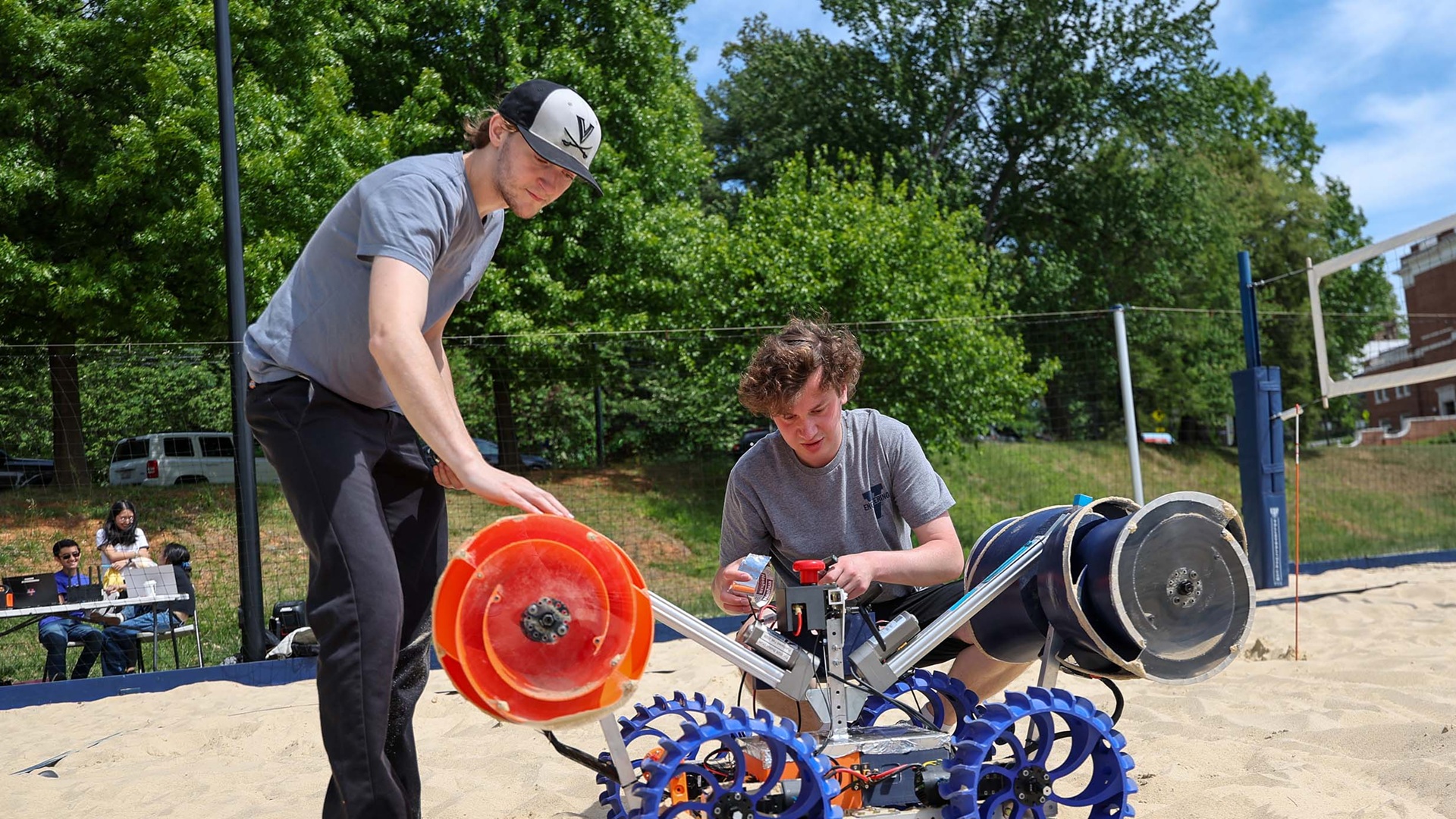
NASA tests 80-pound student-built robot designed to mine soil for Artemis moon bases
Students at the University of Virginia are developing innovative robots aimed at mining lunar soil and constructing habitats on the Moon. This ambitious project, which began in early 2023, is part of a broader initiative to explore sustainable living on extraterrestrial bodies. The students are motivated by the potential for lunar resources to support future space missions and the possibility of establishing a human presence beyond Earth. The team is utilizing advanced engineering techniques and collaborating with experts in robotics and space exploration to create machines capable of operating in the harsh lunar environment. Their work includes designing robots that can autonomously navigate the Moon's surface, extract regolith, and assemble structures using the mined materials. This initiative not only enhances the students' practical skills in engineering and robotics but also contributes to the growing field of space exploration, as NASA and other space agencies look to the Moon as a stepping stone for future missions to Mars and beyond. The project is expected to culminate in a demonstration of the robots' capabilities in simulated lunar conditions later this year.
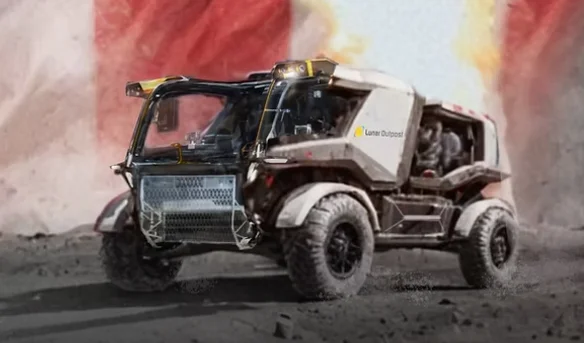
Lunar Outpost Raises $30M in Series B Funding for Moon Robotics Development
Lunar Outpost, a Colorado-based company specializing in lunar robotics and mobility systems, has successfully raised $30 million in a Series B funding round. The investment was spearheaded by Industrious Ventures, with additional contributions from Type One Ventures, Eniac Ventures, Promus Ventures, and Reliable Equity. This funding will be utilized to enhance the production capabilities of the company's robotic vehicles and infrastructure technologies, positioning Lunar Outpost to play a pivotal role in the future of lunar exploration.
AI AI Funding & Investment Robotics Artemis Moon Base Colorado Lunar Outpost
Astrobotic unveils Griffin-1, NASA’s Moon Base lander with 1,377-lb payload, for 2026
Astrobotic has officially introduced its Griffin-1 lunar lander, which has been chosen by NASA for future lunar missions. The unveiling took place during a recent event, showcasing the lander's advanced technology and design aimed at facilitating exploration and research on the Moon. This selection is part of NASA's broader Artemis program, which seeks to return humans to the lunar surface and establish a sustainable presence there. The Griffin-1 is expected to play a crucial role in delivering payloads to the Moon, supporting scientific experiments and technology demonstrations. Astrobotic's commitment to lunar exploration underscores the growing interest in space commercialization and international collaboration in scientific endeavors.
Space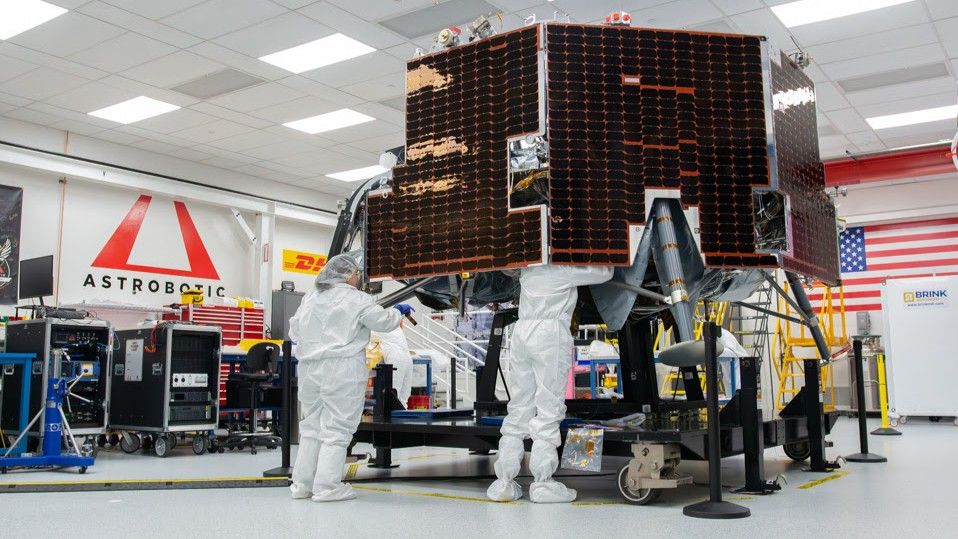
Astrobotic unveils Griffin-1 lunar lander for NASA Moon Base mission
Astrobotic has announced the launch of its latest lunar lander, Griffin-1, which is set to deliver one of the heaviest payloads to the moon's surface. This significant development was revealed recently, highlighting Astrobotic's ongoing commitment to advancing lunar exploration. The mission aims to support various scientific and commercial endeavors on the moon, showcasing the potential for future lunar activities. The Griffin-1 lander is expected to play a crucial role in expanding our understanding of the lunar environment and facilitating further exploration initiatives.
Space Exploration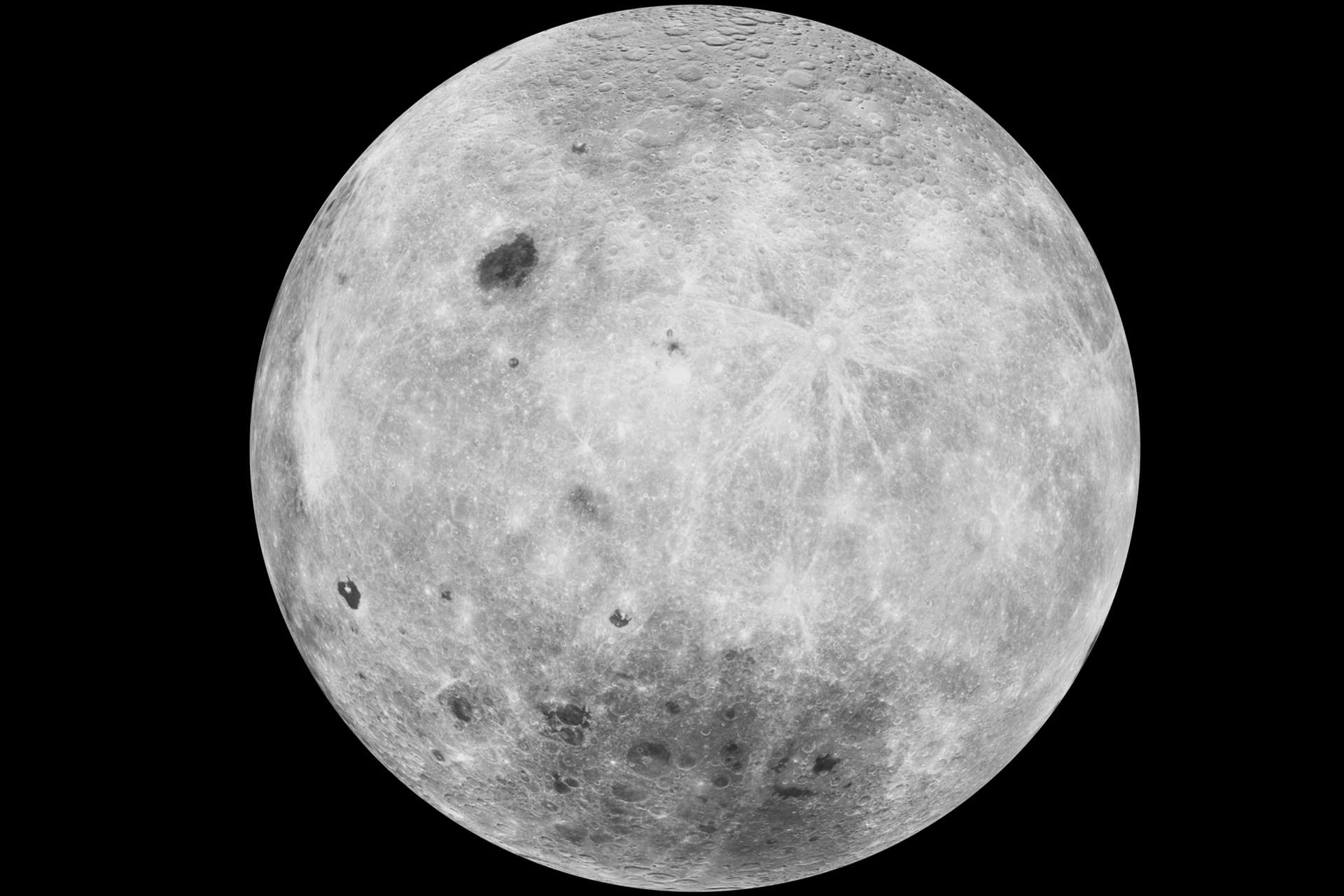
Moon’s largest impact basin may hide mantle material near Artemis landing zone
A significant impact event occurred on the moon over four billion years ago, resulting from a colossal object colliding with its surface. This cataclysmic event is believed to have played a crucial role in shaping the moon's geological history and surface features. Scientists have been studying the implications of this impact to better understand the moon's evolution and its relationship with Earth. The findings contribute to ongoing research in planetary science, shedding light on the early solar system's dynamics and the processes that led to the formation of celestial bodies. The research highlights the importance of impact events in the development of planetary surfaces and offers insights into the conditions that prevailed during the moon's formative years.

SORA-Q: Baseball-sized shape-shifting rover that saved Japan’s SLIM moon mission
A groundbreaking development in robotics has emerged from Japan, where researchers have created a microscopic, shape-shifting robot inspired by children's toys. This innovative technology successfully demonstrated its potential by aiding in the preservation of Japan's rich historical narrative. The robot, which can alter its form and function, was unveiled during a recent scientific conference held in Tokyo. The motivation behind this invention lies in the desire to enhance preservation techniques for cultural artifacts and historical sites, making them more accessible and engaging for future generations. By utilizing advanced materials and engineering principles, the team was able to design a robot that can navigate intricate environments and perform delicate tasks, showcasing its versatility and effectiveness. This achievement not only highlights the intersection of technology and cultural heritage but also opens new avenues for research and application in the field of robotics.
Space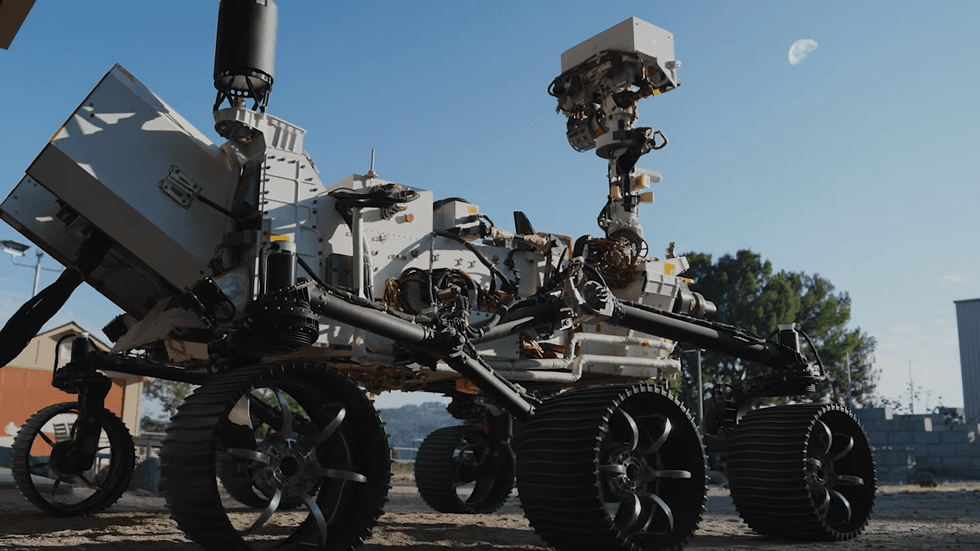
Video Friday: An Earthbound Mars Rover for the Moon
IEEE Spectrum robotics has released its latest edition of Video Friday, showcasing a variety of innovative robotics videos and announcing upcoming events in the field. Notable events include the RSS 2026 conference in Sydney from July 13-17, the Summer School on Multi-Robot Systems in Prague from July 29 to August 4, and IROS 2026 in Pittsburgh from September 27 to October 1. Among the featured projects is NASA's proposed PROMISE mission, which aims to send an advanced, nuclear-powered rover to the Moon's South Pole as part of its Moon Base initiative. This mission will utilize technology from the Curiosity and Perseverance Mars rovers, showcasing the adaptability of existing space exploration technology. In other developments, Weave Robotics is set to launch its home robot, Isaac 1, this fall, offering basic task autonomy for $500 per month. Meanwhile, UBTech Robotics has introduced a humanoid robot with lifelike features and emotional AI, reflecting a growing trend of integrating robots into domestic settings. Additionally, Carnegie Mellon’s Dr. Sebastian Scherer emphasizes the importance of developing robots capable of performing tasks in unpredictable environments, aiming to make them more functional and tool-like. The ongoing advancements in robotics, including soft, floating robots designed for social interaction and innovative applications like spatial audio technology from Georgia Tech, highlight the industry's commitment to enhancing human-robot collaboration and everyday life.
Video-friday Home-robots Rovers Humanoids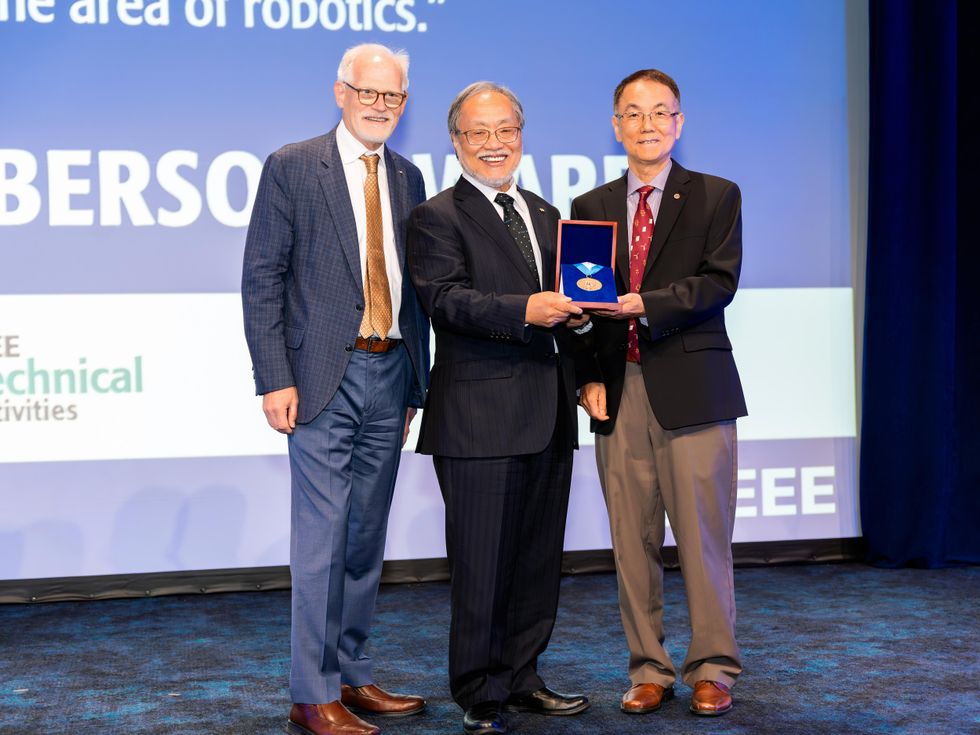
IEEE Honors Robotics Pioneer Toshio Fukuda
Toshio Fukuda has been blazing trails for most of his career. He is considered to be one of the most prolific scholars in robotics, writing more than 2,000 research papers and authoring several books on the field. He’s an influential figure thanks to his pioneering work developing biomedical robotic systems, industrial robots, micro-nano robotics, mechatronics, and AI-driven automation.Fukuda launched one of the first robotics conferences, the IEEE/RSJ International Conference on Intelligent Robots and Systems (IROS). It is still popular almost 40 years later.Toshio FukudaEmployerEgypt-Japan University of Science and Technology, in Alexandria TitleProfessor and vice president of research Member gradeLife Fellow Alma matersWaseda University, in Tokyo; University of Tokyo An IEEE Life Fellow, he is a professor emeritus in the department of micro-nano systems engineering and a visiting professor at Nagoya University, in Japan, where he taught for nearly 25 years. Currently, he is a vice president of research at the Egypt-Japan University of Science and Technology, in Alexandria, Egypt.Within IEEE, Fukuda has held top volunteer positions including the organization’s highest office: He served as IEEE president in 2020, becoming the first person of Asian descent to hold the role.He’s a former program director of Japan’s Moonshot program, which by 2050 intends to develop advanced AI robots.Born in Japan, Fukuda has been recognized by the country for his contributions to science with two of its highest awards: the Medal of Honor with a purple ribbon in 2015 and the Order of the Sacred Treasure in 2022.IEEE honored him with this year’s Richard M. Emberson Award for “distinguished service advancing the technical objectives of IEEE, especially in the area of robotics.” The IEEE Board-level award is sponsored by the IEEE Technical Activities Board. Fukuda received the award on 24 April at a ceremony in New York City.As a former IEEE president who has served as a master of ceremonies at several of the organization’s major award events, Fukuda noted that he is more accustomed to bestowing awards than receiving them.“It’s very interesting to be on the receiving end,” he says.The journey into robotics researchAs a teenager, Fukuda spent his summer breaks teaching himself how to build things including transistor radios and steam engines.“It was very nice to have a hands-on hobby and make these kinds of things myself,” he says. His experimentation led him to study engineering.He earned a bachelor’s degree in engineering in 1971 from Waseda University, in Tokyo. He says one of his professors there—Ichiro Kato, regarded as the father of Japanese robotics research—was a good mentor who made a positive impact.Fukuda’s research interests were robotics and mechatronics, a field that combines robotics, electronics, computer science, and control systems.He went on to earn a master’s degree and a doctorate in science from the University of Tokyo, in 1971 and 1977. During those years, he also attended Yale, where he conducted research on advanced control theory in 1973.He reflects fondly on his time at Yale: “It was a very nice environment and a kind of free-thinking atmosphere. It motivated me to study more.”“IEEE doesn’t care who you are, what you do, what country you are from, or whether you are male or female. IEEE accepts people who have energy and passion.”While at Yale, Fukuda served as an assistant to his advisor—which led him to consider a career in academia, he says, because he enjoyed the freedom that research work afforded him.But he realized that such freedom comes with a price. University researchers are expected to raise the money that funds their work. He compares researchers to small-business owners who have to bring in money to keep their enterprise afloat.That realization led him to select robotics as his field because he intended to develop technologies useful to industry, he says.After earning his doctorate, he returned to Japan in 1977 to work as a research scientist at the government’s Mechanical Engineering Laboratory, later renamed the National Institute of Advanced Industrial Science and Technology, in Tsukuba.“There was a lot of research going on at the lab, including practical robotics and theory,” he says.He left Japan in 1979 to become a visiting research fellow at the University of Stuttgart, in Germany. During his year there, he studied systems, software problems, and related topics.He returned to Japan and was hired as an associate professor of mechanical engineering at the Tokyo University of Science. He conducted research into practical uses for robots by visiting industrial plants. He decided to develop robots that inspect industrial equipment such as those used in assembly plants, oil refineries, and power stations—places that “can be hostile environments for humans,” he says.His work drew interest from chemical, oil, and utility companies.“I got a lot of money from them for this very practical application, which funded my research,” he says, laughing.Developing popular robotic systemsFukuda grew tired of making those robots, he says, so he switched to creating ones for scientific applications. He developed many techniques, but he probably is best known for his modular, cellular robotic systems (CEBOTs), which he introduced in 1985.He has described how CEBOTs work in numerous papers published in the IEEE Xplore Digital Library.The CEBOT system is composed of a number of autonomous robotic cells that stick together like interlocking Lego plastic bricks, he says.Each cell is a fundamental modular unit that has a function. When a simple task is given, the system can analyze it and generate the structure of the cellular manipulator. The cells connect to and detach from each other through connection mechanisms and cooperate mutually, creating complex structures and configurations.“You start developing from the component-wise to the cell-wise to a small functional unit—and then you come up with clusters that make bigger systems. We can make a society of robot beings like that,” he explained in his oral history published on the Engineering and Technology History Wiki. “It’s a distributed robotic system, a self-organized robotic system, and also an evolutionary robotic system.“It’s also a fault-tolerant robot system because if something is wrong, you just remove those things and make a new one. You keep the system working. That’s a great thing.”Today CEBOTs are used for a variety of tasks such as delivering medication in hospitals, assisting with planting crops, and transporting products in distribution centers. Check out IEEE Spectrum’s Robots Guide for news from the world of robotics.In 1989 Fukuda joined Nagoya University as a professor of mechanical engineering and micro-nano systems engineering. During his 24-year career there, he was director of the university’s Center for Micro-Nano Mechatronics. He developed a long list of technologies at the university, including many for medical applications. He also conducted groundbreaking research into intelligent robotic systems and micro- and nano-robotics.Another technology he is known for is brachiation robots, which he helped develop in 1988. He calls them monkey robots because they’re based on the pendulum-like movement of monkeys swinging from tree to tree. The gravity-based locomotion enables continuous movement.Brachiation robots now are inspecting high-voltage transmission towers and bridges, searching damaged buildings for survivors, and performing maintenance on pipelines and cables.Fukuda retired from the university in 2013 and was named professor emeritus.He didn’t stay retired for long, though. He next held a teaching appointment at Meijo University, in Nagoya, until he left in 2022 to join the Egypt-Japan University.A prominent volunteerHe joined IEEE in 1980 at the encouragement of one of his research advisors, Professor Fumio Harashima, now an IEEE Life Fellow. After attending conferences and reading the organization’s publications, Fukuda says, he looked forward to becoming more involved.“I wanted to know how to organize a conference and how to edit a paper for one of its Transactions,” he says. “I wanted to know what was going on from inside the organization, not just the outside.”In 1988 he was the founding chair and organizer of IROS, in Tokyo. The conference had 330 attendees that year, and was supported by Harashima. Today it is one of the largest and most prestigious conferences on the topic, attracting more than 9,000 people annually. Out of 120,000 conferences, it was the only conference in the Nature Index database for this year, Fukuda says.In 1996 he and other members launched IEEE Transactions on Mechatronics.He was the founding president of the IEEE Nanotechnology Council, which was established in 2002. He is considered a pioneer in nanotechnology research, particularly regarding how it relates to robotics.Over the years, he has held numerous volunteer positions on IEEE editorial boards and committees.He was the 1998–1999 president of the IEEE Robotics and Automation Society, becoming the first non-U.S. member to hold the title.He was director of IEEE Division X (2001–2002 and 2017–2018), which covers intelligent systems, biological engineering, robotics, control systems, and photonic technologies. He served as the 2013–2014 director of IEEE Region 10 (Asia-Pacific).As the 2020 IEEE president, Fukuda saw the organization through the early part of the COVID-19 pandemic. Because of travel restrictions, he realized IEEE should change how it offered its in-person services, specifically educational programs. He encouraged IEEE Educational Activities to develop an online learning platform. The IEEE Learning Network started with just three courses and now offers nearly 2,000 courses, webinars, and learning materials.An award-winning memberThe Emberson Award joins a slew of other recognitions Fukuda has received from IEEE. They include several from the IEEE Robotics and Automation Society: a 2004 Pioneer Award, a 2009 Saridis Leadership Award, and the 2011 Harashima Award for Innovative Technologies. He is also a recipient of the Board-level 2010 IEEE Robotics and Automation Technical Field Award.He says he feels strongly that IEEE should be a diverse organization that is welcoming to all. As IEEE president, he led efforts to devise a diversity, equity, and inclusion program. Several policies, procedures, and bylaws were revised to give members a safe, inclusive place for discourse.“It’s important for IEEE to make everyone feel comfortable,” he says. “DEI programs are important. All people should be equal. IEEE doesn’t care who you are, what you do, what country you are from, or whether you are male or female. IEEE accepts people who have energy and passion.“It accepted me, from the Far East. That’s why I like it.”You can learn more about Fukuda and his career from the oral history conducted by the IEEE History Center.
Robotics Robots Ieee-member-news Type-ti Ieee-awards Toshio-fukuda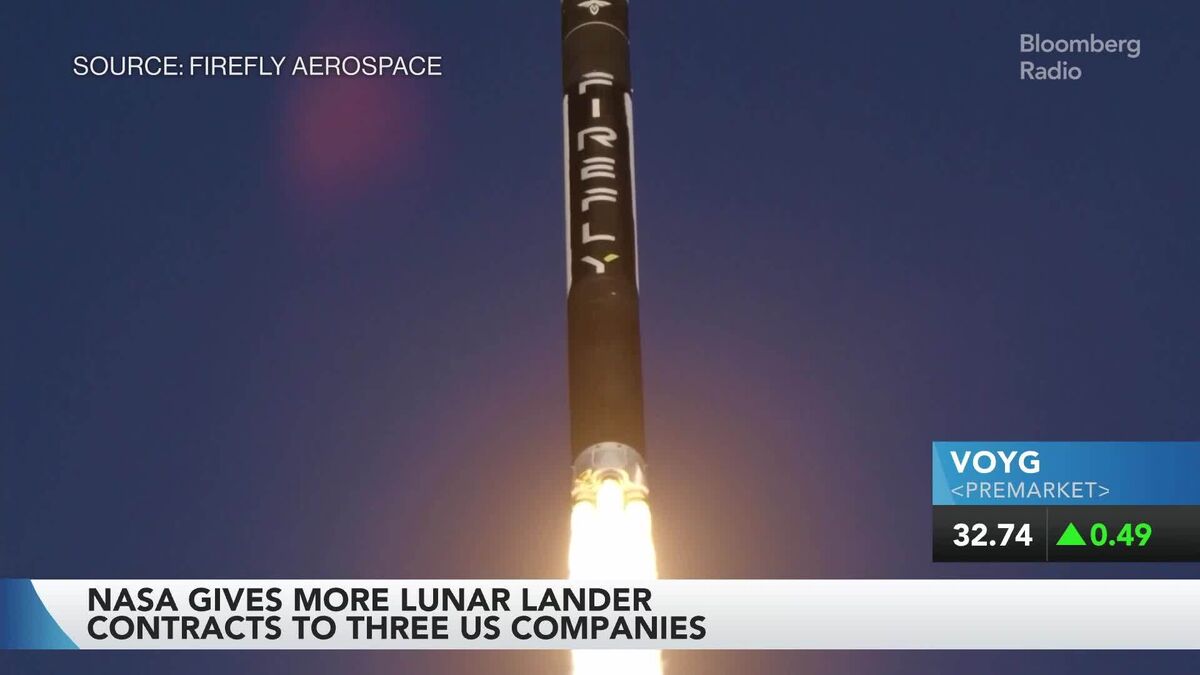
Meta Cloud Business; NASA Lunar Lander Contracts | Stock Movers
Shares of several space companies, including FireFly Aerospace, Intuitive Machines, and Voyager Technologies, experienced significant movement following NASA's announcement that it has selected these firms to send robotic landers to the moon. This initiative is part of NASA's broader goal to establish a lunar base by the end of the decade. The agency awarded contracts to Astrobotic Technology Inc., Firefly Aerospace Inc., and Intuitive Machines Inc. for this lunar mission. In the consumer goods sector, General Mills saw its stock rise after reporting fourth-quarter profits that surpassed Wall Street expectations, driven by increased pricing strategies. Meanwhile, Meta Platforms Inc. gained traction on the stock market amid reports that the company is planning to launch a cloud infrastructure business aimed at providing access to AI computing power and models. Additionally, Meta is exploring the possibility of offering access to its "raw" computing capacity, as indicated by sources familiar with the company's plans.
NYS:GIS NMS:SPCX NAS:LUNR NMS:META
S. Korea to invest over W50b until 2030 to develop homegrown AI humanoids
South Korea is set to invest 50.4 billion won ($33.5 million) over the next five years to advance core technologies for artificial intelligence-based humanoid robots. The initiative, announced by the Ministry of Science and ICT on Monday, aims to foster collaboration between universities and local tech companies. The inaugural meeting for this project took place at the Korea Institute of Science and Technology (KIST) in Seoul. This program, which will run until 2030, is part of the government's broader "K-Moonshot" strategy, designed to enhance the nation’s capabilities in cutting-edge technology and innovation.
All News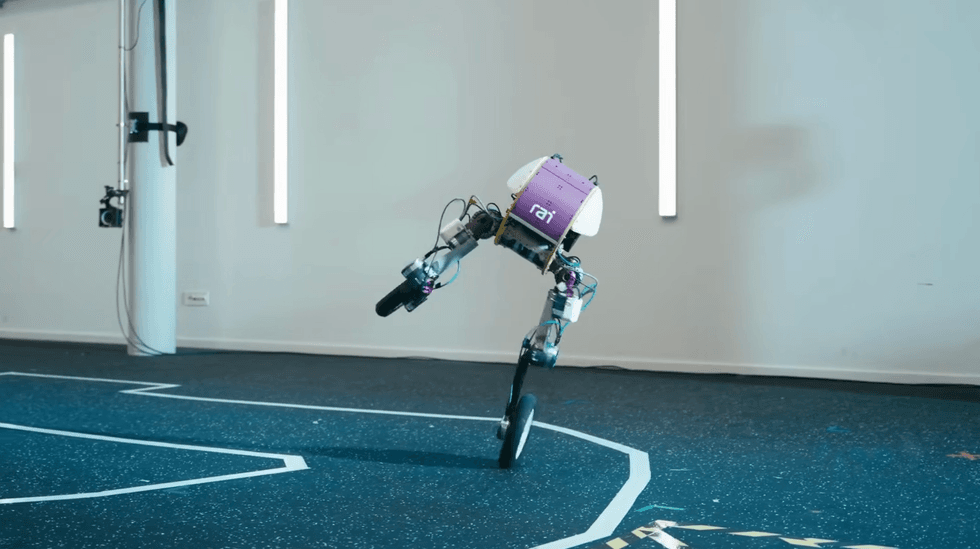
Video Friday: Beep! Beep! Roadrunner Bipedal Bot Breaks the Mold
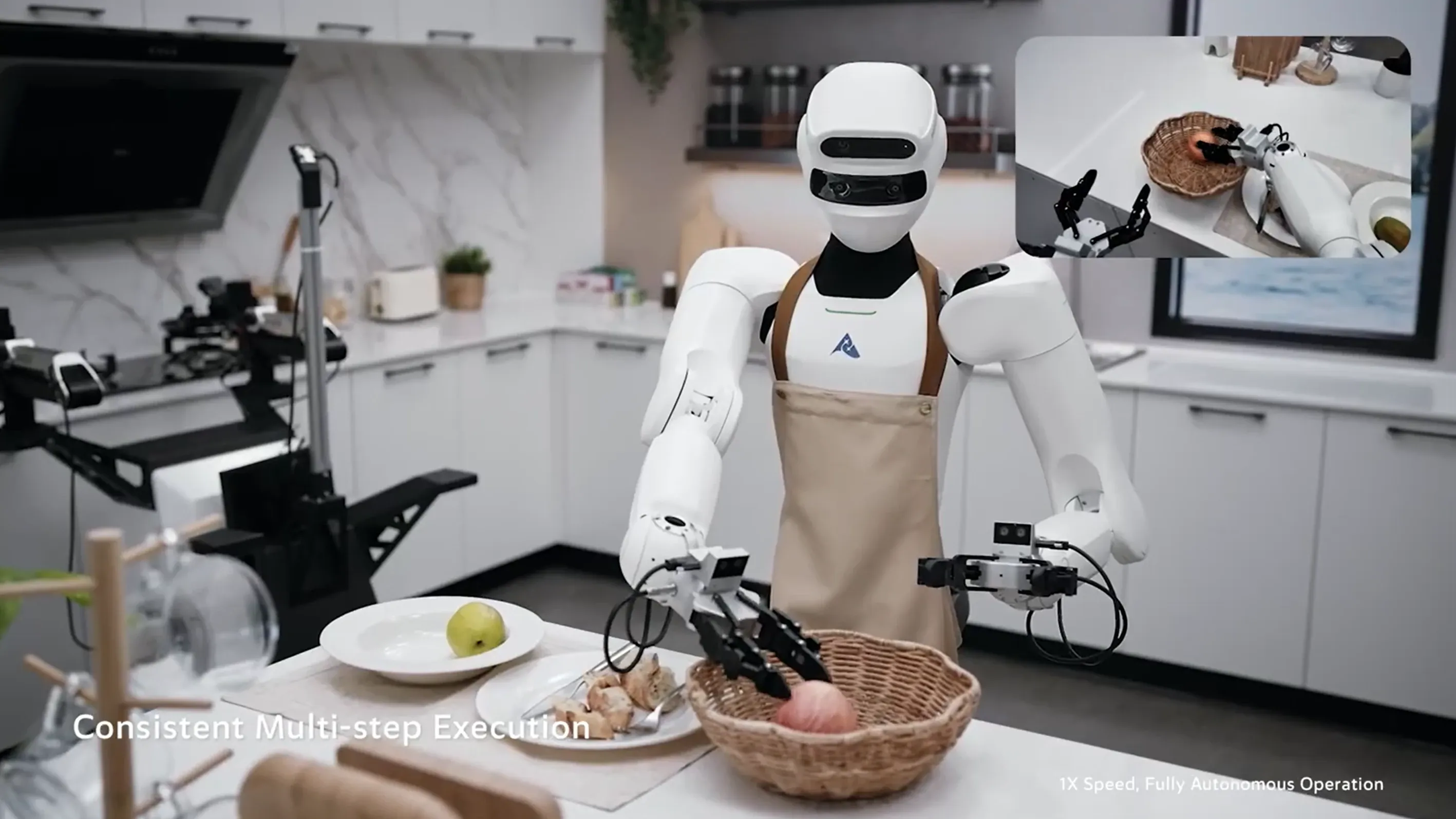
IEEE Spectrum robotics has released its weekly roundup of notable robotics videos and events. Among the highlights is the introduction of "Roadrunner," a new bipedal wheeled robot prototype that can switch between various locomotion modes, designed for enhanced navigation. Weighing approximately 15 kg, it features symmetric legs that can adapt for obstacle avoidance and movement management. NASA has announced two ambitious missions: SkyFall, which will deploy next-generation helicopters on Mars to scout landing sites and map subsurface water ice, and MoonFall, aimed at preparing for future Artemis missions by sending drones to explore the lunar South Pole. These drones will operate independently for 14 Earth days, surveying challenging terrains. In research advancements, a team from MIT has developed Electrofluidic Fiber Muscles, a new class of soft and flexible artificial muscles for robots and wearables, promising improved agility and integration into textiles. Additionally, the open-source quadruped robot MEVIUS2 has been unveiled, capable of climbing stairs and steep slopes. Other innovations include a wristband from MIT that allows users to control a robotic hand through their own movements, and a cooking robot from Zhejiang Lab that autonomously processes ingredients and performs cooking tasks with high precision. The CMU Robotics Institute is set to host a seminar by Hadas Kress-Gazit from Cornell, focusing on the role of formal methods in robotics amidst the rise of big data.
Video-friday Nasa Bipedal-robots Quadruped-robots Artificial-muscles Humanoid-robotsRobotics needs a service framework.
RSF defines a common language for robot service capability, lifecycle operations, certification pathways, and service-provider networks.