

Industry Briefing
A single destination for timely, editor-curated robotics news from around the world.
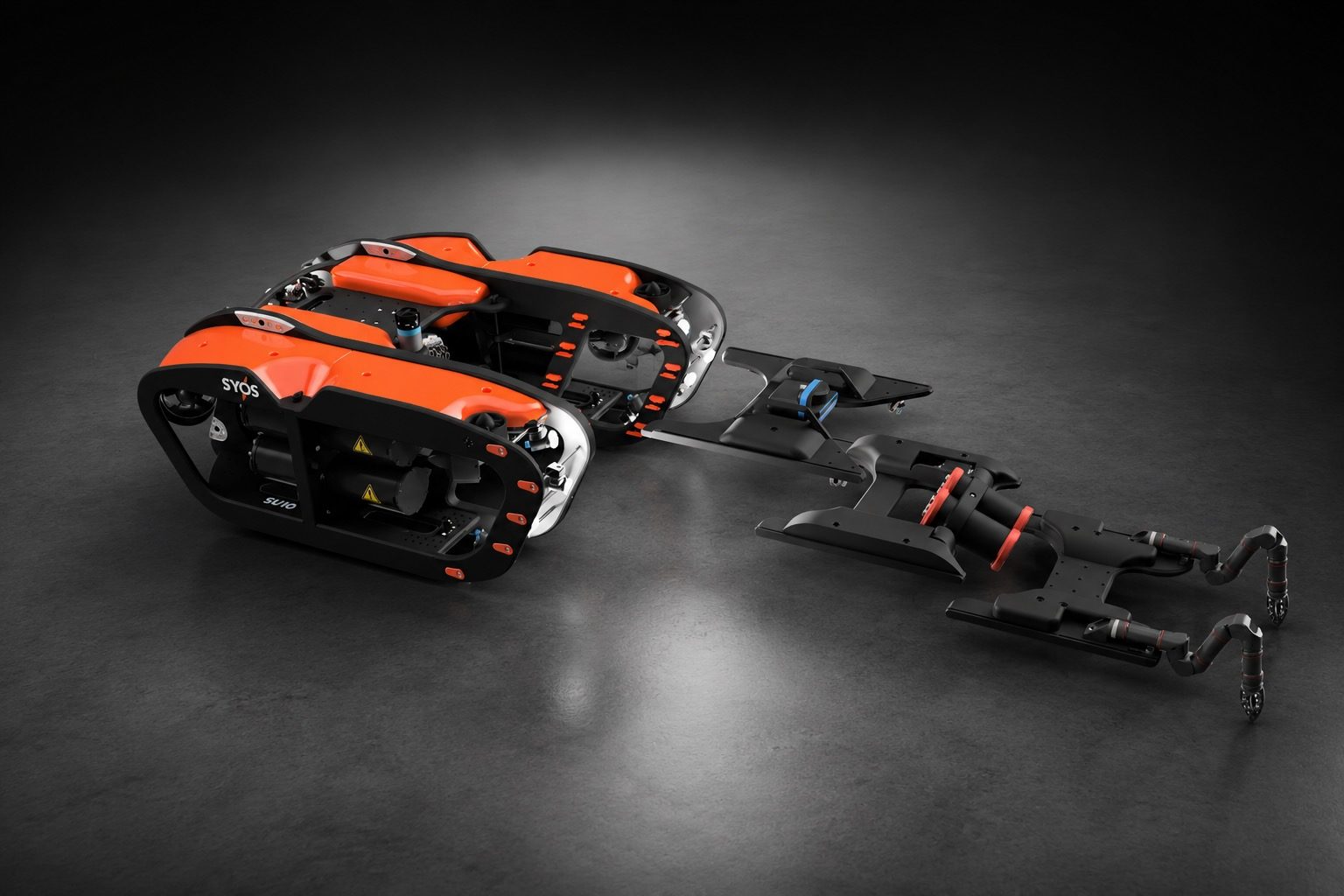
Under the Ice: New SYOS Underwater Drone Targets Maritime Security and Antarctic Exploration
SYOS, an autonomous systems company based in the UK and New Zealand, has unveiled its latest innovation, the SU10 uncrewed underwater vehicle (UUV), aimed at enhancing maritime security and supporting Antarctic exploration. The announcement was made during a recent event, marking a significant expansion of SYOS's portfolio, which previously focused on air and land operations. The introduction of the SU10 allows the company to venture into subsurface missions, addressing the growing demand for advanced technologies in multi-domain operations. This new underwater drone is designed to operate effectively in challenging environments, underscoring SYOS's commitment to developing versatile solutions for both security and exploration purposes.
Applications Arctic Drone News Drone News Feeds Dual Use News
NATO Launches Task Force X-Arctic to Strengthen Awareness in the Arctic and the High North
On June 6, 2026, the NATO Research Vessel Alliance set sail from La Spezia, Italy, initiating Task Force X (TFX)-Arctic. This new initiative aims to bolster NATO's awareness and presence in the Arctic region. TFX-Arctic is part of NATO’s Rapid Adoption Action Plan, which was approved during the 2025 NATO Summit in The Hague, focusing on accelerating the integration of innovative technologies into military operations. The initiative builds upon lessons learned from TFX-Baltic, which commenced in January 2025 to enhance the security of critical undersea infrastructure in the Baltic Sea. The mission underscores NATO's commitment to adapting to evolving security challenges in the Arctic as geopolitical dynamics shift.
nato task force x-arctic arctic and the high north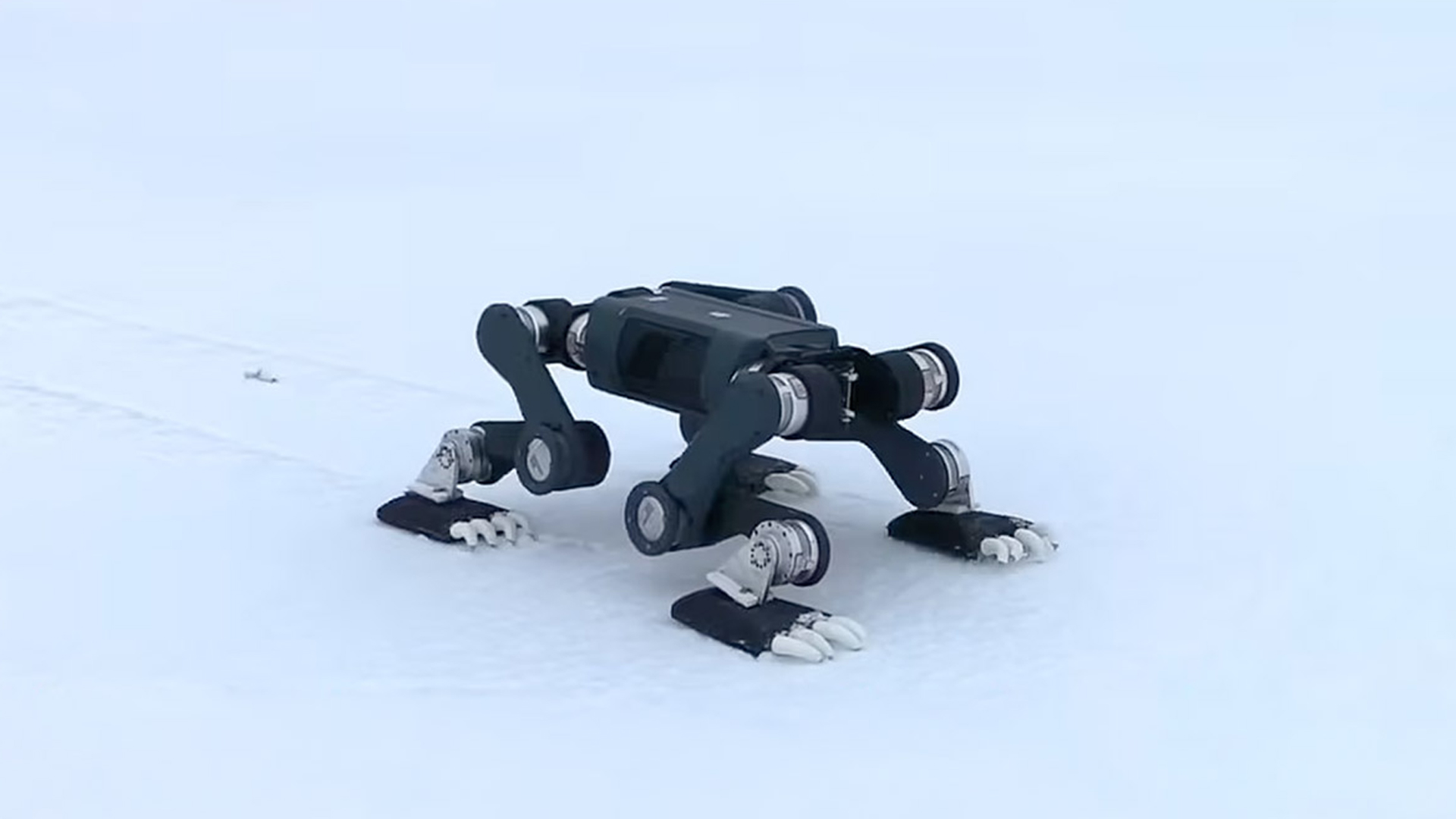
First-ever: Four-legged robot dog successfully walks across treacherous Arctic ice floes
The Arctic, long regarded as one of the most perilous regions on the planet, is facing unprecedented challenges due to climate change and increased human activity. Recent studies reveal that rising temperatures are accelerating ice melt, leading to more accessible shipping routes and resource extraction opportunities. This shift, occurring over the past few years, has prompted nations to stake claims in the region, intensifying geopolitical tensions. In response to these developments, various governments and environmental organizations are advocating for stronger regulations to protect the fragile Arctic ecosystem. The urgency of the situation has led to international discussions aimed at establishing guidelines for sustainable practices in the area. As countries scramble to assert their interests, the potential for conflict looms, raising concerns about the environmental impact and the rights of Indigenous communities. The situation is further complicated by the ongoing effects of global warming, which are expected to exacerbate the challenges faced by the Arctic. Scientists warn that without immediate action, the consequences could be dire, not only for the region but for the entire planet. As the world watches, the Arctic stands at a crossroads, where the balance between economic opportunity and environmental preservation hangs in the balance.
Culture Innovation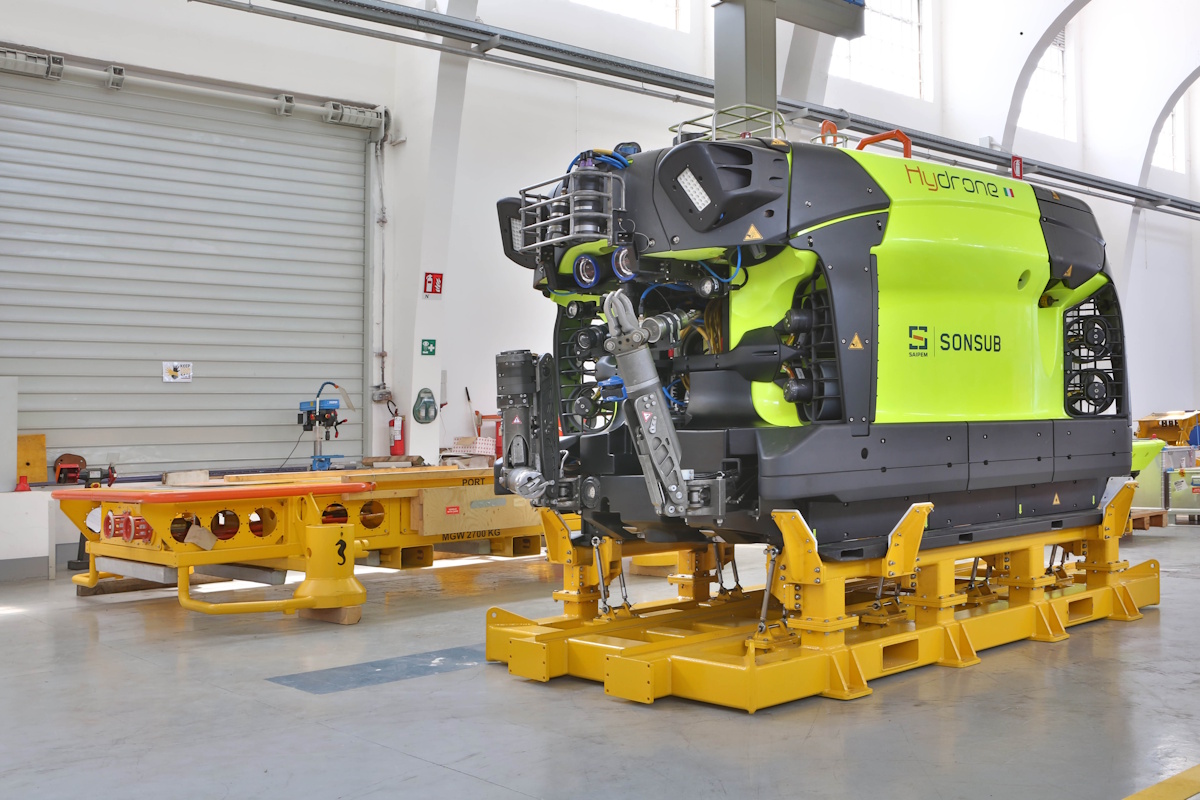
Saipem’s underwater drone Hydrone-R performs autonomous mission in the Arctic coral area in Norway
Saipem's innovative underwater intervention drone, Hydrone-R, has successfully completed an autonomous survey mission in the Arctic coral region of Njord, Norway. This groundbreaking operation, which took place recently, marked a significant advancement in underwater robotics as the drone operated independently, without the need for cables or surface support. The mission aims to enhance the understanding and protection of marine ecosystems, highlighting the potential of advanced technology in environmental conservation efforts.
saipem’s hydrone-r autonomous mission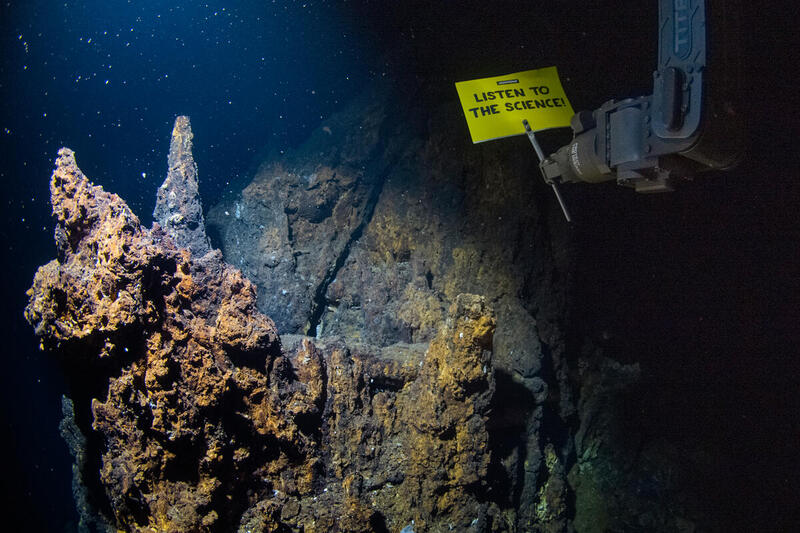
Greenpeace robot stages deepest-ever seabed protest
In a groundbreaking initiative, Greenpeace has launched an underwater robot to conduct a scientific survey of vulnerable deep-sea ecosystems along the Arctic Mid-Ocean Ridge. This event marks the deepest banner protest ever executed from the seabed, occurring at a depth of 2,300 meters. The robot displayed a powerful message urging global leaders to heed scientific advice, stating, “LISTEN TO THE SCIENCE!” The campaign aims to raise awareness about the urgent need for action to protect these unexplored marine environments. Dr. Sandra Schöttner, a key figure in the initiative, emphasized the importance of scientific research in informing policy decisions regarding environmental conservation. This innovative protest not only highlights the threats facing deep-sea ecosystems but also seeks to galvanize international attention and action on climate change and marine protection.
Environment News Arctic Ocean automation news autonomous underwater vehicles climate change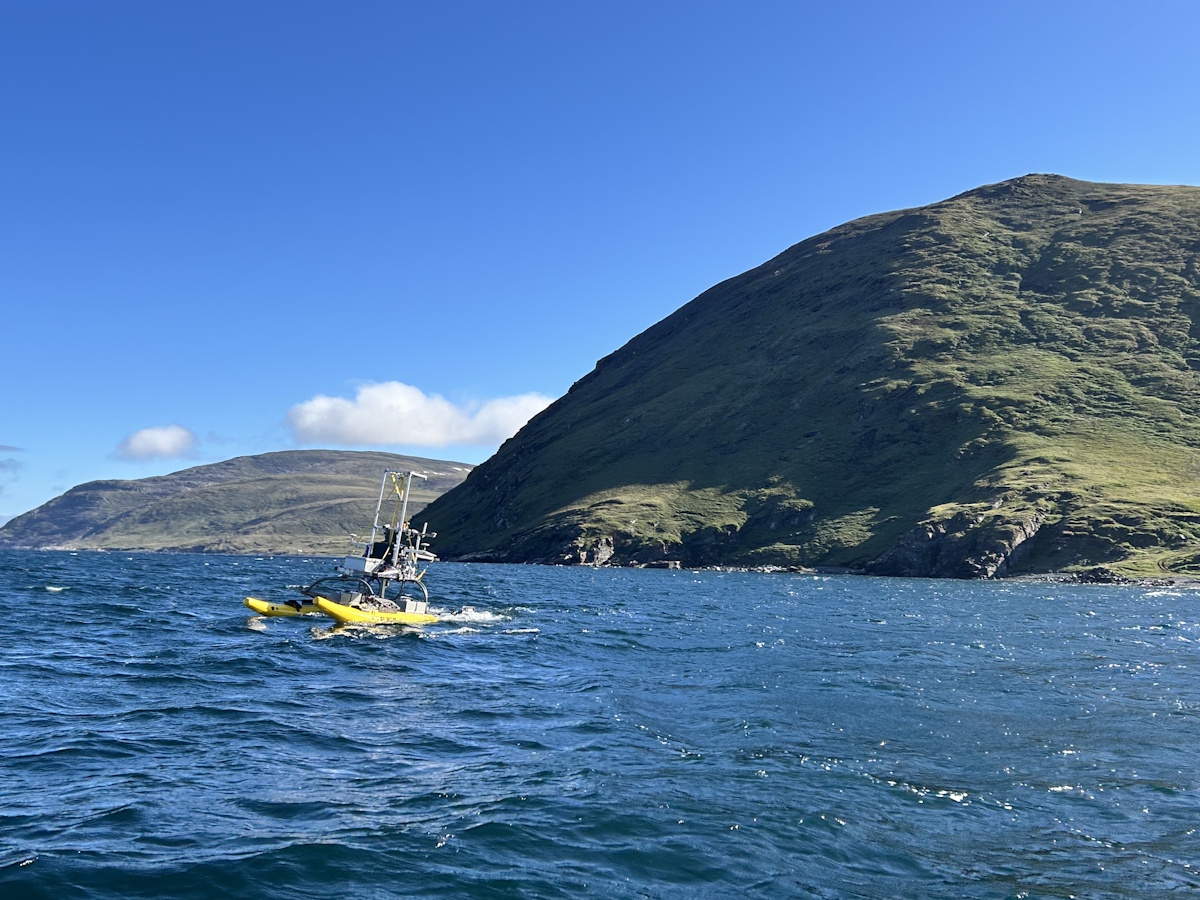
Mapping the Unmappable: Sulmara Discover and the Nunavik EAUFON-3 Project
Seaforth Geosurveys is undertaking the Nunavik EAUFON-3 Project, which aims to assess the seabed in Ungava Bay, Canada, for the installation of a fibre-optic cable. This initiative is set against the backdrop of the Arctic's harsh environment and the shallow waters that complicate traditional surveying methods. The project highlights the need for innovative approaches to overcome the unique challenges posed by the region's conditions.
arctics sulmara discover nunavik eaufon-3 project
Why Serve Robotics (SERV) Is Emerging as a Physical AI Growth Story
A significant event unfolded recently as a coalition of environmental organizations and local activists gathered to protest against a proposed oil drilling project in the Arctic National Wildlife Refuge. This demonstration took place on Saturday, October 14, 2023, in Washington, D.C., where hundreds of participants voiced their concerns over the potential ecological impact of the drilling. The protest aimed to raise awareness about the threats to wildlife and climate change posed by fossil fuel extraction in one of the nation’s most pristine natural areas. Activists emphasized the need for sustainable energy solutions and urged lawmakers to prioritize environmental protection over economic gains. The coalition organized the event through social media campaigns and grassroots mobilization, highlighting the urgency of the climate crisis and the importance of preserving natural habitats for future generations.
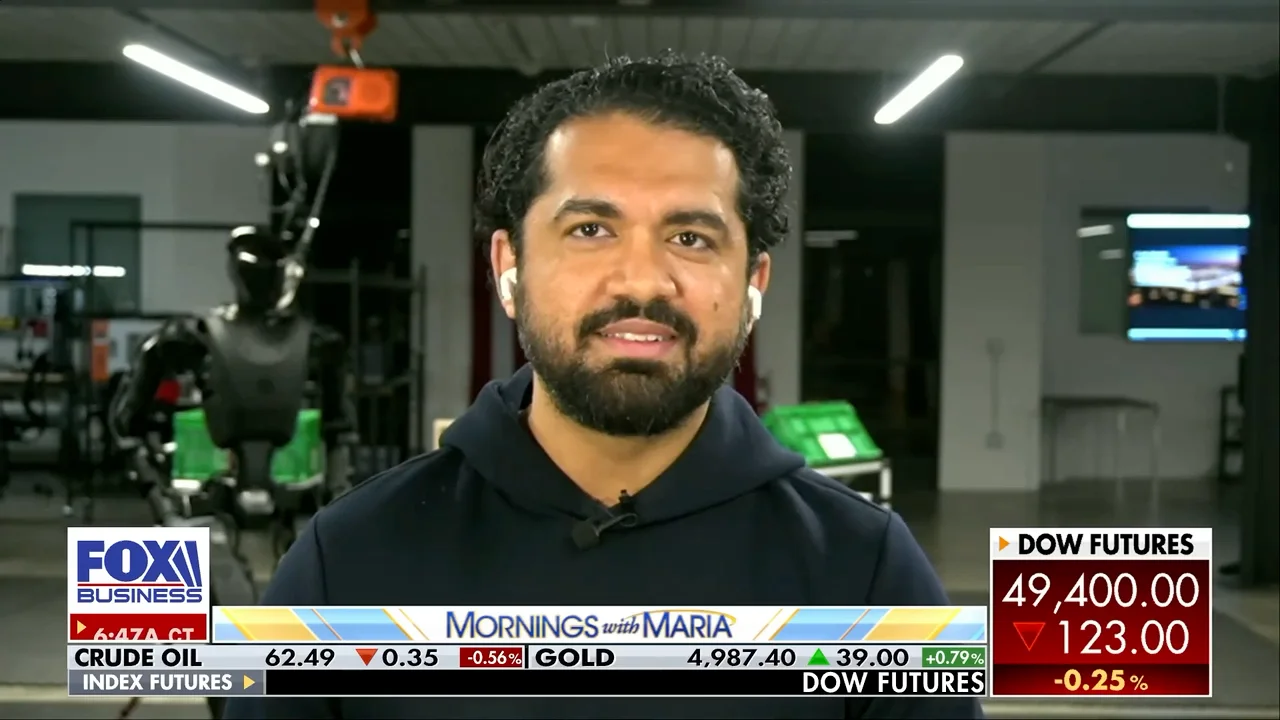
"Peace Through Strength": Foundation CEO Showcases Phantom Robot on Fox Business
Sankaet Pathak appeared on "Mornings with Maria" to share insights on the increasing integration of humanoid robots in Ukraine, emphasizing their potential impact on the workforce. He highlighted the "inevitable" trend of automation affecting white-collar jobs, suggesting that this shift is not only a possibility but a forthcoming reality. Pathak also unveiled an ambitious master plan that envisions the application of these technologies extending to remote locations such as Antarctica and the Moon. His discussion underscored the transformative potential of robotics and automation in various sectors, reflecting on the broader implications for the future of work and exploration.
sankaet-pathak US phantom foundation
New HUGIN AUV for the University of Gothenburg to Replace “Ran”
Researchers at the University of Gothenburg are set to enhance their underwater exploration capabilities with the acquisition of a HUGIN underwater vehicle, which boasts a range of 3,000 meters. This purchase comes in the wake of the loss of the previous vehicle, “Ran,” which was lost beneath an Antarctic glacier in 2024. The funding for this new equipment has been made possible through a significant donation from Voice of the Ocean, supplemented by insurance funds. With the contract for the HUGIN vehicle currently being finalized, the university is now in a position to plan new expeditions aimed at advancing their research efforts in underwater environments.
kongsberg discovery hugin auv university of gothenburg “ran”
Omicron Connectors Facilitate Cutting Edge Camera System for BBC Studios New Landmark Underwater TV Series
Teledyne Impulse-PDM, a prominent provider of high-performance interconnect solutions, has partnered with BBC Studios to supply its advanced Omicron optical fibre connectors for an upcoming underwater natural history series scheduled to premiere in 2026. The production will utilize custom-built camera technology to capture remarkable marine footage from the Arctic depths, a process made possible by the Rev Ocean’s Aurora ROV. This collaboration aims to enhance the visual storytelling of the series, showcasing the unique and often unseen aspects of marine life.
omicron connectors camera system bbc underwater tv seriesRobotics needs a service framework.
RSF defines a common language for robot service capability, lifecycle operations, certification pathways, and service-provider networks.







