Industry Briefing
A single destination for timely, editor-curated robotics news from around the world.
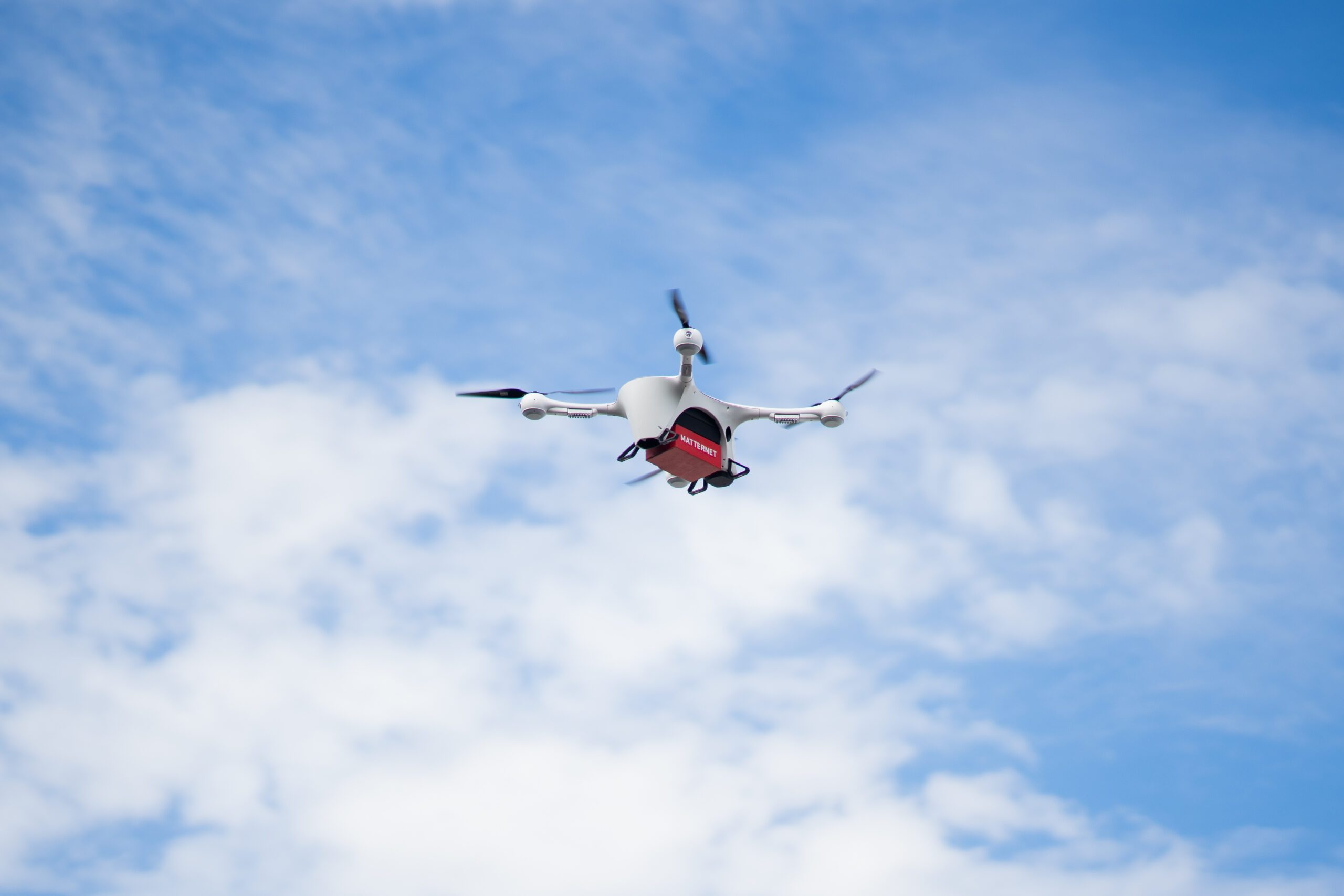
Amprius and Matternet Expand Drone Delivery Battery Partnership
Amprius Technologies, a battery manufacturer, has partnered with drone delivery company Matternet to enhance the performance of commercial drone operations. This collaboration focuses on utilizing Amprius's advanced silicon anode lithium-ion cells, which are designed to improve the range, charging time, and overall delivery efficiency of drones. The partnership aims to address the growing demand for more efficient and reliable drone delivery systems, reflecting the increasing significance of drone technology in logistics and transportation. The announcement was made recently, highlighting the companies' commitment to advancing battery technology for the future of commercial drone services.
Applications Delivery News Amprius autonomous delivery battery energy density
Amprius Taps Intralink for South Korea Drone Battery Push
Amprius Technologies, a Silicon Valley-based battery manufacturer, has appointed the Seoul-based consultancy Intralink to enhance its business development efforts in South Korea. Announced on May 11, 2026, this strategic move aims to secure partnerships with original equipment manufacturers (OEMs) and battery pack makers in the rapidly growing sectors of drones, robotics, and mobility. By leveraging Intralink's local expertise, Amprius seeks to strengthen its market presence and capitalize on the increasing demand for advanced battery solutions in these innovative industries.
battery technology Drone News Drone News Feeds drone technology News advanced mobility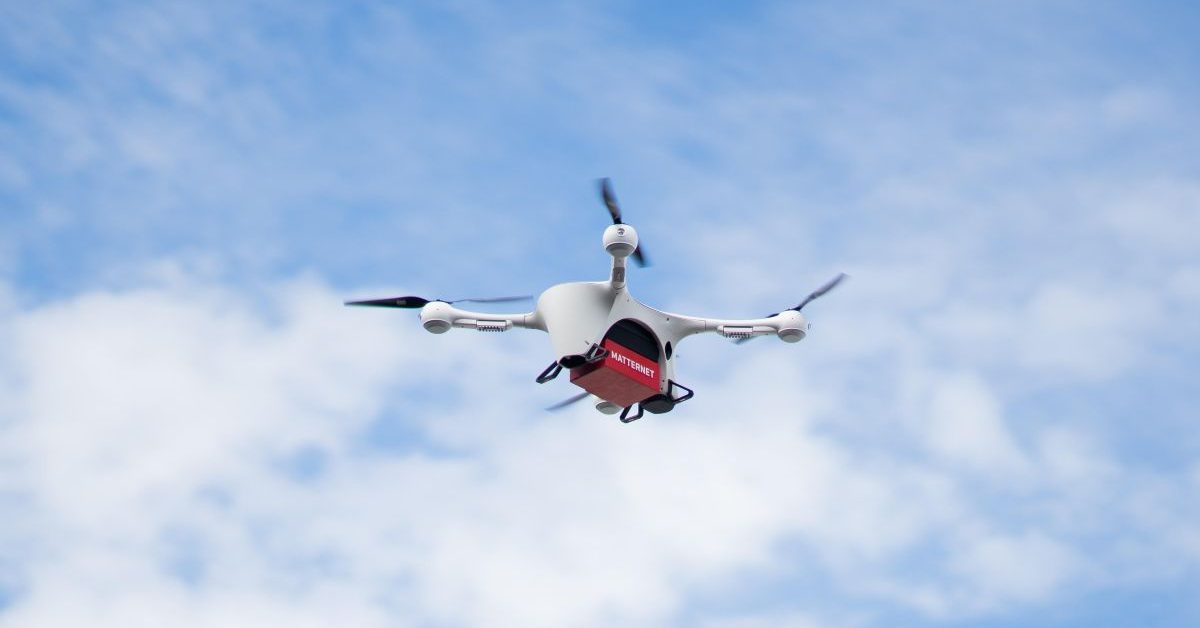
Matternet expands drone delivery range with Amprius battery tech
As drone delivery companies strive to broaden their reach in American cities, the importance of battery technology has come to the forefront. Matternet, a prominent player in the drone delivery sector, has announced a partnership with Amprius Technologies to enhance the capabilities of autonomous aerial delivery systems. The collaboration focuses on developing advanced silicon-anode battery cells, which are expected to significantly improve the range, efficiency, and cost-effectiveness of drone operations. This initiative highlights the critical role that battery advancements play in the future of drone logistics, as companies seek to meet growing consumer demands for faster and more reliable delivery services.
News
Factorial Energy and Tulip Tech Achieve 30% Flight Range Increase with Solid-State Batteries
Factorial Energy, based in Boston, and Tulip Tech from the Netherlands have transitioned from flight testing to the commercialization of lithium-metal UAV battery packs. Announced on July 13, 2026, their strategic partnership aims to expedite the deployment of solid-state and lithium-metal batteries for advanced drones, with initial tests showing over a 30% increase in flight range without engineering optimizations. This collaboration is significant as it addresses the growing demand for high-endurance UAVs across commercial, industrial, and defense sectors, with the global UAV market projected to exceed $160 billion by 2034. Factorial emphasizes that energy storage is a critical bottleneck affecting mission radius, payload, and fleet economics, making their advancements crucial for future drone capabilities. Looking ahead, the partnership establishes a framework for joint customer engagement and a roadmap for volume production. No further timeline was disclosed at the time of publication, but the companies are moving swiftly from testing to commercialization, indicating a strong potential for future developments in UAV battery technology.
battery technology Drone News Drone News Feeds drone parts News $160 billion UAV marketRobotics needs a service framework.
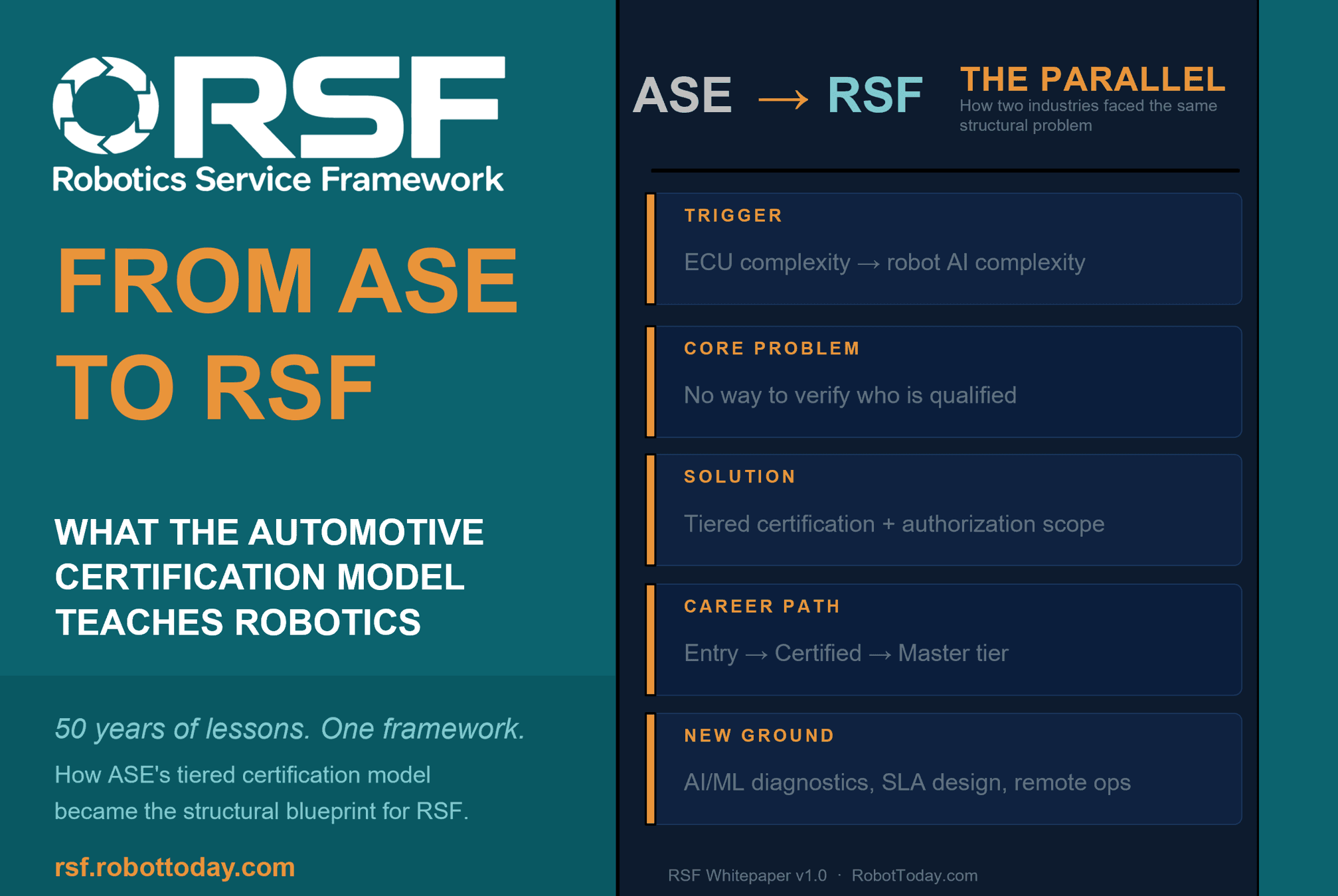
RSF defines a common language for robot service capability, lifecycle operations, certification pathways, and service-provider networks.