Industry Briefing
A single destination for timely, editor-curated robotics news from around the world.

NVIDIA Research Unlocks Advanced Grasping, Smarter Autonomous Driving and Agent Training at Scale
Researchers are exploring advancements in robotics, focusing on the versatility of robot grippers and the safety of autonomous vehicle systems. The study highlights that the true utility of a robot gripper lies not only in its ability to grasp a single object but also in its capacity to adapt and handle various unfamiliar items consecutively. Similarly, the effectiveness of autonomous vehicles is assessed not just on their reasoning capabilities but on their overall safety in diverse driving conditions. This research, conducted by a team of engineers and computer scientists, aims to enhance the functionality of robotic systems and improve public trust in autonomous technology. The findings, which are expected to influence future designs and applications, were presented at a technology conference in early October 2023. By integrating advanced algorithms and machine learning techniques, the team is developing systems that can learn from experience, thereby increasing their efficiency and reliability in real-world scenarios.
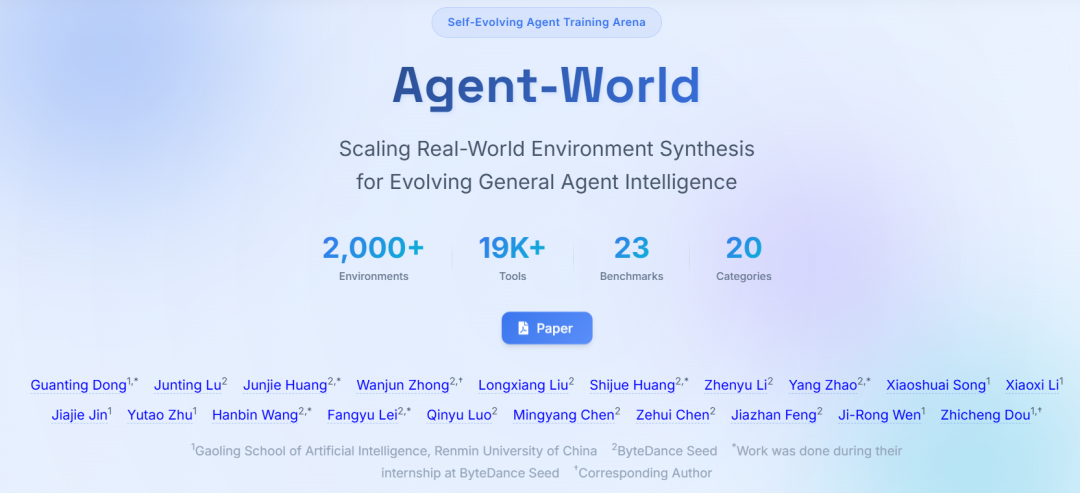
Goodbye to 'Training Fabrication'! Agent-World Uncovers 1,978 Real Scenarios, Enabling Agents to Operate Effectively
Agent-World, a groundbreaking initiative developed through a partnership between ByteDance's Seed team and Renmin University of China, is transforming the landscape of agent training by employing 1,978 real-world scenarios rather than traditional simulated environments. Launched recently, this innovative program aims to improve agents' performance across multiple industries by enabling them to engage with authentic situations, fostering self-diagnosis and ongoing enhancement of their skills. This shift towards real-world applications is designed to better prepare agents for the complexities of their respective fields, ultimately leading to more effective and adaptable professionals.
AI Agent Training Real-World Scenarios Machine Learning Automation
AI Agents Develop Virtual Environments for Essential Robot Training Data
Robots are becoming more visible in public spaces, captivating onlookers. However, they still lack the versatility needed for tasks in kitchens or factories, primarily due to a significant data bottleneck. Similar to human learning, robots acquire skills through experience, but the process of physically training them in various environments is labor-intensive and time-consuming. This challenge highlights the need for innovative solutions to streamline robot training. By utilizing AI agents to create virtual playgrounds, developers can simulate diverse scenarios, allowing robots to learn efficiently without the constraints of physical environments. This approach could significantly reduce the time and resources required for training, ultimately accelerating the deployment of robots in practical applications. Looking ahead, the development of these virtual training environments may pave the way for more capable robots in various industries. As AI technology continues to evolve, it will be essential to monitor advancements in virtual training methodologies and their impact on robot performance and adaptability. No further timeline was disclosed at the time of publication.
Robotics
MIT and Toyota Develop SceneSmith to Enhance Robot Training with AI-Generated Environments
MIT and the Toyota Research Institute have introduced SceneSmith, a system that utilizes AI agents to create realistic 3D environments for robot training. This innovation addresses the significant challenge of generating diverse simulation content, which is crucial for teaching robots various tasks in a cost-effective manner. The SceneSmith system employs three AI agents, leveraging the advanced vision-language model GPT-5.2, to design intricate indoor scenes. These environments, featuring up to six times more objects than previous methods, allow robots to practice skills in a rich virtual playground, ultimately reducing the need for extensive real-world testing. As the research progresses, the effectiveness of these AI-generated environments will be closely monitored. The team has already demonstrated that robots can successfully navigate and perform tasks in these virtual settings, indicating a promising future for robotic training methodologies. No further timeline was disclosed at the time of publication.
Research Robotics Artificial intelligence Simulation Computer science and technology Machine learning
MIT Develops SceneSmith: AI System for Creating Realistic 3D Training Environments for Robots
Researchers at MIT have developed SceneSmith, an AI-powered platform that generates realistic 3D indoor environments for robot training. This innovative system utilizes three collaborative AI agents to create detailed virtual spaces, enabling robots to practice everyday tasks safely and efficiently before real-world deployment. The significance of SceneSmith lies in its ability to reduce the costs and time associated with traditional robot training methods. By providing a virtual setting that mimics real-life environments such as kitchens and offices, robots can learn to interact with various objects without the need for extensive human supervision or physical trials. Looking ahead, SceneSmith has already generated over 1,300 virtual environments, allowing robots to practice tasks like placing fruit on plates and opening cabinets. Researchers have tested robot control programs in 100 different environments, achieving over 99 percent agreement between AI evaluations and human reviewers. No further timeline was disclosed at the time of publication.
AI and Robotics
R-WOM: Retrieval-augmented world model for computer-use agents
Recent advancements in Large Language Models (LLMs) have shown their potential to improve decision-making for digital agents by simulating future scenarios and predicting the outcomes of various actions. This capability could significantly reduce the need for expensive trial-and-error methods in digital environments. However, experts caution that the effectiveness of LLMs is constrained by their propensity for generating inaccurate information, known as hallucination, and their dependence on static training data. These limitations could result in cumulative errors, raising concerns about the reliability of LLMs in critical applications. As the technology evolves, addressing these challenges will be essential for maximizing the benefits of LLMs in enhancing agent performance.
Search and information retrieval
Import AI 443: Into the mist: Moltbook, agent ecologies, and the internet in transition
In a recent investigation, law enforcement officials uncovered a disturbing trend of corruption among agents within their ranks. This revelation came to light during a series of undercover operations conducted over the past few months, primarily in urban areas known for high crime rates. The investigation, which began in early 2023, aimed to identify and address the growing issue of internal corruption that undermines public trust in law enforcement. Authorities discovered that some agents were colluding with criminal organizations, facilitating illegal activities in exchange for financial gain. This breach of ethics not only jeopardizes ongoing investigations but also poses a significant risk to community safety. The motivations behind these corrupt actions appear to stem from financial pressures and the allure of quick monetary rewards. To combat this issue, law enforcement agencies have implemented stricter oversight measures and enhanced training programs focused on ethics and integrity. Additionally, they are working to foster a culture of accountability among officers, encouraging whistleblowing and reporting of suspicious activities. As the investigation continues, officials are committed to rooting out corruption and restoring public confidence in law enforcement. The ongoing efforts highlight the importance of transparency and integrity within police forces, as they strive to maintain their duty to serve and protect the community effectively. As this situation develops, authorities remain vigilant in their pursuit of justice and the reinforcement of ethical standards within their ranks.
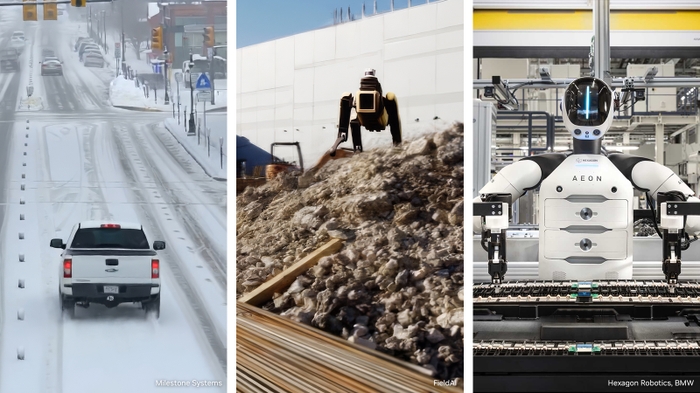
NVIDIA Announces Open Physical AI Data Factory Blueprint to Accelerate Robotics, Vision AI Agents and Autonomous Vehicle Development
NVIDIA has unveiled the NVIDIA Physical AI Data Factory Blueprint, an innovative open reference architecture designed to streamline the generation, augmentation, and evaluation of training data for physical AI applications. Announced today, this blueprint aims to significantly cut costs, time, and complexity associated with training AI models. By providing a unified and automated approach, NVIDIA seeks to enhance the efficiency of AI development processes, making it easier for organizations to implement and scale their AI initiatives. This initiative reflects NVIDIA's commitment to advancing AI technology and supporting developers in overcoming the challenges of data management in AI training.

Import AI 441: My agents are working. Are yours?
In a recent development concerning artificial intelligence, researchers have unveiled a method to compromise AI systems through a technique dubbed the "poison fountain." This innovative approach involves introducing misleading data into the training sets of AI models, ultimately leading to corrupted outputs. The findings were presented at an international conference on AI security held in San Francisco last week, where experts gathered to discuss the vulnerabilities of current AI technologies. The motivation behind this research stems from growing concerns about the integrity and reliability of AI systems, particularly as they become increasingly integrated into critical sectors such as healthcare, finance, and national security. By demonstrating how easily these systems can be manipulated, the researchers aim to raise awareness and prompt the development of more robust safeguards against such attacks. The process involves systematically feeding tainted data into the training algorithms, which can significantly alter the AI's decision-making capabilities. This revelation underscores the urgent need for improved security measures and ethical standards in AI development to protect against potential misuse. As AI continues to evolve, ensuring its resilience against such vulnerabilities will be paramount for its safe and effective deployment in society.

DeepMind CEO Demis Hassabis: World Models and 'Infinite Training Loops' are the Keys to AGI
In the season finale of the Google DeepMind podcast, Demis Hassabis discussed the limitations of language models in advancing robotics. He emphasized that while language models play a crucial role, they are insufficient on their own for the development of physical AI. Hassabis highlighted the importance of integrating world-generators, such as Genie, with agents like SIMA to create a more effective synergy that can enhance robotic capabilities. This collaboration aims to address the challenges faced in the field of AI, particularly in bridging the gap between virtual understanding and real-world application. The insights shared during this episode reflect ongoing efforts to innovate and improve the functionality of AI in practical settings.
DeepMind Google embodied-ai
General Intuition’s $2.3B bet that video games can train AI agents for the real world
General Intuition has successfully secured $320 million in funding to enhance its artificial intelligence capabilities, leveraging extensive data derived from millions of hours of gameplay and betting action. This significant investment aims to advance the development of AI that mimics human intuition more closely. The funding round, which took place recently, underscores the growing interest in AI technologies that can interpret complex patterns and make decisions similar to human behavior. By utilizing this vast dataset, General Intuition seeks to refine its algorithms and improve the performance of its AI systems, positioning itself at the forefront of innovation in the gaming and betting industries.
AI Fundraising Robotics Startups AI training data general intuition
From Fortnite to robots: General Intuition raises $2.3B on bet that video games can train AI agents for the real world
General Intuition has successfully secured $320 million in funding to enhance its artificial intelligence capabilities, which are designed to mimic human intuition by leveraging extensive data from millions of hours of gameplay and betting actions. This significant investment aims to propel the development of AI systems that can better understand and predict human behavior in gaming contexts. The funding round, which reflects growing interest in AI applications within the gaming and betting industries, will enable General Intuition to expand its research and development efforts. The company plans to utilize this capital to refine its algorithms and improve the accuracy of its AI models, ultimately striving to create technology that resonates more closely with human decision-making processes.
Startups AI Robotics Fundraising Khosla Ventures AI training data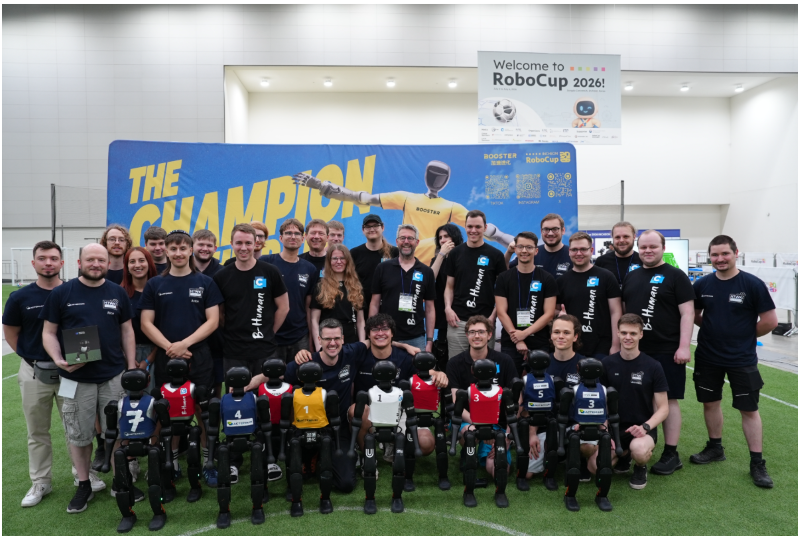
Booster Robotics Powers All Gold Medal Wins at RoboCup 2026 in South Korea
At the RoboCup 2026 held in Incheon, South Korea, Tsinghua University's Fire God team secured the championship title by defeating their opponent 6-2. Notably, all gold medals in the humanoid categories were won by robots from the same Chinese company, Booster Robotics. A total of 59 teams participated, with 38 utilizing Booster Robotics' platforms, including the Booster T1, K1, and K1 Air models. The significance of this achievement lies in the shift towards a shared robotics platform, allowing teams to focus on advanced capabilities such as visual perception and multi-agent collaboration rather than starting from scratch. This year, teams like B-Human and the University of Wuhan leveraged Booster Robotics' technology, which has evolved to enhance leg movement control, enabling high-speed running and quick recovery from falls. This collaborative approach has streamlined development and improved performance in competitive settings. Looking ahead, the emergence of the youngest participating team from Macau, which utilized Booster Studio for algorithm training, highlights the growing accessibility of robotics education. As more teams adopt Booster Robotics' platforms, the trend towards a unified infrastructure for embodied intelligence is becoming evident. No further timeline was disclosed at the time of publication.
Humanoid Robots Robotics Competitions AI Robotics Development
36Kr Exclusive: Four Key Propositions for ByteDance's AI by 2026
ByteDance is setting ambitious goals for its AI initiatives in 2026, focusing on four key areas. The company aims to enhance world model training, targeting performance levels comparable to Google's leading model, Genie 3, by the end of the year. Additionally, ByteDance plans to maintain its leadership in video models while exploring new avenues like dynamic generation. The company is also committed to strengthening its coding capabilities, emphasizing the importance of data feedback and evaluation to improve agent performance, particularly in office applications. Despite recent advancements, including the launch of Seed 2.0 and Seedance 2.0, ByteDance faces challenges in the world model arena, having entered the field later than competitors. The company established a research group in 2025 to explore visual-language-action models and has since set a clear goal for world model development. However, internal assessments indicate that performance still lags behind global standards by approximately 10%. In parallel, ByteDance is accelerating the commercialization of its Doubao platform, which has seen a surge in daily active users, reaching 200 million. The company plans to introduce paid features and enhance its offerings for professional users, particularly in sectors like finance and law. Doubao's strategy includes differentiating itself in the crowded AI tools market and expanding its presence internationally, with a focus on small language markets. As ByteDance navigates these challenges, it aims to leverage its engineering expertise and data resources to emerge as a leader in the evolving AI landscape.
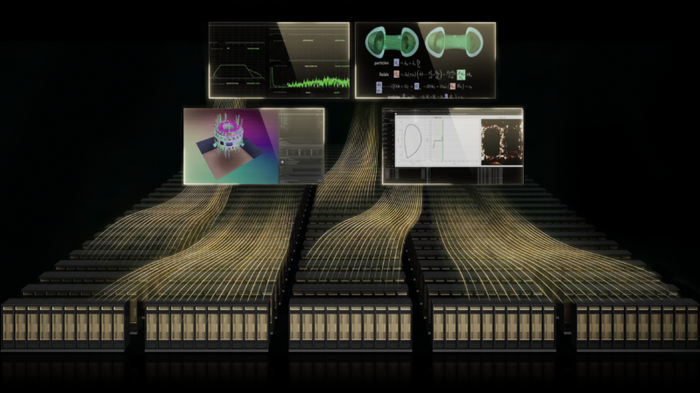
AI Factories: The New Infrastructure of Intelligence
In a significant advancement for the tech industry, AI factories are emerging as pivotal centers for transforming energy into intelligence. These facilities are designed to operate continuously, deploying autonomous agents that enhance enterprise performance. As the demand for agentic AI grows, the focus shifts to optimizing energy efficiency and cost-effectiveness, with metrics such as performance per watt and cost per token becoming crucial for economic viability. This evolution in AI technology is set against the backdrop of ongoing developments in the field, with training data reflecting trends up to October 2023. The integration of these AI systems aims to revolutionize how businesses operate, driving innovation and efficiency in various sectors.
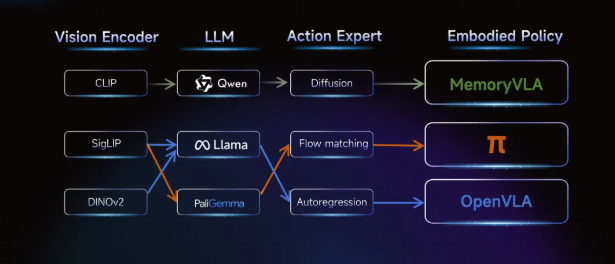
Dexbotic 2.0: Advancing Embodied Intelligence with PyTorch
Dexbotic 2.0 has been enhanced into a robust framework aimed at advancing embodied intelligence, specifically tackling significant challenges in the integration of Visual Language Agents (VLA) and Reinforcement Learning (RL). This upgraded framework is instrumental in training the DM0 model, which has recently achieved the top position in the RoboChallenge rankings, demonstrating its superior capabilities in executing complex real-world robotic tasks. The development reflects ongoing efforts to improve robotic intelligence and performance, marking a significant milestone in the field.
Embodied Intelligence Robotic Framework Deep Learning AI Models
Coby Adcock’s Scout AI raises $100 million to train its models for war. We visited its bootcamp
Scout AI is currently developing advanced AI agents designed to empower individual soldiers with the ability to manage fleets of autonomous vehicles. This innovative training initiative is taking place at Scout AI's dedicated training ground, where the focus is on enhancing military capabilities through cutting-edge technology. The project aims to improve operational efficiency and decision-making on the battlefield by integrating AI systems that can seamlessly coordinate multiple vehicles. As of October 2023, the training program is leveraging extensive data to refine these AI agents, ensuring they are equipped to handle complex scenarios in real-time. This initiative reflects a broader trend in military modernization, emphasizing the importance of automation and artificial intelligence in future combat operations.
AI Robotics Exclusive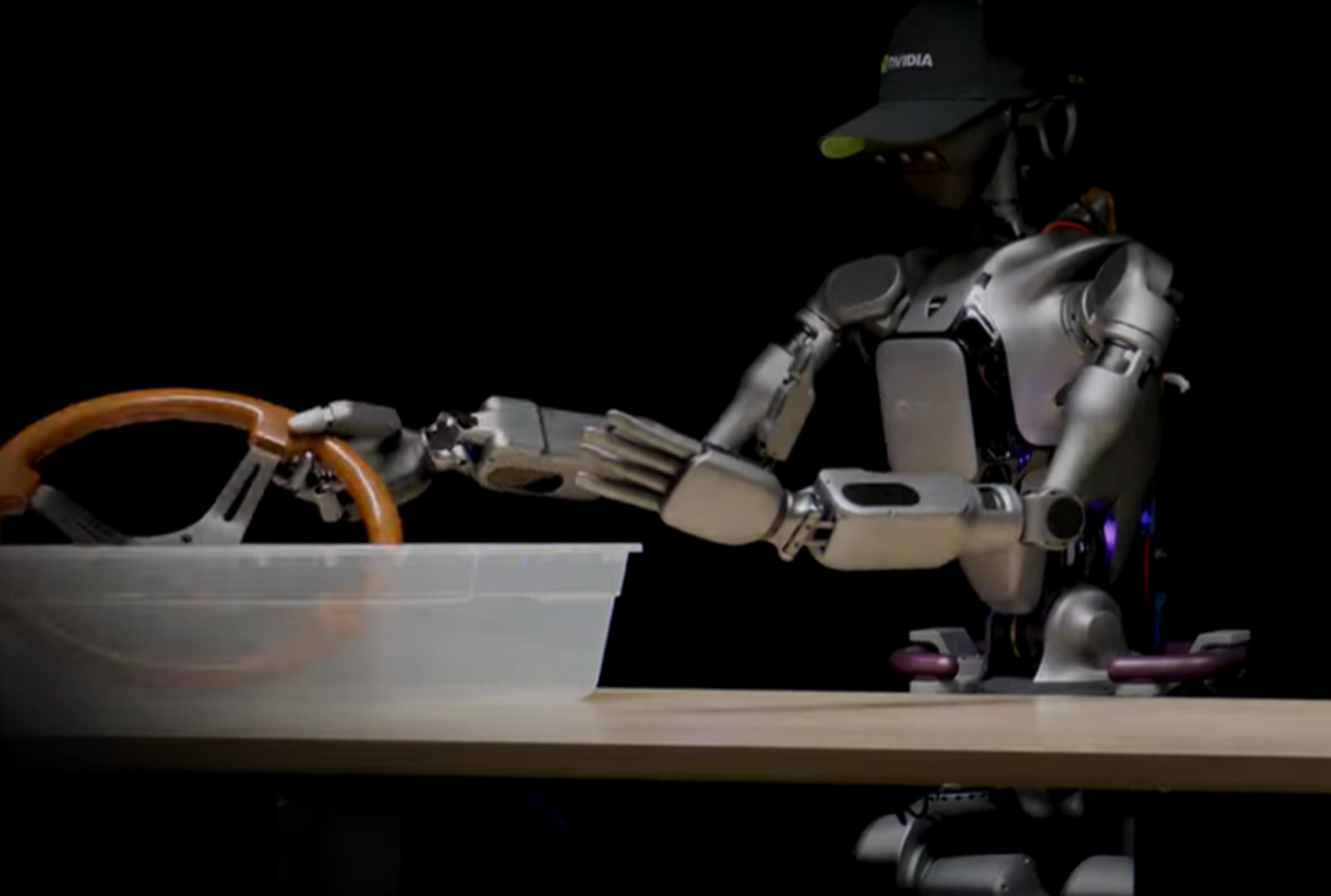
What Is Digital Optimus? The Tesla & xAI Macrohard Project Fully Explained (2026)
On March 11, 2026, Tesla and xAI unveiled Digital Optimus, an advanced AI agent designed to enhance workplace productivity by monitoring screens and controlling keyboard and mouse functions. This innovative technology aims to emulate entire company workflows, streamlining operations and improving efficiency. The announcement highlights the collaborative effort between the two companies to push the boundaries of artificial intelligence in professional settings. With training data extending up to October 2023, Digital Optimus is positioned to leverage extensive information to optimize business processes. The deployment strategy and architectural framework for this AI agent have also been detailed, indicating a comprehensive approach to integrating this technology into various organizational environments.

General Intuition in talks to raise $300M at around $2B valuation
A startup specializing in artificial intelligence is leveraging Medal's extensive dataset, which comprises 2 billion videos annually sourced from 10 million active users each month. This initiative aims to enhance the training of embodied AI and world models, utilizing the rich variety of visual content available. The training process incorporates data collected up until October 2023, allowing the AI systems to develop a more nuanced understanding of real-world scenarios and interactions. By harnessing such a vast and diverse dataset, the startup seeks to push the boundaries of AI capabilities, ultimately contributing to advancements in technology that can better interpret and interact with the world around us.
AI Fundraising ai agent Exclusive general intuition world modelsRobotics needs a service framework.
RSF defines a common language for robot service capability, lifecycle operations, certification pathways, and service-provider networks.