Top News

Industry Briefing

A single destination for timely, editor-curated robotics news from around the world.
Inside XRZero-G0, a new 2,000-hour open dataset for robotics research

Inside XRZero-G0, a new 2,000-hour open dataset for robotics research

X Square Robot has announced the open-sourcing of XRZero-G0, a groundbreaking framework designed to significantly decrease the amount of real-robot training data needed by as much as 20 times. This initiative aims to enhance robotics research by providing a comprehensive dataset that spans 2,000 hours of robotic training scenarios. The release of XRZero-G0 is expected to facilitate advancements in the field, enabling researchers and developers to optimize their algorithms and improve robotic performance without the extensive data collection traditionally required. This innovative approach is part of X Square Robot's commitment to fostering collaboration and progress within the robotics community.

Academia / Research Artificial Intelligence Artificial Intelligence / Cognition Development Tools / SDKs / Libraries News Research
Project CETI deploys autonomous underwater gliders to better observe sperm whales

Project CETI deploys autonomous underwater gliders to better observe sperm whales

Project CETI has introduced an innovative underwater glider designed to enhance the monitoring of sperm whales, significantly extending the duration of observation compared to previous techniques. This advancement aims to improve the understanding of whale behavior and ecology, contributing to conservation efforts. The deployment of the autonomous glider marks a pivotal step in marine research, allowing scientists to gather more comprehensive data on these majestic creatures. The initiative reflects Project CETI's commitment to leveraging technology for wildlife observation and protection, ultimately fostering a deeper connection between humans and marine life.

Academia / Research Artificial Intelligence Artificial Intelligence / Cognition Design / Development Maritime Markets / Industries
21 6 Axis Robot Arm Best Practices for Researchers and Academia

21 6 Axis Robot Arm Best Practices for Researchers and Academia

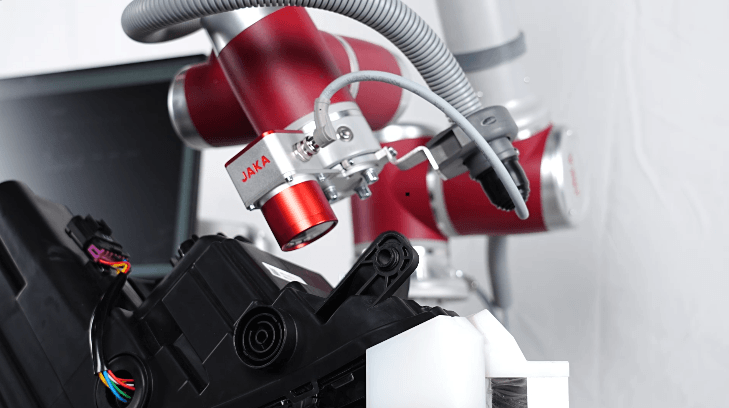
In an effort to enhance research efficiency and data reliability, academic institutions and laboratories are increasingly adopting automation technologies, particularly 6 axis robot arms. JAKA, a leading provider in this field, emphasizes the importance of flexibility over production speed when integrating robotic systems into experimental workflows. Researchers are prioritizing features such as stable motion control and compatibility with existing laboratory instruments, allowing for seamless inspection, sample handling, and measurement tasks. The integration of these robotic arms is designed to be straightforward, enabling connections with vision systems and data acquisition devices already in use. JAKA’s Zu7 Inspection solution exemplifies this approach, automating manual inspection processes to improve efficiency and ensure consistent quality. By alleviating repetitive tasks, researchers can focus more on analysis and validation. Given the dynamic nature of academic research, which often involves changing experiments and funding cycles, JAKA's robotic systems are built for expandability. This allows laboratories to scale automation according to project needs without significant hardware changes. The open interface design facilitates the integration of additional sensors or tools over time, ensuring that the robotic systems remain valuable and adaptable. By prioritizing flexibility, compatibility, and expandability, JAKA aims to support researchers in building reliable automation foundations that can evolve alongside their scientific endeavors, ultimately enhancing the accuracy of inspections and reducing manual workloads in laboratory settings.

Built Robotics, Penn xLAB to develop physical AI for construction

Built Robotics, Penn xLAB to develop physical AI for construction

xLAB and Built Robotics have announced a partnership aimed at enhancing construction site safety through advanced artificial intelligence. This collaboration focuses on capturing additional data to refine AI models that can better predict and mitigate risks in construction environments. The initiative comes at a time when the construction industry is increasingly prioritizing safety measures, driven by the need to reduce accidents and improve operational efficiency. By leveraging innovative technology, the two organizations aim to create a more secure working environment for construction workers. The development of this physical AI is expected to take place over the coming months, with both companies committed to integrating their expertise to achieve significant advancements in the field.

Academia / Research Artificial Intelligence Autonomous Mobile Robots (AMRs) Construction Mining News
MassRobotics announces the winners of 2026 Robotics Medal and Rising Star awards

MassRobotics announces the winners of 2026 Robotics Medal and Rising Star awards

Allison Okamura and Ayoung Kim have been recognized with prestigious awards from MassRobotics, receiving the 2026 Robotics Medal and the Rising Star Medal, respectively. These accolades celebrate the achievements of women in the field of robotics, highlighting their significant contributions and inspiring future generations. The announcement was made recently, underscoring the growing recognition of female innovators in a traditionally male-dominated industry. The awards aim to promote diversity and encourage more women to pursue careers in robotics, reflecting a broader commitment to inclusivity within the technology sector.

Academia / Research Artificial Intelligence Artificial Intelligence / Cognition Design / Development Events Healthcare Robotics
Mitsubishi Electric opens Serendie Street Boston digital transformation hub

Mitsubishi Electric opens Serendie Street Boston digital transformation hub

Mitsubishi Electric has launched Serendie Street Boston, marking its inaugural digital transformation hub in the western region, aimed at fostering collaboration and innovation. This new facility is designed to enhance the company's capabilities in digital transformation, reflecting its commitment to advancing technology solutions. The opening of the hub underscores Mitsubishi Electric's strategic focus on expanding its presence in the digital landscape, providing a space for creative problem-solving and partnership development. The initiative is part of the company's broader efforts to adapt to the evolving technological environment and meet the growing demands of its clients.

Academia / Research Arms / Manipulators Artificial Intelligence Artificial Intelligence / Cognition Automation Batteries / Power Supplies
Boston University team wins MassRobotics Form & Function Challenge at Robotics Summit

Boston University team wins MassRobotics Form & Function Challenge at Robotics Summit

MassRobotics recently recognized outstanding university teams and highlighted innovations in healthcare and physical AI at the Robotics Summit. Notably, a team from Boston University emerged victorious in the MassRobotics Form & Function Challenge, showcasing their exceptional skills and creativity in robotics. The event, which took place in Boston, served as a platform for startups and innovators to present their cutting-edge technologies, emphasizing the growing importance of robotics in various sectors. The initiative aims to foster collaboration and inspire future advancements in robotics, particularly in addressing healthcare challenges. Through competitions and showcases, MassRobotics continues to support and promote the development of innovative solutions in the field.

Academia / Research Agriculture Artificial Intelligence Artificial Intelligence / Cognition Business Resources Design / Development
NIST proposes a baseline performance benchmark for humanoid robots

NIST proposes a baseline performance benchmark for humanoid robots

The National Institute of Standards and Technology (NIST) has introduced a standardized performance benchmark and testing procedures aimed at assisting developers and evaluators of humanoid robots. This initiative is designed to establish a consistent framework for assessing the capabilities of humanoid robots, ensuring that they meet specific performance criteria. By providing these benchmarks, NIST seeks to enhance the reliability and effectiveness of humanoid robots in various applications. The proposal reflects a growing recognition of the need for standardized evaluation methods in the rapidly evolving field of robotics.

Academia / Research Humanoids Mobility / Navigation News Regulatory & Compliance DARPA
Opentrons launches Compliance Ready Software for Flex lab robots

Opentrons launches Compliance Ready Software for Flex lab robots

Opentrons has announced the launch of its Compliance Ready Software, designed specifically for its Flex laboratory robots, which are now deployed in over 10,000 facilities globally. This new software enables these robots to adhere to stringent FDA regulations, enhancing their usability in regulated environments. The introduction of this software is a significant advancement for Opentrons, as it aims to streamline laboratory processes and ensure compliance with industry standards. By integrating this technology, the company seeks to expand the capabilities of its robotic systems, making them more accessible for laboratories that require adherence to strict regulatory frameworks.

Academia / Research Healthcare Robotics Laboratory / Cleanroom News Regulatory & Compliance Laboratory Automation
North American robot orders remain flat at the start of 2026

North American robot orders remain flat at the start of 2026

A3 has reported that its first-quarter data highlights a significant trend in the robotics industry, indicating that the adoption of robotics is increasingly moving beyond the confines of traditional automotive manufacturing. This shift suggests a broader application of robotic technology across various sectors. However, despite this growth in adoption, North American robot orders have remained stagnant at the beginning of 2026, reflecting a complex landscape for the robotics market. The findings underscore the evolving nature of robotics integration in industries outside of automotive, while also pointing to potential challenges in order growth within the region.

Academia / Research Automation Automotive Cobot Arms Collaborative Robots Food / Beverage
Hugging Face launches agentic toolkit for Reachy Mini

Hugging Face launches agentic toolkit for Reachy Mini

Hugging Face has introduced a new agentic toolkit designed for the Reachy Mini robot, enabling users to specify desired behaviors in straightforward language. This innovative tool allows users to articulate their requests, which the agent then translates into code, tests, and deploys to the robot. The launch of this toolkit marks a significant advancement in making robotic programming more accessible and user-friendly, catering to both developers and enthusiasts. By simplifying the coding process, Hugging Face aims to enhance interaction with robotics, fostering greater creativity and experimentation in the field.

Academia / Research Artificial Intelligence Artificial Intelligence / Cognition Design / Development Human Robot Interaction / Haptics News
How Intrinsic eliminates manual robot coding

How Intrinsic eliminates manual robot coding

Alphabet's Intrinsic has launched its AI-driven "Intelligence Cell," a new technology designed to streamline factory automation by removing the need for complex robot programming. This innovative solution aims to simplify the integration of robotics in manufacturing processes, making it more accessible for companies looking to enhance efficiency and productivity. By leveraging advanced artificial intelligence, Intrinsic's Intelligence Cell allows for easier deployment and management of robotic systems, ultimately transforming how factories operate. The introduction of this technology marks a significant step forward in the evolution of industrial automation, reflecting the growing demand for user-friendly solutions in the manufacturing sector.

Academia / Research Artificial Intelligence Artificial Intelligence / Cognition Assembly News Automate
Nvidia to launch Singapore research hub as city-state boosts AI plans

Nvidia to launch Singapore research hub as city-state boosts AI plans

Singapore has unveiled a new research center in collaboration with Nvidia, marking a significant step in the development of physical artificial intelligence (AI). This initiative aims to create a dedicated testbed for researching, testing, and deploying AI technologies. The announcement was made recently as part of Singapore's broader strategy to position itself as a leader in AI innovation and technology. The center will work alongside industry leaders to explore advancements in AI applications, enhancing the country's capabilities in this rapidly evolving field. By establishing this facility, Singapore seeks to foster collaboration between academia and industry, driving forward research that could have far-reaching implications for various sectors.

AIRoA collects 80,000 hours of robot operation data through industry-academia collaboration for physical AI infrastructure.

AIRoA collects 80,000 hours of robot operation data through industry-academia collaboration for physical AI infrastructure.

The AI Robot Association (AIRoA) released a YouTube video on May 29, 2026, showcasing a groundbreaking initiative titled "A Massive Collaborative Physical AI Data Initiative." The video highlights the ongoing operations of robots across various universities and research institutions, illustrating the accumulation of a global data infrastructure. This initiative aims to enhance the development of artificial intelligence by creating a comprehensive database that supports collaborative research and innovation in robotics. Through this project, AIRoA seeks to foster advancements in AI technology and improve its applications in real-world scenarios.

Mitsubishi Electric and Chiba Institute of Technology to Co-Research and Develop Homegrown Physical AI

Mitsubishi Electric and Chiba Institute of Technology to Co-Research and Develop Homegrown Physical AI

A new Co-Creation Center has been established to facilitate the commercialization of artificial intelligence (AI) robotics solutions, targeting both public and private sectors. This initiative, launched in October 2023, aims to bridge the gap between innovative technology and practical application, enhancing operational efficiency and service delivery across various industries. The center will bring together experts from academia, industry leaders, and government representatives to collaborate on developing and implementing cutting-edge AI robotics solutions. By fostering partnerships and sharing resources, the Co-Creation Center seeks to accelerate the adoption of these technologies, ultimately driving economic growth and improving public services. The initiative underscores the growing importance of AI in modern society and its potential to transform how organizations operate.

Successful Launch of Baidu Create 2026 Embodied Intelligence Forum: Exploring New Paths for Technology Implementation in Industry and Academia

Successful Launch of Baidu Create 2026 Embodied Intelligence Forum: Exploring New Paths for Technology Implementation in Industry and Academia

Experts from prestigious universities and leading companies convened at the Baidu AI Developer Conference's Create 2026 forum in Beijing to explore the concept of embodied intelligence. The event, held recently, focused on critical discussions surrounding model systems, data frameworks, and practical applications within various industries. The forum aimed to facilitate the integration of artificial intelligence technology from the digital realm into the physical world, highlighting the importance of collaboration between academia and industry in advancing AI capabilities.

Embodied Intelligence AI Technology Robotics Industry Applications
Over 30 Companies Announce $10 Billion Investment in Pennsylvania Defense Sector

Over 30 Companies Announce $10 Billion Investment in Pennsylvania Defense Sector

More than 30 companies have pledged approximately $10 billion towards defense technologies, research and development, and job creation in Pennsylvania, as announced by President Donald Trump at the Pennsylvania Defense and Innovation Summit in Carlisle. Key players in this investment include Lockheed Martin, JPMorgan Chase, Hanwha, Kratos, and General Dynamics, focusing on shipbuilding, munitions, artificial intelligence, and robotics, which will support over 4,000 jobs according to Sen. Dave McCormick. This significant investment aligns with the 'Arsenal of Freedom' initiative aimed at revitalizing the defense industrial base under the Defense Department’s New Acquisition Transformation strategy. It also supports Trump’s 'peace through strength' agenda, which seeks to enhance the U.S. military's capabilities in response to global threats. Pennsylvania currently ranks seventh in DOD contract value, with $20.7 billion projected between July 14, 2025, and July 14, 2026, a figure expected to rise to over $34 billion since Trump’s return to office. Looking ahead, Sen. McCormick emphasized the need for collaborative efforts among industry, academia, and Congress to strengthen the defense industrial base. He highlighted the importance of a diverse team including traditional technology innovators and skilled tradesmen, noting a shortage in skilled labor and the need for educational institutions to address this gap. No further timeline was disclosed at the time of publication.

MassRobotics Launches Sponsorships for RoboBoston 2026 and AI Career Fair Announcement

MassRobotics Launches Sponsorships for RoboBoston 2026 and AI Career Fair Announcement

MassRobotics has revealed plans for RoboBoston 2026, its ninth annual Robot Block Party, scheduled for September 26, alongside a Robotics & AI Technical Career Fair on September 25. The event will take place at Boston’s Seaport and is expected to host over 50 robotics companies, universities, and student teams, showcasing interactive exhibits and demonstrations. The significance of RoboBoston lies in its role in highlighting the region’s robotics ecosystem, uniting industry, academia, and students. Attendees will experience a variety of activities, including a Sidewalk Robot Parade and a ribbon-cutting ceremony, while exhibitors will present new technologies and research projects. MassRobotics has opened sponsorship opportunities, inviting organizations to support the event and promote STEM education and robotics innovation. Looking ahead, the Robotics & AI Technical Career Fair on September 25 aims to connect employers with technical talent in the robotics and AI sectors. Previous events have drawn over 800 job seekers, making it a valuable opportunity for both companies and candidates. No further timeline was disclosed at the time of publication.

Business Features ai careers artificial intelligence automation boston
Beijing Launches Specialized Robot Industrial Park in Changping to Boost Innovation

Beijing Launches Specialized Robot Industrial Park in Changping to Boost Innovation

On July 6, Beijing inaugurated its first specialized Robot Industrial Park in Changping, designed to encompass the entire robot industry chain. This initiative aims to enhance innovation and research in robotics, attracting high-quality enterprises and fostering collaboration among government, academia, and industry leaders to bolster the growth of the digital economy in Beijing. The establishment of this park is significant as it represents a strategic move to strengthen Beijing's position in the robotics sector. By focusing on the entire industry chain, the park is expected to facilitate advancements in technology and increase the competitiveness of local firms in the global market. This initiative aligns with China's broader goals of advancing its digital economy and technological capabilities. Looking ahead, stakeholders will be monitoring the park's development closely to assess its impact on the robotics industry in Beijing. No further timeline was disclosed at the time of publication regarding specific projects or partnerships that may emerge from this initiative.

Robot Industry Innovation Hub Industrial Park Research and Development Smart Manufacturing
Invitation to IROS 2026: Join 7000+ Robotics Professionals in Pittsburgh

Invitation to IROS 2026: Join 7000+ Robotics Professionals in Pittsburgh

The International Conference on Intelligent Robots and Systems (IROS) 2026 is set to be held in Pittsburgh, Pennsylvania, drawing more than 7,000 professionals from both academia and industry. Scheduled for this significant gathering is a focus on the latest advancements in robotics and artificial intelligence, providing a vital platform for researchers and industry leaders to present their innovative work. The conference aims to foster networking and collaboration among experts and decision-makers in the field, highlighting the importance of interdisciplinary dialogue in advancing technology. As the premier event of its kind, IROS 2026 promises to be a pivotal occasion for sharing knowledge and shaping the future of intelligent systems.

Robotics Artificial Intelligence Computer Vision Mobile Robots Industry Collaboration
Zhang Yaqin: AI is not a bubble, but AI companies are.

Zhang Yaqin: AI is not a bubble, but AI companies are.

In June, during an interview at the Tsinghua Wuxi Research Institute's Intelligent Industry Innovation Center, Academician Zhang Yaqin discussed the current state of AI investment and entrepreneurship, suggesting a more cautious approach to the rapidly growing sector. Zhang, who founded the Tsinghua University Intelligent Industry Research Institute (AIR) five years ago, noted that while AIR has successfully incubated ten companies with a combined valuation of 150 billion yuan, its primary focus remains on research rather than commercialization. Zhang, a prominent figure in AI and a fellow of the IEEE, likened the current AI investment climate to the internet boom of 1998-1999, emphasizing the importance of sustainable growth and cautioning against the potential for market bubbles. He highlighted the need for new AI algorithms to enhance efficiency and pointed out that while the AI sector holds significant long-term potential, many early-stage companies may face challenges in proving their viability. Every June, AIR hosts the "Taihu Dialogue" in Wuxi, fostering discussions on AI advancements. Zhang expressed concerns about the risks associated with high valuations and the necessity for a focused approach in startups. He emphasized that while funding is crucial, it should not overshadow the importance of developing robust products and technologies. Looking ahead, Zhang identified "physical AI" as a key area for development by 2026 and outlined the challenges of creating robots capable of performing complex tasks in real-world environments. He underscored the importance of collaboration between academia and industry to cultivate talent and drive innovation in AI, while also addressing the ethical and safety risks associated with advanced AI systems.

Design of Tentacle Structure and Dynamic Parameters for a Biomimetic Jellyfish Robot and Investigation on Its Propulsion Performance

Design of Tentacle Structure and Dynamic Parameters for a Biomimetic Jellyfish Robot and Investigation on Its Propulsion Performance

A recent study published in the Journal of Field Robotics highlights advancements in autonomous robotics, focusing on their applications in various fields such as agriculture, search and rescue, and environmental monitoring. Conducted by a team of researchers from leading universities, the study was released in early October 2023. The research aims to address the growing demand for efficient and reliable robotic systems that can operate in unpredictable environments. By integrating advanced machine learning algorithms and sensor technologies, the team demonstrated how these robots can navigate complex terrains and perform tasks with minimal human intervention. The findings underscore the potential for autonomous robots to enhance productivity and safety in critical operations, particularly in areas that are hazardous for human workers. The study emphasizes the importance of continued innovation in robotics to meet the challenges posed by climate change and population growth. As the field of robotics evolves, the researchers advocate for collaboration between academia and industry to accelerate the development and deployment of these technologies. The implications of this research could significantly impact various sectors, paving the way for smarter, more adaptable robotic solutions in the near future.

RESEARCH ARTICLE
ROBOTIK UND PRODUKTION honors excellence!

ROBOTIK UND PRODUKTION honors excellence!

In a significant milestone for the publication ROBOTIK UND PRODUKTION, the editorial team has introduced the INNOVATION AWARD to honor the three most innovative products of the year, marking the 10th anniversary of the magazine's first issue in 2016. An independent jury comprised of experts from academia and research evaluated 30 submitted products and selected three winners that have notably advanced the field of industrial robotics this year. The awards aim to recognize and celebrate groundbreaking contributions to the industry, highlighting the importance of innovation in driving technological progress.

Allgemein Cobots & MRK Künstliche Intelligenz & maschinelles Lernen Lösungen Robotersteuerung & Digital Twin
Milestone: Ascend 910C Completes Full-Parameter Post-Training of 1.6 Trillion Parameter Model, Domestic AI Computing Crosses Key Threshold

Milestone: Ascend 910C Completes Full-Parameter Post-Training of 1.6 Trillion Parameter Model, Domestic AI Computing Crosses Key Threshold

Shenzhen Hetao College, in partnership with Harbin Institute of Technology (Shenzhen), the Shenzhen Big Data Research Institute, and Huawei, has announced a significant advancement in domestic artificial intelligence computing. The collaborative effort culminated in the successful completion of a full-stack AI computing platform, marking a pivotal moment for the region's technological landscape. This achievement, revealed on October 15, 2023, in Shenzhen, aims to enhance the capabilities of AI applications across various industries. The initiative is driven by the growing demand for advanced computing solutions and the need to bolster China's position in the global AI arena. By integrating expertise from academia and industry, the consortium has developed a robust system designed to support complex AI tasks, thereby fostering innovation and economic growth in the region.

AI
China Achieves Major Breakthroughs in Aerospace, Clean Energy, and Infrastructure

China Achieves Major Breakthroughs in Aerospace, Clean Energy, and Infrastructure

This week, China has made notable advancements across various sectors, including aerospace, clean energy, infrastructure, and advanced manufacturing, showcasing the country's ongoing commitment to technological progress. These breakthroughs reflect China's strategic focus on innovation and development, aiming to enhance its global competitiveness and address pressing domestic challenges. The achievements highlight the effectiveness of China's investment in research and development, as well as its efforts to foster collaboration between government, industry, and academia. As these sectors continue to evolve, China's advancements are expected to play a crucial role in shaping the future of technology and sustainable development on a global scale.

Technology
Eight tech giants deploy autonomous fleets across Singapore’s large-scale public test bed

Eight tech giants deploy autonomous fleets across Singapore’s large-scale public test bed

Singapore is actively establishing itself as a global center for "physical AI," focusing on the development and deployment of robots and autonomous systems. This initiative is part of the country's broader strategy to enhance its technological landscape and drive economic growth. The government has been investing in research and development, fostering partnerships between academia and industry, and creating supportive regulatory frameworks to attract both local and international companies in the AI sector. The push for physical AI comes in response to the increasing demand for automation in various industries, including manufacturing, logistics, and healthcare. By 2025, Singapore aims to have a significant number of AI-driven solutions integrated into its economy, enhancing productivity and efficiency. The city-state's strategic location and advanced infrastructure further bolster its appeal as a destination for AI innovation. As part of this initiative, Singapore is hosting conferences and workshops to showcase advancements in robotics and autonomous technologies, encouraging collaboration among tech firms, researchers, and policymakers. This concerted effort not only aims to position Singapore as a leader in the AI field but also to address challenges such as labor shortages and the need for increased operational efficiency across sectors.

Archivists Turn to LLMs to Decipher Handwriting at Scale

Archivists Turn to LLMs to Decipher Handwriting at Scale

Recent advancements in artificial intelligence are revolutionizing the transcription of handwritten historical documents, making previously inaccessible archives more usable for researchers and the public. Mark Humphries, a history professor at Wilfrid Laurier University in Ontario, has been at the forefront of this transformation, utilizing OpenAI's GPT-4 to analyze millions of World War I pension records. His research, published in May 2025, demonstrated that AI models significantly outperformed traditional handwriting recognition software, achieving lower error rates and faster processing times. The implications of this technology extend beyond academia. Institutions like the University of North Carolina at Chapel Hill and the Federal Reserve Bank of Philadelphia are exploring AI transcription for various historical documents, enabling new avenues for research into topics such as enslaved ancestors and economic history. Lianne Leddy, a co-author of Humphries' study, emphasized that AI tools can uncover stories of Indigenous women from historical records, which would have taken years to analyze manually. As AI continues to evolve, tools like Archive Pearl are being developed to democratize access to historical documents, allowing users to quickly obtain accurate transcriptions. This shift not only aids trained historians but also empowers non-experts and families seeking to explore their heritage, fundamentally changing the landscape of historical research.

Archives Artificial-intelligence Writing Chatgpt Yann-lecun
Registration Opens for Marine Measurement Forum #71 at Dartington Hall, Devon

Registration Opens for Marine Measurement Forum #71 at Dartington Hall, Devon

Registration has officially opened for the Marine Measurement Forum (MMF) #71, scheduled for July 1, 2026, at Dartington Hall in Totnes, Devon. This one-day, in-person event aims to unite professionals from research, industry, and academia to discuss pressing challenges, innovative research, and future trends in marine measurement technology and methodologies. The forum serves as a platform for collaboration and knowledge sharing, addressing the evolving landscape of marine measurement and its implications for various sectors.

registration opens marine measurement forum #71 events
Real‐Time Detection and Robotic Picking of Stropharia Rugoso‐Annulata Using Enhanced YOLOv11s

Real‐Time Detection and Robotic Picking of Stropharia Rugoso‐Annulata Using Enhanced YOLOv11s

In a recent study published in the Journal of Field Robotics, researchers explored advancements in robotic navigation systems, focusing on their application in complex environments. The findings, released in May 2026, highlight innovative algorithms that enhance the ability of robots to navigate through challenging terrains, such as urban landscapes and disaster-stricken areas. The research team, composed of experts in robotics and artificial intelligence, conducted extensive field tests to assess the performance of these new navigation systems. By integrating machine learning techniques, the robots demonstrated improved decision-making capabilities, allowing them to adapt to unforeseen obstacles and dynamic surroundings. This study is significant as it addresses the growing need for efficient robotic solutions in various sectors, including search and rescue operations, urban planning, and environmental monitoring. The enhanced navigation systems could lead to more effective deployment of robots in critical situations, ultimately saving lives and resources. The researchers emphasized that the successful implementation of these technologies relies on ongoing collaboration between academia and industry, ensuring that advancements in robotics can be effectively translated into real-world applications. As the demand for autonomous systems continues to rise, this research represents a crucial step toward more intelligent and adaptable robotic solutions.

RESEARCH ARTICLE
Video Friday: A Robot Hand With Artificial Muscles and Tendons

Video Friday: A Robot Hand With Artificial Muscles and Tendons

IEEE Spectrum robotics has released its weekly roundup of notable robotics videos and a calendar of upcoming events, including the International Conference on Robotics and Automation (ICRA) scheduled for June 1-5, 2026, in Vienna. This week's highlights feature advancements in biomimetic design, showcasing a printed hand that integrates soft and rigid components with artificial muscles, enhancing our understanding of natural kinematic structures. Boston Dynamics product managers reflect on classic robots, including LittleDog, which contributed to legged locomotion research over a decade ago. Additionally, DRAGON Lab has introduced a new trajectory planning method for floating-based articulated robots, facilitating exploration in complex environments. Their OmniPlanner tool has been tested extensively across various terrains, including underground mines and forests. The FZI Research Center, in collaboration with ETH Zurich and other institutions, has made strides in preparing for lunar missions by testing cooperative autonomous multirobot teams outdoors. Meanwhile, advancements in humanoid robotics are being discussed, with Kamel Saidi from NIST emphasizing the importance of performance standards for broader adoption. In academia, Junyao Shi from UPenn's GRASP lab will address the challenges of building general-purpose robots, focusing on how human data and foundation models can bridge existing gaps in robotics. This ongoing exploration of robotics technology underscores the field's rapid evolution and its potential impact on various sectors.

Humanoid-robots Video-friday Underwater-robots Bipedal-robots Robot-videos
National Robotics Week 2026 Underscores Robotics as a Critical U.S. Industry and Workforce Engine

National Robotics Week 2026 Underscores Robotics as a Critical U.S. Industry and Workforce Engine

National Robotics Week 2026 is set to showcase the increasing significance of robotics in driving innovation and shaping the workforce in the United States. Scheduled for April 3-11, the event will take place across various locations nationwide, including educational institutions, research facilities, and community centers. This annual celebration aims to raise awareness about the advancements in robotics technology and its applications in diverse sectors such as manufacturing, healthcare, and education. The initiative seeks to engage the public, particularly students and young professionals, in understanding the potential of robotics to transform industries and create new job opportunities. Through workshops, demonstrations, and interactive exhibits, participants will have the chance to explore the latest robotic technologies and their implications for the future workforce. Organizers emphasize the importance of fostering interest in STEM (Science, Technology, Engineering, and Mathematics) fields, as well as encouraging collaboration between academia, industry, and government to drive further innovation. By highlighting the role of robotics in enhancing productivity and efficiency, National Robotics Week aims to inspire the next generation of engineers and innovators to pursue careers in this rapidly evolving field.

Robot Talk Episode 141 – Our relationship with robot swarms, with Razanne Abu-Aisheh

Robot Talk Episode 141 – Our relationship with robot swarms, with Razanne Abu-Aisheh

Claire recently engaged in a discussion with Razanne Abu-Aisheh, a Senior Research Associate at the University of Bristol, regarding public perceptions of interacting with robot swarms. Abu-Aisheh, who is affiliated with the Centre for Sociodigital Futures, is conducting research that delves into the dynamics of human interaction with collective robotic behaviors. The conversation highlighted the growing interest in understanding how these advanced technologies can influence social interactions and the implications for future human-robot collaborations. This dialogue reflects a broader trend in academia and industry, as researchers seek to navigate the complexities of integrating robotic systems into everyday life, particularly in terms of user acceptance and emotional responses.

Import AI 437: Co-improving AI; RL dreams; AI labels might be annoying

Import AI 437: Co-improving AI; RL dreams; AI labels might be annoying

As discussions around technological advancements intensify, experts are increasingly debating the potential arrival of the singularity, a hypothetical point where artificial intelligence surpasses human intelligence. This discourse has gained momentum in recent months, particularly among leading figures in the tech industry and academia, who are exploring the implications of such a transformative event. The conversations have been particularly vibrant since October 2023, when new AI developments prompted a reevaluation of timelines and expectations regarding the singularity. Prominent voices in the field, including researchers and tech entrepreneurs, are gathering at various conferences and forums to share insights and predictions about the future of AI and its potential to revolutionize society. The urgency of these discussions stems from the rapid pace of AI advancements, which some believe could lead to significant changes in labor markets, ethical considerations, and societal structures. Advocates argue that understanding the singularity is crucial for preparing for its potential impacts, while skeptics caution against overestimating the timeline and capabilities of AI. As the dialogue continues, experts are utilizing a range of methodologies, including predictive modeling and interdisciplinary collaboration, to assess the likelihood and timing of the singularity. The outcome of these discussions could shape policies and strategies aimed at harnessing AI's benefits while mitigating its risks, making it a pivotal moment in the intersection of technology and society.

Robot Talk Episode 136 – Making driverless vehicles smarter, with Shimon Whiteson

Robot Talk Episode 136 – Making driverless vehicles smarter, with Shimon Whiteson

Claire engaged in a discussion with Shimon Whiteson, a prominent figure in the field of machine learning and autonomous vehicles. Whiteson, who serves as a Professor of Computer Science at the University of Oxford and a Senior Staff Research Scientist at Waymo UK, shared insights on his research, which emphasizes deep reinforcement learning and imitation learning. These areas of study are pivotal for advancements in robotics and video game technology. The conversation highlighted the significance of machine learning in enhancing the capabilities of autonomous vehicles, reflecting the growing intersection of academia and industry in this rapidly evolving field.

South Korea’s M.AX Alliance Taps Seoul National University to Build AI Models for Humanoids

South Korea’s M.AX Alliance Taps Seoul National University to Build AI Models for Humanoids

A government-led manufacturing alliance, featuring major South Korean companies Samsung, Hyundai, and LG, has announced plans to achieve mass production of humanoid robots by 2029. This ambitious initiative is bolstered by a new research and development partnership with one of the country’s leading universities. The collaboration aims to leverage the expertise of both the private sector and academia to advance robotics technology, reflecting a growing commitment to innovation in the field. The alliance seeks to address increasing demand for humanoid robots in various sectors, including manufacturing, healthcare, and service industries, as they become integral to enhancing productivity and efficiency. The partnership is expected to foster significant advancements in robotics, paving the way for a new era of automation in South Korea.

hyundai Samsung rainbow-robotics k-humanoid-alliance lg-electronics
Jiaoyang Li Earns NSF CAREER Award

Jiaoyang Li Earns NSF CAREER Award

Jiaoyang Li, an assistant professor at Carnegie Mellon University's Robotics Institute, has been awarded the National Science Foundation's Faculty Early Career Development (CAREER) award. This prestigious recognition, announced recently, honors early-career faculty who demonstrate exceptional commitment to their institution's mission and contribute significantly to their field. The CAREER program is designed to support and advance the careers of promising educators and researchers, underscoring the importance of their work in academia and beyond. Li's achievement highlights his dedication to innovation in robotics and his potential to influence future developments in the discipline.

Awards Research
Doosan Robotics Joins the ‘K-Humanoid Alliance’ to Help Foster Korea’s Robotics Ecosystem

Doosan Robotics Joins the ‘K-Humanoid Alliance’ to Help Foster Korea’s Robotics Ecosystem

Doosan Robotics has officially joined the newly established K-Humanoid Alliance, aiming to bolster Korea's domestic robotics ecosystem. The memorandum of understanding was signed on April 10 during the alliance's launch ceremony at The Plaza Hotel in Seoul, attended by key figures including Korea's Minister of Trade, Industry and Energy, Dukgeun Ahn, and Seoul National University President, Honglim Yoo, along with approximately 300 stakeholders. This initiative marks a significant step for Korea as it seeks to emerge as a global leader in humanoid robotics. The alliance comprises over 50 organizations, including AI companies, robot manufacturers, parts suppliers, and government bodies, with anticipated investments exceeding KRW 1 trillion by 2030. As a key participant, Doosan Robotics plans to enhance its core competitiveness and foster a robust robotics ecosystem through regular engagement in technology seminars, showcases, and competitions. With the growing focus on "Physical AI" following the rise of generative AI, the robotics sector is attracting substantial investments from global technology firms. The formation of the K-Humanoid Alliance is expected to receive significant government support and facilitate collaboration across industry, academia, and research to maximize synergies. Kevin Kim, CEO of Doosan Robotics, emphasized the company's commitment to advancing Korea's robotics industry and developing talent, stating that their participation will elevate their technological capabilities and product offerings.

IEEE Honors Robotics Pioneer Toshio Fukuda

IEEE Honors Robotics Pioneer Toshio Fukuda

Toshio Fukuda has been blazing trails for most of his career. He is considered to be one of the most prolific scholars in robotics, writing more than 2,000 research papers and authoring several books on the field. He’s an influential figure thanks to his pioneering work developing biomedical robotic systems, industrial robots, micro-nano robotics, mechatronics, and AI-driven automation.Fukuda launched one of the first robotics conferences, the IEEE/RSJ International Conference on Intelligent Robots and Systems (IROS). It is still popular almost 40 years later.Toshio FukudaEmployerEgypt-Japan University of Science and Technology, in Alexandria TitleProfessor and vice president of research Member gradeLife Fellow Alma matersWaseda University, in Tokyo; University of Tokyo An IEEE Life Fellow, he is a professor emeritus in the department of micro-nano systems engineering and a visiting professor at Nagoya University, in Japan, where he taught for nearly 25 years. Currently, he is a vice president of research at the Egypt-Japan University of Science and Technology, in Alexandria, Egypt.Within IEEE, Fukuda has held top volunteer positions including the organization’s highest office: He served as IEEE president in 2020, becoming the first person of Asian descent to hold the role.He’s a former program director of Japan’s Moonshot program, which by 2050 intends to develop advanced AI robots.Born in Japan, Fukuda has been recognized by the country for his contributions to science with two of its highest awards: the Medal of Honor with a purple ribbon in 2015 and the Order of the Sacred Treasure in 2022.IEEE honored him with this year’s Richard M. Emberson Award for “distinguished service advancing the technical objectives of IEEE, especially in the area of robotics.” The IEEE Board-level award is sponsored by the IEEE Technical Activities Board. Fukuda received the award on 24 April at a ceremony in New York City.As a former IEEE president who has served as a master of ceremonies at several of the organization’s major award events, Fukuda noted that he is more accustomed to bestowing awards than receiving them.“It’s very interesting to be on the receiving end,” he says.The journey into robotics researchAs a teenager, Fukuda spent his summer breaks teaching himself how to build things including transistor radios and steam engines.“It was very nice to have a hands-on hobby and make these kinds of things myself,” he says. His experimentation led him to study engineering.He earned a bachelor’s degree in engineering in 1971 from Waseda University, in Tokyo. He says one of his professors there—Ichiro Kato, regarded as the father of Japanese robotics research—was a good mentor who made a positive impact.Fukuda’s research interests were robotics and mechatronics, a field that combines robotics, electronics, computer science, and control systems.He went on to earn a master’s degree and a doctorate in science from the University of Tokyo, in 1971 and 1977. During those years, he also attended Yale, where he conducted research on advanced control theory in 1973.He reflects fondly on his time at Yale: “It was a very nice environment and a kind of free-thinking atmosphere. It motivated me to study more.”“IEEE doesn’t care who you are, what you do, what country you are from, or whether you are male or female. IEEE accepts people who have energy and passion.”While at Yale, Fukuda served as an assistant to his advisor—which led him to consider a career in academia, he says, because he enjoyed the freedom that research work afforded him.But he realized that such freedom comes with a price. University researchers are expected to raise the money that funds their work. He compares researchers to small-business owners who have to bring in money to keep their enterprise afloat.That realization led him to select robotics as his field because he intended to develop technologies useful to industry, he says.After earning his doctorate, he returned to Japan in 1977 to work as a research scientist at the government’s Mechanical Engineering Laboratory, later renamed the National Institute of Advanced Industrial Science and Technology, in Tsukuba.“There was a lot of research going on at the lab, including practical robotics and theory,” he says.He left Japan in 1979 to become a visiting research fellow at the University of Stuttgart, in Germany. During his year there, he studied systems, software problems, and related topics.He returned to Japan and was hired as an associate professor of mechanical engineering at the Tokyo University of Science. He conducted research into practical uses for robots by visiting industrial plants. He decided to develop robots that inspect industrial equipment such as those used in assembly plants, oil refineries, and power stations—places that “can be hostile environments for humans,” he says.His work drew interest from chemical, oil, and utility companies.“I got a lot of money from them for this very practical application, which funded my research,” he says, laughing.Developing popular robotic systemsFukuda grew tired of making those robots, he says, so he switched to creating ones for scientific applications. He developed many techniques, but he probably is best known for his modular, cellular robotic systems (CEBOTs), which he introduced in 1985.He has described how CEBOTs work in numerous papers published in the IEEE Xplore Digital Library.The CEBOT system is composed of a number of autonomous robotic cells that stick together like interlocking Lego plastic bricks, he says.Each cell is a fundamental modular unit that has a function. When a simple task is given, the system can analyze it and generate the structure of the cellular manipulator. The cells connect to and detach from each other through connection mechanisms and cooperate mutually, creating complex structures and configurations.“You start developing from the component-wise to the cell-wise to a small functional unit—and then you come up with clusters that make bigger systems. We can make a society of robot beings like that,” he explained in his oral history published on the Engineering and Technology History Wiki. “It’s a distributed robotic system, a self-organized robotic system, and also an evolutionary robotic system.“It’s also a fault-tolerant robot system because if something is wrong, you just remove those things and make a new one. You keep the system working. That’s a great thing.”Today CEBOTs are used for a variety of tasks such as delivering medication in hospitals, assisting with planting crops, and transporting products in distribution centers. Check out IEEE Spectrum’s Robots Guide for news from the world of robotics.In 1989 Fukuda joined Nagoya University as a professor of mechanical engineering and micro-nano systems engineering. During his 24-year career there, he was director of the university’s Center for Micro-Nano Mechatronics. He developed a long list of technologies at the university, including many for medical applications. He also conducted groundbreaking research into intelligent robotic systems and micro- and nano-robotics.Another technology he is known for is brachiation robots, which he helped develop in 1988. He calls them monkey robots because they’re based on the pendulum-like movement of monkeys swinging from tree to tree. The gravity-based locomotion enables continuous movement.Brachiation robots now are inspecting high-voltage transmission towers and bridges, searching damaged buildings for survivors, and performing maintenance on pipelines and cables.Fukuda retired from the university in 2013 and was named professor emeritus.He didn’t stay retired for long, though. He next held a teaching appointment at Meijo University, in Nagoya, until he left in 2022 to join the Egypt-Japan University.A prominent volunteerHe joined IEEE in 1980 at the encouragement of one of his research advisors, Professor Fumio Harashima, now an IEEE Life Fellow. After attending conferences and reading the organization’s publications, Fukuda says, he looked forward to becoming more involved.“I wanted to know how to organize a conference and how to edit a paper for one of its Transactions,” he says. “I wanted to know what was going on from inside the organization, not just the outside.”In 1988 he was the founding chair and organizer of IROS, in Tokyo. The conference had 330 attendees that year, and was supported by Harashima. Today it is one of the largest and most prestigious conferences on the topic, attracting more than 9,000 people annually. Out of 120,000 conferences, it was the only conference in the Nature Index database for this year, Fukuda says.In 1996 he and other members launched IEEE Transactions on Mechatronics.He was the founding president of the IEEE Nanotechnology Council, which was established in 2002. He is considered a pioneer in nanotechnology research, particularly regarding how it relates to robotics.Over the years, he has held numerous volunteer positions on IEEE editorial boards and committees.He was the 1998–1999 president of the IEEE Robotics and Automation Society, becoming the first non-U.S. member to hold the title.He was director of IEEE Division X (2001–2002 and 2017–2018), which covers intelligent systems, biological engineering, robotics, control systems, and photonic technologies. He served as the 2013–2014 director of IEEE Region 10 (Asia-Pacific).As the 2020 IEEE president, Fukuda saw the organization through the early part of the COVID-19 pandemic. Because of travel restrictions, he realized IEEE should change how it offered its in-person services, specifically educational programs. He encouraged IEEE Educational Activities to develop an online learning platform. The IEEE Learning Network started with just three courses and now offers nearly 2,000 courses, webinars, and learning materials.An award-winning memberThe Emberson Award joins a slew of other recognitions Fukuda has received from IEEE. They include several from the IEEE Robotics and Automation Society: a 2004 Pioneer Award, a 2009 Saridis Leadership Award, and the 2011 Harashima Award for Innovative Technologies. He is also a recipient of the Board-level 2010 IEEE Robotics and Automation Technical Field Award.He says he feels strongly that IEEE should be a diverse organization that is welcoming to all. As IEEE president, he led efforts to devise a diversity, equity, and inclusion program. Several policies, procedures, and bylaws were revised to give members a safe, inclusive place for discourse.“It’s important for IEEE to make everyone feel comfortable,” he says. “DEI programs are important. All people should be equal. IEEE doesn’t care who you are, what you do, what country you are from, or whether you are male or female. IEEE accepts people who have energy and passion.“It accepted me, from the Far East. That’s why I like it.”You can learn more about Fukuda and his career from the oral history conducted by the IEEE History Center.

Robotics Robots Ieee-member-news Type-ti Ieee-awards Toshio-fukuda
Launch of the 2026 Intelligent Embodiment Forum at WAIC Focuses on Physical AI

Launch of the 2026 Intelligent Embodiment Forum at WAIC Focuses on Physical AI

On July 19, 2026, the Intelligent Embodiment Forum was successfully launched at the World Artificial Intelligence Conference (WAIC). This event, co-hosted by Zhiyuan and Mifeng Technology, gathered leading experts from top universities and tech companies to discuss the evolution of physical AI and its challenges, including data scarcity and the need for unified physical representation. The forum highlighted the importance of transitioning from digital AI to physical AI, emphasizing the need for a comprehensive understanding of the environment and task execution. Keynote speaker Yao Maoqing outlined the three critical barriers to scaling physical intelligence: data, representation, and feedback loops. He stressed that overcoming these barriers is essential for the development of general embodied intelligent systems. Looking ahead, the forum set the stage for ongoing collaboration between academia and industry to accelerate the evolution of physical AI. No further timeline was disclosed at the time of publication.

Physical AI Robotics Artificial Intelligence Machine Learning
Deloitte Reports Over 2 Million Manufacturing Jobs Could Remain Unfilled Due to Skills Gap

Deloitte Reports Over 2 Million Manufacturing Jobs Could Remain Unfilled Due to Skills Gap

Deloitte has revealed that more than 2 million jobs in the manufacturing sector may remain unfilled due to a significant shortage of skilled workers. This alarming statistic highlights the urgent need for collaboration between industry experts and educators to address the skills gap in higher education. The implications of this skills gap are profound, as unfilled positions could hinder growth and innovation within the manufacturing industry. By fostering partnerships between educational institutions and manufacturing companies, stakeholders can develop targeted training programs that equip students with the necessary skills to meet industry demands. Looking ahead, it will be crucial to monitor initiatives aimed at bridging this skills gap. No further timeline was disclosed at the time of publication, but ongoing efforts in collaboration between academia and industry will be essential to ensure a skilled workforce for the future of manufacturing.

Emily Bender Sets the Record Straight on “Stochastic Parrots”

Emily Bender Sets the Record Straight on “Stochastic Parrots”

In March 2021, a notable paper titled “On the Dangers of Stochastic Parrots: Can Language Models Be Too Big?” was published by a team of four linguists and computer scientists, including Timnit Gebru and Margaret Mitchell, shortly after their controversial dismissal from Google. The paper critiques large language models, suggesting they generate text through statistical predictions rather than genuine understanding, coining the term "stochastic parrot" to illustrate this concept. As the analogy gained traction beyond academia, it sparked debates and inspired projects, including a shoulder-mounted robot named the Stochastic Parrot. On the five-year anniversary of the paper, lead author Emily M. Bender, a professor at the University of Washington, addressed common misconceptions surrounding the term in a recent blog post and an interview with IEEE Spectrum. Bender emphasized that the phrase specifically refers to large language models and not to all forms of artificial intelligence, which she believes oversimplifies the technology and complicates discussions about its implications. She highlighted the importance of clear terminology in understanding and regulating technology, noting that many discussions conflate different AI applications, such as chatbots and protein folding algorithms. Bender also acknowledged that the paper overlooked significant issues, such as exploitative labor practices in data collection, which she now believes should have been included. The ongoing discourse around language models continues to evolve, reflecting the complexities of artificial intelligence and its societal impact.

Emily-bender Large-language-models Llms Ai-ethics
Care in the midst of pressure

Care in the midst of pressure

Anantha P. Chandrakasan, a prominent figure in the field of electrical engineering, is making significant strides in redefining mentorship by emphasizing the importance of presence and perspective. His commitment to caring for students and young professionals is evident in his approach, which prioritizes meaningful interactions and guidance. Chandrakasan's efforts aim to foster a supportive environment that encourages personal and professional growth. By actively engaging with mentees and sharing his insights, he seeks to inspire the next generation of leaders in technology and engineering. His initiatives reflect a broader movement within academia to enhance mentorship practices, ensuring that they are not only informative but also deeply impactful.

School of Engineering Electrical engineering and computer science (EECS) Microsystems Technology Laboratories Awards, honors and fellowships Community Mentoring
Interview with Luo Jianlan: The true scaling law of robots occurs in real deployment loops.

Interview with Luo Jianlan: The true scaling law of robots occurs in real deployment loops.

In the past six months, the focus of the domestic embodied intelligence sector has shifted from hardware competition to the deeper challenges that define the intelligence limits of robots. Luo Jianlan, an associate professor at Shanghai Chuangzhi Academy and chief scientist at Zhiyuan Robotics, argues against the prevailing notion that robots can replicate large language models through sheer data accumulation. He emphasizes that the core issue in embodied intelligence is not about breakthroughs in isolated components but rather the ability to create a closed-loop system in real-world deployments. Luo, who has a background in both academia and industry, including roles at Google X and DeepMind, believes that many teams in the sector are not genuinely pre-training models but are instead engaged in mid-training or fine-tuning due to the scarcity of high-quality interaction data. He asserts that true embodied intelligence requires a scalable closed-loop system, where deployment leads to data collection, which in turn enhances model capabilities. His current focus includes developing scalable online post-training infrastructure, enabling robots to learn continuously in real-world environments, and creating a world model that predicts the consequences of actions rather than merely generating video. Luo suggests that the future of embodied intelligence hinges on successfully integrating these elements into a cohesive system, with significant advancements expected in the next 12 to 18 months. He believes that the first team to effectively implement a "deployment-data-iteration" cycle in semi-structured environments like convenience stores will gain a substantial competitive edge.

Overview of the Third China Embodied Intelligence and Humanoid Robot Industry Conference

Overview of the Third China Embodied Intelligence and Humanoid Robot Industry Conference

The Third China Embodied Intelligence and Humanoid Robot Industry Conference is set to take place soon, bringing together leading experts and industry stakeholders to discuss significant advancements in humanoid robotics and embodied intelligence. This event aims to explore the latest innovations, challenges, and future directions in the field, emphasizing the importance of these technologies in enhancing human-robot interactions. Notable speakers from academia and industry will share their insights, fostering collaboration and knowledge exchange among participants. The conference serves as a platform for networking and promoting the development of cutting-edge solutions that could transform various sectors, including healthcare, manufacturing, and service industries. As the demand for intelligent robotic systems continues to grow, this gathering underscores the urgency of addressing the technical and ethical implications of these advancements.

Humanoid Robots Embodied Intelligence Robotics Conference AI Technology
Students Compete in XPRIZE Wildfire Finals With AI Drone Firefighting

Students Compete in XPRIZE Wildfire Finals With AI Drone Firefighting

In an exciting showcase of innovation, students from Silicon Valley are competing against professional firefighters and industry experts in the XPRIZE competition, which aims to develop cutting-edge solutions for combating wildfires. This prestigious event, which attracts teams globally, highlights the urgent need for effective firefighting technologies in response to the increasing threat of wildfires. The competition features advanced drone technology and artificial intelligence, demonstrating how these tools can enhance firefighting efforts. Participants are leveraging their skills and creativity to address this critical issue, showcasing the potential for collaboration between academia and industry in the fight against wildfires. The finals are set to take place soon, with teams eager to present their groundbreaking ideas and technologies.

Disaster Response Drone News Drone News Feeds Drones in the News Firefighter News
Defense Department increases microelectronics workforce program contract to $100M

Defense Department increases microelectronics workforce program contract to $100M

A consortium led by Purdue University, known as SCALE, is working to cultivate a skilled technical workforce to support Department of Defense (DOD) technologies. This initiative involves collaboration with 35 educational institutions, including notable partners like Arizona State University. The program is designed to address the growing demand for specialized skills in the defense sector, ensuring that students are equipped with the necessary training and expertise. By fostering partnerships between academia and the DOD, SCALE aims to enhance the pipeline of talent ready to meet the technological challenges faced by the military. The initiative reflects a strategic effort to bridge the gap between education and industry needs, ultimately strengthening national security through a well-prepared workforce.

Top Scholars Gather for Exclusive Visit to Yushu Technology: The Second Intelligent Robot Key Technology Conference Arrives in Hangzhou This May to Explore New Industry Developments

Top Scholars Gather for Exclusive Visit to Yushu Technology: The Second Intelligent Robot Key Technology Conference Arrives in Hangzhou This May to Explore New Industry Developments

The Second Intelligent Robot Key Technology Conference (IRCTC2026) is set to occur from May 15 to 17, 2026, in Hangzhou. This significant event will bring together more than 50 industry experts to discuss the latest advancements in embodied intelligence and humanoid robotics. The conference aims to promote collaboration between academia and industry, facilitating the exchange of ideas and innovations in the rapidly evolving field of robotics.

Intelligent Robotics Embodied Intelligence Humanoid Robots Industry Standards Technology Innovation
ROKAE Robotics Hosts Global Forum on Embodied Intelligence Robotics

ROKAE Robotics Hosts Global Forum on Embodied Intelligence Robotics

On December 27, ROKAE Robotics held the 2025 Global Forum on Embodied Intelligence Robotics in a bid to advance discussions on cutting-edge technologies and collaborative ecosystems. The event, themed "Embodied Transition, Shared Ecosystem," attracted a diverse group of experts from both academia and industry. Participants engaged in meaningful dialogues about the latest advancements in embodied intelligence robotics, focusing on practical applications and the importance of collaborative efforts in the field. The forum aimed to foster innovation and strengthen partnerships to drive the future of robotics technology.

Human-robot interaction design retreat

Human-robot interaction design retreat

Earlier this year, experts from academia and industry convened at the HRI Design Retreat to discuss advancements in human-robot interaction (HRI) design. The two-day event featured interactive activities aimed at exploring innovative design strategies for HRI. Participants engaged in collaborative discussions and hands-on sessions, focusing on the future of HRI and its implications for both technology and user experience. This gathering highlighted the growing importance of effective design in facilitating seamless interactions between humans and robots, reflecting a commitment to advancing the field through shared knowledge and expertise.

Dynamic Messenger 2025: NATO Drives Maritime Innovation Through Allied Experimentation

Dynamic Messenger 2025: NATO Drives Maritime Innovation Through Allied Experimentation

The multinational maritime exercise REPMUS/Dynamic Messenger 25 commenced on September 15 off the Atlantic coast of Portugal. This event unites Allied nations, partners, academia, and industry stakeholders with the goal of enhancing the integration of unmanned systems and fostering innovation in maritime operations. The exercise serves as a platform for participants to collaborate and share knowledge, ultimately aiming to improve operational effectiveness in maritime environments.

repmus dynamic messenger nato repmus (robotic experimentation and prototyping with maritime unmanned systems)
RobotToday Initiative

Robotics needs a service framework.

RSF defines a common language for robot service capability, lifecycle operations, certification pathways, and service-provider networks.