Industry Briefing
A single destination for timely, editor-curated robotics news from around the world.

SpaceX, Anthropic, and OpenAI’s hot IPO summer
The initial public offering (IPO) market is experiencing a resurgence, marked by a shift in leadership from the previously dominant FAANG companies to a new group referred to as MANGOS. This emerging cohort includes Meta (or Microsoft, depending on interpretations), Anthropic, Nvidia, Google, OpenAI, and SpaceX. Notably, half of these companies are preparing to enter public markets simultaneously, presenting a significant challenge for investors as they navigate valuation assessments and market dynamics. This development signals a pivotal moment in the tech sector, as these firms seek to capitalize on renewed investor interest and reshape the landscape of public offerings.
AI Fundraising ai infrastructure Anthropic Apple WWDC ChatGPT
SpaceX set to go public; Musk may become world's first trillionaire; Bill Gates testifies on Epstein case.
SpaceX is set to make its debut on the Nasdaq on June 12, 2023, under the ticker symbol SPCX, with an initial public offering (IPO) that aims to raise $75 billion by issuing 555.6 million shares at a price of $135 each. This IPO is projected to surpass the previous record set by Saudi Aramco in 2019, which raised $29.4 billion. If underwriters exercise their option to purchase additional shares, the total funds raised could reach approximately $86 billion. With this valuation, CEO Elon Musk is on track to become the world's first trillionaire, thanks to his significant stake in Tesla and other assets. In other news, Alibaba announced a leadership change at DingTalk, appointing 1992-born tech entrepreneur Chen Yusen as the new CEO, making him the youngest division head at Alibaba. Meanwhile, former Microsoft co-founder Bill Gates testified before Congress on June 10, addressing his past relationship with Jeffrey Epstein and denying any involvement in illegal activities. OpenAI is reportedly considering a significant price reduction for its products to compete with rival Anthropic, while the European Central Bank raised interest rates by 25 basis points in response to rising inflation pressures. Additionally, the market for World Cup betting has surged, with transaction volumes exceeding $2 billion, indicating a potential record-breaking event.

Krypton Evening News: Token prices drop to a few dollars; OpenAI may significantly reduce product prices; discounted train tickets for
Christian Stein has been appointed as the new CEO of Renault Group Spain, effective July 1, succeeding Josep María Recasens, who is leaving the company for new career opportunities. Stein will also continue in his role as Chief Communications Officer and report to Renault Group CEO François Provost. In a significant shift, General Motors is considering abandoning the use of lithium iron phosphate (LFP) batteries for electric vehicles, despite plans to produce them by the end of 2027 at a joint factory in Tennessee. This decision comes as the company reassesses its battery technology strategy amidst a competitive market. Global prediction markets Polymarket and Kalshi have reported that contracts for the upcoming World Cup champion have surpassed $2 billion, potentially setting a new record for single-event prediction market transactions. In the tech sector, OpenAI is contemplating substantial price reductions for its products to compete with rival Anthropic, as rising costs for AI services have become a concern for executives. Meanwhile, J&T Express has responded to an investigation by China's State Post Bureau, emphasizing its commitment to cooperate fully and improve safety management practices in light of the inquiry. AliExpress, Alibaba's cross-border e-commerce platform, has launched official local delivery services in five countries, including the U.S. and Spain, aiming to enhance logistics efficiency for merchants. In product news, Insta360 has unveiled the Luna Ultra, the world's first 8K dual-camera gimbal, which sold out shortly after its launch on June 10. Lastly, Neura Robotics, a German robotics firm, has secured $1.4 billion in funding to accelerate its development of a leading physical AI platform, with backing from major investors like Amazon and NVIDIA.

Anthropic unveils Claude Fable 5, opening Mythos-class capabilities to all users
Anthropic has launched its most advanced artificial intelligence system to date, marking a significant milestone in the field of AI development. The unveiling took place recently, showcasing the company's commitment to pushing the boundaries of AI technology. This new system is designed to enhance various applications, reflecting the growing demand for sophisticated AI solutions across industries. The motivation behind this launch stems from the increasing need for more capable and reliable AI systems that can assist in complex tasks and decision-making processes. By leveraging extensive data and advanced algorithms, Anthropic aims to address these challenges and provide users with a powerful tool for innovation and efficiency. The rollout of this AI system is expected to impact sectors such as healthcare, finance, and education, where advanced analytics and automation can drive significant improvements. As the technology continues to evolve, Anthropic is positioning itself as a leader in the competitive AI landscape, striving to create systems that are not only advanced but also ethical and aligned with human values.
AI and Robotics
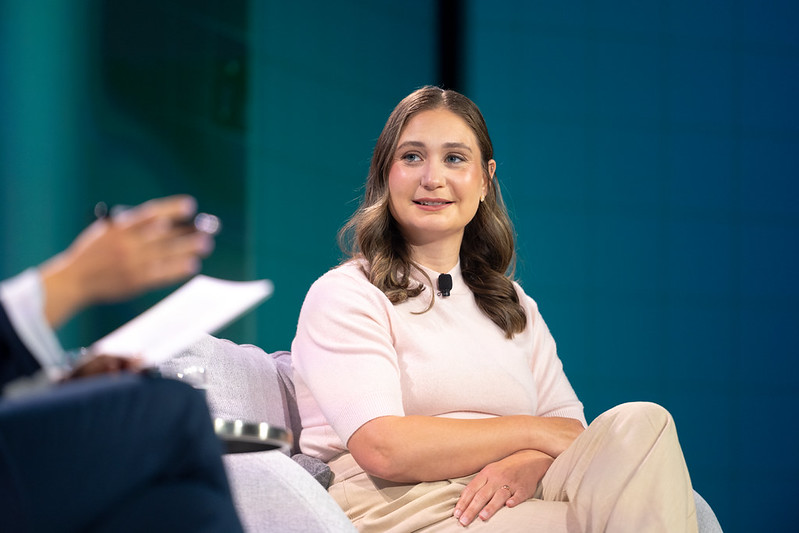
Ahead of its IPO, Anthropic’s Daniela Amodei shrugs off doubts about AI’s returns
Anthropic, a rapidly expanding company in the tech sector, reported that its annualized revenue surged to over $47 billion in May, a significant increase from approximately $9 billion at the end of 2025. This remarkable growth trajectory, however, is set to face challenges as the company navigates the evolving landscape of the industry. With a strong focus on artificial intelligence and machine learning, Anthropic's performance reflects both its innovative strategies and the increasing demand for advanced technology solutions. As the company continues to scale, it will need to address potential hurdles to maintain its momentum and sustain its financial success.
AI Anthropic IPO
Microsoft unveils new AI models to lessen reliance on OpenAI and lower costs for developers
During its Build developer conference, Microsoft unveiled a new suite of generative AI models aimed at competing in the rapidly evolving artificial intelligence market, which is currently dominated by OpenAI, Anthropic, and Google. The announcement, made on a significant platform for developers, highlights Microsoft's commitment to advancing AI technology and expanding its capabilities in this competitive landscape. By introducing these models, Microsoft seeks to leverage its existing resources and expertise to carve out a stronger presence in the AI sector, responding to the growing demand for innovative AI solutions. The move is part of a broader strategy to enhance its offerings and attract developers to its ecosystem, positioning the company as a formidable player in the ongoing AI race.

Anthropic scales Claude Mythos to critical infrastructure in 15+ countries
Anthropic is broadening its Project Glasswing initiative, a program designed to address security vulnerabilities, by extending access to its Mythos platform to 150 organizations across 15 countries. This expansion focuses on critical infrastructure sectors, including power, water, healthcare, and communications, where potential cyberattacks could impact up to 100 million individuals. The move aims to bolster cybersecurity measures in these vital areas, reflecting the growing concern over the risks posed by cyber threats to essential services and public safety.
AI Security Anthropic Claude Mythos
Microsoft and Google are late to AI coding, but 'absolutely critical' they compete for growth
Google and Microsoft are intensifying their focus on coding tools as they seek to compete with leading AI companies Anthropic and OpenAI. This strategic shift comes in response to the growing demand for advanced programming assistance and the rapid advancements made by their rivals in the artificial intelligence sector. As of October 2023, both tech giants are investing heavily in developing and enhancing their coding capabilities to attract developers and businesses looking for innovative solutions. By leveraging their extensive resources and expertise, Google and Microsoft aim to establish a stronger foothold in the AI-driven coding landscape, ultimately striving to offer more efficient and effective tools that can streamline the software development process.

Anthropic confidentially files IPO prospectus with SEC, prepping Wall Street for landmark AI deal
Anthropic, an artificial intelligence company, has taken a significant step towards going public by confidentially filing its initial public offering (IPO) prospectus with the Securities and Exchange Commission (SEC). This move could pave the way for a landmark share sale, attracting investors eager to capitalize on the burgeoning AI sector. The filing, which was made recently, indicates the company's readiness to enter the public market, reflecting growing interest and investment in AI technologies. As the industry continues to expand, Anthropic's IPO could mark a pivotal moment for both the company and the broader market, highlighting the increasing demand for innovative AI solutions.
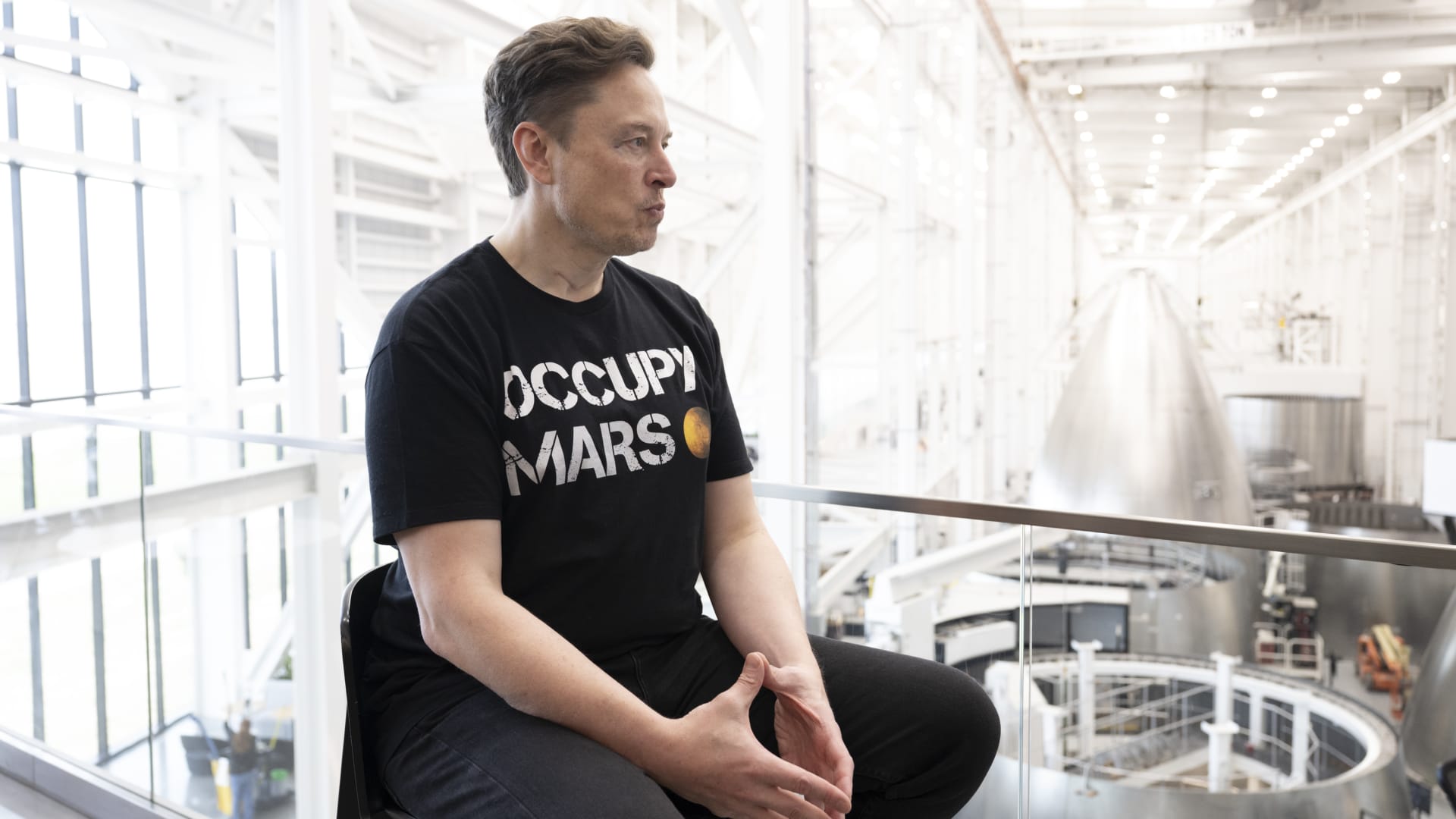
SpaceX skeptics have added reason for concern after Musk comments diverge from IPO filing
Elon Musk recently shared insights on X regarding SpaceX's partnership with Anthropic, revealing information that was not included in the company's initial public offering (IPO) prospectus. This announcement sheds light on the strategic collaboration between the two companies, highlighting the potential implications for advancements in artificial intelligence and aerospace technology. The timing of Musk's disclosure comes as SpaceX prepares for its upcoming IPO, aiming to attract investor interest by clarifying the significance of its relationship with Anthropic. This partnership is expected to enhance SpaceX's capabilities in AI, which is increasingly becoming a critical component in the aerospace sector. Musk's decision to provide these details on a social media platform underscores his approach to transparency and engagement with the public as he navigates the complexities of the IPO process.

Is Tesla, Inc. (TSLA) One of the Best ARK Stocks to Buy Right Now?
Tesla, Inc. has recently made headlines by increasing the prices of its Model Y lineup for the first time in two years. As reported by Reuters on May 16, 2026, the company raised the prices of its premium all-wheel and rear-wheel drive variants by $1,000, bringing them to $49,990 and $45,990, respectively. Additionally, the Model Y Performance All-Wheel Drive saw a $500 increase, now priced at $57,990. This adjustment follows a previous price hike in 2024, when all Model Y prices were raised by $1,000. Notably, Tesla had also increased the price of its high-end Cybertruck by $15,000 last August, despite facing challenges such as weak sales and recalls. In another development, former Tesla AI executive and OpenAI co-founder Andrej Karpathy announced on May 19 that he has joined Anthropic, expressing enthusiasm for contributing to the next phase of large language models. Tesla continues to operate in the electric vehicle and energy sectors, focusing on automotive and energy generation and storage technologies. While some analysts see potential in Tesla as an investment, they suggest that certain AI stocks may offer greater upside with less risk.

Anthropic, Microsoft in talks for AI chip deal after $5 billion investment
Microsoft has developed the Maia 200 chips, which are currently utilized in its data centers to enhance operational efficiency. Although these chips have not yet been released to customers, their advanced technology is expected to significantly improve performance compared to existing silicon solutions. The company aims to leverage the Maia 200 chips to optimize its data processing capabilities, reflecting its ongoing commitment to innovation in cloud computing infrastructure. As of now, the chips remain an internal resource, with no public availability announced.
Anthropic has acquired the dev tools startup used by OpenAI, Google, and Cloudflare
Stainless, a startup based in New York and established in 2022, has gained recognition in the burgeoning artificial intelligence sector for its innovative approach to automating the creation and maintenance of software development kits (SDKs). These SDKs serve as essential libraries that enable developers to effectively interact with application programming interfaces (APIs). By streamlining this process, Stainless aims to enhance efficiency and reduce the complexity involved in software development, positioning itself as a key player in the tech landscape.
AI Anthropic Stainless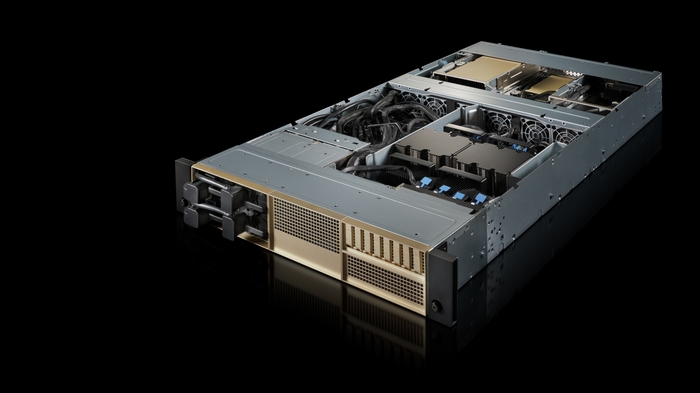
Vera Arrives: NVIDIA’s First CPU Built for Agents Lands at Top AI Labs
NVIDIA has begun delivering its highly anticipated Vera CPUs, with the first units arriving at three prominent AI laboratories on Friday. Anthropic in San Francisco, OpenAI in Mission Bay, and SpaceXAI in Palo Alto received the initial shipments, marking a significant step in advancing AI research and capabilities. Following this, Oracle Cloud Infrastructure in Santa Clara received its delivery on Monday. The introduction of the Vera CPUs is aimed at enhancing computational power for AI applications, enabling these organizations to push the boundaries of artificial intelligence technology. This rollout is part of NVIDIA's ongoing efforts to support the growing demand for advanced AI processing capabilities across various sectors.
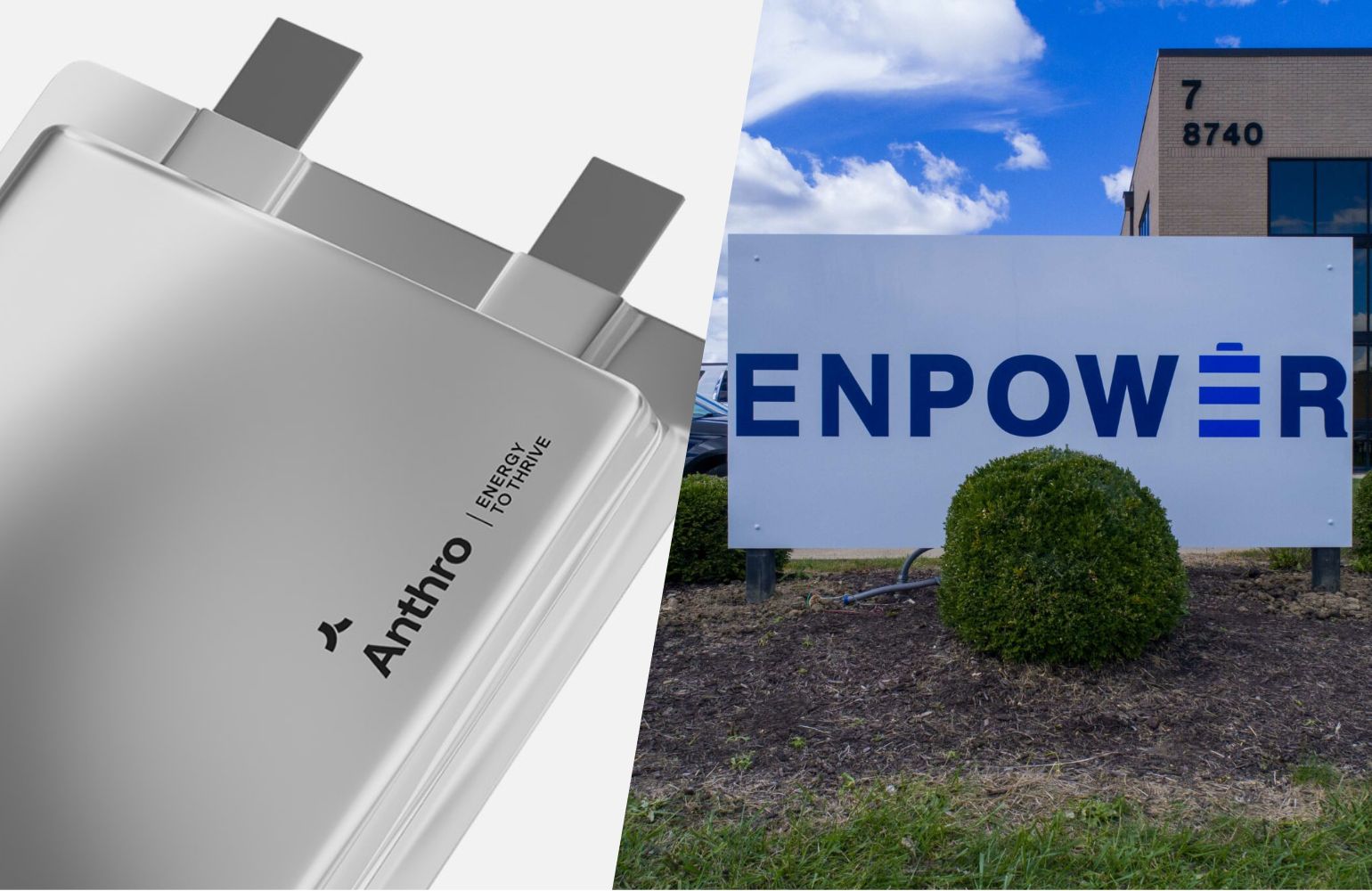
Anthro Energy partners with EnPower to develop lithium-ion cells in the U.S.
EnPower and Anthro Energy have announced a strategic partnership aimed at advancing lithium-ion cell development in the United States. This collaboration will leverage EnPower's expertise in electrode and pouch cell manufacturing alongside Anthro Energy's innovative Proteus electrolyte platform. By combining their respective technologies, the companies seek to enhance the performance and efficiency of lithium-ion batteries, addressing the growing demand for sustainable energy solutions. The partnership marks a significant step forward in the U.S. battery manufacturing landscape, reflecting a commitment to innovation and competitiveness in the energy sector.
Aerospace Batteries / Power Supplies Defense / Security Drones Maritime Mobility / Navigation
Perceptron Mk1 shocks with highly performant video analysis AI model 80-90% cheaper than Anthropic, OpenAI & Google
Perceptron Inc., a Bellevue-based startup founded by former Meta researchers Armen Aghajanyan and Akshat Shrivastava, has launched its flagship video analysis model, Mk1, aimed at revolutionizing how enterprises utilize AI in real-time video processing. Announced today, this innovative model is priced significantly lower than competitors, at $0.15 per million input tokens and $1.50 per million output tokens, making it accessible for large-scale industrial applications. The Mk1 model, developed over 16 months, excels in understanding complex physical interactions and temporal reasoning, outperforming established models like OpenAI's GPT-5 and Google's Gemini 3.1 Pro in various benchmarks. Its unique architecture allows it to process video streams continuously, maintaining object identity and providing precise analysis of dynamic scenes, which is particularly beneficial for sectors such as security, robotics, and marketing. Perceptron aims to position Mk1 as a leader in the "Efficiency Frontier," balancing high performance with cost-effectiveness. The model's capabilities extend to auto-clipping highlights from live sports and enhancing quality control in manufacturing. A public demo site is available for potential users to explore its functionalities. This launch signifies a significant step towards integrating advanced AI into real-world applications, as the company seeks to make "physical AI" as prevalent as its digital counterpart.
Technology
Pentagon inks deals with Nvidia, Microsoft, and AWS to deploy AI on classified networks
The Department of Defense (DOD) has intensified its efforts to diversify its partnerships with artificial intelligence (AI) vendors following a contentious dispute with Anthropic regarding the usage terms of its AI models. This strategic move aims to mitigate risks associated with reliance on a single vendor and enhance the DOD's capabilities in AI technology. The decision reflects a broader trend within the military to embrace a wider array of AI solutions, ensuring that it remains at the forefront of technological advancements. The DOD's renewed focus on expanding its vendor base underscores the importance of adaptability and innovation in defense operations, particularly as the landscape of AI continues to evolve rapidly.
AI Government & Policy AWS Defense Department Google Microsoft
Claude Mythos Preview Requires New Ways to Keep Code Secure
Malicious actors are increasingly leveraging generative AI to conduct cyberattacks, employing AI-generated deepfakes for scams, AI-assisted malware, and chatbots for phishing campaigns. In early April, Anthropic’s Frontier Red Team revealed that its Claude Mythos Preview model identified thousands of critical vulnerabilities across major operating systems and web browsers, despite not being specifically trained for this purpose. This prompted the launch of Project Glasswing, a collaborative initiative with tech giants like Amazon Web Services, Apple, Google, Microsoft, and Nvidia, aimed at using Mythos Preview to enhance software security. While generative AI demonstrates remarkable capabilities in identifying code vulnerabilities, experts warn that these same abilities can be exploited by cybercriminals. Jeremy Katz, vice president of code security at Sonar, noted that AI can effectively pinpoint security flaws within extensive codebases. However, the technology is not without its challenges, including the potential for false positives, which complicates the process for open-source maintainers. To mitigate these issues, cybersecurity professionals advocate for a balanced approach that incorporates human oversight in the verification of AI findings. Techniques such as adversarial self-review and dynamic threat modeling are suggested to enhance the reliability of AI tools. Experts emphasize the importance of integrating security measures earlier in the software development lifecycle and providing ongoing training for developers to preemptively address vulnerabilities. As AI continues to evolve in its ability to detect and classify security weaknesses, the focus will shift towards effectively remediating these vulnerabilities at scale.
Anthropic Coding Artificial-intelligence
Claude puts up a wall as ID checks complicate access for Chinese users
Anthropic's AI tool, Claude, has introduced a new identity verification system that mandates users to submit a real-time selfie alongside a government-issued ID. This announcement, made recently, has sparked significant global interest and concern, particularly among Chinese users who view the requirement as a substantial barrier to accessing AI services. The implementation of this verification process aims to enhance security and trust in the platform, but it has raised questions about accessibility and privacy for users in regions with stricter regulations.
Heavy Hitters AI Content and entertainment Highlight News
12 Graphs That Explain the State of AI in 2026
As major AI companies like OpenAI and Anthropic prepare for initial public offerings later this year, the landscape of artificial intelligence continues to evolve rapidly. The 2026 AI Index report from Stanford University reveals that the U.S. remains the leader in AI model development, with 50 notable models released in 2025, although China's advancements in robotics are noteworthy, having installed 295,000 industrial robots in 2024. The report highlights a staggering growth in global AI compute capacity, which has tripled annually since 2022, largely driven by Nvidia's GPUs. However, the environmental impact of AI training is concerning, with estimates indicating that training large language models can generate over 72,000 tons of carbon emissions. Despite these challenges, AI investment surged to a record $581 billion in 2025, primarily in the U.S., reflecting a growing enthusiasm for AI technologies among software engineers and researchers. Public sentiment towards AI has slightly improved, with 59% of survey respondents believing the benefits outweigh the drawbacks. However, trust in government regulation of AI remains low in the U.S., with only 31% expressing confidence. This mixed perception underscores the ongoing debate about AI's societal impact, as advancements in technology continue to outpace regulatory frameworks.
Ai-index Artificial-intelligence Stanford-university
Import AI 453: Breaking AI agents; MirrorCode; and ten views on gradual disempowerment
Recent discussions among historians and anthropologists have raised intriguing questions about the significance of fire in early human societies. Scholars are exploring whether fire served as a transformative force, akin to a singularity, for our ancestors. This inquiry delves into the pivotal role that fire played in the development of human civilization, particularly during prehistoric times. The investigation highlights that the mastery of fire, which occurred approximately 1.5 million years ago, fundamentally altered the daily lives of early humans. It provided warmth, protection from predators, and a means to cook food, which in turn enhanced nutrition and social interactions. These advancements are believed to have contributed to the evolution of human cognitive abilities and social structures. The discussions are taking place in academic circles and conferences worldwide, where experts are examining archaeological evidence and anthropological studies. By understanding the impact of fire, researchers aim to uncover how this crucial discovery shaped human history and facilitated the transition from nomadic lifestyles to settled communities. The ongoing research underscores the importance of fire not just as a tool, but as a catalyst for change that propelled human advancement. As scholars continue to analyze the implications of fire on early human development, they emphasize its role in fostering cooperation, communication, and cultural evolution among our ancestors. This exploration not only sheds light on the past but also offers insights into the fundamental elements that define human progress.

AI Is Insatiable
A recent analysis by Senior Editor Samuel K. Moore highlights the ongoing DRAM shortage, primarily driven by the increasing demand for high bandwidth memory (HBM) from AI hyperscalers like Google, Microsoft, OpenAI, and Anthropic. This shortage is significantly impacting the performance of large language models, as these companies invest heavily in building expansive data centers to support their AI operations. The report, published on February 10, has been updated to reflect the current state of the memory market, which is also affecting the prices of low-cost computers, such as the Raspberry Pi. The demand for memory is exacerbated by the energy consumption of AI technologies, which could account for up to 12 percent of all U.S. power by 2028. As companies like Nvidia and AMD require more memory for their processors, the pressure on supply chains continues to mount. Moore notes that any adjustments in production schedules from major HBM manufacturers—Micron, Samsung, and SK Hynix—could signal a potential easing of the shortage. Additionally, tech companies may need to adapt by opting for hardware that requires less memory or redesigning products to mitigate the impact of the constraints. The analysis emphasizes the importance of monitoring these developments as the tech industry navigates the challenges posed by the memory shortage. To stay informed on this evolving situation and broader technology trends, readers are encouraged to subscribe to the weekly newsletter, Tech Alert.
Semiconductors Dram Memory Chips Ai Data-centers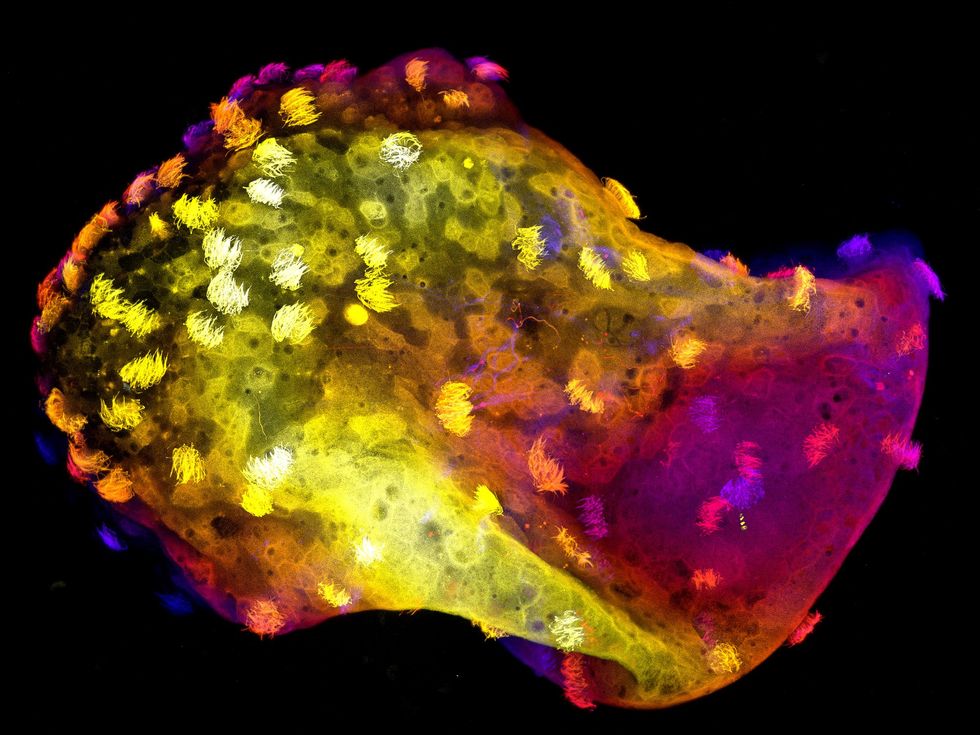
Scientists Build Living Robots With Nervous Systems
Researchers at Tufts University have developed a groundbreaking type of biological machine known as a "neurobot," which combines living cells with neural networks to create self-directed systems. This innovative advancement was reported in the journal Advanced Science last month. The neurobots, which are constructed from frog cells, are capable of swimming and responding to their environment through integrated neurons that allow for electrochemical signaling. The development of neurobots marks a significant evolution from earlier biological machines, known as xenobots, which were limited to mechanical movements. These new creations exhibit more complex behaviors, such as exploring their surroundings and adapting to stimuli, thanks to their ability to process information internally. The research aims to deepen understanding of how neural networks can lead to sophisticated behaviors, potentially paving the way for applications in tissue repair and environmental monitoring. The team, led by biologist Michael Levin, plans to extend this technology by incorporating human neural cells into their designs, creating "anthrobots." These living machines could be trained to perform specific tasks, such as detecting environmental pollutants. The commercial startup Fauna Systems, co-founded by Levin, is focusing on deploying xenobots for environmental sensing, aiming to provide real-time indicators of ecosystem health. Despite the promising potential of neurobots, researchers acknowledge significant technical challenges ahead. However, the initial focus remains on simpler xenobots, which are already demonstrating valuable capabilities in monitoring environmental conditions.
Bioengineering Frog Living-cells Biomimetics Bioinspired-robots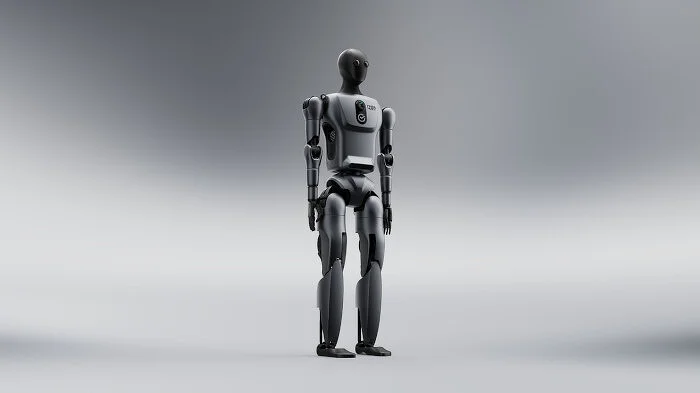
Sber Debuts “Green,” a GigaChat-Powered Humanoid, at Moscow AI Conference
A prominent Russian banking and technology company has introduced its inaugural anthropomorphic robot, designed to function as a "Physical AI" agent. This innovative robot is equipped to handle tasks related to warehouse logistics while also engaging in social interactions. The unveiling of this advanced technology highlights the company's commitment to integrating artificial intelligence into practical applications, aiming to enhance operational efficiency and improve customer engagement. The launch event took place recently, showcasing the robot's capabilities and the potential impact on various industries.
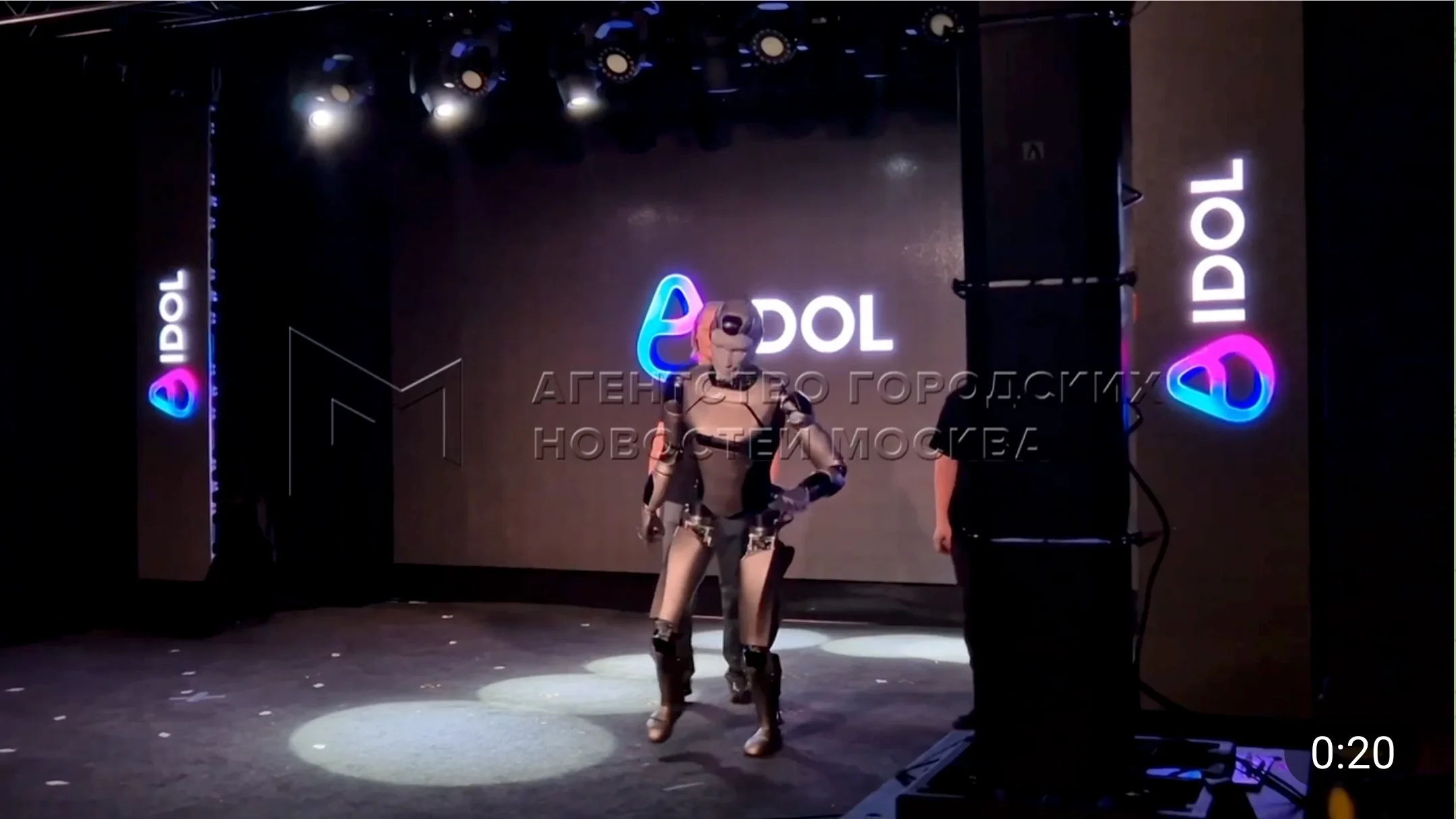
Russia's AIdol Humanoid Robot Takes a Tumble During Moscow Debut
During a recent presentation in Russia, the unveiling of the country's first anthropomorphic robot, AIdol, took an unexpected turn when the robot fell over on stage. The incident led to a flurry of activity among staff members who rushed to assist the fallen machine. Developers attempted to downplay the mishap by explaining that it was part of a "test setup." The event, which showcased advancements in robotics, highlighted both the excitement and challenges associated with developing cutting-edge technology.
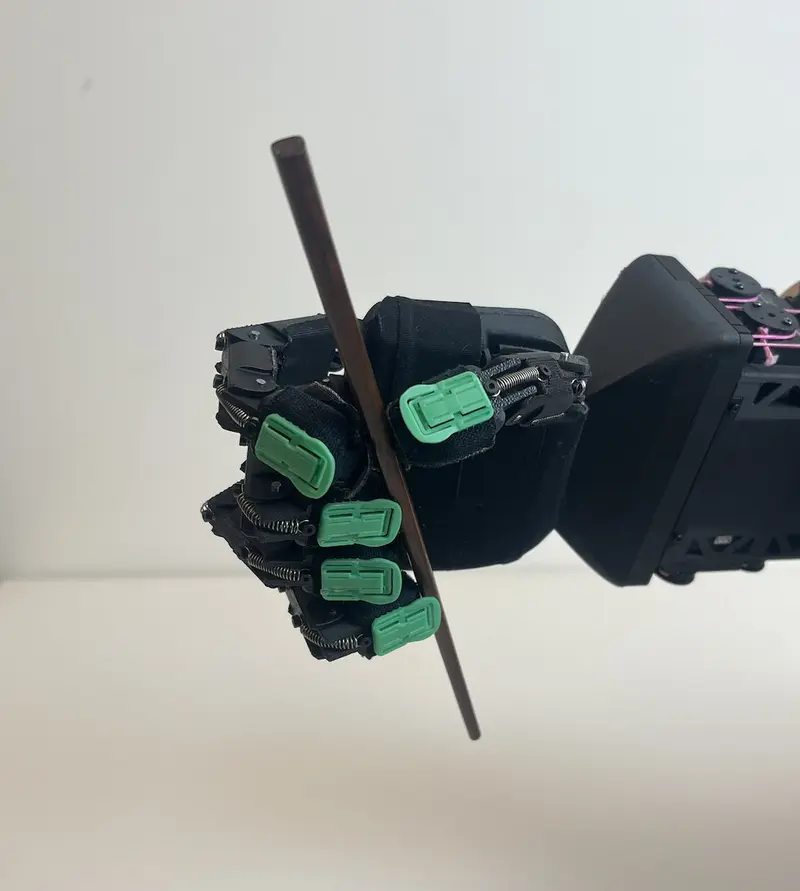
NYU's Open Source RUKA Hand Promises High Dexterity on a Budget
Researchers at New York University have unveiled RUKA, an innovative, low-cost robotic hand designed for dexterous manipulation, priced at approximately $1,300. This anthropomorphic device utilizes tendon-driven underactuation combined with a learning-based controller to deliver impressive performance. The project aims to advance the field of robotics by making sophisticated technology more accessible, as it has been fully open-sourced to encourage further research and development in dexterous manipulation. The initiative reflects a commitment to democratizing technology, allowing a broader range of researchers and developers to explore and enhance robotic capabilities.
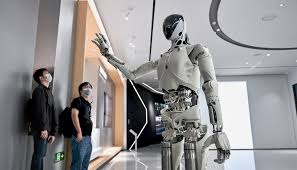
Silicon Valley stunned as China’s DeepSeek-R1 surpasses US AI giants, undercuts costs
Tensions escalated in Silicon Valley this week following the launch of DeepSeek's R1 model, a Chinese AI technology that has surpassed leading U.S. companies such as OpenAI, Meta, and Anthropic in third-party performance benchmarks. The unease began earlier with the release of DeepSeek v3, which already outperformed Meta’s Llama 4. The R1 model, unveiled on January 20, has been noted for its significant improvements in model inference capabilities, raising concerns among American tech firms about competition and innovation in the rapidly evolving AI landscape.
News Feed