Industry Briefing
A single destination for timely, editor-curated robotics news from around the world.
Urban UAV Operations Need More than Drones
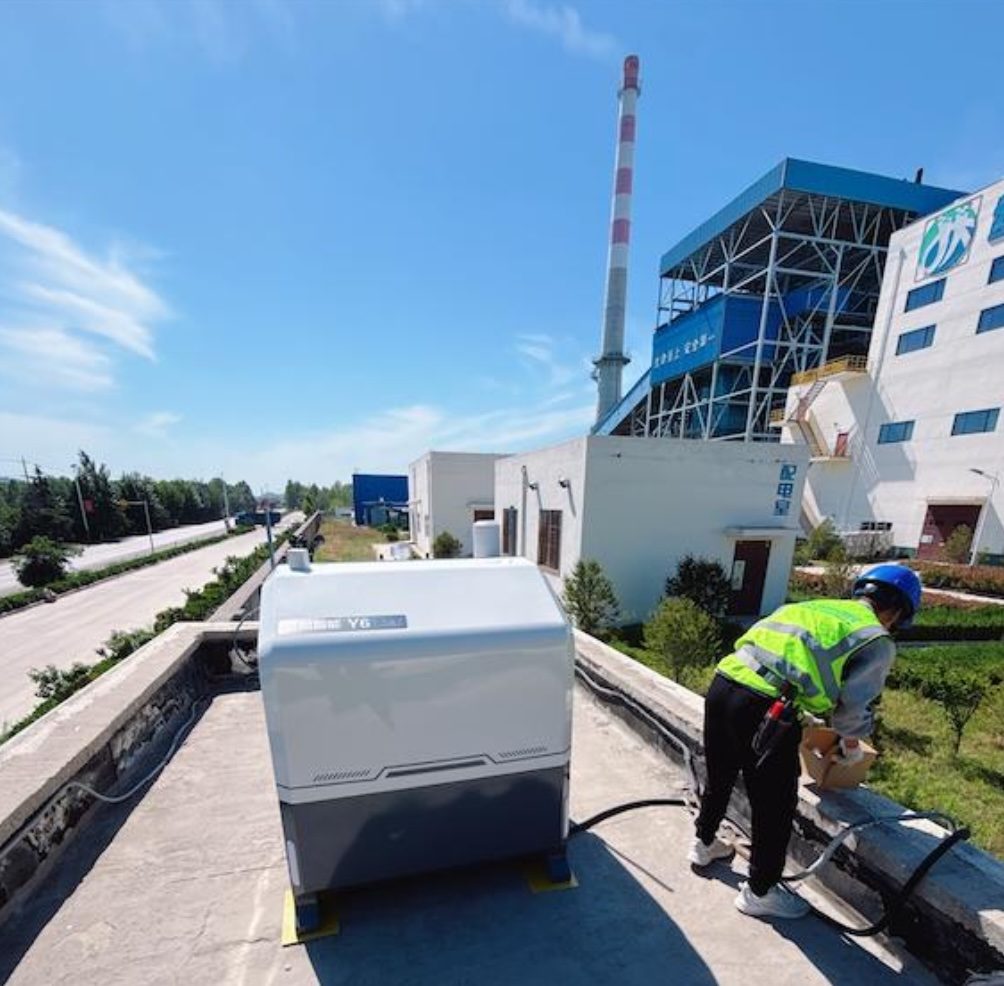
Cloud Century has successfully established over 200 drone docks across China, gaining valuable insights into the requirements for urban drone operations. In a recent commentary, Meng Xu from Cloud Century emphasized that the future of the low-altitude economy hinges on the development of robust infrastructure, the advancement of autonomous operations, the integration of drone docks, and the utilization of AI-assisted operational intelligence. This initiative reflects the growing recognition of the need for comprehensive support systems to enhance the efficiency and effectiveness of urban UAV operations.
Applications DL Exclusive Drone News Drone News Feeds News Research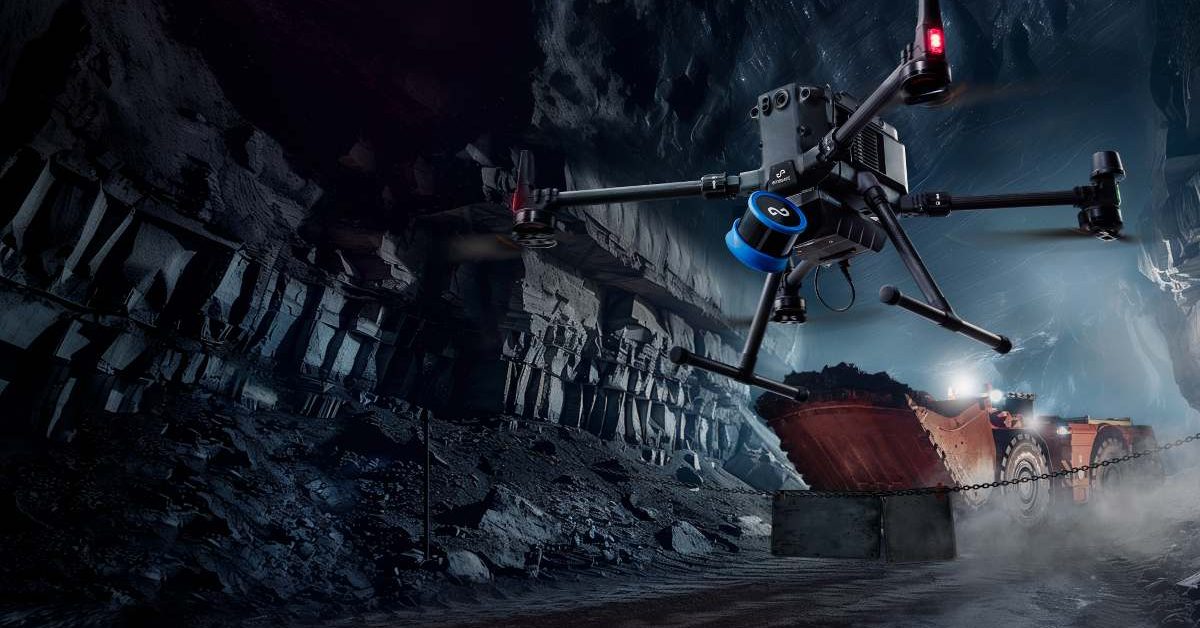
Emesent Secures $17 Million to Enhance AI-Driven Drone Operations and Expand Manufacturing
Emesent, an Australian drone mapping company, has raised $17 million to boost its AI-powered autonomous operations. This funding includes a $7 million venture debt facility from the National Reconstruction Fund Corporation and a $10 million equity round from notable investors such as Main Sequence and QIC Ventures. The investment aims to enhance the capabilities of drones in complex environments with minimal human intervention. The significance of this funding lies in Emesent's strategy to focus on software advancements alongside hardware improvements. The company plans to develop its Cortex AI autonomy software and Aura cloud platform, which will enable drones to operate in GPS-denied areas and process 3D mapping data efficiently. Emesent's existing Hovermap LiDAR payload is already utilized in over 200 mine sites globally, showcasing its established presence in the industrial drone sector. Looking ahead, Emesent intends to expand its manufacturing capabilities in Queensland while pursuing growth in international markets. CEO Charles Miller emphasized the importance of this investment in enhancing AI and autonomy for industries such as mining and defense. No further timeline was disclosed at the time of publication for the anticipated developments from this funding round.
News
SpaceX's Starmind Plans 1 Million AI Satellites Amid Collision Risks
SpaceX has announced its ambitious Starmind project, which aims to deploy 1 million AI satellites in orbits between 500 and 2,000 km. This initiative, confirmed by Elon Musk on June 23, 2026, follows a merger with xAI, valuing the combined entity at $1.25 trillion. The satellites will function as orbital data centers, processing AI workloads powered by solar arrays and linked by optical lasers. The significance of Starmind lies in its potential to add 100 gigawatts of AI compute capacity annually, contingent on the successful operation of the Starship launch system. However, the project raises concerns regarding space debris, as the current orbital environment is already congested, with a 20% increase in collision risk reported since 2024. The European Space Agency has highlighted that the density of debris in low Earth orbit is now comparable to that of active satellites, complicating the operational landscape for new entrants like Starmind. Looking ahead, the first operational orbital AI deployments are targeted for 2028, with test launches expected in early 2027. However, the project faces scrutiny regarding its impact on space debris, as even a 1% failure rate could significantly increase the number of uncontrollable objects in orbit, exacerbating existing risks. No further timeline was disclosed at the time of publication.
Project ULTRA Aims to Normalize Drone Operations in Shared Airspace
At the AUVSI XPONENTIAL 2026 conference in Detroit, officials from the Federal Aviation Administration (FAA), the Department of Defense (DoD), and various industry partners announced a collaborative initiative aimed at normalizing drone operations within the National Airspace System (NAS). This effort, referred to as Project ULTRA, seeks to develop scalable systems for unmanned aircraft systems (UAS), logistics, and counter-UAS coordination. The initiative is part of a broader strategy to enhance the integration of drones into shared airspace, addressing both operational efficiency and safety concerns. By leveraging the Grand Forks test environment, stakeholders are working to establish protocols and technologies that will facilitate the seamless coexistence of drones and traditional aircraft, ultimately promoting innovation in the aviation sector.
BVLOS DL Exclusive Drone News Drone News Feeds FAA News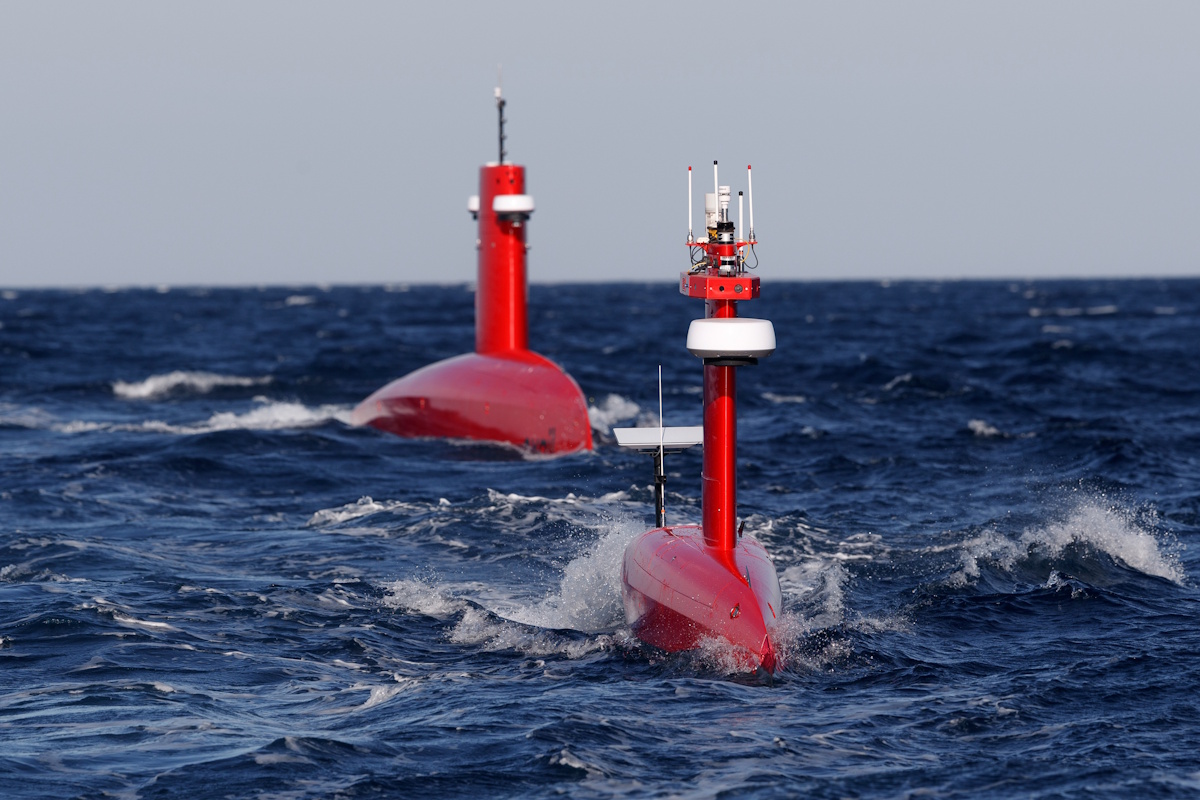
Exail Announces First Sale of DriX H-9 for Civil Offshore Operations to a European Client
Exail, a prominent company in marine robotics technologies, has secured a contract for the sale of its DriX H-9 Uncrewed Surface Vessel (USV) to a European client. This transaction, announced recently, highlights the growing demand for advanced marine survey solutions. The DriX H-9 is outfitted with sophisticated equipment, including a Multibeam Echosounder, Side Scan Sonar, Sub-Bottom Profiler, and magnetometer, making it well-suited for civil offshore operations. The vessel will be utilized for offshore infrastructure survey operations, reflecting Exail's commitment to enhancing capabilities in marine surveying and monitoring.
exail drix h-9 civil offshore operations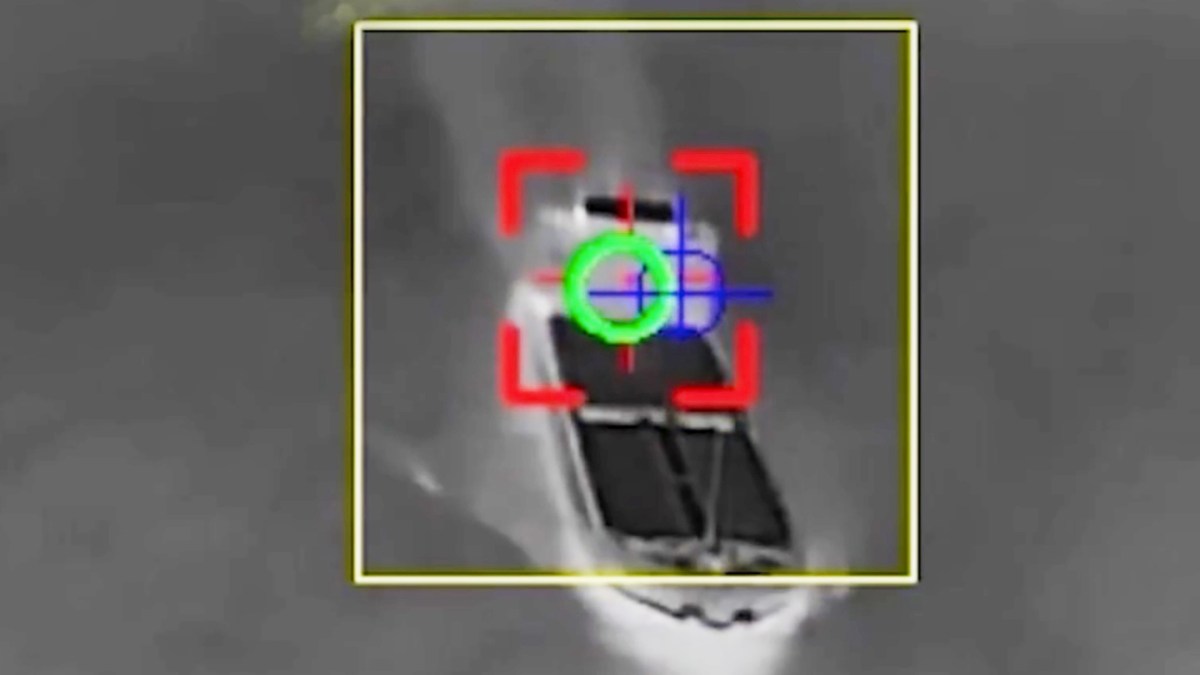
Ukrainian Drone Strikes Hit 28 Russian Vessels in Sea of Azov Campaign
On July 11, Ukraine reported that its aerial drones struck 28 Russian vessels in the Sea of Azov, part of an ongoing campaign that has targeted nearly 80 ships since July 6. This includes a significant number of oil tankers from Russia's shadow fleet, leading to a temporary halt in shipping through the Don-Azov Channel, a crucial navigable waterway for grain exports. The significance of these attacks lies in their impact on Russia's maritime operations and economy. Analysts noted that approximately 25% of Russia's wheat exports, the world's largest exporter of the grain, transit through the Sea of Azov. The strikes have prompted Russia to suspend new vessel transit applications through the Kerch Strait and halt navigation on the Don-Azov Canal, further isolating the Crimean peninsula and disrupting Russian energy supplies. Looking ahead, the Ukrainian military's 414th Separate Unmanned Strike Aviation System Brigade, known as “Magyar’s Birds,” continues to execute operations targeting Russian naval assets and infrastructure. The brigade's campaign, dubbed “Operation ‘Crimean Switch Off,’” aims to weaken Russian capabilities in the region. No further timeline was disclosed at the time of publication.
News & Features Air Around The Globe Drones Europe Russia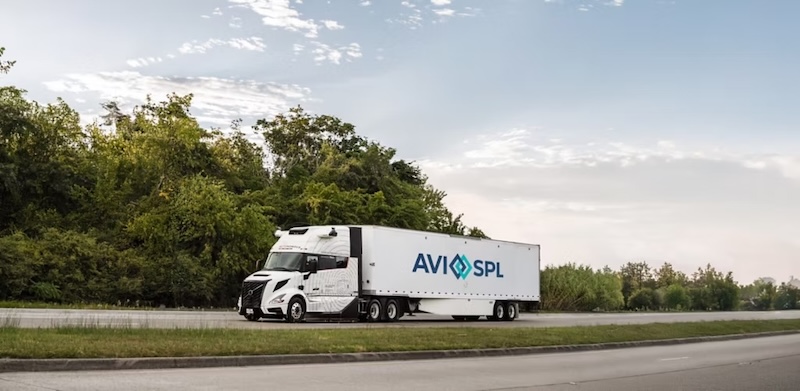
AVI-SPL and Volvo Autonomous Solutions Launch Freight Operations Between Dallas and Houston
AVI-SPL, in partnership with Volvo Autonomous Solutions, has initiated commercial autonomous freight operations between Dallas and Houston using the Volvo VNL Autonomous vehicle powered by the Aurora Driver. This operation will facilitate the transport of audio-visual electronics, including new products and end-of-life equipment for recycling, enhancing AVI-SPL's Electronic Recycling Program. This collaboration is significant as it addresses the increasing freight demand in the U.S. amid a shortage of qualified drivers and delivery capacity constraints. By leveraging autonomous transport technologies, AVI-SPL aims to improve logistics operations, enhance service delivery, and meet the needs of time-sensitive freight, thereby reinforcing its position as a leader in the industry. Looking ahead, this partnership represents a pivotal advancement in the application of autonomous trucking in logistics. As freight capacity demand escalates, the focus will be on how these technologies can enhance supply chain efficiency, improve asset utilization, and ensure cargo security. No further timeline was disclosed at the time of publication.
Autonomous Vehicles News Technology aurora driver autonomous freight autonomous trucking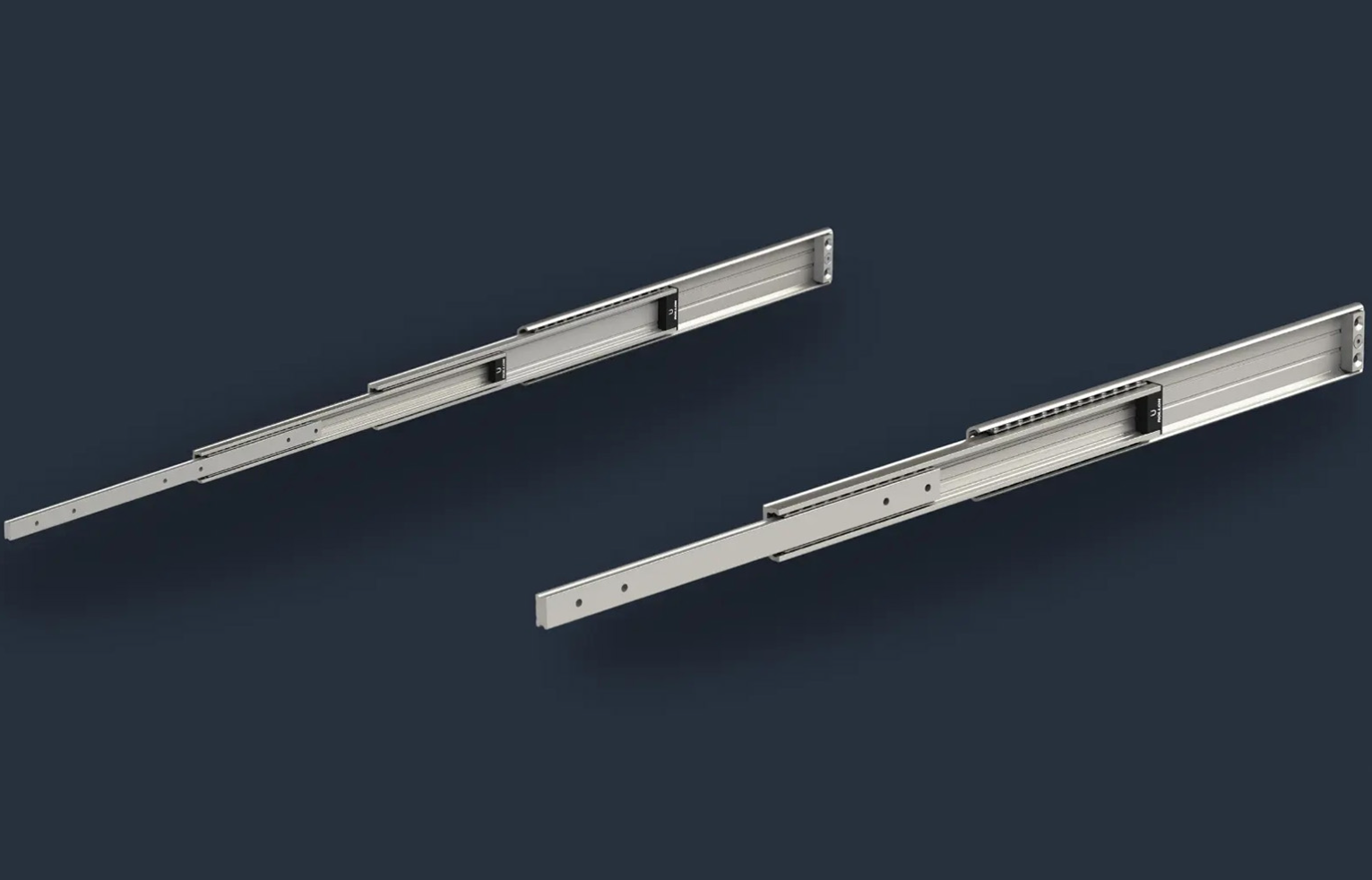
Rollon Launches Magnetic Telescopic Rails to Enhance Railway Maintenance Efficiency
Rollon, a leader in linear motion systems, has introduced the HVC-MG and H1C-MG integrated magnetic telescopic rails. These rails, designed for high-load applications, incorporate magnets into the rail structure to improve control and reduce effort during maintenance tasks. The new technology was unveiled this week and aims to enhance the efficiency and safety of railway maintenance operations by allowing engineers to easily pull out heavy battery compartments weighing hundreds of kilograms. The significance of this innovation lies in its ability to provide a seamless operation under heavy loads, addressing the challenges faced by maintenance personnel in the railway sector. The integrated magnets facilitate a sequential opening of the rail components, which minimizes simultaneous stress and enhances load distribution. This results in smoother operation, reduced manual effort, and extended rail lifespan, making it particularly suitable for the demanding environments of high-speed rail and subway systems. Looking ahead, Rollon plans to expand its magnetic control sequential motion technology across more product lines. The HVC and H1C series rails offer full extension and super extension options, maximizing accessibility while minimizing space usage. No further timeline was disclosed at the time of publication for additional product releases or enhancements.
Railway Maintenance Linear Motion Systems Heavy Equipment Automation Technology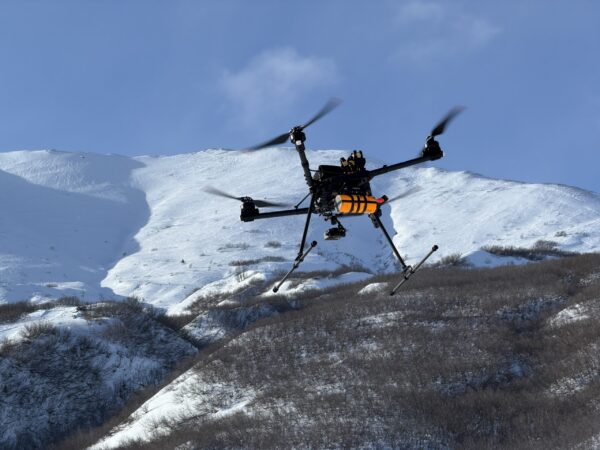
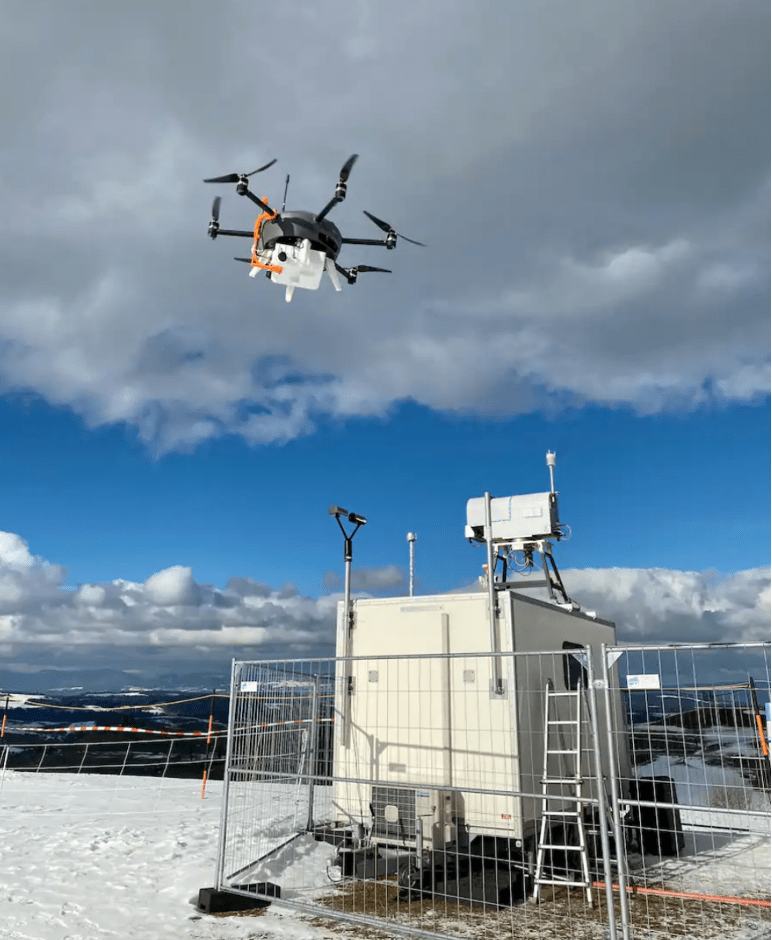
Drone Amplified Receives FAA Approval for MONTIS Avalanche Control Drone Operations
Drone Amplified, a Nebraska-based company, announced on July 8, 2026, that it has received regulatory approval from the Federal Aviation Administration (FAA) for its MONTIS drone, designed for avalanche control operations. This approval establishes a legal framework for the commercial deployment of the remote avalanche mitigation system across the United States, enhancing safety measures in avalanche-prone areas. The FAA's endorsement is significant as it allows Drone Amplified to offer its innovative technology to U.S. customers, potentially transforming avalanche management practices. The MONTIS drone is expected to improve response times and operational efficiency in avalanche control, addressing a critical need in mountainous regions where avalanches pose serious risks to safety and infrastructure. Looking ahead, the company aims to expand its market presence and operational capabilities following this regulatory milestone. No further timeline was disclosed at the time of publication, but stakeholders will be keen to see how quickly Drone Amplified can roll out its services and establish partnerships in the avalanche control sector.
Disaster Response dispatch Drone News Drone News Feeds Drones in the News Environmental Research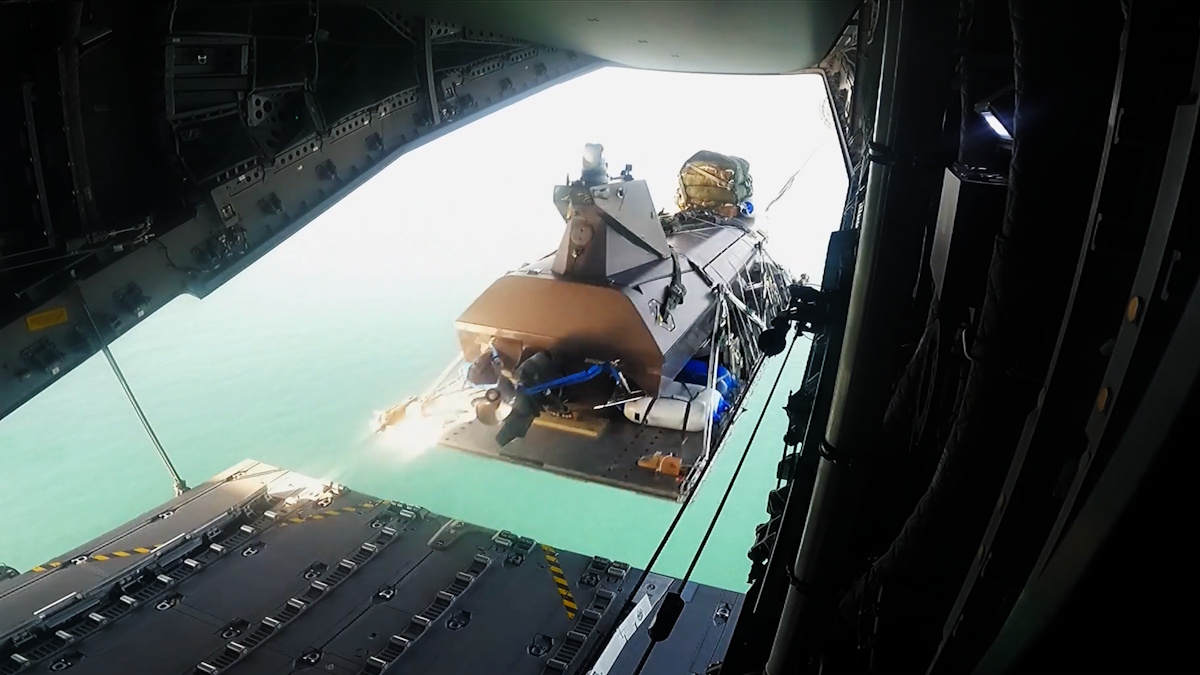
Kraken and Capewell Achieve First USV Airdrop from A400M Aircraft
Kraken Technology Group and Capewell, in collaboration with the Royal Navy, have successfully executed the world's first airdrop of an uncrewed surface vessel (USV) from an A400M military transport aircraft. This milestone was achieved during trials where the K3 SCOUT USV was deployed from 1,300 feet into waters with Sea State 4 conditions, demonstrating a new capability for rapid insertion of maritime vessels into challenging environments. The significance of this achievement lies in its potential to enhance military operations by allowing for quick deployment of high-performance USVs in contested areas. The trials utilized Kraken's K3 SCOUT airdrop kit and Capewell's Universal Maritime Craft Aerial Delivery System (UMCADS), showcasing a new IN-Release system that ensures reliable load disconnect across various applications, thereby improving operational flexibility and response times. Looking ahead, Kraken and Capewell plan to further develop their partnership to enhance operational capabilities with their modular platforms. No further timeline was disclosed at the time of publication, but the successful completion of four live airdrops in six days indicates a strong foundation for future advancements in USV deployment strategies.
usv airdrop kraken technology group capewell royal navy project beehive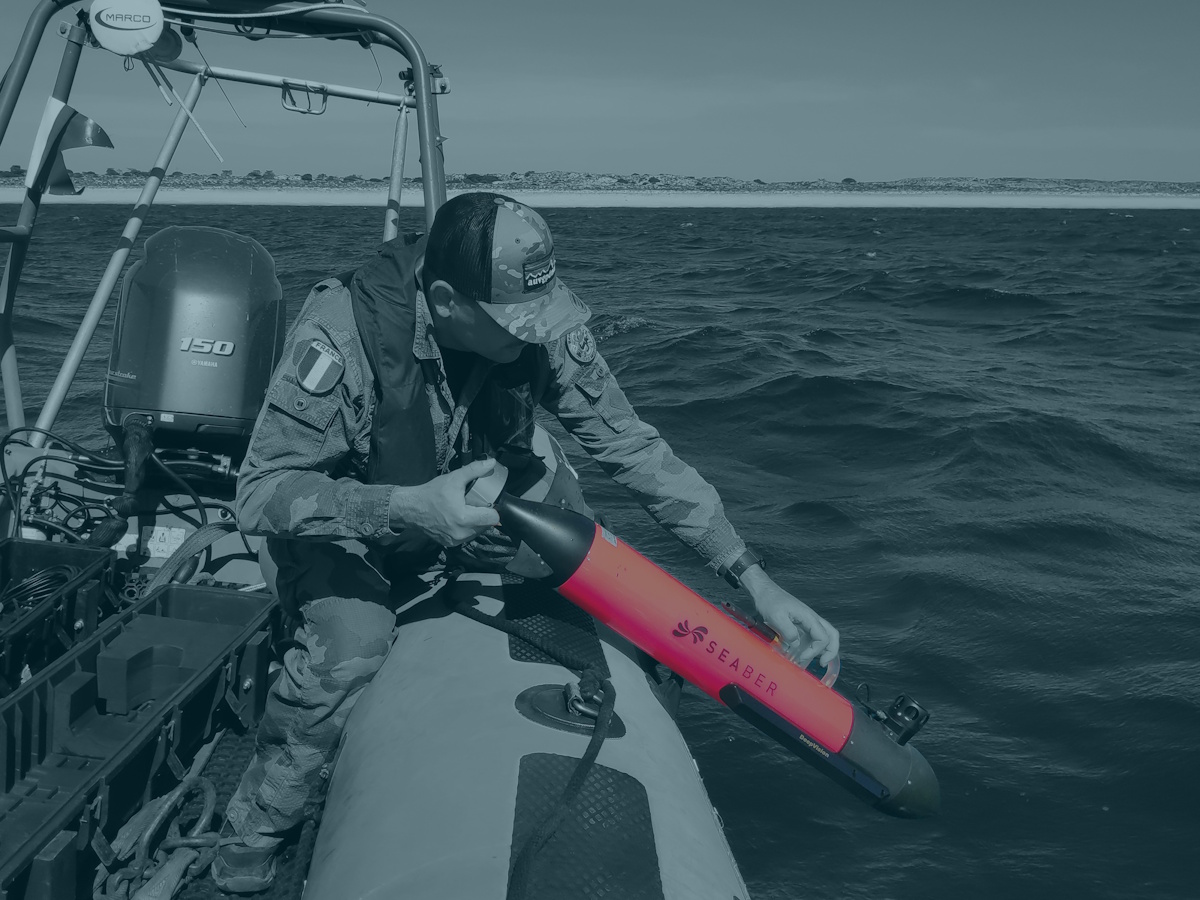
SEABER’s MARVEL 3DSS AUV for Beach Reconnaissance: A Technological Breakthrough for Naval Amphibious Operations
SEABER has achieved a significant milestone with the successful integration of a next-generation interferometric 3D side-scan sonar (3DSS) into its MARVEL micro-AUV, marking the first global deployment of this advanced technology on such a platform. Utilizing patented CAATI technology, the 3DSS provides high-resolution 2D imagery, true 3D seabed reconstruction, and centimetric-scale bathymetry from a compact system. In operational tests, the MARVEL-3DSS efficiently mapped a 300 × 150-meter beach approach zone in under 30 minutes, achieving speeds up to ten times faster than traditional methods while maintaining a minimal acoustic signature and eliminating the need for specialized personnel. This innovation significantly enhances the amphibious beach reconnaissance capabilities for naval forces, special operations units, and mine countermeasure teams, particularly in contested littoral environments.
seaber marvel 3dss auv beach reconnaissance amphibious operations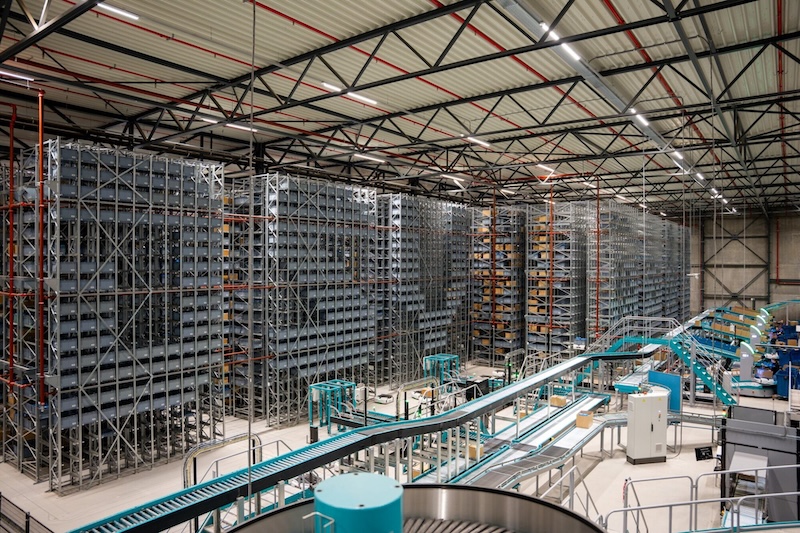
DSV partners with Exotec to modernise Dutch supply chain operations
DSV, a global leader in transport and logistics, has announced a strategic partnership with Exotec, a company renowned for its expertise in warehouse robotics. This collaboration has led to the installation of Exotec's advanced Skypod system at DSV's logistics center in Venlo. The innovative system features around 100 autonomous Skypod robots, designed to enhance fulfillment operations for a range of retail brands. This initiative aims to streamline logistics processes and improve efficiency in handling inventory, reflecting DSV's commitment to leveraging cutting-edge technology in its operations. The partnership underscores the growing trend of automation in the logistics sector, as companies seek to optimize their supply chains and meet increasing consumer demands.
Logistics News Warehouse robots automation news Autonomous robots dsv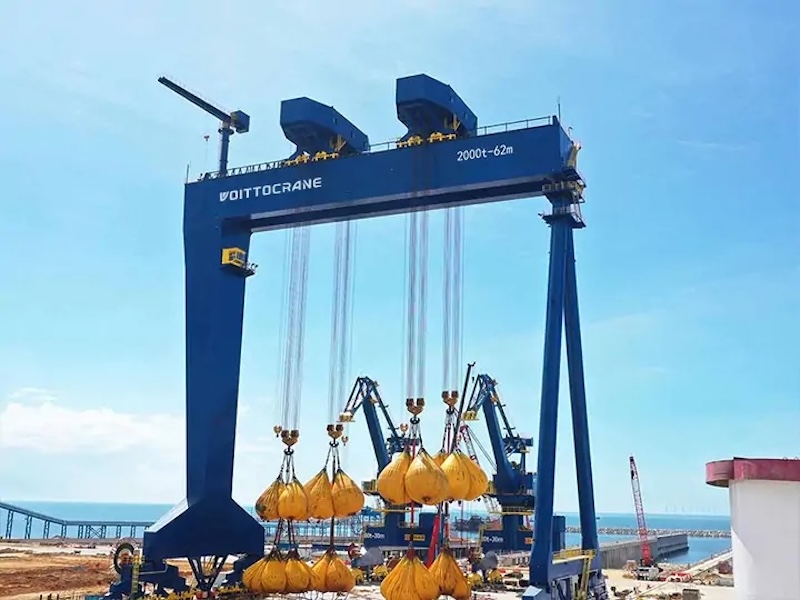
How Automated Container Gantry Cranes Are Reshaping Port Operations in 2026
In 2026, container gantry cranes, essential to global port logistics, are set to undergo significant transformation. This evolution is driven by advancements in automation and artificial intelligence, alongside increasing demands for reduced emissions in the shipping industry. As a result, these towering machines are transitioning from traditional mechanical roles to becoming intelligent, interconnected systems. This shift aims to enhance operational efficiency and sustainability in port operations, fundamentally redefining logistics practices worldwide. The integration of smart technologies is expected to improve the speed and accuracy of cargo handling, ultimately benefiting global trade.
Logistics Material handling ai automation automated container cranes automation news cargo handling
Hai Robotics Achieves IEC 62443-4-1 Certification, Strengthening Cybersecurity for Automated Warehouse Operations
Hai Robotics has successfully obtained the IEC 62443-4-1 certification, a significant milestone that bolsters the cybersecurity of its automated warehouse operations. This certification underscores the company's dedication to developing secure automation systems, assuring customers that its robotic solutions are equipped with integrated cybersecurity measures. By achieving this certification, Hai Robotics aims to mitigate operational risks associated with interconnected environments, thereby enhancing customer confidence in its technology.
Cybersecurity Warehouse Automation Industrial Automation Robotics Supply Chain Management
Hai Robotics Achieves IEC 62443-4-1 Certification, Strengthening Cybersecurity for Automated Warehouse Operations
Hai Robotics has successfully obtained the IEC 62443-4-1 certification, a significant milestone that bolsters cybersecurity for its automated warehouse operations. This certification underscores the company's dedication to developing secure automation systems, assuring customers of the robust cybersecurity measures embedded within their robotic solutions. Such enhancements are vital for ensuring operational continuity in increasingly interconnected environments, where the integrity of automated systems is paramount. The certification reflects Hai Robotics' proactive approach to addressing cybersecurity challenges in the logistics sector, reinforcing its position as a leader in safe and reliable automation technology.
Cybersecurity Warehouse Automation Industrial Automation Robotics Supply Chain Management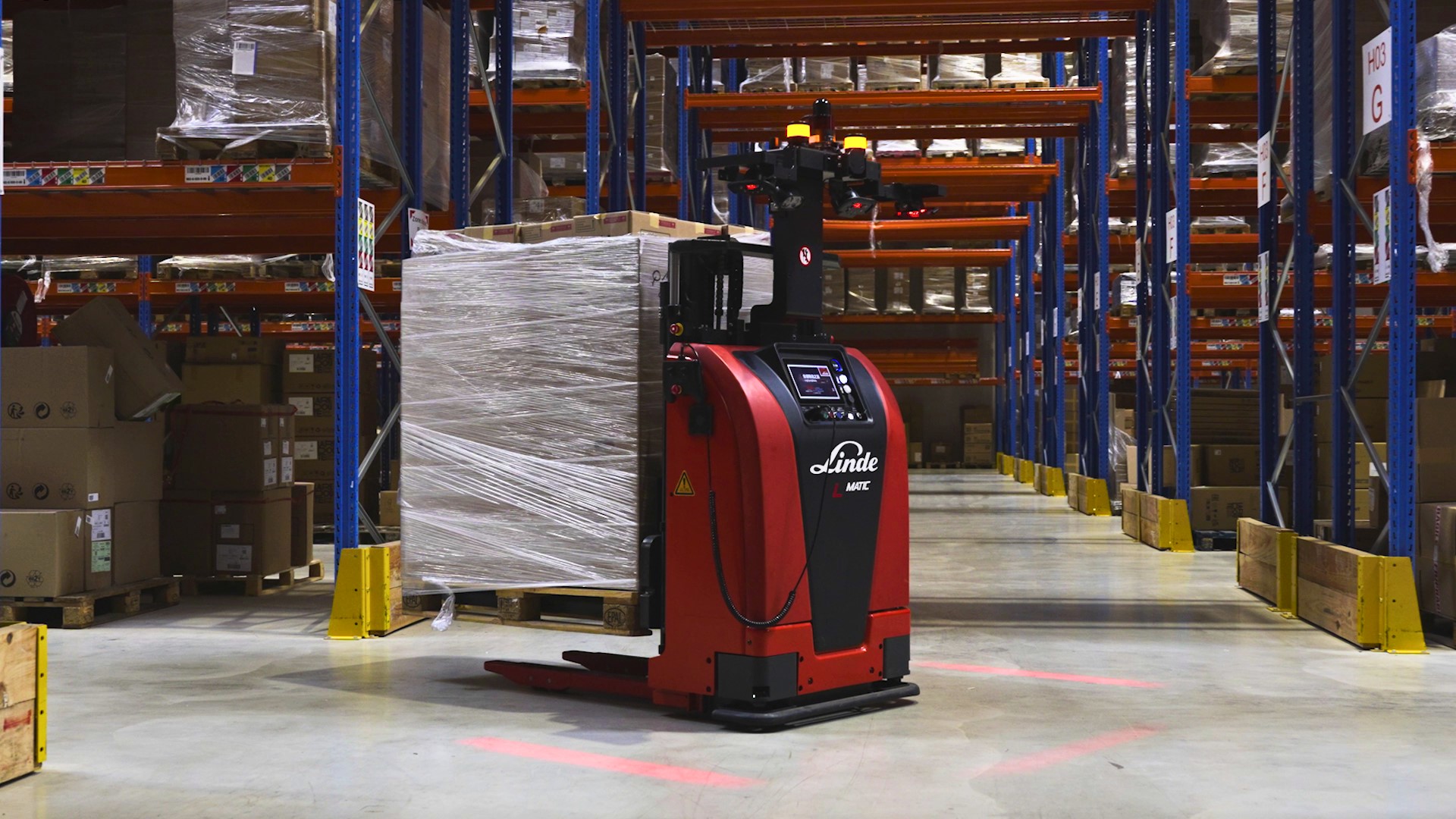
KION brings physical AI into live warehouse operations at GTC 2026 in San José, California
At the GTC 2026 conference, KION Group presented its latest developments in physical AI, highlighting the capabilities of autonomous industrial trucks and AI-driven automated trailer loading systems during live demonstrations in warehouse settings. This initiative is designed to tackle ongoing labor shortages and improve efficiency within supply chains, representing a crucial advancement in the application of AI technology in logistics operations.
intralogistics supply chain solutions industrial trucks forklift trucks warehouse trucks automation technology
Oceaneering Acquires 100 Exail Octans 9 Attitude Heading Referencing Systems to Enhance Offshore Operations
Oceaneering International, a leading provider of engineered services and products for the offshore energy sector, has made a significant move by placing an initial order for at least 100 units of Exail’s latest Octans 9 Attitude Heading Referencing Systems (AHRS). This acquisition, announced recently, highlights Oceaneering's dedication to innovation and operational efficiency. By integrating the advanced AHRS technology, the company aims to bolster its capabilities in offshore survey and positioning projects, thereby enhancing its service offerings in a competitive market. The decision reflects Oceaneering's strategic focus on improving its technological resources to meet the evolving demands of the offshore energy industry.
oceaneering exail octans 9 attitude heading referencing systems offshore operations
Taiwan Secures Contracts for Sea Drones to Enhance Coast Guard Defense Against China
Taiwan has awarded contracts for dozens of sea drones to bolster its Coast Guard capabilities amid rising tensions with China. This decision reflects Taiwan's commitment to enhancing its maritime defense using U.S. technology as a countermeasure against China's expanding maritime operations in the region. The procurement of these sea drones is significant as it underscores Taiwan's proactive approach to strengthening its defense mechanisms in response to China's increasing maritime assertiveness. The move aims to enhance the Coast Guard's operational capabilities and ensure the security of Taiwan's waters. Looking ahead, further developments in Taiwan's defense strategy may emerge as the country continues to adapt to the evolving geopolitical landscape. No further timeline was disclosed at the time of publication.
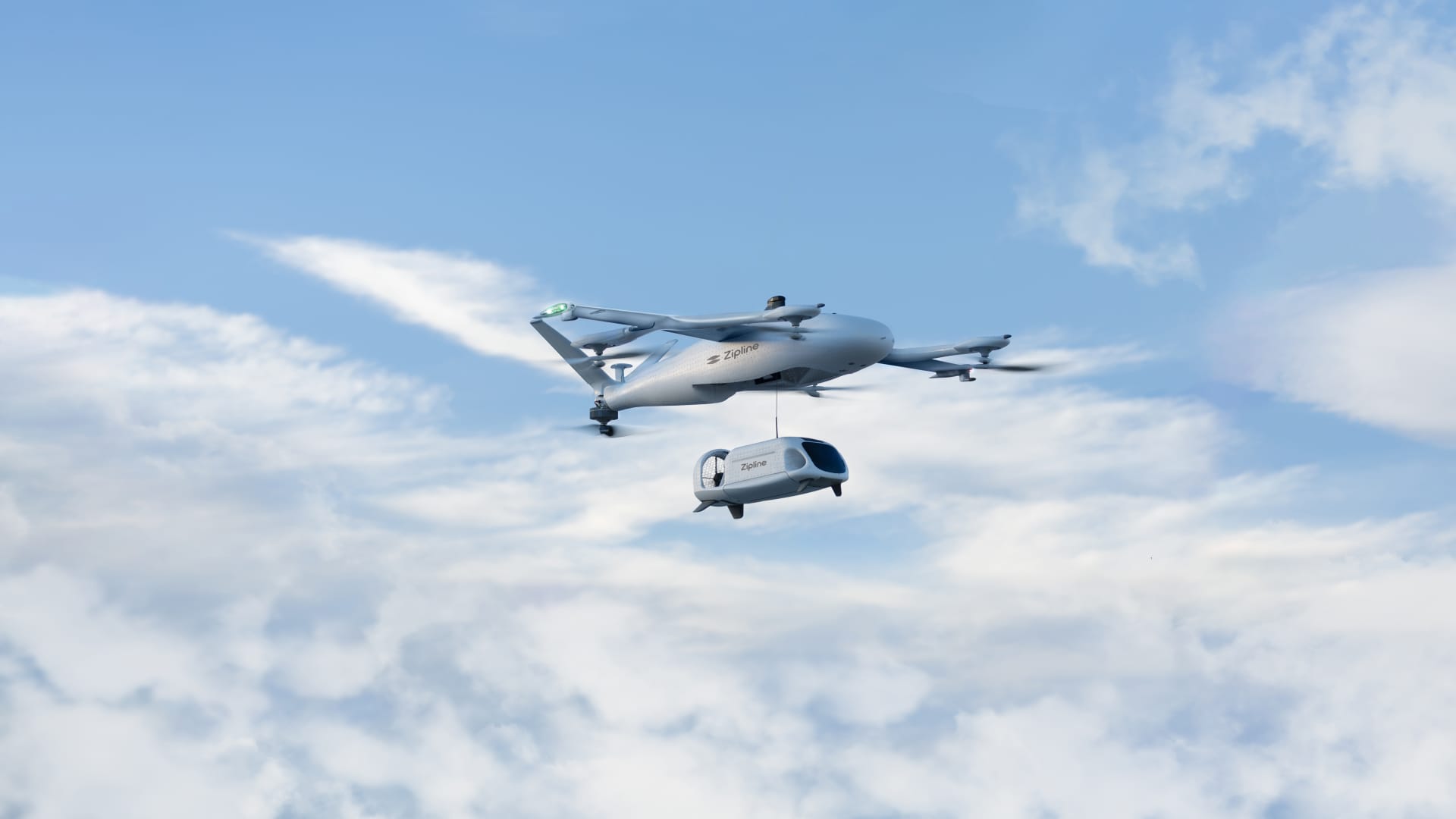
Zipline Expands Drone Delivery Operations with New Executives from Tesla, Uber, and Waymo
Zipline is enhancing its drone delivery services in the U.S. by hiring former executives from Tesla, Uber, and Waymo to support its expansion. The company has achieved over 2.5 million commercial deliveries and is currently making one delivery every 20 seconds. With a factory capable of producing 24,000 drones annually, Zipline anticipates a 15-fold growth in its U.S. operations this year. This strategic hiring is significant as it positions Zipline to scale its services in both domestic and international markets, moving beyond its initial focus on medical deliveries in Africa. The addition of experienced leaders from major tech companies is expected to streamline operations and enhance Zipline's competitive edge against rivals like Alphabet's Wing. Looking ahead, Zipline plans to launch operations in Austin, Houston, and Cleveland, with expectations of entering many more U.S. metros and new international markets by 2027. The company's innovative approach aims to revolutionize delivery logistics, making it as seamless as possible for customers.
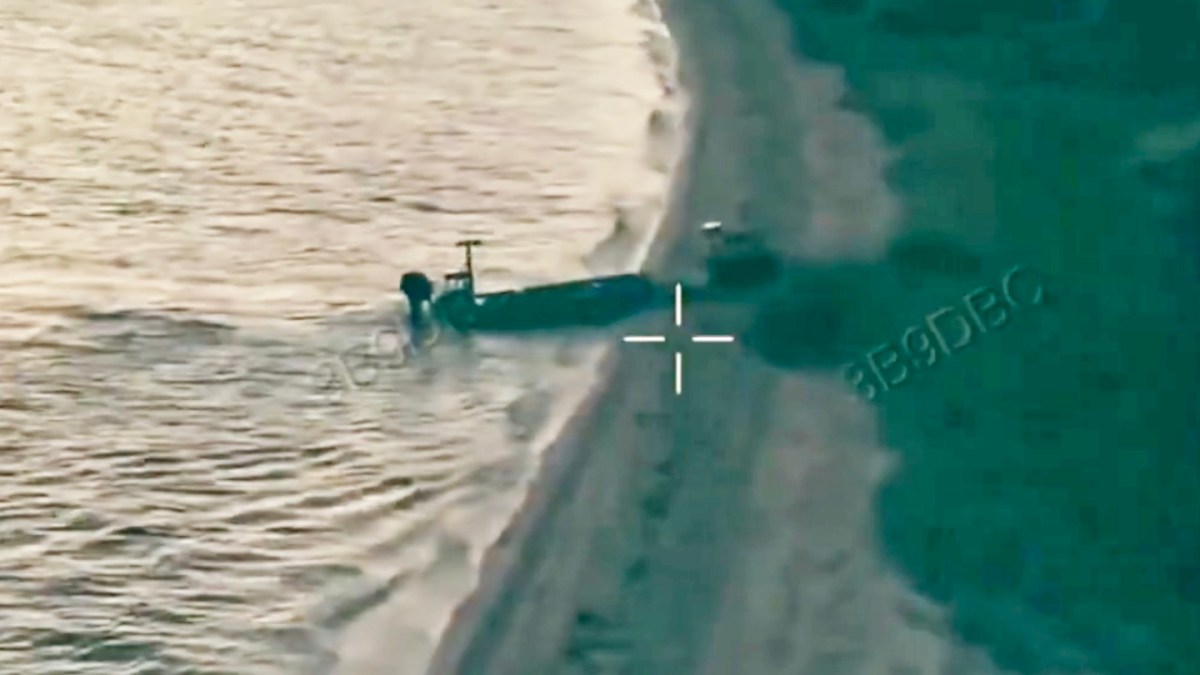
Ukraine Executes Historic Combat Mission Using Drone Boat to Deploy Armed Robot
Ukraine has conducted a groundbreaking military operation, deploying an armed ground robot via a sea drone on the Russian-occupied Kinburn Spit. This mission, executed by the 123rd Separate Territorial Defense Brigade, marks the first known instance of a sea drone transporting a combat robot into enemy territory, showcasing Ukraine's innovative use of uncrewed systems in warfare. The significance of this operation lies in its demonstration of advanced military technology and strategy, as Ukraine seeks to leverage unmanned systems to counter Russian forces. The use of the uncrewed surface vessel (USV) to deliver the Rys family ground robot reflects a shift towards automation in combat, potentially changing the dynamics of modern warfare. Looking ahead, the continued integration of uncrewed systems in military operations will be crucial for Ukraine's strategy. As the conflict evolves, further developments in robotic warfare and the effectiveness of these technologies in combat scenarios will be closely monitored. No further timeline was disclosed at the time of publication.
Sea Armies Around The Globe Drones Europe Land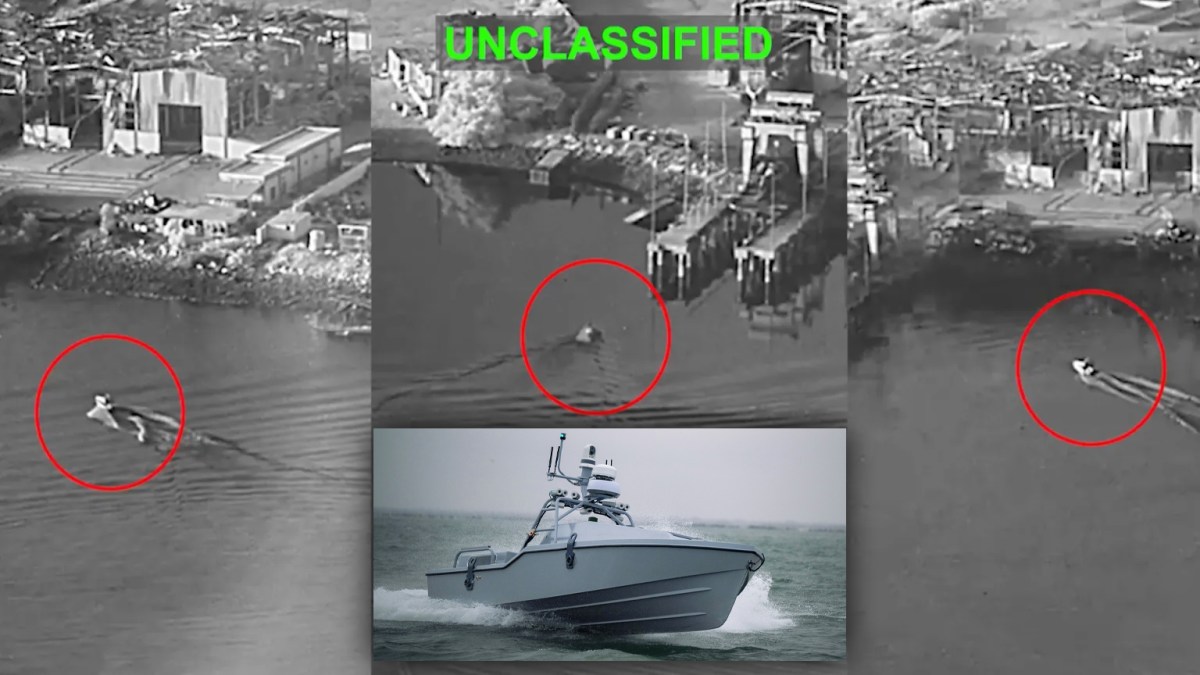
U.S. Military Deploys Saronic Corsair Drone Boats in Combat Operations for the First Time
For the first time in U.S. military history, uncrewed surface vessels (USVs) were utilized as a strike weapon during combat on July 12. The U.S. Central Command (CENTCOM) reported that three Saronic Corsair USVs targeted Iranian facilities, marking a significant advancement in naval warfare technology. This development is crucial as it reflects the evolving nature of military strategy, particularly in the context of ongoing tensions between the U.S. and Iran over the Strait of Hormuz. The successful strikes against Iranian targets demonstrate the potential of USVs to enhance operational capabilities while reducing the risk to manned aircraft and crews. Looking ahead, the operational use of USVs in combat roles may reshape naval engagements and strategies. The U.S. Navy's Task Force 59, established to integrate uncrewed and AI technologies, is likely to continue exploring these capabilities, which could lead to further innovations in military operations.
Sea Around The Globe Iran Middle East News & Features POTUS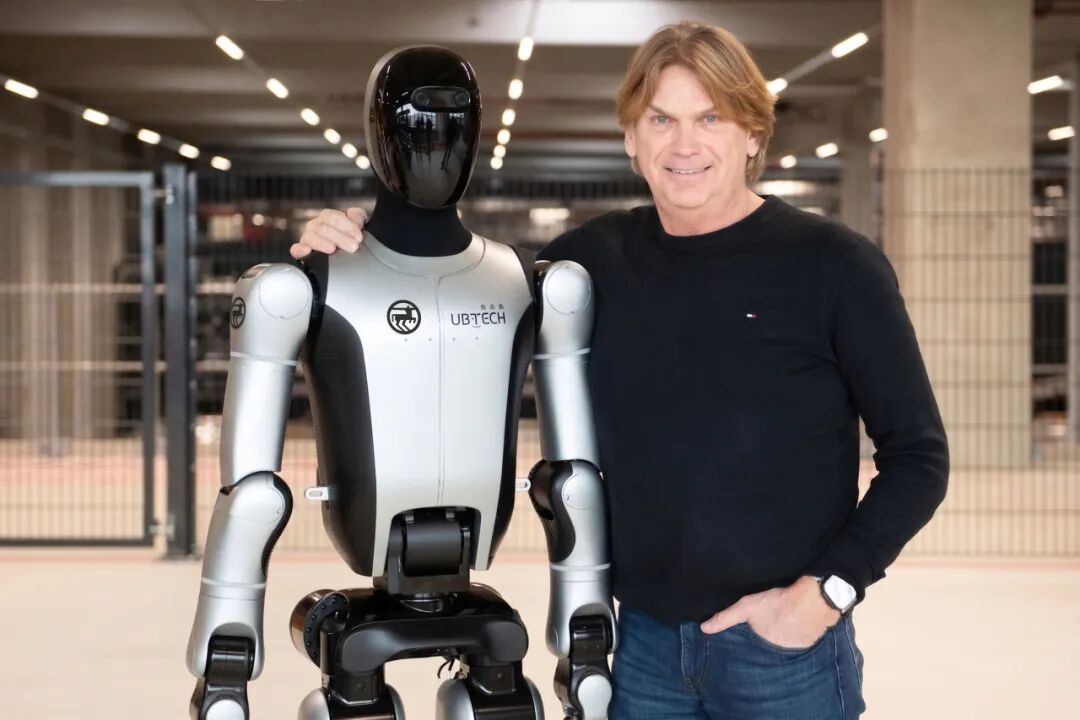
UBTECH Collaborates to Enhance Global Reach of Humanoid Robots in European Retail Logistics
UBTECH has announced partnerships aimed at accelerating the deployment of humanoid robots in European retail logistics environments. This initiative is part of UBTECH's broader strategy to expand its global footprint and enhance operational efficiencies in logistics through advanced robotics technology. The significance of this collaboration lies in its potential to transform retail logistics by integrating humanoid robots, which can streamline operations, reduce labor costs, and improve service delivery. As the demand for automation in logistics grows, UBTECH's efforts may set a precedent for the adoption of robotics in various sectors across Europe. Looking ahead, industry stakeholders should monitor UBTECH's progress in deploying these humanoid robots and the impact on logistics operations. The effectiveness of these robots in real-world applications will be crucial in determining the future of robotics in retail logistics. No further timeline was disclosed at the time of publication.
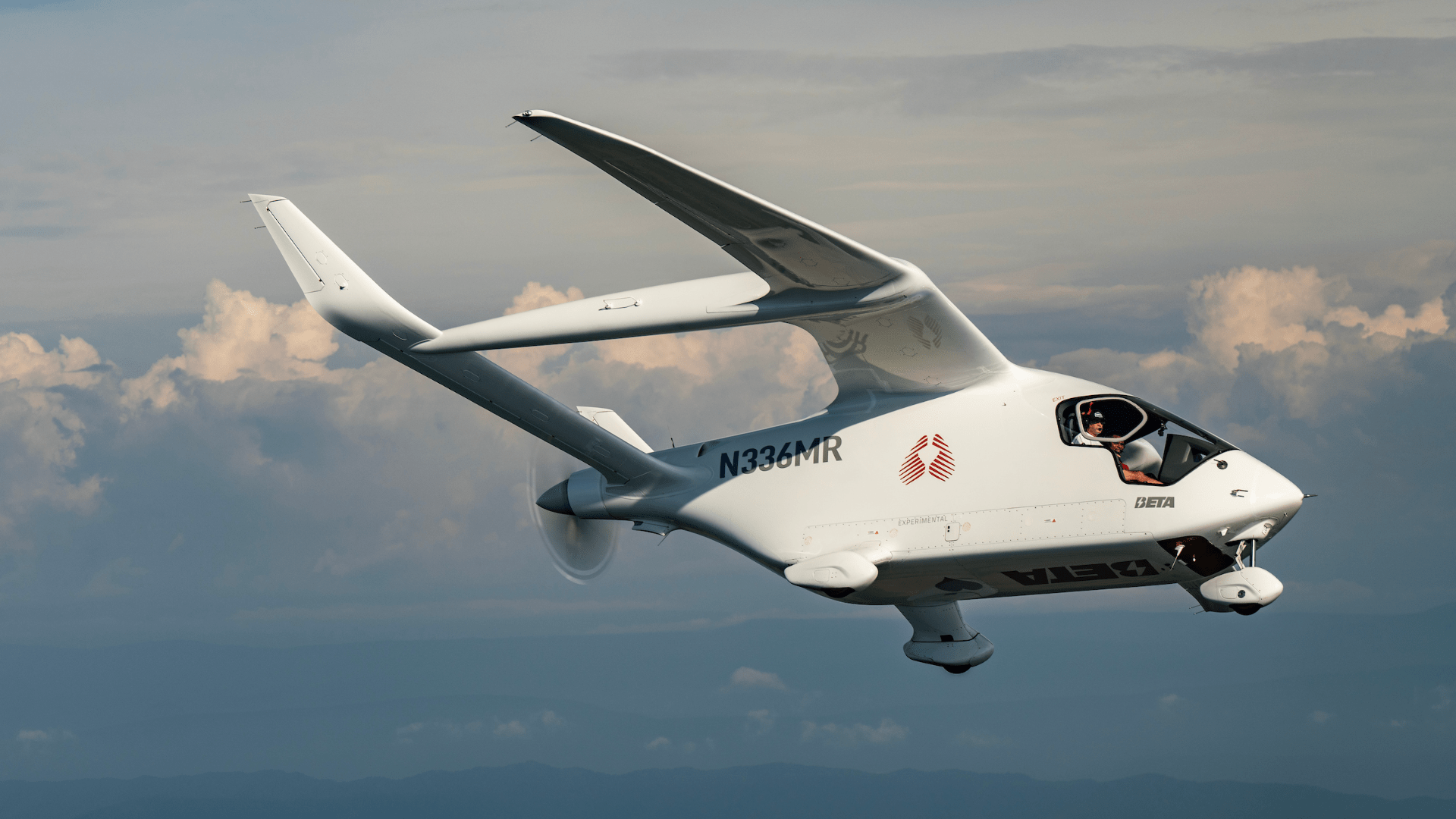
BETA Technologies Completes Multistate Electric Aircraft Flights for Medical Logistics
BETA Technologies has successfully conducted a series of electric aircraft flights spanning Virginia and Maryland, as part of the FAA’s eVTOL Integration Pilot Program. The flights covered approximately 275 nautical miles, connecting airports in Blacksburg and Charlottesville, Virginia, to Frederick and Baltimore County, Maryland. This achievement marks a significant milestone in evaluating advanced air mobility within existing airspace systems. The significance of these flights lies in their potential to enhance medical logistics, particularly in organ delivery operations. BETA Technologies is collaborating with United Therapeutics to develop electric aircraft systems that aim to make organ transportation more affordable and sustainable. The partnership has already led to advancements in aircraft design, autonomous flight technologies, and charging infrastructure, with over 160,000 nautical miles of flight testing completed to date. Looking ahead, the eVTOL Integration Pilot Program will continue to provide valuable data to inform future certification rules and operational standards for advanced air mobility. The Pennsylvania Department of Transportation, leading the Multistate Collaborative eIPP National Integration Complex, is working with multiple states and industry stakeholders to further develop and test these innovative aviation technologies. No further timeline was disclosed at the time of publication.
Transportation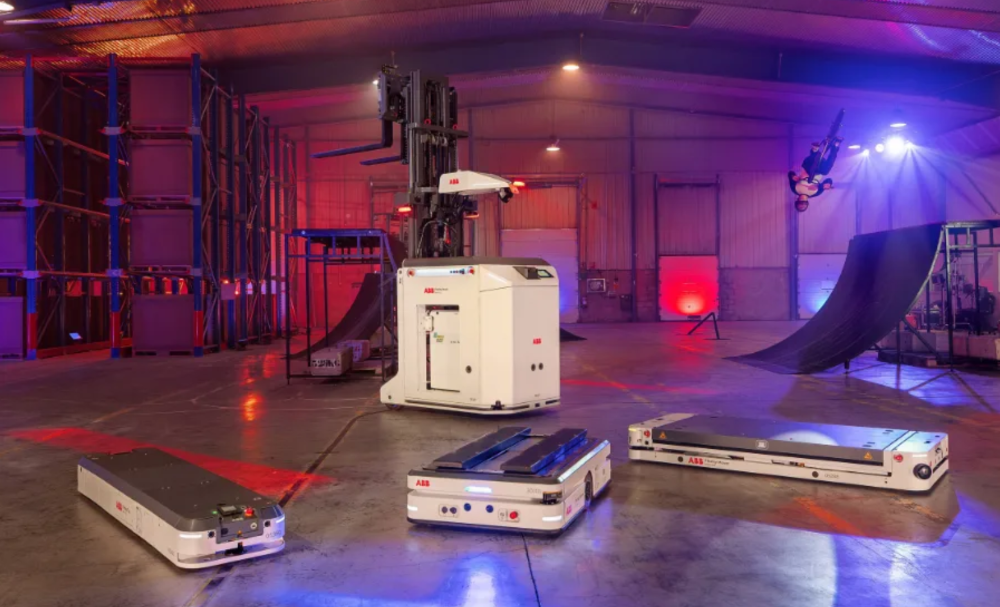
ABB Introduces Flexley Stack F712 AI-Powered Forklift with Visual SLAM Technology
On July 8, ABB Robotics launched the Flexley Stack F712, an AI-driven autonomous forklift utilizing visual SLAM technology. This product completes ABB's lineup of autonomous mobile robots (AMRs), which now includes forklifts, tuggers, and transport vehicles. The F712 can handle various load types, with a maximum capacity of 2000 kg and a lifting height of 8.5 meters, achieving a top speed of 1.7 meters per second under full load. The significance of the F712 lies in its advanced navigation capabilities, which eliminate the need for traditional infrastructure like reflective markers or magnetic strips. With a positioning accuracy of ±10 mm, the F712 can autonomously navigate complex warehouse environments. It integrates seamlessly with the AMR Studio software, allowing for rapid deployment and fleet coordination, reducing debugging time by 20% compared to traditional systems. Looking ahead, the F712 is designed to support various internal logistics tasks, including warehousing and production line operations, and is compliant with the latest ISO and ANSI safety standards. No further timeline was disclosed at the time of publication, but the F712 represents a significant step towards more autonomous and capable robotic solutions in smart manufacturing environments.
Autonomous Forklifts AI Robotics Warehouse Automation Visual SLAM Logistics Technology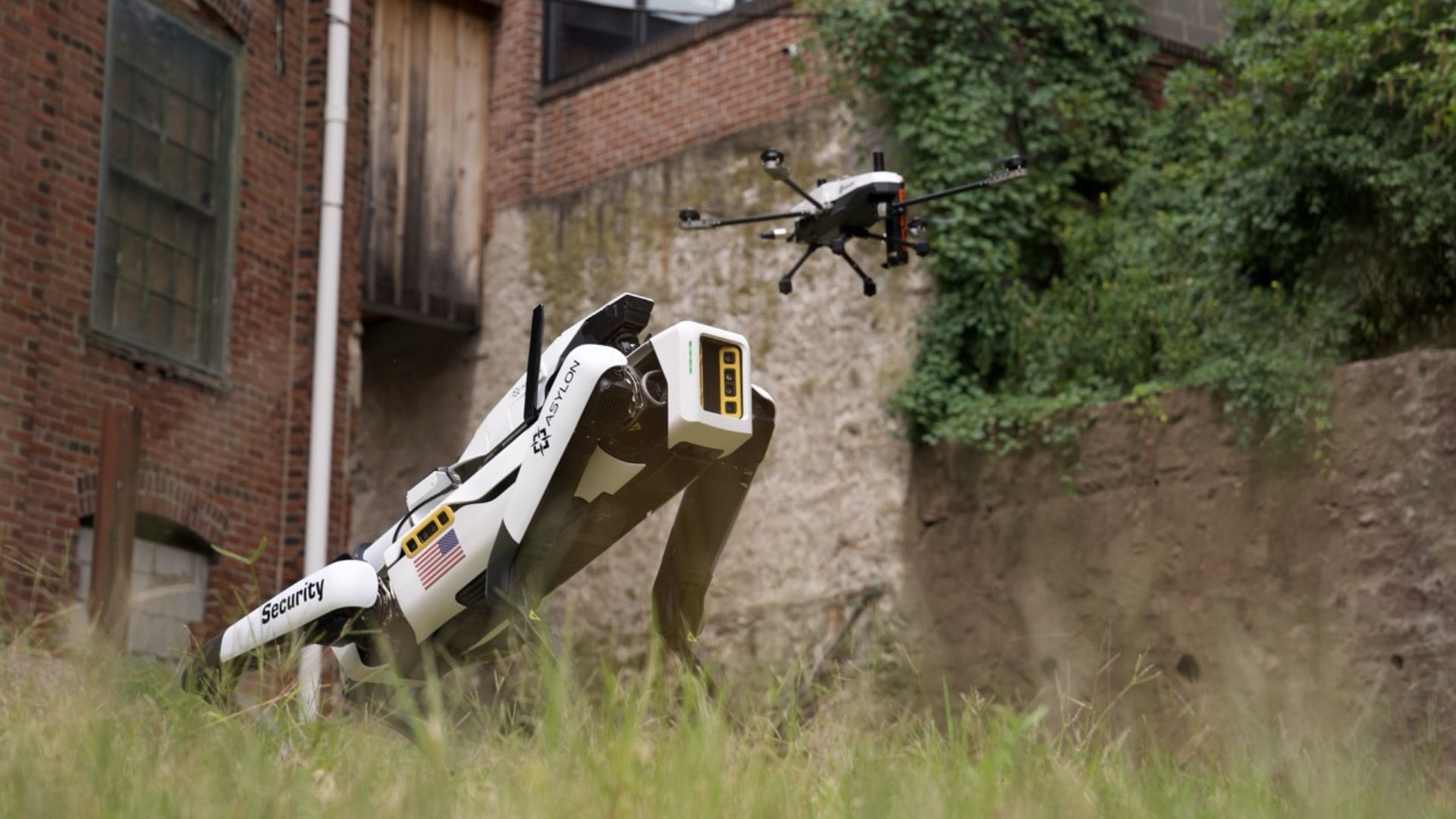
Asylon's MARIA System Enhances Aircraft Inspections for U.S. Air Force
Asylon has secured a Phase Three contract with the U.S. Air Force's Warner Robins Air Logistics Complex to deploy its Multi-modal Autonomous Robotics for Inspection of Aircraft (MARIA) system. This initiative aims to streamline aircraft inspections by integrating air and ground robotic platforms, significantly reducing the time for general visual inspections while enhancing consistency in maintenance tasks. The MARIA system combines Asylon's Guardian unmanned aircraft with the DroneDog Q-UGV, utilizing the Range autonomy software and DroneIQ command-and-control system for efficient inspection management. The significance of this deployment lies in its potential to transform aircraft maintenance operations. By automating inspections, the MARIA system not only improves inspection quality but also mitigates the risks associated with labor-intensive tasks. The integration of imagery, LiDAR data, and telemetry into a single platform allows maintenance personnel to make informed decisions quickly, thereby enhancing aircraft readiness without increasing manpower demands. This project marks a pivotal shift in how the Air Force approaches maintenance, leveraging autonomous technologies to optimize operational efficiency. Looking ahead, the success of the MARIA deployment at Warner Robins could lead to broader adoption of these technologies across military maintenance organizations. No further timeline was disclosed at the time of publication, but the ongoing collaboration between Asylon and the Air Force may pave the way for future advancements in defense sustainment operations, particularly in the realm of autonomous inspections and maintenance support.
Military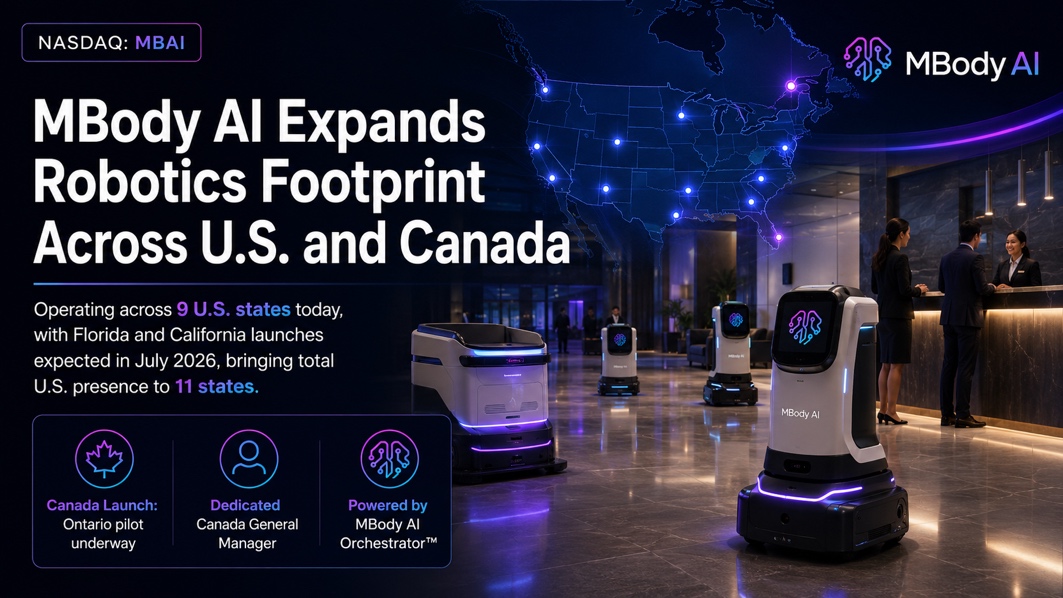
MBody AI expands service robotics operations to eleven states and Canada
MBody AI has expanded its service robotics operations by deploying its hardware-agnostic Orchestrator platform in Florida and California, while also launching a pilot program in Ontario, Canada. This strategic move aims to enhance the company's presence in the rapidly growing robotics market across eleven states and Canada. The deployment is part of MBody AI's initiative to streamline and optimize service robotics, making it accessible and efficient for various applications. The expansion reflects the company's commitment to innovation and meeting the increasing demand for advanced robotics solutions in diverse environments.
Artificial Intelligence Artificial Intelligence / Cognition Autonomous Mobile Robots (AMRs) News Software / Simulation Embodied AI
NVIDIA Brings Trusted, 24/7 AI Agents to Telecom Operations
Telecom operators are experiencing significant benefits from the implementation of generative AI in their operations, particularly in automating network management, customer care, and back-office tasks. This technological advancement has primarily led to task-based automation, enhancing the efficiency of predefined processes while still involving human oversight. As of October 2023, these innovations are reshaping the industry, allowing companies to streamline operations and improve service delivery, ultimately driving better returns on investment. The integration of generative AI is seen as a crucial step towards modernizing telecom services and meeting the growing demands of consumers.

BilibiliWorld 2026 is China's first overseas ticketed ACG event; 17 measures to promote AI in consumer development; Kuaizhou-11 rocket successfully
Didi Autonomous Driving showcased its advancements in self-driving technology at the MOVE 2026 conference held in London on June 17-18. The company highlighted its achievement of L4-level core technology and the delivery of its new Robotaxi model, R2, developed in collaboration with GAC Aion, which is currently undergoing road tests in cities like Guangzhou and Beijing. Since launching all-weather passenger testing in select areas last year, Didi has maintained a safe and stable operational performance. On June 18, Cainiao's Vice President Bi Jianghua announced plans to deploy four large-scale climbing robot warehouses globally within the next four months, following successful trials during the 618 shopping festival. This initiative aims to enhance the efficiency of e-commerce supply chains. DingTalk's new CEO, Chen Yusen, communicated organizational changes in a company-wide letter, establishing a core platform business department and integrating various teams to streamline operations. The State Administration for Market Regulation is overseeing an antitrust compliance rectification for Huolala, mandating the cessation of practices that unreasonably lower freight prices and enforcing fair pricing algorithms. The company is expected to refund 1.2 billion yuan to drivers and reduce its commission rates. Additionally, Cao Cao Mobility announced its RoboX strategy at the International Automotive and Supply Chain Expo in Hong Kong on June 18, planning to deploy 100,000 Robovans by 2030 to enhance logistics networks. BilibiliWorld 2026 will be the first comprehensive ACG exhibition in China to offer overseas ticket sales, with tickets available globally starting June 20, for the event scheduled from July 10-12 in Shanghai. KKR has committed $1.4 billion to expand Altavair's commercial aircraft leasing portfolio, while Manifold AI has secured nearly 1 billion yuan in Pre-A funding. In economic news, Goldman Sachs suggests the Federal Reserve may need to implement consecutive rate hikes in September if inflation remains high. Meanwhile, Hong Kong plans to launch five-year government bond futures on August 3, 2026. The Ministry of Commerce has introduced 17 measures to promote the integration of artificial intelligence into consumer markets.

How AI Is Powering Smarter, More Connected Logistics Operations
In response to the growing unpredictability in logistics, companies are shifting their focus from simply increasing the number of robots to deploying them in more intelligent and adaptable ways. This transformation is being driven by advancements in artificial intelligence, which is now serving as the critical intelligence layer that enhances modern logistics operations. As businesses adapt to these changes, the integration of AI is expected to streamline processes, improve efficiency, and better meet the demands of an evolving market landscape.

Berkshire Grey Expands European Operations as Demand for Physical AI Accelerates
The New Netherlands Customer Innovation Center has been established to enhance customer engagement and regional support while providing access to AI-enabled robotic automation throughout Europe. This initiative, launched recently, aims to foster innovation and collaboration among businesses in the region. By leveraging advanced technologies, the center seeks to address the growing demand for automation solutions in various industries. The initiative is part of a broader strategy to position the Netherlands as a key player in the European tech landscape, ultimately driving economic growth and improving operational efficiencies for local companies. Through workshops, demonstrations, and tailored support, the center will facilitate knowledge sharing and help businesses integrate cutting-edge automation technologies into their operations.

Genesis AI and LG CNS Enter Industry-First Strategic Partnership to Scale General-Purpose Robotics Across Enterprise Operations
Genesis has announced a strategic partnership with LG CNS to create a scalable deployment model for full-stack robotics tailored for industrial environments. This collaboration aims to enhance automation capabilities across various sectors, addressing the growing demand for efficient and flexible robotic solutions. The initiative was unveiled on October 15, 2023, and will focus on integrating advanced robotics technology into manufacturing and logistics operations. By leveraging LG CNS's expertise in IT services and Genesis's innovative robotics solutions, the partnership seeks to streamline processes and improve productivity in industrial settings. This development reflects a broader trend in the industry towards adopting sophisticated automation technologies to meet evolving operational needs.

SpaceX sets IPO price to raise $75 billion; OpenAI CEO delays South Korea visit; new AI complaint center launched.
OpenAI CEO Sam Altman has postponed his planned visit to South Korea, originally scheduled for June 14-15, due to personal reasons. During the visit, he was expected to meet with leaders from major companies including Samsung Electronics, Kakao, and NAVER. In a separate announcement, Waymo, the autonomous driving subsidiary of Alphabet, revealed a new $30 monthly membership plan called Waymo Premier, aimed at invited users. This plan will offer benefits such as priority rides, a 10% cashback on trips, and the ability to cancel rides up to five times a month at no cost. Initial invitations will be sent to eligible passengers in San Francisco, Los Angeles, and Phoenix, with plans to expand to other cities. Meanwhile, SK Hynix is exploring the integration of AI technologies, including ChatGPT, into its operations. CEO Lee Seok-hee indicated that the company is balancing the protection of industrial technology with the adoption of external AI services, considering tools like Microsoft 365 and CoPilot. In financial news, major Wall Street banks have begun restricting hedge funds' leverage on Asian chip stocks, including SK Hynix and Samsung, due to concerns over potential market corrections. This move involves raising financing costs for hedge fund bets and limiting new transactions. Additionally, Google announced a $50 million investment to train U.S. tech workers, addressing the growing demand for AI infrastructure. This investment is part of a broader initiative that has already seen over $1 billion allocated to training programs since 2022. Lastly, SK Hynix reported that a fire at its Cheongju plant on June 12 has been brought under control, with production equipment operating normally.

Microsoft warns of seven new threats from agent-based AI systems, including tool contamination and visual attacks.
Microsoft has revised its classification of agent-based AI vulnerabilities, adding seven new categories, including supply chain breaches and target takeover. This update follows insights gained from real-world red team operations, highlighting the need for enhanced measures against human approval evasion and memory corruption. The company advocates for the implementation of defensive strategies during the design phase to better safeguard against these emerging threats.

StoreClaw Aims to Unify AI-Powered Cross-Border E-Commerce Operations Across Amazon, Shopify, and TikTok Shop
StoreClaw, an emerging AI startup, has recently garnered significant attention by achieving the top ranking on Product Hunt. The company is focused on revolutionizing the cross-border e-commerce landscape by offering a comprehensive multi-channel AI platform designed to replace the currently fragmented tools available to businesses. This innovative solution aims to streamline operations for e-commerce companies looking to expand their reach internationally. By leveraging advanced artificial intelligence technology, StoreClaw seeks to enhance efficiency and simplify the complexities associated with global online sales. The startup's launch comes at a time when the demand for integrated e-commerce solutions is on the rise, as businesses increasingly look for ways to optimize their operations in a competitive market.
Technology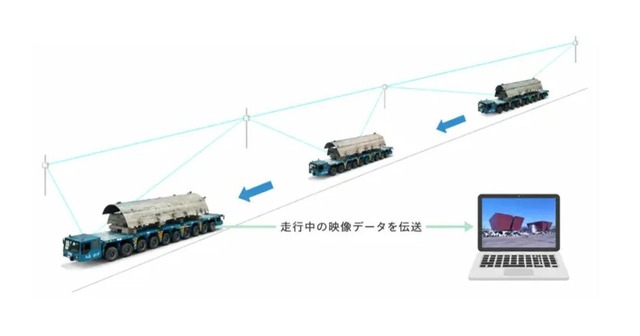
AiTrax tests mesh Wi-Fi for stable communication in AGVs and drone fleets at shipyard.
AiTrax Inc. has successfully achieved real-time video transmission via Wi-Fi access points mounted on large component transport vehicles. This milestone was reached during operations at the Imari facility of Namura Shipbuilding in Saga Prefecture. The demonstration took place from March 16 to March 18, 2026, showcasing the company's innovative technology aimed at enhancing logistics and operational efficiency in industrial settings. The successful implementation of this technology is expected to streamline processes and improve communication within manufacturing environments.

China plans 8,500 AI robots for power grid operations with massive $1 billion push
China is significantly increasing the integration of robotics within its power grid infrastructure. This initiative, announced recently, aims to enhance efficiency and reliability in energy distribution across the nation. The move comes as part of China's broader strategy to modernize its energy sector and address growing demands for sustainable and smart energy solutions. The implementation of robotic technology is expected to streamline operations, reduce human error, and improve safety for workers in the field. By deploying advanced robotics, China seeks to optimize maintenance and monitoring processes, ensuring a more resilient power supply. This development is particularly crucial as the country strives to meet its ambitious energy goals while transitioning towards greener alternatives. The initiative is set to unfold over the coming years, with pilot projects already underway in various regions. These projects will serve as a testing ground for the effectiveness of robotics in real-world applications, ultimately shaping the future of energy management in China. As the nation invests heavily in innovation, the integration of robotics into the power grid represents a significant step towards a more automated and efficient energy landscape.
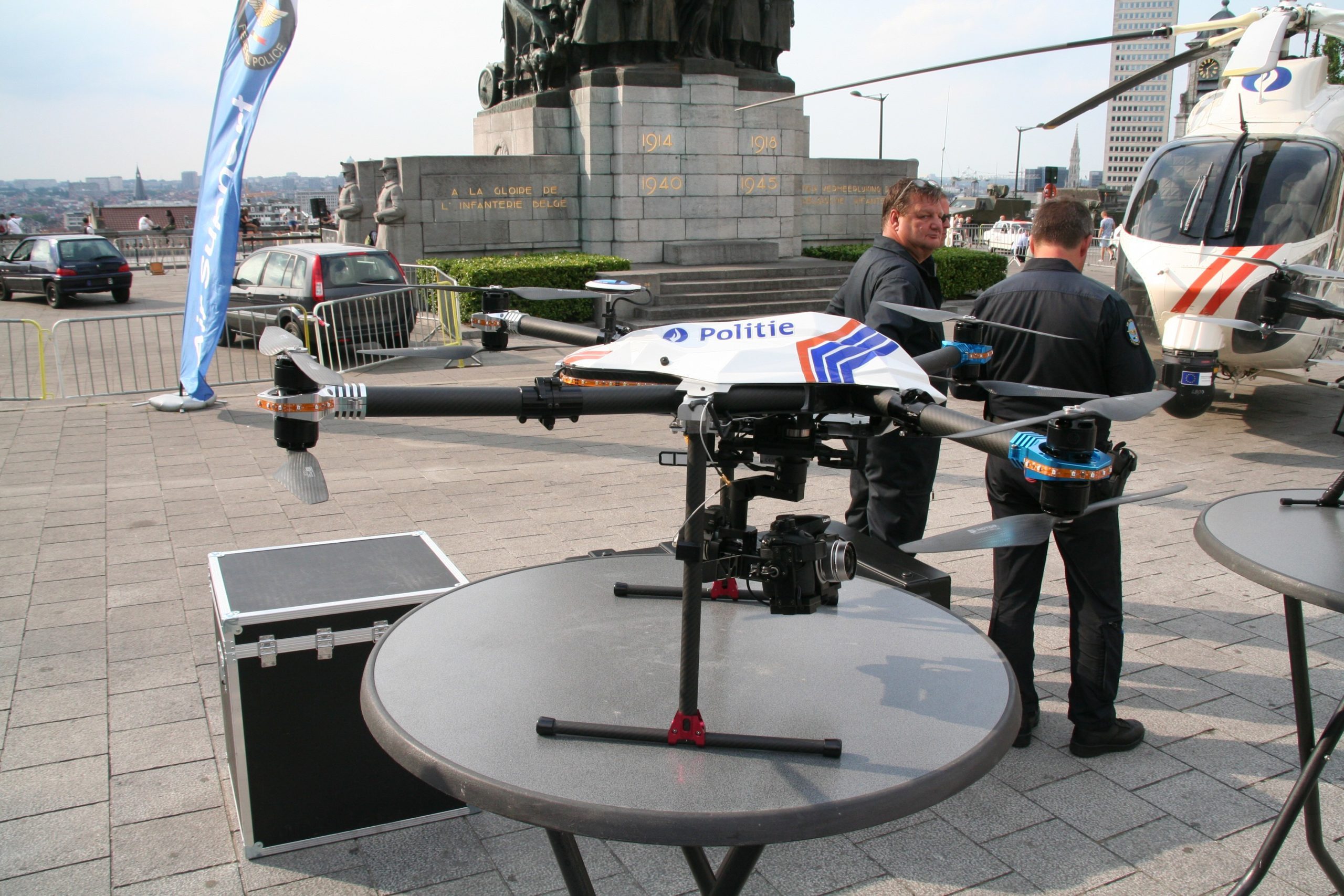
SkyfireAI Raises $11M to Advance Autonomous Multi-Drone Operations for Public Safety
SkyfireAI, a company based in Huntsville, Alabama, has successfully secured $11 million in seed funding to enhance its AI-driven platform designed for autonomous multi-drone operations. The funding round, led by Mucker Capital and supported by investors including AI Fund and SaaS Ventures, aims to reduce the workload for operators while facilitating large-scale coordinated drone responses, particularly in the realm of public safety. This financial boost will accelerate the development of the platform, which is expected to improve efficiency and effectiveness in emergency situations.
Applications Drone News Drone News Feeds Featured – Safety and Security Fire and Police Law Enforcement
Accenture Invests in General Robotics to Accelerate AI-Powered Autonomous Operations
Accenture Ventures has announced its investment in General Robotics, a company known for its innovative GRID platform. This platform aims to integrate robots from various manufacturers, enhancing their capabilities through deployable artificial intelligence. The collaboration seeks to advance autonomous operations within industrial settings, streamlining processes and improving efficiency. The investment reflects Accenture's commitment to fostering technological advancements that can transform industries and drive productivity. By leveraging General Robotics' expertise, the partnership is poised to facilitate a new era of automation, enabling businesses to harness the full potential of multi-manufacturer robotics in their operations.
Factory / Robotics
Siemens and Humanoid bring Physical AI to the factory floor: deploying humanoids in industrial operations with NVIDIA
Siemens and Humanoid have achieved a significant milestone in integrating physical AI into industrial operations with the successful testing of the HMND 01 Alpha humanoid robot at Siemens' electronics factory in Erlangen, Germany. This event, which took place on April 16, 2026, marks a key development in their strategic partnership with NVIDIA, aimed at creating fully AI-driven, adaptive manufacturing environments. The HMND 01 Alpha, equipped with NVIDIA's physical AI technology, autonomously performed logistics tasks such as picking, transporting, and placing containers, meeting all target performance metrics. It achieved a throughput of 60 tote moves per hour, maintained over 8 hours of uptime, and demonstrated a pick-and-place success rate exceeding 90 percent. Siemens' Xcelerator portfolio plays a crucial role in this integration, providing the necessary digital infrastructure for real-time data exchange and synchronized workflows between the humanoid robot, other machinery, and human operators. This collaboration aims to address labor shortages and operational complexities in modern manufacturing. Humanoid’s development process was accelerated through the use of NVIDIA's AI stack, enabling a reduction in prototype development time from 18-24 months to just 7 months. This deployment signifies a step forward in the evolution of humanoid robots, positioning them as valuable assets in factory settings capable of adapting to dynamic conditions alongside human workers.
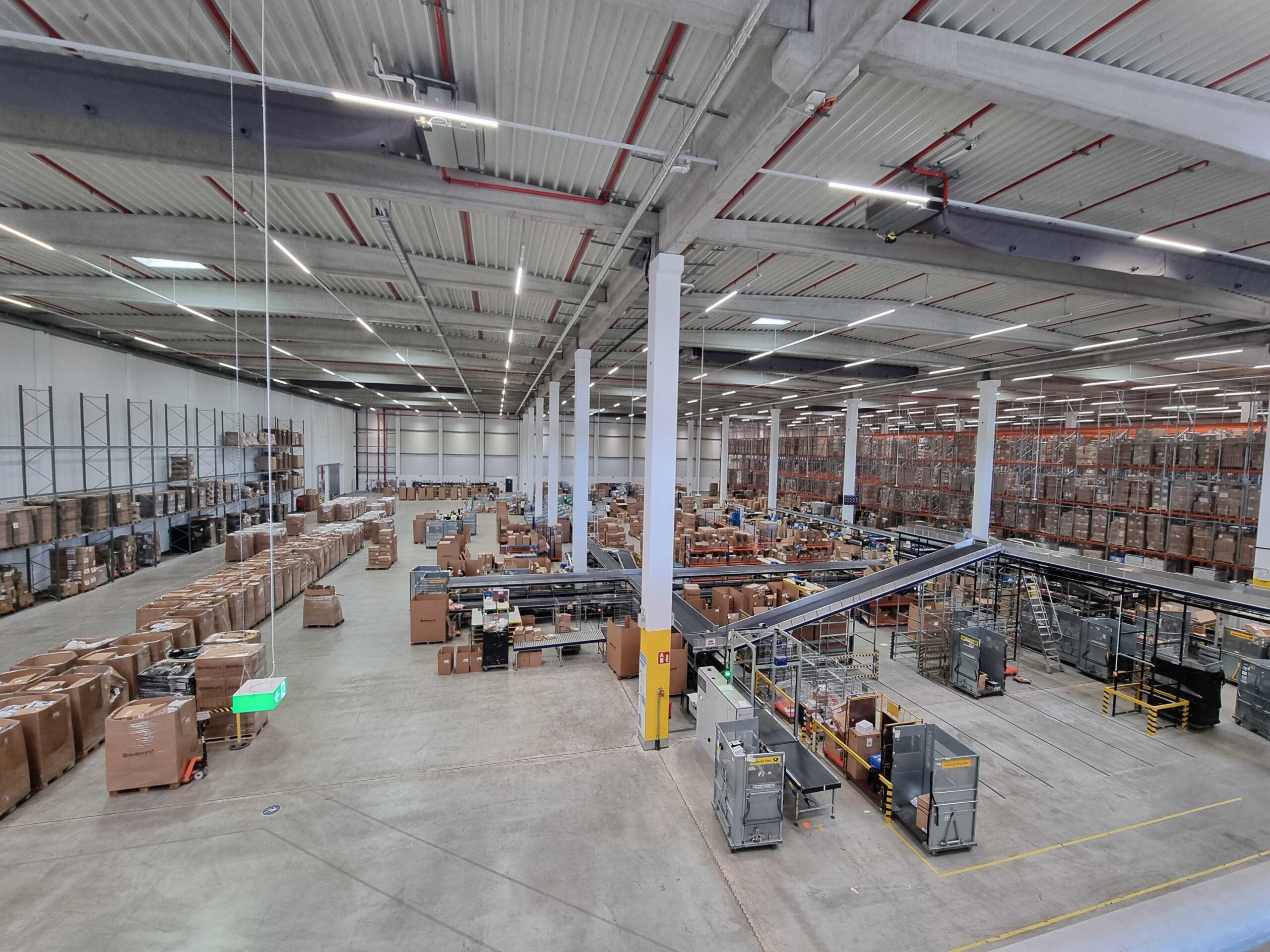
Take-back Portal for Circular Retail Operations
ReBound Returns, a specialist in omnichannel returns management, has introduced 'The Circularity Portal', a digital platform designed for consumers to easily return unwanted products through various circular pathways such as take-back, resale, donation, and recycling programs. Launched recently, the platform is accessible to all organizations, including those not currently partnered with ReBound. This initiative aligns with ReBound's broader goal of enhancing circularity within retail supply chains, promoting sustainable practices and reducing waste in the industry.
eFulfilment Last Mile and Lockers Packaging and Ecommerce TMS and Telematics Omnichannel returns ReBound Returns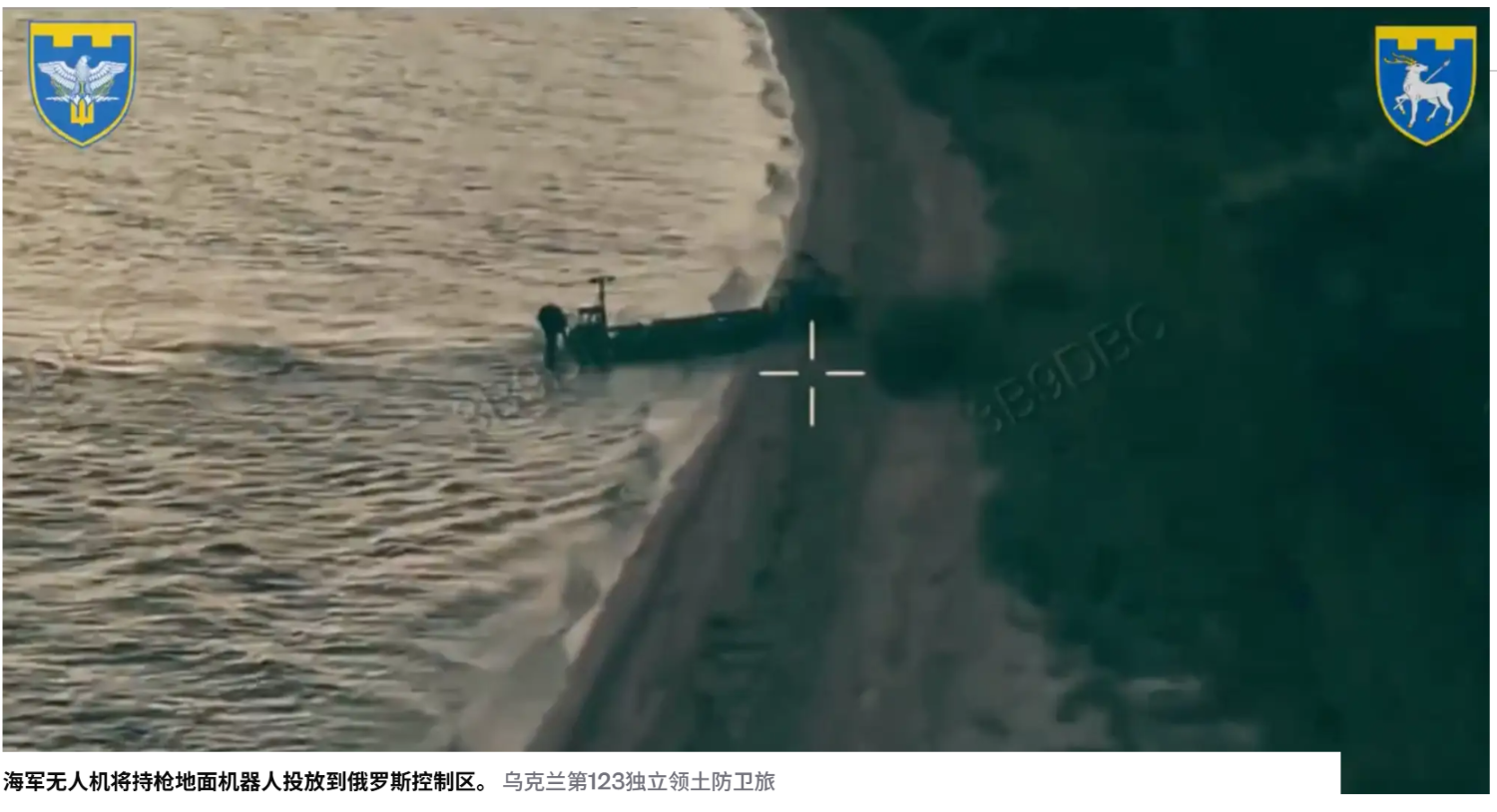
Ukraine's 123rd Territorial Defense Brigade Conducts Historic Amphibious Operation with Unmanned Systems
On July 13, 2026, Ukraine's 123rd Independent Territorial Defense Brigade executed a historic amphibious operation utilizing unmanned systems. This marked the first known joint combat mission involving an unmanned surface vessel (USV) and an unmanned ground vehicle (UGV) in a military context. The operation took place on the Kinburn Spit, an area long controlled by Russian forces, where the USV successfully delivered the UGV to the enemy coast without any human soldiers stepping onto hostile territory. The significance of this operation lies in its demonstration of a new combat paradigm where unmanned systems can effectively replace human soldiers in high-risk scenarios. The UGV, reportedly manufactured by Lviv's Roboneers, was equipped with a PKT 7.62mm machine gun and was able to engage targets after landing. The 123rd Brigade emphasized that this operation is not merely a technological novelty but represents a fundamental shift in warfare, highlighting the potential for machines to undertake dangerous missions. Looking ahead, the use of unmanned systems in military operations is expected to expand, as the Ukrainian military has already received over 1,000 various ground robot systems. The ongoing evolution from traditional amphibious assaults to unmanned operations could redefine the nature of warfare, reducing risks to human soldiers while increasing operational effectiveness.
Unmanned Systems Robotics Amphibious Operations Military Technology
Performance per Watt: Key Metric for AI Infrastructure Efficiency and Profitability
Power constraints are critical for AI infrastructure, influencing revenue and profitability based on token generation within a fixed power budget. Performance per watt emerges as a vital metric, reflecting real-world results and shaping the scalability of AI factories in a power-limited environment. The NVIDIA Blackwell NVL72 platform exemplifies this metric, delivering the highest performance per watt and enabling organizations to maximize revenues while minimizing token costs. As AI models evolve, the need for architectural optimizations becomes essential, with the latest NVIDIA GB300 NVL72 achieving up to 25 times the performance per watt compared to previous generations. Looking ahead, NVIDIA's Vera Rubin platform aims to enhance energy efficiency further, while tools like DynoSim help teams optimize their performance. The ongoing improvements in software and the design of rack-scale systems highlight the importance of engineering rigor in managing the complexities of AI factory operations. No further timeline was disclosed at the time of publication.

Specialized Robots Enhance Efficiency in Solar Farm Construction and Maintenance
A rising number of robotics companies are developing specialized machines aimed at alleviating labor bottlenecks in solar farm construction and maintenance. These innovations are crucial as they address the unique challenges posed by solar farm terrains, optimizing both construction timelines and operational efficiency. The significance of these advancements lies in their potential to streamline processes and reduce reliance on manual labor, which can be both costly and time-consuming. By integrating specialized robots, companies can enhance productivity and improve safety standards on solar farms, making the sector more sustainable and economically viable. Looking ahead, the continued evolution of robotics in this field will be essential to meet the growing demand for renewable energy solutions. Stakeholders should monitor developments in robot capabilities and their impact on solar farm operations. No further timeline was disclosed at the time of publication.
Hyundai Motor Workers Initiate Three-Day Strike Demanding Bonuses and Job Security
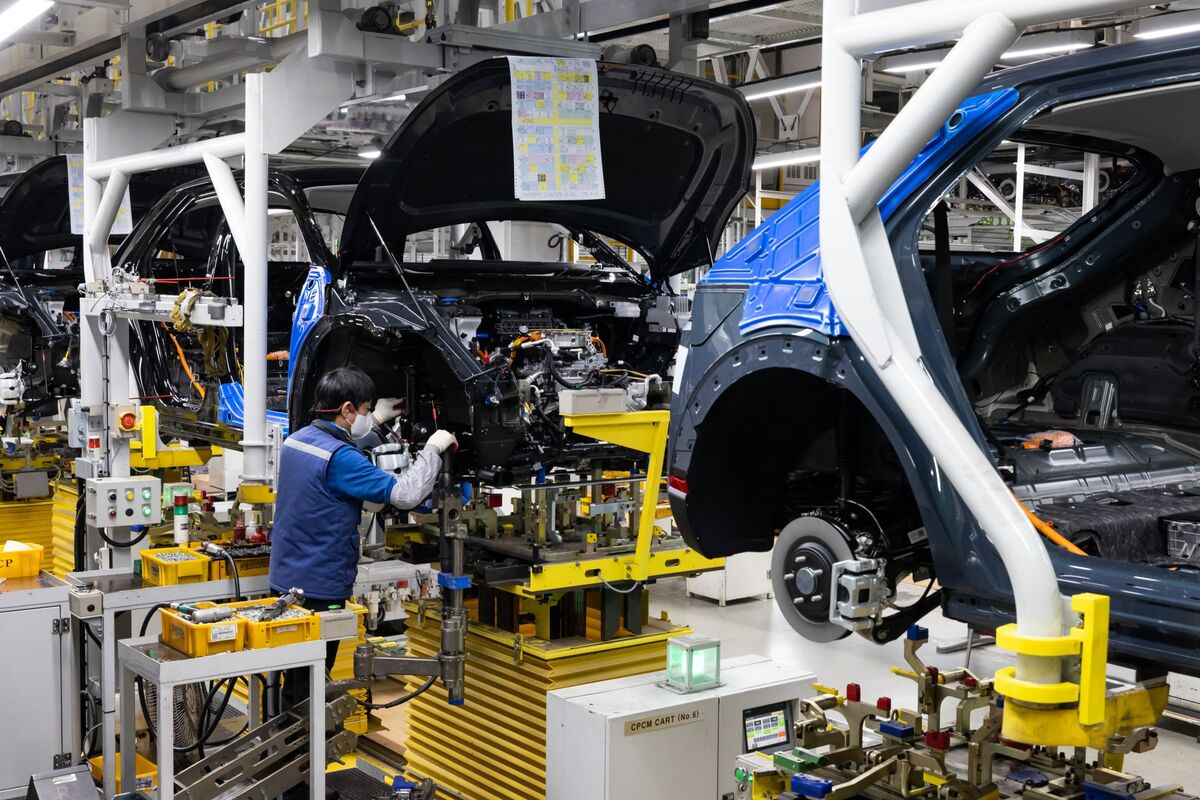
Hyundai Motor Co. workers commenced a three-day partial strike on Monday, driven by union demands for increased bonuses. This action follows significant agreements reached in the semiconductor sector, highlighting the growing pressure on automotive workers to secure better compensation amidst rising industry profits. The strike underscores the critical concerns surrounding job security in the face of advancing automation technologies, particularly AI and robotics. Workers are seeking assurances that their positions will not be jeopardized as Hyundai continues to integrate more automated processes into its manufacturing operations. Looking ahead, the outcome of this strike could influence negotiations across the automotive industry, particularly regarding labor agreements and automation policies. No further timeline was disclosed at the time of publication, but the situation remains fluid as both sides prepare for potential discussions.
KSC:005380
Path Robotics Enhances Welding Efficiency with AI and Boston Dynamics Robots
In a recent episode of The Robot Report Podcast, Andy Lonsberry, co-founder and CEO of Path Robotics, detailed the company's innovative approach to robotic welding. Based in Columbus, Ohio, Path Robotics utilizes AI to optimize the welding process by identifying torch paths and employing real-time vision guidance. This technology aims to streamline operations in manufacturing environments, addressing longstanding challenges in the industry. The significance of Path Robotics' advancements lies in their application of physical AI to enhance robotic systems. By integrating AI-driven solutions, the company is not only improving the efficiency of welding operations but also expanding the capabilities of robots in complex production settings. The deployment of Boston Dynamics' Spot robots for mobile welding applications in shipbuilding further exemplifies the potential of combining AI with robotics to tackle industry-specific challenges. Looking ahead, the focus will be on the continued integration of AI in robotic systems and the potential for further advancements in welding technology. No further timeline was disclosed at the time of publication, but the ongoing development in this area suggests a promising future for AI-enhanced manufacturing solutions.
Artificial Intelligence Assembly Cameras / Imaging / Vision Controllers Humanoids Manufacturing
Red Sift CEO Discusses AI's Role in Evolving Cyber Threats and Defense Strategies
In a recent episode of Lexicon, Rahul Powar, CEO of Red Sift, highlighted the transformative impact of artificial intelligence (AI) on cyberattacks. He referenced a recent AI-assisted cyber campaign targeting a Mexican water utility, emphasizing that AI is lowering the barrier for launching sophisticated attacks. This trend is expected to escalate over the next 18 months, posing significant challenges for organizations globally. Powar explained that AI democratizes advanced cyber capabilities, allowing less experienced attackers to leverage tools like large language models for reconnaissance and exploit development. This shift is making it easier for attackers to find vulnerabilities in systems, as they can automate processes that previously required extensive expertise. The imbalance in cybersecurity is growing, as defenders must protect numerous devices and applications while attackers only need to exploit one weakness. Despite the challenges, Powar noted that AI can also empower defenders by helping them identify vulnerabilities before they are exploited. The conversation underscored the dual-edged nature of AI in cybersecurity, with both attackers and defenders adapting to the evolving landscape. No further timeline was disclosed at the time of publication.
AI and Robotics Innovation
Palladyne AI Executes $4.2 Million U.S. Air Force Contract to Advance Swarming Capabilities for Integrated Cross-Domain Operations
Palladyne AI Executes $4.2 Million U.S. Air Force Contract to Advance Swarming Capabilities for Integrated Cross-Domain Operations Visit http://www.palladyneai.com for further information Palladyne AI’s SwarmOS™ platform to support satellite integration, marking a major expansion of its multi-domain autonomy and ISR capabilities across space, air, maritime, and land 07/07/26, 06:15 AM | Mobile Robots, Other Topics | Palladyne AI Corp. Palladyne AI Corp. (NASDAQ: PDYN and PDYNW) ("Palladyne AI"), a developer of artificial intelligence software for robotic platforms in the defense and commercial sectors, today announced that it has executed the previously announced contract awarded by the Air Force Research Laboratory (AFRL) to solve one of the most persistent challenges in modern defense operations—how to make different autonomous systems work together as one coordinated team. The "Hierarchical Adaptive Networked Game-Theoretic Integration of Multiple Echelons (HANGTIME)" contract will address this need. More Headlines A3's Automate 2026 Breaks Records as Demand for Robotics, AI and Automation Grows NVIDIA and Hugging Face Bring New Models and Frameworks to LeRobot for the Open Robotics Community ABB Robotics completes its AI-powered Visual SLAM AMR portfolio with new autonomous forklift UMA Unveils Its Vision for the Next Generation of Humanoid Robots Robbyant Unveils LingBot-Depth 2.0 and LingBot-Vision to Redefine Robotic Spatial Perception Articles Unleash AI Innovation: The Power of NVIDIA RTX PRO 6000 Blackwell Workstation Edition Fueled by PNY-Supplied GPUs Automate 2026 Q&A with DESTACO Automate 2026 Q&A with Roboteon Advances in Robots to See & Interpret within Warehouse Environments Building Resilient Fulfillment Networks with Robotics and Real-Time Logistics Data Today, drones, ships, and satellites often operate largely independently, limiting how quickly warfighters can see and respond to threats. HANGTIME will utilize Palladyne AI's patented SwarmOS™ software platform—the defense variant of the Palladyne™ Pilot embodied AI software—as the baseline technology to bridge that gap, connecting disparate systems so they can share intelligence, adapt to changing conditions, and act in sync across domains, including space, air, maritime, and land. By integrating satellites for the first time, this project also extends Palladyne AI's technology from the ground to orbit, enabling faster, more informed decision-making and coordinated mission execution, turning tactical commanders into strategic commanders by giving them more cross-domain intelligence, surveillance, and reconnaissance (ISR) capabilities than ever before. "Our collaboration with AFRL showcases what's next for autonomous operations," said Ben Wolff, President and CEO, Palladyne AI. "This isn't about replacing humans—it's about giving them sharper, faster insight. By connecting satellite, aerial, and ground systems using the patented SwarmOS embodied AI platform as a foundational technology, we're helping the warfighter make better decisions in real time and stay one step ahead on the battlefield." "The HANGTIME project is a breakthrough that unites high-altitude assets and situational unmanned systems into one coordinated sensor network—delivering a major advantage for the defense industry," said Dr. Denis Garagic, Chief Technology Officer, Palladyne AI. "For the first time, a single AI framework can coordinate assets across multiple domains, including satellites. That means these systems can now think and act together as a team, sharing what they see and learning as conditions change." "The HANGTIME effort represents a critical step in multi-domain autonomy for coordinated execution in challenging environments," said Caleb Williams, Program Manager, AFRL/RIEA. For more information on Palladyne AI and its patented collaborative autonomy software, including SwarmOS, please visit www.palladyneai.com. For more information about AFRL, please visit www.afrl.af.mil. About Palladyne AI Palladyne AI is a U.S.-based technology company developing patented embodied artificial intelligence, collaborative autonomy solutions, advanced avionics, autonomous systems, advanced UAV engineering services, and precision-manufactured components for defense and industrial markets. Palladyne AI delivers secure, American-developed and operated platforms designed to meet the stringent requirements of U.S. government and public-sector customers, including data sovereignty, security, and compliance. Palladyne AI's embodied AI is designed to operate in complex, contested, and high-risk environments, enabling distributed tasking, human-on-the-loop decision-making, degraded-communications resilience, and multi-domain coordination. Its platform-agnostic autonomy stack combines real-time sensor fusion, adaptive AI models, and edge-native orchestration—without vendor lock-in—to support autonomous and collaborative systems across air, ground, maritime, and industrial domains w
Is "Dehydration Cooling" the Future for Data Centers in the AI Era? Insights from Microsoft's Waterless Cooling Strategy.
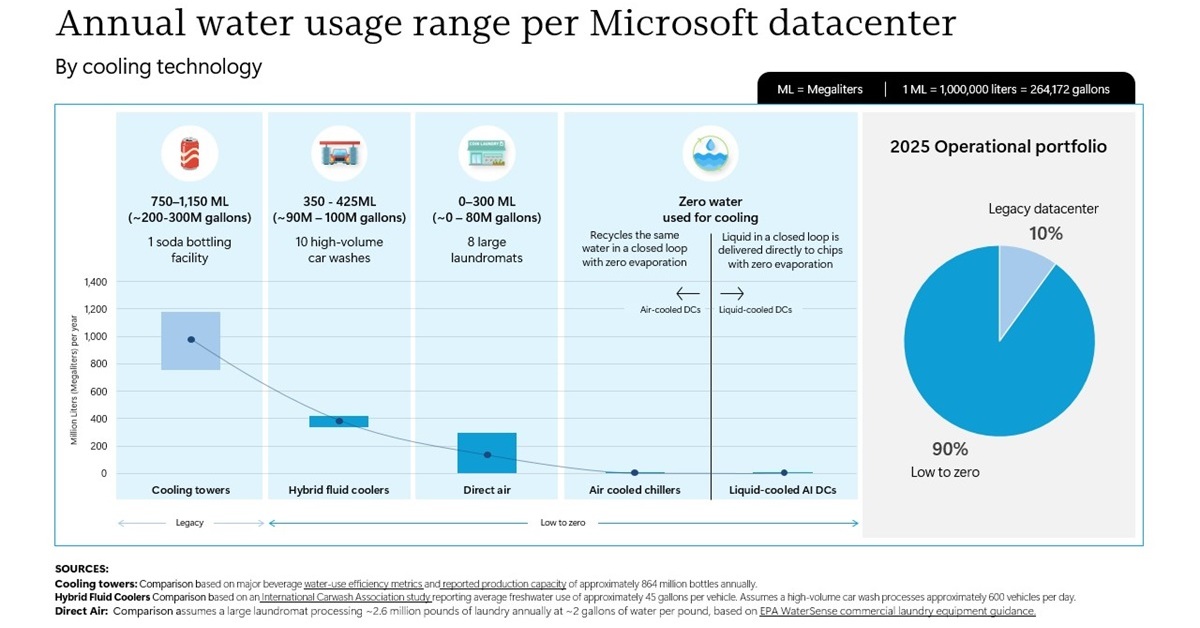
Microsoft has announced new water conservation measures for its data centers in response to the growing demand for AI and cloud services. The tech giant aims to achieve water positivity by 2030, targeting a 90% improvement in water usage efficiency compared to initial levels. To support this goal, Microsoft plans to implement waterless cooling systems in its latest facilities and utilize rainwater, thereby promoting sustainable infrastructure operations.

Critical Semiconductor Testing for AI and Data Center Power Demands
As artificial intelligence (AI) drives significant power requirements in data centers, the importance of thorough semiconductor testing has escalated. This trend highlights the growing challenges faced by data centers in managing energy consumption while ensuring optimal performance. The new video series aims to provide insights into these critical testing processes and their implications for the industry. The increasing reliance on AI technologies necessitates a robust approach to semiconductor testing, which is essential for maintaining efficiency and reliability in data centers. As power demands rise, organizations must adapt their testing methodologies to address these challenges effectively. This shift underscores the vital role that semiconductor testing plays in supporting the evolving landscape of AI and data center operations. Looking ahead, industry stakeholders should monitor advancements in semiconductor testing techniques and their impact on energy management in data centers. The ongoing development of testing protocols will be crucial in ensuring that data centers can meet the growing power demands associated with AI applications. No further timeline was disclosed at the time of publication.

Chasing rumors: Car CEO's departure untrue; WeChat tests native AI assistant; Apple, Tesla supplier data leaked.
On June 23, the ChiNext Index experienced its largest decline of the year, falling over 4% during trading and closing down 3.84%, dipping below the critical 4200-point mark. This downturn followed a record high set just a day prior. The trading volume for the day reached approximately 901.65 billion yuan, a decrease of 118.9 billion yuan from the previous day. All ten of the index's top-weighted stocks saw declines, particularly those in the AI computing sector. In a separate development, Tata Electronics confirmed a significant data breach, with over 630GB of sensitive information leaked, including design and specification documents for key clients like Apple and Tesla. The company stated that it had initiated a response plan and that operations remained unaffected. Apple is reportedly conducting a thorough investigation into the incident. Meanwhile, SpaceX has entered a multi-billion dollar agreement with AI startup Reflection AI to provide computing resources, with payments set to begin in July and continue through 2029. In the robotics sector, Nvidia unveiled its "Halos for Robotics" safety system aimed at enhancing the security of physical AI applications, while Faraday Future introduced its industrial-grade robotic arm series at a robotics expo in Chicago. Additionally, Meta has paused an internal AI training program that tracked employee mouse movements due to data security concerns, and Oracle announced a workforce reduction of approximately 21,000 employees, marking a 13% decrease in its total workforce as part of a business restructuring.
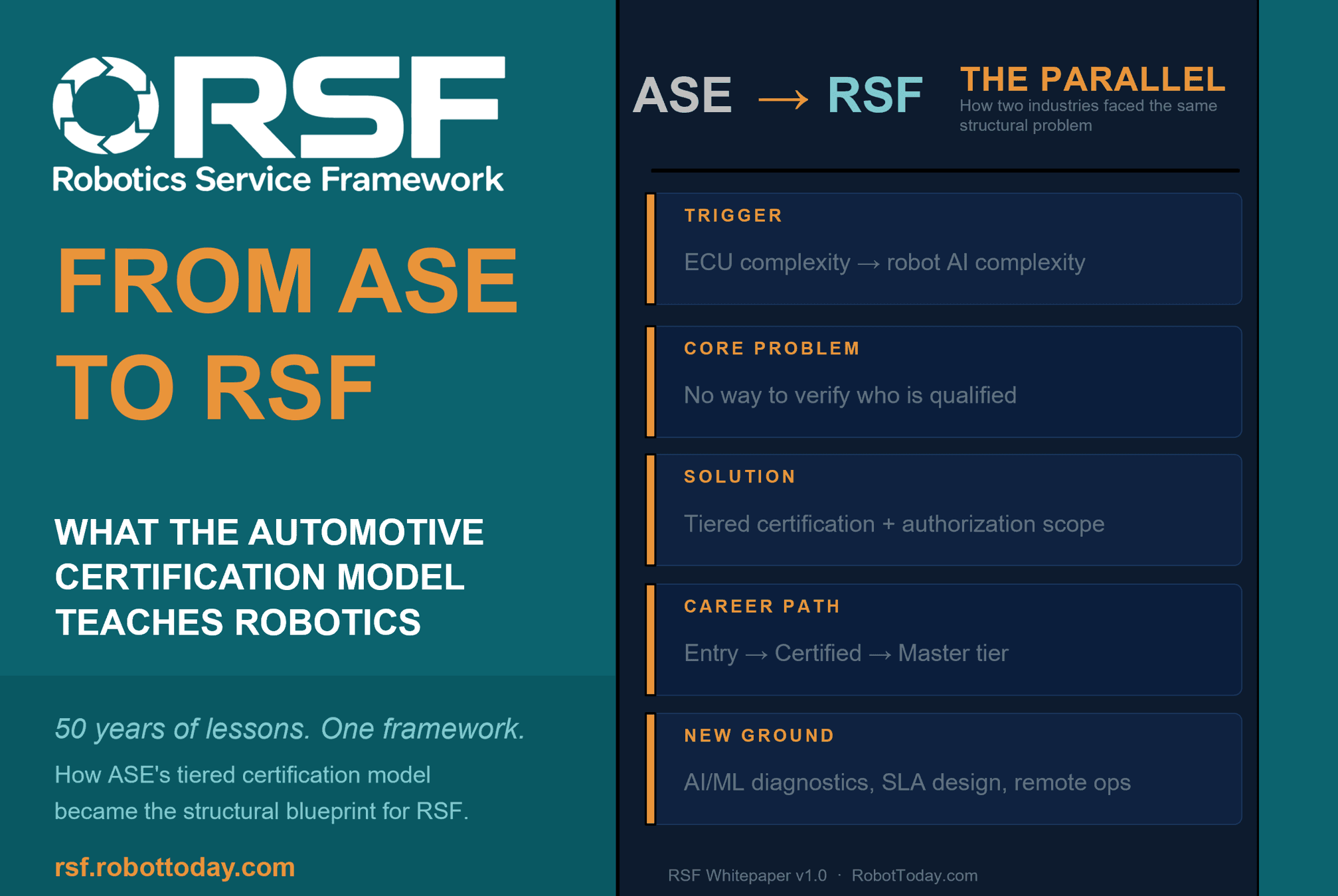
Robotics needs a service framework.
RSF defines a common language for robot service capability, lifecycle operations, certification pathways, and service-provider networks.