Industry Briefing
A single destination for timely, editor-curated robotics news from around the world.

LTX-2.5 Launches with Fast AI Video Generation and Open Weights Integration
LTX, a company spun out of Lightricks, has launched LTX-2.5, an advanced open-weights video model that can generate a 10-second video from an image in just 6.8 seconds using NVIDIA superchips. This model is now integrated into ComfyUI and available on Hugging Face, supporting organizations with under $10 million in annual revenue for free. The significance of LTX-2.5 lies in its innovative features, including a new diffusion video decoder that enhances video quality and native multishot generation for consistent outputs. LTX claims its model has surpassed 33 million downloads, making it the most popular open world model line, and it aims to provide flexibility and efficiency in video generation compared to closed API competitors. Looking ahead, LTX is focused on expanding its capabilities and refining its technology. The company emphasizes the importance of open weights for diverse use cases in video and world models, contrasting its approach with the trend towards closed models in the industry. No further timeline was disclosed at the time of publication.
Technology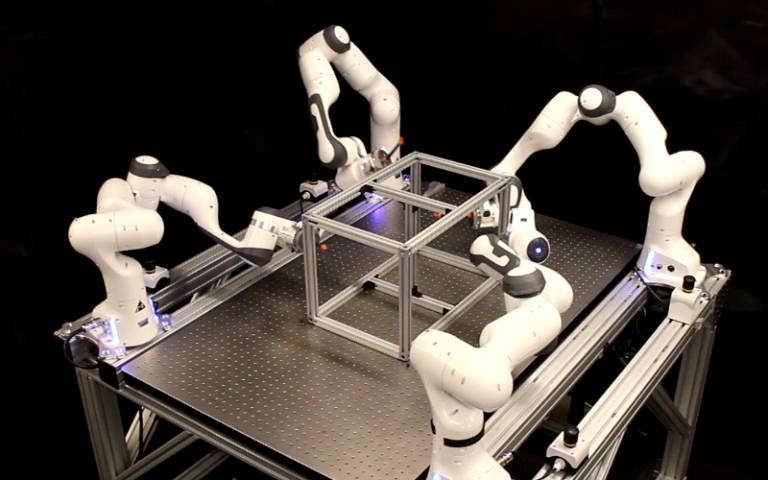
Skild AI Introduces S1 Robot Foundation Model for Learning from Video Demonstrations
Skild AI has launched the S1, a groundbreaking robotics foundation model that allows robots to learn manipulation tasks from just one video demonstration. This innovative model eliminates the need for task-specific fine-tuning or post-training, streamlining the learning process for robotic systems. The significance of the S1 model lies in its use of in-context learning, which parallels the prompting techniques utilized in large language models. This capability enables operators to simply demonstrate a task via video, making it easier for robots to acquire new skills efficiently and effectively. Looking ahead, the implications of the S1 model could reshape how robots are trained and deployed across various industries. As Skild AI continues to develop this technology, industry professionals should monitor advancements and potential applications of the S1 model in real-world scenarios. No further timeline was disclosed at the time of publication.
Computing Design News Software artificial intelligence Autonomous robots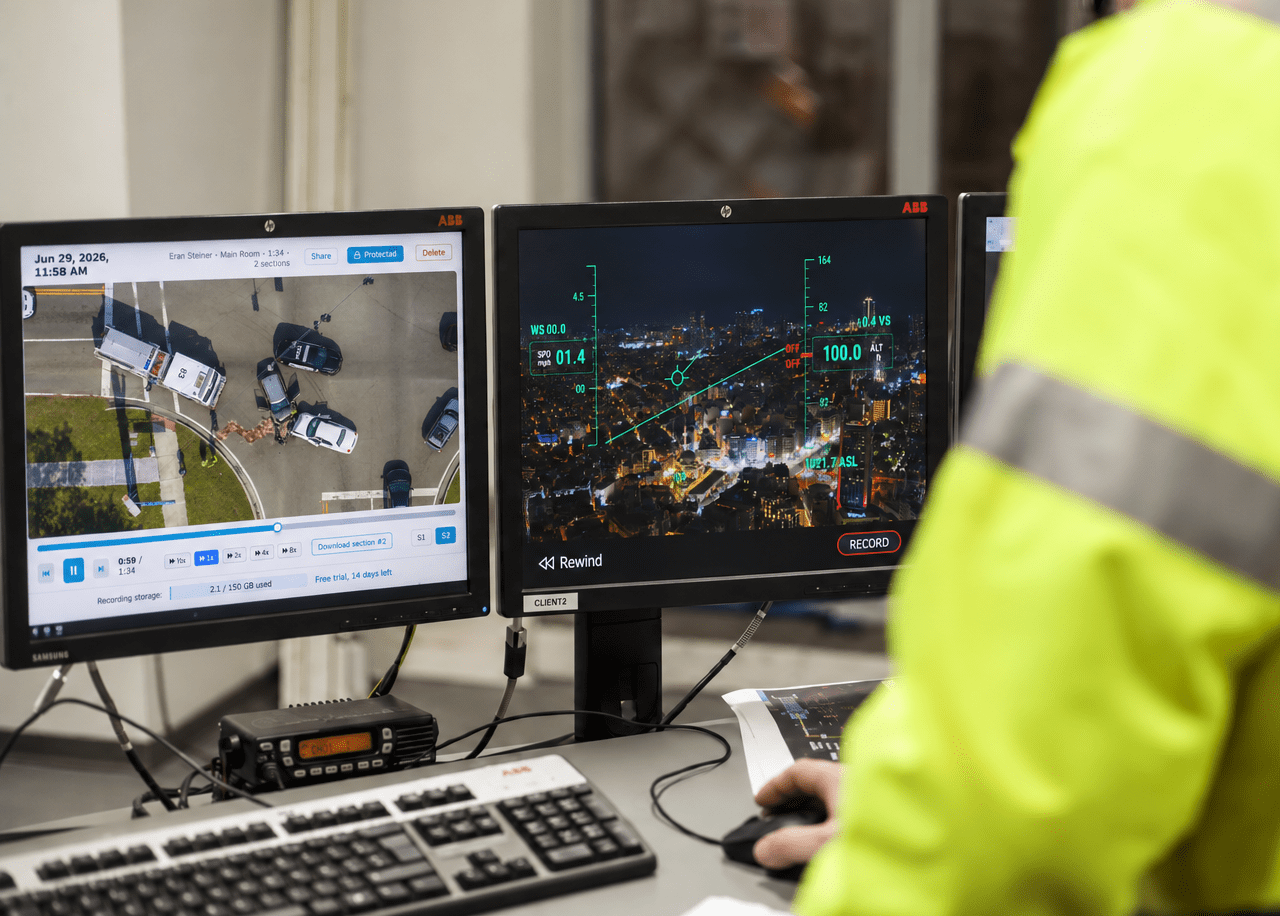
AirData Introduces 10-Minute Rewind Feature for Live Drone Video Streaming
AirData has enhanced its Live Streaming platform by adding recording and rewind capabilities, allowing authorized viewers to review the previous 10 minutes of an active stream. This feature addresses the challenge of remote drone operations where key events may occur while the necessary personnel are not watching the live feed. The new Stream Recording and Rewind capability is particularly beneficial for applications such as Drone as First Responder (DFR) and remote inspections, where pilots and decision-makers may be in different locations. According to Eran Steiner, founder and CEO of AirData, this innovation allows teams to capture critical moments that might otherwise go uncaptured during live operations. The Huntsville Police Department has already adopted this feature, enhancing their ability to analyze live feeds. The rewind function not only improves operational efficiency but also provides a cloud-based solution for data protection, ensuring that video footage remains accessible even if the drone is damaged or the onboard storage fails. No further timeline was disclosed at the time of publication.
Drone News Drone News Feeds News AirData BVLOS DFR
DeepSeek Expands Engineering Team by 150 as ByteDance Accelerates Video Generation
DeepSeek has announced a significant expansion of its engineering team, adding 150 new engineers to enhance its capabilities in AI and robotics. This move reflects the growing demand for advanced AI solutions in various sectors, particularly in the development of large models that go beyond traditional parameter counts. The expansion is crucial as it positions DeepSeek to better compete in the rapidly evolving AI landscape, where companies are increasingly focusing on innovative applications of technology. By bolstering its workforce, DeepSeek aims to accelerate the development of its products and services, particularly in the realm of video generation, where ByteDance is also making strides. Looking ahead, industry observers will be keen to see how this recruitment drive impacts DeepSeek's product offerings and market position. No further timeline was disclosed at the time of publication.
Robotics Automation AI
ByteDance Prepares AI Model for Real-Time Spatial Video Generation Competing with Meta and Alphabet
ByteDance Ltd. is developing an AI model focused on real-time spatial video generation, positioning itself against major players like Meta Platforms Inc. and Alphabet Inc. This initiative highlights the growing competition in the AI sector, particularly in applications relevant to robotics and autonomous systems. The significance of ByteDance's efforts lies in its potential to enhance capabilities in robotics and autonomous systems, areas that are increasingly reliant on advanced AI technologies. By entering this competitive landscape, ByteDance aims to carve out a niche in a market that is rapidly evolving and attracting significant attention from industry leaders. Looking ahead, stakeholders should monitor ByteDance's progress in this AI model development, as it could influence trends in spatial video applications and their integration into robotics. No further timeline was disclosed at the time of publication.

Alibaba Cloud Introduces Wan3.0 Video Generation Model with 30-Second Clips
Alibaba Cloud has launched Wan3.0, a new video-generation model capable of producing clips up to 30 seconds long. This model accepts various document formats, including DOC, XLS, PPT, PDF, and Markdown, as input. Wan3.0 had been in public beta since early August, allowing users to test its capabilities. The introduction of Wan3.0 is significant as it enhances the video generation process by improving instruction following, shot consistency, and audio quality. This advancement positions Alibaba Cloud as a competitive player in the video generation market, catering to businesses looking for efficient content creation solutions. From August 24 to September 23, selected platforms will provide a temporary 30% discount on Wan3.0 API pricing. This promotional offer may attract more users to explore the model's features and capabilities, potentially leading to increased adoption in various sectors. No further timeline was disclosed at the time of publication.
News Feed
Xiaomi Unveils New-Generation Humanoid Robot After Four Months of Auto-Factory Training
On August 19, 2026, Xiaomi introduced its new-generation humanoid robot at the World Robot Conference, following four months of training in an auto-factory environment. This robot, named CyberOne 'Tieda', stands 1.70 meters tall and weighs 66 kilograms, featuring 66 degrees of freedom. The significance of this development lies in the robot's ability to perform florist interactions autonomously, without relying on preset scripts. This capability is driven by advanced model-based autonomous decision-making, showcasing Xiaomi's commitment to innovation in robotics. Looking ahead, industry observers will be keen to see how Xiaomi's humanoid robot integrates into various applications and the potential impact on the robotics market. No further timeline was disclosed at the time of publication.

LTX Unveils LTX-2.5 Open World Model for Enhanced Video and Physical AI Applications
LTX has introduced LTX-2.5, an advanced version of its open-weights world model, enhancing capabilities for video generation and physical AI. This model boasts improvements in visual quality, prompt understanding, and generation speed, allowing developers to customize it on their hardware. With over 33 million downloads, LTX-2.5 is positioned as a foundational model for applications in film production, robotics, and real-time rendering. The significance of LTX-2.5 lies in its ability to model environmental changes over time, a critical feature for robotics and physical AI. According to Zeev Farbman, co-founder and CEO of LTX, the model addresses challenges unique to world models, such as maintaining consistency in motion and sound. By offering an open model, LTX empowers teams to retain control over their hardware and intellectual property while delivering industry-leading quality. Looking ahead, LTX has rebuilt much of the generation pipeline for LTX-2.5, introducing features like native multishot generation and a new diffusion video decoder. These enhancements aim to improve visual output and prompt understanding, making LTX-2.5 a versatile tool for developers. No further timeline was disclosed at the time of publication.
Computing Design Software artificial intelligence asteria comfyui
Dyna Robotics Launches DYNA-2 Model Trained on 1 Million Hours of Human Video
Dyna Robotics has introduced its DYNA-2 World-Action Model, trained on over 1 million hours of human video. This innovative approach aims to address the challenges of teaching robots to perform physical tasks by leveraging human egocentric video instead of traditional robot action data. The significance of this development lies in its potential to enhance task success rates in high-precision manufacturing, with Dyna reporting an increase from 20% to 80%-90% due to the extensive pre-training. The model's architecture allows for knowledge transfer across various robotic platforms, demonstrating adaptability with minimal fine-tuning. Looking ahead, Dyna Robotics envisions DYNA-2 as a pivotal advancement in robotics, enabling robots to learn new tasks without extensive robot-specific training data. No further timeline was disclosed at the time of publication.
AI and Robotics
Aniket Roy Discusses Resource-Constrained Image Generation and Visual Understanding Research
In an interview, Aniket Roy shared insights from his PhD research at Johns Hopkins University, focusing on resource-constrained image generation and visual understanding. His work, supervised by Professor Rama Chellappa, aimed to enhance the efficiency and adaptability of generative models in computer vision tasks, particularly under limited data conditions. Roy's research included the development of several innovative frameworks, such as FeLMi for few-shot learning and Cap2Aug for caption-guided multimodal augmentation. These methods address challenges like data scarcity and aim to improve the quality of generated images while maintaining high visual fidelity. His work on diffusion models, particularly the introduction of DiffNat, seeks to enhance the perceptual realism of generated images, which is crucial for practical applications. Looking ahead, the advancements in generative AI that Roy has contributed to could significantly impact various fields requiring efficient and adaptable visual systems. No further timeline was disclosed at the time of publication.

China Advances Toward Integrated Air, Land, and Sea Drone Swarm Systems
China is progressing from large formations of identical drones to a more complex network that coordinates uncrewed systems across air, land, and sea. The China Electronics Technology Group Corporation (CETC) highlights the evolution of drone swarms from mere numbers to distributed systems capable of communication and local decision-making. This shift is significant as it enhances operational capabilities in diverse environments, particularly in military applications. CETC identifies five key capabilities for effective swarm functionality: survivability, situational awareness, planning and decision-making, mission execution, and autonomous learning. While China has made strides in these areas, challenges remain, especially in integrating different types of uncrewed systems. Looking ahead, CETC envisions a heterogeneous swarm that allows various platforms to work together seamlessly. This integration could enable aerial drones, ground vehicles, and maritime systems to share information and resources, enhancing overall mission effectiveness. However, achieving this level of coordination presents substantial technical challenges.
Military
Skild AI Introduces S1 Robot Model Utilizing NVIDIA Physical AI for Task Learning
Skild AI has launched its S1 robot foundation model, designed to learn new tasks from a single video demonstration. This innovative approach utilizes in-context learning, allowing the robot to understand and execute tasks without the need for extensive reprogramming. The model was developed using NVIDIA AI infrastructure, highlighting a collaboration aimed at enhancing adaptable robot intelligence in dynamic environments. The significance of the S1 model lies in its ability to perform unfamiliar tasks, such as plant potting and pancake making, by interpreting video prompts. This method drastically reduces the time and resources typically required for retraining robots, achieving a success rate of 66% in executing new multistep tasks. Skild AI's approach marks a pivotal shift in robotics, moving away from fixed programming to a more flexible, experience-based learning model. Looking ahead, Skild AI is actively deploying the S1 model in various applications, including manufacturing and logistics, with over 60 partnerships established. The collaboration with NVIDIA and Foxconn aims to enhance precision in assembly tasks, showcasing the potential for robots to adapt in real-time to changing conditions on the factory floor. No further timeline was disclosed at the time of publication.

Humanoid Robots Enhanced by AI Controller for Translating Commands into Actions
Humanoid robots, designed to mimic human limbs and body structures, are being enhanced by an AI controller that translates virtual reality, video, and language commands into actionable movements. This advancement aims to simplify the teaching process for these robots, which often struggle with executing humanlike movements reliably. The significance of this development lies in its potential to streamline the deployment of humanoid robots across various environments, including homes and workplaces. By improving the efficiency of command translation, the AI controller could reduce the time and effort required to train these robots, making them more accessible for practical applications. Looking ahead, the focus will be on the effectiveness of the AI controller in real-world scenarios and its ability to adapt to diverse tasks. No further timeline was disclosed at the time of publication.
Robotics
Figure Partners with Nscale to Deploy 100,000 GPUs for Humanoid Robot AI Training
U.S. robotics company Figure has entered a strategic partnership with UK-based Nscale to secure up to 100,000 GPUs for training its next generation of humanoid robots. This collaboration aims to meet the increasing data and computational demands of developing advanced AI models for general-purpose robotics, utilizing NVIDIA’s Vera Rubin platform. The partnership is significant as it represents an initial commitment of $3.5 billion, with plans to expand to over $6 billion. The deployment of this large-scale computing infrastructure is expected to begin in the second half of 2027 in Barstow, Texas. This investment will support Figure's Helix AI system, enhancing the capabilities of its humanoid robots by processing vast amounts of real-world data. Looking ahead, Figure is also scaling its Index dataset, which has gained over 264,000 downloads globally. This dataset is crucial for training AI models by capturing diverse human activities. The collaboration with Nscale is designed to create a comprehensive infrastructure for physical AI, facilitating the transition from model training to real-world deployment of humanoid robots. No further timeline was disclosed at the time of publication.
AI and Robotics
Renesas Opens Physical AI & Robotics Lab in Beijing to Boost Robotics Development
Renesas Electronics Corporation has officially launched its Physical AI & Robotics Lab in Beijing, China. This new facility is designed to support customers in demonstrating, validating, and co-developing next-generation robotic systems. The establishment of this lab is significant as it will serve as a central hub for executing Renesas' physical AI strategy, facilitating the transition from proof-of-concept to large-scale deployment of advanced robotics solutions. Looking ahead, the lab is expected to play a crucial role in advancing robotics innovation and physical AI applications. No further timeline was disclosed at the time of publication.

AWS and NVIDIA Expand Collaboration with 2 Million Additional GPUs for AI Infrastructure
Amazon Web Services (AWS) and NVIDIA have announced a significant expansion of their partnership to address the increasing global demand for AI infrastructure. The companies plan to deploy an additional 2 million NVIDIA GPUs across AWS’s global infrastructure, enhancing their collaboration in AI factories, CPUs, networking, and robotics. This move aims to support the growing need for AI workloads, enabling customers to scale their operations in areas such as agentic AI and enterprise automation. This expansion is crucial as organizations transition from pilot projects to full-scale production, necessitating broader model choices and faster data processing capabilities. AWS and NVIDIA's joint efforts will provide customers with the confidence that their infrastructure can support innovative AI applications while maintaining security and reliability. The collaboration builds on 16 years of innovation, reflecting the increasing demand from various sectors, including frontier labs and governments. Looking ahead, AWS and NVIDIA's partnership is set to redefine AI compute capacity, with plans to introduce NVIDIA Blackwell Ultra GPUs and enhance networking performance for large-scale AI training. No further timeline was disclosed at the time of publication.

Aetina Enhances Edge AI with Support for NVIDIA Jetson Orin Nano 2 Platform
Aetina Corporation has announced its support for the NVIDIA Jetson Orin Nano 2, enhancing its edge AI capabilities. This new platform allows for higher-performance generative AI and multimodal inference, which are crucial for compact Physical AI systems. The introduction of the Jetson Orin Nano 2 marks a significant advancement in entry-level edge AI robotics computers. It enables developers to create sophisticated applications such as delivery and inspection drones, robots, and vision AI systems that can perceive their environment and respond in real time. Looking ahead, the integration of the Jetson Orin Nano 2 into Aetina's offerings is expected to drive innovation in the edge AI sector. No further timeline was disclosed at the time of publication.

Kairos Power Initiates NuCAMP to Develop Advanced Nuclear Workforce in America
Kairos Power has launched the Nuclear Center for Advanced Manufacturing and Precast (NuCAMP) to address the workforce challenges in advanced nuclear reactor construction. This initiative is in collaboration with several institutions, including Oak Ridge National Laboratory and the University of Tennessee–Knoxville, and will be based at Kairos Power's Reactor Demonstration Campus in Oak Ridge, Tennessee. The establishment of NuCAMP is crucial as the U.S. aims to deploy advanced nuclear reactors, which necessitate a skilled workforce capable of adhering to stringent manufacturing and construction standards. The center will focus on workforce training, manufacturing development, and collaboration, with an initial exploratory phase lasting 12 months to identify necessary technologies and training programs. Looking ahead, NuCAMP will explore advanced manufacturing technologies such as precast concrete construction and additive manufacturing to enhance nuclear construction processes. The initiative aims to bridge the gap between innovative techniques and regulatory standards, ensuring the successful integration of these technologies into the nuclear industry. No further timeline was disclosed at the time of publication.
Energy
Humanoid Robot Crashes During Training for World Humanoid Robot Games in Beijing
A humanoid robot experienced a severe crash during a training sprint in Beijing, colliding with a cushioned wall and nearly splitting in half. This incident occurred as part of the preparations for the World Humanoid Robot Games, also known as the 'Robot Olympics,' set to begin on August 22. The event will feature 2,056 machines from 666 teams across 16 countries. The crash, which was captured on video and has garnered over 13 million views online, raises questions about the robot's programming and perception capabilities. Experts note that such failures are crucial for testing robots under challenging conditions, allowing developers to gather data to enhance performance and safety before real-world deployment. As the World Humanoid Robot Games approaches, with 30 competitive events planned, the increase in participation—up 138 percent in teams and quadrupled robot entries—highlights the growing interest and advancements in humanoid robotics. No further timeline was disclosed at the time of publication.
AI and Robotics
Seeing Machines Introduces Physical AI Platform for Advanced Humanoid Robotics
Seeing Machines Limited has launched its Physical AI Platform, which aims to enhance humanoid robots by leveraging its expertise in human sensing technology. This new platform is designed to facilitate safe and intuitive interactions between humans and machines, building on the company's established leadership in the automotive sector. The introduction of the Physical AI Platform is significant as it represents a shift towards integrating advanced computer vision capabilities into robotics and industrial automation. By applying its Human-Centred AI design philosophy, Seeing Machines is poised to redefine how robots interact with humans, potentially improving safety and efficiency in various applications. Looking ahead, industry stakeholders should monitor the development and deployment of the Physical AI Platform, as it may set new standards for human-robot interaction. No further timeline was disclosed at the time of publication.

Robotics Companies Compete to Collect Human Videos for AI Training in India
Robotics companies are actively gathering videos of workers in India performing tasks such as shoe stitching and steel welding. This initiative aims to enhance the capabilities of robots by providing them with the necessary skills through human demonstrations. The significance of this effort lies in the ongoing competition among robotics firms to develop advanced AI systems that can replicate human tasks. By utilizing real-life footage of skilled workers, these companies hope to improve the training processes for their robots, ultimately leading to more efficient automation solutions. Looking ahead, it will be important to monitor how these efforts evolve and the impact they have on both the workforce and the robotics industry. No further timeline was disclosed at the time of publication.

AI-Powered Lead Generation Revolutionizes B2B Sales Prospecting Strategies
B2B sales teams are evolving their prospecting methods as they face challenges with outdated contact lists and low response rates. Traditional approaches are no longer sufficient, prompting a shift towards AI-powered lead generation tools that provide real-time insights and dynamic intelligence. Platforms like Lev8 are transforming how businesses identify qualified prospects by continuously monitoring buyer intent and updating contact information automatically. The importance of AI in B2B sales prospecting cannot be overstated, as it enables sales teams to focus on high-quality leads that align with their target customer profiles. By analyzing various business signals, AI tools help teams adapt to changing customer needs and market conditions, ultimately leading to more effective engagement strategies. This shift towards smarter prospecting methods is crucial in a fast-paced market where timely and accurate information is key to success. Looking ahead, the integration of AI in sales processes will likely continue to grow, with tools not only aiding in lead discovery but also enhancing lead qualification and outreach efforts. As companies increasingly adopt these advanced solutions, the landscape of B2B sales prospecting will evolve, making it essential for sales professionals to stay informed about the latest AI advancements and their applications in the field. No further timeline was disclosed at the time of publication.
Business Software Technology ai automation ai lead generation ai sales prospecting
Air Force Plans Next-Generation Engine Integration Activities by 2030
The Air Force anticipates that a next-generation engine will be ready for aircraft integration by the end of the decade, following years of delays. John Sneden, chief of the Air Force’s propulsion directorate, indicated that the Next Generation Adaptive Propulsion (NGAP) program will involve building and testing prototypes from GE Aerospace and Pratt & Whitney, with integration activities expected around 2030. This development is significant as the NGAP program aims to enhance military propulsion capabilities, potentially offering a more fuel-efficient and powerful engine for various aircraft, including the F-47. The program's platform-agnostic design allows for integration into existing aircraft, which could provide the Air Force with advanced propulsion options in the future. Looking ahead, the Air Force is requesting approximately $514 million for the NGAP initiative in fiscal 2027, with funding expected to peak at nearly $906 million in FY28. No specific aircraft has been confirmed for the NGAP engine, but the technology could lead to significant advancements in military aviation capabilities over the next decade.
Air Warfare Air Force Engine Core Upgrade (ECU) F-35 F-35 Block 4 modernization F-47
Mimic Robotics Introduces FLUX-mimic for Efficient Robot Learning from Video Demonstrations
Mimic Robotics has launched FLUX-mimic, a cutting-edge Video-Action Model developed with Black Forest Labs, enabling robots to learn intricate industrial tasks from video demonstrations. This innovative system significantly reduces the amount of training data required, allowing for faster and more efficient robot training in factory settings, including deployments at Audi. The importance of FLUX-mimic lies in its ability to streamline robot training processes, which traditionally demand extensive demonstration data. By utilizing a generative video foundation model, FLUX-mimic can fine-tune manipulation tasks with as little as 30 minutes of data, compared to the 30 hours often needed by conventional systems. This advancement is expected to shorten deployment cycles from months to weeks, enhancing operational efficiency. Looking ahead, the collaboration with Audi will test FLUX-mimic's performance in real-world factory environments, particularly for high-dexterity tasks. The focus on automating complex manipulations could lead to broader applications in manufacturing and logistics, making robotic automation more adaptable to evolving production needs. No further timeline was disclosed at the time of publication.
AI and Robotics
SK Group and NVIDIA Forge $500 Billion Partnership for AI Infrastructure and Memory Solutions
SK Group and NVIDIA have announced a comprehensive partnership valued at over $500 billion to develop AI infrastructure in response to rising global compute demands. This collaboration includes plans for AI factory construction and the supply of next-generation AI memory, with the first AI factory expected to launch in 2027. The partnership builds on a longstanding relationship between SK Group and NVIDIA, aiming to enhance AI infrastructure across the Asia-Pacific region, particularly in South Korea. The initiative will leverage NVIDIA's DSX platform and SK hynix's advanced memory technologies to create efficient, large-scale AI services. Looking ahead, the collaboration will not only expand AI infrastructure but also focus on co-developing next-generation AI memory solutions. No further timeline was disclosed at the time of publication.

Black Forest Labs Introduces FLUX 3 for Image and Video Generation with Audio
Black Forest Labs (BFL) has launched FLUX 3, a multimodal model capable of generating images and 20-second audio/video clips from a single prompt. This model represents a significant expansion of BFL's FLUX family, emphasizing a unified approach to creative generation and robotic vision. The introduction of FLUX 3 is important as it positions BFL to compete in the growing market for multimodal AI applications, which combine various forms of media. The model is currently in a limited 'Early Access' phase, with no public API access yet available, which may affect enterprise adoption. Looking ahead, BFL plans to release additional features, including open-weight versions of FLUX 3 later this year. However, the absence of pricing and comprehensive benchmarking details at launch could hinder rapid adoption among enterprise users. No further timeline was disclosed at the time of publication.
Technology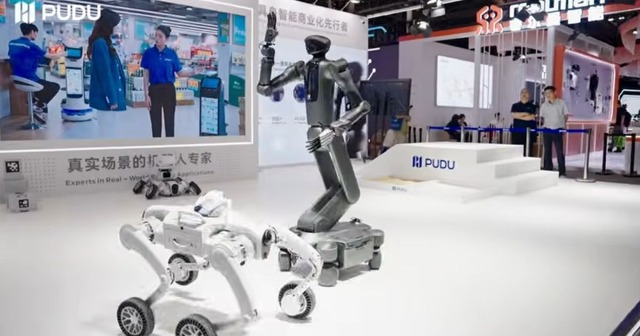
Pudu Robotics Unveils Next-Generation Semi-Humanoid Robot 'PUDU D7' at WAIC 2026 in Shanghai
Pudu Robotics showcased its entire product lineup at the 2026 World Artificial Intelligence Conference (WAIC 2026) held in Shanghai from July 17 to 20, including the world premiere of the next-generation semi-humanoid robot 'PUDU D7'. Attendees had the opportunity to take commemorative photos with 'PUDU D7' and receive unique snapshots from the robot's perspective. The event also featured a multi-robot cooperative demonstration with the quadruped robot 'PUDU D5', which autonomously navigated while avoiding pedestrians. The robots demonstrated their autonomous navigation capabilities on an obstacle course simulating gravel, steps, and slopes, achieving a maximum speed of 5 m/s during drift driving. Use cases for autonomous inspection in complex environments such as power substations and industrial parks were also presented. In addition to 'PUDU D7', Pudu Robotics exhibited various robots including the serving robot 'BellaBot', industrial transport robot 'PUDU T300', and commercial cleaning robots 'PUDU MT1 Max' and 'PUDU CC1 Pro', highlighting their applications across diverse industries such as food service, retail, manufacturing, and logistics. No further timeline was disclosed at the time of publication.

Nvidia Unveils Vera CPU for AI, Challenging AMD and Intel in Server Market
Nvidia has introduced its next-generation CPU, Vera, designed specifically for AI applications, marking its entry into the CPU market. This strategic move positions Nvidia to compete directly with established players AMD and Intel in the AI server sector. The company has begun shipping Vera chips to clients such as OpenAI, Anthropic, and SpaceX, highlighting its commitment to vertical integration in technology. The significance of this launch lies in Nvidia's aim to redefine server architecture by focusing on single-core performance rather than core count, which has been the traditional approach by competitors. With the server CPU market projected to reach $200 billion, Nvidia's Vera chip is expected to play a crucial role in enhancing AI agent performance, offering 50% better efficiency compared to existing x86 chips from Intel and AMD. Looking ahead, Nvidia's strategy to sell complete computing systems rather than just individual chips could reshape the competitive landscape in AI servers. As the demand for AI capabilities continues to grow, the performance and pricing of the Vera CPU will be critical factors to monitor in the evolving market dynamics.

Xiaomi Launches Xiaomi-Robotics-U0 Foundation Model for Embodied AI Applications
Xiaomi has introduced the Xiaomi-Robotics-U0, a multimodal autoregressive foundation model featuring 38 billion parameters for embodied AI. This innovative model integrates four essential capabilities: embodied scene generation, embodied transfer, robot interaction video generation, and general-purpose image generation and editing. The significance of the Xiaomi-Robotics-U0 lies in its ability to create robot-ready environments from text prompts, adapt robot trajectories to new scenes while maintaining motion, and generate robot interaction videos based on task instructions. This advancement leverages extensive visual knowledge from the internet, enhancing the potential for embodied AI applications. Looking ahead, the impact of the Xiaomi-Robotics-U0 on the robotics and AI landscape will be closely monitored. Its capabilities could pave the way for more sophisticated robotic systems and applications, although no further timeline was disclosed at the time of publication.
News Feed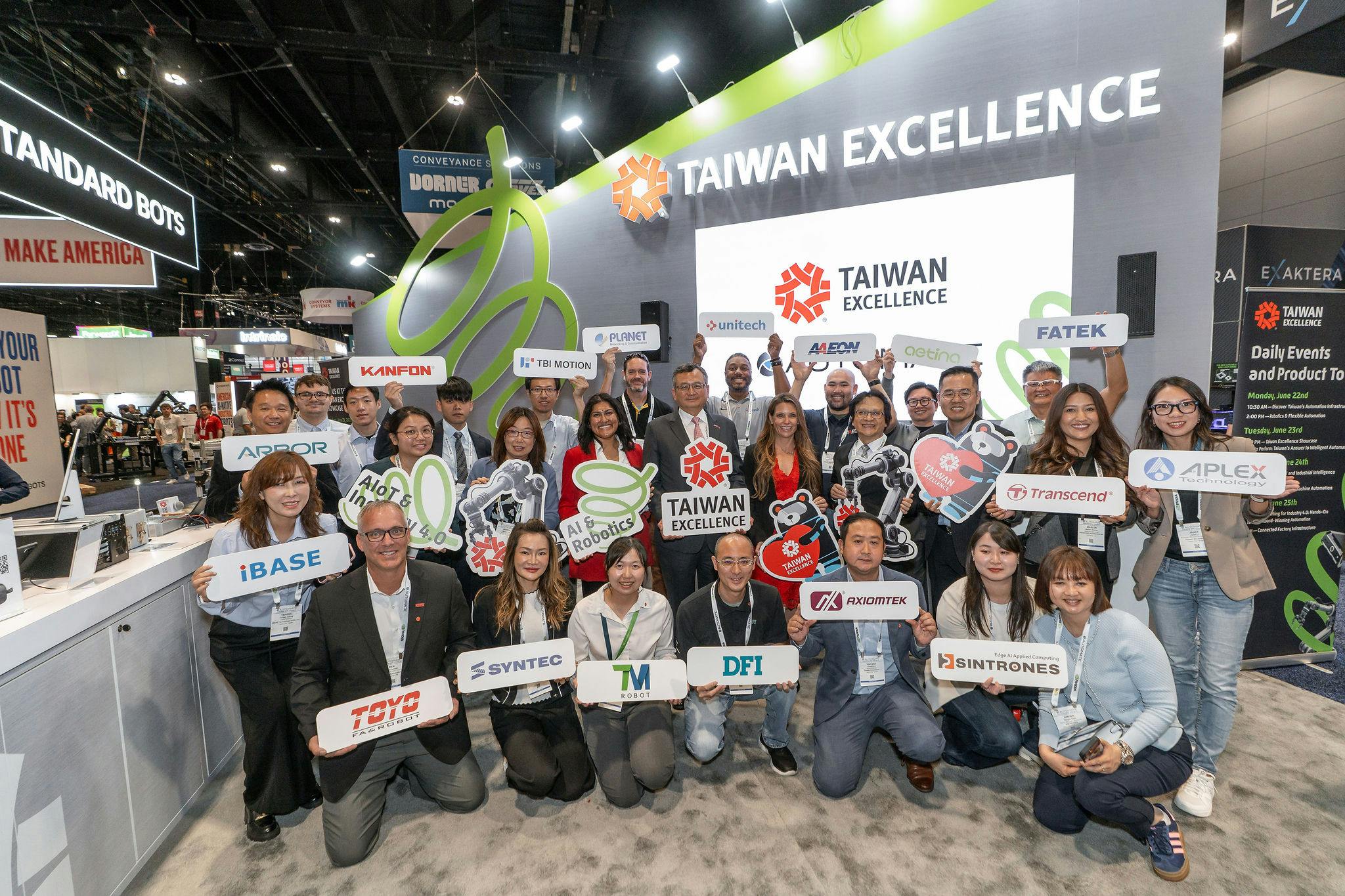
Taiwan's Ecosystem Fuels Next-Gen Manufacturing with Smarter Automation Solutions
The Taiwan Excellence Pavilion showcased 23 exhibitors presenting advanced solutions in edge AI, robotics, and smart manufacturing infrastructure. As manufacturers seek enhanced flexibility and intelligent operations, the integration of technologies across the factory floor is becoming crucial, driving demand for motion control, industrial computing, and machine vision. Taiwan's role as a global contributor in automation technologies is bolstered by its concentrated ecosystem focused on precision engineering and innovation. The Taiwan Excellence Award highlights exceptional Taiwanese products based on research, design, quality, and marketing, reflecting the nation's capability to support intelligent industrial systems. At Automate 2026, the pavilion demonstrated how foundational technologies assist OEMs and manufacturers in creating intelligent production environments. The emphasis on data-driven and AI-enabled automation solutions indicates a shift towards responsive manufacturing, where edge computing plays a vital role in real-time decision-making and advanced applications like predictive maintenance.
Factory / Digital Transformation
PixVerse Secures $439M in Series C Extension, Valuation Exceeds $2B
Singapore-based video-generation startup PixVerse announced the closure of its Series C extension, raising a total of $439 million. This funding has propelled its valuation past $2 billion, enabling the company to enhance its world model offerings and expand its customer base globally. The significance of this funding round lies in PixVerse's ambition to solidify its position in the competitive video generation market. Founded in 2023 by Wang Changhu and Jaden Xie, the company has already attracted notable investors, including Alibaba and Lollapalooza Capital, and boasts over 150 million registered users for its consumer product. Looking ahead, PixVerse plans to launch a new V-Series model for video generation and a new version of its world model within the year. The company is also focused on expanding its enterprise outreach and hiring additional researchers to support its growth strategy. No further timeline was disclosed at the time of publication.
AI Fundraising alibaba pixverse video generation
SpaceX Unveils AI1 Satellite Specs for Starmind Constellation with Key Thermal Challenges
SpaceX has introduced the AI1 satellite, the inaugural component of its Starmind constellation, which stands 20 meters tall and has a wingspan of 70 meters. This orbital compute node is designed to deliver computing power equivalent to one NVIDIA GB300 server rack, utilizing a unique cooling system with deployable liquid radiators. The satellite's specifications were revealed during a presentation on June 8, 2026, ahead of SpaceX's IPO. The significance of the AI1 satellite lies in its role as a compute platform rather than a traditional satellite, focusing on running AI inference workloads. The satellite's cooling system, which is critical for its operation in the vacuum of space, is designed to reject heat through infrared radiation. However, independent engineers have raised concerns about the feasibility of the thermal and mass claims made by SpaceX, suggesting that the cooling requirements may exceed practical limits. Looking ahead, SpaceX plans to launch two AI1 prototypes in early 2027, with full-scale production expected to commence later that year at its Gigasat facility in Bastrop, Texas. The ongoing debate regarding the satellite's thermal management capabilities will be crucial to monitor as the project progresses, with no further timeline disclosed at the time of publication.

Microsoft unveils next-generation platform "Project Solara," transitioning from GUI to AI agents.
At the Microsoft Build 2026 conference held in June, the tech giant unveiled "Project Solara," a groundbreaking platform designed to prioritize AI agents over traditional graphical user interfaces and mobile applications. This innovative system facilitates collaboration between cloud-based AI agents and edge devices, enabling a seamless user interface that transcends hardware limitations. The announcement included an overview of two conceptual models, illustrating a new vision for computing in the age of artificial intelligence. As Microsoft explores this "AI agent-first" approach, it raises questions about the future of user interaction and the potential transformations in technology.

Alibaba unveils HappyHorse 1.1 video generation model, launches global AI filmmaking competition
On Monday, Alibaba unveiled HappyHorse 1.1, the latest iteration of its video generation model, marking a significant upgrade from its predecessor, HappyHorse 1.0. This new version boasts enhancements in motion dynamics, subject consistency, prompt adherence, visual quality, and audio generation capabilities. In conjunction with this release, Alibaba announced the HorsePower AI Video Competition, collaborating with Huajing Entertainment Group to encourage innovation in video content creation. The competition aims to engage developers and creators in exploring the potential of the upgraded model, fostering creativity and technological advancement in the field of AI-generated video.
News Feed
NVIDIA and ComfyUI Streamline Local AI Video Generation for Game Developers and Creators at GDC
At the Game Developers Conference (GDC) held this week in San Francisco, NVIDIA unveiled a series of updates aimed at enhancing the capabilities of game developers and artists. The company showcased how its RTX AI PCs are enabling the creation of cinematic worlds and iconic characters, significantly elevating the standard for immersive gaming experiences. This initiative reflects NVIDIA's commitment to pushing the boundaries of technology in the gaming industry, providing developers with advanced tools to craft more engaging and visually stunning content. The updates are expected to empower creators to leverage artificial intelligence in innovative ways, ultimately transforming the gaming landscape.

NVIDIA RTX Accelerates 4K AI Video Generation on PC With LTX-2 and ComfyUI Upgrades
In 2025, advancements in artificial intelligence on personal computers reached a significant milestone, with small language models (SLMs) achieving nearly double the accuracy compared to the previous year. This improvement has notably narrowed the performance gap between these PC-class models and larger, cloud-based language models (LLMs). The surge in AI development is attributed to enhanced developer tools and techniques that have emerged, enabling more efficient training and deployment of SLMs. As a result, users can now access more powerful AI capabilities directly on their PCs, marking a pivotal shift in the landscape of AI technology.
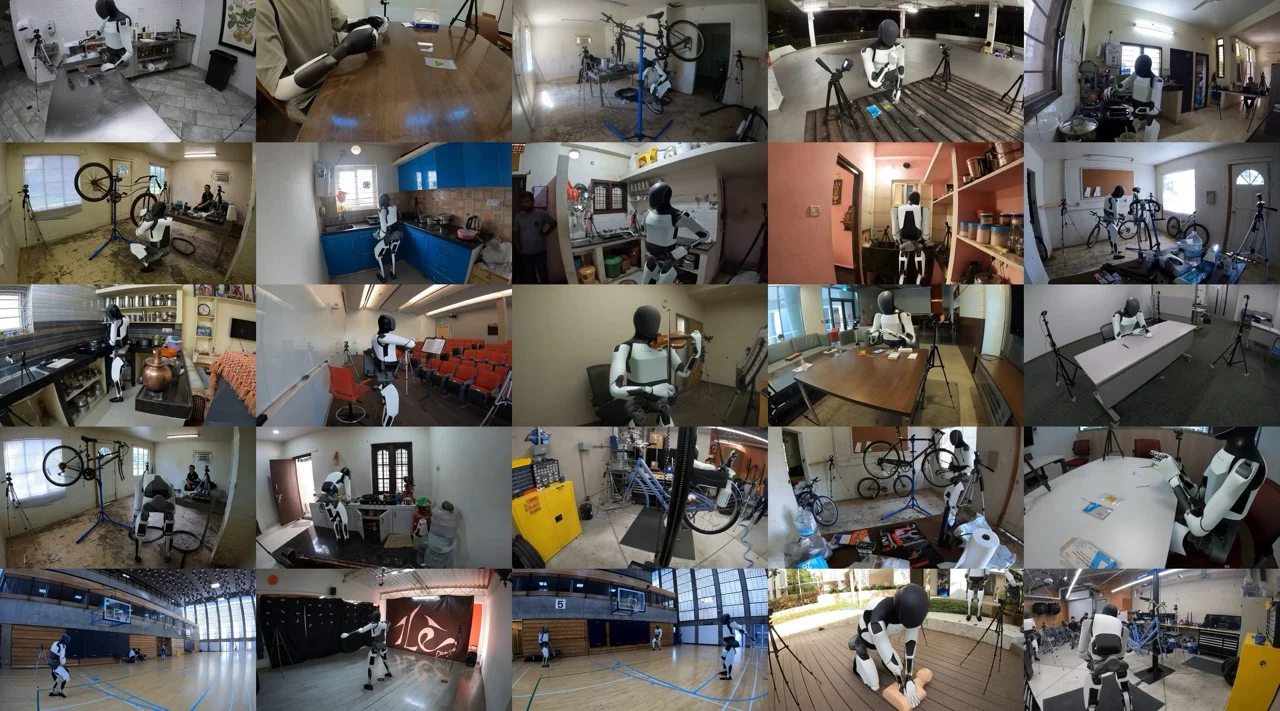
Research Spotlight: X-Humanoid ‘Robotizes’ Human Videos to Train the Next Generation of Androids
Researchers at the National University of Singapore have unveiled an innovative generative video pipeline designed to transform third-person footage of human activities into synthetic training data for humanoid robots. This groundbreaking development aims to address the embodiment gap in robotics, enabling more effective training of robots by providing them with diverse and realistic scenarios. The project, which leverages advanced video synthesis techniques, represents a significant advancement in the field of robotics and artificial intelligence. By creating a scalable solution for generating training data, the researchers hope to enhance the capabilities of humanoid robots, making them more adept at understanding and interacting with the world around them.
Data Collection embodied-ai
Dürr Unveils EcoRS Generation 2 Robot Platform for Paint Shop Applications
Dürr has launched the EcoRS Generation 2, a new robot platform tailored for diverse paint shop applications. This series features four distinct robot models, each designed to accommodate varying load capacities and reach requirements, ensuring high process quality while simplifying planning, operation, and service. The introduction of the EcoRS Generation 2 is significant as it addresses the need for efficient and versatile robotic solutions in paint shops. By combining advanced technology with user-friendly features, Dürr aims to enhance operational efficiency and reduce complexity for manufacturers in the automotive and industrial sectors. Looking ahead, industry stakeholders should monitor the adoption of the EcoRS Generation 2 in various applications, as it may set new standards for performance and ease of use in robotic systems. No further timeline was disclosed at the time of publication.
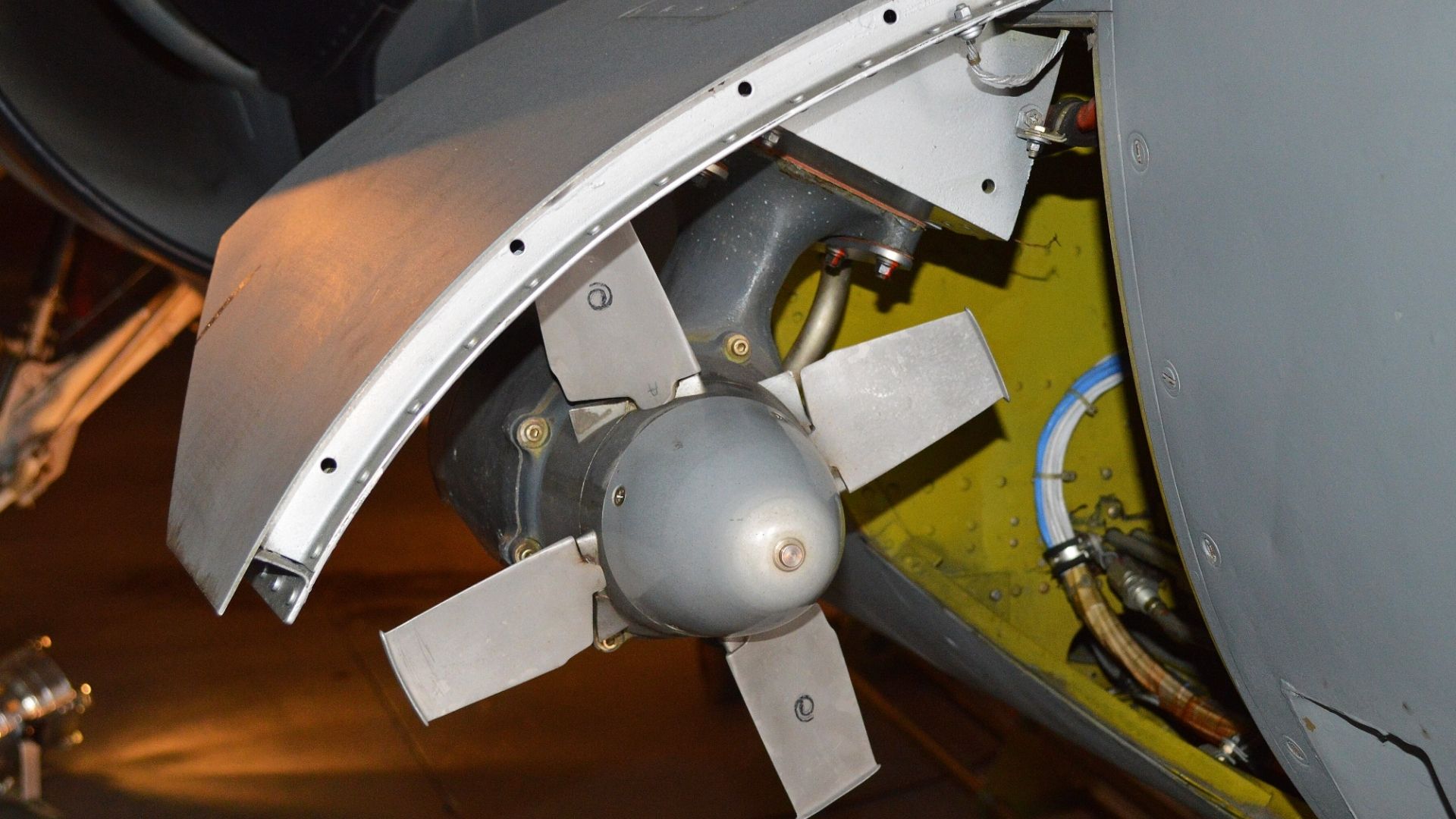
Marotta Controls to Supply Technology for US Navy's Next Generation Jammer Program
Marotta Controls, a US aerospace and defense contractor, has secured contracts to provide technology for two subsystems of the US Navy’s Next Generation Jammer–Low Band (NGJ-LB) program. Announced on September 2, the contracts involve a subcontract with CFD Research Corporation for a ram-air turbine power-generation system and a direct contract from L3Harris Technologies, the prime contractor for the NGJ-LB. The NGJ-LB is designed for the EA-18G Growler, enhancing its electronic warfare capabilities by disrupting enemy air defenses and ground communications. Marotta's involvement marks its entry into the airborne electronic warfare market, supplying equipment for the Turbine Speed Control System, which is crucial for power generation and regulation within the NGJ-LB pod. As the US Navy aims to replace the legacy AN/ALQ-99 Tactical Jamming System, the NGJ-LB program, selected in August 2024 under a $587.4 million contract, is set to deliver operational prototype pods for fleet assessment. No further timeline was disclosed at the time of publication.
Military
Tesla Launches Steering-Wheel-Free Cybercabs in Austin for Autonomous Ride-Hailing
Tesla has rolled out dozens of its Cybercabs on public roads in Austin, Texas, advancing its autonomous ride-hailing initiative. These gold-colored vehicles are designed without steering wheels or brake pedals, eliminating manual control for passengers. This deployment aims to test both the technology and rider trust in fully autonomous vehicles. The significance of this rollout lies in Tesla's commitment to fully autonomous transportation, as it has operated a self-driving robotaxi service in Austin since June 2025. The new Cybercabs represent a significant evolution, being purpose-built for autonomy without conventional controls. This move also highlights Tesla's innovation, as the Cybercab motor is designed without rare earth metals while maintaining the same range. Looking ahead, Tesla plans to expand its robotaxi service to additional cities, with over 200 unsupervised robotaxis already in operation across Texas and Florida. However, Tesla faces competition from Waymo, which has a larger fleet of driverless vehicles. The key challenge for Tesla will be demonstrating the safety and reliability of its autonomous driving technology without human intervention.
Transportation
D-Robotics Showcases Sunrise™ AI Chips at IFA 2026 for Home Robots
At IFA 2026 in Berlin, D-Robotics is highlighting its Sunrise™ AI chips, which power a variety of home robots. Notable products include TCL's hey AiMe companion robot, Vbot's SuperDog quadruped, and the xLean TR1 floor washer, showcasing the versatility of D-Robotics' technology. The significance of D-Robotics' contributions lies in its role as a leading provider of robotics development infrastructure. By equipping numerous robots with its AI chips, the company is influencing the evolution of home robotics, making advanced technology accessible to various manufacturers and enhancing consumer experiences. As IFA 2026 progresses, attention will be on how D-Robotics continues to innovate within the robotics sector. The impact of its Sunrise™ AI chips on the functionality and capabilities of home robots will be closely monitored, as the industry looks to the future of intelligent automation in domestic settings. No further timeline was disclosed at the time of publication.

Zeroth Launches Bridge, the First AI-Native Humanoid Robot with OpenBridge Ecosystem
Zeroth, a Chinese robotics company, has unveiled Bridge, touted as the world's first AI-native embodied robot, along with the OpenBridge open-source ecosystem. This platform aims to facilitate real-world robot development through its compact humanoid design and developer-friendly interfaces, with the first Bridge Geek Edition units now available for purchase. The introduction of Bridge is significant as it represents a shift towards more adaptable and interactive robotics, moving away from traditional fixed-motion robots. With features like bipedal walking and obstacle avoidance, Bridge is designed to support developers in creating innovative capabilities, making physical AI development more accessible and collaborative. Looking ahead, Zeroth's Bridge Builder Program will engage developers globally, with the first phase selecting 500 participants for a co-creation challenge. This initiative aims to foster community-driven development within the OpenBridge ecosystem, enhancing the robot's capabilities and encouraging shared contributions among developers. No further timeline was disclosed at the time of publication.
AI and Robotics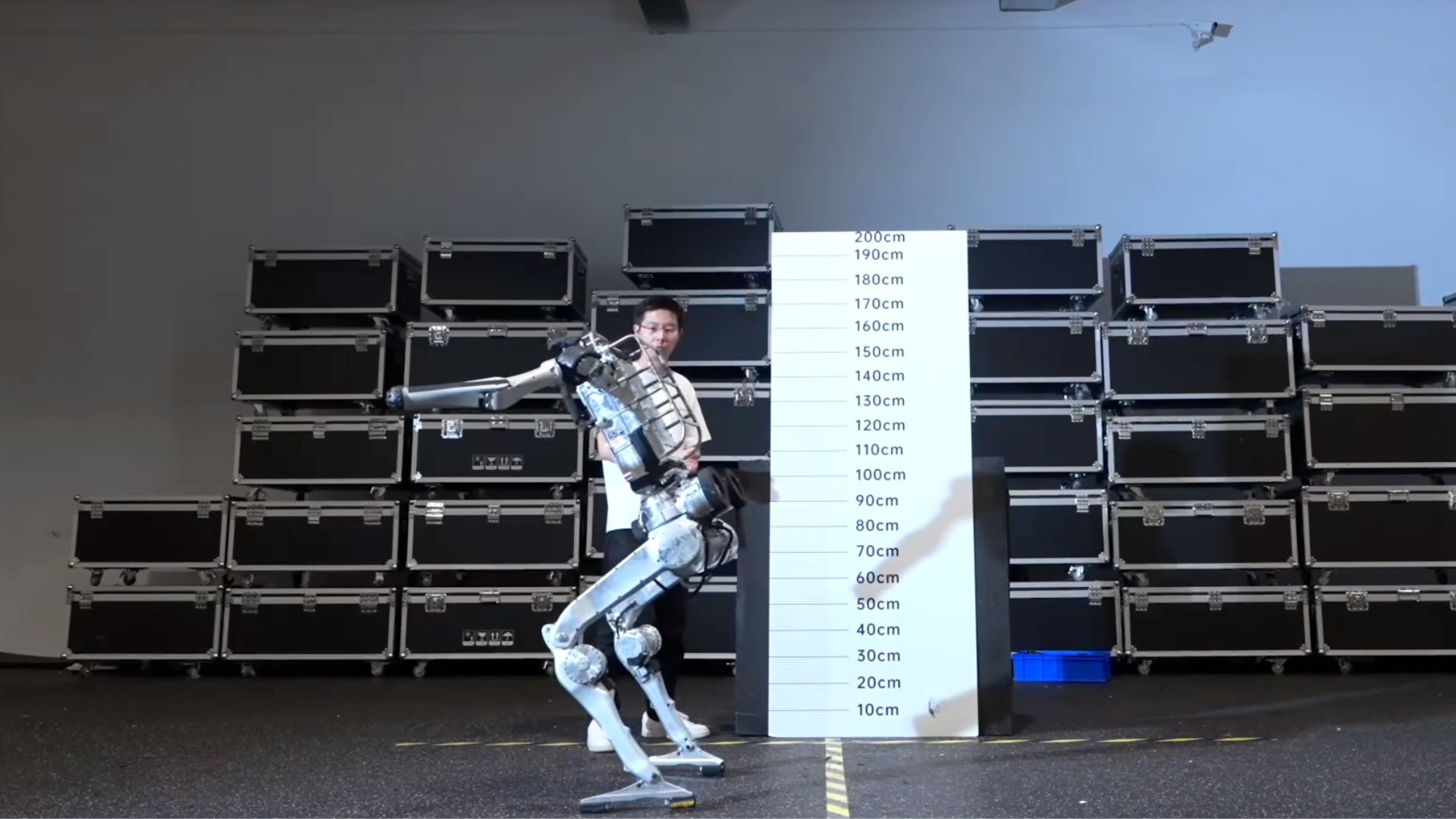
Unitree Robotics Unveils Humanoid Robot Capable of 6.5-Foot Jump and 28.3 mph Speed
Unitree Robotics has introduced a humanoid robot named 'Superman' that can achieve a standing vertical jump of 6.5 feet (2 meters) and a top speed of 41.5 feet per second (12.66 meters per second). Developed in just over three months, the robot's performance was showcased in a video, demonstrating its potential to exceed human athletic capabilities. This development is significant as it positions Unitree at the forefront of robotic athletic performance, with claims that 'Superman' can surpass Usain Bolt's peak sprint speed of 12.42 m/s and the human high jump record of 1.8 meters. The company aims to push the boundaries of humanoid robotics, with founder Wang Xingxing predicting that humanoids could exceed human sprinting speeds by mid-2026. Looking ahead, Unitree's advancements in humanoid robotics will be crucial for applications in challenging environments, such as disaster response. However, experts caution that while performance records are impressive, further improvements in reliability and adaptability are essential for practical deployment. No further timeline was disclosed at the time of publication.
AI and Robotics
Cast in Steel Reality Show Launches to Inspire Future Metal Casting Workforce
The Department of Defense has initiated a multimillion-dollar contract that has led to the creation of a metal casting competition, Cast in Steel. This reality show aims to raise awareness of the metal casting trade and inspire a new generation of workers. Six teams from various U.S. schools will compete for a $25,000 cash prize by designing and testing metal tools or weapons, with the season finale airing on YouTube. Cast in Steel is not a new concept, as the competition originally started in 2019, according to Robert Monroe, owner of Social Experiment. The show is produced by the Steel Founders’ Society of America (SFSA), which has been active for over 124 years and focuses on promoting the steel casting industry. The initiative aims to engage college students in metal casting projects, addressing the pressing workforce shortage in the U.S. casting and forging sectors. As the demand for American-made parts rises, the SFSA is increasingly focused on workforce development. The metal casting industry is crucial for various sectors, including automotive and aerospace, as advanced castings are essential for 90% of manufactured durable goods. No further timeline was disclosed at the time of publication.

Total Solar Eclipse 2026 Captivates Millions Across Greenland, Iceland, and Spain
On August 12, 2026, millions experienced a total solar eclipse as the moon obscured the sun, creating a stunning spectacle across Greenland, Iceland, and Spain. Observers noted the dramatic temperature drop and the eerie twilight effect as the moon's shadow passed over the Earth. The event was particularly memorable for those in the path of totality, where viewers witnessed the sun's corona, a breathtaking sight that left many in awe. Space.com editor Daisy Dobrijevic described her experience aboard the MS Spitsbergen in Greenland, highlighting the beauty of the corona and the celestial bodies that accompanied the eclipse. As the path of totality extended from Siberia to the Mediterranean, millions gathered to witness this rare phenomenon. While the total eclipse was visible in select regions, a partial eclipse was also observed across Europe, parts of the northeastern United States, and Canada, allowing many to partake in this extraordinary cosmic event.
Solar Eclipses Stargazing Eclipses
X Square Robot Introduces HOST, Enabling 29-Second Learning for Humanoid Robots
X Square Robot has unveiled HOST, an open-sourced inference-time learning framework that allows humanoid robots to learn from a brief 29-second human demonstration. This innovative approach enables the robot to replicate the demonstrated skill with a success rate of 62 percent, marking a significant shift in how embodied AI systems are designed. The introduction of HOST is crucial as it transitions the learning process from traditional offline fine-tuning methods to real-time imitation. This advancement not only enhances the efficiency of skill acquisition for humanoid robots but also opens new avenues for their application in various tasks, making them more adaptable in dynamic environments. Looking ahead, the implications of HOST could reshape the landscape of humanoid robotics and AI learning. As the technology evolves, it will be important to monitor further developments and potential enhancements in the success rate and application scope of humanoid robots utilizing this framework. No further timeline was disclosed at the time of publication.

Foundation Robotics Unveils Advanced Robotic Hand That Catches Baseballs with Precision
Foundation Robotics has released a video showcasing its innovative robotic hand that successfully catches a baseball mid-air, demonstrating significant advancements in robotic dexterity and control. This development is crucial as it illustrates how enhanced mechanical design and motion planning are enabling robotic hands to perform intricate tasks with human-like precision, a key requirement for industrial applications. Looking ahead, the focus will be on how this tendon-driven architecture and advanced control systems can further improve the capabilities of humanoid robots in handling diverse tools and objects, enhancing their utility in complex environments. No further timeline was disclosed at the time of publication.
AI and Robotics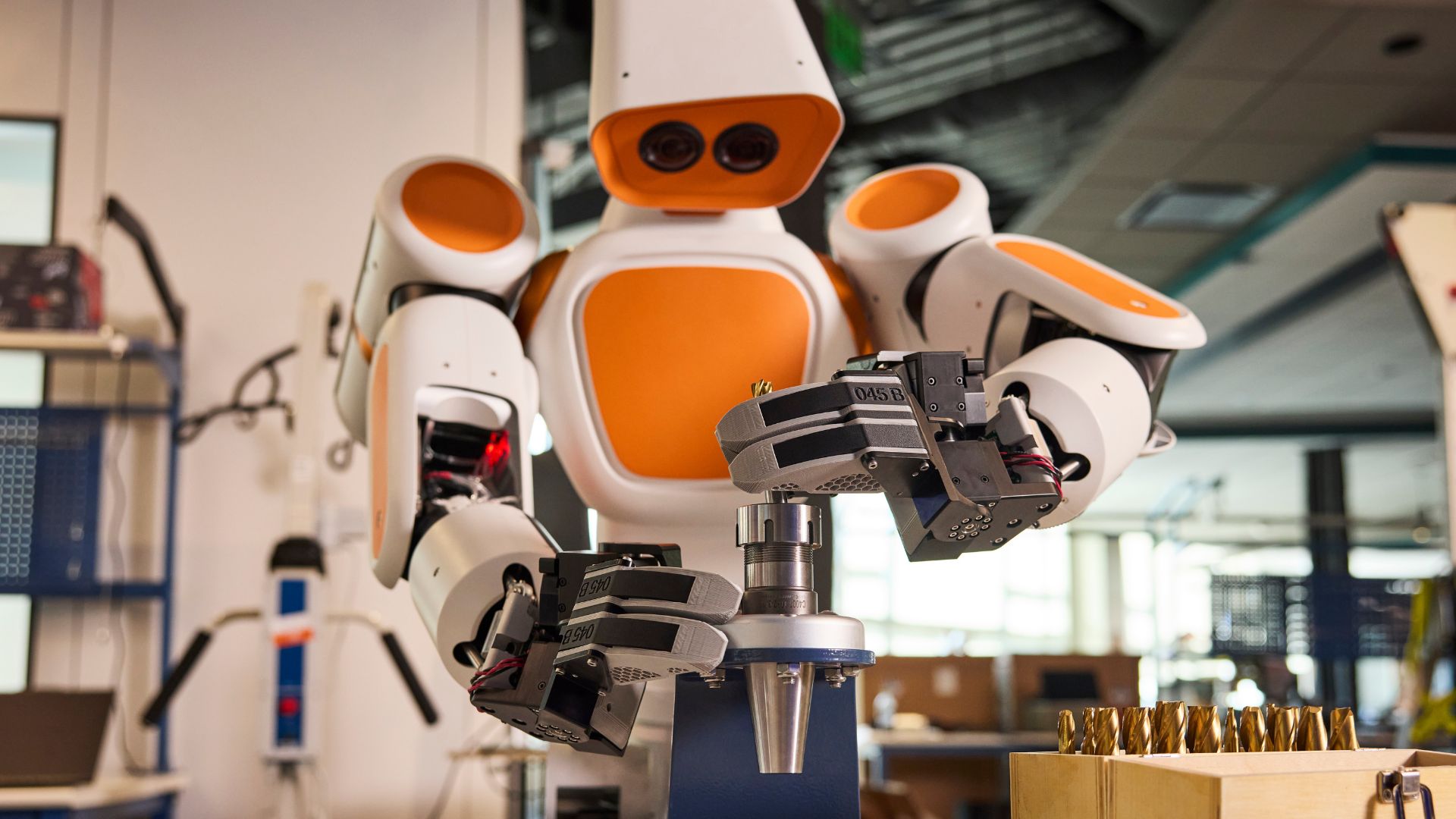
Walden Robotics Launches AI-Driven Factory Robots for Real-World Automation
Walden Robotics, a US-based startup, has unveiled a general-purpose robotics platform that enables Physical AI robots to learn and adapt while performing real work. Unlike traditional robots that follow pre-programmed workflows, Walden's robots continuously improve through real-world operations, making them suitable for complex tasks alongside human workers from the outset. The significance of Walden Robotics lies in its full-stack approach, which integrates hardware, AI, and deployment software to create robots that evolve in capability over time. With $300 million in funding and a valuation of $1.1 billion, the company is addressing the growing demand for flexible automation in sectors like automotive, aerospace, and logistics, driven by labor shortages and increasing product complexity. Looking ahead, Walden Robotics has already begun deploying its robots in production environments, including a Toyota manufacturing plant in North America. The company aims to enhance its robots' skills through real-world experience, utilizing advanced AI techniques such as Large Behavior Models and Diffusion Policy. No further timeline was disclosed at the time of publication.
AI and Robotics Innovation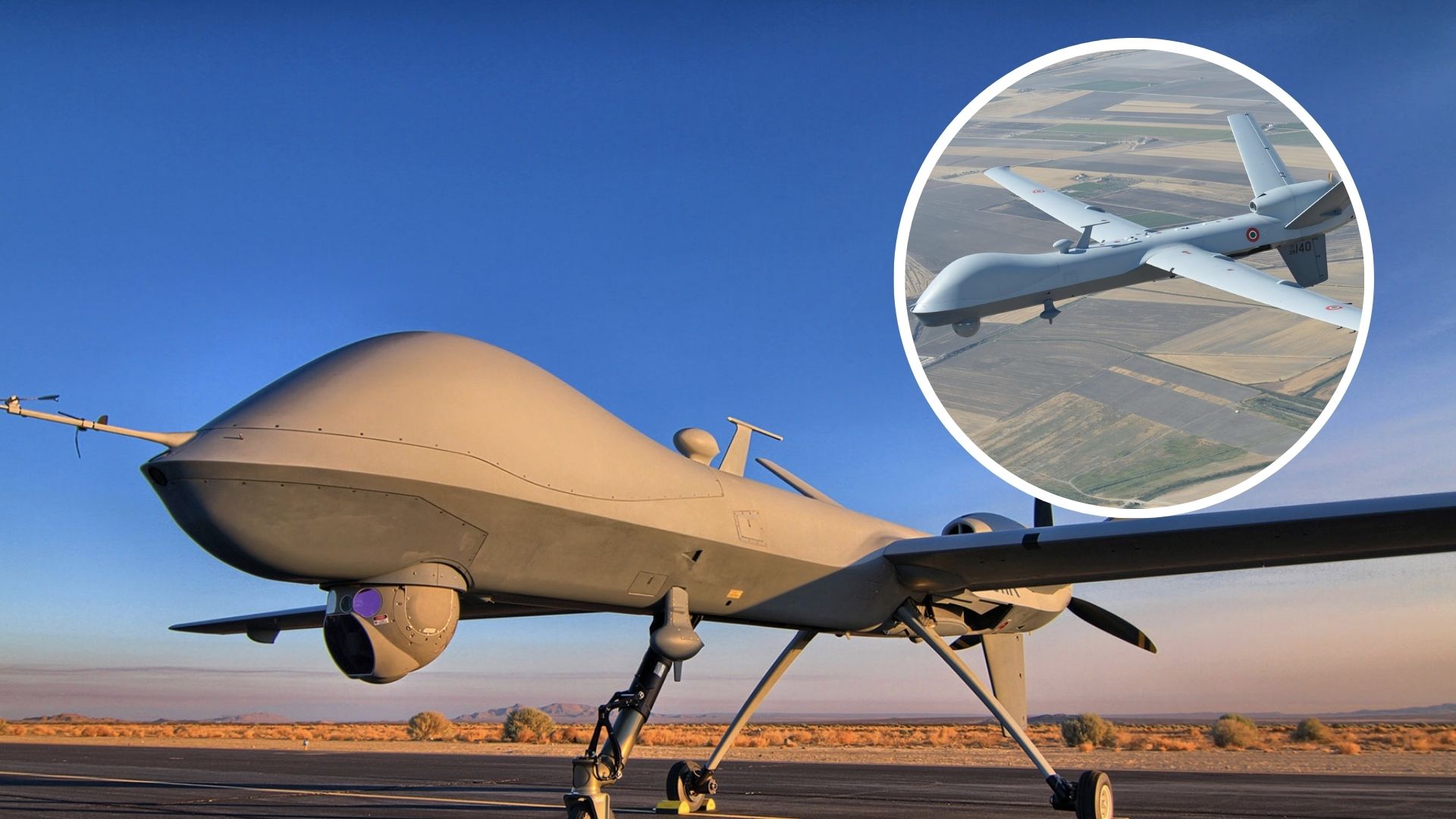
U.S. Department of Defense Launches Massed Modular Aircraft Initiative for Cost-Effective Drones
The U.S. Department of Defense is initiating the Massed Modular Aircraft (MMA) program to develop low-cost combat drones capable of performing missions similar to the MQ-9A Reaper. This initiative reflects a strategic shift towards utilizing affordable, expendable drones in modern warfare, particularly in light of recent conflicts that have exposed the vulnerabilities of high-value aircraft in contested airspace. The Pentagon aims to create a fleet of modular, long-range unmanned aircraft that can be rapidly reconfigured for various missions, significantly reducing operational costs while maintaining effectiveness against advanced enemy defenses. This shift is driven by the need for a more sustainable military approach, as the loss of MQ-9 Reapers during operations against Iran has highlighted the financial burden of relying on expensive platforms. With each MQ-9 costing approximately $30 million, military planners recognize that a strategy focused solely on high-value aircraft is increasingly untenable. The MMA initiative seeks to provide a flexible, risk-tolerant option that can deploy large numbers of drones to overwhelm enemy defenses, thereby ensuring operational capability despite potential losses. Looking ahead, the Pentagon's focus on massed modular aircraft indicates a significant evolution in military tactics. The ability to deploy swarms of low-cost drones could complicate enemy air defenses and enhance reconnaissance and strike capabilities. No further timeline was disclosed at the time of publication, but the emphasis on affordability and modularity suggests a proactive response to the changing dynamics of modern warfare and the need for cost-effective solutions in defense operations.
Military
Why this CEO thinks video games make better training data than the internet
Recent discussions in the field of artificial intelligence have highlighted the limitations of large language models, such as ChatGPT and Claude, in achieving artificial general intelligence (AGI). While these models excel in text generation, they struggle with understanding the dynamics of movement through space and time, a critical component for developing generalized intelligence. To address this gap, researchers are exploring the potential of gaming data as a solution. This innovative approach, known as General Intuition, aims to leverage the rich, interactive environments found in video games to enhance AI's understanding of real-world physics and dynamics. By integrating insights from gaming, experts believe they can create more sophisticated models capable of reasoning and adapting in complex scenarios. The exploration of this method is ongoing, with the hope of advancing the field of AGI significantly.
AI Startups AI Funding general intuition physical ai Pim DeWitRobotics needs a service framework.
RSF defines a common language for robot service capability, lifecycle operations, certification pathways, and service-provider networks.
Join the RobotToday community on LinkedIn
Daily robotics news, in-depth analysis, conference highlights, and discussions with professionals worldwide.