Industry Briefing
A single destination for timely, editor-curated robotics news from around the world.
INCLUSION 2025: From AI Healthcare to AI-powered humanoid robots, a Glimpse Into Tomorrow
The Inclusion Conference held on the Bund in Shanghai showcased cutting-edge technology and innovative discussions, drawing attention from industry leaders and tech enthusiasts alike. Taking place recently, the event transformed exhibition halls into a vibrant display of advanced robotics, AI interfaces, and forward-thinking ideas that explored the future of finance, healthcare, and robotics. Attendees engaged in insightful conversations, envisioning the technological landscape of 2030. The conference aimed to highlight the importance of inclusivity in technology development, fostering collaboration and dialogue among diverse stakeholders to ensure that advancements benefit all sectors of society. Through interactive demonstrations and expert panels, participants experienced firsthand the potential of emerging technologies and their implications for various industries.
TechNode Insider Views AI INCLUSION 2025 Robot Robotics
Ant Group launches AI healthcare app AQ amid aging population pressures
Ant Group has unveiled AQ, an innovative AI-powered healthcare application, in a bid to strengthen its presence in the medical sector. The app, launched on Thursday, offers a comprehensive suite of over 100 digital services, which include personalized doctor recommendations and medical report analysis. It connects users to a vast network of resources, featuring more than 5,000 hospitals and 1 million doctors throughout China. This strategic move aims to enhance access to healthcare services and streamline the patient experience in an increasingly digital world.
News Feed Ant Group
SMILE-FX Launches AI Braces System, Bringing Predictive Treatment Planning to South Florida
Dr. Tracy M. Liang, a board-certified orthodontist, has unveiled a groundbreaking orthodontic treatment at SMILE-FX Orthodontic Studio in Miramar, Florida. On April 3, 2026, the clinic launched its AI Braces system, which uniquely combines artificial intelligence with advanced 3D CBCT (Cone Beam Computed Tomography) imaging. This innovative approach aims to enhance the precision and effectiveness of orthodontic treatments by providing detailed, data-informed mapping for each patient's needs. The integration of cutting-edge technology is designed to improve patient outcomes and streamline the orthodontic process, reflecting a significant advancement in the field.
Design Health 3D CBCT imaging 3d printing AI braces AI diagnostics
Why EHR Integration is the Make-or-Break Factor in Healthcare AI Deployments
Healthcare organizations are rapidly adopting artificial intelligence tools, but many are facing significant challenges in integrating these systems with existing Electronic Health Record (EHR) platforms. Practitioners often initiate the use of automation platforms and conduct pilot programs, only to encounter a critical barrier: the inability of new AI systems to communicate with EHRs. This lack of interoperability leads to increased manual workloads, undermining the intended efficiency gains of automation. As healthcare providers strive to enhance operational efficiency through technology, the disconnect between AI tools and EHR systems poses a substantial hurdle that must be addressed to realize the full potential of these innovations.
Digital Automation Health ai in healthcare AI scheduling automation news bidirectional integration
CVS, SkyfireAI, and Thales Outline Drone-Based Healthcare Response Network at XPONENTIAL 2026
At the XPONENTIAL 2026 conference held in Detroit this week, CVS Health unveiled plans for “CVS Air Response,” a pioneering drone-enabled network aimed at enhancing healthcare logistics and emergency response. Collaborating with SkyfireAI and Thales Aerospace, CVS Health highlighted the potential of drones in improving disaster resilience and healthcare delivery. The panel discussion emphasized the innovative use of drone technology to address urgent medical needs, showcasing how these advancements could transform emergency response efforts in healthcare settings.
Applications Delivery DL Exclusive Drone News Drone News Feeds News
Addressing the Human Bottleneck in Healthcare Automation: Aligning Physicians with Patient Demand
Hospitals are increasingly adopting automation to enhance care delivery by integrating software for administrative tasks, utilizing robots for logistics, and deploying AI for documentation and scheduling. These advancements aim to reduce waiting times and streamline workflows, allowing clinical teams to focus more on patient care. However, despite these technological improvements, healthcare automation faces a significant limitation: the availability of physicians. Even with optimized back-office operations and improved information flow, the system can falter if the right doctors are not present in necessary specialties and locations, leading to delays in patient care. As automation becomes a standard part of hospital operations, the challenge of matching physician availability with patient demand intensifies. The reliance on robotic process automation (RPA) to alleviate administrative burdens highlights the need for a balanced approach that addresses both technological and human resource constraints in healthcare delivery. No further timeline was disclosed at the time of publication.
Automation Health artificial intelligence automation digital health healthcare automation
Japan's Leaders in Robotics and Manufacturing Leverage NVIDIA Cosmos for Physical AI Advancements
NVIDIA has announced that Japan's leaders in physical AI are utilizing the NVIDIA Cosmos™, Isaac™, Metropolis, and Jetson™ platforms to enhance the deployment of intelligent machines across various sectors including manufacturing and robotics. The introduction of Cosmos 3 Edge aims to provide advanced capabilities for real-time reasoning and action prediction in robots, marking a significant step in integrating intelligence into physical systems. This initiative is crucial as Japan's established strengths in robotics and manufacturing position it to lead in the next wave of AI development. Jensen Huang, NVIDIA's CEO, emphasized the unique opportunity for Japan to reinvent modern manufacturing through intelligent technologies, combining its heritage in precision engineering with NVIDIA's advanced platforms. Looking ahead, NVIDIA is expanding the Cosmos Coalition to include Japan's physical AI leaders, enabling collaboration on open world models. This coalition will facilitate the testing and optimization of physical AI systems, potentially transforming operations across various industries such as logistics, healthcare, and construction. No further timeline was disclosed at the time of publication.
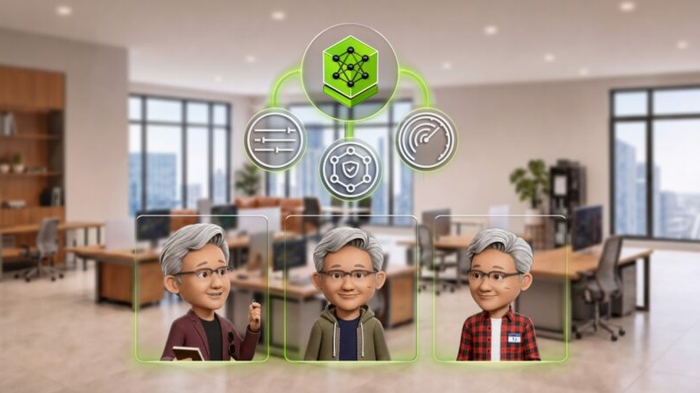
Nemotron Labs Explores Open Models for Customizable and Trustworthy AI Solutions
Nemotron Labs highlights the advantages of open models in developing specialized AI systems tailored to enterprise needs. By utilizing NVIDIA platforms, businesses can create AI that improves workflows and meets high standards for accuracy and trust. The flexibility of open models allows organizations to customize and control their AI applications, ensuring they align with specific business requirements. The significance of open models lies in their ability to provide enterprises with full ownership and control over their AI systems. Unlike closed models, which limit inspection and tuning, open models enable organizations to evaluate performance against their own data and workflows. This is particularly crucial in sectors like healthcare and legal, where accuracy and transparency are paramount. Looking ahead, companies are increasingly adopting Nemotron to enhance their domain-specific AI capabilities. As enterprises continue to specialize their models, the focus will be on improving efficiency and accuracy through customization. No further timeline was disclosed at the time of publication.
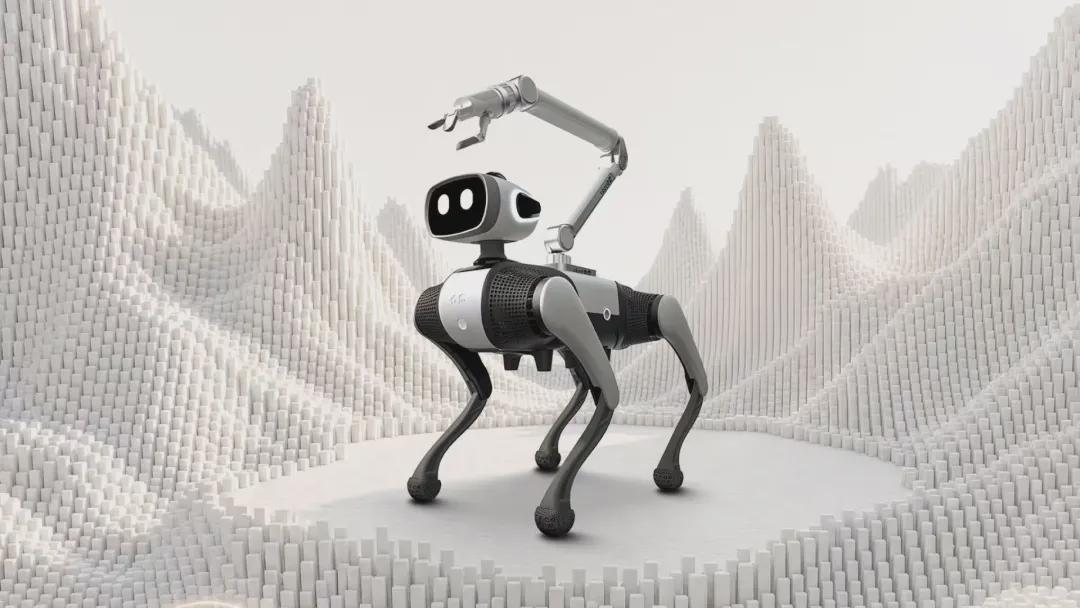
Vbot Launches Daitou EDU: A Versatile Quadruped Robot Development Platform
Vbot has introduced the Daitou EDU, a quadruped robot development platform designed for real-world applications. Unlike traditional robots that focus on speed and agility, the Daitou EDU emphasizes the importance of practical use cases in various sectors, such as property management and healthcare. The significance of the Daitou EDU lies in its advanced capabilities, including 128 TOPS edge computing power, integrated perception hardware, and autonomous mobility features. This platform allows developers to create applications without starting from scratch, addressing the gap between robotic capabilities and practical applications in diverse environments. Looking ahead, the Daitou EDU represents a shift in the robotics industry towards creating adaptable robots that can be redefined for multiple scenarios. As developers begin to leverage its features, the potential for innovative applications in various fields will expand, raising questions about the future roles of robots in everyday life.
Quadruped Robots Robotics Development Embodied Intelligence AI Applications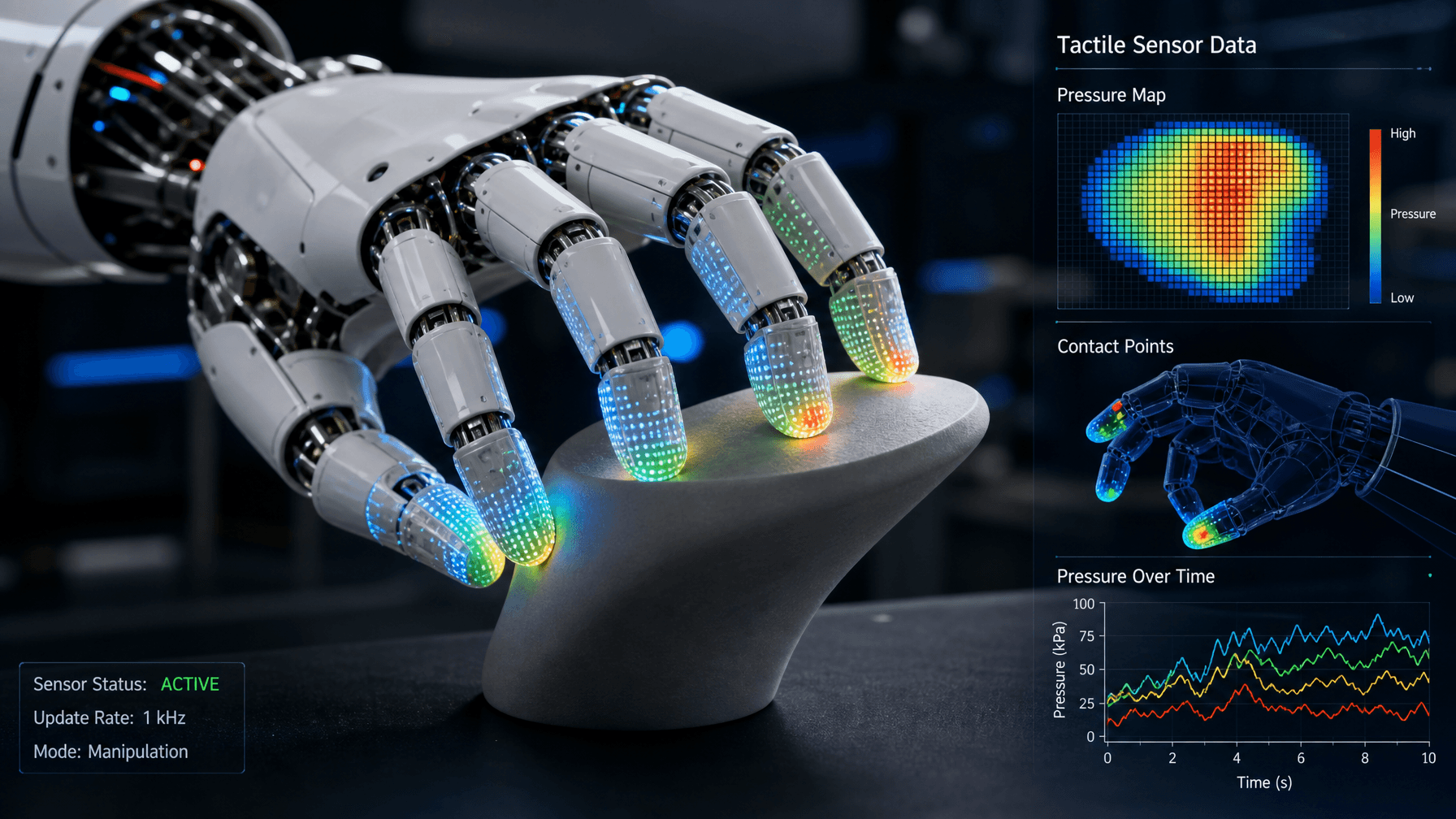
PHANES AI Launches TouchWorld Tactile Model for Enhanced Robot Dexterity
PHANES AI, established by 28-year-old Yang Shuo from HIT, has introduced TouchWorld, a tactile foundation model designed to enhance robotic manipulation capabilities. This model enables robots to perform precise physical tasks by incorporating a sense of touch, marking a significant advancement in robotic dexterity and interaction with their environment. The introduction of TouchWorld is significant as it allows robots to predict and react to tactile stimuli, which is crucial for applications requiring fine motor skills. This development could lead to improved performance in various sectors, including manufacturing and healthcare, where dexterous manipulation is essential for tasks such as assembly or surgical procedures. Looking ahead, the impact of TouchWorld on the robotics industry will be closely monitored, particularly regarding its adoption in real-world applications. No further timeline was disclosed at the time of publication, but the potential for this technology to transform robotic capabilities is substantial.
Technology
Roundtable Discussion: Hey? AI! This Month, This Year, and Next Five Years of AI | 36Kr WAVES 2026 New Wave
In 2026, the investment landscape in China is witnessing a significant transformation as artificial intelligence (AI) evolves from a mere technical concept to a driving force in various industries. The WAVES 2026 conference, organized by 36Kr and AnYun, took place in Guangzhou's Panyu district, gathering top investors, industry leaders, and emerging entrepreneurs to explore the implications of AI and hard technology on the future of innovation. Over two days, the event featured 14 in-depth roundtable discussions and numerous independent presentations, focusing on key sectors such as AI, hard technology, international expansion, and healthcare. During the conference, industry experts discussed the rapid pace of AI development, highlighting how companies are now experiencing frequent valuation updates and financing rounds. Investors shared insights on the changing dynamics of funding, with many companies securing multiple rounds of financing within months, a stark contrast to previous trends. The conversation also touched on the implications of regulatory challenges, particularly concerning AI models and their accessibility. Participants emphasized the importance of stability and reliability in AI applications, as well as the need for a deep understanding of specific industries to successfully implement AI solutions. The discussions underscored a growing interest in physical AI applications, with expectations for commercialization in sectors like pharmaceuticals and materials science within the next few years. As the AI landscape continues to evolve, investors are increasingly focused on identifying unique opportunities and fostering innovative solutions that address real-world challenges.

Stepful Announces $55M Series C to Scale Its AI-Powered Training Platform Across the Healthcare Workforce
Stepful, a training platform aimed at transforming workforce development in major U.S. health systems, has secured $55 million in Series C funding. This funding round, which was led by Oak HC/FT, also saw participation from new investors including Foresite Capital, Hearst Ventures, and the Citi Impact Fund, as well as contributions from existing investors such as SemperVirens. The investment will enable Stepful to enhance its training programs and support the growing demand for skilled healthcare professionals. This financial boost comes at a critical time as the healthcare sector faces significant challenges in workforce retention and training, underscoring the importance of innovative solutions in addressing these issues.
Uncategorized
Yiji Mountain Hospital Welcomes a 'Non-Staff Officer': How Qizhi Uses Embodied Intelligent Robots to Enhance Healthcare
Yiji Mountain Hospital has partnered with Qizhi Robotics to integrate embodied intelligent robots into clinical environments, a move aimed at tackling real-world medical challenges. This collaboration, announced recently, seeks to enhance patient care by leveraging advanced technology while also prioritizing emotional interaction in healthcare settings. The initiative reflects a growing trend in the medical field to incorporate innovative solutions that not only improve operational efficiency but also foster a more compassionate approach to patient treatment.
Embodied Intelligence Healthcare Robotics Medical Technology AI in Healthcare
NVIDIA Expands Open Model Families to Power the Next Wave of Agentic, Physical and Healthcare AI
NVIDIA has unveiled an expansion of its open model families aimed at advancing artificial intelligence in physical and healthcare applications. This announcement, made today, highlights the introduction of new models designed to empower developers and scientists to create intelligent systems capable of reasoning and taking action in complex environments. The initiative reflects NVIDIA's commitment to driving innovation in AI technology, enabling more sophisticated and responsive solutions in various sectors. By providing these advanced tools, the company aims to facilitate the development of AI systems that can effectively address real-world challenges.
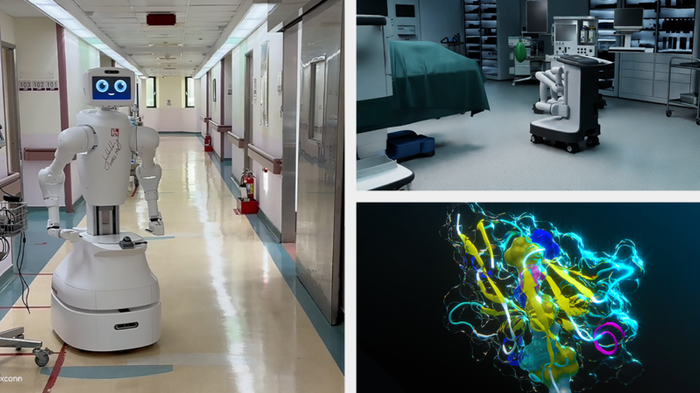
From Radiology to Drug Discovery, Survey Reveals AI Is Delivering Clear Return on Investment in Healthcare
NVIDIA has released its second annual report on the impact of artificial intelligence in healthcare, highlighting the rapid advancements across various sectors, including radiology, drug discovery, and medical device manufacturing. The report emphasizes how AI technologies are transforming treatment methods through the use of digital twins, which create virtual representations of patients to enhance personalized care. This development comes at a time when the healthcare industry is increasingly seeking innovative solutions to improve patient outcomes and streamline operations. By leveraging AI, healthcare providers can analyze vast amounts of data more efficiently, leading to faster diagnoses and more effective treatments. The findings underscore the growing importance of AI as a catalyst for change in the healthcare landscape, aiming to address challenges such as rising costs and the need for improved healthcare delivery.

Two RI Ph.D. Students Receive Generative AI in Healthcare Fellowship
Carnegie Mellon University's Center for Machine Learning and Health has announced the recipients of the 2024 Generative AI in Healthcare Fellowship, recognizing seven individuals for their innovative contributions to the field. Among the awardees are Angela Chen and Bardienus (Bart) Duisterhof, both Ph.D. students from the Robotics Institute. Their research focuses on leveraging artificial intelligence to enhance healthcare solutions. This fellowship aims to support and promote the integration of generative AI technologies in healthcare, fostering advancements that could significantly improve patient outcomes.
Awards Uncategorized
Smart Wheelchair Captivates Attention at Stanford AI Summit Over Humanoid Robots
At the Humanity & AGI Summit held at Stanford University, a smart wheelchair presented by Fu Sheng, Chairman of Cheetah Mobile, garnered significant attention, overshadowing humanoid robots. Attendees were drawn to the wheelchair's autonomous obstacle avoidance and user-friendly features, prompting many to experience it firsthand. The interest in the smart wheelchair highlights a critical shift in the robotics landscape, as Fu Sheng noted that humanoid robots are unlikely to achieve commercial scalability in the next five to ten years. He emphasized that the current limitations in software and hardware development hinder the practical application of humanoid robots, with most sales directed towards research institutions rather than commercial markets. Looking ahead, the focus on practical solutions like the smart wheelchair suggests a growing recognition that functionality is more important than form in robotics. As the industry continues to evolve, the demand for effective, user-centric products will likely shape future innovations, steering attention away from humanoid designs towards more practical applications.
Smart Wheelchairs Humanoid Robots AI Technology Robotics Assistive Devices
Purolator's Survey Reveals How North American Businesses Navigate Trade Uncertainty
In 2026, Purolator commissioned a survey by HelloInfo involving 348 shipping and logistics decision-makers from Canada and the United States. This survey aimed to explore how businesses in various sectors, including industrial, retail, healthcare, and technology, are responding to the challenges posed by an unpredictable trade environment. The findings are significant as they shed light on the strategies that Canadian and American companies are employing to mitigate the impacts of tariffs and trade volatility. Understanding these responses is crucial for stakeholders aiming to adapt to the evolving landscape of international trade. Looking ahead, it will be important to monitor how these businesses continue to adjust their strategies in response to ongoing trade uncertainties. No further timeline was disclosed at the time of publication.

Tombot's AI-Driven Robotic Dog Receives Over 23,000 Preorders for Senior Emotional Support
Tombot, a robotics company based in Los Angeles, has announced the completion of a $7 million Series A3 funding round led by Caduceus Capital Partners and Wavemaker 360. This brings the company's total funding to over $13 million, with more than 23,000 preorders for Jennie, an AI-driven robotic Labrador puppy, already secured before product delivery. The significance of Jennie lies in its potential to address the growing issue of loneliness among seniors, particularly those suffering from dementia and mild cognitive impairment. With over 300 million individuals globally affected by these conditions, Tombot aims to provide a medical-grade emotional support device that requires no feeding, walking, or maintenance, thus offering a viable companionship option for the elderly. Looking ahead, Tombot's focus will be on continuous updates to Jennie's behavior and voice commands through an accompanying mobile app. The response from investors and the market indicates a serious consideration of robotic companions as a solution to the pressing challenges of aging populations and caregiver shortages. No further timeline was disclosed at the time of publication.
Emotional Support Robots Elderly Care Technology AI Companions Robotics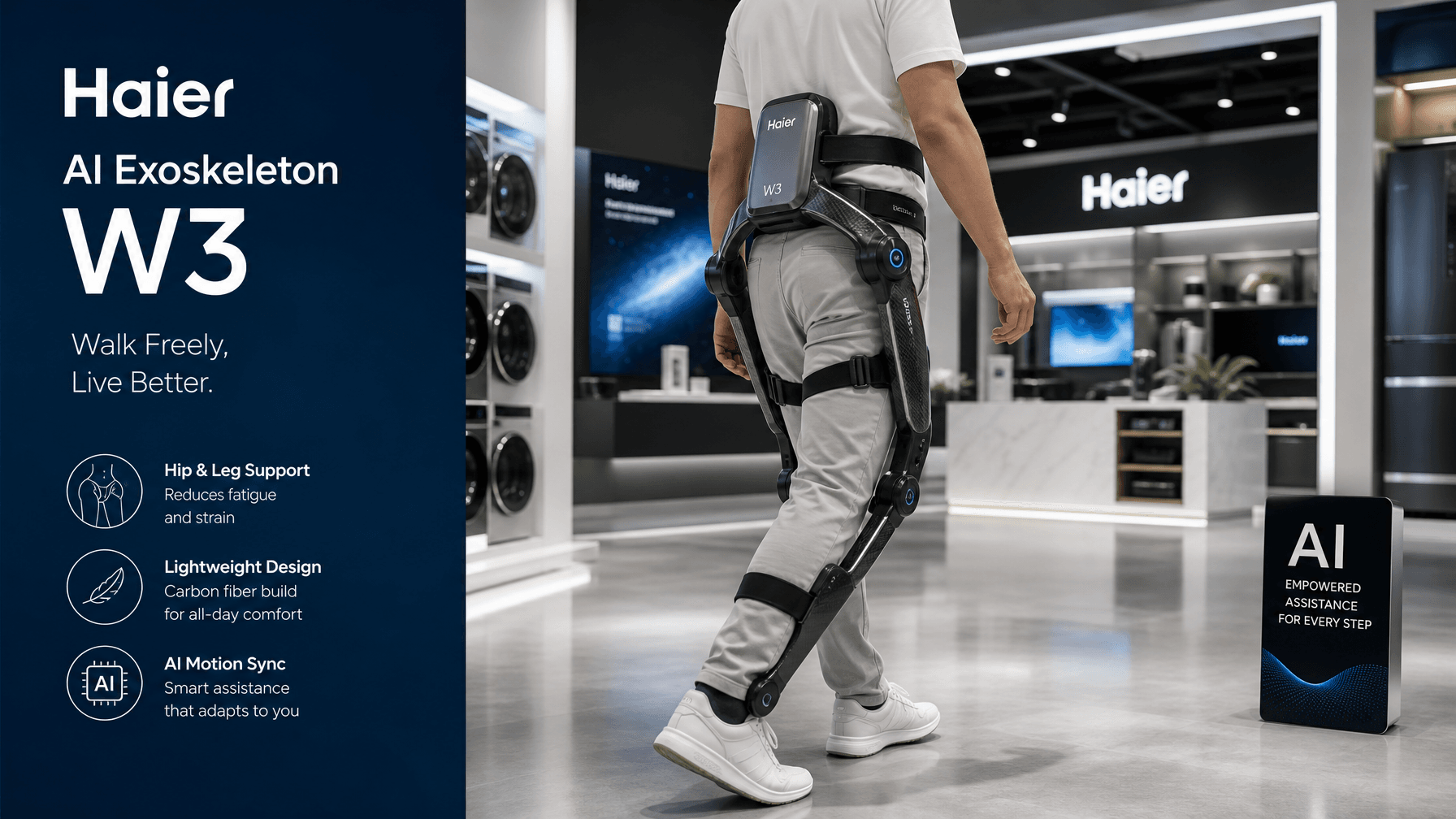
Haier Launches Lightweight AI Exoskeleton W3 for $2200 in Guangzhou Stores
Haier has introduced its third-generation AI exoskeleton, the W3, which weighs only 1.75 kg and is priced at $2200. This wearable robot is now available in physical stores located in Guangzhou, marking a significant step in consumer robotics. The W3 features advanced AI gait learning technology that adapts to the user's walking patterns in real time, enhancing usability and comfort. The introduction of the W3 is significant as it represents Haier's commitment to integrating AI into wearable technology, making it more accessible for everyday use. The lightweight design and real-time adaptation capabilities position the W3 as a practical solution for individuals seeking mobility assistance. This development reflects a growing trend in the market towards more user-friendly and adaptable robotic solutions. Looking ahead, it will be important to monitor consumer feedback and sales performance of the W3 in the coming months. No further timeline was disclosed at the time of publication regarding additional features or expansions beyond the Guangzhou market.
Technology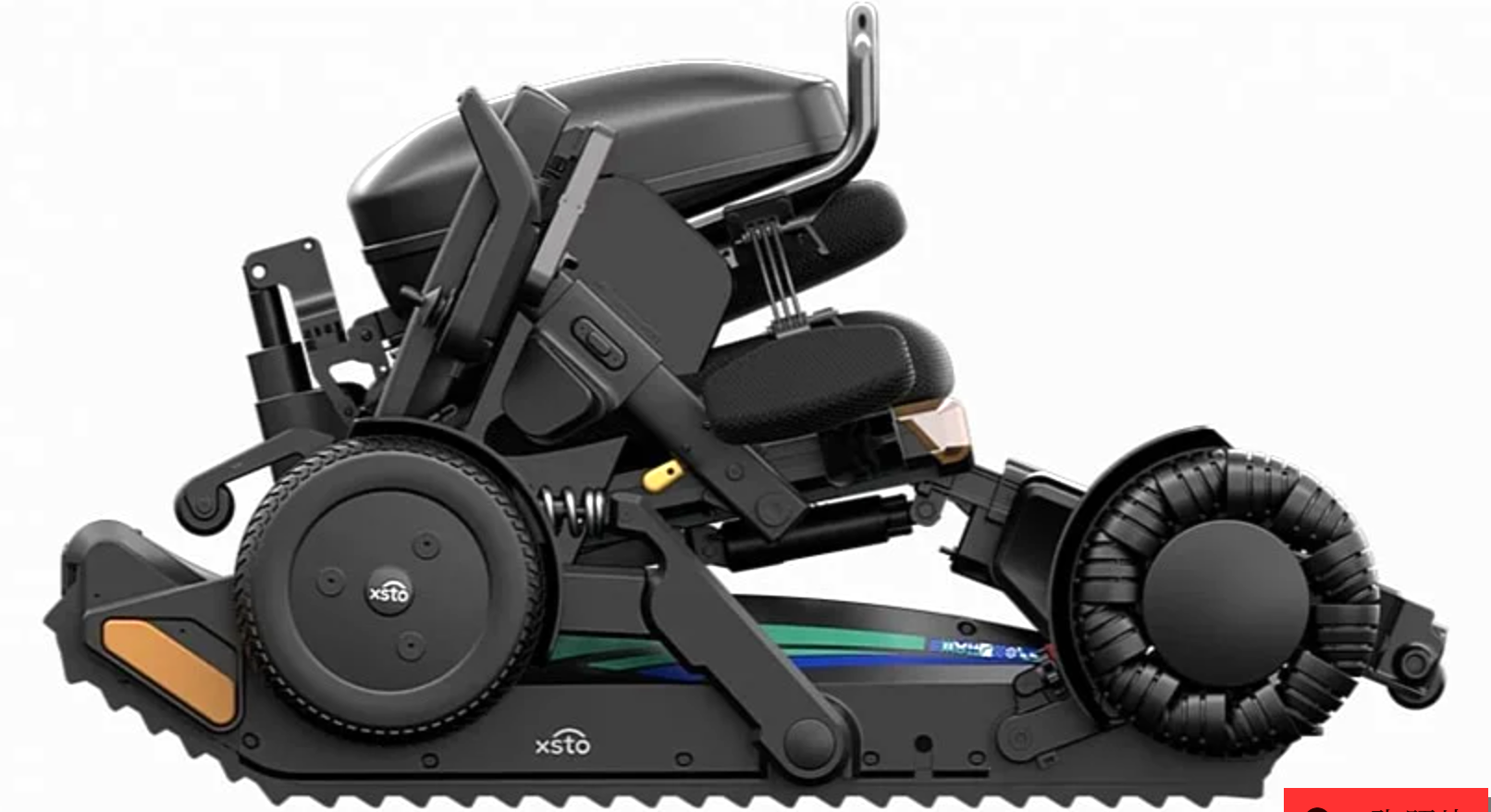
XSTO Mobility Launches $28,000 X12 Stair-Climbing Robot with AI and LiDAR Technology
XSTO Mobility has unveiled the X12 all-terrain mobility robot, priced at $27,999, designed to assist wheelchair users in overcoming stairs and other obstacles. Weighing approximately 115 kg and capable of carrying up to 136 kg, the X12 features a hybrid wheel-track chassis that allows it to navigate stairs autonomously, with a climbing speed of 25 steps per minute and descending speed of 30 steps per minute. The robot utilizes LiDAR and AI algorithms for real-time terrain perception, enabling it to adjust its driving mode and power output dynamically. The introduction of the X12 is significant as it addresses mobility challenges faced by individuals with disabilities, particularly in environments lacking accessibility features. With the ability to climb slopes of up to 40 degrees and traverse gaps of 300 mm, the X12 offers a solution that goes beyond traditional mobility aids. XSTO Mobility, based in Zhongshan, Guangdong, has been developing embodied mobile robots for over a decade, and the X12 represents a substantial advancement in this field, emphasizing user independence and safety. Looking ahead, XSTO Mobility has reported that orders for the X12 are already booked until April 2026, indicating strong market demand. The robot is currently available in over 70 countries, and its innovative design has garnered multiple awards. No further timeline was disclosed at the time of publication regarding additional product releases or enhancements.
Mobility Robots Assistive Technology AI Healthcare Innovation
Jake Laser Transforms Unitree Robot Dog into Wheelchair for Father’s Mobility
Jake Laser has ingeniously modified a Unitree industrial robot dog into a wheelchair for his father, who has been affected by multiple sclerosis for over 20 years. This innovative device features a hybrid wheeled and walking design, allowing it to navigate various terrains, including stairs and rocky paths, providing newfound mobility for Jake's father. The significance of this transformation lies in its technical ingenuity and emotional impact. By integrating a racing-style seat and recalibrating the robot's software to accommodate his father's weight, Jake ensured that the robot could maintain balance and stability. The project not only enhances mobility but also restores a sense of independence and pride for his father, who can now control the robot using a wireless joystick. Looking ahead, Jake's creation marks a notable advancement in assistive technology, blending robotics with personal mobility solutions. No further timeline was disclosed at the time of publication, but the successful testing of the robot on challenging terrains indicates potential for broader applications in mobility aids for individuals with disabilities.
Assistive Technology Robotics Mobility Solutions Innovation
OpenAI releases life sciences AI "GPT-Rosalind" for bio-defense, raising concerns over dual-use risks.
OpenAI has launched the "Rosalind Biodefense" program, utilizing its frontier reasoning model, GPT-Rosalind, specifically designed for life sciences research. Announced recently, this initiative focuses on detecting biological threats for defense purposes. The program will provide approved developers, U.S. government agencies, and allied partner organizations with free access to its API, aiming to enhance biodefense capabilities.

Elemeno Health agrees strategic partnership with Swisslog Healthcare to drive efficiency in healthcare automation
Elemeno Health has formed a strategic partnership with Swisslog Healthcare to enhance automation solutions in hospitals throughout North America. This collaboration aims to integrate Elemeno's just-in-time microlearning platform with Swisslog's robotics and pharmacy automation systems, facilitating streamlined training for frontline staff. By enabling customer self-service capabilities, the partnership seeks to improve operational efficiency and support healthcare providers in delivering better patient care. The initiative underscores the growing importance of pharmacy automation in modern healthcare settings, as hospitals increasingly rely on advanced technology to optimize their services.
Health Logistics News allegro automated pharmacy systems automation news
Storage Capacity for Healthcare Logistics
Movianto, a division of Yusen Logistics that focuses on pharmaceutical and healthcare logistics, has completed a significant expansion of its facility in Aalst, Belgium. The enhancement has nearly doubled the temperature-controlled pallet storage capacity from 14,000 to 25,000. This newly extended site is now fully operational, providing increased storage space for a variety of pharmaceutical and medical products across different temperature ranges, including ambient (15–25°C), refrigerated (2–8°C), and frozen (–20°C). The expansion aims to better meet the growing demands of the healthcare sector and improve the efficiency of logistics services in the region.
Cold Chain Logistics Storage & Racking Warehousing bonded hub Movianto pallet storage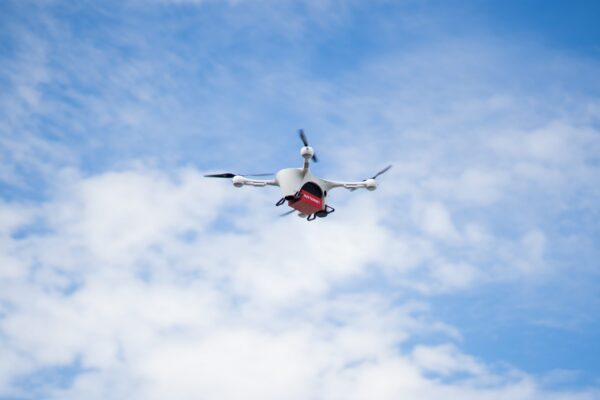
Matternet Drone Delivery Raises $33M and Goes Public in Reverse Merger
Matternet, a Mountain View-based drone delivery company, has made headlines by becoming the first publicly reporting pure-play operator in the sector after successfully raising approximately $33 million in an oversubscribed private placement. This funding comes as the company expands its operations in healthcare, retail, and restaurant sectors. The firm completed a reverse merger with Los Altos Ventures Corp., which has now been renamed Matternet, Inc. This strategic move not only enhances Matternet's visibility in the market but also positions it as a leader in the rapidly growing drone delivery industry.
Drone News Drone News Feeds News Ameriflight Andreas Raptopoulos autonomous aerial logistics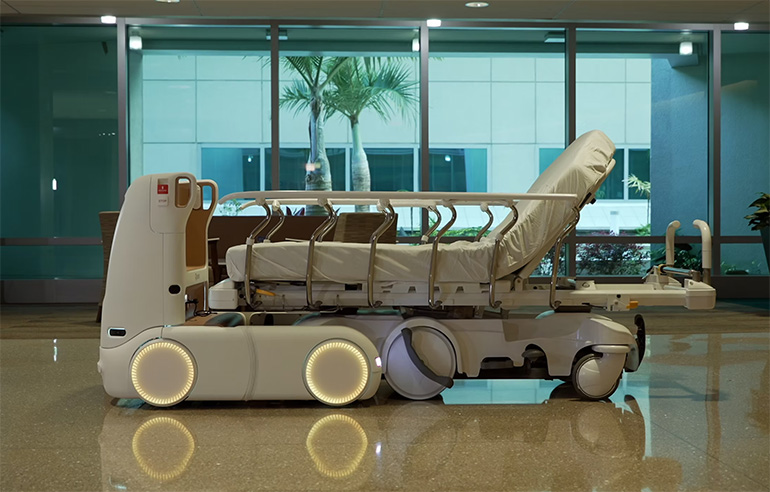
Rovex and Sphaira pioneer autonomous patient transport
In a significant advancement for hospital operations, Rovex and Sphaira are leading the way in automating patient mobility. These innovative companies are exploring distinct approaches to enhance the efficiency and safety of patient transport within healthcare facilities. As hospitals increasingly seek solutions to streamline their processes, the introduction of autonomous systems aims to alleviate the burden on staff and improve patient experiences. The push for automation in this area reflects a growing recognition of the potential benefits technology can bring to healthcare environments.
Autonomous Mobile Robots (AMRs) Healthcare Robotics Mobility / Navigation News Opinion Startups
Can AI Chatbots Reason Like Doctors?
A recent study published on April 30 in the journal Science reveals that OpenAI's large language model (LLM) has outperformed physicians in clinical reasoning tasks using real emergency room records. This research comes amid growing scrutiny of the reliability of medical information provided by chatbots, with some studies highlighting impressive diagnostic capabilities while others point to inaccuracies and fabricated information. OpenAI has introduced tools like ChatGPT for Clinicians and ChatGPT for Healthcare, aiming to assist medical professionals. The study involved comparing the performance of the LLM with that of physicians during various stages of emergency care, demonstrating that the AI model consistently provided accurate or close diagnoses more frequently than human doctors. Despite the promising results, researchers, including coauthor Arjun Manrai from Harvard Medical School, caution against interpreting these findings as a signal that AI could replace doctors. Instead, they emphasize the need for further research and clinical trials to explore how LLMs can be effectively integrated into medical practice. Experts like Mickael Tordjman from the Icahn School of Medicine stress the importance of developing reliable evaluation methods for LLMs in clinical settings. As the technology evolves rapidly, there is an urgent need to address regulatory and liability questions surrounding its use in healthcare. While acknowledging the potential benefits of AI in medicine, researchers advocate for responsible innovation and careful evaluation to ensure patient safety and effective integration into clinical workflows.
Large-language-models Llms Chatbots Medical-ai Ai-safety Openai
4 Billion in Investment Floods into the Brain-Machine Interface Sector
In the first quarter of 2026, the brain-machine interface sector experienced a remarkable surge in funding, attracting over 4 billion yuan, a figure that exceeds the total investments for the entire year of 2025. This rapid growth is being driven by key industry players, including Qiangnao Technology and Jieti Medical, who are making substantial strides in both invasive and non-invasive technologies. The influx of capital reflects a growing interest and confidence in the potential applications of brain-machine interfaces, which are poised to revolutionize fields such as healthcare and communication. As these companies continue to innovate and expand their offerings, the sector is set to play a pivotal role in shaping the future of technology and human interaction.
Brain-Machine Interfaces Medical Technology Investment Trends Neurotechnology
Do We Really Need Smarter AI to Cure Cancer?
Major tech companies like Meta and OpenAI are heavily investing in the development of artificial general intelligence (AGI) and artificial superintelligence (ASI), with estimates suggesting over a trillion dollars has already been allocated to artificial intelligence (AI) initiatives. Despite the excitement surrounding these advancements, Emilia Javorsky, director of the Futures program at the Future of Life Institute, cautions against over-reliance on future AI capabilities to solve complex health issues like cancer. In her March essay, "AI vs Cancer," Javorsky critiques the notion that AGI or ASI could cure cancer, emphasizing that cancer is not a singular disease but a collection of highly individualized conditions requiring tailored treatments. Javorsky argues that while current AI applications are making strides in areas such as drug discovery and clinical trials, the focus should shift towards collecting comprehensive health data and improving existing medical tools rather than solely investing in advanced AI technologies. She advocates for a balanced approach that prioritizes effective resource allocation in cancer research and treatment. Javorsky's insights highlight the importance of leveraging existing AI capabilities to enhance patient care and accelerate medical innovation, while also addressing systemic challenges within the healthcare system. Her perspective offers a hopeful outlook on the potential for AI to contribute meaningfully to cancer management and treatment.
Medical-ai Cancer Oncology Agi Superintelligence Cancer-treatments
Beacon Biosignals is mapping the brain during sleep
Jake Donoghue, a PhD graduate from MIT, and former MIT researcher Jarrett Revels have launched a company focused on developing an AI-driven platform aimed at diagnosing and treating diseases. This innovative initiative seeks to leverage advanced artificial intelligence technologies to enhance medical decision-making and improve patient outcomes. The platform is currently in development, with the founders drawing on their extensive research backgrounds to create a solution that addresses critical challenges in healthcare. By integrating AI into the diagnostic process, the company aims to streamline the identification of diseases and facilitate more effective treatment plans. The project reflects a growing trend in the medical field, where technology is increasingly being utilized to augment traditional healthcare practices.
Startups Alumni/ae Alzheimer's Parkinson's Disease Neuroscience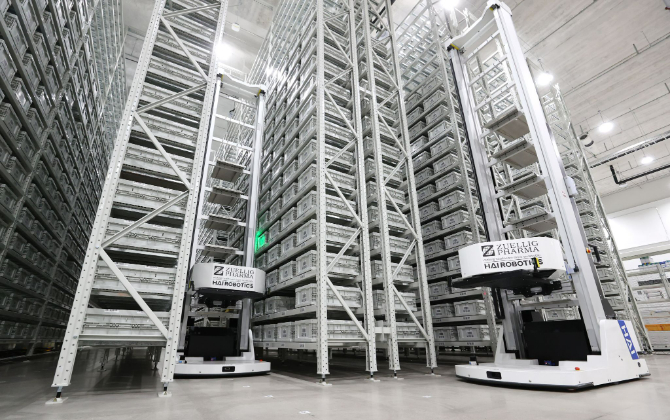
Hai Robotics’ HaiPick Solution Powers Zuellig Pharma Korea’s New CTS Innovation Center
Hai Robotics has implemented its HaiPick solution at Zuellig Pharma Korea's newly established Clinical Trial Support Innovation Center. This deployment, which took place recently, is designed to enhance logistics for clinical trials through advanced automation technologies. The facility incorporates features such as automated order fulfillment, cold chain logistics, and precise inventory management. These innovations aim to improve healthcare access and operational efficiency within the clinical trial process, ultimately benefiting the pharmaceutical sector and its stakeholders.
Healthcare Automation Clinical Trials Logistics Robotics Supply Chain Management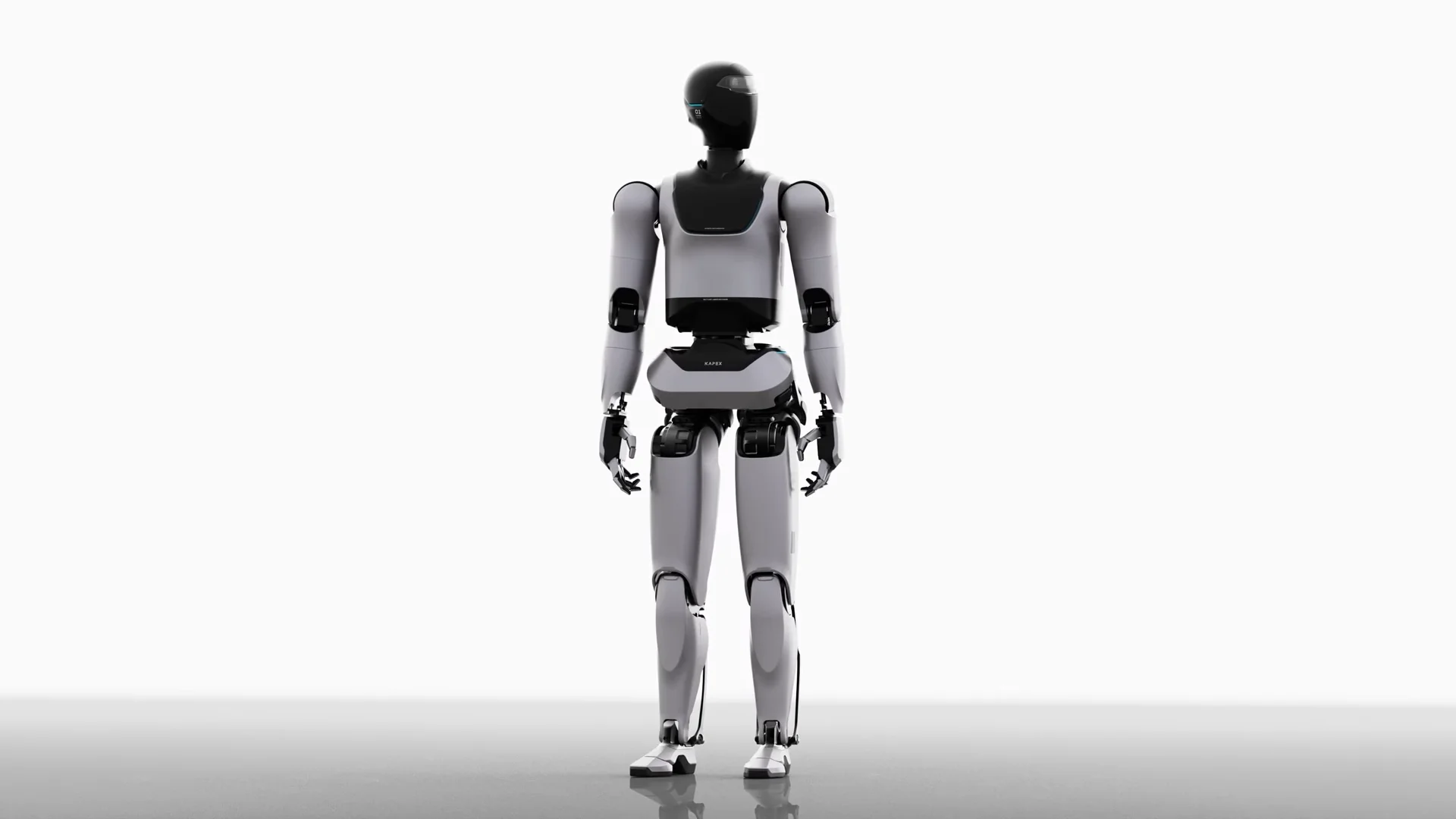
South Korea’s M.AX Alliance Taps Seoul National University to Build AI Models for Humanoids
A government-led manufacturing alliance, featuring major South Korean companies Samsung, Hyundai, and LG, has announced plans to achieve mass production of humanoid robots by 2029. This ambitious initiative is bolstered by a new research and development partnership with one of the country’s leading universities. The collaboration aims to leverage the expertise of both the private sector and academia to advance robotics technology, reflecting a growing commitment to innovation in the field. The alliance seeks to address increasing demand for humanoid robots in various sectors, including manufacturing, healthcare, and service industries, as they become integral to enhancing productivity and efficiency. The partnership is expected to foster significant advancements in robotics, paving the way for a new era of automation in South Korea.
hyundai Samsung rainbow-robotics k-humanoid-alliance lg-electronics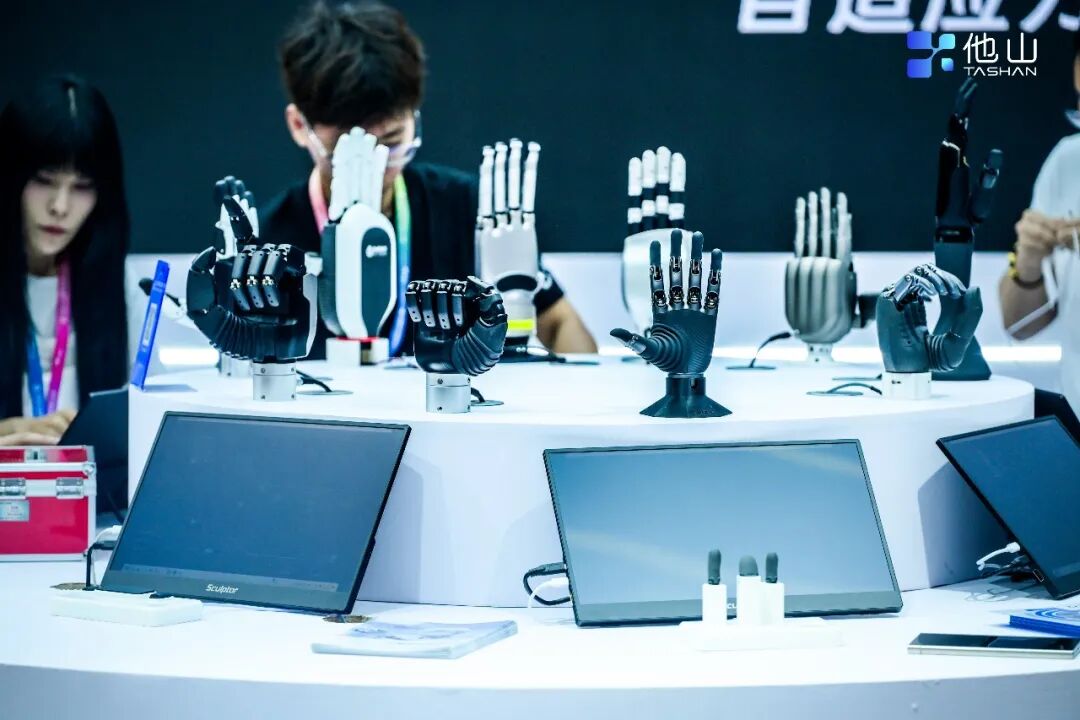
HeShan Technology Raises Hundreds of Millions in Series B Funding Amid Fourfold Order Growth
HeShan Technology, based in Beijing, has successfully completed a Series B funding round, raising hundreds of millions of yuan. The investment comes from a mix of industrial capital and specialized investment firms, including TaiPing Innovation and Junsheng Electronics. This funding marks the third financial boost for the company in six months, with plans for a Series C round already underway. HeShan reported that its total orders in the first half of the year reached four times that of the previous year, with monthly deliveries of tactile sensors stabilizing at tens of thousands. The significance of this funding round lies in the clear investment trends within the robotics sector. Investors like Junsheng Electronics and AUX are focusing on practical technologies that can integrate with existing production lines, moving away from speculative concepts. HeShan has established a comprehensive stack covering chips, sensors, and data simulation, addressing the growing demand for tactile perception in smart healthcare devices, especially as the aging population increases in China. Looking ahead, HeShan Technology's next milestone will be the advancement of its Series C funding efforts. The company is poised to leverage its tactile technology to enhance safety in elderly care scenarios, collaborating with industry partners. No further timeline was disclosed at the time of publication, but the strong order volume and delivery capabilities position HeShan as a leader in the tactile robotics market, addressing the industry's need for mature, scalable solutions.
Tactile Sensors Robotics Industrial Automation AI Technology
ABB Robotics and Roche Partner to Enhance Laboratory Efficiency with Intelligent Robotics
ABB Robotics has entered into a collaboration with Roche to develop digitally connected laboratories utilizing intelligent robotics. This partnership aims to improve laboratory workflows significantly, with initial applications focusing on pathology slide handling and enhancing intralogistics within Core Labs. The deployment will feature a variety of ABB Robotics technologies, including autonomous mobile manipulation and fixed articulating robots. This collaboration is significant as it represents a shift towards integrating advanced robotics in laboratory settings, which can lead to increased efficiency and reduced operational costs. By automating tasks such as slide handling, laboratories can expect to streamline processes, minimize human error, and enhance overall productivity. The use of intelligent robotics in this context is expected to set a new standard for laboratory operations. Looking ahead, the first applications of this collaboration are anticipated to roll out soon, although no specific timeline was disclosed at the time of publication. Stakeholders in the robotics and healthcare sectors should monitor this partnership closely, as it may pave the way for further advancements in laboratory automation and connectivity.
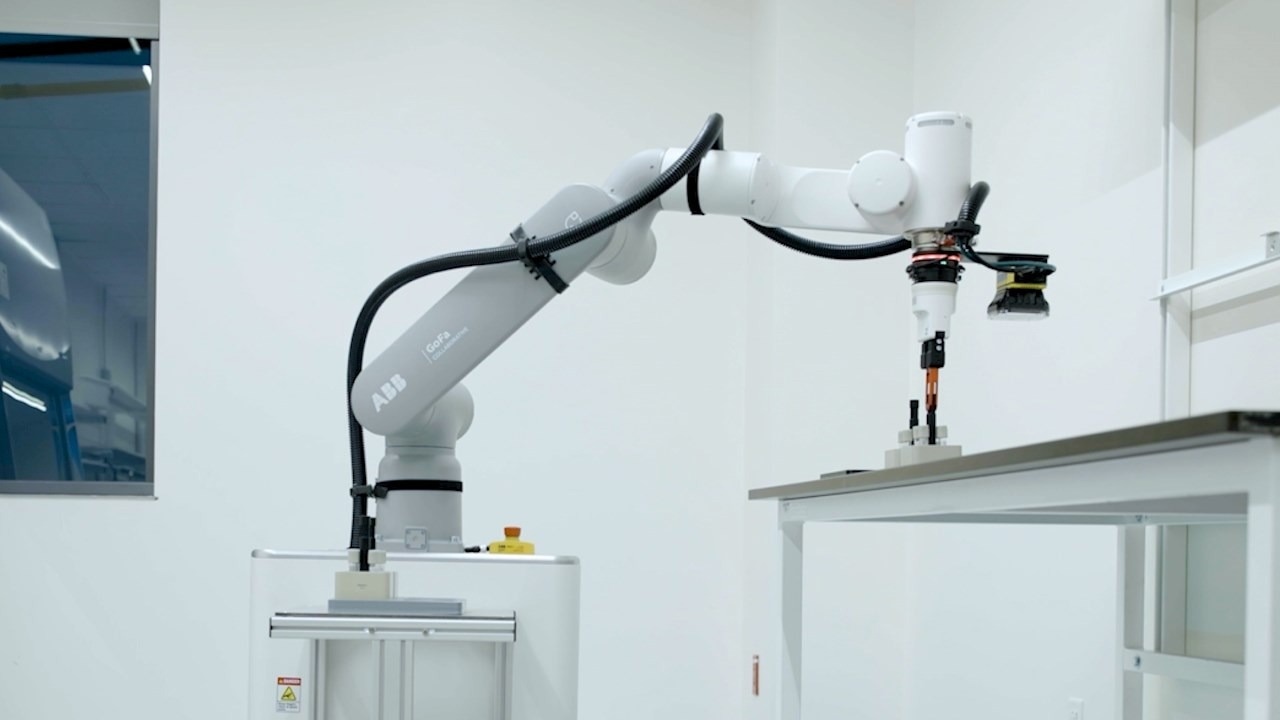
ABB Robotics Collaborates with Roche to Bring Physical AI to Laboratories
ABB Robotics has entered into a global partnership with Roche Diagnostics aimed at creating innovative robotic solutions tailored for clinical laboratories. This collaboration seeks to enhance laboratory efficiency and streamline processes, addressing the growing demand for automation in healthcare settings. The initiative was announced recently, signaling a significant step forward in the integration of robotics within diagnostic environments. By leveraging ABB's expertise in automation technology alongside Roche's extensive knowledge in diagnostics, the two companies aim to revolutionize laboratory operations, ultimately improving patient outcomes. The partnership underscores a shared commitment to advancing healthcare through cutting-edge technology and innovation.

How Nations Are Deploying AI for Strategic Priorities
Countries worldwide are increasingly focusing on enhancing their domestic infrastructure to boost economic growth and safeguard data. This strategic investment spans various sectors, including transportation, communications, commerce, entertainment, and healthcare. The emphasis on infrastructure development is driven by the need to leverage technological advancements, particularly in artificial intelligence, to improve efficiency and competitiveness. As nations recognize the critical role of robust infrastructure in facilitating innovation and attracting investment, they are prioritizing projects that not only support current needs but also prepare for future challenges. This proactive approach aims to create a resilient framework that can adapt to evolving technological landscapes and ensure sustainable economic progress.

"Embodied Intelligence Industry Ecosystem Research" Opening: The "Body" and "Brain" of Shenzhen Robot Valley
Shenzhen's burgeoning robotics sector is set to gain further insights with the launch of the "Embodied Intelligence Industry Ecosystem Research" initiative. This new research aims to explore the intricate relationship between physical robotics and artificial intelligence, often referred to as the "body" and "brain" of the industry. The initiative was officially unveiled on October 15, 2023, in Shenzhen, a city recognized as a global hub for technological innovation and robotics development. The research is motivated by the increasing demand for advanced robotics solutions across various sectors, including manufacturing, healthcare, and logistics. By examining the interplay between embodied intelligence—where robots possess both physical form and cognitive capabilities—the initiative seeks to enhance the understanding of how these technologies can be optimized for real-world applications. Collaboration among local universities, tech companies, and research institutions will be a key component of the initiative, facilitating knowledge sharing and innovation. Through workshops, seminars, and collaborative projects, stakeholders will work together to address the challenges and opportunities within the robotics ecosystem. As Shenzhen continues to position itself at the forefront of robotics and artificial intelligence, this research initiative represents a significant step towards fostering a more integrated and advanced robotics industry, ultimately aiming to improve efficiency and effectiveness across various applications.
Robotics Automation AI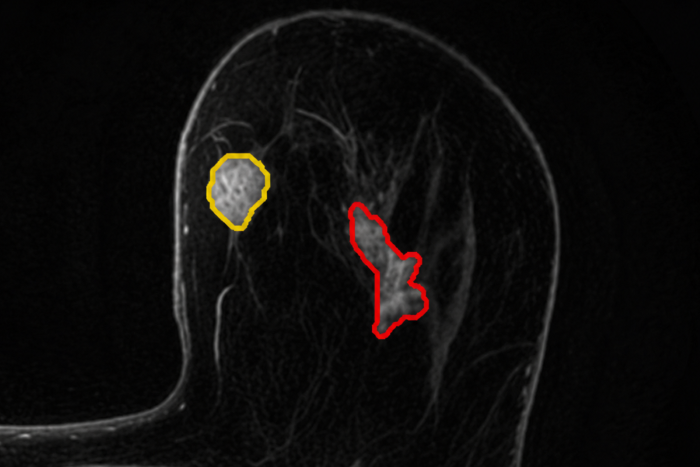
Quibim Launches CE and UKCA-Marked QP-Breast®, the First AI Tool to Detect Breast Cancer via MRI in Europe and the UK
Quibim, a prominent player in precision imaging and artificial intelligence solutions, has launched QP-Breast® in Europe and the UK. This innovative AI tool, which has received CE and UKCA marking, is the first of its kind in these regions to utilize magnetic resonance imaging for the detection of breast cancer. By automatically identifying suspected lesions on breast MRI scans, QP-Breast® aims to enhance early diagnosis and improve patient outcomes. The launch, announced today, marks a significant advancement in breast cancer detection technology, reflecting Quibim's commitment to leveraging AI for better healthcare solutions.
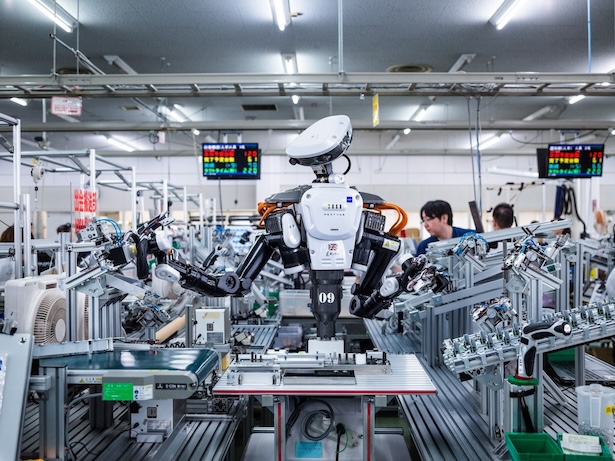
Tesla Optimus at AWE 2026 Shanghai: Gen 3 Reveal Events
At the Augmented World Expo (AWE) 2026 in Shanghai, Tesla unveiled its latest iteration of the humanoid robot, Optimus Gen 3, marking a significant advancement in robotics technology. The event took place on June 1, 2026, and attracted considerable attention from industry experts and tech enthusiasts alike. Tesla's decision to showcase Optimus at AWE instead of the Consumer Electronics Show (CES) was driven by the desire to reach a more specialized audience focused on augmented reality and robotics innovations. During the presentation, Tesla highlighted the robot's enhanced capabilities, including improved mobility, advanced AI integration, and practical applications in various sectors such as manufacturing and healthcare. The company provided a detailed timeline of the development process, emphasizing the rigorous testing and iterative improvements that led to the Gen 3 model's launch. This strategic move not only reinforced Tesla's commitment to leading in robotics but also aimed to position the company as a key player in the future of automation. By opting out of CES, Tesla sought to engage directly with a community that shares its vision for the future of technology, fostering collaboration and innovation in the field. The unveiling of Optimus Gen 3 represents a pivotal moment for Tesla as it continues to push the boundaries of what is possible in robotics and artificial intelligence.
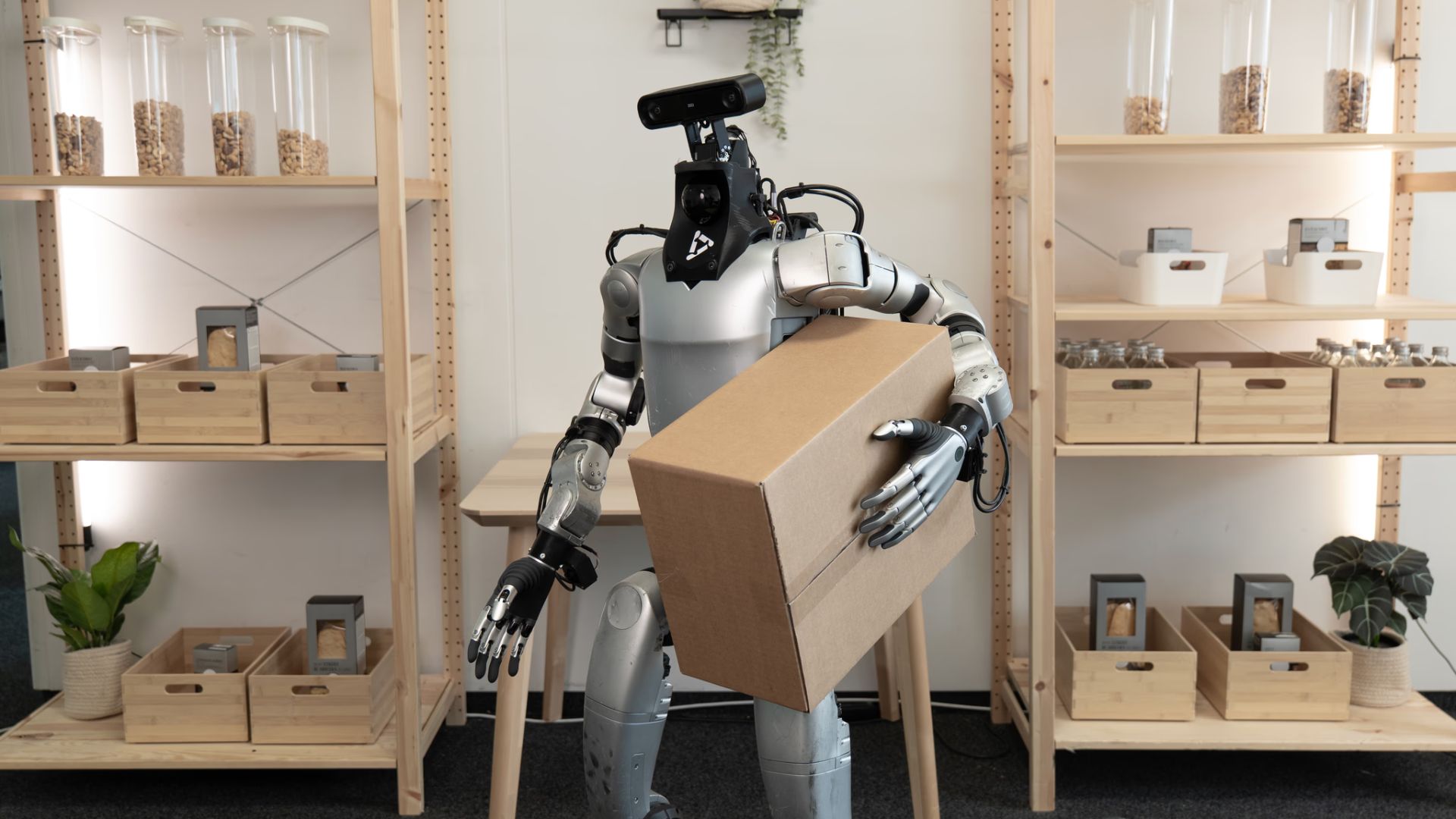
Video: New AI model gives humanoid robots 90 percent success in complex missions
Flexion Robotics has launched Reflect v1.0, an innovative robotics intelligence platform designed to enhance the capabilities of humanoid robots. This groundbreaking technology was unveiled recently, showcasing its potential to revolutionize the interaction between humans and robots. The platform integrates advanced machine learning algorithms, allowing robots to learn from their environments and adapt their behaviors accordingly. The introduction of Reflect v1.0 aims to address the growing demand for more intelligent and responsive robotic systems in various sectors, including healthcare, education, and customer service. By equipping humanoid robots with this sophisticated intelligence, Flexion Robotics seeks to improve efficiency and effectiveness in tasks that require human-like interaction. The development process involved extensive research and collaboration with experts in artificial intelligence and robotics, ensuring that the platform meets the needs of diverse applications. As the robotics industry continues to evolve, Reflect v1.0 positions Flexion Robotics at the forefront of innovation, paving the way for a future where humanoid robots can seamlessly integrate into everyday life.
AI and Robotics
Queue raises funding to build fully autonomous pharmacy
Queue is advancing its initiative to enhance prescription access by developing fully automated pharmacies. This effort aims to serve hospitals, retail locations, and underserved communities, addressing the growing demand for efficient pharmaceutical services. Recently, the company secured funding to support the construction of these autonomous pharmacies, which are designed to streamline the dispensing process and improve patient care. By leveraging automation, Queue intends to reduce wait times and increase the availability of medications, particularly in areas where access to traditional pharmacy services is limited. The project represents a significant step towards modernizing healthcare delivery and ensuring that essential prescriptions are readily available to those in need.
Healthcare Robotics Investments News AlleyCorp pharmaceutical Queue
NVIDIA BioNeMo Agent Toolkit Brings Accelerated AI to Life Sciences Researchers in Claude Science
NVIDIA is at the forefront of a transformative shift in the life sciences sector, leveraging over a decade of expertise in developing a comprehensive GPU-accelerated computing stack. This stack includes hardware, frameworks, libraries, models, microservices, and specialized tools designed to enhance computational capabilities in biological research and healthcare. The company's advancements are aimed at addressing the growing demand for sophisticated data analysis and processing in life sciences, which has increasingly relied on computational power to drive innovation and discovery. As of October 2023, NVIDIA's initiatives are set to revolutionize how researchers and healthcare professionals utilize technology, ultimately improving outcomes in various applications from drug discovery to personalized medicine.

RoboScience Unveils Visics, a General-Purpose Embodied AI Model
On June 24, RoboScience, a Beijing-based company specializing in embodied intelligence, launched its new general-purpose embodied AI model, Visics. This innovative model is designed to enhance robotic capabilities by integrating advanced perception and decision-making processes. The unveiling took place in Beijing, showcasing Visics' potential applications across various industries, including healthcare, manufacturing, and service sectors. The development of Visics aims to address the growing demand for intelligent automation solutions that can adapt to complex environments and tasks. By leveraging cutting-edge technology, RoboScience seeks to position itself at the forefront of the AI revolution, offering tools that can significantly improve operational efficiency and effectiveness in diverse applications.
EmbodiedAI
Roundtable: Those who stand against the wind, seeking answers across the sea | 36Kr WAVES 2026 New Wave
In 2026, the WAVES conference, organized by 36Kr and AnYun, took place in Panyu, Guangzhou, focusing on the theme "This Summer." The event gathered top investors, industry leaders, and emerging entrepreneurs over two days to discuss the evolution of AI and hard technology, which are shifting from niche areas to mainstream consensus. The conference featured 14 in-depth roundtable discussions and numerous independent speeches that explored the underlying logic of key sectors such as AI, hard technology, overseas expansion, and healthcare. Key speakers included Peng Xiaoqiu, editor-in-chief of 36Kr, Zhang Hanliang from DBS Bank, Tao Yangfeng from Zero One Capital, Guo Bin from Paradise Silicon Valley, and Liu Bingbin, CEO of Zendure. They shared insights on the changing landscape of entrepreneurship, particularly the transition from manufacturing advantages to brand and engineering advantages in the past decade. Discussions highlighted the importance of understanding market demands and the risks associated with overseas expansion, emphasizing that successful ventures require a deep understanding of both domestic and international markets. The conference underscored the necessity for entrepreneurs to be aware of their capabilities and the potential pitfalls of blindly pursuing global opportunities. As the landscape of international business continues to evolve, the insights shared at WAVES 2026 aim to guide entrepreneurs in navigating the complexities of global markets.

China’s medical AI breaks ground as surgical robot wins EU approval, model tops benchmark
Chinese medical AI has achieved significant advancements, highlighted by the entry of a teleoperated surgical robot into the European Union market and a clinical-grade model surpassing a key healthcare benchmark established by OpenAI. On Monday, Shanghai MicroPort MedBot announced that its Toumai Remote robot, designed for remote laparoscopic surgeries, has received the CE mark, a certification required for market access in the EU, as reported in its filing to the Hong Kong stock exchange. This development underscores the growing influence of Chinese innovations in the global healthcare technology sector, driven by the increasing demand for advanced surgical solutions that enhance precision and accessibility. The successful certification of the Toumai Remote robot marks a pivotal step in expanding its operational capabilities and improving patient outcomes in surgical procedures across Europe.

China's Robotics Industry Sees Multiple Breakthroughs Across Humanoid Robots and Physical AI
China's robotics industry has achieved significant advancements in humanoid robots and physical artificial intelligence, marking a pivotal moment in the sector's development. These breakthroughs were reported in October 2023, showcasing the country's commitment to enhancing its technological capabilities. The innovations include improved mobility and functionality in humanoid robots, which are now capable of performing complex tasks that were previously thought to be the domain of human workers. This progress is driven by a combination of increased investment in research and development, collaboration between universities and tech companies, and a growing demand for automation across various industries. As China aims to position itself as a global leader in robotics, these developments not only highlight the nation's technological prowess but also its strategic focus on integrating AI into everyday applications. The advancements are expected to have far-reaching implications, potentially transforming sectors such as manufacturing, healthcare, and service industries. By leveraging cutting-edge technology, China is setting the stage for a future where robots play an integral role in both the economy and society.
Robotics
AI in Medical Education: Enhancing or Misinforming Clinical Reasoning and Diagnostic Accuracy?
The integration of artificial intelligence in medical education is generating both challenges and opportunities, according to recent findings. Experts advocate for the development of curricula that emphasize active engagement and literacy in AI technologies. This shift aims to better prepare future healthcare professionals to navigate the complexities of AI in clinical settings. As medical institutions explore innovative teaching methods, the goal is to enhance students' understanding and application of AI tools, ultimately improving patient care. The ongoing discussions highlight the necessity for educators to adapt to the evolving landscape of medical training, ensuring that graduates are equipped with the skills needed to thrive in a technology-driven environment.

AI Health Startup Wants to Assist Half of Latin American Doctors
A healthcare startup supported by Andreessen Horowitz is aiming to deploy its AI assistant to reach 950,000 of Latin America's 1.9 million doctors by the end of 2027. This initiative seeks to address the significant shortage of medical professionals in the region's overburdened health systems. By leveraging advanced technology, the company hopes to enhance healthcare delivery and improve patient outcomes across various countries in Latin America. The ambitious plan reflects a growing trend of integrating artificial intelligence into healthcare to alleviate systemic challenges and optimize resources in a region facing increasing demand for medical services.
Pegasus Tech Ventures launches $60M fund for physical AI startups
Pegasus Tech Ventures, in collaboration with CYBERDYNE, has announced the launch of a $60 million fund aimed at supporting startups focused on robotics, physical AI, healthcare, automation, and intelligent systems. This initiative, unveiled recently, seeks to foster innovation in these rapidly evolving sectors, driven by the growing demand for advanced technological solutions in various industries. By investing in early-stage companies, Pegasus and CYBERDYNE aim to accelerate the development of cutting-edge technologies that can enhance efficiency and improve quality of life. The fund is expected to play a significant role in shaping the future of physical AI and related fields.
Artificial Intelligence Artificial Intelligence / Cognition Design / Development Financial Healthcare Robotics InvestmentsRobotics needs a service framework.
RSF defines a common language for robot service capability, lifecycle operations, certification pathways, and service-provider networks.