Industry Briefing
A single destination for timely, editor-curated robotics news from around the world.

SMILE-FX Launches AI Braces System, Bringing Predictive Treatment Planning to South Florida
Dr. Tracy M. Liang, a board-certified orthodontist, has unveiled a groundbreaking orthodontic treatment at SMILE-FX Orthodontic Studio in Miramar, Florida. On April 3, 2026, the clinic launched its AI Braces system, which uniquely combines artificial intelligence with advanced 3D CBCT (Cone Beam Computed Tomography) imaging. This innovative approach aims to enhance the precision and effectiveness of orthodontic treatments by providing detailed, data-informed mapping for each patient's needs. The integration of cutting-edge technology is designed to improve patient outcomes and streamline the orthodontic process, reflecting a significant advancement in the field.
Design Health 3D CBCT imaging 3d printing AI braces AI diagnostics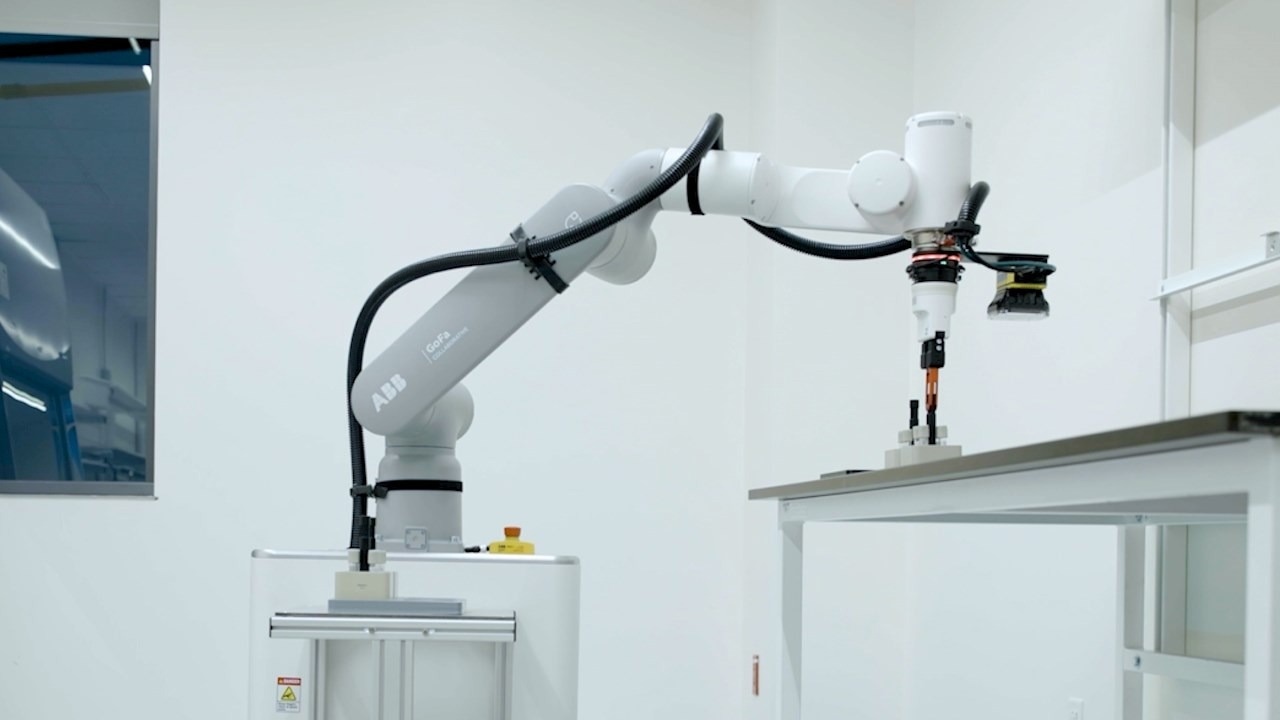
ABB Robotics Collaborates with Roche to Bring Physical AI to Laboratories
ABB Robotics has entered into a global partnership with Roche Diagnostics aimed at creating innovative robotic solutions tailored for clinical laboratories. This collaboration seeks to enhance laboratory efficiency and streamline processes, addressing the growing demand for automation in healthcare settings. The initiative was announced recently, signaling a significant step forward in the integration of robotics within diagnostic environments. By leveraging ABB's expertise in automation technology alongside Roche's extensive knowledge in diagnostics, the two companies aim to revolutionize laboratory operations, ultimately improving patient outcomes. The partnership underscores a shared commitment to advancing healthcare through cutting-edge technology and innovation.

AI Model Spots Hidden Heart Failure from ECGs
Researchers have developed a deep learning model capable of detecting heart failure through electrocardiograms (ECGs). This innovative approach utilizes NT-proBNP labels to enhance detection accuracy across diverse patient populations. The study, which aims to improve early diagnosis and treatment of heart failure, highlights the potential of artificial intelligence in medical diagnostics. By analyzing ECG data, the model can identify patterns indicative of heart failure, thereby facilitating timely intervention. The findings underscore the importance of integrating advanced technology into healthcare to address critical conditions like heart failure, which affects millions worldwide. This breakthrough could significantly impact patient outcomes by enabling healthcare providers to make more informed decisions based on precise data analysis.

New microscopy method speeds 3D brain scans while using fewer measurements
Researchers at the University of Hong Kong have unveiled an innovative microscopy technique that enhances the ability to reconstruct detailed images of biological samples. This breakthrough, announced on October 15, 2023, aims to significantly improve the visualization of cellular structures, which is crucial for advancements in medical research and diagnostics. By utilizing advanced imaging algorithms and high-resolution optics, the team has managed to achieve unprecedented clarity and depth in imaging, allowing scientists to observe intricate cellular processes in real-time. This development is expected to facilitate a deeper understanding of diseases at the cellular level, potentially leading to more effective treatments. The researchers believe that this technique could revolutionize the field of microscopy, making it a vital tool for biologists and medical professionals alike.

Import AI 452: Scaling laws for cyberwar; rising tides of AI automation; and a puzzle over gDP forecasting
A recent analysis highlights the potential of artificial intelligence (AI) to significantly transform the global economy. Experts predict that by 2030, AI could contribute an additional $15.7 trillion to the world’s GDP, driven by advancements in productivity and innovation across various sectors. This economic shift is expected to occur as businesses increasingly adopt AI technologies to streamline operations and enhance decision-making processes. The report, released in October 2023, emphasizes that industries such as healthcare, finance, and manufacturing stand to benefit the most from AI integration. In healthcare, for instance, AI can improve diagnostics and patient care, while in finance, it can optimize trading strategies and risk management. The manufacturing sector may see increased efficiency through automation and predictive maintenance. The motivation behind this economic revolution stems from the need for companies to remain competitive in an evolving market. As organizations face rising operational costs and the demand for faster service, AI offers solutions that can lead to substantial cost savings and improved customer experiences. To capitalize on these opportunities, businesses are encouraged to invest in AI research and development, as well as workforce training to ensure employees are equipped to work alongside advanced technologies. The transition to an AI-driven economy is expected to require collaboration between governments, private sectors, and educational institutions to create a supportive environment for innovation and growth. As the world approaches this pivotal shift, the implications of AI on job markets, economic inequality, and ethical considerations will also need to be addressed to ensure a balanced and inclusive economic future.

Roche Scales NVIDIA AI Factories Globally to Accelerate Drug Discovery, Diagnostic Solutions and Manufacturing Breakthroughs
Roche has announced the deployment of over 3,500 NVIDIA Blackwell GPUs across its global operations, significantly enhancing its research and development productivity, next-generation diagnostics, and manufacturing efficiencies. This strategic move aims to integrate advanced computing capabilities throughout the entire value chain, thereby accelerating innovation and improving operational performance. The initiative reflects Roche's commitment to leveraging cutting-edge technology to drive advancements in healthcare and streamline its processes.

This AI spots dangerous blood cells doctors often miss
A groundbreaking generative AI system has been developed that surpasses human experts in analyzing blood cells, achieving greater accuracy and confidence in detecting subtle signs of diseases such as leukemia. This advanced technology not only identifies rare abnormalities in blood samples but also has the capability to recognize its own uncertainty, enhancing its reliability as a support tool for clinicians. By integrating this AI into medical diagnostics, healthcare professionals can improve early detection and treatment of blood-related diseases, ultimately leading to better patient outcomes. The system represents a significant advancement in the intersection of artificial intelligence and medical science, promising to transform the way blood disorders are diagnosed and managed.

Why Automating the Diagnostics Lab Won’t Rescue a Weak Validation Process
Lab automation is increasingly being recognized for its significant business advantages, particularly in the context of rising test volumes that have put pressure on laboratory staff. The integration of robotic sample handling, automated liquid handlers, and comprehensive specimen tracking systems has proven to enhance throughput, reduce manual errors, and alleviate the strain on a workforce facing growing demands. As of October 2023, the technology has matured, and its benefits have become evident, leading to a rapid acceleration in adoption across various laboratories. This transition marks a pivotal move beyond experimental applications, positioning lab automation as a crucial component in modern laboratory operations.
Business Health Science AI in diagnostics analytical validation assay development
How to Maintain and Manage 6 Axis Robot Arms for Longevity and Precision
In the realm of smart manufacturing, the 6-axis robot arm has emerged as a crucial tool for achieving high-speed production and exceptional accuracy. However, maintaining its peak performance requires a systematic management approach. Neglecting routine maintenance can lead to unexpected downtime and safety hazards in collaborative workspaces. To address this, manufacturers are encouraged to adopt a tiered maintenance strategy that ensures the robot's repeatability and structural integrity. A successful maintenance program begins with daily visual inspections, where operators check for wear on the robot’s harness and ensure cleanliness to prevent contamination of internal components. In addition to daily checks, a quarterly or semi-annual schedule should focus on mechanical stability and accuracy, utilizing tools like laser trackers to detect any drift caused by thermal expansion or wear. The longevity of these robotic arms also hinges on the health of internal components and software. Regular checks for lubrication and maintaining a clean, temperature-controlled environment for the control cabinet are essential. Furthermore, keeping the robot's firmware updated and backing up program data ensures rapid recovery in case of hardware failures. JAKA Robotics has developed the JAKA Zu series, designed to minimize maintenance needs while maximizing operational life. The JAKA Zu20 model, capable of handling a 20 kg payload, is particularly suited for heavy-duty applications. The company also offers a digital ecosystem through the JAKA App, enabling users to monitor robot performance wirelessly. With built-in diagnostics and professional training resources, JAKA aims to provide a reliable investment in robotic technology that delivers precision and value over time.
How to Achieve Remote Monitoring and Diagnostics for Controllable Robot Systems
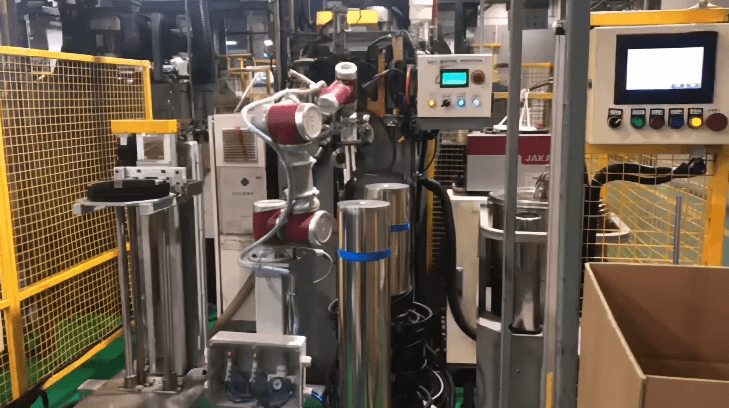
In the evolving landscape of smart manufacturing, the significance of collaborative robots is shifting from mere physical performance to the ability to be managed remotely. As production environments become increasingly decentralized, companies are prioritizing remote monitoring and diagnostics to oversee robot health, predict maintenance needs, and troubleshoot issues without on-site presence. To achieve effective remote management, a combination of advanced hardware sensors and cloud-based software is essential. Utilizing the Industrial Internet of Things (IIoT), data from robots—including motor temperature and power consumption—is streamed to centralized dashboards. Secure data transmission protocols like OPC UA and MQTT facilitate communication with Manufacturing Execution Systems, enabling the use of "Digital Twin" technology. This allows real-time mirroring of a robot's movements, triggering automated alerts for predictive maintenance to prevent costly downtimes. JAKA is at the forefront of this innovation, moving beyond traditional operations to create a connected ecosystem. Their "Smart, Simple, Small" philosophy ensures that managing JAKA systems is as user-friendly as mobile applications. With advanced wireless teaching and cloud management tools, users can monitor their fleet of robots globally from a single interface. JAKA's software suite enables remote diagnostics, providing real-time feedback on robot status, which is crucial for maintaining continuous production across various locations. The integration of AI-driven vision and sensing further enhances remote monitoring capabilities. By investing in JAKA, companies are securing a future-proof solution that ensures control and productivity, regardless of geographical constraints.
How to Maintain and Manage Industrial Robot Arms for Performance
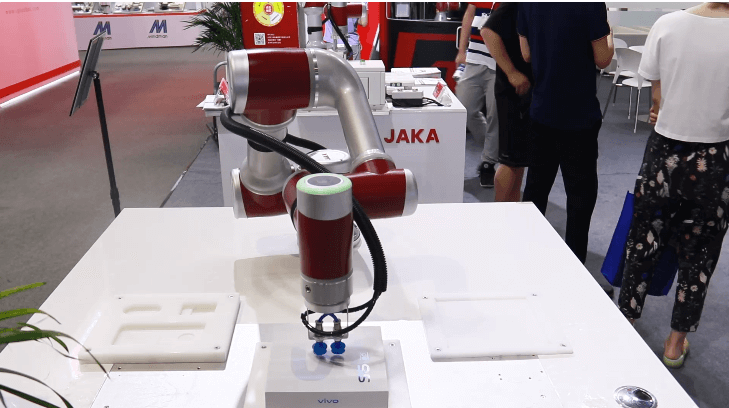
JAKA, a leader in industrial automation, emphasizes the importance of regular maintenance and systematic management for the longevity and reliability of industrial robot arms. The company advocates for a proactive approach to care, which includes establishing a consistent maintenance routine that involves mechanical inspections and software updates. JAKA’s robot arms are designed with durability in mind, featuring robust circuit designs that minimize unexpected faults and facilitate efficient inspections. To enhance management, JAKA incorporates built-in diagnostics and intuitive controls, allowing technicians to easily access system status reports and error logs. This functionality aids in quickly identifying performance issues before they impact production. The company also highlights the significance of optimizing the operational environment, ensuring that factors such as dust levels and ambient temperature align with the robot's specifications to maintain its performance. By integrating their robot arms into a factory's control system, JAKA enables centralized monitoring of performance metrics, which supports data-driven maintenance decisions. The combination of routine care, advanced technology, and environmental management is essential for sustaining the performance of industrial robot arms. JAKA’s design philosophy aims to support these practices, ensuring that their robotic systems remain reliable and productive assets for manufacturers.
Tesla Optimus Diagnostics: How It Works (2026)
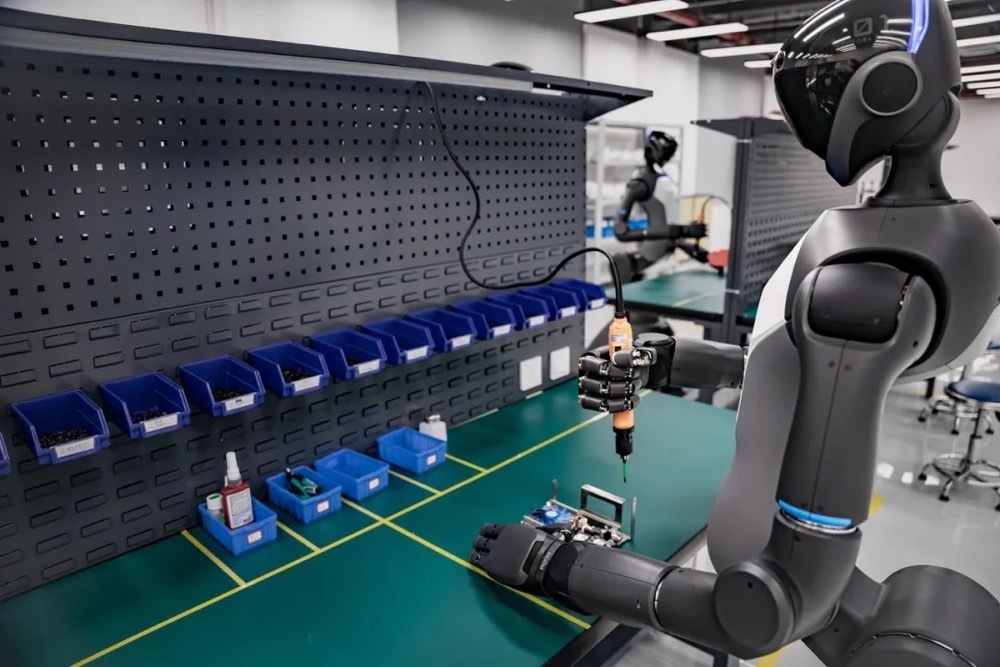
A comprehensive diagnostic system has been developed, featuring over 100 sensor channels and advanced AI anomaly detection capabilities. This innovative technology enables over-the-air (OTA) self-repair, enhancing fleet telemetry and predictive maintenance. The system aims to improve operational efficiency and reduce downtime for various industries reliant on fleet management. By utilizing data collected up to October 2023, the solution provides real-time insights and proactive maintenance alerts, ensuring vehicles and equipment remain in optimal condition. This advancement reflects a growing trend towards integrating AI and IoT technologies in fleet management, ultimately leading to cost savings and increased reliability for businesses.

5 Common Truck Tire Problems and How to Fix Them
Truck owners are being urged to pay close attention to changes in ride quality, as neglecting these signs can significantly reduce tire lifespan and compromise safety on the highway. Experts warn that failing to address common tire issues can lead to sudden blowouts, posing a serious risk to drivers and others on the road. With the increasing reliance on trucks for transportation and logistics, understanding how to identify and resolve tire problems is crucial for maintaining optimal vehicle performance. Owners are encouraged to regularly inspect their tires and seek professional assistance when necessary to ensure their rigs operate safely and efficiently under pressure.
Engineering automation news commercial vehicles fleet maintenance fleet operations fleet safety
The myth of the reagent kit exits the stage, and the story of robots comes to the table.
The landscape of laboratory testing is undergoing a significant transformation as traditional reagent kits are being replaced by advanced robotics. This shift, which has been gaining momentum throughout 2023, is taking place in laboratories across various sectors, including healthcare and research institutions. The move towards automation is driven by the need for greater efficiency, accuracy, and speed in testing processes, which are critical in an era of rapid scientific advancement and increasing demand for reliable results. As laboratories adopt robotic systems, they are able to streamline workflows, reduce human error, and enhance productivity. These systems are designed to handle complex tasks, from sample preparation to analysis, allowing scientists and technicians to focus on more strategic aspects of their work. The integration of robotics not only improves operational efficiency but also supports the growing trend of high-throughput testing, which is essential for large-scale studies and diagnostics. This evolution in laboratory practices is indicative of a broader trend towards automation in various industries, reflecting a commitment to innovation and improved outcomes. As the reliance on reagent kits diminishes, the future of laboratory testing appears increasingly reliant on robotic technology, promising a new era of precision and efficiency in scientific research and healthcare diagnostics.
Robotics Automation AI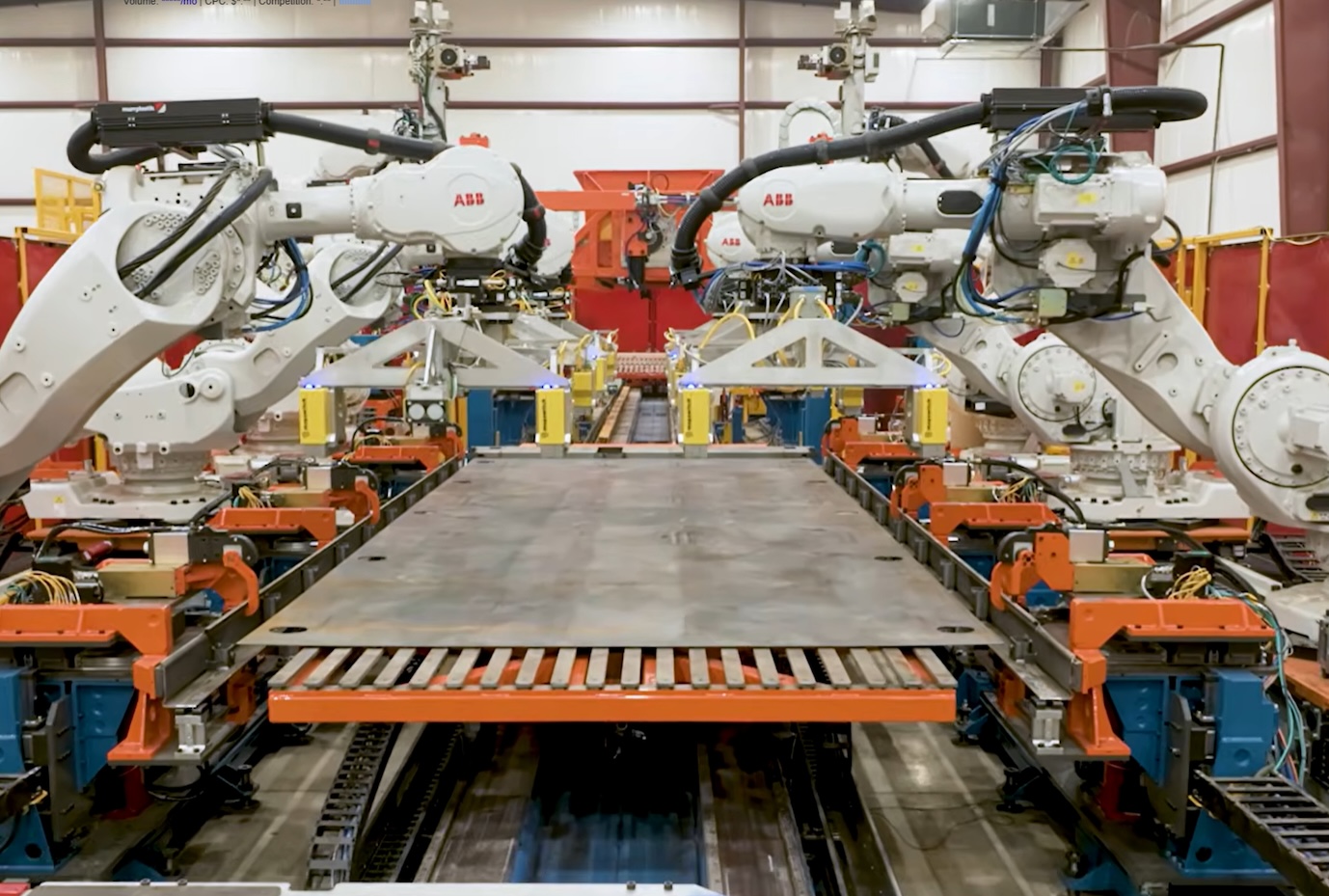
BANNER ENGINEERING - RSio Remote Safe I/O Blocks
Banner Engineering has introduced a new line of I/O blocks designed to enhance safety architectures in industrial settings. These innovative blocks support EtherNet/IP and CIP Safety™, allowing for configurable inputs for emergency stops, light curtains, and switches. The introduction of in-series diagnostics significantly reduces cable usage, enabling the connection of up to 192 safety devices per block while providing device-level status updates. The RSio series is characterized by its scalability and robustness, making it particularly suitable for large conveyor networks and modular machine designs. This development aims to streamline safety management and improve operational efficiency in manufacturing environments.
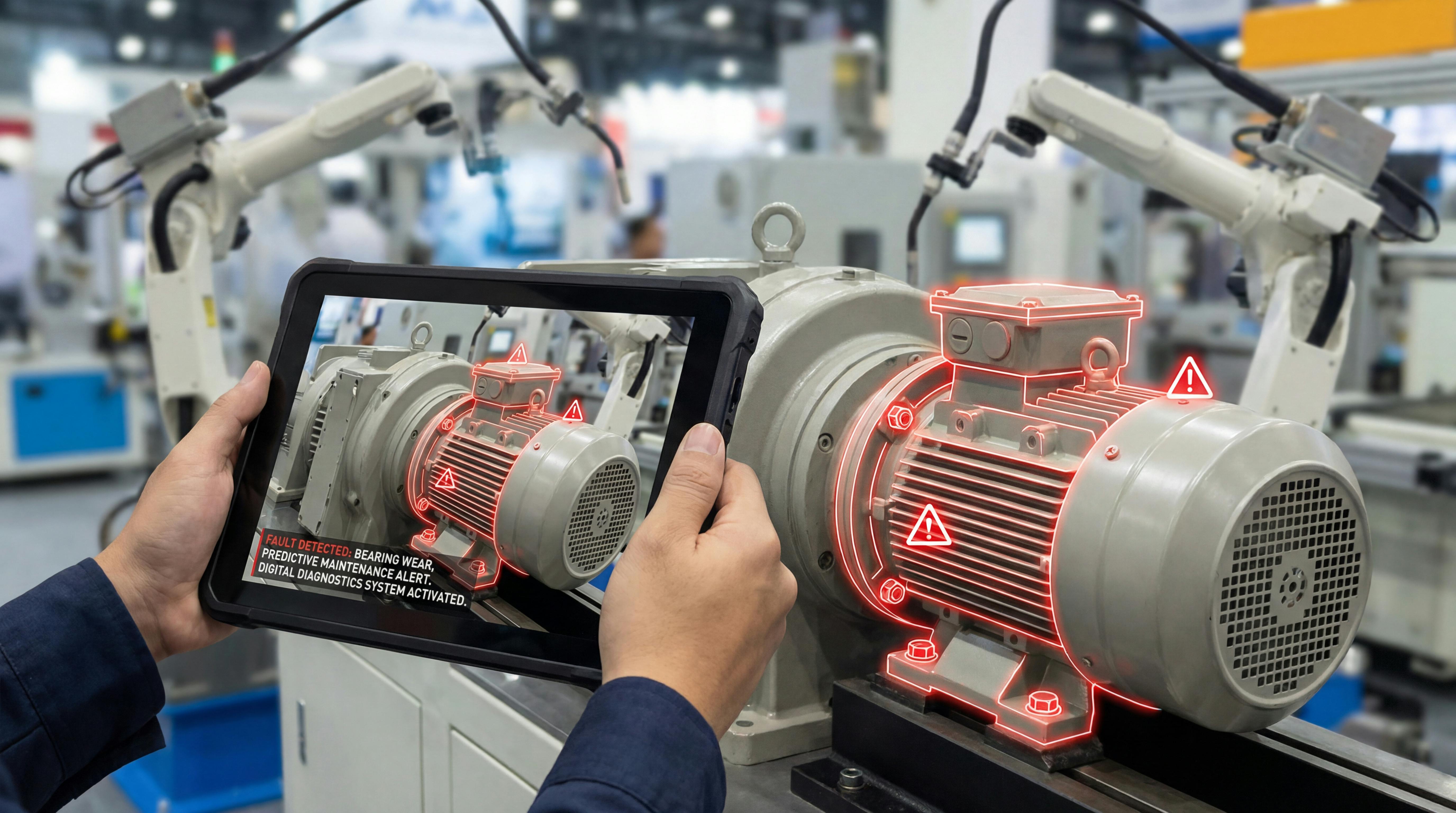
How Modern Drive Technologies Are Solving Industry’s Toughest Precision Challenges
Industry experts from Beckhoff and Siemens have highlighted the significant role of advanced technologies such as smart diagnostics, digital twins, and predictive maintenance in enhancing the accuracy of industrial machinery while minimizing downtime. This discussion took place during a recent industry conference, where the experts shared insights on how these innovations are transforming manufacturing processes. The integration of smart diagnostics allows for real-time monitoring of machinery, enabling operators to identify potential issues before they escalate. Digital twins, which create virtual replicas of physical assets, facilitate better understanding and optimization of machinery performance. Meanwhile, predictive maintenance strategies leverage data analytics to forecast equipment failures, ensuring timely interventions and reducing unexpected breakdowns. These advancements are crucial as industries strive to improve efficiency and reduce operational costs in an increasingly competitive market. By adopting these technologies, companies can not only enhance productivity but also extend the lifespan of their equipment, ultimately leading to significant cost savings. The collaboration between Beckhoff and Siemens exemplifies the industry's commitment to innovation and the continuous improvement of manufacturing practices.
Factory / Motion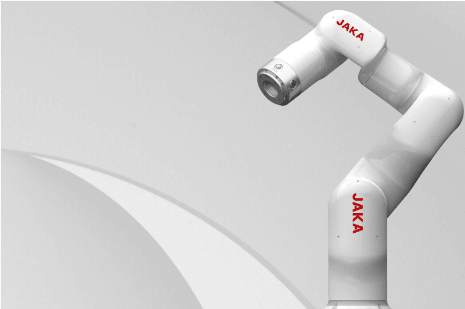
7 Best Practices for Integrating a Small Robotic Arm with Existing PLCs
JAKA, a leader in robotic automation, has outlined a systematic approach for integrating its mini robotic arms into existing control systems that utilize legacy Programmable Logic Controllers (PLCs). This guidance comes as manufacturers seek to enhance automation flexibility without major disruptions to their operations. The integration process begins with identifying the specific communication protocols of the PLC system, ensuring compatibility with JAKA's robotic arms, which feature advanced communication interfaces. A clear Input/Output (I/O) handshake protocol is essential for effective command and status updates, while safety signals must be integrated into the control environment to maintain operational safety. JAKA emphasizes the advantages of its compact robotic design, which allows for easy deployment without significant modifications to existing layouts. This adaptability not only reduces integration costs but also minimizes the time required for mechanical adjustments. To ensure a smooth transition, JAKA recommends a phased testing approach, starting with independent tests of the robotic arm, followed by communication checks with the PLC, and finally, integrated cycle tests at reduced speeds. This method helps isolate potential faults early in the process. Additionally, JAKA advocates for centralized error handling and diagnostics, enabling operators to quickly identify issues within the system. Comprehensive documentation of the integration architecture is also crucial for future troubleshooting and staff training. By following these structured practices, manufacturers can effectively integrate JAKA's robotic arms, enhancing their automation capabilities while maintaining the reliability of their existing PLC-controlled systems.
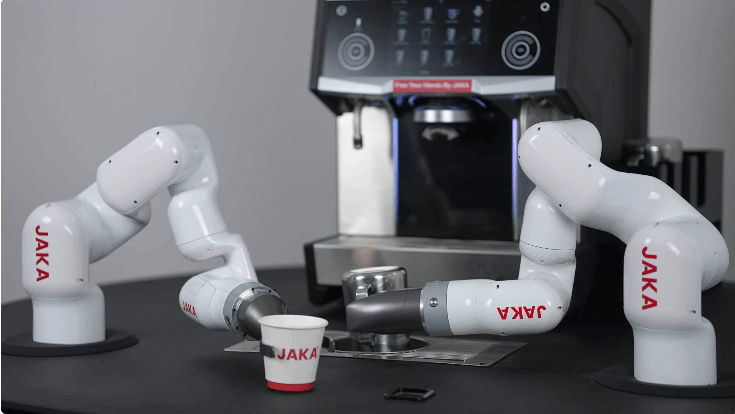
Expert Tips on Getting the Most Out of Your Industrial Cobot
JAKA, a leader in industrial collaborative robots, emphasizes the importance of strategic deployment and ongoing maintenance to maximize the long-term value of its cobots. The company highlights that while initial productivity gains from these robots are evident, sustained efficiency requires careful planning and utilization. Effective placement of cobots is crucial; JAKA’s compact designs allow for integration into tight spaces, enhancing workflow and ergonomics by automating repetitive tasks. This strategic positioning not only minimizes cycle times but also alleviates human workers for more complex roles. To ensure consistent performance, JAKA advocates for a proactive maintenance routine. Users are encouraged to monitor built-in diagnostics and maintain a clutter-free workspace to prevent calibration issues. The robust construction of JAKA robots, including features like magnetic levitation drive technology, supports longevity, but regular checks on controller and joint health are essential to avoid downtime. Additionally, JAKA encourages users to explore advanced functionalities of their robots, such as the JAKA Pro series, which offers high precision and adaptability for complex tasks like precision assembly. With integrated force control technology and extensive communication interfaces, these robots can transform from basic automation tools into integral components of a flexible production system. By focusing on thoughtful placement, diligent maintenance, and advanced capabilities, JAKA aims to help businesses realize the full potential of their industrial cobots, ensuring they remain valuable assets that drive productivity over time.
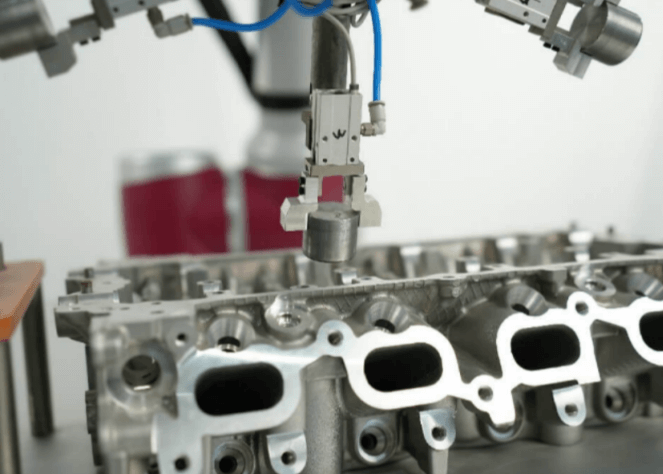
Troubleshooting: How to Solve Common Cobot Operation and Programming Issues
JAKA, a leader in collaborative robotics, has released a guide aimed at helping teams efficiently troubleshoot common issues encountered when integrating collaborative robots (cobots) into their workflows. These challenges can arise during both operation and programming, potentially slowing down production. The guide emphasizes the importance of addressing unexpected operational stops, which can disrupt production lines. Users are advised to consult the controller’s interface for error codes, as many halts are safety-related. JAKA cobots are designed with multiple safety mechanisms, and ensuring a clear workspace and proper alignment of safety sensors can often resolve these issues. If problems persist, checking the stability of the power supply is recommended. For programming difficulties, JAKA suggests utilizing their graphical programming interfaces, which simplify the creation of complex paths. Users can employ a drag-and-drop teaching feature to guide the robot through desired motions, helping to avoid coding errors. Integration and communication errors, such as a cobot failing to connect with other machines, are also addressed. The guide recommends verifying physical connections and communication protocol parameters to ensure compatibility. JAKA’s robotic arms are equipped with robust communication interfaces, and re-initializing the communication sequence may restore stable connections. Overall, JAKA’s approach focuses on providing intuitive tools and built-in diagnostics to minimize downtime and enhance productivity, ensuring that collaborative robots remain efficient and manageable in various operational settings.
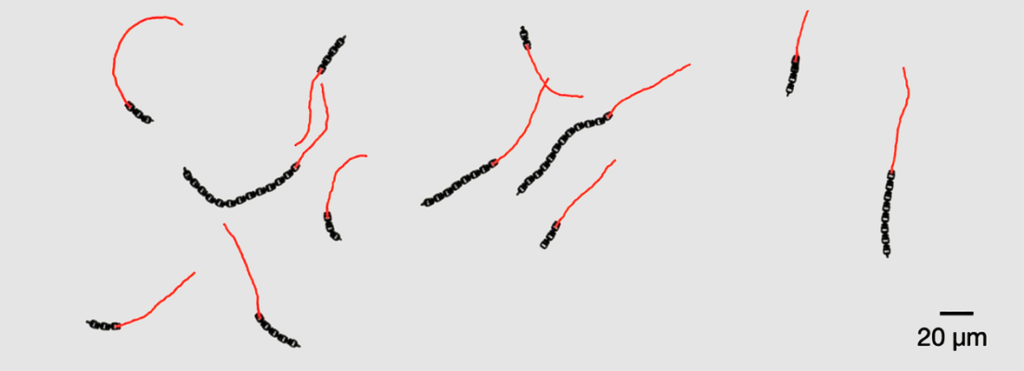
Developing active and flexible microrobots
Researchers at Leiden University, led by Professor Daniela Kraft and Mengshi Wei, have developed innovative microscopic robots that operate autonomously without the need for sensors, software, or external control. These robots exhibit movement driven solely by their unique shapes and interactions with their surroundings. This groundbreaking advancement, unveiled recently, holds significant potential for biomedical applications, paving the way for new methods in medical treatment and diagnostics. The team’s work represents a significant leap in the field of robotics, showcasing how design and environmental factors can create intelligent behavior in microscopic machines.
Robotics needs a service framework.
RSF defines a common language for robot service capability, lifecycle operations, certification pathways, and service-provider networks.