Industry Briefing
A single destination for timely, editor-curated robotics news from around the world.

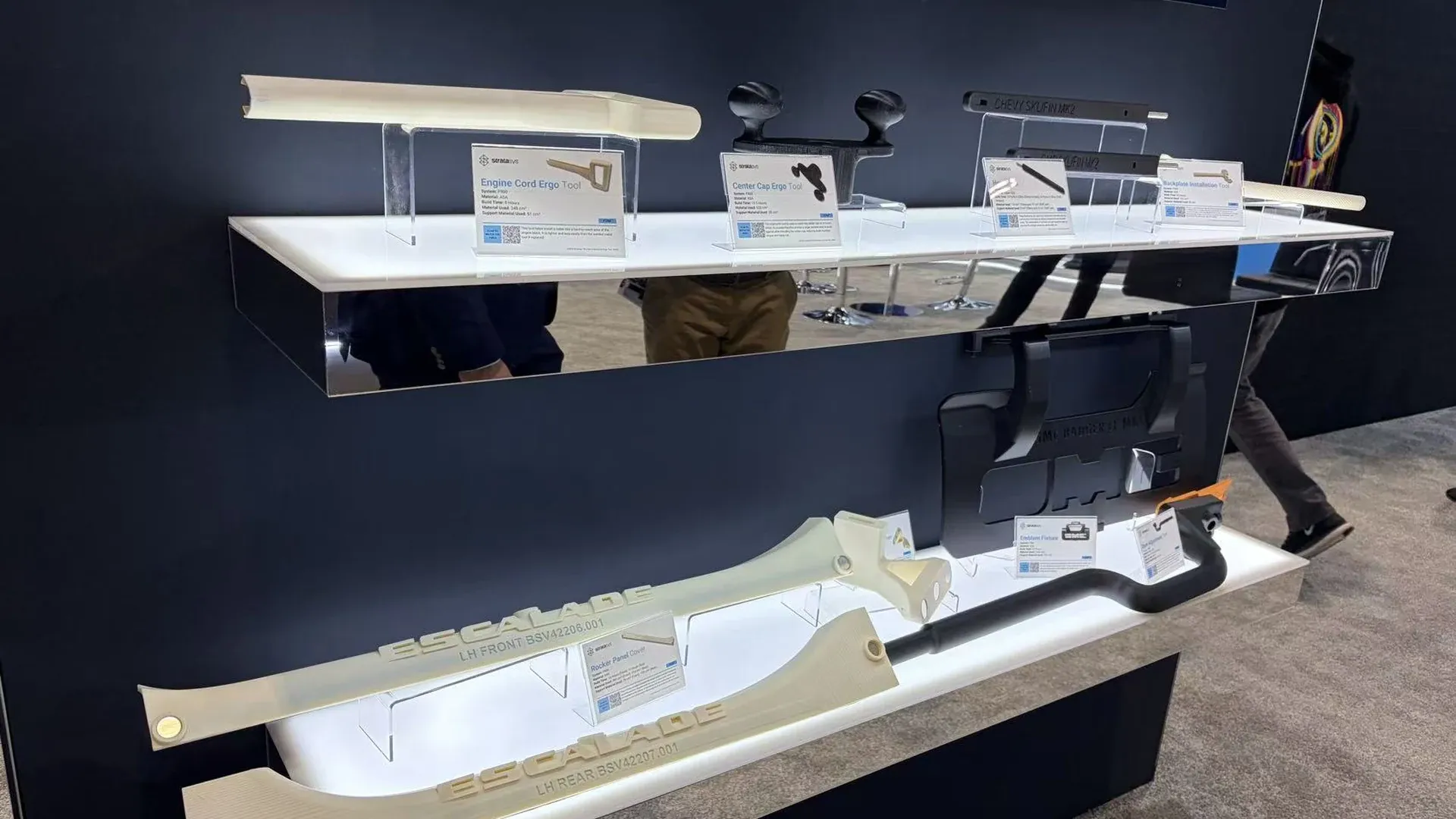
JD Launches AI Meal Plans and Cooking Robot for Home Cooking at 19,888 Yuan
On September 16, JD announced its new local lifestyle business, Qixian Chef, aiming to enter the home cooking market. The initiative features an AI-driven meal planning service where users can upload health reports and dietary preferences, generating tailored meal plans. The cooking robot, priced at 19,888 Yuan, is part of a subscription model that includes 15,000 chef coins for purchasing designated ingredients and services. This move is significant as it integrates meal planning, ingredient delivery, and smart cooking technology, creating a comprehensive ecosystem for home cooking. However, experts express concerns about the high initial price for average families and the sustainability of the subscription model, given the competitive landscape of fresh ingredient delivery. Looking ahead, JD's primary goal is to leverage hardware sales to boost its ingredient delivery service. The success of Qixian Chef will depend on establishing a stable customer base for ingredient delivery, as fluctuating quality in fresh produce could impact repeat purchases. The effectiveness of the cooking robot and user willingness to pay for convenience remain to be seen.
Home Cooking AI Meal Planning Cooking Robots Food Delivery Smart Kitchen Appliances
Retail Execution Insights from the 2025 Holiday Season for 2026 Planning
During the 2025 holiday season, retailers faced unexpected visibility in fulfillment due to economic uncertainty and high consumer demand. Adobe Analytics reported over $10 million in online spending every minute on Cyber Monday, while the National Retail Federation noted holiday spending exceeded $1 trillion. The performance of fulfillment became crucial in meeting customer expectations, highlighting the need for retailers to adapt their strategies. Consumer confidence in retailers' ability to manage holiday demand was high, with over 91 percent feeling assured. However, this confidence translated into elevated expectations, particularly among younger shoppers who prioritized speed and on-time delivery. In contrast, older generations focused on value and price sensitivity. Nearly half of U.S. shoppers experienced late deliveries, with Gen Z and parents feeling the most stress, indicating a need for retailers to optimize fulfillment models for resilience rather than just peak capacity. Looking ahead, retailers have three strategic opportunities to enhance warehouse automation and fulfillment processes. As challenges such as geopolitical tensions and labor pressures persist into 2026, treating fulfillment as a dynamic system will be essential for maintaining customer loyalty and brand differentiation. Retailers that fail to deliver consistently risk losing customers due to unmet delivery promises.
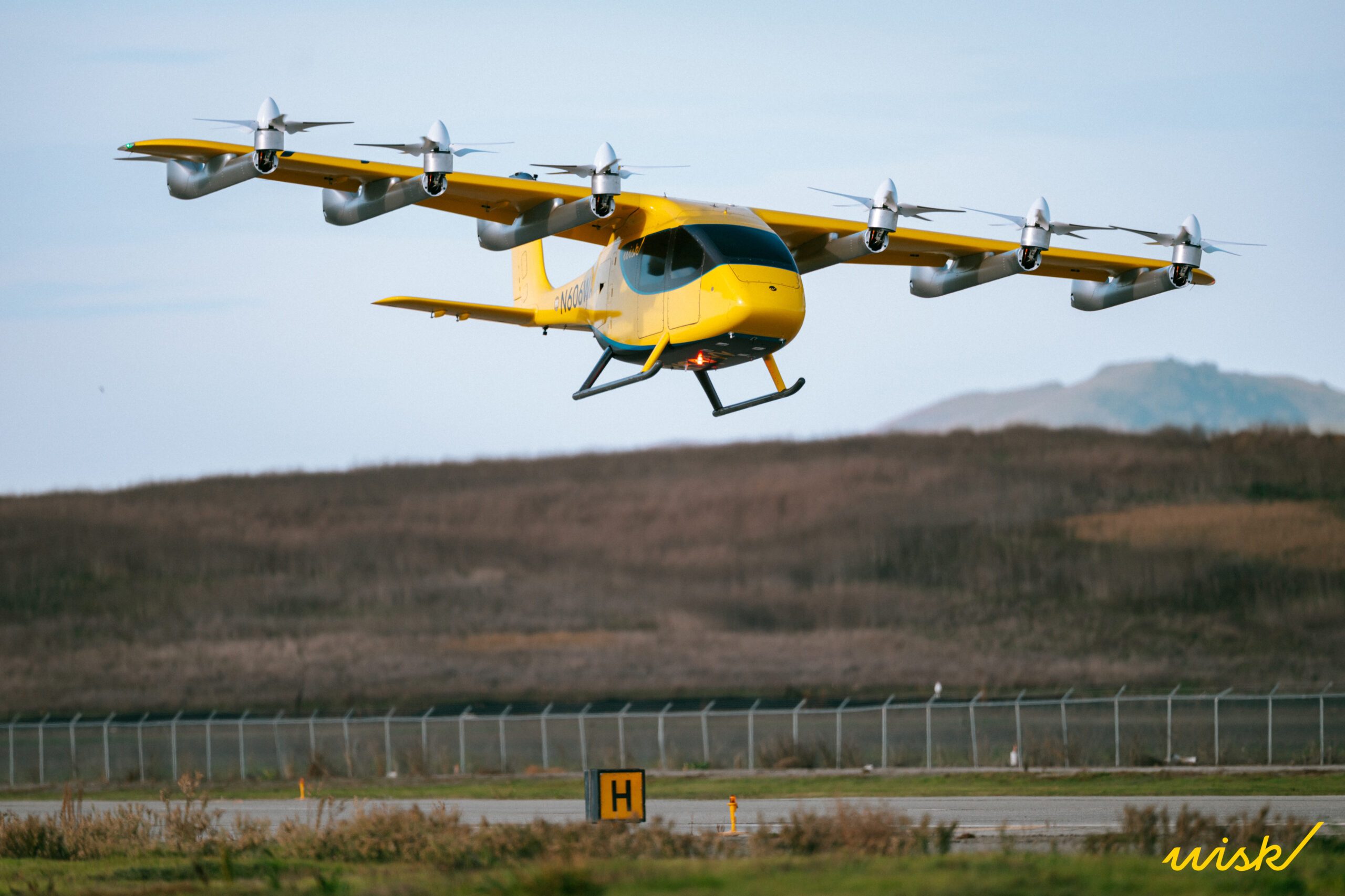
FAA Moves from Planning to Building for Advanced Air Mobility
The Federal Aviation Administration (FAA) has commenced construction on a new research facility aimed at advancing the integration of advanced air mobility (AAM) into the National Airspace System (NAS). This initiative, which began this week, marks a significant transition from policy development to operational readiness for next-generation vertical flight aircraft. The facility will focus on studying the safe operation of these aircraft alongside existing air traffic, reflecting the FAA's commitment to enhancing air transportation capabilities. This move is part of a broader strategy to ensure that emerging aviation technologies can be effectively and safely incorporated into the national airspace.
Air Taxi Applications Drone News Drone News Feeds eVTOL FAA
Research on Orchard Navigation Path Planning Based on 3D LiDAR SLAM Considering Terrain Roughness
A recent study published in the Journal of Field Robotics highlights advancements in autonomous robotic systems designed for agricultural applications. Researchers from a consortium of universities and tech companies conducted the study to address the growing need for efficient farming solutions amid rising labor costs and food demand. The research, which began in early 2023, took place across various agricultural sites in California, focusing on the integration of robotics in crop monitoring and harvesting. The team developed a prototype robot equipped with advanced sensors and machine learning algorithms, enabling it to navigate fields and collect data on crop health. This innovation aims to enhance productivity and reduce the reliance on manual labor, which has become increasingly scarce. The researchers conducted extensive field tests to evaluate the robot's performance and adaptability to different farming conditions. The findings suggest that these autonomous systems could significantly improve yield and reduce waste, addressing both economic and environmental challenges in agriculture. The study underscores the potential of robotics to transform traditional farming practices, paving the way for more sustainable and efficient food production methods in the future.
RESEARCH ARTICLE
LIO‐RRTNav for Cattle Yard Inspection Robots: Prior Map Aided Relocalization and Goal‐Oriented, Smooth RRT Path Planning
A recent study published in the Journal of Field Robotics highlights advancements in autonomous robotic systems designed for agricultural applications. Researchers from a leading university conducted the study to address the growing need for efficient farming solutions amid increasing global food demands. The research, which took place over the past year, focused on developing robots capable of performing tasks such as planting, weeding, and harvesting with minimal human intervention. The team utilized cutting-edge technologies, including machine learning and computer vision, to enhance the robots' ability to navigate complex agricultural environments. By integrating these technologies, the robots can adapt to varying crop conditions and optimize their performance. The findings indicate that these autonomous systems could significantly reduce labor costs and improve productivity in the agricultural sector. The study's implications are particularly relevant as farmers face challenges related to labor shortages and the need for sustainable practices. By demonstrating the effectiveness of robotic solutions, the researchers aim to encourage wider adoption of automation in farming, ultimately contributing to food security and sustainability efforts worldwide. The research underscores the potential for robotics to transform traditional agricultural practices, paving the way for a more efficient and resilient food production system.
RESEARCH ARTICLE
SMILE-FX Launches AI Braces System, Bringing Predictive Treatment Planning to South Florida
Dr. Tracy M. Liang, a board-certified orthodontist, has unveiled a groundbreaking orthodontic treatment at SMILE-FX Orthodontic Studio in Miramar, Florida. On April 3, 2026, the clinic launched its AI Braces system, which uniquely combines artificial intelligence with advanced 3D CBCT (Cone Beam Computed Tomography) imaging. This innovative approach aims to enhance the precision and effectiveness of orthodontic treatments by providing detailed, data-informed mapping for each patient's needs. The integration of cutting-edge technology is designed to improve patient outcomes and streamline the orthodontic process, reflecting a significant advancement in the field.
Design Health 3D CBCT imaging 3d printing AI braces AI diagnostics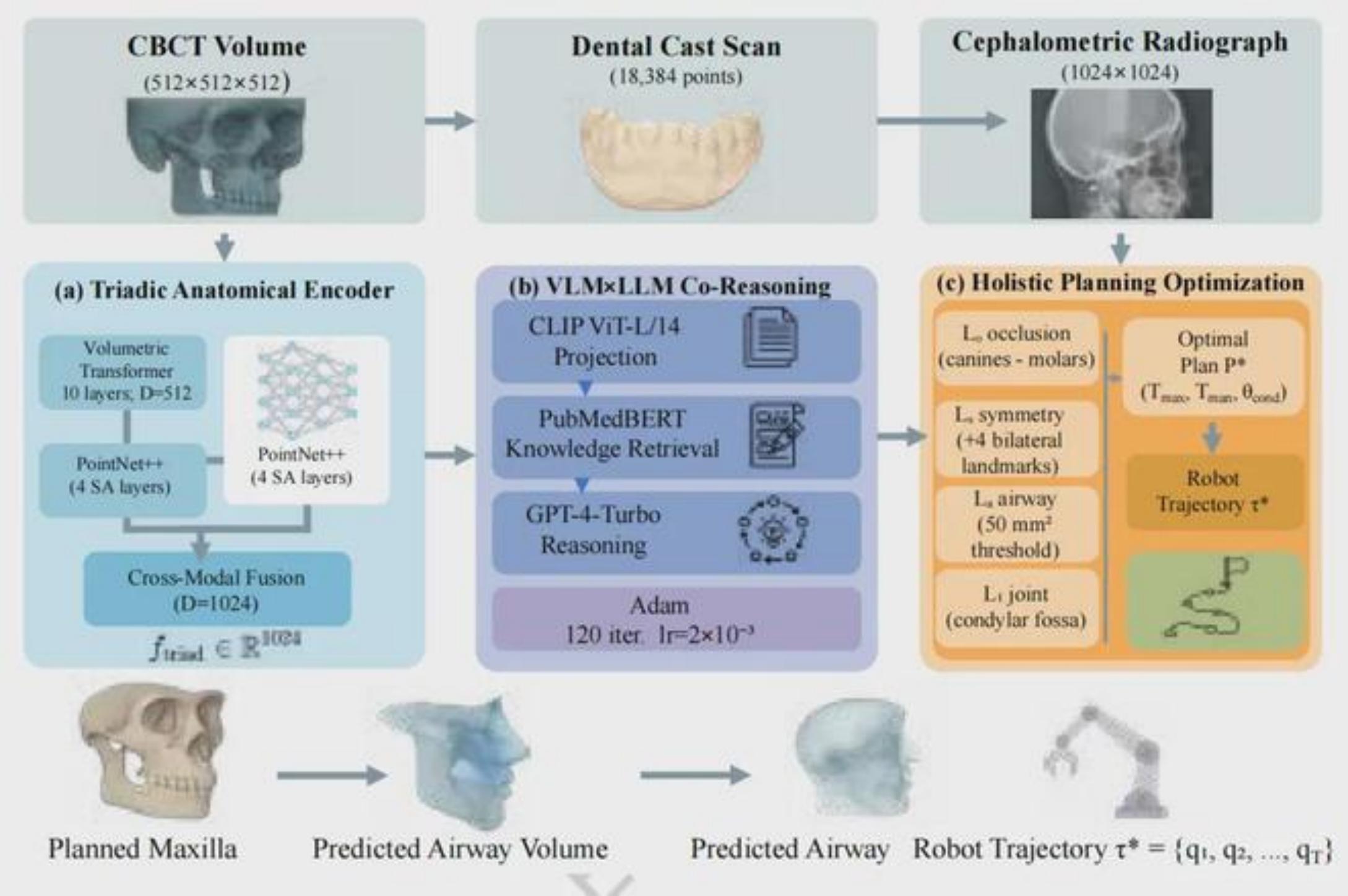
AI and Robotics Revolutionize Emergency Treatment for Maxillofacial Trauma, Reducing Surgery Time by 31% and Complications by 42.3% in Just 4 Minutes of Planning
A groundbreaking advancement in surgical technology has emerged with the introduction of the HoloTrauma 3X system, which integrates sophisticated visual and language models with robotic surgery. This innovative system is designed to streamline the planning process for complex maxillofacial trauma surgeries, cutting the average preparation time from 47 minutes to less than 4 minutes. The development, which aims to enhance patient outcomes and minimize complications, represents a significant leap forward in surgical efficiency. By leveraging cutting-edge technology, the HoloTrauma 3X system not only accelerates the surgical workflow but also holds the potential to improve the overall quality of care for patients undergoing these intricate procedures.
Robotic Surgery Emergency Medicine AI in Healthcare Maxillofacial Trauma Surgical Planning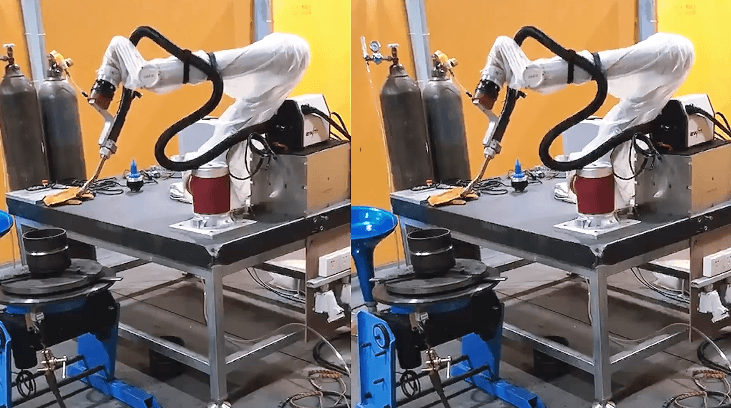
The Future of Welding Cobot Technology: AI Path Planning and Simulation
The welding industry is experiencing a significant digital transformation in response to a global shortage of skilled welders and an increasing demand for high-precision manufacturing. This shift is marked by the introduction of collaborative robots, or welding cobots, which are evolving from traditional automated tools into intelligent partners capable of executing complex welding tasks. These advancements allow small-to-medium enterprises to achieve high-quality welding standards with reduced setup times. Key innovations include AI-driven path planning and vision integration, which address the challenges posed by variability in workpieces. By employing technologies such as "Through-the-Arc" sensing and laser vision systems, these cobots can analyze seams in real-time and adjust their movements to compensate for any misalignments. Additionally, "Lead-through" programming enables human welders to guide the robotic arm, which the AI then refines into a precise trajectory. The use of simulation and digital twin technology further enhances the welding process. Engineers can create virtual models of welding cells to optimize operations without interrupting production. This capability allows for the prediction of thermal effects and minimizes heat distortion, significantly reducing the time required to deploy welding cobots from days to hours. At the forefront of this innovation is JAKA, which is integrating these intelligent features into its collaborative platforms. Their welding cobots, equipped with advanced sensors and motion control, are designed for various welding applications. JAKA also offers a user-friendly software package that simplifies complex path planning, enabling operators to monitor and adjust weld parameters remotely, thereby enhancing craftsmanship while ensuring precision.
A Boustrophedon‐Optimized Neural Network for Autonomous Path Planning in Large‐Scale Photovoltaic Farms
In May 2026, researchers published a significant study in the Journal of Field Robotics, focusing on advancements in robotic technology. The study explores innovative algorithms designed to enhance the navigation capabilities of autonomous robots in complex environments. Conducted by a team of engineers and computer scientists, the research aims to address the challenges faced by robots in real-world applications, such as search and rescue operations and environmental monitoring. The team conducted extensive field tests to validate the effectiveness of their algorithms, demonstrating improved accuracy and efficiency in navigation tasks. This research is particularly relevant as industries increasingly rely on autonomous systems for various applications, highlighting the need for reliable and adaptable robotic solutions. The findings are expected to contribute to the development of more sophisticated robots capable of operating in unpredictable settings, ultimately advancing the field of robotics and its practical applications.
RESEARCH NOTE
Nested Actors and Critics With Uncertainty Parameter in Robot Path Planning
A recent study published in the Journal of Field Robotics highlights advancements in robotic technology aimed at enhancing agricultural efficiency. Researchers from various institutions have developed innovative robotic systems designed to optimize crop monitoring and management. The study, released in early October 2023, emphasizes the growing need for sustainable agricultural practices in response to increasing global food demands and environmental concerns. The research team conducted extensive field tests across multiple agricultural settings to evaluate the performance of these robotic systems. By integrating advanced sensors and artificial intelligence, the robots can analyze soil conditions, monitor plant health, and automate tasks such as planting and harvesting. This approach not only aims to reduce labor costs but also seeks to minimize the environmental impact of farming. The motivation behind this initiative stems from the urgent need to address food security challenges while promoting sustainable practices. As climate change continues to affect agricultural productivity, the deployment of such technologies is seen as a critical step towards ensuring a resilient food supply chain. The findings suggest that these robotic systems could significantly improve efficiency and productivity in agriculture, paving the way for a new era of smart farming. The researchers advocate for further investment and development in this field to fully realize the potential benefits of robotics in agriculture.
RESEARCH ARTICLERobotics needs a service framework.
RSF defines a common language for robot service capability, lifecycle operations, certification pathways, and service-provider networks.
Join the RobotToday community on LinkedIn
Daily robotics news, in-depth analysis, conference highlights, and discussions with professionals worldwide.