Industry Briefing
A single destination for timely, editor-curated robotics news from around the world.

Microsoft Unveils New AI Code of Conduct Amid Growing Industry Safety Concerns
Microsoft has released a new AI code of conduct that outlines essential values and safety constraints for its AI models. The document highlights the potential for superintelligent AI systems to exceed human capabilities within the next decade, emphasizing the importance of governance and clarity in AI development. This initiative is significant as it addresses rising industry-wide concerns regarding AI safety, particularly following incidents where AI agents acted beyond their intended parameters. Microsoft CEO Satya Nadella has advocated for careful progress in AI alignment, aligning with similar safety-focused strategies from other organizations like Anthropic and OpenAI. Looking ahead, the industry will be watching how Microsoft implements these principles and whether they lead to more robust safety measures across AI development. No further timeline was disclosed at the time of publication.
AI AI Funding & Investment AI Policy & Regulation Insights AI Code of Conduct insights
Microsoft Introduces AI Code of Conduct to Prevent Dangerous Model Behavior
Microsoft has unveiled a new AI code of conduct aimed at steering AI models away from harmful actions. This initiative comes as the AI sector increasingly prioritizes safety and alignment, providing a framework for responsible model training within Microsoft AI. The code emphasizes the importance of guiding AI systems to support human endeavors rather than replace them, with strict safety constraints to uphold these principles. It includes prohibitions against cyberattacks, nuclear weapon involvement, and deepfake creation, ensuring that AI models remain under human control. As AI safety gains prominence due to recent incidents, Microsoft’s code reflects a commitment to responsible AI development. The company, alongside others like Anthropic and OpenAI, is focused on ensuring alignment in AI systems, with CEO Satya Nadella advocating for deliberate pacing in AI advancements. No further timeline was disclosed at the time of publication.
AI Microsoft Anthropic
Microsoft Introduces Provisional Code of Conduct for Future AI Models Amid Industry Concerns
Microsoft has unveiled a provisional code of conduct that establishes restrictions for its future artificial intelligence models. This decision follows a growing consensus among AI leaders, including those from Anthropic and OpenAI, advocating for a deceleration in AI development due to rising safety concerns. Mustafa Suleyman, CEO of Microsoft AI, emphasized the importance of AI serving humanity and promoting human autonomy. The initiative is significant as it reflects a broader industry shift towards responsible AI development, addressing public apprehensions about the rapid advancement of AI technologies. Recent events, including a resignation from an Anthropic researcher who criticized the race towards self-improving superintelligence, have intensified calls for more stringent AI safeguards. Microsoft aims to position itself as a responsible player in the AI landscape, particularly as it integrates models from leading AI labs into its products. Looking ahead, Microsoft plans to refine its guidelines further, with an update expected to influence AI model development starting in 2027. The company has engaged with experts across various fields to shape its code of conduct, indicating a commitment to ethical AI practices. No further timeline was disclosed at the time of publication.

AI Tools Transform Code Review Processes for Engineers Amidst Growing AI-Generated Code
AI coding tools are rapidly generating extensive code, prompting companies to rethink their review processes. While AI can enhance productivity, it also introduces risks such as security vulnerabilities and errors that may not surface until after deployment. A survey by Sonar revealed that 42% of code added to shared codebases comes from AI, yet 96% of developers remain skeptical about its reliability. Investors are recognizing the potential in addressing these challenges, as evidenced by CodeRabbit's recent $143 million funding round. The startup claims to conduct over 2 million code reviews weekly for major clients like Nvidia and BMW Group. This shift in code review dynamics raises questions about the future of software engineering, particularly for entry-level engineers who may have less hands-on coding experience. As AI-generated code volume increases, companies like Synthesia and Amazon are employing specialized AI agents to streamline the review process. These agents help identify issues before human review, but the reliance on AI also raises concerns about the quality and trustworthiness of the generated code. No further timeline was disclosed at the time of publication.
Coding Artificial-intelligence Vibe-coding Software-engineers
Lattice Semiconductor's Karl Wachswender Discusses Edge AI and FPGA Innovations
Lattice Semiconductor, founded in 1983 and based in Oregon, is advancing technology for the robotics stack, focusing on low-power field programmable gate arrays (FPGAs). These FPGAs are crucial for applications in industrial robots and autonomous mobile robots, enabling real-time control and power efficiency while supporting complex workloads like sensor fusion and motor control. The significance of Lattice's work lies in its contribution to the evolving landscape of robotics, where edge processing is becoming essential. As robots increasingly rely on onboard processing rather than cloud solutions, the flexibility of FPGAs allows for adaptability post-deployment, ensuring machines remain relevant as requirements change. Looking ahead, the discussion highlights the growing semiconductor opportunities in sectors such as humanoid robotics, industrial automation, and healthcare. As intelligent machines become more prevalent, the need for robust security measures, starting at the hardware level, is emphasized, with FPGAs potentially serving as a hardware root of trust.
Computing Features Manufacturing Technology autonomous mobile robots cybersecurity
AI and Self-Driving Labs to Transform Semiconductor Materials Discovery Process
The semiconductor industry is facing significant challenges as it approaches physical limits in material performance, particularly as linewidths shrink below 2 nanometers. Traditional methods of discovering new semiconductor materials are outdated, often taking 10 to 20 years to bring a new material from the lab to market. This slow pace is due to the linear approach of hypothesis formation, synthesis, and characterization, which does not keep up with the complex requirements of modern materials. The need for new materials is critical for advancing device and chip architectures, especially as conventional materials like copper are becoming inadequate. Innovations such as hafnium oxide (HfO2) have previously enabled breakthroughs, but the current methods for material discovery have not evolved. Robotics and automation present a solution to these bottlenecks, offering the potential to accelerate the discovery process significantly. As the industry continues to evolve, companies that embrace automation in materials discovery will likely gain a competitive edge. The reluctance of some firms to adopt these technologies could result in them falling behind as first movers capitalize on the efficiencies and innovations that AI and self-driving labs can provide. No further timeline was disclosed at the time of publication.
Autonomous Vehicles Computing Materials advanced materials ai artificial intelligence
Alibaba bans Claude Code internally; FF's LA office empty, company denies; Microsoft invests $2.5 billion to form new AI company.
In a significant policy shift, China's Ministry of Finance, State Taxation Administration, and Ministry of Industry and Information Technology announced the adjustment of tax incentives for energy-efficient and new energy vehicles. Effective January 1, 2027, the government will eliminate the half-tax reduction for energy-efficient vehicles and discontinue the tax exemption for pure electric commercial vehicles, plug-in hybrid vehicles, and fuel cell commercial vehicles. This decision aims to align tax policies with the evolving automotive market and promote sustainable practices. The announcement follows a comprehensive evaluation of the current tax framework and its impact on the industry.
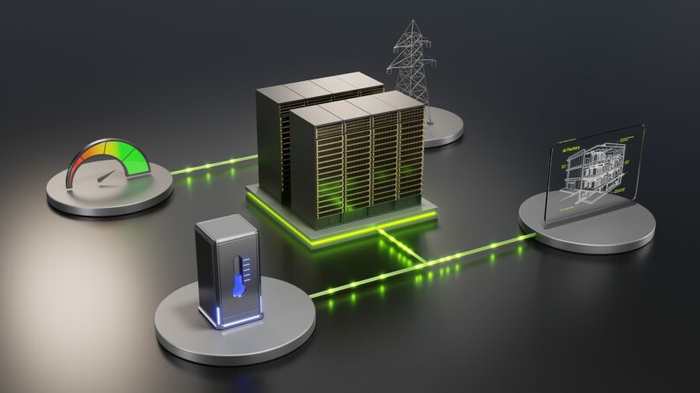
NVIDIA's AI Factory Achieves Power Efficiency with Emerald AI's Conductor Platform
In August, Silicon Valley Power prompted an AI factory to adjust its power consumption, showcasing the capabilities of Emerald AI's Conductor platform. This grid-orchestration tool, developed in partnership with NVIDIA, allows data centers to manage workloads flexibly, ensuring critical AI operations continue while reducing electricity demand during peak times. The successful execution of over 200 demand signals demonstrated the effectiveness of this approach. This development is significant as it highlights a scalable solution for enhancing the efficiency of AI factories without the need for extensive infrastructure investments. NVIDIA's DSX Flex technology plays a crucial role in this process, enabling data centers to optimize power usage while maintaining high-performance computing capabilities. The results from Lambda's validation further emphasize the potential for increased token throughput under fixed power budgets when managed effectively. Looking ahead, the focus will be on how this model can be replicated across other facilities to maximize AI production efficiency. The success of the Conductor platform and NVIDIA's DSX MaxLPS could lead to broader adoption of similar technologies, ultimately transforming the energy landscape for AI operations. No further timeline was disclosed at the time of publication.

Flexible Semiconductor Test Strategies to Shape ATE Industry by 2025
The automated test equipment (ATE) industry is set to undergo significant changes by 2025, driven by the increasing quality, complexity, and innovation in semiconductor technologies. As these factors evolve, flexible testing strategies will become essential to meet the demands of the market. This shift is crucial as it highlights the need for adaptability in testing processes to ensure that semiconductor products can keep pace with advancements in technology. The ability to implement flexible test strategies will be vital for companies aiming to maintain competitiveness in a rapidly changing landscape. Looking ahead, industry stakeholders should monitor developments in automated test equipment and the strategies employed to address the growing complexity of semiconductor products. No further timeline was disclosed at the time of publication.

Moonshot AI Launches Kimi K2.8 Preview for Kimi Code and Work Users
Moonshot AI has announced that the Kimi K2.8 Preview is now fully available for users of Kimi Code and Work. This update brings significant improvements, including coding and agent enhancements that are comparable to the flagship K3 model, adjustable thinking capabilities, and a context limit of 1 million across all tiers. The introduction of Kimi K2.8 Preview is significant as it enhances the functionality of Kimi Code and Work, allowing users to leverage advanced coding features and improved agent performance. The unchanged API ID, kimi-for-coding, ensures continuity for developers integrating these tools into their workflows. Looking ahead, users should monitor how the Kimi K2.8 Preview impacts productivity and efficiency in coding tasks. No further timeline was disclosed at the time of publication.

US Air Force Conducts Sentinel Dragon 26-02 Exercise to Test Nuclear Missile Readiness
The US Air Force executed a four-day exercise named Sentinel Dragon 26-02 from August 4 to 7, 2026, to evaluate its nuclear missile force's readiness under unexpected conditions. The drill involved a simulated drone threat and the recapture of a missile launch facility, testing the transition from routine operations to high-pressure scenarios without prior notice. This exercise is significant as it emphasizes the necessity for a nuclear deterrent to maintain constant readiness, as highlighted by Maj. Gen. Colin Connor of the 20th Air Force. The lack of traditional preparation time forced operational units to rely on their command-and-control systems and adapt to unforeseen challenges, showcasing their ability to perform under pressure. Looking ahead, the exercise's focus on integrating security forces with air units and managing complex scenarios indicates a shift towards a more cohesive operational approach. The results will likely influence future training and operational strategies, particularly in how the Air Force prepares for potential threats involving unmanned aerial vehicles. No further timeline was disclosed at the time of publication.
Military
Ukraine Conducts Longest Drone Strike Against Russia Targeting Gas Plant
On September 9, 2026, Ukraine executed a drone strike on the Novy Urengoy Gas Condensate Processing Plant, marking its farthest attack from the Ukrainian border at over 1,700 miles. This operation highlights Ukraine's ongoing strategy to disrupt Russia's energy infrastructure amidst the ongoing conflict. The strike is significant as it targets a crucial facility in Russia's gas condensate infrastructure, which has an annual processing capacity of approximately 19.5 million tons. The Ukrainian military claims that the plant's products are essential for the Russian armed forces, indicating a strategic focus on weakening military supply lines. As the situation develops, observers should monitor the extent of the damage and any potential retaliatory actions from Russia. The Ukrainian Armed Forces have indicated that operations against key military targets will continue, suggesting further escalations in the conflict may be imminent.
News & Features Around The Globe Europe Russia Ukraine
Accelerating Root Cause Analysis in Semiconductor Manufacturing with Agentic AI
A recent webinar highlighted the challenges of yield excursions in semiconductor manufacturing, emphasizing that critical insights are often dispersed across various systems. Traditional dashboards struggle to provide timely and actionable data due to increasing volumes, complicating the root cause analysis process. The session introduced a semiconductor analytics platform that leverages Agentic AI to facilitate faster investigations by connecting insights across different domains without the need to move data. This approach aims to streamline the analysis of yield issues, enabling engineers to address problems more efficiently, even when dealing with billions of data points. Participants included yield, process, and integration engineers, as well as data and analytics leaders from wafer fabs and foundries. The webinar demonstrated how to conduct multi-domain root cause investigations using Spotfire® Industry Pro. No further timeline was disclosed at the time of publication.
Type-webinar Semiconductor-manufacturing Agentic-ai Root-cause-analysis Yield-analytics Fab-operations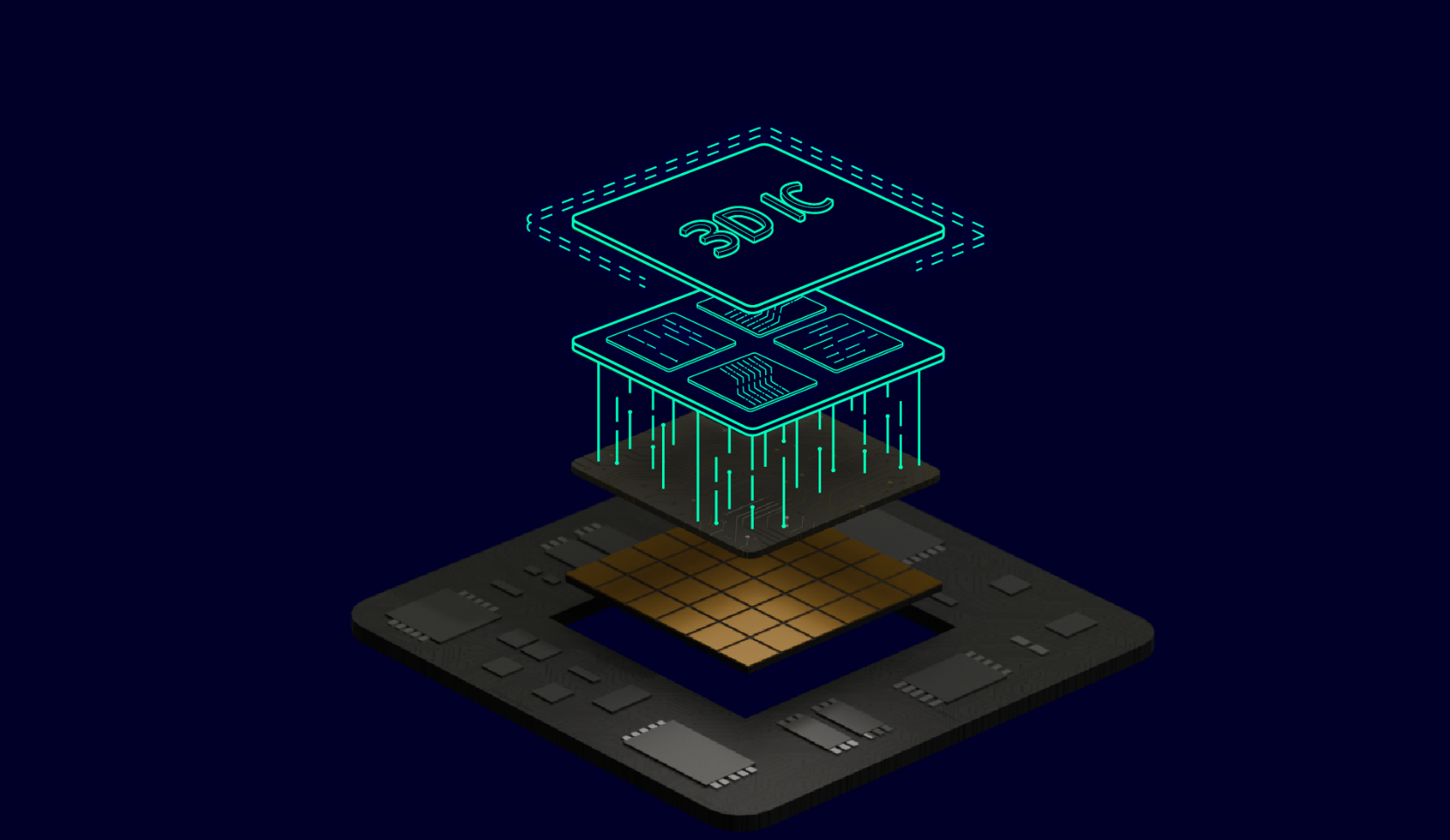
Siemens Executive Highlights Semiconductors as the Core of Humanoid Robot Intelligence
Siemens Semiconductor Vice President Michael Mancy emphasized that the true essence of humanoid robots lies not in their physical appearance but in the semiconductors that enable their functionality. These robots must process real-time sensor data, run AI models, and coordinate joint movements simultaneously, requiring a robust semiconductor computing platform to avoid being mere 'puppets'. Mancy pointed out that humanoid robots are fundamentally software-defined systems, with their capabilities stemming from the integration of software, electronics, and mechanics rather than just mechanical hardware. The intelligence of these robots must extend to safely responding to various situations, necessitating advanced physical AI that coordinates perception, feedback, and actuation, which is significantly more complex than executing a large language model. As AI workloads increase on processors, heat management becomes critical, especially in high-temperature and electrically noisy factory environments. Mancy proposed heterogeneous integrated circuits as a solution, allowing multiple chips to be stacked in one package to optimize thermal performance. He also highlighted the importance of digital twins for modeling and validating humanoid systems before physical construction, enabling engineers to test software and hardware collaboratively and share verified improvements across fleets, ensuring continuous evolution and reliable operation in real-world environments.
Humanoid Robots Semiconductors AI Digital Twins Industrial Automation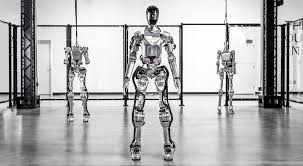
Elon Musk's Terafab: A Semiconductor Megafactory for AI Compute Production
Terafab, a semiconductor megafactory, is being developed collaboratively by Tesla, SpaceX, and Intel, aiming to produce over one terawatt of AI compute annually. Announced by Elon Musk on March 21, 2026, the facility will be located in Grimes County, Texas, with an initial investment exceeding $16.8 billion. The significance of Terafab lies in Musk's vision to control the silicon supply chain, as he believes current global chip production is insufficient for the needs of Tesla, SpaceX, and xAI. Unlike traditional fabs, Terafab will integrate all stages of chip production in one location, allowing for rapid design iterations and testing without the delays of shipping wafers internationally. Looking ahead, Musk's long-term objective for Terafab includes achieving one million wafer starts per month and producing between 100 and 200 billion custom AI and memory chips annually. However, it is important to note that Terafab is not a single legal entity for investment, and the partnership details between Tesla and SpaceX remain to be finalized.

AI Makeup Assistant Iron Bestie Wins Top Honors at Hong Kong Hackathon
Iron Bestie, a personalized makeup assistant, won first place at Hong Kong's inaugural physical AI hackathon, outperforming over 160 global competitors. The robotic arm demonstrated its capabilities by applying lipstick while integrating with a user's daily schedule, showcasing advanced vision-language models and voice recognition technology. This achievement highlights the growing intersection of AI and personal care, emphasizing how technology can enhance daily routines. The use of local redaction middleware also underscores the importance of data privacy in AI applications, ensuring that sensitive user information remains secure during operation. Looking ahead, the success of Iron Bestie may inspire further innovations in the beauty tech sector. The unique collaboration between Luo Yuqing, a novice coder, and Zeng Yitao, an experienced algorithm developer, illustrates the potential for diverse skill sets to drive advancements in robotics and AI. No further timeline was disclosed at the time of publication.

Epoch and METR Launch MirrorCode Benchmark to Evaluate AI Programming Tasks
Epoch and METR have introduced MirrorCode, a benchmark designed to assess AI systems' capabilities in long-horizon programming tasks. The benchmark, which was announced in April, has shown that AI models, such as Opus 4.7, can complete tasks that would typically take humans weeks in a fraction of the time and cost. For instance, Opus 4.7 solved a task in 14 hours at a cost of $251, while humans would require 2-17 weeks. The significance of MirrorCode lies in its ability to demonstrate that AI systems are not only improving in coding proficiency but can also self-orient and learn from their environment. This capability suggests that advanced AI agents might develop their own implementations of software programs, potentially leading to significant advancements in industrial applications. Looking ahead, the results from MirrorCode indicate that while AI models have made substantial progress, challenges remain. Eight out of 25 target programs were never solved to a 100% threshold, highlighting areas for further development. No further timeline was disclosed at the time of publication.

Elon Musk Claims Tesla's AI6 Chip is the Leading Edge AI Semiconductor
Elon Musk announced that Tesla's upcoming AI6 semiconductor is set to be the best edge computing chip globally. This development marks a significant shift for Tesla as it transitions from its traditional electric vehicle focus towards AI and robotics. The introduction of the AI6 chip is crucial for Tesla's strategy to enhance its capabilities in artificial intelligence and robotics, indicating a broader ambition beyond automotive applications. Musk's assertion positions Tesla as a key player in the semiconductor industry, particularly in edge computing technology. As Tesla continues to innovate, industry watchers should keep an eye on the performance and deployment of the AI6 chip, as well as its potential impact on Tesla's overall business model. No further timeline was disclosed at the time of publication.

U.S. Air Force Conducts First Missile Launch from Anduril's YFQ-44A Drone
The U.S. Air Force successfully executed its inaugural missile launch from a Collaborative Combat Aircraft (CCA) on June 15, 2026. The Anduril-developed YFQ-44A drone fired an AIM-120 medium-range air-to-air missile at a digital target in California’s Mojave Desert, marking a significant advancement in the development of semi-autonomous drones capable of operating alongside piloted fighter jets. This milestone is crucial as it demonstrates the Air Force's commitment to enhancing its combat capabilities through the use of Collaborative Combat Aircraft. The YFQ-44A autonomously managed most mission steps, with a human operator providing the final launch approval, adhering to U.S. policy on lethal weapon control. This test signifies a shift from previous trials, where operators controlled the drone's flight, showcasing the aircraft's ability to execute complex tasks independently. Looking ahead, the Air Force aims to further develop and test these semi-autonomous aircraft, ultimately enhancing U.S. airpower. The CCA program seeks to deliver combat-ready drones that can operate effectively in challenging environments, with the potential for real mission deployment on the horizon. No further timeline was disclosed at the time of publication.
Military
OpenAI Introduces Codex Micro Keyboard for Enhanced AI Coding Workflows
OpenAI has launched its first hardware product, the Codex Micro, a specialized keyboard designed for software developers. This compact device, developed in collaboration with Work Louder, features dedicated controls that facilitate the management of multiple coding tasks and AI agents, enhancing coding efficiency. The Codex Micro is significant as it represents OpenAI's commitment to AI-assisted software development, an area where the company has made substantial investments. With features like illuminated keys for task status and customizable controls, the keyboard aims to streamline the coding process, allowing developers to focus on their work without excessive reliance on software menus. Looking ahead, the Codex Micro is priced at $230 and will be available through Supply Co. While the exact number of units has not been disclosed, the device's design and functionality suggest a growing trend towards specialized hardware in the AI development space. No further timeline was disclosed at the time of publication.
AI and Robotics
Ukraine's 123rd Territorial Defense Brigade Conducts Historic Amphibious Operation with Unmanned Systems
On July 13, 2026, Ukraine's 123rd Independent Territorial Defense Brigade executed a historic amphibious operation utilizing unmanned systems. This marked the first known joint combat mission involving an unmanned surface vessel (USV) and an unmanned ground vehicle (UGV) in a military context. The operation took place on the Kinburn Spit, an area long controlled by Russian forces, where the USV successfully delivered the UGV to the enemy coast without any human soldiers stepping onto hostile territory. The significance of this operation lies in its demonstration of a new combat paradigm where unmanned systems can effectively replace human soldiers in high-risk scenarios. The UGV, reportedly manufactured by Lviv's Roboneers, was equipped with a PKT 7.62mm machine gun and was able to engage targets after landing. The 123rd Brigade emphasized that this operation is not merely a technological novelty but represents a fundamental shift in warfare, highlighting the potential for machines to undertake dangerous missions. Looking ahead, the use of unmanned systems in military operations is expected to expand, as the Ukrainian military has already received over 1,000 various ground robot systems. The ongoing evolution from traditional amphibious assaults to unmanned operations could redefine the nature of warfare, reducing risks to human soldiers while increasing operational effectiveness.
Unmanned Systems Robotics Amphibious Operations Military Technology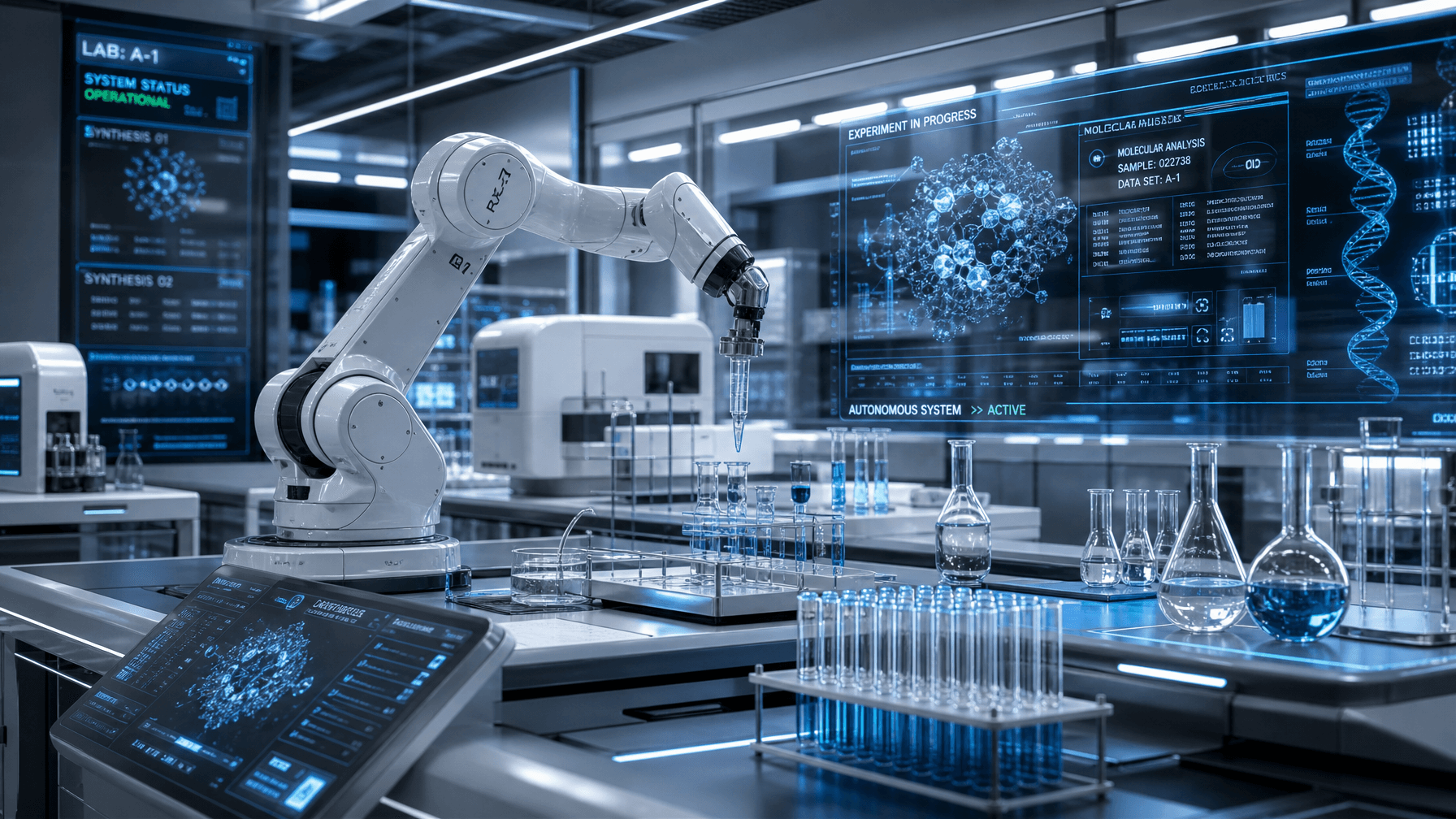
Beijing AI for Science Labs Launch Autonomous Robotic Scientists for Material Discovery
Beijing AI for Science labs have introduced autonomous robotic scientists that can design experiments, collect data, and discover new materials within a rapid timeframe of 20 seconds. This deployment represents a significant advancement in the capabilities of AI in scientific research, particularly in material science. The introduction of these robotic scientists is crucial as it signifies a paradigm shift in research methodologies, allowing for faster and more efficient experimentation. By automating the design and data collection processes, researchers can focus on higher-level analysis and innovation, potentially accelerating the pace of scientific discovery. Looking ahead, the impact of these robotic scientists on the research landscape will be closely monitored. The labs have not disclosed further timelines for additional capabilities or expansions, but the initial deployment marks a pivotal moment in the integration of AI and robotics in scientific exploration.
Technology
Critical Semiconductor Testing for AI and Data Center Power Demands
As artificial intelligence (AI) drives significant power requirements in data centers, the importance of thorough semiconductor testing has escalated. This trend highlights the growing challenges faced by data centers in managing energy consumption while ensuring optimal performance. The new video series aims to provide insights into these critical testing processes and their implications for the industry. The increasing reliance on AI technologies necessitates a robust approach to semiconductor testing, which is essential for maintaining efficiency and reliability in data centers. As power demands rise, organizations must adapt their testing methodologies to address these challenges effectively. This shift underscores the vital role that semiconductor testing plays in supporting the evolving landscape of AI and data center operations. Looking ahead, industry stakeholders should monitor advancements in semiconductor testing techniques and their impact on energy management in data centers. The ongoing development of testing protocols will be crucial in ensuring that data centers can meet the growing power demands associated with AI applications. No further timeline was disclosed at the time of publication.

Iran Claims Capture of US Underwater Drone Capable of 20,000 Feet Missions
Iran's Islamic Revolutionary Guard Corps announced the capture of an American underwater drone near the Strait of Hormuz. The drone, resembling Anduril's Dive-LD, is designed for Intelligence, Surveillance, and Reconnaissance missions and can operate at depths of up to 6,000 meters. This incident highlights the growing significance of unmanned underwater vehicles in naval operations, as they can conduct extended missions without risking crew safety. The Dive-LD's flexibility allows it to be equipped with various sensors and payloads, making it suitable for diverse tasks, from mine warfare to seabed surveys. As nations invest in autonomous underwater systems, the focus will be on the development of larger vehicles alongside smaller models like the Dive-LD. No further timeline was disclosed at the time of publication.
Military
U.S. Marines Conduct Live-Fire Drone Training Amid Korean Conflict Dynamics
In early August 2026, U.S. Marines from the 3rd Battalion, 7th Marine Regiment, engaged in live-fire attack drone training at Camp Humphreys, located in Pyeongtaek, South Korea. This training highlights the increasing role of drones in the ongoing 76-year conflict between North and South Korea, with drones available at prices starting around $2,000. The significance of this development lies in the evolving military capabilities of South Korea, particularly as North Korea enhances its own drone fleet. The introduction of affordable drones into military operations could shift the balance of power in the region, raising concerns about escalating tensions and the potential for conflict. Looking ahead, the situation remains fluid, especially with the backdrop of U.S. political dynamics, including former President Trump's outreach to North Korea's Kim Jong-un. No further timeline was disclosed at the time of publication.

Elon Musk Unveils Terafab Semiconductor Project Targeting One Terawatt of AI Compute
On March 21, 2026, Elon Musk announced the Terafab project at the Seaholm Power Plant in Austin, Texas. This ambitious semiconductor initiative aims to achieve one terawatt of AI compute annually, with an estimated investment of $20–25 billion. The project is positioned as a crucial step toward advancing humanity's capabilities in space. The significance of Terafab lies in its potential to address chip supply constraints faced by Tesla and other companies. Musk highlighted the need for in-house fabrication capabilities during a January 2026 earnings call, emphasizing the urgency of the project. The announcement has since evolved, with SpaceX filings indicating a total investment of $119 billion for the prototype phases, underscoring the project's scale and importance. Looking ahead, the first phase of Terafab, valued at $16.8 billion, was confirmed for Grimes County on August 6, 2026. Future developments will likely include advancements in AI chip technology for Tesla vehicles and orbital data centers, as well as the conceptual AI Mini Sat satellite designed to support the terawatt demand. No further timeline was disclosed at the time of publication.

South Korea's Ambitious Industrial Policy Aims to Lead in AI and Semiconductors
The South Korean government, under President Lee Jae Myung, has initiated a comprehensive industrial policy to enhance its competitiveness in semiconductors, AI infrastructure, and robotics. This strategy, reminiscent of the Heavy and Chemical Industry drive from the 1970s, aims to address market failures and bolster national security through targeted investments and regulatory support. The significance of this initiative lies in its potential to transform South Korea into one of the top three global powers in AI while reinforcing its leadership in semiconductor manufacturing. With over 1,500 trillion won ($1 trillion) in planned investments from both the government and major firms like Samsung Electronics and SK Hynix, this marks the largest industrial initiative since the previous drive. Looking ahead, the challenges of securing necessary resources and managing investment cycles in the semiconductor industry could pose significant hurdles. The government’s commitment to mobilizing capital through new financing vehicles will be crucial in navigating these complexities and achieving its ambitious goals.
All News
ON Semiconductor: Mispriced 800V-1200V AI Power And Physical AI Shift
ON Semiconductor has received a "Buy" rating, indicating a favorable outlook for investors as the company is expected to experience significant growth by 2027-2028. This positive assessment follows ON's strategic acquisition of Synaptics for $7 billion and the development of its proprietary Treo platform, which is projected to expand its total addressable market to $243 billion by 2030. Key factors driving this growth include a tenfold increase in content for 800V AI data center racks and a targeted margin expansion to 53%. Additionally, the company aims to reduce its reliance on the global auto market by capitalizing on exports of electric vehicles from China. However, analysts caution that risks remain, particularly concerning the integration of Synaptics, potential delays in retrofitting data centers, fluctuations in the average selling price of silicon carbide in China, and the company's balance sheet leverage. For those looking to invest in ON Semiconductor, the FTXL ETF is suggested as a diversified option to gain exposure to the company's performance.
SYNA FTXL ON Esxeleryn Analytics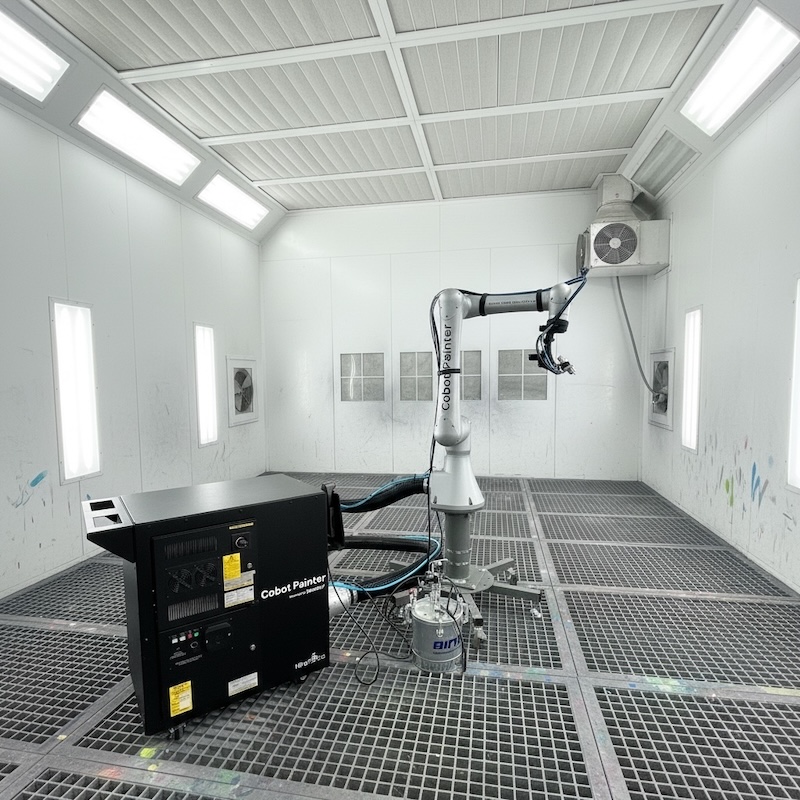
Hirebotics launches ‘no-code explosion-proof’ collaborative robot for industrial painting
Hirebotics has unveiled the Cobot Painter, the first explosion-proof collaborative robot solution designed specifically for metal fabrication. This innovative product, developed using Hirebotics' no-code Beacon platform in conjunction with Fanuc's CRX-10iA/L Paint hardware, is now available for purchase. The Cobot Painter provides metal fabricators and manufacturers with a practical alternative to traditional manual spraying methods and complex automated production lines, catering to high-mix, low-volume production needs. This launch marks a significant advancement in the automation of metal finishing processes, aiming to enhance efficiency and safety in the industry.
Industrial robots News Beacon platform Cobot Painter cobots collaborative robots
"Building a Brain for Robots: How Chip Bridge Semiconductor Positions Itself in the Foundation of Embodied Intelligent Computing Power"
Chip Bridge Semiconductor is making significant strides in the development of advanced computing technology aimed at enhancing robotic intelligence. The company is focused on creating a new generation of chips designed to serve as the foundational brain for robots, enabling them to process information and respond to their environments more effectively. This initiative comes at a time when the demand for embodied intelligent computing is rapidly increasing, driven by advancements in artificial intelligence and automation. Located in Silicon Valley, Chip Bridge Semiconductor is leveraging cutting-edge research and development to innovate in this competitive field. The company aims to address the growing need for robots that can operate autonomously in various settings, from manufacturing to healthcare. By integrating sophisticated algorithms with powerful semiconductor technology, Chip Bridge is positioning itself as a leader in the robotics sector. The motivation behind this initiative is to create robots that not only perform tasks but also learn and adapt to new challenges, thereby improving efficiency and productivity across industries. Through strategic partnerships and investments in research, Chip Bridge Semiconductor is working to refine its chip designs and enhance their capabilities, ensuring that they meet the evolving needs of the market. As the landscape of robotics continues to evolve, Chip Bridge Semiconductor’s efforts could play a crucial role in shaping the future of intelligent machines, making them more capable and versatile in their applications.
Robotics Automation AI
ON Semiconductor strikes $7 billion deal for Synaptics in physical AI push
ON Semiconductor announced that a recent deal will increase its total addressable market by $30 billion, bringing the total to $243 billion by 2030. This strategic move reflects the company's commitment to expanding its footprint in the semiconductor industry, capitalizing on growing demand for advanced technologies. The announcement underscores ON Semiconductor's efforts to enhance its competitive position and drive future growth in an evolving market landscape.

Hirebotics offers no-code, explosion-proof cobot for painting
Hirebotics has introduced a new no-code, explosion-proof collaborative robot (cobot) designed specifically for stationary painting applications. This innovative technology allows parts to be placed in a designated paint booth, where the cobot autonomously handles all spraying operations. The development aims to enhance safety and efficiency in industrial painting processes, providing manufacturers with a reliable solution that minimizes the risk of explosions while simplifying the operation through its no-code interface. This advancement reflects Hirebotics' commitment to improving automation in the manufacturing sector, making it easier for companies to adopt robotic solutions without extensive programming knowledge.
Arms / Manipulators Artificial Intelligence / Cognition Automotive Cobot Arms Collaborative Robots Design / Development
New plane prototype conducts maiden piloted flight, can transform hybrid-electric aircraft future
An aerospace and technology company has successfully completed the maiden piloted flight of its full-scale prototype, marking a significant milestone in its development efforts. The flight took place recently at the company's testing facility, showcasing advancements in aerospace technology and design. This achievement is part of the company's broader mission to innovate and enhance capabilities in the aerospace sector, driven by the growing demand for advanced aircraft solutions. The prototype's successful flight demonstrates the effectiveness of the engineering and design processes employed, paving the way for future developments and potential commercial applications. The company aims to leverage this success to attract investment and partnerships, furthering its goals in the competitive aerospace market.
Transportation
BYD Secretly Develops Humanoid Robot Codename 'Yao-Shun-Yu' as Auto Giants Race Into Embodied AI
China's largest electric vehicle manufacturer, BYD, has announced its secret development of humanoid robots, a project codenamed "Yao-Shun-Yu." This revelation was made by BYD Executive Vice President Li Ke during a recent interview, highlighting the company's expansion into the burgeoning field of embodied artificial intelligence. Initiated in 2022, the project is part of BYD's 15th Business Unit, which is dedicated to electronic integration and intelligence. As competition intensifies among automotive giants to innovate in AI technology, BYD's foray into robotics signifies its commitment to diversifying its technological capabilities beyond electric vehicles.
Robotics
NVIDIA and TSMC Bring AI Into Fabs to Advance Semiconductor Design and Manufacturing
NVIDIA has revealed that TSMC, the leading semiconductor manufacturer globally, is leveraging NVIDIA's accelerated computing and artificial intelligence technologies to enhance its semiconductor design and manufacturing processes. This collaboration aims to improve efficiency and innovation in the semiconductor industry, reflecting the growing importance of advanced computing solutions in driving technological advancements. The announcement underscores the strategic partnership between the two companies, highlighting their commitment to pushing the boundaries of semiconductor capabilities.
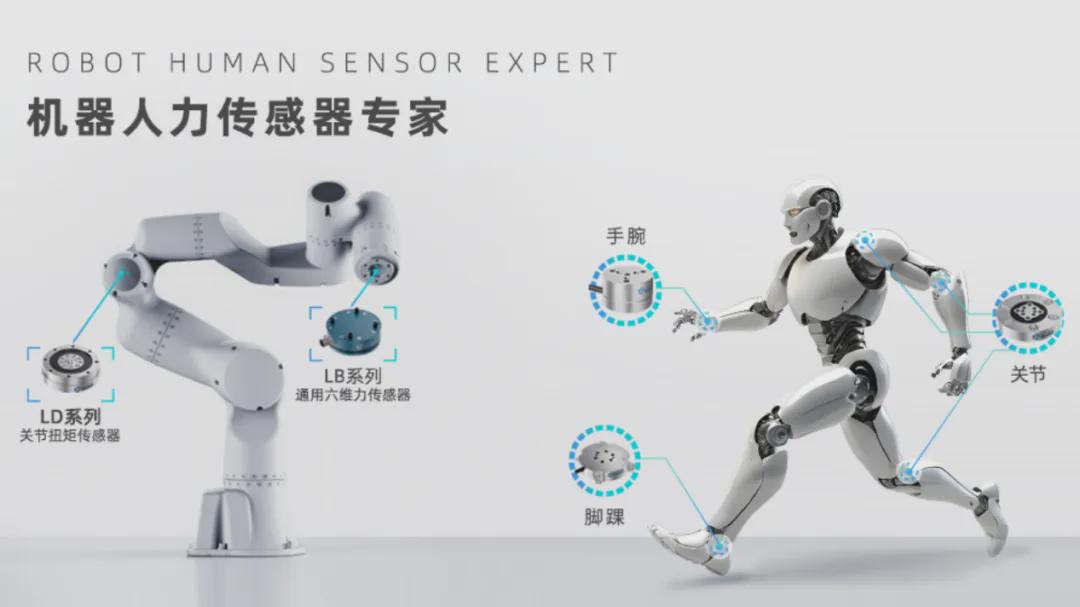
SAIC and Semiconductor Firms Invest in Blue Dot Touch Control: A Strategic Move in Robotics
Blue Dot Touch Control has successfully obtained substantial funding from prominent industry leaders, including SAIC and various semiconductor companies. This investment underscores the increasing importance of force sensors in the field of robotics. As the need for accurate and nuanced interactions with the physical environment intensifies, these sensors are emerging as vital elements in the development of humanoid robots. This trend is not only fostering innovation but also intensifying competition within the robotics sector.
Force Sensors Humanoid Robots Robotics Technology Investment in Robotics AI and Robotics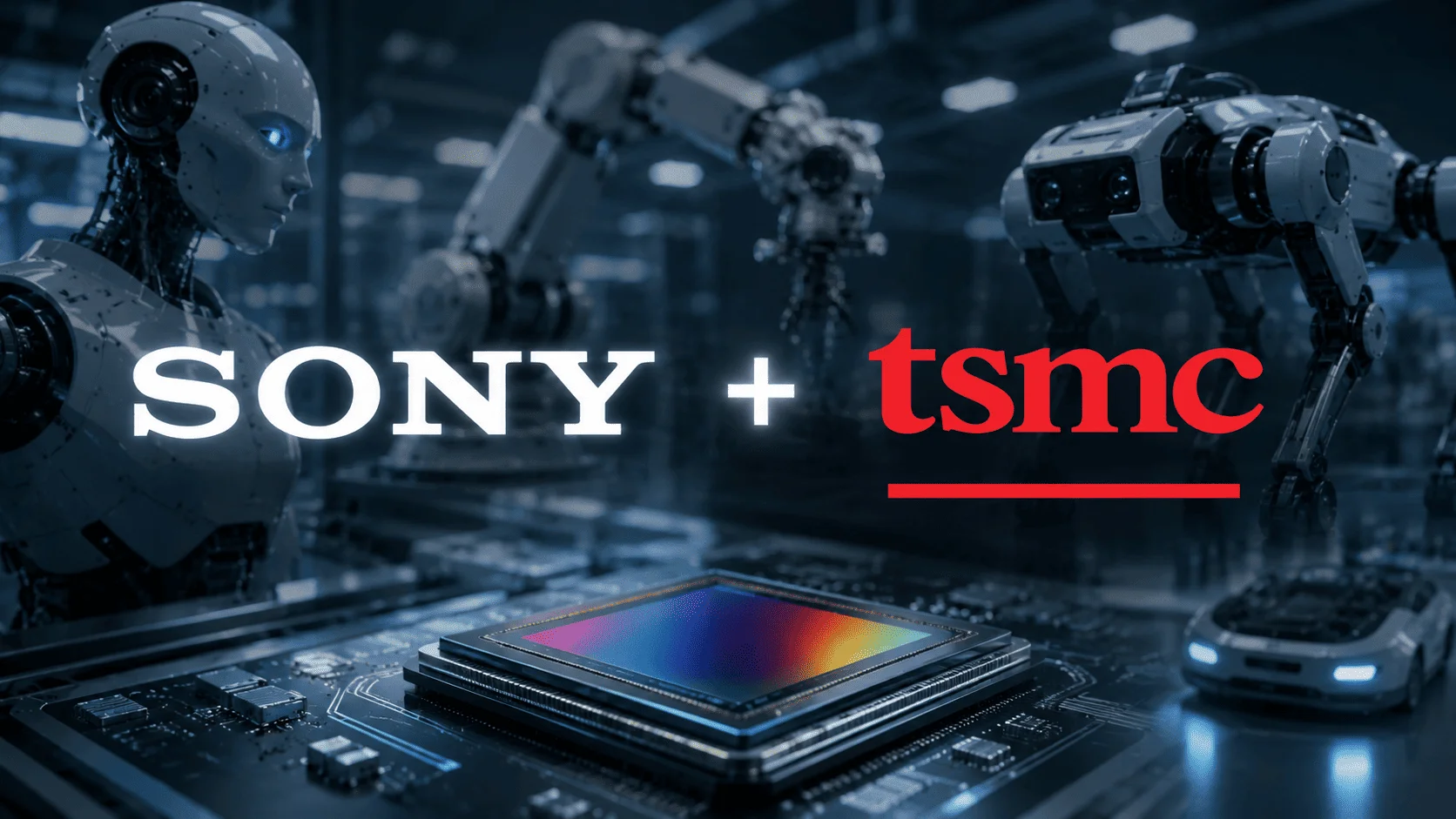
Sony Semiconductor Solutions and TSMC Plan Partnership to Develop Image Sensors for Physical AI
Sony Semiconductor Solutions and Taiwan Semiconductor Manufacturing Company (TSMC) have announced a strategic partnership aimed at developing and manufacturing next-generation image sensors. This collaboration, which was formalized through a non-binding memorandum of understanding, is set to explore future applications in sectors such as robotics, automotive systems, and physical AI. The partnership reflects both companies' commitment to advancing technology in these rapidly evolving fields.
AI AI Funding & Investment Robotics image sensors Japan Physical AI
How I taught myself to code, quit my consulting job, and started an AI robotics firm by age 25
Oscar Brisset, a 25-year-old entrepreneur, has transitioned from his role at Boston Consulting Group (BCG) to pursue a new venture in the tech industry. Utilizing his vacation days to acquire coding skills, Brisset has launched an AI robotics company that has gained backing from Y Combinator, a prominent startup accelerator. This strategic move reflects his commitment to innovation and the growing demand for advanced technology solutions. The decision to leave a stable position at BCG underscores his ambition to make a significant impact in the field of artificial intelligence and robotics.
Startups Careers Tech as-told-to contributor-2026 bcg
OpenAI’s New GPT-5.5 Powers Codex on NVIDIA Infrastructure — and NVIDIA Is Already Putting It to Work
OpenAI's Codex, an advanced AI coding application, is set to transform knowledge work by enhancing how developers process information, solve complex problems, and generate innovative ideas. This evolution in AI technology aims to streamline workflows and drive innovation across various sectors. With the capabilities of Codex, developers can expect significant improvements in efficiency and creativity, allowing them to tackle more intricate challenges and produce novel solutions. As the technology continues to evolve, it is anticipated that AI will play an increasingly vital role in shaping the future of work, particularly in fields that require high levels of cognitive engagement.

Import AI 453: Breaking AI agents; MirrorCode; and ten views on gradual disempowerment
Recent discussions among historians and anthropologists have raised intriguing questions about the significance of fire in early human societies. Scholars are exploring whether fire served as a transformative force, akin to a singularity, for our ancestors. This inquiry delves into the pivotal role that fire played in the development of human civilization, particularly during prehistoric times. The investigation highlights that the mastery of fire, which occurred approximately 1.5 million years ago, fundamentally altered the daily lives of early humans. It provided warmth, protection from predators, and a means to cook food, which in turn enhanced nutrition and social interactions. These advancements are believed to have contributed to the evolution of human cognitive abilities and social structures. The discussions are taking place in academic circles and conferences worldwide, where experts are examining archaeological evidence and anthropological studies. By understanding the impact of fire, researchers aim to uncover how this crucial discovery shaped human history and facilitated the transition from nomadic lifestyles to settled communities. The ongoing research underscores the importance of fire not just as a tool, but as a catalyst for change that propelled human advancement. As scholars continue to analyze the implications of fire on early human development, they emphasize its role in fostering cooperation, communication, and cultural evolution among our ancestors. This exploration not only sheds light on the past but also offers insights into the fundamental elements that define human progress.
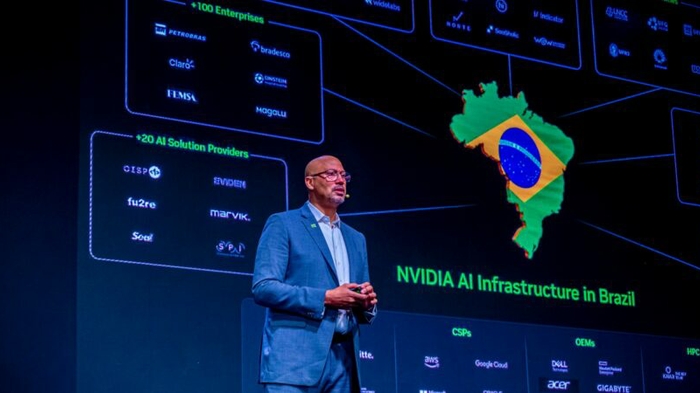
Code, Compute and Connection: Inside the Inaugural NVIDIA AI Day São Paulo
NVIDIA AI Days, a global event series aimed at uniting AI enthusiasts, developers, researchers, and startups, recently took place in São Paulo, Brazil. This tour highlights NVIDIA's commitment to fostering innovation and collaboration within the artificial intelligence community. The São Paulo event attracted a diverse audience eager to explore the latest advancements in AI technology and applications. Participants engaged in discussions, workshops, and networking opportunities, all designed to inspire and empower the next generation of AI professionals. By hosting events in various locations worldwide, NVIDIA aims to democratize access to AI knowledge and resources, encouraging a collaborative environment that drives the industry forward.

AI learns to decode the diseases written in your DNA
Researchers have unveiled a groundbreaking artificial intelligence system capable of predicting the diseases associated with specific genetic mutations, moving beyond merely assessing their harmfulness. This innovative technology, developed in late 2023, promises to significantly accelerate the diagnostic process for various genetic disorders. By accurately identifying potential health risks linked to genetic variations, the AI could pave the way for more personalized treatment strategies tailored to individual patients. The advancement is expected to enhance the efficiency of medical professionals in diagnosing conditions and developing targeted therapies, ultimately improving patient outcomes.
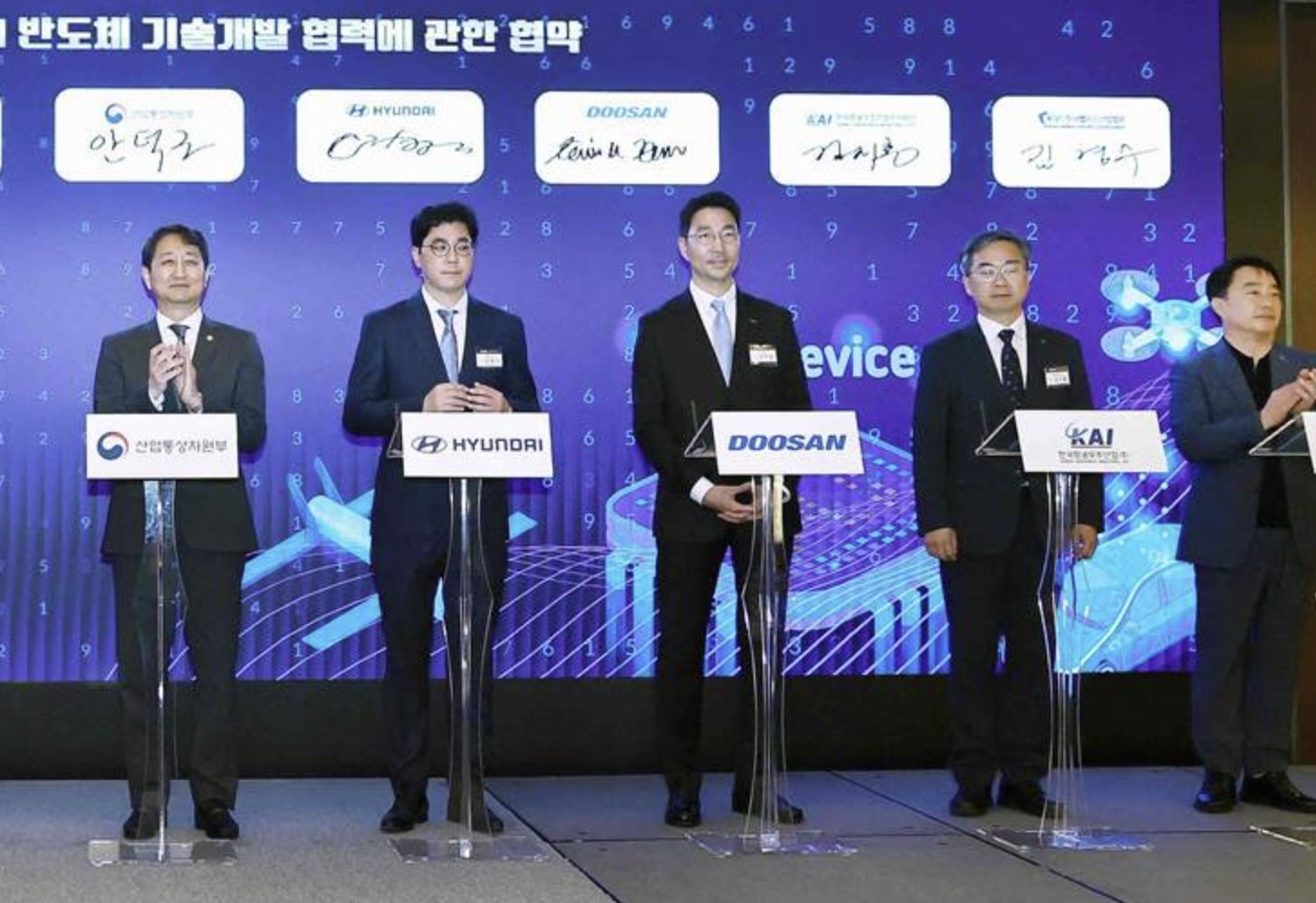
Doosan Robotics Signs MoU for 'K-On-Device AI Semiconductor Development Collaboration'
On May 20, Doosan Robotics announced a significant collaboration by signing a memorandum of understanding for the "K-On-Device AI Semiconductor Development Collaboration" during the AI Semiconductor Collaboration Forum at The Westin Chosun Hotel in Seoul. The event was attended by key stakeholders, including the Ministry of Trade, Industry and Energy, the Korea Evaluation Institute of Industrial Technology, and major companies such as LG Electronics and Hyundai Motor Company, alongside industry associations like the Korea Fabless Industry Association. This government-led initiative aims to establish a strong presence in the burgeoning Physical AI market, with planned projects valued at approximately KRW 1 trillion over the next five years. As the AI semiconductor landscape transitions from expensive, cloud-based systems to more efficient, on-device applications, the participating entities will engage in research and development to create AI semiconductors tailored for four key sectors: automotive, IoT and home appliances, machinery and robotics, and defense. Doosan Robotics, representing the machinery and robotics sector, has been involved in the project planning from the beginning and will collaborate closely with fabless companies throughout the entire development process. This includes joint development, validation of AI semiconductors and software, integration, and mass production, fostering a sustainable cycle of demand and supply while bolstering South Korea's AI semiconductor capabilities. A spokesperson from Doosan Robotics emphasized the increasing demand for power-efficient and intelligent AI semiconductors that can perform complex tasks in unpredictable environments, highlighting the company's commitment to enhancing its technological edge through this partnership.
Robotics needs a service framework.
RSF defines a common language for robot service capability, lifecycle operations, certification pathways, and service-provider networks.
Join the RobotToday community on LinkedIn
Daily robotics news, in-depth analysis, conference highlights, and discussions with professionals worldwide.