Industry Briefing
A single destination for timely, editor-curated robotics news from around the world.
Caution in AI Adoption: 88% of Companies Implement It, Yet Only 39% See Profits
In the past two years, the narrative surrounding AI has been that 'Tokens are the new oil.' Despite 88% of companies adopting AI, only 39% have reported variable profits, with 95% of projects failing to achieve sustainable production capabilities. This disparity highlights the challenges in translating AI investments into tangible business value. The findings from Gartner indicate that while 57% of enterprises have deployed AI agents, nearly 40% of these projects have failed due to security issues. Professor Sun Tianshu from Cheung Kong Graduate School of Business emphasizes the need to focus on the lower levels of the 'AI value inverted triangle'—energy, chips, and computing power—before expecting upper-level value creation through products and industry applications. Looking ahead, the industry consensus suggests that 2026 will mark a pivotal shift for AI from flashy demonstrations to practical implementations. As AI tools like DeepSeek gain traction in consumer decision-making, the trust in AI recommendations remains low at 21%. The transition requires innovative thinkers who can fundamentally redesign production methods rather than merely adding AI functionalities to existing processes.
AI Adoption Business Value Token Economy Enterprise Solutions
AI Adoption in Mid-Market Manufacturing Faces Significant Challenges
A recent report by Kaufman Rossin highlights the struggles of mid-market manufacturers in adopting AI technologies. While these companies are experimenting with AI, widespread deployment remains uncommon due to inadequate data infrastructure and legacy systems. Only 27% of manufacturing firms have a data warehouse, and 45% still rely on siloed data, making it difficult to leverage AI effectively. The urgency for digital transformation is increasing as manufacturers face pressure from customers to digitize and automate operations. However, many industrial companies lack the foundational data capabilities necessary for successful AI integration. The report reveals that 73% of manufacturing firms are still in the testing phase of AI implementation, with none operating AI as a core business function. Looking ahead, the challenge for mid-market manufacturers will be to overcome these barriers and build the necessary data infrastructure to support AI initiatives. As the demand for digital solutions continues to grow, companies must prioritize data governance and integration to fully realize the potential of AI technologies. No further timeline was disclosed at the time of publication.
Factory / Digital Transformation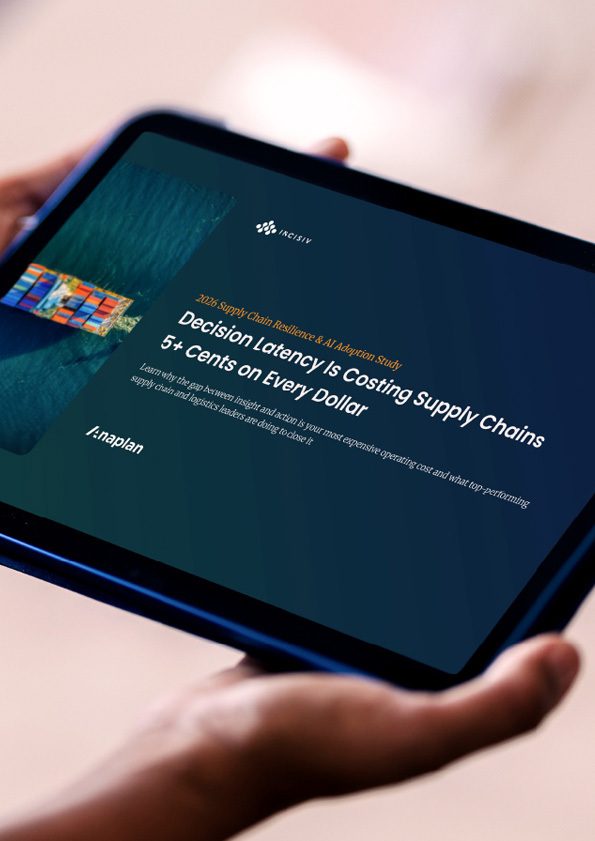
2026 Supply Chain Resilience & AI Adoption Study
A recent report by Incisiv, in collaboration with Anaplan, highlights the state of supply chain operations through a survey of industry leaders in North America and EMEA. Released in 2026, the report delves into strategic priorities, demand-supply responsiveness, technology and AI infrastructure, and financial outcomes. It reveals the significant financial burden of the "latency tax," which refers to the hidden costs associated with delayed decision-making in supply chains. The findings aim to provide insights on how businesses can recover lost margins and enhance their operational efficiency.
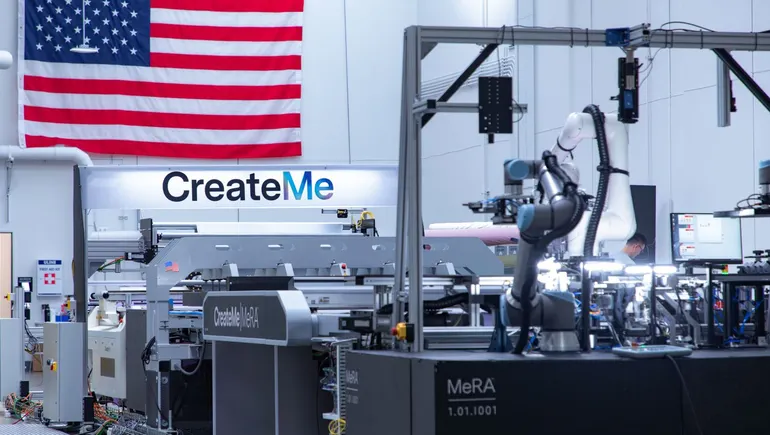
Physical AI is ready for wider adoption in some applications: CreateMe CEO
Cam Myers, the founder of an automated soft materials manufacturing company, has announced a breakthrough in technology that enables robots to perform limited tasks in textile production. This innovation leverages physical AI to transform traditional manufacturing processes. By integrating advanced robotics with smart materials, the company aims to enhance efficiency and redefine the way textiles are created. This development marks a significant step forward in the automation of the textile industry, promising to streamline operations and reduce labor costs. The technology is expected to be implemented in production facilities in the coming months, reflecting a growing trend towards automation in manufacturing sectors.
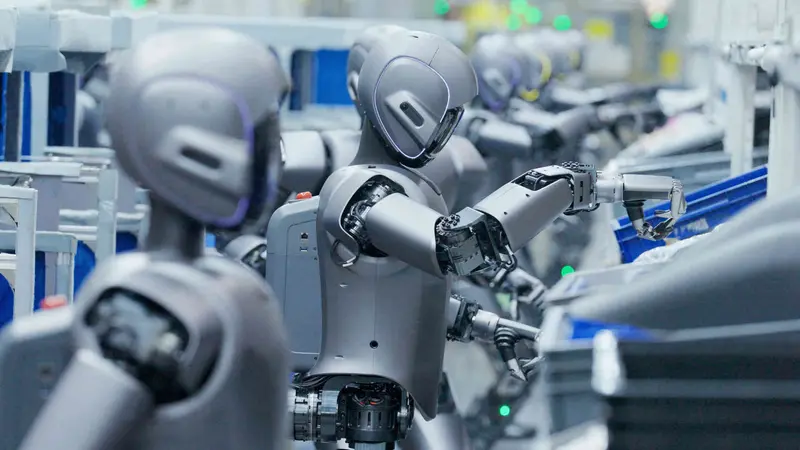
Humanoid Robots Approaching Cost Parity, Poised for Wider Adoption Within 5 Years, Bain Suggests
A recent analysis by Bain & Company indicates that humanoid robots are nearing cost parity with human labor, thanks to advancements in artificial intelligence, dexterity, and simplified training processes. This shift is occurring against a backdrop of labor shortages and the trend of reshoring, which is prompting companies to reconsider their workforce strategies. The report suggests that these developments could result in widespread adoption of humanoid robots across various industries within the next five years, fundamentally transforming the labor landscape.
Tesla Figure BYD galbot AGIBOT UBTECH Robotics
Teradyne Robotics and Analog Devices Enter Strategic Partnership to Accelerate the Adoption of AI and Advanced Robotics-Driven Collaborative Automation in Manufacturing
Teradyne Robotics, a division of Teradyne, Inc., has announced the launch of its latest advanced robotics solutions aimed at enhancing automation in various industries. This development, revealed during a press event in North Reading, Massachusetts, underscores the company's commitment to innovation in robotics technology. The new solutions are designed to improve efficiency and productivity for manufacturers facing increasing demands for automation. By leveraging cutting-edge technologies, Teradyne Robotics aims to address the challenges of labor shortages and rising operational costs that many businesses are currently experiencing. This initiative reflects the growing trend towards automation as companies seek to streamline operations and remain competitive in a rapidly evolving market.
Robotics needs a service framework.
RSF defines a common language for robot service capability, lifecycle operations, certification pathways, and service-provider networks.
Join the RobotToday community on LinkedIn
Daily robotics news, in-depth analysis, conference highlights, and discussions with professionals worldwide.