Industry Briefing
A single destination for timely, editor-curated robotics news from around the world.
Who Builds the Sky? How Regional Partnerships Are Creating the Infrastructure for Advanced Air Mobility
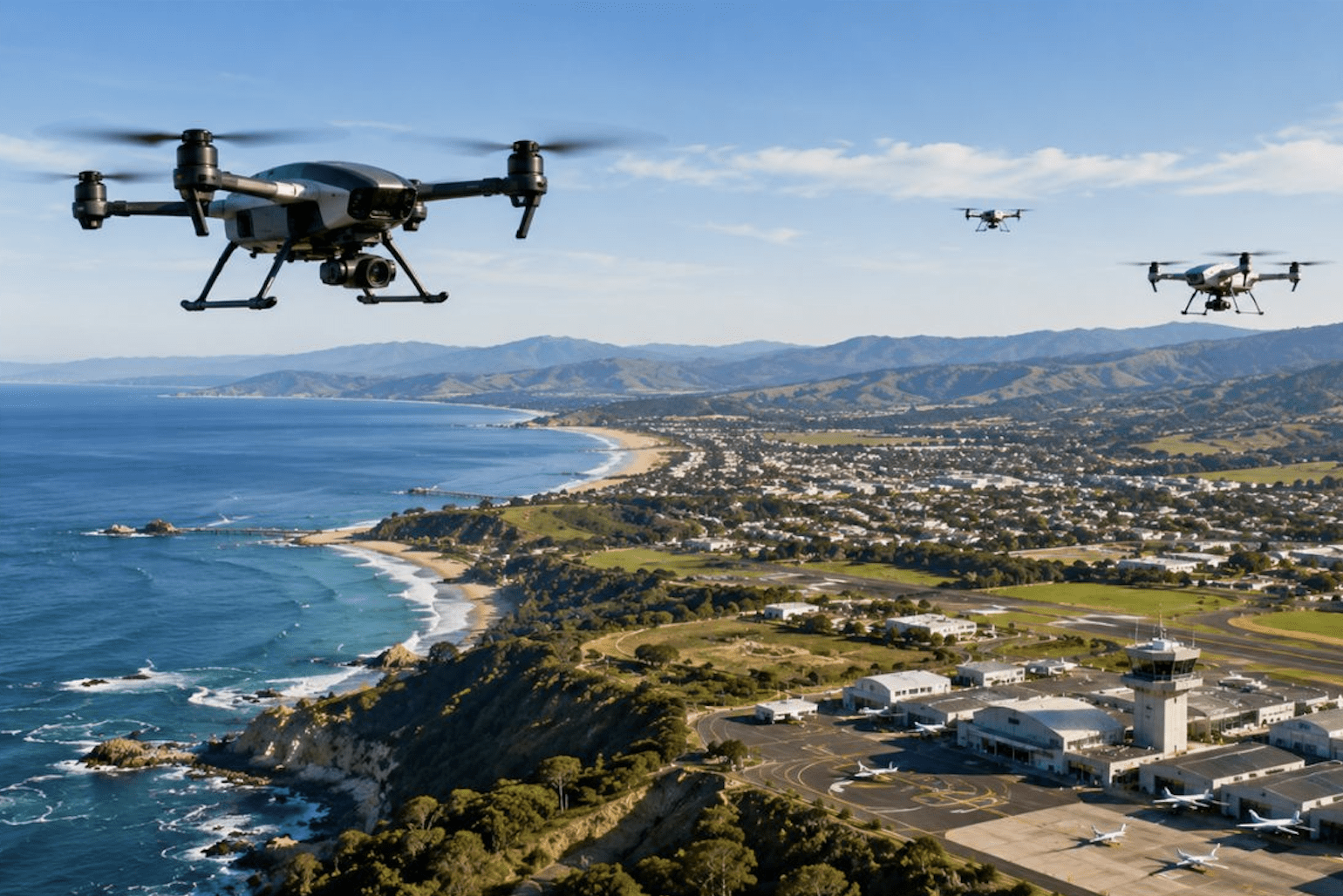
In a recent episode of the Drone Radio Show, Lavera Alexander, Chief Growth Officer of the Monterey Bay Economic Partnership (MBEP), emphasized the critical role of regional collaboration, airport infrastructure, and economic development in shaping the future of advanced air mobility. The discussion highlighted that while aircraft technology is essential, the success of this emerging industry relies heavily on the interconnected efforts of local stakeholders. Alexander's insights reflect a growing recognition that building a robust framework for advanced air mobility requires more than just technological advancements; it necessitates a comprehensive approach that integrates community resources and infrastructure planning. The episode serves as a call to action for regions to work together in fostering an environment conducive to the growth of this innovative sector.
Advanced Air Mobility Aerospace Applications Drone News Drone News Feeds News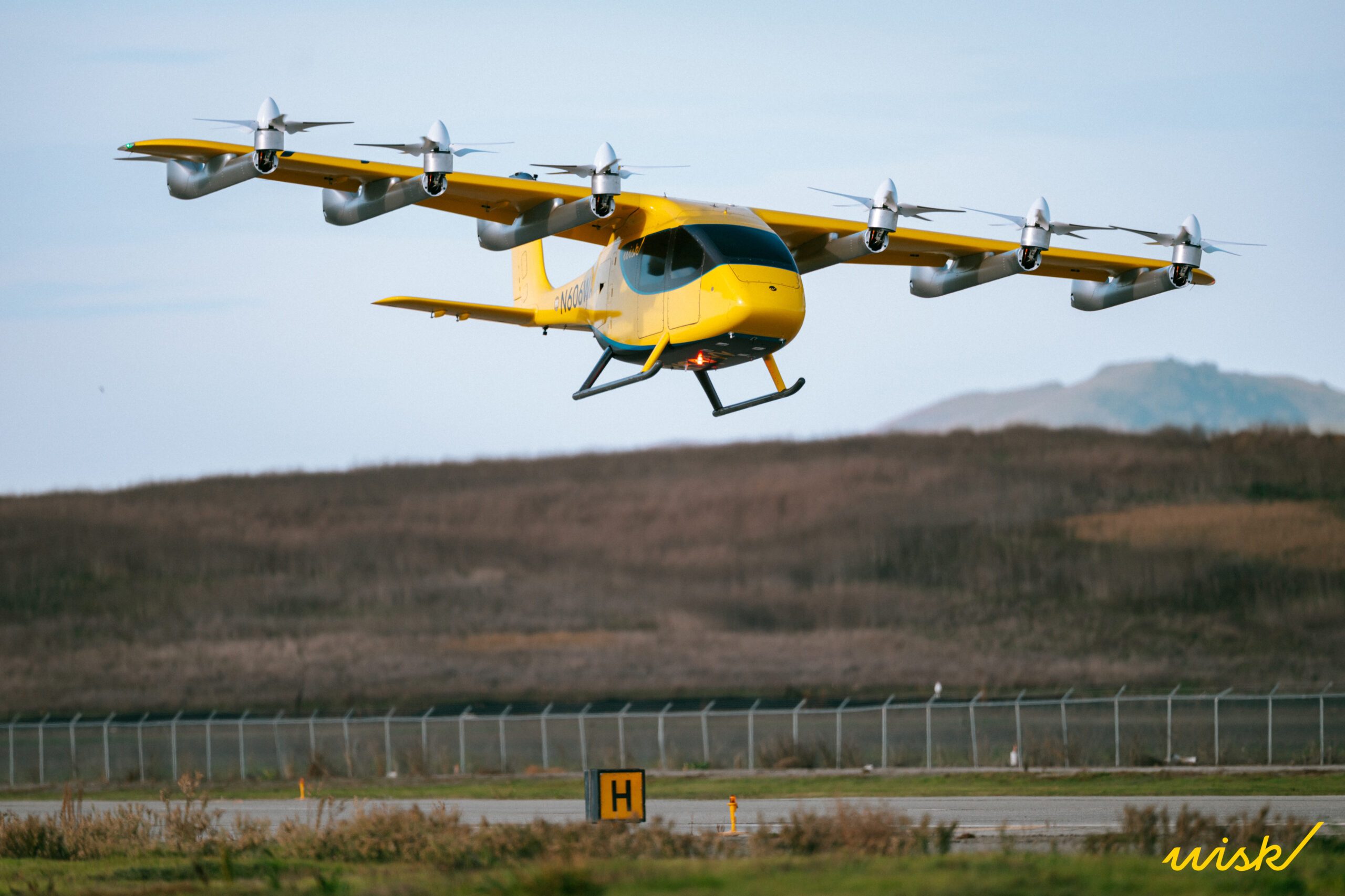
FAA Moves from Planning to Building for Advanced Air Mobility
The Federal Aviation Administration (FAA) has commenced construction on a new research facility aimed at advancing the integration of advanced air mobility (AAM) into the National Airspace System (NAS). This initiative, which began this week, marks a significant transition from policy development to operational readiness for next-generation vertical flight aircraft. The facility will focus on studying the safe operation of these aircraft alongside existing air traffic, reflecting the FAA's commitment to enhancing air transportation capabilities. This move is part of a broader strategy to ensure that emerging aviation technologies can be effectively and safely incorporated into the national airspace.
Air Taxi Applications Drone News Drone News Feeds eVTOL FAA
BlackBerry CEO Giamatteo Sees QNX Powering Growth
BlackBerry CEO John Giamatteo recently outlined the company's strategic shift towards becoming a leader in software and infrastructure, focusing primarily on its QNX operating system. During an interview with Bloomberg's Dani Burger and Alpine Saxon Woods Chief Market Strategist Sarah Hunt on "Bloomberg Open Interest," Giamatteo revealed that QNX now powers more than 275 million vehicles worldwide. He emphasized the system's expanding applications beyond automotive, noting its increasing use in robotics, medical devices, and industrial automation. This evolution reflects BlackBerry's commitment to diversifying its technology offerings and adapting to the growing demand for advanced software solutions across various industries.
NMS:NVDA TOR:BB
Great Robots, Failed Companies: The Business Foundations Automation Startups Skip
Building a successful automation company involves challenges that extend beyond technical capabilities, according to industry experts. While teams may excel at designing functional robots or reliable automated systems, the real hurdles often lie in establishing the necessary business infrastructure to support these technologies. This aspect of development is frequently overlooked, yet it is crucial for turning innovative ideas into viable commercial ventures. As the automation sector continues to grow, addressing these foundational business issues will be essential for companies aiming to thrive in a competitive market.
Automation Business Technology automation industry automation news automation startup
Why Does a Bank Need a Chief Scientist?
Prem Natarajan, formerly the head of Alexa AI at Amazon, has transitioned to the role of Chief Scientist at Capital One, a leading financial institution serving over 100 million customers. This move comes as the landscape of artificial intelligence (AI) research shifts from large tech companies to industry-specific applications, particularly in finance, where the challenges are more complex and require a nuanced understanding of customer needs and regulatory constraints. Capital One has long been recognized for its data-driven approach, having invested heavily in cloud technology to create a robust data ecosystem. This infrastructure supports innovative AI research aimed at solving real-world problems, such as real-time fraud detection and personalized customer interactions. Unlike many banks that view AI merely as a tool, Capital One is establishing a scientific community focused on developing impactful AI solutions. Natarajan emphasizes the importance of “destination-back thinking,” where the team envisions ideal customer experiences and works backward to identify necessary scientific advancements. This methodology, combined with a commitment to continuous learning and a unique cloud-first architecture, allows Capital One to tackle challenges that are often overlooked by traditional financial institutions. The bank's efforts have garnered recognition, with Capital One being ranked as a leader in AI talent and innovation, accounting for a significant portion of AI patents in the financial sector. Through partnerships with academic institutions and a focus on agentic AI systems, Capital One aims to enhance financial services for millions, positioning itself at the forefront of AI advancements in the industry.
Ai-research Agentic-ai Financial-services Tech-careers Type-sponsored Financial-technology
National Resilience Strategy Connects the Dots Behind U.S. Drone Policy
The White House has unveiled a new National Resilience Strategy that integrates commercial drones into its broader initiative aimed at bolstering U.S. manufacturing, infrastructure, and supply chain resilience. Although the strategy mentions the commercial drone industry only once, this reference highlights the Administration's perspective on the role of drones in enhancing national capabilities. The strategy reflects an effort to address vulnerabilities in the supply chain and improve overall resilience in response to various challenges. By recognizing the potential of commercial drones, the White House aims to leverage this technology to strengthen critical sectors of the economy.
Drone Manufacturing Drone News Drone News Feeds News Policy US Government
Beyond the Drone: Percepto’s New Platform Brings AI to Infrastructure Inspections
Percepto has unveiled its next-generation inspection software at the InnovateEnergy Week conference, which is currently taking place in The Woodlands, Texas. This new platform aims to enhance the capabilities of energy companies, particularly in the oil, gas, and electric utility sectors, by providing actionable data that is crucial for their operations. The launch reflects the industry's growing need for advanced technology to optimize infrastructure inspections and improve efficiency. By integrating artificial intelligence into their inspection processes, Percepto seeks to revolutionize how companies manage and analyze their energy resources, ultimately supporting their production goals.
Applications Drone News Drone News Feeds Drones in the News Energy infrastructure
Microsoft and Europol dismantle infrastructure of malware "StealC" and "Amadey," shutting down over 200 C2 servers.
Microsoft and Europol have announced the successful takedown of the information-stealing malware known as "StealC" and its loader, "Amadey." This operation was part of an international crackdown dubbed "Operation Endgame," during which Microsoft disabled over 200 command and control servers and identified approximately 18,000 compromised devices for protection. The malware is particularly concerning as it can serve as a gateway for ransomware attacks by stealing authentication credentials, prompting businesses to heighten their security measures.

Underwater robots that are always on call pave the way for pipeline and cable security
As economic activity in ocean spaces continues to rise, there is an increasing demand for regular monitoring and inspection of underwater infrastructure, including pipelines, cables, and installations. This need is driven by the growing complexity of global security concerns, which necessitate enhanced surveillance capabilities. Autonomous underwater vehicles (AUVs) are emerging as vital tools in this effort, offering advanced monitoring solutions that can operate in challenging environments. Furthermore, there is a pressing requirement for greater understanding of the seabed and oceanic regions to support sustainable development and security measures. As stakeholders seek to address these challenges, the integration of AUV technology is expected to play a pivotal role in ensuring the safety and integrity of underwater assets.
Robotics
Why Website Maintenance Starts With Hosting
The recent launch of a new website marked a moment of accomplishment for the development team, as all pages were operational and content was properly organized. However, shortly after going live, the team shifted focus to essential maintenance tasks. This included updating software, verifying SSL certificates, restoring pages affected by errors, and setting up new mailboxes. These ongoing efforts are crucial to ensure the website remains functional and secure for users. The team’s proactive approach highlights the importance of continuous support in maintaining an effective online presence.
Business Internet automation news backup and recovery cloud hosting domain management
Qualcomm vs. Nvidia and drones vs. dogs
Qualcomm has made significant strides in the semiconductor industry, unveiling its ambitious data center chip roadmap during its annual investor day in New York on June 25, 2026. CEO Cristiano Amon highlighted the company's new AI accelerator platform and innovative chip architecture known as high-bandwidth compute (HBC), which aims to enhance AI processing by reducing data travel distances and energy consumption. This announcement comes amid a busy day for the tech sector, where Nvidia's CEO Jensen Huang reaffirmed the long-term demand for AI infrastructure, and Micron reported strong earnings, alleviating investor concerns about a potential "AI bubble." Qualcomm's focus on the China market is particularly noteworthy, as the country accounted for 46% of its revenue in 2025. Amon indicated that the company is designing chips tailored for Chinese customers while adhering to U.S. export controls. This strategic move aims to leverage Qualcomm's existing relationships with Chinese smartphone manufacturers to expand its data center business. Meanwhile, Nvidia's AI chips have seen a dramatic price increase in China's black market, driven by strong demand and U.S. export restrictions. The price of Nvidia's flagship DGX B300 server has surged to over 8 million yuan ($1.1 million), reflecting the ongoing challenges in accessing these sought-after technologies. In a separate development, Australian farmers are increasingly turning to drones and AI technologies for livestock management, potentially replacing traditional herding dogs. This shift highlights the evolving landscape of agricultural practices as new generations of farmers adopt innovative solutions to enhance efficiency in managing livestock.

Jalapeño, OpenAI’s first custom chip, targets gigawatt-scale data center deployment
OpenAI has introduced its inaugural custom AI accelerator, named Jalapeño, signaling a significant advancement in the company's technological capabilities. This announcement was made recently as OpenAI aims to enhance its AI models' performance and efficiency. The development of Jalapeño is part of OpenAI's broader strategy to optimize its infrastructure and support the growing demand for more powerful artificial intelligence solutions. By designing a specialized accelerator, OpenAI seeks to improve processing speeds and reduce energy consumption, ultimately allowing for more complex computations and faster training times for AI models. This initiative underscores OpenAI's commitment to innovation and its efforts to maintain a competitive edge in the rapidly evolving field of artificial intelligence.
AI and Robotics
Sunrun Surges 26% on 16-Gigawatt Virtual Power Plant Deal With Tesla and Renew Home
Sunrun's stock surged by 26% to $16.17 on June 24, 2026, following the announcement of a significant partnership with Tesla and Renew Home to create a 16-gigawatt virtual power plant. This collaboration aims to address the increasing electricity demand from data centers and artificial intelligence workloads, which Goldman Sachs projects will reach 66 gigawatts by 2027. The partnership will leverage dispatchable capacity from home battery systems and smart devices, positioning Sunrun as a key player in the energy market without the need for new infrastructure. The initiative is particularly relevant in Virginia, where the partners already have over 300 megawatts ready for deployment, expected to grow to at least 500 megawatts by 2030. Sunrun CEO Mary Powell emphasized the urgency of modernizing the grid to meet contemporary energy needs, while Tesla's Colby Hastings highlighted the existing resources in American homes as part of the solution. Despite the positive market reaction, Sunrun's stock remains down 11% year-to-date, raising questions about the sustainability of this rally. Investors are advised to monitor the company's ability to secure firm contracts with hyperscalers and the execution of their capacity plans in the coming months, as these factors will be crucial for the company's future performance.
Utilities Prepare for BVLOS While Navigating the Post-DJI Transition
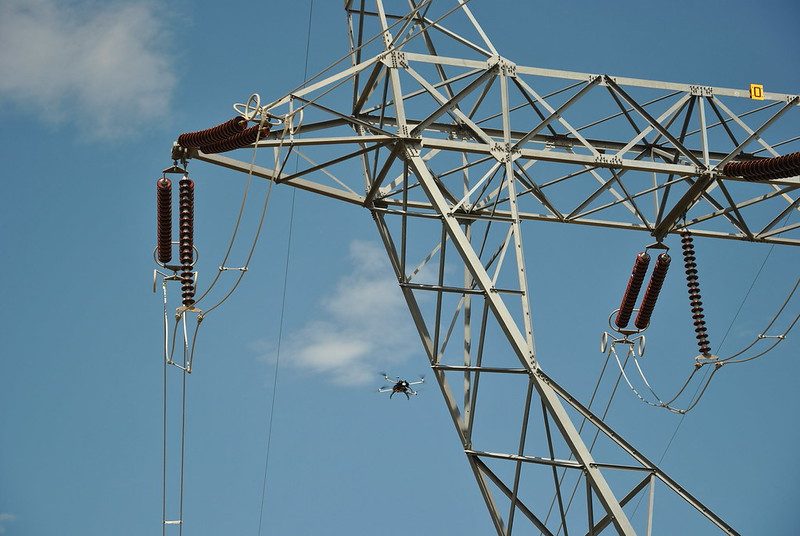
Electric utility companies, early adopters of drone technology, are currently navigating a complex landscape as they prepare for the anticipated implementation of new beyond visual line of sight (BVLOS) regulations. This transition comes amid evolving government pressures and the need to adapt to a post-DJI market environment. As these utilities seek to enhance their operational efficiency and safety through drone programs, they face both challenges and opportunities in integrating advanced aerial solutions into their infrastructure management strategies. The ongoing developments highlight the critical role of drones in modern utility operations and the necessity for companies to adapt to regulatory changes and technological advancements.
Applications BVLOS DJI Drone News Drone News Feeds Energy
NatPower and Tesla Strike 25 GWh European Battery Storage Deal
NatPower has entered into a multi-year agreement with Tesla to supply and deploy over 25 gigawatt-hours of battery energy storage systems in European markets, with initial projects set for Italy and the United Kingdom. Announced on June 23, 2026, the partnership will see Tesla provide its Megapack technology, along with engineering, procurement, construction services, and energy trading optimization via its Autobidder platform. The projects, which will be owned and operated by NatPower, aim to streamline project development, financing, construction, and energy trading, facilitating large-scale battery deployment. The first phase includes five projects and is part of a larger initiative targeting over 100 GWh of storage capacity. NatPower anticipates that the full program could yield between $4 billion and $5 billion in construction value and generate over $15 billion in revenue over two decades. This agreement underscores the increasing significance of large-scale energy storage in Europe, driven by rising electricity demand, renewable energy integration, and the growth of data centers. As Europe seeks to enhance grid reliability and meet decarbonization goals, substantial storage additions will be necessary in the coming years. Tesla has established itself as a leading supplier of utility-scale battery systems, while NatPower continues to expand its role in energy infrastructure development. The storage assets from this agreement will provide essential grid balancing services and support electricity-intensive customers, including industrial facilities and data centers. NatPower CEO Fabrizio Zago emphasized the shift towards large-scale execution, while Tesla Energy Vice President Mike Snyder highlighted the integration of Tesla's capabilities to expedite battery deployments across Europe.

Smart drones, safe skies: Student's system tests and coordinates drone fleets
Autonomous drones have the potential to revolutionize various industries by delivering packages, inspecting infrastructure, monitoring emergencies such as wildfires, and eventually transporting passengers. However, as of now, the airspace is not equipped with the necessary testing and coordination infrastructure to ensure the safe operation of drones in proximity to people, buildings, aircraft, and one another. This lack of infrastructure poses significant challenges to the widespread adoption of drone technology, hindering its ability to demonstrate safety and reliability in urban environments. As stakeholders in the aviation and technology sectors push for advancements, the need for a comprehensive framework to facilitate safe drone operations remains critical.
Robotics
FAA Modernizes Airspace Management as Demand Grows Across Aviation Sectors
The Federal Aviation Administration (FAA) has partnered with Air Space Intelligence (ASI) to enhance the management of the National Airspace System (NAS) amid increasing demand from airlines, cargo operators, and new aviation sectors. This modernization initiative, announced in June 2026, aims to address the complexities of airspace management as the aviation industry continues to evolve. By leveraging advanced technologies and data analytics, the FAA seeks to improve efficiency and safety within the NAS, ensuring it can accommodate the growing needs of various aviation stakeholders.
Drone News Drone News Feeds FAA News Selected - FAA and Regulations AAM
Why Financial Markets Are Becoming One of the Most Automated Industries on Earth
In today's industrial landscape, automation has become a defining characteristic of both manufacturing and trading environments. On factory floors, robotic arms and sensor networks are prominently featured, executing tasks with precision and efficiency without direct human intervention. Similarly, while modern trading desks may lack the visible machinery of a factory, they are equally influenced by automation technologies. These trading platforms utilize advanced algorithms and predictive analytics to streamline operations and enhance decision-making processes. This shift towards automation in both sectors reflects a broader trend driven by the need for increased efficiency and reduced operational costs. As businesses strive to remain competitive in a rapidly evolving market, the integration of sophisticated technologies is seen as essential. The adoption of these automated systems not only improves productivity but also enables firms to respond more swiftly to market changes and consumer demands. As companies continue to embrace automation, the implications for the workforce and the future of work are significant, prompting discussions about the balance between technological advancement and human employment. The ongoing evolution of automation in both manufacturing and trading underscores a pivotal moment in the way industries operate, signaling a future where technology plays an increasingly central role in business operations.
News ai in finance AI infrastructure algorithmic trading automated trading automation news
Peking University team develops new generation data acquisition device using EMG wristband, backed by Gong Hongjia, Lu Qi, and overseas
The SnowOrigin team, composed of researchers from Peking University, has secured investments from notable figures including Gong Hongjia and Lu Qi, as well as overseas institutions. This innovative team focuses on surface electromyography (sEMG) technology to develop a new generation of human control data collection solutions, utilizing wearable devices like neural wristbands and panoramic headsets, along with their proprietary Neural Math Hybrid (NMH) AI decoding model. As the fields of embodied intelligence and Physical AI rapidly evolve, there is an increasing demand for high-quality human control data. Current mainstream data collection methods, such as first-person video and motion capture, often fail to capture critical information about the intent and nuances of human actions. SnowOrigin's wearable devices aim to bridge this gap by integrating muscle and neural signal decoding technologies to create structured data that includes posture, force, and micro-control, thereby supporting the training of robots and world models. Founder Qin Xu emphasized that unlike traditional lab-based motion capture systems, their wearable solutions are cost-effective, lightweight, and suitable for long-term use without disrupting daily activities. The team is advancing two commercialization pathways: enhancing human-robot interaction for AI devices and building a foundational data infrastructure for Physical AI applications. With a strong academic background and a commitment to innovation, SnowOrigin is positioned to lead in the emerging market for embodied data collection, having already made significant strides in real-time decoding of sEMG signals into actionable insights. As the demand for comprehensive interaction data grows, the team is poised to capitalize on this shift in paradigm.

NVIDIA and AWS Collaborate to Bring AI to Production at Scale
NVIDIA has announced a collaboration with Amazon Web Services (AWS) aimed at enhancing the development of artificial intelligence systems. This partnership focuses on addressing the challenges of building AI at scale, which necessitates low-latency inference, rapid vector search capabilities, and effective GPU price-performance. The initiative is designed to provide infrastructure solutions that can expand without increasing operational complexity. This announcement comes as the demand for advanced AI technologies continues to rise, with organizations seeking efficient and scalable systems to leverage AI's potential. By combining NVIDIA's expertise in GPU technology with AWS's cloud services, the two companies aim to streamline the AI development process, making it more accessible for businesses looking to implement AI solutions.

Six battery storage projects bring 23 MW capacity and $90M savings to Massachusetts
Lightshift Energy has announced plans to expand its operations in Massachusetts by adding six new battery energy storage projects. This initiative aims to enhance the state's energy infrastructure and support the growing demand for renewable energy solutions. The projects are set to be developed over the coming months, with specific locations yet to be disclosed. The expansion is part of Lightshift Energy's broader strategy to contribute to the transition towards cleaner energy sources and to help stabilize the power grid. By incorporating advanced battery technology, the company seeks to improve energy storage capacity, allowing for better management of energy supply and demand. This move aligns with Massachusetts' commitment to increasing renewable energy usage and reducing carbon emissions.
Energy
SPH Engineering and Vets to Drones Partner to Expand Career Paths for Military Veterans
SPH Engineering has launched a new training initiative in collaboration with Vets to Drones, aimed at equipping military veterans with advanced flight planning skills essential for surveying, mapping, and inspection work in the commercial drone industry. This partnership responds to the growing demand for skilled drone operators capable of managing complex missions. By providing veterans with specialized training, the initiative seeks to expand their career opportunities in a rapidly evolving field. The program highlights the commitment of both organizations to support veterans in transitioning to civilian roles while addressing the industry's workforce needs.
Applications Drone News Drone News Feeds Drones in the News Mapping News
Can Tesla beat Nvidia? New trademark reveals ambitious ‘megapod’ infrastructure plan
Elon Musk is expanding his vision beyond electric vehicles and humanoid robots, aiming to revolutionize multiple industries through advanced technology. At a recent event, Musk outlined his ambitious plans for the future of transportation, artificial intelligence, and sustainable energy. He emphasized the importance of innovation in addressing global challenges, such as climate change and resource scarcity. Scheduled for implementation over the next few years, Musk's initiatives will take place primarily at Tesla's headquarters in California, where the company is ramping up research and development efforts. By integrating cutting-edge AI and robotics into everyday life, Musk hopes to enhance productivity and improve living standards. The motivation behind these projects stems from Musk's belief in creating a sustainable future and reducing humanity's reliance on fossil fuels. He envisions a world where technology not only serves as a means of transportation but also contributes to a cleaner and more efficient way of living. Through strategic partnerships and investments in new technologies, Musk plans to accelerate the development and deployment of these innovations, making them accessible to a broader audience. As he continues to push the boundaries of what is possible, Musk's endeavors are set to reshape the landscape of various sectors, ultimately aiming to create a more sustainable and technologically advanced society.
AI and Robotics
Interview with Digid’s Nils Könne and Christian Kreil: Nanoscale sensors could help solve robotics’ tactile sensing challenge
The swift advancement of artificial intelligence and robotics is drawing significant attention to software and powerful processors, particularly large language models. However, experts emphasize that for robots to function effectively in real-world settings, they require a fundamental capability: advanced environmental sensing and understanding. This necessity is driving increased interest and investment in cutting-edge sensing technologies, as researchers and developers seek to enhance robots' interaction with their surroundings. The push for these innovations is becoming more pronounced as industries recognize the potential of robots to perform complex tasks in various environments, highlighting the importance of integrating sophisticated sensory systems into robotic designs.
Features Science Sensors Technology AI infrastructure automation news
Interview with Paul Dawalibi: Can Ras Al Khaimah become the Silicon Valley of the Middle East?
In recent years, the focus of technology companies aiming to establish a foothold in the Middle East has shifted from the traditional hubs of Dubai and Abu Dhabi to emerging innovation centers. As competition for investment in artificial intelligence, robotics, and deep technology escalates globally, smaller cities are increasingly positioning themselves as viable alternatives. These agile hubs are actively working to attract tech firms by offering unique advantages and fostering an environment conducive to innovation. This shift reflects a broader trend in the region, where diverse locations are striving to enhance their appeal in the rapidly evolving tech landscape.
Business Economy Features Technology AI infrastructure artificial intelligence
Opinion: The AI infrastructure risk robotics leaders can’t afford to ignore
The robotics industry is experiencing a significant transformation, marked by advancements in autonomous mobile robots that are now navigating warehouses with enhanced precision and intelligence. As of October 2023, industrial robots are evolving to become smarter and more adaptable, while AI-powered vision systems are revolutionizing sectors such as manufacturing, logistics, and defense. This surge in technological capabilities is driven by the increasing demand for efficiency and automation across various industries, highlighting the critical role of innovation in shaping the future of robotics.
Aircraft Artificial Intelligence Engineering Features AI deployment AI infrastructure
Mantis Robotics Extends Potential of Physical AI with New Dual-Arm Fenceless Robot for Industrial and Retail Automation
Mantis Robotics has introduced its latest innovation, the MR-X dual-arm robot, at Automate 2026 in Chicago, showcasing advancements in physical AI for industrial and retail automation. This high-performance robot, capable of lifting up to 70 lbs and operating at speeds of 10.6 m/s, is designed to function without safety fences, allowing for flexible deployment in complex environments. The MR-X is inspired by human biomechanics, enabling it to perform demanding tasks that require both strength and dexterity. Its patented SafetyCore platform provides continuous awareness of its surroundings, allowing the robot to autonomously react to nearby humans without interrupting its operations. This feature eliminates the need for traditional safety infrastructure, enhancing efficiency while maintaining safety standards. Mantis Robotics aims to revolutionize automation with the MR-X, which builds on the success of its predecessor, the MR-1, known for its certified fenceless operation. CEO Gerry Vannuffelen emphasized that the MR-X is not just another humanoid robot, but a first-in-class dual-arm system that surpasses both collaborative robots and humanoids in speed and safety. Visitors to Booth 1261 in the South Hall at Automate 2026 can witness the MR-X's capabilities firsthand, interact with the MR-1, and explore the technology that enables rapid deployment without disruption. Mantis Robotics invites attendees to schedule personalized walkthroughs and learn about priority access for early customers.

Why Inzai City, Chiba Became a "Data Center Hub": A Miscalculation That Attracted Google and Microsoft 50 Years Ago
Inzai City, located approximately 40 kilometers northeast of central Tokyo in Chiba Prefecture, has emerged as a significant hub for major global IT companies. Originally developed as "Chiba New Town," this suburban area is now regarded as a "holy land" for the tech industry, attracting attention and investment from leading firms seeking to establish a presence in Japan. The transformation of Inzai reflects broader trends in the tech sector, where proximity to urban centers and access to infrastructure are increasingly valued.

NAIRR Science Program Reshapes Scientific Research, Powered by NVIDIA AI Infrastructure
The U.S. National Science Foundation’s National Artificial Intelligence Research Resource (NAIRR) pilot program has been instrumental in advancing innovative research over the past two years, supporting more than 700 projects across the country. These initiatives cover a wide range of topics, including protein prediction and infectious disease modeling. By providing essential resources and funding, the NAIRR program aims to enhance the capabilities of researchers and institutions in the field of artificial intelligence. This initiative not only fosters collaboration among scientists but also addresses pressing challenges in health and technology, showcasing the potential of AI to drive significant advancements in various sectors.

Eco Wave Power Turns Waves Into Watts With NVIDIA AI Infrastructure and Digital Twins
The future of artificial intelligence (AI) is poised to be shaped not just by computational power but significantly by energy resources. As AI technologies evolve, particularly in areas such as agentic AI, industrial AI, edge computing, and robotics, the demand for sustainable energy solutions will become increasingly critical. This shift highlights the importance of integrating energy efficiency into the development of AI systems, ensuring that as these technologies scale and become more prevalent, they do so in an environmentally responsible manner. The emphasis on energy will drive innovation and investment in renewable resources, ultimately influencing the trajectory of AI advancements.

Europe Unveils a Record 35 New NVIDIA AI Supercomputers
NVIDIA has unveiled plans for a groundbreaking initiative involving the development of 35 AI high-performance computing (HPC) supercomputers across Europe. This ambitious project aims to provide advanced infrastructure to over 3 million researchers, enhancing the continent's capabilities in artificial intelligence and accelerated computing. The announcement was made during the ISC High Performance 2026 event, highlighting NVIDIA's commitment to advancing AI technology and supporting research initiatives. By investing in this state-of-the-art infrastructure, NVIDIA seeks to empower researchers with the tools necessary to drive innovation and scientific discovery in various fields.

BABA Stock: The Physical AI Race Heats Up as Alibaba Releases New AI Models for Robots
Alibaba Group Holding Limited has intensified its efforts in the rapidly evolving artificial intelligence (AI) sector by launching the Qwen Robot Suite, a new collection of AI models designed for robotic applications. Announced on June 21, 2026, the suite aims to enhance robots' capabilities in understanding their environments, navigating complex spaces, and executing tasks based on natural language commands. Developed by Alibaba’s Tongyi Lab, these models are currently being tested with select customers of Alibaba Cloud, marking the company's strategic move into the burgeoning Physical AI market. This initiative comes as Alibaba seeks to establish itself as a significant player in the multi-trillion-dollar robotics industry amid increasing competition. Despite facing challenges in its stock performance, with shares down 44.8% from a 52-week high, Alibaba reported a 3% year-over-year revenue growth for the fiscal fourth quarter, driven by a 38% surge in Cloud Intelligence revenue. However, the company also experienced a sharp decline in profitability, with non-GAAP net income plummeting to $12 million from nearly $30 billion in the previous year. As Alibaba continues to invest heavily in AI infrastructure and cloud capabilities, the launch of the Qwen Robot Suite reflects its commitment to innovation in the face of market pressures and evolving consumer demands.

He made your free video player run smoothly. Now he’s doing that for robots.
French serial entrepreneur and open-source advocate Jean-Baptiste Kempf has unveiled his latest project, Kyber, an innovative infrastructure layer designed to enable real-time control of remote devices. This initiative aims to enhance the functionality and accessibility of various technologies, catering to a growing demand for seamless remote management solutions. Kempf, known for his contributions to the open-source community, is leveraging his expertise to address the challenges associated with remote device control, particularly in an increasingly digital world. The development of Kyber reflects a broader trend towards automation and connectivity, as more individuals and businesses seek efficient ways to manage their devices from afar.
Startups IoT Kyber open source software physical ai VLC
IEEE Rolls Out Large Language Models Virtual Training Course
Large language models (LLMs) have transitioned from research labs to everyday use in engineering, significantly altering how digital infrastructures are developed and maintained. As technical professionals increasingly rely on LLMs for complex tasks—such as identifying vulnerabilities in source code and converting fragmented discussions into detailed specifications—the demand for expertise in this technology is surging. According to MarketsandMarkets, the LLM technology market is projected to grow by approximately 33% annually through 2030. To effectively utilize LLMs, engineers must move beyond basic interactions and understand the underlying transformer architecture that enables these models to process vast datasets simultaneously. This knowledge is crucial to mitigate risks associated with inaccuracies, often referred to as "hallucinations," and to ensure reliable performance in coding and data handling. Key advancements include integrating LLMs with application programming interfaces (APIs) for direct database connections, addressing hallucination issues through retrieval-augmented generation (RAG), and prioritizing data security by establishing private model instances. Additionally, LLMs automate repetitive tasks, allowing engineers to focus on higher-level design and problem-solving. To bridge the growing knowledge gap, IEEE has launched an online program titled "Large Language Models Demystified," designed to equip technical professionals with a deeper understanding of LLMs. The curriculum covers the evolution of AI technology, transformer architectures, and practical model-building exercises. Participants will earn professional development credits and a digital badge upon completion, enhancing their credentials in this rapidly evolving field. Organizations interested in training their teams can consult with IEEE for tailored enrollment options.
Ai Type-ti Education Ieee-educational-activities Large-language-models Ieee-products-and-services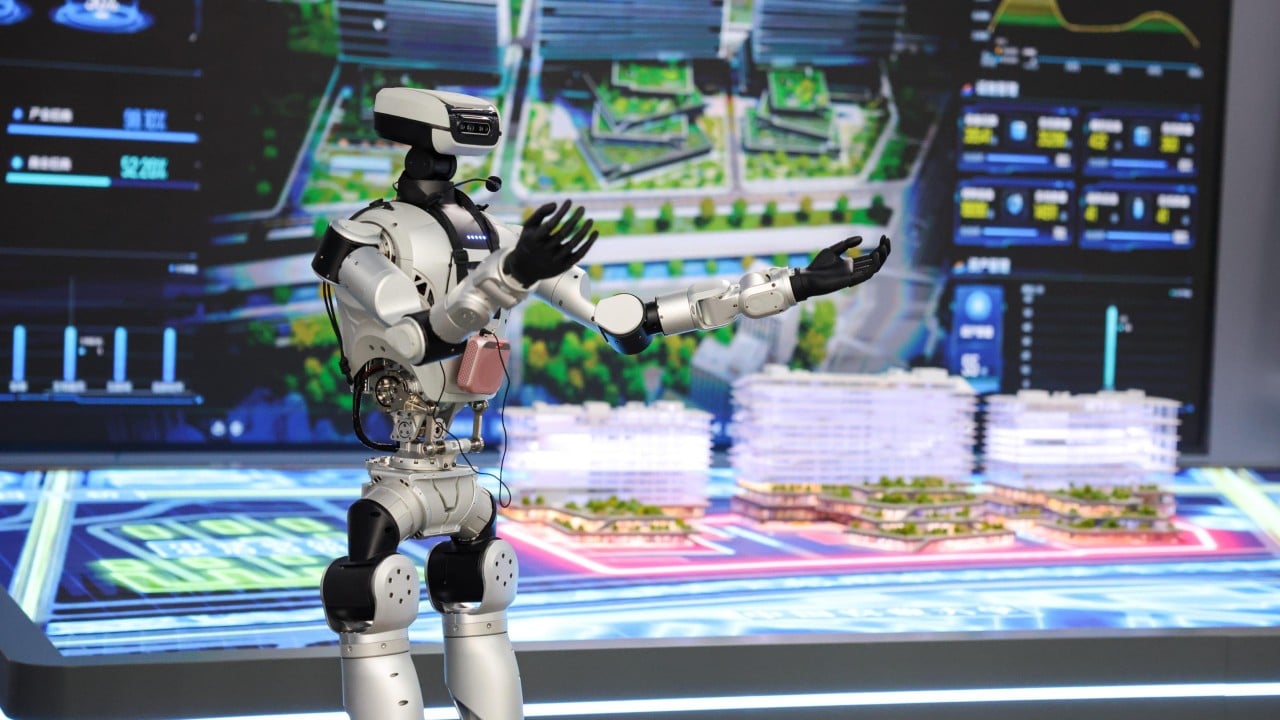
Rise of the robots: China releases plan aimed at increasing consumers’ AI options
Chinese authorities are set to enhance the integration of artificial intelligence (AI) into consumer markets, as outlined in a recent plan by the Ministry of Commerce alongside seven other ministries. This initiative, which includes 17 new measures, aims to stimulate consumption growth by incorporating AI into various sectors, including consumer goods, services, and retail. The strategy focuses on the development of smart products, the deployment of robots, and the establishment of supportive infrastructure and standards. By promoting the concept of "AI Plus Consumption," the government seeks to create innovative drivers for economic growth and improve the overall consumer experience.

NIO enhances smart driving education; Ren Shaoqing states innovation will reshape competition.
On June 18, NIO announced the rollout of its latest world model software across multiple vehicle platforms, including eight NT2.0 models, four NT2.5 models, and six NT3.0 models. This update allows NIO to run the same complex autonomous driving code on different generations of chips, addressing a common industry challenge where software updates were often limited to the latest hardware, leaving older vehicle owners at a disadvantage. The initiative stems from a long-term effort by NIO's team, led by Ren Shaoqing, who began exploring solutions in 2020. NIO developed an AI infrastructure that bridges gaps between different chip architectures, enhancing vehicle processing speeds with an AI compiler and automating deployment processes with AI agents. This innovation has significantly reduced deployment times from days to just a couple of hours. NIO's approach includes running the latest models in a "shadow mode" on production vehicles to gather valuable data without interfering with user driving. This data is used to train smarter models, creating a feedback loop that enhances the software's performance. The company has reported a substantial increase in its autonomous driving capabilities, attributing this to a shift in understanding the development cycle of physical AI. As the industry evolves, NIO has restructured its autonomous driving team to focus on foundational research and innovation, positioning itself to leverage advancements in large model technology and closed-loop reinforcement learning. The company aims to enhance its competitive edge by continuously improving its algorithms and data systems, ultimately striving for a more robust autonomous driving experience.

Why Reliable Backup Power is Becoming Essential for Modern Robotics Systems
Modern robotics systems are revolutionizing various industries by enhancing efficiency, accuracy, and productivity. Organizations across sectors, including manufacturing and logistics, are increasingly relying on automated systems to ensure seamless operations around the clock. As businesses seek reliable backup power solutions for their robotics infrastructure, Nite & Day Power emerges as a key resource, offering specialized information on uninterruptible power systems. This shift towards automation and the need for dependable power sources highlight the growing importance of technology in maintaining operational continuity in today's fast-paced industrial environment.
Energy Robotics Technology automation news backup power industrial automation
No driver, no operator: Inside redundant sensor infrastructure of a commercial robot bus
A significant initiative to expand the use of driverless shuttles beyond corporate campuses and testing sites is gaining momentum. This effort, which has been in progress for several years, aims to integrate autonomous vehicles into public transportation systems, thereby enhancing mobility options for urban residents. The push is particularly relevant as cities seek innovative solutions to address traffic congestion and reduce carbon emissions. Recent developments indicate that several municipalities are collaborating with technology companies to pilot driverless shuttle programs in urban environments. These trials are designed to assess the feasibility and safety of autonomous vehicles in real-world settings, with the goal of eventually implementing them as a regular mode of transport for the public. The motivation behind this initiative stems from the increasing demand for efficient and sustainable transportation solutions. By leveraging advancements in artificial intelligence and vehicle technology, proponents believe that driverless shuttles can provide a reliable alternative to traditional public transit, particularly in underserved areas. As cities prepare for these trials, stakeholders are focused on ensuring regulatory compliance and addressing public concerns regarding safety and privacy. The successful deployment of driverless shuttles could mark a transformative shift in urban mobility, paving the way for smarter, more sustainable cities.
Innovation
Large Portuguese building 3D printed in record 9 Days
Havelar, a Portuguese construction company specializing in 3D printing technology, has successfully completed a public building for the municipality of Matosinhos. The project involved the construction of a 500 square meter recycling center office located at the Ecocentro de Perafita in Porto. Remarkably, the building was printed in just nine days and completed within budget, utilizing a COBOD BOD2 construction 3D printer. This innovative approach not only showcases the efficiency of 3D printing in construction but also highlights the growing trend of sustainable building practices in the region.
Construction Features 3D printed buildings additive manufacturing automated construction automation news
Blackstone’s AirTrunk Seeks $3 Billion Loan for Sydney Project
AirTrunk Pty., a data center operator supported by Blackstone Inc., is currently negotiating with banks for a significant loan of A$4.3 billion (approximately $3 billion) to finance a new project in Australia. This move is part of the company's ongoing strategy to expand its operations across the Asia Pacific region, leveraging debt to fuel its growth. The discussions with financial institutions reflect AirTrunk's commitment to enhancing its infrastructure and capabilities in response to the increasing demand for data services in the region.
NYS:BX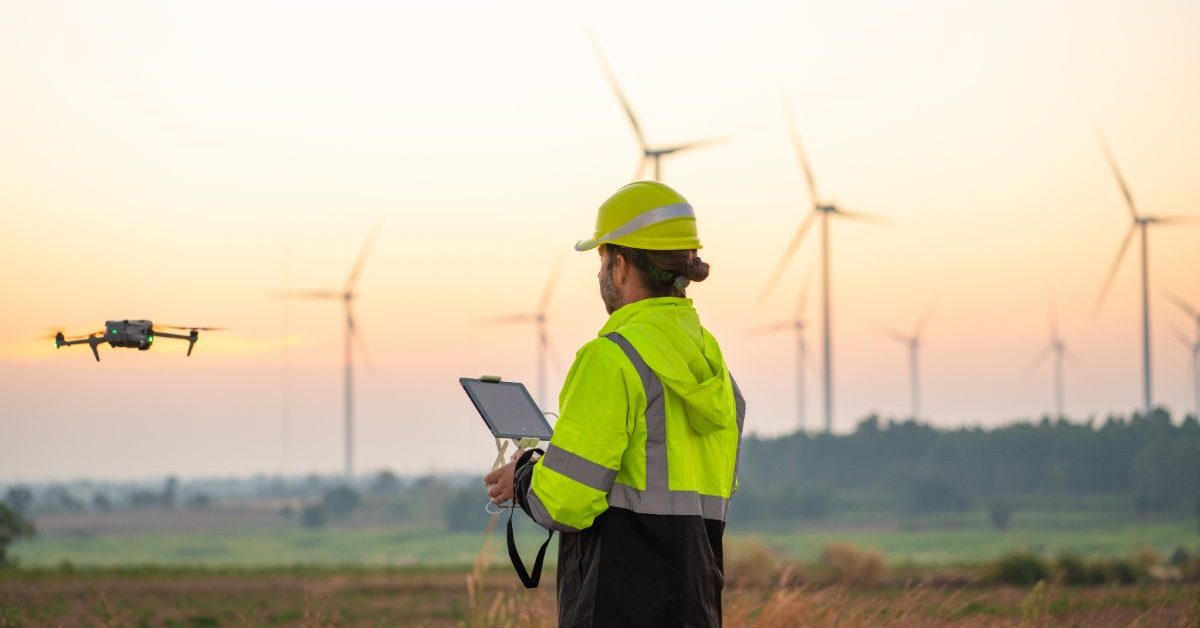
AirData crosses 120 utility customers as drone use surges
AirData UAV has achieved a notable milestone in the energy and utilities sector, with over 120 organizations globally now utilizing its drone fleet management platform. This development coincides with a rapid increase in drone adoption across critical infrastructure, as operators brace for a potential major regulatory shift in commercial drone operations, anticipated to be the most significant in a decade. The growing reliance on drone technology highlights its importance in enhancing operational efficiency and compliance within the industry.
News
Robotics Infrastructure Startup XDOF Emerges from Stealth with $70M in Funding
XDOF has officially launched after securing $70 million in funding to create infrastructure for robot foundation models. The company aims to develop essential datasets, robotic systems, and software tools that will enable robotics firms and research institutions to enhance the capabilities of physical AI systems. This significant investment comes from prominent venture capital firms, including Thrive Capital, Andreessen Horowitz, Spark Capital, Lux, and WnderCo. The funding will support XDOF's mission to advance the field of robotics and artificial intelligence, addressing the growing demand for more sophisticated and efficient robotic solutions.
AI AI Funding & Investment Robotics Amazon Andreessen Horowitz Carnegie Mellon
How FERC’s Large-Load Interconnection Actions Help Address Grid Stress, Improve Affordability
The Federal Energy Regulatory Commission (FERC) announced a significant decision today regarding large-load interconnections, which will notably affect the construction of AI factories and semiconductor fabrication facilities. This milestone aims to streamline the process for connecting these power-intensive operations to the grid, addressing the growing demand for energy as technology sectors expand. The decision comes at a crucial time when the U.S. is focusing on enhancing its infrastructure to support emerging industries. By simplifying the interconnection process, FERC seeks to facilitate the rapid development of these facilities, ultimately fostering innovation and economic growth in the technology sector.

What Operational Security Means Beyond Access Controls – Insights by Reindore Limited
In a recent analysis, Reindore Limited highlighted the common oversight in discussions surrounding platform security, emphasizing that the focus on access controls often overshadows other critical security elements. The company argues that while it is essential to manage who can log in and what information they can access, this narrow focus creates vulnerabilities in other areas of security. By addressing these blind spots, organizations can enhance their overall security posture and better protect sensitive data. The commentary serves as a timely reminder for businesses to adopt a more holistic approach to security, ensuring that all aspects are considered in their strategies.
Computing Infrastructure Software access controls AI security automation news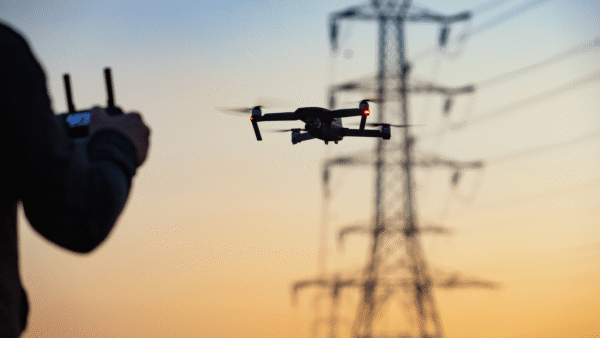
AirData Marks Energy and Utility Growth Milestone as BVLOS Rule Nears
AirData UAV, based in El Dorado Hills, California, has announced a significant milestone, surpassing 120 energy and utility customers globally. This achievement comes as the company prepares for the upcoming FAA Part 108 regulations, which are set to impact the drone industry. With over 63 million flights logged, AirData UAV is positioning itself as a leader in providing data solutions for these sectors. The expansion reflects the growing demand for drone technology in energy and utility operations, highlighting the company's commitment to innovation and compliance in a rapidly evolving regulatory landscape.
Drone News Drone News Feeds Energy infrastructure News utilities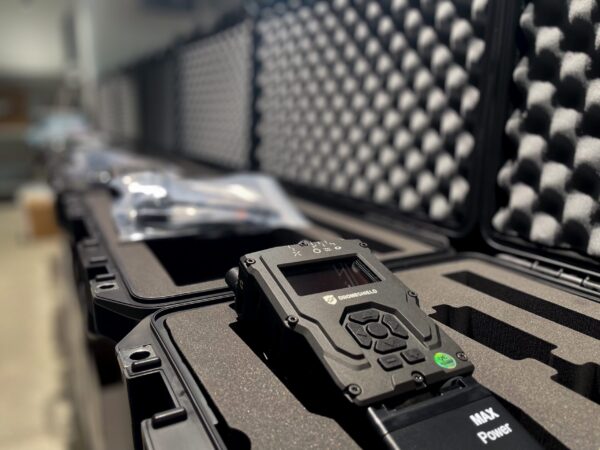
First DroneShield Products Roll Off Production Line in Europe
Western European nations are responding to increasing threats from drones operated by malicious actors by enhancing their domestic production of unmanned aerial vehicles (UAVs) and counter-drone technology. This initiative aims to streamline supply chains and bolster regional manufacturing capabilities. In a significant development, the first products from DroneShield’s production line in Europe have recently been completed, marking a step forward in the region's efforts to address these challenges. The move is part of a broader strategy to ensure that UAS manufacturing is localized, thereby improving security and reducing reliance on external suppliers.
Anti-drone technology Defense Drone News Drone News Feeds Europe Drone Industry European Union
Interview with Luo Jianlan: The true scaling law of robots occurs in real deployment loops.
In the past six months, the focus of the domestic embodied intelligence sector has shifted from hardware competition to the deeper challenges that define the intelligence limits of robots. Luo Jianlan, an associate professor at Shanghai Chuangzhi Academy and chief scientist at Zhiyuan Robotics, argues against the prevailing notion that robots can replicate large language models through sheer data accumulation. He emphasizes that the core issue in embodied intelligence is not about breakthroughs in isolated components but rather the ability to create a closed-loop system in real-world deployments. Luo, who has a background in both academia and industry, including roles at Google X and DeepMind, believes that many teams in the sector are not genuinely pre-training models but are instead engaged in mid-training or fine-tuning due to the scarcity of high-quality interaction data. He asserts that true embodied intelligence requires a scalable closed-loop system, where deployment leads to data collection, which in turn enhances model capabilities. His current focus includes developing scalable online post-training infrastructure, enabling robots to learn continuously in real-world environments, and creating a world model that predicts the consequences of actions rather than merely generating video. Luo suggests that the future of embodied intelligence hinges on successfully integrating these elements into a cohesive system, with significant advancements expected in the next 12 to 18 months. He believes that the first team to effectively implement a "deployment-data-iteration" cycle in semi-structured environments like convenience stores will gain a substantial competitive edge.

Canadian pension giant joins race to fund India’s AI-fueled data center boom
Canada's largest pension fund is set to acquire an 8.2% stake in CtrlS, a prominent technology company that manages over 15 data centers throughout India. This strategic investment underscores the pension fund's commitment to expanding its portfolio in the technology sector, particularly in the rapidly growing data center market in India. The acquisition is expected to enhance CtrlS's capabilities and support its expansion plans, reflecting the increasing demand for data services in the region. The deal is anticipated to be finalized in the coming months, marking a significant step for both the Canadian pension fund and CtrlS as they navigate the evolving landscape of technology infrastructure.
AI Enterprise Canada Pension Plan Investment Board CPP Investments CtrlS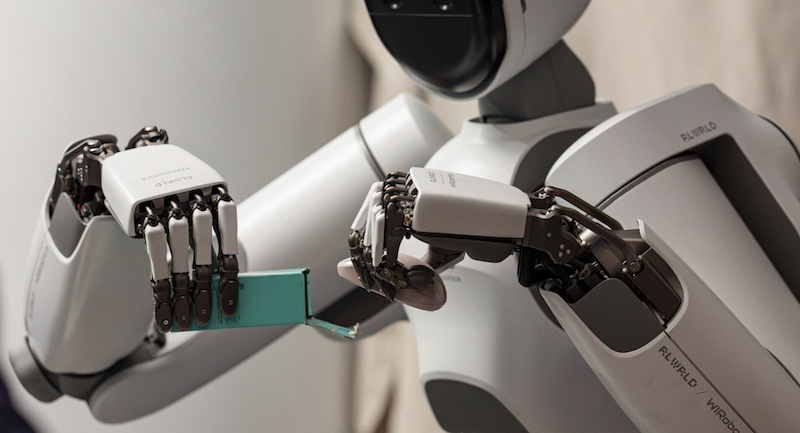
RLWRLD named World Economic Forum Technology Pioneer for advancing physical AI infrastructure
RLWRLD, a company specializing in physical artificial intelligence, has been recognized as a World Economic Forum Technology Pioneer for 2026 due to its development of the Robotics Foundation Model RLDX-1. This prestigious designation is awarded annually to 100 innovative technology firms that are expected to create significant, transformative impacts on industries and society at large. The World Economic Forum's analysis highlights RLWRLD's potential to lead advancements in technology, underscoring the company's role in shaping the future of robotics and AI.
Artificial Intelligence News Technology AI infrastructure artificial intelligence automation news
Microsoft highlights key points for executives as AI moves from experimentation to proven results.
At the recent Build 2026 conference, Microsoft outlined key strategies for transitioning enterprise AI from trial phases to full-scale implementation. The company emphasized the importance of understanding proprietary data, establishing robust infrastructure, and generating tangible results. Microsoft presented several initiatives, including Microsoft IQ, Microsoft Agent Platform, Microsoft Foundry, and Microsoft Discovery, aimed at enhancing AI capabilities. Additionally, the tech giant highlighted the utilization of GPU infrastructure to support these advancements, targeting executive leadership to drive adoption and integration within their organizations.
Robotics needs a service framework.
RSF defines a common language for robot service capability, lifecycle operations, certification pathways, and service-provider networks.