Industry Briefing
A single destination for timely, editor-curated robotics news from around the world.

Time-of-Flight as a key technology for cost-sensitive 3D applications
Patrick Schick, the Product Manager for 3D Vision at IDS, recently provided insights into the development and technical considerations surrounding Nion, a cutting-edge technology in the field of 3D imaging. In his discussion, Schick contextualized the innovative iToF (indirect Time of Flight) technology, emphasizing its significance in enhancing depth perception and spatial awareness in various applications. He outlined typical use cases for Nion, showcasing its potential across industries such as robotics, automation, and augmented reality. Schick's commentary sheds light on the strategic decisions that guided the creation of Nion, illustrating how advancements in 3D vision technology can drive efficiency and innovation in multiple sectors.
Automate 2026: Orbbec Brings AI-Powered Vision Solutions to Address Industrial Automation Challenges
Orbbec, a prominent player in robotics and 3D vision technology, is presenting its innovative 3D vision products and solutions aimed at enhancing industrial automation during the Automate 2026 event. The exhibition is taking place at Booth 14045 in the North Building. This showcase highlights Orbbec's commitment to advancing automation processes in various industries, reflecting the growing demand for efficient and intelligent manufacturing solutions. By leveraging cutting-edge technology, Orbbec aims to demonstrate how its products can streamline operations and improve productivity in the industrial sector.

Denso Wave to Showcase Factory Robots and 3D Vision AI at ROBOT TECHNOLOGY JAPAN 2026
Denso Wave will participate in the upcoming "ROBOT TECHNOLOGY JAPAN 2026," scheduled to take place from June 11 to June 13, 2026, at the Aichi Sky Expo in Aichi Prefecture. This event aims to showcase advancements in robotics technology, reflecting the growing interest and innovation in the field. Denso Wave's involvement highlights its commitment to contributing to the development and promotion of robotics solutions.
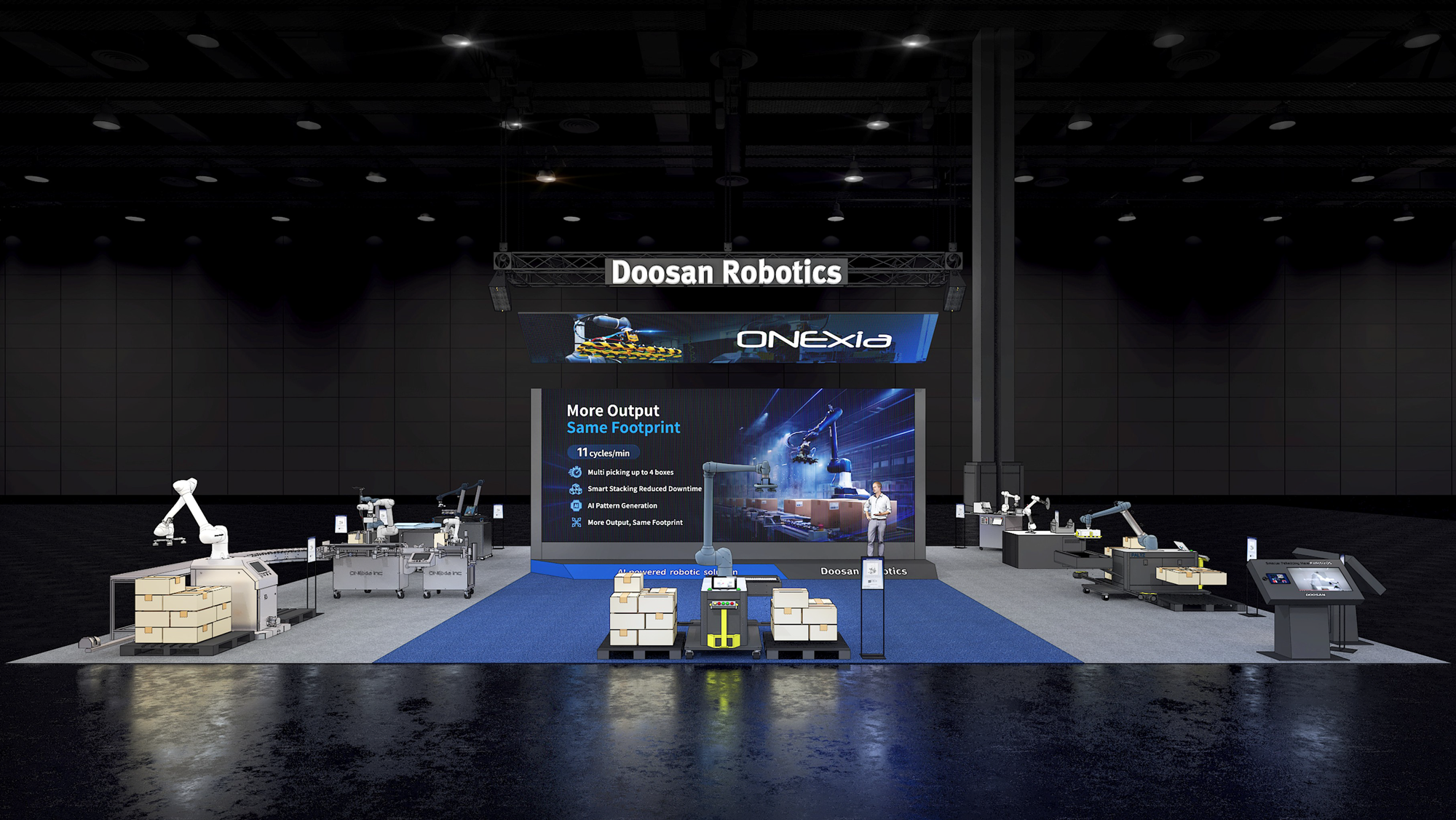
Doosan Robotics Unveils AI Palletizing Solution PalletizHD+ at Automate 2026
Doosan Robotics has unveiled its latest innovation, PalletizHD+, an AI-driven palletizing solution set to debut at Automate 2026, North America's premier automation exhibition, taking place from June 22 to 25 at McCormick Place in Chicago. This new technology aims to simplify the traditionally complex process of palletizing automation by integrating the robot, AI, and application controls into a single platform through Doosan's proprietary PalletizOS. PalletizHD+ boasts impressive capabilities, processing up to 11 boxes per minute and managing multiple boxes simultaneously, thanks to its SwiftMove technology, which optimizes robot motion for enhanced speed and stability. This advancement not only increases throughput but also shortens the payback period for automation investments. The solution features an intuitive interface that allows users to input box dimensions and pallet conditions, enabling the AI to automatically generate optimized stacking patterns, facilitating quicker adjustments for varying product types and packaging formats. Additionally, the system includes remote support features to streamline operational efficiency by allowing users to monitor system status and troubleshoot issues swiftly. At the Automate 2026 event, Doosan Robotics will also showcase Scan&Go 2.0, an upgraded solution that empowers robotic arms to autonomously execute complex tasks using advanced AI and 3D vision technology. CEO Kevin Kim emphasized the company's commitment to expanding its portfolio of AI-powered robotic solutions, aiming to enhance productivity and operational efficiency across various industrial applications.

RS Aqua and UVision Partner to Deliver Underwater 3D Imaging Technology to the Ocean Science Industry of the UK & Ireland
RS Aqua, a specialist in ocean technology, has formed a new partnership with Copenhagen-based technology firm UVision. This collaboration aims to leverage both companies' expertise to advance innovations in marine technology. The announcement was made today, signaling a strategic move to enhance product offerings and expand market reach. By combining RS Aqua's experience in oceanic solutions with UVision's cutting-edge technology, the partnership seeks to address growing demands in the marine sector, particularly in areas such as environmental monitoring and data collection. This alliance is expected to facilitate the development of new technologies that will benefit various stakeholders in the marine industry.
rs aqua uvision partnership underwater 3d imaging technology
XINMING Unveils R216g 3D Vision AI Module at Shanghai Conference
At the 2026 Zhangjiang Embodied Intelligence Developer Conference, XINMING unveiled its latest innovation, the R216g 3D Vision AI module. This cutting-edge technology is specifically designed for humanoid robots and collaborative arms, boasting advanced spatial perception capabilities that ensure high precision in complex environments. The introduction of the R216g aims to significantly improve the efficiency and reliability of physical AI applications across a range of industries, reflecting XINMING's commitment to advancing robotics and artificial intelligence.
3D Vision AI Humanoid Robots Collaborative Robotics Spatial Intelligence Industrial Automation
Voyis Launches VSLAM 1.3 for Improved 3D Visualization in Subsea Inspections
Voyis, a prominent player in underwater optical systems, has partnered with EIVA to unveil the latest version of Voyis VSLAM powered by EIVA NaviSuite, now at version 1.3. This significant update enhances real-time subsea mapping capabilities, offering users an innovative 3D visualization experience through advanced voxel-based rendering and stereo vision technologies. The release aims to improve the efficiency and accuracy of underwater exploration and mapping, catering to industries reliant on precise subsea data. This development reflects the ongoing commitment of both companies to push the boundaries of underwater technology and provide cutting-edge solutions for their clients.
voyis vslam 1.3 augmented 3d visualization enhanced subsea inspection
ORBBEC Expands Beyond Robot Vision Into Physical AI and 3D Printing
ORBBEC, a leading company in 3D vision perception, is broadening its horizons beyond its traditional focus on robot vision. The firm is strategically venturing into several high-growth sectors, including healthcare, smart retail, and autonomous driving. This expansion comes as part of ORBBEC's initiative to leverage its advanced technology and expertise to meet the increasing demand for innovative solutions in these emerging markets. The company aims to enhance its product offerings and capture new opportunities, positioning itself as a key player in the rapidly evolving landscape of 3D vision applications. As ORBBEC continues to innovate and diversify, it seeks to establish a strong foothold in these sectors, which are expected to see significant growth in the coming years.
Robotics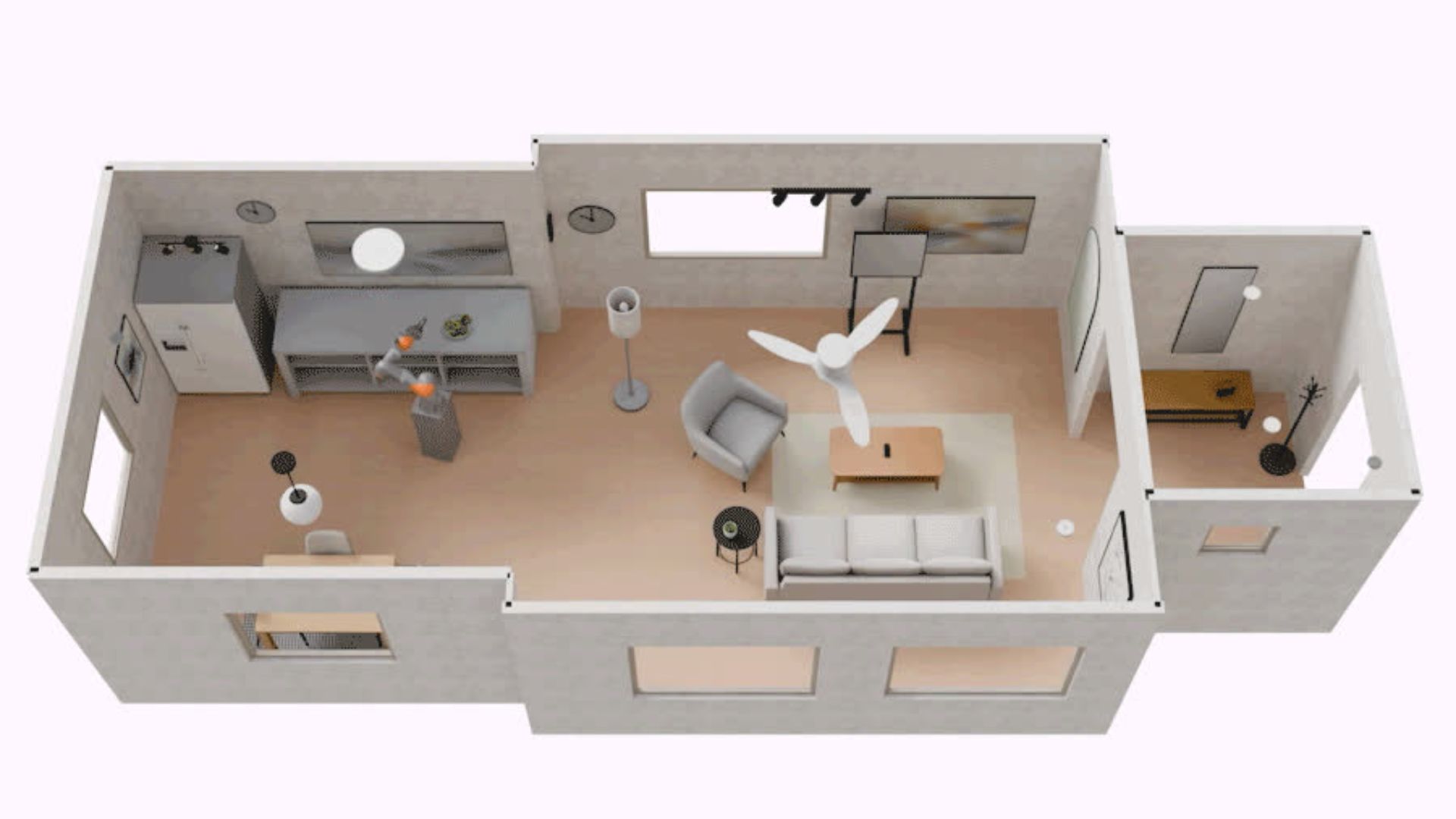
MIT Develops SceneSmith: AI System for Creating Realistic 3D Training Environments for Robots
Researchers at MIT have developed SceneSmith, an AI-powered platform that generates realistic 3D indoor environments for robot training. This innovative system utilizes three collaborative AI agents to create detailed virtual spaces, enabling robots to practice everyday tasks safely and efficiently before real-world deployment. The significance of SceneSmith lies in its ability to reduce the costs and time associated with traditional robot training methods. By providing a virtual setting that mimics real-life environments such as kitchens and offices, robots can learn to interact with various objects without the need for extensive human supervision or physical trials. Looking ahead, SceneSmith has already generated over 1,300 virtual environments, allowing robots to practice tasks like placing fruit on plates and opening cabinets. Researchers have tested robot control programs in 100 different environments, achieving over 99 percent agreement between AI evaluations and human reviewers. No further timeline was disclosed at the time of publication.
AI and Robotics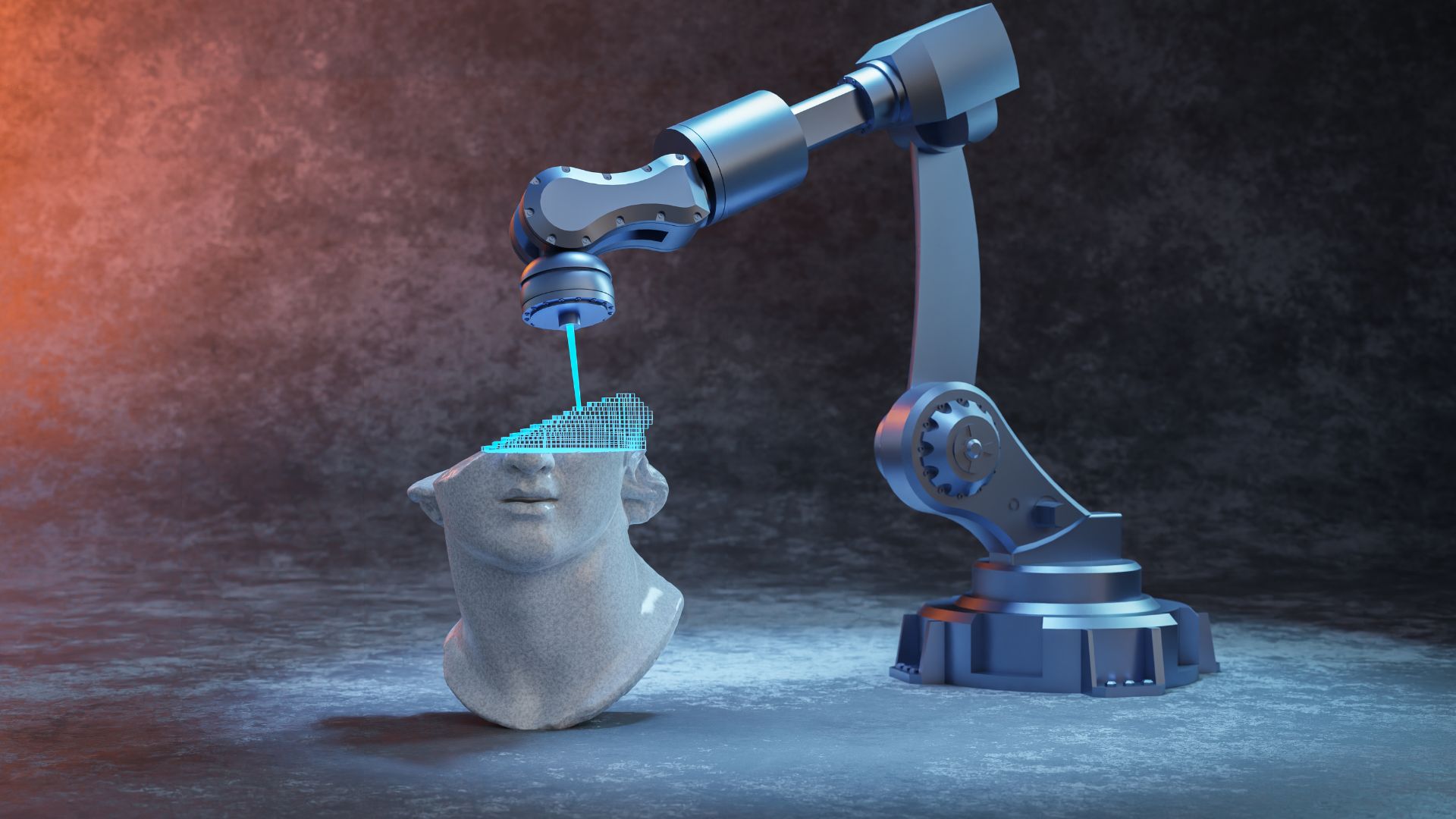
University of Utah Develops Fast Holographic 3D Printing for Seamless Microstructures
Researchers at the University of Utah have introduced a novel 3D printing technique that creates solid microstructures in approximately 20 seconds using a single laser exposure. This method eliminates the weak seams typical of traditional layer-by-layer printing, enhancing the strength and reliability of microscale devices. The innovative process employs a nanoscale mask to reshape laser light into a holographic pattern, allowing for the simultaneous hardening of the printing material, which significantly reduces manufacturing time compared to existing laser-based techniques. The significance of this development lies in its potential applications in microfluidic devices and advanced manufacturing. By curing entire structures in one exposure, the new method addresses the common issue of microscopic seams that can compromise the integrity of printed parts. The researchers demonstrated the ability to produce multiple parts continuously, akin to a conveyor-belt process, which could revolutionize the production of complex microscale components. Looking ahead, the research team aims to extend this technology to achieve true three-dimensional printing while maintaining the speed and accuracy of the current method. No further timeline was disclosed at the time of publication, but the implications for industries requiring precise microscale channels are substantial, suggesting a promising future for this innovative approach.
Innovation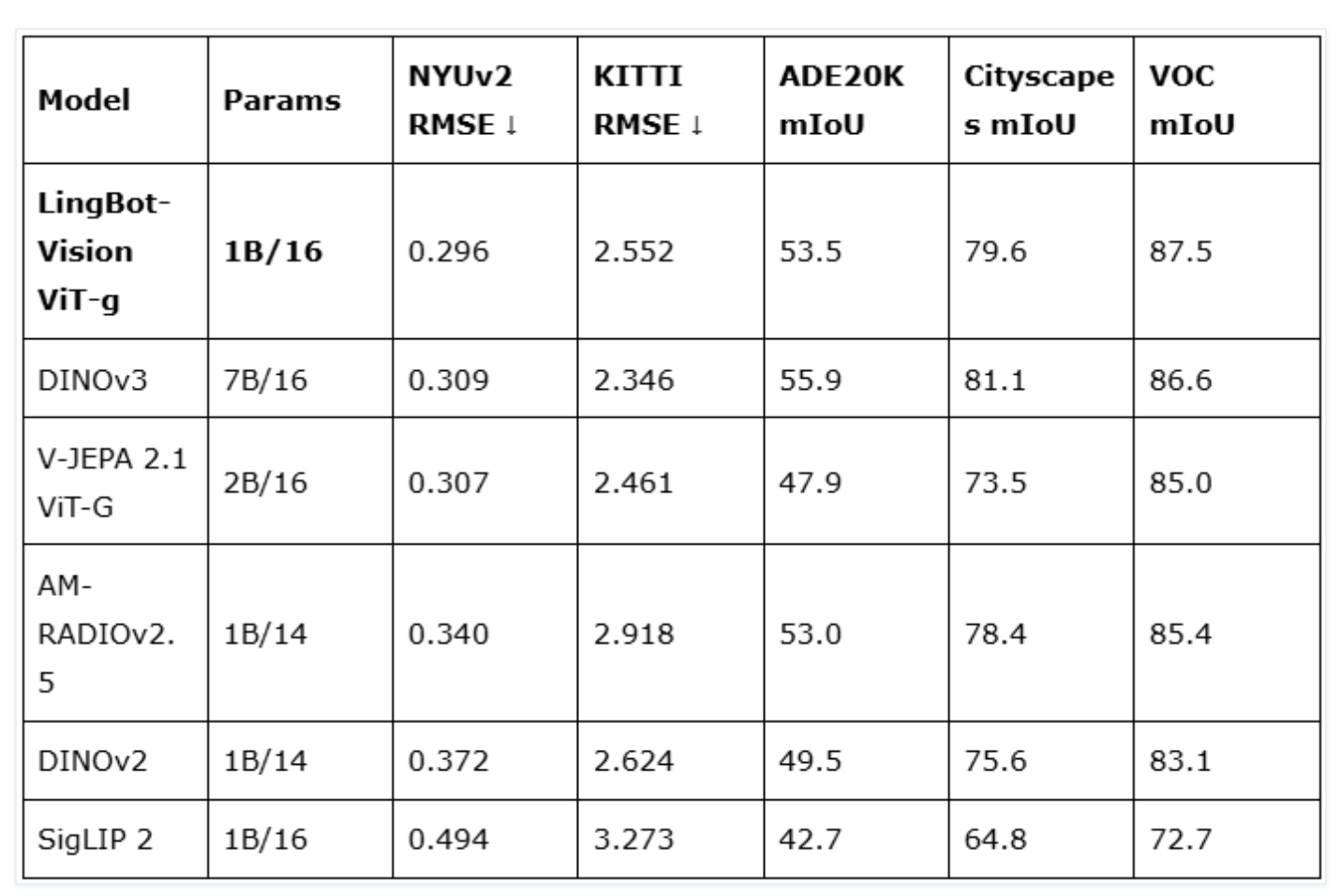
Ant Group Launches Open Source LingBot-Vision: A Breakthrough in Robotic Vision Technology
Ant Group's Robbyant has introduced the LingBot-Vision model, a groundbreaking visual perception technology designed for robots. This innovative model, which operates with just 1.1 billion parameters, significantly outperforms traditional systems in depth estimation and object boundary recognition. By enhancing robots' ability to comprehend intricate environments, LingBot-Vision represents a major leap forward in the field of embodied intelligence. The technology has been made available as open-source, fostering further advancements and collaboration within the robotics community.
Robotic Vision Depth Perception AI Technology Open Source Embodied Intelligence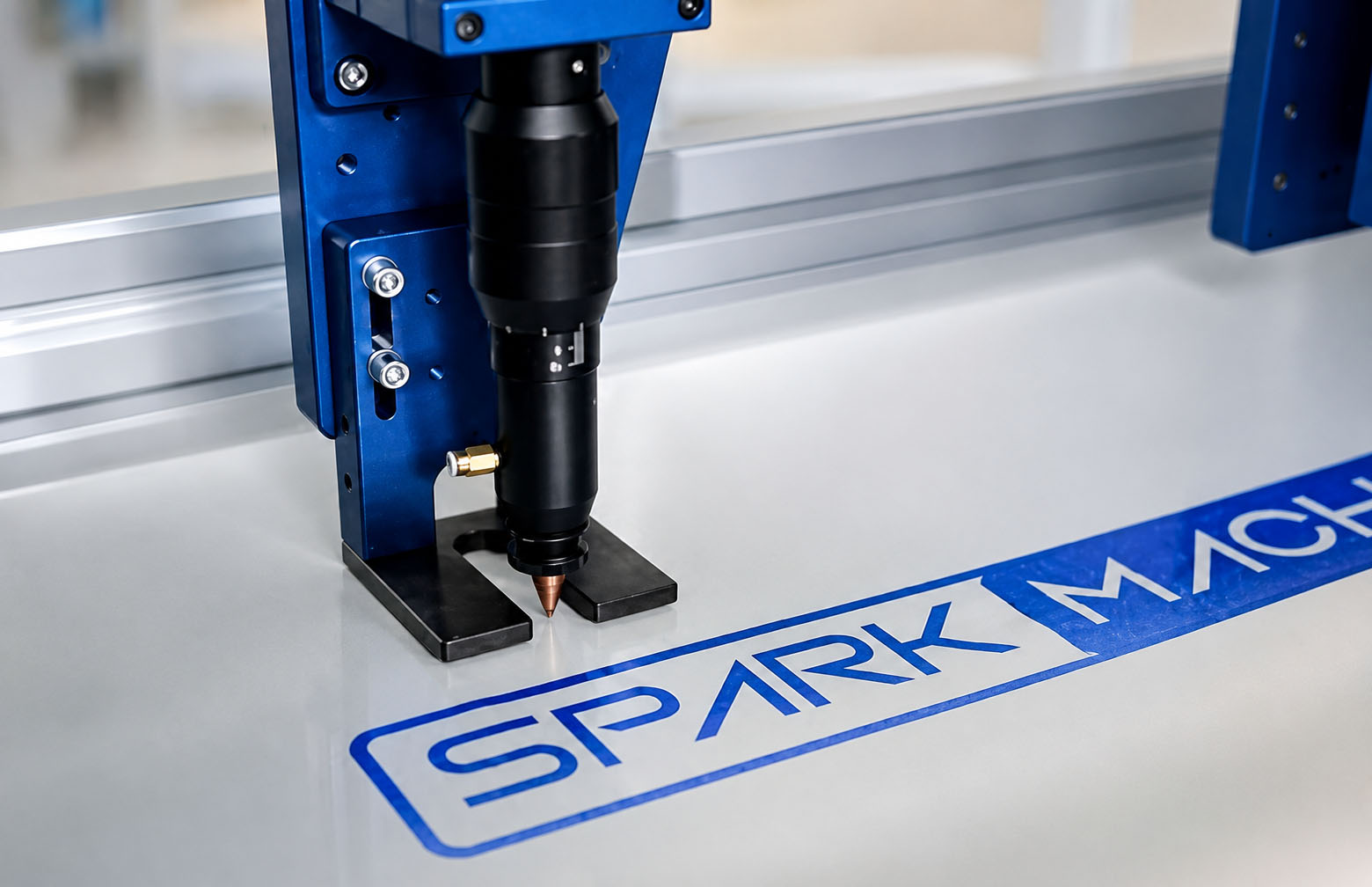
Laser micro-perforation with camera: enhancing reliability in packaging films through industrial vision.
In the contemporary flexible packaging industry, achieving excellence extends beyond aesthetics to become a critical functional requirement. The optimization of permeability has emerged as a fundamental pillar in preserving the freshness of products, where every technical detail plays a vital role in extending shelf life and minimizing food waste. Recent advancements in laser micro-perforation technology, combined with industrial vision systems, are enhancing the reliability of packaging films. This innovative approach not only improves product preservation but also addresses the growing demand for sustainable packaging solutions. The integration of these technologies is transforming how the industry approaches packaging efficiency and effectiveness.
À la une IA Industrie Robotique conservation des aliments contrôle qualité automatisé
IDS: Digital precision transforms aircraft construction with Ensenso 3D vision
In a significant advancement for aircraft manufacturing, an Ensenso 3D camera has been integrated into an automated process chain to enhance the precision of drilling position detection and alignment during cabin assembly. This innovative technology aims to streamline operations and improve accuracy in the assembly line, ultimately contributing to higher quality standards in aircraft production. The implementation of the 3D camera system is expected to reduce errors and increase efficiency, addressing the industry's ongoing need for precision in complex assembly tasks. This development marks a crucial step forward in the integration of advanced imaging technology within the aerospace sector, reflecting the industry's commitment to leveraging automation for improved manufacturing processes.
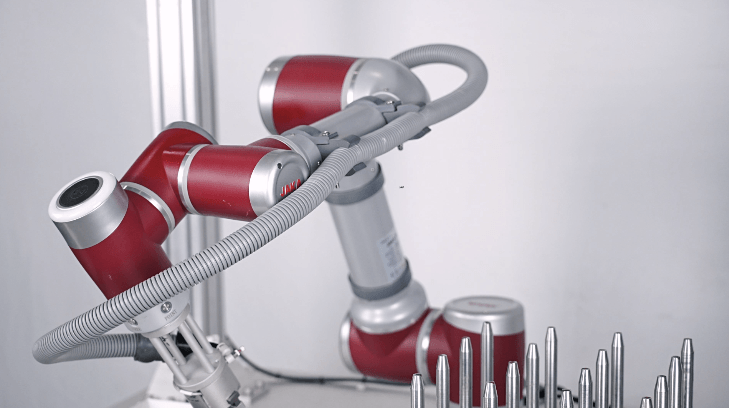
Implementing Vision Systems in Advanced Robotics Technology for Adaptive Tasks
A company specializing in advanced robotics is enhancing production efficiency by integrating vision systems into its industrial cobot solutions. This innovative approach allows robots, such as the JAKA Pro16, to perceive and adapt to changing conditions on the production line, enabling them to identify parts, detect orientation, and adjust movements in real time. The implementation of these vision systems minimizes the risk of misplacement and reduces human error during loading and unloading tasks. The company’s cobot platforms are designed for flexibility, allowing them to efficiently respond to diverse production requirements. By detecting subtle variations and unexpected obstacles, these robots enhance the resilience of production lines. The JAKA Pro16 features simple programming capabilities that facilitate quick adjustments to production setups, thereby minimizing downtime and improving overall efficiency and product quality. Additionally, the company emphasizes user-friendly programming interfaces, enabling operators with minimal training to manage complex tasks effectively. The drag-and-drop teaching and graphical interfaces of the JAKA Pro16 maximize robot utilization while allowing human resources to focus on strategic activities. This combination of visual perception and intelligent control algorithms ensures high precision and adaptability in various manufacturing scenarios. In summary, the integration of vision systems into robotics technology is pivotal for creating flexible manufacturing solutions. The company remains committed to developing adaptive robotics that enhance task accuracy, optimize workforce allocation, and support high-quality production outcomes.

Free tickets for VISION 2026
Although the VISION 2026 event is still a few months away, scheduled to take place from October 6 to 8 in Stuttgart, ROBOTIK UND PRODUKTION is offering an opportunity for attendees to secure free admission tickets in advance. This initiative aims to encourage participation in the upcoming exhibition, which will showcase advancements in the fields of robotics and production technology.
Allgemein
OPPO launches Reno16 series, featuring "3D floating sphere + live stickers" to set new smartphone trends.
On May 25, 2026, OPPO held the "Reno Land Fantasy Night" launch event, unveiling a range of new products including the OPPO Reno16 smartphone series, OPPO Pad 6 tablet, OPPO Pad Air5 learning tablet, OPPO Enco Air5s noise-canceling earbuds, and the OPPO Bubble selfie screen. The event focused on meeting the diverse needs of young users in areas such as learning, creation, socializing, live streaming, and gaming, emphasizing stylish aesthetics, innovative imaging technology, AI experiences, and seamless cross-device collaboration. The Reno16 series features a design inspired by the "Dream Core Planet" aesthetic, utilizing a pioneering 3D floating technology for a striking visual effect. The series includes advanced camera systems with a 200-megapixel main camera and enhanced imaging algorithms for realistic portrait experiences. Additionally, the Reno16 Pro is tailored for live streaming, equipped with stabilization technology and a powerful battery for extended use. Alongside the smartphones, OPPO introduced the Pad 6 tablet, designed for students with features like AI-assisted note-taking and seamless connectivity with OPPO smartphones. The Enco Air5s earbuds offer lightweight design and advanced noise-canceling capabilities, making them ideal for immersive learning experiences. To support students, OPPO announced exclusive purchase subsidies, with the Reno16 series and Pad 6 set to officially launch on May 29, 2026, available through various online and offline channels.
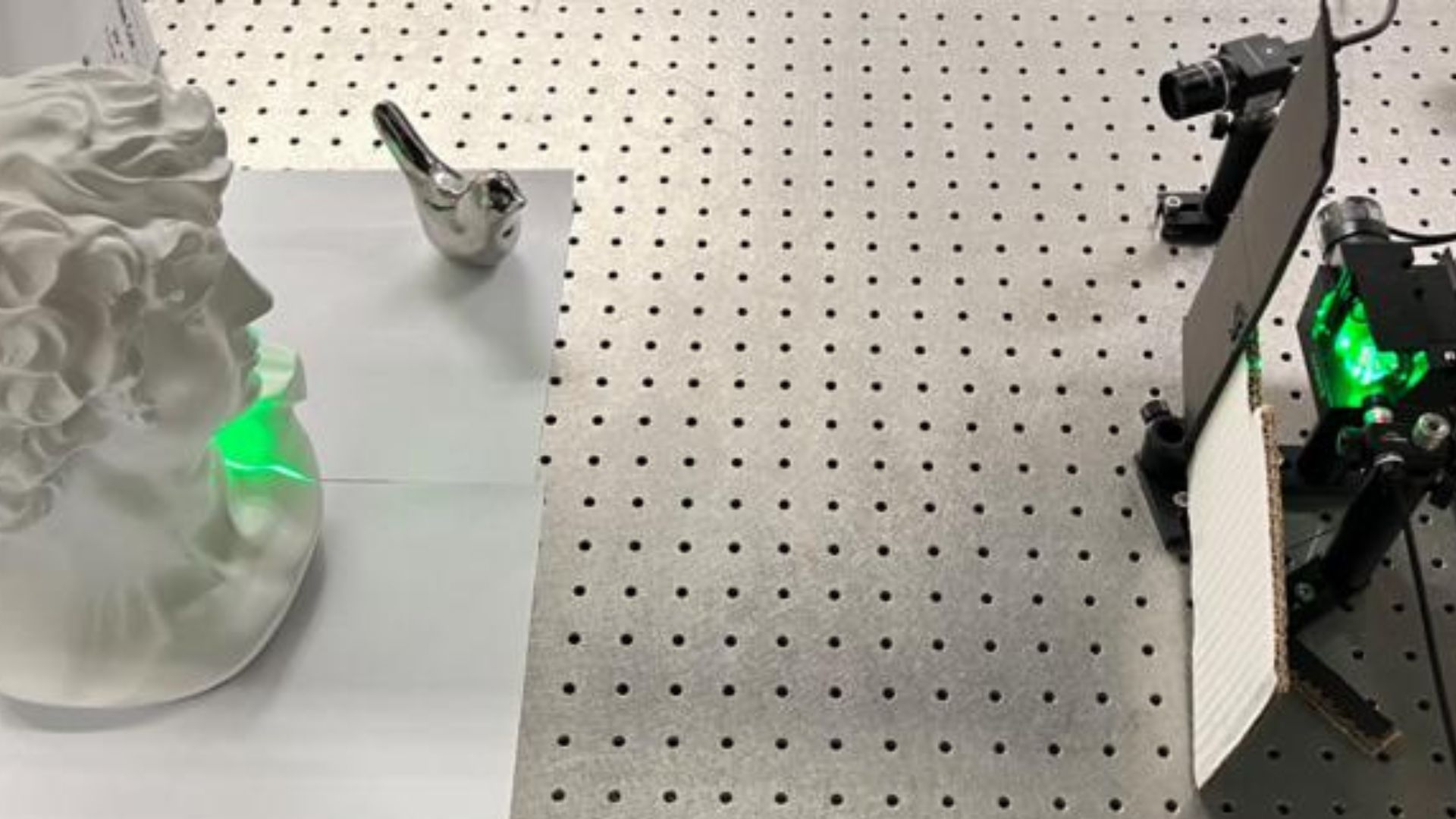
3D-sensing technology could improve self-driving cars and robotic surgery
Researchers at the University of Arizona have made significant strides in 3D-sensing technology, which could revolutionize how autonomous vehicles navigate complex urban environments. This breakthrough was announced recently, showcasing the potential to enhance safety and efficiency in city driving. The team developed an advanced system that utilizes sophisticated algorithms and sensors to interpret real-time data from the surrounding environment, enabling vehicles to better understand and respond to dynamic conditions on busy streets. By improving the accuracy of spatial awareness, this technology aims to reduce accidents and improve traffic flow, addressing the growing challenges of urban mobility. The research highlights the university's commitment to innovation in transportation technology, with implications that could extend beyond self-driving cars to various applications in robotics and smart city infrastructure.
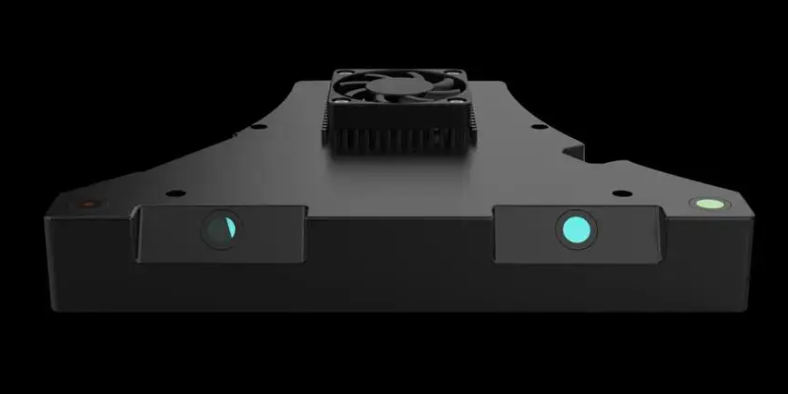
Transforming Embodied Intelligence: Pure Vision Technology Reshapes Navigation in Extreme Environments
Embodied Intelligence is addressing the challenges of navigation in extreme environments where satellite signals are unavailable. The company has introduced a modular pure vision navigation technology that has been successfully validated in 52 real-world scenarios. This innovative solution is set to enhance the operational capabilities of various robotic applications, allowing them to navigate complex terrains more effectively. The development comes at a crucial time as industries increasingly rely on autonomous systems for tasks in remote or signal-deprived locations. By leveraging advanced visual processing techniques, Embodied Intelligence aims to provide reliable navigation solutions that can adapt to diverse operational conditions.
Robotics Navigation Technology AI Autonomous Systems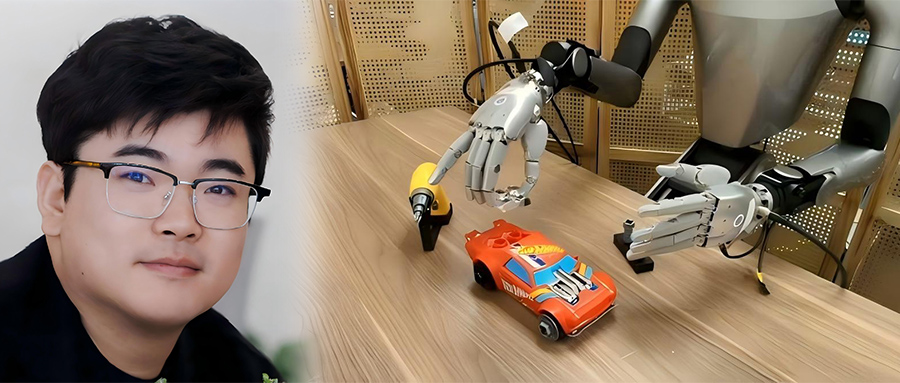
Harbin Institute of Technology Professor Establishes PHANES AI to Advance Tactile Robotics
Professor Yang Shuo from Harbin Institute of Technology (Shenzhen) has founded PHANES AI, focusing on human data, tactile perception, and world model research. The startup aims to enable humanoid robots to perform agile full-body movements. A key challenge identified is the gap in current training data, where visual cues do not capture the tactile feedback necessary for successful robotic operations. This initiative is significant as it addresses the limitations of existing robotic training methodologies, which rely heavily on visual data without incorporating tactile information. Recent studies, including NVIDIA's EgoScale, highlight the importance of first-person human operation data in training robots for complex tasks. By leveraging large amounts of human data combined with minimal real-world data, PHANES AI seeks to enhance the success rate of robots in intricate operations. Looking ahead, PHANES AI plans to develop innovative methods for collecting and scaling tactile data through its EgoTouch system, which integrates visual and tactile information. The startup's approach aims to bridge the gap between visual perception and physical interaction, ultimately improving the capabilities of humanoid robots in real-world applications. No further timeline was disclosed at the time of publication.
Humanoid Robots Tactile Perception Robotics AI Data-Centric AI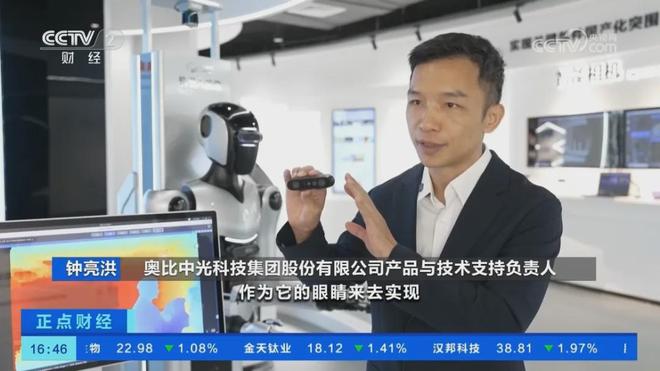
CCTV Highlights: Domestic Humanoid Robot Orders Double, Delivery Speed Increases by 50%
CCTV recently highlighted the swift expansion of China's humanoid robot industry, spotlighting Aobo Zhiguang as a pivotal contributor in the sector. The company has experienced a notable surge in orders alongside improved delivery times, attributed to advancements in technology and enhanced supply chain management. As Aobo Zhiguang continues to attract a growing customer base and report strong financial performance, it solidifies its status as a leader in the rapidly evolving humanoid robotics market.
Humanoid Robots 3D Vision Technology Robotics Industry Supply Chain Management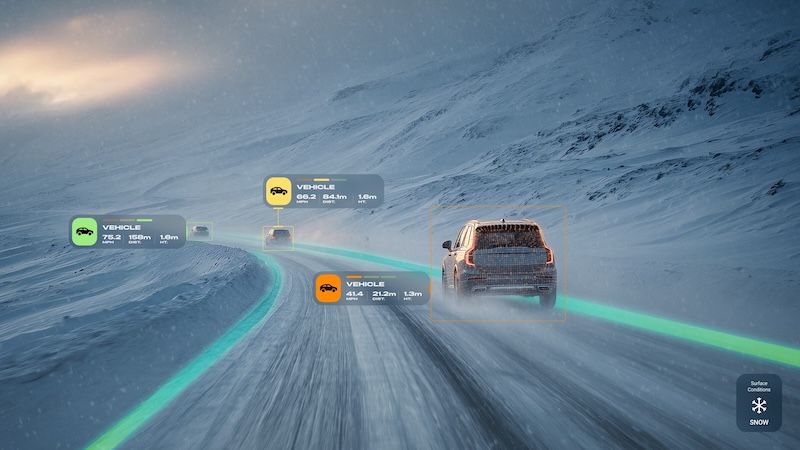
Teradar enters paid evaluation program with German automaker for terahertz vehicle sensing technology
Teradar, a company specializing in terahertz (THz) vision technology, has initiated a paid technical evaluation program with a leading German automotive manufacturer. This collaboration aims to assess Teradar's innovative sensing technology for potential integration into advanced driver assistance systems (ADAS) and autonomous driving platforms. The evaluation will specifically target challenging scenarios where traditional sensing technologies, including cameras, radar, and lidar, may face limitations. By exploring the capabilities of THz technology, both Teradar and the automotive manufacturer seek to enhance the safety and efficiency of future automotive systems.
Components Design Engineering adas advanced driver assistance systems automation news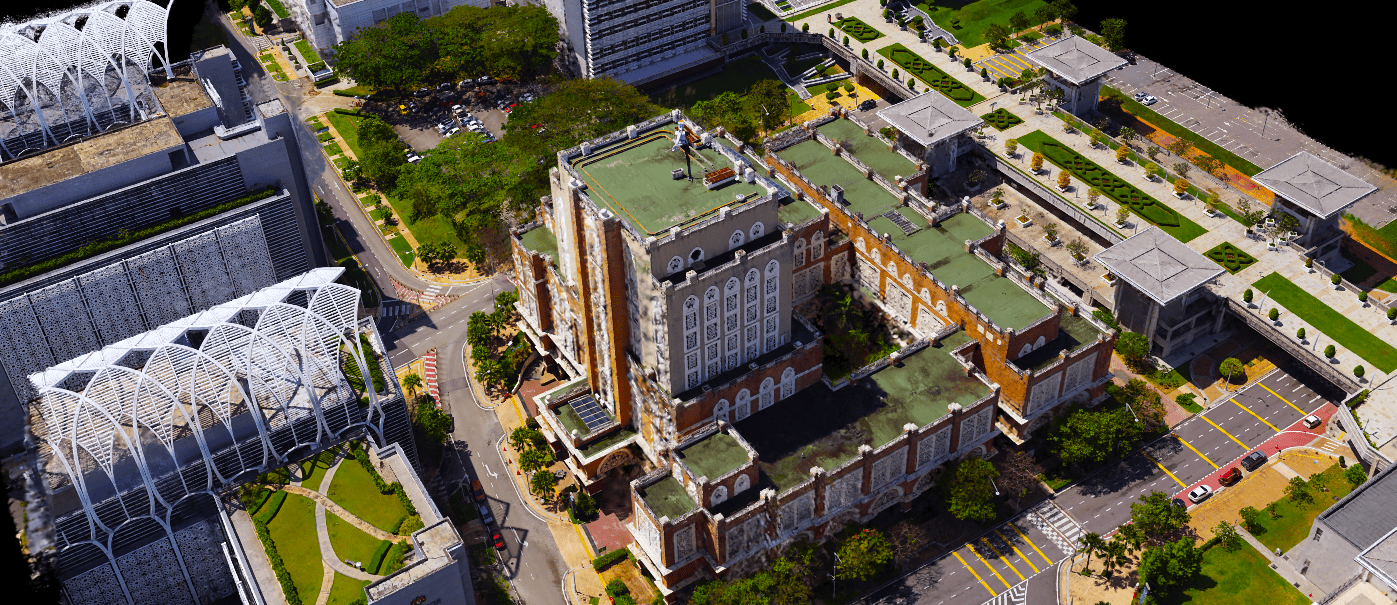
Gaussian Splatting Meets Photogrammetry: SimActive Integrates New Capability in Correlator3D
Gaussian splatting, a cutting-edge technique in 3D reconstruction, has gained significant attention for its ability to produce highly realistic and smooth-rendered scenes. This development has prompted discussions within the geospatial industry regarding its potential to extend beyond mere visualization and enhance real-world mapping workflows. In response to this growing interest, SimActive has integrated Gaussian splatting capabilities into its Correlator3D software. This integration aims to leverage the advantages of the technique to improve photogrammetry processes, thereby facilitating more accurate and efficient mapping solutions. The announcement highlights the ongoing evolution of technology in the geospatial field and its implications for practical applications.
Applications Canada Canadian Drone Industry DL Exclusive Drone News Drone News Feeds
Tesla's Optimus Robots to Support Starmind Satellite Production, Not Maintenance
Tesla's Optimus robots will not be used to repair Starmind satellites in orbit, as confirmed by recent statements from Elon Musk. Instead, these robots are intended to assist in the construction and operation of the Terafab chip manufacturing facility in Texas. The AI1 satellites, designed to disintegrate upon reentry, highlight the company's swap-and-replace strategy rather than traditional maintenance practices. This approach is significant as it reflects a broader trend in satellite management, where mass-produced satellites are replaced rather than repaired. The economics of servicing missions are prohibitive, with the cost of launching a replacement satellite being significantly lower than conducting a repair mission. This model aligns with SpaceX's operational history, where rapid replacement of satellites is more efficient than attempting to maintain them in orbit. Looking ahead, the focus will remain on the production capabilities of the Gigasat factory, which is expected to support the continuous replacement of satellites. No further timeline was disclosed at the time of publication, but the demand for rapid satellite turnover suggests a robust future for Optimus robots in terrestrial manufacturing rather than in-space servicing.
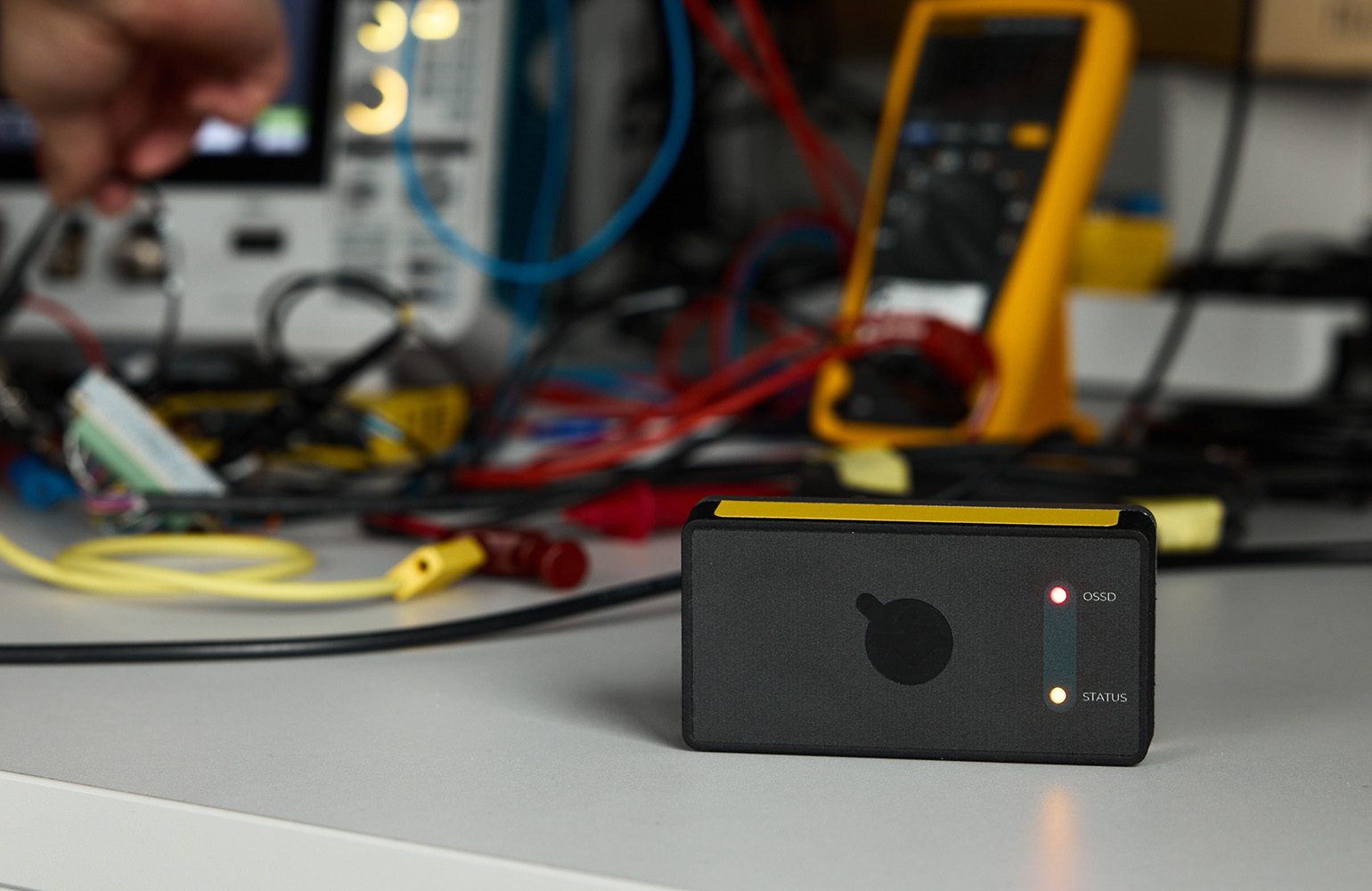
Sonair ADAR One 3D ultrasonic sensor is now safety-certified
Sonair has announced that its ADAR One 3D ultrasonic sensor has received safety certification as a human detection sensor, meeting the IEC 61496 standard for electrosensitive protection devices. This certification underscores the sensor's reliability and effectiveness in ensuring safety in various applications. The assessment reflects Sonair's commitment to adhering to international safety standards, enhancing the credibility of its technology in the market. The announcement marks a significant milestone for the company, as it aims to expand the use of its advanced sensor technology in diverse sectors.
Artificial Intelligence Artificial Intelligence / Cognition Design / Development Logistics Manufacturing Mobility / Navigation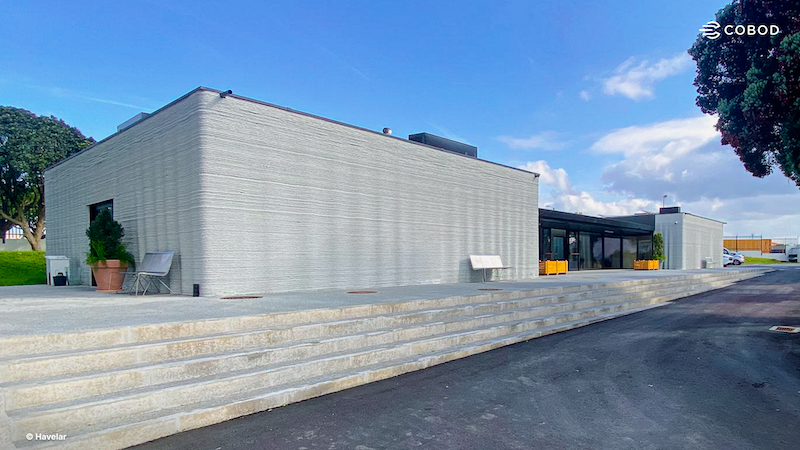
Large Portuguese building 3D printed in record 9 Days
Havelar, a Portuguese construction company specializing in 3D printing technology, has successfully completed a public building for the municipality of Matosinhos. The project involved the construction of a 500 square meter recycling center office located at the Ecocentro de Perafita in Porto. Remarkably, the building was printed in just nine days and completed within budget, utilizing a COBOD BOD2 construction 3D printer. This innovative approach not only showcases the efficiency of 3D printing in construction but also highlights the growing trend of sustainable building practices in the region.
Construction Features 3D printed buildings additive manufacturing automated construction automation news
Top Computer Vision Development Company Options for 2026
Selecting the appropriate computer vision development company is crucial for ensuring compatibility with the specific environment in which the model will operate. This could range from camera system-on-chips (SoCs) and cloud-based software as a service (SaaS) products to medical devices and live video systems. Among the available options, SQUAD stands out as a robust choice for edge hardware and smart camera products. Meanwhile, Intellias and Softeq are recognized as strong contenders for embedded AI solutions. As the industry evolves, companies must carefully assess their needs to align with the right technology partner.
Components Computing Technology AI development artificial intelligence automation news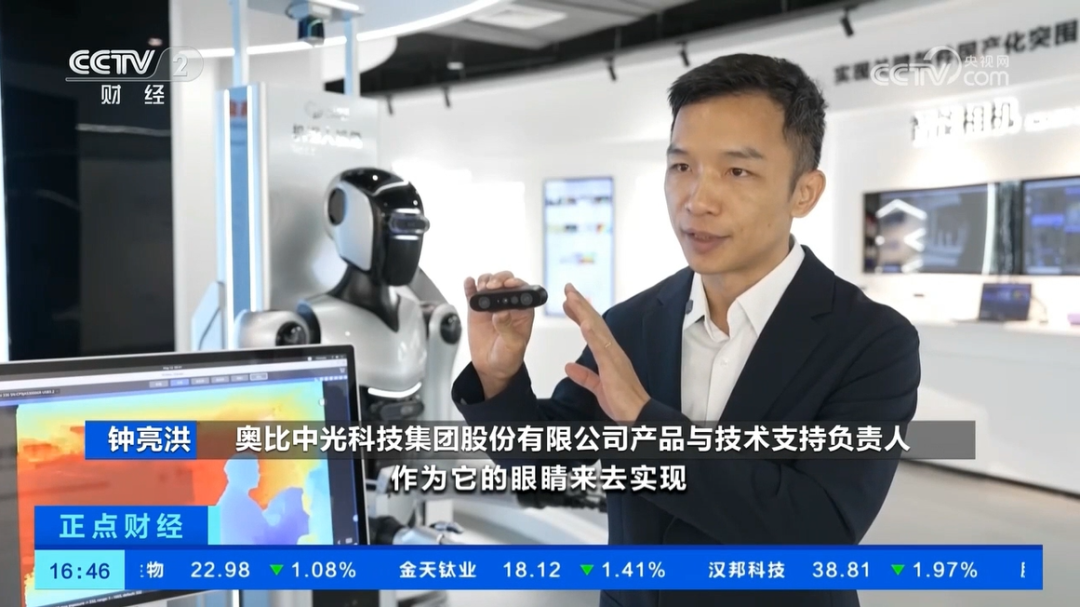
Orders Double! Aobo Zhiguang's Humanoid Robot Business Thrives
Aobo Zhiguang, a prominent figure in China's humanoid robot sector, is experiencing an impressive increase in orders, with quarterly growth rates surpassing 60% since the beginning of 2025. This surge is attributed to the company's enhanced supply chain management and manufacturing efficiency, which have allowed it to reduce delivery times to approximately 20 days. As Aobo Zhiguang broadens its global customer base, it is also witnessing significant improvements in its financial performance, transitioning from a focus on investment to achieving profitability in the rapidly expanding robotics market.
Humanoid Robots 3D Vision Technology Robotics Industry Supply Chain Management
Saab’s Sabertooth at Goodwood Alongside First 3D Model of Endurance
Saab's Sabertooth subsea vehicle will be showcased at the Goodwood Festival of Speed's Future Lab exhibition from July 10 to 13. This display follows the vehicle's significant role in the groundbreaking full 3D mapping of Sir Ernest Shackleton's Endurance, a historic shipwreck. The exhibition aims to highlight advancements in technology and innovation, demonstrating how such tools can contribute to underwater exploration and preservation of maritime history. By participating in this prestigious event, Saab seeks to emphasize the capabilities of the Sabertooth vehicle and its applications in various fields, including archaeology and environmental monitoring.
saab’s sabertooth goodwood 3d model endurance
Kraken Robotics Expands U.S. Footprint with Acquisition of 3D at Depth
Kraken Robotics Inc. has announced its plans to acquire 3D at Depth, Inc., a prominent American subsea technology firm known for its expertise in high-resolution LiDAR imaging and measurements. This acquisition, valued at $17 million in cash, will be executed through a subsidiary and includes adjustments for any debt incurred and customary working capital considerations. The agreement is contingent upon standard closing conditions, including obtaining consent from Kraken's primary lender. The transaction is anticipated to finalize around April 1, 2025.
kraken robotics expansion acquisition 3d at depth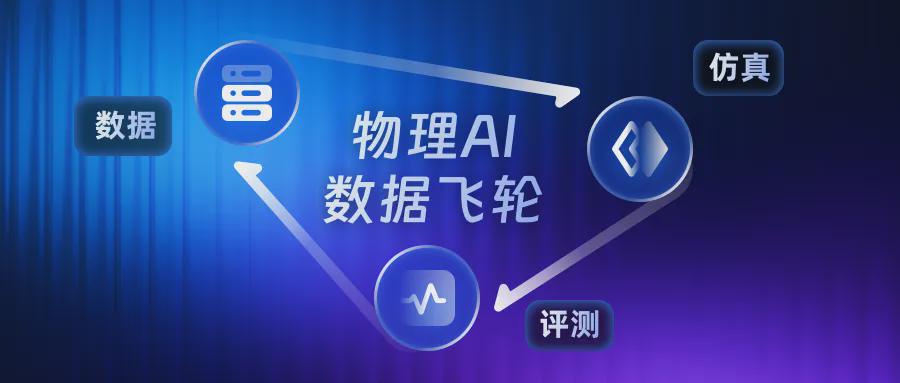
The Shift in Physical AI: Qunke Technology Develops a Simulation Data Production Line
Qunke Technology has introduced a pioneering solution to tackle the pressing shortage of high-quality 3D training data, which is vital for the advancement of the physical AI industry. As leading companies in embodied intelligence shift their focus from model architecture to data infrastructure, Qunke's innovative simulation data production line aims to fill this gap. The company’s efforts have been recognized at the European Conference on Computer Vision (ECCV), where three of its groundbreaking research papers were accepted. These contributions are expected to set new benchmarks in the fields of spatial intelligence and data synthesis, further propelling the development of AI technologies.
Embodied Intelligence Simulation Data 3D Training Data AI Benchmarking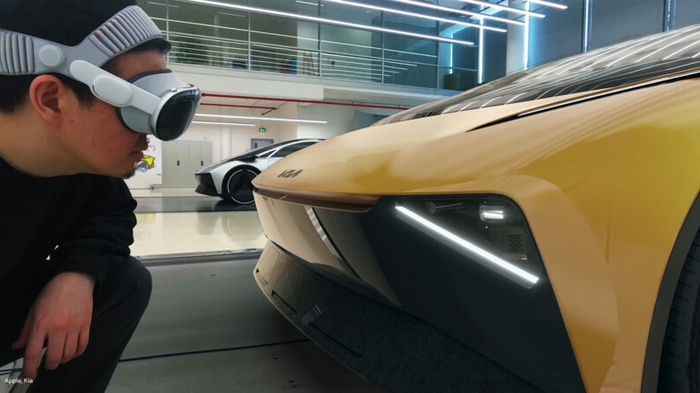
More Than Meets the Eye: NVIDIA RTX-Accelerated Computers Now Connect Directly to Apple Vision Pro
NVIDIA and Apple have announced a collaboration that integrates NVIDIA CloudXR 6.0 natively into visionOS, enhancing the capabilities of augmented and virtual reality applications. This partnership aims to securely deliver high-performance simulations and professional 3D graphics applications, including Immersive for Autodesk VRED, through Innoactive’s XR streaming service. The integration is set to provide users with advanced graphics powered by NVIDIA's RTX technology, significantly improving the experience for developers and users in the XR space. This development comes as both companies seek to leverage their strengths in graphics processing and software innovation to meet the growing demand for immersive experiences in various industries.

Ruiwei Technology Becomes First Visual Embodied Intelligence Company on Hong Kong Stock Exchange
On July 8, 2026, Ruiwei Technology (07656.HK) officially listed on the Hong Kong Stock Exchange, closing at HKD 21 per share, with a market capitalization of approximately HKD 6.411 billion. This marks the first company to enter the market under the Hong Kong Stock Exchange's Chapter 18C specialized technology rules, positioning itself as a leader in 'visual embodied intelligence.' Ruiwei's revenue from its smart civil aviation business reached CNY 172 million by the end of 2025, accounting for 38.9% of total revenue. The company is rapidly diversifying, with smart commercial and smart safe driving segments contributing 34.9% and 26.2% of revenue, respectively. However, the embodied intelligence robotics segment was not disclosed as a separate revenue stream in the prospectus. Looking ahead, Ruiwei aims to leverage its decade-long expertise in 3D spatial perception from airport facial recognition systems to expand into embodied intelligence robotics. The company plans to use over 50% of its IPO proceeds, approximately HKD 5.29 billion, for research and development in visual large models, embodied technology, and commercial robot hardware, targeting significant overseas revenue growth within 3 to 5 years.
Visual Intelligence Facial Recognition Robotics AI Technology
Ant Group Launches LingBot-VA 2.0 with Advanced Spatial Awareness and Vision Models
On July 10, Ant Group introduced LingBot-VA 2.0, the first embodied native action model in the industry. This release marks the culmination of their full-stack 2.0 model series, featuring advancements in spatial perception and real-time interaction. The launch has generated significant buzz across international platforms like Reddit and Hugging Face, indicating a strong interest in their technology. The significance of LingBot-VA 2.0 lies in its comprehensive technology stack, which includes LingBot-Depth 2.0 and LingBot-Vision. LingBot-Depth 2.0 enhances depth perception with a training dataset expanded from 3 million to 150 million, achieving top scores in 12 out of 16 benchmarks. Meanwhile, LingBot-Vision introduces a novel pre-training target, improving depth estimation accuracy despite using a smaller dataset compared to competitors. Looking ahead, the next steps for Ant Group involve further collaboration with industry partners, as LingBot-Depth 2.0 has already received professional certification from Orbbec. The company is also focusing on integrating their models into the industry, with no further timeline disclosed at the time of publication for upcoming releases or partnerships.
Robotics AI Machine Learning Computer Vision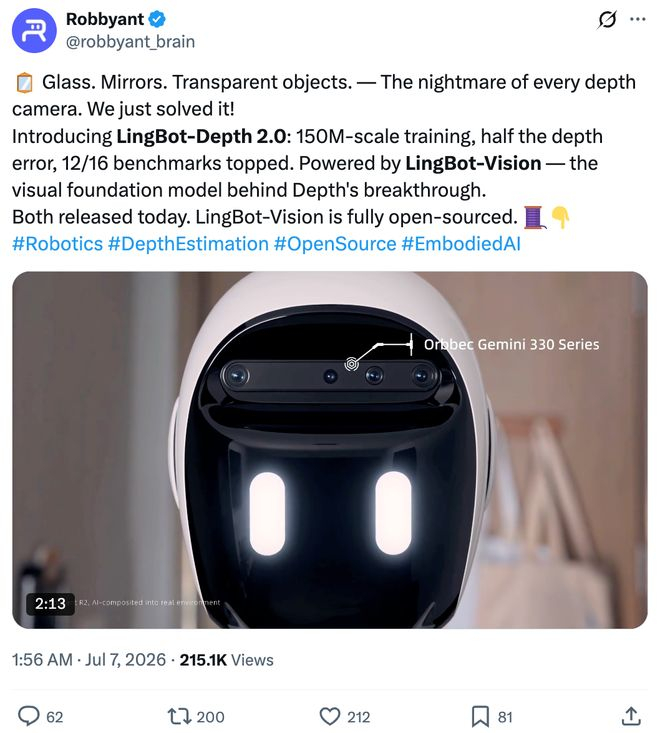
Ant Group's LingBot Vision: Robots Can Now Understand Glasses and Transparent Water Columns
Ant Group has unveiled its latest advancements in robotics technology with the launch of LingBot-Vision and LingBot-Depth 2.0, sophisticated visual models designed to enhance robots' ability to perceive transparent and reflective objects. This development, announced recently, marks a significant improvement over traditional models by emphasizing the understanding of boundaries and spatial relationships, thereby boosting robotic performance in intricate environments. The decision to make these models open-source is intended to foster innovation and improve navigation and interaction capabilities for robots in everyday scenarios.
Robotic Vision AI Machine Learning Computer Vision
VeriSilicon Introduces CPP2000 Camera Post-Processing IP for Embodied Robotics and Mobile Vision Applications
Researchers have made significant advancements in improving image quality and visual perception for moving-camera systems. This development, which emerged from ongoing studies in the field of computer vision, aims to enhance the performance of various applications, including autonomous vehicles and drone technology. The breakthrough was announced in October 2023, following extensive testing and refinement of algorithms designed to process and interpret visual data more effectively. The motivation behind this innovation stems from the increasing reliance on moving-camera systems in everyday technology and the need for clearer, more accurate imagery in dynamic environments. By employing advanced machine learning techniques, the researchers have created a system that can better handle motion blur and varying lighting conditions, ultimately leading to more reliable visual outputs. The process involved rigorous experimentation with different data sets, allowing the team to fine-tune their algorithms for optimal performance. As a result, this enhancement is expected to significantly improve the safety and efficiency of systems that rely on real-time visual data, paving the way for broader applications in industries such as transportation, surveillance, and entertainment. This breakthrough not only represents a step forward in technology but also highlights the ongoing commitment to innovation in the realm of visual perception and image processing.
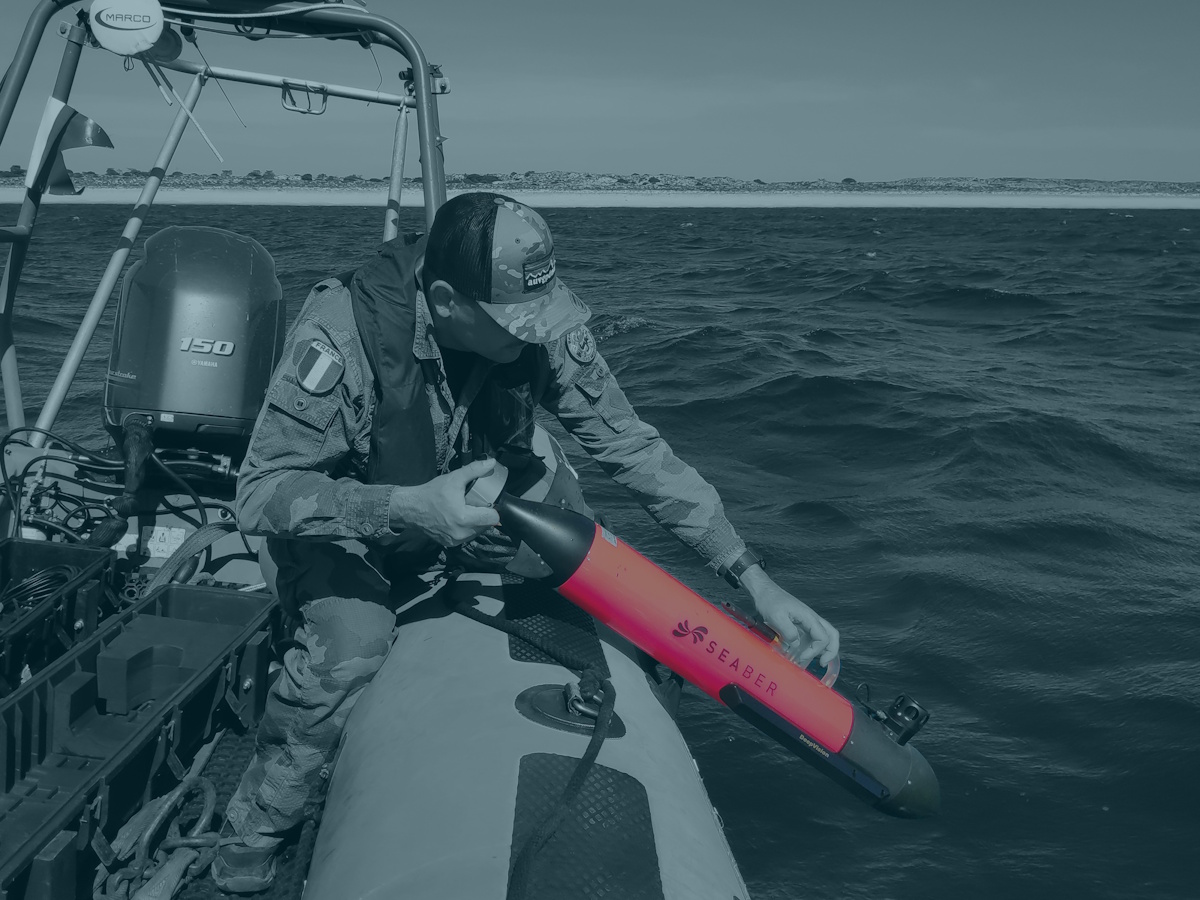
SEABER’s MARVEL 3DSS AUV for Beach Reconnaissance: A Technological Breakthrough for Naval Amphibious Operations
SEABER has achieved a significant milestone with the successful integration of a next-generation interferometric 3D side-scan sonar (3DSS) into its MARVEL micro-AUV, marking the first global deployment of this advanced technology on such a platform. Utilizing patented CAATI technology, the 3DSS provides high-resolution 2D imagery, true 3D seabed reconstruction, and centimetric-scale bathymetry from a compact system. In operational tests, the MARVEL-3DSS efficiently mapped a 300 × 150-meter beach approach zone in under 30 minutes, achieving speeds up to ten times faster than traditional methods while maintaining a minimal acoustic signature and eliminating the need for specialized personnel. This innovation significantly enhances the amphibious beach reconnaissance capabilities for naval forces, special operations units, and mine countermeasure teams, particularly in contested littoral environments.
seaber marvel 3dss auv beach reconnaissance amphibious operations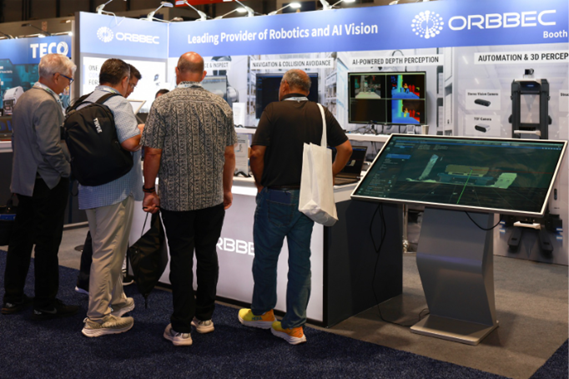
Orbbec shows AI-powered vision systems at Automate 2026
Orbbec showcased its latest industrial-grade 3D cameras designed for demanding automation environments during the Automate 2026 event. The company emphasized the integration of artificial intelligence to improve robotic perception, highlighting advancements that enable more sophisticated automation solutions. This presentation reflects Orbbec's commitment to addressing the complexities of modern industrial applications, aiming to enhance efficiency and accuracy in robotic systems. The event, which gathered industry leaders and innovators, provided a platform for Orbbec to demonstrate how its technology can meet the evolving needs of automation in various sectors.
Artificial Intelligence Artificial Intelligence / Cognition Automation Autonomous Mobile Robots (AMRs) Cameras / Imaging / Vision Collaborative Robots
Upsampling method sharpens AI vision with up to 16 times less GPU memory
A collaborative research team from KAIST and various international institutions has made significant advancements in computer vision technology, enhancing artificial intelligence's ability to perceive its surroundings. This new technology improves GPU memory efficiency by up to 16 times, allowing AI systems to operate with minimal memory usage. The breakthrough, announced recently, is expected to play a crucial role in advancing the development of humanoid robots and on-device AI, potentially transforming how these technologies are integrated into everyday life. The innovation underscores the growing importance of efficient AI systems in various applications, from smartphones to robotics.
Robotics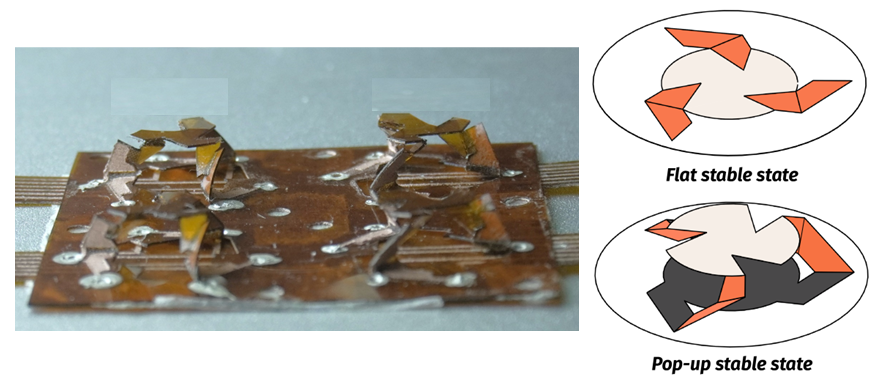
New Method for 3D Microstructure Fabrication Simplifies Mass Production of Multimodal Sensors
A research team at Wuhan University has developed an innovative method for creating complex three-dimensional structures by utilizing straightforward two-dimensional processing techniques. This breakthrough enables the efficient mass production of programmable and reconfigurable 3D sensors, addressing the challenges posed by conventional manufacturing processes. The study emphasizes the advantages of pop-up kirigami structures, which not only enhance the functionality of sensors but also streamline their production. This advancement could significantly impact the field of sensor technology, making it more accessible and versatile for various applications.
3D Microstructures Sensor Technology Manufacturing Innovation Pop-up Kirigami Flexible Electronics
Deep learning co-design helps scientists project 28-layer 3D images without crosstalk
Engineering researchers at the University of California, Los Angeles (UCLA) have unveiled a groundbreaking three-dimensional printing technology that significantly enhances the production of complex structures. This innovative method, introduced in October 2023, aims to revolutionize various industries by allowing for the rapid and precise fabrication of intricate designs that were previously difficult or impossible to achieve. The researchers' motivation stems from the growing demand for more efficient manufacturing processes that can produce high-quality components while minimizing waste and time. By leveraging advanced materials and techniques, the team has demonstrated that their new approach can streamline production workflows and reduce costs, making it an attractive option for sectors such as aerospace, automotive, and biomedical engineering. This development not only showcases the potential of 3D printing technology but also emphasizes UCLA's commitment to leading research in engineering and technology. The researchers plan to further refine their technique and explore its applications across various fields, aiming to set new standards in manufacturing efficiency and innovation.
Science
Landair Surveys Uses SimActive Correlator3D for Planned Burns Mapping in Australia
Landair Surveys, an Australian geospatial firm, is utilizing SimActive's Correlator3D software to create orthomosaics from aerial imagery. This initiative is part of their efforts in wildfire prevention and land management, specifically for planned burns mapping projects across Australia. The Montreal-based software developer announced this collaboration, highlighting that the workflow aims to enhance the efficiency of geospatial outputs. The use of advanced aerial imagery technology is expected to improve land management strategies and contribute to effective wildfire prevention measures.
Digital Twins Disaster Response Drone News Drone News Feeds Fire Firefighter
US engineers make ‘artificial eyes’ to improve vision in robots, self-driving cars
Researchers at Penn State University have developed an innovative device inspired by the human eye, aimed at enhancing the vision capabilities of self-driving cars. This groundbreaking technology was unveiled recently as part of ongoing efforts to improve the safety and reliability of autonomous vehicles. The device mimics the eye's ability to adapt to varying light conditions, which is crucial for navigating complex environments. The motivation behind this advancement stems from the challenges faced by self-driving cars in low-light situations, where traditional sensors often struggle to provide accurate data. By integrating this eye-inspired technology, the researchers hope to significantly reduce the risk of accidents and improve the overall performance of autonomous systems. This development is part of a broader initiative to advance automotive technology and ensure that self-driving cars can operate effectively in diverse conditions. The research team utilized a combination of advanced materials and optical engineering to create a device that can dynamically adjust its sensitivity, much like the human eye does when transitioning from bright to dim environments. As the automotive industry continues to push towards fully autonomous vehicles, innovations like this are essential for addressing safety concerns and building public trust in self-driving technology. The research findings are expected to contribute to future advancements in vehicle design and functionality, paving the way for safer roads.

World’s first tower crane 3D printer can build concrete high-rise up to 328 feet tall
An Australian company specializing in robotics and 3D printing has made headlines by unveiling the world’s first fully automated tower crane. This groundbreaking innovation was presented at a technology expo held in Sydney on October 15, 2023. The crane aims to revolutionize the construction industry by enhancing efficiency and safety on job sites. Developed to address the growing demand for automation in construction, the crane operates independently, reducing the need for manual labor and minimizing human error. The technology behind the crane integrates advanced robotics with 3D printing capabilities, allowing for precise construction processes and the ability to adapt to various building designs. Industry experts believe this innovation could significantly lower construction costs and timelines while improving overall project outcomes. The company’s CEO emphasized that the automated tower crane represents a major step forward in modernizing construction practices, highlighting its potential to transform how structures are built in the future.
Inbolt to launch vision-enabled robot programming at Automate event
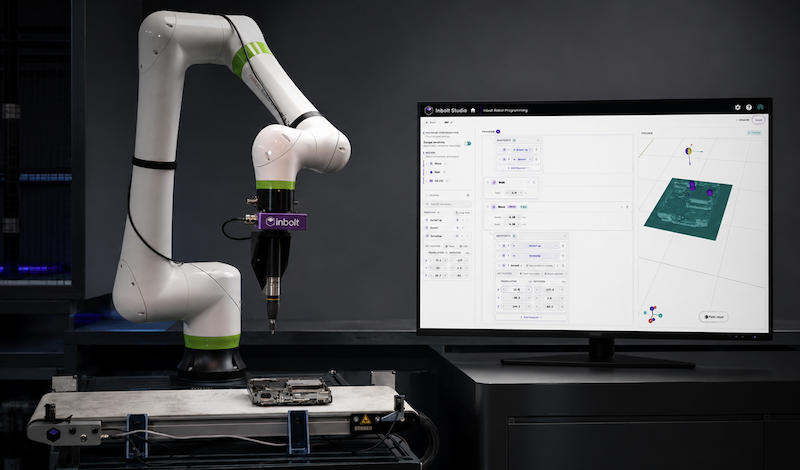
Inbolt, a company specializing in robot intelligence and digital twin technology, is set to unveil two new capabilities aimed at enhancing its AI vision model for robot guidance. The new features, Inbolt Robot Programming and an expanded Inbolt Robot Control, will be showcased at Automate 2026, taking place in Chicago from June 22 to June 25. CEO and co-founder Rudy Cohen emphasized that these advancements are integral to the company's mission of advancing live robot control through innovative AI solutions.
Events Industrial robots Software adaptive manufacturing ai robotics Automate 2026
NVIDIA Enables the Next Era Of Physical AI Research With Agent Skills For Autonomous Vehicles, Robotics And Vision AI
At the Computer Vision and Pattern Recognition (CVPR) conference, NVIDIA is showcasing innovative physical AI agent skills aimed at accelerating the development of autonomous vehicles, robotics, and vision AI systems. This unveiling comes as researchers and developers face significant challenges in advancing physical AI, particularly in creating more capable and efficient systems. By introducing these new skills, NVIDIA seeks to enhance the capabilities of AI agents, ultimately facilitating faster progress in the field. The event highlights NVIDIA's commitment to driving advancements in AI technology, which is crucial for the future of autonomous systems.

SkyeBrowse makes every photo inside a drone 3D model clickable
SkyeBrowse has announced a significant update to its drone mapping software aimed at enhancing user experience in interpreting 3D models. The update, which is now available to all users at no extra charge, focuses on improving model quality and advancing AI-generated floor plans. Additionally, the newly accessible Image Walkthroughs feature is designed to assist users in better understanding the data captured through drone technology. This update addresses a common challenge faced by users in navigating and analyzing complex 3D representations, thereby streamlining the process of extracting valuable insights from aerial imagery.
News
New 3D silicon chip breakthrough could extend Moore’s Law for years
Researchers have developed an innovative method to enhance computing power by stacking silicon circuits in multiple layers, addressing the challenges posed by traditional chip miniaturization. This breakthrough, achieved through the use of ultra-thin silicon membranes and low-temperature manufacturing techniques, marks a significant advancement in the production of three-dimensional (3D) chips. By overcoming long-standing obstacles in chip design, this new approach promises to maximize efficiency and performance in computing technology. The findings, which could reshape the future of electronics, highlight the potential for more compact and powerful devices in an era where demand for advanced computing capabilities continues to grow.

Robotic 3D printers complete Europe’s largest 12-apartment building in just 34 days
In a significant advancement for construction technology, a 12-apartment residential building has been completed in France utilizing 3D concrete printing. This innovative project, which showcases the potential of additive manufacturing in the housing sector, was finalized in a remarkably short timeframe, demonstrating the efficiency of this modern building technique. The initiative aims to address the ongoing housing crisis by providing affordable and sustainable living options. By employing 3D printing, the project not only reduces construction time but also minimizes waste and lowers overall costs, making it an attractive solution for future developments. This landmark achievement highlights the growing trend of integrating technology into traditional construction methods, paving the way for more rapid and environmentally friendly building practices.

Australia launches first 3D-printed unmanned drone boat in Southern Hemisphere
Australia has introduced the southern hemisphere's first 3D-printed uncrewed surface vessel, marking a significant advancement in maritime technology. The vessel was unveiled recently as part of the country's efforts to enhance its naval capabilities and promote innovation in defense. This groundbreaking project took place at a facility in Australia, showcasing the nation's commitment to integrating modern technology into its maritime operations. The initiative aims to improve surveillance and reconnaissance missions while reducing costs associated with traditional shipbuilding methods. By leveraging 3D printing technology, Australia hopes to streamline the production process, allowing for quicker deployment of advanced vessels in response to emerging maritime challenges.

GMSL and the growing ecosystem around robotic vision systems
In recent years, the expectations for robotic capabilities have significantly evolved, driven by advancements in technology and changing industry needs. Site owners are now seeking robots that not only navigate from point A to point B but also operate at increased speeds and adapt to dynamic environments filled with various obstacles. This shift reflects a broader trend in the robotics industry, where the integration of advanced vision systems is becoming essential for enhancing the functionality and efficiency of robotic operations. Sponsored by Analog Devices Inc., this development highlights the growing ecosystem surrounding robotic vision systems, which are crucial for meeting the rising demands of modern automation. As the industry progresses, the focus on improving robotic agility and intelligence is set to reshape the landscape of automation in various sectors.
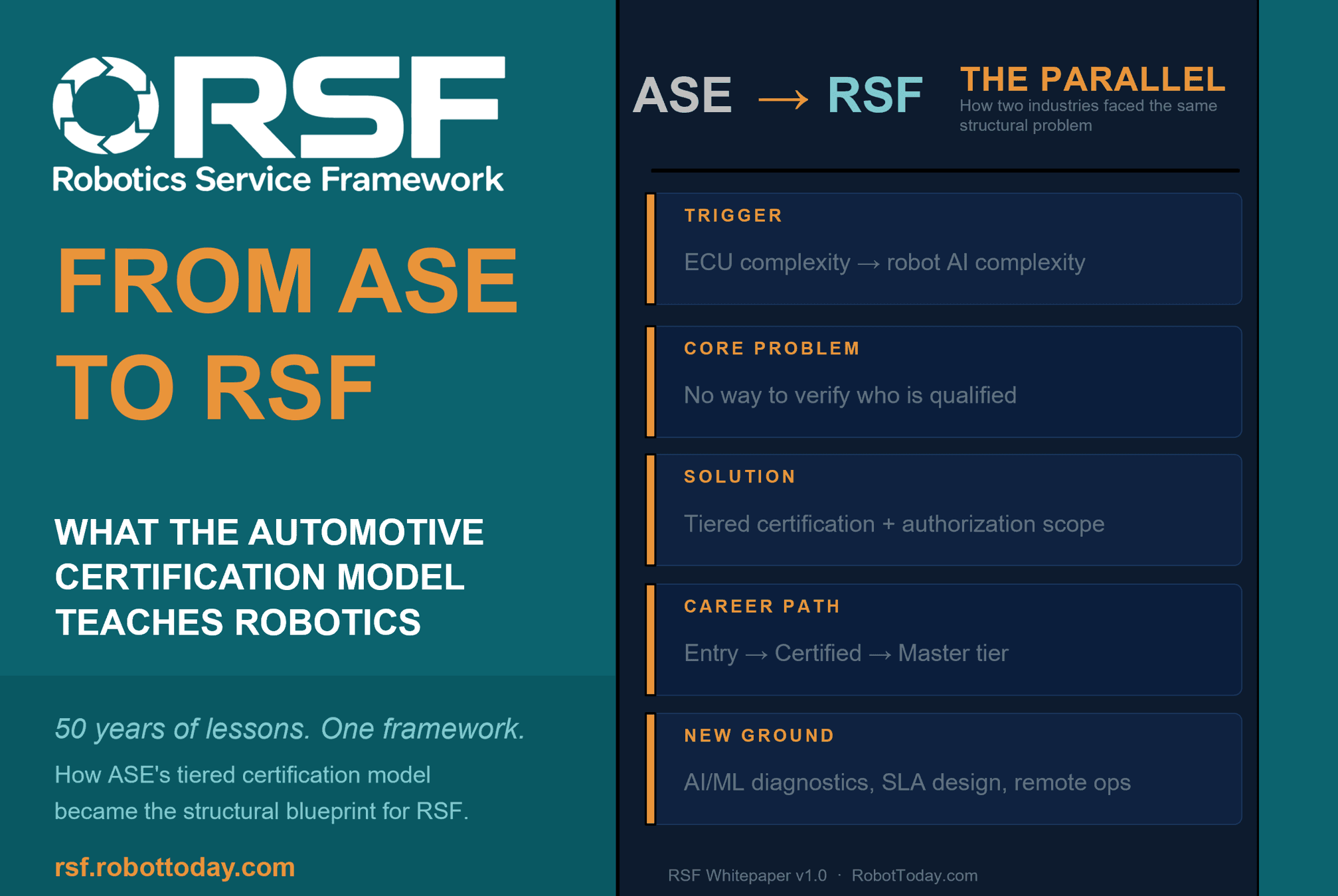
Sponsored Content ADI Analog DevicesRobotics needs a service framework.
RSF defines a common language for robot service capability, lifecycle operations, certification pathways, and service-provider networks.