


The total solar eclipse on August 2, 2027, is being referred to as the 'eclipse of the century,' despite the longest total solar eclipse of the 21st century occurring on July 22, 2009. This upcoming eclipse will have a maximum totality of 6 minutes and 23 seconds, just 16 seconds shorter than the 2009 event.
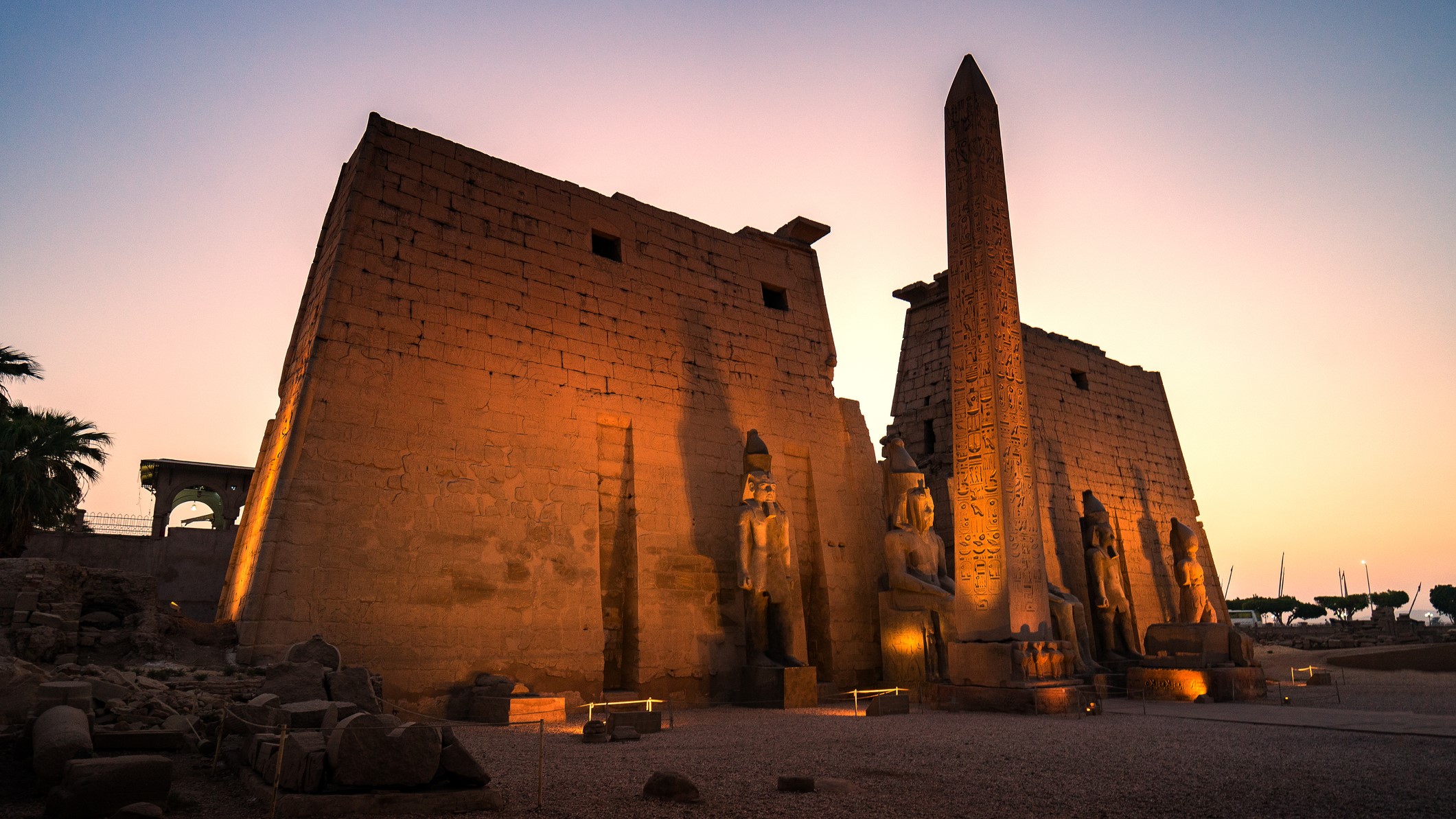
What sets the 2027 eclipse apart is its path over land, particularly in Luxor, Egypt, where clear skies are expected. Unlike the 2009 eclipse, which primarily occurred over the Pacific Ocean and was marred by poor weather for many observers, the 2027 eclipse will allow a larger audience to experience its remarkable duration.
As the longest total solar eclipse on land since 2009, the 2027 event is anticipated to attract significant attention. It will be the last eclipse of such magnitude until June 3, 2114. The focus on Luxor, with its historical significance and favorable viewing conditions, highlights the unique opportunity this eclipse presents for eclipse chasers and the general public alike.
Editor's Note
The 2027 total solar eclipse presents a unique opportunity for both enthusiasts and casual observers. With its path over land and favorable weather conditions, it is expected to draw a larger audience compared to previous eclipses. This event underscores the importance of accessibility in astronomical phenomena, as more people will be able to witness this spectacular occurrence firsthand.
Copyright Notice
This briefing is an independently written summary based on publicly available reporting and is provided for industry information and news discovery. The original report and source publication are credited and linked where applicable. RobotToday does not claim ownership of third-party source material.
Rights concerns? If you believe any material in this briefing infringes your copyright or other rights, please contact [email protected] with the relevant URL and details. We will review the matter and take appropriate action where warranted.



































Leave a comment