

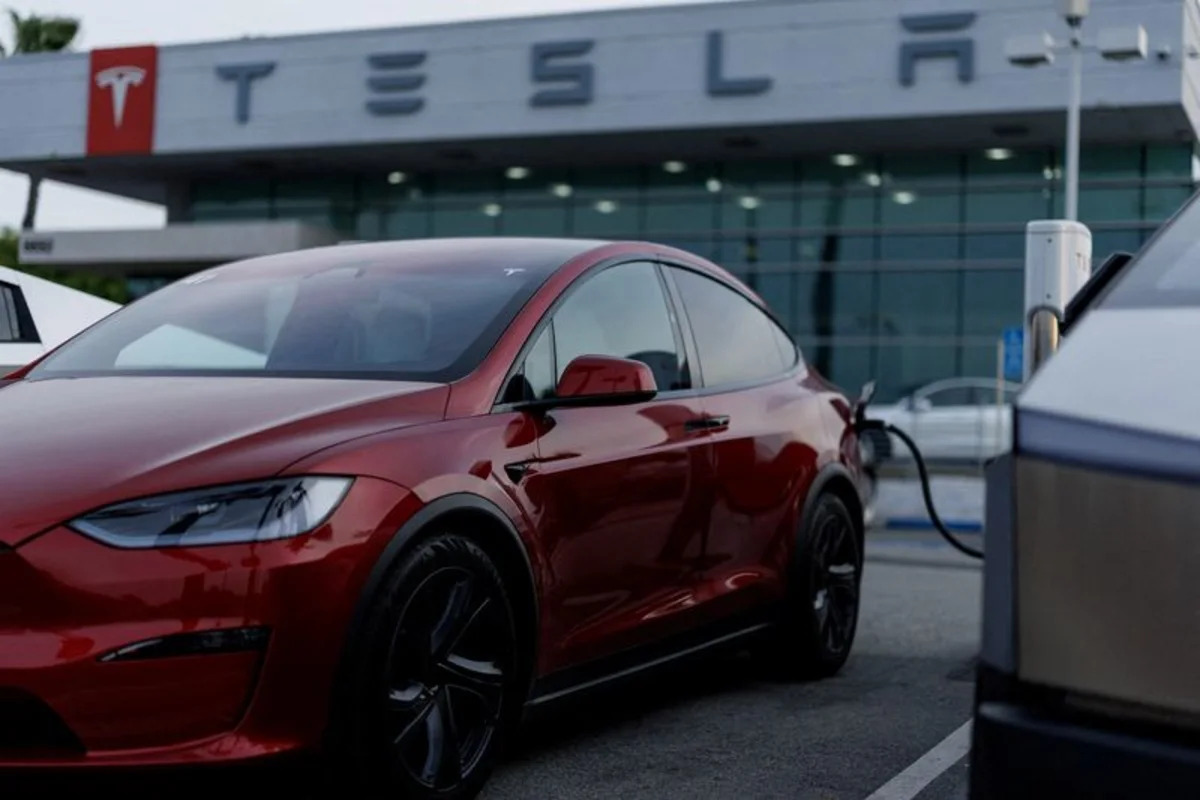
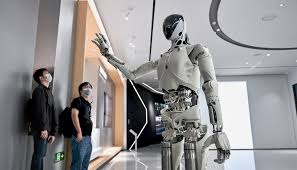
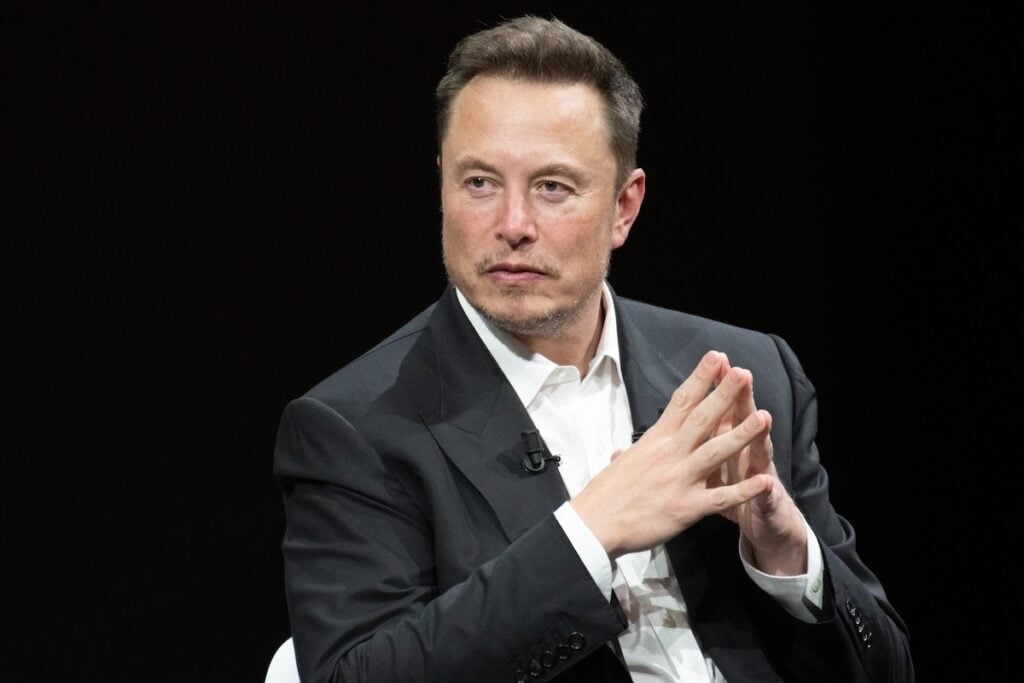
Tesla, led by Elon Musk, is transitioning from being viewed solely as an automaker to a broader focus on robotics and AI. However, the company's recent second-quarter results revealed a missed profit forecast and negative free cash flow for the first time in over two years, as it invests heavily in infrastructure for these new ventures.
This shift is significant as it highlights the financial pressures on Tesla's core automotive business, which is experiencing lower average selling prices and declining revenue from regulatory credits. The average revenue per vehicle sold dropped to $42,730, down from $45,345, indicating increased competition and challenges in maintaining profitability.
Looking ahead, Tesla plans to invest over $25 billion this year to support its AI-powered self-driving technology and other initiatives. With 1.5 million active Full Self-Driving subscriptions, the company aims to enhance profitability through advanced driver assistance software. No further timeline was disclosed at the time of publication.
Editor's Note
Tesla's pivot towards AI and robotics reflects a broader trend in the automotive industry, where traditional automakers are increasingly investing in advanced technologies. This shift raises questions about the sustainability of Tesla's core business model amid rising competition and changing market dynamics. Investors will be closely monitoring how these investments impact Tesla's financial health and market position in the coming months.

















Leave a comment