

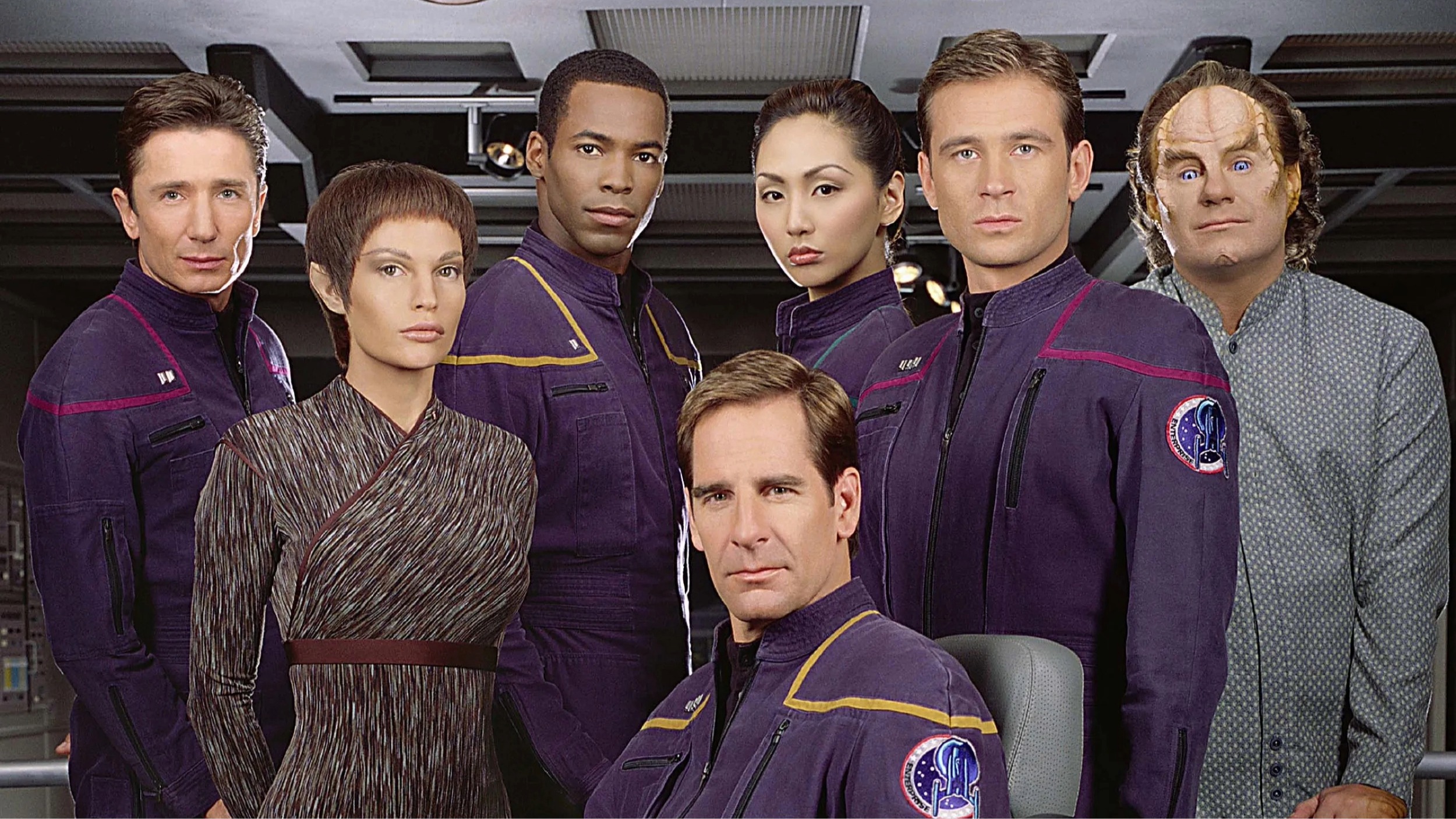
Twenty-five years after its premiere, 'Star Trek: Enterprise' presents a mixed legacy. The series, which serves as a prequel to the original Star Trek, follows Captain Jonathan Archer and the crew of the first starship Enterprise (NX-01). Despite its ambitious narrative and character development, the show faced significant backlash during its early seasons, leading to its cancellation in 2005 after four seasons.
The significance of 'Enterprise' lies in its attempt to innovate within the Star Trek franchise, introducing a more serialized storytelling approach and a contemporary tone that diverged from its predecessors. However, the initial reception was marred by controversial choices, including its theme song and character portrayals, which alienated some fans. The show struggled to maintain audience interest, particularly in its second season, as it reverted to self-contained episodes instead of the deeper narratives that viewers craved.
Looking ahead, the third season marked a turning point for 'Enterprise,' as the storytelling improved and resonated more with the audience. Co-creator Brannon Braga noted that the shift in approach revitalized the series, allowing it to embrace the essence of Star Trek. No further timeline was disclosed at the time of publication.
Editor's Note
Star Trek: Enterprise' serves as a case study in the challenges of evolving a beloved franchise. Its mixed reception highlights the importance of audience expectations and the impact of storytelling formats in television. As the industry continues to explore new narratives, the lessons from 'Enterprise' remain relevant for creators and decision-makers in the entertainment sector.



























Leave a comment