Search Result for: https://interestingengineering.com/innovation/membranes-strip-heavy-hydrocarbons-from-crude-oil
US firm’s new deep-reach drone can conduct surveillance beyond tactical frontline
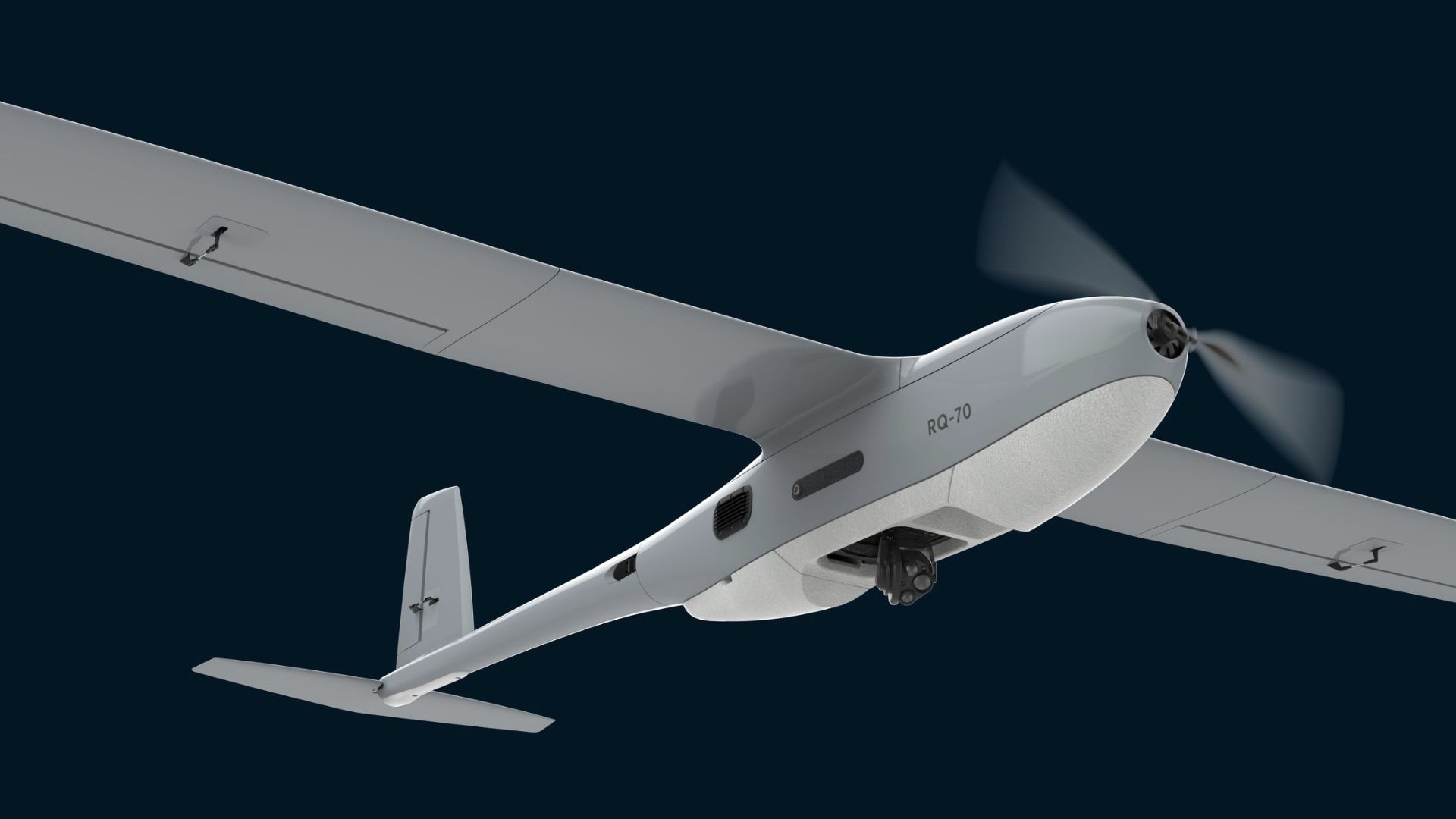
An aerospace and defense company has introduced its latest deep-reach intelligence, surveillance, and reconnaissance (ISR) system, designed to enhance military operations and situational awareness. The announcement was made during a defense technology conference held in Washington, D.C., on October 15, 2023. This cutting-edge system aims to provide armed forces with advanced capabilities to gather critical data over vast distances, improving their ability to monitor and respond to threats in real-time. The development of this ISR technology is motivated by the increasing demand for enhanced surveillance solutions in modern warfare, where timely and accurate information is crucial for mission success. The company plans to integrate this system into existing military platforms, ensuring seamless operation and compatibility with current defense strategies.

Doosan, LG CNS link up for data centers, robotics and AI
Doosan Corp. has announced a strategic partnership with LG CNS aimed at enhancing global competitiveness in key technology sectors, including data centers, hydrogen drone logistics, and artificial intelligence. The memorandum of understanding was signed by Doosan Corp. President Yoo Seung-woo and LG CNS President Hyun Shin-gyoon during a ceremony at LG Science Park in western Seoul on Thursday. This collaboration will focus on developing data center and cloud services, positioning both companies to leverage their strengths in these rapidly evolving industries. The partnership reflects a commitment to innovation and technological advancement in response to the growing demand for efficient and sustainable solutions in the digital landscape.
Video: Child-friendly Codey robot showcases embodied AGI future in education, healthcare
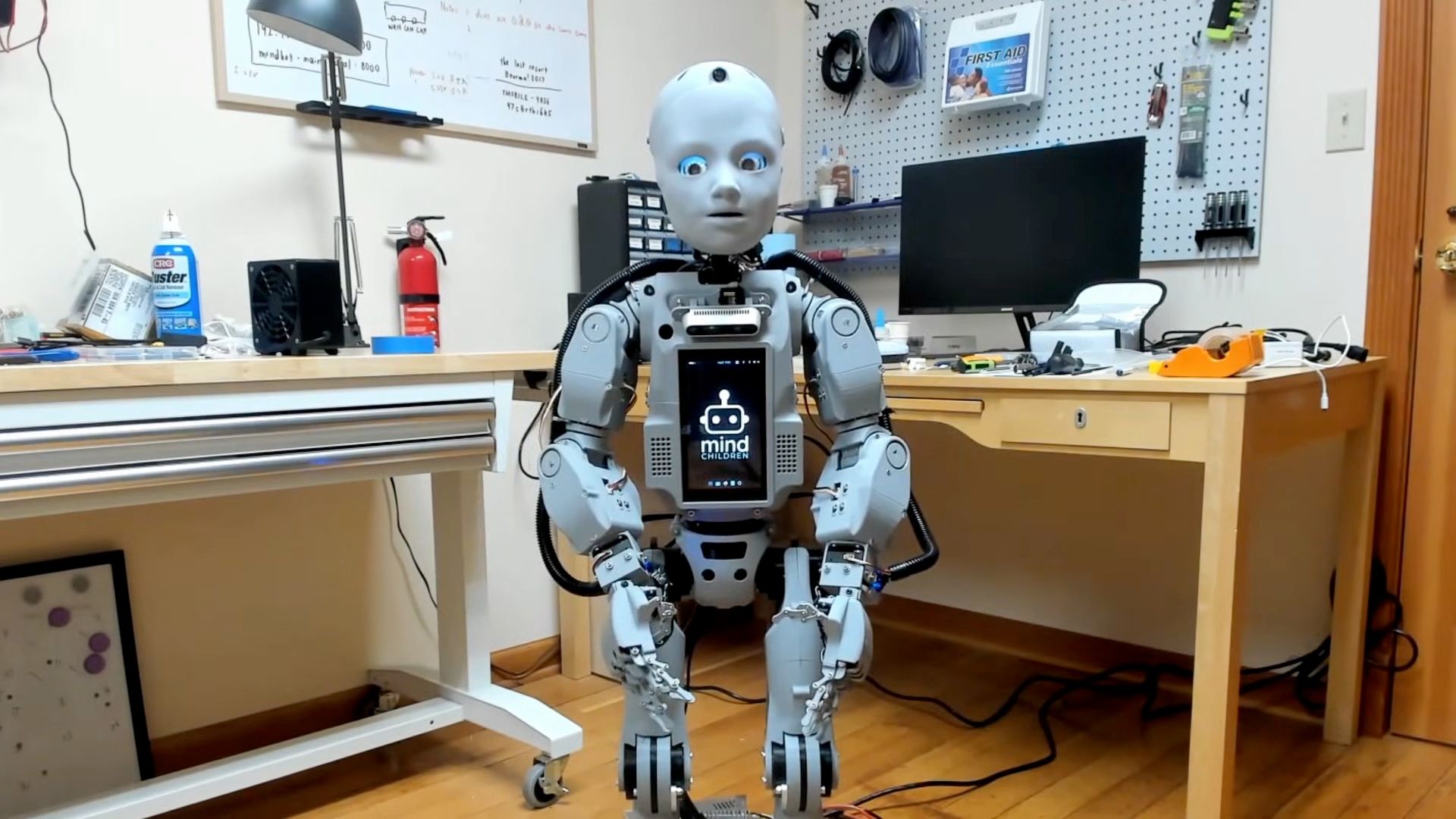
A Seattle-based robotics company has unveiled a three-foot-tall humanoid robot intended for public use, showcasing its potential to assist in various environments. The robot, which features advanced interaction capabilities, aims to enhance customer service and provide support in settings such as retail and hospitality. This development comes as part of a broader trend in the robotics industry, where companies are increasingly focusing on creating machines that can engage with people in everyday situations. The prototype was revealed during a technology expo held in Seattle last week, attracting attention from industry experts and potential investors. The creators believe that this humanoid robot could revolutionize the way businesses interact with customers, addressing labor shortages and improving efficiency. By integrating artificial intelligence and user-friendly interfaces, the robot is designed to learn from its interactions, adapting to the needs of its environment.

Understanding World Models: Diverging Paths of Fei-Fei Li and Yang Likun
Fei-Fei Li and Yang Likun are at the forefront of artificial intelligence research, each adopting unique methodologies in the development of 'world models.' Li is concentrating on the creation of editable 3D environments aimed at practical applications, which could enhance user interaction and real-world utility. In contrast, Likun is focusing on internal simulations designed to improve predictive capabilities in autonomous systems, a crucial aspect for advancing AI reliability and functionality. Their differing approaches underscore the complexities and challenges inherent in AI problem-solving. By exploring these methodologies, both researchers contribute to a deeper understanding of how to effectively define and tackle issues within the field. This ongoing discourse reflects the broader landscape of AI development, where diverse strategies are essential for innovation and progress.
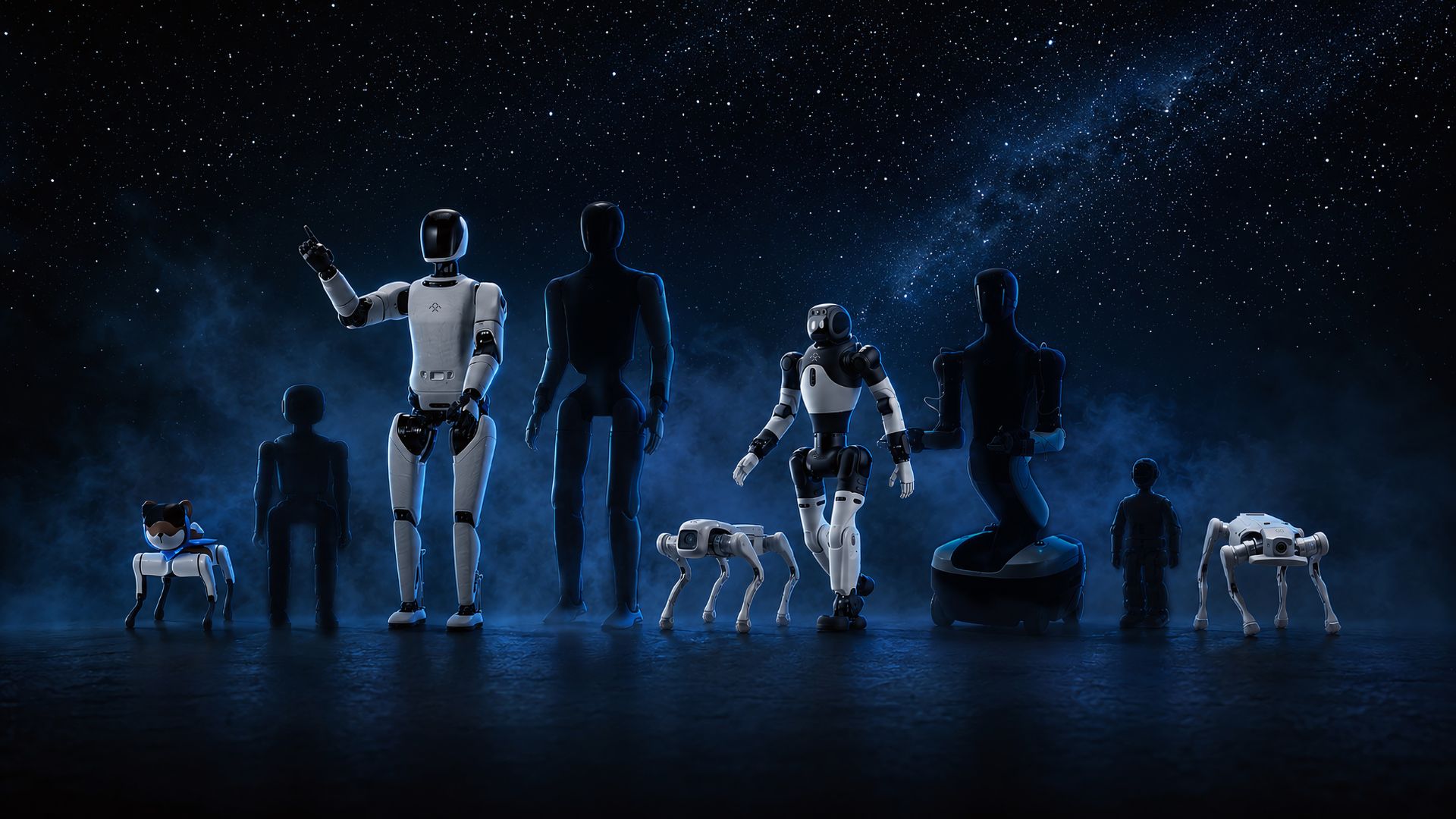
US firm unveils humanoid and robots with new ecosystem for embodied ‘intelligence’
Faraday Future, a US-based robotics company, has introduced its first-half lineup of embodied AI (EAI) robotics. The announcement was made during a recent event aimed at showcasing the company's innovative advancements in robotics technology. This unveiling marks a significant step for Faraday Future as it seeks to establish itself in the rapidly evolving robotics sector. The new EAI robotics lineup is designed to enhance automation and improve efficiency across various industries. By integrating advanced artificial intelligence capabilities, these robots are expected to perform complex tasks with greater precision and adaptability. The initiative reflects the company's commitment to pushing the boundaries of technology and addressing the growing demand for intelligent robotic solutions. This launch comes at a time when the robotics market is experiencing substantial growth, driven by increasing automation needs in sectors such as manufacturing, logistics, and healthcare. Faraday Future aims to capitalize on this trend by delivering cutting-edge robotics that can meet the diverse needs of businesses. The company plans to roll out these EAI robots in phases, with initial deployments expected in the coming months. By focusing on innovation and user-friendly designs, Faraday Future hopes to attract a wide range of clients looking to enhance their operational capabilities through robotics.
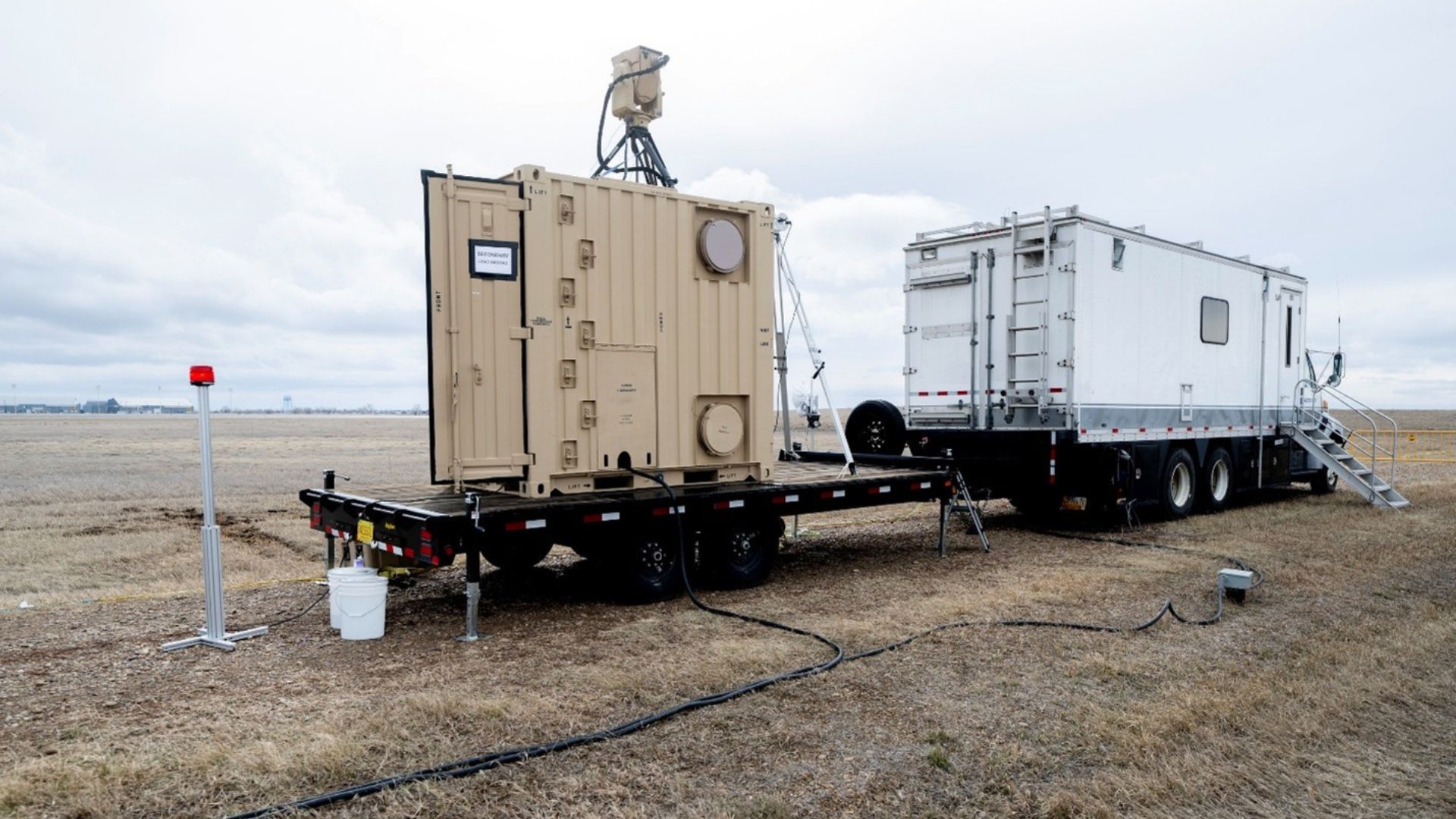
US Navy tests dual-use laser that beams power and counters drone threats in one system
The U.S. Naval Research Laboratory (NRL) has successfully demonstrated a groundbreaking laser system capable of transmitting data at unprecedented speeds. This innovative technology was showcased during a recent test conducted at the laboratory's facilities in Washington, D.C. The demonstration highlights the potential for advanced communication systems that could enhance naval operations and improve data transfer capabilities in various military applications. By utilizing laser technology, the NRL aims to address the growing demand for faster and more secure communication methods in an increasingly digital battlefield. The successful test marks a significant step forward in the development of high-speed data transmission solutions, paving the way for future advancements in military communications.
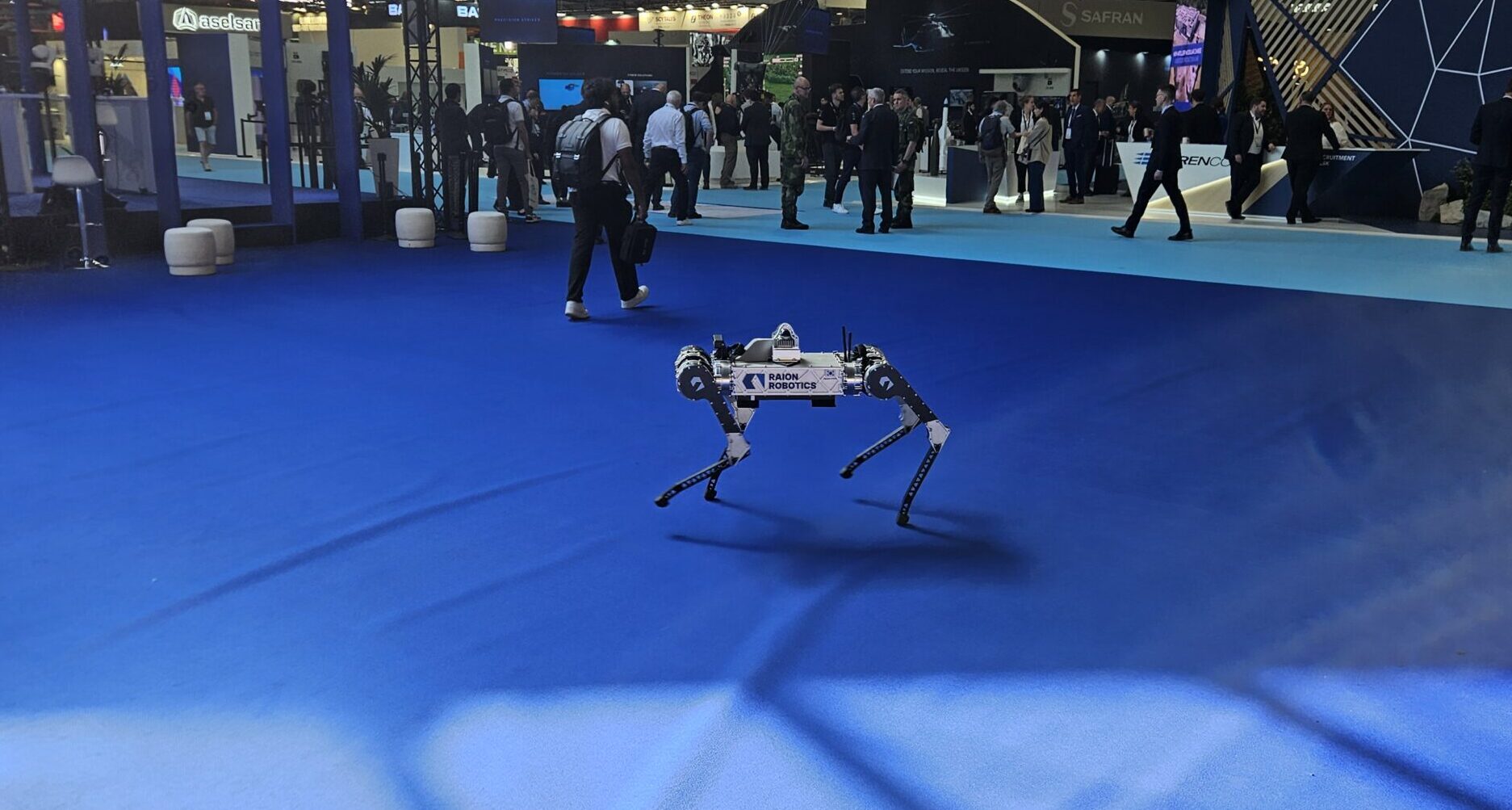
The sights of Eurosatory 2026, from the show floor
A major defense conference, recognized as one of the largest in Europe, recently showcased a variety of exhibits and discussions centered around military advancements and international security. The event, which took place in October 2023, attracted defense officials, industry leaders, and military experts from across the continent. Attendees engaged in dialogues about emerging technologies and strategies to address contemporary security challenges. The conference served as a platform for networking and collaboration, emphasizing the importance of unity among nations in enhancing defense capabilities. Photographs from the event highlight the significant participation and the dynamic exchanges that occurred, reflecting the growing emphasis on innovation in the defense sector.

Sanders bills AI companies for $7T public fund, aims $1,000 payments for US citizens
Senator Bernie Sanders has introduced a new proposal aimed at providing Americans with a direct financial stake in the nation's economy. This initiative, announced recently, seeks to address growing economic inequality by distributing a portion of the wealth generated by large corporations directly to citizens. The proposal comes in response to ongoing concerns about the widening wealth gap and the financial struggles faced by many families across the country. Sanders emphasized the need for a more equitable economic system, arguing that the current model disproportionately benefits the wealthy while leaving ordinary Americans behind. The plan outlines a mechanism for funding these payments through taxes on corporations and the wealthiest individuals, aiming to ensure that everyone can share in the prosperity of the nation. As discussions around the proposal continue, it is expected to spark debate among lawmakers and the public regarding the best approaches to tackle economic disparities and promote financial security for all.

RoboDK to Demonstrate New CAM Software That Cuts Robotic Machining Deployment Time by Up to 40% at Automate Chicago 2026
RoboDK is set to demonstrate its advanced capabilities in CAD-to-robot machining and collision-free motion planning at an upcoming event. Utilizing a Mecademic robot, the company will present a production-ready setup that highlights the efficiency and precision of its technology. This showcase aims to illustrate how RoboDK's software can streamline robotic machining processes, enhancing productivity and safety in manufacturing environments. The event is scheduled for later this month, providing an opportunity for industry professionals to witness firsthand the innovations in robotic automation and their practical applications in real-world scenarios.
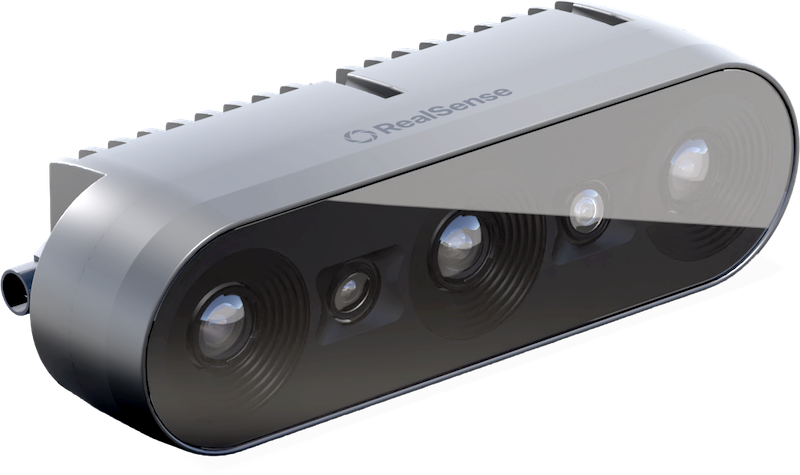
RealSense unveils AI-native D585 Pro depth camera for robots
RealSense has introduced its latest innovation, the D585 Pro depth camera, designed specifically for robotic applications. This new model is powered by a proprietary Gen 5 system-on-chip, which enhances its performance by providing over twice the depth quality compared to its predecessor. The unveiling of the D585 Pro marks a significant advancement in depth sensing technology, aimed at improving the capabilities of robots in various environments. The announcement was made recently, highlighting RealSense's commitment to advancing AI-native solutions in the robotics sector.

One soldier, many drones: US Army tests autonomous drone-control software
The U.S. Army has awarded two contracts to Palladyne AI, a defense and technology company, to conduct testing of its advanced artificial intelligence systems. This initiative, announced recently, aims to enhance military capabilities through innovative technology solutions. The contracts will facilitate the evaluation of Palladyne AI's systems in various operational scenarios, focusing on improving decision-making processes and operational efficiency. The collaboration underscores the Army's commitment to integrating cutting-edge technology into its operations to maintain strategic advantages. The testing is expected to take place at designated military facilities, with results potentially influencing future defense strategies and procurement decisions.

Official Announcement: 2026 ROBOTAC to be Held in Beijing Tongzhou
The 2026 National College Student Robotics Competition, known as ROBOTAC, is set to be held in Beijing's Tongzhou District, a venue chosen to showcase the region's advancements in technology and its dedication to national strategic initiatives. Scheduled for next year, the competition seeks to merge high-level robotics contests with local industry, promoting collaboration between leading universities and the robotics sector. This initiative not only aims to enhance the practical skills of students but also to provide them with hands-on experience in emerging technologies, thereby fostering innovation and growth within the field.
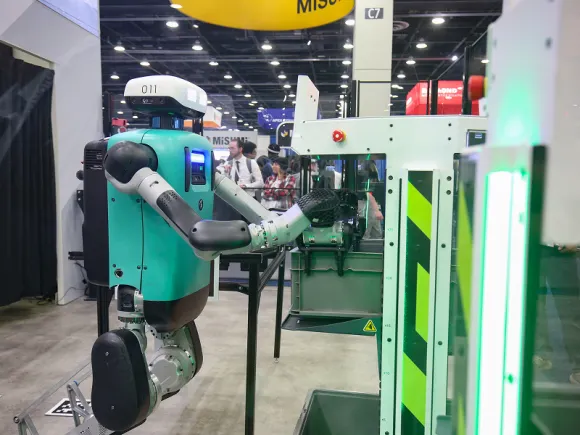
Nvidia and ABB Robotics advance partnerships, Standard Bots raises $200M
Ahead of the upcoming Automate trade show, robotics companies are showcasing their latest innovations in Chicago. The event, scheduled for next week, serves as a platform for these firms to present cutting-edge technologies and advancements in automation. With the industry rapidly evolving, the previews aim to attract attention from potential buyers and industry professionals eager to explore new solutions that enhance productivity and efficiency. The demonstrations will highlight various applications of robotics across different sectors, emphasizing the growing importance of automation in modern manufacturing and logistics. As companies prepare for the trade show, the anticipation builds for what promises to be a significant gathering in the robotics sector.

No driver, no operator: Inside redundant sensor infrastructure of a commercial robot bus
A significant initiative to expand the use of driverless shuttles beyond corporate campuses and testing sites is gaining momentum. This effort, which has been in progress for several years, aims to integrate autonomous vehicles into public transportation systems, thereby enhancing mobility options for urban residents. The push is particularly relevant as cities seek innovative solutions to address traffic congestion and reduce carbon emissions. Recent developments indicate that several municipalities are collaborating with technology companies to pilot driverless shuttle programs in urban environments. These trials are designed to assess the feasibility and safety of autonomous vehicles in real-world settings, with the goal of eventually implementing them as a regular mode of transport for the public. The motivation behind this initiative stems from the increasing demand for efficient and sustainable transportation solutions. By leveraging advancements in artificial intelligence and vehicle technology, proponents believe that driverless shuttles can provide a reliable alternative to traditional public transit, particularly in underserved areas. As cities prepare for these trials, stakeholders are focused on ensuring regulatory compliance and addressing public concerns regarding safety and privacy. The successful deployment of driverless shuttles could mark a transformative shift in urban mobility, paving the way for smarter, more sustainable cities.

New membranes strip 99.8% of heavy hydrocarbons from crude oil to save refining energy
Researchers have developed a groundbreaking class of ultrathin polymer membranes known as Polymers of Locked Intrinsic Microporosity (PLIMs). This innovative material, which emerged from a collaborative effort among scientists, aims to enhance gas separation processes. The announcement was made during a recent conference held in October 2023, where experts gathered to discuss advancements in materials science. The motivation behind creating PLIMs stems from the increasing demand for efficient and sustainable methods in gas separation, which is crucial for various industries, including energy and environmental sectors. The unique structure of these membranes allows for superior performance compared to traditional materials, potentially leading to significant reductions in energy consumption and operational costs. The development process involved extensive research and experimentation to optimize the polymer's properties, resulting in membranes that are not only ultrathin but also exhibit remarkable selectivity for specific gases. This advancement could revolutionize applications such as carbon capture and hydrogen purification, addressing pressing global challenges related to climate change and resource management. As the scientific community continues to explore the potential of PLIMs, the implications for industrial applications and environmental sustainability are becoming increasingly clear, paving the way for a new era in membrane technology.

NIO enhances smart driving education; Ren Shaoqing states innovation will reshape competition.
On June 18, NIO announced the rollout of its latest world model software across multiple vehicle platforms, including eight NT2.0 models, four NT2.5 models, and six NT3.0 models. This update allows NIO to run the same complex autonomous driving code on different generations of chips, addressing a common industry challenge where software updates were often limited to the latest hardware, leaving older vehicle owners at a disadvantage. The initiative stems from a long-term effort by NIO's team, led by Ren Shaoqing, who began exploring solutions in 2020. NIO developed an AI infrastructure that bridges gaps between different chip architectures, enhancing vehicle processing speeds with an AI compiler and automating deployment processes with AI agents. This innovation has significantly reduced deployment times from days to just a couple of hours. NIO's approach includes running the latest models in a "shadow mode" on production vehicles to gather valuable data without interfering with user driving. This data is used to train smarter models, creating a feedback loop that enhances the software's performance. The company has reported a substantial increase in its autonomous driving capabilities, attributing this to a shift in understanding the development cycle of physical AI. As the industry evolves, NIO has restructured its autonomous driving team to focus on foundational research and innovation, positioning itself to leverage advancements in large model technology and closed-loop reinforcement learning. The company aims to enhance its competitive edge by continuously improving its algorithms and data systems, ultimately striving for a more robust autonomous driving experience.
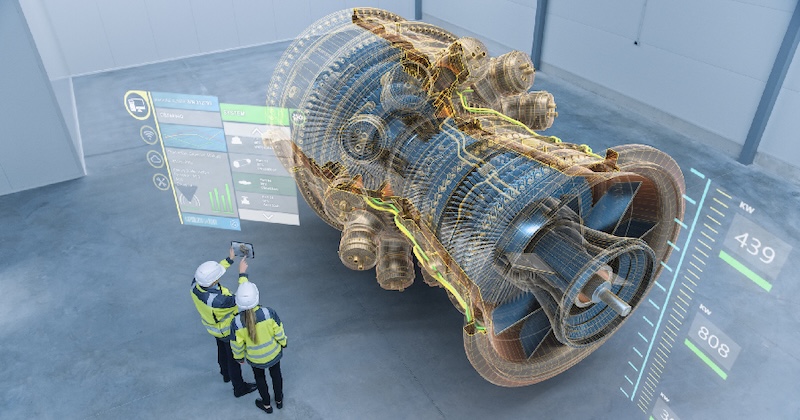
Massachusetts awards $2 million to six local robotics companies
The Healey-Driscoll Administration of Massachusetts, in collaboration with the Innovation Institute of the Massachusetts Technology Collaborative, has allocated nearly $2 million to support six organizations focused on advancing robotics innovation within the state. This funding, part of the Massachusetts Robotic Digital Twin Initiative, aims to enhance commercialization opportunities for robotics hardware developers by providing greater access to digital twin technologies. The initiative is designed to foster growth in the robotics sector, positioning Massachusetts as a leader in technological advancement and innovation.

MIT in the media: For the future of tech, "Massachusetts can absolutely lead"
Leaders and faculty from the Massachusetts Institute of Technology (MIT) engaged in discussions focused on enhancing innovation and talent development in Greater Boston. This dialogue is part of a special series of articles released in conjunction with the outlet's annual compilation of influential figures in the technology sector, known as the 'Tech Power Players.' The initiative aims to address the region's evolving tech landscape and the importance of nurturing a skilled workforce to maintain Greater Boston's competitive edge in the industry. Through collaborative insights and expert perspectives, the series seeks to highlight strategies that can effectively foster an environment conducive to technological advancement and innovation.

KNDS unveils 58-caliber self-propelled LORAS howitzer for 37-mile baseline range
At the Eurosatory 2026 defense exposition, the Franco-German defense consortium KNDS unveiled its latest innovation, the Long-Range Artillery system. This event, held in Paris, showcased advanced military technology aimed at enhancing the capabilities of European armed forces. The introduction of this artillery system is part of a broader strategy to strengthen defense collaboration between France and Germany, reflecting a commitment to modernize and improve military readiness in response to evolving security challenges. The Long-Range Artillery is designed to provide enhanced precision and extended reach, addressing the growing demand for advanced weaponry on the battlefield.
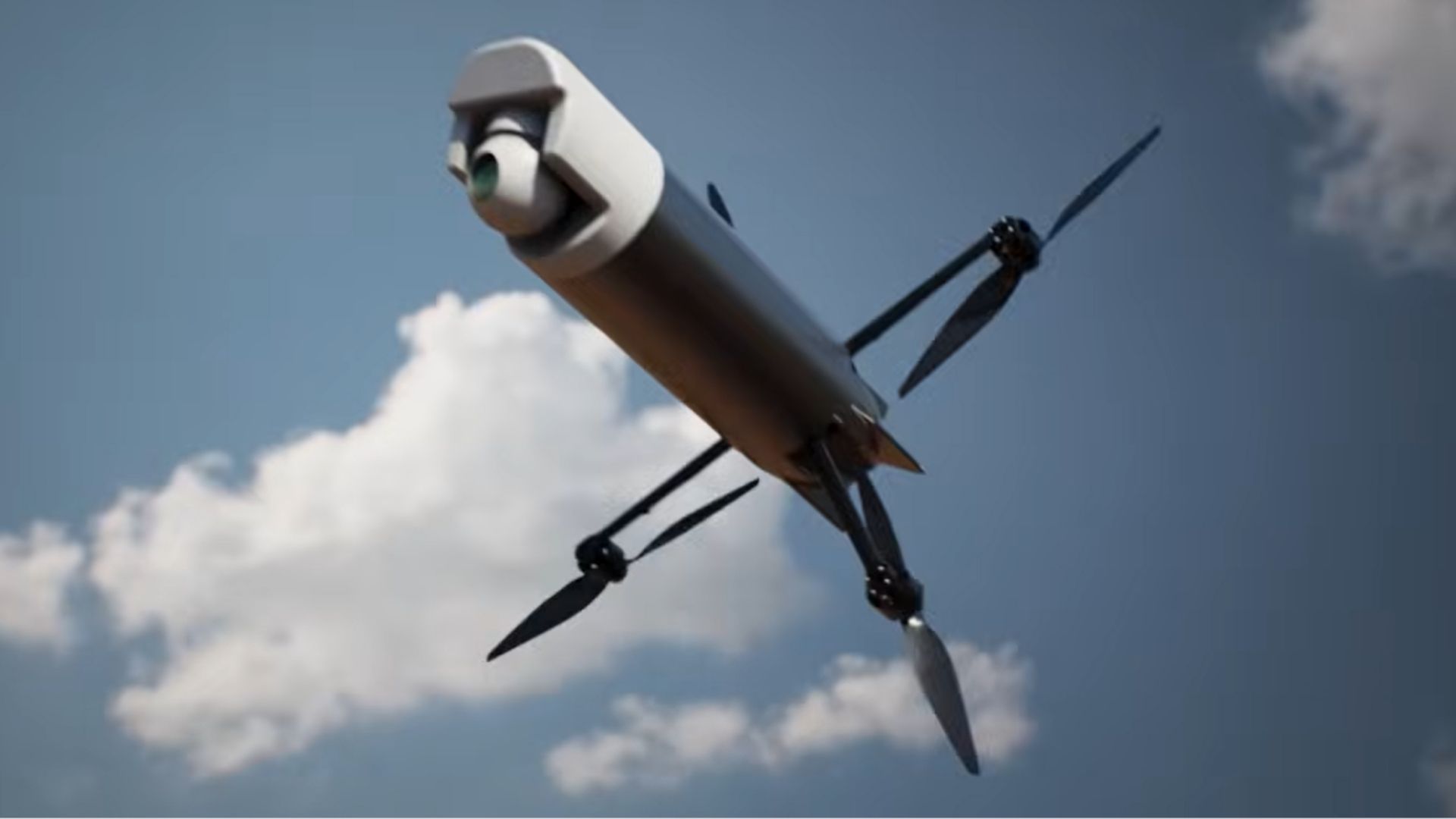
Israeli firms’ tube-launched interceptor drone can offer aerial protection for ground platforms
Israeli defense contractor Rafael Advanced Defense Systems has partnered with drone specialist SpearUAV to unveil their latest innovation, the Iron Drone. This advanced drone system is designed to enhance military capabilities by providing a versatile platform for various defense applications. The announcement was made during a press conference held in Tel Aviv on October 15, 2023. The collaboration aims to address the increasing demand for advanced aerial surveillance and precision strike capabilities in modern warfare. By integrating Rafael's defense technologies with SpearUAV's expertise in drone systems, the Iron Drone is expected to offer enhanced operational efficiency and effectiveness for military forces. The Iron Drone features cutting-edge technology that allows for real-time data collection and analysis, enabling commanders to make informed decisions on the battlefield. This development reflects a broader trend in the defense industry, where unmanned aerial vehicles are becoming essential tools for military operations. As global security challenges evolve, the introduction of the Iron Drone signifies a strategic move by both companies to strengthen their positions in the competitive defense market and meet the needs of armed forces worldwide.
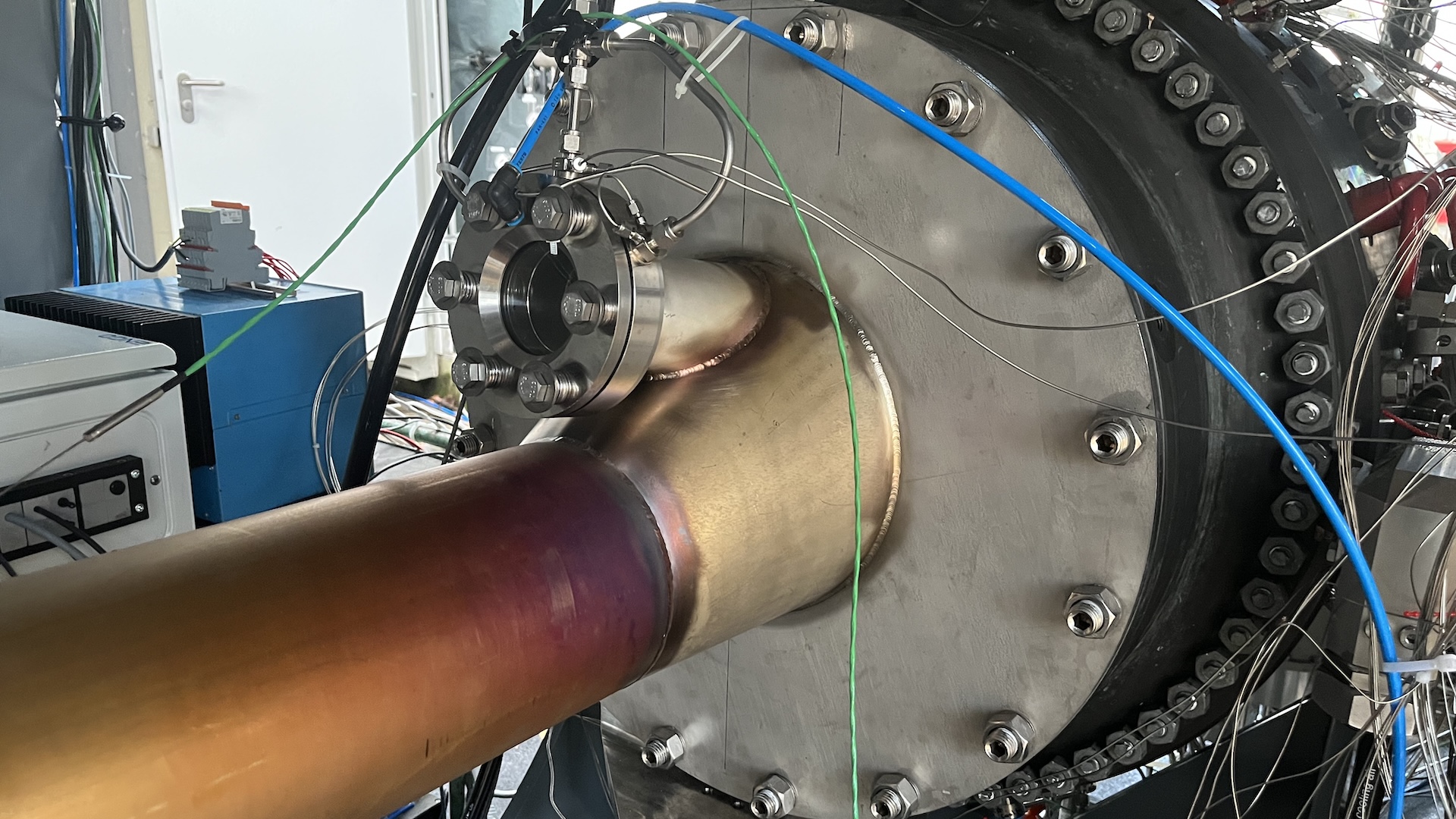
In a first, hydrogen engine restart for high-altitude conditions tested by GE Aerospace
GE Aerospace and its subsidiary Avio Aero have announced the successful completion of their first engine restart test, marking a significant milestone in their ongoing development efforts. This test took place recently at their facility in Italy, demonstrating the companies' commitment to advancing aerospace technology. The restart test is crucial as it aims to enhance engine performance and reliability, which are essential for meeting the growing demands of the aviation industry. By employing innovative techniques and rigorous testing protocols, GE Aerospace and Avio Aero are positioning themselves to lead in the competitive aerospace market. This achievement not only showcases their engineering capabilities but also underscores their dedication to ensuring safer and more efficient flight operations in the future.

How FERC’s Large-Load Interconnection Actions Help Address Grid Stress, Improve Affordability
The Federal Energy Regulatory Commission (FERC) announced a significant decision today regarding large-load interconnections, which will notably affect the construction of AI factories and semiconductor fabrication facilities. This milestone aims to streamline the process for connecting these power-intensive operations to the grid, addressing the growing demand for energy as technology sectors expand. The decision comes at a crucial time when the U.S. is focusing on enhancing its infrastructure to support emerging industries. By simplifying the interconnection process, FERC seeks to facilitate the rapid development of these facilities, ultimately fostering innovation and economic growth in the technology sector.

Fao Robotics Showcases Industrial Modular Solutions at Zhangjiang Embodied Intelligence Conference
At the Zhangjiang Embodied Intelligence Developer Conference in Shanghai, Fao Robotics showcased its dedication to creating industrial-grade modular solutions for humanoid robots. The event, which took place recently, underscored the company's goal to meet the growing demand for dependable hardware platforms and scalable delivery systems in the robotics industry. Fao Robotics emphasized the importance of collaboration and innovation throughout the supply chain as a means to expedite the integration of embodied intelligence technologies. By focusing on these key areas, the company aims to enhance the overall efficiency and effectiveness of humanoid robotics in various industrial applications.
Eurosatory 2026: Ukraine’s Fire Point pursues ballistic missile sovereignty
In a recent interview with Army Technology, the CEO of Fire Point outlined her ambitious plans to develop a self-sufficient ballistic missile and interceptor industry in Ukraine. This initiative comes in response to the ongoing security challenges faced by the country, particularly amid heightened tensions in the region. The CEO emphasized the importance of establishing a domestic defense capability to enhance Ukraine's sovereignty and security. The project aims to leverage local expertise and resources, fostering innovation and creating jobs within the defense sector. By investing in this critical area, Fire Point seeks to contribute to Ukraine's long-term defense strategy and resilience against external threats.
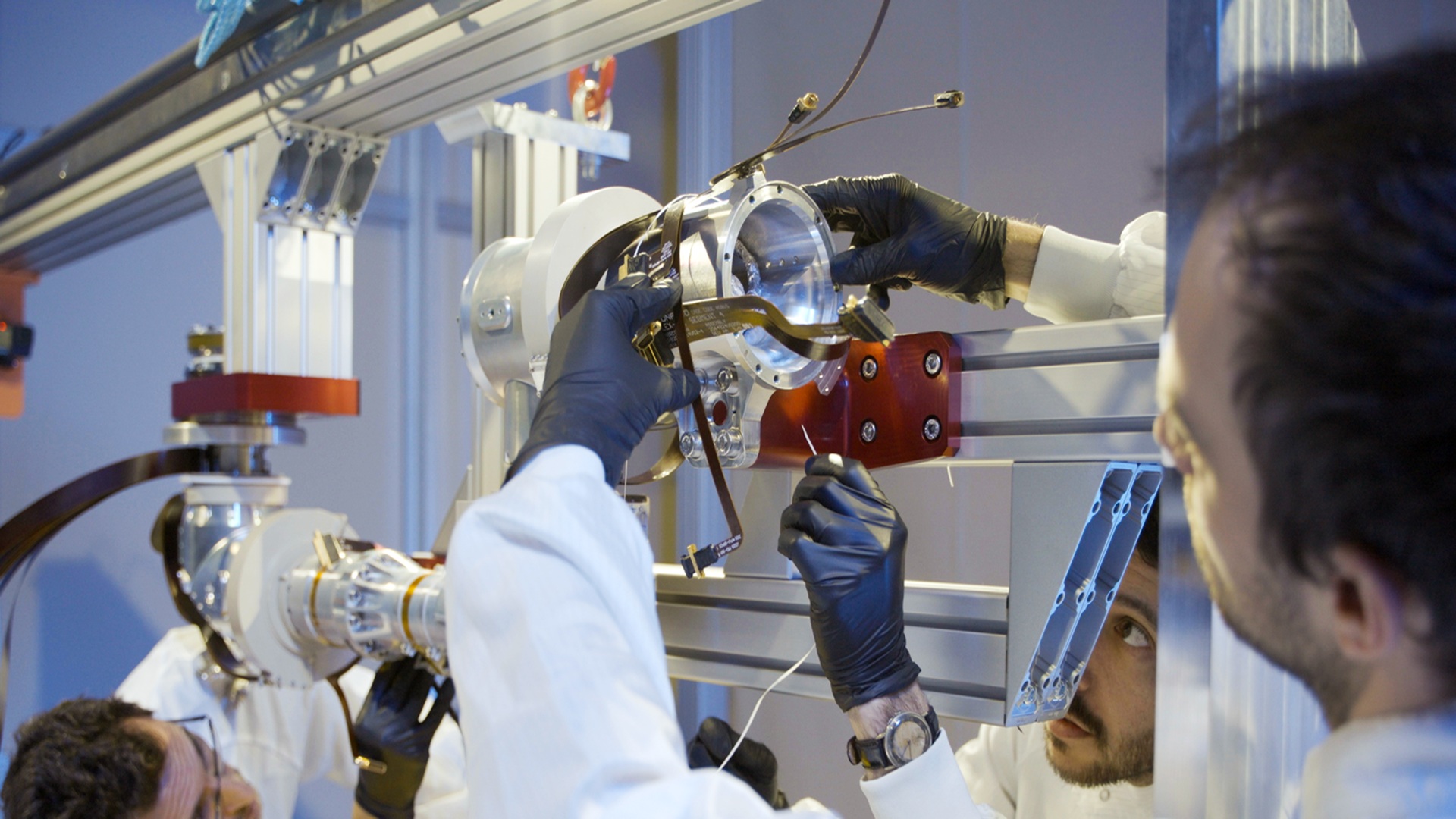
Europe builds robotic arm that can see, feel and handle samples for Moon missions
Engineers at the European Space Agency (ESA) are currently in the process of assembling a highly sophisticated robotic arm designed for future space missions. This advanced technology aims to enhance the capabilities of European spacecraft, allowing for more complex tasks in orbit and on planetary surfaces. The assembly is taking place at ESA's facilities in the Netherlands, where teams are meticulously working to ensure the arm meets stringent operational standards. The initiative is part of ESA's broader strategy to strengthen its role in international space exploration and to contribute to collaborative missions with other space agencies. By developing this cutting-edge robotic arm, ESA seeks to improve the efficiency and effectiveness of its missions, ultimately advancing scientific research and exploration beyond Earth.

Croplands expands WEED-IT range with new releases, including orchard solution
Australian company Croplands Equipment has introduced a series of innovative technologies in its WEED-IT precision spraying range. The launch features the Series 2 Robot Ready Pinto, along with a large-scale broadacre platform and enhanced retrofit capabilities. Additionally, the company has developed its first optical spot spraying solution specifically designed for orchards. This advancement aims to improve efficiency and precision in agricultural spraying, addressing the growing demand for sustainable farming practices. The new technologies are set to revolutionize the way farmers manage weeds and optimize crop health, reflecting Croplands' commitment to innovation in the agricultural sector.

Australia tests backpack-sized counter-drone system deployable in under two minutes
Australia is intensifying its initiatives to safeguard frontline troops against the increasing risks posed by small drones. This move comes in response to the rising use of unmanned aerial vehicles in modern warfare, which have become a significant concern for military operations. The Australian Defence Force (ADF) is prioritizing the development and deployment of advanced counter-drone technologies to enhance the safety and effectiveness of its personnel in the field. In recent months, military officials have conducted assessments and trials to identify the most effective strategies for neutralizing drone threats. These efforts are part of a broader strategy to adapt to evolving combat scenarios, ensuring that Australian forces remain well-equipped to handle emerging challenges. The urgency of this initiative is underscored by the increasing frequency of drone-related incidents in conflict zones worldwide, prompting a reevaluation of existing defense protocols. As part of this initiative, the ADF is collaborating with technology firms and defense experts to innovate solutions that can detect, track, and neutralize hostile drones. The aim is to implement these technologies in various operational settings, thereby reinforcing the protection of troops during missions. This proactive approach reflects Australia’s commitment to maintaining a robust defense posture in the face of evolving threats in the global security landscape.

At Cannes Lions, NVIDIA Partners Reshape Advertising and Marketing With AI
The advertising and marketing industry is undergoing a significant transformation as it embraces artificial intelligence (AI) to enhance operational efficiency. With the advent of the digital era, companies have already experienced increased speed in their marketing efforts. Now, as AI technologies continue to evolve, businesses are shifting their focus from merely adopting these innovations to integrating autonomous operations into their strategies. This shift reflects a growing recognition of AI's potential to streamline processes and improve decision-making in advertising. As firms develop next-generation technologies, the imperative to leverage AI effectively is becoming increasingly clear, positioning it as a critical component for future success in the industry.

XINMING Unveils R216g 3D Vision AI Module at Shanghai Conference
At the 2026 Zhangjiang Embodied Intelligence Developer Conference, XINMING unveiled its latest innovation, the R216g 3D Vision AI module. This cutting-edge technology is specifically designed for humanoid robots and collaborative arms, boasting advanced spatial perception capabilities that ensure high precision in complex environments. The introduction of the R216g aims to significantly improve the efficiency and reliability of physical AI applications across a range of industries, reflecting XINMING's commitment to advancing robotics and artificial intelligence.

Watch: Microsoft's AI Journey
Joanna Kostecka and Dhaval Desai from Microsoft Cloud recently shared insights into the company’s advancements in artificial intelligence and its strategic collaboration with SAP. This partnership aims to enhance cloud-based solutions, leveraging AI to improve business processes and drive innovation. The discussion highlighted how integrating AI capabilities can streamline operations for enterprises, ultimately leading to more efficient workflows and better decision-making. This initiative reflects Microsoft’s commitment to harnessing cutting-edge technology to support its clients in navigating the evolving digital landscape. The insights were presented during a recent industry event, emphasizing the growing importance of AI in enterprise solutions.

Upsampling method sharpens AI vision with up to 16 times less GPU memory
A collaborative research team from KAIST and various international institutions has made significant advancements in computer vision technology, enhancing artificial intelligence's ability to perceive its surroundings. This new technology improves GPU memory efficiency by up to 16 times, allowing AI systems to operate with minimal memory usage. The breakthrough, announced recently, is expected to play a crucial role in advancing the development of humanoid robots and on-device AI, potentially transforming how these technologies are integrated into everyday life. The innovation underscores the growing importance of efficient AI systems in various applications, from smartphones to robotics.
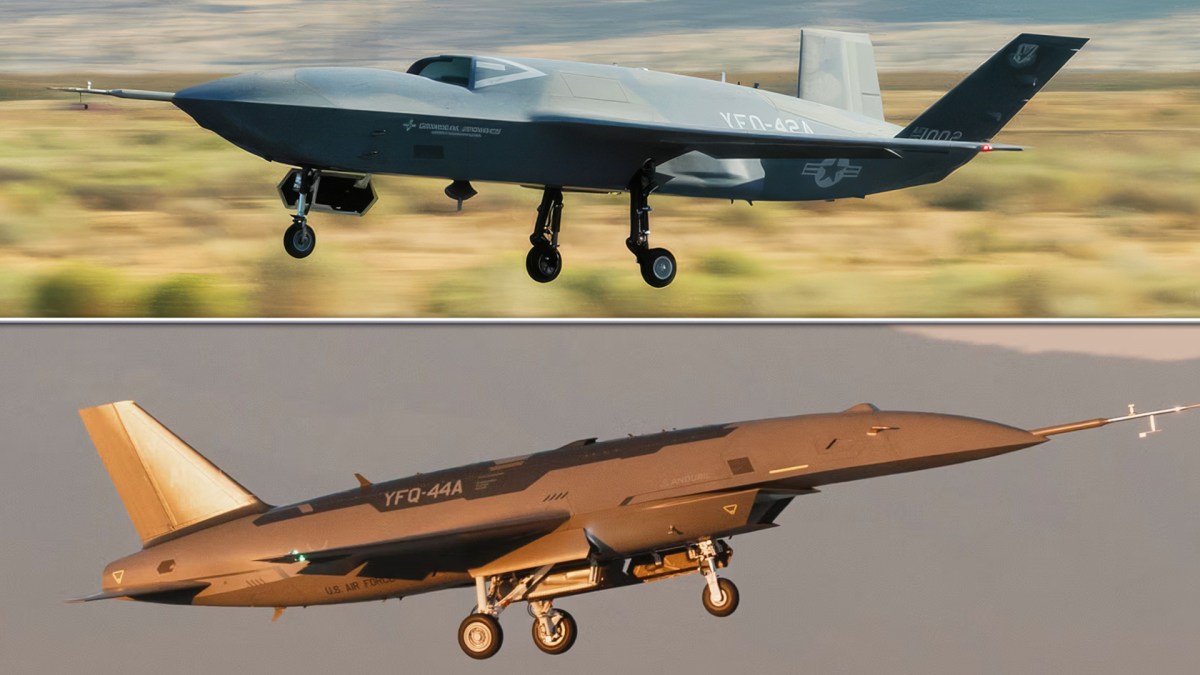
USAF Orders Both General Atomics’ FQ-42 And Anduril’s FQ-44 Into Production
The United States Air Force (USAF) has made a significant decision to order both the FQ-42 and FQ-44 Collaborative Combat Aircraft designs from General Atomics and Anduril, respectively. This move, announced recently, aims to mitigate risks associated with the high-stakes program by leveraging the advantages of both aircraft designs. By opting for dual production, the USAF seeks to enhance its operational capabilities and ensure a more robust defense strategy. The decision underscores the importance of innovation and adaptability in military aviation, as the USAF navigates the complexities of modern warfare.

TARA to Attend CIEI 2026 Global Embodied Intelligence Industry Collaboration Conference
The Thai Automation and Robotics Association (TARA) has announced its involvement in the upcoming CIEI 2026 conference, where it will highlight Thailand's 'Thailand 4.0' initiative and explore opportunities within Southeast Asia's embodied intelligence sector. Scheduled to take place in 2026, the conference aims to foster international collaboration while offering valuable insights into regional market needs and supportive policies for the automation and robotics industry. TARA's participation underscores its commitment to advancing technological innovation and enhancing Thailand's position in the global market.
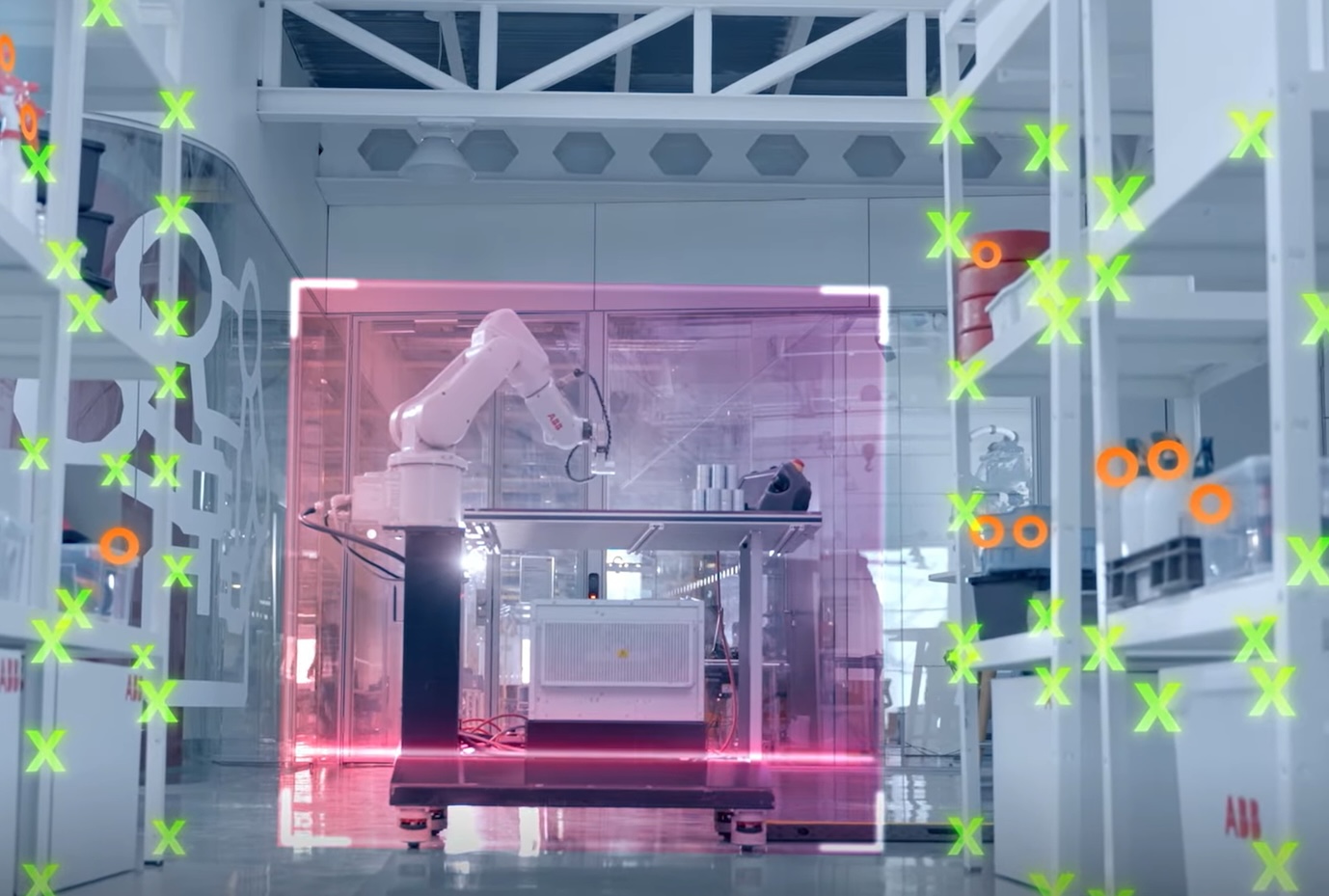
Stop chasing identical outcomes in HRI replication: Learn from the differences
In a groundbreaking study published in the June 2026 issue of Science Robotics, researchers from leading universities have unveiled a new robotic system designed to assist in complex surgical procedures. This innovative technology aims to enhance precision and reduce recovery times for patients undergoing surgery. The research team, comprised of experts in robotics and medicine, conducted extensive trials to evaluate the system's effectiveness. Their findings indicate that the robotic assistant can significantly improve surgical outcomes by minimizing human error and providing surgeons with advanced tools for intricate tasks. The development of this robotic system comes in response to the growing demand for more efficient and safer surgical methods, driven by an increase in minimally invasive procedures. By integrating artificial intelligence and machine learning, the robot is capable of adapting to various surgical environments and techniques, thereby expanding its applicability across different medical specialties. The trials took place in several hospitals, where the robotic system was tested alongside traditional surgical methods. Results showed a marked improvement in patient recovery rates and overall satisfaction with the surgical experience. As the healthcare industry continues to evolve, this robotic innovation represents a significant step forward in the integration of technology into medical practice, promising to transform the future of surgery and patient care.

Saab unveils new Giraffe ABM Digital radar at Eurosatory 2026.
At the Eurosatory defense and security international exhibition, Saab unveiled its latest Giraffe AMB D radar system. This launch comes shortly after the Swedish Defence Materiel Administration (FMV) confirmed that it had placed an order for several units in the weeks leading up to the event. The Giraffe AMB D radar is designed to enhance surveillance and air defense capabilities, reflecting Saab's commitment to advancing military technology. The exhibition, held in Paris, serves as a significant platform for defense industry innovations, making it an ideal venue for Saab to showcase its new product and secure further interest from potential clients.

Robot forces could guard NATO’s 2,150-mile east front in new border defense concept
Milrem Robotics has unveiled an innovative strategy aimed at enhancing NATO's defense capabilities in Eastern Europe. This announcement was made during a recent defense technology conference held in Tallinn, Estonia, where the company showcased its latest advancements in autonomous systems. The initiative seeks to address the growing security concerns in the region, particularly in light of increasing geopolitical tensions. By integrating advanced robotics and artificial intelligence into military operations, Milrem Robotics aims to improve situational awareness and operational efficiency for NATO forces. The plan emphasizes collaboration with member states to develop and deploy these technologies effectively, ensuring a robust defense posture against potential threats.
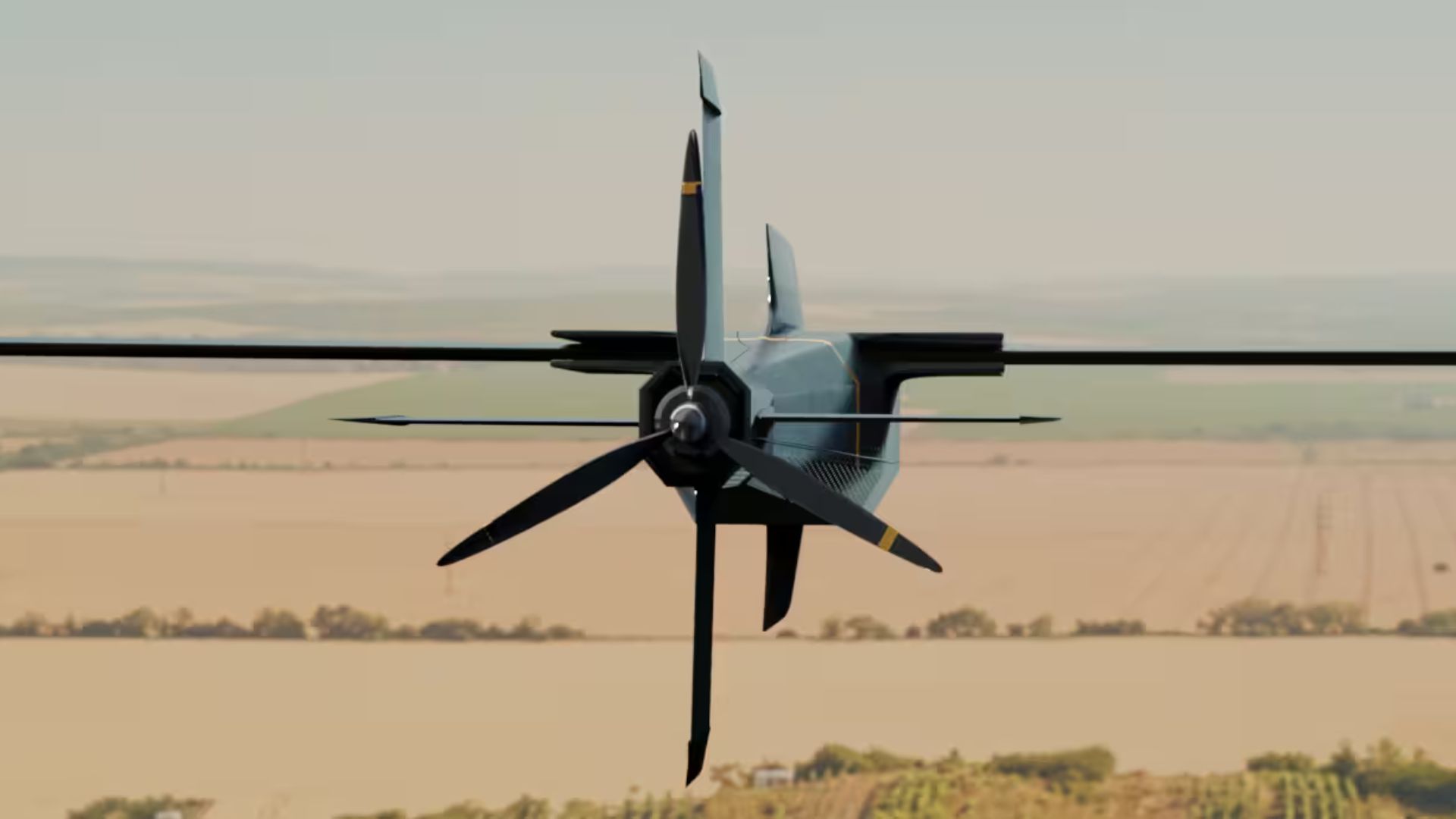
Rheinmetall’s new containerized launcher turns civilian logistics into drone strike bases
At Eurosatory 2026, Rheinmetall, a leading German defense manufacturer, unveiled its innovative Containerized Missile Launcher (CML). This advanced system is designed to enhance military capabilities by providing a mobile and flexible platform for missile deployment. The event, held in Paris, France, from June 12 to June 16, attracted global defense industry leaders and showcased cutting-edge technologies aimed at modernizing armed forces. Rheinmetall's introduction of the CML reflects a growing demand for adaptable defense solutions in response to evolving geopolitical threats. The launcher can be easily transported and deployed, allowing for rapid response in various operational scenarios. This development underscores Rheinmetall's commitment to advancing defense technology and meeting the needs of modern militaries.
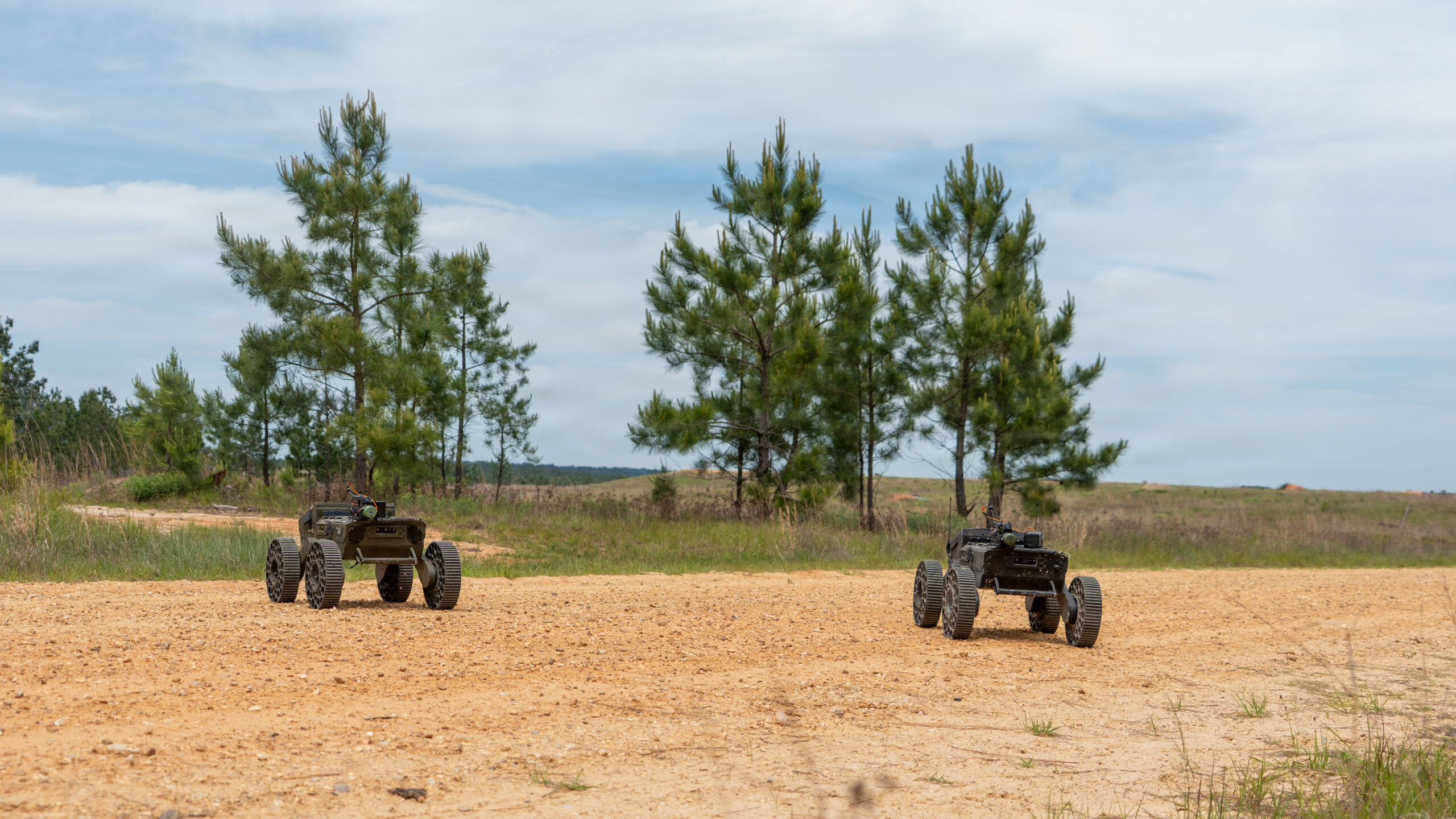
Preparing for the future fight: How one brigade is sacrificing robots in lieu of humans
The 3rd Mobile Brigade Combat Team of the 101st Airborne Division recently executed a successful robotic combined arms breach during a rotation at the Joint Readiness Training Center (JRTC). This operation, highlighted by the brigade's commander in an interview with Breaking Defense, showcases the unit's advancements in integrating robotic technology into combat scenarios. The exercise aimed to enhance operational effectiveness and readiness in modern warfare, reflecting the military's ongoing commitment to innovation and adaptation in response to evolving threats. The successful breach demonstrates the brigade's capability to leverage advanced technologies to improve tactical operations on the battlefield.
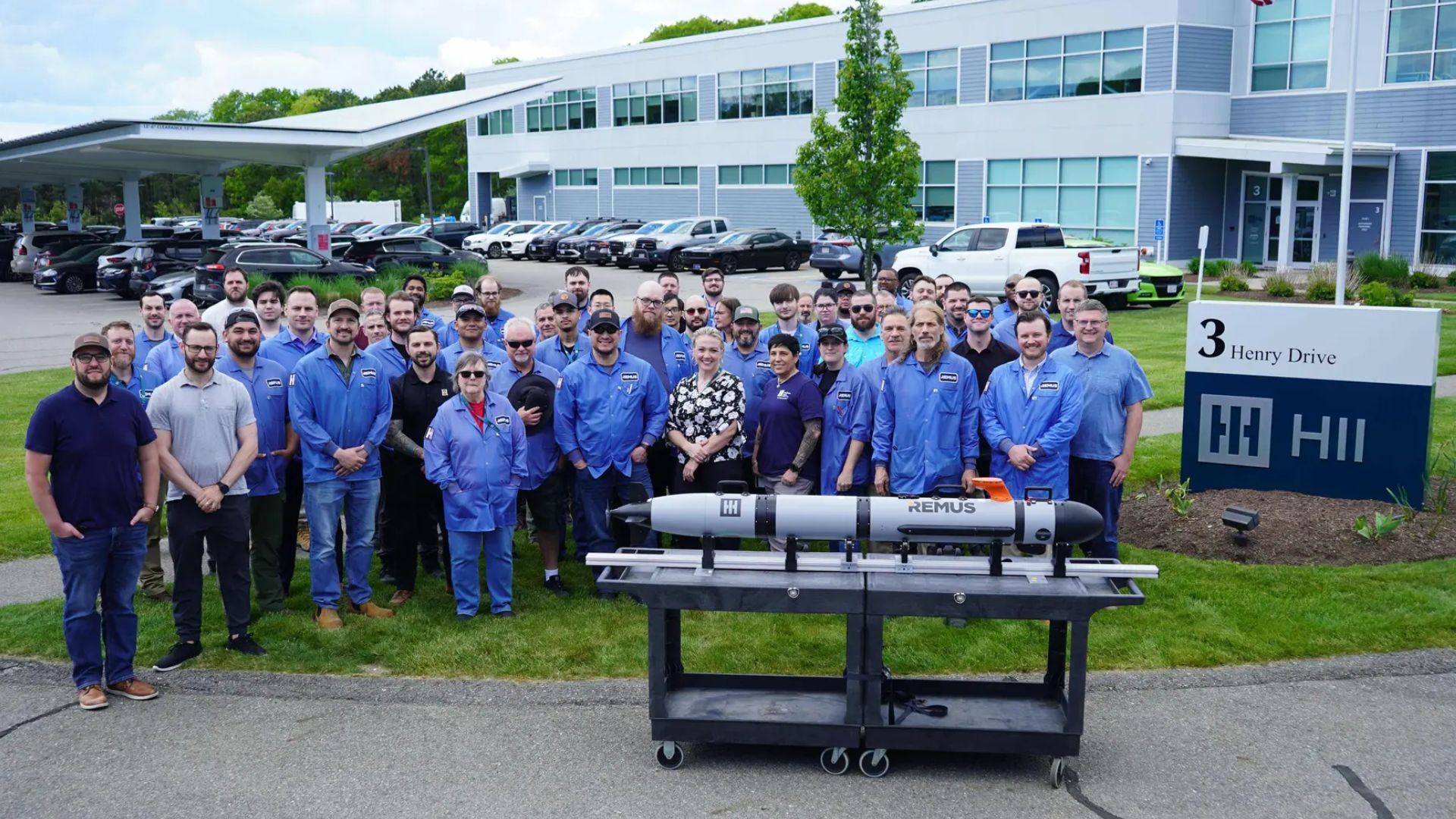
New mini submarine-like drone from HII can dive 328 feet deep with 10 hour battery life
Huntington Ingalls Industries (HII), a prominent U.S. military shipbuilder, has successfully delivered the first REMUS 130 unmanned underwater vehicle. This significant milestone was achieved as part of HII's commitment to advancing maritime technology. The delivery took place in October 2023, showcasing the company's ongoing efforts to enhance the capabilities of the U.S. Navy and other defense partners. The REMUS 130 is designed for various underwater missions, including reconnaissance and surveillance, addressing the growing need for advanced unmanned systems in naval operations. This development reflects HII's strategic focus on innovation and its role in supporting national security objectives through cutting-edge maritime solutions.

Kawasaki Robotics Unveils Dexterous Physical AI Robot Platform, Advanced Automation Technologies at Automate 2026
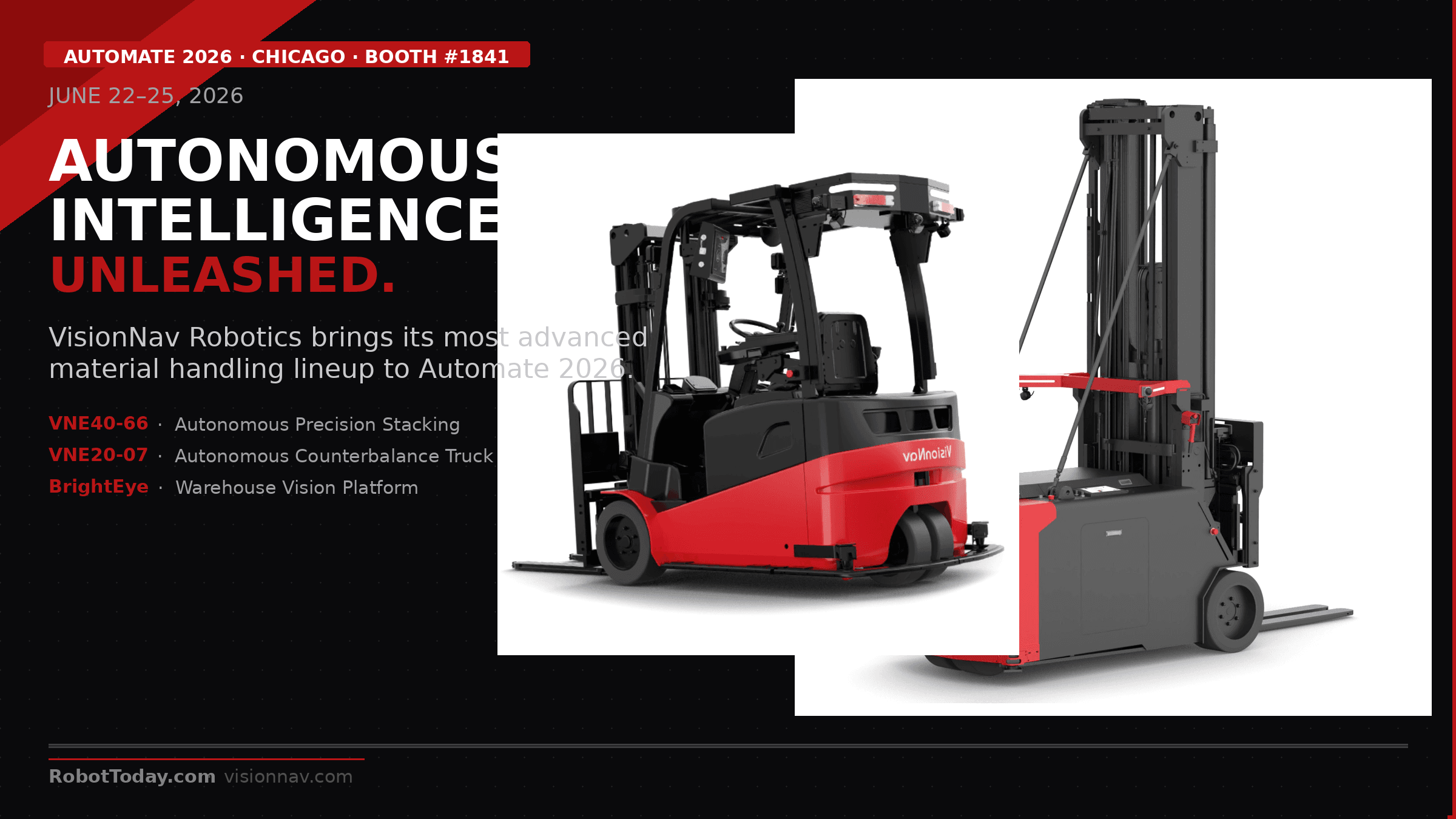
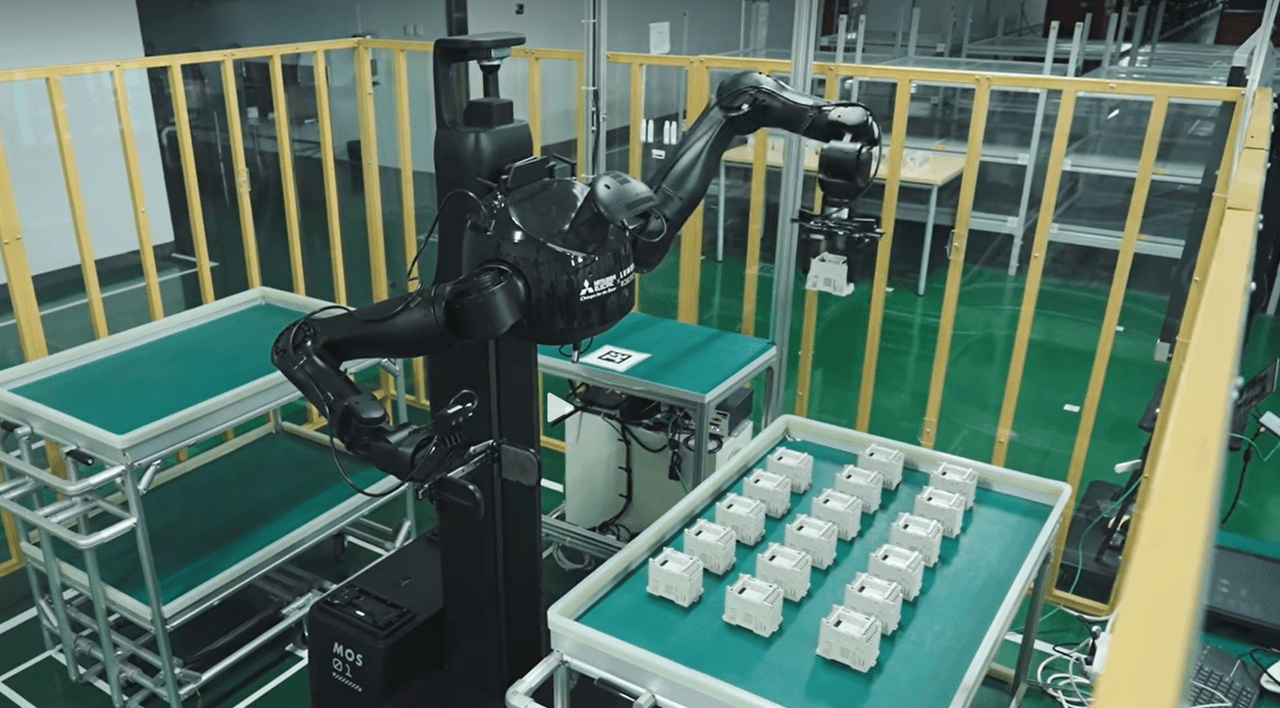
Kawasaki Robotics introduced its latest advancements in automation technology at Automate 2026, held in Chicago on June 17, 2026. The company showcased the new RL030N robot platform, which features eight degrees of freedom specifically designed for Physical AI applications, alongside its patented Pulseboard inspection technology. These innovations highlight Kawasaki's commitment to enhancing industrial automation through the integration of robotics, artificial intelligence, and machine learning. The RL030N robot stands out as the industry's first 8-axis platform, enabling high-speed motion and enhanced dexterity for complex tasks in dynamic environments. This robot is engineered to support AI-driven applications that require adaptive motion and obstacle avoidance, setting it apart from traditional industrial robots optimized for repetitive tasks. Additionally, Kawasaki demonstrated the Pulseboard technology in a robotic weld inspection system developed with Fives DyAG. This system significantly improves inspection efficiency by synchronizing image acquisition with the robot's movements, allowing for up to ten times faster weld inspections without compromising accuracy. Seiji Amazawa, President of Kawasaki Robotics, emphasized the importance of these technologies in shaping the future of automation, stating that they are designed to support emerging Physical AI applications while maintaining the reliability that manufacturers expect. The event marks a pivotal moment for Kawasaki Robotics as it continues to lead in intelligent automation solutions.

Hyundai Steel partners with LSU on US mill project
Hyundai Steel announced on Wednesday that it has entered into a master research agreement with Louisiana State University (LSU) to enhance technology development and workforce training as part of its plans to construct a $5.8 billion steel mill in the United States. This agreement will facilitate collaborative research in various fields, including steelmaking, materials science, energy, robotics, automation, and environmental engineering. By establishing a framework for joint projects, Hyundai Steel aims to streamline the research process, allowing initiatives to advance without the need for separate negotiations for each endeavor. The partnership reflects Hyundai Steel's commitment to innovation and skill development in conjunction with its significant investment in the U.S. steel industry.
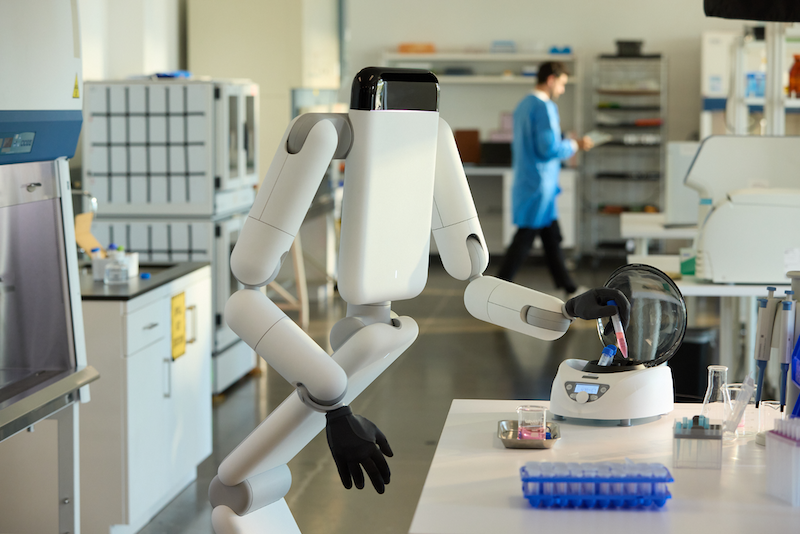
Genesis AI launches first general-purpose humanoid robot
Genesis AI, a global leader in robotics, has introduced Eno, its inaugural general-purpose robot. Launched recently, Eno is characterized by its minimalist design, which sets it apart from conventional robotic forms. Powered by GENE, the company's advanced foundation model, Eno is designed to function as a true physical agent, capable of reasoning and performing tasks autonomously. This innovation aims to redefine the capabilities of robots in various applications, reflecting Genesis AI's commitment to pushing the boundaries of technology in the robotics sector.
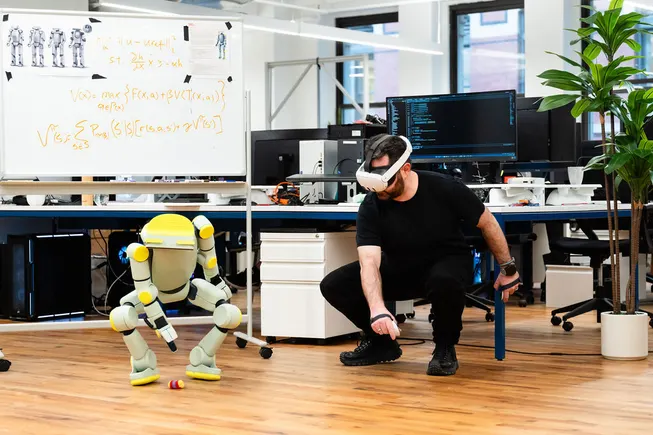
From prototype to deployment: Robotics lessons learned on the shop floor
During New York Tech Week, executives from Fauna, Ultra, and Standard Bots convened to address the challenges faced in deploying industrial robots. The panel discussion highlighted various obstacles that these startups encounter in the rapidly evolving robotics landscape. Participants shared insights on technological hurdles, market competition, and the need for regulatory frameworks that support innovation in the industry. The event served as a platform for these leaders to exchange ideas and strategies, aiming to enhance the efficiency and effectiveness of robotic solutions in various sectors.

France Advances Europe’s AI Future With NVIDIA Technologies
At the NVIDIA GTC Paris event held last year during VivaTech, France unveiled its ambitious strategy to enhance local artificial intelligence capabilities, which included the establishment of new AI factories, increased national computing resources, and the development of open frontier models and industrial platforms. As a result of these initiatives, the country's AI infrastructure is now becoming operational, signaling a significant step forward in France's commitment to advancing its position in the global AI landscape. The rollout of AI agents and related technologies is expected to bolster various sectors, driving innovation and economic growth.
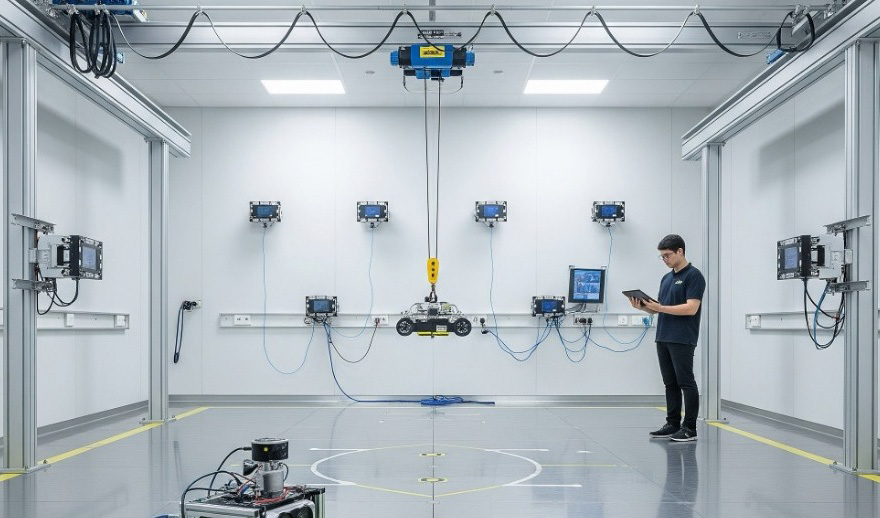
Fennec Engineering earns T2 qualification for Advanced Safety Acceleration Platform
Fennec Engineering has achieved a significant milestone by securing certification for its automated traceability platform, which has been recognized for meeting stringent safety standards. This certification, known as T2 qualification, underscores the company's commitment to advancing safety in engineering processes. The announcement highlights Fennec Engineering's dedication to innovation and reliability within the industry, reinforcing its position as a leader in developing cutting-edge technology solutions. The certification process involved rigorous testing and evaluation to ensure compliance with the highest safety protocols, demonstrating the platform's capability to enhance operational efficiency while prioritizing safety.

FCC Creates New Toy Drone Exemption While Defining a Low-Risk UAS Category
The Federal Communications Commission (FCC) has revised its Covered List by removing a specific category of foreign-manufactured toy drones and those containing foreign components. This decision, announced following a National Telecommunications and Information Administration (NTIA) report, aims to clarify the characteristics that federal officials deem low risk. The update reflects the FCC's efforts to streamline regulations and promote innovation in the drone industry while ensuring safety standards are maintained.

Elephant trunk skin’s dual-zone design offers blueprint for advanced robotic grippers
An elephant's trunk, a remarkable adaptation of the species, showcases its strength and versatility as it can effortlessly transport heavy logs across open spaces. This impressive ability not only highlights the physical prowess of elephants but also serves a crucial role in their daily activities, such as foraging and building shelters. Observations of these behaviors contribute to a deeper understanding of elephant intelligence and their interactions with the environment. The trunk's dexterity allows elephants to manipulate objects with precision, demonstrating their complex problem-solving skills and social behaviors. As researchers continue to study these magnificent creatures, they uncover insights into their ecological impact and the importance of preserving their habitats.

Do people feel safe in a robot’s presence?
In a groundbreaking study published in the June 2026 issue of Science Robotics, researchers from a leading university have unveiled a new robotic system designed to assist in disaster response efforts. The innovative technology, which combines advanced artificial intelligence with agile mobility, aims to enhance the efficiency and effectiveness of rescue operations in environments that are hazardous or difficult to navigate. The research team conducted extensive field tests in various simulated disaster scenarios, demonstrating the robot's ability to traverse challenging terrains and perform critical tasks such as locating survivors and delivering supplies. These tests were carried out in collaboration with emergency response organizations to ensure real-world applicability. The motivation behind this development stems from the increasing frequency and severity of natural disasters, which necessitate improved response mechanisms to save lives and minimize damage. By integrating cutting-edge robotics with emergency protocols, the researchers hope to provide first responders with a powerful tool that can operate in conditions that are unsafe for human intervention. This advancement in robotic technology represents a significant step forward in disaster management, showcasing how innovation can be harnessed to address pressing global challenges. The study highlights the potential for future enhancements and the importance of ongoing collaboration between scientists and emergency services to refine these systems for practical use in real-world situations.
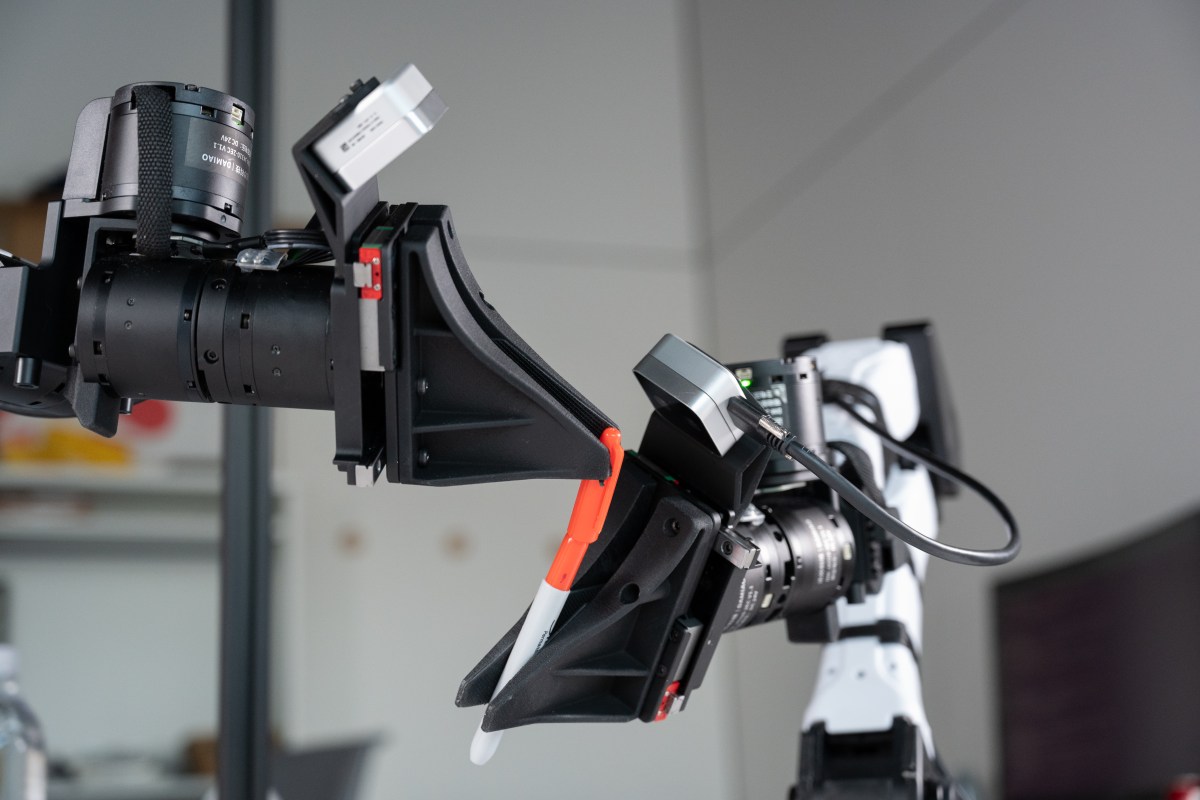
Collecting robot training data is dirty, unglamorous work. Some AI labs are already paying XDOF to do it.
Recent discussions in the field of artificial intelligence highlight a significant challenge facing the development of physical AI systems. Experts emphasize that in order for physical AI to achieve milestones comparable to those of large language models (LLMs), a critical data issue must be addressed. As of October 2023, the existing datasets are insufficient to support the complex learning and operational needs of physical AI. This gap in data could hinder progress and innovation in creating AI that can effectively interact with and navigate the physical world. Addressing this problem is essential for advancing the capabilities of physical AI, ensuring that it can perform tasks with the same proficiency as its software counterparts.
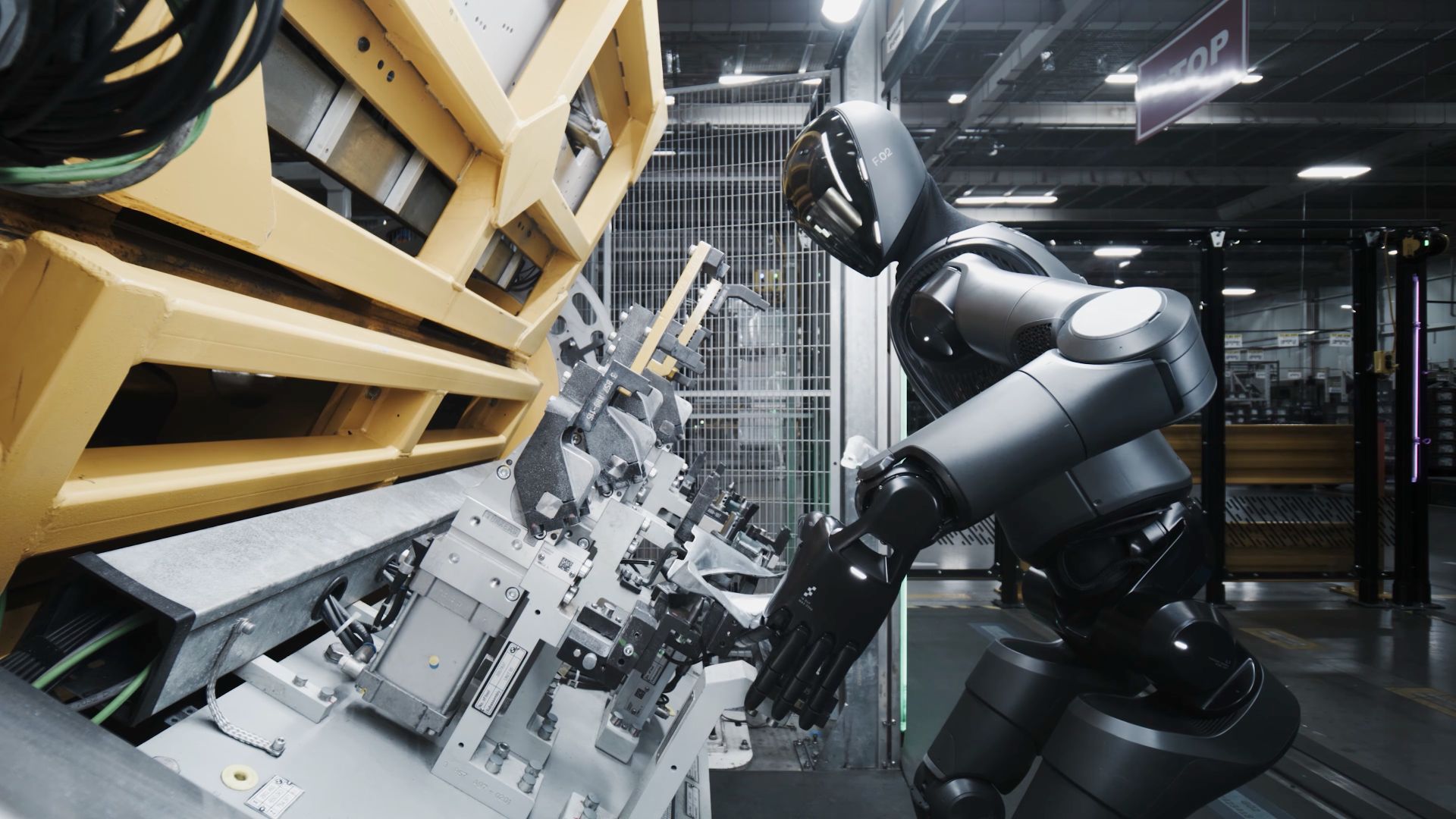
Chinese automaker unveils Xiaosai humanoid robot for inspection and production roles
Chinese automaker Seres has made a significant leap into the robotics sector by unveiling its first humanoid robot, Xiaosai. The announcement took place during a technology showcase event in Beijing, where the company highlighted its commitment to innovation and diversification beyond traditional automotive manufacturing. Xiaosai is designed to assist in various tasks, showcasing advanced artificial intelligence capabilities and a human-like appearance, which aims to enhance user interaction. This move comes as part of Seres' strategy to tap into the growing demand for robotics in both domestic and international markets, reflecting a broader trend among automakers to explore new technological frontiers. The introduction of Xiaosai is expected to position Seres competitively within the rapidly evolving landscape of robotics and automation.