Search Result for: 231/detail/64.html

Chinese robot maker Unitree wins approval for $619 million Shanghai IPO
Unitree Robotics, a Chinese manufacturer of robots, has secured regulatory approval for its initial public offering (IPO) on Shanghai's STAR Market, aiming to raise approximately 4.2 billion yuan ($619.4 million). This approval, announced by China's securities regulator, marks a significant step for the company as it prepares for one of the most anticipated technology IPOs in China. The decision comes amid a resurgence in the country's onshore IPO market, which has seen a notable increase in activity following a prolonged slowdown. In the first half of the year, A-share IPOs on major exchanges raised $7.7 billion, reflecting a 64.4% increase compared to the previous year. Unitree plans to issue at least 40.45 million shares, although it has yet to announce a specific launch date or pricing details. The funds raised will be allocated towards research in artificial intelligence for robots, development of new robotic products, and the establishment of a smart robot manufacturing base. Based in Hangzhou, Unitree specializes in humanoid and four-legged robots, as well as various robot components. The upcoming IPO will serve as a litmus test for investor interest in China's burgeoning robotics sector, which is central to the government's strategy to integrate AI technology into various aspects of daily life and industry.
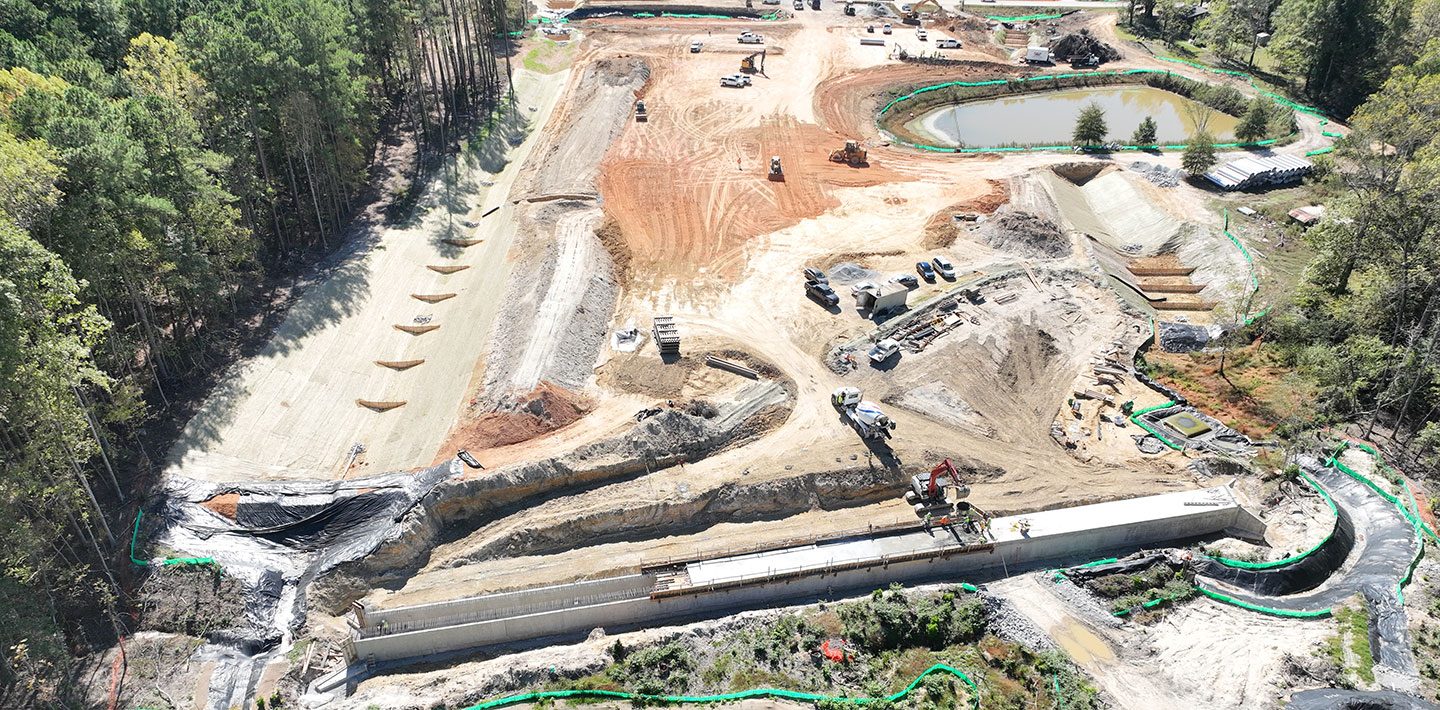
North Carolina Turnpike Authority Uses Drone LiDAR to Improve Oversight on Complete 540 Project
The North Carolina Turnpike Authority (NCTA) is implementing a pilot program that utilizes drone-based LiDAR technology to enhance oversight of the final phase of the Complete 540 project. This initiative aims to provide more accurate tracking of construction progress and improve safety measures on major transportation infrastructure. As construction advances, the use of aerial LiDAR will allow for a detailed assessment of the project, ultimately facilitating better scheduling and oversight. The integration of this technology marks a significant step in modernizing construction management practices in North Carolina.

Scientists build first-of-its-kind robot to clean and inspect underwater bridge piles
Underwater inspections of bridge foundations have been identified as one of the most perilous tasks in the field of civil engineering. Conducted by specialized divers and engineers, these inspections are crucial for ensuring the structural integrity and safety of bridges. The inspections typically take place during scheduled maintenance periods, which can vary throughout the year depending on weather conditions and operational requirements. The inspections are primarily carried out in various locations across the country, where aging infrastructure poses significant risks to public safety. The motivation behind these inspections stems from the need to prevent catastrophic failures and to comply with regulatory standards that mandate regular assessments of bridge conditions. To perform these inspections, teams utilize advanced technology, including remotely operated vehicles (ROVs) and sonar imaging, which allow for detailed examinations of underwater structures without compromising diver safety. Despite these innovations, the inherent risks associated with underwater work, such as strong currents and visibility challenges, remain a concern for professionals in the field. As infrastructure continues to age, the demand for thorough inspections is expected to increase, highlighting the importance of ongoing training and the development of safer inspection methods. This proactive approach aims to enhance the safety of bridges and ensure the reliability of transportation networks for the public.
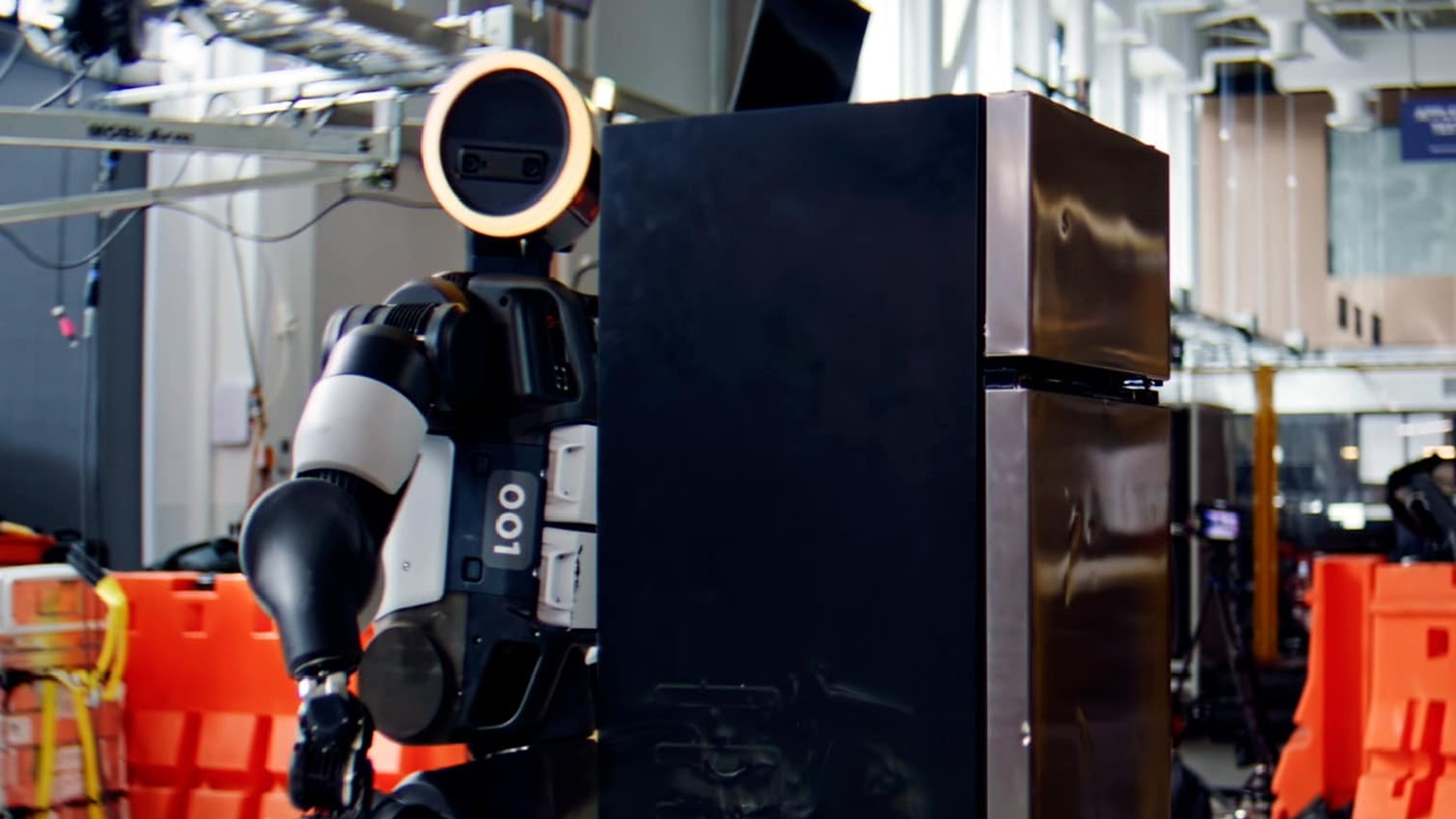
Boston Dynamics reveals how Atlas robot lifts 100-pound industrial loads at scale
Boston Dynamics has unveiled the training process behind its Atlas humanoid robot, showcasing its ability to lift and carry heavy objects. This development was announced in a recent demonstration, highlighting the robot's advanced capabilities in handling various tasks. The event took place in October 2023, where engineers detailed the methods used to enhance Atlas's physical skills. The motivation behind this innovation stems from the growing demand for robots that can assist in labor-intensive environments, such as warehouses and construction sites. By equipping Atlas with the ability to perform complex lifting and carrying tasks, Boston Dynamics aims to address labor shortages and improve efficiency in these sectors. The training involved a combination of machine learning techniques and physical simulations, allowing the robot to understand and adapt to different weights and shapes of objects. This iterative process enabled Atlas to refine its movements and improve its stability while handling heavy loads. As a result, the robot is now capable of executing tasks that require both strength and precision, marking a significant advancement in robotics technology.

Next Geosolutions and Rana Subsea Integrate Contracts Under the Bouri Gas Utilization Project with Saipem
Next Geosolutions (NextGeo), a prominent international company specializing in marine geoscience and offshore construction support services for the energy sector, has announced a significant update regarding its contracts with Saipem S.p.A. These contracts, originally awarded for the Bouri Gas Utilisation (BGUP) project in North Africa and valued at over €70 million, have undergone a contractual amendment. The changes reflect ongoing developments in the project, although specific details regarding the nature of the amendments have not been disclosed. This adjustment highlights the dynamic nature of offshore energy projects and the need for flexibility in contractual agreements within the sector.

With Tesla and SpaceX Using Intel’s 14A, Is INTC Stock a Buy Now as Part of an Early Bet on Its Foundry Plans?
A significant event unfolded recently as local authorities in Springfield announced a new initiative aimed at reducing traffic congestion in the downtown area. This initiative, set to launch next month, will introduce dedicated bike lanes and improved public transportation options. The decision comes in response to growing concerns from residents about increasing traffic and air pollution, which have been exacerbated by the rise in vehicle usage over the past few years. City officials, including the mayor and transportation department representatives, held a press conference to outline the details of the plan. They emphasized the importance of creating a more sustainable urban environment and enhancing the quality of life for residents. The initiative is expected to encourage more people to use alternative modes of transportation, thereby reducing the number of cars on the road. The implementation process will involve collaboration with local community groups and stakeholders to ensure that the changes meet the needs of residents. Public feedback will be solicited through town hall meetings and online surveys, allowing citizens to voice their opinions and suggestions. The city aims to create a comprehensive transportation strategy that not only addresses current issues but also anticipates future growth. As Springfield prepares for this transition, officials are optimistic that the new measures will lead to a safer, more efficient, and environmentally friendly urban landscape.

CONCERT: A Modular Reconfigurable Robot for Construction
In May 2026, the Journal of Field Robotics published a comprehensive study examining advancements in robotic technologies and their applications in various fields. The research, conducted by a team of engineers and scientists, highlights innovative developments in robotic systems designed for tasks ranging from agriculture to disaster response. The study emphasizes the growing importance of robotics in enhancing efficiency and safety across industries, particularly in environments that are hazardous or difficult for humans to navigate. By analyzing recent technological breakthroughs, the researchers aim to demonstrate how these advancements can improve productivity and reduce risks in critical operations. The findings were presented in Volume 43, Issue 3 of the journal, where the authors detailed the methodologies used in their research, including field tests and simulations that showcase the capabilities of the latest robotic systems. This publication serves as a significant contribution to the field, offering insights into the future of robotics and its potential impact on society.
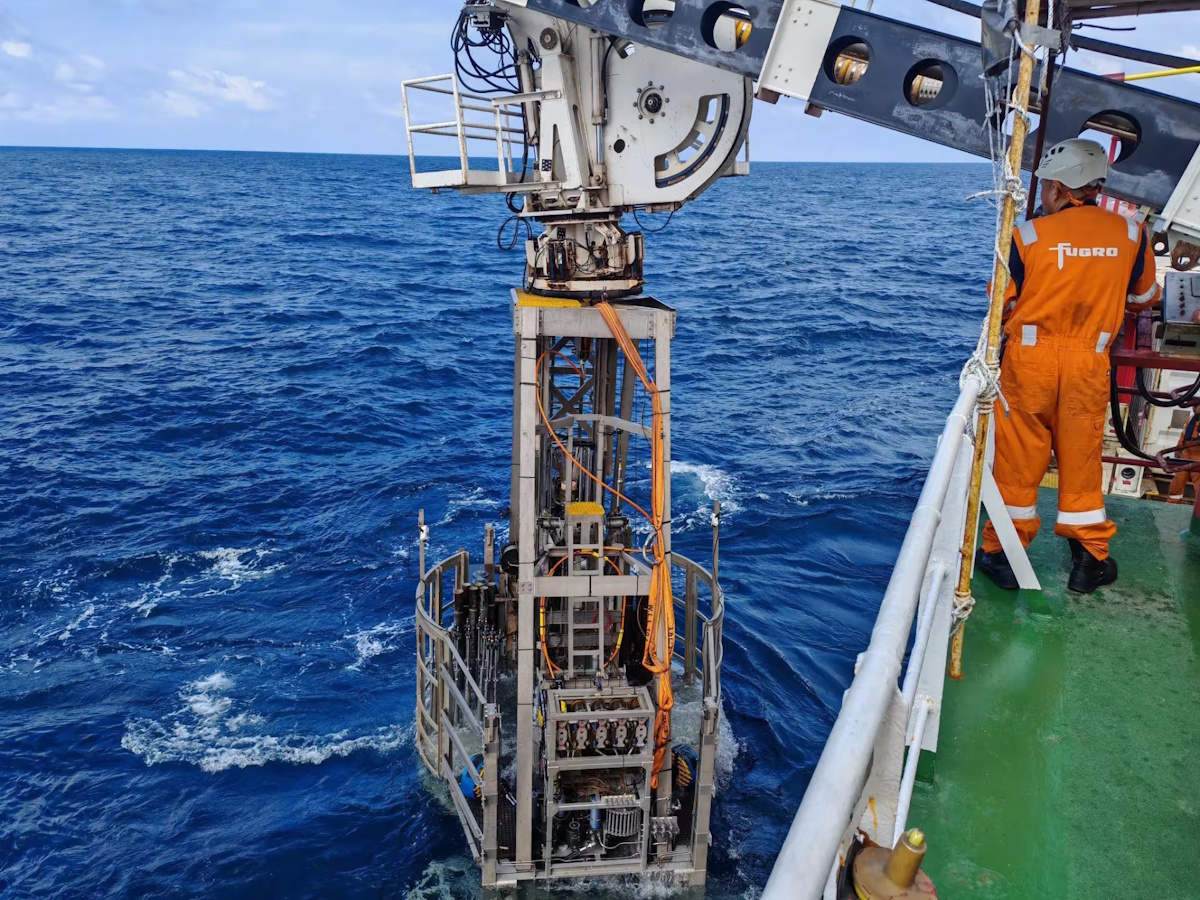
Fugro Supports Mubadala Energy’s Deepwater Gas Development Offshore North Sumatra
Fugro has secured a significant contract with Mubadala Energy (South Andaman) RSC Limited to provide advanced soil investigation services for the South Andaman Deepwater Development, situated offshore Indonesia. This project is crucial as it will support the Front-End Engineering Design (FEED) and the subsequent Engineering Procurement and Construction (EPC) award, ultimately guiding the detailed design for the development of the Tangkulo Field. The collaboration underscores the importance of thorough geological assessments in ensuring the project's success and efficiency in the region's energy sector.

DOF Group Receives Contract Award for FPSO Installation Project
DOF Group ASA has announced the award of a Floating Production Storage and Offloading (FPSO) installation project from an undisclosed client in the Atlantic region. This development underscores the company's ongoing expansion in the offshore oil and gas sector, reflecting a growing demand for advanced production solutions. The project is set to enhance DOF Group's portfolio and strengthen its position in the market. Further details regarding the timeline and specific location of the installation are yet to be disclosed.
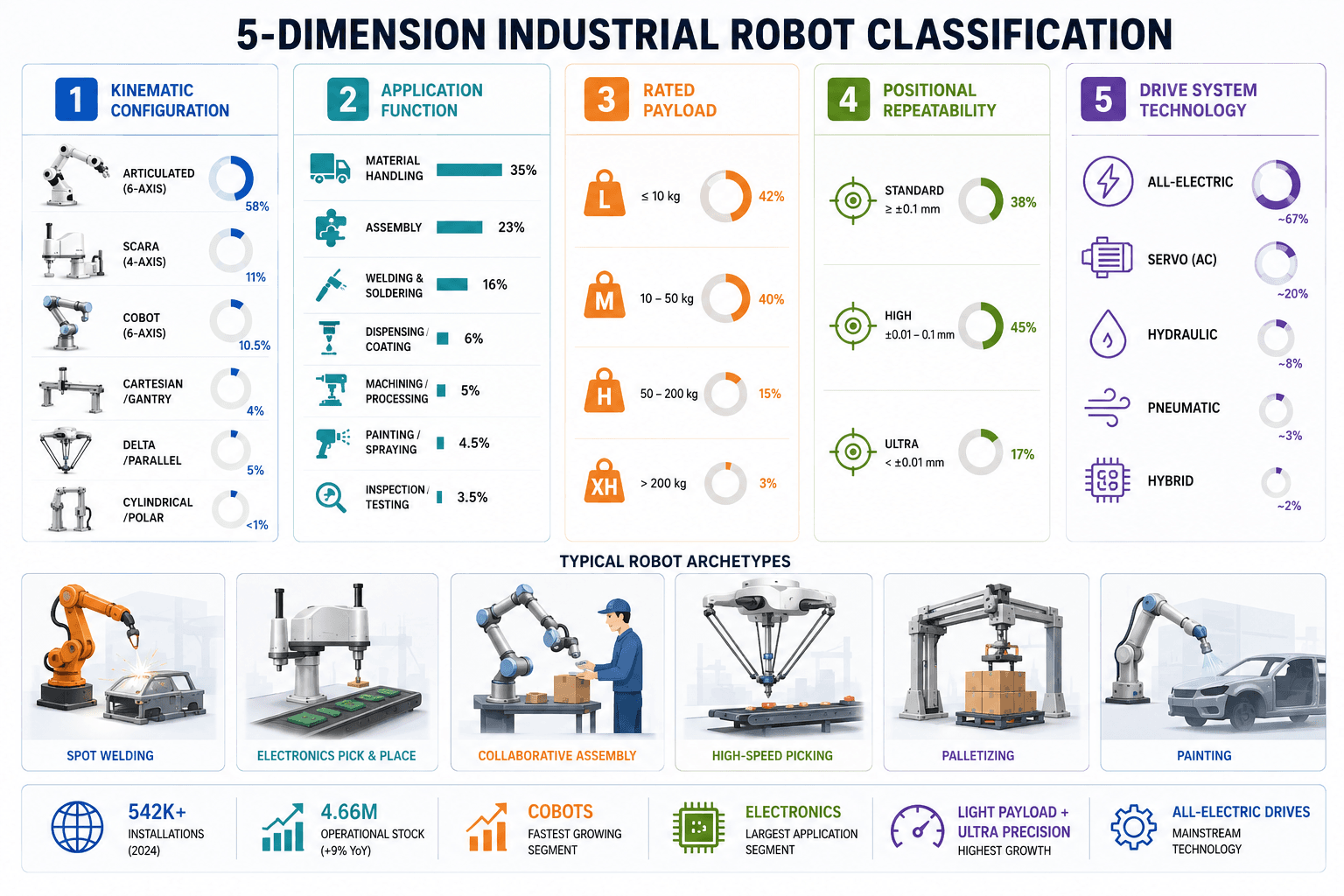
Industrial Robot Classification: 5-Dimension Framework & Market Data
A five-dimensional framework classifying industrial robots by kinematic type, application, payload, repeatability, and drive system. IFR 2024 data: 542,000 global installations across articulated, SCARA, cobot, and delta types.

Robotics Innovator Lens Unveils Ambitious Production Goals Amid AI Surge
LENS sets bold production targets as AI-augmented robotics demand soars, promising high-volume manufacturing and next-gen automation tech.