


USA Rare Earth
"From mine to magnet and beyond."
US rare earth mine-to-magnet company manufacturing sintered NdFeB permanent magnets in Oklahoma for robotics, defense, aerospace, and EV applications.
Contact USA Rare Earth
WEBSITE
https://www.usare.com/HEADQUARTERS
United States

Company Facts
Founded
-
Primary Role
Manufacturer
Company Size
-
Primary Region
North America
Annual Sales
-
Funding Stage
-
Funding Total
-
Keywords
- USA Rare Earth
- rare earth
- permanent magnets
- NdFeB
- critical minerals
- physical AI
- mining
- advanced manufacturing
- NdFeB permanent magnets
- rare earth magnets
- neodymium iron boron
- rare earth mining
- mine to magnet
- robotics magnets
- servo motor magnets
- defense magnets
- DFARS compliant
- Manufacturer
- Component Supplier
- End-effector & Grasping
IROS 2026 Category Award Finalists: All 22 Papers
From humanoid tennis to bin picking and farm robots: the 22 finalists for IROS 2026's eight category awards, and what each one means for industry.

IROS 2026 Closing Briefing — Pittsburgh, Sep 27–Oct 1
IROS 2026 closes in Pittsburgh with 1,900+ papers and 186 exhibitor listings. Humanoids, dexterous hands, tactile sensing and robot data led the show.
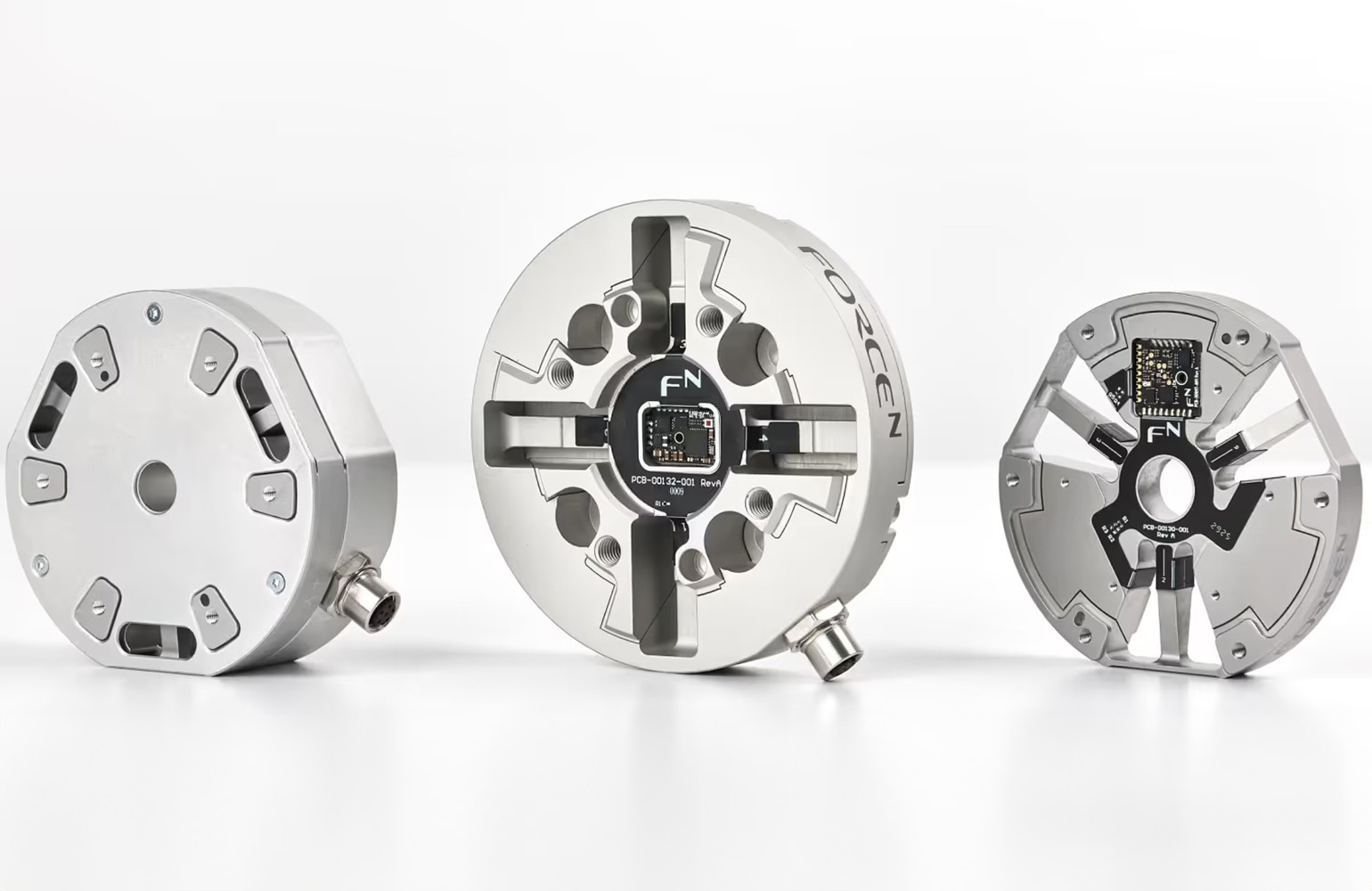
ForceN to Present on Force and Torque Sensing for Humanoids at RoboBusiness 2026
ForceN, a provider of force torque sensors, will showcase its technology at RoboBusiness 2026. CEO Robert Brooks will deliver a presentation titled 'A Crash Course in Force & Torque Sensing for Humanoids' on October 20, focusing on the importance of these sensors for humanoid robots in industrial applications. The significance of force torque sensors lies in their ability to provide robots with a sense of touch, enabling them to handle a variety of objects with precision. Brooks will share insights from his extensive experience with leading humanoid companies, emphasizing best practices for integrating these sensors into robotic systems to enhance their functionality and safety. Attendees can expect to learn about the latest advancements in force and torque sensing technology and its applications across various sectors, including surgical and logistics robotics. No further timeline was disclosed at the time of publication.
Events Healthcare Robotics Humanoids News Robots / Platforms Sensors / Sensing Systems
Ophthalmic Surgical Robot Achieves Micron-Level Precision in Three Minutes
An innovative ophthalmic surgical robot has demonstrated the ability to restore vision in nearly blind patients within just three minutes, achieving precision at the micron level. This advancement in robotic surgery signifies a major leap forward in ophthalmology, potentially transforming treatment options for patients with severe vision impairment. The significance of this technology lies in its ability to perform complex surgical procedures with unprecedented accuracy, which could lead to improved outcomes for patients suffering from various eye conditions. The robot's rapid operation time and high precision could also reduce the overall burden on healthcare systems by streamlining surgical processes. Looking ahead, the continued development and deployment of this ophthalmic surgical robot will be crucial. Stakeholders in the healthcare and robotics sectors should monitor advancements in this technology, as it may pave the way for further innovations in minimally invasive surgical techniques. No further timeline was disclosed at the time of publication.
Robotics Automation AI
Five Companies Expanding Rare Earth Processing Capacity in the U.S.
Rare earth elements are crucial for various technologies, including electric vehicles and military systems. To establish a reliable U.S. supply chain, companies must navigate the complex processes of mining, refining, and manufacturing. Five companies—Tactical Resources, USA Rare Earth, MP Materials, Energy Fuels, and NioCorp Developments—are actively working on different segments of this supply chain. Tactical Resources is advancing its Peak Project in Texas, focusing on rare earth-enriched materials with significant concentrations of heavy rare earth elements. The company plans to conduct further metallurgical testing and engineering work by September 2026. Meanwhile, USA Rare Earth is implementing a mine-to-magnet strategy, with its Round Top deposit in West Texas and a new manufacturing facility in South Carolina expected to produce 4,000 metric tons of rare earth oxides annually by the end of 2026. MP Materials operates the Mountain Pass mine in California and is expanding its operations to include metal and magnet manufacturing in Texas. As these companies progress, the U.S. aims to enhance its rare earth processing capabilities, which are currently limited compared to global competitors. No further timeline was disclosed at the time of publication.
Innovation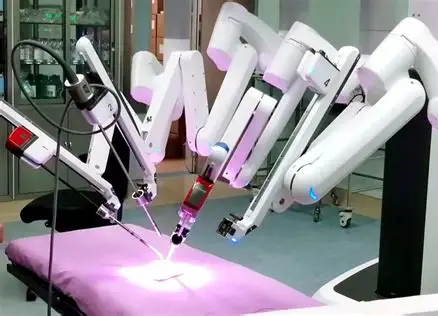
Study Reveals Gender Disparities in Robot-Assisted Surgery Opportunities for Surgeons in Japan
A recent study in Japan has highlighted significant disparities in opportunities for female surgeons to perform robot-assisted surgeries compared to their male counterparts. The findings indicate that female surgeons are often underrepresented in this advanced surgical field, which could impact their career advancement and skill development. This disparity matters as it raises concerns about gender equality in the medical profession, particularly in high-tech surgical environments. The underutilization of female surgeons in robot-assisted procedures not only affects individual careers but may also limit the diversity of perspectives in surgical practices, potentially influencing patient outcomes. Looking ahead, it will be important to monitor initiatives aimed at increasing the participation of female surgeons in robot-assisted surgeries. No further timeline was disclosed at the time of publication, but ongoing discussions about gender equity in healthcare may lead to changes in training and opportunities for female surgeons in the future.
Robotics Automation AI
IndexBox Forecasts 16.8% Growth in AI Surgical Robot Market by 2035 Amid Surgeon Shortage
According to the latest report by IndexBox, the global AI surgical robot market is entering a structural expansion phase, with demand expected to accelerate before 2035. The market is diversifying into high-end efficiency-driven segments and emerging value-oriented segments, influenced by surgeon shortages and the rising need for minimally invasive surgeries. The significance of this growth lies in the shift from pure institutional procurement to a hybrid model, where preferences of end-surgeons and patient awareness increasingly impact capital equipment purchases. Key demand drivers include advancements in AI and robotics, increased healthcare spending, and the expansion of robotic surgeries into new clinical applications beyond urology and gynecology. Looking ahead, the market is projected to experience a compound annual growth rate of 12.0% from 2026 to 2035, with North America maintaining the largest market share at 40%. No further timeline was disclosed at the time of publication.
AI Surgical Robots Healthcare Technology Robotics Minimally Invasive Surgery Market Trends
CITIC Securities Identifies Turning Point in Medical Device Sector with Focus on Brain-Computer Interfaces and AI Healthcare
CITIC Securities has reported that the medical device sector is reaching a turning point, with opportunities for performance and valuation recovery expected by 2026. The report emphasizes the importance of focusing on companies that are improving their performance and exploring international markets, particularly those listed in Hong Kong. The long-term outlook for the medical device sector is driven by innovation, international expansion, and mergers and acquisitions. The report highlights that the sector's innovative capabilities are gaining recognition, leading to a reconstruction of valuations. Short-term opportunities include capitalizing on performance recovery in high-value consumables and IVD segments, with several leading companies poised for accelerated growth by 2026. Investors are advised to keep an eye on emerging technologies such as surgical robots and brain-computer interfaces, as breakthroughs in these areas are expected to catalyze interest in the sector. The report also notes potential risks, including policy changes, research and development setbacks, and geopolitical uncertainties in the Middle East.
Medical Devices AI Healthcare Brain-Computer Interfaces Surgical Robots Innovation
Newport Hospital Becomes First in Rhode Island to Install Da Vinci Surgical Robot Funded by Donations
Newport Hospital has become the first facility in Rhode Island to install the Da Vinci Surgical Robot, specifically the Da Vinci 5 model. This advanced robotic-assisted surgical platform, funded entirely by donations after a year of fundraising, will be utilized for minimally invasive surgeries in urology, gynecology, thoracic, and general surgery. The significance of this installation lies in its enhancement of surgical precision and capabilities within a community hospital setting. According to Tenny Thomas, President and Chief Medical Officer of Newport Hospital, this milestone was made possible through the generous support of the donor community. The Da Vinci 5 offers improved force feedback, imaging, and computing power compared to its predecessors, reinforcing the hospital's commitment to providing advanced surgical options. Looking ahead, the integration of the Da Vinci 5 into Newport Hospital's surgical offerings, alongside the Zimmer Biomet ROSA knee system, highlights the ongoing relevance of specialized surgical robots in clinical practice. While humanoid robots like the Yushu G1 are still in early feasibility studies, the successful deployment of the Da Vinci 5 underscores its position as a leading solution in modern surgical procedures.
Surgical Robotics Minimally Invasive Surgery Healthcare Technology Robotic Surgery
AI-Enhanced Actuation-Compatible Tracking for Miniature Robot Navigation in Vivo
A recent study published in Science Robotics details advancements in AI-driven actuation-compatible tracking systems designed for miniature robots operating in vivo. This innovative approach aims to enhance closed-loop navigation capabilities, enabling more precise movements and interactions within biological environments. The significance of this development lies in its potential applications in medical robotics, where accurate navigation of miniature robots can lead to improved surgical procedures and targeted drug delivery. By integrating AI with actuation systems, these robots can adapt to dynamic biological conditions, thereby increasing their effectiveness in real-world scenarios. Looking ahead, researchers and industry professionals will be monitoring the progress of these technologies as they move towards practical applications in healthcare. The ongoing advancements in AI and robotics could pave the way for groundbreaking solutions in minimally invasive procedures and personalized medicine. No further timeline was disclosed at the time of publication.
Research Article
USA Rare Earth Partners with Pasqal and Riven Systems for Quantum AI in Rare Earth Supply Chain
USA Rare Earth has announced a collaboration with French quantum computing firm Pasqal and industrial AI company Riven Systems to enhance the separation of rare earth elements in the U.S. This initiative, revealed on September 17, aims to utilize quantum machine learning and automated lab experiments to identify more effective molecules for binding to rare earths. The significance of this project lies in its potential to create smaller, more energy-efficient processing facilities that can operate at lower costs. Currently, China dominates the rare earth supply chain, particularly in the separation of heavy rare earths. Alex Moyes, senior vice president at USA Rare Earth, highlighted the industry's challenge of separating Mixed Rare Earth Carbonate into individual oxides, which is crucial for advanced manufacturing. Looking ahead, Riven Systems will automate thousands of experiments to generate data for machine learning models, while Pasqal will benchmark these models against classical computing methods. This innovative approach could lead to the discovery of more effective extractants, ultimately reducing processing stages and environmental impact. No further timeline was disclosed at the time of publication.
AI and Robotics
Subsense Expands AI-Driven Nanoparticle Brain-Computer Interface Strategy Without Surgery
Subsense, an AI-native neurotechnology company, has announced a significant expansion of its NanoBCI strategy, which focuses on non-surgical, nanoparticle-based brain-computer interfaces (BCIs). This innovative approach aims to read or stimulate neural activity without the need for permanently implanted electrodes, setting it apart from traditional BCI methods that rely on invasive hardware or external neural activity capture. The development of the first AI-native NanoBCI is crucial as it integrates AI into the entire design process, from nanoparticle candidate evaluation to modeling their navigation within the brain. By utilizing AI upstream, Subsense aims to optimize the design of the interface itself, enhancing the effectiveness of the materials and delivery mechanisms involved in the BCI technology. Looking ahead, Subsense has received $250,000 in Google Cloud credits to further enhance its computational workflows and expand its nanoparticle design exploration. This funding will support the company's efforts to refine its AI infrastructure, ultimately aiming to challenge the existing trade-offs in the BCI field regarding signal quality and surgical intervention.
Computing Engineering News artificial intelligence bci brain technology
Software, Compute and Interaction at WRC 2026
47 WRC 2026 exhibitors supply robot software, compute or interaction — but only 19 call themselves software companies. Five open artefacts, licence-checked.
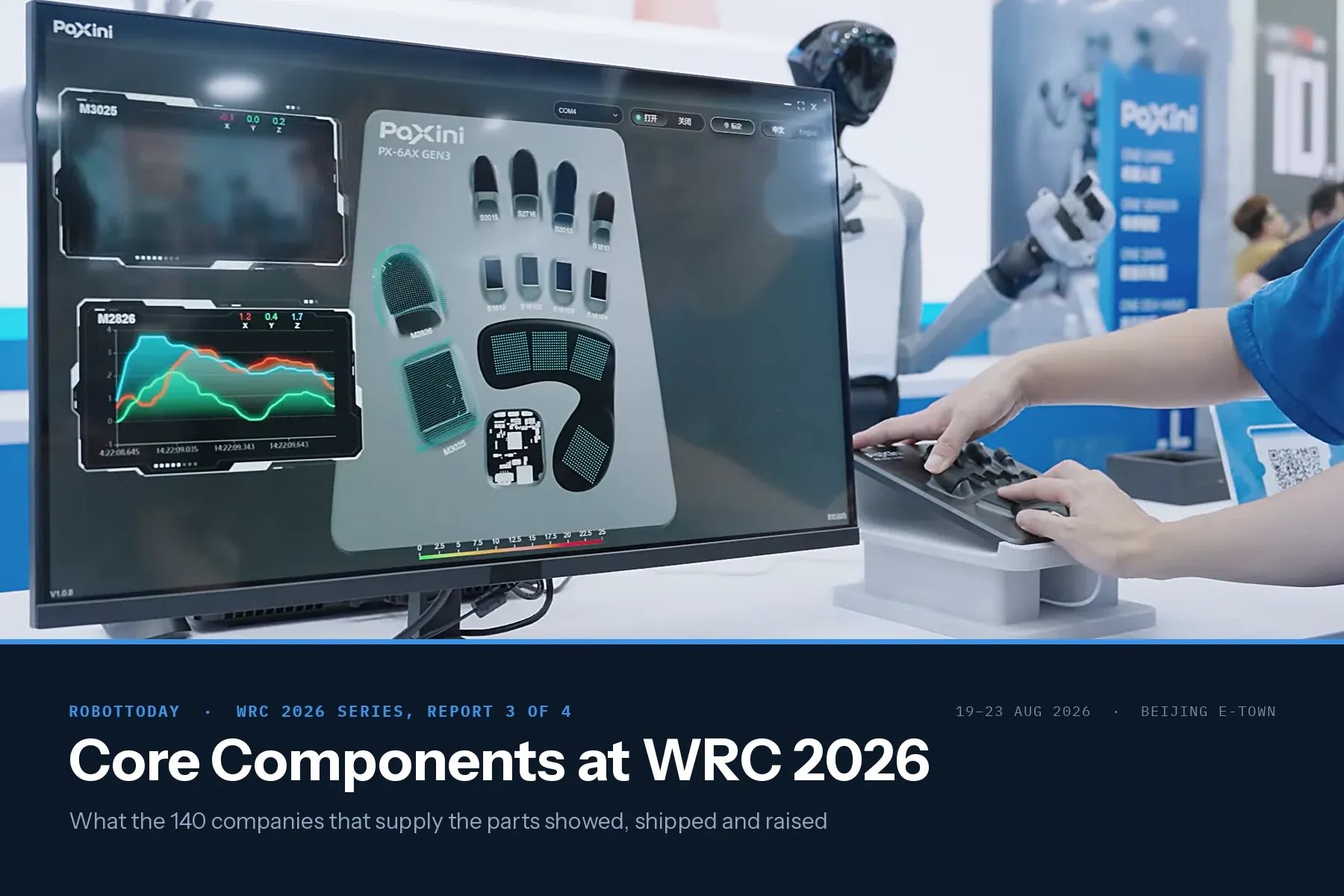
WRC 2026 Core Components: 137 Robot Parts Suppliers
The third report in the WRC 2026 series. Report 1 mapped all 248 exhibitors by category and Report 2 covered the 139 that build finished robots. This one covers the 137 that build what goes inside them.
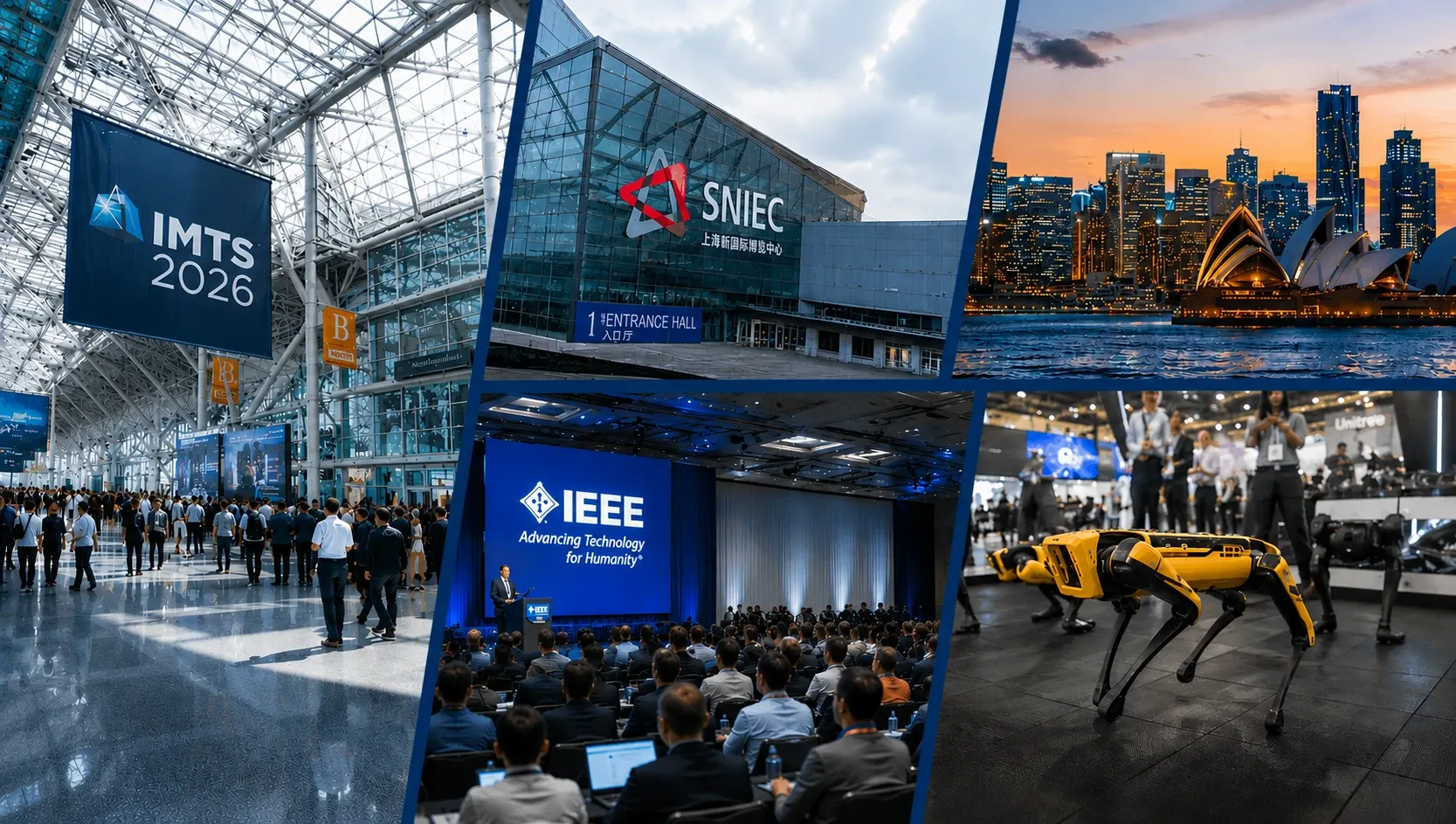
2026H2 Robotics Events Briefing: Tailored Recommendations for Robotics Readers
Discover the ultimate directory of global robotics events in 2026. Tailored briefings for engineers, investors, and founders on humanoid robots, AI, and industrial automation by RobotToday.
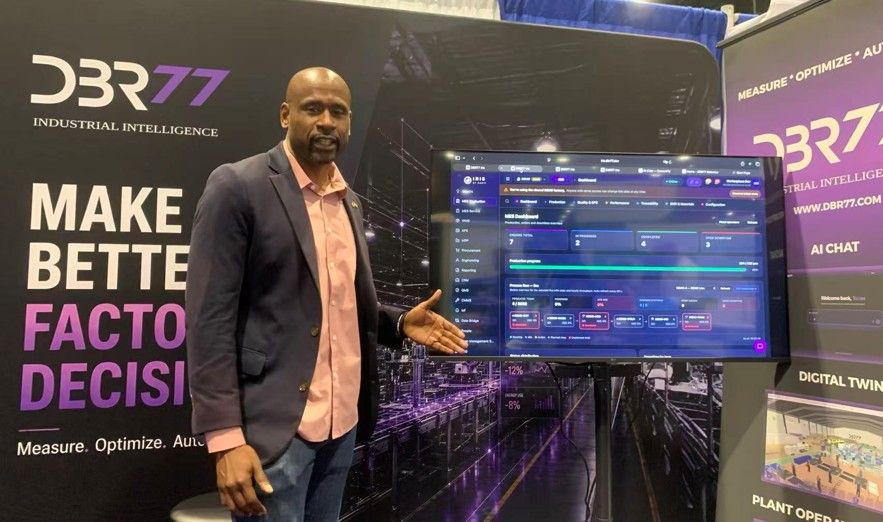
DBR77 Launches Consultify™ AI Platform at Automate 2026 | Industrial Reasoning for Manufacturing
DBR77 introduces Consultify™, powered by Vector™ Industrial Reasoning Engine, at Automate 2026. The AI platform helps manufacturers identify automation opportunities, prioritize investment, and produce ROI-backed action plans in under two minutes.
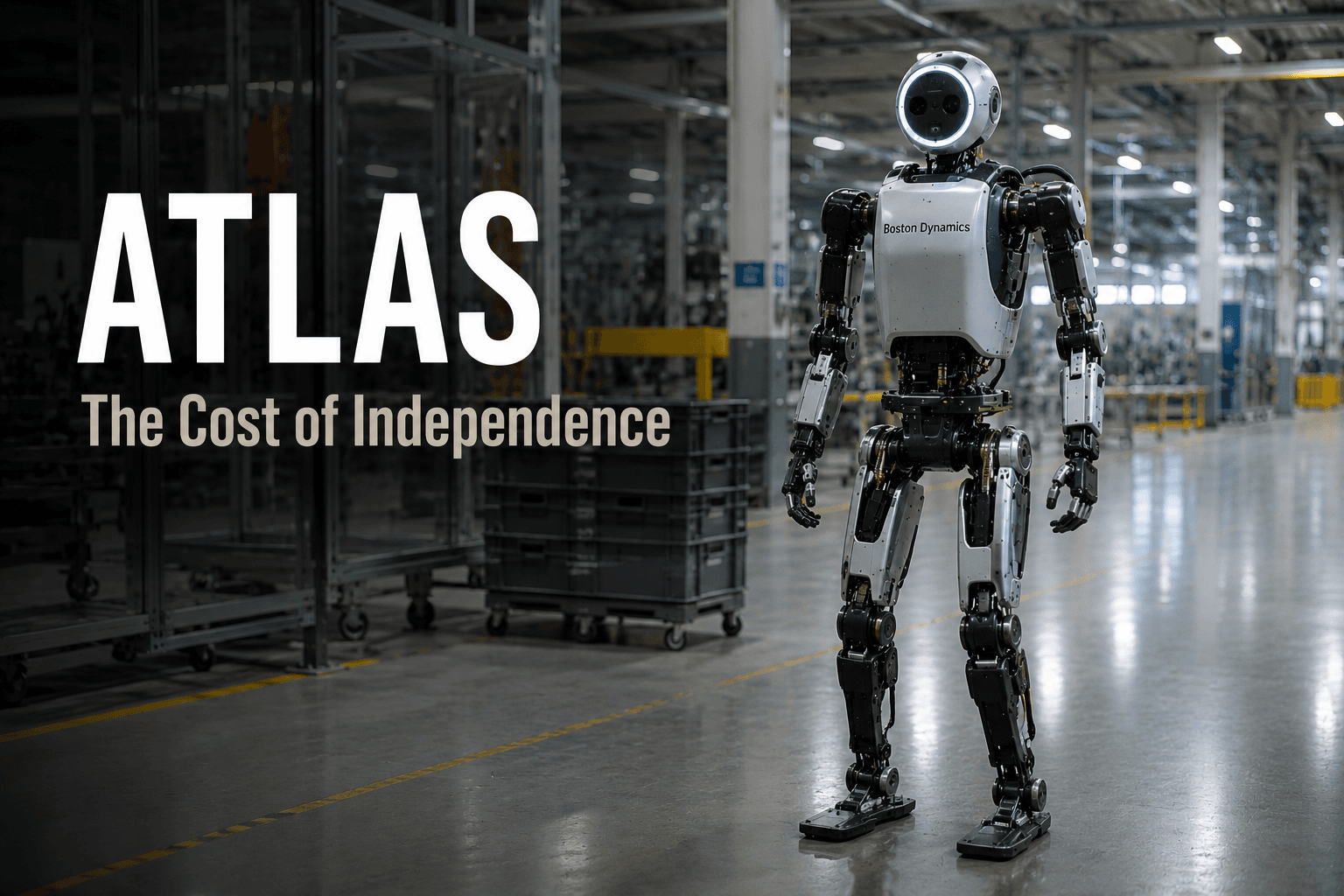
Supply Chain Reckoning: Can Boston Dynamics Avoid Becoming the Next iRobot?
A data-driven analysis comparing Boston Dynamics Atlas and Tesla Optimus supply chain strategies in 2026. Examines actuator costs, production ramp speeds, and how Boston Dynamics can avoid iRobot's bankruptcy by adopting a tiered supply chain approach. Includes component cost tables, risk heat maps, and strategic frameworks.
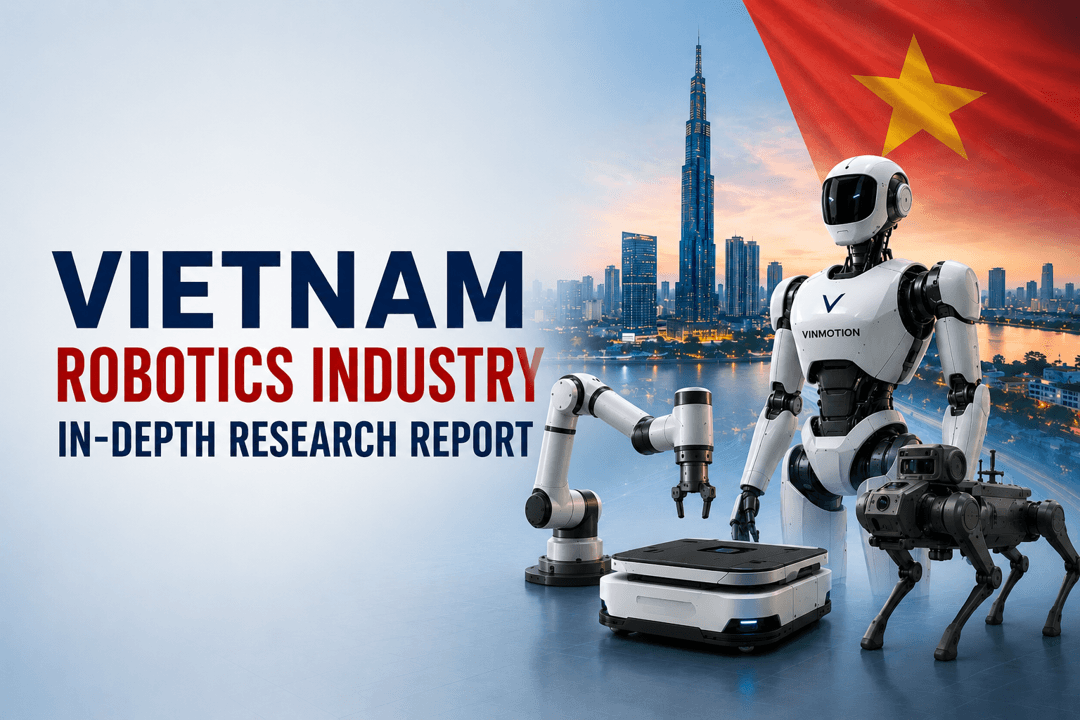
Vietnam Robotics Industry Report 2026
Comprehensive analysis of Vietnam's robotics industry: market size, industrial policy, key companies (Vingroup, Apicoo, Phenikaa-X), geopolitical dynamics, and 2030 growth opportunities.
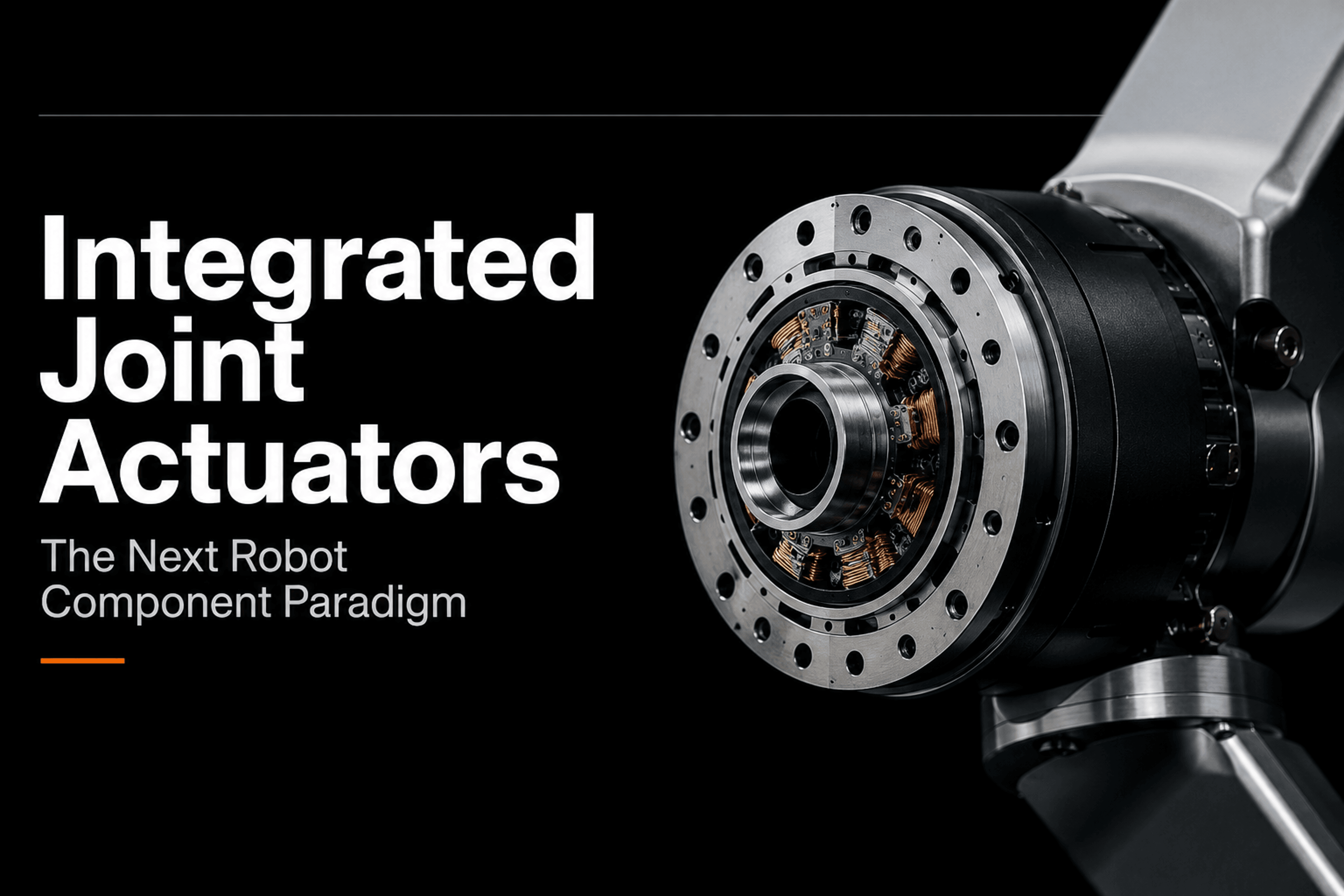
Integrated Joint Actuators 2026: Technology, Global Suppliers & China's Leap Forward
From rotary joints hitting 530 N·m+ to linear joints with planetary roller screws, integrated actuators are replacing the three-part drivetrain. Full supplier map: Tihu, PhyArc, RobStride, Schaeffler, maxon — and China's path from 1,000-RMB modules to global standard-setter.
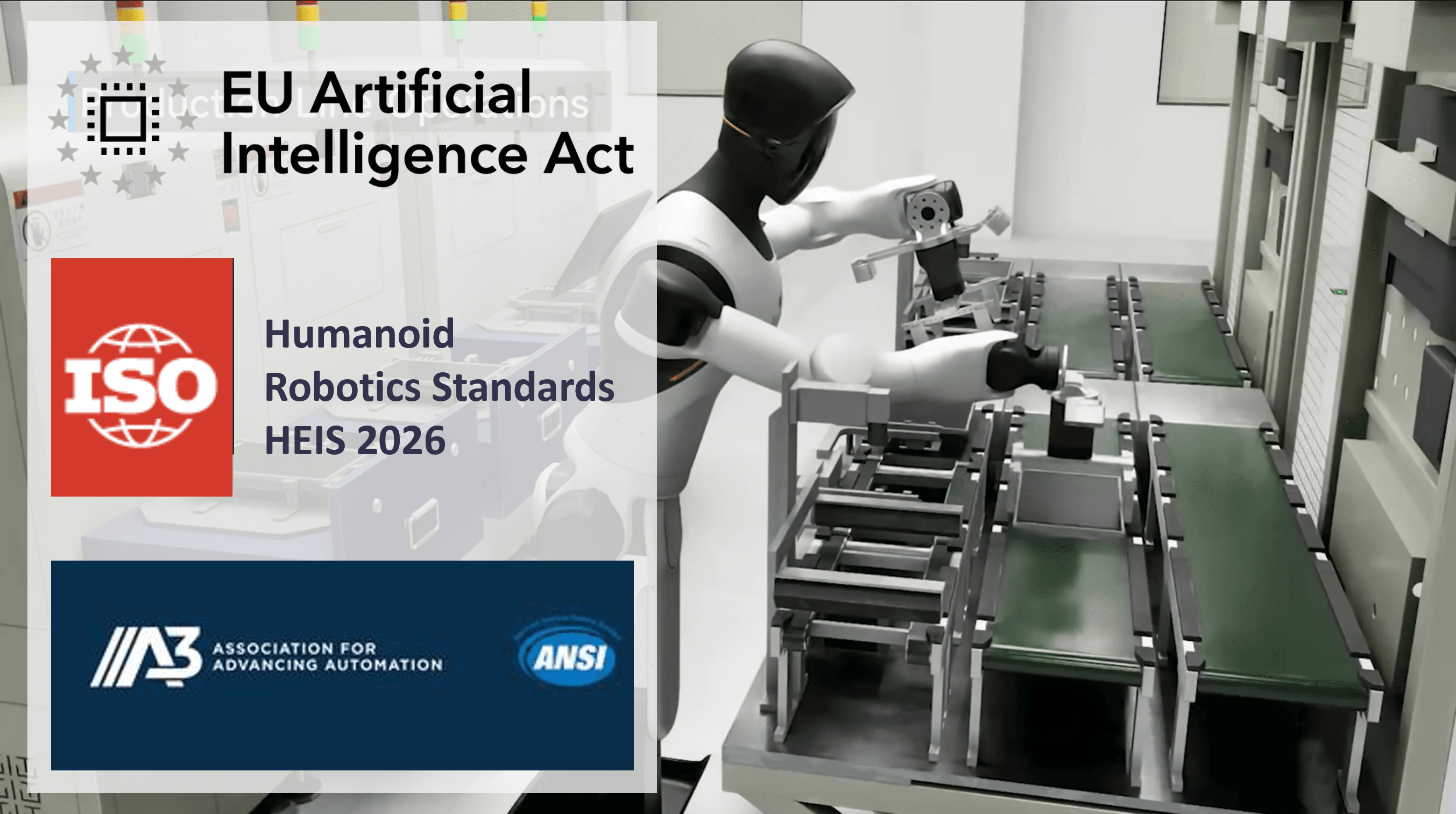
Humanoid Robotics Standards HEIS 2026 vs. the International Landscape
HEIS 2026 vs. global robot standards: how China's humanoid AI framework compares to ISO 10218, ANSI/A3 R15.06-2025, and the EU AI Act across safety, cybersecurity, and certification.


