


u-blox AG
Swiss GNSS chipmaker and wireless module supplier for robotics, IoT, AVs, and drones; ETH Zurich spin-off acquired by Advent International in 2025.
Contact u-blox AG
WEBSITE
https://www.u-blox.comPHONE
+41 44 722 74 44HEADQUARTERS
Switzerland

Company Facts
Founded
1997
Primary Role
Manufacturer
Company Size
employees 2000-5000
Primary Region
Europe
Annual Sales
$250 Million+
Funding Stage
Subsidiary / Acquired
Funding Total
-
Export Markets

Monumental's CEO Discusses Robotics Potential in Construction Industry
In a recent episode of Lexicon, Salar al Khafaji, founder and CEO of Monumental, highlighted the overlooked potential of robotics in the construction industry. He emphasized the challenges of deploying autonomous robots on unpredictable building sites and the need for specialized machines to address rising construction costs and housing shortages. Al Khafaji pointed out that construction has not received the technological attention it deserves, despite its significant economic and social impact. He believes that the industry is vast and underappreciated by tech founders, which is why he pivoted from data visualization to focus on tangible impacts in construction. Monumental has developed autonomous robots capable of transporting materials and constructing brick walls on commercial sites. However, al Khafaji noted that real-world deployment presents unique challenges, such as varying environmental conditions that affect sensors and computer vision systems. No further timeline was disclosed at the time of publication.
AI and Robotics Innovation
Dyson Introduces Nurovi Robot Cleaners and First Oral-Care Device with AI Vision
Dyson has unveiled a new family of robot cleaners named Nurovi and its first oral-care device, CameraJet, at the Dyson Unveiled event in Berlin. This marks a significant shift towards appliances that utilize artificial intelligence, vision systems, and sensor-based automation to interpret and respond to their environments. The introduction of the Nurovi robot cleaners, which includes three models with advanced cleaning mechanisms, highlights Dyson's commitment to moving beyond traditional mechanical performance. The r2 Nurovi Wash+Dry features a triangular rotating mop and real-time dust particle measurement, while the r3 Nurovi Spot+Scrub UV employs AI for stain detection and enhanced suction capabilities. Looking ahead, Dyson aims to integrate AI and machine learning across its product lines, including oral care and home appliances. No further timeline was disclosed at the time of publication.
All News
Lyte Secures $165 Million in Series C Funding to Enhance Robot Sensing Capabilities
Lyte AI Inc. has successfully raised $165 million in Series C funding, achieving a post-money valuation of $1.6 billion. Founded in 2021, the Sunnyvale-based company specializes in designing processors, multimodal sensors, and software that enable robots to accurately perceive their surroundings. This funding will accelerate the deployment of LyteVision, their perception platform, into various robotics applications. The significance of this funding round lies in Lyte's innovative approach to solving the sensing challenges faced by robots. According to co-founder and CEO Alexander Shpunt, the company focuses on creating a comprehensive perception foundation, from custom silicon to spatial data generation. With this investment, Lyte aims to expand its reach across industries such as inspection, logistics, and manufacturing, where accurate sensing is crucial for operational safety and efficiency. Looking ahead, Lyte plans to significantly grow its workforce, hiring across multiple domains including silicon, software, and operations. The company has already raised a total of $272 million since its inception and is poised to become a key player in the robotics sector, as indicated by the strong demand for its technology from early customers. No further timeline was disclosed at the time of publication.
Artificial Intelligence Artificial Intelligence / Cognition Design / Development Financial Investments News
World Labs Launches Atlas World Model for 3D Environment Simulation
World Labs has unveiled Atlas, a new world model aimed at generating, reconstructing, and simulating 3D environments. This model supports Real-to-Sim workflows, allowing robots to navigate and manipulate spaces reconstructed from images or videos. Atlas can create RGB and depth data that robots would encounter, enhancing their operational capabilities. The introduction of Atlas is significant as it enables developers to recreate interactions with various objects and simulate different training scenarios. By using a limited number of real-world recordings, Atlas can generate complex environments, which is crucial for advancing robotic applications. This multimodal model combines text, images, video, and 3D information, providing a comprehensive tool for robotics and beyond. Looking ahead, Atlas is entering early access with select partners and will also enhance future versions of World Labs' Marble world-generation product. The capabilities of Atlas in producing explicit 3D outputs and supporting diverse applications will be key areas to monitor as the technology evolves.
AI AI Use Cases Robotics Atlas real-to-sim World Labs
Leading Research Institutions Unite to Advance Soft Robotics and Physical AI
In recent years, advancements in large models have enhanced machines' language, visual, and reasoning capabilities. Concurrently, robotics is transitioning from traditional rigid systems to more flexible, perceptive forms. A significant intersection is emerging between Physical AI and Soft Robotics, prompting a shift in focus towards integrating materials, structures, mechanics, and perception systems into robotic intelligence. In 2026, the prestigious journal ACS Nano will publish a collaborative article by 37 scientists from 28 global research institutions, including Nanyang Technological University, Hebrew University of Jerusalem, MIT, ETH Zurich, Tsinghua University, Cornell University, and Northwestern University. The article, titled "Emerging Frontiers and Technological Challenges in Soft Robotics," will explore the paradigm shift in soft robotics and outline key scientific questions and technological challenges for the future. This article not only serves as a roadmap for soft robotics technology but also points towards a broader future of Embodied Physical Intelligence, where the body itself becomes part of the intelligence. The research framework connects fundamental scientific questions with cutting-edge studies in soft robotics, focusing on issues related to intelligence, perception, functionality, and adaptability, which are crucial for overcoming key technical challenges in deployment and integration.
Soft Robotics Physical AI Adaptive Systems Machine Learning Biomimicry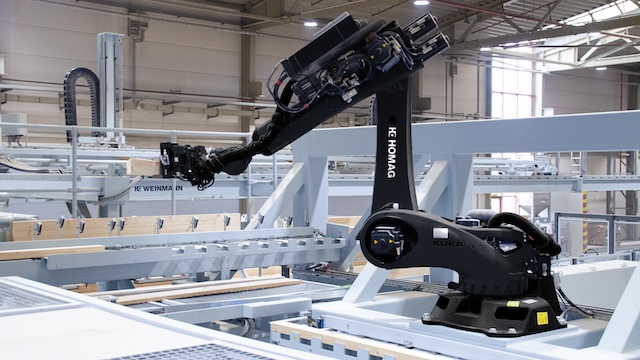
Ouster Expands into Drone Mapping and Autonomous Vehicles with Physical AI Technology
Ouster is advancing its technology that enables machines to perceive and navigate their environments, contributing to the growth of physical AI. The company is entering the drone mapping sector through a collaboration with GeoCue, while John Deere is integrating Ouster sensors into its GUSS autonomous vehicles. This expansion is significant as it highlights the increasing demand for physical AI solutions across various industries. Ouster's CEO, Angus Pacala, emphasized the company's commitment to exploring new markets and addressing the evolving needs for advanced sensing technologies in automation. Looking ahead, industry stakeholders should monitor Ouster's developments in drone mapping and its partnership with John Deere. No further timeline was disclosed at the time of publication.

Lyte Secures $165 Million Series C Funding Led by Maverick Silicon for Robot Perception
Lyte has announced a successful $165 million Series C funding round, led by Maverick Silicon. This financing values the company at $1.6 billion post-money and marks a significant step as Lyte prepares for production deployments. The funding is crucial for Lyte, a company specializing in physical AI perception, as it aims to enhance robots' understanding of their environments. With this investment, Lyte is positioned to advance its technology and expand its market presence, which is vital in the rapidly evolving robotics sector. Looking ahead, Andrew Homan from Maverick Silicon will join Lyte's board, indicating a strategic partnership that could influence future developments. No further timeline was disclosed at the time of publication.

Addressing the Critical Gap in Robot Safety Assurance Amidst AI Manipulation Risks
Recent advancements in robotics highlight a significant gap in safety assurance, particularly concerning the integrity of data that guides robotic decisions. Traditional safety assessments may not adequately address the risks posed by adversarial manipulations of sensory inputs, which can redirect robot behavior without any apparent system failure. Research has shown that even subtle alterations in what a robot perceives can lead to significant deviations in its actions, raising concerns about the reliability of current safety protocols. The implications of these findings are profound, as they challenge the conventional understanding of robot safety. For instance, studies have demonstrated that backdoor attacks can manipulate a robot's actions based on hidden triggers, such as specific visual patterns or ordinary objects. This vulnerability underscores the necessity for enhanced validation processes that account for adversarial conditions, ensuring that robots remain within their operational and safety boundaries even when faced with manipulated inputs. Looking ahead, the development of simulation tools like NVIDIA Isaac Sim™ combined with VicOne Radeis offers a promising avenue for testing the effects of manipulated inputs prior to deployment. However, as highlighted by the recent UniPwn exploit affecting major robotic systems, even well-trained models can be compromised if the underlying system is vulnerable. No further timeline was disclosed at the time of publication.
Sponsored Content VicOne
TU Delft Develops Drone Using Touch Sensors for Perching on Branches
Researchers at TU Delft have created an innovative drone that utilizes tactile sensors to perch on branches, moving beyond traditional camera reliance. This technology allows the drone to detect and adjust its position as it approaches a branch, enabling it to grip securely and conserve battery power by shutting down its motors once perched. The significance of this development lies in its potential to enhance drone operations in complex environments like forests, where conventional vision-based systems often struggle. By employing touch sensing, the drone can locate and grip branches effectively, which could lead to longer operational periods in cluttered settings. Looking ahead, the drone's control architecture, which includes a series of dynamic states for flight and perching, will be crucial for its adaptability. No further timeline was disclosed at the time of publication.
AI and Robotics
Quadrupedal Robot Learns Agile Jumping Through Narrow Openings Using AI
Researchers at the University of Hong Kong and the Oxford Robotics Institute have developed a learning-based system that enables four-legged robots to navigate through narrow gaps autonomously. This innovative approach allows quadrupedal robots to perform agile movements, inspired by the natural jumping abilities of dogs, without relying on pre-programmed sequences. The technology, demonstrated on the 48-pound Unitree Aliengo robot, utilizes a hierarchical reinforcement learning framework called ConsJump. This system allows the robot to assess obstacles and dynamically decide when to jump, enhancing its ability to traverse confined spaces quickly and efficiently. The robot's onboard Intel D435i RGB-D camera plays a crucial role in identifying obstacles and adjusting its movements accordingly. Future developments may focus on refining the robot's adaptability to various environments and conditions. The researchers believe that the same architecture could be applied to other complex robotic tasks, potentially leading to advancements in robotic agility and autonomy in challenging terrains. No further timeline was disclosed at the time of publication.
AI and Robotics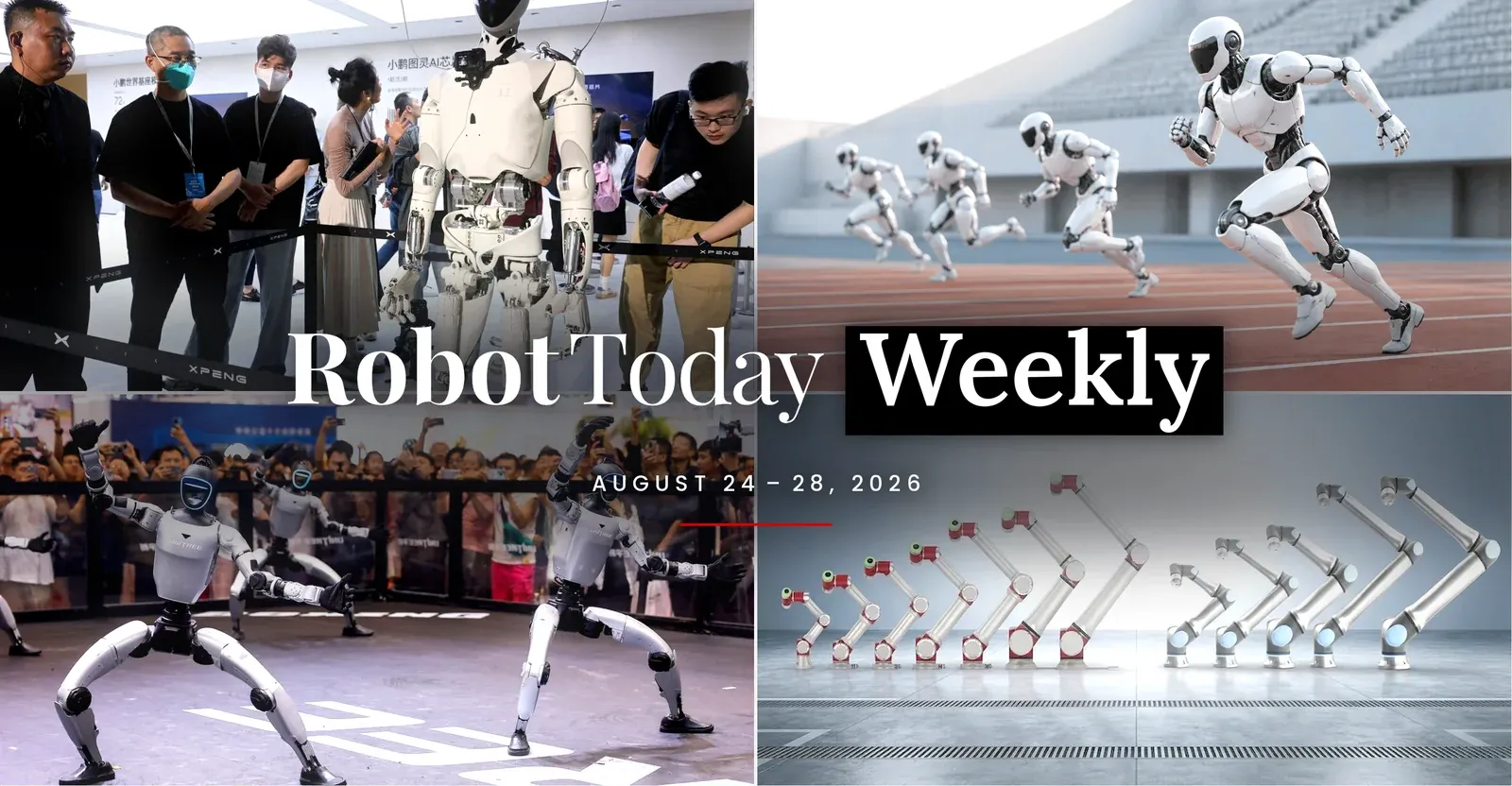
ROBOTTODAY WEEKLY BRIEFING August 24 – 28, 2026
This week in robotics: XPeng's Dogotix raises over $900 million at a $6.3 billion valuation, Unitree's post-IPO slump revives bubble talk, Beijing's World Humanoid Robot Games close with a shift to real-world tasks, and Teradyne sues JAKA at Europe's Unified Patent Court. August 24–28, 2026.

ROBOTTODAY Weekly August 3 – 7, 2026
This week in robotics: Unitree prices its Shanghai STAR Market IPO with DeepSeek taking a strategic stake, the FCC expands its foreign-robot ban as China threatens retaliation, BMW commits to Figure 03 humanoids, and Zoox goes paid in Las Vegas. August 3–7, 2026.

ROBOTTODAY Weekly July 20 – 24, 2026
Your weekly robotics briefing: AGIBOT unveils four new robots at WAIC 2026, the NDAA bars Chinese humanoids from the U.S. military, SoftBank eyes Gravis Robotics for its Roze vehicle, and Anduril reveals its Thunder autonomous attack tiltrotor at Farnborough.
Inside RSF Domain 1: The Five-Phase Robot Service Lifecycle
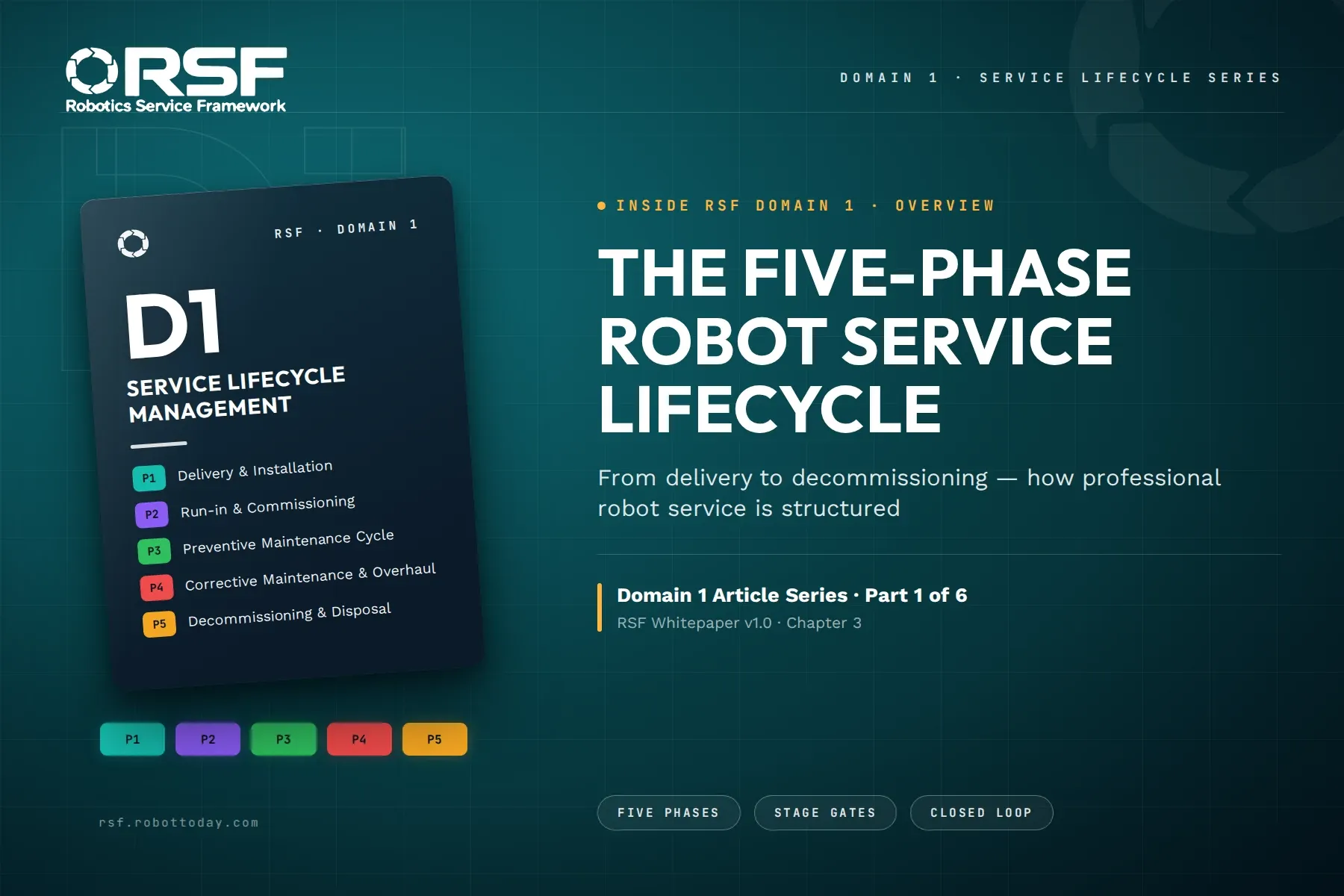
RSF Whitepaper v1.0 defines the first five-phase service lifecycle for industrial robots. How Domain 1 relates to ISO 55001, ANSI/A3, Japan's law & GB standards.
Big Joe's Four-Product AMR Push at Automate 2026: What It Reveals About the North American Warehouse Automation Market
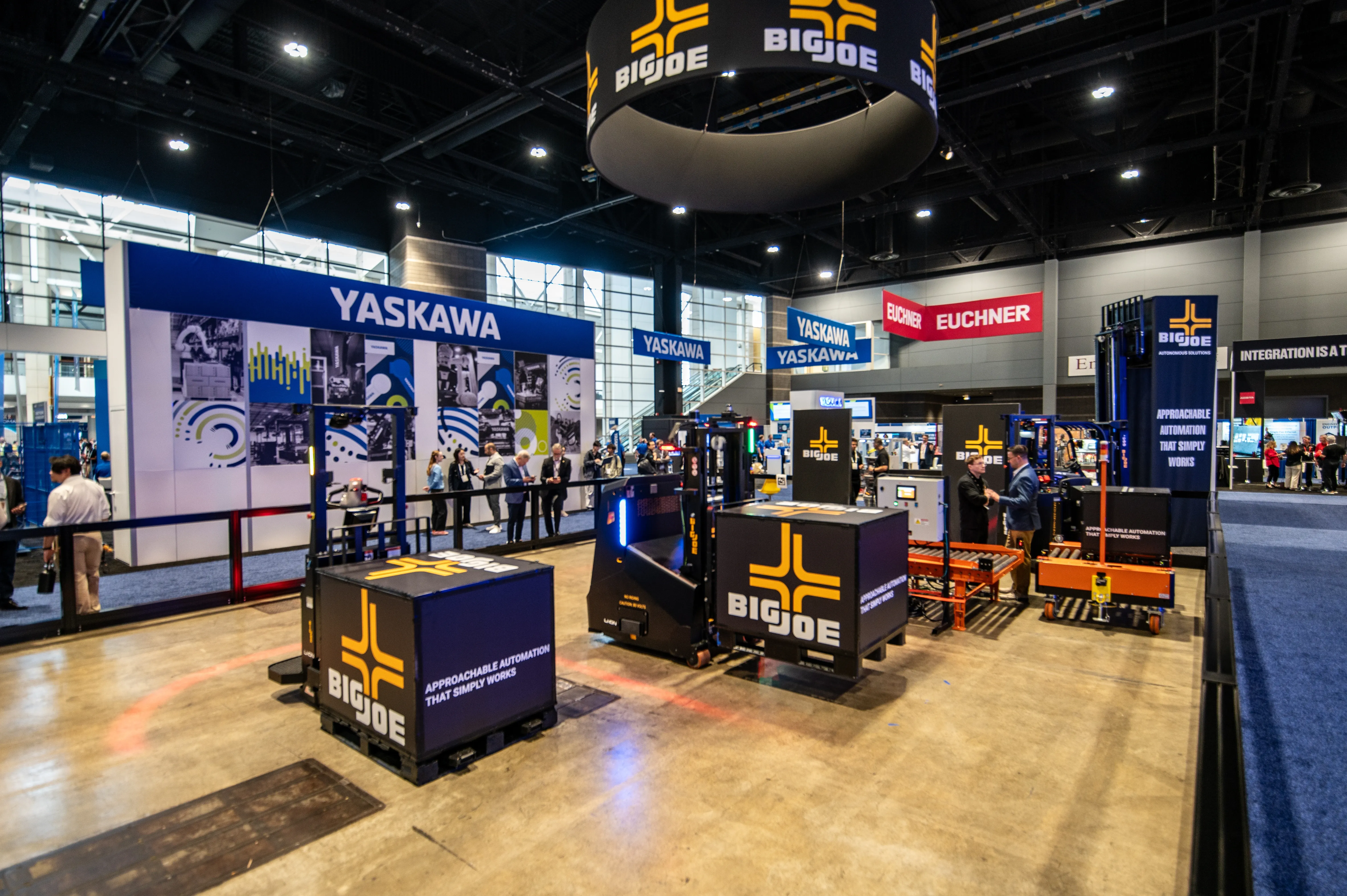
RobotToday analyzes Big Joe's four new autonomous vehicles launched at Automate 2026 — AP44, ASC40, ATC100, ACV40 — in the context of North America's warehouse labor shortage and AMR market growth.

ROBOTTODAY Weekly July 13 – 17, 2026
This week in robotics: Hyundai takes full ownership of Boston Dynamics, Xpeng targets 1,000 Iron humanoids a month, LimX Dynamics raises $200M pre-IPO, and Agility opens a Silicon Valley physical-AI hub. July 13–17, 2026.
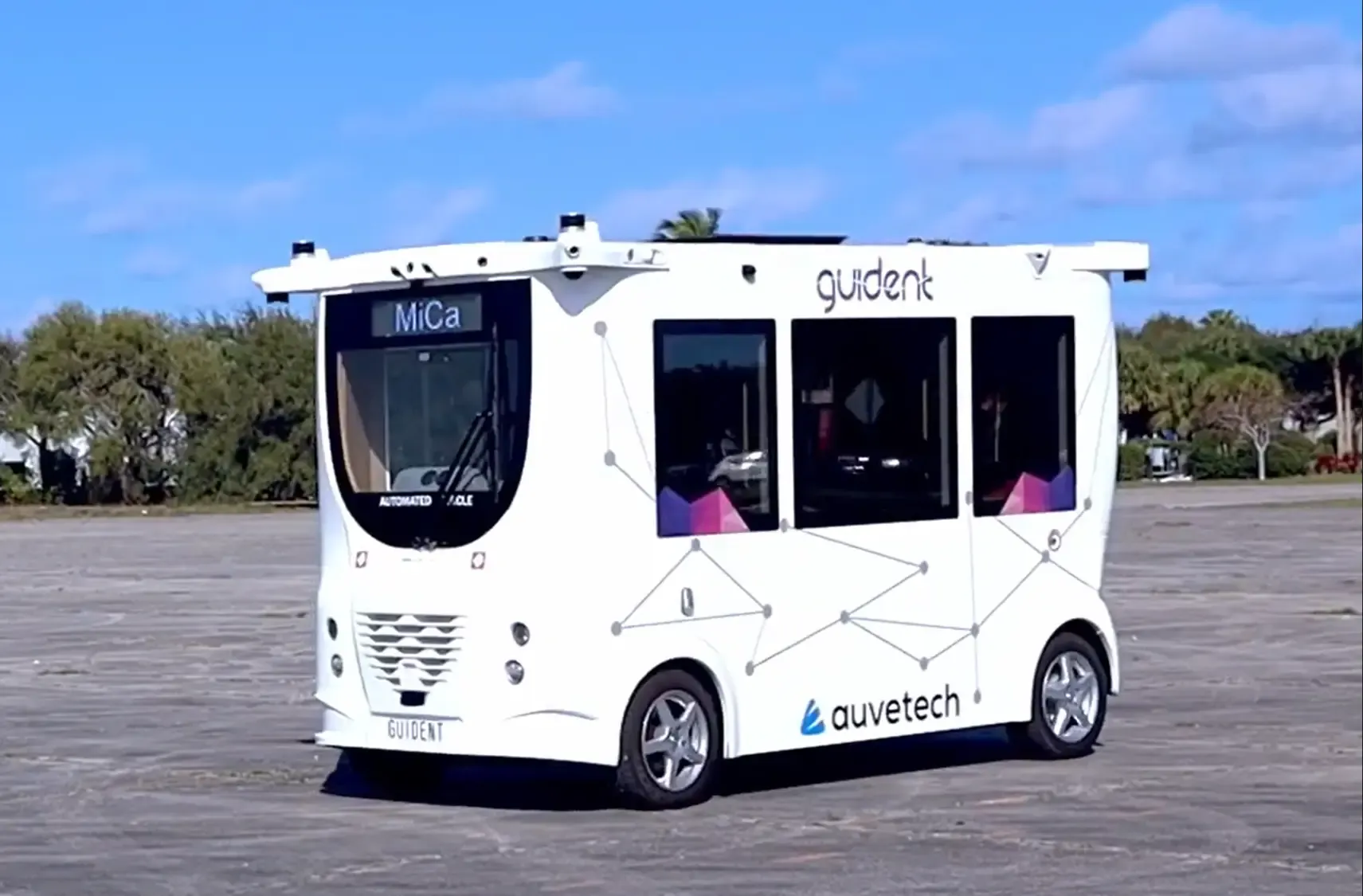
Inside Guident: How Harald Braun Is Building the Safety Layer Every Autonomous Vehicle Needs
Guident CEO Harald Braun on the RMCC architecture, IRLS risk identification system, and why California’s 2026 AV mandates validate six years of platform development.

ROBOTTODAY Weekly July 6 – 10, 2026
This week in robotics: AI² Robotics raises $735M for wheeled humanoids, Unitree G1 performs first live surgery, Dexmal launches DexOS platform, Agility Robotics announces SPAC, and Ondas acquires DZYNE for $875.8M. July 6–10, 2026.
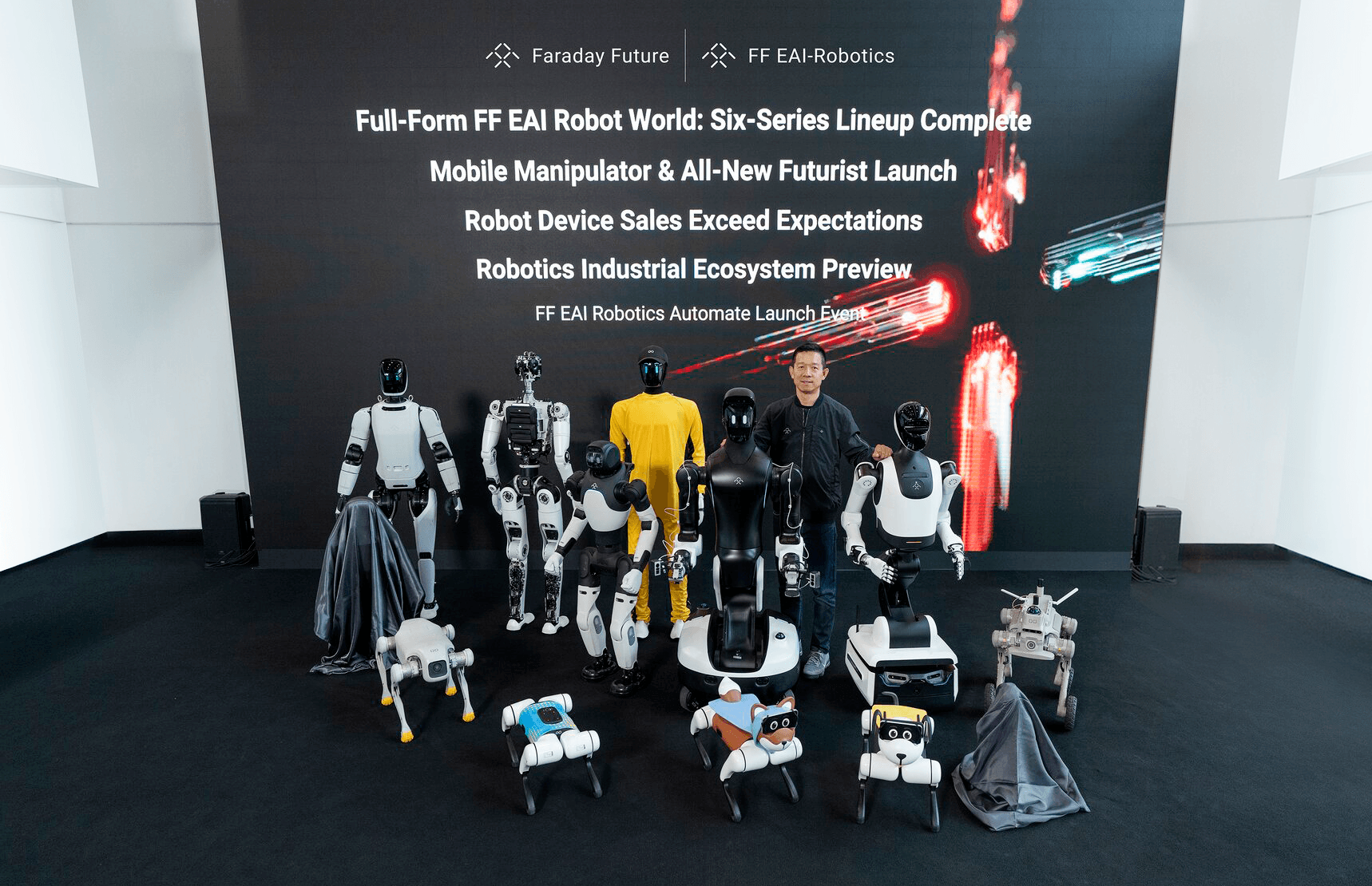
Faraday Future Completes Six-Series EAI Robot Lineup, Launches Faber Mobile Manipulator
Faraday Future unveils its full six-series EAI Robot World portfolio at Automate 2026, featuring the $89,900 All-New Futurist humanoid and the commercial release of the Faber mobile manipulator.
Automate 2026 | A3’s Jeff Burnstein on the New Geography of Robotics Adoption
RobotToday interviews A3 President Jeff Burnstein post-Automate 2026 on sector diversification, China’s 10x robot installation lead, a proposed U.S. national robotics strategy, and global cooperation through the IFR.


