Peer Robotics

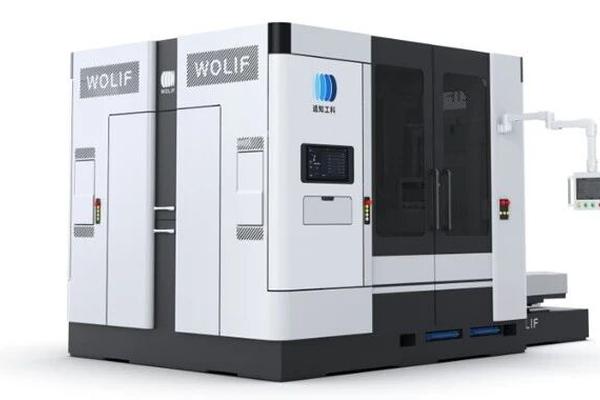
The RM Series of collaborative mobile robots (CMRs) integrates advanced navigation algorithms and sensor fusion technologies to facilitate seamless human-robot interaction. Engineered for operational efficiency, these robots utilize real-time data processing and machine learning for adaptive path planning. The modular design supports scalability and customization, ensuring compatibility with diverse industrial applications and enhancing workflow automation.

Share
Peer Robotics
470 James St
New Haven 6513
RobotToday Initiative

Robotics needs a service framework.

RSF defines a common language for robot service capability, lifecycle operations, certification pathways, and service-provider networks.

Share

Related Content

2026H2 Robotics Events Briefing: Tailored Recommendations for Robotics Readers

2026H2 Robotics Events Briefing: Tailored Recommendations for Robotics Readers

Discover the ultimate directory of global robotics events in 2026. Tailored briefings for engineers, investors, and founders on humanoid robots, AI, and industrial automation by RobotToday.

Robot Programming Languages 2026: From G-Code & FANUC KAREL to ROS2 — Complete History & Industrial Guide

Robot Programming Languages 2026: From G-Code & FANUC KAREL to ROS2 — Complete History & Industrial Guide

A comprehensive guide to industrial robot programming language evolution: G-code and NC origins, FANUC KAREL/TP, ABB RAPID, KUKA KRL, Yaskawa INFORM, the ROS open-source revolution, ROS2 architecture, ROS-Industrial consortium, OPC-UA, TSN, and real-time Linux — how six decades of software history define today's factory floor.

FUTURE WARFARE | The Geopolitical Competitive Landscape

FUTURE WARFARE | The Geopolitical Competitive Landscape

Military robotics is no longer a U.S.-centric story. Global defence spending crossed $2.75 trillion in 2026; defence-tech VC hit a record $49.1 billion in 2025; and a multipolar robotics order is crystallising in real time — with China’s 15th Five-Year Plan institutionalising civil-military fusion, Europe’s €381 billion defence budget financing its own AI champions, and Turkey and Israel reshaping the export market with affordable, combat-proven systems. Part Five of the Future Warfare Series maps the country-by-country competitive landscape, the collapsing regulation race, and the investment forces reshaping who builds — and who controls — the autonomous weapons of the next decade.

FUTURE WARFARE | Cross-Domain Integration - Integration How Land, Sea, Air and Software Are Converging Into a Single Kill Chain

FUTURE WARFARE | Cross-Domain Integration - Integration How Land, Sea, Air and Software Are Converging Into a Single Kill Chain

Cross-domain robotics is reshaping modern warfare as drones, UGVs, AI targeting systems, and autonomous logistics converge into a single networked kill chain across land, sea, air, and software.

Agricultural Robotics | 2025–2030 Outlook: The Labor Cost Reckoning

Agricultural Robotics | 2025–2030 Outlook: The Labor Cost Reckoning

Agricultural robotics is projecting a $28–48 billion market by 2030 outside China, driven purely by labor cost replacement. Part 10 synthesizes the series: forecasting penetration ceilings, emerging technologies, and regional winners in the most consequential farming transformation since mechanization.

CONSTRUCTION ROBOTICS | EXOSKELETONS & HUMAN AUGMENTATION

CONSTRUCTION ROBOTICS | EXOSKELETONS & HUMAN AUGMENTATION

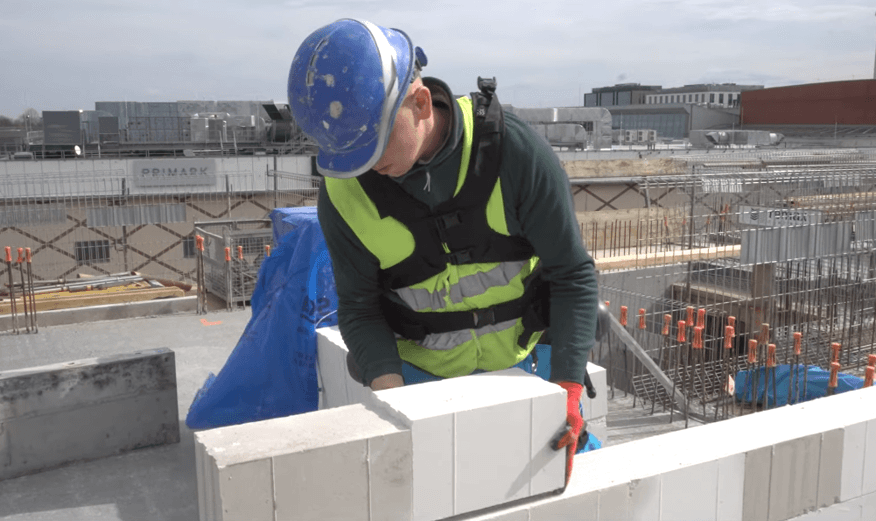
Construction musculoskeletal injuries cost US employers over $2 billion annually. Exoskeletons are moving from pilots to standard practice. Ottobock, German Bionic, Hyundai, and Innophys launched major products in 2024–2025. Korea and Japan lead adoption. AI is turning passive suits into connected safety platforms.

Meta Acquires ARI to Capture the Brain of the Humanoid Robot

Meta Acquires ARI to Capture the Brain of the Humanoid Robot

Meta’s acquisition of Assured Robot Intelligence (ARI) signals a pivot from hardware race to intelligence capture. We break down why Meta moved now, what ARI does, and how Amazon, Tesla, NVIDIA and Apple are responding — with different bets and different risks.

Unitree's IPO Review: What It Means for China's Humanoid Robot IPO Landscape

Unitree's IPO Review: What It Means for China's Humanoid Robot IPO Landscape

On 1 April 2026, China's Securities Association (CSAC) randomly selected Unitree Robotics for a mandatory on-site IPO inspection — just 12 days after its STAR Market application was accepted. The event has generated significant market commentary. This analysis examines the regulatory context, what the inspection actually means, the four core controversies in Unitree's prospectus, and the implications for competing humanoid robot companies pursuing public listings.

CONSTRUCTION ROBOTICS |  INSPECTION, SCANNING & DIGITAL TWIN

CONSTRUCTION ROBOTICS | INSPECTION, SCANNING & DIGITAL TWIN

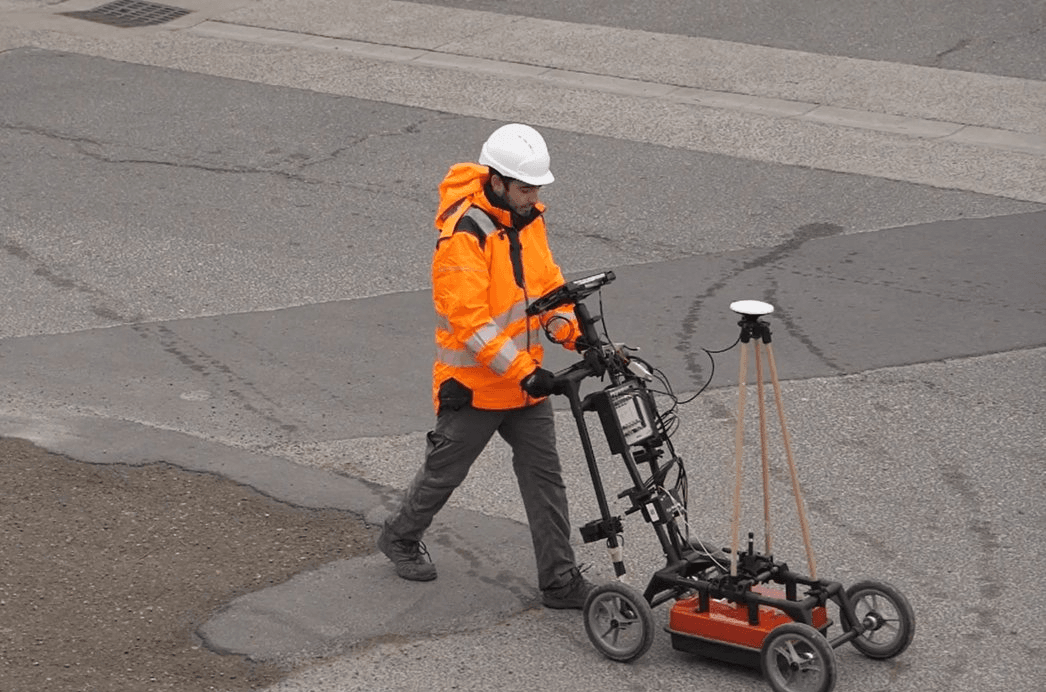
Inspection, scanning, and digital twin robots are construction's widest adoption curve. BCA-mandated drone façade inspections in Singapore, DroneDeploy's 3M+ sites, Boston Dynamics Spot Cam 2, and Exodigo's $214M funding define the segment. Key stat: Inspection/scanning commands 30% of construction robot applications (FactMR, 2025; unverified).

CONSTRUCTION ROBOTICS | Demolition Robots and the Rise of Zero-Fatality Job Sites

CONSTRUCTION ROBOTICS | Demolition Robots and the Rise of Zero-Fatality Job Sites

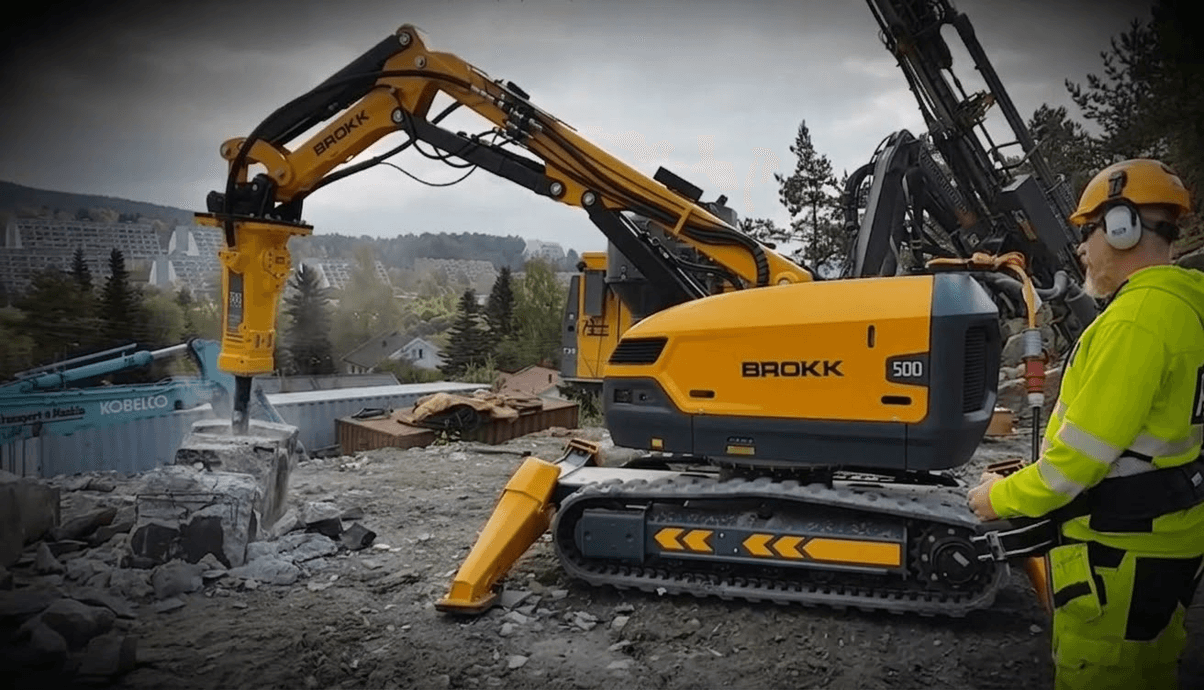
Demolition and hazardous-work robots are construction automation's fastest-growing safety segment. This analysis covers Brokk SmartPower+, Husqvarna DXR, AI-guided asbestos removal, confined-space inspection drones, and regional adoption across Japan, the EU, and South Korea — with market sizing, technology assessment, and a 2030 outlook.