Orchard Robotics
"Securing America's food supply by building the AI Farmer that automates our nation's farms."
US agtech firm whose FruitScope tractor-mounted cameras and cloud OS map every fruit on a farm, across apples, grapes, berries, nuts and citrus.
Contact Orchard Robotics
WEBSITE
https://orchard-robotics.comPHONE
+1 509-239-1598HEADQUARTERS
United States


Company Facts
Founded
-
Primary Role
Component Supplier
Company Size
employees 10-50
Primary Region
North America
Annual Sales
-
Funding Stage
Early-Stage VC
Funding Total
-

ZhiYuan Unveils AGILE 2.0: Transforming Robotic Vision and Motion Capabilities
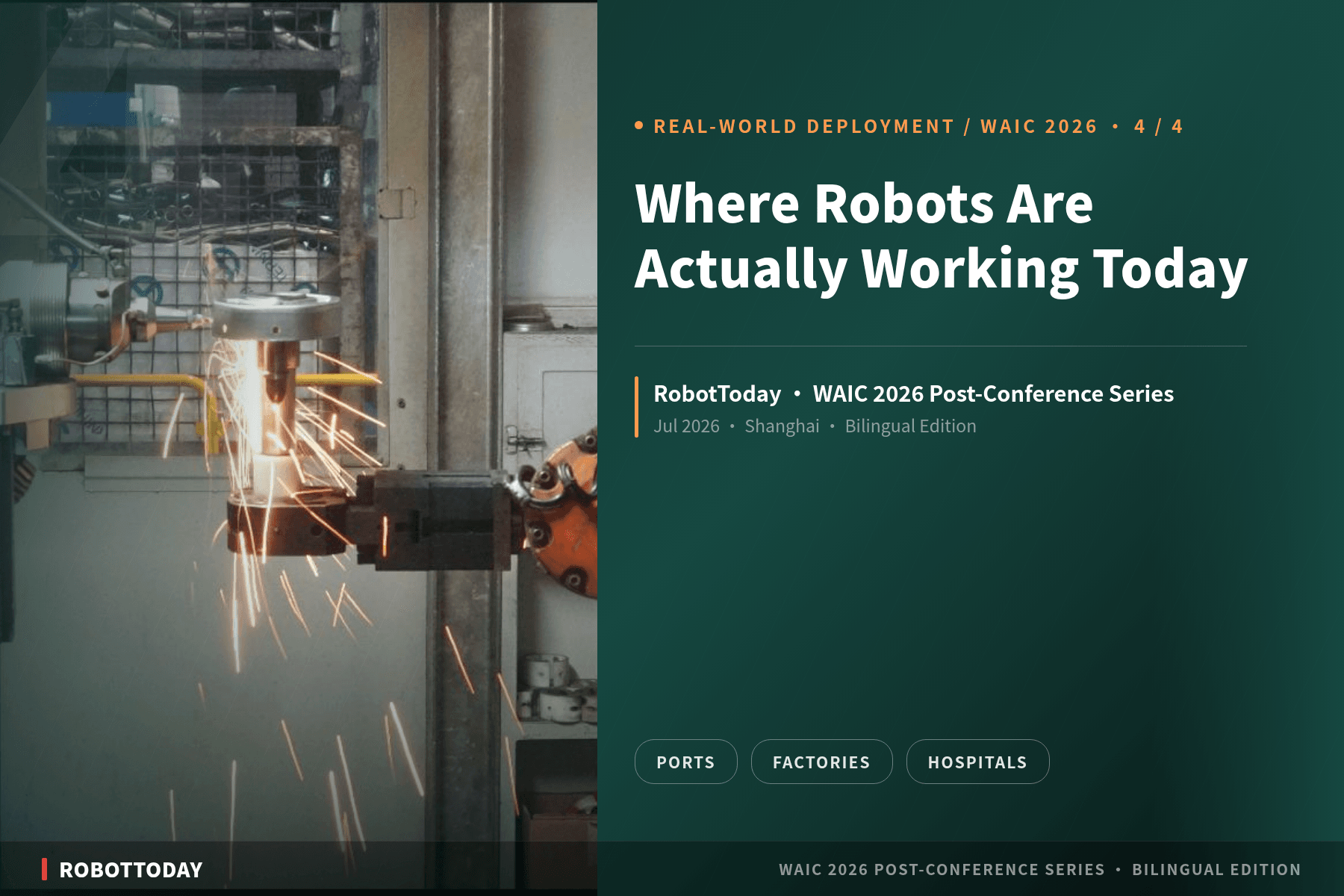
ZhiYuan has launched the AGILE 2.0 model, known as the AGIBOT Generative Intelligent Locomotion Engine, enabling robots to perceive, plan, and move with human-like agility. The innovative short film 'Acrobat BOT' showcases the robot's ability to perform complex tasks, such as jumping through fire hoops and balancing on a ball, demonstrating the advanced capabilities of AGILE 2.0. This development is significant as it addresses the challenges of synchronizing visual perception and motor control in robotics. While previous models struggled with dynamic coordination, AGILE 2.0 integrates environmental observation, terrain understanding, and full-body motion control into a cohesive system, allowing for real-time planning and execution. Looking ahead, AGILE 2.0's advancements in visual perception and dynamic interaction mark a pivotal shift in humanoid robotics, enabling operations in unstructured environments. No further timeline was disclosed at the time of publication.
Robotic Vision Intelligent Locomotion AI Robotics Dynamic Motion Control
Examining the Origins of Haptic Sensing Technology and Its Development Challenges
In the field of robotic haptic sensing, significant breakthroughs have emerged from years of technical accumulation and engineering capabilities. Leading haptic sensor companies have focused on multi-dimensional tactile perception, high-precision torque calculation, and heterogeneous array calibration, establishing a comprehensive intellectual property system. Their efforts have demonstrated that there are no shortcuts in haptic sensing; each aspect must be meticulously developed to create truly usable products. The emergence of new companies in 2026, which quickly introduce concepts like 'magnetized flexible materials' and 'exclusive replaceable electronic skin,' raises concerns. While their product images appear polished and their technical jargon comprehensive, comparisons with open-source projects like ReSkin and AnySkin reveal significant similarities in magnetic circuits, PCB designs, and algorithms. This suggests that some newcomers are attempting to simplify the complex development process into mere replication of existing technologies. To understand the implications of 'open-source rebranding,' it is essential to clarify the technological lineage of ReSkin, AnySkin, and eFlesh. The foundational work by Waseda University's Sugano Laboratory laid the groundwork for magnetic tactile skin technology, influencing subsequent developments by Meta AI and NYU. As these technologies evolve, the focus on low-cost, modular manufacturing continues to shape the future of haptic sensing applications.
Haptic Sensors Open Source Technology Robotics Innovation Technology Transparency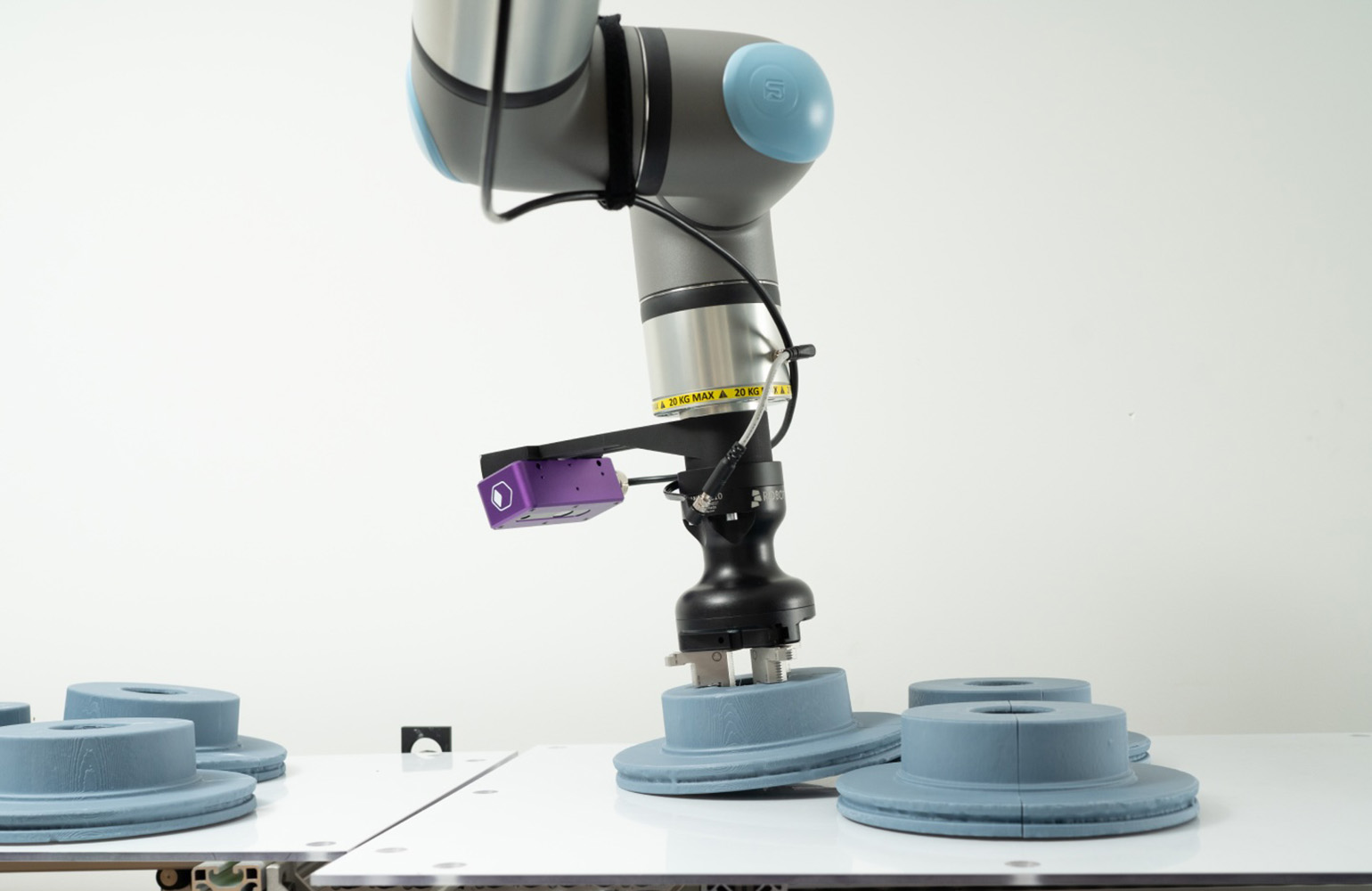
Inbolt CEO to Address Physical AI Deployment Challenges at RoboBusiness 2023
Inbolt's CEO Rudy Cohen will present at RoboBusiness on October 20-21, discussing the deployment challenges of physical AI in robotics. He argues that the real bottleneck lies in the integration between perception and motion, rather than data availability. Cohen's insights are based on experiences from over 100 factories and extensive production data from major automotive companies. The significance of this discussion is underscored by Inbolt's innovative approach to robotics, which combines vision and AI to enhance manufacturing processes. By addressing the integration tax and improving real-time control, Inbolt aims to streamline deployments that currently incur high costs and lengthy timelines. Cohen's presentation will challenge prevailing assumptions about the limitations of physical AI. Looking ahead, attendees of RoboBusiness can expect to gain valuable insights into the practical applications of physical AI in manufacturing. Cohen's talk will highlight how existing production data can demonstrate the commercial viability of physical AI, potentially reshaping industry perspectives on its deployment. No further timeline was disclosed at the time of publication.
Artificial Intelligence Artificial Intelligence / Cognition Design / Development Events News Inbold
Suoteng Juchuang Advances Digital Laser Radar for Mass Production at IFA
Suoteng Juchuang has unveiled multiple digital laser radars at the IFA, signaling a move towards mass production applications. This development highlights the company's commitment to advancing technology in the field of digital laser radar, which is crucial for various industries. The introduction of these digital laser radars is significant as it reflects the growing demand for advanced sensing technologies in automation and robotics. Suoteng Juchuang's innovations could enhance operational efficiency and accuracy in applications ranging from industrial automation to smart vehicles. Looking ahead, industry stakeholders should monitor Suoteng Juchuang's progress in scaling production and the potential adoption of its digital laser radar technology across different sectors. No further timeline was disclosed at the time of publication.
Robotics Automation AI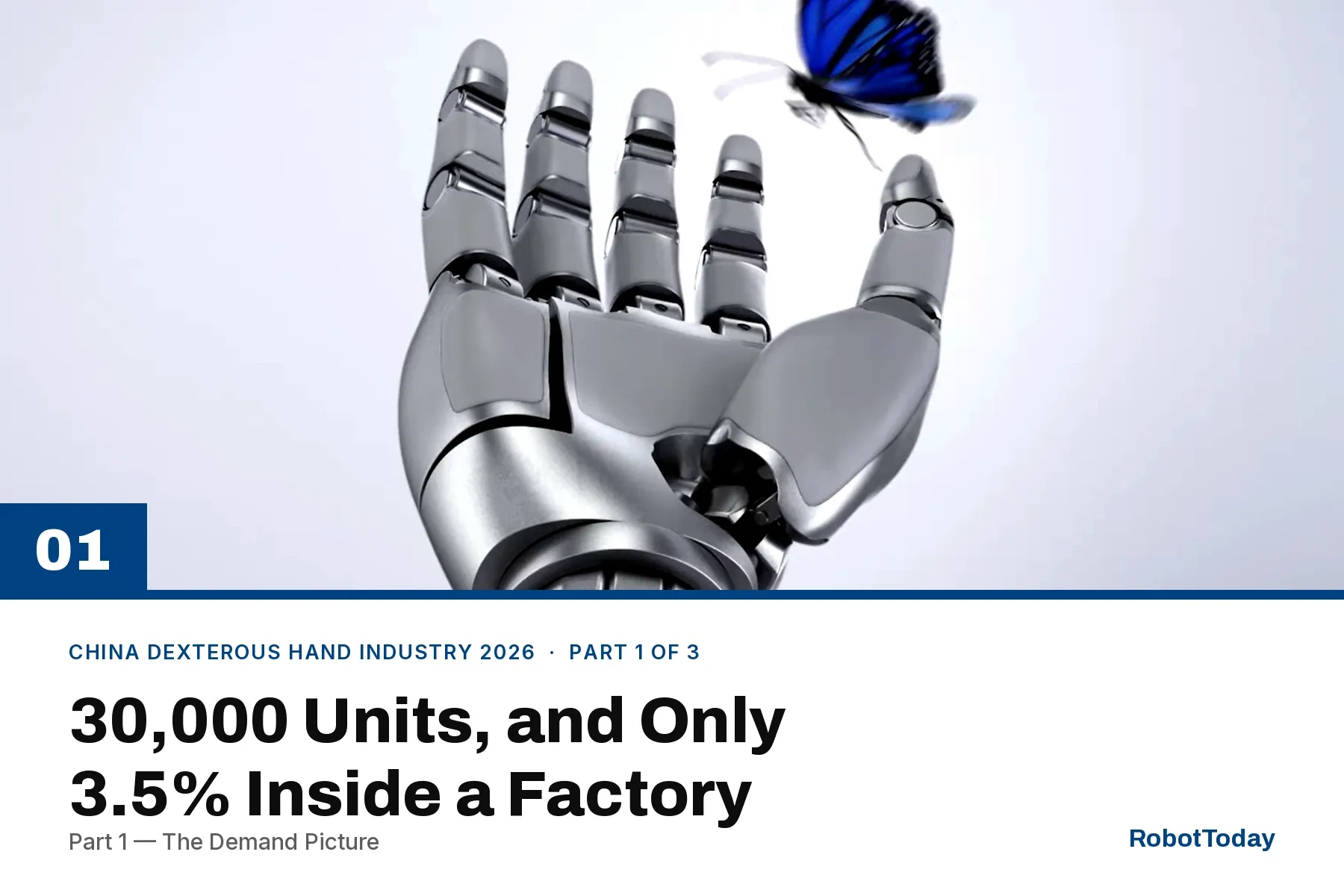
China’s Dexterous Hand Industry, 2026 Part 1 — The Demand Picture
MIR Databank puts China dexterous hand shipments above 30,000 units in 2026, yet only 3.5% of 2025 demand came from factory production. Part 1 of 3.

China’s Dexterous Hand Industry, 2026 Part 2 — The Technology
Linkage, tendon, direct drive or hybrid — and why hardware is converging while the DL1–DL5 manipulation scale decides who wins. Part 2 of 3.

Monumental's CEO Discusses Robotics Potential in Construction Industry
In a recent episode of Lexicon, Salar al Khafaji, founder and CEO of Monumental, highlighted the overlooked potential of robotics in the construction industry. He emphasized the challenges of deploying autonomous robots on unpredictable building sites and the need for specialized machines to address rising construction costs and housing shortages. Al Khafaji pointed out that construction has not received the technological attention it deserves, despite its significant economic and social impact. He believes that the industry is vast and underappreciated by tech founders, which is why he pivoted from data visualization to focus on tangible impacts in construction. Monumental has developed autonomous robots capable of transporting materials and constructing brick walls on commercial sites. However, al Khafaji noted that real-world deployment presents unique challenges, such as varying environmental conditions that affect sensors and computer vision systems. No further timeline was disclosed at the time of publication.
AI and Robotics Innovation
Emerging 2D Flex Feeding Revolutionizes Industrial Part Picking with Simplified Vision Systems
The article discusses the advancements in 2D Flex feeding technology, which simplifies robotic vision for industrial part picking. Unlike traditional 3D bin picking, this new approach allows for quicker and more reliable implementations, making it accessible for a broader range of applications. This innovation is significant as it enhances the capabilities of industrial robots in manufacturing, reducing the complexity associated with advanced vision systems. Experts Nicholas Kern from SICK and Nick Barron from Feedall highlight the advantages of flex feeding over bowl feeding, showcasing early adopters who are already experiencing substantial benefits. Looking ahead, the future of feeding robots appears promising with the integration of smarter vision systems. As this technology continues to evolve, it will be essential to monitor its adoption and impact on manufacturing efficiency and productivity. No further timeline was disclosed at the time of publication.
Factory / Robotics
Dyson Introduces Nurovi Robot Cleaners and First Oral-Care Device with AI Vision
Dyson has unveiled a new family of robot cleaners named Nurovi and its first oral-care device, CameraJet, at the Dyson Unveiled event in Berlin. This marks a significant shift towards appliances that utilize artificial intelligence, vision systems, and sensor-based automation to interpret and respond to their environments. The introduction of the Nurovi robot cleaners, which includes three models with advanced cleaning mechanisms, highlights Dyson's commitment to moving beyond traditional mechanical performance. The r2 Nurovi Wash+Dry features a triangular rotating mop and real-time dust particle measurement, while the r3 Nurovi Spot+Scrub UV employs AI for stain detection and enhanced suction capabilities. Looking ahead, Dyson aims to integrate AI and machine learning across its product lines, including oral care and home appliances. No further timeline was disclosed at the time of publication.
All News
Lyte Secures $165 Million in Series C Funding to Enhance Robot Sensing Capabilities
Lyte AI Inc. has successfully raised $165 million in Series C funding, achieving a post-money valuation of $1.6 billion. Founded in 2021, the Sunnyvale-based company specializes in designing processors, multimodal sensors, and software that enable robots to accurately perceive their surroundings. This funding will accelerate the deployment of LyteVision, their perception platform, into various robotics applications. The significance of this funding round lies in Lyte's innovative approach to solving the sensing challenges faced by robots. According to co-founder and CEO Alexander Shpunt, the company focuses on creating a comprehensive perception foundation, from custom silicon to spatial data generation. With this investment, Lyte aims to expand its reach across industries such as inspection, logistics, and manufacturing, where accurate sensing is crucial for operational safety and efficiency. Looking ahead, Lyte plans to significantly grow its workforce, hiring across multiple domains including silicon, software, and operations. The company has already raised a total of $272 million since its inception and is poised to become a key player in the robotics sector, as indicated by the strong demand for its technology from early customers. No further timeline was disclosed at the time of publication.
Artificial Intelligence Artificial Intelligence / Cognition Design / Development Financial Investments News
World Labs Launches Atlas World Model for 3D Environment Simulation
World Labs has unveiled Atlas, a new world model aimed at generating, reconstructing, and simulating 3D environments. This model supports Real-to-Sim workflows, allowing robots to navigate and manipulate spaces reconstructed from images or videos. Atlas can create RGB and depth data that robots would encounter, enhancing their operational capabilities. The introduction of Atlas is significant as it enables developers to recreate interactions with various objects and simulate different training scenarios. By using a limited number of real-world recordings, Atlas can generate complex environments, which is crucial for advancing robotic applications. This multimodal model combines text, images, video, and 3D information, providing a comprehensive tool for robotics and beyond. Looking ahead, Atlas is entering early access with select partners and will also enhance future versions of World Labs' Marble world-generation product. The capabilities of Atlas in producing explicit 3D outputs and supporting diverse applications will be key areas to monitor as the technology evolves.
AI AI Use Cases Robotics Atlas real-to-sim World Labs
Orchard Robotics CEO Advocates for Simplified Data Use for Growers
At the Ruggedize ag robotics conference, Orchard Robotics CEO Charlie Wu emphasized that growers should not need to act as data analysts. He highlighted the importance of actionable data, stating that it should facilitate decision-making rather than overwhelm users with numbers. Orchard Robotics offers an AI-powered camera system that captures extensive data on fruit health and growth, processed on-site to accommodate farms with limited connectivity. The company's FruitScope platform allows growers to monitor conditions at a granular level, enhancing operational efficiency. Wu noted that the primary value lies in labor and input savings, with the platform predicting yields with over 95% accuracy. This capability aids in supply chain planning, helping growers optimize labor and resources while making informed decisions about production and marketing. Orchard Robotics has expanded its focus from apples to various crops, including grapes and cherries, and is exploring new markets internationally. The company currently operates hundreds of systems across tens of thousands of acres, aiming for broader adoption. Wu stated that growers can expect a return on investment of three to ten times in their first year by leveraging the platform effectively.
Agtech Artificial intelligence Deeptech Precision agriculture Startups & funding US & Canada
ROBOTTODAY Weekly June 1 – 5, 2026
This week in robotics: NVIDIA’s Jensen Huang visits Seoul to deepen physical AI ties, Generalist AI raises $400M at $2B valuation, Amazon upgrades Proteus with natural-language control, and UBTECH humanoid attracts 1,200 pre-orders. June 1–5, 2026.
AGRICULTURAL ROBOTICS SERIES — Company Directory 2026
Access the definitive 2026 directory of 150+ agricultural robotics companies. A comprehensive reference guide covering autonomous tractors, harvest automation, precision weeding, and AI data platforms across the global agtech ecosystem.
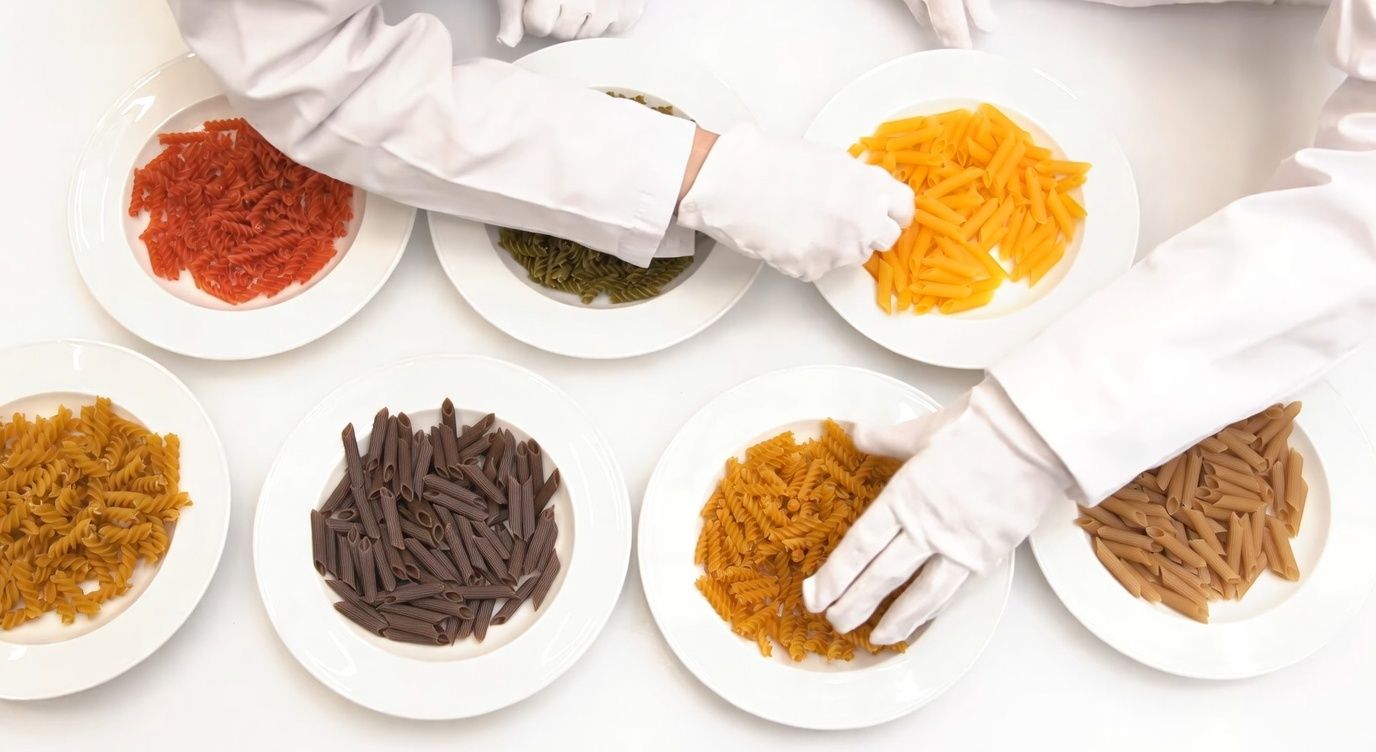
Agricultural Robotics | Post-Harvest Automation: The $7.5B System Shaping the Food Supply
Post-harvest robotics automate sorting, grading, packing, and cold storage across the $7.5B equipment market. Deep-dive on TOMRA, Unitec, MAF Roda, Greefa, JBT, Bühler, and the AI-driven platforms replacing 450,000+ packhouse workers by 2030.
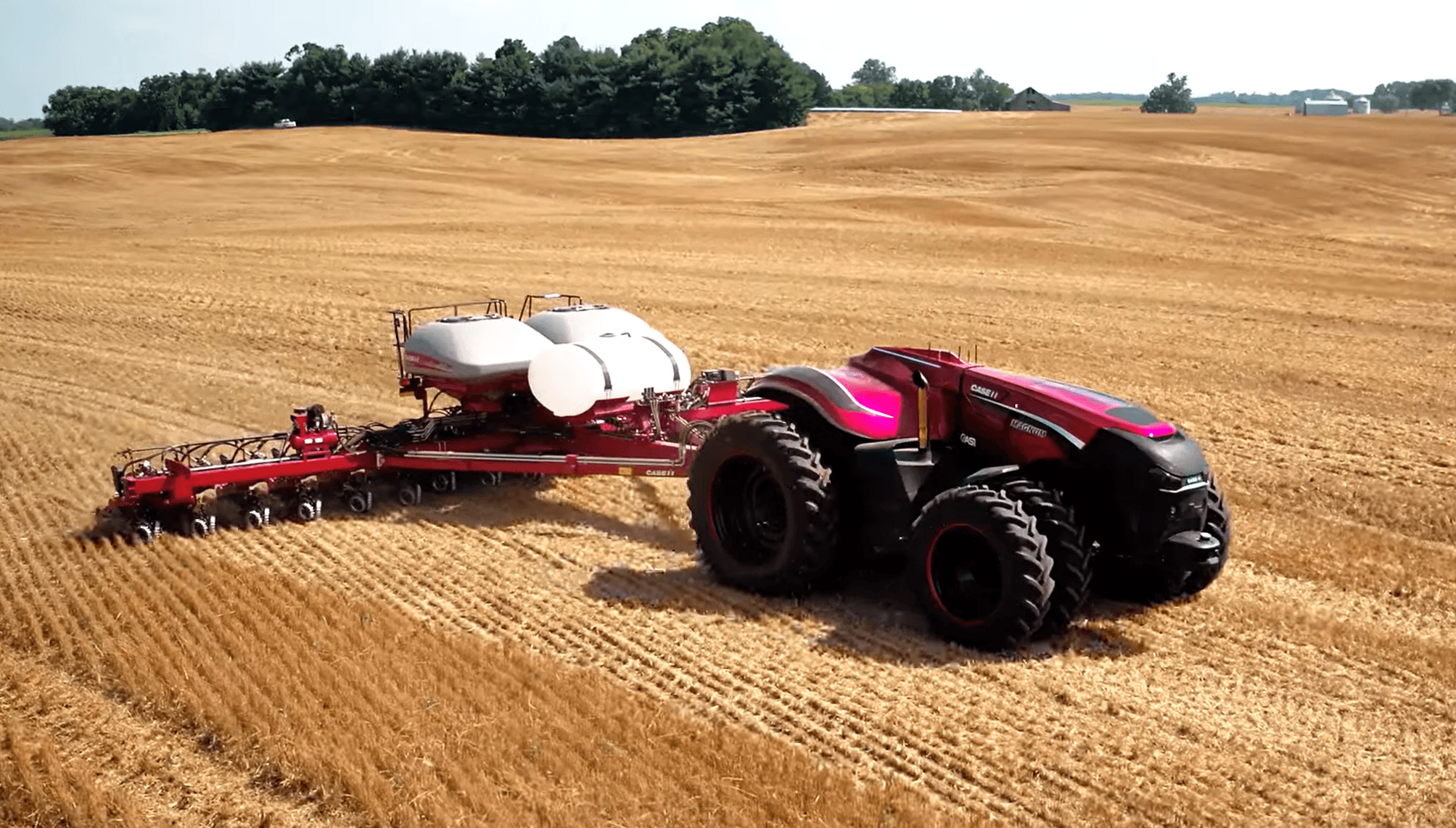
Agricultural Robotics | Autonomous Tractors: The $13B Platform Battle in Plain Sight
Autonomous tractors target a $2.7B market growing at 22% CAGR to 2032. Deep-dive on John Deere 8R, AGCO Fendt, CNH Industrial, Kubota AgriRobo, and Monarch MK-V — and why the platform war matters more than the hardware.
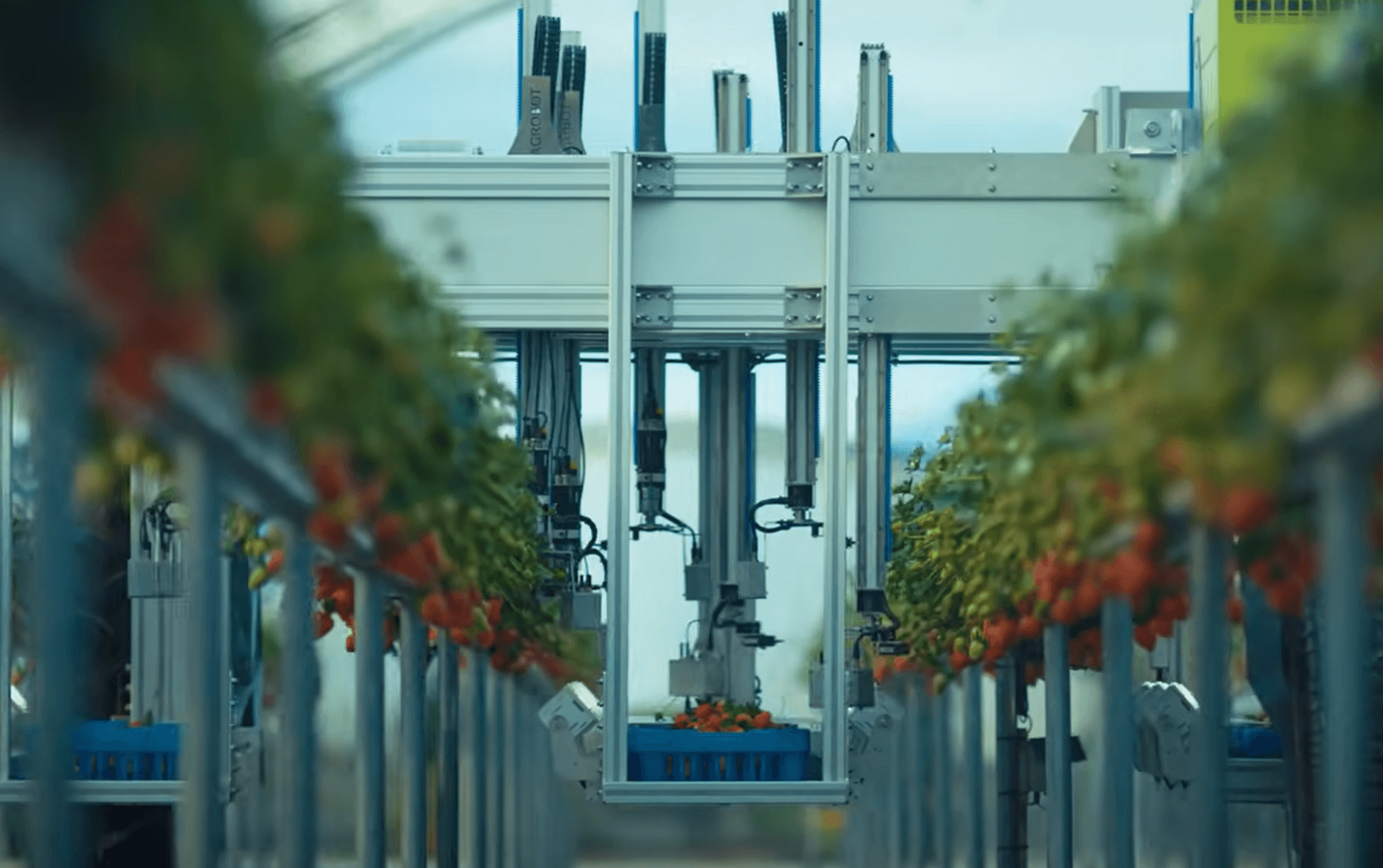
AGRICULTURAL ROBOTICS | Harvesting Robots: $6.9B Market
Harvesting robots hit $2.24B in 2024 and are targeting a $50B labor market at less than 5% penetration. Deep-dive: market data, 14 companies, economics, and 2030 outlook.
AGRICULTURAL ROBOTICS | Market Leaders, Regional Analysis & Top Countries
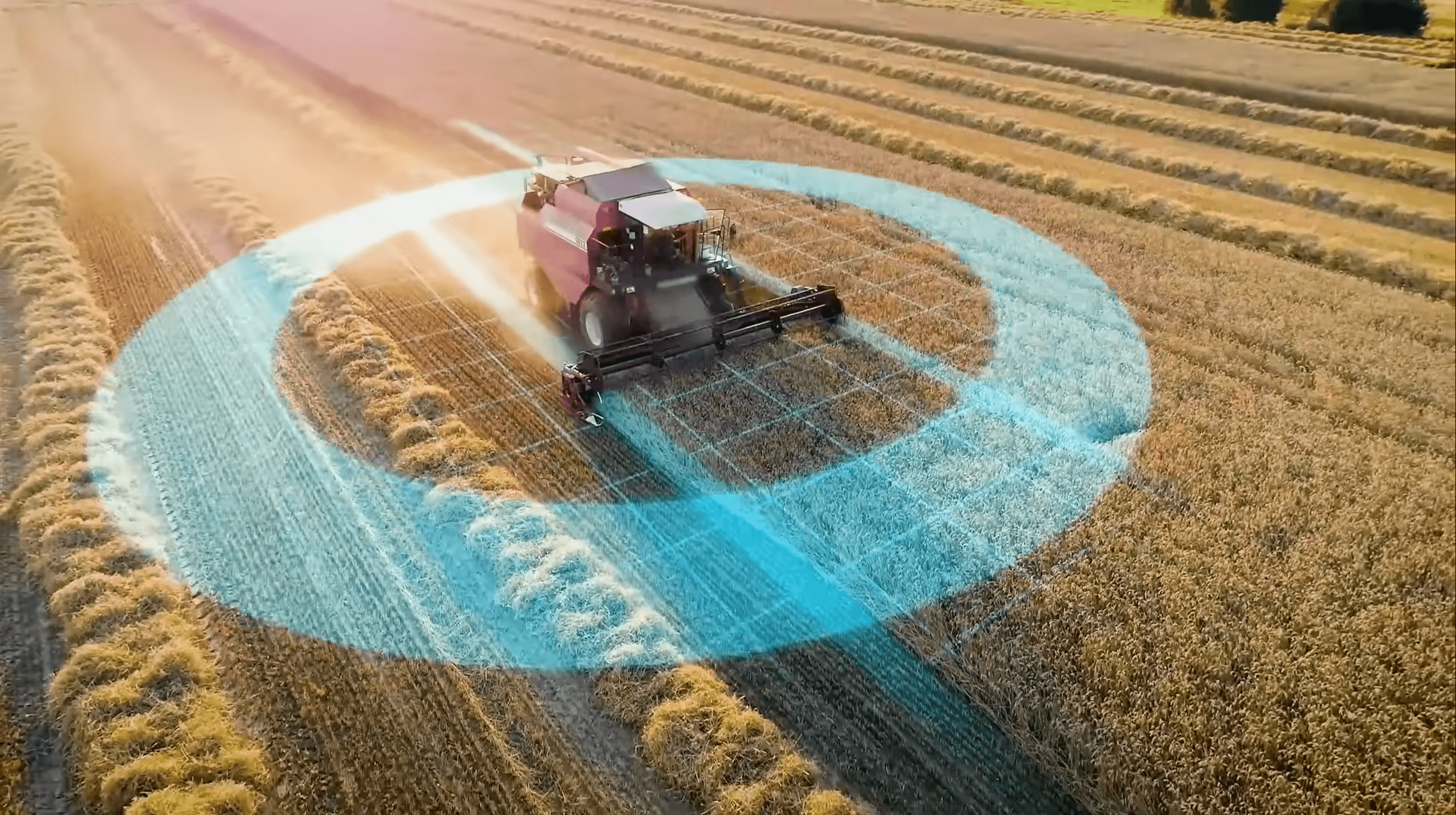
John Deere, DJI & 340+ companies compete for the $48–56B Western market and China’s $80–150B parallel ecosystem. Regional analysis across 5 top countries.
AGRICULTURAL ROBOTICS | Labor Crisis: How Robots Will Fill the Global Agricultural Workforce Gap
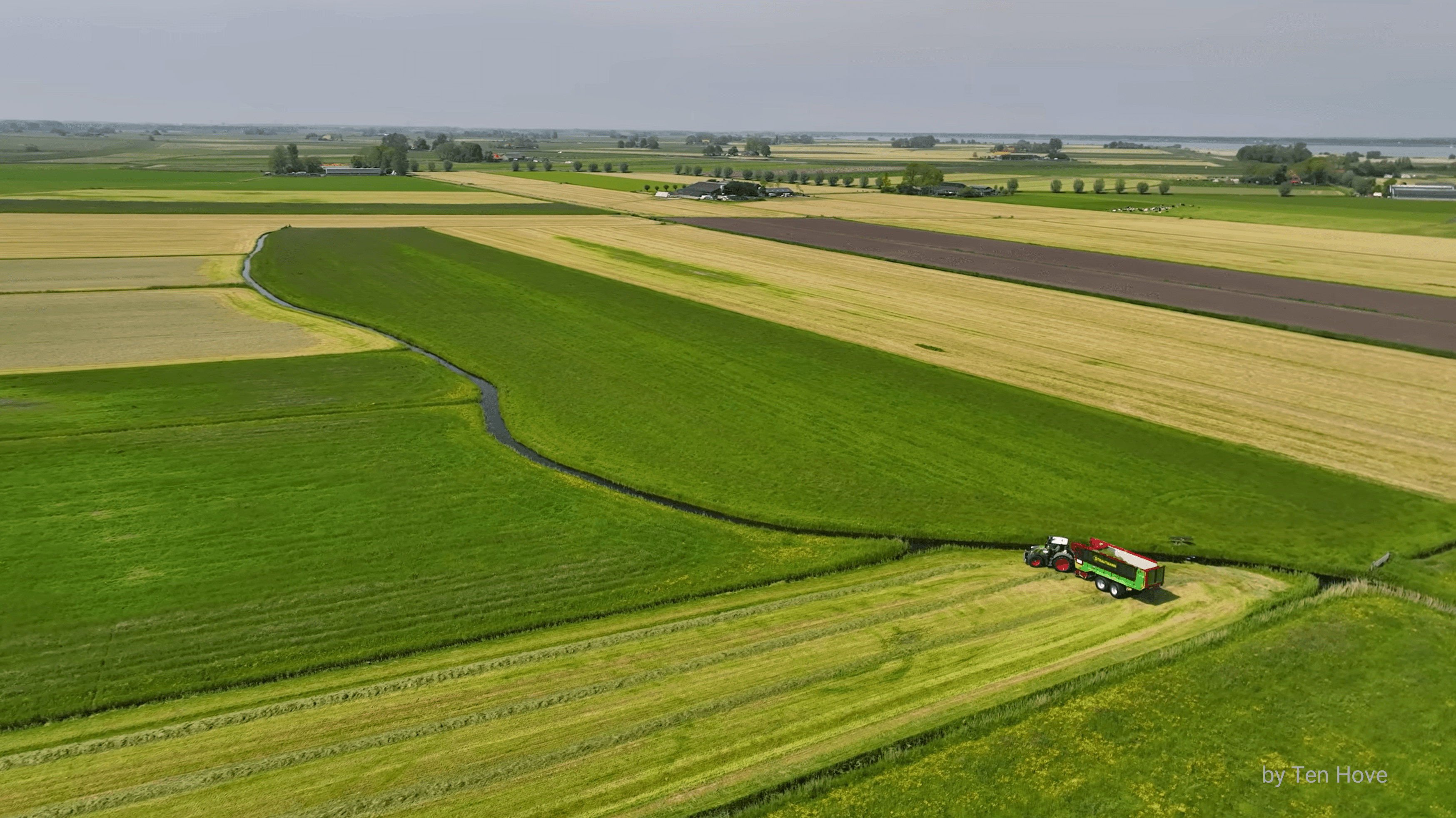
Robots will replace 31.2-46.8M workers globally by 2030, eliminating $156-375B in labor costs. Analysis of Western markets + China deployment.
China's Robotic Lawn Mower Market Set to Surge Driven by Technological Advancements
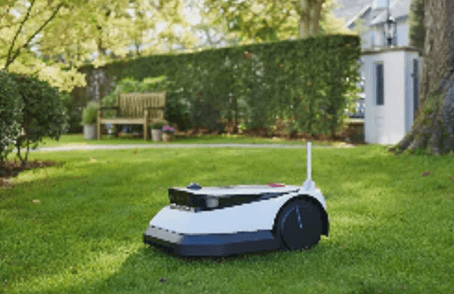
China’s robotic lawn mowers are reshaping a $10B global market. Wire-free RTK, lidar, and AI models drive exports, cut costs, and challenge legacy brands worldwide.