
-
Website: https://de.www.meidensha.com
-
Phone: +81 3-3246-7111
ThinkPark Tower, 2-1-1 Osaki
Shinagawa-ku 141-6029


Japanese corporation with 120-plus years of history providing social infrastructure systems, power equipment, transportation electrification, and industrial automation solutions. Serves utilities, rail, and manufacturing sectors globally.
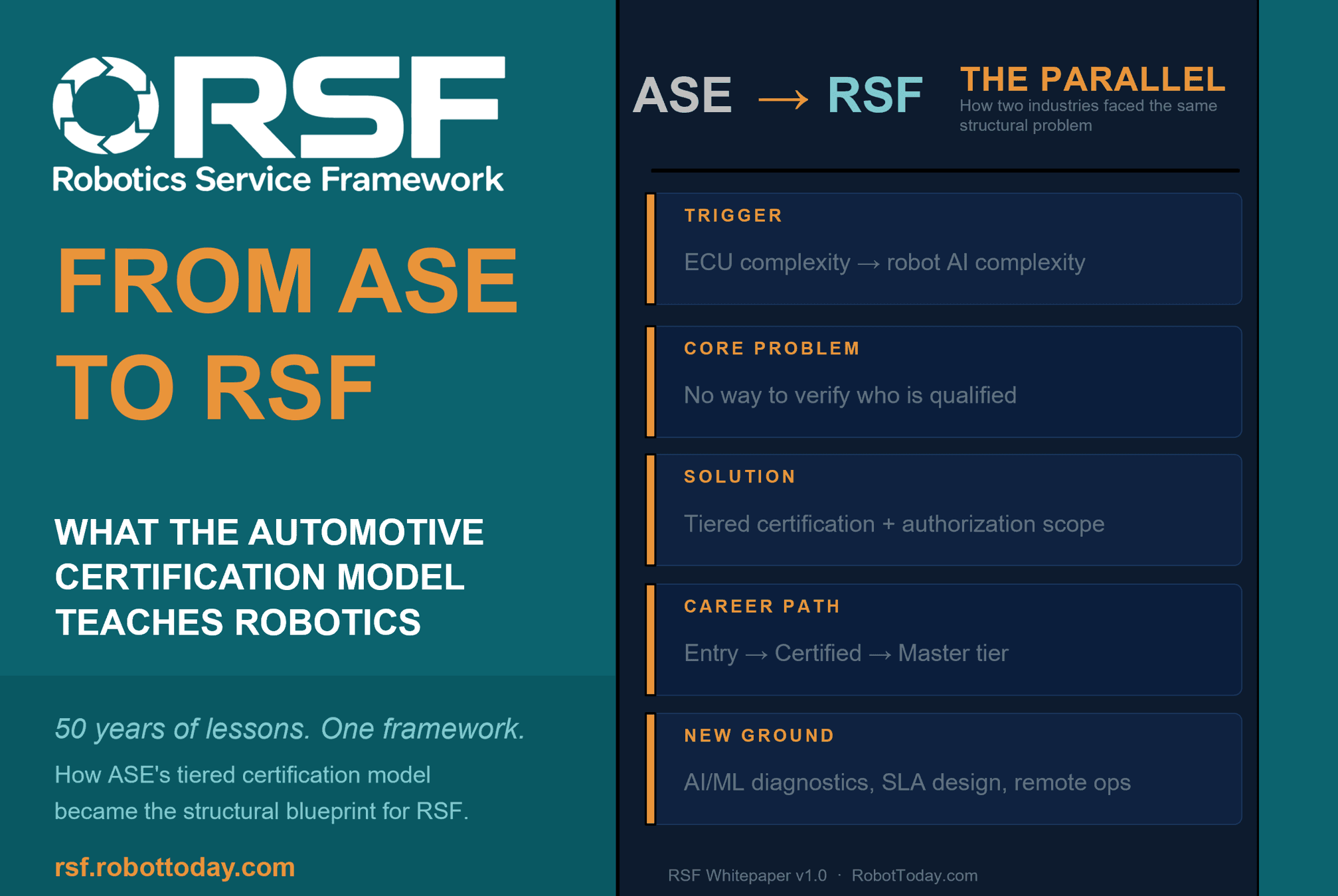
RSF defines a common language for robot service capability, lifecycle operations, certification pathways, and service-provider networks.
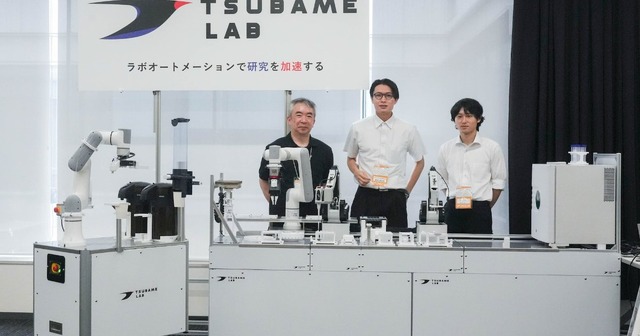
Tsubame Lab Inc. participated in the Laboratory Automation Developers Conference 2026 (LADEC2026) held on July 2-3, 2026, at the Miraikan in Japan. The company demonstrated automation solutions for pre-processing tasks using robotic arms and introduced the concept of 'room-level automation' by integrating autonomous mobile robots (AMRs) for sample transportation. This participation is significant as it highlights Tsubame Lab's ongoing efforts to create a 'Cloud Lab' that allows researchers to execute experiments remotely via APIs and MCPs. The conference featured over 40 speakers and approximately 60 sponsoring companies, emphasizing the importance of automating repetitive tasks in research environments, which are still largely performed manually by researchers and staff. Looking ahead, Tsubame Lab plans to expand automation elements for pre-processing tasks, enhance the application range of room-level automation through AMR integration, and continue collaborating with the research automation community. No further timeline was disclosed at the time of publication.
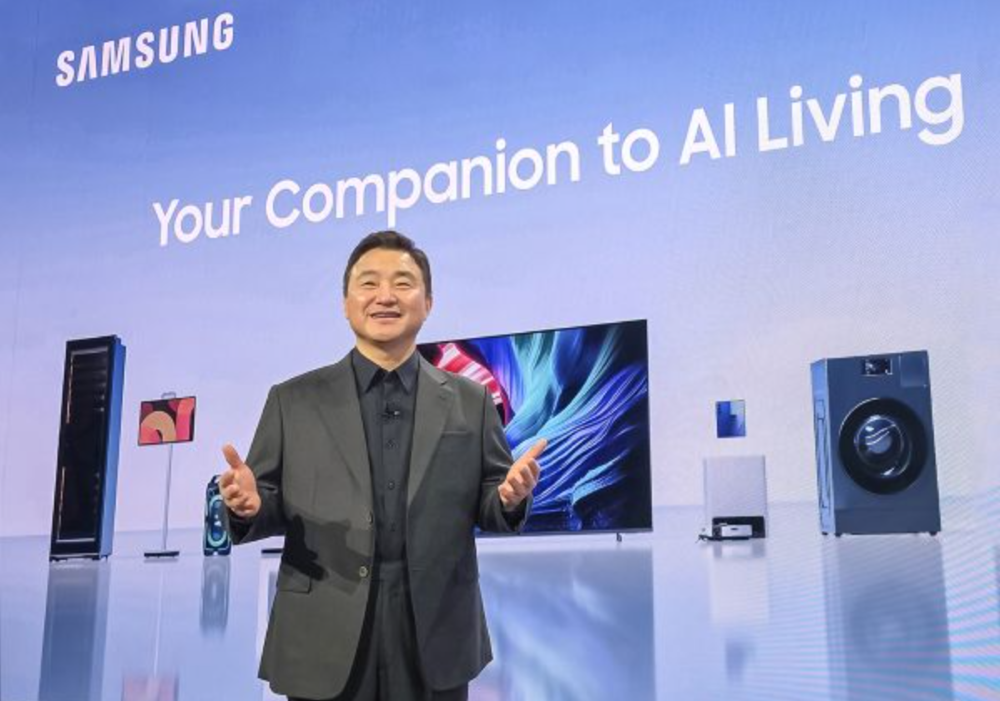
Samsung Electronics announced the establishment of a new robotics business division, RX (Robotics eXperience), led by CEO Roh Tae-moon. This division consolidates various robotics initiatives previously managed separately, focusing on long-term strategy and commercialization. Key hires include Lee Dong-gun, who will lead the robotics strategy team, along with two academic experts in autonomous systems and robotic dexterity. The formation of the RX division is significant as it reflects Samsung's commitment to developing robots as a commercial business amid challenges in other sectors. Analysts suggest that the mobile division may have experienced its first quarterly loss, prompting the company to seek growth opportunities in robotics. The division aims to innovate in areas such as dexterous robotic hands, which are crucial for humanoid functionality and represent a significant cost factor in robotics development. Looking ahead, Samsung plans to invest in its robotics capabilities at its Seoul R&D Campus and establish further research bases in the United States, China, and Japan. The RX division's efforts will build on Samsung's recent investment in Rainbow Robotics, enhancing its position in the humanoid robotics market. No further timeline was disclosed at the time of publication.
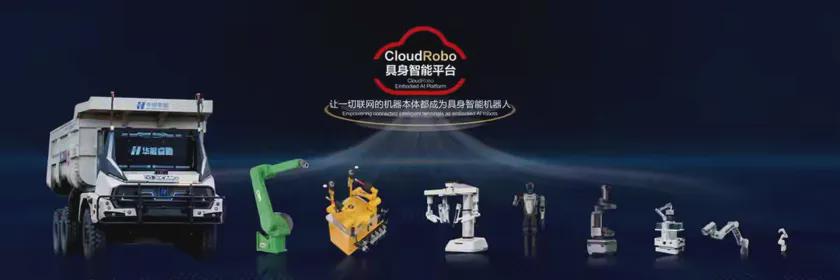
All NewsOn July 20, Huawei showcased its complete range of computing modules at the WAIC 2026, including the 800GE AI network card. This marks Huawei's strategic entry into the embodied intelligence sector with the public testing of its CloudRobo platform, aimed at enhancing the industry's development capabilities. Unlike traditional approaches, Huawei focuses on providing the intelligent core for robots rather than manufacturing them directly. This strategy mirrors Huawei's earlier success in the smart automotive sector, where it empowered brands like Seres without producing vehicles itself. The trend is evident across the industry, with major players like Tencent and Baidu also opting to develop intelligent systems and tools rather than building robots. This shift highlights a growing emphasis on software and cloud services in the robotics field, as hardware becomes less of a scarce resource. As the industry transitions from prototype demonstrations to large-scale implementation, the efficiency of foundational development remains a critical bottleneck. Huawei's CloudRobo aims to address this by offering a comprehensive platform for data production, model development, and deployment, with over 20 companies already joining the initiative. No further timeline was disclosed at the time of publication.
Embodied Intelligence AI Development Platforms Robotics Cloud ComputingAt the 2026 World Artificial Intelligence Conference, over half of the 160 exhibiting companies showcased robots capable of practical tasks such as making tea, folding clothes, and handling boxes. Notably, Galaxy Universal demonstrated robots working in energy plants for three months, while ZhiYuan showcased a complete automotive parts production line with robots handling loading and packaging. The demand for embodied intelligence has led to significant growth in the supply chain, with tactile sensor requirements rising from under 20% to 60% this year. Companies like Lightwheel Intelligence reported a fourfold increase in orders, indicating a surge in data demand. However, manufacturers remain cautious, seeking robots that can match human stability and precision before making substantial investments. As robots begin to learn from real data in factories, the industry is still grappling with limitations in intelligence. Observers noted that while robots are making progress, they are not yet as reliable as experienced workers. The industry is eagerly awaiting a breakthrough akin to the 'ChatGPT moment' for embodied intelligence, as companies test the feasibility of robotic solutions in real-world environments.
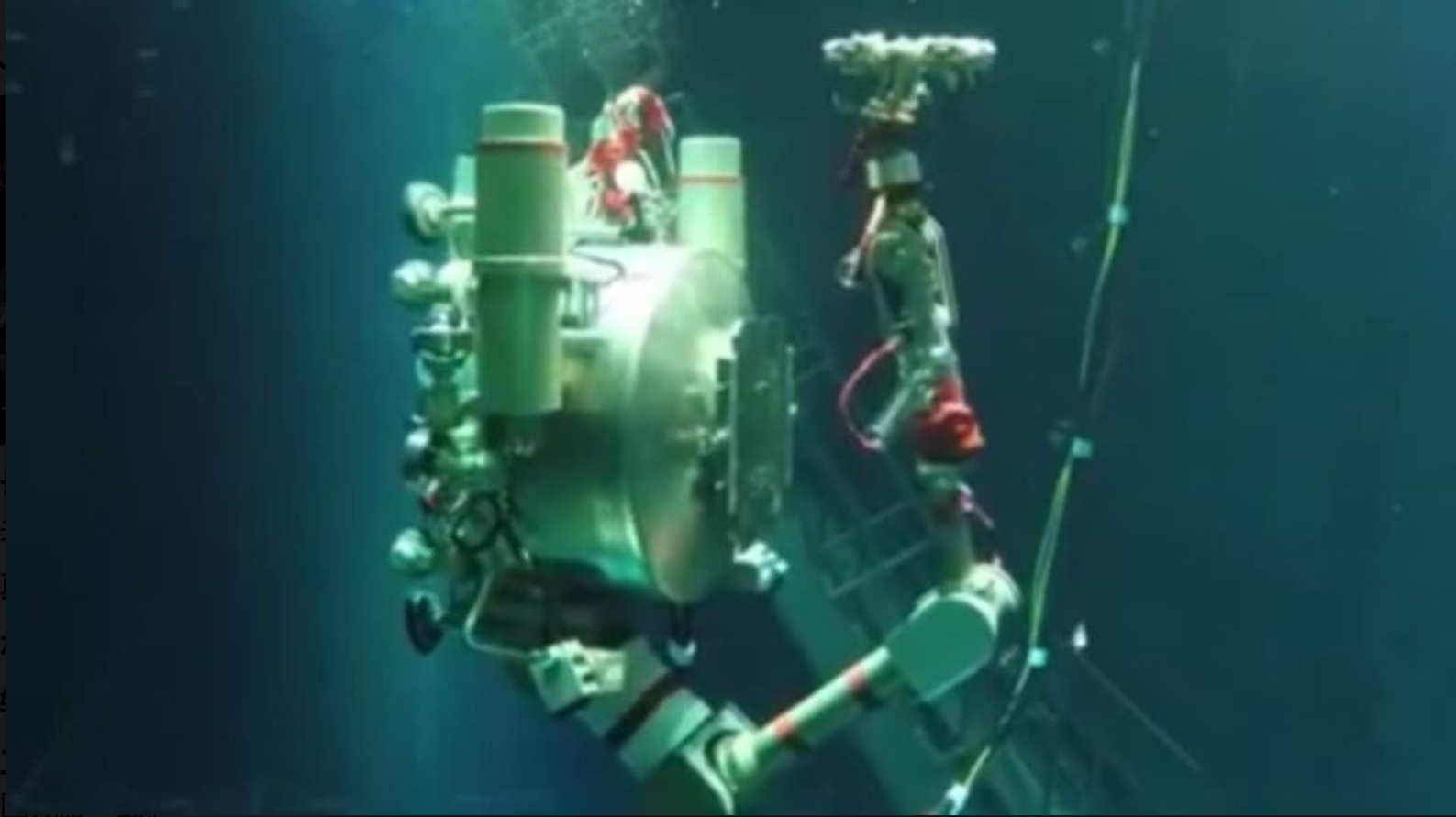
Robotics Artificial Intelligence Automation Manufacturing Sensor TechnologyThe A-UT robot, resembling a giraffe, has been operational in Japan's nuclear power plants for 30 years. Developed by Mitsubishi Heavy Industries, it performs critical inspections inside reactor pressure vessels using ultrasonic probes, where human access is impossible due to radiation. This robot is essential for ensuring the integrity of reactor components that contain high-pressure, high-temperature water and nuclear fuel. Its ability to operate in hazardous conditions makes it an invaluable tool for maintaining safety in nuclear energy production, especially as Japan's nuclear sector begins to revive. Looking ahead, the A-UT's role is expected to grow as more nuclear reactors restart operations, including the Kashiwazaki-Kariwa Unit 6 in February 2026. The continued use of such robots highlights their importance in energy strategy, ensuring the safety of welds in environments that are too dangerous for humans.
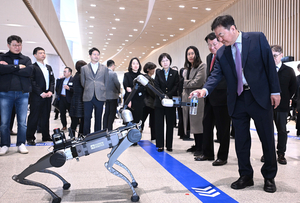
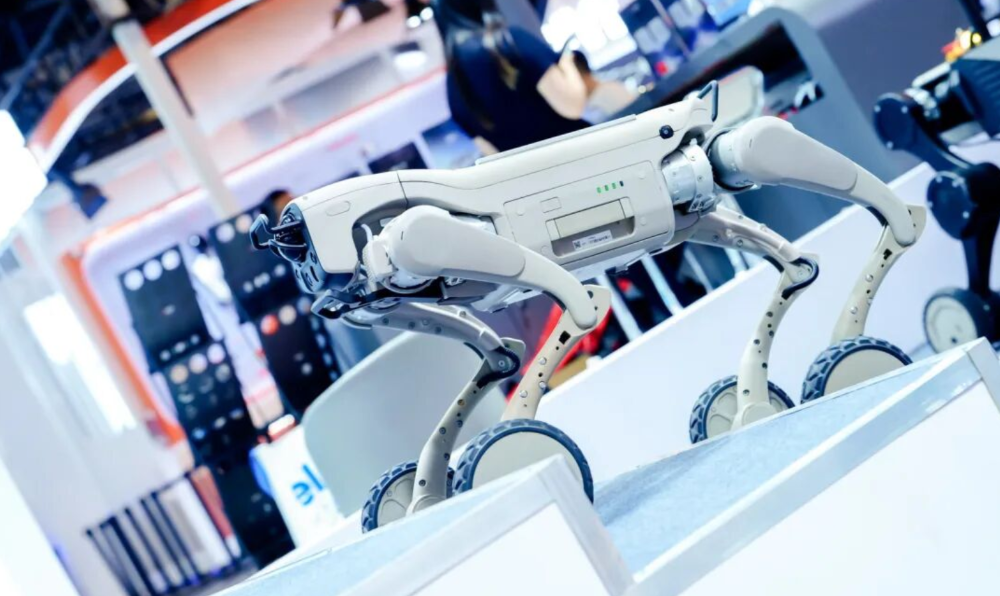
Nuclear Robotics Underwater Inspection Industrial Automation Radiation ProtectionGenisom AI made a significant impact at the 2026 World Artificial Intelligence Conference by unveiling a complete product matrix, including industry-grade quadruped robots, bomb-proof special robots, humanoid robots, and simulation training platforms. The company reported a cumulative production of over 15,000 units by June 2026, with a monthly production exceeding 5,000 units in June alone. This achievement highlights Genisom AI's ability to address critical questions in industrialization, focusing on mass production, speed, and stability. The quadruped robot, Steel Coin L2, integrates advanced navigation and autonomous following technologies, offering users a reliable productivity tool at lower costs and shorter deployment times. The bomb-proof inspection robot, Lead Ball SP1, is designed for hazardous environments, providing automated inspection solutions with high-level explosion-proof certifications. Looking ahead, Genisom AI's humanoid robot, Silver Wing NE01, signifies the company's expansion into bipedal robotics, demonstrating reliability in extreme tests. The MATRiX 2.0 simulation platform aims to bridge the gap between virtual training and real-world applications. With over 300 ecosystem partners, Genisom AI is building a comprehensive end-to-end chain from core components to full product deployment, marking a significant milestone in China's industrialization efforts.
Quadrupedal Robots Humanoid Robots Industrial Automation AI RoboticsSamsung Electronics has officially established the RX (Robotics eXperience) division, reporting directly to CEO Jong-Hee Han, to spearhead its robotics initiatives. This move comes as the company aims to position itself as a key player in the humanoid robotics race, previously dominated by firms like Boston Dynamics. The RX division will consolidate Samsung's scattered robotics technologies and talent, focusing on long-term strategy, core technology development, and commercialization. Leading the robotics strategy team is Executive Vice President Dong-Kyun Lee, who previously directed robotics strategy at Hyundai Motor Group and played a pivotal role in shaping Boston Dynamics' future. Additionally, two prominent scholars, Professor Hyun-Jin Kim from Seoul National University and Professor Eui-Chan Kim from Asia University, have joined Samsung to tackle the technological challenges in robotic dexterity, a critical aspect for the commercialization of humanoid robots. Samsung's pragmatic strategy involves validating manufacturing scenarios before expanding into home and retail sectors. The RX division will be based in Seoul's R&D hub, with plans to invest in infrastructure and establish robotics research centers in the U.S., China, and Japan. The company's goal is to transform all domestic and international production facilities into AI-driven autonomous factories by 2030, marking a significant shift in its robotics approach from decentralized research to centralized advancement.
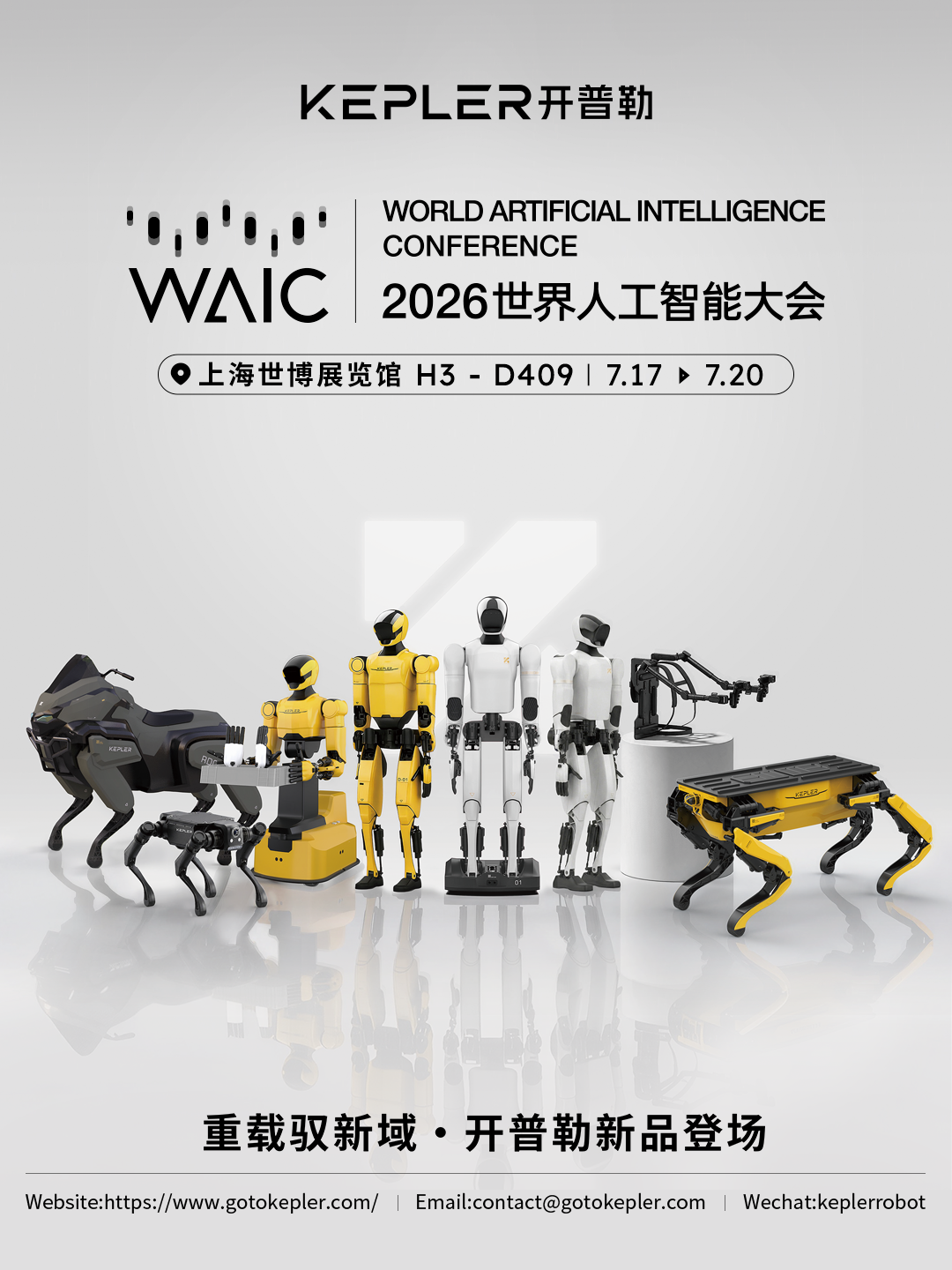
Humanoid Robots Robotics Technology AI Manufacturing AutomationThe WAIC 2026 event showcased a significant shift in the robotics industry, with over half of the exhibiting companies demonstrating real-world applications. This change highlights a move from mere technical demonstrations to showcasing practical value in robotics. Kepler's new quadruped robot, 'Qilin,' exemplifies this trend with its robust design and capabilities, addressing industry challenges such as heavy load and energy consumption. The introduction of the Qilin series marks a pivotal moment for Kepler, as it aims to redefine the utility of robots in various sectors, including mining and emergency rescue. With a weight capacity of nearly a ton and the ability to operate for eight hours on a single charge, the Qilin is designed for complex outdoor environments, reflecting a growing market demand for practical robotic solutions. As the industry evolves, Kepler's focus on real-world applications and data-driven training for humanoid robots sets it apart from competitors. The success of the Qilin and its variants indicates a promising future for quadruped robots in industrial settings, emphasizing their role as valuable partners in challenging operational scenarios. No further timeline was disclosed at the time of publication.
Quadruped Robots Humanoid Robots Industrial Automation Robotics TechnologySamsung Electronics Co. has appointed a prominent robotics executive from Hyundai Motor Group to lead its newly established robotics division. This strategic move highlights Samsung's commitment to enhancing its presence in the robotics sector, which is increasingly viewed as a critical area for competition among global technology firms. The establishment of this new division signifies Samsung's recognition of the growing importance of robotics in technology and manufacturing. By bringing in experienced leadership, Samsung aims to strengthen its capabilities and innovate within this rapidly evolving field, positioning itself against other major players in the industry. Looking ahead, the focus will be on how Samsung's new robotics division develops and what innovations it will bring to the market. No further timeline was disclosed at the time of publication.
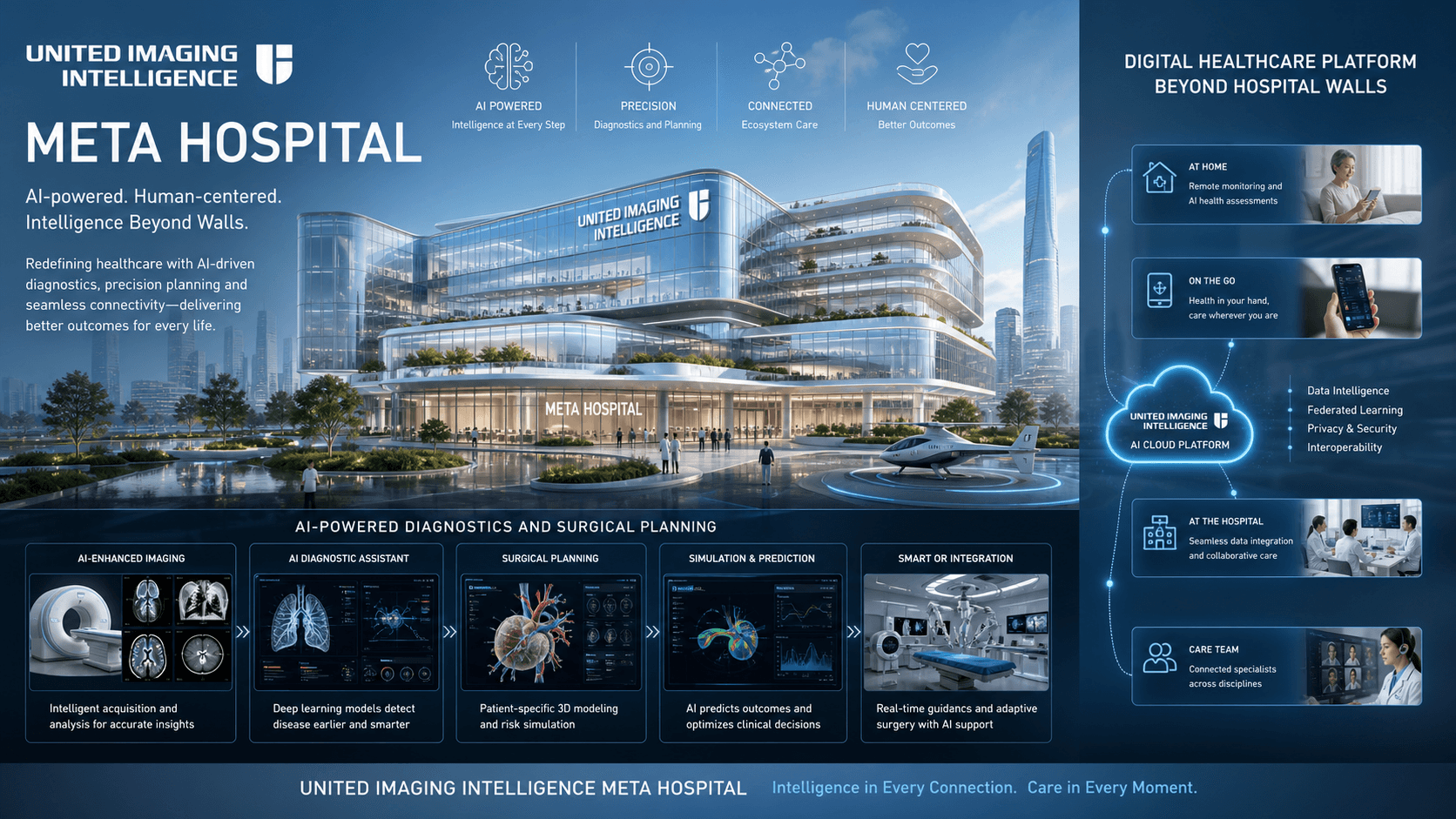
United Imaging Intelligence introduced its Meta Hospital strategy at WAIC 2026, featuring the Yuan Doctor as a central agent. This innovative approach coordinates various AI agents involved in diagnostics, surgery planning, and patient monitoring, extending care beyond traditional hospital settings. This strategy is significant as it represents a shift towards a more integrated healthcare system, where AI plays a crucial role in managing patient care across different environments. By utilizing AI agents, United Imaging Intelligence aims to enhance efficiency and patient outcomes, addressing the growing demand for healthcare solutions that operate outside conventional hospital boundaries. Looking ahead, stakeholders should monitor the implementation of this strategy and its impact on healthcare delivery. The effectiveness of the Yuan Doctor in coordinating care and the response from healthcare professionals and patients will be critical in determining the success of this initiative. No further timeline was disclosed at the time of publication.
Technology




Leave a comment