Marport Deep Sea Tech & Marine Robotics (acq by Kraken)

Canadian marine sensor company, acquired by Kraken Robotics, supplying advanced acoustic and sensor systems for commercial fisheries trawl monitoring. Products include the ARDIS railcar system and the Marport Pro NX sensor series.

Share
Marport Deep Sea Tech & Marine Robotics (acq by Kraken)
50 Eileen Stubbs Ave
Dartmouth, CA B3B 1Z6
RobotToday Initiative

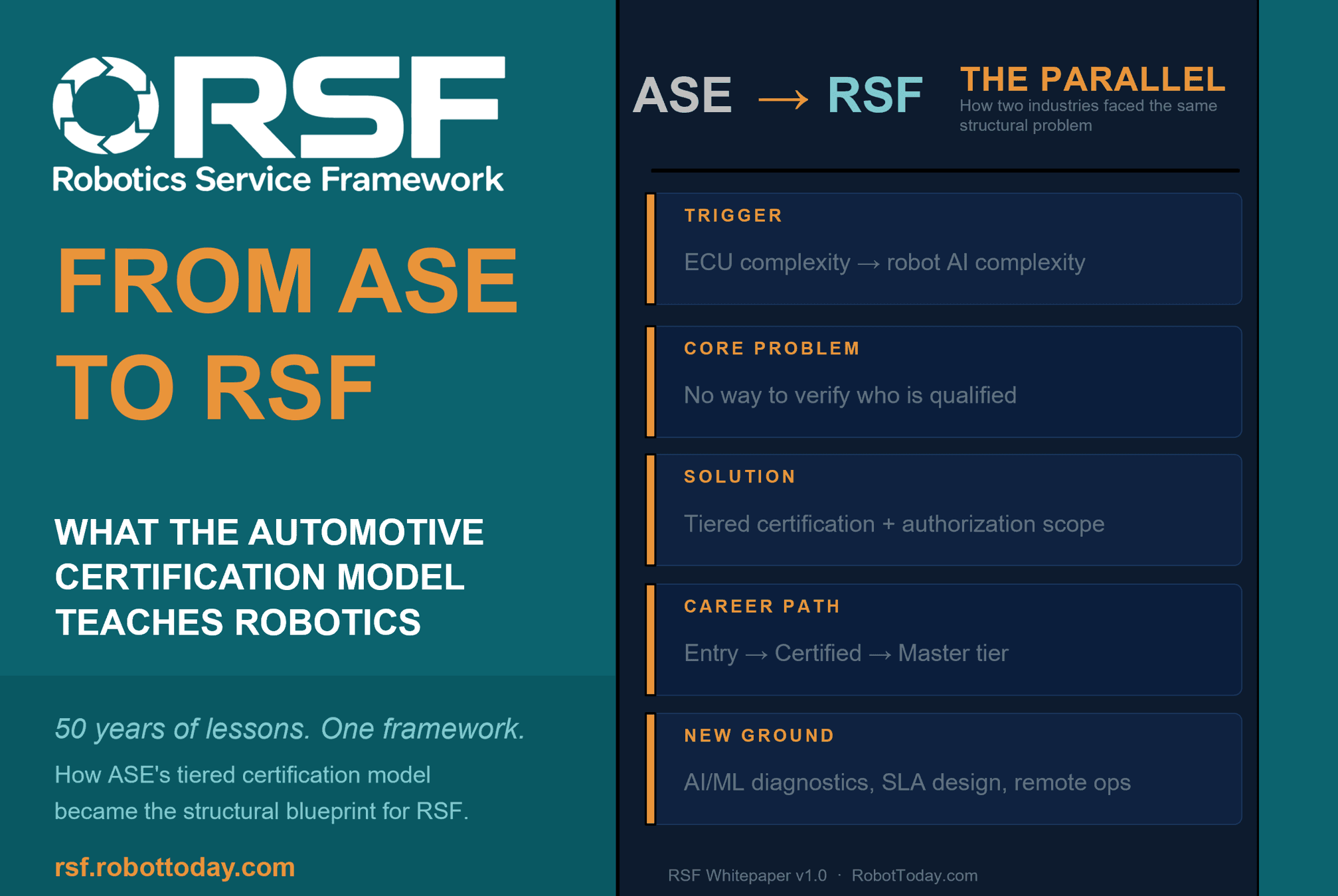
Robotics needs a service framework.

RSF defines a common language for robot service capability, lifecycle operations, certification pathways, and service-provider networks.

Share

Related Content

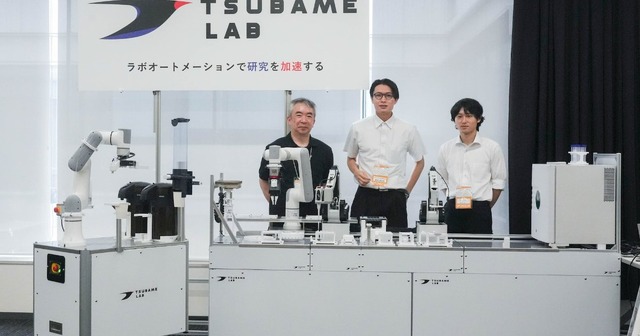
Tsubame Lab Showcases Automation Solutions at LADEC2026 with Robotic Arms and AMRs

Tsubame Lab Showcases Automation Solutions at LADEC2026 with Robotic Arms and AMRs

Tsubame Lab Inc. participated in the Laboratory Automation Developers Conference 2026 (LADEC2026) held on July 2-3, 2026, at the Miraikan in Japan. The company demonstrated automation solutions for pre-processing tasks using robotic arms and introduced the concept of 'room-level automation' by integrating autonomous mobile robots (AMRs) for sample transportation. This participation is significant as it highlights Tsubame Lab's ongoing efforts to create a 'Cloud Lab' that allows researchers to execute experiments remotely via APIs and MCPs. The conference featured over 40 speakers and approximately 60 sponsoring companies, emphasizing the importance of automating repetitive tasks in research environments, which are still largely performed manually by researchers and staff. Looking ahead, Tsubame Lab plans to expand automation elements for pre-processing tasks, enhance the application range of room-level automation through AMR integration, and continue collaborating with the research automation community. No further timeline was disclosed at the time of publication.

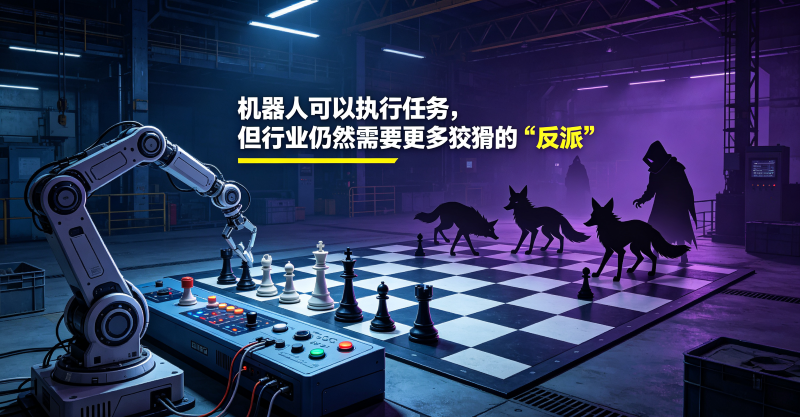
Robots Demonstrate Practical Capabilities, Industry Anticipates 'ChatGPT Moment

Robots Demonstrate Practical Capabilities, Industry Anticipates 'ChatGPT Moment

At the 2026 World Artificial Intelligence Conference, over half of the 160 exhibiting companies showcased robots capable of practical tasks such as making tea, folding clothes, and handling boxes. Notably, Galaxy Universal demonstrated robots working in energy plants for three months, while ZhiYuan showcased a complete automotive parts production line with robots handling loading and packaging. The demand for embodied intelligence has led to significant growth in the supply chain, with tactile sensor requirements rising from under 20% to 60% this year. Companies like Lightwheel Intelligence reported a fourfold increase in orders, indicating a surge in data demand. However, manufacturers remain cautious, seeking robots that can match human stability and precision before making substantial investments. As robots begin to learn from real data in factories, the industry is still grappling with limitations in intelligence. Observers noted that while robots are making progress, they are not yet as reliable as experienced workers. The industry is eagerly awaiting a breakthrough akin to the 'ChatGPT moment' for embodied intelligence, as companies test the feasibility of robotic solutions in real-world environments.

Robotics Artificial Intelligence Automation Manufacturing Sensor Technology
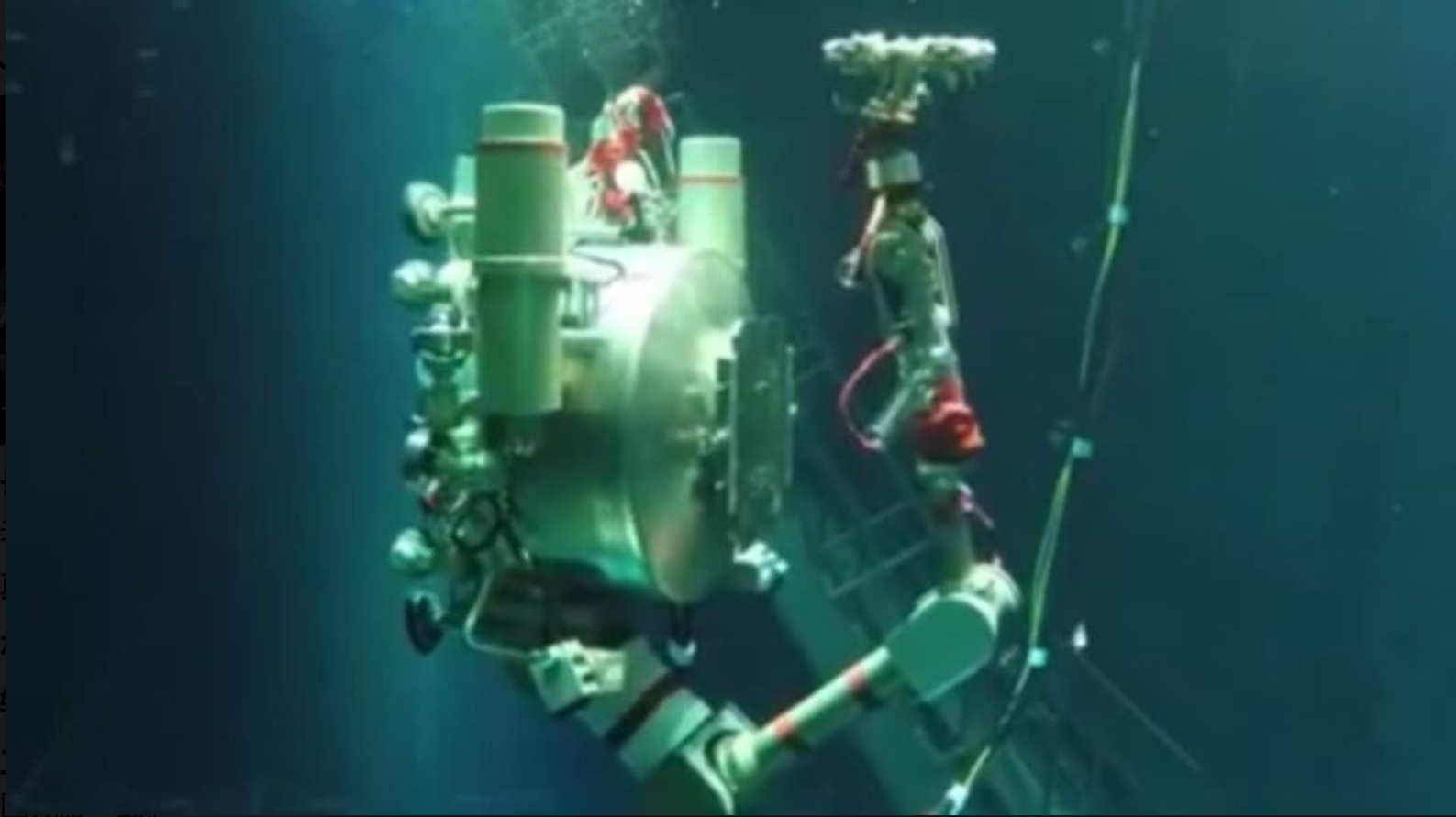
A-UT Robot: 30 Years of Underwater Inspections in Nuclear Reactors

A-UT Robot: 30 Years of Underwater Inspections in Nuclear Reactors

The A-UT robot, resembling a giraffe, has been operational in Japan's nuclear power plants for 30 years. Developed by Mitsubishi Heavy Industries, it performs critical inspections inside reactor pressure vessels using ultrasonic probes, where human access is impossible due to radiation. This robot is essential for ensuring the integrity of reactor components that contain high-pressure, high-temperature water and nuclear fuel. Its ability to operate in hazardous conditions makes it an invaluable tool for maintaining safety in nuclear energy production, especially as Japan's nuclear sector begins to revive. Looking ahead, the A-UT's role is expected to grow as more nuclear reactors restart operations, including the Kashiwazaki-Kariwa Unit 6 in February 2026. The continued use of such robots highlights their importance in energy strategy, ensuring the safety of welds in environments that are too dangerous for humans.

Nuclear Robotics Underwater Inspection Industrial Automation Radiation Protection
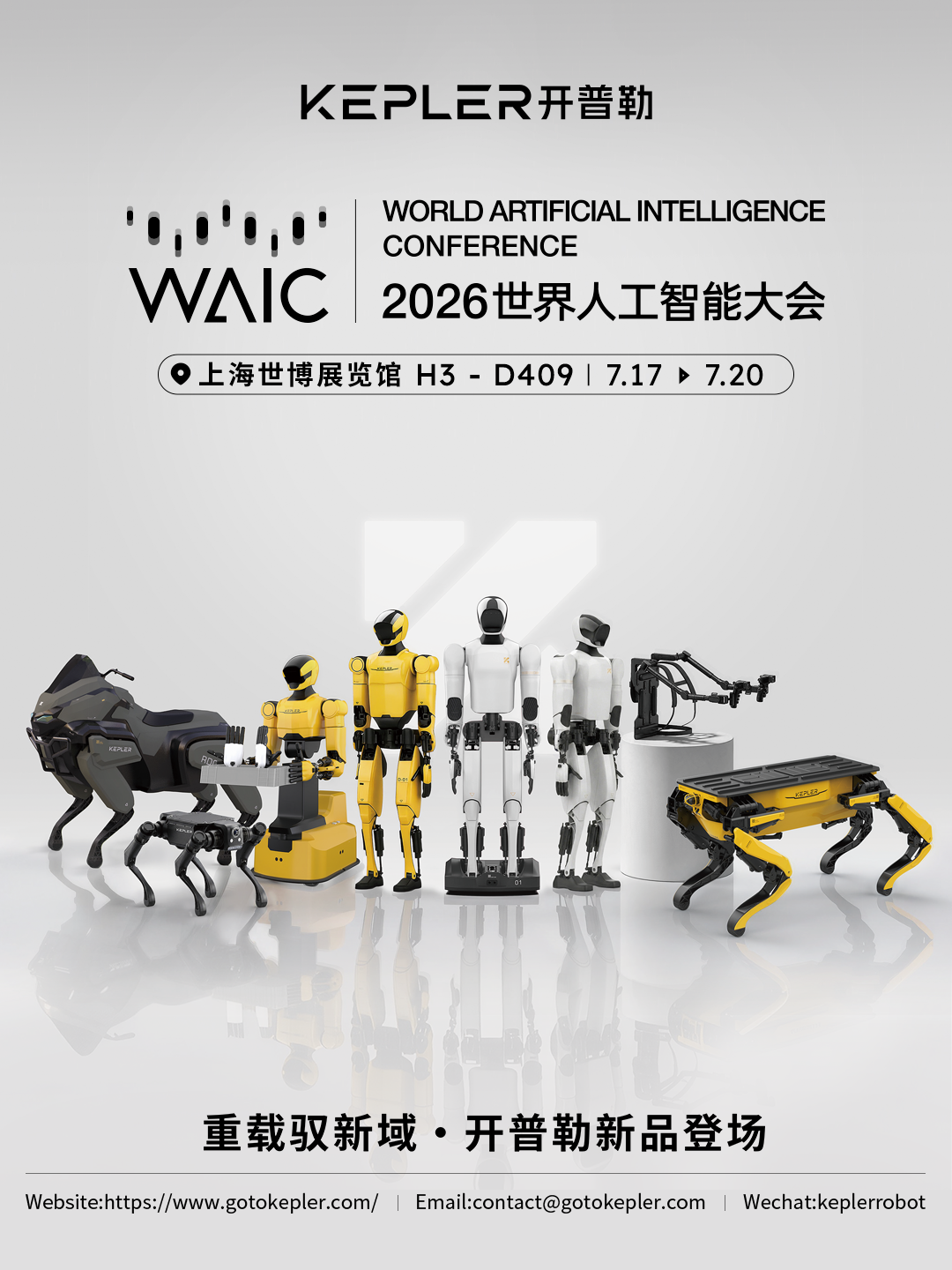
Kepler Robots Transition from 'Toy' Status at WAIC 2026 with Practical Demonstrations

Kepler Robots Transition from 'Toy' Status at WAIC 2026 with Practical Demonstrations

The WAIC 2026 event showcased a significant shift in the robotics industry, with over half of the exhibiting companies demonstrating real-world applications. This change highlights a move from mere technical demonstrations to showcasing practical value in robotics. Kepler's new quadruped robot, 'Qilin,' exemplifies this trend with its robust design and capabilities, addressing industry challenges such as heavy load and energy consumption. The introduction of the Qilin series marks a pivotal moment for Kepler, as it aims to redefine the utility of robots in various sectors, including mining and emergency rescue. With a weight capacity of nearly a ton and the ability to operate for eight hours on a single charge, the Qilin is designed for complex outdoor environments, reflecting a growing market demand for practical robotic solutions. As the industry evolves, Kepler's focus on real-world applications and data-driven training for humanoid robots sets it apart from competitors. The success of the Qilin and its variants indicates a promising future for quadruped robots in industrial settings, emphasizing their role as valuable partners in challenging operational scenarios. No further timeline was disclosed at the time of publication.

Quadruped Robots Humanoid Robots Industrial Automation Robotics Technology
Xpeng Transforms into 'Physical AI Company' at Munich Event with New Innovations

Xpeng Transforms into 'Physical AI Company' at Munich Event with New Innovations

On July 16, Xpeng Motors held its 'XPENG LIVE: PHYSICAL AI FOR ALL' brand day in Munich, showcasing its evolution from an automotive manufacturer to a 'physical AI company.' The highlight was the global debut of the MONA series L03, designed by former Ferrari chief designer JuanMa Lopez, featuring a low drag coefficient of 0.228Cd and offering both pure electric and super extended range options across nine configurations, priced between 123,800 to 156,800 RMB. The L03 is equipped with Xpeng's self-developed Turing AI chip, providing up to 750 TOPS for the Max version and 1500 TOPS for the Ultra SE version, alongside the second-generation VLA large model. The pure electric version boasts a CLTC range of 525km or 625km and supports 3C fast charging, achieving 10%-80% charge in just 19.1 minutes, while the extended range version offers a maximum comprehensive range of 1330km. Additionally, Xpeng introduced its split-type flying car, the 'land aircraft carrier,' which has completed its first flight in Dubai and has over 7,000 global orders. The humanoid robot IRON is set to launch globally in 2027, with a production target of over 1,000 units per month by late 2026. Chairman He Xiaopeng emphasized the company's mission to leverage technology to transform mobility and lifestyle, marking a significant shift in Xpeng's identity and vision for the future of movement.

Electric Vehicles Flying Cars Humanoid Robots AI Technology
BrainCo Showcases Brain-Controlled Robot Platform at WAIC 2026 Event

BrainCo Showcases Brain-Controlled Robot Platform at WAIC 2026 Event

BrainCo, a developer of brain-computer interfaces based in Hangzhou, showcased its innovative brain-controlled robot platform during WAIC 2026. This advanced system utilizes an EEG headset to convert neural signals from users into actionable commands for various machines, including humanoid robots, robotic arms, and robot dogs. The significance of this demonstration lies in its potential to revolutionize human-robot interaction by enabling users to control robots through thought alone. By translating imagined actions into physical operations, BrainCo's platform aims to enhance the efficiency and intuitiveness of robotic systems, paving the way for more seamless integration into everyday tasks. Looking ahead, the focus will be on how BrainCo continues to develop this technology and its applications across different sectors. No further timeline was disclosed at the time of publication.

News Feed
United Imaging Intelligence Reveals Meta Hospital Strategy for AI-Orchestrated Care Beyond Hospital Walls

United Imaging Intelligence Reveals Meta Hospital Strategy for AI-Orchestrated Care Beyond Hospital Walls

United Imaging Intelligence introduced its Meta Hospital strategy at WAIC 2026, featuring the Yuan Doctor as a central agent. This innovative approach coordinates various AI agents involved in diagnostics, surgery planning, and patient monitoring, extending care beyond traditional hospital settings. This strategy is significant as it represents a shift towards a more integrated healthcare system, where AI plays a crucial role in managing patient care across different environments. By utilizing AI agents, United Imaging Intelligence aims to enhance efficiency and patient outcomes, addressing the growing demand for healthcare solutions that operate outside conventional hospital boundaries. Looking ahead, stakeholders should monitor the implementation of this strategy and its impact on healthcare delivery. The effectiveness of the Yuan Doctor in coordinating care and the response from healthcare professionals and patients will be critical in determining the success of this initiative. No further timeline was disclosed at the time of publication.

Technology
HYFIX CEO Discusses U.S. Drone Technology Development on Drone Radio Show

HYFIX CEO Discusses U.S. Drone Technology Development on Drone Radio Show

In a recent episode of the Drone Radio Show, Mike Horton, CEO of HYFIX, discussed the challenges facing U.S. drone technology. He highlighted the U.S. government's restrictions on foreign drone technology, emphasizing the need for domestic alternatives that are not yet fully developed. Horton pointed out that fragmented drone systems pose significant security and supply chain risks, making the case for integrated, U.S.-made systems as essential for the future of autonomy. This perspective underscores the importance of developing robust domestic capabilities in the drone sector. Looking ahead, the conversation raises critical questions about the pace of innovation in U.S. drone technology and the regulatory landscape. No further timeline was disclosed at the time of publication.

Drone Manufacturing Drone News Drone News Feeds drone technology News Podcast
Blackstone Makes Significant Investment in South Korean Robotics Supplier Futronic

Blackstone Makes Significant Investment in South Korean Robotics Supplier Futronic

Blackstone has announced its investment in Futronic, a South Korean supplier specializing in high-precision actuators for the automotive and industrial robotics sectors. The deal values Futronic at approximately 1 trillion won, equivalent to $676.04 million, as reported by sources familiar with the transaction. This investment is significant as it positions Blackstone, the world's largest alternative asset manager, to enhance Futronic's capabilities and market presence. Futronic's founder, Jin-ho Ko, will continue as chairman and CEO, collaborating with Blackstone to drive global growth and expand into new markets. Looking ahead, the partnership aims to strengthen Futronic's leadership in actuation and motion control solutions. No further timeline was disclosed at the time of publication.

All News
Air Force One Developments, Drone Wingman Competition, and GCAP's Future Insights

Air Force One Developments, Drone Wingman Competition, and GCAP's Future Insights

The White House is updating plans for the president's Qatari-donated Air Force One, as discussed by Breaking Defense's Aaron Mehta and Valerie Insinna. This evolution highlights the importance of modernizing presidential transport in response to current geopolitical dynamics. Additionally, there is an increasing trans-Atlantic competition to develop drone wingmen that can assist human pilots, which signifies a shift in military strategy towards integrating unmanned systems into traditional air operations. Looking ahead, Ottawa is expected to join the Global Combat Air Programme (GCAP) as an observer, marking a significant step in international defense collaboration. No further timeline was disclosed at the time of publication.

Air Warfare Global Air Force Air Force One Business & Industry CCA