


Engineered Automation of Maine (EAM, Inc.)
"Custom Automation Solutions"
Custom automation equipment manufacturer and certified robot integrator delivering robotic cells, machine vision, labeling and packaging systems from.
Contact Engineered Automation of Maine (EAM, Inc.)
WEBSITE
https://www.eaminc.com/PHONE
+1 207 283 3001HEADQUARTERS
United States

Company Facts
Founded
-
Primary Role
System Integrator
Company Size
-
Primary Region
North America
Annual Sales
-
Funding Stage
-
Funding Total
-
Certifications & Memberships
Keywords
- Engineered Automation of Maine (EAM
- Inc.)
- custom robotic automation systems integrator
- custom automation
- robot integration
- end-of-arm tooling
- vision-guided robotics
- packaging automation
- System Integrator
- Industrial Robot
- Perception & Vision
- Collaborative Robot
- Manufacturing
- Pick and Place
- Assembly
- Machining

OpenAI's 377 Mathematical Results Spark Demand for Expert Input in Robotics
OpenAI's recent mathematical findings, spanning number theory, complexity theory, and physics, have prompted calls for expert engagement in the robotics field. These results are part of a broader initiative that includes advancements in industrial robots, cobots, and autonomous systems, such as the DALE robot, which automates high-volume concrete drilling in data centers. The significance of these developments lies in their potential to enhance robotic capabilities, particularly through mechanical intelligence that enables 3D movement with fewer actuators. The initiative, valued at nearly $1.8 billion, aims to create predictive 'virtual cells' and improve operational efficiency in various applications, including construction and service robots. Looking ahead, the industry is poised for a shift towards greater AI autonomy, as seen in projects like Kaleido, which aims to transition from remote control to fully autonomous operations. No further timeline was disclosed at the time of publication.
AI and Robotics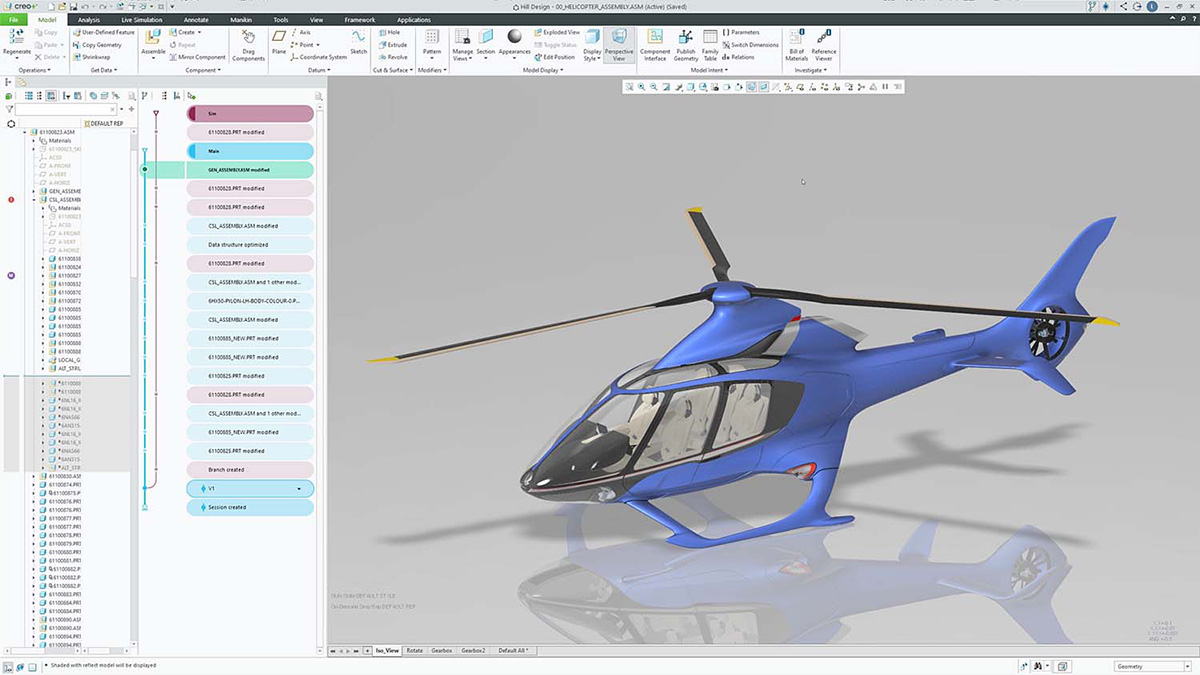
Schneider Electric to Acquire PTC for $22.6 Billion to Enhance Industrial AI Capabilities
Schneider Electric announced its plan to acquire PTC Inc. for approximately $22.6 billion, aiming to merge digital and physical realms throughout product lifecycles. This acquisition is expected to enhance Schneider's capabilities in digitalization and AI, leveraging PTC's design and data intelligence to improve operational efficiency. The integration of PTC's technologies is anticipated to create a 'digital thread' that connects CAD to shop floor operations, accelerating robot testing and improving regulatory compliance. Olivier Blum, CEO of Schneider Electric, emphasized that this move will optimize systems with advanced intelligence across the entire lifecycle of products and assets. Looking ahead, the acquisition positions Schneider Electric to better compete with Siemens and other leaders in industrial automation. Analysts suggest that while PTC will enhance Schneider's reach into product design and lifecycle management, successful integration of PTC's technologies will be crucial for realizing these benefits and maintaining innovation momentum.
Aerospace Artificial Intelligence Artificial Intelligence / Cognition Controllers Defense / Security Design / Development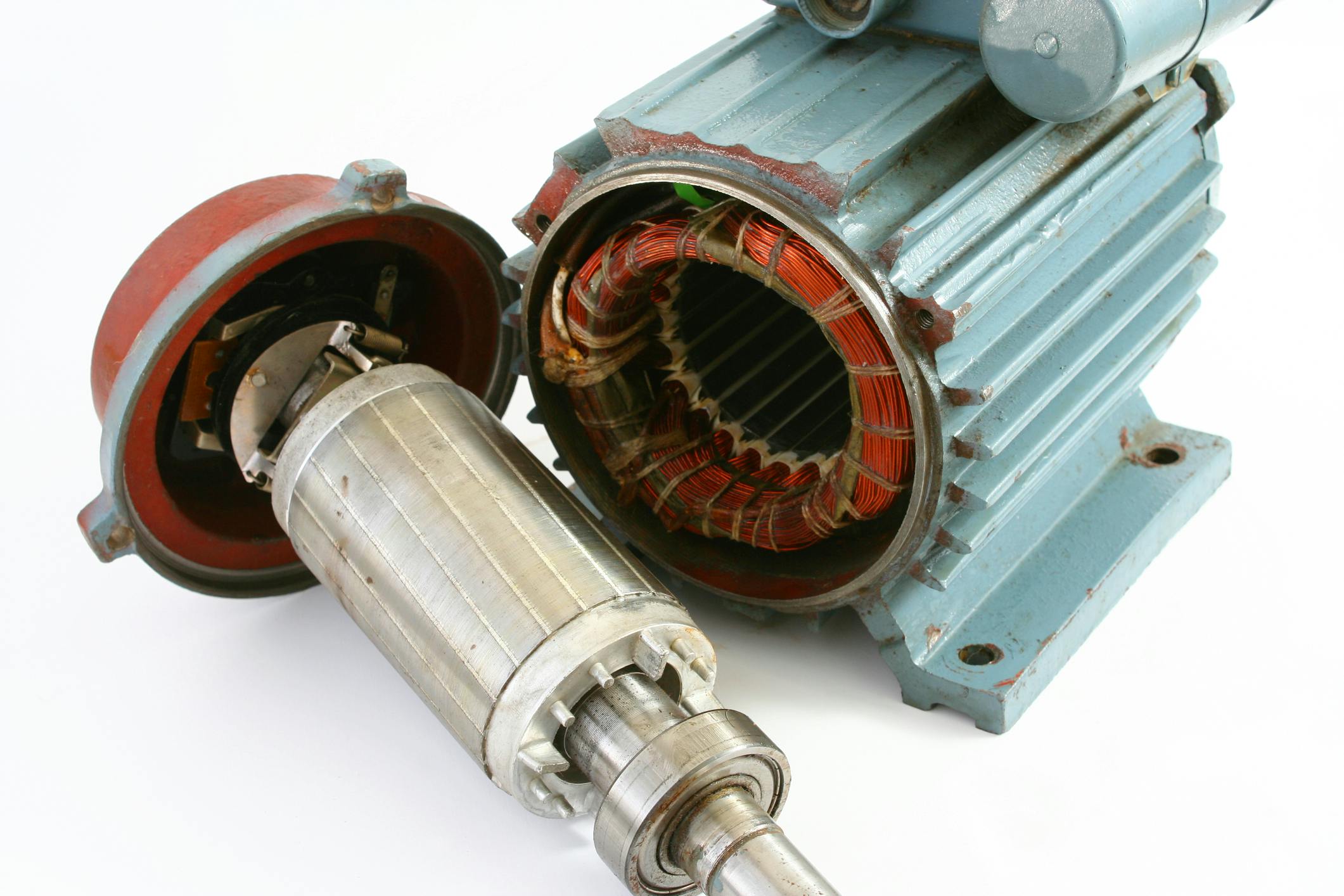
Electric Motors Drive Automation Growth in Manufacturing Sector
The International Manufacturing Technology Show highlighted the increasing importance of electric motors in the evolving landscape of manufacturing. The global electric motor market is projected to reach approximately $176.5 billion by 2026, emphasizing its critical role in automation, transportation, and energy sectors. As automation technologies advance, the demand for compact, efficient, and reliable electric motors is growing. These motors are essential for the operation of industrial robots and other automated systems, which are becoming more prevalent in various industries, including automotive and food production. Looking ahead, the U.S. robotics market, valued at around $11.4 billion, is expected to expand further. However, the U.S. still lags behind China in industrial robot installations, highlighting the need for strategic advancements in electric motor technology to enhance competitiveness in the global market. No further timeline was disclosed at the time of publication.
Factory / Digital Transformation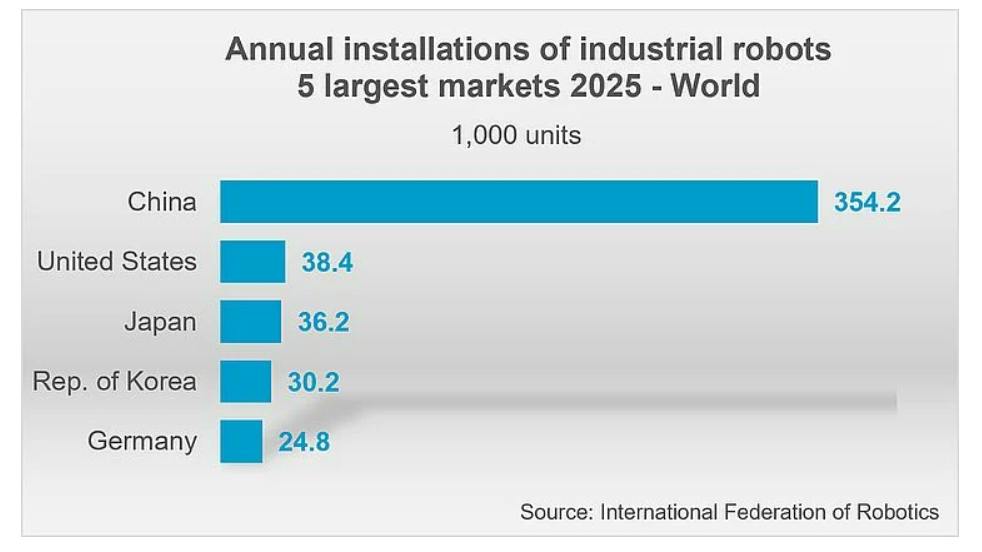
Brazilian Robotics Market Sees 38% Growth in Industrial Robot Installations
The Brazilian robotics market experienced a significant 38% increase in industrial robot installations, totaling nearly 4,300 units sold, as reported by The International Federation of Robotics (IFR) in its World Robotics 2026 Report. This surge is attributed to investments from Chinese car manufacturers, highlighting the growing influence of international players in Brazil's robotics sector. This growth is part of a broader trend, with global industrial robot installations reaching a record 5 million units last year, driven by an 11% increase in annual installations. China remains the leader in robot adoption, with a 20% year-on-year increase, totaling 354,000 robots installed. However, Japan saw a decline in installations, while the U.S. installed 38,500 units, reflecting varied market dynamics across regions. Looking ahead, the IFR forecasts a 9% increase in global industrial robot installations for this year, projecting a total of 655,000 units sold. As manufacturers adapt to changing demands, particularly in defense contracting, the focus on optimizing production locations and reducing delivery times will be crucial in shaping future trends in the robotics industry.
Members Only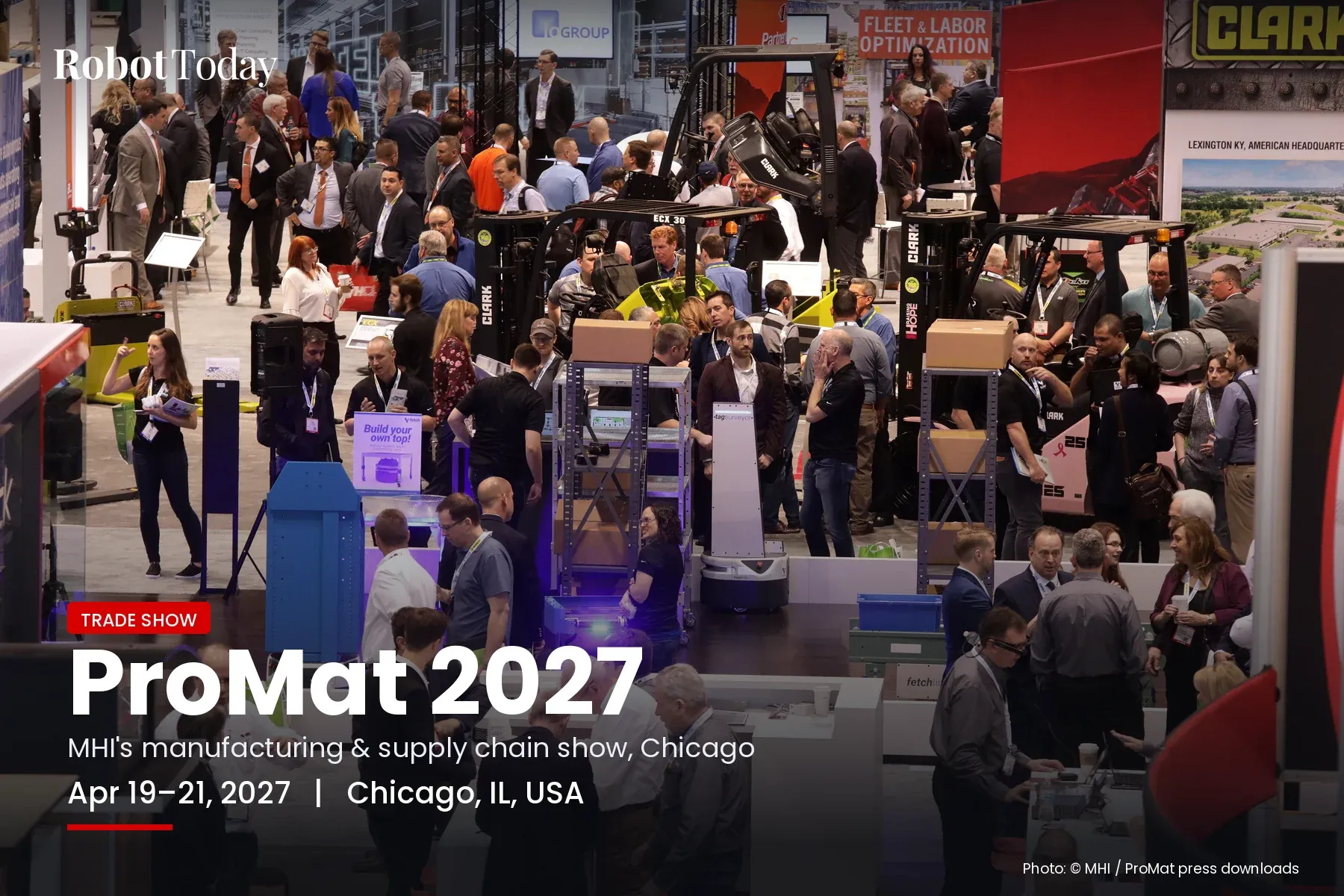
ProMat 2027: April 19–21, McCormick Place Chicago
ProMat 2027 runs April 19–21 at McCormick Place, Chicago: 1,200+ exhibits on AMRs, AS/RS, robotic picking and supply-chain automation. Free registration.
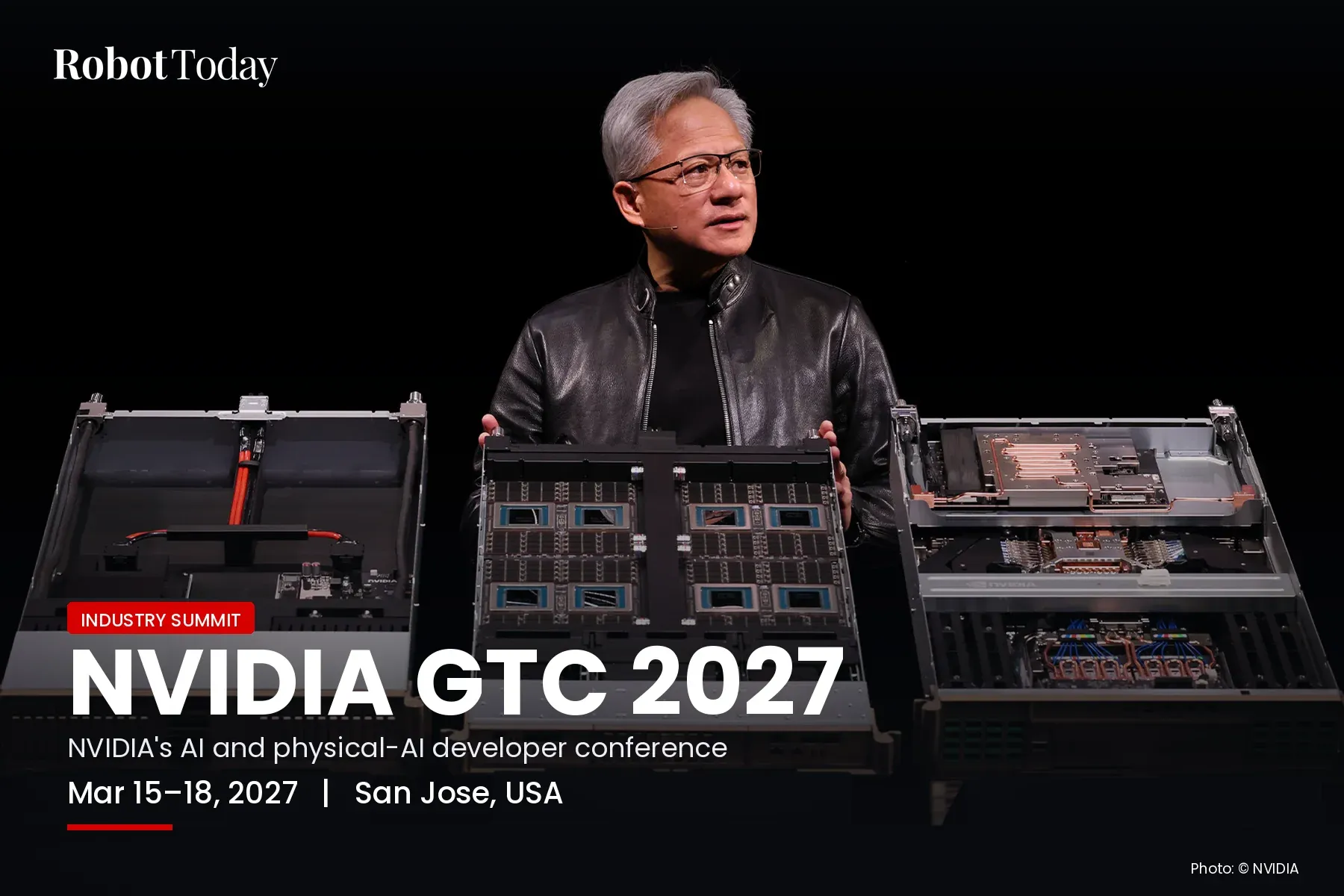
NVIDIA GTC 2027 – San Jose, Mar 15–18, 2027
NVIDIA GTC 2027 runs Mar 15–18 in San Jose, with physical AI and robotics as a core theme. Poster call open until Nov 10, 2026; registration opens this fall.

RobCo Achieves Over $1 Billion Valuation as CEO Relocates to U.S. for Expansion
RobCo has surpassed a valuation of $1 billion following new investments and employee share sales, marking a significant milestone for the industrial robotics startup. This achievement, which doubles the company's valuation in just nine months, involved participation from existing investors like Sequoia and new investors such as Cherry Ventures. The importance of this valuation lies in RobCo's plans to launch its Alfie autonomous industrial robot in March 2027, aimed at automating complex manufacturing tasks. The company is expanding its operations in the U.S., which has become its fastest-growing market, with customer operations now covering over a dozen states. Looking ahead, RobCo is set to unveil Alfie at its inaugural summit in Munich. The relocation of CEO Roman Hölzl to the U.S. underscores the company's commitment to growth in this key market. No further timeline was disclosed at the time of publication.
AI Funding & Investment Business & Markets Physical AI AI autonomous industrial robots Cherry Ventures
Recent Developments in South Korea's Physical AI Sector Highlight Key Innovations
This week, South Korea's physical AI sector saw significant advancements, including a collaboration between Semifive and Mobilint on outdoor robotics AI chips. Aidin Robotics joined a Doosan-led cobot initiative, while Hanwha Ocean and Korea Expressway Corp. signed agreements for shipbuilding robots and highway automation. These developments are crucial as they reflect South Korea's commitment to enhancing automation in various industries. The $7.2 million multi-agent autonomous-manufacturing project led by SKPack and the successful KOSDAQ IPO of Brills, which raised approximately $17 million, further underscore the growing investment in physical AI technologies. Looking ahead, stakeholders should monitor the progress of these projects, particularly the ongoing work on AI chips and the integration of robotics in manufacturing and infrastructure. No further timeline was disclosed at the time of publication.
AI Funding & Investment Humanoids Physical AI AI Aidin Robotics Brills
Exploring OMRON's Advanced LD Mobile Robots and Their Impact on Automation
In Episode 264 of The Robot Report Podcast, Miguel Garcés Moreno, the product marketing manager for OMRON Industrial Automation Europe, discusses the company's next-generation LD mobile robots. He emphasizes the importance of autonomous mobile robots (AMRs) in transforming modern factory floors with flexible and fully automated intralogistics systems. Garces Moreno's expertise in industrial automation, AI vision, and motion control highlights the significance of integrating advanced technologies to enhance operational efficiency. The collaboration with WiBotic for wireless charging solutions further underscores OMRON's commitment to increasing the uptime and safety of robotic fleets, which is crucial for manufacturers aiming to optimize their production processes. Listeners should keep an eye on OMRON's developments in AMRs and their partnerships, particularly with WiBotic, as these innovations could redefine intralogistics and factory automation. No further timeline was disclosed at the time of publication.
Artificial Intelligence Autonomous Mobile Robots (AMRs) Industrial Robots Markets / Industries News Opinion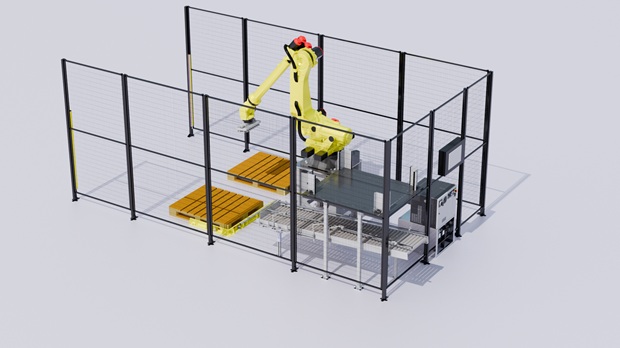
CSi Palletising Introduces Affordable s-Pal Robotic Palletiser for Medium-Sized Businesses
CSi Palletising has launched the s-Pal robotic palletiser, an entry-level solution priced at €95,000. This system features a FANUC industrial robot and is designed for medium-sized businesses in the FMCG and CPG sectors. Pre-orders began on October 1st, with initial deliveries expected in early 2027. The s-Pal offers three variations with options for left-hand, right-hand, or dual infeed, making it a flexible choice for users. Its lean design focuses on essential features for efficient palletising while maintaining high quality and reliability, backed by a standard 3-year warranty. The system is user-friendly, allowing a single operator to manage it effectively. Looking ahead, CSi plans to offer the s-Pal for lease starting mid-2027. As a predefined solution, it promises quick processing of quotations and orders, with guided installation instructions for self-installation. Customers can also opt for professional installation by CSi’s team, ensuring support throughout the process. No further timeline was disclosed at the time of publication.
Industry News
Hitachi and Fanuc Collaborate to Launch Physical AI Solutions for Manufacturing
Hitachi and Fanuc have established a strategic partnership aimed at developing and commercializing physical AI systems tailored for manufacturing. Initial testing will occur at Hitachi's factories in Japan's Ibaraki region, with broader deployment anticipated to commence in fiscal 2027. The collaboration seeks to automate tasks that currently rely on skilled labor, enhancing productivity and addressing labor shortages. This partnership is significant as it combines Hitachi's expertise in physical AI and operational technology with Fanuc's advanced industrial robots and AI capabilities. The goal is to create systems that can adapt to varying production conditions and tasks requiring human judgment. The initial applications will focus on parts picking and production changeovers, with plans to expand across multiple industries, including semiconductors and automotive. Looking ahead, Hitachi and Fanuc will leverage their global customer bases to implement these technologies across diverse sectors starting in fiscal 2027. The companies aim to continuously improve their systems by learning from real production data, which could lead to more efficient and adaptable manufacturing processes. No further timeline was disclosed at the time of publication.
Business & Markets Physical AI Fanuc Hitachi Industrial Robots Japan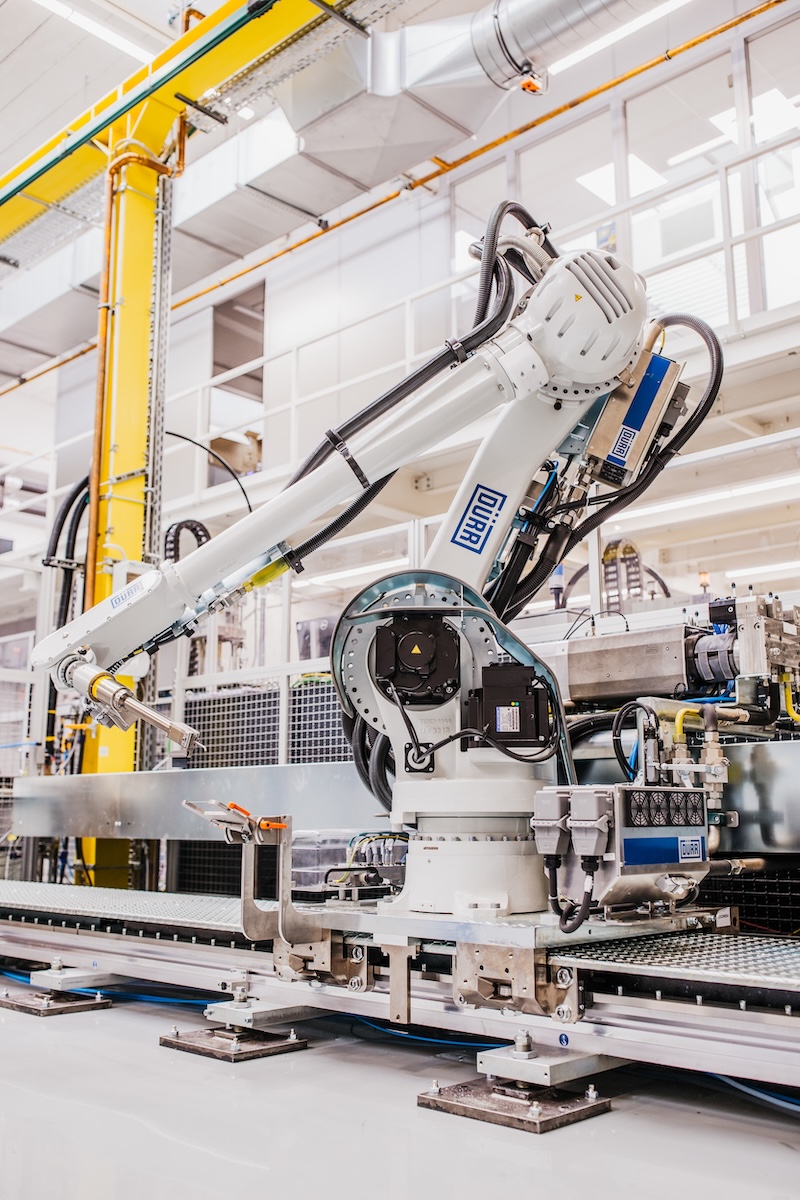
Dürr Introduces Four New EcoRS Generation 2 Robots for Automotive Paint Shops
Dürr has unveiled four new industrial robots tailored for automotive paint shops, with payload capacities ranging from 20 kg to 150 kg. The EcoRS Generation 2 series is designed for various applications, including sealing, cleaning, and material handling, and features a reach of up to 3,100 mm. This standardized platform aims to streamline paint-shop automation planning and maintenance. The introduction of the EcoRS Generation 2 robots is significant as it establishes a standardized solution for sealing applications, enhancing process quality and availability while reducing complexity throughout the equipment's lifecycle. Martin Wurst, product manager at Dürr, emphasized the benefits of this new platform for customers, particularly in achieving consistent seams across vehicle bodies. Looking ahead, Dürr's focus on integrating robot mechanics, control systems, and application technology is expected to improve path accuracy and operational flexibility. The redesigned EcoRS platform, with its internal component relocation, not only minimizes interference but also simplifies cleaning and reduces space requirements. No further timeline was disclosed at the time of publication.

Innovation Works Venture Expo 2026: 58 Pittsburgh Startups Pitch to Investors
58 health, deep tech and robotics startups pitched at Innovation Works Venture Expo 2026 in Pittsburgh. Full company list, program and 2025 funding data.
GLOBAL ROBOTICS INDUSTRY Comprehensive Sector Overview
A comprehensive global robotics industry overview for 2025, analyzing 14 key market segments — from industrial and humanoid robots to logistics AMRs, military systems, and service robots — with expert market sizing, US case studies, five-year forecasts, and bilingual English-Chinese analysis for executives and investors.
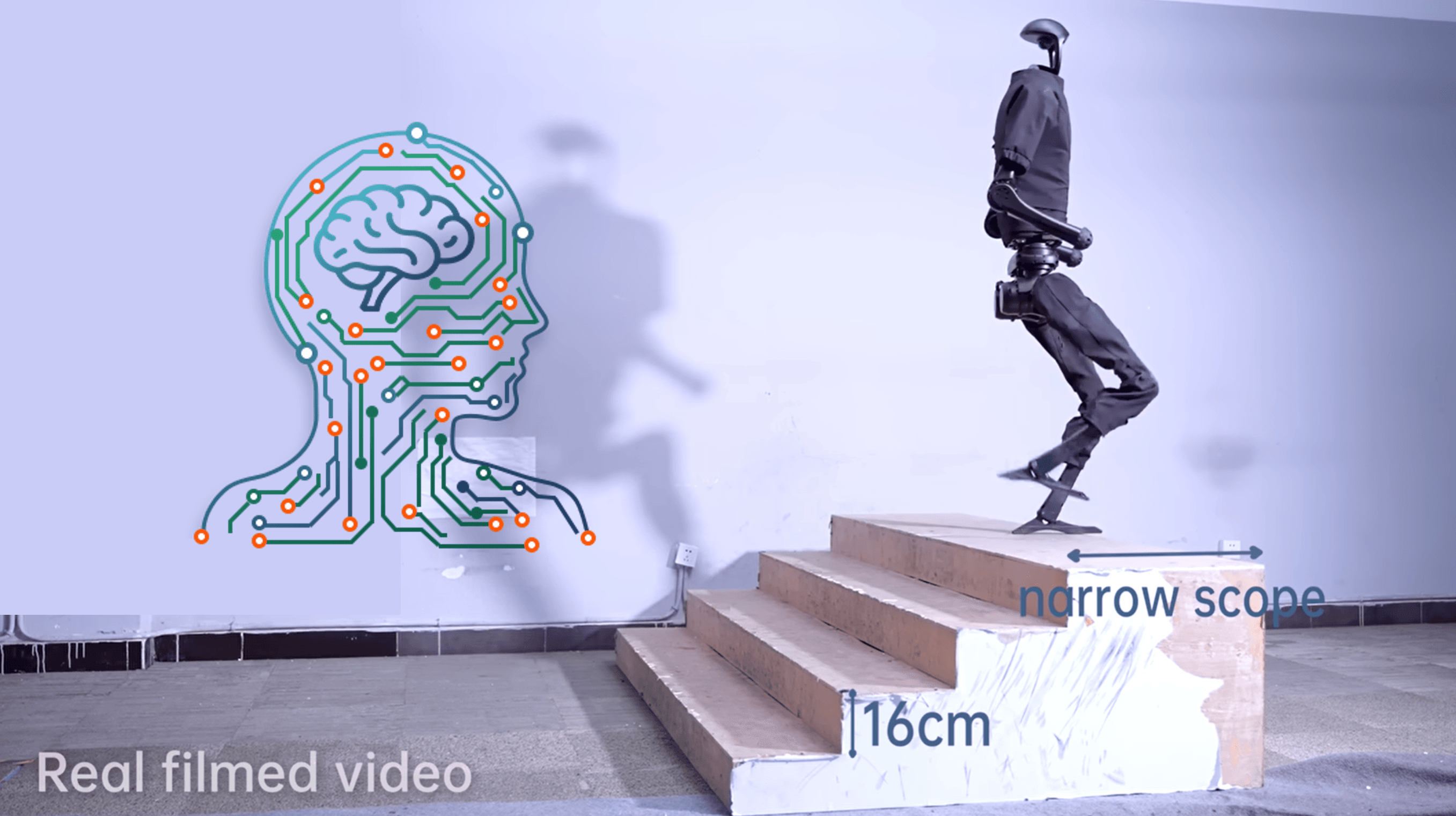
China's Humanoid Robot & Embodied Intelligence Standard System (HEIS 2026)
China's HEIS 2026 framework — the world's first comprehensive national standard for humanoid robots and embodied AI — sets technical specs across six pillars covering AI models, components, safety, and ethics. Here's what every EU and North American robotics manufacturer, integrator, and policy maker needs to know, and why the international standards race is already underway.
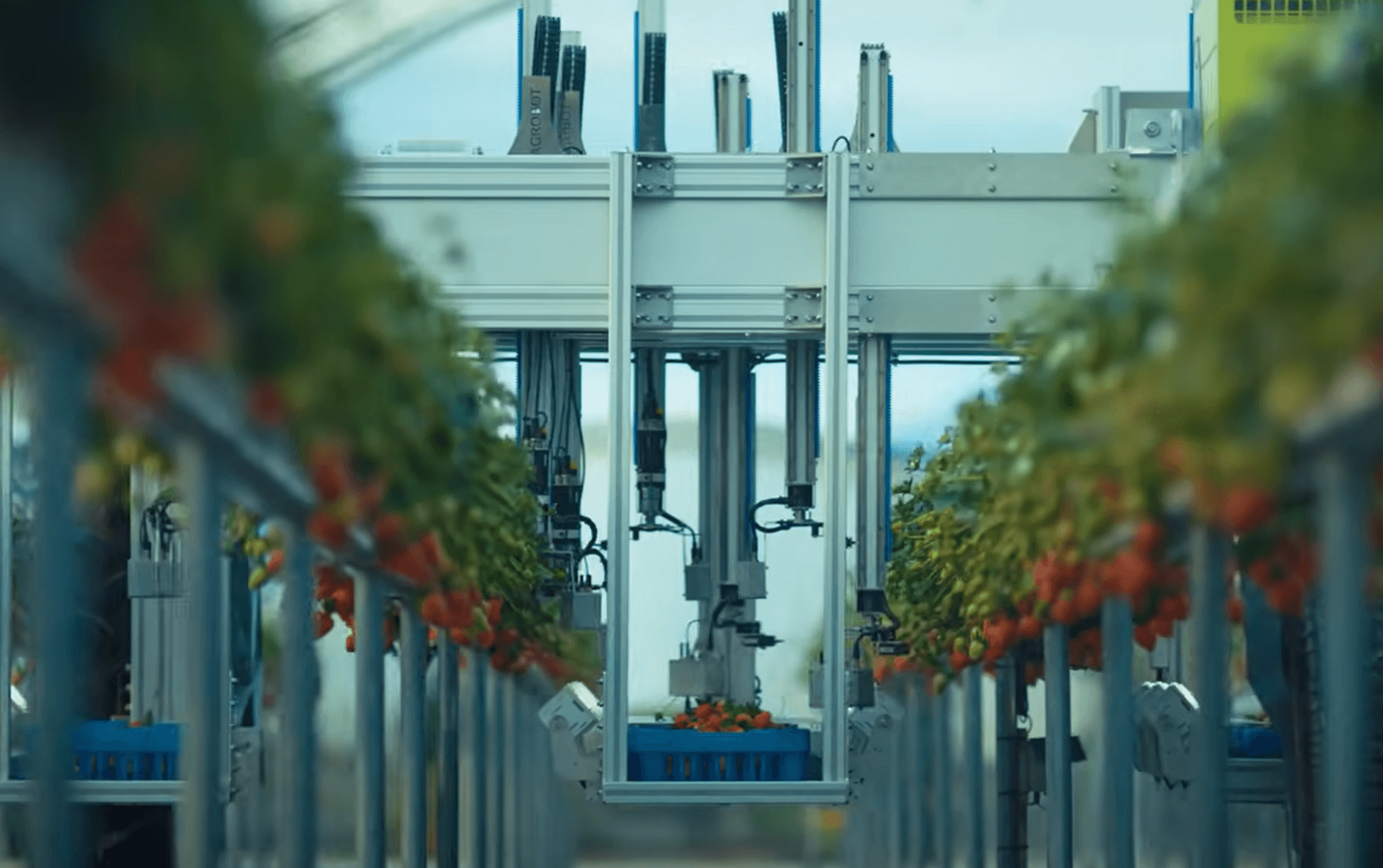
AGRICULTURAL ROBOTICS | Harvesting Robots: $6.9B Market
Harvesting robots hit $2.24B in 2024 and are targeting a $50B labor market at less than 5% penetration. Deep-dive: market data, 14 companies, economics, and 2030 outlook.
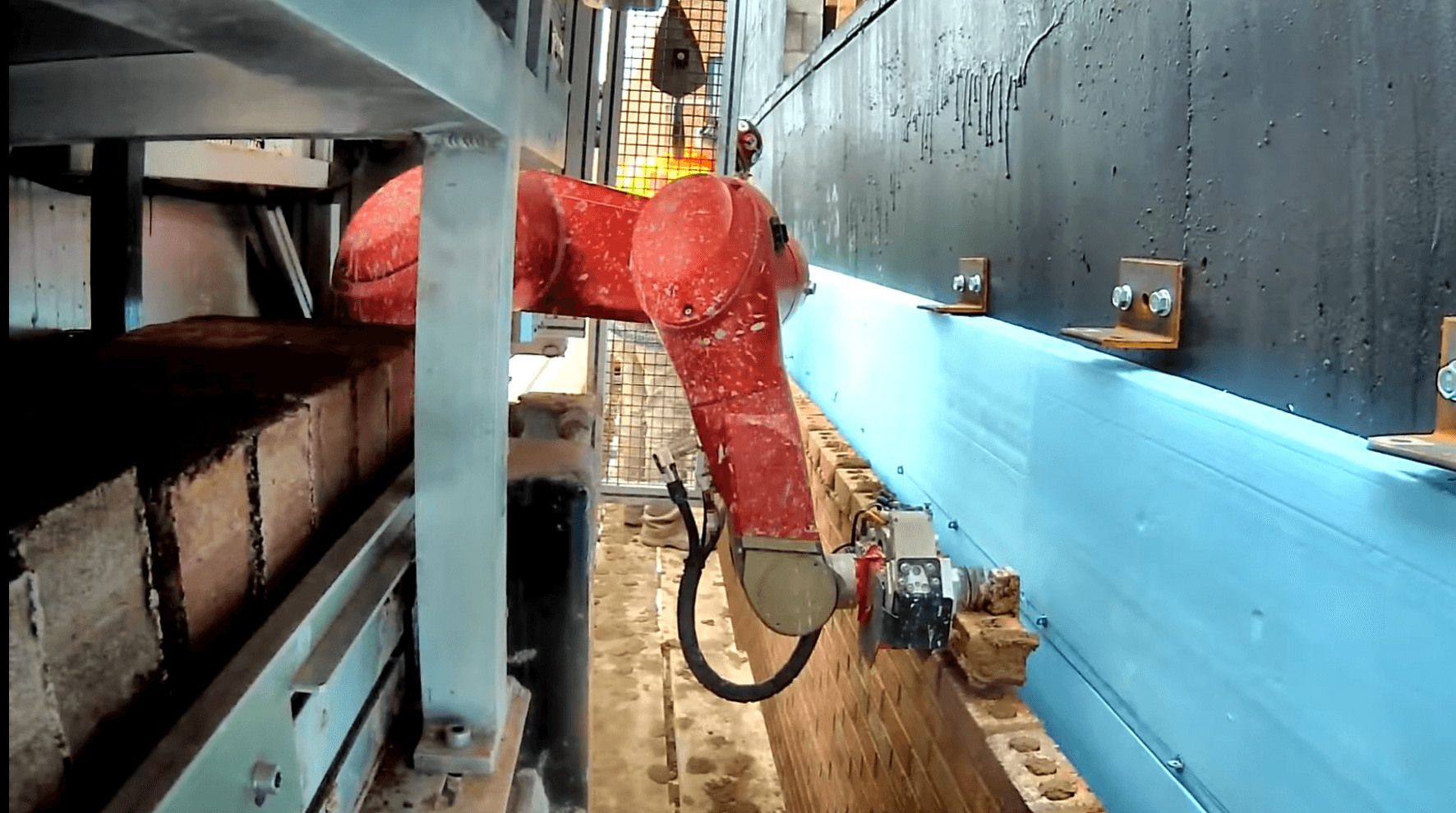
Construction Robots vs. Unions: A $500K Battle
Construction robots can lay 6× more bricks than humans—but unions, labor law, and political calculus are keeping them off U.S. sites. How Japan, Singapore, and Europe are winning the race instead.

WRC 2026
World Robot Conference (WRC) is a premier global robotics and AI summit held annually in Beijing, China, featuring cutting-edge forums, exhibitions, competitions, and advanced robotics automation content; it attracts industry leaders, researchers, innovators and enterprises each August.

Automate 2026
North America’s largest robotics & automation trade show, Automate 2026 takes place June 22–25, 2026 at McCormick Place, Chicago, Illinois, USA. Free registration for show floor access featuring AI, robotics, vision systems, and motion control; plus educational sessions, networking, and innovation showcases.
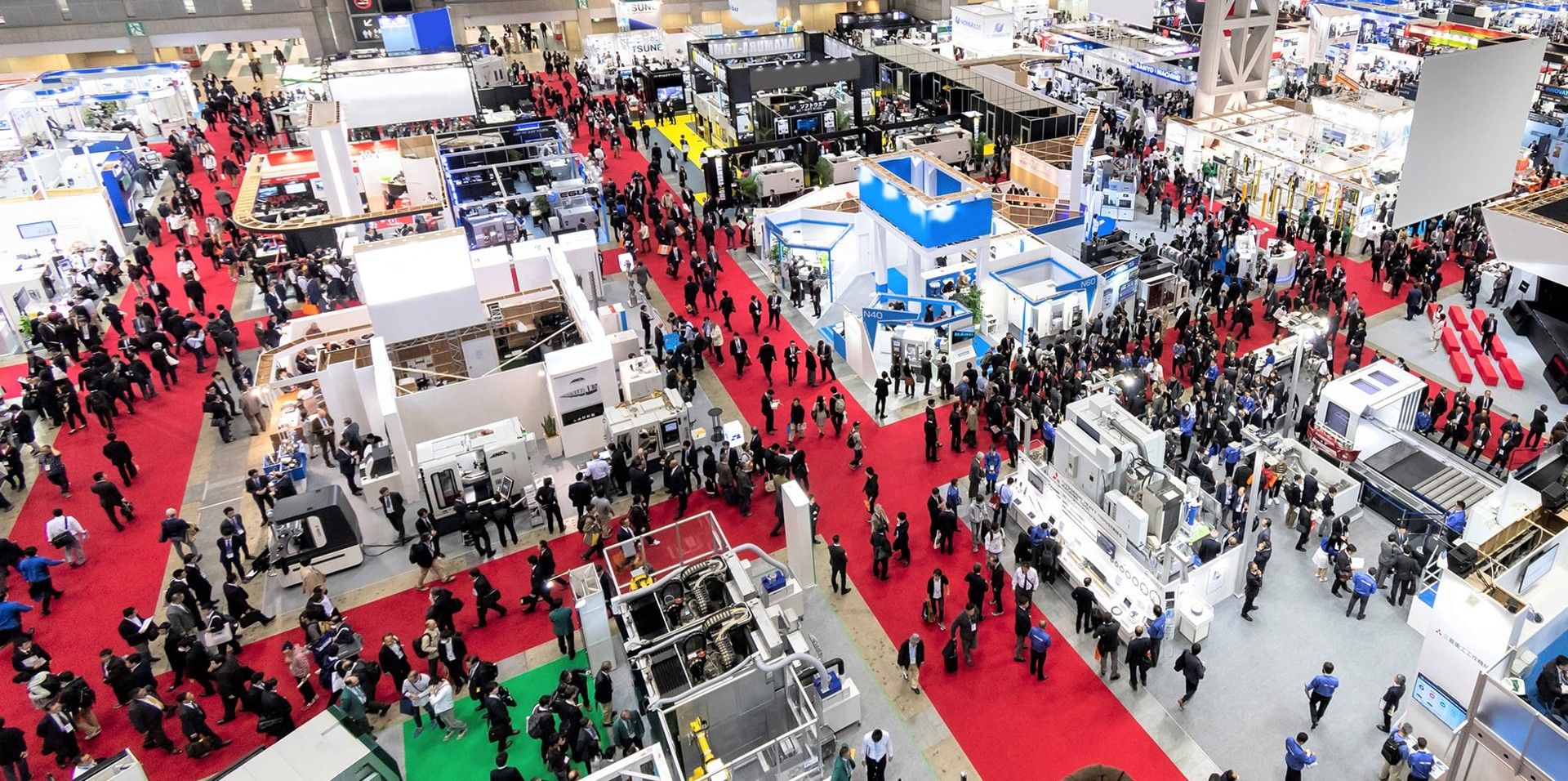
iREX 2025: Asia’s Industrial Robotics Engine Shows Its Real Strength—Far Beyond the Humanoid Hype
iREX 2025 revealed Asia’s dominance in industrial robotics, with Japan, China, Korea, and Taiwan shaping the global automation supply chain far beyond humanoid hype.


