

ELSA Japan Inc.
Tokyo-based GPU and computing distributor that also serves as the Japanese distributor of DEEP Robotics quadruped robots and other robotics platforms.
Contact ELSA Japan Inc.
WEBSITE
https://www.elsa-jp.co.jpHEADQUARTERS
Japan


Company Facts
Founded
1997
Primary Role
System Integrator
Company Size
-
Primary Region
Asia-Pacific
Annual Sales
-
Funding Stage
Subsidiary / Acquired
Funding Total
-
Certifications & Memberships

IROS 2026 by the Numbers: Papers, Countries, Topics
RobotToday analyzed all 1,933 IROS 2026 papers: acceptance fell to 36.5%, the U.S. overtook China, and VLA titles jumped from 4 to 65.

IROS 2026 Closing Briefing — Pittsburgh, Sep 27–Oct 1
IROS 2026 closes in Pittsburgh with 1,900+ papers and 186 exhibitor listings. Humanoids, dexterous hands, tactile sensing and robot data led the show.
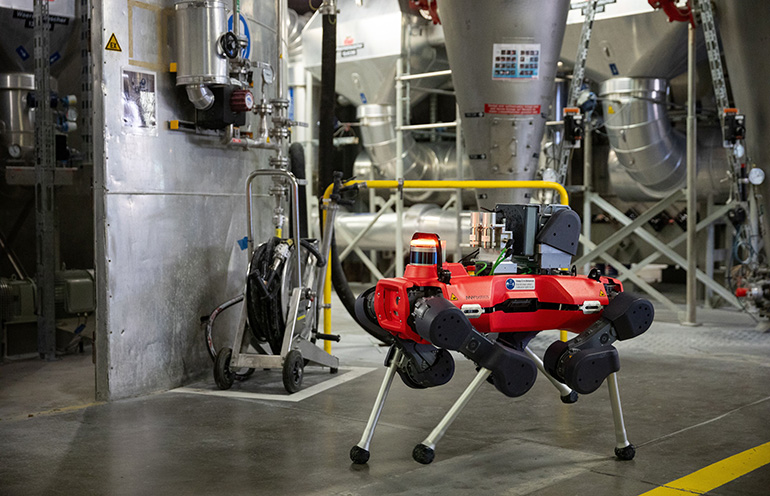
ANYbotics Introduces Shift to Enhance Autonomous Inspections and Robot Fleet Management
ANYbotics has launched Shift, a new platform designed to streamline autonomous inspections using its ANYmal quadruped robots. This initiative aims to address the significant costs associated with undetected failures, which amount to approximately $1.4 trillion annually for the world's largest companies. Shift integrates various functionalities, including plant mapping and robot fleet coordination, to facilitate seamless data flow into maintenance actions. The introduction of Shift is crucial as it empowers businesses to optimize their asset health assessments and preventive maintenance strategies. Péter Fankhauser, co-founder and CEO of ANYbotics, emphasized that the platform's AI capabilities transform field findings into actionable work orders, potentially saving millions by reducing unplanned downtime. The Zurich-based company targets industries such as energy, power, metals, mining, and chemicals, where routine inspections and real-time data collection are essential. Looking ahead, ANYbotics plans to enhance Shift by adding SMS and WhatsApp support for notifications. The transition from the existing Data Navigator product to Shift will be automatic for current users. As Shift AI learns from connected modules, it promises to improve operational efficiency and effectiveness in asset management, making it a noteworthy development in the robotics sector.
Artificial Intelligence Autonomous Mobile Robots (AMRs) Energy / Solar / Renewables Manufacturing Mining News
Pittsburgh's Skild AI Collaborates with PIT to Innovate Aviation with Four-Legged Robots
Skild AI, a local technology firm, has partnered with Pittsburgh International Airport (PIT) to test four-legged robots as part of the xBridge innovation initiative in the airport terminal. This collaboration highlights the ongoing advancements in robotics within the Pittsburgh region, which is recognized globally as a hub for robotics technology. The significance of this partnership lies in its potential to enhance operational efficiency and customer experience at the airport. By integrating four-legged robots into the terminal, Skild AI aims to demonstrate how robotics can play a crucial role in modernizing airport operations and improving service delivery. Looking ahead, stakeholders will be keen to observe the outcomes of these tests and how they may influence future implementations of robotics in aviation. No further timeline was disclosed at the time of publication.
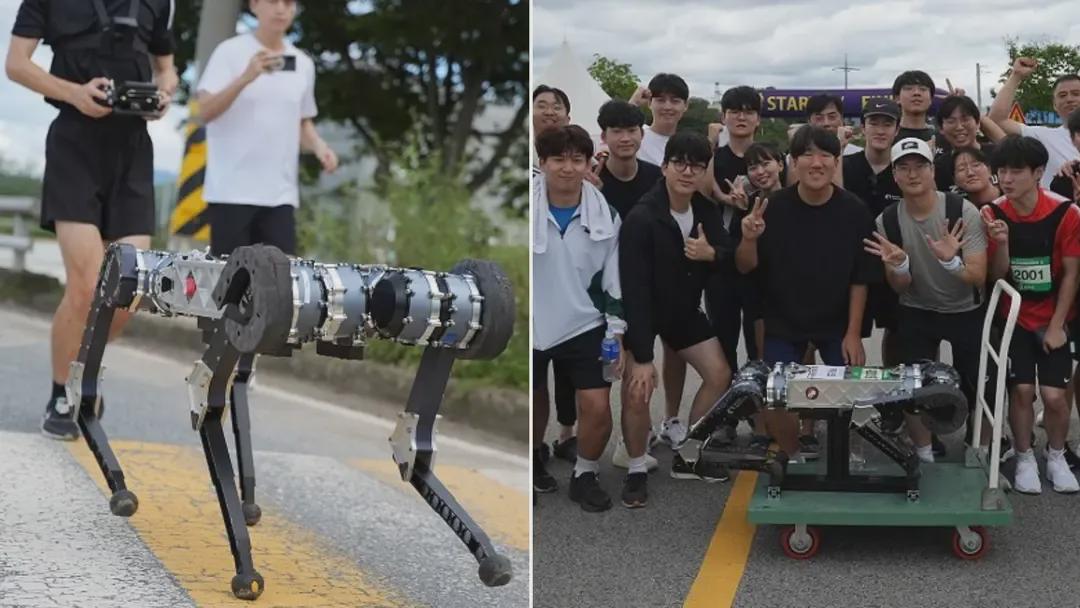
KAIST's RAIBO2 Robot Dog Completes Marathon with Lower Energy Costs than Humans
KAIST's four-legged robot RAIBO2 recently completed a marathon using only 1280Wh of energy, which is 66% of its 1930Wh battery capacity. Its total cost of transport (TCOT) was measured at 0.25, lower than the human average of 0.37, indicating superior energy efficiency. This achievement is significant as it demonstrates advancements in robotic energy consumption, particularly in legged robots, which traditionally face challenges in energy efficiency due to mechanical losses. The research highlights the importance of optimizing energy use in robotics, potentially influencing future designs and applications. Looking ahead, the focus will be on further refining the energy efficiency of legged robots like RAIBO2. No further timeline was disclosed at the time of publication, but the findings could lead to innovations in robotic mobility and energy management strategies.
Robotics Energy Efficiency AI Marathon Running Robot Design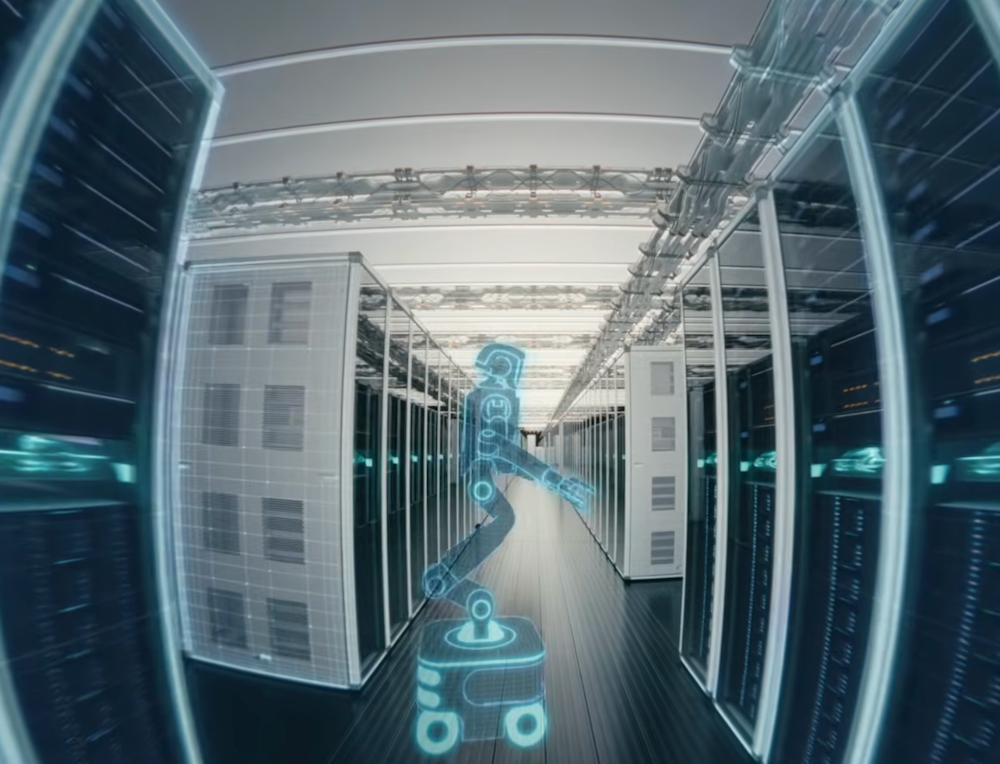
Agility Robotics Explores Development of Wheeled Robots Alongside Digit Humanoid
Agility Robotics recently revealed plans to explore wheeled robots during the launch of Digit 5. CEO Jonathan Hurst confirmed that the company is considering various robot designs, including wheeled options, to meet diverse customer needs and operating environments. This exploration is significant as it marks a potential shift for Agility, which has primarily focused on legged robots. Hurst emphasized that while legged robots are becoming more capable, wheeled robots could provide quicker market entry in certain environments where legged capabilities may not be necessary. No specific timeline for the introduction of a wheeled robot has been disclosed. As Agility continues to commercialize Digit, the company is also navigating a SPAC merger with Churchill Capital Corp. XI, valuing it at $2.5 billion and highlighting the importance of diversifying its product offerings to enhance revenue growth.
Humanoids News Robots / Platforms Agility Robotics robobusiness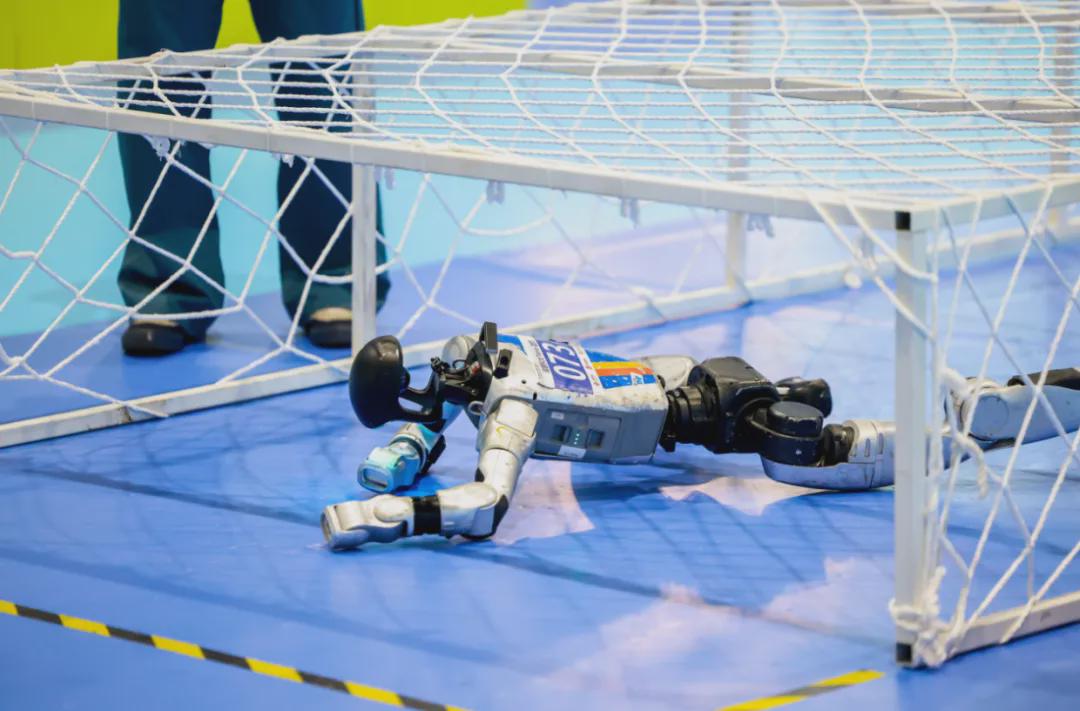
2026 Global Digital Trade Innovation Competition Concludes with Robotics Challenges
The 2026 Global Digital Trade Innovation Competition, part of the fifth Global Digital Trade Expo, concluded on September 25 in Hangzhou. The event featured 14 official competition categories, attracting over a hundred teams. All 14 gold medals were awarded by the end of the competition, highlighting the achievements in robotic endurance and agility. The competition included various events such as the six-hour 100-meter endurance race, where the Yu Shi QG01 robot dog team from Shanghai Yushi Energy Group won due to its impressive endurance and stability. In the tug-of-war event, the Xingzhe Taishan team from Shandong Youbaote Intelligent Robotics Co., Ltd. excelled in grip and balance, securing victory. Finals day on September 25 showcased multiple events, including the 100-meter and 60-meter races for humanoid and legged robots. The 1034Robotics team from Shenzhen Technology University won multiple categories, demonstrating superior motor power and gait control. The competition underscored advancements in robotic performance across various challenges, with no further timeline disclosed at the time of publication.
Embodied Intelligence Robotics Competition Robot Performance AI Technology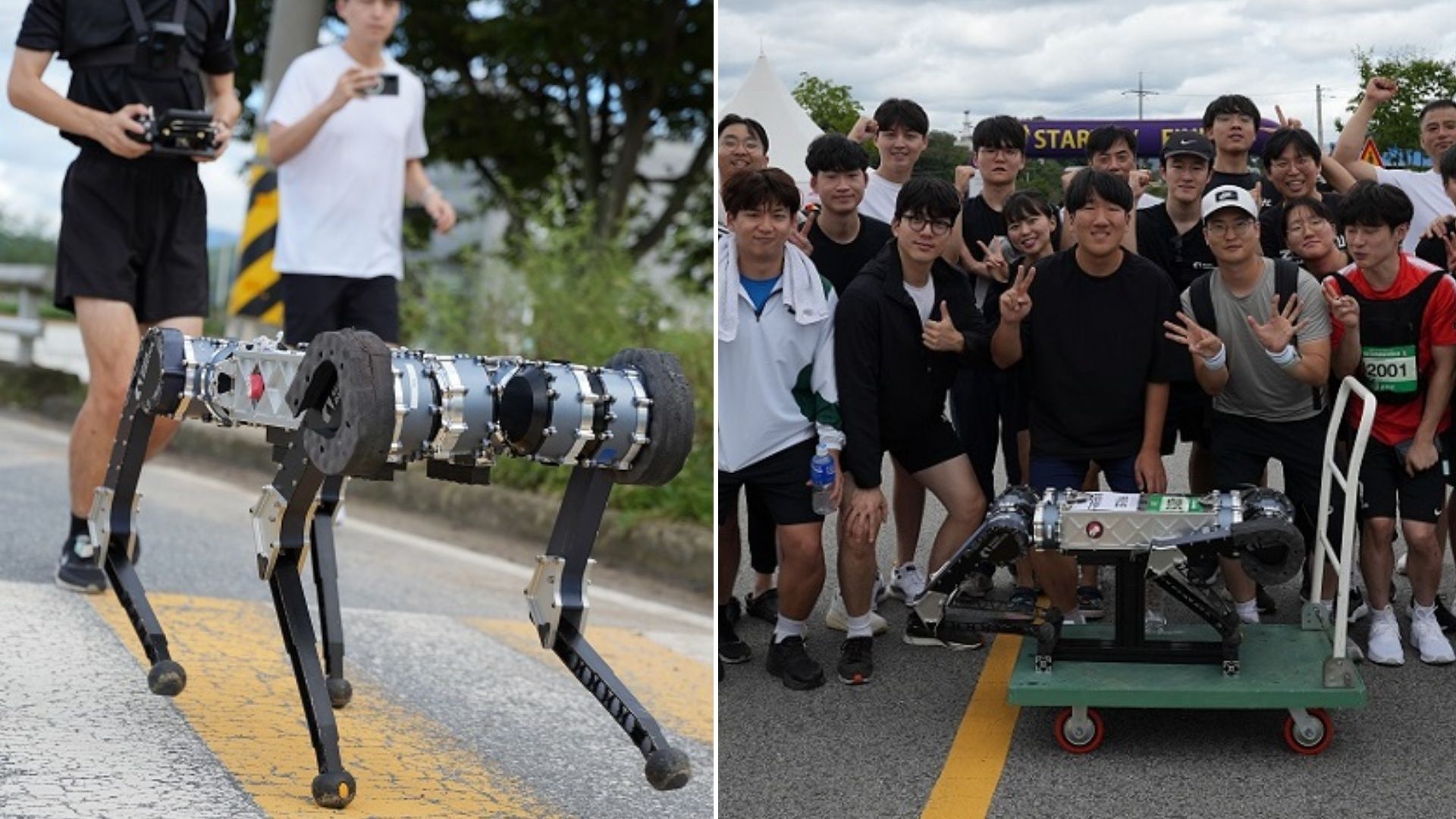
KAIST's RAIBO2 Robot Dog Completes Marathon on Single Charge, Outperforming Human Efficiency
KAIST's quadruped robot, RAIBO2, successfully completed a marathon distance of 42.195 kilometers in 4 hours, 19 minutes, and 52 seconds on a single battery charge. This achievement occurred during the 2024 Sangju Dried-Persimmon Marathon, showcasing significant advancements in robotic endurance and energy efficiency. The completion of the marathon is a pivotal milestone in addressing the endurance limitations of legged robots, which traditionally struggle with energy consumption due to their need to support their weight and manage impacts. RAIBO2 maintained an average speed of 2.64 meters per second while consuming less energy than a human, achieving a cost of transport (COT) of 0.25 compared to the human benchmark of 0.37. Looking ahead, the research team at KAIST, which previously faced challenges with battery life in earlier versions of the robot, has refined RAIBO2's design and locomotion strategies. Future developments may focus on further enhancing energy efficiency and exploring additional applications for quadruped robots in various environments. No further timeline was disclosed at the time of publication.
AI and Robotics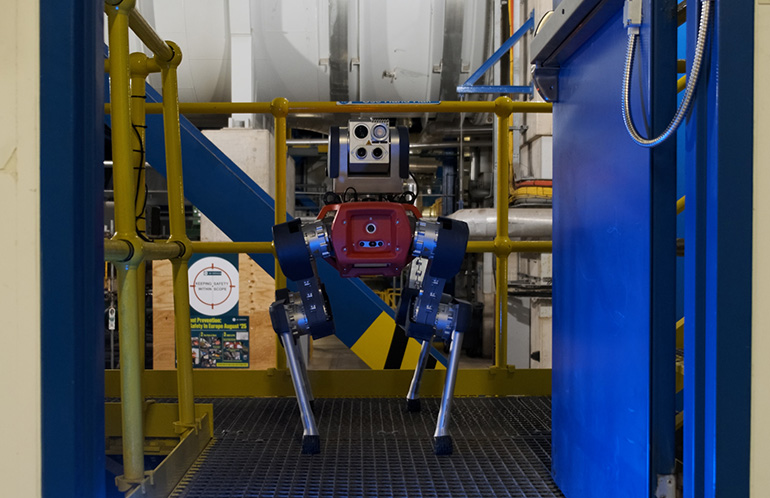
ANYbotics Enhances ANYmal Robots with Automated Door Access for Inspections
ANYbotics has announced a partnership with dormakaba and LEGIC Identsystems AG to enhance its ANYmal robots with automated door-access capabilities. This development addresses a significant barrier in mobile inspection for processing industries, allowing ANYmal to access critical areas without the need for infrastructure changes. The integration of automated door access is crucial as it enables ANYmal to perform inspections in previously inaccessible areas, thereby increasing operational efficiency and reducing unplanned downtime. According to Jacob Euler-Rolle, product manager at ANYbotics, this advancement allows the robots to navigate through both unlocked and locked doors seamlessly, enhancing their utility in energy, metals, mining, and chemical sectors. Looking ahead, ANYbotics plans to roll out this door access functionality as an add-on across its entire ANYmal fleet. The collaboration with dormakaba and LEGIC not only improves the robots' operational capabilities but also marks a significant step towards integrating physical AI in industrial settings. No further timeline was disclosed at the time of publication.
Arms / Manipulators Autonomous Mobile Robots (AMRs) Energy / Solar / Renewables Manufacturing Mechanical Mining
KAIST's Robot Dog Completes Marathon on One Battery Charge in 4 Hours 19 Minutes
KAIST has showcased a four-legged robot capable of finishing a marathon on a single battery charge. The robot successfully completed the Sangju Marathon in South Korea in 4 hours and 19 minutes, outperforming existing robots by traveling three times the distance per charge. This achievement is significant as it highlights advancements in battery efficiency for legged robots, potentially influencing future designs and applications in robotics. Enhanced battery life could lead to broader deployment of robotic systems in various sectors, including search and rescue and logistics. Looking ahead, the implications of this technology could reshape expectations for robotic endurance and functionality. No further timeline was disclosed at the time of publication.
Robotics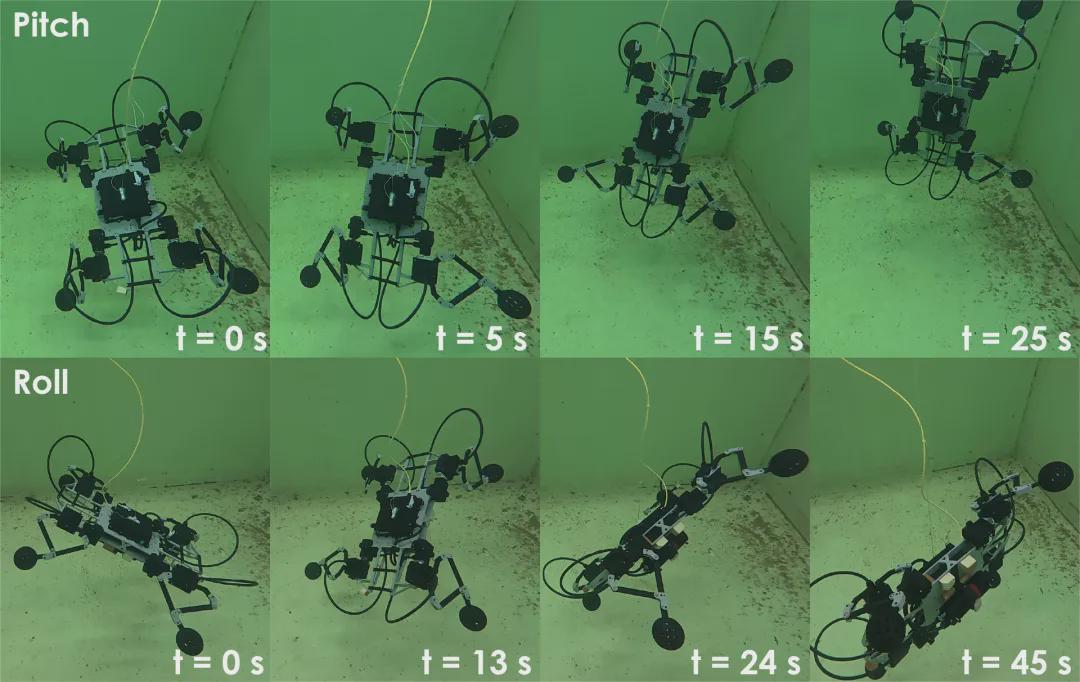
NTNU Innovates with Swimming Robot Dog Utilizing Unique Water Propulsion Method
A research team from the Norwegian University of Science and Technology (NTNU) has developed a quadruped robot capable of swimming without traditional propulsion systems. Instead, it uses the resistance generated by spherical ends of its legs to maneuver in water, adjusting its roll, pitch, and yaw. This innovation is significant as it addresses the challenges of waterproofing and control algorithms in aquatic environments, particularly for robots designed primarily for land. The team employed a hard-shell design inspired by traditional remotely operated vehicles (ROVs) to ensure all electronic components are securely sealed. Looking ahead, the robot has demonstrated effective performance in water, undergoing rigorous testing without water ingress. No further timeline was disclosed at the time of publication.
Aquatic Robotics Four-Legged Robots Open Source Technology Robotics Engineering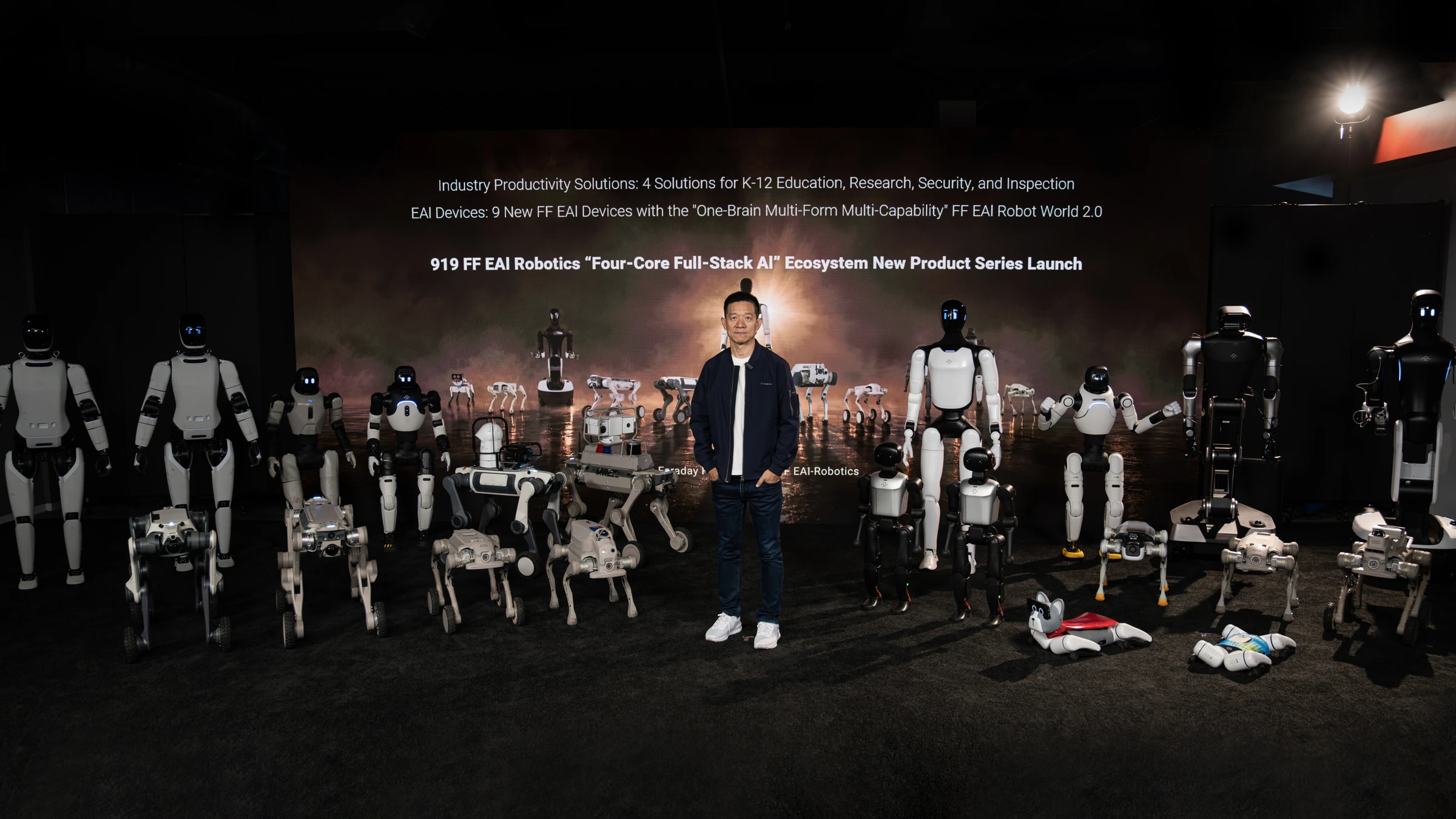
Faraday Future Launches $9,990 Master Mini Humanoid Robot and Expands Offerings
Faraday Future has unveiled its latest humanoid robot, the Master Mini, priced at $9,990, as part of a broader expansion into the robotics market. The company announced nine configurations across five models, including humanoids, quadrupeds, and wheel-legged robots, during its launch event on September 19. Sales and deliveries are now open, targeting educational institutions, security operators, and industrial inspection customers. The introduction of the Master Mini, a 95-centimeter tall and 19.5-kilogram robot, highlights Faraday Future's strategy to provide robots bundled with software and application packages. The Master Mini is designed for programming lessons, open development, and robot soccer, and is reportedly based on the Booster K1 platform, although the official release does not confirm this relationship. Looking ahead, Faraday Future's expansion into robotics suggests a growing focus on integrating advanced technologies into its product lineup. The All-New Futurist model, which shares similarities with AGIBOT's A3, further indicates the company's supplier-based approach. No further timeline was disclosed at the time of publication.
Faraday Future Research product-launch
RobotToday Weekly Briefing August 31 – September 4, 2026
This week in robotics: NVIDIA agrees to buy Hugging Face for $12.93 billion, Figure signs a $3.5 billion compute deal with Nscale for up to 100,000 GPUs, Tesla launches steering-wheel-free Cybercabs in Austin under NHTSA scrutiny, and Uber and Wayve bring the UK its first autonomous rides. August 31 – September 4, 2026.
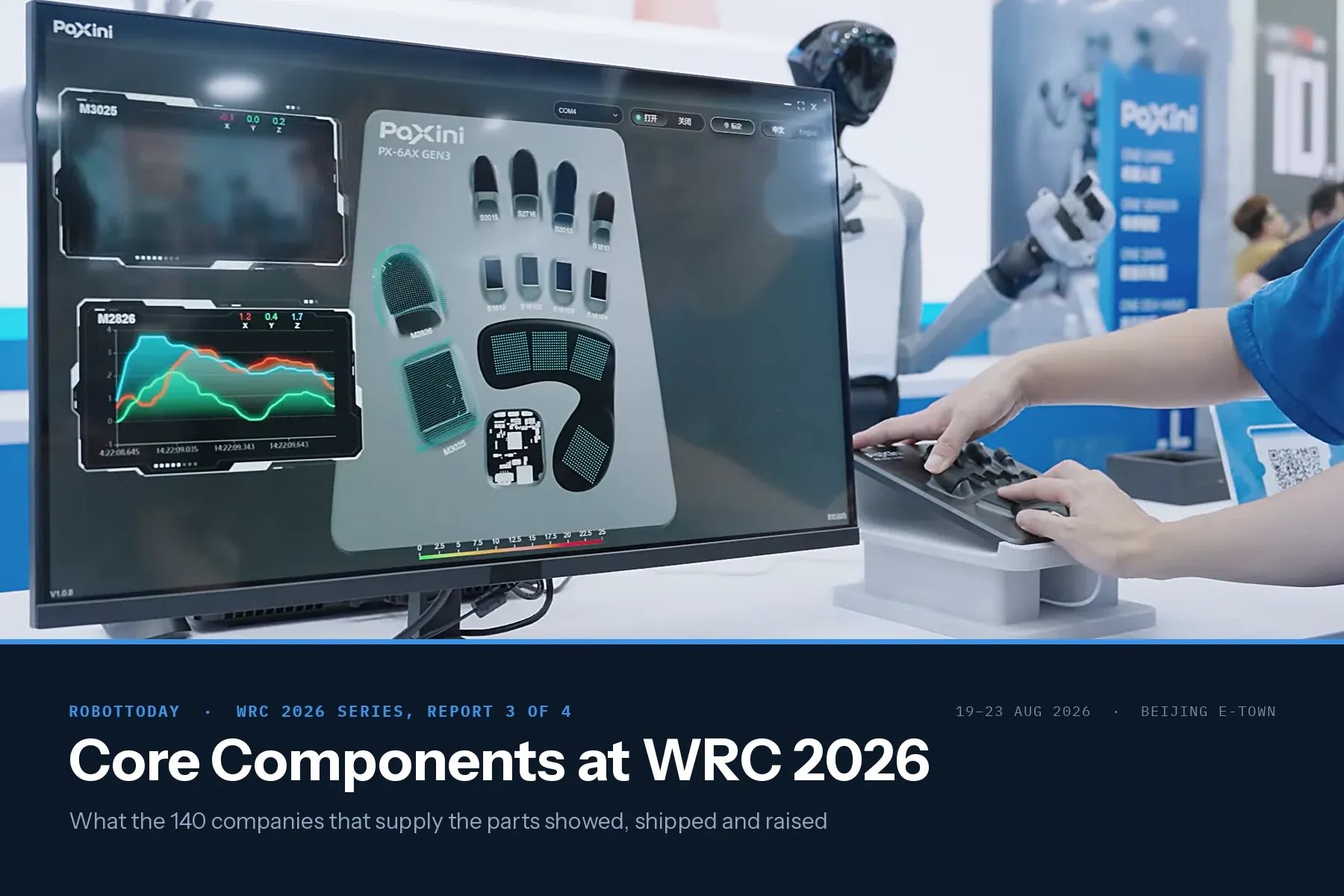
WRC 2026 Core Components: 137 Robot Parts Suppliers
The third report in the WRC 2026 series. Report 1 mapped all 248 exhibitors by category and Report 2 covered the 139 that build finished robots. This one covers the 137 that build what goes inside them.
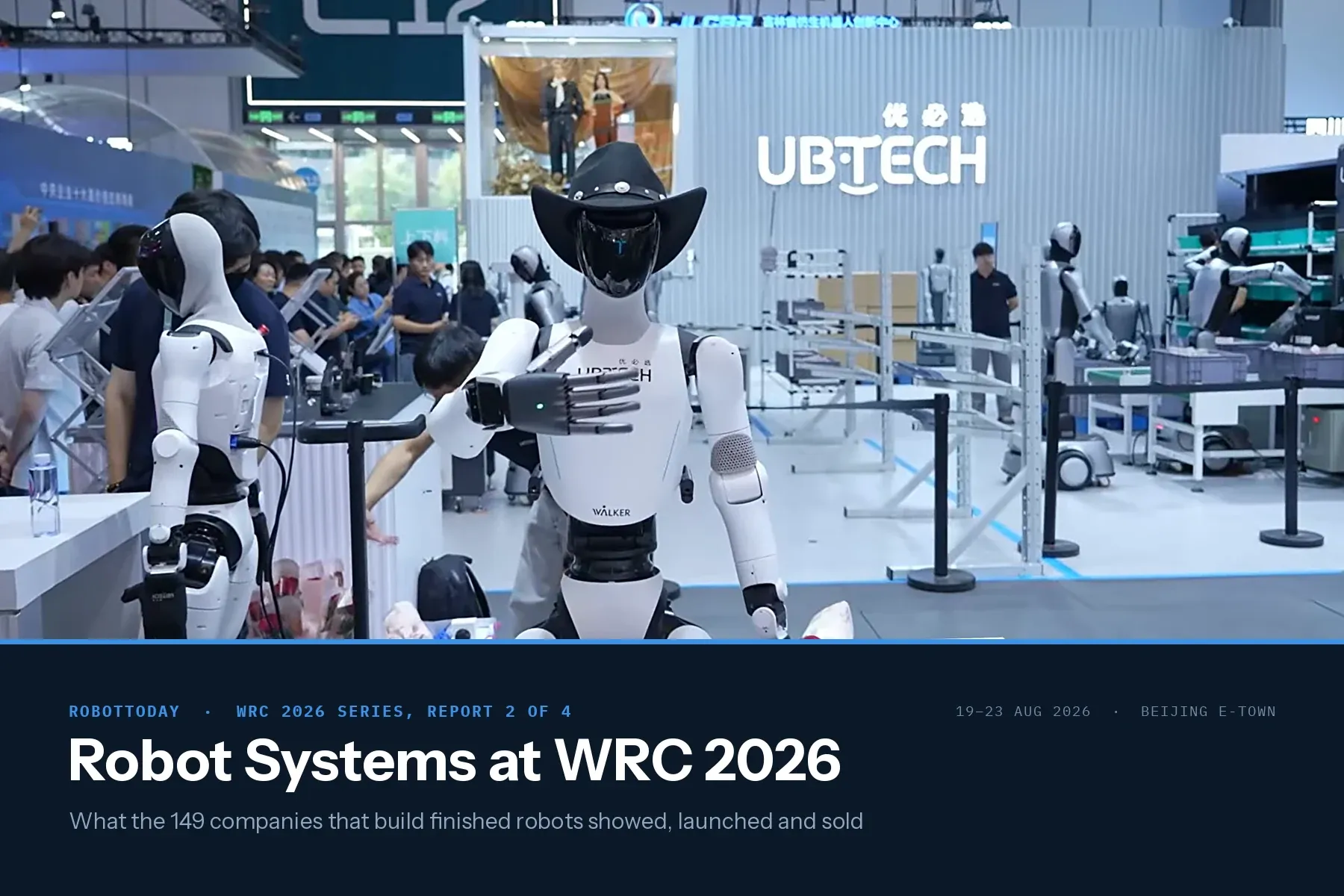
WRC 2026 Robot Systems: 149 Companies That Build Robots
149 of the 248 classified WRC 2026 exhibitors build finished robots. 93 build humanoid or legged machines. The audited humanoid sales number is one unit.

WRC 2026 Exhibitor Map: 248 Robotics Companies Mapped
We classified 248 WRC 2026 exhibitors with the RobotToday taxonomy. Motion & Actuation leads at 75 companies, Humanoid at 72, and compute stays thin at 12. (Modified 2026-08-27)

ROBOTTODAY WEEKLY August 17 – 21, 2026
This week in robotics: Unitree surges 629% in its Shanghai STAR Market debut at a $66 billion valuation, Nevada approves 7,000 robotaxis, Amazon Prime Air expands to nearly 500 US cities, and Beijing's World Robot Conference marks the industry's pivot from spectacle to scale. August 17–21, 2026.
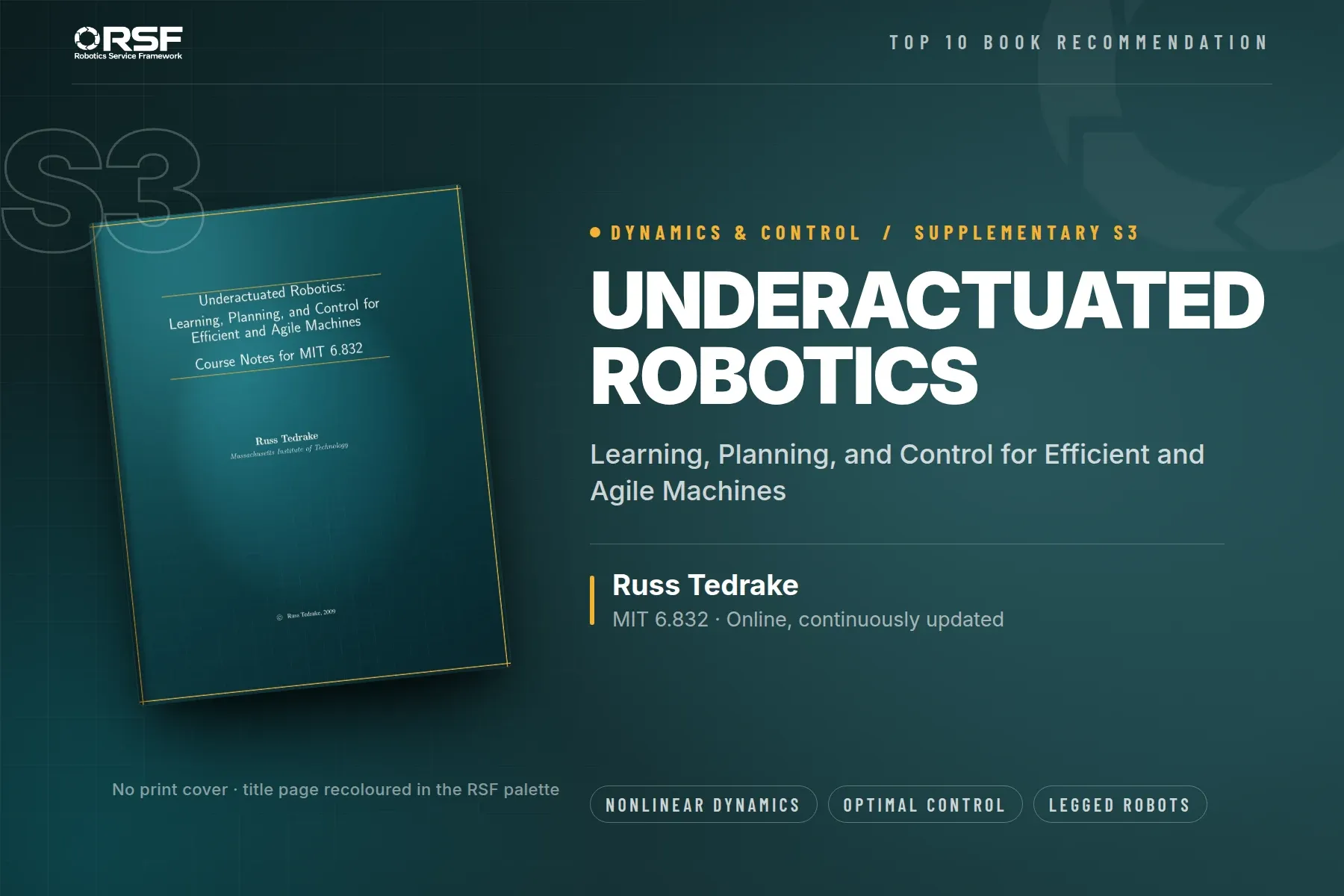
Underactuated Robotics Russ Tedrake — RSF Specialist Shelf · Book S3 of 6
Legged robots fall over for control reasons, not mechanical ones. Tedrake's free MIT 6.832 notes explain why, and what a controller must do about it.
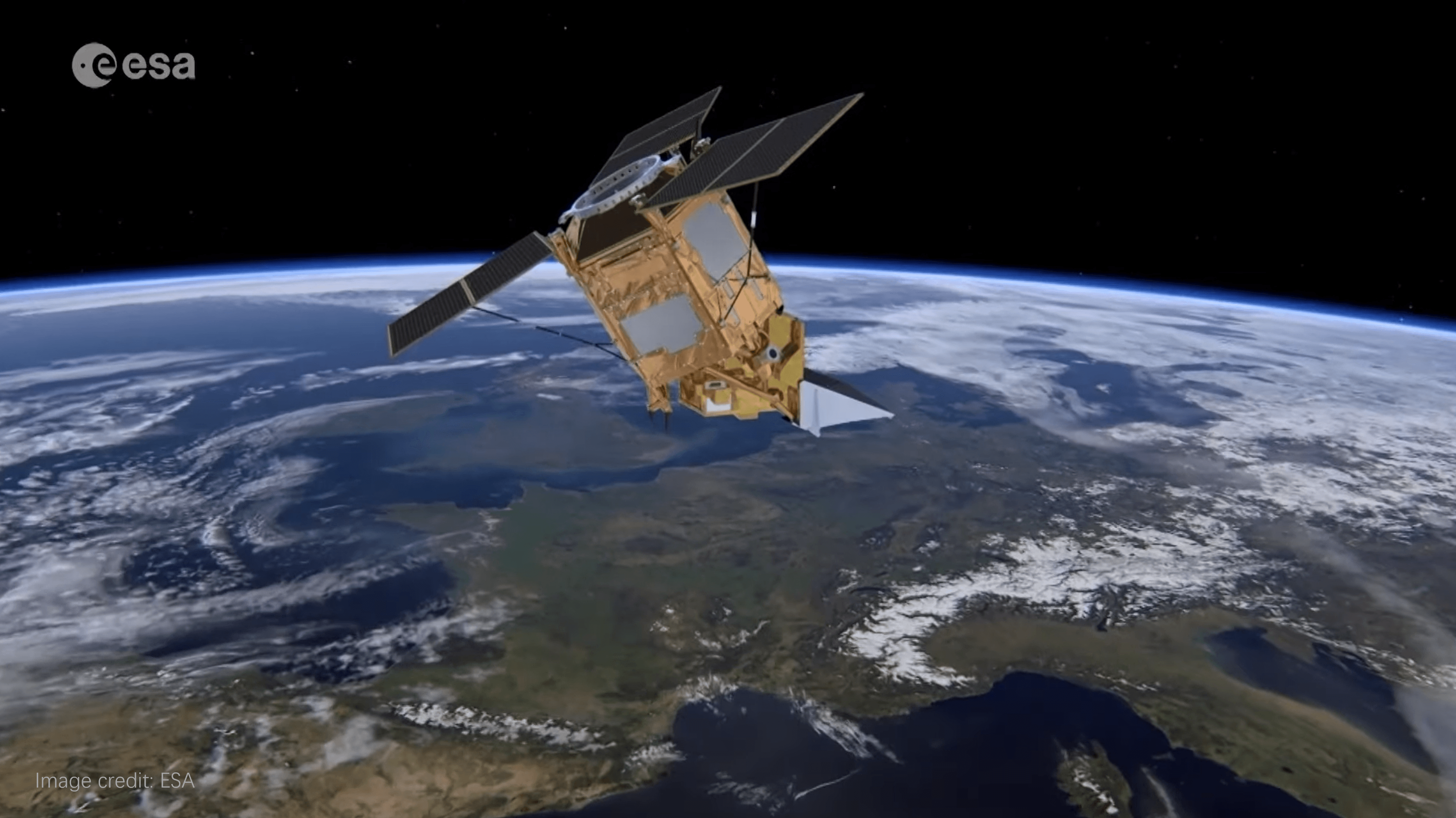
Space Robot - Killer App: The $30B Satellite Servicing Market
Orbital servicing is transforming space economics: $2B wasted annually on premature satellite deaths. Market growing from $500M to $20-30B by 2040. Deep dive into Astroscale, Northrop Grumman MEV, and the business of satellite refueling and debris removal.
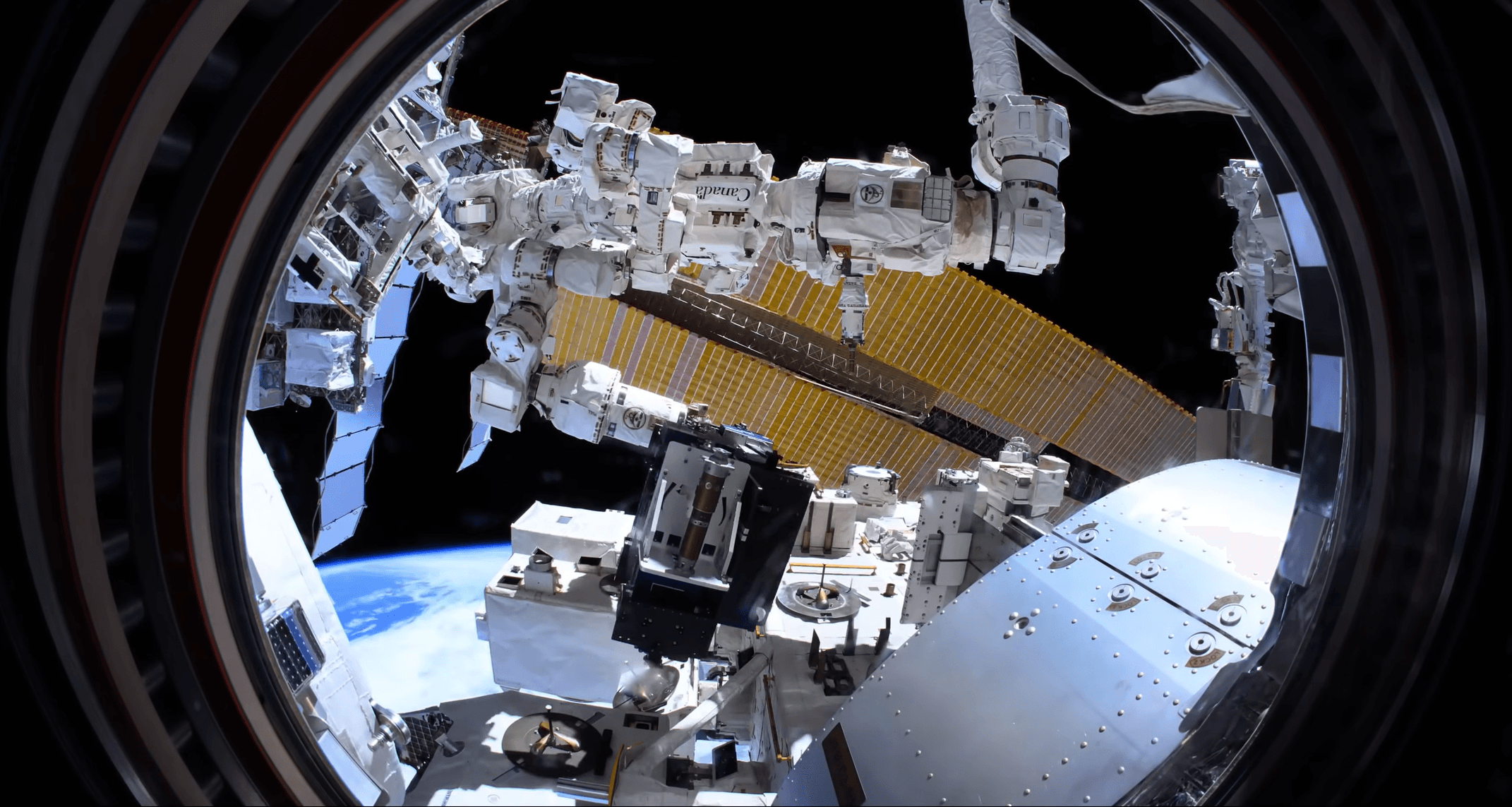
Space Robotics: The 2026 Breakout
Space robotics transforms in 2026 as Starship cuts launch costs 96%, AI enables autonomy, and satellite servicing demand explodes. The breakout year explained.


