Industry Briefing
A single destination for timely, editor-curated robotics news from around the world.
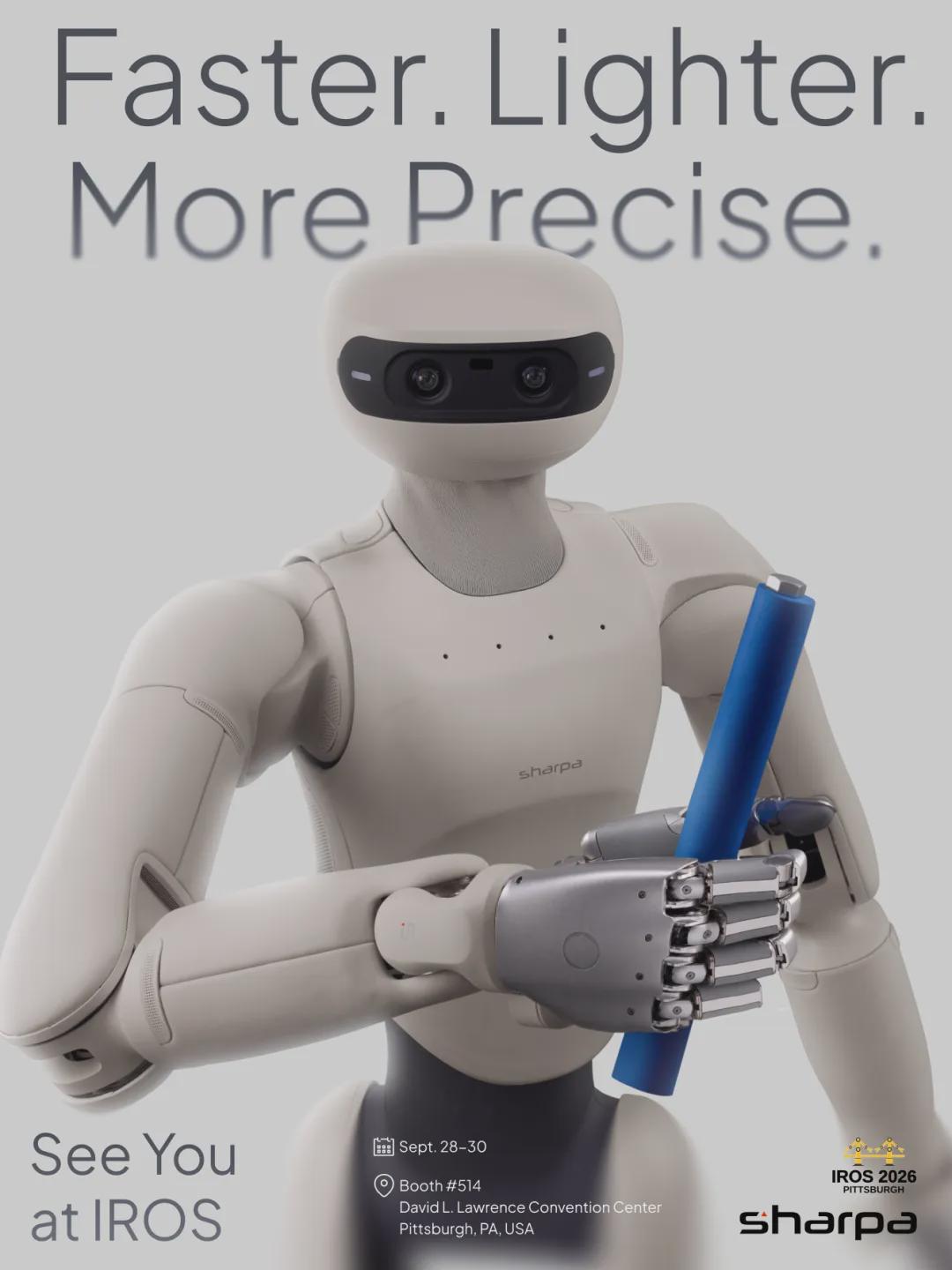
Sharpa Unveils Comprehensive Robotics System for Dexterous Manipulation at IROS 2023
On September 28, at the IROS conference in Pittsburgh, Sharpa showcased a complete robotics system featuring a humanoid robot, a dexterous hand, and an exoskeleton glove. Unlike many exhibitors presenting single modules, Sharpa's offering represents a cohesive system aimed at creating an end-to-end operational loop, enhancing tactile perception, and addressing challenges in real-world applications. This development is significant as it responds to the industry's need for solutions in real-world environments like retail and dining, where maintaining control precision during high-speed movements and interacting with complex objects are critical. Sharpa's approach integrates the robot body, end effector, and human-machine data input devices, positioning itself as a leader in the dexterous manipulation space. Looking ahead, the focus will be on the engineering validation of this system, including the performance of its components in real-world scenarios. The D01 humanoid robot, W02 dexterous hand, and AE01 exoskeleton glove are designed to work together seamlessly, with the D01 aiming to achieve high-speed movement and precision control, addressing long-standing challenges in humanoid robotics.
Humanoid Robots Dexterous Manipulation Robotics Systems Tactile Feedback
PAL Robotics Unveils TIAGo Pro Arm for Advanced Manipulation and AI Research
PAL Robotics has launched the TIAGo Pro Arm, a standalone robotic manipulation platform designed for researchers in robot learning and physical AI. This new system is being showcased at IROS 2026 in Pittsburgh, running from September 27 to October 1. The arm features seven degrees of freedom and is built on ROS 2 and ros_control, incorporating Series Elastic Actuators for enhanced manipulation capabilities. The TIAGo Pro Arm is significant as it supports a wide range of manipulation research, from initial experiments to practical deployment. Researchers can utilize the arm as a fixed system or integrate it with mobile platforms like the TIAGo Pro OMNI Base for mobile manipulation studies. The open platform also allows for the addition of sensors, facilitating research in perception, robot learning, and AI-driven manipulation. Looking ahead, PAL Robotics will demonstrate the TIAGo Pro Arm alongside other innovations from its TIAGo robot family at IROS. The company is also focusing on its humanoid robotics projects, including the KANGAROO platform. No further timeline was disclosed at the time of publication.

Robotiq Introduces Open-Source Software for Enhanced Robot Manipulation and Physical AI
Robotiq has unveiled three open-source software tools for its adaptive grippers, including a C++ SDK, an official ROS 2 package, and updated Nvidia Isaac Sim assets. These tools are now available on GitHub and are optimized by Robotiq to enhance the functionality of their grippers in physical AI applications. The significance of these releases lies in their response to the increasing demands of physical AI, which requires advanced capabilities from robotic grippers. According to Vincent Duchaine, CTO AI at Robotiq, the new tools support higher fidelity in simulation and tighter control loops, enabling better data collection and reporting from the grippers during operation. Looking ahead, Robotiq plans to introduce embedded intelligence at the point of contact, with an expected release in Q4. This innovation will be showcased at the IEEE/RSJ International Conference on Intelligent Robots & Systems (IROS) 2026 in Pittsburgh, highlighting Robotiq's commitment to advancing robot manipulation technologies.
Components News adaptive grippers end-of-arm tooling nvidia isaac sim open source robotics
Four Essential Requirements for Reliable Robot Manipulation in Physical AI
Physical AI aims to enhance robot capabilities in real-world environments by enabling them to perceive, act, and adapt with minimal task-specific engineering. According to Thomas Houden, Director of Global Business Development at OnRobot, a reliable physical interaction layer is crucial for achieving this goal. This includes end-of-arm tooling (EOAT) that integrates adaptability, sensing, and feedback to effectively manage uncertainty and variation. The significance of this development lies in the ability of robots to handle variations in parts, positioning, and operating conditions in manufacturing settings. As robots become more capable through advancements in multimodal foundation models and robot learning, the importance of the execution layer, particularly EOAT, increases. If the EOAT cannot manage variations in part sizes and materials, the intelligence of the models becomes less valuable in practical applications. Looking ahead, the focus will be on ensuring that EOAT can reliably execute actions generated by intelligent models. This involves grippers that can adjust to different conditions and apply the correct force to secure objects. The challenge remains in addressing the physical variables that affect manipulation, which cannot be perfectly modeled or eliminated, highlighting the ongoing need for innovation in this area.

HandEdit Dataset Released: Collaboration with Universities to Advance Robotic Manipulation
Recently, InTime Robotics, in collaboration with Fudan University and Shanghai Jiao Tong University, has officially open-sourced the HandEdit dataset and evaluation benchmark. This initiative focuses on first-person human-to-robot dexterous hand image editing, providing scalable data resources and standardized evaluation criteria for dexterous manipulation learning. The significance of this development lies in addressing the gap between rapid hardware advancements and the insufficient accumulation of robotic operation data. Traditional data collection methods are often costly and time-consuming, limited by the physical structure of different robotic hands. HandEdit aims to convert abundant human operation videos into learnable data for robotic hands, tackling the challenge of structural and functional differences between human and robotic hands. Currently, HandEdit has built over 200 million image editing samples covering 26 URDF configurations, including 13 independent dexterous hands and 13 integrated arm structures. This extensive dataset, along with a unified evaluation system, provides a robust foundation for robotic operation learning and offers a new technical pathway for transforming human operation data into robotic operation data. No further timeline was disclosed at the time of publication.
Robotic Manipulation Data Science Machine Learning AI Robotics
AthenaZero: A Bimanual Robot Designed for Dynamic Manipulation with Low Inertia
AthenaZero, a bimanual robot, has been developed for dynamic manipulation tasks, showcasing low inertia capabilities. This innovation aims to enhance the efficiency and precision of robotic operations in various applications. The significance of AthenaZero lies in its ability to perform complex tasks that require quick and precise movements, which are essential in fields such as manufacturing and logistics. By minimizing inertia, the robot can respond rapidly to changes in its environment, making it a valuable asset in dynamic settings. Looking ahead, the robotics community will be keen to observe the practical applications of AthenaZero in real-world scenarios. Its performance in various environments and tasks will be critical in determining its impact on the future of robotic manipulation. No further timeline was disclosed at the time of publication.
Research Article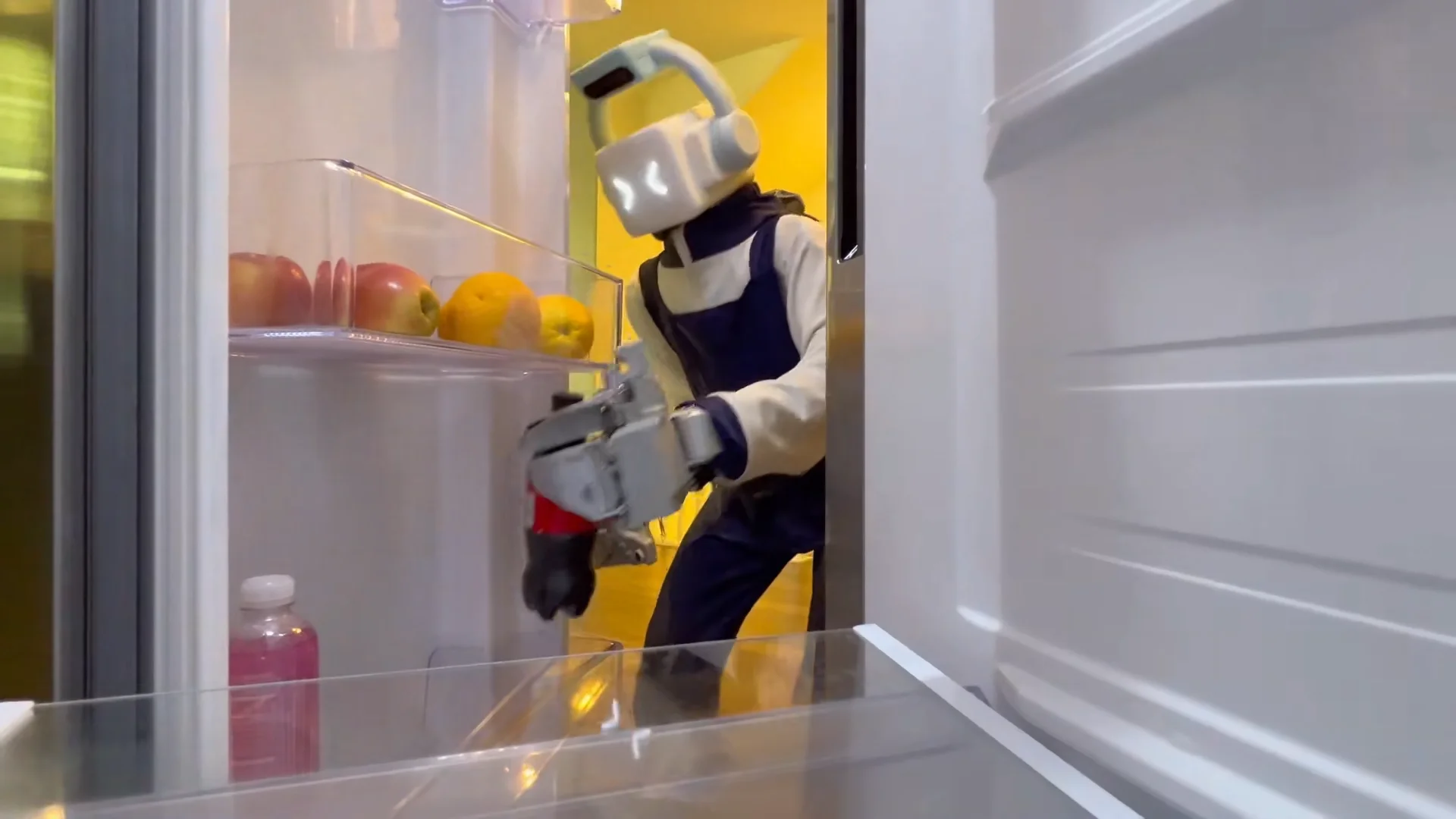
Reward AI Emerges from Stealth with OM-1 for Zero-Shot Human-to-Robot Manipulation
Reward AI has officially launched its foundation model, OM-1, which aims to revolutionize robot manipulation by learning directly from human demonstrations. This approach seeks to eliminate the need for teleoperation and on-robot training, addressing the limitations of traditional methods that can distort training data. The significance of Reward AI's OM-1 lies in its innovative use of the Omnibody stack, which integrates hardware and multimodal data capture to train robots on natural human movements. By utilizing a specialized wearable glove, the company captures nuanced human dexterity without the constraints of typical robotic systems, allowing for more effective training. Looking ahead, Reward AI's approach could reshape the landscape of robotic training and manipulation. The company claims that OM-1 can learn complex tasks with minimal human demonstration data, setting a new standard for efficiency in robot learning. No further timeline was disclosed at the time of publication.
US Reward AI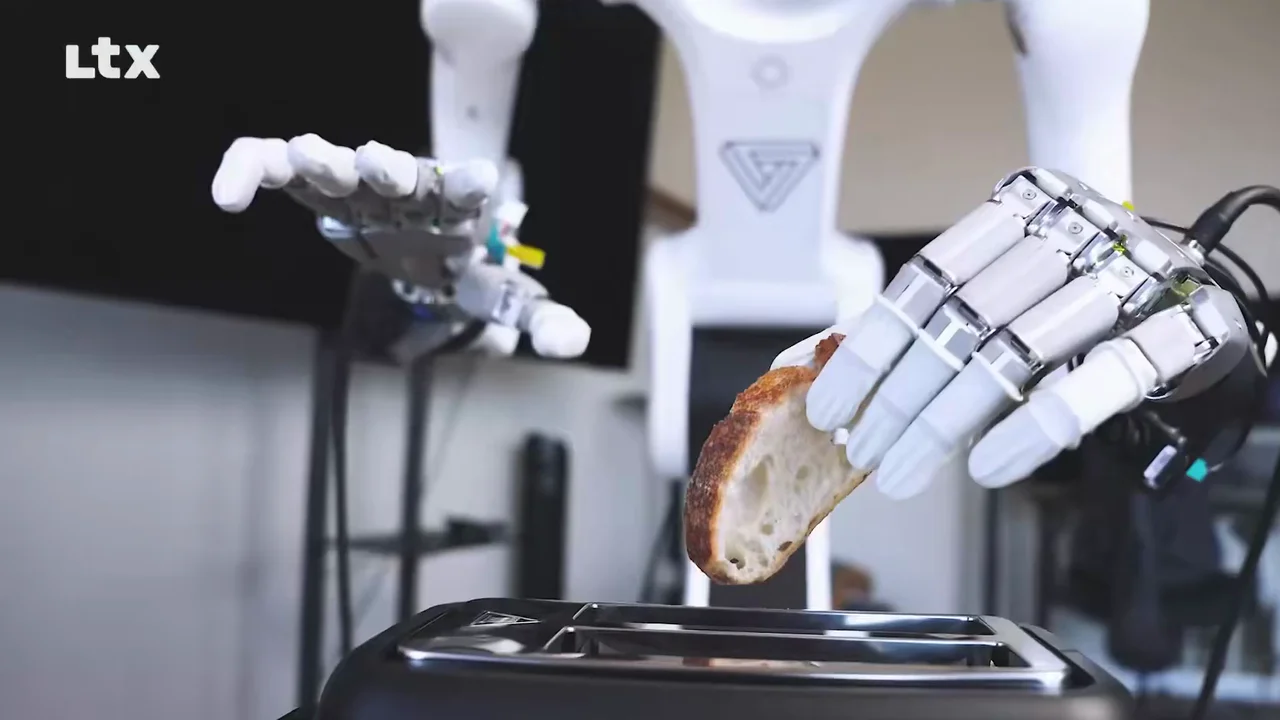
Markov Robotics Innovates Dexterous Manipulation with Video-Based Policy on LTX-2.5
Markov Robotics has introduced a novel approach to dexterous manipulation using a video model as the policy for its LTX-2.5 robot. This method allows the robot to understand object interactions in real-time, enhancing its ability to perform tasks in unfamiliar environments. By leveraging a world model that incorporates physical knowledge, the robot can adapt its grip based on the object's characteristics, such as applying gentle pressure for fragile items like glass and firmer grip for sturdier objects like rocks. This innovation addresses a significant challenge in robotics, where the development of effective software has not kept pace with advancements in hardware. Markov's approach emphasizes the importance of policies in robotic performance, suggesting that the future of dexterous manipulation lies in integrating high-fidelity sensory data with video-based expectations. The company's method of using a head cam to capture scenes and generate action videos represents a shift in how robots can learn and execute tasks. Looking ahead, the robotics community will be watching how Markov's techniques influence the broader field, particularly as more organizations explore world models for robotic applications. The effectiveness of this approach and its potential to streamline the training process for robots could set new standards in the industry. No further timeline was disclosed at the time of publication.
LTX Markov Robotics
Locus Robotics Tackles Manipulation Challenges with NeuraGrasp Technology Acquisition
Locus Robotics Corp. has made significant strides in addressing robotic manipulation challenges by acquiring Nexera Robotics, known for its NeuraGrasp technology. This acquisition follows Locus's introduction of Array, a mobile manipulator designed for efficient robotic picking, which was launched in March 2025. The integration of NeuraGrasp's advanced gripping capabilities aims to enhance Locus's ability to handle a wider variety of SKUs in operational environments. The collaboration between Locus and Nexera is timely, as both companies are poised for growth in the robotics sector. Locus's autonomous mobile robots have already completed over 6 billion picks, showcasing their effectiveness in real-world applications. Roy Belak, senior vice president of robotic grasping at Locus, highlighted the importance of deploying NeuraGrasp technology at scale, indicating a strong commitment to innovation and improvement in robotic manipulation. Looking ahead, while no specific timeline has been disclosed for the public unveiling of Array with NeuraGrasp technology, Belak expressed optimism about the integration process. As Locus continues to deploy the initial version of Array, the anticipated enhancements from Nexera's technology could significantly impact the efficiency and versatility of robotic operations in various facilities.
Arms / Manipulators Artificial Intelligence Artificial Intelligence / Cognition Autonomous Mobile Robots (AMRs) Design / Development End Effectors / Grippers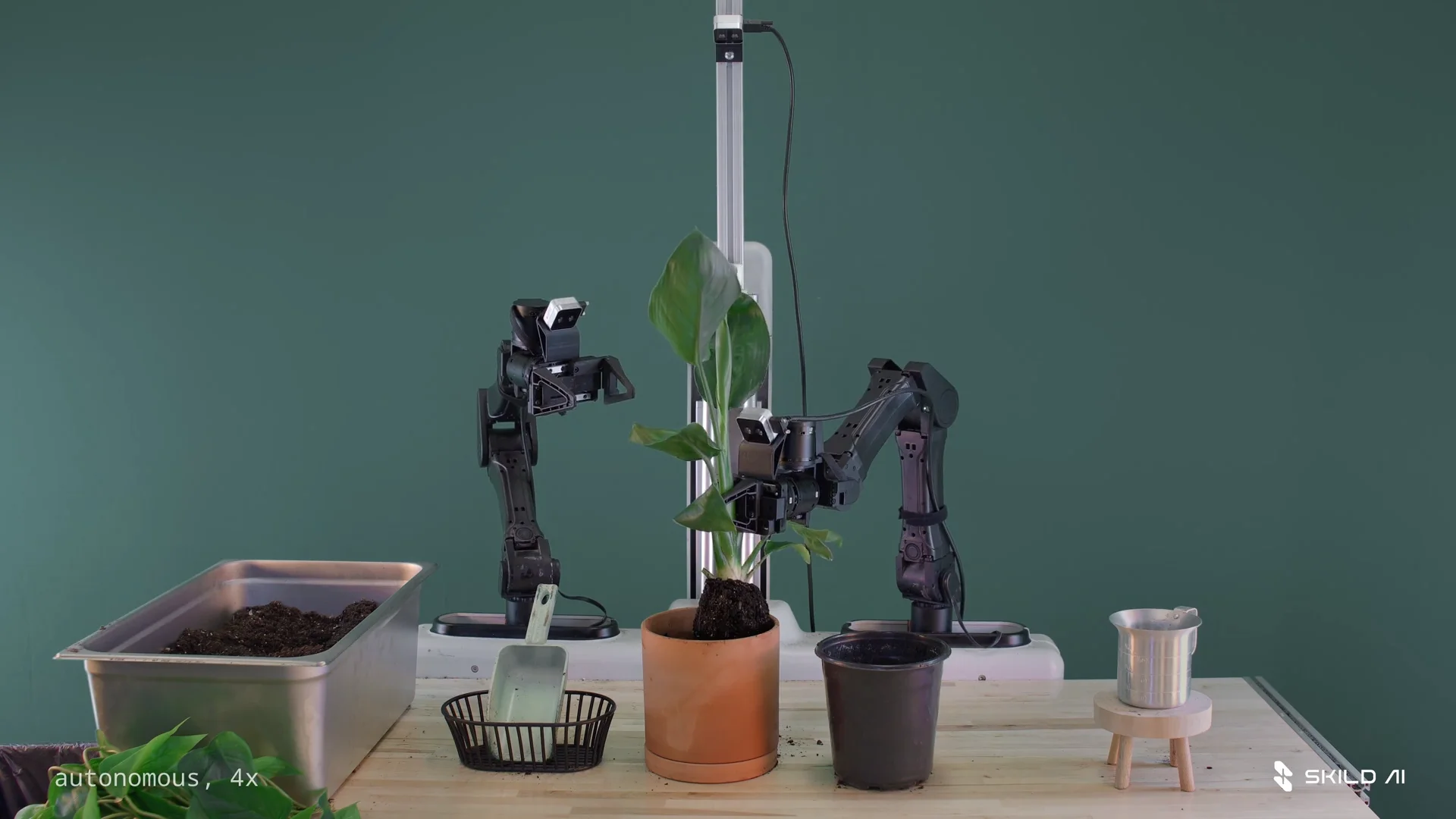
Skild AI Launches S1: A New Era in Robot Manipulation with In-Context Learning
Skild AI has introduced S1, an advanced embodied foundation model designed for complex manipulation tasks using in-context prompting. This innovative approach replaces traditional text commands and extensive task-specific fine-tuning with a single video demonstration, enabling the system to perform multistep physical routines immediately. This development challenges the conventional reliance on extensive teleoperation data for training specialized policies for each task. The significance of S1 lies in its potential to revolutionize robot learning by moving away from the 'BERT era' of pretraining and heavy post-training. Skild AI argues that true foundation models should allow robots to learn new behaviors during inference without altering their underlying weights. S1 builds on the company's previous work in locomotion, adapting its capabilities to manipulation tasks that are often too complex to describe in natural language. Looking ahead, S1's ability to learn from visual demonstrations rather than text instructions opens new possibilities for dexterous manipulation. The model's capacity to filter out human errors during demonstrations and execute tasks with precision sets it apart from existing systems. No further timeline was disclosed at the time of publication.
Skild AI US
CASBOT Hands Introduces Three Advanced Robotic Hands for Enhanced Manipulation
CASBOT Hands has launched three new dexterous robotic hands, enhancing its embodied manipulation platform. This development comes as the robotics industry seeks to improve the ability of robots to perform real-world tasks across various sectors, including manufacturing and education. The introduction of these robotic hands is significant as it addresses the growing demand for reliable robotic solutions that can operate effectively in diverse environments. As robots become more capable in motion control and environmental perception, their application in practical settings becomes increasingly viable. Looking ahead, the focus will be on how these new robotic hands will be integrated into existing systems and their performance in real-world applications. No further timeline was disclosed at the time of publication.

Handroid: A Transformative Robot Capable of Walking and Fine Manipulation
Handroid, a collaborative project between the University of North Carolina at Chapel Hill and Stanford University, is a desktop robot that stands 0.33 meters tall and weighs 2.05 kilograms. It features 27 degrees of freedom and can seamlessly switch between a humanoid form for walking and interaction and a dexterous hand for fine manipulation. This innovative design addresses the complexity of traditional robotic systems, which often require separate mobile bases and robotic arms for different tasks. Handroid's unique topology mimics human anatomy, allowing it to utilize the same electromechanical system for both forms without the need for hardware changes. In its dexterous hand form, it achieves an average real-world grasping success rate of 72% across ten object types. Looking ahead, Handroid represents a significant advancement in robotic design, challenging the notion of single-function hardware. It raises questions about the future of robotics, particularly regarding the potential for multi-functional, reconfigurable platforms that enhance robotic capabilities through the intelligent reallocation of existing components. No further timeline was disclosed at the time of publication.
Robotics Humanoid Robots Dexterous Manipulation AI Robotic Systems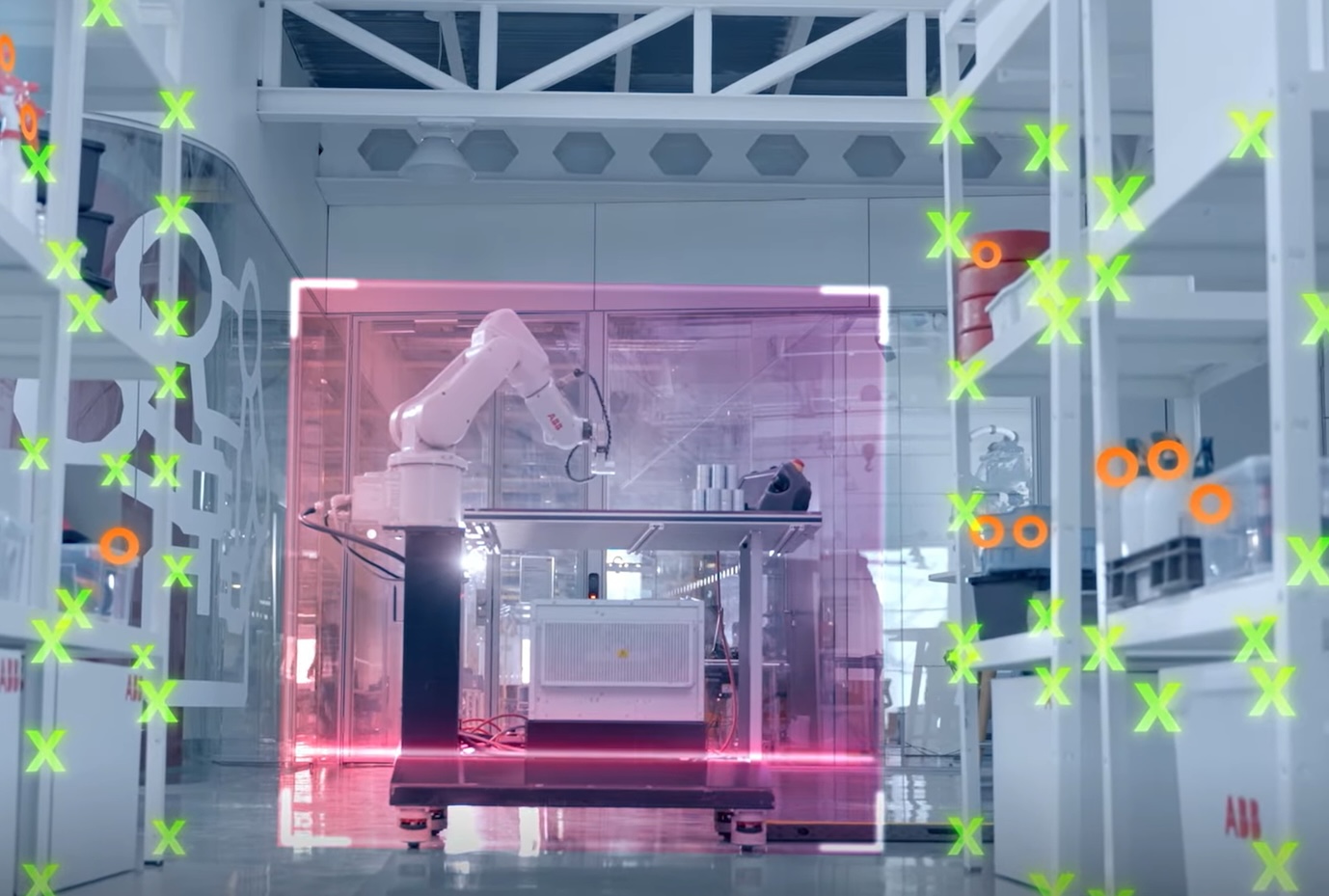
Advancements in Robotic Manipulation Through Real-World Reinforcement Learning
A recent study published in Science Robotics highlights significant advancements in robotic manipulation using real-world reinforcement learning techniques. This research demonstrates how robots can learn to perform complex tasks more efficiently by interacting with their environment, leading to improved performance in various applications. The implications of this research are profound, as enhanced robotic manipulation capabilities can transform industries such as manufacturing, logistics, and healthcare. By leveraging real-world reinforcement learning, robots can adapt to dynamic environments, making them more versatile and effective in executing tasks that require precision and adaptability. Looking ahead, the focus will be on further refining these techniques and exploring their applications in real-world scenarios. Continued research in this area may lead to breakthroughs in how robots are integrated into everyday operations, enhancing productivity and efficiency across multiple sectors. No further timeline was disclosed at the time of publication.
Research Article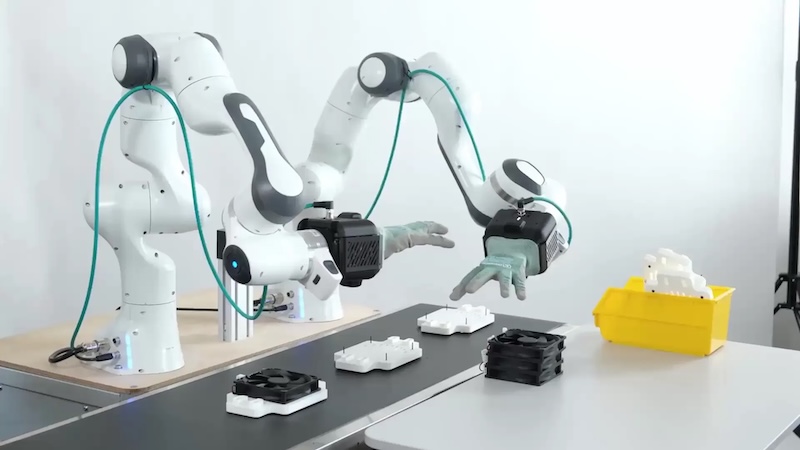
mimic Robotics Launches Comprehensive Platform for Advanced Dexterous Robot Manipulation
mimic Robotics has unveiled a new robotic hand, the mimic hand M1, along with the mimic wearable U1 exoskeleton and a proprietary software platform. This integrated system aims to enhance general-purpose dexterous manipulation in industrial robots by addressing the challenge of collecting high-quality training data for AI models that perform human-like tasks. The significance of this launch lies in mimic Robotics' approach to design, which focuses on human hand morphology rather than traditional two-finger grippers. The mimic hand M1 features 15 actuated degrees of freedom and is capable of handling payloads over 25 kg, while the mimic wearable U1 allows human operators to demonstrate tasks in real-time, improving data collection for AI training. Looking ahead, the company’s innovative middleware and teleoperation software are expected to enhance robot control and AI inference speed. No further timeline was disclosed at the time of publication.
Components Computing News ai automation dexterous manipulation
Origami Robotics Challenges 1X Technologies on Future of Robotic Manipulation
Origami Robotics co-founder Quanting Xie has raised concerns about the industry's dependence on high-ratio gearboxes, which he claims hinder the development of human-level manipulation. In a blog post titled 'The Dexterity Deadlock,' Xie argues that these gearboxes introduce significant failures in the 'sim-to-real' pipeline, necessitating excessive domain randomization in simulations. The debate has attracted attention from industry leaders, including 1X Technologies CEO Bernt Børnich, who defends the 'tendon-drive' system used in their upcoming NEO humanoid. Xie proposes an alternative axial flux motor design that reduces gear ratios significantly, enhancing torque generation and enabling a fully backdrivable hand capable of sensing forces through motor current. As the discussion unfolds, the implications for robotic manipulation technology are profound. The contrasting approaches of Origami and 1X highlight a critical juncture in the field, with potential impacts on future humanoid designs. No further timeline was disclosed at the time of publication.
Origami Robotics 1X Technologies Scott Walter hand hands Bernt Børnich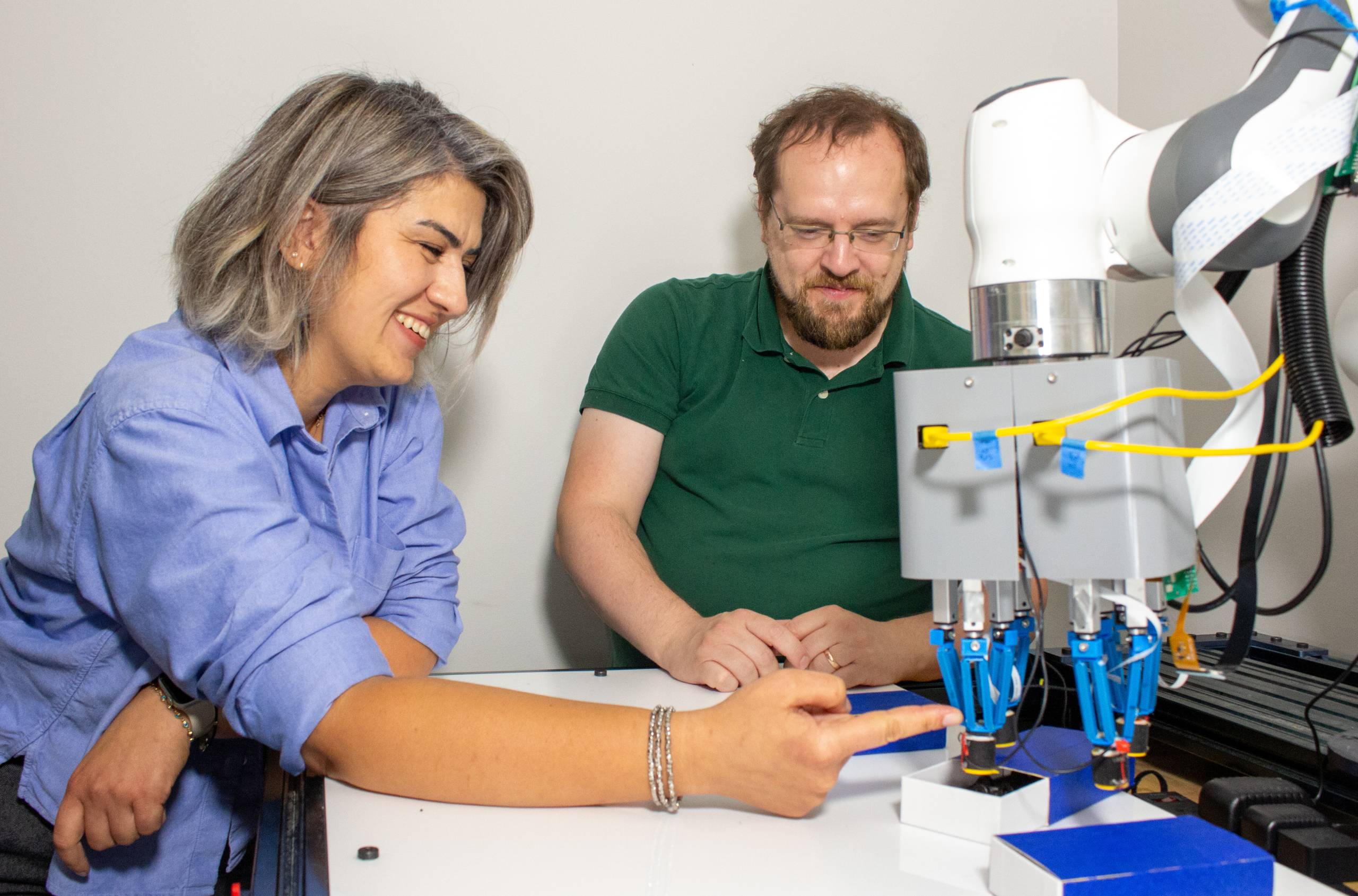
Carnegie Mellon Researchers Develop Innovative Robotic Fingertips for Delicate Manipulation
Researchers at Carnegie Mellon University's Kenneth C. Griffin School of Computer Science have designed a new type of robotic fingertip that integrates multiple senses to handle delicate objects. This innovation aims to enhance the capabilities of robotic home assistants, enabling them to perform tasks like picking up small items such as pills, which are challenging to grasp without damage. The significance of this development lies in its potential to improve dexterity in robotics, a critical area of research. According to Oliver Kroemer, an associate professor at the Robotics Institute, fine manipulation remains a significant challenge in the field. The new fingertips, inspired by human anatomy, are cost-effective and versatile, costing less than $100 each, compared to $800 for similar devices made from commercial products. Looking ahead, the research team plans to further enhance the robotic hand's capabilities by expanding the sensing technology beyond the fingertips. Their work was recently presented at the 2026 Intelligent Robots and Systems Conference in Pittsburgh, highlighting the ongoing advancements in robotic manipulation and the potential for future applications in home assistance.
Research
UC3M and UPNA Develop Advanced Soft Robotic Gripper for Object Manipulation
Professors at Universidad Carlos III de Madrid (UC3M) and Universidad Pública de Navarra (UPNA) have created a soft robotic gripper that can pick up, hold, and manipulate objects. This innovative gripper is designed to reposition items securely between its fingers without losing grip. The development of this soft robotic gripper is significant as it enhances the dexterity and functionality of robotic systems, making them more versatile in handling various objects. This advancement could lead to improved applications in fields such as logistics, manufacturing, and healthcare, where precise manipulation is essential. Looking ahead, the implications of this technology could reshape how robots interact with their environment. No further timeline was disclosed at the time of publication.
Robotics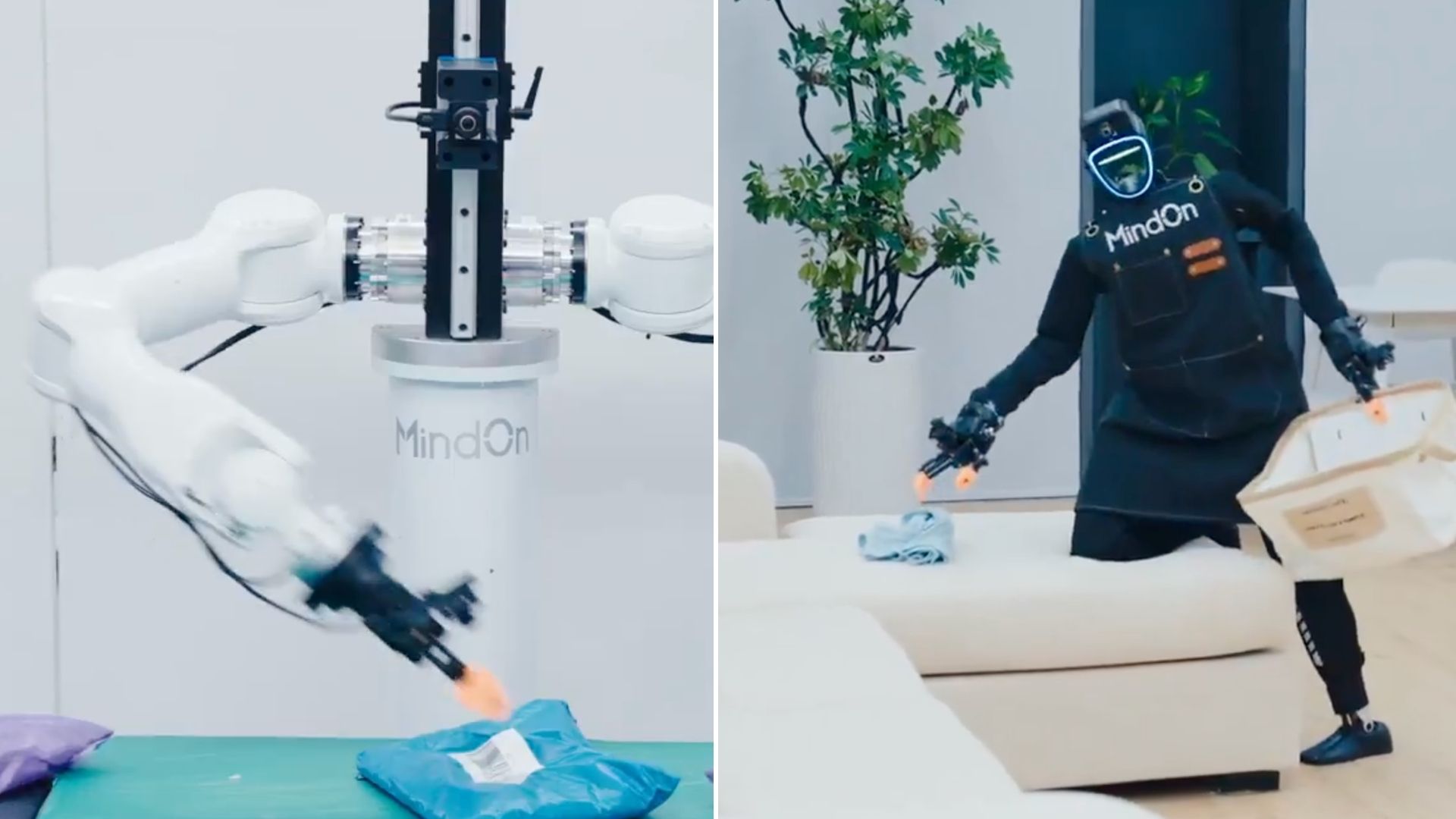
MindOn Introduces Mind-1 Model for Human-Speed Robotic Manipulation Tasks
MindOn has launched the Mind-1, a new AI model aimed at enabling robots to execute everyday manipulation tasks at human-level speeds. Demonstrated on September 30, the Mind-1 showcased robots handling parcels, folding shirts, and collecting laundry, all marked as 'Fully Autonomous' and operating at '1.0x Speed.' Rather than focusing on humanoid designs, MindOn emphasizes Mind-1 as an intelligence system adaptable to various robotic platforms. The significance of this development lies in MindOn's goal to enhance physical AI capabilities beyond mere task completion, targeting operational speeds suitable for real-world applications. The demonstration featured dual-arm robots managing parcels and folding clothing, while humanoid robots navigated through environments to collect laundry. MindOn's approach aims to create a universal intelligence model that integrates perception, reasoning, and action, moving away from task-specific models. Looking ahead, the industry will be keen to see if Mind-1's reported capabilities translate into sustained productivity in practical settings. While the demonstration highlighted the robots' speed, it did not provide quantitative comparisons with human performance, which are crucial for assessing the practical value of these robots in logistics and manufacturing environments. No further timeline was disclosed at the time of publication.
AI and Robotics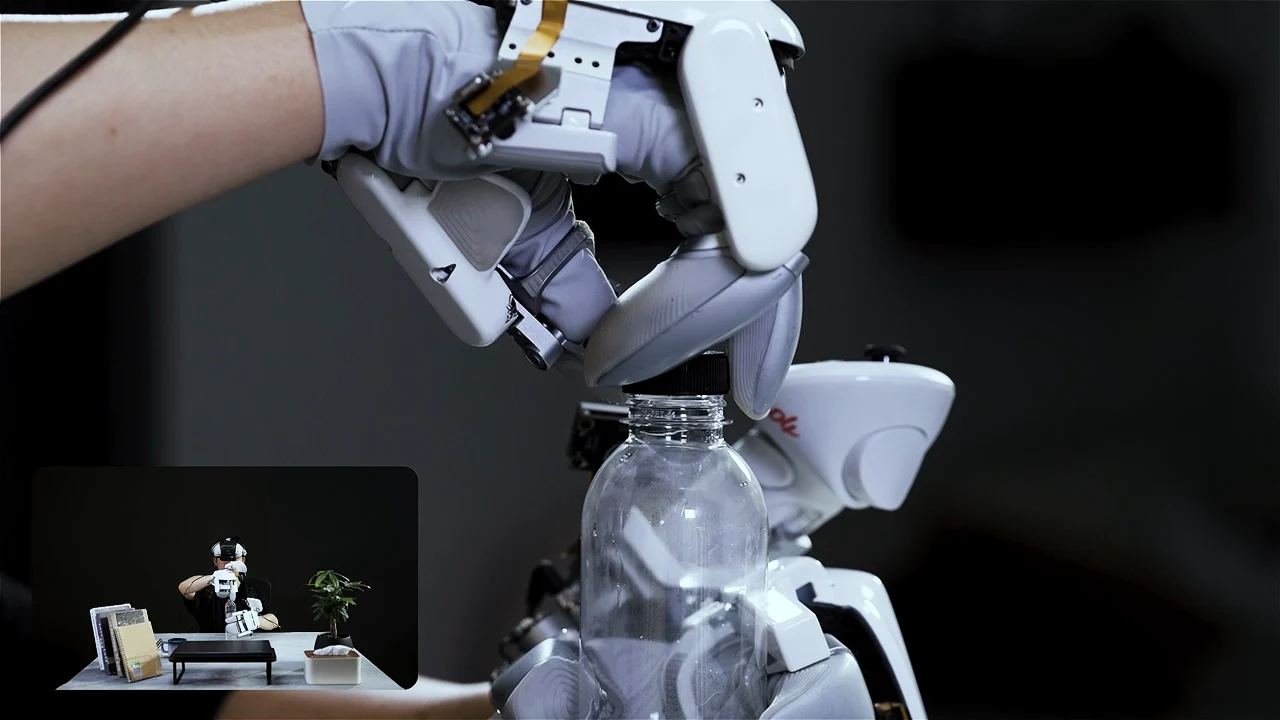
The Rise of Data Collection in Robotics: UMI and Its Impact on Manipulation Techniques
A new trend in robotics focuses on data collection for manipulation tasks, exemplified by projects like Sunday Robotics' Skill Capture Glove and X Square Robot's TwinDEX. These innovations aim to gather useful manipulation data without needing a complete robot for each demonstration, highlighting the significance of the Universal Manipulation Interface (UMI) introduced in 2024. The UMI's handheld gripper, which incorporates a GoPro, allows users to teach robots skills in everyday settings while leaving the robot behind. This approach emphasizes the importance of early engineering decisions regarding data collection methods, which can significantly influence the robot's learning process and overall performance. Looking ahead, the evolution of data collection tools like UMI and Dobb·E's “The Stick” will continue to shape how robots learn from human demonstrations. No further timeline was disclosed at the time of publication.
Data Collection Sunday Robotics Reward AI XSquare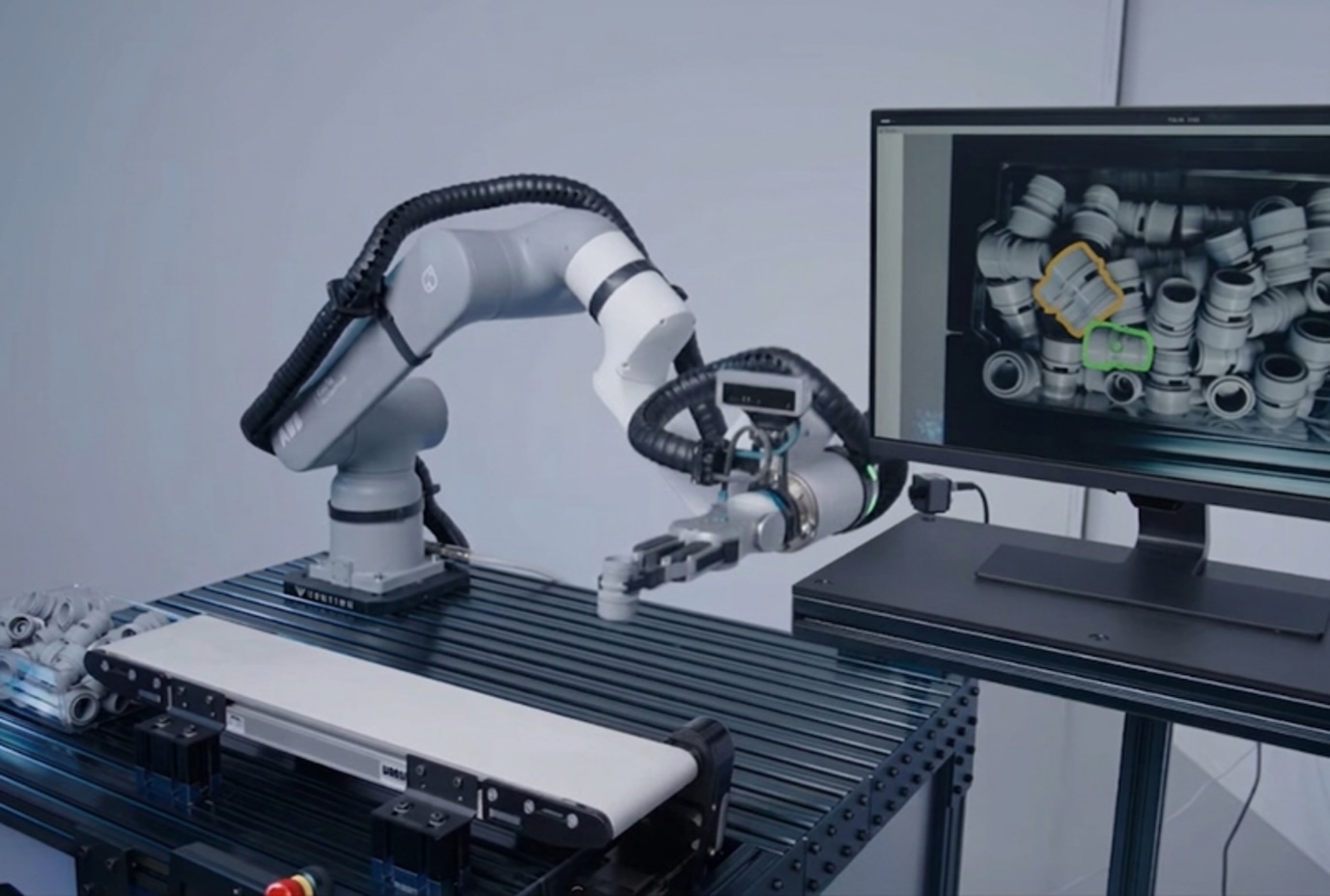
Vention Launches Physical AI Lab in Montreal to Advance Robotic Manipulation
Vention, a digital-first industrial automation platform, has inaugurated its physical AI lab in Montreal. This facility is spearheaded by Dr. Jimmy Li, Vention’s director of physical AI, with guidance from Dr. Joelle Pineau, chief AI officer at Cohere. The lab is dedicated to advancing robotic manipulation technologies tailored for manufacturing sectors such as industrial goods, electronics, and automotive production. The establishment of this lab is significant as it aims to enhance the capabilities of robotic systems in various manufacturing processes. By focusing on robotic manipulation, Vention seeks to improve efficiency and precision in production lines, which is crucial for industries that rely heavily on automation. The collaboration with experts in AI further underscores the lab's commitment to integrating cutting-edge technology into practical applications. Looking ahead, the lab's research initiatives are expected to yield innovative solutions that could transform manufacturing practices. Stakeholders will be keen to observe the developments from this facility, particularly in how it influences the adoption of robotics in industrial settings. No further timeline was disclosed at the time of publication.
Artificial Intelligence Digital Automation artificial intelligence canada computer vision griip
Addressing the Critical Gap in Robot Safety Assurance Amidst AI Manipulation Risks
Recent advancements in robotics highlight a significant gap in safety assurance, particularly concerning the integrity of data that guides robotic decisions. Traditional safety assessments may not adequately address the risks posed by adversarial manipulations of sensory inputs, which can redirect robot behavior without any apparent system failure. Research has shown that even subtle alterations in what a robot perceives can lead to significant deviations in its actions, raising concerns about the reliability of current safety protocols. The implications of these findings are profound, as they challenge the conventional understanding of robot safety. For instance, studies have demonstrated that backdoor attacks can manipulate a robot's actions based on hidden triggers, such as specific visual patterns or ordinary objects. This vulnerability underscores the necessity for enhanced validation processes that account for adversarial conditions, ensuring that robots remain within their operational and safety boundaries even when faced with manipulated inputs. Looking ahead, the development of simulation tools like NVIDIA Isaac Sim™ combined with VicOne Radeis offers a promising avenue for testing the effects of manipulated inputs prior to deployment. However, as highlighted by the recent UniPwn exploit affecting major robotic systems, even well-trained models can be compromised if the underlying system is vulnerable. No further timeline was disclosed at the time of publication.
Sponsored Content VicOne
Agile Robotics Partners with CRRC to Advance Dexterous Manipulation Technology in Industrial Applications
Agile Robotics has signed a technical framework agreement with a subsidiary of CRRC to explore the adaptation, verification, and iteration of dexterous manipulation technology in high-end equipment manufacturing. This collaboration marks a significant breakthrough for the relatively new company, providing access to complex industrial scenarios shortly after completing a multi-million yuan angel round funding. The partnership is crucial as it highlights the growing importance of practical applications over theoretical parameters in the dexterous manipulation industry. While many companies focus on degrees of freedom and complexity, the real challenge lies in creating reliable industrial devices that can operate continuously in factory settings. CRRC, a leader in rail transportation equipment manufacturing, exemplifies the complexities of China's manufacturing landscape, where automation solutions often face limitations. Agile Robotics has developed a product line that includes an 11-degree-of-freedom manipulator, which is now in small-batch production and being marketed. The company aims to meet real market demands while also advancing high-precision operations with a 23-degree-of-freedom product. The collaboration with CRRC may be just the beginning of a broader exploration into the practical applications of dexterous robotics in industrial environments.
Agile Robotics Industrial Automation High-End Equipment Manufacturing Robotic Technology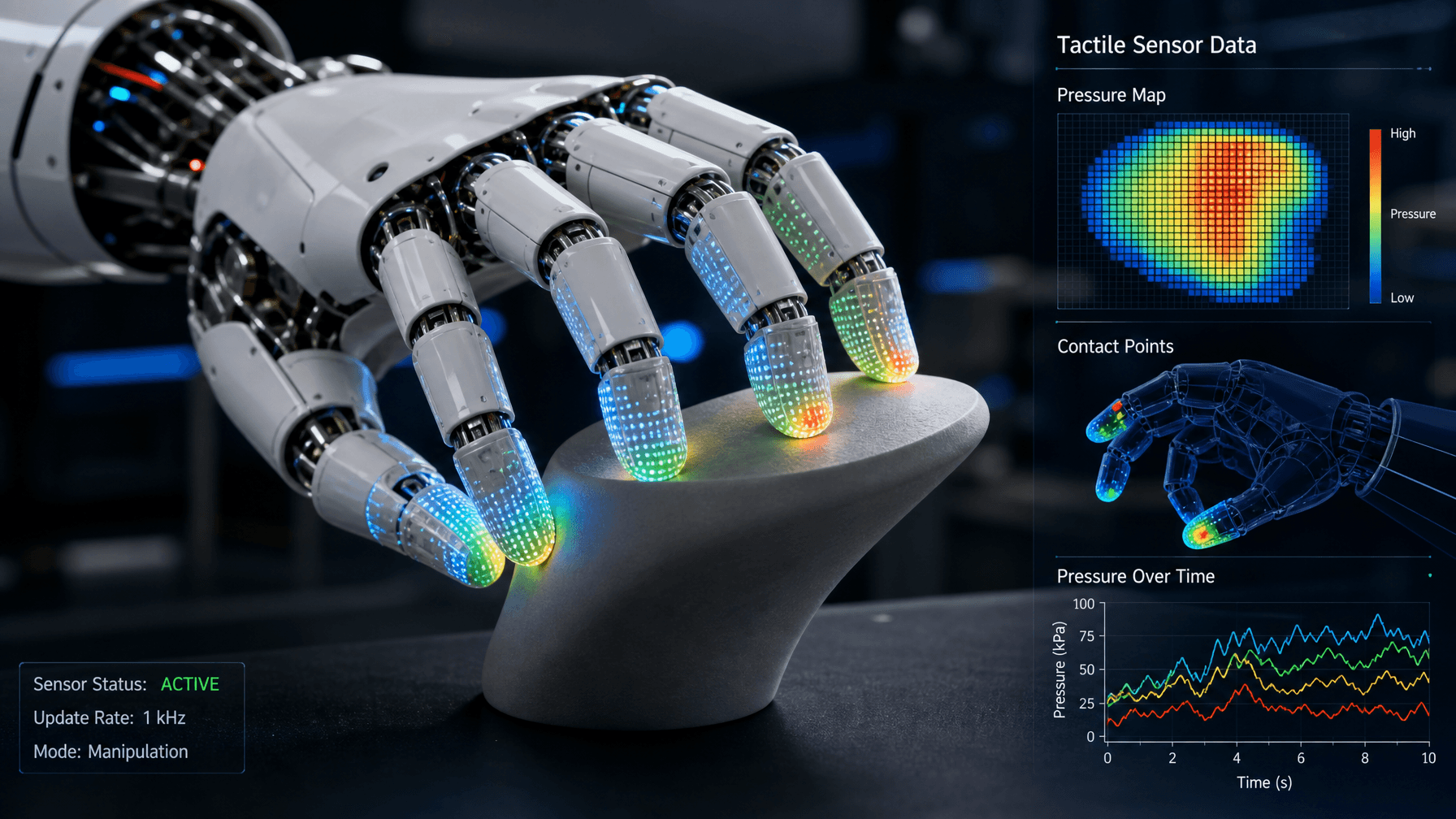
PHANES AI Launches TouchWorld Tactile Model for Enhanced Robot Dexterity
PHANES AI, established by 28-year-old Yang Shuo from HIT, has introduced TouchWorld, a tactile foundation model designed to enhance robotic manipulation capabilities. This model enables robots to perform precise physical tasks by incorporating a sense of touch, marking a significant advancement in robotic dexterity and interaction with their environment. The introduction of TouchWorld is significant as it allows robots to predict and react to tactile stimuli, which is crucial for applications requiring fine motor skills. This development could lead to improved performance in various sectors, including manufacturing and healthcare, where dexterous manipulation is essential for tasks such as assembly or surgical procedures. Looking ahead, the impact of TouchWorld on the robotics industry will be closely monitored, particularly regarding its adoption in real-world applications. No further timeline was disclosed at the time of publication, but the potential for this technology to transform robotic capabilities is substantial.
Technology
University of Hong Kong Develops RoboDojo, a Benchmarking Platform for Robotic Manipulation
The University of Hong Kong's Multimedia Laboratory has developed 'RoboDojo,' a comprehensive platform for assessing robotic manipulation in both simulated and real-world settings. This initiative, led by Professor Ping Luo and Ph.D. student Tianxing Chen, involved collaboration with researchers from nearly 20 prestigious universities worldwide, including the University of California, Berkeley, and Tsinghua University. RoboDojo is significant as it aims to standardize the evaluation of embodied AI, providing a unified framework that can enhance the development and testing of robotic systems. The collaborative effort underscores the importance of international partnerships in advancing technology and research in the field of robotics. Looking ahead, the implications of RoboDojo could influence future research and development in robotic manipulation. The project has been documented in a paper available on the arXiv preprint server, indicating ongoing interest and potential for further advancements in this area. No further timeline was disclosed at the time of publication.
Robotics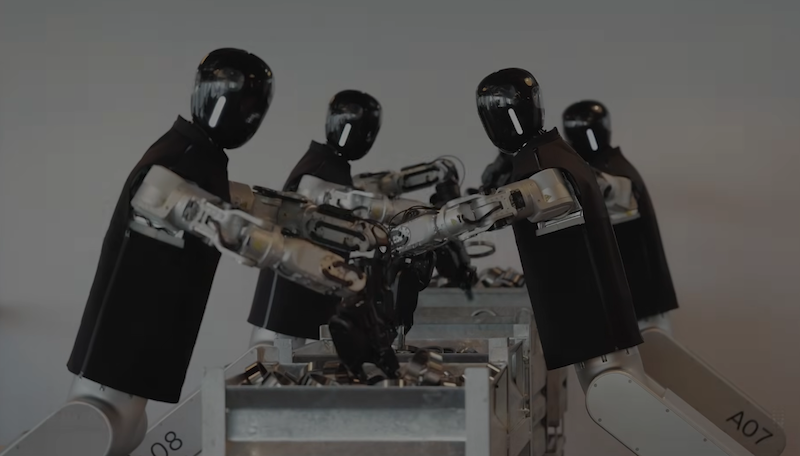
UK startup Humanoid launches reinforcement learning system to improve robot manipulation
UK-based robotics and AI company Humanoid has introduced KinetIQ Ascend, the company’s reinforcement learning approach designed to reach 99.9 percent manipulation reliability at human speed and beyond. KinetIQ Ascend builds on the previously announced KinetIQ platform with trial-and-error learning, helping the company’s robots improve directly on industrial tasks. The new system was tested on several […]
Computing Humanoids News artificial intelligence automation embodied ai
Cobot’s Proxie Gen 2 robot adds autotasking, mobile manipulation
Cobot, led by founder and CEO Brad Porter, has unveiled its latest innovation, the Proxie Gen 2 robot, which enhances automation capabilities in material handling. This advanced robot is designed to autonomously assess when materials are ready for transport, pinpoint their destinations, and generate tasks without the need for human oversight. The introduction of Proxie Gen 2 marks a significant step forward in mobile manipulation technology, aiming to streamline operations in various industries. This development reflects Cobot's commitment to advancing robotic solutions that improve efficiency and reduce reliance on manual labor.
Artificial Intelligence Artificial Intelligence / Cognition Autonomous Mobile Robots (AMRs) Design / Development Healthcare Robotics Logistics
Interview with Sharpa’s Alicia Veneziani: ‘Dexterous manipulation is the key to useful humanoid robots’
Recent advancements in humanoid robotics have captivated audiences with remarkable demonstrations of walking, running, jumping, and balancing. However, experts in the field caution that while locomotion is a significant aspect, it is not the only challenge facing the development of practical humanoid robots. Many robotics specialists emphasize that the greater hurdle lies in replicating human-like cognitive abilities and social interactions, which are essential for these machines to be genuinely useful in everyday environments. As researchers continue to push the boundaries of technology, the focus is shifting towards enhancing the cognitive and emotional intelligence of robots, which could ultimately determine their effectiveness in real-world applications.
Design Features Humanoids ai robotics Alicia Veneziani automation news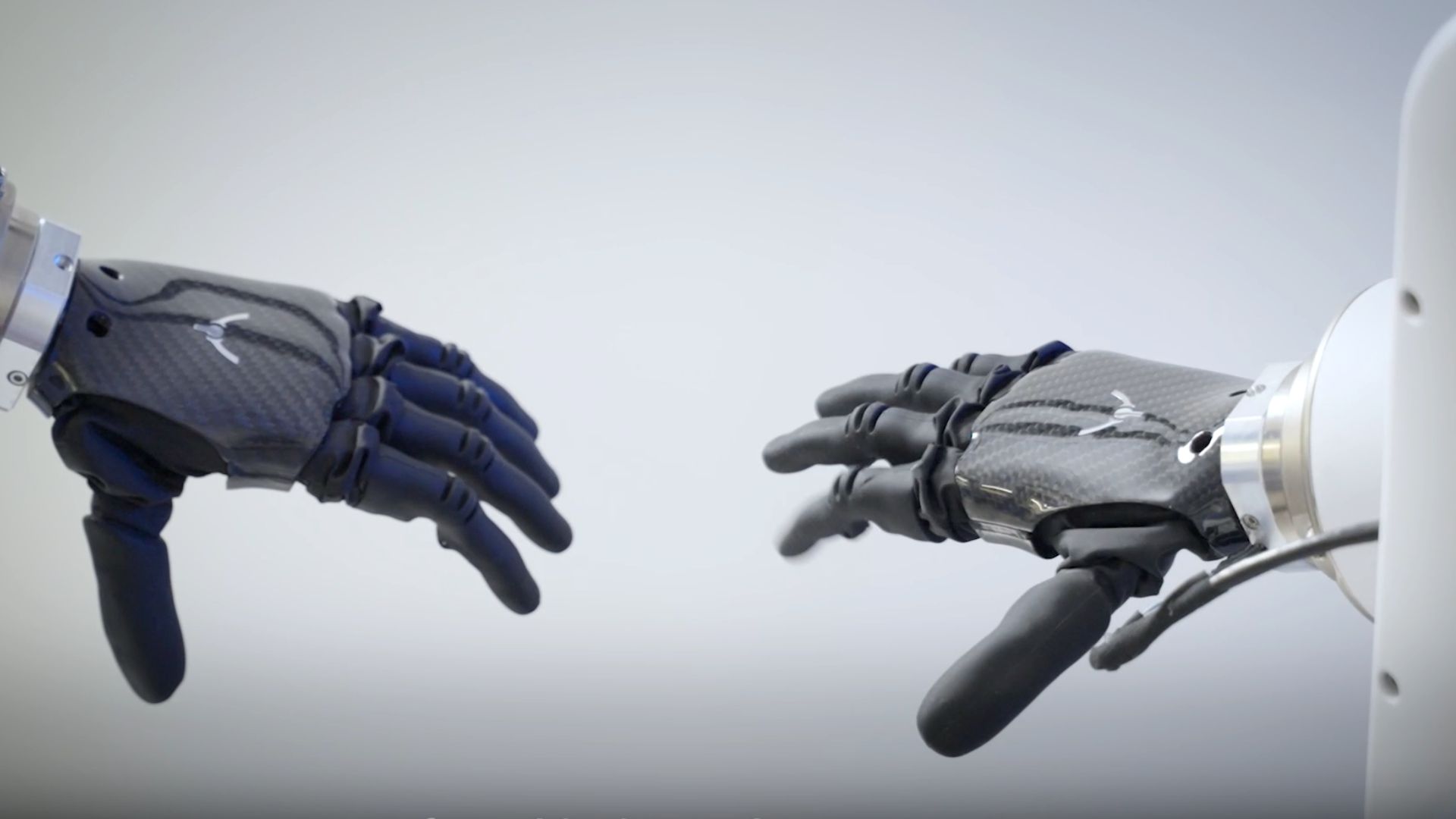
Prosthetic hands’ data helps robots get finer control for precise manipulation
ABB Robotics has announced a collaboration with California-based bionic company PSYONIC to enhance the development of more dexterous robotic systems. This partnership aims to leverage PSYONIC's expertise in bionic technology to create advanced robotic solutions that can perform intricate tasks with greater precision and adaptability. The initiative is part of ABB's ongoing commitment to innovation in robotics, seeking to address the growing demand for versatile robotic applications across various industries. The collaboration was officially unveiled in October 2023, marking a significant step forward in the integration of bionic technology into robotic systems. By combining their strengths, both companies hope to push the boundaries of what is possible in robotic dexterity, ultimately improving efficiency and productivity in sectors such as manufacturing, healthcare, and beyond.
AI and Robotics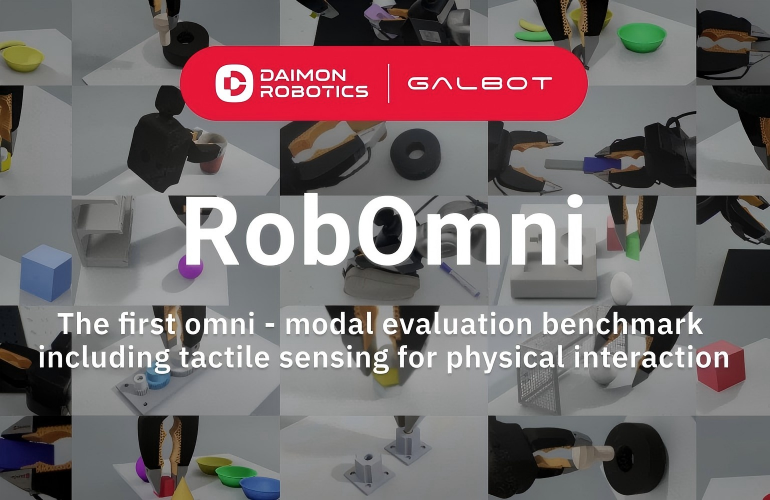
Daimon Robotics and Galbot jointly launches RobOmni for benchmarking tactile perception and dexterous manipulation
Daimon Robotics and Galbot have announced the launch of RobOmni, a new platform designed to benchmark tactile perception and dexterous manipulation in the field of embodied AI. This development marks a significant shift from traditional vision-centric approaches to a more comprehensive understanding of physical interactions. The collaboration aims to enhance the capabilities of robots in performing complex tasks that require fine motor skills and sensitivity to touch. The launch event took place recently, highlighting the growing importance of tactile feedback in robotics and its applications across various industries. By integrating advanced tactile sensing technologies, RobOmni is set to provide researchers and developers with the tools needed to push the boundaries of robotic dexterity and perception.
Sponsored Content
Robot Talk Episode 159 – Robot sensing and manipulation, with Maria Koskinopoulou
Claire recently engaged in a conversation with Maria Koskinopoulou, an Assistant Professor in Robotics and Computer Vision at Heriot-Watt University, regarding the advancements in autonomous robotic manipulators. The discussion highlighted the applications of these technologies in various fields, including surgery and industry. Koskinopoulou, who co-leads the ARM²Lab—focused on Autonomous Robotic Manipulation and Multi-Agent Systems—alongside Ignacio Carlucho, shared insights into her research interests and the potential impact of robotics on future innovations. The dialogue underscores the growing significance of robotics in enhancing efficiency and precision across multiple sectors.

New humanoid robot brings advanced perception and manipulation to industrial droids
A Vietnamese technology company has introduced its newest humanoid robot, the VR-H3, during the IEEE International Conference on Robotics and Automation held in Paris. The unveiling took place on May 23, 2023, showcasing the company's commitment to advancing robotics and artificial intelligence. The VR-H3 is designed to assist in various tasks, including healthcare support and customer service, reflecting the growing demand for automation in diverse sectors. This innovation aims to enhance efficiency and improve service delivery, addressing labor shortages and increasing productivity. The development of the VR-H3 involved extensive research and collaboration with experts in robotics, highlighting the company's dedication to integrating cutting-edge technology into practical applications.
China’s new robotic hand combines hybrid actuation for smarter robot manipulation
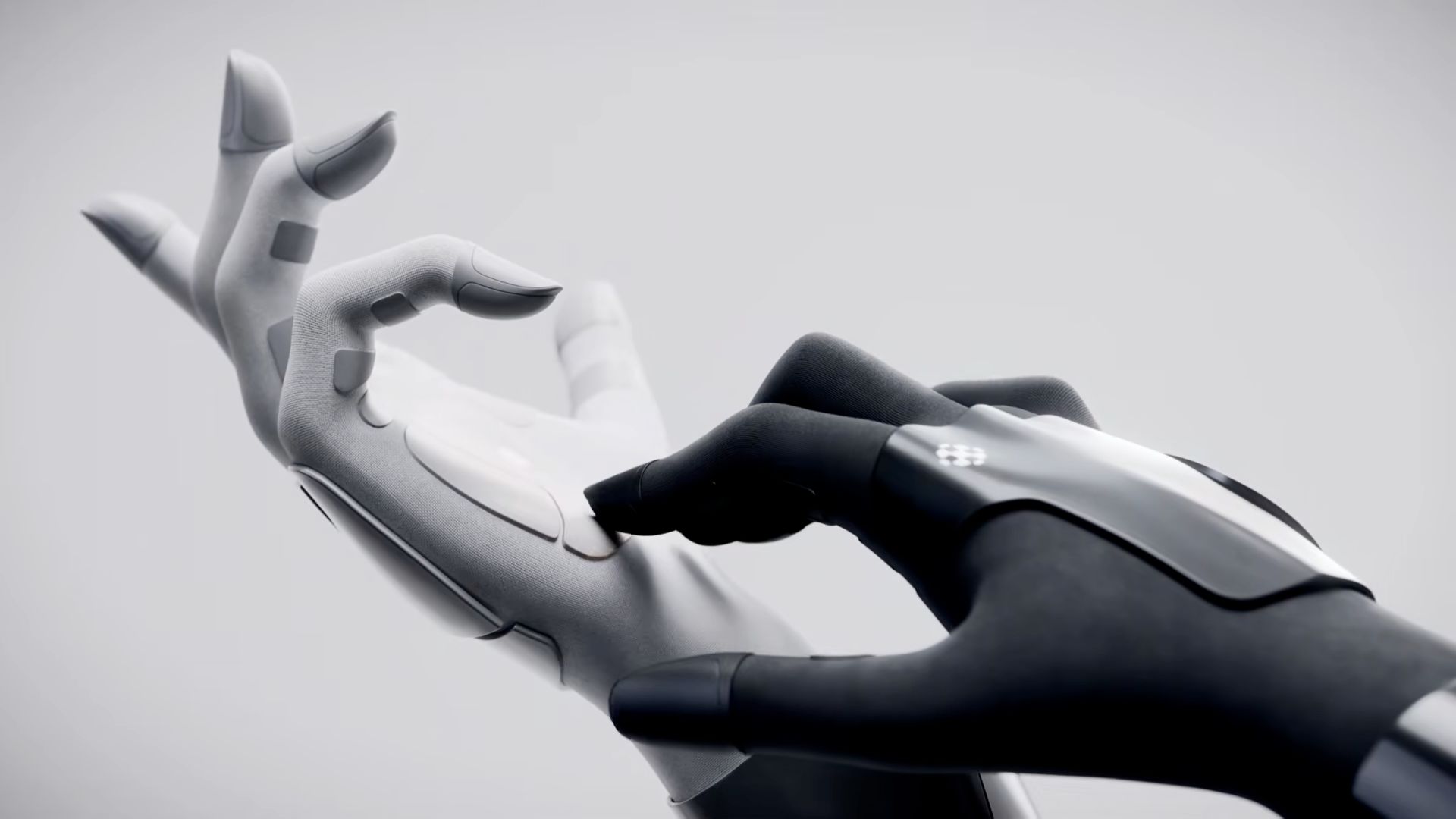
Chinese robotics company Xynova has introduced its second-generation dexterous hand, designed to enhance the capabilities of humanoid robots. The unveiling took place recently, showcasing advancements in robotic technology that aim to improve the dexterity and functionality of robots in various applications. This innovation is part of Xynova's ongoing commitment to push the boundaries of robotics, addressing the growing demand for more sophisticated and versatile robots in industries such as manufacturing, healthcare, and service. The new hand features improved grip strength and precision, enabling robots to perform complex tasks with greater ease. By advancing robotic dexterity, Xynova seeks to facilitate the integration of humanoid robots into everyday environments, ultimately enhancing human-robot collaboration.

Locus Robotics Acquires Nexera Robotics, Advancing a Patented Breakthrough in Mobile Manipulation
Locus Robotics has announced its acquisition of Vancouver-based Nexera Robotics, a move aimed at enhancing its capabilities in mobile manipulation. The acquisition, revealed on May 19, 2026, will integrate Nexera's patented NeuraGrasp™ technology into Locus's existing AI platform, significantly expanding the range of SKUs that the Locus Array can autonomously handle. This advancement is expected to open new categories and improve efficiency in warehouse operations, addressing challenges that have historically limited robotic picking capabilities. Rick Faulk, CEO of Locus Robotics, emphasized the importance of AI-driven mobile manipulation for the future of warehouse robotics, stating that the ability to efficiently grasp a wide variety of inventory is crucial for creating value in the coming decade. The NeuraGrasp™ technology combines AI intelligence, sensory inputs, and computer vision, allowing a single gripper to adapt to various item characteristics, thereby enhancing reliability in real-world warehouse conditions. The acquisition follows the successful launch of Locus Array at MODEX 2026, where it garnered significant market interest and recognition as a top innovation. With Nexera now wholly owned by Locus Robotics, the integration of NeuraGrasp™ is expected to accelerate the company's growth and broaden its market reach, positioning it at the forefront of the autonomous fulfillment industry.
Video: Genesis’ smart robotic brain enables human-level manipulation and scalable training
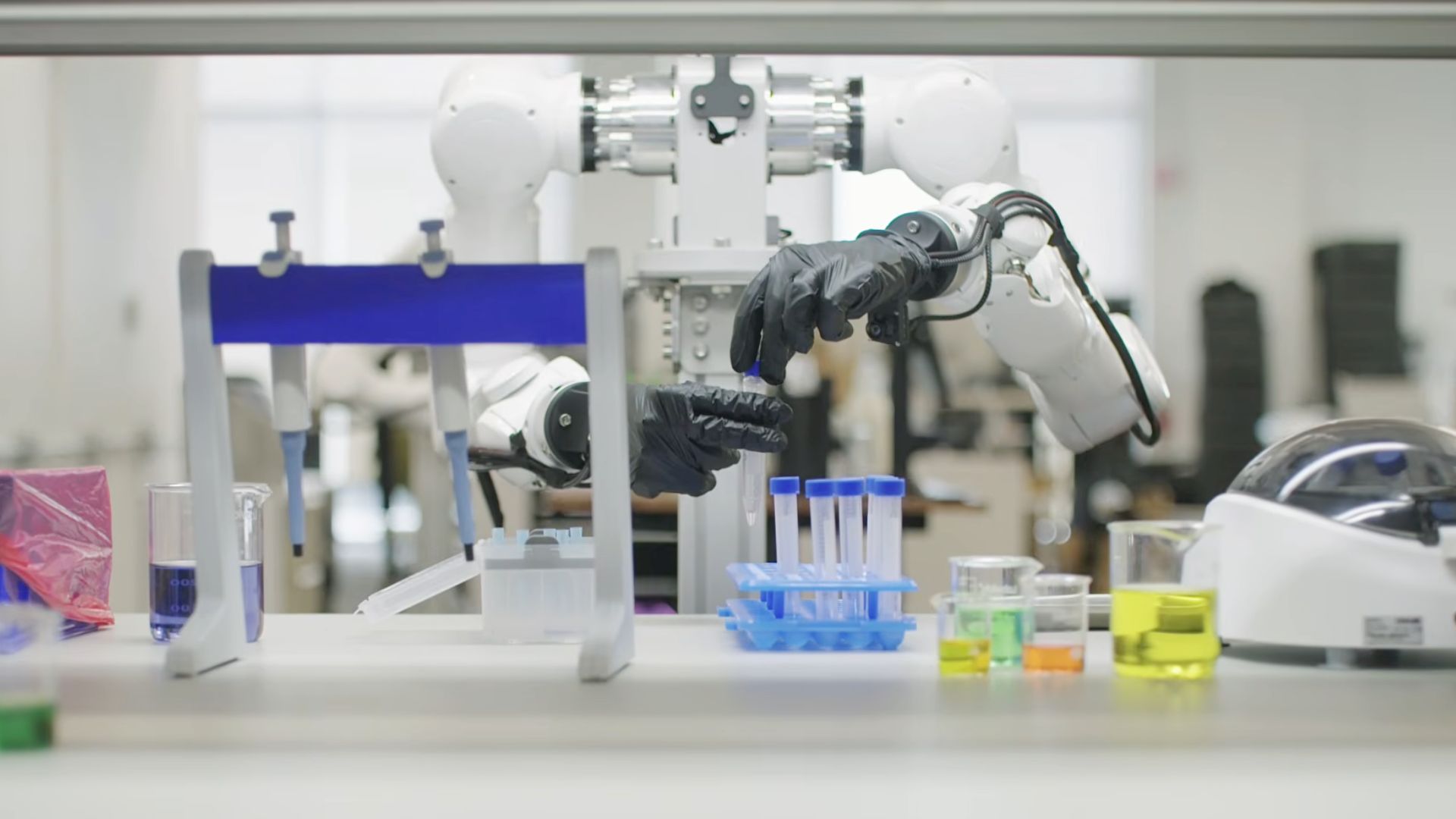
Genesis AI has introduced GENE-26.5, an advanced robotic brain aimed at enabling robots to achieve human-level physical capabilities. The announcement was made during a technology conference held in San Francisco on October 15, 2023. This innovative development is part of Genesis AI's ongoing efforts to enhance robotic functionality and adaptability in various environments. By integrating sophisticated algorithms and machine learning techniques, GENE-26.5 is designed to improve robots' dexterity and decision-making processes, potentially transforming industries such as manufacturing, healthcare, and logistics. The launch of GENE-26.5 reflects the company's commitment to pushing the boundaries of artificial intelligence and robotics, paving the way for more intuitive and efficient machines that can work alongside humans.
Replacing Grasping with Support: EPFL Team Proposes a New Paradigm for Robot Manipulation
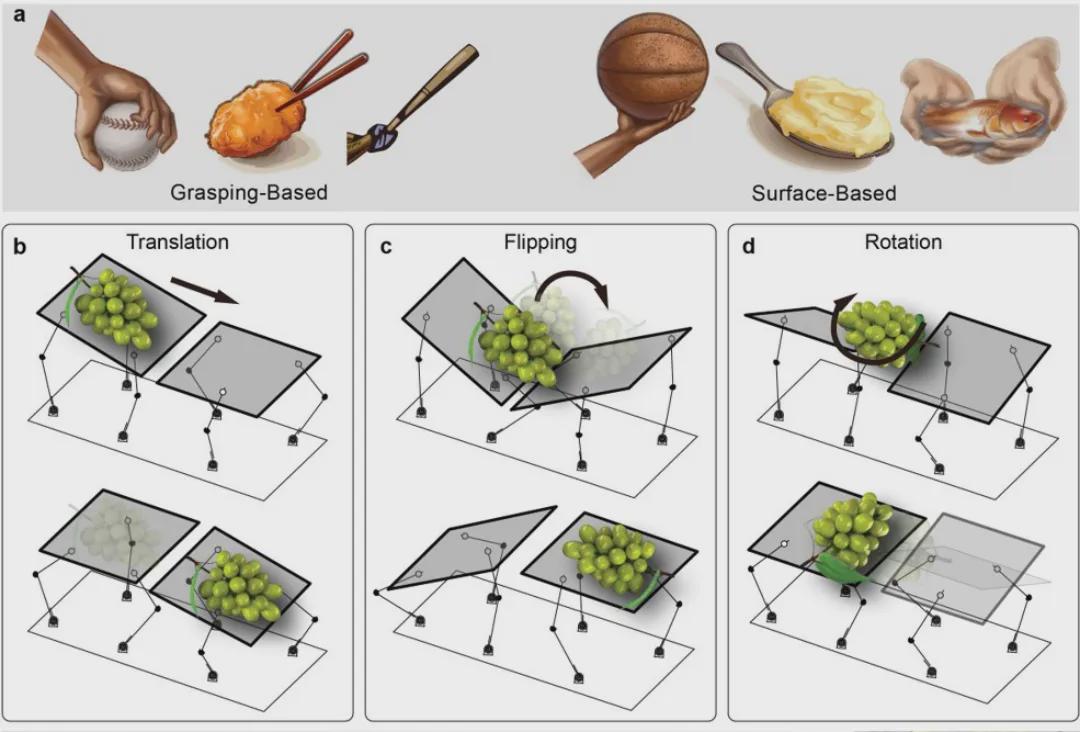
Researchers from the École Polytechnique Fédérale de Lausanne (EPFL) have unveiled a groundbreaking robotic manipulation technique that moves away from conventional grasping methods to a surface-based support system. This new approach enables robots to interact with a wide range of objects without requiring stable grips, significantly improving their dexterity. The development, announced recently, has the potential to transform automation processes across multiple industries, enhancing efficiency and versatility in robotic applications. By allowing robots to manage objects more fluidly and adaptively, this innovation could lead to advancements in fields such as manufacturing, logistics, and service industries.
Robotic Manipulation Automation Technology Surface-Based Handling EPFL Research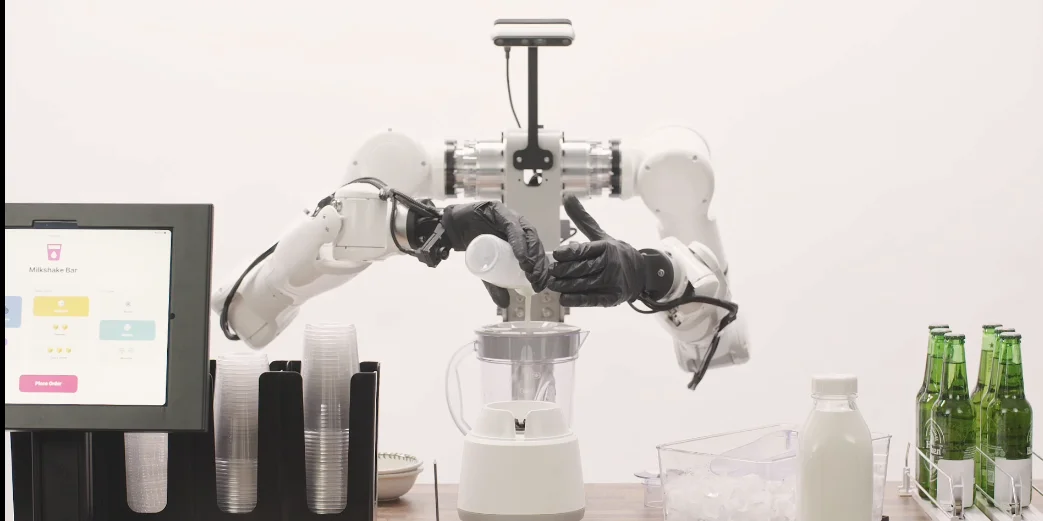
Genesis AI Unveils Foundation Model, Hand & Data Collection System to Develop Human-Level Physical Manipulation for Robotics
Genesis AI has introduced a groundbreaking robotics foundation model named GENE-26.5, accompanied by a proprietary robotic hand and a data collection system aimed at enhancing the ability of robots to learn complex physical tasks by observing human behavior. This innovative system seeks to tackle the challenges associated with gathering substantial amounts of usable training data necessary for teaching robots to perform intricate tasks effectively. The unveiling of GENE-26.5 marks a significant advancement in the field of robotics, as it promises to streamline the learning process for robots, making them more adept at mimicking human actions.
AI AI Use Cases Robotics Eclipse Eric Schmidt Foundation AI Model for Robotics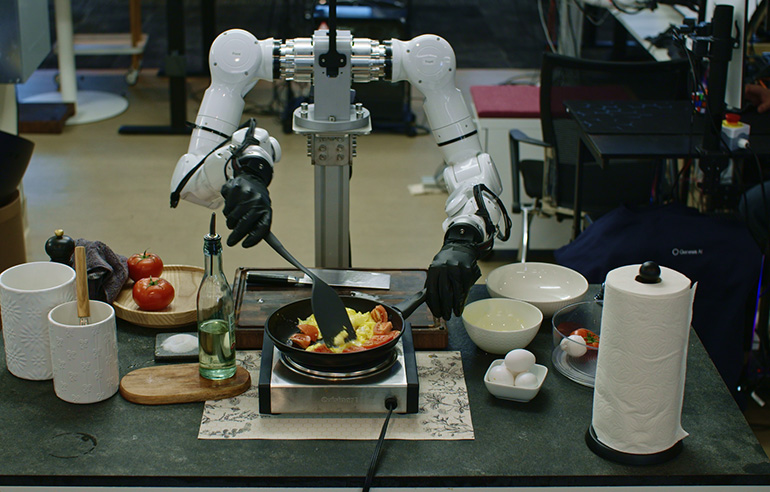
Genesis AI introduces GENE-26.5 model for more dexterous robot manipulation
Genesis AI has unveiled its latest innovation, the GENE-26.5 foundation model, which incorporates an advanced data engine alongside a proprietary robotic hand designed to enhance dexterity in robotic manipulation. This development aims to push the boundaries of robotic capabilities, enabling more precise and versatile movements. The introduction of the GENE-26.5 model marks a significant advancement in the field of robotics, reflecting the company's commitment to leveraging cutting-edge technology to improve robotic functionality. The announcement was made recently, highlighting the potential applications of this model in various industries where enhanced manipulation is crucial.
Arms / Manipulators Artificial Intelligence Artificial Intelligence / Cognition End Effectors / Grippers Grippers Humanoids
Genesis AI Unveils GENE-26.5, the First AI Brain to Enable Robots with Human-Level Physical Manipulation Capabilities
Genesis AI has unveiled a groundbreaking robotic foundation model that integrates an advanced data engine with a proprietary dexterous robotic hand, marking a significant advancement in robotics. The company showcased this innovation through a video released today, highlighting unprecedented complexity in robotic tasks. This development aims to enhance the capabilities of robots, positioning them as the most sophisticated machines ever created. By leveraging cutting-edge technology, Genesis AI seeks to revolutionize the field of robotics and expand the potential applications of these advanced systems.
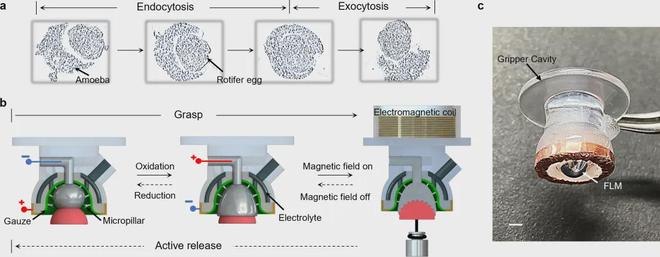
New Record in Robotic Micro-Manipulation: 42G Ejection and Precision Control Across 14 Orders of Magnitude
A team of researchers has unveiled a revolutionary liquid metal universal gripper (LiMU) that boasts exceptional manipulation capabilities, achieving a record ejection speed of 42G. This cutting-edge technology can handle a wide range of objects, from picograms to hundreds of grams, making it suitable for delicate tasks across various environments. The development of LiMU represents a significant advancement in robotic manipulation, potentially transforming industries that require precision handling of fragile materials.
Robotic Grippers Micro-Manipulation Liquid Metal Technology Adaptive Robotics
The Gearbox Trap: Origami Robotics and 1X Clash Over the Future of Manipulation
Origami Robotics has released a technical critique highlighting that high-ratio gearboxes are a significant barrier to achieving greater dexterity in robotics. This assertion has led to an unusual hardware disclosure from Bernt Børnich, the CEO of 1X, who responded to the critique. The discussion surrounding this issue is particularly timely, as advancements in robotics are increasingly sought after in various industries. The critique emphasizes the need for innovation in gearbox technology to enhance robotic performance and functionality, suggesting that overcoming this bottleneck could lead to substantial improvements in robotic applications. Børnich's hardware reveal aims to address these concerns and showcase potential solutions to the challenges identified by Origami Robotics.
Origami Robotics 1X-technologies Scott Walter hand hands Bernt Børnich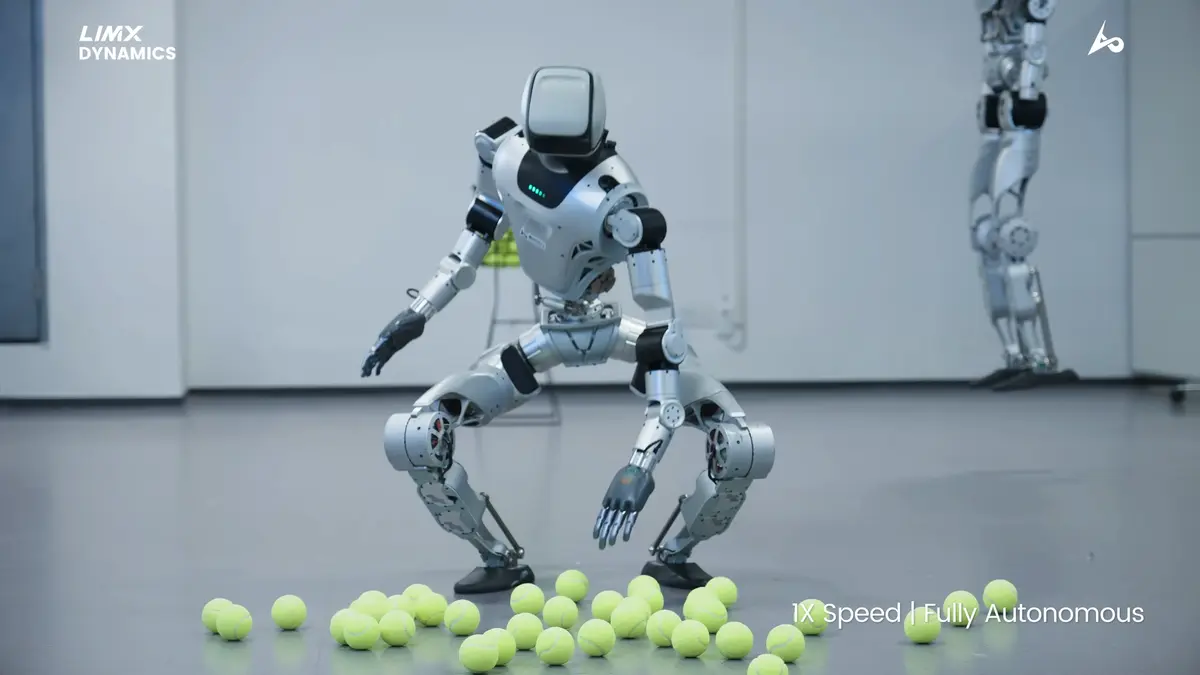
LimX Dynamics’ New Humanoid Robot Demonstrates a Rare Skill: Autonomous Loco-Manipulation
Shenzhen-based startup LimX Dynamics has unveiled a video showcasing its latest humanoid robot, Oli, demonstrating advanced capabilities in whole-body loco-manipulation. In the demonstration, Oli autonomously identifies a tennis ball, navigates towards it, and successfully picks it up. This innovative feat highlights a significant advancement in robotic technology, as such complex skills are rarely seen in contemporary humanoid robots. The release of this video marks a notable moment for the company, emphasizing its commitment to pushing the boundaries of robotics and automation.
LimX Dynamics Oli Loco-Manipulation humanoid-robot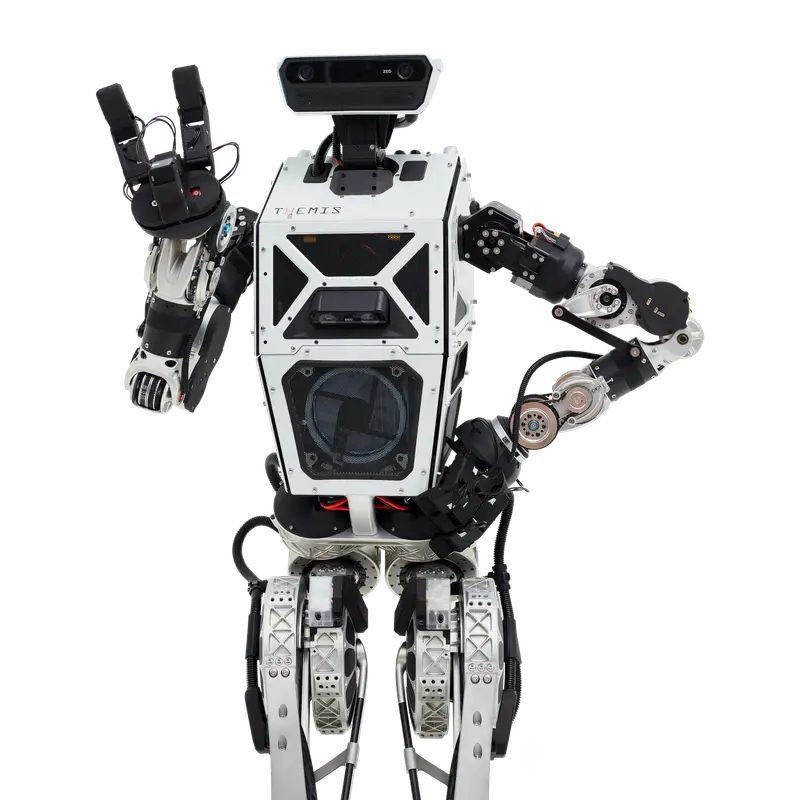
Westwood Robotics Details Agile THEMIS V2 Humanoid with Advanced Manipulation
Westwood Robotics has unveiled its latest humanoid robot, the THEMIS V2, designed to operate in challenging work environments. Standing at 1.6 meters tall, the robot boasts 40 degrees of freedom (DoF) and is equipped with proprietary BEAR actuators that enable agile and compliant movements. The upgraded model features enhanced 6-DoF arms and 7-DoF hands, allowing for greater dexterity and functionality. Incorporating advanced artificial intelligence processing and stereo vision capabilities, THEMIS V2 is engineered to perform complex tasks efficiently. Additionally, the robot is designed with hot-swappable batteries, ensuring minimal downtime during operation. This innovative technology aims to meet the increasing demand for versatile robotic solutions in various industries, highlighting Westwood Robotics' commitment to pushing the boundaries of robotic capabilities.
themis-v2 westwood-robotics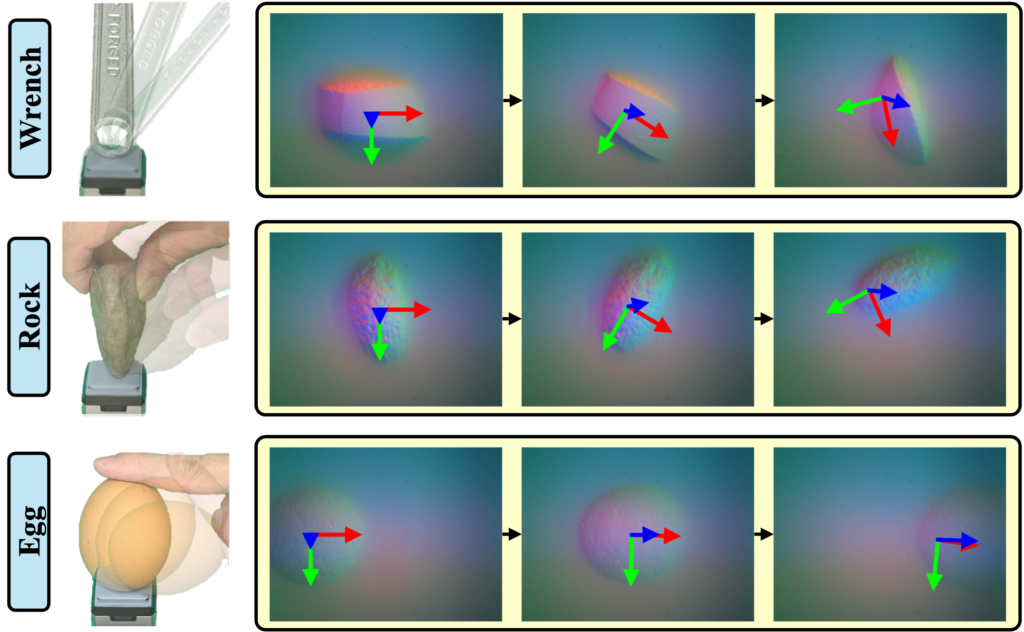
Innovative Algorithm Enhances Robot Tracking for High-Precision Manipulation Tasks
Researchers at Carnegie Mellon University's Robotics Institute are making strides in enhancing robotic capabilities with the development of an innovative algorithm designed to improve tracking for high-precision manipulation tasks. This advancement is particularly significant as it addresses the challenges robots face when handling a diverse range of low-texture objects, which require human-level dexterity for effective manipulation and reconstruction. The work, led by a Ph.D. student, aims to push the boundaries of current robotic tactile sensing technologies. By refining the algorithms that govern how robots perceive and interact with their environment, the team hopes to facilitate more accurate and versatile robotic applications in various fields. This breakthrough could pave the way for robots to perform complex tasks that demand a high degree of precision, ultimately revolutionizing the way robots are utilized in industries that rely on intricate object handling.
Research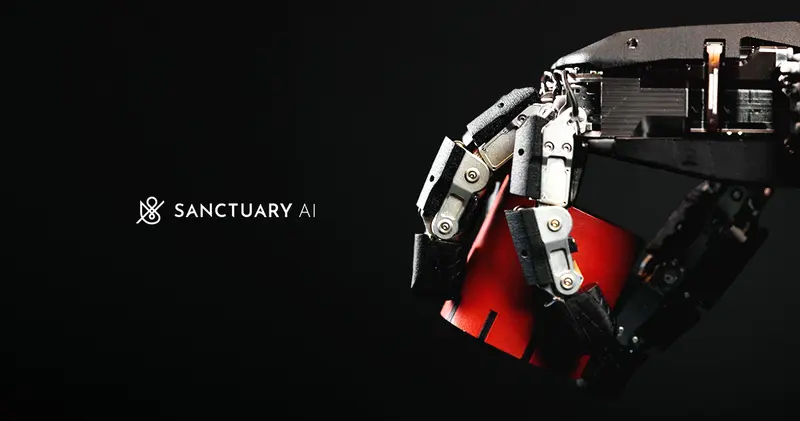
Sanctuary AI Touts Reinforcement Learning Success for Dexterous Robot Hand Manipulation
Sanctuary AI has showcased its advanced robotic hand, featuring hydraulically actuated five fingers, successfully executing in-hand object reorientation. This demonstration took place recently, highlighting the company's innovative approach to robotics. The robotic hand utilized a reinforcement learning policy that was initially trained in a simulated environment, achieving a notable sim-to-real transfer even when subjected to an unexpected load of 500 grams. Sanctuary AI credits this accomplishment to its proprietary reinforcement learning techniques and the sophisticated design of its high-degree-of-freedom hand hardware, marking a significant milestone in the development of robotic manipulation capabilities.
phoenix sanctuary-aiRobotics needs a service framework.
RSF defines a common language for robot service capability, lifecycle operations, certification pathways, and service-provider networks.
Join the RobotToday community on LinkedIn
Daily robotics news, in-depth analysis, conference highlights, and discussions with professionals worldwide.