Industry Briefing
A single destination for timely, editor-curated robotics news from around the world.
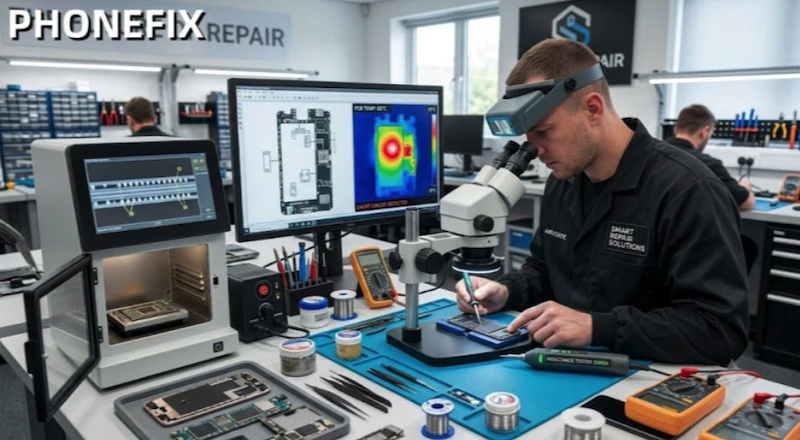
The Ultimate Bench Blueprint: Essential Phone Repair Tools for Beginners 2026
In 2026, the smartphone hardware landscape has undergone a significant transformation, making repairs far more complex than in previous years. Major manufacturers such as Apple, Samsung, and Google have developed flagship devices that resemble intricate puzzles, requiring advanced technical skills to disassemble. Unlike earlier models that allowed for simple component swaps using basic tools, today's smartphones are secured with specialized, microscopic screws and feature multi-layered logic boards, along with robust waterproof gaskets. This evolution in design reflects a growing emphasis on security and durability, posing challenges for consumers and repair technicians alike. As a result, the process of fixing a smartphone has shifted from straightforward DIY repairs to a more complicated endeavor, often necessitating professional assistance.
Engineering Industry automation news consumer electronics diagnostic tools DIYFIXTOOL
Tesla's Optimus Robots to Support Starmind Satellite Production, Not Maintenance
Tesla's Optimus robots will not be used to repair Starmind satellites in orbit, as confirmed by recent statements from Elon Musk. Instead, these robots are intended to assist in the construction and operation of the Terafab chip manufacturing facility in Texas. The AI1 satellites, designed to disintegrate upon reentry, highlight the company's swap-and-replace strategy rather than traditional maintenance practices. This approach is significant as it reflects a broader trend in satellite management, where mass-produced satellites are replaced rather than repaired. The economics of servicing missions are prohibitive, with the cost of launching a replacement satellite being significantly lower than conducting a repair mission. This model aligns with SpaceX's operational history, where rapid replacement of satellites is more efficient than attempting to maintain them in orbit. Looking ahead, the focus will remain on the production capabilities of the Gigasat factory, which is expected to support the continuous replacement of satellites. No further timeline was disclosed at the time of publication, but the demand for rapid satellite turnover suggests a robust future for Optimus robots in terrestrial manufacturing rather than in-space servicing.
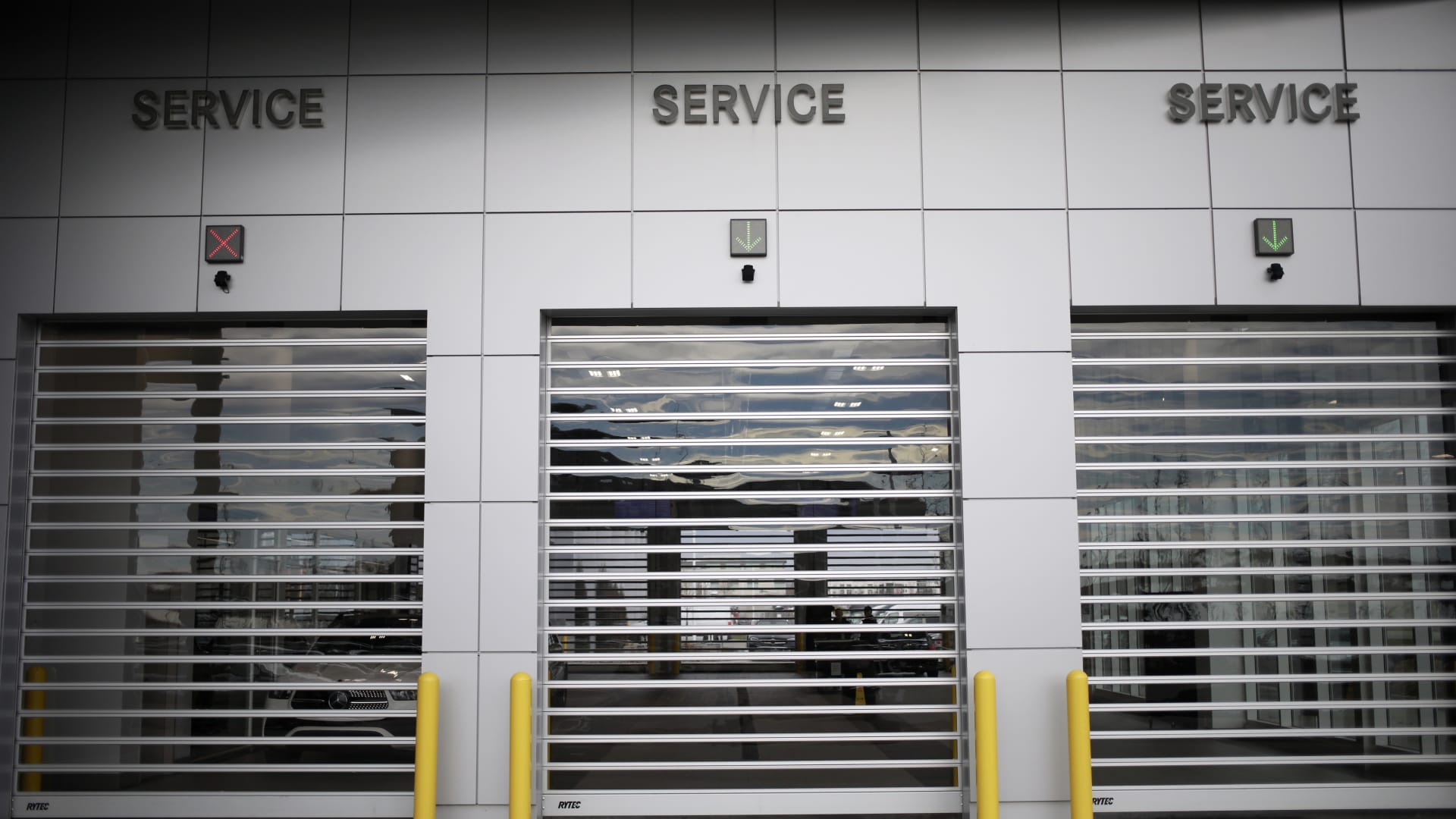
From car and phone to tractor owners, a populist wave is rising to end the 'captive' repair economy
Political candidates throughout the United States are increasingly incorporating "right to repair" legislation into their platforms as part of their affordability messaging. This movement, gaining traction ahead of upcoming elections, aims to empower consumers by allowing them to repair their own devices and equipment rather than relying solely on manufacturers. Advocates argue that such legislation would not only reduce costs for consumers but also promote sustainability by extending the lifespan of products. As candidates seek to resonate with voters concerned about rising expenses, the push for right to repair is becoming a focal point in their campaigns. The growing public interest in this issue reflects a broader demand for consumer rights and economic fairness in the face of corporate practices.
Robotics needs a service framework.
RSF defines a common language for robot service capability, lifecycle operations, certification pathways, and service-provider networks.
Join the RobotToday community on LinkedIn
Daily robotics news, in-depth analysis, conference highlights, and discussions with professionals worldwide.