Industry Briefing
A single destination for timely, editor-curated robotics news from around the world.
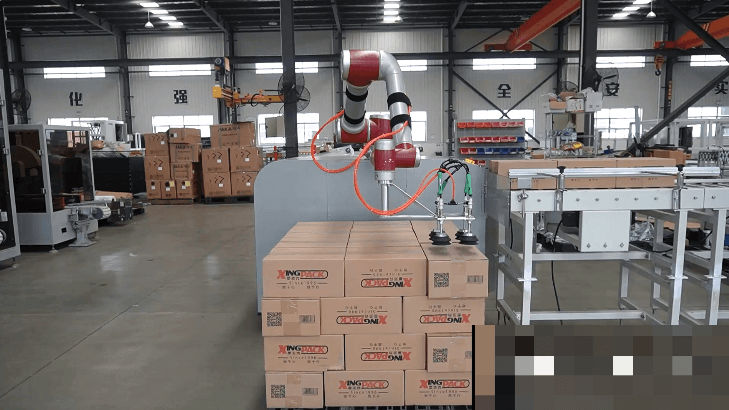
5 Reasons Why Palletizing Robots Are Essential for Warehouse Throughput
In response to the growing demands of global supply chains for faster delivery and higher volume, companies are increasingly turning to automated palletizing solutions. Traditional manual stacking methods, which are labor-intensive and prone to errors, are becoming inadequate. The shift towards high-performance industrial robot arms, such as the JAKA Zu 20, is now seen as essential for maintaining competitiveness in logistics. This transition, which is taking place across various facilities, aims to enhance warehouse throughput by ensuring consistent speed and reliability. Automated systems can operate continuously without fatigue, significantly increasing the number of pallets processed daily. Additionally, by reducing the physical strain on workers, these robots help minimize musculoskeletal injuries, lower insurance costs, and allow human employees to focus on more complex tasks. The precision offered by automated palletizing systems is crucial for maintaining product integrity during transit, as they utilize advanced sensors to ensure accurate stacking. Furthermore, modern robots are designed to optimize floor space, allowing for efficient use of warehouse layouts. They also provide rapid adaptability to changing inventory needs, accommodating a wider variety of Stock Keeping Units (SKUs) with ease. JAKA's solutions exemplify this trend, offering user-friendly setups and safety features that promote human-machine collaboration. With a quick return on investment, often within six to twelve months, these innovations are revolutionizing logistics and setting new standards for warehouse efficiency.
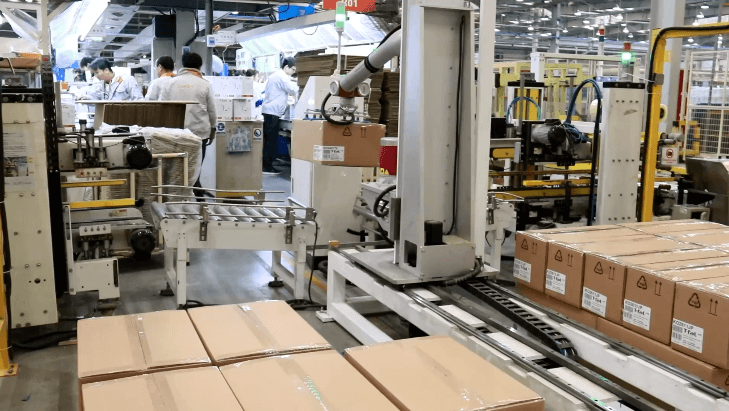
The Future of Cobot Palletizing: Autonomous Mobile Robots and Modular Systems
As the manufacturing and logistics sectors evolve, JAKA is pioneering advancements in cobot palletizing, emphasizing flexibility and autonomy. Customers are increasingly demanding systems that can adapt to varying layouts, product types, and throughput requirements without extensive reconfiguration. The integration of six-axis robot arms is central to this shift, enabling dynamic handling of mixed loads and pallet patterns. A key trend in this field is the combination of autonomous mobile robots with collaborative manipulators. This integration allows for palletizing tasks to occur beyond fixed stations, enabling cobots to move between production lines and adjust to seasonal shifts or temporary capacity needs. The use of modular mechanical interfaces and standardized communication protocols facilitates scalable system development, transforming cobot palletizing into a shared resource that enhances operational efficiency and investment planning. Advanced control capabilities are also crucial for the future of cobot palletizing. Features such as precise path planning, responsive motion control, and adaptable force management enable collaborative robots to handle various packaging formats consistently. For instance, the JAKA Zu7 robot can seamlessly transition between palletizing and secondary tasks like automated screwdriving, adjusting torque settings as needed. Looking forward, JAKA envisions a future where cobot palletizing is characterized by autonomous mobility, modular design, and intelligent control. This approach aims to ensure that palletizing solutions evolve alongside production demands, rather than limiting them. By aligning collaborative robots with mobile platforms and adaptable end-effectors, JAKA is committed to developing systems that integrate into broader automation strategies, supporting reliable operations and sustainable growth in modern automated facilities.
Robotics needs a service framework.
RSF defines a common language for robot service capability, lifecycle operations, certification pathways, and service-provider networks.
Join the RobotToday community on LinkedIn
Daily robotics news, in-depth analysis, conference highlights, and discussions with professionals worldwide.