Industry Briefing
A single destination for timely, editor-curated robotics news from around the world.

Cerebras stock plunges after earnings as CEO says margin outlook was misunderstood
In its inaugural earnings report following its public debut, the AI chipmaker has projected a decline in gross margins within its primary business segment, raising concerns among investors. The announcement, which took place recently, has led to a cautious response from the market, reflecting apprehensions about the company's financial health and future profitability. The forecasted narrower margins signal potential challenges ahead, prompting investors to reassess their positions in light of the company's performance and outlook.
AI Cerebras In Brief
Micron is tech's new margin king as memory crisis pushes company past Nvidia and Meta
Micron Technology announced a significant increase in its gross margin, which rose to 84.9% in its latest earnings report, up from 39% during the same period last year. This remarkable improvement reflects the company's strategic efforts to enhance operational efficiency and capitalize on growing demand for memory and storage solutions. The earnings report, released on [insert specific date], highlights Micron's robust performance in the semiconductor industry, particularly as it navigates a competitive market landscape. The surge in gross margin is attributed to a combination of cost management initiatives and a favorable pricing environment for its products. As Micron continues to innovate and expand its offerings, the company aims to sustain this momentum and further strengthen its position in the technology sector.

The memory chip crunch is paying off for this US company
In a remarkable financial turnaround, a leading company reported a fourfold increase in revenue, reaching $41.45 billion compared to the same quarter last year. This surge in earnings was accompanied by a significant rise in profit, which soared from $1.88 billion to an impressive $28.2 billion year-over-year. The dramatic growth can be attributed to a combination of strategic initiatives, increased market demand, and effective cost management. These results highlight the company's robust performance and resilience in a competitive landscape, showcasing its ability to capitalize on emerging opportunities and drive substantial financial gains.
AI Hardware earnings In Brief memory chip shortage Micron
Jalapeño, OpenAI’s first custom chip, targets gigawatt-scale data center deployment
OpenAI has introduced its inaugural custom AI accelerator, named Jalapeño, signaling a significant advancement in the company's technological capabilities. This announcement was made recently as OpenAI aims to enhance its AI models' performance and efficiency. The development of Jalapeño is part of OpenAI's broader strategy to optimize its infrastructure and support the growing demand for more powerful artificial intelligence solutions. By designing a specialized accelerator, OpenAI seeks to improve processing speeds and reduce energy consumption, ultimately allowing for more complex computations and faster training times for AI models. This initiative underscores OpenAI's commitment to innovation and its efforts to maintain a competitive edge in the rapidly evolving field of artificial intelligence.
AI and Robotics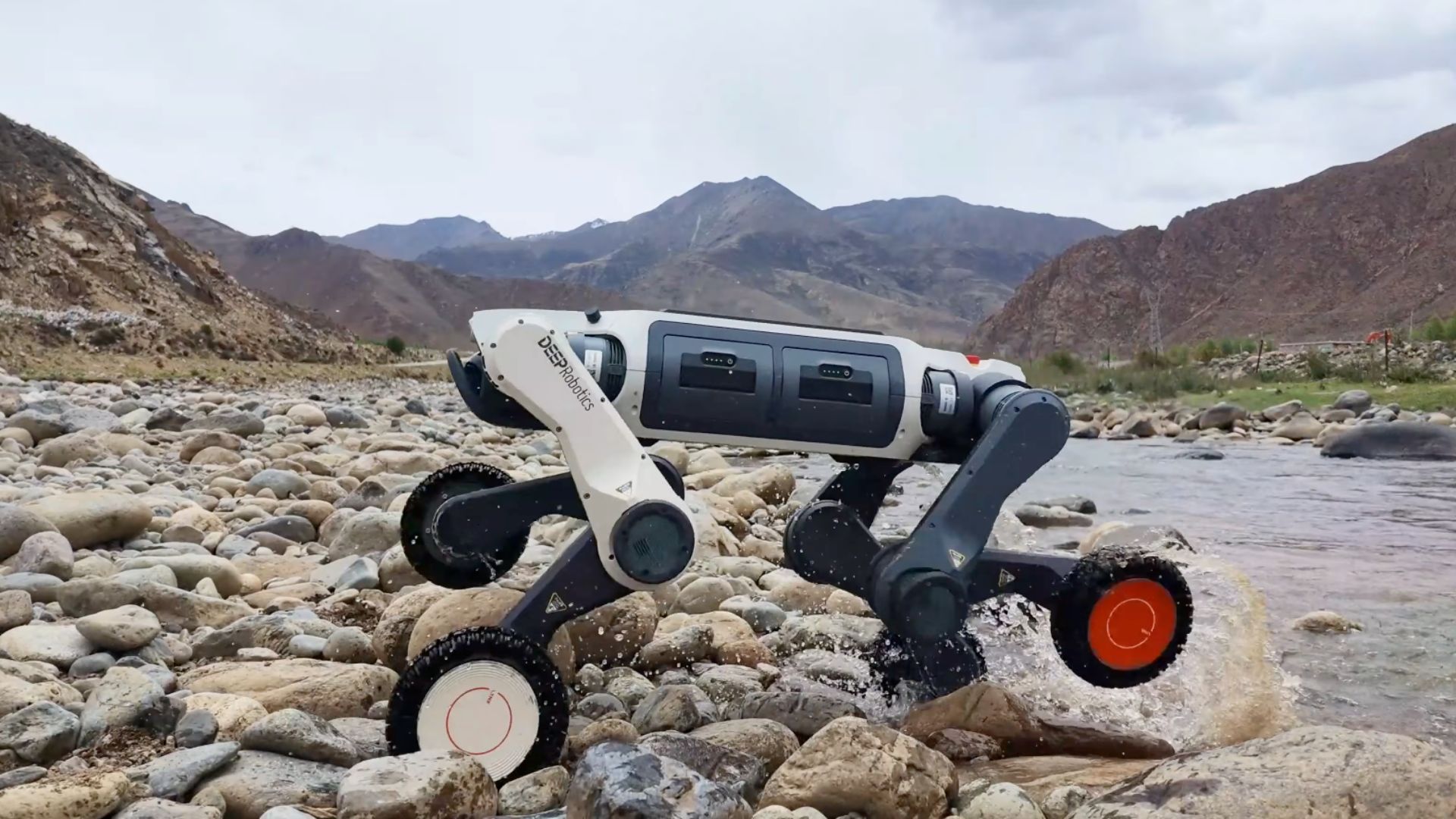
China’s new robot dog tackles -22°F cold, crosses river and rugged terrain in demo
DEEP Robotics has unveiled its latest innovation, a wheeled-legged robot specifically engineered to navigate and perform tasks in challenging industrial environments. The demonstration took place recently, showcasing the robot's capabilities in handling various terrains and obstacles typically encountered in industrial settings. This development aims to enhance operational efficiency and safety in sectors that require robust and versatile robotic solutions. The unique design combines the agility of legs with the stability of wheels, allowing the robot to adapt to different surfaces and tasks seamlessly. By integrating advanced technology, DEEP Robotics seeks to address the growing demand for automation in industries facing labor shortages and increasing operational complexities.
AI and Robotics
AI Is Designing Radio Chips That Humans Couldn’t Even Imagine
Researchers at Princeton University have made significant strides in the design of radio-frequency integrated circuits (RFICs), a critical component for advancing wireless technologies such as 5G, autonomous vehicles, and satellite communications. Utilizing reinforcement learning and inverse design techniques, the team has developed a method to create RFICs from scratch, drastically reducing design time and achieving record performance levels. This innovative approach leverages AI to navigate the complex design space of RFICs, traditionally seen as an art requiring years of expertise. By employing machine learning algorithms, the researchers can generate novel circuit layouts that outperform existing designs while minimizing the time taken for development. The project, which began after the success of AI in games like Go, aims to overcome the limitations of conventional RFIC design, which has remained largely artisanal. The researchers emphasize the need for large, shared datasets and open ecosystems to further enhance AI's capabilities in understanding electromagnetic and circuit behaviors. As the demand for advanced RFICs grows, the potential for AI-driven design to revolutionize the field is becoming increasingly apparent. The findings have attracted attention within the RF community, sparking discussions about the future of AI in circuit design and the importance of collaboration between AI researchers and chip designers to unlock new possibilities in technology.
Machine-learning Ic-design Chip-design Rf Rfic
Adata microSD Premier Extreme 256GB on sale for 8,289 yen, ideal for Switch 2 and smartphone storage expansion.
Amazon.co.jp is currently offering a time-limited sale on a new ultra-fast microSD card that supports the latest memory card standards. The 256GB model boasts impressive read speeds of up to 800MB per second and is available at a discounted price of 8,289 yen, reflecting a 23% reduction from its reference price. This promotion provides an opportunity for consumers to upgrade their storage solutions at a competitive price.

Learning flight navigation like a honey bee
In June 2026, a groundbreaking study published in Science Robotics highlights significant advancements in robotic technology aimed at enhancing human-robot collaboration. Researchers from leading universities and tech companies have developed a new generation of robots equipped with advanced artificial intelligence, enabling them to perform complex tasks alongside human workers more efficiently. This initiative is driven by the increasing demand for automation in various industries, particularly in manufacturing and healthcare, where precision and reliability are paramount. The study outlines how these robots can adapt to dynamic environments, learn from human interactions, and improve their performance over time, thereby reducing the risk of workplace accidents and increasing productivity. The research team conducted extensive field tests in factories and hospitals to evaluate the robots' capabilities in real-world scenarios. The results demonstrated a marked improvement in task execution speed and accuracy when robots and humans worked in tandem, showcasing the potential for these technologies to transform traditional workflows. As industries continue to evolve, the implications of this research could lead to a new era of collaboration between humans and machines, addressing labor shortages and enhancing operational efficiency. The findings underscore the importance of ongoing innovation in robotics, paving the way for future developments that could redefine the nature of work across various sectors.
Editors' Choice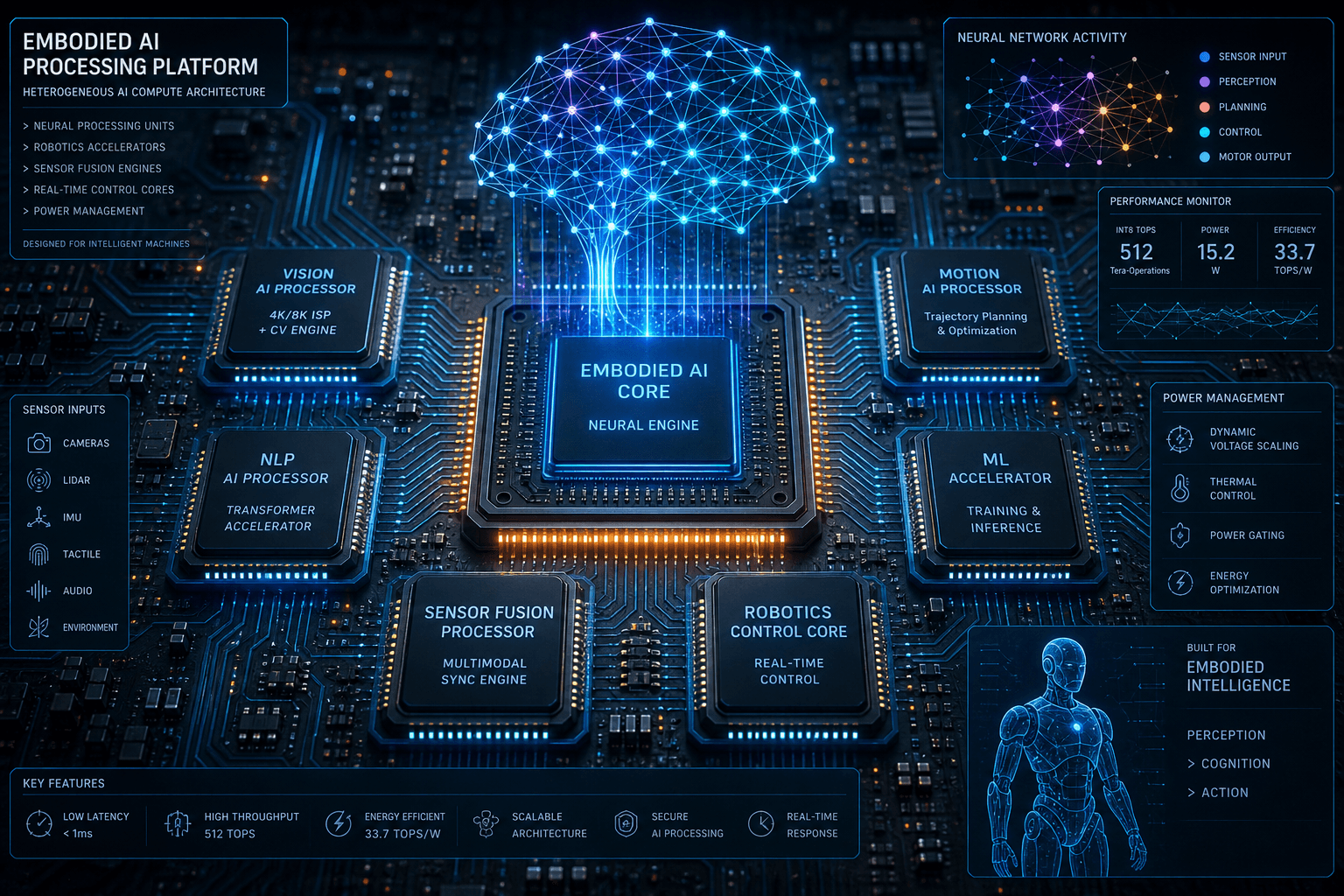
Embodied AI Chip Market Heats Up as Multiple Players Race for Dominance
The embodied AI chip market is experiencing rapid growth as various companies compete for leadership in this emerging sector. As of October 2023, advancements in artificial intelligence and robotics have fueled the demand for specialized chips that enhance machine learning capabilities and improve efficiency in automated systems. Major tech firms and startups alike are investing heavily in research and development to create innovative solutions that cater to diverse applications, from autonomous vehicles to smart home devices. This surge in competition is driven by the increasing need for more sophisticated AI technologies that can process data in real-time and adapt to changing environments. As players in the market strive to differentiate their products, collaborations and partnerships are becoming common strategies to accelerate development and gain a competitive edge. The race for dominance in the embodied AI chip market is expected to intensify, with significant implications for the future of technology and automation.
AI
MIT’s 6 mW chip lets tiny drones see and map their surroundings in real time
Researchers at the Massachusetts Institute of Technology (MIT) have unveiled a groundbreaking low-power chip designed to enhance the capabilities of small drones and robots. This innovative technology, introduced in October 2023, aims to facilitate the construction of complex structures by enabling these machines to work collaboratively and autonomously. The development is driven by the need for more efficient and sustainable solutions in various fields, including construction and disaster response. By equipping drones and robots with this advanced chip, the team has demonstrated how these devices can communicate and coordinate their actions effectively, thereby significantly improving their operational efficiency. The research highlights the potential for such technology to revolutionize the way we approach tasks that require precision and teamwork in environments that are challenging for human workers.
Innovation
New radio frequency platform achieves 85% real-time signal accuracy under one watt
Australia-based technology company BrainChip has unveiled a new hardware platform aimed at enhancing the classification of radio frequency signals. This innovative development was announced recently, positioning BrainChip at the forefront of advancements in signal processing technology. The platform is expected to improve the efficiency and accuracy of radio frequency classification, which is crucial for various applications, including telecommunications and defense. By leveraging cutting-edge technology, BrainChip seeks to address the growing demand for sophisticated signal analysis tools in an increasingly complex technological landscape. The launch underscores the company's commitment to driving innovation and providing solutions that meet the evolving needs of the industry.
AI and Robotics Military
LG Chem to invest W15tr in chips, robotics, biotech by 2035
LG Chem has announced a significant investment of 15 trillion won (approximately $9.8 billion) in research and development by the year 2035. During a company-wide town hall meeting on Monday, CEO Kim Dong-choon revealed that 70 percent of this funding will be directed towards advancing materials for semiconductors, mobility, and robotics. This strategic move is part of LG Chem's broader initiative to penetrate high-growth sectors and enhance its competitive edge. In addition to these areas, the company will also focus on oncology therapeutics as a key future business domain, reflecting its commitment to innovation and expansion in critical industries.
All News
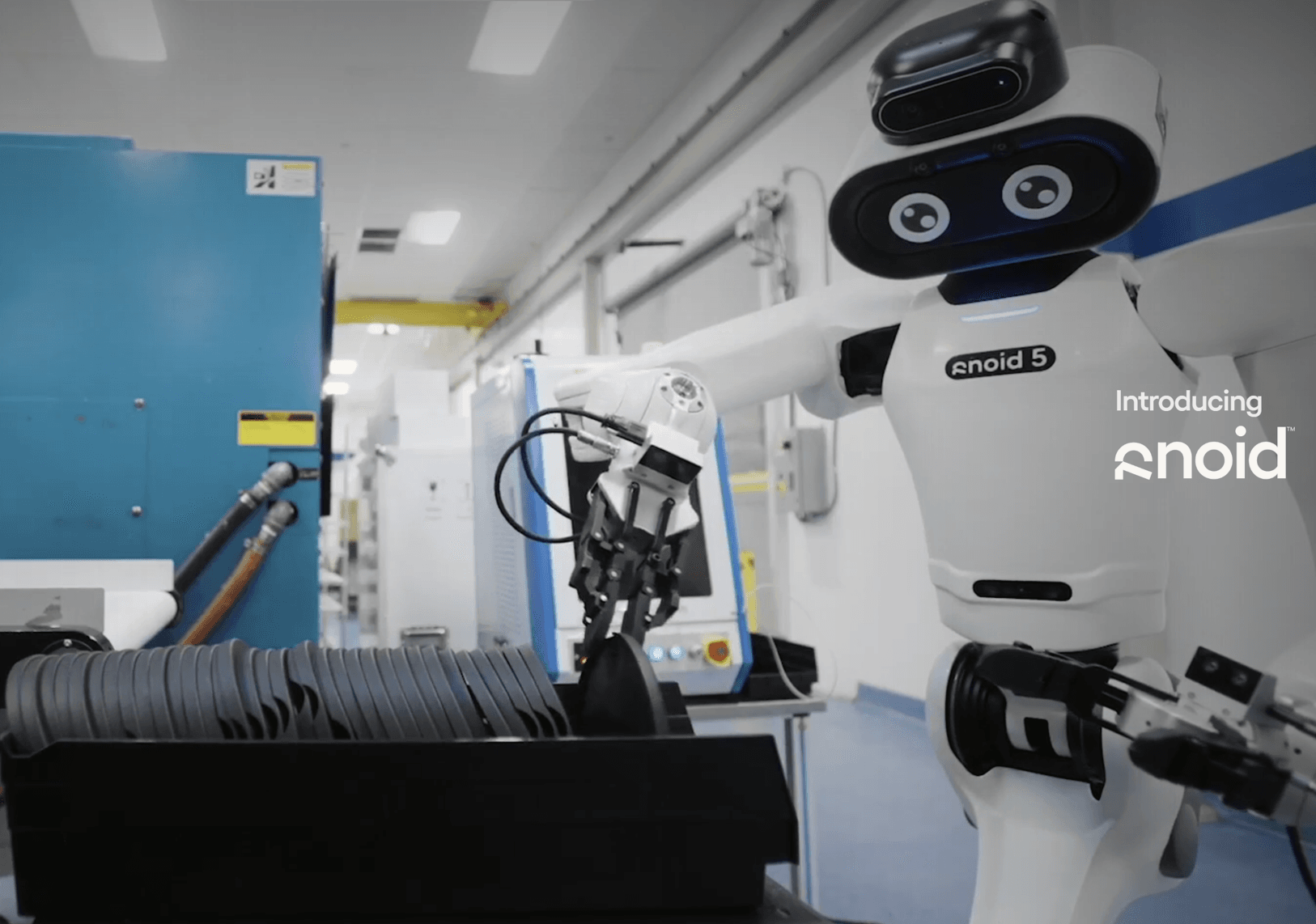
US firm unveils R-Noid humanoid robot for factories, hotel and warehouse jobs
Robot.com, a company based in the United States, has unveiled R-Noid, a new humanoid robot engineered to handle repetitive and labor-intensive tasks. This innovative launch took place recently, showcasing the company's commitment to advancing automation technology. The R-Noid is designed to assist in various industries, aiming to improve efficiency and reduce the physical strain on human workers. By integrating advanced robotics with user-friendly interfaces, Robot.com hopes to address the growing demand for automation solutions in the workforce. The introduction of R-Noid reflects a broader trend towards utilizing robotics to enhance productivity and streamline operations in sectors facing labor shortages.
AI and Robotics
Ultraefficient chip could help tiny robots traverse complex environments
Researchers at MIT have developed an innovative chip designed to enhance the navigation capabilities of small, low-power unmanned aerial vehicles (UAVs) as they maneuver through confined spaces, such as industrial HVAC systems, to detect gas leaks. This breakthrough, announced recently, enables these autonomous robots and other battery-operated devices to create detailed three-dimensional maps of their surroundings in real time while consuming minimal energy—approximately the same amount as a single LED light. By utilizing these maps, the robots can effectively plan collision-free routes to their objectives, significantly improving their operational efficiency and safety in complex environments.
Hardware
Copper compound repairs brain's waste removal system, boosting memory by 44% in mice; potential for Alzheimer's treatment.
Researchers from Monash University in Australia have published a study in the peer-reviewed journal ACS Chemical Neuroscience, revealing that a copper-based drug can reduce the accumulation of toxic proteins associated with Alzheimer’s disease. The study, which utilized the APP/PS1 mouse model, demonstrated that this treatment not only decreases these harmful proteins but also improves cognitive function and memory in the test subjects. This research offers promising insights into potential therapeutic approaches for combating Alzheimer’s, a condition that currently lacks effective treatments.

Tactile learning loop: How human touch data teaches robots to handle eggs
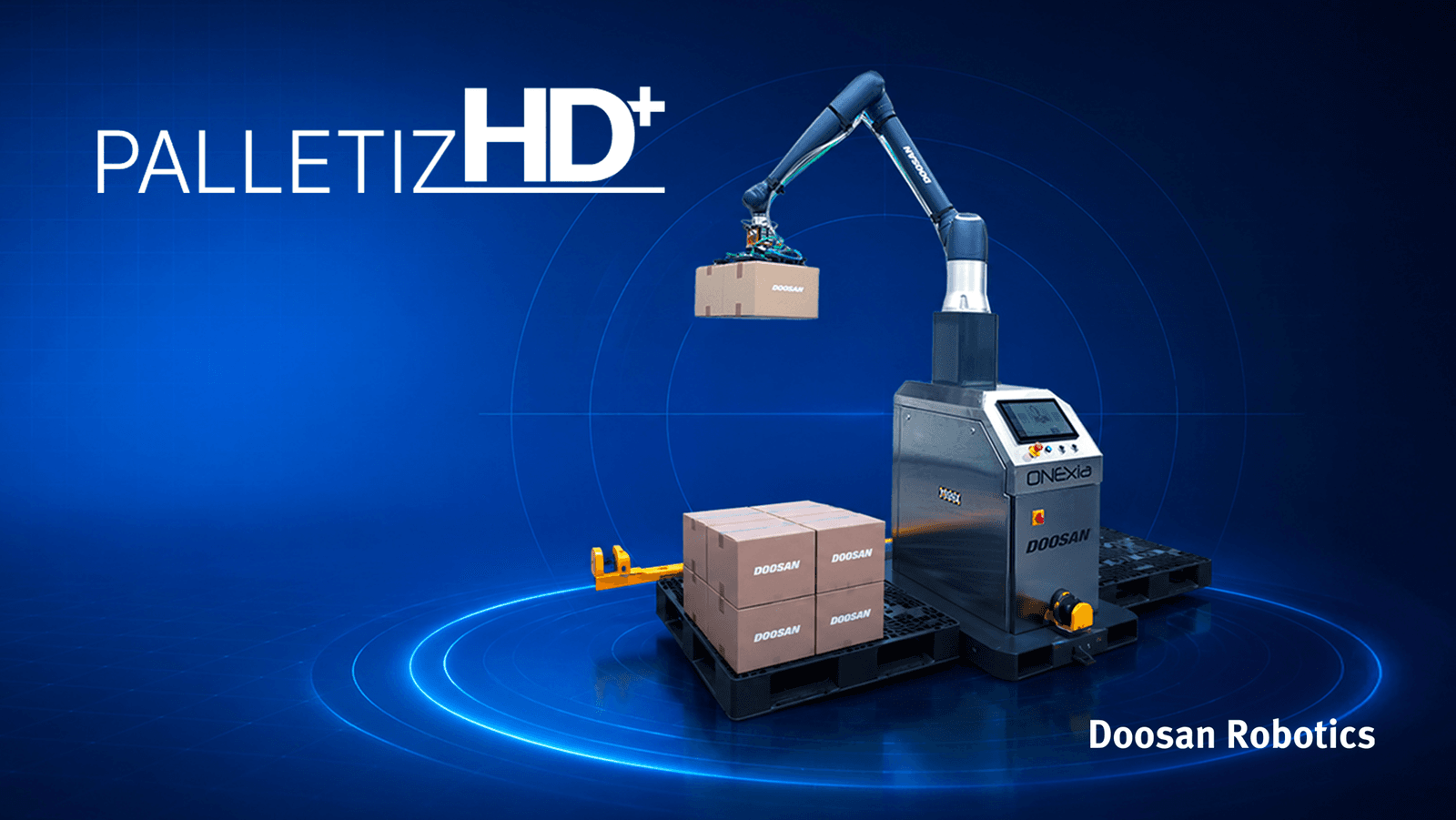
Engineers have observed significant advancements in industrial robotics, particularly in the areas of automated welding and pallet stacking. Over the years, these machines have demonstrated remarkable precision and efficiency, transforming manufacturing processes. The ongoing development in robotics technology has been driven by the need for increased productivity and cost-effectiveness in various industries. As companies seek to enhance their operational capabilities, the integration of sophisticated robotic systems has become essential. This evolution in automation is not only streamlining production lines but also addressing labor shortages and improving workplace safety. The continuous innovation in this field suggests a promising future for industrial robots, as they become increasingly capable of handling complex tasks with minimal human intervention.
AI and Robotics
New chip could help tiny robots traverse complex environments
A team of researchers has developed an innovative method for creating 3D maps to enhance navigation systems, utilizing a combination of an efficient algorithm and specialized hardware. This advancement, which was announced in October 2023, aims to significantly reduce the memory and power requirements typically associated with 3D mapping technologies. By streamlining the mapping process, the researchers hope to improve the efficiency and accessibility of navigation tools, making them more practical for a variety of applications, including autonomous vehicles and mobile devices. The integration of dedicated hardware with the algorithm allows for rapid map generation, which could lead to faster and more reliable navigation solutions in real-world scenarios.
Research Computer science and technology Algorithms Artificial intelligence Machine learning Robotics
US fuels $50M Texas chips expansion to quadruple indium phosphide wafer production
Coherent Corp. has announced plans to expand its indium phosphide semiconductor manufacturing facility in Texas. This decision follows the signing of a significant agreement aimed at enhancing production capabilities to meet the growing demand for advanced semiconductor technologies. The expansion is expected to bolster the company’s position in the semiconductor market, particularly in sectors such as telecommunications and data centers, where indium phosphide is increasingly utilized for its superior performance. The project is set to commence in the coming months, reflecting Coherent's commitment to investing in domestic manufacturing and innovation. This move not only aims to increase output but also to create job opportunities in the region, contributing to the local economy.
AI and Robotics
SpaceX inks compute deal with Reflection AI, an open source AI lab
Reflection AI has announced a significant investment in Nvidia's technology, committing to pay $150 million monthly starting July 1, 2026, through 2029. This deal will grant the company immediate access to Nvidia's latest GB300 AI chips and supporting hardware. The partnership is set to take place at SpaceX's Colossus 2 data center, located near Memphis, Tennessee. This strategic move aims to enhance Reflection AI's capabilities in artificial intelligence, leveraging cutting-edge technology to advance its operations and offerings in the competitive tech landscape.
AI TC reflection ai SpaceX
Robot.com Launches R-noid, a Humanoid Built For the Work That Burns People Out. No Legs, All Lift to the Bottom Line.
Robot.com has officially launched R-noid™, a humanoid robot designed to alleviate labor shortages in repetitive and hard-to-fill jobs across various industries. Announced on June 22, 2026, in San Francisco, this innovative solution aims to address chronic staffing issues in sectors such as quick-service restaurants, logistics, healthcare, and hospitality, where turnover rates are alarmingly high. R-noid operates under a Robot-as-a-Service (RaaS) model, allowing for deployment from initial site visits to full autonomous operation within eight to twelve weeks. The robot can perform 19 different tasks, including roles such as restaurant assistant, packer, and picker, and will be showcased at Automate 2026 in Chicago from June 22-25. The motivation behind R-noid's development stems from the pressing need to enhance customer experience by filling critical staffing gaps that often disrupt service. CEO Felipe Chavez Cortes emphasized that the goal is to free human workers from monotonous tasks, enabling them to focus on more meaningful aspects of their jobs. R-noid's design features advanced mobility and dexterity, equipped with dual 7-degree-of-freedom arms and a holonomic base for maneuverability in tight spaces. Collaborating with various partners, including NVIDIA Robotics and Yukai Engineering, the robot incorporates an expressive interaction system to foster trust and engagement with users. This launch marks a significant step in Robot.com's mission to integrate humanoid solutions into its existing fleet, enhancing operational efficiency across multiple sectors.

NOVARC LAUNCHES NovAI AUTONOMY AS PART OF NovAI SUITE AND EXPANDS INTEGRATION TO YASKAWA AND ABB ROBOTS
Novarc Technologies, an industrial AI company focused on welding automation, unveiled its latest innovations at the Automate 2026 trade show in Chicago, running from June 22-25. The company introduced NovAI™ Autonomy, a cutting-edge solution that integrates machine vision and real-time adaptability into robotic welding processes, alongside NovHub™, its Enterprise Welding Intelligence platform. These technologies are designed to enhance the capabilities of ABB and Yaskawa robots, addressing critical challenges in the fabrication industry, such as a shortage of skilled welders and the need for greater automation flexibility. CEO Soroush Karimzadeh emphasized that NovAI aims to retrofit existing robotic cells, improving quality and efficiency by adapting to variations in parts and reducing manual rework. Demonstrations at the event showcased how NovAI Autonomy can automatically adjust welding parameters in response to misalignments and gaps, promising increased return on investment for manufacturers. The partnership with Yaskawa, formalized through a Memorandum of Understanding, aims to accelerate the deployment of vision-enabled welding cells, further enhancing productivity in heavy fabrication sectors. As demands for precision and efficiency grow, Novarc's advancements position it as a leader in AI-powered welding solutions, enabling manufacturers to optimize their operations and remain competitive.

Interview with Clearpath Robotics co-founder Ryan Gariepy: ‘Most industries in Canada are under-automated’
Canada is acknowledged for its significant contributions to robotics research, boasting prestigious universities, groundbreaking startups, and advanced technologies utilized in various sectors such as manufacturing, logistics, agriculture, mining, and defense. However, despite this robust technical foundation, experts suggest that the country has struggled to effectively translate its research capabilities into widespread industrial applications. This gap raises concerns about the potential for Canada to fully leverage its innovations in the competitive global robotics landscape.
Automation Economy Features Industry amrs automation news
At ISC, JUPITER Shows What Exascale Science Looks Like
Europe's first exascale supercomputer, JUPITER, located at Germany's Forschungszentrum Jülich, has made significant strides over the past year. Powered by NVIDIA Grace Hopper Superchips and utilizing NVIDIA Quantum-X800 InfiniBand networking, JUPITER is positioned at the forefront of high-performance computing. This advanced system is designed to tackle complex scientific challenges and enhance research capabilities across various fields. The supercomputer's development reflects a growing commitment within the international supercomputing community to push the boundaries of technology and innovation. As it continues to operate and evolve, JUPITER aims to facilitate breakthroughs in areas such as climate modeling, artificial intelligence, and medical research, underscoring the vital role of supercomputing in addressing pressing global issues.
Research on the Application of SSG‐RRT Path Planning Algorithm Integrated With Dynamic Obstacle Avoidance in Wheeled Picking Robot
A recent study published in the Journal of Field Robotics highlights advancements in robotic technology aimed at improving agricultural efficiency. Researchers from various institutions conducted the study to explore how autonomous robots can enhance crop management and reduce labor costs. The findings, released in early October 2023, indicate that these robots can perform tasks such as planting, monitoring, and harvesting with greater precision than traditional methods. The research was conducted in diverse agricultural settings, showcasing the robots' adaptability to different crops and terrains. By integrating advanced sensors and machine learning algorithms, the robots can analyze soil conditions and plant health, allowing for timely interventions that can lead to increased yields. This initiative is driven by the growing need for sustainable farming practices in response to global food demands and labor shortages in the agricultural sector. The study emphasizes that implementing robotic solutions could not only optimize resource use but also address environmental concerns associated with conventional farming techniques. As the agricultural industry faces mounting challenges, the deployment of these innovative robotic systems represents a significant step forward in modernizing farming practices and ensuring food security for the future.
RESEARCH ARTICLE
Motion Control and Experimental Verification of a Continuum Aerial Manipulator for Power Grid Maintenance Operations
A recent study published in the Journal of Field Robotics highlights advancements in robotic technology aimed at improving agricultural efficiency. Researchers from various institutions collaborated to develop a new robotic system designed to automate the process of crop monitoring and management. This innovative system was tested in fields across California during the summer of 2023, demonstrating its potential to enhance productivity and reduce labor costs for farmers. The motivation behind this research stems from the increasing demand for sustainable agricultural practices and the need to address labor shortages in the farming sector. By integrating advanced sensors and artificial intelligence, the robotic system can analyze crop health, soil conditions, and environmental factors in real-time, providing farmers with actionable insights. The study outlines the methodology used in the field trials, including the deployment of multiple robotic units equipped with cutting-edge technology. These robots were programmed to navigate autonomously, collect data, and deliver precise recommendations for crop management. The findings indicate that the implementation of such robotic systems could lead to significant improvements in yield and resource efficiency. As the agricultural industry faces mounting challenges, this research underscores the importance of innovation in fostering sustainable practices and meeting the needs of a growing population. The successful trials pave the way for further development and potential commercialization of robotic solutions in agriculture, promising a transformative impact on the sector.
RESEARCH ARTICLE
Chassis Pose Kinematic Model and Control for Terrestrial Mobile Robots With Active Flippers
The Journal of Field Robotics has published an EarlyView article highlighting recent advancements in robotic technology. Researchers from various institutions have collaborated to explore innovative applications of robotics in fields such as agriculture, search and rescue, and environmental monitoring. This study, released in October 2023, emphasizes the growing importance of autonomous systems in enhancing efficiency and safety across these sectors. The research team conducted extensive field tests to demonstrate how robots can perform complex tasks, such as crop monitoring and disaster response, with minimal human intervention. By integrating artificial intelligence and machine learning, the robots are designed to adapt to dynamic environments, showcasing their potential to revolutionize traditional practices. The motivation behind this research stems from the increasing demand for automation in response to labor shortages and the need for more effective solutions to global challenges. The findings underscore the necessity for continued investment in robotic technology to address pressing issues such as food security and disaster management. As the field of robotics continues to evolve, this publication serves as a critical resource for professionals and researchers aiming to leverage these advancements for practical applications. The collaborative effort reflects a commitment to pushing the boundaries of what is possible in robotics, paving the way for future innovations that could significantly impact various industries.
RESEARCH ARTICLE
Defense manufacturing readiness hinges on autonomous finishing, says GrayMatter Robotics
A recent review of the Navy's industrial base has revealed a significant demand for 174,000 new workers to support defense manufacturing. In response to this workforce challenge, GrayMatter Robotics has proposed that robotics technology could effectively address the labor shortage. The company emphasizes that the integration of autonomous finishing processes in manufacturing could enhance efficiency and productivity, thereby meeting the urgent needs of the defense sector. As the military seeks to bolster its operational capabilities, the adoption of advanced robotics may play a crucial role in ensuring readiness and sustainability within the industry.
Collaborative Robots Defense / Security Manufacturing Maritime Markets / Industries News
World’s first smart squid-fishing robot that mimics humans begins sea trials in China
A groundbreaking robotic system has been developed in China, touted as the world's first intelligent robotic solution designed for various applications. This innovative technology aims to enhance efficiency and precision across multiple sectors, including manufacturing and healthcare. The system was unveiled at a technology expo in Beijing on October 15, 2023, where industry leaders and experts gathered to witness its capabilities. The motivation behind this development stems from the increasing demand for automation and smart technology in response to labor shortages and the need for improved productivity. By integrating advanced artificial intelligence and machine learning algorithms, the robotic system can adapt to different tasks and environments, making it a versatile tool for businesses looking to streamline operations. Demonstrations at the expo showcased the robot's ability to perform complex tasks with minimal human intervention, highlighting its potential to revolutionize traditional workflows. As industries continue to embrace automation, this robotic system represents a significant step forward in the quest for intelligent solutions that can meet the challenges of modern production and service demands.
Innovation
Go eyes robotaxis and acquisitions after Japan’s biggest IPO of 2026. Here’s why it matters
Go, a prominent taxi-hailing app in Japan, successfully launched its initial public offering (IPO) on Tuesday, marking the largest IPO in the country for the year. This event not only revitalizes Japan's sluggish listing season but also provides Go with crucial funding amounting to ¥88.6 billion. The capital raised through the IPO is intended to tackle a pressing challenge: the ongoing shortage of drivers in Japan. By addressing this issue, Go aims to enhance its operational capacity and improve service delivery in a competitive market.
Apps Transportation Go initial public offering Japan taxi hailing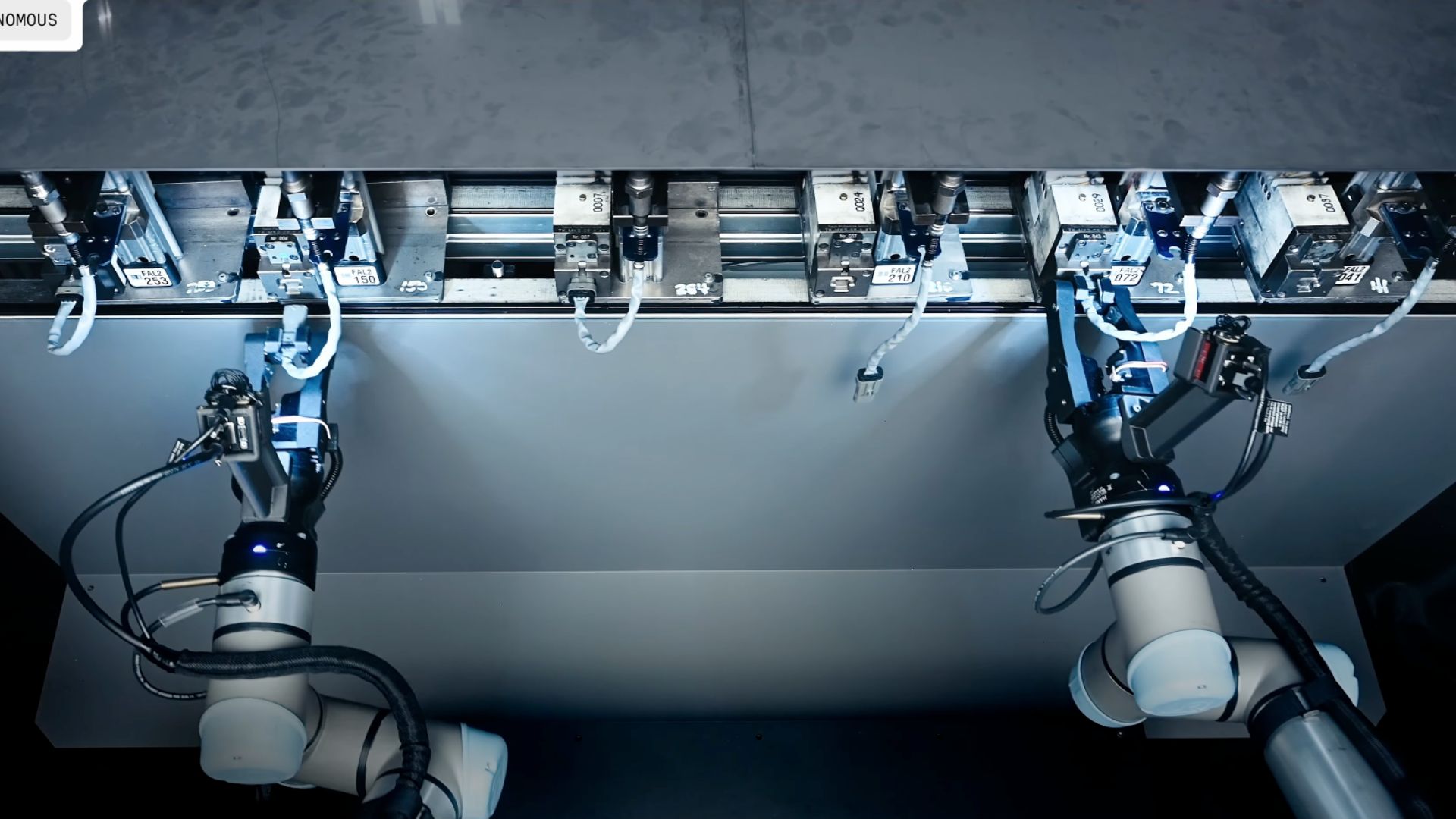
Video: New robotic system achieves 99.5% success in fast auto factory wire assembly
Sanctuary AI, a Canadian robotics company, has announced a major breakthrough in industrial automation. The firm has developed advanced AI-driven robots capable of performing complex tasks traditionally handled by human workers. This innovation comes as industries increasingly seek to enhance productivity and efficiency amid labor shortages and rising operational costs. The robots, which are designed to seamlessly integrate into existing workflows, utilize sophisticated machine learning algorithms to adapt to various environments and tasks. This development was unveiled during a press conference held in Toronto on October 15, 2023, where company executives highlighted the potential of these robots to revolutionize sectors such as manufacturing and logistics. By automating repetitive and labor-intensive processes, Sanctuary AI aims to not only improve operational efficiency but also allow human workers to focus on more strategic and creative roles.
AI and Robotics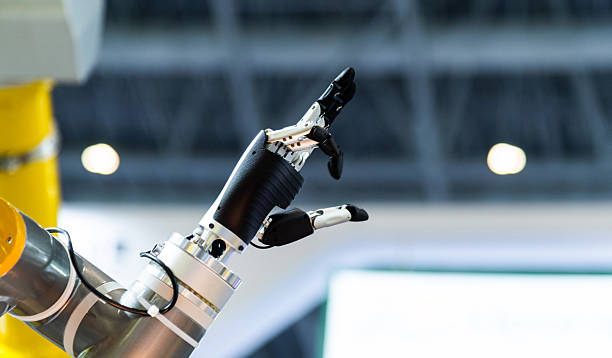
Outracing a National Level Model Racing Car Champion: A Hybrid Model‐Based Data‐Driven Approach
A recent study published in the Journal of Field Robotics highlights advancements in autonomous robotic systems designed for agricultural applications. Conducted by a team of researchers from various universities, the study was released in early October 2023. The research focuses on the development of robots capable of performing tasks such as planting, harvesting, and monitoring crops with minimal human intervention. The motivation behind this innovation stems from the increasing demand for efficient agricultural practices to address food security challenges and labor shortages in the farming sector. By utilizing advanced sensors and artificial intelligence, these robots can navigate complex terrains and adapt to varying environmental conditions, enhancing productivity and sustainability in agriculture. The researchers conducted extensive field trials to validate the robots' effectiveness, demonstrating their ability to operate autonomously while maintaining high levels of accuracy and efficiency. The findings suggest that integrating these robotic systems into farming operations could significantly reduce labor costs and improve crop yields, paving the way for a more sustainable future in agriculture.
RESEARCH ARTICLE
A Review on Search and Rescue Robots in Complex Scenarios: Key Technologies of Simultaneous Localisation and Mapping
A recent study published in the Journal of Field Robotics highlights the advancements in autonomous robotic systems designed for agricultural applications. Researchers from various institutions collaborated to explore innovative technologies that enhance efficiency and sustainability in farming practices. The findings, released in early October 2023, emphasize the growing need for automation in agriculture to address labor shortages and improve crop yields. The research team conducted extensive field tests to evaluate the performance of these robotic systems in real-world farming scenarios. By integrating artificial intelligence and machine learning, the robots demonstrated the ability to perform tasks such as planting, monitoring, and harvesting with remarkable precision. This technological progress aims to support farmers in overcoming challenges posed by climate change and increasing food demand. The study underscores the importance of developing reliable and cost-effective robotic solutions that can be easily adopted by farmers. As the agricultural sector faces mounting pressures, the implementation of these advanced technologies could significantly transform traditional farming methods, leading to more sustainable practices and enhanced productivity.
SURVEY ARTICLE
NIO enhances smart driving education; Ren Shaoqing states innovation will reshape competition.
On June 18, NIO announced the rollout of its latest world model software across multiple vehicle platforms, including eight NT2.0 models, four NT2.5 models, and six NT3.0 models. This update allows NIO to run the same complex autonomous driving code on different generations of chips, addressing a common industry challenge where software updates were often limited to the latest hardware, leaving older vehicle owners at a disadvantage. The initiative stems from a long-term effort by NIO's team, led by Ren Shaoqing, who began exploring solutions in 2020. NIO developed an AI infrastructure that bridges gaps between different chip architectures, enhancing vehicle processing speeds with an AI compiler and automating deployment processes with AI agents. This innovation has significantly reduced deployment times from days to just a couple of hours. NIO's approach includes running the latest models in a "shadow mode" on production vehicles to gather valuable data without interfering with user driving. This data is used to train smarter models, creating a feedback loop that enhances the software's performance. The company has reported a substantial increase in its autonomous driving capabilities, attributing this to a shift in understanding the development cycle of physical AI. As the industry evolves, NIO has restructured its autonomous driving team to focus on foundational research and innovation, positioning itself to leverage advancements in large model technology and closed-loop reinforcement learning. The company aims to enhance its competitive edge by continuously improving its algorithms and data systems, ultimately striving for a more robust autonomous driving experience.
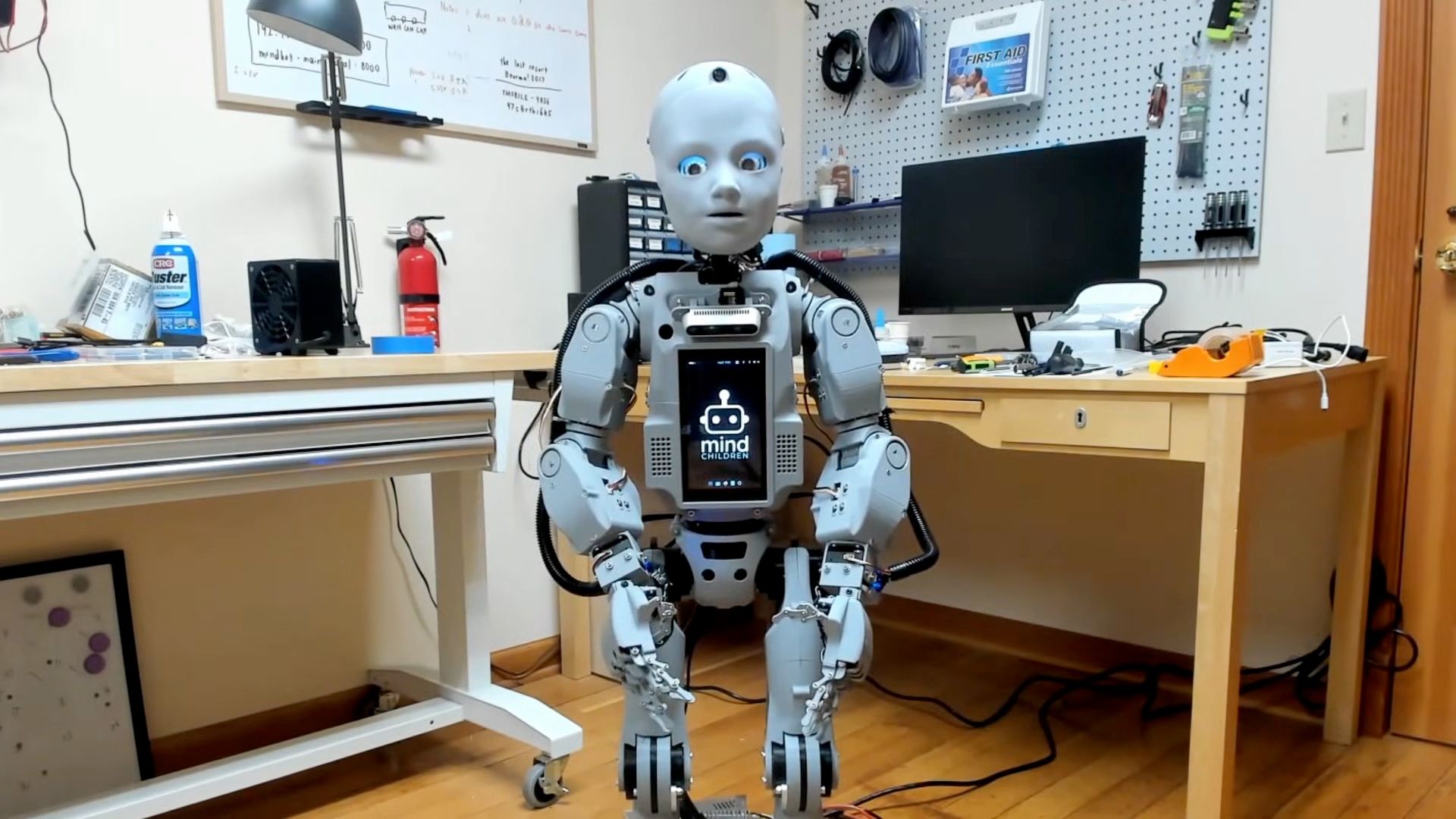
Video: Child-friendly Codey robot showcases embodied AGI future in education, healthcare
A Seattle-based robotics company has unveiled a three-foot-tall humanoid robot intended for public use, showcasing its potential to assist in various environments. The robot, which features advanced interaction capabilities, aims to enhance customer service and provide support in settings such as retail and hospitality. This development comes as part of a broader trend in the robotics industry, where companies are increasingly focusing on creating machines that can engage with people in everyday situations. The prototype was revealed during a technology expo held in Seattle last week, attracting attention from industry experts and potential investors. The creators believe that this humanoid robot could revolutionize the way businesses interact with customers, addressing labor shortages and improving efficiency. By integrating artificial intelligence and user-friendly interfaces, the robot is designed to learn from its interactions, adapting to the needs of its environment.
AI and Robotics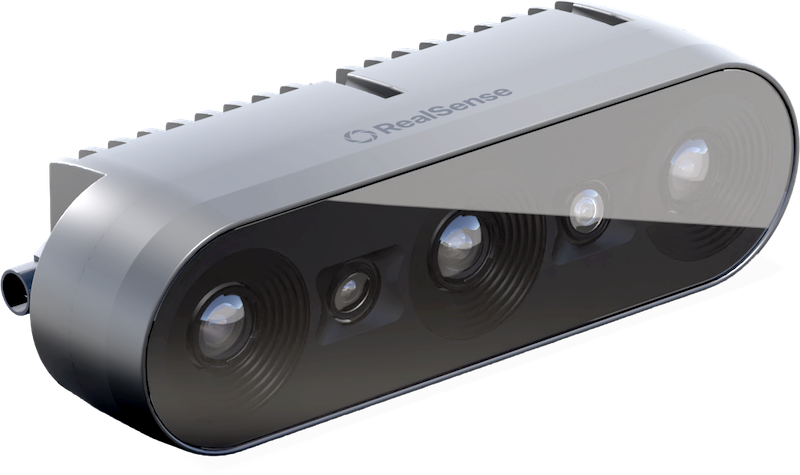
RealSense unveils AI-native D585 Pro depth camera for robots
RealSense has introduced its latest innovation, the D585 Pro depth camera, designed specifically for robotic applications. This new model is powered by a proprietary Gen 5 system-on-chip, which enhances its performance by providing over twice the depth quality compared to its predecessor. The unveiling of the D585 Pro marks a significant advancement in depth sensing technology, aimed at improving the capabilities of robots in various environments. The announcement was made recently, highlighting RealSense's commitment to advancing AI-native solutions in the robotics sector.
Artificial Intelligence / Cognition Autonomous Mobile Robots (AMRs) Cameras / Imaging / Vision Collaborative Robots Humanoids Industrial Robots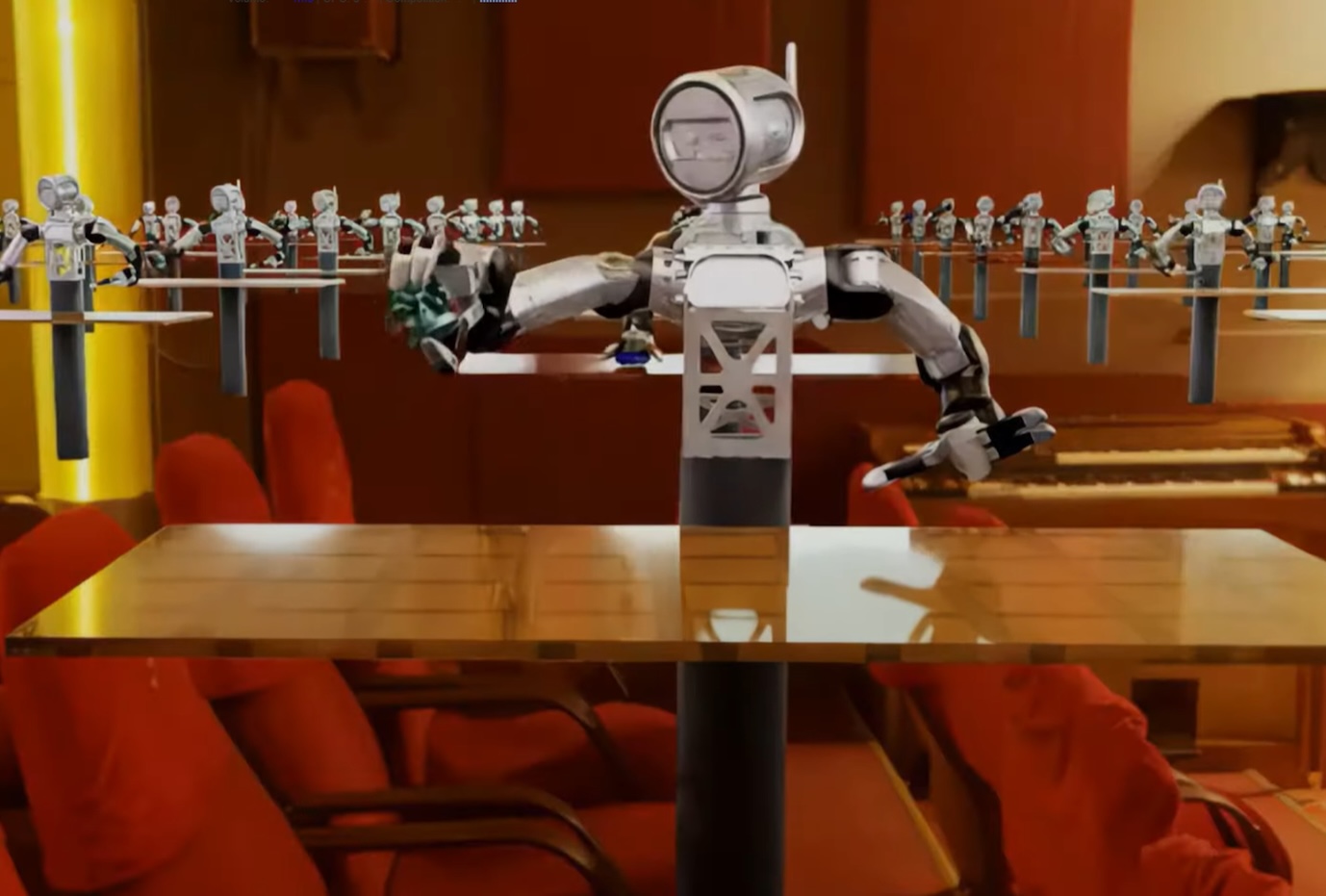
Design and Verification of a Multi‐Feature Wind Field Generation Device Based on Array‐Type Rotors
A recent study published in the Journal of Field Robotics explores advancements in robotic technology aimed at enhancing agricultural efficiency. Conducted by a team of researchers from various universities, the study highlights the development of autonomous robots capable of performing tasks such as planting, weeding, and harvesting crops. This research, which was initiated in early 2023, took place at agricultural fields across multiple locations in the Midwest United States. The motivation behind this initiative stems from the growing need for sustainable farming practices and the increasing labor shortages faced by the agricultural sector. By integrating advanced robotics into farming operations, the researchers aim to reduce reliance on manual labor while simultaneously increasing productivity and minimizing environmental impact. The study details the design and implementation of these robots, which utilize machine learning algorithms to navigate fields and make real-time decisions based on environmental conditions. Initial trials have shown promising results, indicating that these robots can significantly improve crop yields while reducing resource consumption. As the agricultural industry faces mounting challenges, this research represents a critical step toward the future of farming, showcasing how technology can play a pivotal role in addressing food security and sustainability. The findings are expected to influence future developments in agricultural robotics and encourage further investment in this innovative sector.
RESEARCH ARTICLE
AI Health Startup Wants to Assist Half of Latin American Doctors
A healthcare startup supported by Andreessen Horowitz is aiming to deploy its AI assistant to reach 950,000 of Latin America's 1.9 million doctors by the end of 2027. This initiative seeks to address the significant shortage of medical professionals in the region's overburdened health systems. By leveraging advanced technology, the company hopes to enhance healthcare delivery and improve patient outcomes across various countries in Latin America. The ambitious plan reflects a growing trend of integrating artificial intelligence into healthcare to alleviate systemic challenges and optimize resources in a region facing increasing demand for medical services.

Upsampling method sharpens AI vision with up to 16 times less GPU memory
A collaborative research team from KAIST and various international institutions has made significant advancements in computer vision technology, enhancing artificial intelligence's ability to perceive its surroundings. This new technology improves GPU memory efficiency by up to 16 times, allowing AI systems to operate with minimal memory usage. The breakthrough, announced recently, is expected to play a crucial role in advancing the development of humanoid robots and on-device AI, potentially transforming how these technologies are integrated into everyday life. The innovation underscores the growing importance of efficient AI systems in various applications, from smartphones to robotics.
Robotics
RAI to Demonstrate a Brain with Identity for Humanoid Robots at World Robot Conference 2026
A Dutch artificial intelligence company has unveiled an innovative approach to machine intelligence that emphasizes memory, identity, beliefs, and long-term development. This new methodology aims to enhance the capabilities of AI systems by enabling them to better understand and process information in a way that mimics human cognitive functions. The announcement was made during a technology conference held in Amsterdam on October 15, 2023. The motivation behind this development stems from the growing need for AI to not only perform tasks but also to engage in more complex interactions that require a deeper understanding of context and human-like reasoning. By integrating concepts of memory and identity into AI systems, the company believes it can create machines that are more adaptable and capable of evolving over time, thus improving their utility in various applications. The implementation of this approach involves advanced algorithms and neural networks designed to simulate human-like thought processes. This breakthrough could potentially revolutionize industries ranging from healthcare to education, where personalized and context-aware AI solutions are increasingly sought after. As the technology continues to evolve, the company aims to collaborate with other tech firms and researchers to further refine its methods and explore new possibilities in the field of artificial intelligence.
Could AI tell you where you left your keys?
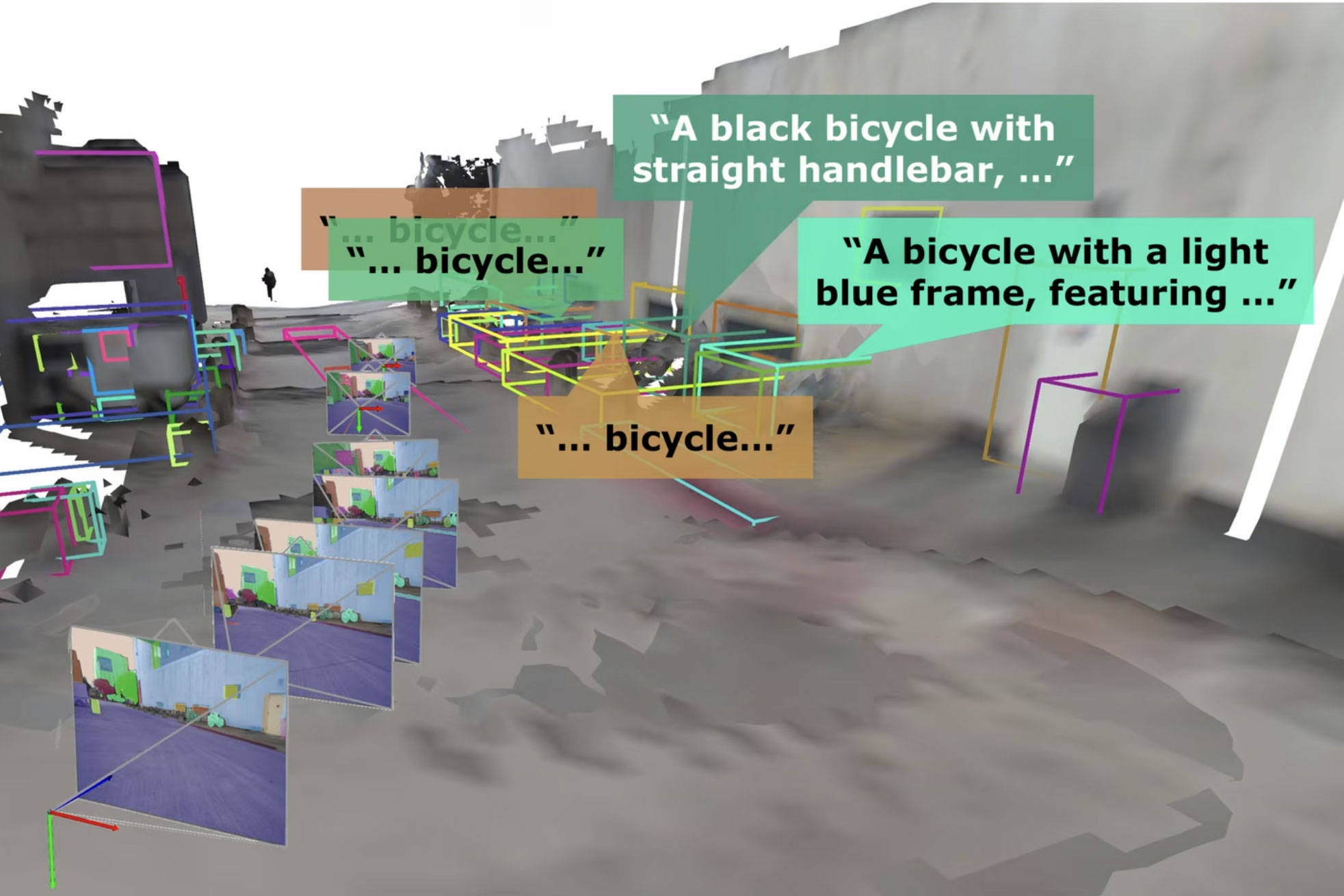
Researchers have developed an innovative spatial memory system designed for robots, enabling them to effectively capture and retain detailed information about objects encountered during environmental exploration. This advancement, which leverages cutting-edge technology, aims to enhance the robots' ability to navigate and interact with their surroundings more intelligently. The system was introduced in a study published in October 2023, showcasing its potential to improve robotic perception and memory capabilities. By integrating sophisticated algorithms, the robots can now better recognize and remember various objects, ultimately leading to more autonomous and efficient operations in diverse settings. This breakthrough is expected to have significant implications for fields such as robotics, artificial intelligence, and automation, as it allows for more nuanced interactions between machines and their environments.
Research Computer science and technology Algorithms Artificial intelligence Machine learning Robotics
Top Computer Vision Development Company Options for 2026
Selecting the appropriate computer vision development company is crucial for ensuring compatibility with the specific environment in which the model will operate. This could range from camera system-on-chips (SoCs) and cloud-based software as a service (SaaS) products to medical devices and live video systems. Among the available options, SQUAD stands out as a robust choice for edge hardware and smart camera products. Meanwhile, Intellias and Softeq are recognized as strong contenders for embedded AI solutions. As the industry evolves, companies must carefully assess their needs to align with the right technology partner.
Components Computing Technology AI development artificial intelligence automation news
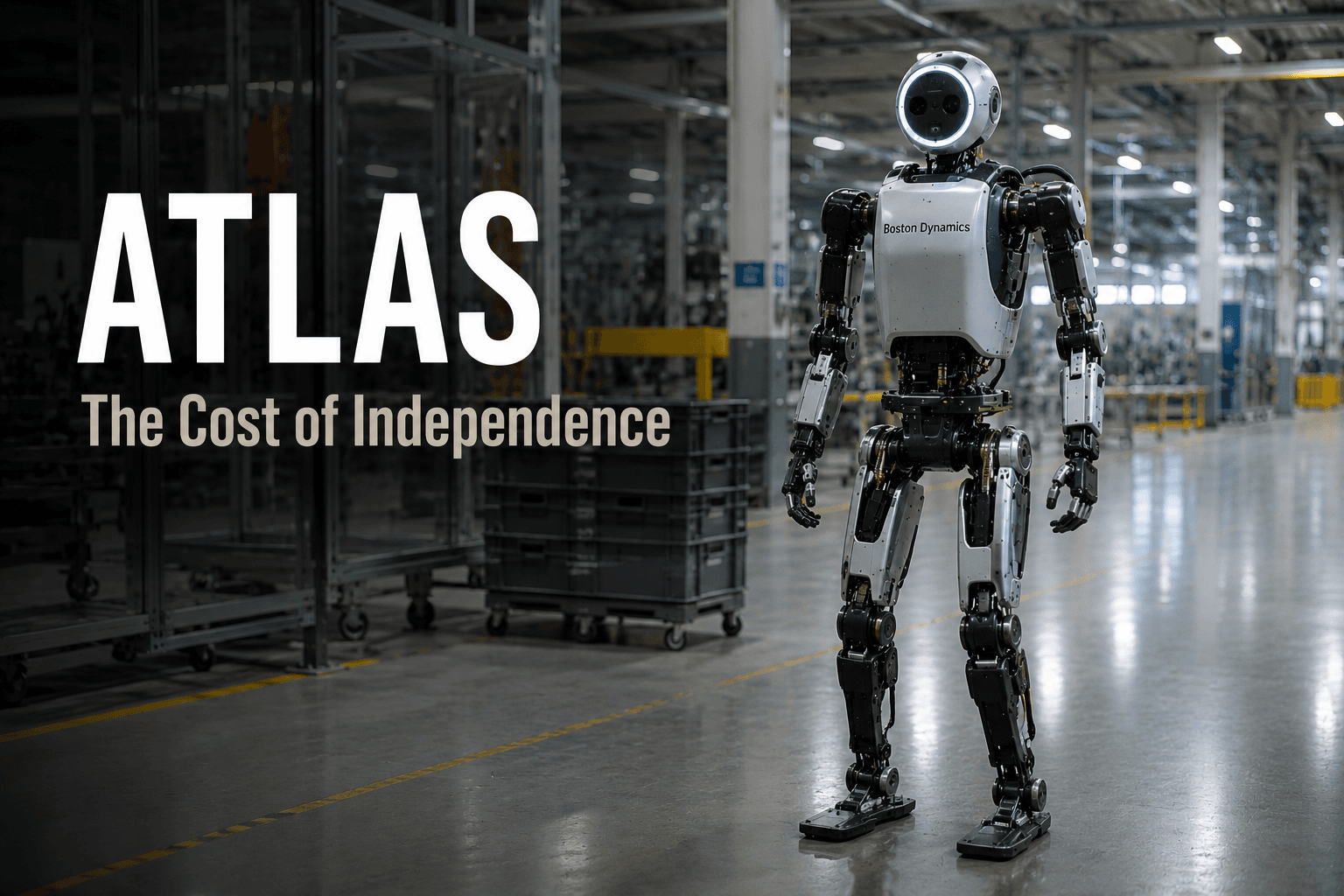
Will AI-powered humanoid robots someday work alongside us? | 60 Minutes
Engineers and computer scientists at Boston Dynamics are advancing the development of AI-powered humanoid robots, exemplified by their robot Atlas, which is designed to mimic human behavior. In a recent demonstration, the company invited the CBS news program 60 Minutes to observe Atlas as it learned to perform tasks within a Hyundai factory setting. This initiative showcases the potential of robotics to enhance efficiency and productivity in industrial environments. The collaboration between Boston Dynamics and Hyundai reflects a growing trend in the integration of artificial intelligence and robotics in manufacturing processes, aiming to address labor shortages and improve operational capabilities. The demonstration highlights the ongoing efforts to refine the technology, enabling robots to adapt to complex tasks and work alongside human employees effectively.

NVIDIA Corporation (NVDA) Partners with Nebius to Support AI Robotics Startup in Europe
NVIDIA Corporation has announced a strategic partnership with Nebius to bolster the development of robotics startups across Europe. On June 9, the two companies reaffirmed their collaboration aimed at creating a cloud platform specifically for robotics and physical artificial intelligence. As part of this initiative, Nebius has launched the Physical AI Living Lab, which will provide UK and European robotics startups with access to NVIDIA's advanced development tools and Nebius AI's cloud infrastructure. This six-month program is designed to help early-stage robotics firms overcome challenges related to large-scale simulation, synthetic data, and accelerated computing resources. Startups participating in the program will utilize NVIDIA technologies, including OSMO for workload orchestration and Cosmos World Foundation models. The goal of the Physical AI Living Lab is to connect UK robotics innovation with market-ready physical AI solutions by offering affordable cloud-scale training. NVIDIA, a leading provider of specialized computer chips and a key player in the global AI revolution, continues to expand its influence beyond gaming graphics into comprehensive infrastructure for artificial intelligence.

SpaceX sets IPO price to raise $75 billion; OpenAI CEO delays South Korea visit; new AI complaint center launched.
OpenAI CEO Sam Altman has postponed his planned visit to South Korea, originally scheduled for June 14-15, due to personal reasons. During the visit, he was expected to meet with leaders from major companies including Samsung Electronics, Kakao, and NAVER. In a separate announcement, Waymo, the autonomous driving subsidiary of Alphabet, revealed a new $30 monthly membership plan called Waymo Premier, aimed at invited users. This plan will offer benefits such as priority rides, a 10% cashback on trips, and the ability to cancel rides up to five times a month at no cost. Initial invitations will be sent to eligible passengers in San Francisco, Los Angeles, and Phoenix, with plans to expand to other cities. Meanwhile, SK Hynix is exploring the integration of AI technologies, including ChatGPT, into its operations. CEO Lee Seok-hee indicated that the company is balancing the protection of industrial technology with the adoption of external AI services, considering tools like Microsoft 365 and CoPilot. In financial news, major Wall Street banks have begun restricting hedge funds' leverage on Asian chip stocks, including SK Hynix and Samsung, due to concerns over potential market corrections. This move involves raising financing costs for hedge fund bets and limiting new transactions. Additionally, Google announced a $50 million investment to train U.S. tech workers, addressing the growing demand for AI infrastructure. This investment is part of a broader initiative that has already seen over $1 billion allocated to training programs since 2022. Lastly, SK Hynix reported that a fire at its Cheongju plant on June 12 has been brought under control, with production equipment operating normally.
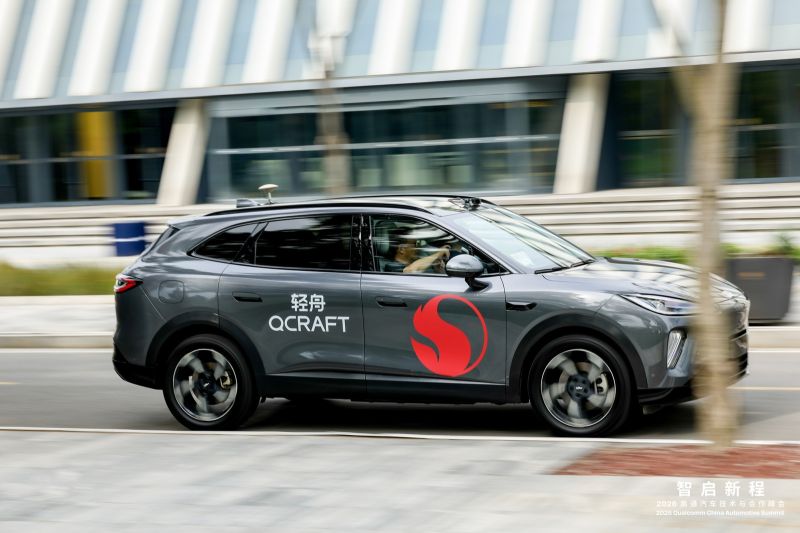
QCraft demonstrates urban NOA on Qualcomm’s latest Snapdragon Ride chip, targets 2026 global mass production
QCraft showcased its urban Navigate-on-Autopilot (NOA) system, powered by Qualcomm’s SA8650P Snapdragon Ride platform, during a live demonstration on June 5 at Qualcomm’s Automotive Technology and Cooperation Summit in Wuxi, China. This event marked a significant step for the autonomous driving company, which is aiming for global mass production of its technology within this year. Attendees had the opportunity to experience live test rides, highlighting the practical applications of QCraft's advancements in autonomous driving. The demonstration underscores the growing collaboration between technology and automotive sectors, as companies like QCraft seek to revolutionize urban transportation through innovative autonomous solutions.
Autonomous Vehicles Computing Technology assisted driving automation news automotive technology
Where’s your Labour Resource Management on the Warehouse Maturity Curve?
Rising labour costs and ongoing skills shortages are significantly impacting the logistics sector, placing immense pressure on warehouse management teams to optimize operations with limited resources. In response to these challenges, Aptean hosted a webinar aimed at addressing the critical aspect of resource management within warehouses. The session focused on evaluating operational maturity and highlighted the importance of effective resource management strategies. This initiative comes at a time when the logistics industry is grappling with the need to enhance efficiency amidst a tightening labour market.
IT in Logistics Jobs and Training TMS and Telematics Warehousing WMS & SCM Software Aptean
DynaSki: A Robust Locomotion Framework for Dynamic Skiing Robot on Challenging Terrains
A recent study published in the Journal of Field Robotics highlights advancements in autonomous robotic systems designed for agricultural applications. Researchers from a leading university conducted the study to address the growing need for efficient farming solutions amid increasing global food demand. The findings, released in early October 2023, provide insights into how these robotic systems can enhance crop monitoring and management. The research was conducted in various agricultural settings, demonstrating the robots' capabilities in navigating complex terrains and performing tasks such as planting, weeding, and harvesting. By employing advanced sensors and machine learning algorithms, the robots can analyze environmental conditions and optimize farming practices, ultimately aiming to increase yield while reducing labor costs. The motivation behind this innovation stems from the challenges faced by farmers due to labor shortages and the need for sustainable farming methods. The study emphasizes the potential of robotics to transform traditional agriculture, making it more resilient and productive in the face of climate change and resource constraints. As the agricultural sector continues to evolve, these findings could pave the way for broader adoption of robotic technologies, enhancing food security and sustainability worldwide.
RESEARCH ARTICLE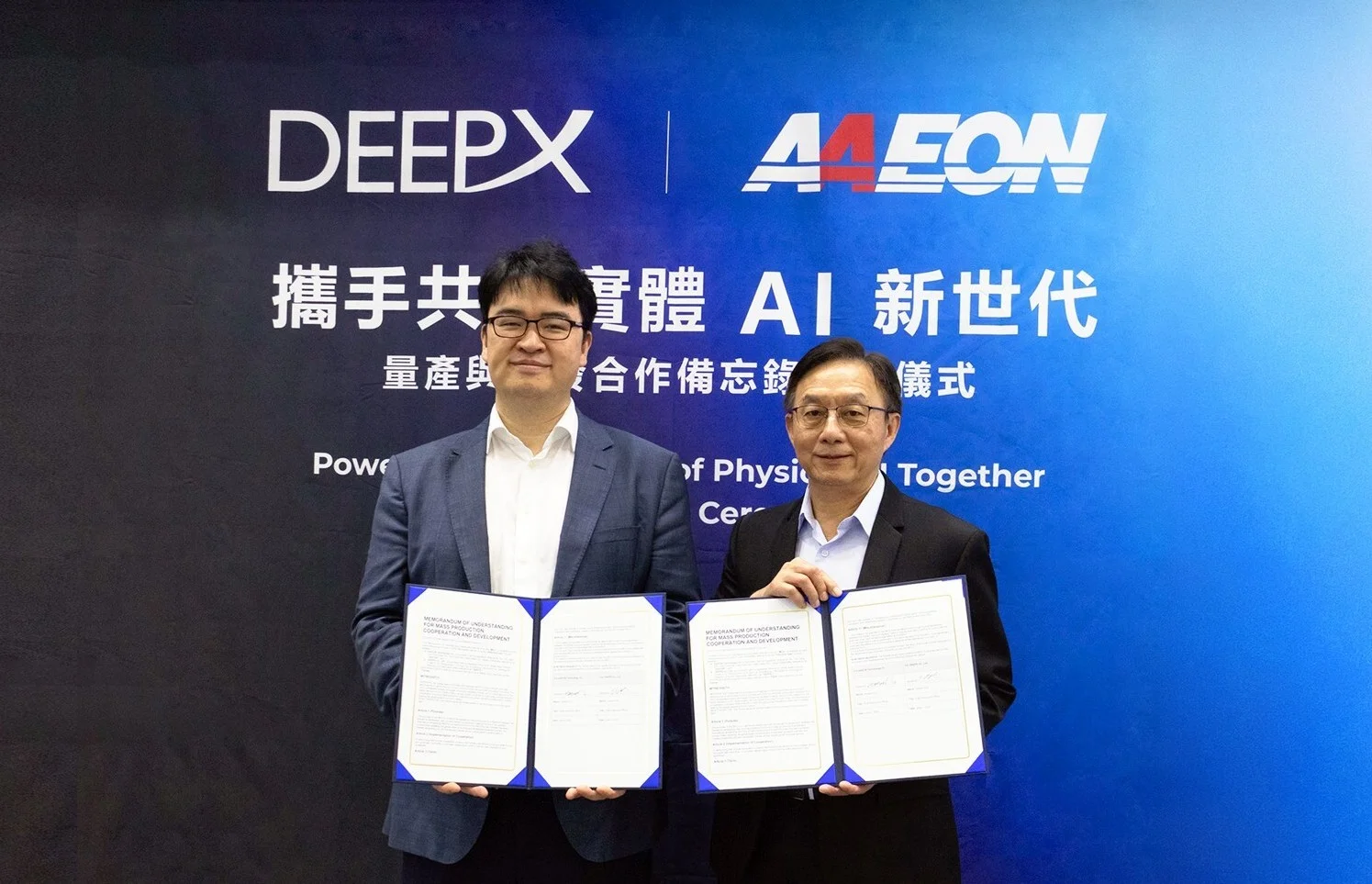
DeepX Announces Global Physical AI Mass Production Partnership with Aaeon
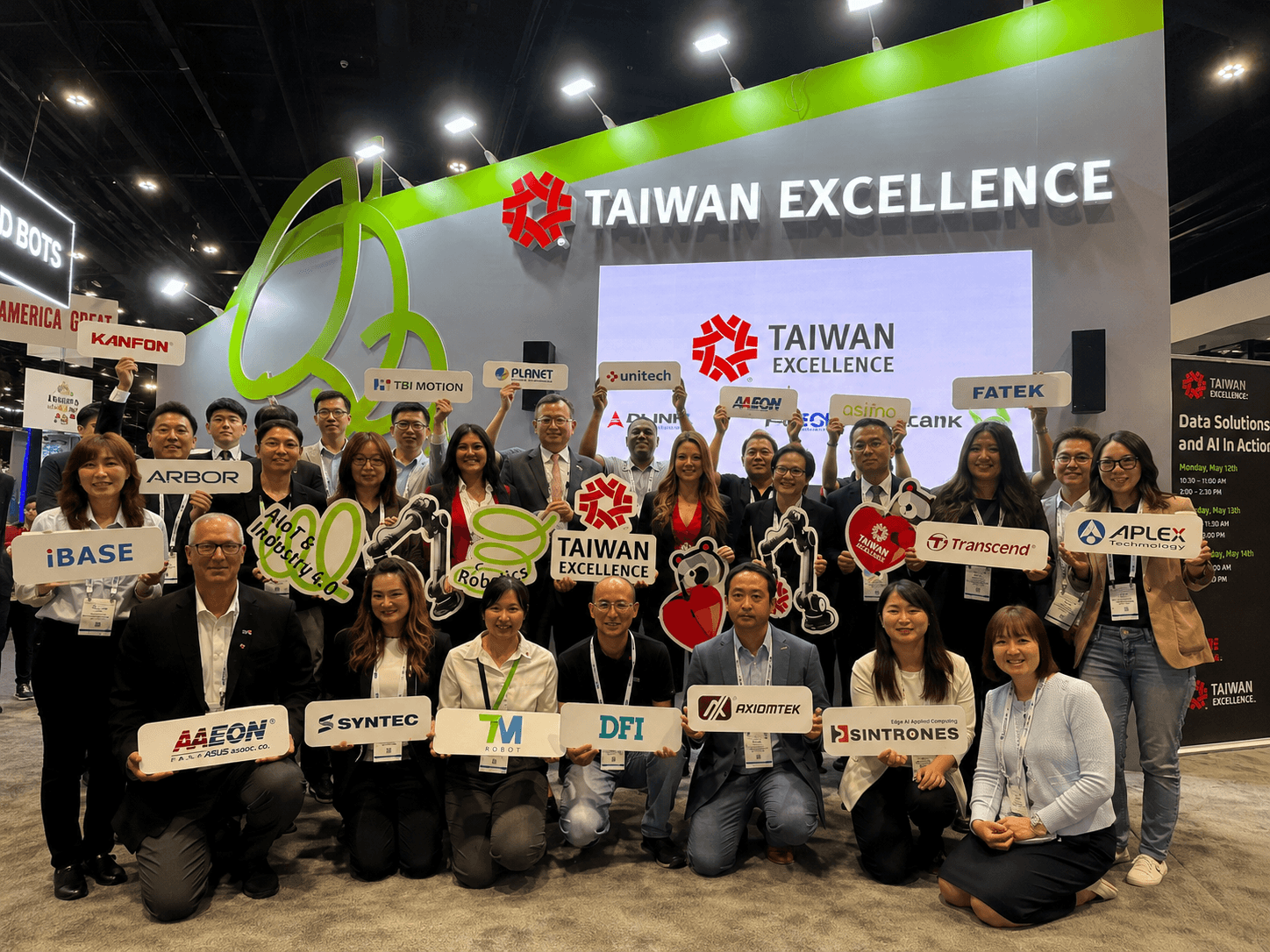
DeepX and Aaeon Technology have entered into a three-year manufacturing agreement to scale the integration of DeepX’s AI chips into industrial and edge computing systems. This collaboration was announced during Computex Taipei 2026 and aims to establish a commercialization pipeline for DeepX’s neural processing units (NPUs). The agreement will facilitate the incorporation of these advanced chips into Aaeon’s range of products, including industrial computers, single-board computers, and edge gateway devices. This partnership reflects a growing demand for enhanced AI capabilities in various computing applications, positioning both companies to capitalize on the expanding market for intelligent edge solutions.
AI AI Funding & Investment AI Infrastructure & Compute Robotics Aaeon Technologies DEEPX
Defining Autonomy for Wellness Robots in Senior Care
A recent examination highlights the potential of socially assistive wellness robots in enhancing senior wellness across seven key dimensions. This analysis, aimed at addressing the escalating senior care crisis, underscores the challenges posed by demographic shifts, workforce shortages, and gaps in daily wellness programming that traditional care models face. The study defines wellness robots distinctly from companion and medical devices, emphasizing their unique features and functions. It introduces a framework for measuring the autonomy of these robots using the Care Robot Autonomy Scale (CRAS), a six-level scale inspired by the SAE J3016 driving standard, which assesses four critical care dimensions. Furthermore, the research outlines a roadmap for achieving full autonomy in wellness robots, detailing necessary technical capabilities, clinical evidence, and a phased approach leading into the early 2030s. This comprehensive analysis aims to inform stakeholders about the transformative role of wellness robots in senior care and the urgent need for innovative solutions in the face of growing demands. A free whitepaper summarizing these findings is available for download.
Type-whitepaper Wellness-robots Autonomous-robots Robotics
From Prototype to Production Readiness
In recent years, the field of humanoid robotics has experienced remarkable growth, surprising even seasoned industry experts. By 2026, the transition from mere prototypes to the implementation of pilot projects featuring humanoid robots in valuable industrial applications is expected to take place. These robots are designed to perform tasks traditionally carried out by humans, not as replacements but as supportive aids to alleviate the pressures of a global labor shortage. This shift highlights the potential of humanoid robots to enhance productivity and efficiency in various sectors.
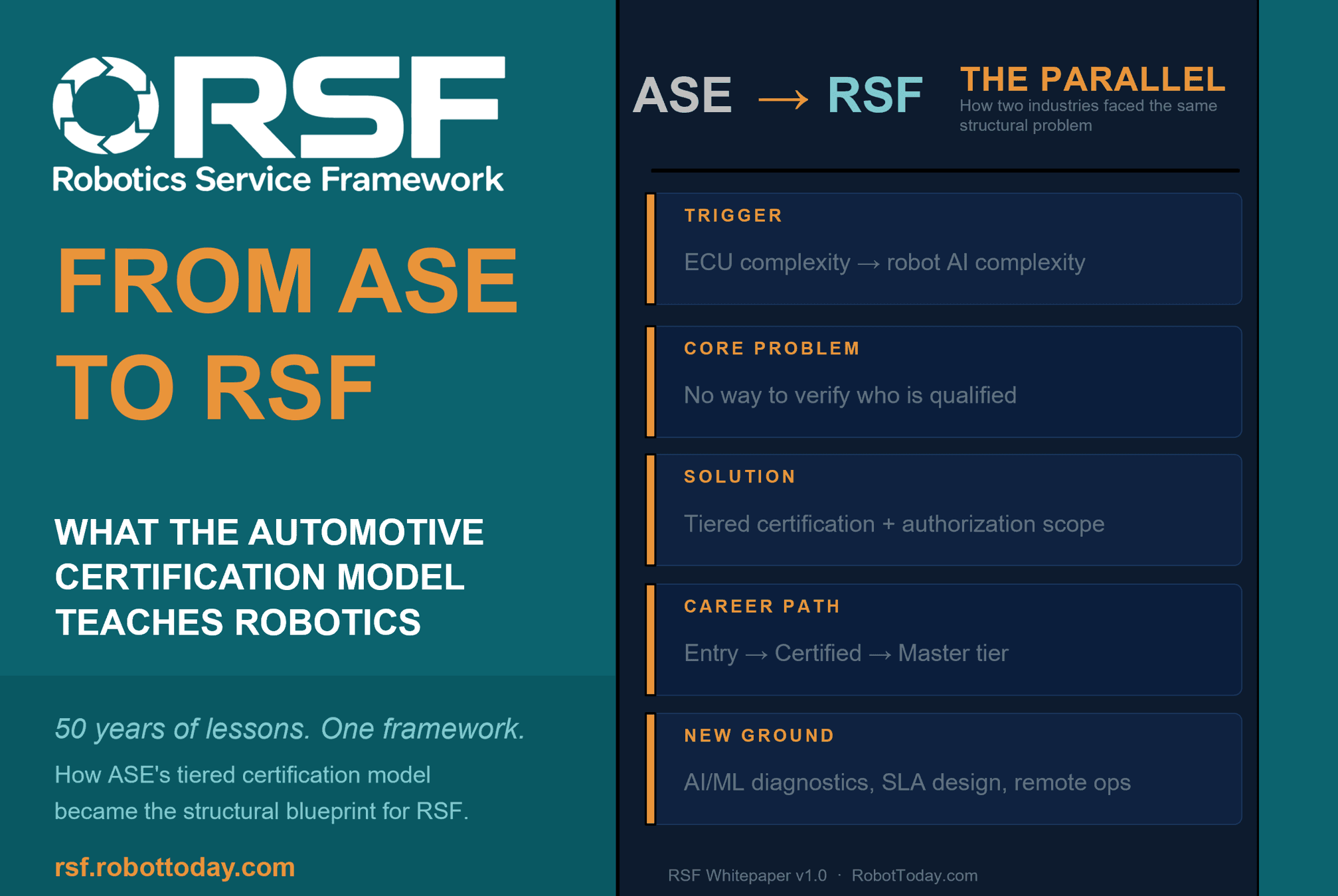
AllgemeinRobotics needs a service framework.
RSF defines a common language for robot service capability, lifecycle operations, certification pathways, and service-provider networks.