Industry Briefing
A single destination for timely, editor-curated robotics news from around the world.

Automation's Impact on Fulfillment and Last-Mile Delivery for Direct-to-Consumer Brands
Direct-to-consumer brands in the US and Canada face significant challenges in managing shipping costs, particularly in the final mile, which accounts for about half of all shipping expenses according to ABI Research. This has led to a growing reliance on automation within outsourced logistics, with technologies such as AI-coordinated fulfillment and autonomous mobile robots enhancing delivery efficiency and reliability. The importance of choosing the right third-party logistics (3PL) provider cannot be overstated, as most brands opt to outsource their warehousing needs rather than automate in-house. Providers like GoBolt, which handle fulfillment and last-mile delivery for shippers with over 3,000 orders monthly, are crucial in this landscape. The integration of software that coordinates storage and labor in real-time is transforming operations, as seen with AutoStore's recent product updates that optimize robot movement without necessitating additional hardware. Looking ahead, the trend towards automation in logistics is expected to continue, with AutoStore recently achieving its 300th installation in Aurora, Colorado. The company's advancements, including the CubeVerse platform, highlight the potential for increased efficiency through software rather than hardware expansion. No further timeline was disclosed at the time of publication.
Automation Logistics 3pl amrs artificial intelligence autonomous mobile robots
NoTip Initiates Public Beta for Robotic Food Delivery Service in Mason, Ohio
NoTip has commenced public beta testing of its robotic food delivery platform in Mason, Ohio, allowing residents to access an innovative autonomous delivery service. This service integrates electric vehicles with delivery robots, utilizing a patent-pending dual-stage delivery system to enhance food delivery in suburban areas where traditional sidewalk robots face challenges. The significance of this initiative lies in NoTip's aim to make food delivery more affordable and reliable, independent of restaurants and gig workers. Customers can download the NoTip app to place orders, track deliveries in real-time, and enjoy a flat $6 delivery fee without tipping or price mark-ups. John Vo emphasized the importance of this beta testing phase in refining the delivery experience through customer feedback. Looking ahead, NoTip plans to leverage insights gained during the beta program to inform future enhancements and expansion strategies for its robotic delivery platform. The response from customers during this trial will be crucial in shaping the service's commercial viability and operational scope.
Logistics News autonomous delivery platform autonomous food delivery delivery robotics delivery robots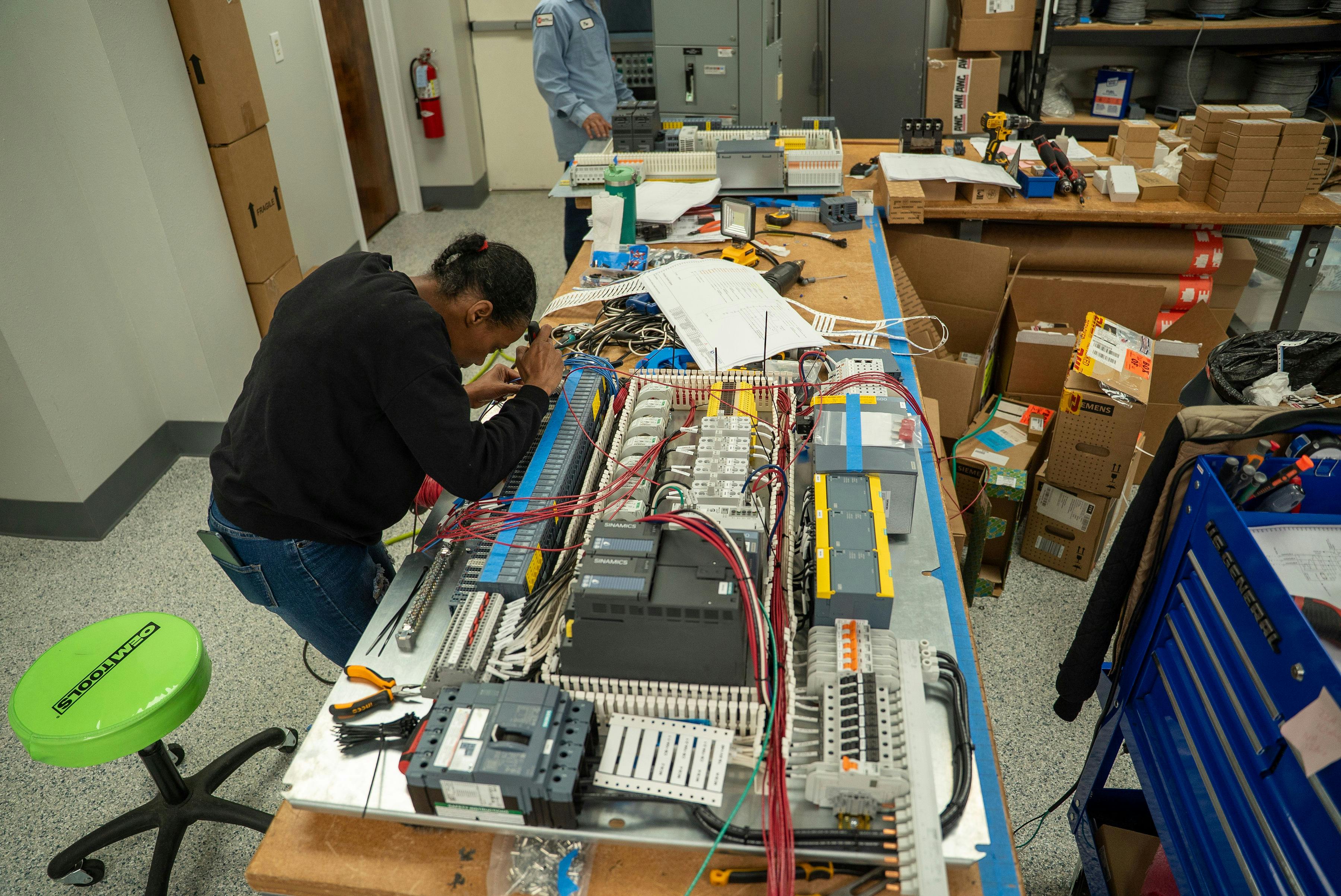
Solid State Automation and Controls Cuts Motor Control Center Delivery Time by 50 Weeks
Solid State Automation and Controls (SSAC) faced a significant challenge when a customer required a Motor Control Center (MCC) for a new facility, with a traditional lead time of 14 months. The facility needed to be operational in just eight months, prompting SSAC to innovate a solution. They designed the custom Motor Control Complex, MC-PLEX, in collaboration with Rittal, successfully delivering it in 22 weeks, thus saving 50 weeks compared to the standard timeline. This achievement is crucial as it highlights SSAC's ability to adapt and meet urgent customer needs in the building materials and logistics industry. By leveraging a modular enclosure and busbar platform, SSAC not only fulfilled the immediate requirement but also laid the groundwork for a more efficient and flexible product line. The company’s commitment to customer trust through expertise and accountability was pivotal in overcoming the traditional limitations of MCC delivery. Looking ahead, SSAC's innovative approach to the MCC design and delivery process may set a new standard in the industry. Their collaboration with Rittal and the use of advanced design tools like Eplan could lead to further enhancements in efficiency and flexibility for future projects. No further timeline was disclosed at the time of publication.
Factory / Digital Transformation
How Pick and Pack Fulfillment is Transforming Order Delivery in the Automation Age
The modern supply chain has undergone a significant transformation, with consumers now expecting two-day shipping as a standard. This shift necessitates a complete rethinking of traditional logistics practices, moving away from manual processes to technology-driven solutions. Companies face challenges in managing increased order volumes while maintaining accuracy, highlighting the need for advanced robotics and smart software in logistics. The implementation of intelligent pick and pack fulfillment workflows is crucial for warehouses to enhance efficiency. By analyzing order data in real time, these systems optimize item retrieval and minimize unnecessary movement within the facility. Techniques such as batch picking and zone picking streamline operations, allowing workers to compile orders more quickly, which leads to faster delivery times and improved customer satisfaction. The rise of autonomous mobile robots (AMRs) marks a significant change in warehouse operations. These robots have evolved from being a novelty to a necessity, utilizing advanced navigation technologies to operate safely in dynamic environments. As logistics providers continue to adopt these innovations, the focus will be on further enhancing operational efficiency and meeting the growing demands of consumers.
Automation Logistics Supply chain amrs autonomous mobile robots e-commerce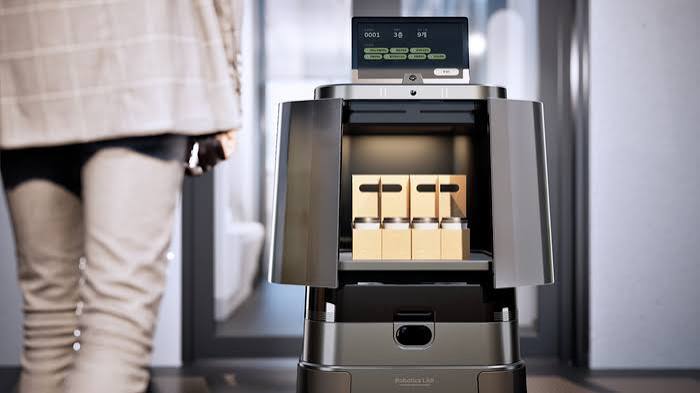
A Woman Assists a Serve Robotics Delivery Robot Stuck in Los Angeles
Recently in Los Angeles, a woman working at the city hall helped a Serve Robotics delivery robot that was stuck in a bush. She adjusted its wheels and pushed it back onto the sidewalk, allowing it to continue its journey. This incident sparked discussions about the moral implications of assisting robots that may replace human jobs. The situation highlights a critical issue: despite being marketed as autonomous, these delivery robots often require human intervention. Serve Robotics claims a 99.8% delivery success rate, but this translates to dozens of robots encountering issues daily across Los Angeles. When problems arise, pedestrians frequently step in before the company's support team can respond. This scenario reveals the uncomfortable truth about autonomous delivery: while robots can navigate most of their routes, they struggle with unexpected challenges. As seen in other cities, such as Chicago and Miami, the burden of resolving these issues often falls on the public, raising questions about the true nature of automation and its reliance on human support.
Delivery Robots Autonomous Technology Urban Infrastructure Human-Robot Interaction
Insta360 vs DJI: The Drone Imaging War Is More Brutal Than the Food Delivery Battle
In Shenzhen, two leading companies in the drone camera industry, Insta360 and DJI, are engaged in intense competition that is transforming the landscape of imaging hardware in China. This rivalry has escalated into a series of patent lawsuits, aggressive price reductions, and a battle for top talent. As both firms strive to outmaneuver each other, the ongoing conflict is reshaping market dynamics and influencing consumer choices in the rapidly evolving technology sector. The situation reflects broader trends in innovation and competition within the Chinese tech industry, highlighting the lengths to which companies will go to secure their position in a lucrative market.
Industry Gadgets
Serve Robotics expands beyond food delivery with autonomous laundry service
Serve Robotics has entered into a partnership with NoScrubs, an emerging on-demand laundry service, to expand its delivery offerings beyond prepared food. This collaboration, which marks Serve's inaugural venture into urban delivery for laundry, will kick off this week in select neighborhoods across Los Angeles. Utilizing Serve's fleet of autonomous sidewalk robots, the pilot program aims to deliver laundry orders directly to customers' doorsteps, enhancing convenience and efficiency in urban logistics.
Logistics News ai robotics automation news autonomous commerce autonomous delivery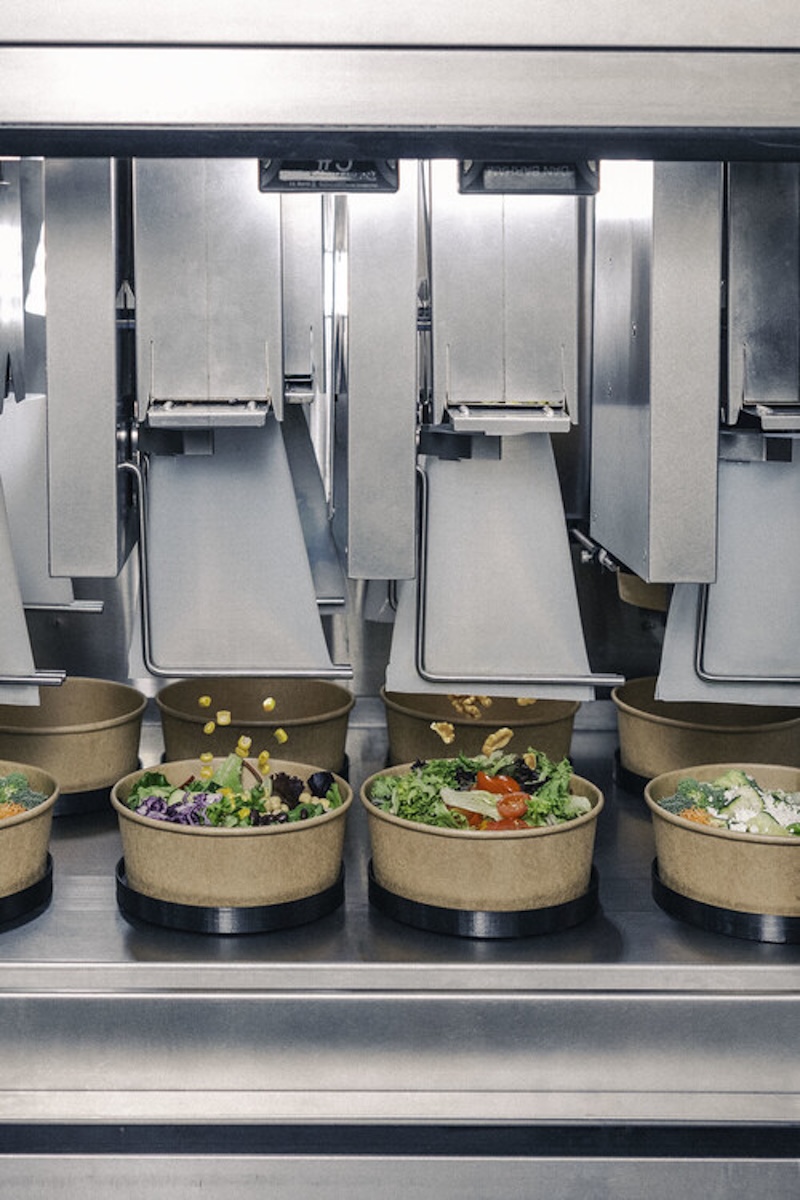
Appetronix acquires Cibotica to expand robotic foodservice automation beyond pizza
Appetronix, a developer specializing in robotic kitchen systems, has acquired Cibotica, a company focused on food robotics, to enhance its automation platform by incorporating a wider range of food categories beyond pizza. The financial details of the acquisition remain undisclosed. This strategic move allows Appetronix to integrate Cibotica’s advanced automated ingredient dispensing and portioning technology into its existing offerings, including the Remy robotic system. The acquisition is part of Appetronix's ongoing efforts to innovate and expand its capabilities in the food service industry.
Engineering AI in foodservice appetronix automation news autonomous kitchens Cibotica
China’s food-delivery price war sees Meituan, Alibaba, JD.com incur $14B in costs across two quarters
In the third quarter of 2025, Meituan reported a staggering operating loss of 19.8 billion yuan ($2.7 billion), marking its largest loss since going public. This significant downturn is attributed to intense competition in China's food delivery sector, which has driven companies to engage in heavy subsidy spending. Meanwhile, Alibaba experienced a sharp decline in its operating profit, plummeting from 35.2 billion yuan to just 5.4 billion yuan ($4.9 billion to $0.75 billion). JD.com also faced challenges, reporting an operating loss of 10.5 billion yuan ($1.4 billion). The ongoing battle for market share among these major players highlights the pressures of maintaining profitability amidst aggressive pricing strategies and consumer incentives.
News Feed
JD.com’s food delivery service faces backlash after system crash amid 618 surge
On May 14, JD.com’s food delivery service faced significant disruptions, leading to widespread user complaints about delayed and unassigned orders. The incident prompted a surge of online discussion, with the hashtag #JD_Food_Delivery_Crashed_Again trending across various social media platforms. In light of the situation, JD.com issued an apology, explaining that the service interruptions were caused by an unexpected increase in order volume linked to its ongoing 618 promotional campaign. The company is currently working to address the issues and restore normal service for its customers.
News Feed
JD.com food delivery hits 1 million daily orders in 40 days
JD.com has reported that its newly launched food delivery service has achieved over 1 million daily orders just 40 days after its debut. The platform collaborates with more than 450,000 dine-in restaurants across 142 cities in China. This impressive growth is largely credited to JD.com’s policy of zero commission fees, which has enabled some partnered restaurants to surpass 2,000 monthly orders. The company’s innovative approach is attracting new merchants, further enhancing its market presence in the competitive food delivery sector.
News Feed
Drone food delivery orders rise in China during Spring Festival
In Shenzhen, a growing number of food delivery orders are now being fulfilled by drones, as reported by state-owned media CCTV Finance. At Yitian Plaza, operator Luo Xikun and his team have streamlined the process, managing to pack, weigh, and swap batteries for drone deliveries in under two minutes. This innovative approach aims to enhance delivery efficiency and meet the increasing demand for quick service in urban areas. The use of drones represents a significant advancement in logistics, allowing for faster and more reliable food delivery options in the bustling city.
News FeedRobotics needs a service framework.
RSF defines a common language for robot service capability, lifecycle operations, certification pathways, and service-provider networks.
Join the RobotToday community on LinkedIn
Daily robotics news, in-depth analysis, conference highlights, and discussions with professionals worldwide.