
A single destination for timely, editor-curated robotics news from around the world.
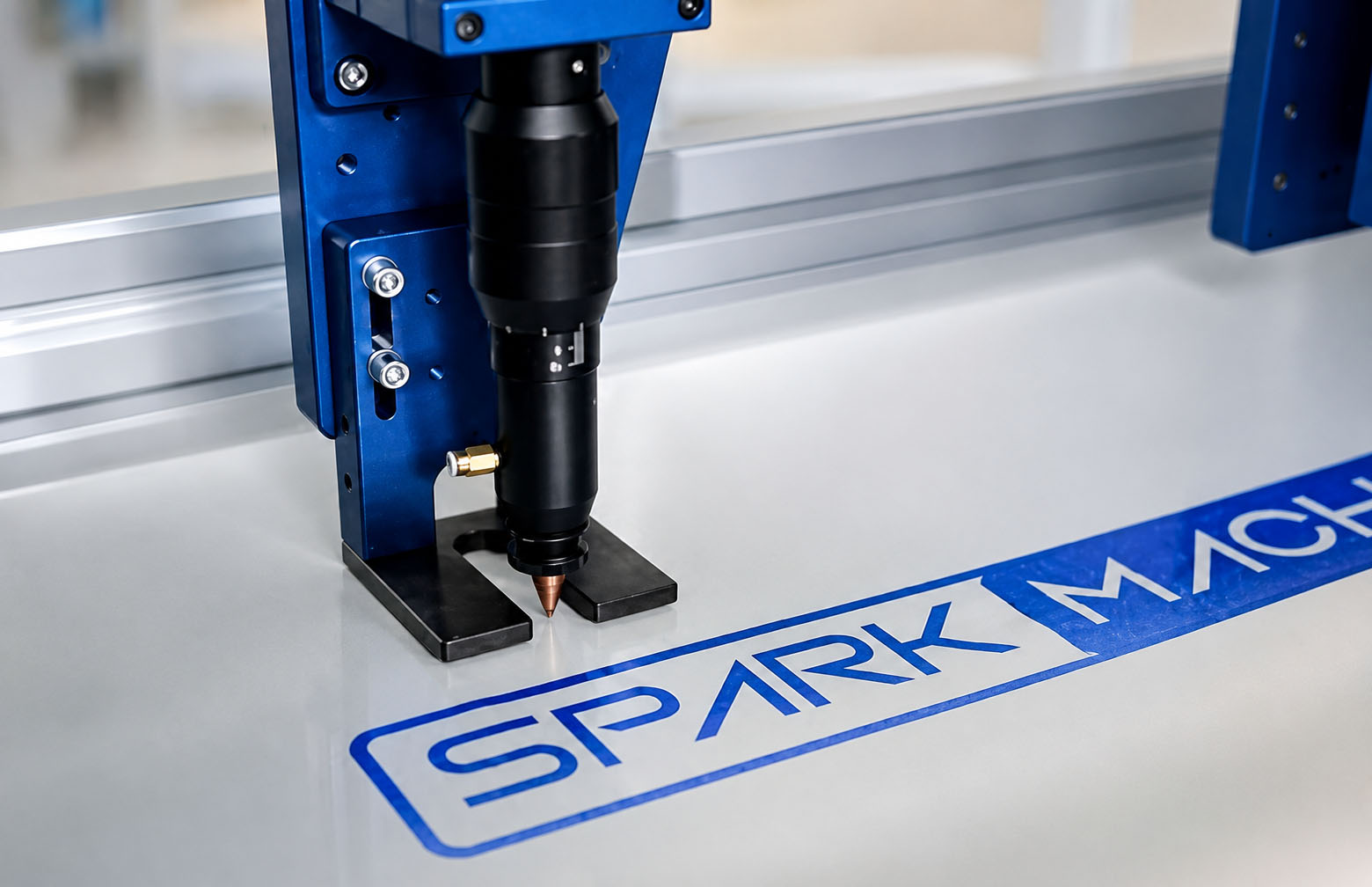
In the contemporary flexible packaging industry, achieving excellence extends beyond aesthetics to become a critical functional requirement. The optimization of permeability has emerged as a fundamental pillar in preserving the freshness of products, where every technical detail plays a vital role in extending shelf life and minimizing food waste. Recent advancements in laser micro-perforation technology, combined with industrial vision systems, are enhancing the reliability of packaging films. This innovative approach not only improves product preservation but also addresses the growing demand for sustainable packaging solutions. The integration of these technologies is transforming how the industry approaches packaging efficiency and effectiveness.
RobotMagazine By Christophe Carl Louis 6 hours ago À la une IA Industrie Robotique conservation des aliments contrôle qualité automatisé
A recent analysis highlights the challenges posed by rising power density, 3D integration, and innovative materials in the field of semiconductor thermal management. As the industry faces heat flux projections exceeding 1,000 W/cm² for next-generation accelerators, thermal management has emerged as the primary constraint on semiconductor scaling, shifting the focus from traditional lithography techniques. This shift is driven by advancements in heterogeneous integration and AI-driven power density. The study also addresses the implications of extreme material properties on thermal design, particularly in nanoscale thin films where conventional bulk assumptions are inadequate. It emphasizes the importance of engineered ultra-high-conductivity materials, such as diamond and boron arsenide, and the challenges of devices operating above 200 °C in wide-band gap systems. Furthermore, the analysis reveals that thermal boundary resistance at bonded interfaces and dielectric stacks has become a critical factor in ensuring reliability. To mitigate these issues, the report advocates for a thermal-first design workflow, which integrates measured, scale-appropriate thermal properties early in the design cycle. This approach aims to calibrate models, reduce uncertainty, and prevent costly failures in advanced packaging and 3D architectures. The findings underscore the urgent need for advanced metrology to keep pace with the evolving demands of semiconductor technology. A free whitepaper detailing these insights is available for download.
IEEESpectrumAI By Laser Thermal Mar 23, 2026 Semiconductors Thermal-management Scaling Type-whitepaperRSF defines a common language for robot service capability, lifecycle operations, certification pathways, and service-provider networks.
Excepteur sint occaecat cupidatat non proident







