Industry Briefing
A single destination for timely, editor-curated robotics news from around the world.
Gremsy USA Unveils Blue UAS-Cleared Payloads Amid Drone Supply Chain Changes
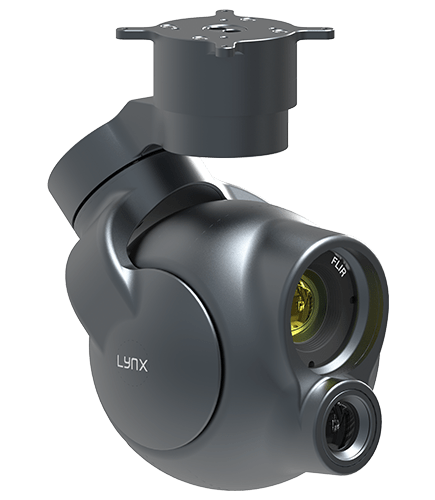
Gremsy USA has launched three drone payloads compliant with NDAA and Blue UAS standards for the U.S. market. This introduction responds to increasing federal pressure on drone manufacturers to establish domestic and reliable supply chains. The new products include the VIO F1, ORUS L NDAA, and LYNX NDAA, with pre-orders now being accepted. This development is significant as it aligns with the broader shift in U.S. drone policy, particularly following the Federal Communications Commission's December 2025 decision to include foreign-produced UAS and critical components on its Covered List. The White House has also emphasized the importance of domestic production, citing national security concerns regarding reliance on foreign drone components. Gremsy USA's strategy aims to meet these stringent sourcing requirements while leveraging its established international expertise. Looking ahead, Gremsy USA's U.S. operations focus on engineering and manufacturing compliant payloads domestically, integrating its gimbal technology with NDAA-compliant thermal imaging from Teledyne FLIR OEM. The VIO F1 is designed for industrial inspections and situational awareness, while the ORUS L NDAA targets long-range operations for surveillance and reconnaissance. No further timeline was disclosed at the time of publication.
defense Drone News Drone News Feeds NDAA Compliant News Products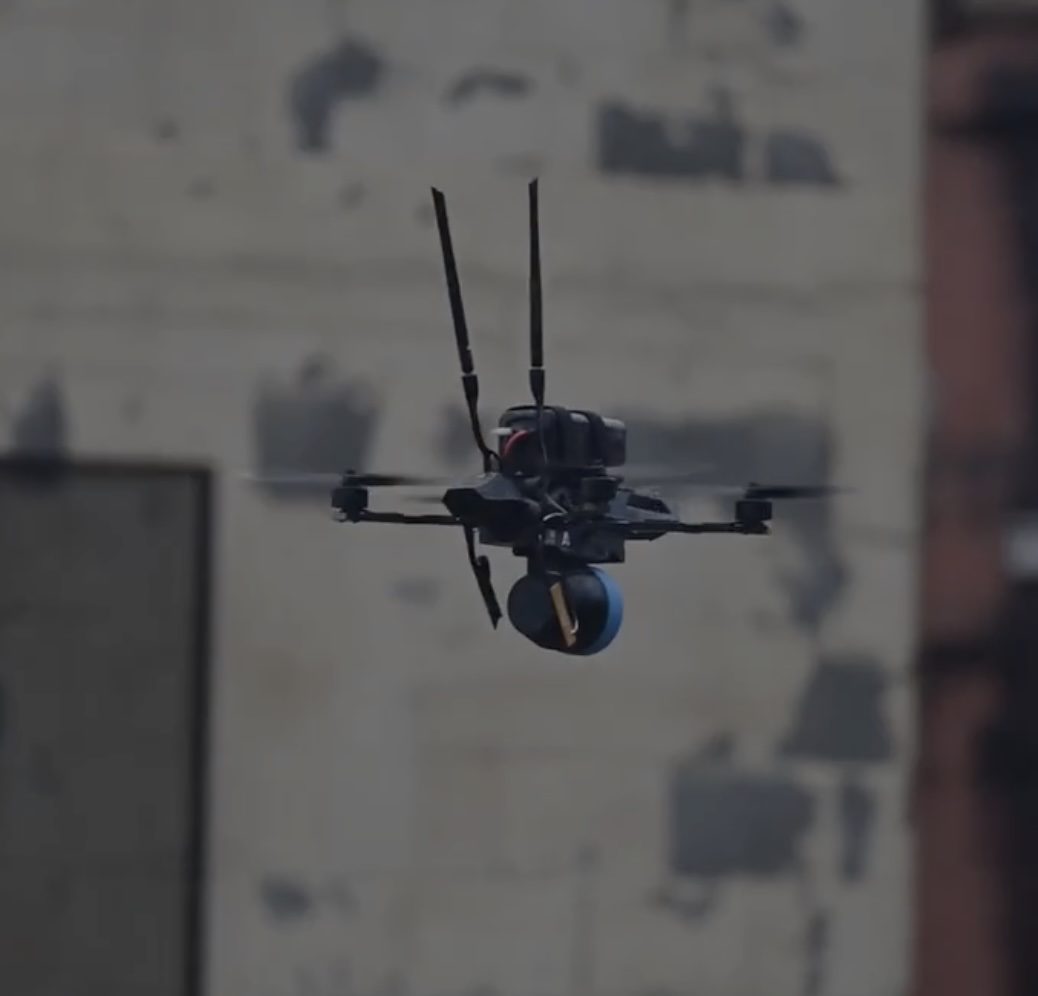
White House Hosts Drone Industry Event to Discuss Supply Chain Dominance
The White House convened drone manufacturers, component suppliers, and government officials for its inaugural Drone Dominance industry event, highlighting the administration's commitment to enhancing U.S. drone production. Nearly 100 representatives attended, with about 40 companies participating, including those that supply critical components like batteries and sensors. This initiative underscores the necessity of developing a comprehensive domestic drone ecosystem that encompasses not only aircraft assembly but also the supply of essential technologies and materials. A recent Executive Order mandates that contractors trace their supply chains from raw materials to end products, revealing the complexities involved in establishing a self-sufficient drone industry. Looking ahead, the administration has identified significant dependencies on foreign sources for various drone components, indicating a pressing need for domestic capacity expansion. The overlap between military and commercial drone production suggests that efforts to strengthen the supply chain will benefit both sectors, although no further timeline was disclosed at the time of publication.
Drone News Drone News Feeds Dual Use News Policy US Government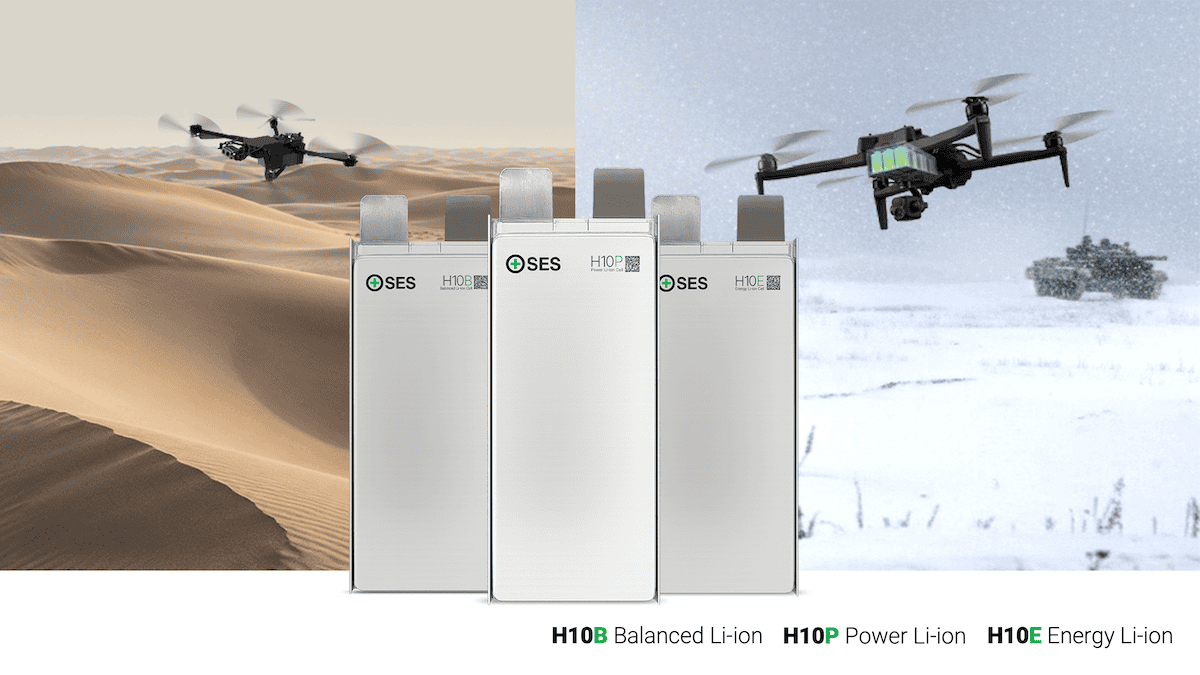
SES.AI Highlights Challenges in Building America's Drone Supply Chain Ecosystem
SES.AI, based in Massachusetts, is addressing the complexities of establishing a secure U.S. drone supply chain. The company focuses on developing advanced battery technologies crucial for drone performance, while also leveraging its 'Molecular Universe' database to explore new materials for battery innovation. The significance of this initiative lies in the U.S. drone policy's push for secure supply chains and reduced reliance on foreign components, particularly from China. As U.S. manufacturers shift towards domestic production, they face the challenge of not just assembling drones but also rebuilding the entire ecosystem of batteries, motors, and electronics that support them. Looking ahead, the urgency for alternatives in the U.S. drone industry is growing. SES.AI's operations in Chungju, South Korea, highlight the importance of a skilled workforce and supplier network, which are essential for scaling production. No further timeline was disclosed at the time of publication.
battery technology Blue UAS defense DL Exclusive Drone Manufacturing Drone News
China Implements Stricter Export Controls on Drones, Impacting U.S. Supply Chains
China has introduced new export control measures affecting specific drones and related technologies bound for the United States, as announced by the Ministry of Commerce on August 5, 2026. These measures require stricter case-by-case reviews for exports already listed on China's dual-use export control list, which could complicate supply chains for U.S. manufacturers reliant on Chinese components. The significance of these controls lies in their potential impact on U.S. drone manufacturers, many of whom still depend on Chinese suppliers for essential components like motors, batteries, and sensors. While the announcement does not ban all drone exports, it imposes tighter licensing requirements that could lead to longer lead times and increased compliance burdens, particularly for smaller manufacturers with limited sourcing options. Looking ahead, the new licensing requirements may slow product introductions and extend delivery schedules, affecting manufacturing more than field operations. The evolving regulatory landscape on both sides of the supply chain underscores the growing importance of navigating export controls and national security policies in the global drone market. No further timeline was disclosed at the time of publication.
Drone Manufacturing Drone News Drone News Feeds Drones in the News Dual Use Feature 1
USA Drone Motors Launches to Address Domestic Drone Supply Chain Needs
USA Drone Motors has officially launched to manufacture large electric motors, actuators, and electronic speed controllers for agricultural and heavy-lift drones in southern California. Founder Jon Facer identified a significant market opportunity as U.S. drone manufacturers seek to lessen their reliance on Chinese suppliers due to recent FCC restrictions on foreign-made drones and components. This development is crucial as it comes at a time when U.S. drone manufacturers are scrambling to reshore production amid the inability of companies like DJI to introduce new models in the U.S. market. Facer's insights from an agricultural drone conference highlighted the industry's urgent need for domestic solutions, particularly for components that are currently dominated by a few Chinese suppliers. Looking ahead, USA Drone Motors aims to enhance U.S. assembly and engineering capabilities while gradually localizing its supply chain. Although initial production will not fully utilize U.S. materials due to sourcing challenges for key components, the company is focused on developing initial designs and gathering feedback from drone manufacturers and users to refine its offerings. No further timeline was disclosed at the time of publication.
Agtech Precision agriculture Startups & funding US & Canada drones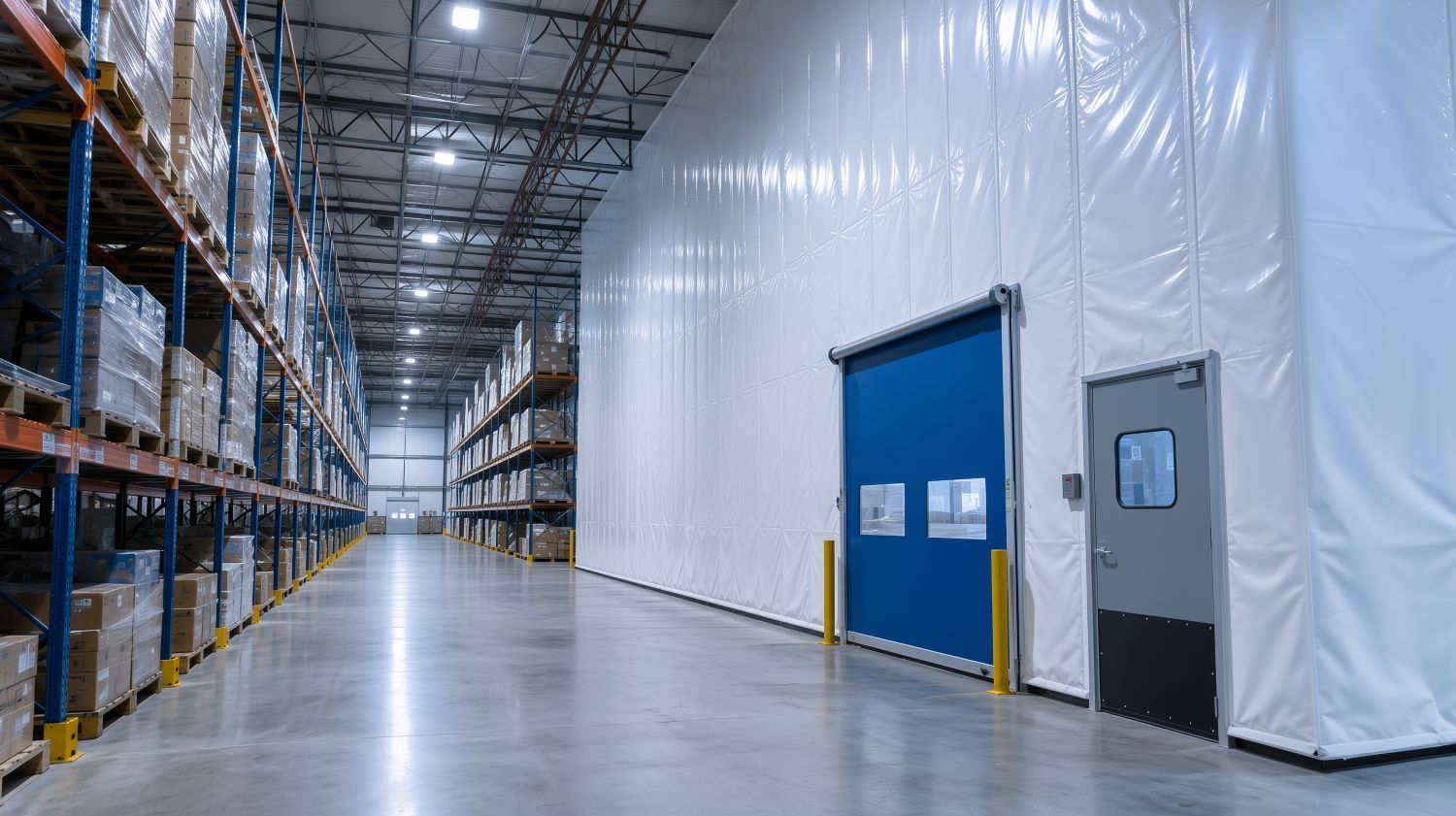
Zone Separation Innovations Could Enhance Cold Chain Efficiency in the UK
The UK, holding the largest cold storage market in Europe, faces significant challenges as cold-chain energy costs surged by 46% in 2023. The Cold Chain Federation highlights that the temperature-controlled sector contributes £14 billion to the economy, making energy management a critical operational factor for logistics operators. A major energy drain in distribution centers arises from the movement of goods between temperature zones, with air infiltration accounting for over half of the refrigeration load in high-traffic facilities. Implementing physical zone separation, such as temperature-separating curtain walls and PVC strip curtains, can significantly reduce energy loss by minimizing uncontrolled air exchange. As the cold chain sector moves towards energy efficiency, particularly in light of the UK's 2050 Net Zero target, the adaptability of curtain systems offers a practical solution. These systems allow for flexible reconfiguration of temperature zones without extensive construction, aligning with the industry's evolving needs while promoting energy savings without major facility overhauls. No further timeline was disclosed at the time of publication.
Cold Chain Logistics Storage & Racking Transport and Distribution Warehouse Property Warehousing cold chain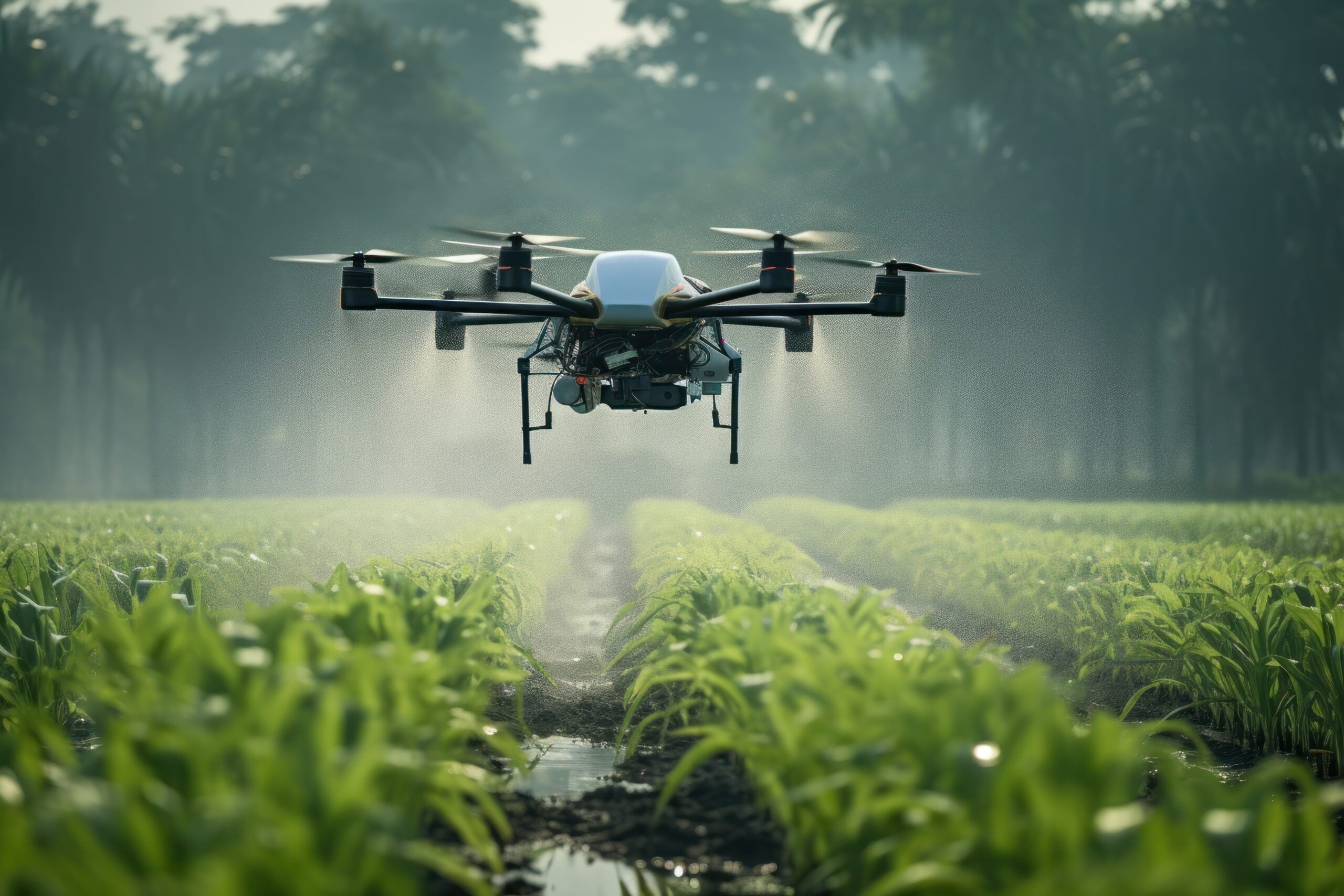
FCC Proposes New Rules for Drone Manufacturers on Software and Hardware Disclosure
The Federal Communications Commission (FCC) has initiated a rulemaking process that may require drone manufacturers to disclose comprehensive details about their hardware and software. This proposal, published on August 7, is part of the FCC's Third Further Notice of Proposed Rulemaking and aims to enhance transparency in the commercial drone industry. This rulemaking is significant as it could reshape the regulatory landscape for drone manufacturers, particularly through the proposed Hardware Bill of Materials (HBOM) and Software Bill of Materials (SBOM). Will Dawson from the Agricultural Drone Initiative emphasized that these requirements could be pivotal, as they would mandate certification applicants to provide detailed information about each component's producer and production location, potentially impacting supply chains and security protocols. As the FCC seeks public comment on these proposals, the industry should monitor the developments closely. The implications of the HBOM and SBOM requirements could lead to stricter certification processes and influence how drone manufacturers manage their supply chains. No further timeline was disclosed at the time of publication.
Agriculture Applications Drone News Drone News Feeds Feature 1 News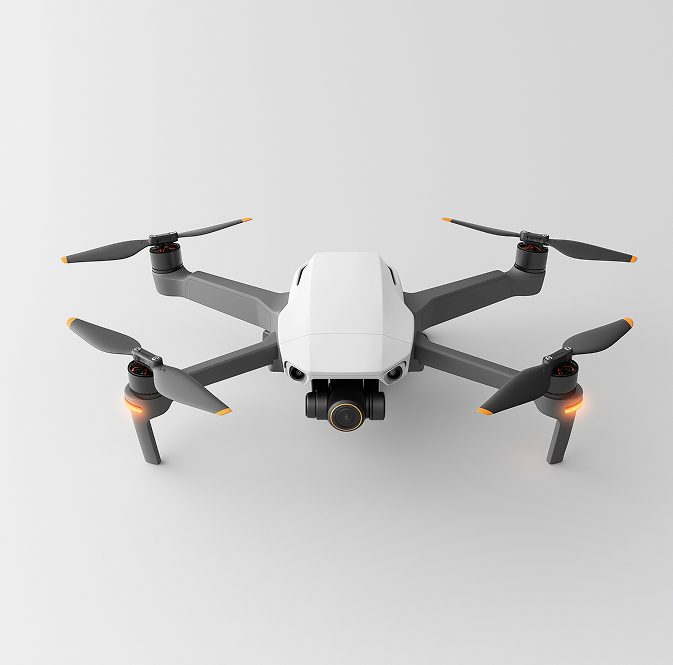
Sila Secures $300 Million to Enhance U.S. Battery Anode Production for Drones
Sila has successfully raised $300 million in private funding aimed at expanding its silicon-carbon battery anode technology production in the United States. This investment will bolster manufacturing capacity at its Moses Lake, Washington facility, facilitating a Phase 2 expansion and accelerating the production of its Titan Silicon® anode technology. The significance of this funding lies in its potential to strengthen domestic supply chains for advanced battery materials, particularly in light of the current dominance of China in anode material processing and battery cell manufacturing. With battery materials becoming increasingly crucial for technology security, Sila's efforts could mitigate supply chain risks for industries reliant on advanced batteries, including drones, defense systems, and electric vehicles. Looking ahead, Sila's expansion plans include increasing its Moses Lake facility's capacity from an initial 2 GWh to as much as 250 GWh over the next five years, potentially establishing it as the world's largest anode production site. No further timeline was disclosed at the time of publication.
Applications Drone Manufacturing Drone News Drone News Feeds News AI infrastructure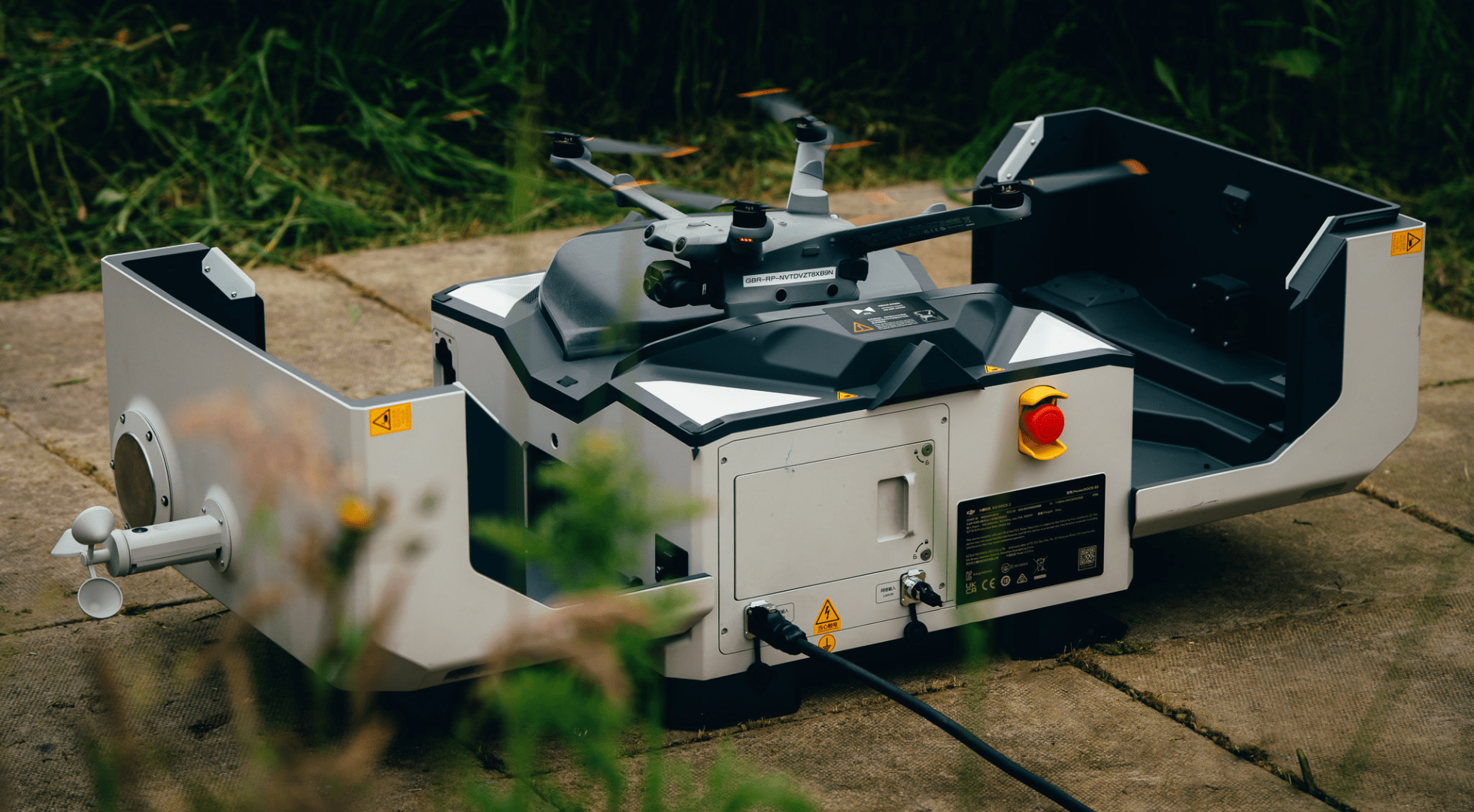
FCC Proposes Ban on Sales of Certain Military-Grade Foreign Drones to Reshape U.S. Market
The Federal Communications Commission (FCC) is advancing its initiative to reform the U.S. drone market by seeking public input on a proposed ban on the import, marketing, or sale of specific categories of foreign-produced military-grade drones listed on its Covered List. This move follows a previous decision to restrict certain foreign uncrewed aircraft systems due to national security concerns. This proposal is significant as it reflects the FCC's evolving strategy, which now includes establishing regulatory pathways for domestic manufacturers that comply with U.S. security standards. The FCC aims to provide greater certainty for companies investing in U.S.-based production while addressing potential national security risks associated with foreign drones. Comments on the proposed restrictions are due 30 days after the notice is published in the Federal Register. The FCC is also extending exemptions for trusted manufacturers until January 1, 2028, and has permanently removed expiration dates for certain approved drones and components, ensuring stability in the supply chain for compliant products.
Applications defense Defense Drone News Drone News Feeds Drone Swarms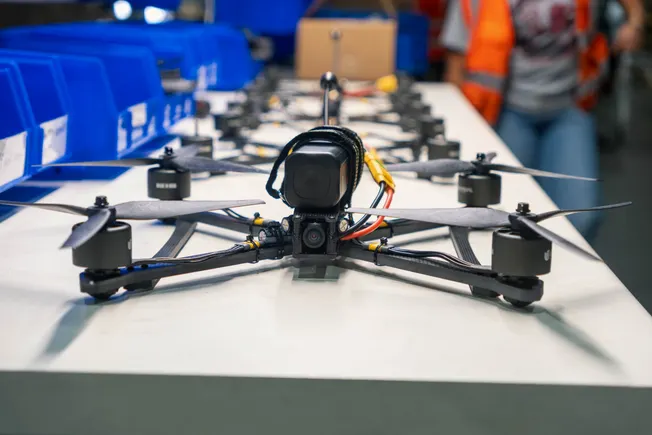
How a drone maker aims to fix the supply chain
Brett Velicovich, co-founder of Powerus and a U.S. Army veteran, has outlined the company's initiative to establish a comprehensive drone manufacturing process within the United States. This effort aims to enhance domestic production capabilities and reduce reliance on foreign suppliers. By leveraging his military experience and expertise in drone technology, Velicovich is spearheading this project to address growing demands in the drone industry. The initiative is part of a broader movement to bolster American manufacturing and innovation, particularly in the defense and technology sectors. Powerus is actively working on developing the necessary infrastructure and partnerships to facilitate this transition, with plans to implement the manufacturing process in the near future.

How Cold Chain Operators Are Turning Energy Flexibility Into a Competitive Advantage
Cold storage facilities, known for their high energy consumption, face increasing challenges as the cost of electricity becomes more dependent on consumption timing rather than just the volume used. This shift in energy pricing creates a difficult situation for operators who have traditionally viewed electricity costs as fixed. As refrigeration systems must run continuously to maintain product integrity, the significant energy load required raises concerns about operational expenses and sustainability. The industry is now compelled to adapt to these changing dynamics, prompting a reevaluation of energy management strategies to mitigate costs and enhance efficiency.
Business Logistics automation news cold chain cold chain logistics cold storage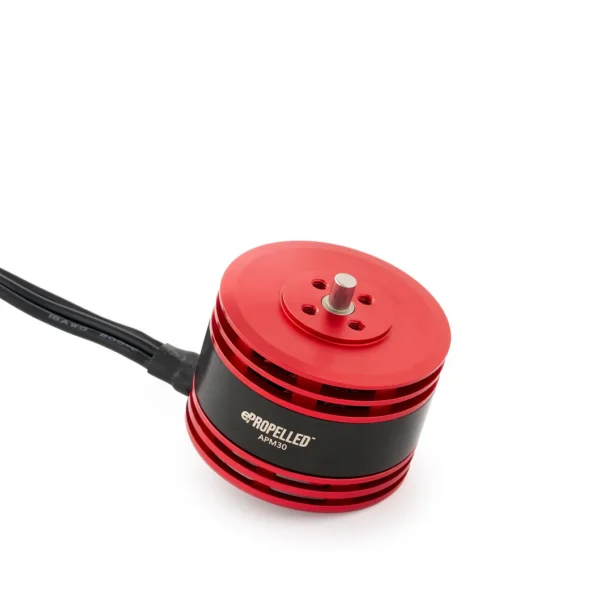
The Next Drone Supply Chain Challenge: Rare Earth Magnets
A new bipartisan bill has been introduced in Congress to bolster the United States' domestic supply chain for rare earth magnets, which are essential components in drone motors. The legislation, spearheaded by Chairman John Moolenaar (R-MI) and Ranking Member Ro Khanna (D-CA), addresses the growing concern over America's reliance on China for these critical materials. The initiative comes amid increasing recognition of the challenges faced by the drone industry, particularly regarding the sourcing of permanent magnets necessary for electric motor functionality. By enhancing domestic production capabilities, the bill aims to ensure a more secure and reliable supply chain for the burgeoning drone sector.
Drone Manufacturing Drone News Drone News Feeds drone parts drone technology Feature 1
Drone Dominance: The Defense Department’s Push to Build a Scalable U.S. Drone Supply Chain
During the keynote roundtable at XPONENTIAL 2026 this morning, leaders from government and industry convened to discuss a pivotal shift in the U.S. drone sector. The focus of the panel, moderated by Michael Robbins of AUVSI, was on advancing from initial innovation and prototype development to establishing robust industrial production and scrutinizing the supply chain. This transition aims to facilitate rapid military acquisition of drone technology, reflecting the Department of Defense's commitment to enhancing the nation's drone capabilities. The discussions highlighted the urgency of creating a scalable supply chain to support the growing demands of both commercial and military applications in the drone industry.
Defense DL Exclusive Drone Manufacturing Drone News Drone News Feeds Dual Use
Drone killer launches thin metal chains to take down enemy UAVs in seconds
Researchers in Germany have unveiled an innovative drone interceptor designed to enhance aerial security. This cutting-edge technology employs thin metal chains to effectively capture and neutralize rogue drones, addressing growing concerns over unauthorized drone activities. The development comes amid increasing incidents of drone-related threats, particularly in urban areas and near sensitive infrastructure. The new interceptor was tested successfully in various scenarios, demonstrating its ability to entangle and bring down drones without causing collateral damage. This method not only minimizes risks to surrounding environments but also provides a non-destructive solution to drone interference. The research team aims to contribute to public safety and security by offering a reliable defense mechanism against potential drone misuse. As drone technology continues to advance, the need for effective countermeasures becomes increasingly critical, prompting this significant breakthrough in drone interception capabilities.

How to avoid supply chain issues as drone and robot production increases exponentially
Researchers predict a significant surge in the production of drones and autonomous robots by the late 2030s, estimating a tenfold increase for commercial drones and a hundredfold increase for humanoid and quadruped robots. This forecast, published in the journal Chem Circularity, highlights potential impacts on the supply chains of 18 essential raw materials used in these technologies, both in the United States and globally. The anticipated rise in demand for rare earth metals and carbon fiber could lead to supply challenges. To mitigate these risks, the researchers recommend that technology developers leverage existing capacities from other industries, particularly electric vehicles, to ensure a stable supply and avoid shortages in critical materials.
Business
Explained: How blockchain secures the future of US drone fleet
The United States drone industry is currently facing significant supply chain challenges that threaten its growth and efficiency. In response to these issues, industry leaders are exploring the potential of blockchain technology as a solution. This innovative approach could enhance transparency and traceability within the supply chain, allowing for more efficient tracking of components and reducing delays. As the demand for drones continues to rise, particularly in sectors such as delivery services and surveillance, addressing these supply chain disruptions has become increasingly urgent. Experts believe that implementing blockchain could streamline operations and foster greater collaboration among manufacturers, suppliers, and logistics providers. The exploration of this technology is gaining momentum as stakeholders seek to secure the future of the drone market in the U.S.
Robotics needs a service framework.
RSF defines a common language for robot service capability, lifecycle operations, certification pathways, and service-provider networks.
Join the RobotToday community on LinkedIn
Daily robotics news, in-depth analysis, conference highlights, and discussions with professionals worldwide.