A single destination for timely, editor-curated robotics news from around the world.
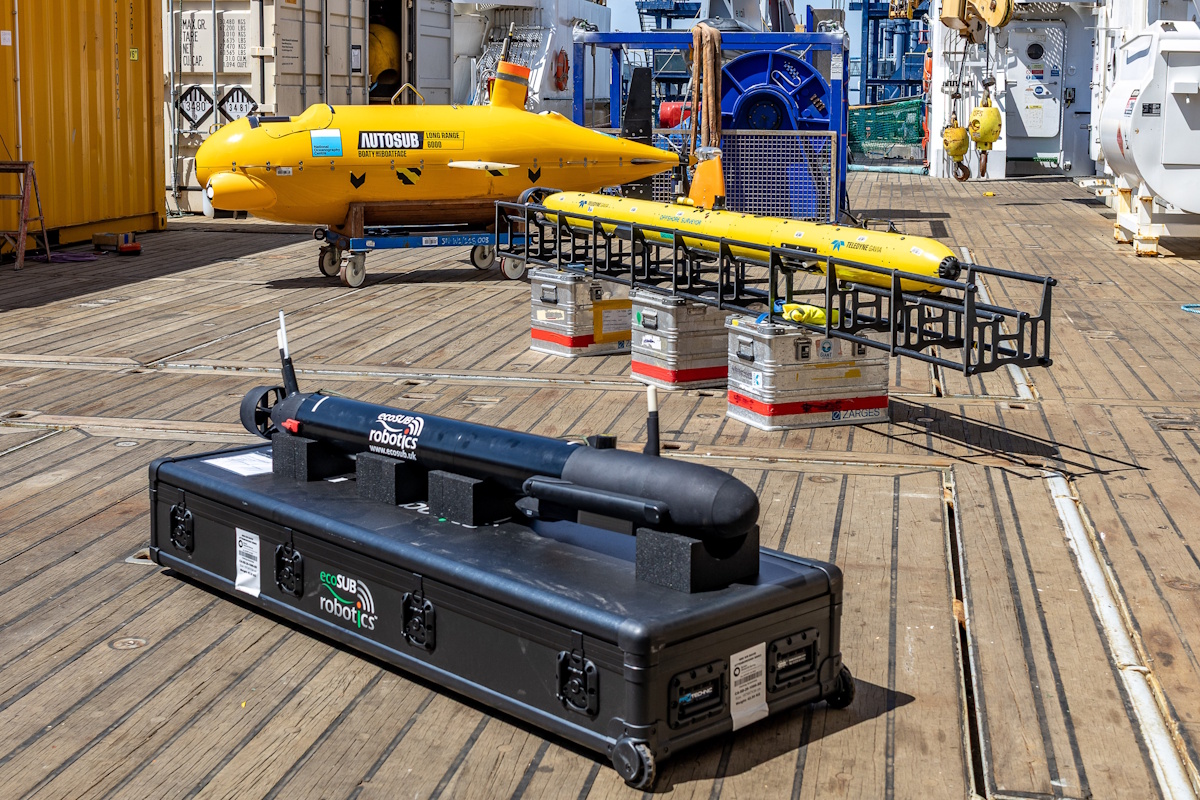
Sonardyne is providing underwater positioning technology for the GIANT climate science mission, which aims to gather data on Greenland's glaciers. The mission will utilize a fleet of autonomous vehicles, including the RRS Sir David Attenborough and various AUVs, to operate in extreme environments and collect comprehensive data. This initiative is significant as it involves 15 collaborating institutions and aims to improve climate models and early warning systems for ice loss in Greenland's fjords. The data collected will enhance understanding of tipping points that could impact global climate. The GIANT mission, running from July to August, will focus on mapping and monitoring ocean temperatures and glacier movements. It will employ a connected observing system of underwater vehicles, robotic sensors, and drones to gather unprecedented measurements in challenging conditions.
ROVplanet.com By ROV Planet Jul 15, 2026
Field operations across various sectors, including construction and emergency response, are increasingly challenged by unpredictable weather patterns that can compromise safety and hinder progress. As traditional weather forecasts often fail to accurately predict localized storms, the reliance on fixed-location radar stations has become problematic due to their frequent blind spots. This situation underscores the urgent need for more advanced weather monitoring solutions to enhance operational safety and efficiency. By addressing these gaps in forecasting, organizations can better prepare for adverse weather conditions, ultimately improving outcomes in critical field operations.
RoboticsAndAutomationNews.com By Sam Francis May 27, 2026 Communications Infrastructure atmospheric monitoring automation news autonomous systems aviation safety
Researchers from Delft University of Technology and Wageningen University & Research have unveiled a groundbreaking method aimed at enhancing sustainable agriculture. This innovative approach, introduced on October 15, 2023, focuses on optimizing crop yields while minimizing environmental impact. The study, conducted in the Netherlands, seeks to address the pressing challenges of food security and climate change. By integrating advanced data analytics and machine learning techniques, the researchers have created a system that analyzes soil health, weather patterns, and crop performance. This method allows farmers to make informed decisions regarding planting schedules, irrigation, and fertilization, ultimately leading to more efficient resource use and reduced waste. The motivation behind this research stems from the urgent need to adapt agricultural practices to meet the demands of a growing global population while preserving natural ecosystems. The team believes that their findings could significantly contribute to the development of resilient farming systems that can withstand the effects of climate variability. As the agricultural sector faces increasing scrutiny over its environmental footprint, this innovative method represents a promising step toward achieving a balance between productivity and sustainability. The researchers are hopeful that their work will inspire further advancements in agricultural technology and practices, paving the way for a more sustainable future in food production.
InterestingEngineering.com By Neetika Walter Jul 02, 2026 Innovation
The German Aerospace Center (DLR) marked a significant milestone with the keel-laying ceremony of a new seagoing technology platform. This event took place at the DLR's facility in Hamburg, highlighting the organization's commitment to advancing maritime technology. The platform is designed to support various research initiatives, including climate and environmental studies, by providing a versatile base for scientific exploration at sea. The project aims to enhance Germany's capabilities in ocean research and foster international collaboration in addressing global challenges. The construction of the platform is set to proceed over the coming months, with the DLR emphasizing the importance of innovation in tackling pressing issues such as climate change and sustainable resource management.
InterestingEngineering.com By Prabhat Ranjan Mishra May 23, 2026
In May 2026, the Journal of Field Robotics published a significant study that explores advancements in robotic technology aimed at enhancing agricultural practices. Researchers from various institutions collaborated to investigate the integration of autonomous robots in crop management, focusing on their efficiency and effectiveness in monitoring plant health and optimizing resource use. The study highlights the growing need for innovative solutions in agriculture, driven by increasing global food demands and the challenges posed by climate change. By employing advanced sensors and machine learning algorithms, the robots demonstrated improved accuracy in detecting crop diseases and pests, ultimately leading to better yield outcomes. This research underscores the potential of robotics to transform traditional farming methods, offering a sustainable approach to food production in an era of rapid technological advancement.
JournalofFieldRobotics By Addisu Negash Ali, Messele Gashaye Nigus, Velmurugan Paramasivam, Jana Petrů, Robert Čep Apr 08, 2026 RESEARCH ARTICLE
MFE Offshore has entered into a partnership with Hydromea, establishing itself as the official distributor of the latter's underwater robotics solutions tailored for offshore and maritime applications. This collaboration will enable MFE Offshore to provide Hydromea's cutting-edge underwater inspection technologies to a diverse range of sectors, including offshore oil and gas, offshore wind, marine infrastructure, climate science, and various subsea industries. The partnership aims to enhance operational efficiency and safety in these critical areas, leveraging advanced robotics to meet the growing demands of underwater inspections.
ROVplanet.com By ROV Planet Jun 12, 2026 mfe offshore hydromea rov offshore operators exray rov
The University of Plymouth has successfully completed a significant underwater trials demonstration at the Smart Sound Connect Subsurface (SSCS) project, showcasing multi-marine robotic platforms. This event featured collaboration among ACUA Ocean, ecoSUB Robotics, Seaber, and Sonardyne, highlighting the capabilities of the £1.2 million initiative aimed at enhancing marine autonomy and ocean sensing in the UK. The demonstration attracted stakeholders from various sectors, emphasizing the project's role in advancing technology in marine environments. The SSCS project enhances the existing Smart Sound Plymouth testbed by integrating a seabed node array for precise positioning and communication, alongside intelligent sensors. This infrastructure supports advanced testing capabilities for autonomous vehicles, reinforcing Plymouth's status as a leading hub for marine autonomy. The successful demonstration underscores the importance of collaborative efforts in developing ocean observing technologies that can provide actionable intelligence for climate resilience and preparedness. Looking ahead, the SSCS project aims to further develop ocean observing technologies that can transform prototypes into reliable data streams. No further timeline was disclosed at the time of publication, but the ongoing collaboration is expected to drive innovation and strengthen industry partnerships in marine autonomy and sensing technologies.
RoboticsAndAutomationNews.com By Sam Francis Jul 10, 2026 Marine Research ACUA Ocean automation autonomous underwater vehicles auv
The Journal of Field Robotics has recently published an article in its EarlyView section, highlighting advancements in robotic technology. Researchers from various institutions collaborated to explore innovative applications of field robotics, focusing on enhancing efficiency in agricultural practices. The study, released in October 2023, emphasizes the growing importance of robotics in addressing global food security challenges. The research team conducted extensive field tests to evaluate the performance of new robotic systems designed for tasks such as planting, harvesting, and monitoring crops. By integrating artificial intelligence and machine learning, these robots aim to optimize resource use and reduce labor costs in farming operations. The findings indicate that implementing these technologies can significantly improve yield and sustainability. This initiative is driven by the urgent need to increase agricultural productivity in the face of a rising global population and climate change impacts. The researchers advocate for further investment in robotic solutions to support farmers and ensure food supply chains remain resilient. The article serves as a call to action for stakeholders in the agricultural sector to embrace technological advancements that can transform traditional farming methods.
JournalofFieldRobotics By Qingwei Liang, Yuxin Lin, Mingyang Luo, Zhanghong Zeng Jul 05, 2026 RESEARCH ARTICLE
Researchers at the University of Miami Rosenstiel School have developed an innovative airborne imaging technique that enhances the ability to monitor and study marine ecosystems. This groundbreaking method, unveiled recently, utilizes advanced aerial technology to capture high-resolution images of oceanic environments, enabling scientists to assess the health of coral reefs and other vital habitats more effectively. The technique aims to address the growing concerns over climate change and its impact on marine biodiversity. By providing detailed visual data from the sky, researchers can identify changes in ecosystems and track the effects of environmental stressors over time. This advancement is expected to play a crucial role in conservation efforts and inform policy decisions aimed at protecting marine life.
InterestingEngineering.com By Mrigakshi Dixit Jul 03, 2026 Science
A recent study published in the Journal of Field Robotics highlights the advancements in robotic technology aimed at enhancing agricultural efficiency. Conducted by a team of researchers from various universities, the study was released in October 2023. The research focuses on the integration of autonomous robots in farming practices, particularly in crop monitoring and harvesting tasks. The motivation behind this initiative stems from the growing need for sustainable agricultural solutions to meet the demands of a rising global population. By employing robots equipped with advanced sensors and artificial intelligence, farmers can optimize resource usage, reduce labor costs, and increase crop yields. The researchers conducted field trials across multiple farms, demonstrating how these robotic systems can operate in real-time to assess plant health and identify areas requiring attention. The findings suggest that the implementation of such technologies could revolutionize traditional farming methods, making them more efficient and environmentally friendly. As the agricultural sector faces challenges such as labor shortages and climate change, this innovative approach offers a promising pathway to enhance productivity while minimizing environmental impact. The study underscores the potential of robotics in transforming agriculture, paving the way for future developments in the field.
JournalofFieldRobotics By Ishaan Mehta, Junseo Kim, Sharareh Taghipour, Sajad Saeedi Jun 30, 2026 RESEARCH ARTICLE
The Journal of Field Robotics has released an EarlyView article highlighting recent advancements in robotic technology. Researchers from various institutions have collaborated to develop innovative algorithms that enhance the efficiency and autonomy of field robots. This significant study, published in October 2023, aims to address the growing demand for automation in agriculture and environmental monitoring. The research focuses on improving the decision-making capabilities of robots operating in complex outdoor environments. By integrating machine learning techniques, the team has demonstrated how robots can better navigate and adapt to changing conditions, ultimately increasing productivity in agricultural practices. The findings are particularly relevant as the industry seeks to optimize resource use and reduce labor costs. The study was conducted across multiple test sites, showcasing the practical applications of these advancements in real-world scenarios. The researchers emphasize that these developments are crucial for meeting the challenges posed by climate change and the need for sustainable farming practices. By enhancing the operational capabilities of field robots, the team hopes to contribute to a more efficient and resilient agricultural sector. This publication marks a significant step forward in the field of robotics, underscoring the potential for technology to transform traditional practices and improve outcomes in various sectors. As the demand for automation continues to rise, the implications of this research could be far-reaching, paving the way for future innovations in robotic applications.
JournalofFieldRobotics By Shuhuan Wen, Huiying Yang, Zhixin Ji, Wenshan Shen, Ahmad B. Rad, Zhengzheng Guo Jun 28, 2026 RESEARCH ARTICLE
An international research consortium, spearheaded by the University of Central Florida (UCF), has unveiled two groundbreaking advancements in renewable energy technology. This announcement was made during a press conference held on October 15, 2023, at the UCF campus in Orlando. The consortium, which includes experts from various institutions across the globe, aims to address the urgent need for sustainable energy solutions in response to climate change and rising global energy demands. The first innovation involves a new type of solar panel that significantly increases energy conversion efficiency, making solar power more viable for widespread use. The second breakthrough focuses on an advanced energy storage system that allows for more efficient and reliable storage of renewable energy, addressing one of the key challenges in the transition to sustainable energy sources. These developments are expected to play a crucial role in reducing carbon emissions and promoting the use of clean energy. By leveraging cutting-edge research and collaboration among leading scientists and engineers, the consortium hopes to accelerate the adoption of renewable energy technologies worldwide. The project exemplifies a commitment to innovation and sustainability, aiming to contribute to a greener future for generations to come.
InterestingEngineering.com By Munis Raza Jun 25, 2026 AI and Robotics
The Journal of Field Robotics has published an early view article highlighting advancements in robotic technology aimed at enhancing agricultural efficiency. Researchers from various institutions collaborated on this study, which was released in October 2023. The article focuses on the development of autonomous robots designed to optimize crop management and reduce labor costs in farming practices. This initiative is driven by the increasing demand for sustainable agricultural solutions amid a growing global population. The team employed cutting-edge artificial intelligence and machine learning techniques to enable robots to perform tasks such as planting, monitoring crop health, and harvesting with minimal human intervention. Field tests conducted in diverse agricultural settings demonstrated the robots' effectiveness in improving yield while minimizing resource usage. The findings suggest that integrating robotics into farming could significantly address labor shortages and enhance food production efficiency. As the agricultural sector faces mounting pressures from climate change and economic constraints, this research underscores the potential of technology to transform traditional farming methods and promote sustainability.
JournalofFieldRobotics By Ayman El Qemmah, Gianni Cario, Alessandro Casavola, Marco Lupia, Francesco Tedesco Jun 25, 2026 RESEARCH ARTICLE
On June 24, 2026, a significant breakthrough in renewable energy technology was announced by a team of researchers at the National Renewable Energy Laboratory in Golden, Colorado. The team unveiled a new solar panel design that boasts a 50% increase in efficiency compared to existing models. This advancement comes in response to the growing demand for sustainable energy solutions amid escalating climate change concerns and the need for reduced carbon emissions. The innovative solar panels utilize a novel material that enhances light absorption and conversion, allowing for greater energy output even in low-light conditions. Researchers conducted extensive testing over the past two years to refine the technology, ensuring it is both cost-effective and scalable for widespread use. This development is expected to play a crucial role in accelerating the transition to clean energy sources, potentially reducing reliance on fossil fuels and contributing to global efforts to combat climate change. The team plans to collaborate with manufacturers to bring the new panels to market within the next year, aiming to make renewable energy more accessible to consumers and businesses alike.
agilityrobotics.com By Agility Robotics Jun 24, 2026
Elon Musk is expanding his vision beyond electric vehicles and humanoid robots, aiming to revolutionize multiple industries through advanced technology. At a recent event, Musk outlined his ambitious plans for the future of transportation, artificial intelligence, and sustainable energy. He emphasized the importance of innovation in addressing global challenges, such as climate change and resource scarcity. Scheduled for implementation over the next few years, Musk's initiatives will take place primarily at Tesla's headquarters in California, where the company is ramping up research and development efforts. By integrating cutting-edge AI and robotics into everyday life, Musk hopes to enhance productivity and improve living standards. The motivation behind these projects stems from Musk's belief in creating a sustainable future and reducing humanity's reliance on fossil fuels. He envisions a world where technology not only serves as a means of transportation but also contributes to a cleaner and more efficient way of living. Through strategic partnerships and investments in new technologies, Musk plans to accelerate the development and deployment of these innovations, making them accessible to a broader audience. As he continues to push the boundaries of what is possible, Musk's endeavors are set to reshape the landscape of various sectors, ultimately aiming to create a more sustainable and technologically advanced society.
InterestingEngineering.com By Mrigakshi Dixit Jun 22, 2026 AI and Robotics
America's next major exascale supercomputer, named Discovery, is set to tackle its inaugural scientific challenges. This advanced computing system, which represents a significant leap in processing power, is designed to handle complex simulations and data analysis that were previously unattainable. Scheduled to begin operations in the coming months, Discovery will be located at Oak Ridge National Laboratory in Tennessee. The motivation behind developing such a powerful supercomputer stems from the need for enhanced computational capabilities to address pressing scientific questions and accelerate research across various fields, including climate modeling, drug discovery, and materials science. By leveraging its unprecedented speed and efficiency, researchers aim to gain deeper insights and make breakthroughs that could have far-reaching implications for both science and society. The operationalization of Discovery involves collaboration among leading scientists and engineers who will utilize its capabilities to run extensive simulations and analyze large datasets. This initiative not only underscores America's commitment to maintaining leadership in high-performance computing but also highlights the growing importance of advanced technology in solving some of the world's most complex challenges.
InterestingEngineering.com By Atharva Gosavi Jun 22, 2026 AI and Robotics
Europe's first exascale supercomputer, JUPITER, located at Germany's Forschungszentrum Jülich, has made significant strides over the past year. Powered by NVIDIA Grace Hopper Superchips and utilizing NVIDIA Quantum-X800 InfiniBand networking, JUPITER is positioned at the forefront of high-performance computing. This advanced system is designed to tackle complex scientific challenges and enhance research capabilities across various fields. The supercomputer's development reflects a growing commitment within the international supercomputing community to push the boundaries of technology and innovation. As it continues to operate and evolve, JUPITER aims to facilitate breakthroughs in areas such as climate modeling, artificial intelligence, and medical research, underscoring the vital role of supercomputing in addressing pressing global issues.
NvidiaNews By NVIDIA Jun 22, 2026
Researchers have developed a groundbreaking class of ultrathin polymer membranes known as Polymers of Locked Intrinsic Microporosity (PLIMs). This innovative material, which emerged from a collaborative effort among scientists, aims to enhance gas separation processes. The announcement was made during a recent conference held in October 2023, where experts gathered to discuss advancements in materials science. The motivation behind creating PLIMs stems from the increasing demand for efficient and sustainable methods in gas separation, which is crucial for various industries, including energy and environmental sectors. The unique structure of these membranes allows for superior performance compared to traditional materials, potentially leading to significant reductions in energy consumption and operational costs. The development process involved extensive research and experimentation to optimize the polymer's properties, resulting in membranes that are not only ultrathin but also exhibit remarkable selectivity for specific gases. This advancement could revolutionize applications such as carbon capture and hydrogen purification, addressing pressing global challenges related to climate change and resource management. As the scientific community continues to explore the potential of PLIMs, the implications for industrial applications and environmental sustainability are becoming increasingly clear, paving the way for a new era in membrane technology.
InterestingEngineering.com By Mrigakshi Dixit Jun 18, 2026 Innovation
Norwegian company Maritime Robotics has secured €28 million in growth funding to enhance its autonomous maritime systems. The funding round, which was led by Mustard Seed + Partners, also saw contributions from existing investors including EnvisionTech, Nysnø Climate Investment, and Umoe, along with participation from the company's founders, employees, and early backers. This financial boost aims to support the company's expansion efforts in the rapidly evolving maritime technology sector.
AIInsider By Greg Bock Jun 18, 2026 AI AI Funding & Investment Robotics autonomous maritime systems funding maritime robotics
Researchers at the University of Central Florida (UCF) are developing an innovative approach to enhance the efficiency of solar energy conversion. This groundbreaking work, which began in early 2023, aims to address the growing demand for sustainable energy solutions amid rising global energy consumption and climate change concerns. The team is focusing on improving the performance of solar cells by utilizing advanced materials and techniques that could significantly increase their energy output. By integrating nanotechnology and novel chemical processes, the researchers hope to create more effective solar panels that can capture and convert sunlight into electricity with greater efficiency than current models. This initiative is part of a broader effort to make renewable energy more accessible and affordable, ultimately contributing to a reduction in reliance on fossil fuels. The findings from this research could have far-reaching implications for the renewable energy sector, potentially leading to more widespread adoption of solar technology in both residential and commercial applications. As the project progresses, the researchers plan to collaborate with industry partners to bring their innovations to market, aiming for practical applications within the next few years. This work not only highlights UCF's commitment to advancing sustainable technologies but also positions the university as a leader in the quest for cleaner energy solutions.
InterestingEngineering.com By Munis Raza Jun 16, 2026 Innovation Science
China is poised to enhance its renewable energy landscape with the construction of an extensive solar panel installation, which has been dubbed the ‘Great Wall’ of solar panels. This ambitious project aims to bolster the country's commitment to sustainable energy and reduce reliance on fossil fuels. Set to begin in the coming months, the installation will span several provinces, showcasing China's dedication to harnessing solar power as a primary energy source. The initiative is part of China's broader strategy to achieve carbon neutrality by 2060, addressing both environmental concerns and the growing demand for clean energy. By implementing this vast solar network, the government hopes to not only meet its energy needs but also position itself as a global leader in renewable technology. The project will involve advanced solar technology and innovative construction methods, ensuring efficiency and sustainability throughout its development. As the world increasingly focuses on combating climate change, China's solar panel initiative represents a significant step towards a greener future, potentially setting a precedent for other nations to follow in the pursuit of renewable energy solutions.
InterestingEngineering.com By Ameya Paleja Jun 15, 2026 Energy
Alt Carbon has announced a significant agreement with Microsoft, marking the culmination of over a year of rigorous scientific review and due diligence. The partnership reflects Microsoft's commitment to enhancing its sustainability initiatives, necessitating additional verification and data-sharing measures to ensure transparency and accountability. This collaboration aims to advance carbon capture technology, aligning with both companies' goals to address climate change effectively. The agreement underscores the importance of thorough evaluation in forming strategic partnerships within the tech and environmental sectors.
TechCrunch By Jagmeet Singh Jun 11, 2026 Climate Startups Alt Carbon enhanced rock weathering Exclusive Microsoft
A recent study published in the Journal of Field Robotics explores advancements in autonomous robotic systems designed for agricultural applications. Conducted by a team of researchers from various universities, the study highlights the growing importance of robotics in enhancing efficiency and sustainability in farming practices. The research, which was completed in October 2023, focuses on the development of robots capable of performing tasks such as planting, weeding, and harvesting crops with minimal human intervention. The motivation behind this research stems from the increasing demand for food production amid a global population surge and the need for sustainable farming methods that reduce environmental impact. By integrating advanced sensors and artificial intelligence, the robots are designed to optimize resource use, reduce labor costs, and improve crop yields. Field tests conducted in various agricultural settings demonstrated the robots' effectiveness in performing tasks traditionally done by human laborers. The study's findings suggest that these autonomous systems could significantly transform the agricultural landscape, making it more efficient and less reliant on chemical inputs. As the agricultural sector faces challenges related to labor shortages and climate change, the research underscores the potential of robotics to address these issues and pave the way for a more sustainable future in food production. The study calls for further investment and development in this technology to fully realize its benefits for farmers and the environment.
JournalofFieldRobotics By Kavitha Devi K, Rubin Bose S., M. Saravanan, Sathya Selvaraj Sinnasamy, L. Sasikala, Judy Flavia B., R. Vinoth Jun 10, 2026 RESEARCH ARTICLE
In a groundbreaking study published in the June 2026 issue of Science Robotics, researchers from leading universities have unveiled a new robotic system designed to assist in disaster relief efforts. This innovative technology aims to enhance the efficiency and effectiveness of rescue operations in the aftermath of natural disasters. The research team, comprised of experts in robotics and emergency management, conducted extensive field tests to evaluate the robot's capabilities in various simulated disaster scenarios. These tests demonstrated the robot's ability to navigate challenging terrains, locate survivors, and deliver essential supplies, significantly improving response times compared to traditional methods. The motivation behind this development stems from the increasing frequency and severity of natural disasters worldwide, which necessitates advanced solutions to aid first responders. By integrating artificial intelligence and machine learning, the robotic system can adapt to dynamic environments and make real-time decisions, thereby optimizing rescue strategies. The study's findings highlight the potential for robotics to transform disaster response, offering a promising tool for humanitarian efforts. As the world faces escalating climate-related challenges, this innovative approach could play a crucial role in saving lives and mitigating the impact of future disasters.
AAAS:ScienceRobotics By Liangfang Zhang and Joseph Wang Jun 10, 2026 Focus
Farmers, growers, and contractors worldwide are increasingly turning their attention to laser weeding, a cutting-edge agricultural technique gaining traction in the industry. This innovative method utilizes high-intensity lasers to target and eliminate weeds without harming crops, offering a sustainable alternative to traditional herbicides. As the agricultural sector grapples with rising temperatures and the challenges posed by climate change, the urgency for effective and environmentally friendly solutions has never been greater. Laser weeding not only reduces the reliance on chemical treatments but also minimizes soil disturbance, promoting healthier ecosystems. The growing interest in this technology is evident as more agricultural professionals seek training and information on its implementation. Demonstrations and workshops are being organized globally, showcasing the efficiency and precision of laser weeding systems. As farmers look for ways to enhance productivity while adhering to sustainable practices, laser weeding stands out as a promising solution that addresses both economic and environmental concerns. With the agricultural landscape evolving rapidly, this method could redefine weed management strategies in the years to come.
FutureFarming By René Koerhuis Jun 08, 2026 Smart farming laser weeding machinery precision agriculture weed control
A recent study published in the Journal of Field Robotics highlights advancements in robotic technology aimed at enhancing agricultural efficiency. Researchers from various institutions conducted experiments to assess the effectiveness of autonomous robots in crop monitoring and management. The study, released in early October 2023, took place in diverse agricultural settings across the United States. The motivation behind this research stems from the increasing demand for sustainable farming practices and the need to address labor shortages in the agricultural sector. By integrating advanced robotics, the team aims to provide farmers with innovative tools that can optimize crop yields while minimizing environmental impact. The researchers implemented a series of field tests to evaluate the robots' capabilities in tasks such as soil analysis, pest detection, and irrigation management. The findings indicate that these autonomous systems can significantly reduce the time and labor required for traditional farming methods, ultimately leading to more efficient agricultural practices. This groundbreaking work not only showcases the potential of robotics in transforming agriculture but also emphasizes the importance of technological solutions in meeting the challenges posed by a growing global population and climate change. As the agricultural industry continues to evolve, the integration of robotic technology may play a crucial role in shaping the future of food production.
JournalofFieldRobotics By Xin Zhang, Hao Zhou, Dalin Zhou, Zhaojie Ju Jun 05, 2026 SURVEY ARTICLE
Waymo is repurposing the batteries from its autonomous vehicles to support energy storage solutions. This innovative approach, announced recently, aims to enhance sustainability by utilizing the batteries for grid storage, thereby contributing to renewable energy efforts. The initiative comes as part of Waymo's broader commitment to environmental responsibility and efficient resource management. By integrating these batteries into energy systems, the company hopes to extend their lifecycle and reduce waste, aligning with growing demands for sustainable practices in the tech industry. This development not only underscores Waymo's leadership in autonomous technology but also highlights its proactive stance in addressing climate change challenges.
InterestingEngineering.com By Aamir Khollam Jun 04, 2026
Researchers at the University of Colorado Boulder are pioneering the use of digital twin technology to enhance environmental monitoring and management. This innovative approach involves creating virtual replicas of physical systems, allowing scientists to simulate and analyze real-world conditions in real time. The project, which commenced in late 2023, aims to address pressing environmental challenges by providing more accurate data and predictive insights. Located in Boulder, Colorado, the initiative seeks to improve understanding of climate change impacts and resource management by integrating advanced modeling techniques with real-time data collection. The motivation behind this research stems from the urgent need to develop effective strategies for sustainability and resilience in the face of environmental degradation. By employing sensors and data analytics, the researchers are able to create dynamic models that reflect current environmental conditions, enabling stakeholders to make informed decisions. This method not only enhances the accuracy of environmental assessments but also facilitates proactive responses to potential ecological threats. The team at CU Boulder is collaborating with various stakeholders, including government agencies and conservation organizations, to ensure that the findings are applicable and beneficial for real-world applications.
InterestingEngineering.com By Jijo Malayil Jun 03, 2026
The Journal of Field Robotics has recently published an early view article highlighting advancements in robotic technology. This publication, which emerged in October 2023, focuses on the innovative applications of robotics in various fields, including agriculture, search and rescue, and environmental monitoring. Researchers and engineers from leading institutions contributed to the study, aiming to address pressing challenges faced in these sectors. The article emphasizes the importance of integrating advanced algorithms and machine learning techniques to enhance the efficiency and effectiveness of robotic systems. By showcasing real-world applications, the authors illustrate how these technologies can improve productivity and safety, particularly in hazardous environments. The motivation behind this research stems from the increasing demand for automation and precision in industries that require high levels of accuracy and reliability. As global challenges such as climate change and food security become more pronounced, the role of robotics is becoming increasingly vital. Through a combination of theoretical analysis and practical experimentation, the study presents a comprehensive overview of the current state of robotic technology and its potential future developments. This early view article serves as a significant contribution to the ongoing discourse in the field of robotics, paving the way for further innovations that could transform multiple industries.
JournalofFieldRobotics By Can Xu, Zefeng Xu, Huiling Li, Yitong Zhou Jun 02, 2026 RESEARCH ARTICLE
NASA has developed an artificial intelligence tool that utilizes satellite data to detect harmful algal blooms, a significant environmental concern for coastal communities. This innovative technology aims to enhance response times and improve protective measures for both local economies and ecosystems. By analyzing satellite imagery, the AI can quickly identify the presence of these blooms, which can pose health risks to marine life and humans alike. The initiative is part of NASA's broader commitment to leveraging advanced technology for environmental monitoring and public safety. As coastal areas increasingly face the challenges posed by climate change and pollution, this tool represents a proactive approach to safeguarding vulnerable regions.
AZOrobotics.com Jun 01, 2026
A recent study published in the Journal of Field Robotics highlights advancements in robotic technology aimed at improving agricultural efficiency. Researchers from a leading university conducted experiments to develop autonomous robots capable of performing tasks such as planting, weeding, and harvesting crops. The study, which took place over the summer of 2023, was conducted on various farms in California, showcasing the robots' adaptability to different agricultural environments. The motivation behind this research stems from the increasing demand for sustainable farming practices and the need to address labor shortages in the agricultural sector. By integrating advanced sensors and artificial intelligence, the robots are designed to optimize crop yields while minimizing resource use. The research team employed a series of field trials to test the robots' performance, collecting data on their effectiveness and efficiency compared to traditional farming methods. Preliminary results indicate that these autonomous systems can significantly reduce labor costs and increase productivity, offering a promising solution for modern agriculture. As the agricultural industry faces challenges such as climate change and population growth, this innovative approach could play a crucial role in ensuring food security and sustainability in the coming years. The findings from this study are expected to pave the way for further developments in agricultural robotics, potentially transforming the way food is produced globally.
JournalofFieldRobotics By Jiangdong Wu, Tengfei Zhang, Qun Chao, Chengliang Liu Jun 01, 2026 SURVEY ARTICLE
A recent study published in the Journal of Field Robotics highlights advancements in robotic technology, specifically focusing on the development of autonomous systems designed for agricultural applications. Conducted by a team of researchers from various universities, the study was released in June 2026 and aims to address the increasing demand for efficient farming practices in response to global food shortages. The research team explored innovative robotic solutions that can enhance crop monitoring and management, ultimately improving yield and reducing labor costs. By integrating advanced sensors and machine learning algorithms, these autonomous robots can navigate complex agricultural environments, collect data, and perform tasks such as planting and harvesting with minimal human intervention. This initiative is driven by the need for sustainable agricultural practices, as traditional farming methods struggle to keep pace with population growth and climate change. The findings suggest that implementing such robotic systems could significantly transform the agricultural landscape, making it more efficient and resilient. The study's implications extend beyond immediate agricultural benefits, as it also addresses broader environmental concerns by promoting precision farming techniques that minimize resource waste. As the agricultural sector continues to evolve, the integration of robotics may play a crucial role in ensuring food security for future generations.
JournalofFieldRobotics By Meng Hongjun, Ren Yuke, Wei Jingtao, Zhang Shupeng, Zhang Wei May 27, 2026 RESEARCH ARTICLE
A recent study published in the Journal of Field Robotics highlights advancements in robotic technology aimed at enhancing agricultural efficiency. Conducted by a team of researchers from various universities, the study was released in June 2026 and focuses on innovative robotic systems designed to optimize crop management and reduce labor costs. The research team utilized a combination of machine learning algorithms and autonomous navigation systems to develop robots capable of performing tasks such as planting, monitoring, and harvesting crops. This initiative was motivated by the increasing demand for sustainable farming practices and the need to address labor shortages in the agricultural sector. Field tests were conducted in diverse agricultural environments, demonstrating the robots' ability to adapt to varying conditions and improve overall productivity. The findings suggest that integrating robotics into farming not only enhances efficiency but also contributes to more sustainable practices by minimizing resource waste. As the agricultural industry faces challenges related to climate change and population growth, the implementation of these robotic systems could play a crucial role in ensuring food security and promoting environmentally friendly farming methods. The research underscores the potential of robotics to transform traditional agricultural practices, paving the way for a more automated and sustainable future in farming.
JournalofFieldRobotics By Mingxuan Quan, Xiaohua Wang, Jiayu Zhang, Wenjie Wang May 27, 2026 RESEARCH ARTICLE
In June 2026, the Journal of Field Robotics published a significant study highlighting advancements in robotic technology aimed at enhancing agricultural efficiency. Researchers from various institutions collaborated to develop innovative robotic systems capable of performing tasks such as planting, monitoring crop health, and harvesting. This initiative responds to the growing demand for sustainable farming practices and the need to address labor shortages in the agricultural sector. The study, which spans pages 2848 to 2866 in the journal’s fourth issue, showcases how these robots utilize artificial intelligence and machine learning to adapt to diverse farming environments. By integrating advanced sensors and data analytics, the robotic systems can make real-time decisions, optimizing resource use and minimizing environmental impact. The research team conducted extensive field trials across multiple agricultural settings, demonstrating the robots' effectiveness in improving yield and reducing operational costs. The findings are expected to influence future agricultural policies and practices, promoting the adoption of technology in farming to ensure food security in an increasingly challenging climate. This groundbreaking work not only illustrates the potential of robotics in agriculture but also underscores the importance of interdisciplinary collaboration in addressing global challenges.
JournalofFieldRobotics By Alessio De Luca, Luca Muratore, Nikos G. Tsagarakis, Martin Azkarate May 27, 2026 FIELD REPORT
On May 19, a new AI-based whale detection system was launched in San Francisco Bay, developed by WhaleSpotter, a company based in Somerville, Massachusetts. This initiative, a collaboration among government agencies and scientists, aims to enhance the safety of marine traffic by identifying gray whales in real-time using thermal cameras mounted on Angel Island. The system operates continuously, even at night and in foggy conditions, and alerts nearby vessels to potential whale encounters, allowing them to slow down or change course. The urgency for such technology arises from alarming mortality rates among gray whales, with seven reported deaths in the bay this year alone, and a record 21 fatalities in 2025, primarily due to ship strikes. Scientists attribute the whales' recent detours into the bay to climate change, which has led to record-low sea ice levels and impacted their food sources. As a result, over 100 gray whales have been observed stopping in the bay since 2018, likely seeking nourishment during their long migration from Alaska to Mexico. The WhaleSpotter system has already logged 6,600 whale detections within its first week and a half of operation. While the technology significantly reduces the risk of ship strikes, human verification remains essential to confirm detections and minimize false alarms. Future enhancements aim to further automate the process, ultimately relying more on AI for monitoring marine life.
IEEESpectrumAI By Katherine Bourzac May 26, 2026 Cameras Whales Thermal-cameras Artificial-intelligence
In a groundbreaking study published in the May 2026 issue of Science Robotics, researchers from a leading robotics institute have unveiled a new autonomous robotic system designed to assist in disaster response efforts. The innovative technology aims to enhance the efficiency and effectiveness of rescue operations in the aftermath of natural disasters, such as earthquakes and floods. The research team, comprised of experts in robotics and emergency management, conducted extensive field tests in various simulated disaster scenarios to evaluate the robot's capabilities. These tests demonstrated the system's ability to navigate challenging terrains, locate survivors, and deliver essential supplies, significantly reducing response times. The motivation behind this development stems from the increasing frequency and severity of natural disasters worldwide, which necessitate improved response strategies. By integrating advanced artificial intelligence and machine learning algorithms, the robotic system can adapt to dynamic environments and make real-time decisions, ultimately saving lives. The study highlights the potential for collaboration between technology and emergency services, showcasing how robotics can play a crucial role in humanitarian efforts. As the world grapples with the impacts of climate change, this innovation represents a significant step forward in preparing for and responding to future crises.
AAAS:ScienceRobotics By Melisa Yashinski May 20, 2026 Editors' Choice
A team of researchers has reached a significant milestone in the field of artificial intelligence applied to Earth observation. They successfully developed a compressed AI model that operates efficiently within the constraints of satellite hardware. This breakthrough was achieved through innovative techniques that optimize the model's performance while minimizing resource consumption. The advancement is particularly timely, as the demand for effective Earth monitoring solutions continues to grow, driven by climate change and environmental management needs. By enhancing the capabilities of satellite technology, this research aims to improve data collection and analysis for various applications, including disaster response and resource management. The findings were announced recently, highlighting the potential for AI to transform how we observe and understand our planet from space.
AZOrobotics.com May 18, 2026
A recent study published in the Journal of Field Robotics highlights advancements in autonomous robotic systems designed for agricultural applications. Researchers from various institutions collaborated to develop innovative algorithms that enhance the efficiency of robots in crop monitoring and management. The findings, released in early October 2023, indicate that these robotic systems can significantly improve yield predictions and reduce labor costs for farmers. Conducted in diverse agricultural settings, the research aimed to address the growing need for sustainable farming practices amid increasing global food demands. By employing cutting-edge technology, the team demonstrated how autonomous robots can collect and analyze data more accurately than traditional methods, enabling farmers to make informed decisions about resource allocation and crop health. The study underscores the potential of robotics to transform the agricultural landscape, offering solutions that not only optimize productivity but also promote environmental sustainability. As the agricultural sector faces challenges such as labor shortages and climate change, these advancements in robotic technology could play a crucial role in ensuring food security for future generations.
JournalofFieldRobotics By Zijian Zhu, Peizhou Du, Guocheng Zhang, Ye Li May 18, 2026 RESEARCH ARTICLE
A recent report highlights the growing trend of electric vehicle (EV) adoption across the United States, driven by increasing environmental concerns and government incentives. As of October 2023, sales of EVs have surged, with major automakers like Tesla, Ford, and General Motors leading the charge. This shift is particularly evident in urban areas, where consumers are more inclined to embrace sustainable transportation options. The report indicates that federal and state governments have implemented various tax credits and rebates to encourage EV purchases, making them more accessible to a broader audience. Additionally, advancements in battery technology and charging infrastructure have alleviated previous concerns regarding range and convenience, further boosting consumer confidence. Experts predict that the trend will continue to accelerate, with projections suggesting that EVs could make up a significant portion of new car sales by 2030. This shift not only reflects changing consumer preferences but also aligns with broader efforts to reduce carbon emissions and combat climate change. As the market evolves, automakers are investing heavily in research and development to enhance their EV offerings, ensuring they remain competitive in a rapidly changing landscape. The combination of consumer demand, supportive policies, and technological innovations is reshaping the automotive industry, signaling a pivotal moment in the transition to cleaner transportation solutions.
Seekingalpha.com May 17, 2026 MELI META Amrita Roy
Researchers at the University of Texas at Austin have developed an innovative graphene "tattoo" that adheres directly to plant leaves, enabling real-time monitoring of leaf hydration. This breakthrough, published in the journal Nano Letters in February, addresses the limitations of traditional methods that require cutting leaves for moisture assessment. The sensor, which functions like a three-terminal transistor, sends electric pulses into the leaf, allowing it to measure moisture levels without disrupting photosynthesis. Led by associate professor Jean Anne Incorvia and graduate student Utkarsh Misra, the team envisions a future where these sensors could form a neural network across forests, providing critical data on drought and fire risks. The flexible and nearly transparent graphene material allows the tattoo to adapt to the leaf's movements, while its unique properties enable it to act as an artificial synapse, potentially enhancing plant-based computing. The concept emerged from a collaboration with geologist Ashley Matheny, highlighting the practical applications of the technology in agriculture and environmental monitoring. The researchers successfully trained a neural network to classify leaf hydration states, paving the way for more sophisticated plant monitoring systems that could help farmers and forest rangers respond to climate change challenges.
IEEESpectrumAI By Rahul Rao May 14, 2026 Graphene Agriculture Wildfires Neural-networks
A team of scientists has unveiled an innovative autonomous underwater robot designed to identify and map biodiversity hotspots in marine environments. This groundbreaking technology was introduced during a recent conference held in San Diego, California, where researchers gathered to discuss advancements in ocean exploration. The motivation behind this development stems from the urgent need to monitor and protect fragile ecosystems threatened by climate change and human activity. The robot utilizes advanced sensors and artificial intelligence to navigate underwater terrains, collect data on various species, and create detailed maps of biodiversity-rich areas. By automating the process of exploration, the scientists aim to enhance the efficiency and accuracy of marine research, allowing for more effective conservation efforts. This initiative represents a significant step forward in understanding and preserving the ocean's diverse ecosystems, which are vital for global health and sustainability.
InterestingEngineering.com By Neetika Walter May 13, 2026
A recent report highlights the growing trend of electric vehicle (EV) adoption across the globe, driven by increasing environmental concerns and government incentives. As of October 2023, major automotive manufacturers are ramping up production of EVs in response to consumer demand for sustainable transportation options. This shift is particularly evident in regions such as Europe and North America, where stricter emissions regulations are prompting both consumers and companies to transition away from traditional gasoline-powered vehicles. The surge in EV sales is also fueled by advancements in battery technology, which have significantly improved the range and affordability of electric cars. Industry experts predict that by 2025, EVs could account for a substantial portion of new vehicle sales, as more consumers become aware of the long-term cost savings and environmental benefits associated with electric vehicles. In addition, governments are implementing various policies to encourage EV adoption, including tax incentives, rebates, and investments in charging infrastructure. These initiatives aim to reduce carbon emissions and combat climate change, aligning with global sustainability goals. As the automotive landscape evolves, manufacturers are increasingly collaborating with tech companies to enhance the integration of smart technologies in EVs, further appealing to tech-savvy consumers. This multifaceted approach not only addresses environmental issues but also positions the automotive industry for a future that prioritizes innovation and sustainability.
Seekingalpha.com May 11, 2026 TSLA TSLA:CA ZTSL:CA GOOGL META GM
A recent study published in the Journal of Field Robotics explores advancements in robotic technology aimed at enhancing agricultural efficiency. Researchers from various institutions conducted the study to address the growing need for sustainable farming practices amid increasing global food demand. The findings, released in early October 2023, highlight innovative robotic systems designed to automate tasks such as planting, monitoring crop health, and harvesting. The research was carried out in various agricultural settings, demonstrating the robots' capabilities in real-world environments. By integrating artificial intelligence and machine learning, these robots can adapt to different crop conditions and improve productivity while minimizing resource use. The motivation behind this development stems from the urgent need to reduce labor costs and environmental impact in agriculture. The study outlines the process of designing and implementing these robotic systems, showcasing their potential to revolutionize traditional farming methods. As the agricultural sector faces challenges related to labor shortages and climate change, the introduction of such technology could play a crucial role in ensuring food security for the future. The research underscores the importance of innovation in addressing the complexities of modern agriculture and highlights the collaborative efforts of scientists and engineers in this field.
JournalofFieldRobotics By Ning Wang, Haiyan Zhao, Tao Zheng May 10, 2026 RESEARCH ARTICLE
During a fireside chat at the SCSP AI+ Expo on Thursday morning, U.S. Energy Secretary Chris Wright and NVIDIA Vice President Ian Buck discussed the pivotal role of artificial intelligence in transforming the energy sector. They emphasized how AI technologies can enhance energy efficiency and optimize resource management, addressing the growing demand for sustainable energy solutions. The conversation highlighted the urgent need for innovation in energy production and consumption, driven by climate change and the quest for greener alternatives. By leveraging AI, the energy industry can better predict consumption patterns, reduce waste, and ultimately build a more resilient energy infrastructure. This dialogue underscores the collaboration between government and technology leaders to harness advanced computing capabilities for a sustainable future.
NvidiaNews By NVIDIA May 07, 2026
Recent developments in the field of artificial intelligence and robotics highlight a reciprocal relationship between these technologies and infrastructure development. As industries increasingly rely on AI and robotics to enhance efficiency and productivity, the need for robust infrastructure becomes paramount. This interdependence was underscored at a recent conference held in San Francisco, where experts gathered to discuss the future of technology and its implications for urban planning and construction. The event, which took place in early November 2023, showcased innovative projects that utilize AI and robotics to streamline the construction process. Speakers emphasized that while advanced technologies can significantly improve infrastructure projects, the existing frameworks must also evolve to support these innovations. This dual requirement is driven by the growing demand for smart cities and sustainable development, prompting stakeholders to rethink traditional construction methods. Participants explored various strategies to integrate AI and robotics into infrastructure projects, demonstrating how these tools can optimize resource allocation, reduce waste, and enhance safety on construction sites. The discussions revealed a consensus that investment in both technology and infrastructure is essential for future growth and resilience in urban environments. As cities continue to expand and face challenges such as climate change and population growth, the collaboration between AI, robotics, and infrastructure development is expected to play a crucial role in shaping the cities of tomorrow. The insights gained from this conference are likely to influence policy decisions and investment strategies in the coming years.
TechCrunch By Lucas Ropek Apr 30, 2026 AI robots Softbank
Peter Diamandis, a close associate of Elon Musk, recently shared insights into his optimistic forecasts regarding a future characterized by abundance. During a discussion, Diamandis outlined the underlying principles that inform his predictions, emphasizing the potential for technological advancements to solve pressing global challenges. He highlighted the role of innovation and entrepreneurship in driving progress, suggesting that a combination of creativity and resourcefulness could lead to unprecedented opportunities for growth and prosperity. This conversation took place in the context of ongoing debates about sustainability and the future of humanity, as experts and thought leaders explore pathways to address issues such as climate change and resource scarcity. Diamandis's perspective aims to inspire a mindset shift towards possibility, encouraging individuals and organizations to harness technology for the greater good.
BusinessInsider By [email protected] (Theron Mohamed) Apr 24, 2026 Tech Economy international tech economy elon-musk
NVIDIA AI is making significant strides in various sectors, including climate change, conservation, disaster monitoring, and recycling, with the aim of enhancing environmental protection. By leveraging advanced artificial intelligence technologies, the company is developing applications that address pressing global challenges. These initiatives are particularly relevant as the world grapples with the impacts of climate change and seeks innovative solutions to safeguard natural resources. As of October 2023, NVIDIA's efforts reflect a growing commitment to sustainability and the use of technology to foster a healthier planet.
NvidiaNews By NVIDIA Apr 22, 2026
A recent study published in the Journal of Field Robotics highlights advancements in robotic technology aimed at enhancing agricultural efficiency. Researchers from various institutions collaborated to develop a new autonomous robot capable of performing tasks such as planting, weeding, and harvesting crops. This innovative technology was tested in fields across California during the summer of 2023, showcasing its potential to significantly reduce labor costs and increase productivity for farmers. The motivation behind this development stems from the growing demand for sustainable farming practices and the need to address labor shortages in the agricultural sector. By integrating advanced sensors and machine learning algorithms, the robot can navigate complex field environments and make real-time decisions, improving its operational effectiveness. The study emphasizes the importance of robotics in modern agriculture, particularly as the industry faces challenges related to climate change and food security. The researchers believe that widespread adoption of such technology could lead to more efficient resource use and a reduction in the environmental impact of farming practices. As the agricultural landscape continues to evolve, this breakthrough represents a significant step toward the future of farming, where robotics play a crucial role in meeting global food demands.
JournalofFieldRobotics By Guoqiang Fu, Yina Wang Apr 21, 2026 RESEARCH ARTICLE
A team of researchers has demonstrated that integrating quantum computing with artificial intelligence significantly enhances the prediction capabilities of complex and chaotic systems. By utilizing quantum computers to uncover hidden patterns within data, the AI systems exhibit improved accuracy and stability over time. This innovative approach not only surpasses traditional models but also operates with considerably reduced memory requirements. The findings, which could revolutionize various sectors including climate science, energy, and medicine, highlight the potential of this technology to address intricate challenges in these critical fields.
ScienceDaily.com Apr 17, 2026
A recent study published in the Journal of Field Robotics highlights advancements in robotic technology aimed at enhancing agricultural efficiency. Researchers from various institutions conducted experiments over the past year, focusing on the integration of autonomous robots in crop monitoring and management. The study, carried out in multiple agricultural settings across the Midwest, demonstrates how these robots can significantly reduce labor costs and increase yield by providing real-time data on soil conditions and crop health. The motivation behind this research stems from the growing need for sustainable farming practices amid rising global food demands. By employing sophisticated sensors and machine learning algorithms, the robots are designed to analyze vast amounts of agricultural data, allowing farmers to make informed decisions quickly. The findings indicate that the use of these robotic systems can lead to a more precise application of resources, ultimately promoting environmental sustainability. As the agricultural sector faces challenges such as labor shortages and climate change, the implementation of robotic technology presents a viable solution to improve productivity and resilience in farming operations. The research team plans to continue refining these technologies, aiming for broader adoption in the industry.
JournalofFieldRobotics By Chandan Sheikder, Weimin Zhang, Xiaopeng Chen, Fangxing Li, Yichang Liu, Xiaohai He, Zhengqing Zuo, Xinyan Tan Apr 16, 2026 RESEARCH ARTICLERSF defines a common language for robot service capability, lifecycle operations, certification pathways, and service-provider networks.