Industry Briefing
A single destination for timely, editor-curated robotics news from around the world.

Hadrian Secures $1.37 Billion to Enhance U.S. Defense and Aerospace Manufacturing
Hadrian Automation announced the successful acquisition of $1.37 billion in equity financing aimed at bolstering domestic manufacturing capabilities for U.S. military and aerospace sectors. CEO Chris Power emphasized the critical role of production in national defense, stating that the funding will facilitate the development of advanced factories and enhance the workforce needed for America’s industrial resurgence. The funding will enable Hadrian to expand its manufacturing footprint and invest in new technologies, including AI and robotics, to meet the growing demand for reliable U.S. manufacturing. With a focus on building 'Factories of the Future,' Hadrian aims to compete with China's industrial capabilities and deliver complete mission-critical systems efficiently. Looking ahead, Hadrian plans to open additional factories and diversify its production lines, including munitions and autonomous systems. The company is also committed to creating a new workforce model by hiring and training skilled professionals to integrate advanced technologies on the factory floor. No further timeline was disclosed at the time of publication.
Aerospace Automation Defense / Security Financial Investments Manufacturing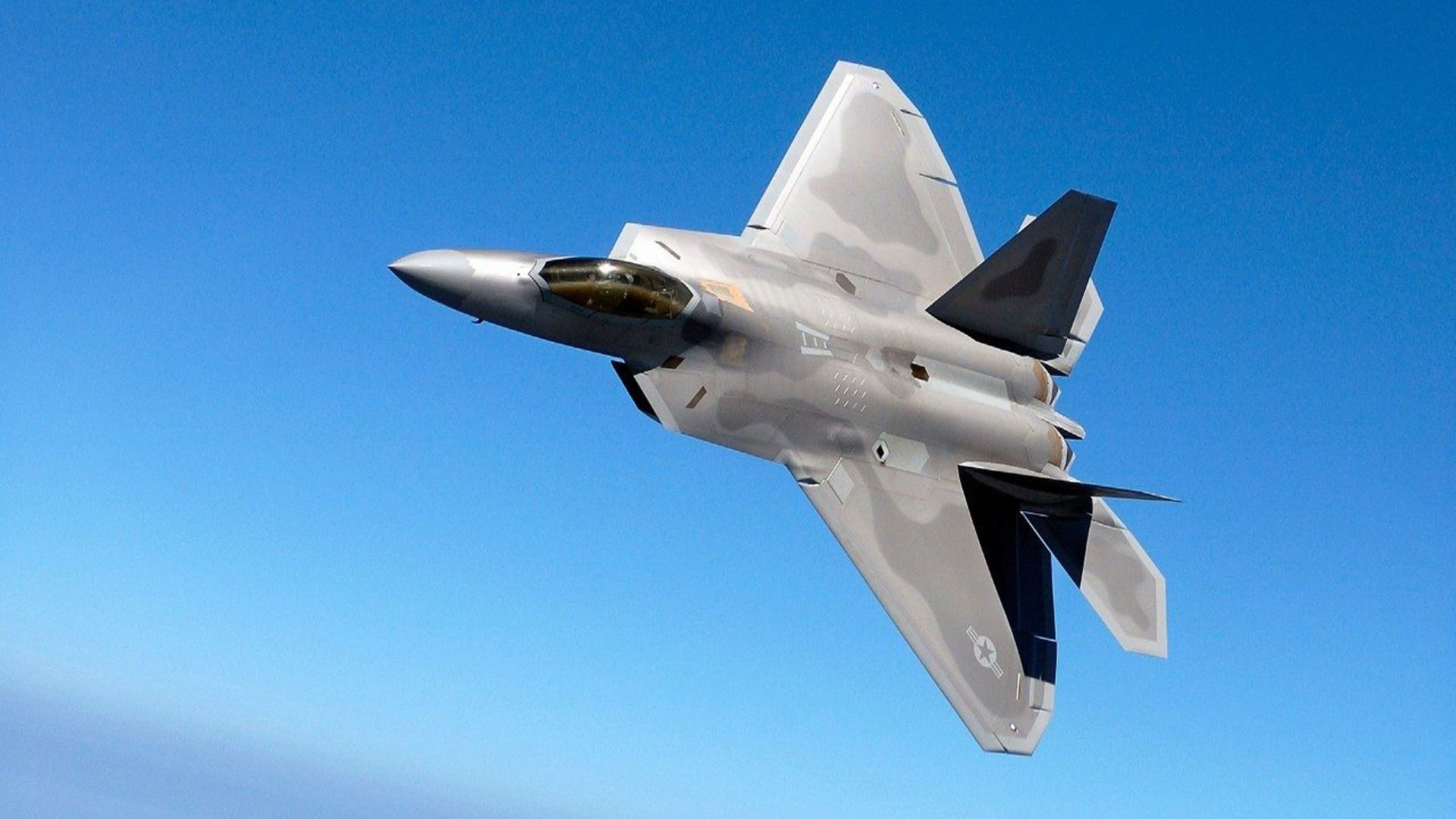
Qarbon Aerospace Secures Contract for F-22 Composite Structures Sustainment
Qarbon Aerospace, based in Texas, has been awarded a contract to produce composite structures for the sustainment of the F-22 fleet, which currently consists of approximately 183 airframes. This contract builds on Qarbon's previous contributions to the F-22 program, including the production of horizontal stabilizers during its development in the early 2000s. The significance of this contract lies in the F-22's reliance on carbon-fiber-reinforced polymer structures, which constitute 25 percent of the aircraft's airframe by weight. Maintaining production capabilities for these composite parts is crucial for the U.S. Air Force, especially given the complexities involved in sustaining composite structures on a mature military platform like the F-22, which has over 350 composite parts. Looking ahead, the contract enhances Qarbon's defense aerostructures portfolio and underscores the importance of reliable suppliers for the F-22 program. No further timeline was disclosed at the time of publication, but the ongoing need for composite parts will be critical for the aircraft's operational readiness and performance in the future.
Military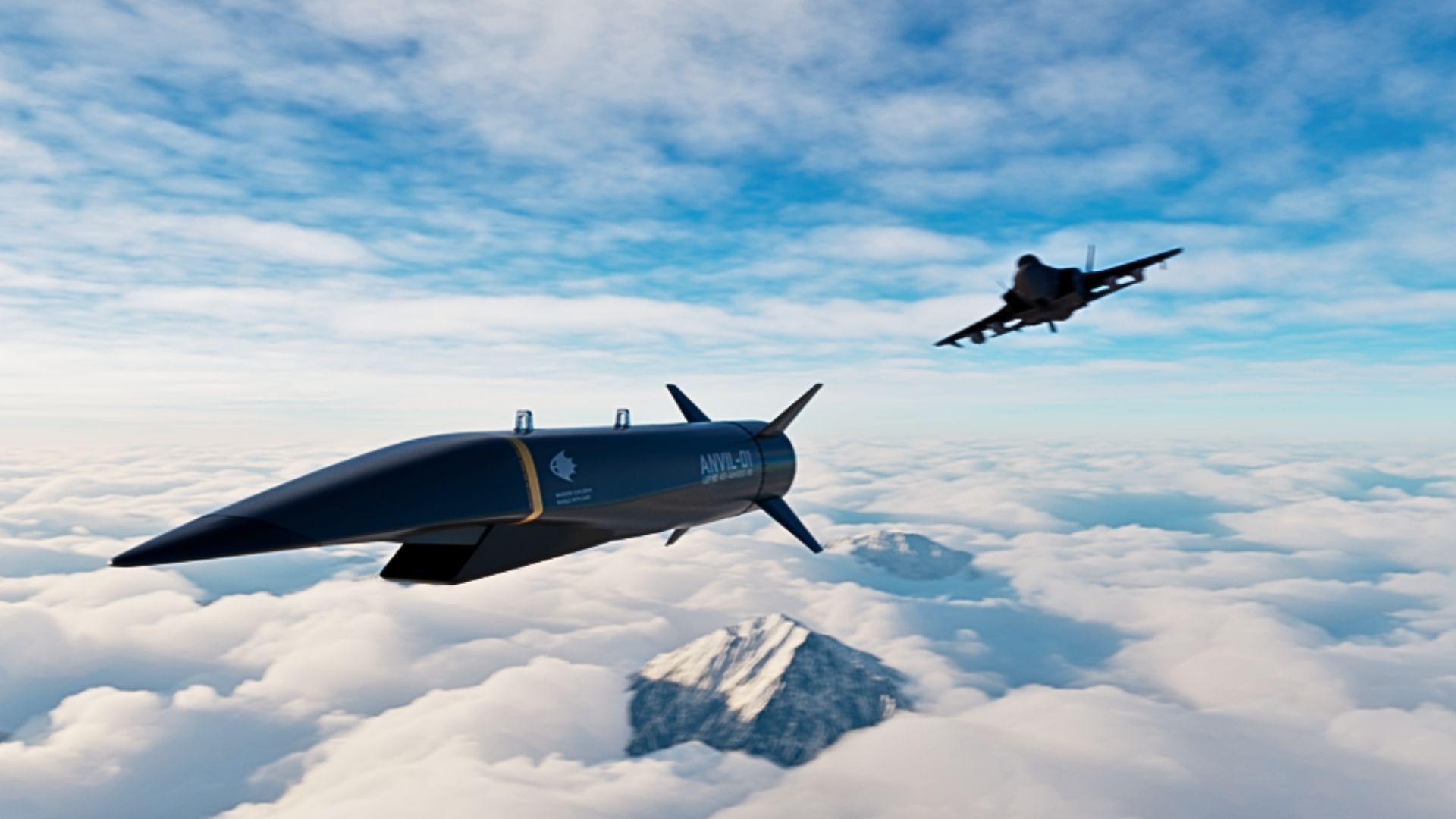
VulcanForms and Specter Aerospace Collaborate to Enhance U.S. Hypersonic Manufacturing with 3D Printing
VulcanForms and Specter Aerospace have announced a partnership to establish a dedicated manufacturing operation in the U.S. for airbreathing hypersonic weapons. This collaboration aims to address the significant challenge of scaling production for hypersonic systems, which include munitions, interceptors, and cruise missiles. The partnership combines Specter's expertise in hypersonic vehicle development with VulcanForms' advanced metal additive manufacturing capabilities. As demand for hypersonic weapons increases, the companies are leveraging existing production-ready facilities while assessing potential locations for a new dedicated manufacturing site. The planned operation will focus on comprehensive manufacturing and integration processes, essential for producing complete hypersonic weapon systems. The complexity of hypersonic technology necessitates precise manufacturing tolerances and specialized materials, making additive manufacturing a valuable approach. No further timeline was disclosed at the time of publication.
Military
OPEN MIND Partners with FANUC to Enhance 5-Axis Technology for Aerospace Manufacturing
OPEN MIND has joined the FANUC 5-Axis Integrated Technology Initiative, aimed at enhancing manufacturing processes. This collaboration focuses on improving efficiency, accuracy, and repeatability in the production of complex parts. The initiative is particularly significant for the U.S. aerospace market, where precision and reliability are critical. By leveraging advanced 5-axis technology, manufacturers can achieve better outcomes in their production lines, ultimately leading to higher quality products. As the initiative progresses, stakeholders should monitor developments in technology integration and its impact on manufacturing practices. No further timeline was disclosed at the time of publication.

Continuous Composites Secures Navy Contract for Innovative UAV Component Manufacturing
Continuous Composites has been awarded a Phase II SBIR contract by the U.S. Navy to develop composite aircraft components that integrate electrical power conductors within their structures. This innovative approach aims to reduce the reliance on traditional wiring and connectors in unmanned aerial vehicles (UAVs), transforming structural components into active elements of the aircraft's electrical system. The significance of this project lies in its potential to streamline UAV design and manufacturing. By embedding electrical functions directly into composite materials, Continuous Composites can enhance the efficiency of UAVs while minimizing the complexity associated with conventional wiring systems. The Phase II work will build on successful demonstrations from Phase I, where engineers validated the concept of multifunctional composite parts with minimal impact on structural performance. Looking ahead, the focus will be on developing higher-capacity electrical pathways that can withstand operational loads. Engineers will conduct tests to ensure that electrical conductors are properly isolated within the composite without compromising structural integrity. No further timeline was disclosed at the time of publication.
Military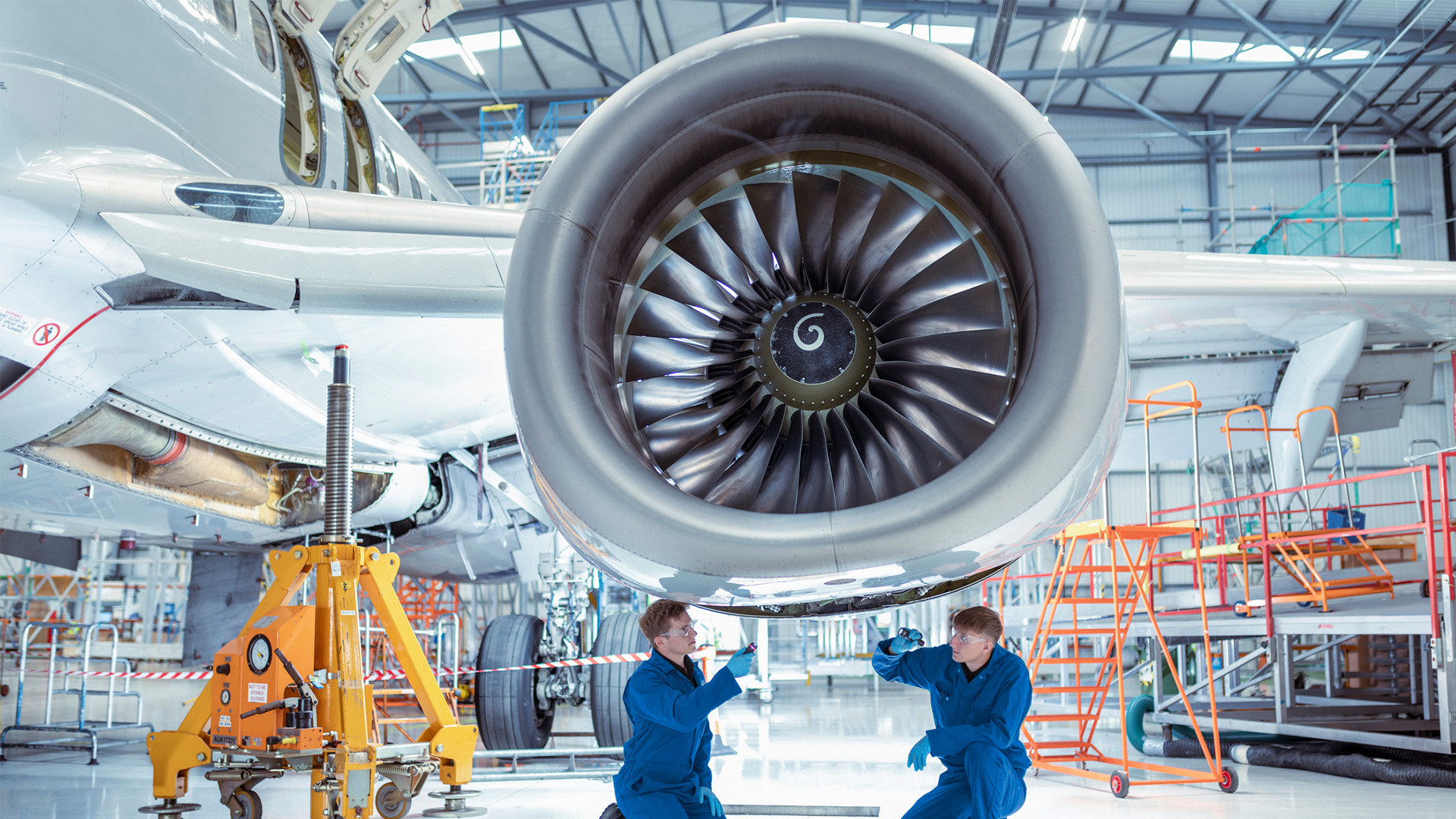
Aerospace engineers cut composite curing time by almost 50% with 3960-FC material
The aerospace industry, having dedicated decades to enhancing aircraft by making them lighter, stronger, and more fuel-efficient, is now facing new challenges in sustainability. As of October 2023, industry leaders are increasingly focused on reducing carbon emissions and addressing environmental concerns. This shift comes in response to growing pressure from governments and consumers for greener aviation solutions. In a bid to meet these demands, companies are investing in innovative technologies, such as electric and hybrid propulsion systems, as well as sustainable aviation fuels. Major players in the sector are collaborating with research institutions and governments to accelerate the development of these advancements. The urgency of this transition is underscored by the aviation industry's significant contribution to global greenhouse gas emissions, prompting stakeholders to prioritize eco-friendly practices. As the sector navigates this transformation, it aims to balance operational efficiency with environmental responsibility, ensuring a sustainable future for air travel.
Science
US firm’s next-gen aerospace composite set to deliver exceptional strength, durability
A Texas-based company has submitted a patent application for an innovative self-lubricating aerospace composite, designed to enhance the performance and longevity of aircraft components. The development, spearheaded by Carbon Fiber Max, aims to address the challenges of friction and wear in aerospace applications, which can lead to increased maintenance costs and reduced efficiency. By integrating advanced materials technology, the firm seeks to provide a solution that not only improves operational reliability but also contributes to overall safety in aviation. The patent application was filed recently, marking a significant step forward in aerospace material science. This breakthrough could potentially revolutionize the industry by offering a more sustainable and cost-effective alternative to traditional materials.

Honeywell Aerospace lays out manufacturing plans at investor day
A company is preparing for its official spin-off on June 29, with ambitious plans to achieve $6.5 billion in earnings by the year 2030. This strategic move is part of a broader initiative to enhance operational efficiency and focus on core business areas, positioning the company for sustainable growth in a competitive market. The spin-off is expected to allow for greater flexibility and innovation, enabling the newly formed entity to better respond to industry demands and consumer needs. As the date approaches, stakeholders are closely monitoring developments and potential impacts on the company's overall performance and market presence.

Michigan’s Bet on the Low Altitude Economy: How M Air Connects Aerospace Innovation and Detroit Manufacturing
At XPONENTIAL 2026, leaders from the University of Michigan presented a forward-looking vision aimed at establishing the state as a key player in the low altitude economy, particularly in the realms of drones and advanced air mobility (AAM). This initiative seeks to leverage Michigan's aerospace innovations alongside Detroit's robust industrial manufacturing capabilities. The discussion highlighted the potential for Michigan to become a central hub for these emerging technologies, emphasizing the synergy between cutting-edge aerospace developments and the region's manufacturing expertise.
Advanced Air Mobility Aerospace Applications Autonomous DL Exclusive Drone ManufacturingRobotics needs a service framework.
RSF defines a common language for robot service capability, lifecycle operations, certification pathways, and service-provider networks.
Join the RobotToday community on LinkedIn
Daily robotics news, in-depth analysis, conference highlights, and discussions with professionals worldwide.