Industry Briefing
A single destination for timely, editor-curated robotics news from around the world.

Dexory Implements SimScale’s Engineering AI to Enhance Autonomous Robot Design
Dexory, a robotics and warehouse data intelligence company, has implemented SimScale’s Engineering AI to improve the engineering workflows for designing and testing autonomous warehouse robots. This deployment builds on Dexory's existing use of SimScale’s AI-native cloud simulation platform, enabling engineers to quickly identify structural component failures and explore various design options through simulation. The significance of this development lies in the growing demand for faster product development cycles in warehouse robotics, projected to reach a market value of $117 billion by 2034. As engineering teams face pressure to maintain performance and reliability, the integration of AI into engineering processes is becoming increasingly vital. Dexory's use of Engineering AI aims to streamline investigations into structural failures and enhance simulation reporting, making it easier for teams to analyze and share results. Looking ahead, Dexory's program will allow engineers to conduct parameter sweeps and capture simulation knowledge, creating a searchable engineering memory. This initiative not only focuses on productivity but also aims to identify where AI can provide the most value in engineering, establishing best practices for future AI adoption. No further timeline was disclosed at the time of publication.
Automation & Robotics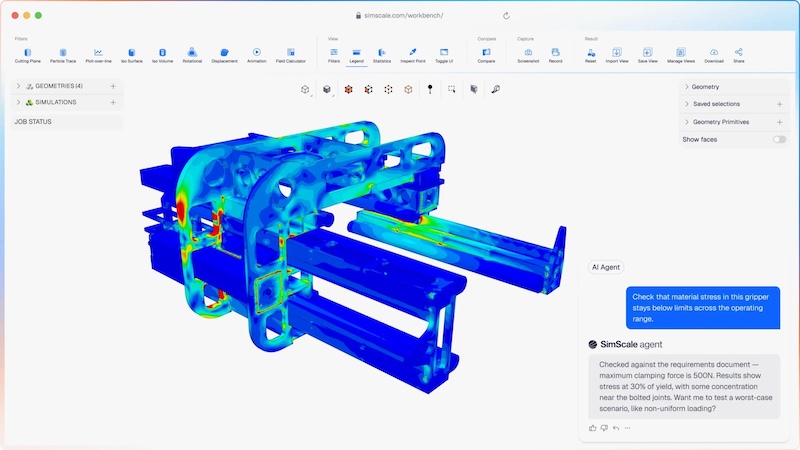
Dexory Implements SimScale’s Engineering AI to Enhance Warehouse Robotics Development
Dexory, a robotics and warehouse data intelligence company, has integrated SimScale’s Engineering AI to streamline the design and testing processes for autonomous warehouse robots. This deployment aims to expedite engineering workflows by enabling quicker identification of structural component failures and facilitating multiple design variations through simulation. The significance of this initiative lies in the growing demand for efficient product development cycles in the warehouse robotics sector, projected to reach $117 billion by 2034. As manufacturers strive to enhance performance and reliability, Dexory's use of Engineering AI reflects a broader trend of embedding AI into engineering processes, which is crucial for maintaining quality while accelerating development. Looking ahead, Dexory's Engineering AI program will automate simulation reporting and enable engineers to conduct parameter sweeps, enhancing the efficiency of design iterations. The initiative not only aims to improve productivity but also seeks to understand AI's potential impact on engineering practices. No further timeline was disclosed at the time of publication.
Engineering News Warehouse robots ai simulation autonomous warehouse robots cloud simulation
Alloy Robotics Raises $8 Million to Enhance Robotics Engineering with AI Solutions
Alloy Robotics has successfully completed an $8 million seed funding round, achieving a valuation of $80 million. The funding was led by Square Peg, with participation from existing investors including Blackbird, Airtree, and Skip Capital, as well as leaders and engineers from companies like OpenAI and Tesla. The company aims to address the significant time engineers spend diagnosing failures in robotic fleets, which can take days or even weeks. The core issue is that when robots malfunction, relevant data such as logs, telemetry, and sensor information is often scattered, making it difficult for engineers to piece together clues. Alloy's solution integrates various data types with engineering context from platforms like Slack and Jira, using AI agents to continuously scan for anomalies and patterns. This approach allows engineers to investigate known issues in natural language while uncovering hidden faults. Alloy's technology has already been adopted across various sectors including navigation, defense, and agriculture. Companies like Advanced Navigation have reported drastic reductions in testing analysis time, while DroneForge has benefited from more accurate fault diagnosis. As competition in the robotics industry intensifies, the ability to learn quickly from data will be crucial for success.
AI Robotics Engineering Data Integration Troubleshooting Solutions Automation
MIT's JARVIS Challenge Explores AI's Role in Jet Engine Engineering
The JARVIS Challenge, held at MIT, investigated the potential of AI in designing and building jet engines. Over four weeks, undergraduate teams utilized AI tools to create a small gas turbine engine, aiming for a thrust of 50-100 pounds. Professor Zolti Spakovszky emphasized that while AI can enhance hardware engineering, human engineering judgment remains crucial. This initiative is significant as it highlights the evolving relationship between AI and engineering, particularly in safety-critical domains. With support from MIT Lincoln Laboratory and corporate sponsors like Safran and Voyager Technologies, students had unprecedented access to AI resources, fostering an environment of innovation and exploration. Looking ahead, the challenge showcased the importance of integrating AI into engineering workflows. As students learned to navigate AI's capabilities and limitations, it raises questions about the future of engineering education and the skills required in a rapidly changing technological landscape. No further timeline was disclosed at the time of publication.
Classes and programs Contests and academic competitions Students Undergraduate STEM education Artificial intelligence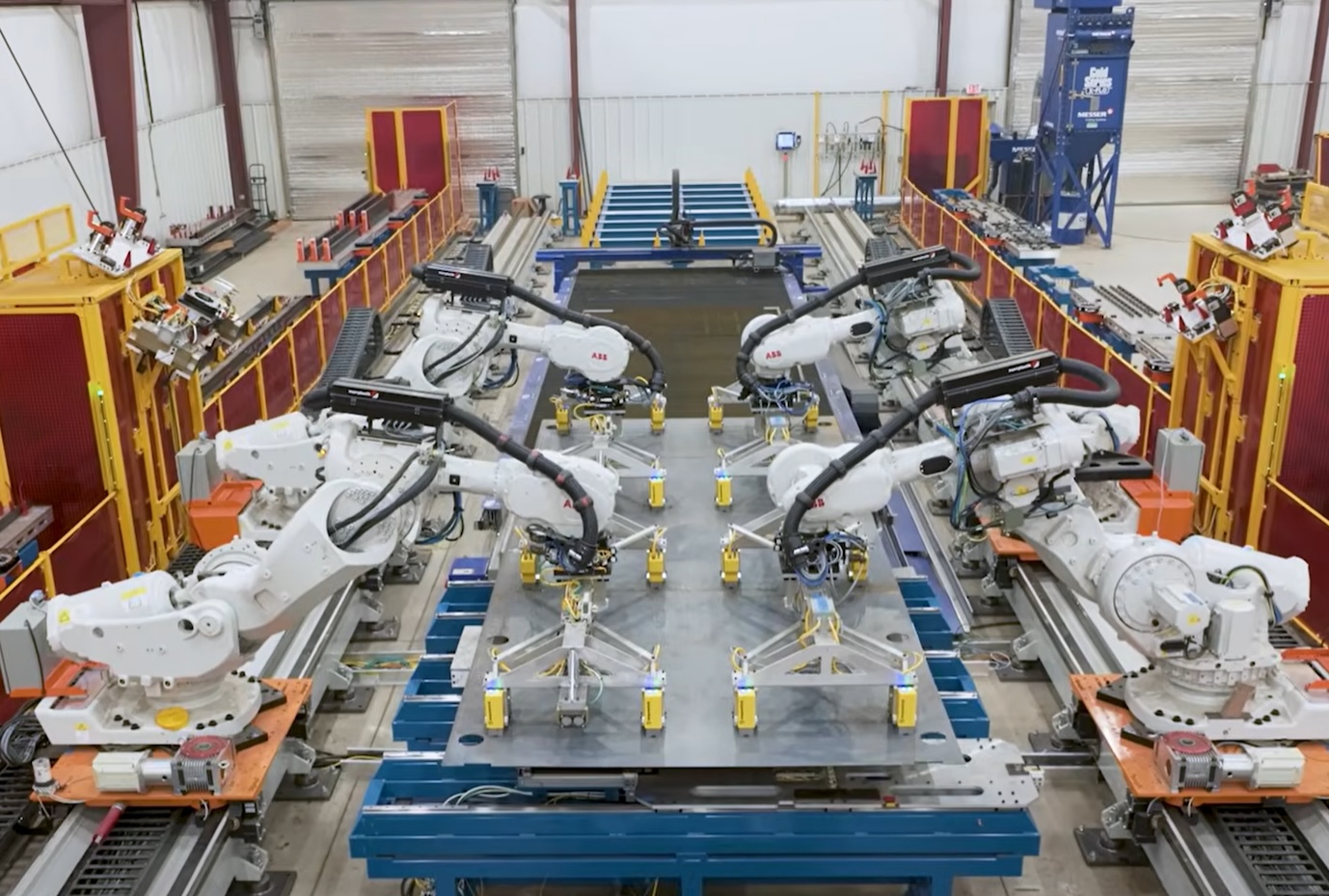
Harbin Engineering University Professor Seeks to Establish 'Huawei of the Deep Sea' with Record Financing
A professor from Harbin Engineering University has set a record by securing 5 billion in financing aimed at developing deep-sea technologies. This ambitious initiative seeks to position the university as a leader in the sector, drawing parallels to Huawei's success in telecommunications. The substantial funding reflects growing interest and investment in deep-sea innovation, marking a pivotal moment for the industry. The significance of this financing lies in its potential to advance deep-sea exploration and technology, which is increasingly critical for various applications, including resource extraction and environmental monitoring. The professor's vision to create a 'Huawei of the Deep Sea' underscores the importance of innovation in this field, as it could lead to breakthroughs that enhance our understanding of oceanic environments. Looking ahead, stakeholders will be keen to observe how this funding translates into tangible advancements in deep-sea technologies. The professor's initiative could attract further investment and partnerships, shaping the future landscape of deep-sea exploration. No further timeline was disclosed at the time of publication.
Robotics Automation AI
Deloitte Reports Over 2 Million Manufacturing Jobs Could Remain Unfilled Due to Skills Gap
Deloitte has revealed that more than 2 million jobs in the manufacturing sector may remain unfilled due to a significant shortage of skilled workers. This alarming statistic highlights the urgent need for collaboration between industry experts and educators to address the skills gap in higher education. The implications of this skills gap are profound, as unfilled positions could hinder growth and innovation within the manufacturing industry. By fostering partnerships between educational institutions and manufacturing companies, stakeholders can develop targeted training programs that equip students with the necessary skills to meet industry demands. Looking ahead, it will be crucial to monitor initiatives aimed at bridging this skills gap. No further timeline was disclosed at the time of publication, but ongoing efforts in collaboration between academia and industry will be essential to ensure a skilled workforce for the future of manufacturing.

The Escalating AI Arms Race in Software Engineering Technical Interviews
The landscape of software engineering job interviews is rapidly evolving due to the increasing use of AI by both candidates and employers. Applicants are employing AI assistants to enhance their performance during remote technical interviews, while companies are countering with AI tools designed to detect such assistance. This dynamic creates a competitive environment where the human element of hiring remains crucial despite the technological advancements. The rise of AI in hiring processes is largely driven by the current job market, which is characterized by a surplus of applicants and ongoing tech layoffs. Experts like AI hiring strategist Tatiana Teppoeva highlight that candidates often resort to AI tools as a response to automated hiring practices that may not favor them. This situation leads to a cycle where both parties leverage AI, potentially shifting the focus from genuine capability to algorithm optimization. As AI tools become more prevalent, concerns regarding their effectiveness and fairness have emerged. While some companies are embracing AI in interviews, others warn of the risks associated with bias and privacy. The need for human oversight in the hiring process is emphasized, as relying solely on AI could result in the exclusion of qualified candidates. No further timeline was disclosed at the time of publication.
Hiring-trends Interviews Ai-bias Software-engineering
SpaceX Unveils AI1 Satellite Specs for Starmind Constellation with Key Thermal Challenges
SpaceX has introduced the AI1 satellite, the inaugural component of its Starmind constellation, which stands 20 meters tall and has a wingspan of 70 meters. This orbital compute node is designed to deliver computing power equivalent to one NVIDIA GB300 server rack, utilizing a unique cooling system with deployable liquid radiators. The satellite's specifications were revealed during a presentation on June 8, 2026, ahead of SpaceX's IPO. The significance of the AI1 satellite lies in its role as a compute platform rather than a traditional satellite, focusing on running AI inference workloads. The satellite's cooling system, which is critical for its operation in the vacuum of space, is designed to reject heat through infrared radiation. However, independent engineers have raised concerns about the feasibility of the thermal and mass claims made by SpaceX, suggesting that the cooling requirements may exceed practical limits. Looking ahead, SpaceX plans to launch two AI1 prototypes in early 2027, with full-scale production expected to commence later that year at its Gigasat facility in Bastrop, Texas. The ongoing debate regarding the satellite's thermal management capabilities will be crucial to monitor as the project progresses, with no further timeline disclosed at the time of publication.

Dexory Leverages Engineering AI to Enhance Simulation Workflows and Capture Knowledge
Dexory is set to utilize Engineering AI in conjunction with SimScale's cloud-native simulation platform to automate simulation workflows and enhance engineering analysis. This initiative aims to identify areas where AI agents can provide significant value in mechanical engineering and product development. The importance of this program lies in its demonstration of how pioneering robotics companies are integrating AI not only into the robots they create but also into the engineering processes that underpin their design and testing. This approach could lead to more efficient workflows and improved product outcomes. Looking ahead, it will be crucial to monitor the outcomes of this initiative and how effectively Dexory can leverage AI to streamline engineering tasks. No further timeline was disclosed at the time of publication.

Engineering Power Chains for Enhanced Robotics and Automation Performance
Recent advancements in power converters are crucial for addressing real-world challenges in robotics and automation. For instance, achieving long runtimes for battery-powered autonomous mobile robots (AMRs) and managing multi-megawatt peaks in welding cells require meticulous engineering of the power chain. This is as critical as the design of mechanical joints or control firmware. The importance of power converters extends to applications demanding microsecond-level responsiveness, such as in medical robots. These innovations not only enhance operational efficiency but also ensure reliability and performance in demanding environments. The rigorous engineering of power systems is essential for the successful deployment of advanced robotic solutions. Looking ahead, the focus on power chain engineering will likely continue to grow, particularly as industries seek to optimize performance and energy efficiency in robotics. No further timeline was disclosed at the time of publication.
Zhuizhi Engineering Technology Secures Seed Funding for Industrial AI Development
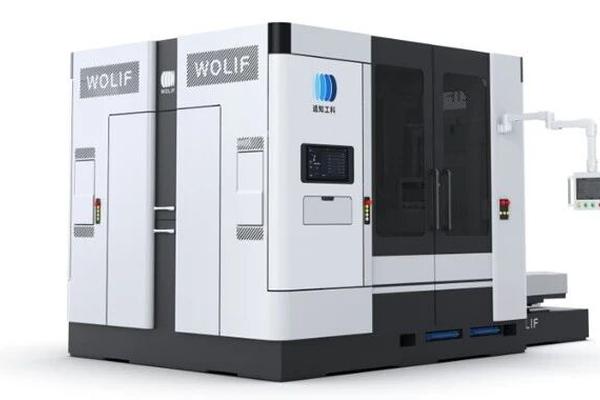
Zhuizhi Engineering Technology Co., Ltd. has successfully completed a seed funding round, raising several million yuan from investors including L2F Light Source Entrepreneur Fund, Shangrong Capital, and Yicun Capital. The funding will primarily support core product development, team building, and market expansion. Founded in February 2024, Zhuizhi focuses on industrial intelligent agents, aiming to enhance automation and intelligence in complex manufacturing processes. The company, which is affiliated with Shanghai Jiao Tong University and the Shanghai Artificial Intelligence Research Institute, seeks to address challenges such as flexible production and skilled labor shortages in the manufacturing sector. The company has introduced the WOLIF Industrial Agentic Robot, which utilizes a proprietary industrial brain for real-time closed-loop control, distinguishing itself from traditional automation methods. Zhuizhi has already secured its first commercial contract with a publicly listed company and received significant orders in the aerospace manufacturing sector, indicating a promising trajectory for its innovative AI solutions.
SpaceX's Starmind Faces Feasibility Challenges for 1 Million Satellite Deployment
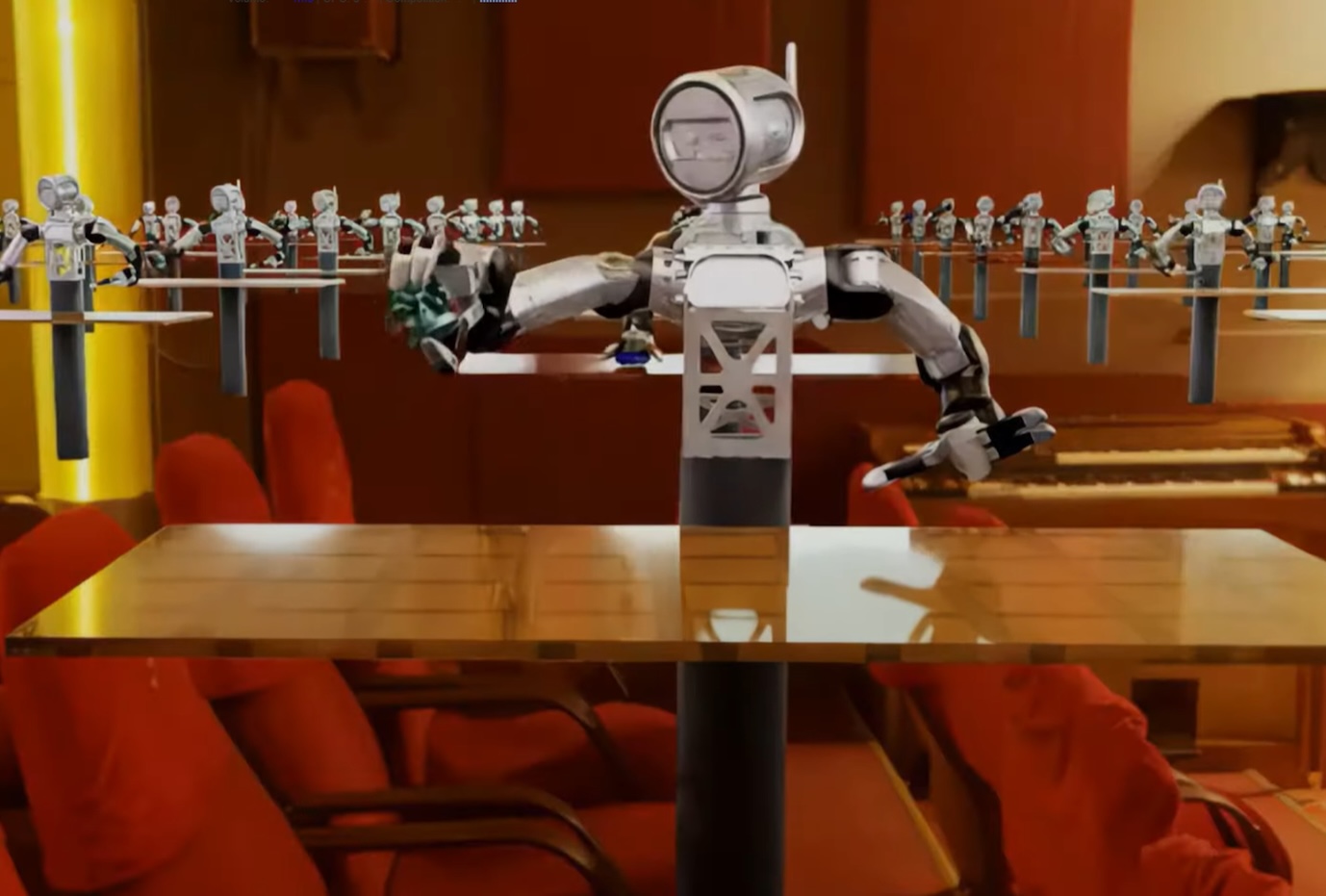
On January 30, 2026, SpaceX submitted a request to the FCC to launch up to 1 million satellites as part of its Starmind orbital compute constellation. This ambitious plan is unprecedented, as the total number of satellites ever launched globally is in the low tens of thousands. The proposal seeks a waiver from standard deployment milestones, citing reliance on the Starship's full reusability for success. The significance of this request lies in the technical and logistical challenges it presents. Experts warn that low Earth orbit may not support the proposed number of active satellites without risking a debris cascade. SpaceX's own IPO prospectus acknowledges unresolved dependencies related to Starship's launch cadence and reusability, which are critical for the orbital AI compute strategy. Looking ahead, the timeline for achieving the necessary launch cadence and manufacturing capacity remains uncertain. SpaceX's Gigasat facility in Texas aims for volume production by late 2027, but this would require unprecedented output levels. No further timeline was disclosed at the time of publication, leaving the feasibility of the Starmind project in question.

As AI Reshapes Global Energy Systems, Melbourne Leads Through Engineering Collaboration
As artificial intelligence (AI) rapidly expands, it is driving a significant increase in global electricity demand, presenting urgent challenges for energy systems. Melbourne, Australia, is positioning itself as a leader in addressing these issues, with a focus on the infrastructure necessary to support AI's growth. By 2035, data centers in Australia are expected to consume up to 11 percent of the nation's electricity, raising concerns about generation and system reliability. The University of Melbourne is at the forefront of this initiative, with interdisciplinary research aimed at developing energy systems that can meet the demands of AI. The Melbourne Energy Institute is exploring how various energy technologies interact, while facilities like the Smart Grid Lab allow for real-time simulations of power systems. This integrated approach is essential for designing resilient and efficient energy systems that can adapt to new patterns of demand. Victoria's advanced energy ecosystem, which includes renewable generation and battery storage, is crucial for balancing digital growth with sustainability. The collaboration between researchers, industry, and policymakers is vital for creating future energy systems that are affordable and resilient. Looking ahead, Melbourne will host the IEEE PES Generation Transmission and Distribution Asia 2027 Conference, bringing together global experts to address the evolving challenges in power systems. This event underscores Melbourne's commitment to fostering international collaboration and innovation in energy solutions, reinforcing its role as a key player in the global energy transition.
Artificial-intelligence Australia Energy-systems University-of-melbourne Ai-data-centers Power-grid
Graitec outlines AI roadmap focused on accountability in engineering and construction
Graitec, a software provider, has announced a comprehensive three-stage artificial intelligence strategy tailored for the architecture, engineering, construction, and operations (AECO) sector. The company emphasizes that the primary challenge facing the industry is not the creation of content through AI, but rather the reliability of these AI-generated results in practical applications. To address this concern, Graitec plans to integrate AI directly into various processes, including engineering, fabrication, and construction. This initiative aims to enhance trust and efficiency within the AECO industry, ultimately improving project outcomes.
Construction News Software AECO AI software architecture and engineering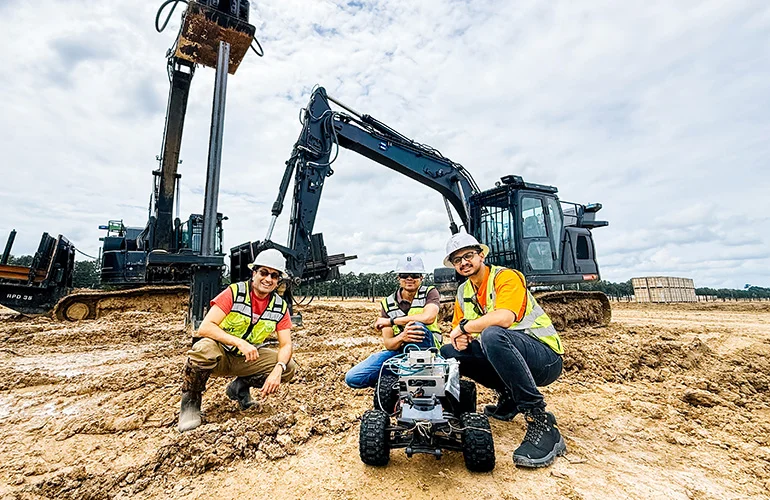
Built Robotics and Penn Engineering’s xLAB Partner for Physical AI in Construction
Built Robotics is partnering with the University of Pennsylvania’s Safe Autonomous Systems Lab, known as xLAB, to advance research in physical AI aimed at creating autonomous construction systems capable of safe operation in real-world environments. This collaboration combines Built Robotics' expertise in deploying autonomous technologies on construction sites with xLAB's cutting-edge research in safety and automation. The initiative seeks to enhance the efficiency and safety of construction processes by leveraging innovative AI solutions.
AI AI Funding & Investment AI Research & Advances Robotics Built Robotics Partnership
Built Robotics and Penn Engineering's xLAB Partner to Advance Physical AI in Construction
A new collaboration has emerged between xLAB and Built Robotics, focusing on enhancing safety in autonomous systems. This partnership aims to combine xLAB's extensive experience in developing high-performance, safety-critical technologies with Built Robotics' advanced edge AI model, which specializes in personnel detection and ensuring human safety. The initiative is designed to address growing concerns about safety in automated environments, particularly as the use of autonomous systems becomes more prevalent across various industries. By integrating their expertise, the two companies hope to create solutions that not only improve operational efficiency but also prioritize the well-being of individuals working alongside these technologies.
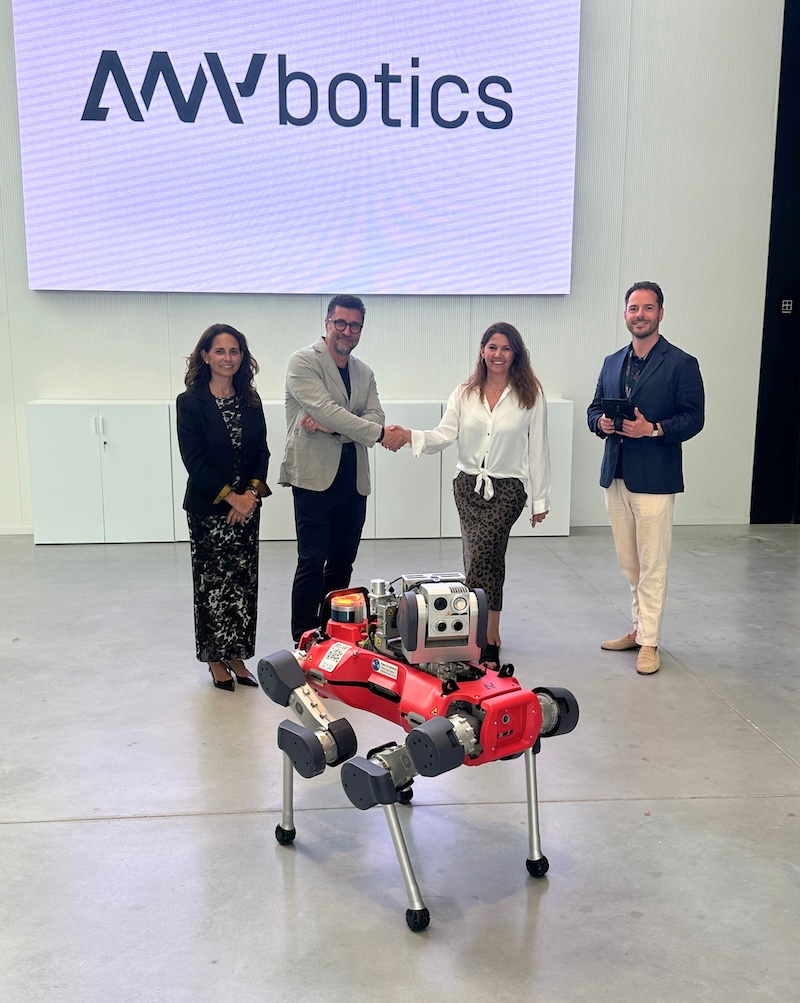
ANYbotics expands global presence with new engineering and AI hub in Barcelona
ANYbotics, a leader in AI-driven robotic inspection solutions, has inaugurated a new office in Barcelona, Spain, situated at the DFactory Barcelona campus. This marks the company’s third global location, joining its existing offices in Zurich and San Francisco. The expansion comes in response to the growing demand for ANYbotics' autonomous inspection technologies, particularly in asset-intensive and process-driven sectors. The new engineering and AI hub is expected to enhance the company’s capabilities and support its strategic growth in the region.
Infrastructure News ai robotics anybotics automation news autonomous inspection robots
BANNER ENGINEERING - Available now at Mouser: vibration monitoring sensors
Banner Engineering has introduced its Q45x sensors, designed to enhance predictive maintenance for industrial equipment by providing high-resolution, three-axis vibration data. These innovative sensors, which are battery-powered and capable of operating for several years without the need for wiring, facilitate easy installation and scalability across various assets. The Q45x sensors utilize integrated high-frequency enveloping (HFE) technology to detect early-stage faults, such as bearing wear and lubrication issues, thereby improving diagnostic accuracy even in noisy environments. With IP67-rated enclosures and wireless connectivity through Sure Cross networks, these sensors ensure reliable condition monitoring in challenging industrial settings while minimizing downtime and simplifying maintenance processes.

The "One LG" Play: How the Korean Giant is Engineering a Humanoid Supply Chain
LG Group is taking significant steps to strengthen its position in the robotics component market by mobilizing five of its major affiliates. The company aims to offer bundled humanoid subsystems, capitalizing on its extensive manufacturing capabilities in appliances and automotive parts. This strategic move is designed to enhance LG's competitiveness in the rapidly evolving robotics industry, where demand for advanced technology is on the rise. By leveraging its existing resources and expertise, LG Group seeks to establish itself as a leader in providing innovative solutions for robotics applications.
CLOiD South Korea kapex lg-electronics LG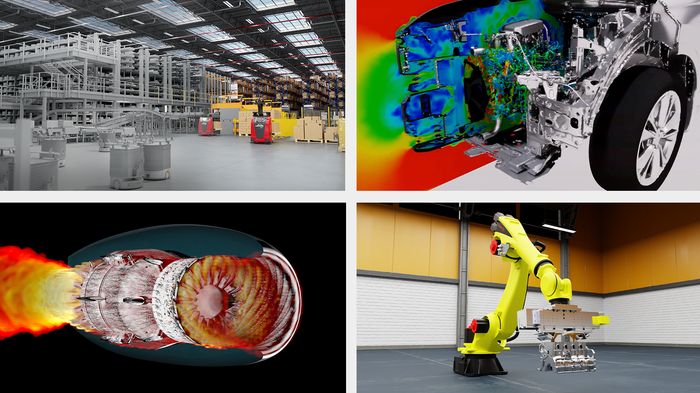
NVIDIA and Global Industrial Software Giants Bring Design, Engineering and Manufacturing Into the AI Era
NVIDIA has partnered with leading global industrial software companies, including Cadence, Dassault Systèmes, PTC, Siemens, and Synopsys, to enhance industrial software and tools through its CUDA-X™ and Omniverse™ platforms. This collaboration aims to integrate GPU-accelerated technologies into the operations of major manufacturers such as FANUC and HD Hyundai. The initiative, announced today, seeks to drive innovation and efficiency in industrial processes by leveraging advanced computing capabilities. By combining NVIDIA's cutting-edge technology with the expertise of these software leaders, the partnership is set to transform the landscape of industrial automation and design, ultimately improving productivity and performance across various sectors.

Into the Omniverse: How Industrial AI and Digital Twins Accelerate Design, Engineering and Manufacturing Across Industries
Companies across various industries are increasingly leveraging industrial AI, digital twins, AI physics, and accelerated AI infrastructure to enhance their design, simulation, and optimization processes. This technological shift allows organizations to refine products, processes, and facilities in a virtual environment before actual construction begins. By adopting these advanced tools, businesses aim to improve efficiency, reduce costs, and accelerate time-to-market for new innovations. The integration of these technologies is seen as a crucial step in staying competitive in a rapidly evolving market, enabling firms to make data-driven decisions and optimize their operations effectively.
Vanas Engineering and Hai Robotics Join Forces to Accelerate Warehouse Automation Across the Benelux
Vanas Engineering has announced a strategic partnership with Hai Robotics to improve warehouse automation across the Benelux region. This collaboration leverages Vanas' deep integration expertise alongside Hai Robotics' cutting-edge robotic systems. The initiative is designed to address the increasing demand for efficient and scalable intralogistics solutions, reflecting a commitment to enhancing operational efficiency in the logistics sector. The partnership aims to provide businesses in the region with advanced automation capabilities, ultimately streamlining their warehouse operations and meeting the evolving needs of the market.
Warehouse Automation Robotic Systems Intralogistics Supply Chain ManagementRobotics needs a service framework.
RSF defines a common language for robot service capability, lifecycle operations, certification pathways, and service-provider networks.
Join the RobotToday community on LinkedIn
Daily robotics news, in-depth analysis, conference highlights, and discussions with professionals worldwide.