Industry Briefing
A single destination for timely, editor-curated robotics news from around the world.

The Shift in Pool Robots: Transitioning from Wired to Wireless Technology
The pool robot industry has faced significant challenges over the past year, marked by high return rates and a competitive pricing environment. However, Chinese brands have leveraged wireless technology to disrupt the market, achieving a combined market share of 51.4% in the wireless segment, with Wangyuan Technology leading at 19.7%. This shift is not merely about cost but reflects a precise reconstruction of product forms by the Chinese supply chain. While traditional wired robots are dominated by established players like Maytronics and Fluidra, the wireless segment has seen rapid growth, indicating a significant market transformation. Yet, the technology still struggles with underwater navigation, highlighting a gap between commercial success and technological maturity. As companies like Yuan Ding and Wangyuan focus on enhancing their technological capabilities, the competition is evolving beyond mere pricing strategies. The demand for truly autonomous solutions remains unmet, suggesting that innovation will continue to drive value in the pool robot market. The industry is entering a new phase of competition, moving from shallow waters into deeper technological challenges.
Pool Robots Wireless Technology Market Trends Automation Sensing Technologies
72 Robots Transform Park Services in Beijing: Cleaning, Patrolling, Guiding, and More
In Beijing, 72 robots are now operational across 14 municipal parks, enhancing services such as cleaning, patrolling, and guiding visitors. These robots address critical tasks in park management, including waste collection and ecological monitoring, significantly easing the workload of human staff, especially during challenging weather conditions. The introduction of these robots is significant as it marks a shift towards automation in public services, improving efficiency and visitor experience. Equipped with advanced technologies like laser radar and AI models, the robots can adapt their cleaning intensity based on detected waste and provide real-time guidance to park visitors, contributing to a cleaner and more organized environment. Looking ahead, the Beijing Municipal Bureau of Economy and Information Technology plans to evaluate the performance of these robots across different parks to enhance their operational effectiveness. This initiative reflects a broader trend of integrating technology into urban management, promising a more efficient and intelligent approach to public service delivery in the future.
Robotics Park Management AI Technology Urban Automation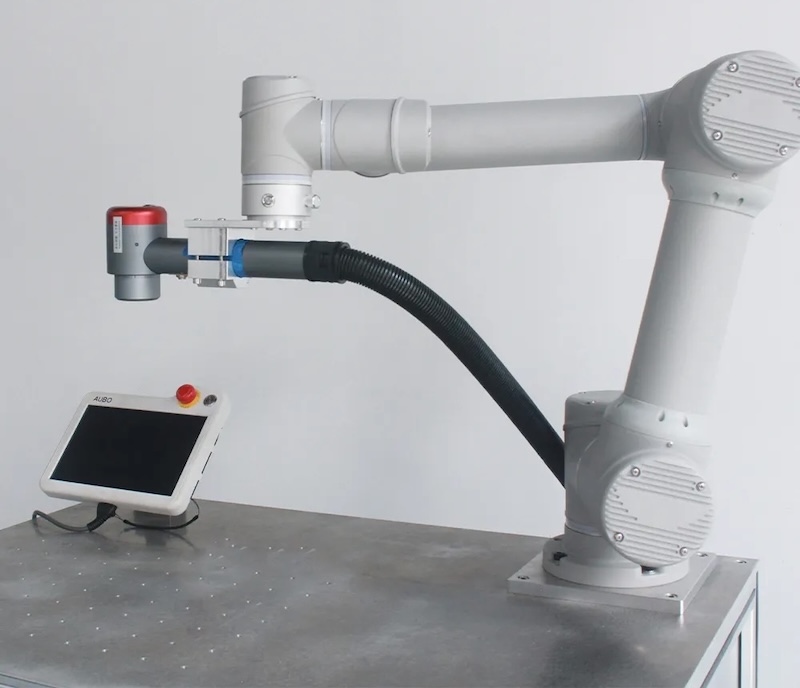
Integrating Industrial Robots with Laser Cleaning Systems Enhances Production Efficiency
Recent advancements in technology are transforming factory operations, with companies striving to reduce cycle times, cut costs, and ensure quality. The integration of industrial robots with laser cleaning systems is emerging as a solution to automate the removal of burrs from metal components, significantly enhancing productivity and efficiency in production lines. This combination of technologies is crucial as it addresses the need for cleaner surfaces before processes like painting, coating, or welding, which are essential for maintaining product quality. Laser cleaning, a modern technique that utilizes powerful laser beams to eliminate unwanted materials without damaging the underlying metal, offers a more environmentally friendly alternative to traditional cleaning methods that often rely on harsh chemicals. As more companies explore the benefits of industrial laser cleaning machines, the focus will be on how these systems can further optimize production lines. The automation of the cleaning process not only saves time but also improves overall manufacturing efficiency. No further timeline was disclosed at the time of publication.
Engineering Robotics Technology factory automation industrial automation industrial robots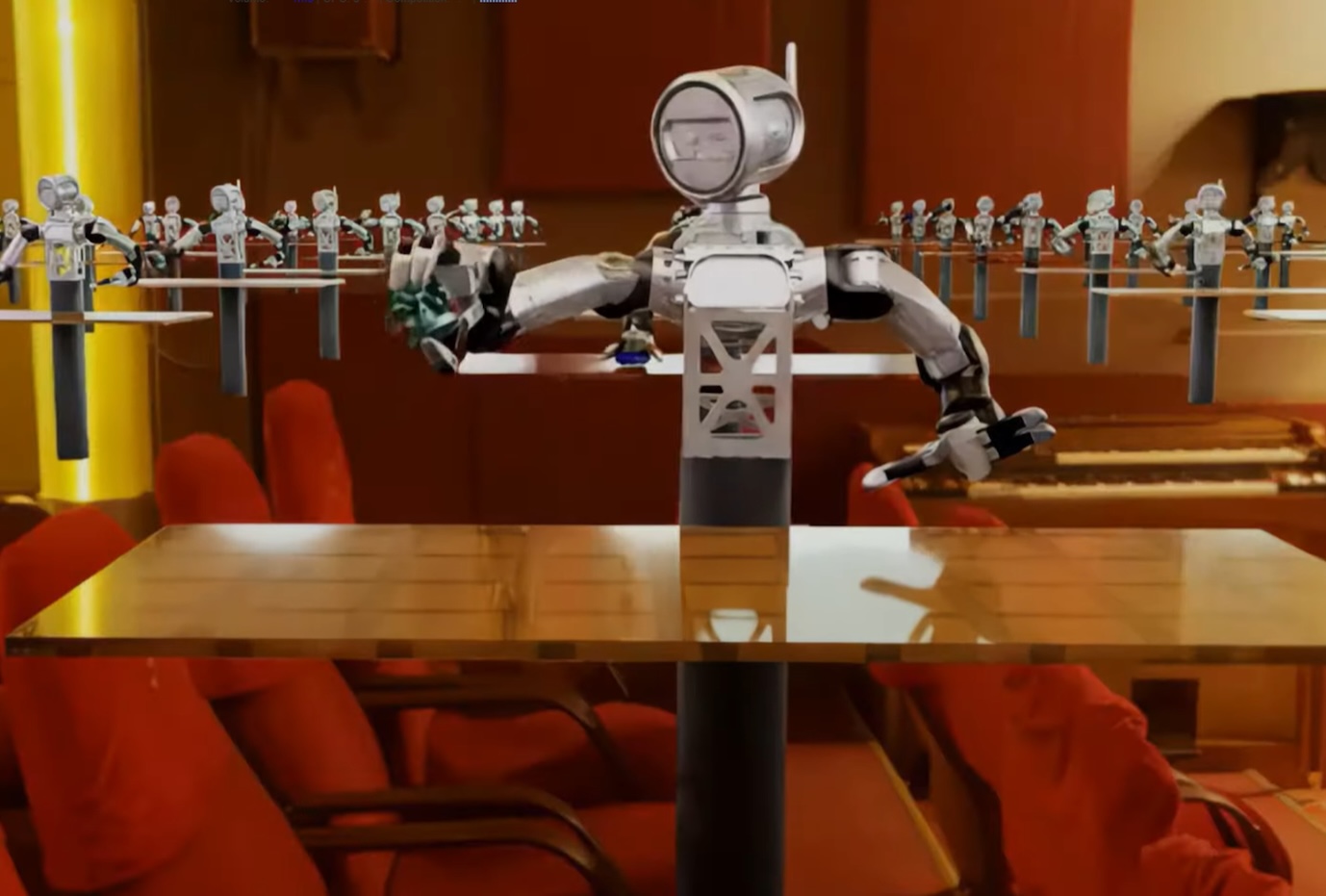
A Comprehensive Review of Surface Water Cleaning Robots and Their Future Directions
The Journal of Field Robotics has published an early view article that provides a structured review of surface water cleaning robots. This review highlights various technologies employed in the development of these robots, as well as the implementation challenges faced in real-world applications. Understanding the technologies and challenges associated with surface water cleaning robots is crucial for advancing their effectiveness and adoption. The review discusses the current state of research and identifies gaps that need to be addressed to enhance the performance and reliability of these robotic systems. Looking ahead, the article emphasizes the need for further research to overcome existing challenges and improve the design and functionality of surface water cleaning robots. No further timeline was disclosed at the time of publication.
SURVEY ARTICLE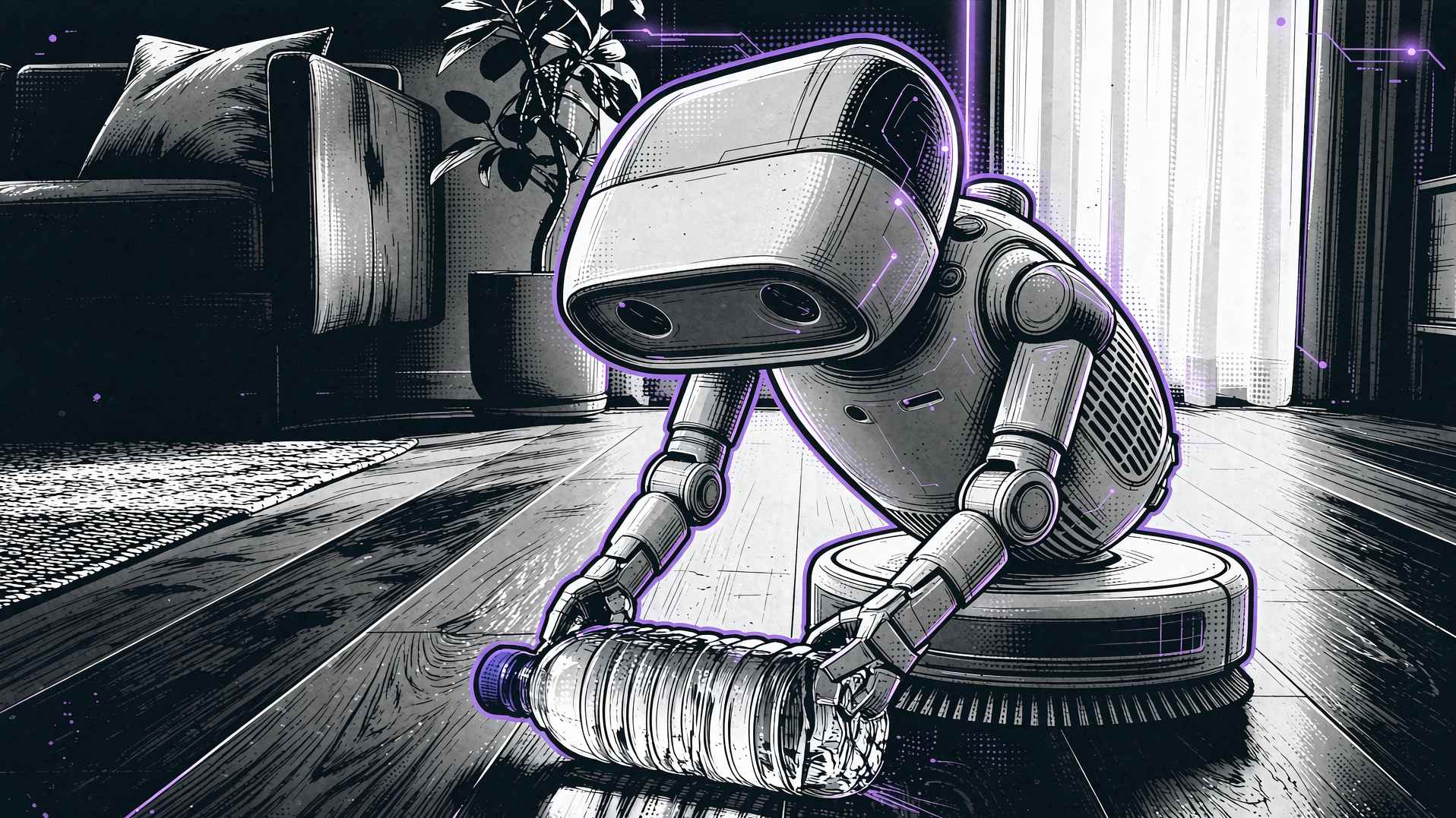
Home Cleaning Robot Sales Reached 11.2 Million Units in Q2, Top Three Brands Strengthened Market Position
In the second quarter of 2026, global sales of home cleaning robots reached approximately 11.2 million units, marking a 21.5% year-over-year increase. This growth rate has decreased from 36.6% in the previous quarter, indicating a return to normalcy in market expansion. However, the report highlights a significant structural differentiation within the market. The dominance of the top three brands in the vacuum cleaning robot segment has solidified, accounting for about 70% of total sales with 7.885 million units shipped. As competition intensifies, smaller brands face increasing challenges in gaining market share, particularly as product features converge and supply chain costs become more transparent. The focus of competition is shifting towards channel efficiency, brand recognition, and scale advantages, which favor leading manufacturers. While the growth of vacuum cleaning robots has slowed, other segments like robotic lawn mowers continue to see high growth, particularly in Europe and North America. Additionally, pool cleaning robots are entering their peak season. Manufacturers must explore growth opportunities beyond vacuum cleaners, with lawn and pool robots presenting validated avenues for expansion. No further timeline was disclosed at the time of publication.
Home Cleaning Robots Market Trends Robotic Lawn Mowers Pool Cleaning Robots
Service Robots Sales Surge: 34% in Cleaning and 91% in Medical Applications
In 2025, nearly 200,000 professional service robots were sold globally, marking a 9% increase. Notably, the cleaning robots segment saw a significant rise of 34%, while medical robots experienced an impressive growth of 91%. These statistics indicate a shift from experimental use to economically viable applications in sectors such as logistics, healthcare, and agriculture. The data, derived from the World Robotics 2025 – Service Robots report by the International Federation of Robotics (IFR), highlights the growing maturity of service robotics in various industries. With over 199,000 units sold in 2024, the figures reveal that while some categories like hospitality robots are declining, others are rapidly advancing, particularly in logistics, which surpassed 100,000 units sold. Looking ahead, the service robotics market is expected to continue its strong growth trajectory into 2026 and beyond. The IFR's report underscores the importance of identifying sectors where automation is achieving economic viability, suggesting a promising future for service robots in diverse applications.
À la une Humanoide IA Industrie Robotique AMR
Chinese Cleaning Robot Manufacturers Dominate 70% of Global Market Through Innovation
Chinese manufacturers of home cleaning robots have captured 70% of the global market, with Roborock leading at a 27% share. This dominance is attributed to technological innovations such as stair-climbing capabilities and robotic arms, which have shifted the competitive landscape away from price-based strategies. The rise of these advanced features signifies a pivotal change in consumer preferences, as buyers increasingly prioritize functionality and versatility over cost. Companies like Ecovacs and Dreame are also making significant contributions to this trend, enhancing their product offerings to meet evolving market demands. Looking ahead, it will be essential to monitor how these companies continue to innovate and adapt to consumer needs. No further timeline was disclosed at the time of publication.
Industry
Chinese Manufacturers Capture 70% of Global Cleaning Robot Market Through Innovation
Chinese manufacturers of household cleaning robots have achieved a remarkable milestone, now controlling 70% of the global market. This dominance is attributed to the focus on innovative features rather than competing solely on price, setting them apart in a crowded marketplace. The significance of this trend lies in the shift towards unique capabilities, such as Roborock's development of the Saros Rover, which aims to be the first cleaning robot capable of climbing stairs. This innovation highlights the potential for enhanced functionality in household robotics, appealing to consumers seeking advanced solutions. Looking ahead, the competitive landscape will likely continue to evolve as manufacturers prioritize technological advancements. No further timeline was disclosed at the time of publication.

Tau Robotics Launches Humanoid Robot Cleaning Service in San Francisco Pilot Program
Tau Robotics has introduced a pilot program allowing San Francisco residents to hire humanoid robots for cleaning tasks at $30 per hour. The robots, named Chelsea and Elon, are designed to perform chores such as vacuuming and cleaning kitchen counters, with each unit costing $50,000 to produce. The company aims to scale operations to 1,000 cleanings weekly by 2027 and expand to other cities by 2028. This initiative is significant as it represents a step towards integrating humanoid robots into everyday household tasks, although experts caution that these robots are not yet fully autonomous. Currently, human technicians remotely supervise the robots, using VR technology to assist them in real-time. The robots are still in development, and their capabilities are limited, requiring human intervention for various tasks. Looking ahead, the future of humanoid robots in domestic settings remains uncertain. Experts predict it may take five to ten years for these robots to perform household chores effectively and safely. As the technology evolves, it will be essential to monitor advancements and the potential for broader adoption in the coming years.

Lotte E&C Deploys Autonomous Cleaning Robots at Incheon Construction Site
Lotte E&C has implemented autonomous floor-cleaning robots at a construction site to enhance operational efficiency and minimize repetitive tasks. Traditionally, cleaning at construction sites involved manual debris collection and dust vacuuming, which exposed workers to high dust levels and required prolonged use of protective masks. The deployment of these robots aims to automate this process, improving safety and productivity. The significance of this initiative lies in its potential to transform construction site operations. By utilizing autonomous robots, Lotte E&C not only addresses the challenges of manual cleaning but also allows workers to concentrate on construction tasks, thereby boosting overall efficiency. The robots, developed in collaboration with TXR Robotics, are designed specifically for construction environments and are currently operational at Block 4 of the Incheon Hyoseong Urban Development Project. Looking ahead, Lotte E&C plans to expand the use of these autonomous cleaners to additional sites. The robots navigate using digital maps, avoiding obstacles and returning to charging stations autonomously. Their ability to operate in low-light conditions further enhances their utility, making them a valuable asset for future construction projects. No further timeline was disclosed at the time of publication.
All News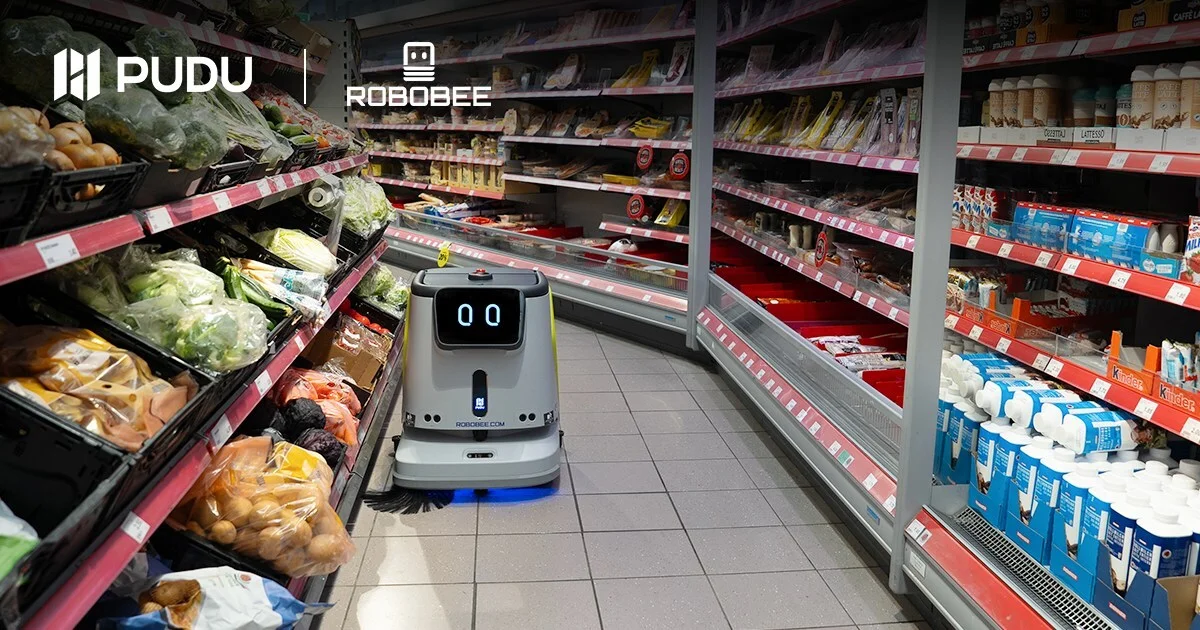
Pudu Deploys 200 Cleaning Robots Across Swiss Supermarket Network
Swiss supermarket chain Denner has announced the deployment of 200 autonomous floor-cleaning robots throughout its store network, marking a significant expansion of its cleaning operations. This initiative follows a successful pilot program conducted in four stores in 2025, which demonstrated the effectiveness of the technology. The partnership with Chinese robot manufacturer Pudu Robotics and regional distributor Robobee has facilitated this rollout, aimed at enhancing operational efficiency and maintaining cleanliness in stores. The move reflects Denner's commitment to innovation and improving customer experience through advanced automation solutions.
AI AI Funding & Investment AI Use Cases Robotics Denner Pudu Robotics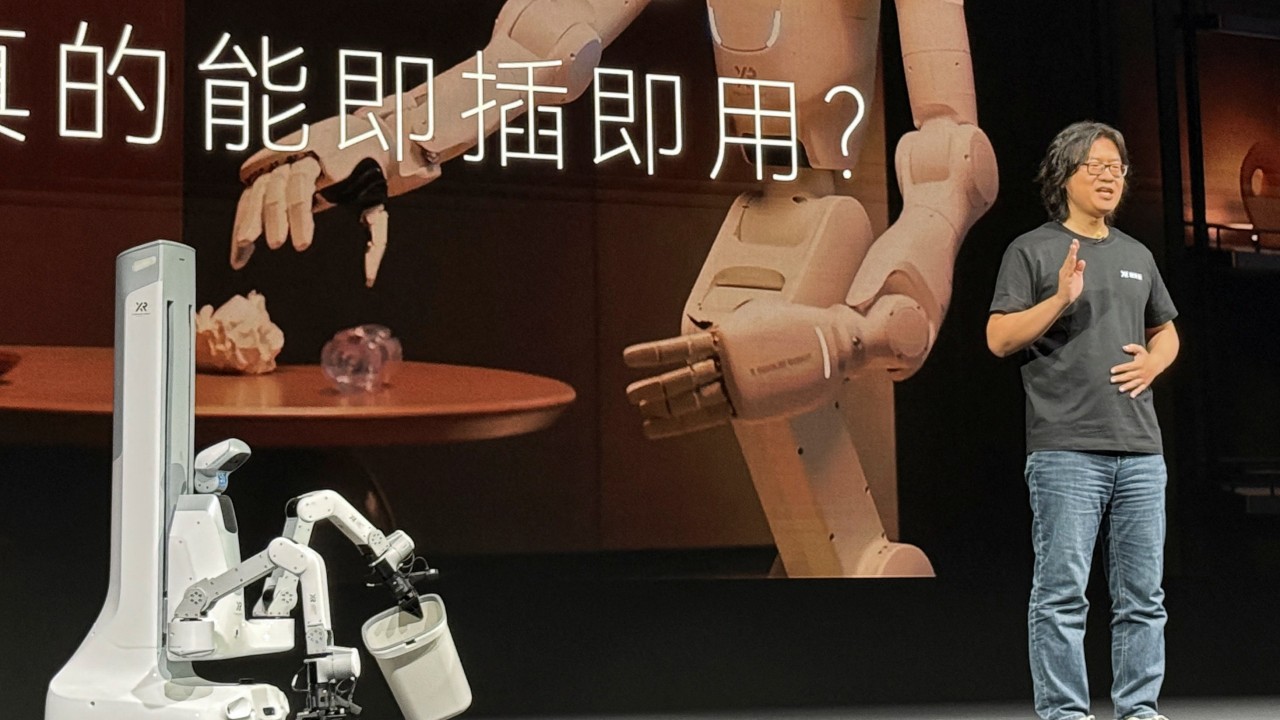
China’s robots step into real-world roles, from cleaning to directing traffic
In China, the integration of embodied artificial intelligence is transforming daily life as robots take on various roles, from household cleaning to traffic management and equipment repair in dangerous industrial environments. This shift is part of the country's broader initiative to enhance the use of AI in practical applications. A notable example is a cleaning service that debuted in March on 58.com, a popular Chinese classifieds platform, which combines human cleaners with robotic assistance to improve efficiency and effectiveness in domestic chores. As these technologies evolve, they are expected to play an increasingly significant role in both residential and industrial settings, reflecting China's commitment to advancing AI capabilities and enhancing productivity across multiple sectors.
Swiss Kemaro Pre-Closes $5M in Series B Round to Fund Expansion of Autonomous Industrial AI-Native Cleaning Robots
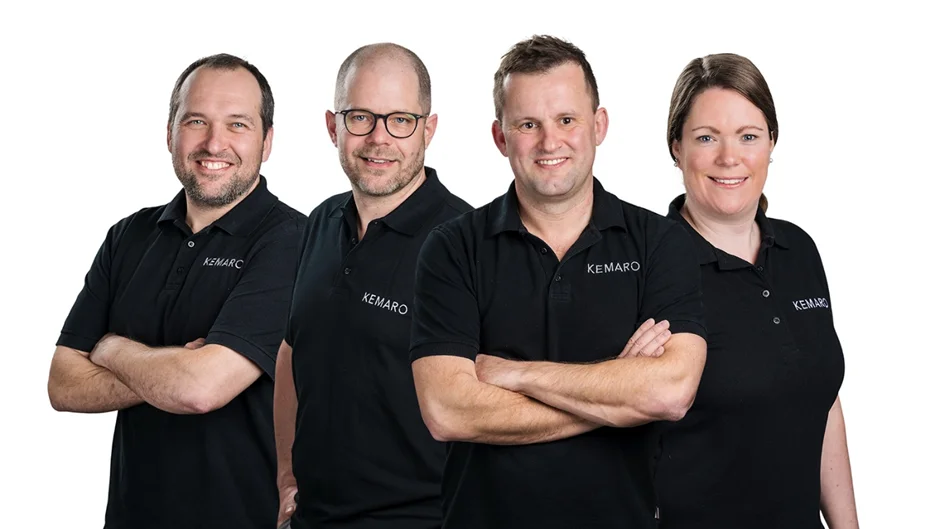
Swiss industrial robotics company Kemaro has successfully secured $5 million in an initial pre-closing of its Series B funding round, which aims to raise a total of $20 million. The pre-closing was spearheaded by Spicehaus Partner AG. The funds will be utilized to enhance sales operations, facilitate international expansion, and support the development of new products. Founded in [year], Kemaro is positioning itself for significant growth in the robotics sector.
AI AI Funding & Investment Robotics funding KEMARO robots
iRobot Introduces Suite of Innovative ROOMBA® Floor Cleaning Robots
iRobot Corp., a prominent player in the consumer robotics industry, has unveiled a new range of Roomba® vacuums and innovative 2-in-1 vacuum and mop devices. This announcement was made today, showcasing the company's commitment to integrating advanced technology into household cleaning solutions. The new products are designed to enhance user convenience and efficiency, reflecting iRobot's ongoing efforts to lead in the smart home market. With these latest offerings, the company aims to meet the evolving needs of consumers seeking effective and automated cleaning solutions for their homes.
Robotics needs a service framework.
RSF defines a common language for robot service capability, lifecycle operations, certification pathways, and service-provider networks.
Join the RobotToday community on LinkedIn
Daily robotics news, in-depth analysis, conference highlights, and discussions with professionals worldwide.